An Analysis of the Makkah Defense Pact
SCFR Online – Opinion: On Friday, August 7, the heads of state of three countries – Saudi Arabia, Turkey, and Pakistan – signed a text under the title “Makkah Joint Defense Agreement.”
Strategic Council Online – Note: The initiative to revive the Hejaz Railway, beyond being a transportation project, constitutes an attempt to redefine geopolitics, the economy, and Turkey’s regional position; however, its realization appears to face significant financial, security, and institutional challenges.
SCFR Online – Opinion: The Strait of Hormuz crisis is no longer merely the consequence of a military confrontation, but rather a sign of the transition from the US-centered maritime order to a new energy security structure involving the participation of emerging and influential powers.
SCFR Online – Opinion: Iran’s active deterrence strategy, while increasing the costs of US intervention, has increasingly exposed the hidden rifts between Washington’s interests and those of the Israeli regime.
SCFR Online – Opinion: The escalation of verbal and strategic tensions between Turkey and the Israeli regime, although not increasing the likelihood of direct war, indicates the formation of a new order in West Asian geopolitical rivalries.
Strategic Council Online – Note: Recent developments in the political geography of West Asia, from rising tensions in the Persian Gulf to missile and drone activities in the Red Sea and the recent warning by Kaja Kallas, the European Union’s foreign policy chief, regarding the threat to freedom of navigation, indicate a key pattern shift; the US-Iran war has moved beyond the scope of a regional and local confrontation and has linked two vital passageways for the global economy: the Strait of Hormuz and the Bab el-Mandeb Strait.
SCFR Online – Opinion: The Ukraine war was not merely a European crisis, but rather the starting point for the rearrangement of the global balance of power and a shift in the strategic behavior of great powers.
SCFR Online – Opinion: Great power competition is now pursued more in trade, currency, technology, and global supply chains than on the battlefields of military confrontation.
Strategic Council Online – Explaining the reasons for the rise of anti-racism protests in Europe, a geopolitical professor said: “Trump’s hatred of Europe has spread, and even European officials wish such a president would not come to power again. People’s sentiments over the racist treatment of blacks by the US police have been hurt, and as long as they do not make an achievement these demonstrations would naturally continue.”
Strategic Council Online: An Iranian diplomat says the impact and implications of the coronavirus can be very broad and unimaginable in the world and in the United States. He said the repercussions of the corona crisis were visible in both global systems, the democratic system and authoritarian systems in the United States, and the US President, in reality, exposed the weaknesses of both systems in handling the coronavirus crisis.
Strategic Council Online: A West Asian affairs analyst said that Canada’s decision to resume arms sales to Saudi Arabia in open violation of human rights laws in the country, originates from the severe economic recession faced by the Ottawa government. “Human rights claims by Western democracies are used as showoff tools to influence the behaviour of certain statesmen,” he said.
Strategic Council Online: A faculty member of the Institute for Strategic Studies said that the conditions and requirements the corona disease has created for the immediate intervention of governments in the internal affairs of the people are to the detriment of individual and social freedoms. He added: The coronavirus may weaken or even be destroyed by vaccines, but its effects on human, community, and government relationships appear to be sustained.
Strategic Council Online: In the wake of the Coronavirus crisis that has engulfed the entire world significant developments are underway in Afghanistan engineered by the United States and supported by other world and regional powers which cast doubt on the prospects of restoring stability and security to Afghanistan. The US-led peace agreement with the Taliban will bring Afghanistan into a new phase of geopolitical action that will shape regional and trans-regional forces in relation to Afghanistan’s ethnic, religious and political structure.
Ebrahim Romina – Assistant Professor of Political Geography at Tarbiat Modares University
Strategic Council Online: A faculty member at the University of Tehran believes the US seven day “reduction in violence” plan in Afghanistan is a cross-sectional tactic noting that US strategies in Afghanistan are no longer effective so they are taking tactical and short-term actions to find solutions.
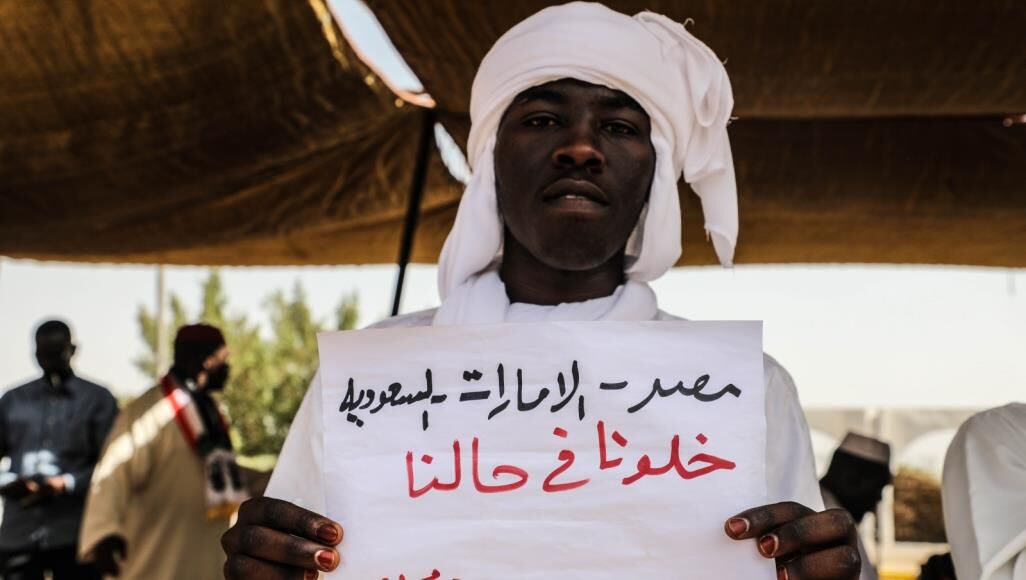
Strategic Council Online: Riyadh and Abu Dhabi seem to consider the current situation in Sudan and other African countries an opportunity to strengthen their strategic interests in North Africa.
Ahmad Bakhshi – African Affairs Expert
SCFR Online – Opinion: On Friday, August 7, the heads of state of three countries – Saudi Arabia, Turkey, and Pakistan – signed a text under the title “Makkah Joint Defense Agreement.”
Strategic Council Online – Note: The initiative to revive the Hejaz Railway, beyond being a transportation project, constitutes an attempt to redefine geopolitics, the economy, and Turkey’s regional position; however, its realization appears to face significant financial, security, and institutional challenges.
SCFR Online – Opinion: The Strait of Hormuz crisis is no longer merely the consequence of a military confrontation, but rather a sign of the transition from the US-centered maritime order to a new energy security structure involving the participation of emerging and influential powers.
SCFR Online – Opinion: Iran’s active deterrence strategy, while increasing the costs of US intervention, has increasingly exposed the hidden rifts between Washington’s interests and those of the Israeli regime.
SCFR Online – Opinion: The escalation of verbal and strategic tensions between Turkey and the Israeli regime, although not increasing the likelihood of direct war, indicates the formation of a new order in West Asian geopolitical rivalries.
Strategic Council Online – Note: Recent developments in the political geography of West Asia, from rising tensions in the Persian Gulf to missile and drone activities in the Red Sea and the recent warning by Kaja Kallas, the European Union’s foreign policy chief, regarding the threat to freedom of navigation, indicate a key pattern shift; the US-Iran war has moved beyond the scope of a regional and local confrontation and has linked two vital passageways for the global economy: the Strait of Hormuz and the Bab el-Mandeb Strait.
SCFR Online – Opinion: The Ukraine war was not merely a European crisis, but rather the starting point for the rearrangement of the global balance of power and a shift in the strategic behavior of great powers.
SCFR Online – Opinion: Great power competition is now pursued more in trade, currency, technology, and global supply chains than on the battlefields of military confrontation.
Strategic Council Online – Explaining the reasons for the rise of anti-racism protests in Europe, a geopolitical professor said: “Trump’s hatred of Europe has spread, and even European officials wish such a president would not come to power again. People’s sentiments over the racist treatment of blacks by the US police have been hurt, and as long as they do not make an achievement these demonstrations would naturally continue.”
Strategic Council Online: An Iranian diplomat says the impact and implications of the coronavirus can be very broad and unimaginable in the world and in the United States. He said the repercussions of the corona crisis were visible in both global systems, the democratic system and authoritarian systems in the United States, and the US President, in reality, exposed the weaknesses of both systems in handling the coronavirus crisis.
Strategic Council Online: A West Asian affairs analyst said that Canada’s decision to resume arms sales to Saudi Arabia in open violation of human rights laws in the country, originates from the severe economic recession faced by the Ottawa government. “Human rights claims by Western democracies are used as showoff tools to influence the behaviour of certain statesmen,” he said.
Strategic Council Online: A faculty member of the Institute for Strategic Studies said that the conditions and requirements the corona disease has created for the immediate intervention of governments in the internal affairs of the people are to the detriment of individual and social freedoms. He added: The coronavirus may weaken or even be destroyed by vaccines, but its effects on human, community, and government relationships appear to be sustained.
Strategic Council Online: In the wake of the Coronavirus crisis that has engulfed the entire world significant developments are underway in Afghanistan engineered by the United States and supported by other world and regional powers which cast doubt on the prospects of restoring stability and security to Afghanistan. The US-led peace agreement with the Taliban will bring Afghanistan into a new phase of geopolitical action that will shape regional and trans-regional forces in relation to Afghanistan’s ethnic, religious and political structure.
Ebrahim Romina – Assistant Professor of Political Geography at Tarbiat Modares University
Strategic Council Online: A faculty member at the University of Tehran believes the US seven day “reduction in violence” plan in Afghanistan is a cross-sectional tactic noting that US strategies in Afghanistan are no longer effective so they are taking tactical and short-term actions to find solutions.
Strategic Council Online: Riyadh and Abu Dhabi seem to consider the current situation in Sudan and other African countries an opportunity to strengthen their strategic interests in North Africa.
Ahmad Bakhshi – African Affairs Expert
Strategic Council Online – Explaining the reasons for the rise of anti-racism protests in Europe, a geopolitical professor said: “Trump’s hatred of Europe has spread, and even European officials wish such a president would not come to power again. People’s sentiments over the racist treatment of blacks by the US police have been hurt, and as long as they do not make an achievement these demonstrations would naturally continue.”
Strategic Council Online: An Iranian diplomat says the impact and implications of the coronavirus can be very broad and unimaginable in the world and in the United States. He said the repercussions of the corona crisis were visible in both global systems, the democratic system and authoritarian systems in the United States, and the US President, in reality, exposed the weaknesses of both systems in handling the coronavirus crisis.
Strategic Council Online: A West Asian affairs analyst said that Canada’s decision to resume arms sales to Saudi Arabia in open violation of human rights laws in the country, originates from the severe economic recession faced by the Ottawa government. “Human rights claims by Western democracies are used as showoff tools to influence the behaviour of certain statesmen,” he said.
Strategic Council Online: A faculty member of the Institute for Strategic Studies said that the conditions and requirements the corona disease has created for the immediate intervention of governments in the internal affairs of the people are to the detriment of individual and social freedoms. He added: The coronavirus may weaken or even be destroyed by vaccines, but its effects on human, community, and government relationships appear to be sustained.
Strategic Council Online: In the wake of the Coronavirus crisis that has engulfed the entire world significant developments are underway in Afghanistan engineered by the United States and supported by other world and regional powers which cast doubt on the prospects of restoring stability and security to Afghanistan. The US-led peace agreement with the Taliban will bring Afghanistan into a new phase of geopolitical action that will shape regional and trans-regional forces in relation to Afghanistan’s ethnic, religious and political structure.
Ebrahim Romina – Assistant Professor of Political Geography at Tarbiat Modares University
Strategic Council Online: A faculty member at the University of Tehran believes the US seven day “reduction in violence” plan in Afghanistan is a cross-sectional tactic noting that US strategies in Afghanistan are no longer effective so they are taking tactical and short-term actions to find solutions.
Strategic Council Online: Riyadh and Abu Dhabi seem to consider the current situation in Sudan and other African countries an opportunity to strengthen their strategic interests in North Africa.
Ahmad Bakhshi – African Affairs Expert
SCFR Online – Opinion: On Friday, August 7, the heads of state of three countries – Saudi Arabia, Turkey, and Pakistan – signed a text under the title “Makkah Joint Defense Agreement.”
Strategic Council Online – Note: The initiative to revive the Hejaz Railway, beyond being a transportation project, constitutes an attempt to redefine geopolitics, the economy, and Turkey’s regional position; however, its realization appears to face significant financial, security, and institutional challenges.
SCFR Online – Opinion: The Strait of Hormuz crisis is no longer merely the consequence of a military confrontation, but rather a sign of the transition from the US-centered maritime order to a new energy security structure involving the participation of emerging and influential powers.
SCFR Online – Opinion: Iran’s active deterrence strategy, while increasing the costs of US intervention, has increasingly exposed the hidden rifts between Washington’s interests and those of the Israeli regime.
SCFR Online – Opinion: The escalation of verbal and strategic tensions between Turkey and the Israeli regime, although not increasing the likelihood of direct war, indicates the formation of a new order in West Asian geopolitical rivalries.
Strategic Council Online – Note: Recent developments in the political geography of West Asia, from rising tensions in the Persian Gulf to missile and drone activities in the Red Sea and the recent warning by Kaja Kallas, the European Union’s foreign policy chief, regarding the threat to freedom of navigation, indicate a key pattern shift; the US-Iran war has moved beyond the scope of a regional and local confrontation and has linked two vital passageways for the global economy: the Strait of Hormuz and the Bab el-Mandeb Strait.
SCFR Online – Opinion: The Ukraine war was not merely a European crisis, but rather the starting point for the rearrangement of the global balance of power and a shift in the strategic behavior of great powers.
SCFR Online – Opinion: Great power competition is now pursued more in trade, currency, technology, and global supply chains than on the battlefields of military confrontation.
Strategic Council Online – Explaining the reasons for the rise of anti-racism protests in Europe, a geopolitical professor said: “Trump’s hatred of Europe has spread, and even European officials wish such a president would not come to power again. People’s sentiments over the racist treatment of blacks by the US police have been hurt, and as long as they do not make an achievement these demonstrations would naturally continue.”
Strategic Council Online: An Iranian diplomat says the impact and implications of the coronavirus can be very broad and unimaginable in the world and in the United States. He said the repercussions of the corona crisis were visible in both global systems, the democratic system and authoritarian systems in the United States, and the US President, in reality, exposed the weaknesses of both systems in handling the coronavirus crisis.
Strategic Council Online: A West Asian affairs analyst said that Canada’s decision to resume arms sales to Saudi Arabia in open violation of human rights laws in the country, originates from the severe economic recession faced by the Ottawa government. “Human rights claims by Western democracies are used as showoff tools to influence the behaviour of certain statesmen,” he said.
Strategic Council Online: A faculty member of the Institute for Strategic Studies said that the conditions and requirements the corona disease has created for the immediate intervention of governments in the internal affairs of the people are to the detriment of individual and social freedoms. He added: The coronavirus may weaken or even be destroyed by vaccines, but its effects on human, community, and government relationships appear to be sustained.
Strategic Council Online: In the wake of the Coronavirus crisis that has engulfed the entire world significant developments are underway in Afghanistan engineered by the United States and supported by other world and regional powers which cast doubt on the prospects of restoring stability and security to Afghanistan. The US-led peace agreement with the Taliban will bring Afghanistan into a new phase of geopolitical action that will shape regional and trans-regional forces in relation to Afghanistan’s ethnic, religious and political structure.
Ebrahim Romina – Assistant Professor of Political Geography at Tarbiat Modares University
Strategic Council Online: A faculty member at the University of Tehran believes the US seven day “reduction in violence” plan in Afghanistan is a cross-sectional tactic noting that US strategies in Afghanistan are no longer effective so they are taking tactical and short-term actions to find solutions.
Strategic Council Online: Riyadh and Abu Dhabi seem to consider the current situation in Sudan and other African countries an opportunity to strengthen their strategic interests in North Africa.
Ahmad Bakhshi – African Affairs Expert
SCFR Online – Opinion: On Friday, August 7, the heads of state of three countries – Saudi Arabia, Turkey, and Pakistan – signed a text under the title “Makkah Joint Defense Agreement.”
Strategic Council Online – Note: The initiative to revive the Hejaz Railway, beyond being a transportation project, constitutes an attempt to redefine geopolitics, the economy, and Turkey’s regional position; however, its realization appears to face significant financial, security, and institutional challenges.
SCFR Online – Opinion: The Strait of Hormuz crisis is no longer merely the consequence of a military confrontation, but rather a sign of the transition from the US-centered maritime order to a new energy security structure involving the participation of emerging and influential powers.
SCFR Online – Opinion: Iran’s active deterrence strategy, while increasing the costs of US intervention, has increasingly exposed the hidden rifts between Washington’s interests and those of the Israeli regime.
SCFR Online – Opinion: The escalation of verbal and strategic tensions between Turkey and the Israeli regime, although not increasing the likelihood of direct war, indicates the formation of a new order in West Asian geopolitical rivalries.
Strategic Council Online – Note: Recent developments in the political geography of West Asia, from rising tensions in the Persian Gulf to missile and drone activities in the Red Sea and the recent warning by Kaja Kallas, the European Union’s foreign policy chief, regarding the threat to freedom of navigation, indicate a key pattern shift; the US-Iran war has moved beyond the scope of a regional and local confrontation and has linked two vital passageways for the global economy: the Strait of Hormuz and the Bab el-Mandeb Strait.
SCFR Online – Opinion: The Ukraine war was not merely a European crisis, but rather the starting point for the rearrangement of the global balance of power and a shift in the strategic behavior of great powers.
SCFR Online – Opinion: Great power competition is now pursued more in trade, currency, technology, and global supply chains than on the battlefields of military confrontation.
Strategic Council Online – Explaining the reasons for the rise of anti-racism protests in Europe, a geopolitical professor said: “Trump’s hatred of Europe has spread, and even European officials wish such a president would not come to power again. People’s sentiments over the racist treatment of blacks by the US police have been hurt, and as long as they do not make an achievement these demonstrations would naturally continue.”
Strategic Council Online: An Iranian diplomat says the impact and implications of the coronavirus can be very broad and unimaginable in the world and in the United States. He said the repercussions of the corona crisis were visible in both global systems, the democratic system and authoritarian systems in the United States, and the US President, in reality, exposed the weaknesses of both systems in handling the coronavirus crisis.
Strategic Council Online: A West Asian affairs analyst said that Canada’s decision to resume arms sales to Saudi Arabia in open violation of human rights laws in the country, originates from the severe economic recession faced by the Ottawa government. “Human rights claims by Western democracies are used as showoff tools to influence the behaviour of certain statesmen,” he said.
Strategic Council Online: A faculty member of the Institute for Strategic Studies said that the conditions and requirements the corona disease has created for the immediate intervention of governments in the internal affairs of the people are to the detriment of individual and social freedoms. He added: The coronavirus may weaken or even be destroyed by vaccines, but its effects on human, community, and government relationships appear to be sustained.
Strategic Council Online: In the wake of the Coronavirus crisis that has engulfed the entire world significant developments are underway in Afghanistan engineered by the United States and supported by other world and regional powers which cast doubt on the prospects of restoring stability and security to Afghanistan. The US-led peace agreement with the Taliban will bring Afghanistan into a new phase of geopolitical action that will shape regional and trans-regional forces in relation to Afghanistan’s ethnic, religious and political structure.
Ebrahim Romina – Assistant Professor of Political Geography at Tarbiat Modares University
Strategic Council Online: A faculty member at the University of Tehran believes the US seven day “reduction in violence” plan in Afghanistan is a cross-sectional tactic noting that US strategies in Afghanistan are no longer effective so they are taking tactical and short-term actions to find solutions.
Strategic Council Online: Riyadh and Abu Dhabi seem to consider the current situation in Sudan and other African countries an opportunity to strengthen their strategic interests in North Africa.
Ahmad Bakhshi – African Affairs Expert
SCFR Online – Opinion: On Friday, August 7, the heads of state of three countries – Saudi Arabia, Turkey, and Pakistan – signed a text under the title “Makkah Joint Defense Agreement.”
Strategic Council Online – Note: The initiative to revive the Hejaz Railway, beyond being a transportation project, constitutes an attempt to redefine geopolitics, the economy, and Turkey’s regional position; however, its realization appears to face significant financial, security, and institutional challenges.
SCFR Online – Opinion: The Strait of Hormuz crisis is no longer merely the consequence of a military confrontation, but rather a sign of the transition from the US-centered maritime order to a new energy security structure involving the participation of emerging and influential powers.
SCFR Online – Opinion: Iran’s active deterrence strategy, while increasing the costs of US intervention, has increasingly exposed the hidden rifts between Washington’s interests and those of the Israeli regime.
SCFR Online – Opinion: The escalation of verbal and strategic tensions between Turkey and the Israeli regime, although not increasing the likelihood of direct war, indicates the formation of a new order in West Asian geopolitical rivalries.
Strategic Council Online – Note: Recent developments in the political geography of West Asia, from rising tensions in the Persian Gulf to missile and drone activities in the Red Sea and the recent warning by Kaja Kallas, the European Union’s foreign policy chief, regarding the threat to freedom of navigation, indicate a key pattern shift; the US-Iran war has moved beyond the scope of a regional and local confrontation and has linked two vital passageways for the global economy: the Strait of Hormuz and the Bab el-Mandeb Strait.
SCFR Online – Opinion: The Ukraine war was not merely a European crisis, but rather the starting point for the rearrangement of the global balance of power and a shift in the strategic behavior of great powers.
SCFR Online – Opinion: Great power competition is now pursued more in trade, currency, technology, and global supply chains than on the battlefields of military confrontation.
Strategic Council Online – Explaining the reasons for the rise of anti-racism protests in Europe, a geopolitical professor said: “Trump’s hatred of Europe has spread, and even European officials wish such a president would not come to power again. People’s sentiments over the racist treatment of blacks by the US police have been hurt, and as long as they do not make an achievement these demonstrations would naturally continue.”
Strategic Council Online: An Iranian diplomat says the impact and implications of the coronavirus can be very broad and unimaginable in the world and in the United States. He said the repercussions of the corona crisis were visible in both global systems, the democratic system and authoritarian systems in the United States, and the US President, in reality, exposed the weaknesses of both systems in handling the coronavirus crisis.
Strategic Council Online: A West Asian affairs analyst said that Canada’s decision to resume arms sales to Saudi Arabia in open violation of human rights laws in the country, originates from the severe economic recession faced by the Ottawa government. “Human rights claims by Western democracies are used as showoff tools to influence the behaviour of certain statesmen,” he said.
Strategic Council Online: A faculty member of the Institute for Strategic Studies said that the conditions and requirements the corona disease has created for the immediate intervention of governments in the internal affairs of the people are to the detriment of individual and social freedoms. He added: The coronavirus may weaken or even be destroyed by vaccines, but its effects on human, community, and government relationships appear to be sustained.
Strategic Council Online: In the wake of the Coronavirus crisis that has engulfed the entire world significant developments are underway in Afghanistan engineered by the United States and supported by other world and regional powers which cast doubt on the prospects of restoring stability and security to Afghanistan. The US-led peace agreement with the Taliban will bring Afghanistan into a new phase of geopolitical action that will shape regional and trans-regional forces in relation to Afghanistan’s ethnic, religious and political structure.
Ebrahim Romina – Assistant Professor of Political Geography at Tarbiat Modares University
Strategic Council Online: A faculty member at the University of Tehran believes the US seven day “reduction in violence” plan in Afghanistan is a cross-sectional tactic noting that US strategies in Afghanistan are no longer effective so they are taking tactical and short-term actions to find solutions.
Strategic Council Online: Riyadh and Abu Dhabi seem to consider the current situation in Sudan and other African countries an opportunity to strengthen their strategic interests in North Africa.
Ahmad Bakhshi – African Affairs Expert
SCFR Online – Opinion: On Friday, August 7, the heads of state of three countries – Saudi Arabia, Turkey, and Pakistan – signed a text under the title “Makkah Joint Defense Agreement.”
Strategic Council Online – Note: The initiative to revive the Hejaz Railway, beyond being a transportation project, constitutes an attempt to redefine geopolitics, the economy, and Turkey’s regional position; however, its realization appears to face significant financial, security, and institutional challenges.
SCFR Online – Opinion: The Strait of Hormuz crisis is no longer merely the consequence of a military confrontation, but rather a sign of the transition from the US-centered maritime order to a new energy security structure involving the participation of emerging and influential powers.
SCFR Online – Opinion: Iran’s active deterrence strategy, while increasing the costs of US intervention, has increasingly exposed the hidden rifts between Washington’s interests and those of the Israeli regime.
SCFR Online – Opinion: The escalation of verbal and strategic tensions between Turkey and the Israeli regime, although not increasing the likelihood of direct war, indicates the formation of a new order in West Asian geopolitical rivalries.
Strategic Council Online – Note: Recent developments in the political geography of West Asia, from rising tensions in the Persian Gulf to missile and drone activities in the Red Sea and the recent warning by Kaja Kallas, the European Union’s foreign policy chief, regarding the threat to freedom of navigation, indicate a key pattern shift; the US-Iran war has moved beyond the scope of a regional and local confrontation and has linked two vital passageways for the global economy: the Strait of Hormuz and the Bab el-Mandeb Strait.
SCFR Online – Opinion: The Ukraine war was not merely a European crisis, but rather the starting point for the rearrangement of the global balance of power and a shift in the strategic behavior of great powers.
SCFR Online – Opinion: Great power competition is now pursued more in trade, currency, technology, and global supply chains than on the battlefields of military confrontation.
Strategic Council Online – Explaining the reasons for the rise of anti-racism protests in Europe, a geopolitical professor said: “Trump’s hatred of Europe has spread, and even European officials wish such a president would not come to power again. People’s sentiments over the racist treatment of blacks by the US police have been hurt, and as long as they do not make an achievement these demonstrations would naturally continue.”
Strategic Council Online: An Iranian diplomat says the impact and implications of the coronavirus can be very broad and unimaginable in the world and in the United States. He said the repercussions of the corona crisis were visible in both global systems, the democratic system and authoritarian systems in the United States, and the US President, in reality, exposed the weaknesses of both systems in handling the coronavirus crisis.
Strategic Council Online: A West Asian affairs analyst said that Canada’s decision to resume arms sales to Saudi Arabia in open violation of human rights laws in the country, originates from the severe economic recession faced by the Ottawa government. “Human rights claims by Western democracies are used as showoff tools to influence the behaviour of certain statesmen,” he said.
Strategic Council Online: A faculty member of the Institute for Strategic Studies said that the conditions and requirements the corona disease has created for the immediate intervention of governments in the internal affairs of the people are to the detriment of individual and social freedoms. He added: The coronavirus may weaken or even be destroyed by vaccines, but its effects on human, community, and government relationships appear to be sustained.
Strategic Council Online: In the wake of the Coronavirus crisis that has engulfed the entire world significant developments are underway in Afghanistan engineered by the United States and supported by other world and regional powers which cast doubt on the prospects of restoring stability and security to Afghanistan. The US-led peace agreement with the Taliban will bring Afghanistan into a new phase of geopolitical action that will shape regional and trans-regional forces in relation to Afghanistan’s ethnic, religious and political structure.
Ebrahim Romina – Assistant Professor of Political Geography at Tarbiat Modares University
Strategic Council Online: A faculty member at the University of Tehran believes the US seven day “reduction in violence” plan in Afghanistan is a cross-sectional tactic noting that US strategies in Afghanistan are no longer effective so they are taking tactical and short-term actions to find solutions.
Strategic Council Online: Riyadh and Abu Dhabi seem to consider the current situation in Sudan and other African countries an opportunity to strengthen their strategic interests in North Africa.
Ahmad Bakhshi – African Affairs Expert
SCFR Online – Opinion: On Friday, August 7, the heads of state of three countries – Saudi Arabia, Turkey, and Pakistan – signed a text under the title “Makkah Joint Defense Agreement.”
Strategic Council Online – Note: The initiative to revive the Hejaz Railway, beyond being a transportation project, constitutes an attempt to redefine geopolitics, the economy, and Turkey’s regional position; however, its realization appears to face significant financial, security, and institutional challenges.
SCFR Online – Opinion: The Strait of Hormuz crisis is no longer merely the consequence of a military confrontation, but rather a sign of the transition from the US-centered maritime order to a new energy security structure involving the participation of emerging and influential powers.
SCFR Online – Opinion: Iran’s active deterrence strategy, while increasing the costs of US intervention, has increasingly exposed the hidden rifts between Washington’s interests and those of the Israeli regime.
SCFR Online – Opinion: The escalation of verbal and strategic tensions between Turkey and the Israeli regime, although not increasing the likelihood of direct war, indicates the formation of a new order in West Asian geopolitical rivalries.
Strategic Council Online – Note: Recent developments in the political geography of West Asia, from rising tensions in the Persian Gulf to missile and drone activities in the Red Sea and the recent warning by Kaja Kallas, the European Union’s foreign policy chief, regarding the threat to freedom of navigation, indicate a key pattern shift; the US-Iran war has moved beyond the scope of a regional and local confrontation and has linked two vital passageways for the global economy: the Strait of Hormuz and the Bab el-Mandeb Strait.
SCFR Online – Opinion: The Ukraine war was not merely a European crisis, but rather the starting point for the rearrangement of the global balance of power and a shift in the strategic behavior of great powers.
SCFR Online – Opinion: Great power competition is now pursued more in trade, currency, technology, and global supply chains than on the battlefields of military confrontation.