جدیدترین مطالب

Analysis of the Recognition of the Armenian Genocide by the Zionist Regime

SCFR Online – Opinion: At a time when the West Asia region, particularly in recent months, has been undergoing the most complex political and security developments of the past half-century, the sudden decision by the cabinet of the Zionist regime to recognize the Armenian genocide committed by Turkey, which has faced strong condemnation and opposition from Ankara and Baku, raises questions.

Lebanon Peace Agreement; Consolidation of Occupation

SCFR Online – Opinion: The Washington trilateral agreement, by linking the end of occupation to political and security conditions, does not establish a sustainable peace; rather, it consolidates the occupation.

China’s Effort to Recreate a New Global Order

SCFRonline – Opinion: Unlike classical powers, Beijing pursues its preferred order not through territorial occupation, but through technology, capital, standard-setting, and digital governance.

Loading

Dr. Saman Nikpay

U.S. Economic Recession and Its Domestic and Global Consequences

U.S. Economic Recession and Its Domestic and Global Consequences

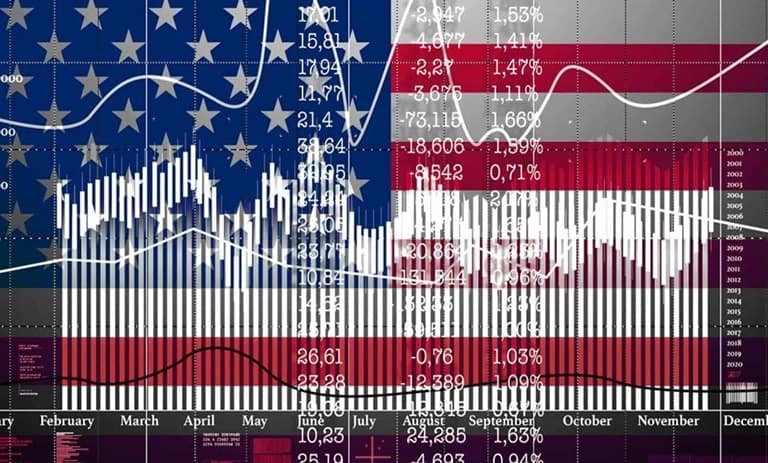
Strategic Council Online – Interview: An analyst of U.S. affairs stated that while Donald Trump promised to revive the U.S. economy and restore the country’s industrial glory upon his return to the White House, the latest economic data indicate otherwise. The unemployment rate, which was 3.8% at the beginning of the new administration, has now risen to 4.3%, and factories and construction companies have laid off thousands of workers. Even revised statistics show that in June of this year alone, 13,000 jobs were lost. These developments highlight the gap between Trump’s campaign promises and the economic reality in the U.S.. This divide has overshadowed not only domestic politics but also the country’s economic and geopolitical future.
At the same time, Trump is attempting to shift pressures outward by leveraging geopolitical tools; an example is his threat to the European Union following the fines imposed on Google, an action many observers see as an effort to shift the agenda from domestic recession to external challenges. The question is whether these policies can pull the U.S. economy out of recession or if their consequences will ultimately spill over into the global economy.

أحدث الوظائف

Analysis of the Recognition of the Armenian Genocide by the Zionist Regime

SCFR Online – Opinion: At a time when the West Asia region, particularly in recent months, has been undergoing the most complex political and security developments of the past half-century, the sudden decision by the cabinet of the Zionist regime to recognize the Armenian genocide committed by Turkey, which has faced strong condemnation and opposition from Ankara and Baku, raises questions.

Lebanon Peace Agreement; Consolidation of Occupation

SCFR Online – Opinion: The Washington trilateral agreement, by linking the end of occupation to political and security conditions, does not establish a sustainable peace; rather, it consolidates the occupation.

China’s Effort to Recreate a New Global Order

SCFRonline – Opinion: Unlike classical powers, Beijing pursues its preferred order not through territorial occupation, but through technology, capital, standard-setting, and digital governance.

Loading

Dr. Saman Nikpay

U.S. Economic Recession and Its Domestic and Global Consequences

U.S. Economic Recession and Its Domestic and Global Consequences

Strategic Council Online – Interview: An analyst of U.S. affairs stated that while Donald Trump promised to revive the U.S. economy and restore the country’s industrial glory upon his return to the White House, the latest economic data indicate otherwise. The unemployment rate, which was 3.8% at the beginning of the new administration, has now risen to 4.3%, and factories and construction companies have laid off thousands of workers. Even revised statistics show that in June of this year alone, 13,000 jobs were lost. These developments highlight the gap between Trump’s campaign promises and the economic reality in the U.S.. This divide has overshadowed not only domestic politics but also the country’s economic and geopolitical future.
At the same time, Trump is attempting to shift pressures outward by leveraging geopolitical tools; an example is his threat to the European Union following the fines imposed on Google, an action many observers see as an effort to shift the agenda from domestic recession to external challenges. The question is whether these policies can pull the U.S. economy out of recession or if their consequences will ultimately spill over into the global economy.

Dr. Saman Nikpay

U.S. Economic Recession and Its Domestic and Global Consequences

U.S. Economic Recession and Its Domestic and Global Consequences

Strategic Council Online – Interview: An analyst of U.S. affairs stated that while Donald Trump promised to revive the U.S. economy and restore the country’s industrial glory upon his return to the White House, the latest economic data indicate otherwise. The unemployment rate, which was 3.8% at the beginning of the new administration, has now risen to 4.3%, and factories and construction companies have laid off thousands of workers. Even revised statistics show that in June of this year alone, 13,000 jobs were lost. These developments highlight the gap between Trump’s campaign promises and the economic reality in the U.S.. This divide has overshadowed not only domestic politics but also the country’s economic and geopolitical future.
At the same time, Trump is attempting to shift pressures outward by leveraging geopolitical tools; an example is his threat to the European Union following the fines imposed on Google, an action many observers see as an effort to shift the agenda from domestic recession to external challenges. The question is whether these policies can pull the U.S. economy out of recession or if their consequences will ultimately spill over into the global economy.

LATEST CONTENT

Analysis of the Recognition of the Armenian Genocide by the Zionist Regime

SCFR Online – Opinion: At a time when the West Asia region, particularly in recent months, has been undergoing the most complex political and security developments of the past half-century, the sudden decision by the cabinet of the Zionist regime to recognize the Armenian genocide committed by Turkey, which has faced strong condemnation and opposition from Ankara and Baku, raises questions.

Lebanon Peace Agreement; Consolidation of Occupation

SCFR Online – Opinion: The Washington trilateral agreement, by linking the end of occupation to political and security conditions, does not establish a sustainable peace; rather, it consolidates the occupation.

China’s Effort to Recreate a New Global Order

SCFRonline – Opinion: Unlike classical powers, Beijing pursues its preferred order not through territorial occupation, but through technology, capital, standard-setting, and digital governance.

Loading

Dr. Saman Nikpay

U.S. Economic Recession and Its Domestic and Global Consequences

U.S. Economic Recession and Its Domestic and Global Consequences

Strategic Council Online – Interview: An analyst of U.S. affairs stated that while Donald Trump promised to revive the U.S. economy and restore the country’s industrial glory upon his return to the White House, the latest economic data indicate otherwise. The unemployment rate, which was 3.8% at the beginning of the new administration, has now risen to 4.3%, and factories and construction companies have laid off thousands of workers. Even revised statistics show that in June of this year alone, 13,000 jobs were lost. These developments highlight the gap between Trump’s campaign promises and the economic reality in the U.S.. This divide has overshadowed not only domestic politics but also the country’s economic and geopolitical future.
At the same time, Trump is attempting to shift pressures outward by leveraging geopolitical tools; an example is his threat to the European Union following the fines imposed on Google, an action many observers see as an effort to shift the agenda from domestic recession to external challenges. The question is whether these policies can pull the U.S. economy out of recession or if their consequences will ultimately spill over into the global economy.

ÚLTIMAS PUBLICACIONES

Analysis of the Recognition of the Armenian Genocide by the Zionist Regime

SCFR Online – Opinion: At a time when the West Asia region, particularly in recent months, has been undergoing the most complex political and security developments of the past half-century, the sudden decision by the cabinet of the Zionist regime to recognize the Armenian genocide committed by Turkey, which has faced strong condemnation and opposition from Ankara and Baku, raises questions.

Lebanon Peace Agreement; Consolidation of Occupation

SCFR Online – Opinion: The Washington trilateral agreement, by linking the end of occupation to political and security conditions, does not establish a sustainable peace; rather, it consolidates the occupation.

China’s Effort to Recreate a New Global Order

SCFRonline – Opinion: Unlike classical powers, Beijing pursues its preferred order not through territorial occupation, but through technology, capital, standard-setting, and digital governance.

Loading

Dr. Saman Nikpay

U.S. Economic Recession and Its Domestic and Global Consequences

U.S. Economic Recession and Its Domestic and Global Consequences

Strategic Council Online – Interview: An analyst of U.S. affairs stated that while Donald Trump promised to revive the U.S. economy and restore the country’s industrial glory upon his return to the White House, the latest economic data indicate otherwise. The unemployment rate, which was 3.8% at the beginning of the new administration, has now risen to 4.3%, and factories and construction companies have laid off thousands of workers. Even revised statistics show that in June of this year alone, 13,000 jobs were lost. These developments highlight the gap between Trump’s campaign promises and the economic reality in the U.S.. This divide has overshadowed not only domestic politics but also the country’s economic and geopolitical future.
At the same time, Trump is attempting to shift pressures outward by leveraging geopolitical tools; an example is his threat to the European Union following the fines imposed on Google, an action many observers see as an effort to shift the agenda from domestic recession to external challenges. The question is whether these policies can pull the U.S. economy out of recession or if their consequences will ultimately spill over into the global economy.

ÚLTIMAS PUBLICACIONES

Analysis of the Recognition of the Armenian Genocide by the Zionist Regime

SCFR Online – Opinion: At a time when the West Asia region, particularly in recent months, has been undergoing the most complex political and security developments of the past half-century, the sudden decision by the cabinet of the Zionist regime to recognize the Armenian genocide committed by Turkey, which has faced strong condemnation and opposition from Ankara and Baku, raises questions.

Lebanon Peace Agreement; Consolidation of Occupation

SCFR Online – Opinion: The Washington trilateral agreement, by linking the end of occupation to political and security conditions, does not establish a sustainable peace; rather, it consolidates the occupation.

China’s Effort to Recreate a New Global Order

SCFRonline – Opinion: Unlike classical powers, Beijing pursues its preferred order not through territorial occupation, but through technology, capital, standard-setting, and digital governance.

Loading

Dr. Saman Nikpay

U.S. Economic Recession and Its Domestic and Global Consequences

U.S. Economic Recession and Its Domestic and Global Consequences

Strategic Council Online – Interview: An analyst of U.S. affairs stated that while Donald Trump promised to revive the U.S. economy and restore the country’s industrial glory upon his return to the White House, the latest economic data indicate otherwise. The unemployment rate, which was 3.8% at the beginning of the new administration, has now risen to 4.3%, and factories and construction companies have laid off thousands of workers. Even revised statistics show that in June of this year alone, 13,000 jobs were lost. These developments highlight the gap between Trump’s campaign promises and the economic reality in the U.S.. This divide has overshadowed not only domestic politics but also the country’s economic and geopolitical future.
At the same time, Trump is attempting to shift pressures outward by leveraging geopolitical tools; an example is his threat to the European Union following the fines imposed on Google, an action many observers see as an effort to shift the agenda from domestic recession to external challenges. The question is whether these policies can pull the U.S. economy out of recession or if their consequences will ultimately spill over into the global economy.

ÚLTIMAS PUBLICACIONES

Analysis of the Recognition of the Armenian Genocide by the Zionist Regime

SCFR Online – Opinion: At a time when the West Asia region, particularly in recent months, has been undergoing the most complex political and security developments of the past half-century, the sudden decision by the cabinet of the Zionist regime to recognize the Armenian genocide committed by Turkey, which has faced strong condemnation and opposition from Ankara and Baku, raises questions.

Lebanon Peace Agreement; Consolidation of Occupation

SCFR Online – Opinion: The Washington trilateral agreement, by linking the end of occupation to political and security conditions, does not establish a sustainable peace; rather, it consolidates the occupation.

China’s Effort to Recreate a New Global Order

SCFRonline – Opinion: Unlike classical powers, Beijing pursues its preferred order not through territorial occupation, but through technology, capital, standard-setting, and digital governance.

Loading

Dr. Saman Nikpay

U.S. Economic Recession and Its Domestic and Global Consequences

U.S. Economic Recession and Its Domestic and Global Consequences

Strategic Council Online – Interview: An analyst of U.S. affairs stated that while Donald Trump promised to revive the U.S. economy and restore the country’s industrial glory upon his return to the White House, the latest economic data indicate otherwise. The unemployment rate, which was 3.8% at the beginning of the new administration, has now risen to 4.3%, and factories and construction companies have laid off thousands of workers. Even revised statistics show that in June of this year alone, 13,000 jobs were lost. These developments highlight the gap between Trump’s campaign promises and the economic reality in the U.S.. This divide has overshadowed not only domestic politics but also the country’s economic and geopolitical future.
At the same time, Trump is attempting to shift pressures outward by leveraging geopolitical tools; an example is his threat to the European Union following the fines imposed on Google, an action many observers see as an effort to shift the agenda from domestic recession to external challenges. The question is whether these policies can pull the U.S. economy out of recession or if their consequences will ultimately spill over into the global economy.

ÚLTIMAS PUBLICACIONES

Analysis of the Recognition of the Armenian Genocide by the Zionist Regime

SCFR Online – Opinion: At a time when the West Asia region, particularly in recent months, has been undergoing the most complex political and security developments of the past half-century, the sudden decision by the cabinet of the Zionist regime to recognize the Armenian genocide committed by Turkey, which has faced strong condemnation and opposition from Ankara and Baku, raises questions.

Lebanon Peace Agreement; Consolidation of Occupation

SCFR Online – Opinion: The Washington trilateral agreement, by linking the end of occupation to political and security conditions, does not establish a sustainable peace; rather, it consolidates the occupation.

China’s Effort to Recreate a New Global Order

SCFRonline – Opinion: Unlike classical powers, Beijing pursues its preferred order not through territorial occupation, but through technology, capital, standard-setting, and digital governance.

Loading