2025/11/10
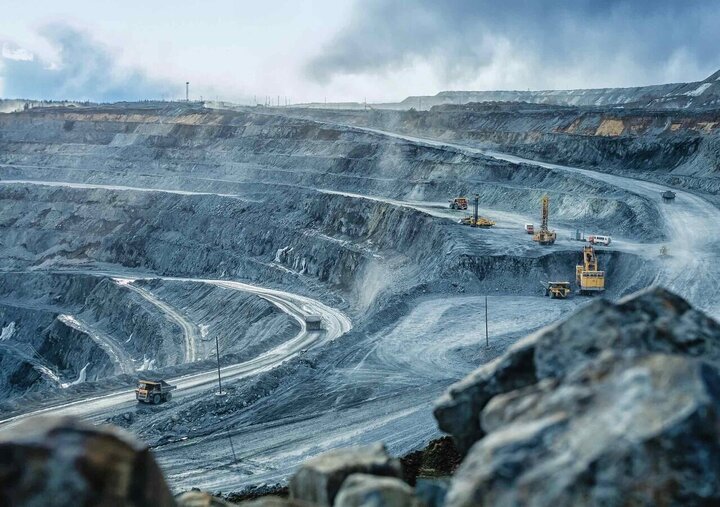
Strategic Council Online- Interview: A geological studies expert stated: While global competition over rare minerals has intensified, Iran can, by relying on regional cooperation from Chabahar to Central Asia, achieve a strategic position in the global rare minerals supply chain.

2025/10/07
Online Strategic Council – Interview: A researcher in the field of digital economy and artificial intelligence said: In today’s world, artificial intelligence (AI) is considered one of the main pillars of global economic and geopolitical transformations. The increasing competition among major powers, such as the United States and China, along with the European Union’s efforts to become a leading continent in the field of artificial intelligence, underscores the growing importance of this technology in shaping the economic and political destinies of countries. Amidst this, Global South countries, including Iran, can play an effective role in shaping the digital future by utilizing their domestic capacities and international cooperation.
2025/10/01
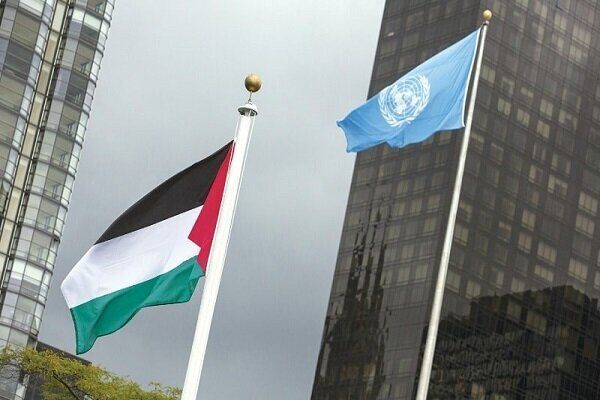
Online Strategic Council – Note: The process of recognizing Palestine by countries around the world, which has been met with opposition and anger from the Israeli regime, is noteworthy. The unprecedented move by various world countries to recognize the independent State of Palestine is entirely linked to the crimes of the Zionist regime in Gaza and its genocidal and racist policies.

2025/09/28
Strategic Council Online – Interview: An international economics expert stated that sanctions, as discussed in political and economic literature, are tools used to force countries to change their behavior in foreign or domestic policies. However, the fundamental question is whether these tools consistently achieve the expected results. The European Union, which has intensified its sanctions policy against Russia since 2014, especially after the Ukraine war in 2022, now faces the question of to what extent these sanctions have been able to halt Moscow’s economic machine. Although more than 50 sanction packages have been imposed against Russia since 2014, statistics and analyses show that Russia has been able to overcome the pressures in many cases and even gain more profit in some areas. Experts believe that the lack of unity in European decision-making, the conflict of economic interests among member states, and the historical dependence of some on Russian energy have all combined to cause Europe’s sanctions policy not only to fail to achieve its ultimate goal but, in some cases, to yield opposite results. Meanwhile, the debate over “secondary sanctions” and the change in the European Union’s strategies after the Ukraine war marks a turning point in the future path of Moscow-Brussels relations.

2025/09/14
Strategic Council Online – Interview: An international affairs analyst stated that the recent trade agreement between the United States and the European Union, signed on July 28, 2025, in Scotland, appears to have averted a full-scale tariff war. However, this agreement, shaped by Donald Trump’s pressures and threats to raise tariffs by up to 30%, reflects U.S. economic dominance over Europe more than it signifies mutual cooperation. The European Union’s commitment to purchasing $750 billion worth of energy and investing $600 billion in the U.S., along with accepting a 15% tariff on most European exports, raises serious questions about Europe’s economic independence and its implications for the global economy. Does this agreement mean stability for European trade, or does it represent a strategic surrender to the United States that will deepen existing rifts in the global order?
