An Analysis of the Makkah Defense Pact
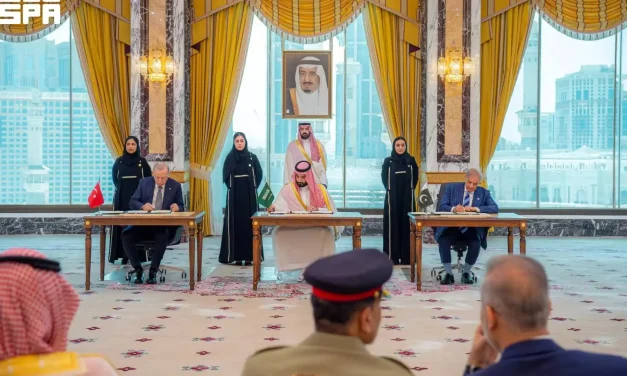
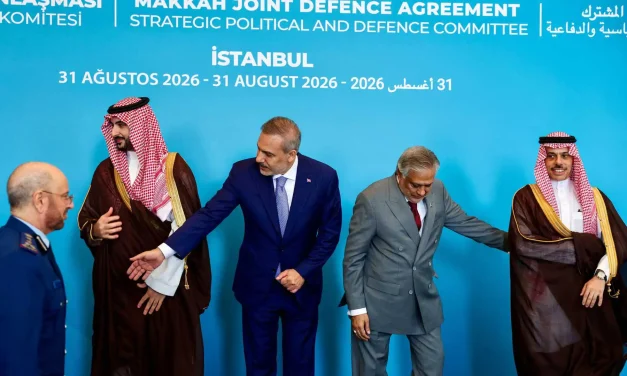
SCFR Online – Opinion: On Friday, August 7, the heads of state of three countries – Saudi Arabia, Turkey, and Pakistan – signed a text under the title “Makkah Joint Defense Agreement.”
Strategic Council Online – Note: The initiative to revive the Hejaz Railway, beyond being a transportation project, constitutes an attempt to redefine geopolitics, the economy, and Turkey’s regional position; however, its realization appears to face significant financial, security, and institutional challenges.
SCFR Online – Opinion: The Strait of Hormuz crisis is no longer merely the consequence of a military confrontation, but rather a sign of the transition from the US-centered maritime order to a new energy security structure involving the participation of emerging and influential powers.
SCFR Online – Opinion: Iran’s active deterrence strategy, while increasing the costs of US intervention, has increasingly exposed the hidden rifts between Washington’s interests and those of the Israeli regime.
SCFR Online – Opinion: The escalation of verbal and strategic tensions between Turkey and the Israeli regime, although not increasing the likelihood of direct war, indicates the formation of a new order in West Asian geopolitical rivalries.
Strategic Council Online – Note: Recent developments in the political geography of West Asia, from rising tensions in the Persian Gulf to missile and drone activities in the Red Sea and the recent warning by Kaja Kallas, the European Union’s foreign policy chief, regarding the threat to freedom of navigation, indicate a key pattern shift; the US-Iran war has moved beyond the scope of a regional and local confrontation and has linked two vital passageways for the global economy: the Strait of Hormuz and the Bab el-Mandeb Strait.
SCFR Online – Opinion: The Ukraine war was not merely a European crisis, but rather the starting point for the rearrangement of the global balance of power and a shift in the strategic behavior of great powers.
SCFR Online – Opinion: Great power competition is now pursued more in trade, currency, technology, and global supply chains than on the battlefields of military confrontation.
Strategic Council Online – Opinion: With its large arsenal of hypersonic missiles, advanced cyber capabilities, extensive satellite network, and survivable nuclear triad, China has become a serious competitor to the United States. Nevertheless, in strategic documents, including the 2025 National Security Document, China describes itself as a development-oriented power committed to the international order, whose path to rise does not pass through war.
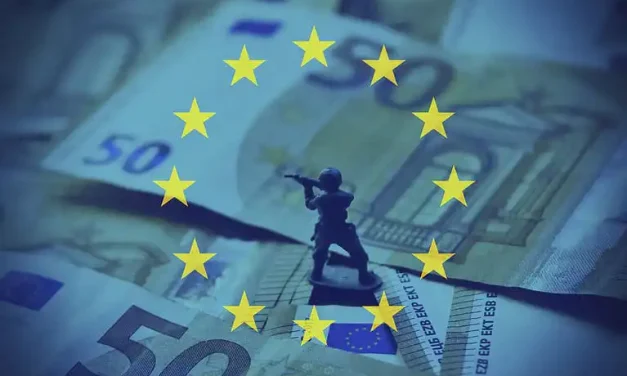
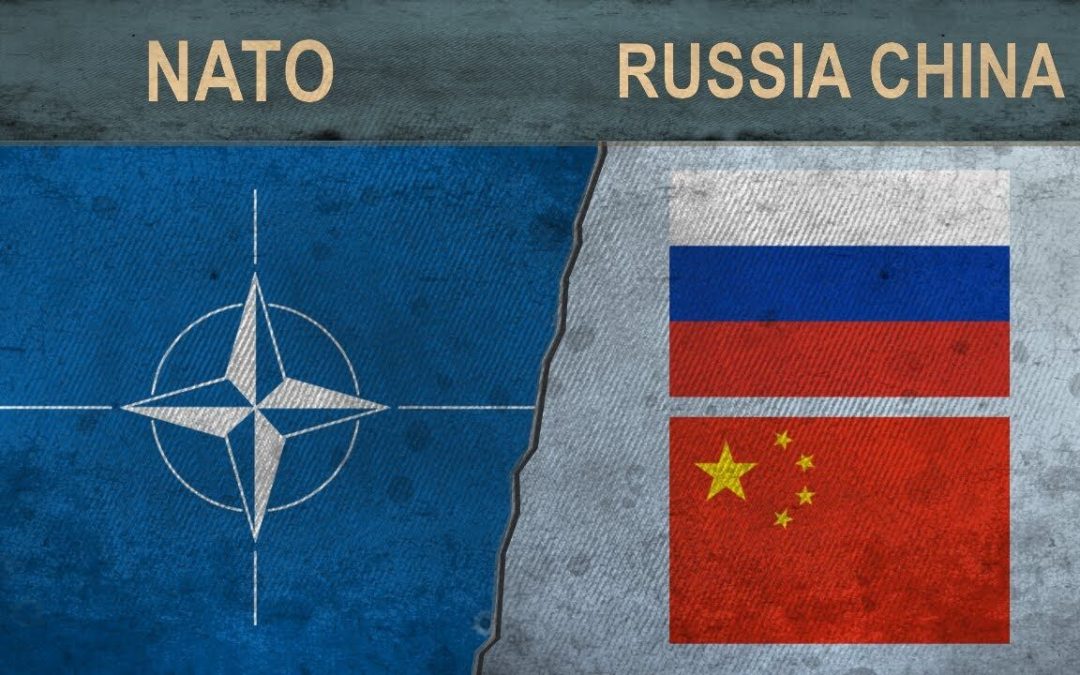
Strategic Council Online – Opinion: The escalating possibility of confrontation between the world’s Eastern and Western powers, particularly after the Russia-Ukraine war, along with the consolidation of China’s narrative of itself as the largest developing country with the capacity to lead the Global South, has become a threatening issue for the West, led by America and Europe. In this context, Mark Rutte, the Secretary-General of NATO, recently spoke at a press conference in Berlin about the necessity of European military modernization and called for “changing defense postures” in line with the increasing international military threats.
Strategic Council Online – Interview: The Secretary-General of the Iran-China Strategic Studies Think Tank stated that the temporary reduction of tariffs between the U.S. and China will not significantly alleviate the distrust among traders and investors, as U.S.-China trade relations during the Trump era remain highly challenging.
Strategic Council Online – Interview: The Secretary-General of the Iran-China Strategic Studies Institute believes that following the tariff war between China and the US, relations between Washington and Beijing face a turbulent outlook during the Trump era.
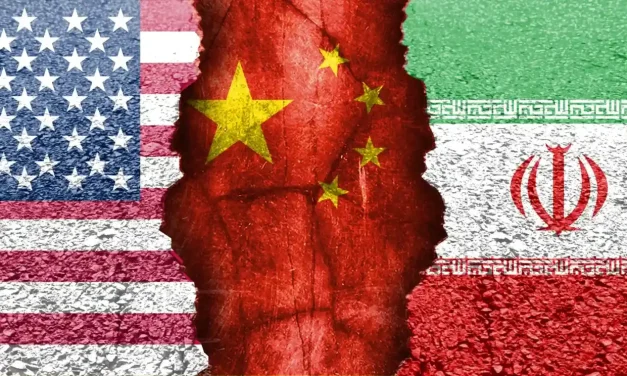
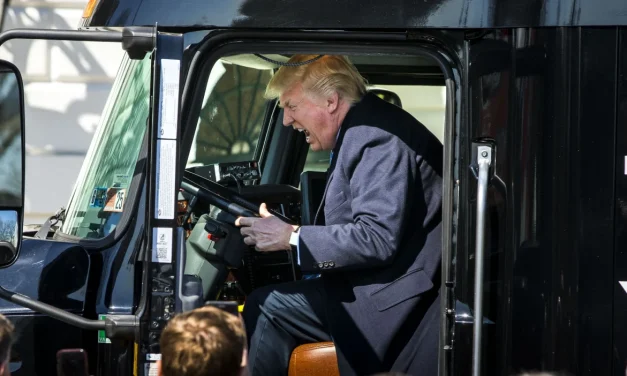
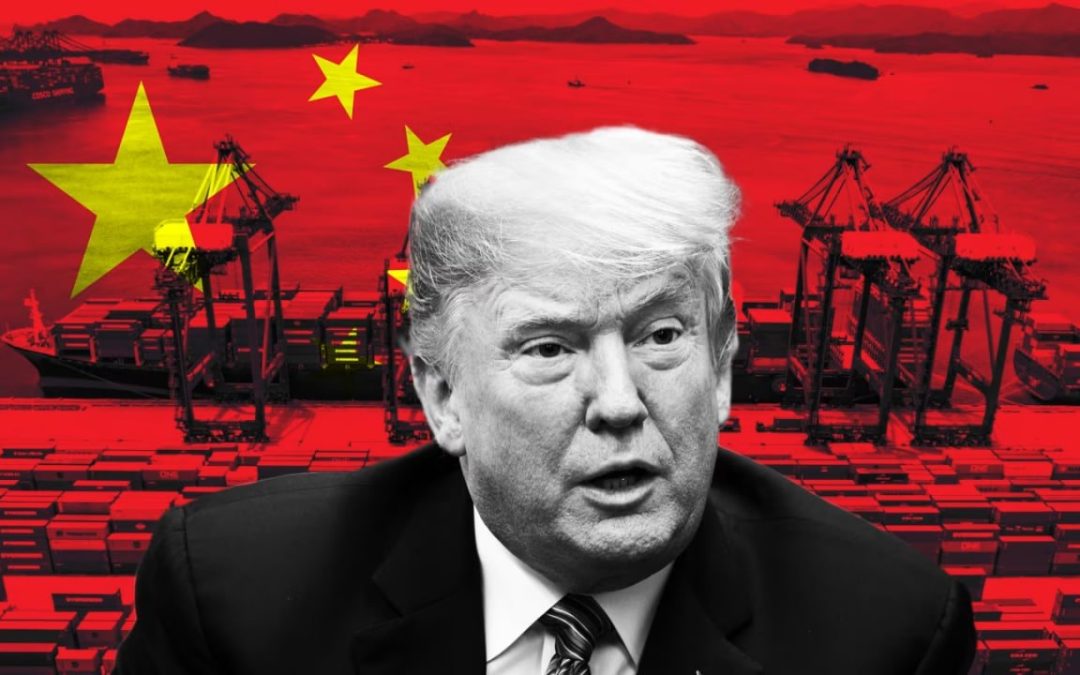
Strategic Council Online – Opinion: With Donald Trump returning to power on January 20, 2025, and taking office as the 47th President of the United States, the issue of the country’s relations with China and the future of relations between the two great powers has been among the most important topics that have received attention in the international arena.
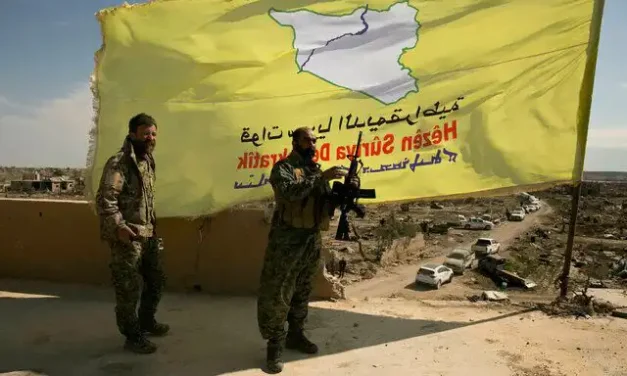
Strategic Council Online – Opinion: The fall of Bashar al-Assad’s government in Syria is an important event that will affect the role of many regional and international powers in the West Asian region. This event is also considered an important issue from the perspective of the People’s Republic of China. What happened in Syria has the potential to create serious threats to China’s interests, so Beijing has adopted a conservative approach to developments in Syria.
Strategic Council Online—Opinion: China should be considered a new player in the West Asian region. The emergence of this new player is a logical and natural result of China’s rise as an international power and the expansion of its influence on the global stage.
Strategic Council Online – Opinion: Myanmar’s military leader, Min Aung Hlaing, is facing charges of committing crimes against humanity for the killing and persecution of Rohingya Muslims. The crimes, which affected more than a million people in Myanmar, took place between August and December 2017. During this period, the Myanmar military launched an operation called “clearance” under the pretext of fighting armed groups that led to the genocide of Muslims in Rakhine State in western Myanmar. This operation was accompanied by the widespread killing of more than 200,000 Rohingya Muslims and the displacement of about 700,000 people. The International Criminal Court has identified these actions as examples of genocide and crimes against humanity.
SCFR Online – Opinion: On Friday, August 7, the heads of state of three countries – Saudi Arabia, Turkey, and Pakistan – signed a text under the title “Makkah Joint Defense Agreement.”
Strategic Council Online – Note: The initiative to revive the Hejaz Railway, beyond being a transportation project, constitutes an attempt to redefine geopolitics, the economy, and Turkey’s regional position; however, its realization appears to face significant financial, security, and institutional challenges.
SCFR Online – Opinion: The Strait of Hormuz crisis is no longer merely the consequence of a military confrontation, but rather a sign of the transition from the US-centered maritime order to a new energy security structure involving the participation of emerging and influential powers.
SCFR Online – Opinion: Iran’s active deterrence strategy, while increasing the costs of US intervention, has increasingly exposed the hidden rifts between Washington’s interests and those of the Israeli regime.
SCFR Online – Opinion: The escalation of verbal and strategic tensions between Turkey and the Israeli regime, although not increasing the likelihood of direct war, indicates the formation of a new order in West Asian geopolitical rivalries.
Strategic Council Online – Note: Recent developments in the political geography of West Asia, from rising tensions in the Persian Gulf to missile and drone activities in the Red Sea and the recent warning by Kaja Kallas, the European Union’s foreign policy chief, regarding the threat to freedom of navigation, indicate a key pattern shift; the US-Iran war has moved beyond the scope of a regional and local confrontation and has linked two vital passageways for the global economy: the Strait of Hormuz and the Bab el-Mandeb Strait.
SCFR Online – Opinion: The Ukraine war was not merely a European crisis, but rather the starting point for the rearrangement of the global balance of power and a shift in the strategic behavior of great powers.
SCFR Online – Opinion: Great power competition is now pursued more in trade, currency, technology, and global supply chains than on the battlefields of military confrontation.
Strategic Council Online – Opinion: With its large arsenal of hypersonic missiles, advanced cyber capabilities, extensive satellite network, and survivable nuclear triad, China has become a serious competitor to the United States. Nevertheless, in strategic documents, including the 2025 National Security Document, China describes itself as a development-oriented power committed to the international order, whose path to rise does not pass through war.
Strategic Council Online – Opinion: The escalating possibility of confrontation between the world’s Eastern and Western powers, particularly after the Russia-Ukraine war, along with the consolidation of China’s narrative of itself as the largest developing country with the capacity to lead the Global South, has become a threatening issue for the West, led by America and Europe. In this context, Mark Rutte, the Secretary-General of NATO, recently spoke at a press conference in Berlin about the necessity of European military modernization and called for “changing defense postures” in line with the increasing international military threats.
Strategic Council Online – Interview: The Secretary-General of the Iran-China Strategic Studies Think Tank stated that the temporary reduction of tariffs between the U.S. and China will not significantly alleviate the distrust among traders and investors, as U.S.-China trade relations during the Trump era remain highly challenging.
Strategic Council Online – Interview: The Secretary-General of the Iran-China Strategic Studies Institute believes that following the tariff war between China and the US, relations between Washington and Beijing face a turbulent outlook during the Trump era.
Strategic Council Online – Opinion: With Donald Trump returning to power on January 20, 2025, and taking office as the 47th President of the United States, the issue of the country’s relations with China and the future of relations between the two great powers has been among the most important topics that have received attention in the international arena.
Strategic Council Online – Opinion: The fall of Bashar al-Assad’s government in Syria is an important event that will affect the role of many regional and international powers in the West Asian region. This event is also considered an important issue from the perspective of the People’s Republic of China. What happened in Syria has the potential to create serious threats to China’s interests, so Beijing has adopted a conservative approach to developments in Syria.
Strategic Council Online—Opinion: China should be considered a new player in the West Asian region. The emergence of this new player is a logical and natural result of China’s rise as an international power and the expansion of its influence on the global stage.
Strategic Council Online – Opinion: Myanmar’s military leader, Min Aung Hlaing, is facing charges of committing crimes against humanity for the killing and persecution of Rohingya Muslims. The crimes, which affected more than a million people in Myanmar, took place between August and December 2017. During this period, the Myanmar military launched an operation called “clearance” under the pretext of fighting armed groups that led to the genocide of Muslims in Rakhine State in western Myanmar. This operation was accompanied by the widespread killing of more than 200,000 Rohingya Muslims and the displacement of about 700,000 people. The International Criminal Court has identified these actions as examples of genocide and crimes against humanity.
Strategic Council Online – Opinion: With its large arsenal of hypersonic missiles, advanced cyber capabilities, extensive satellite network, and survivable nuclear triad, China has become a serious competitor to the United States. Nevertheless, in strategic documents, including the 2025 National Security Document, China describes itself as a development-oriented power committed to the international order, whose path to rise does not pass through war.
Strategic Council Online – Opinion: The escalating possibility of confrontation between the world’s Eastern and Western powers, particularly after the Russia-Ukraine war, along with the consolidation of China’s narrative of itself as the largest developing country with the capacity to lead the Global South, has become a threatening issue for the West, led by America and Europe. In this context, Mark Rutte, the Secretary-General of NATO, recently spoke at a press conference in Berlin about the necessity of European military modernization and called for “changing defense postures” in line with the increasing international military threats.
Strategic Council Online – Interview: The Secretary-General of the Iran-China Strategic Studies Think Tank stated that the temporary reduction of tariffs between the U.S. and China will not significantly alleviate the distrust among traders and investors, as U.S.-China trade relations during the Trump era remain highly challenging.
Strategic Council Online – Interview: The Secretary-General of the Iran-China Strategic Studies Institute believes that following the tariff war between China and the US, relations between Washington and Beijing face a turbulent outlook during the Trump era.
Strategic Council Online – Opinion: With Donald Trump returning to power on January 20, 2025, and taking office as the 47th President of the United States, the issue of the country’s relations with China and the future of relations between the two great powers has been among the most important topics that have received attention in the international arena.
Strategic Council Online – Opinion: The fall of Bashar al-Assad’s government in Syria is an important event that will affect the role of many regional and international powers in the West Asian region. This event is also considered an important issue from the perspective of the People’s Republic of China. What happened in Syria has the potential to create serious threats to China’s interests, so Beijing has adopted a conservative approach to developments in Syria.
Strategic Council Online—Opinion: China should be considered a new player in the West Asian region. The emergence of this new player is a logical and natural result of China’s rise as an international power and the expansion of its influence on the global stage.
Strategic Council Online – Opinion: Myanmar’s military leader, Min Aung Hlaing, is facing charges of committing crimes against humanity for the killing and persecution of Rohingya Muslims. The crimes, which affected more than a million people in Myanmar, took place between August and December 2017. During this period, the Myanmar military launched an operation called “clearance” under the pretext of fighting armed groups that led to the genocide of Muslims in Rakhine State in western Myanmar. This operation was accompanied by the widespread killing of more than 200,000 Rohingya Muslims and the displacement of about 700,000 people. The International Criminal Court has identified these actions as examples of genocide and crimes against humanity.
SCFR Online – Opinion: On Friday, August 7, the heads of state of three countries – Saudi Arabia, Turkey, and Pakistan – signed a text under the title “Makkah Joint Defense Agreement.”
Strategic Council Online – Note: The initiative to revive the Hejaz Railway, beyond being a transportation project, constitutes an attempt to redefine geopolitics, the economy, and Turkey’s regional position; however, its realization appears to face significant financial, security, and institutional challenges.
SCFR Online – Opinion: The Strait of Hormuz crisis is no longer merely the consequence of a military confrontation, but rather a sign of the transition from the US-centered maritime order to a new energy security structure involving the participation of emerging and influential powers.
SCFR Online – Opinion: Iran’s active deterrence strategy, while increasing the costs of US intervention, has increasingly exposed the hidden rifts between Washington’s interests and those of the Israeli regime.
SCFR Online – Opinion: The escalation of verbal and strategic tensions between Turkey and the Israeli regime, although not increasing the likelihood of direct war, indicates the formation of a new order in West Asian geopolitical rivalries.
Strategic Council Online – Note: Recent developments in the political geography of West Asia, from rising tensions in the Persian Gulf to missile and drone activities in the Red Sea and the recent warning by Kaja Kallas, the European Union’s foreign policy chief, regarding the threat to freedom of navigation, indicate a key pattern shift; the US-Iran war has moved beyond the scope of a regional and local confrontation and has linked two vital passageways for the global economy: the Strait of Hormuz and the Bab el-Mandeb Strait.
SCFR Online – Opinion: The Ukraine war was not merely a European crisis, but rather the starting point for the rearrangement of the global balance of power and a shift in the strategic behavior of great powers.
SCFR Online – Opinion: Great power competition is now pursued more in trade, currency, technology, and global supply chains than on the battlefields of military confrontation.
Strategic Council Online – Opinion: With its large arsenal of hypersonic missiles, advanced cyber capabilities, extensive satellite network, and survivable nuclear triad, China has become a serious competitor to the United States. Nevertheless, in strategic documents, including the 2025 National Security Document, China describes itself as a development-oriented power committed to the international order, whose path to rise does not pass through war.
Strategic Council Online – Opinion: The escalating possibility of confrontation between the world’s Eastern and Western powers, particularly after the Russia-Ukraine war, along with the consolidation of China’s narrative of itself as the largest developing country with the capacity to lead the Global South, has become a threatening issue for the West, led by America and Europe. In this context, Mark Rutte, the Secretary-General of NATO, recently spoke at a press conference in Berlin about the necessity of European military modernization and called for “changing defense postures” in line with the increasing international military threats.
Strategic Council Online – Interview: The Secretary-General of the Iran-China Strategic Studies Think Tank stated that the temporary reduction of tariffs between the U.S. and China will not significantly alleviate the distrust among traders and investors, as U.S.-China trade relations during the Trump era remain highly challenging.
Strategic Council Online – Interview: The Secretary-General of the Iran-China Strategic Studies Institute believes that following the tariff war between China and the US, relations between Washington and Beijing face a turbulent outlook during the Trump era.
Strategic Council Online – Opinion: With Donald Trump returning to power on January 20, 2025, and taking office as the 47th President of the United States, the issue of the country’s relations with China and the future of relations between the two great powers has been among the most important topics that have received attention in the international arena.
Strategic Council Online – Opinion: The fall of Bashar al-Assad’s government in Syria is an important event that will affect the role of many regional and international powers in the West Asian region. This event is also considered an important issue from the perspective of the People’s Republic of China. What happened in Syria has the potential to create serious threats to China’s interests, so Beijing has adopted a conservative approach to developments in Syria.
Strategic Council Online—Opinion: China should be considered a new player in the West Asian region. The emergence of this new player is a logical and natural result of China’s rise as an international power and the expansion of its influence on the global stage.
Strategic Council Online – Opinion: Myanmar’s military leader, Min Aung Hlaing, is facing charges of committing crimes against humanity for the killing and persecution of Rohingya Muslims. The crimes, which affected more than a million people in Myanmar, took place between August and December 2017. During this period, the Myanmar military launched an operation called “clearance” under the pretext of fighting armed groups that led to the genocide of Muslims in Rakhine State in western Myanmar. This operation was accompanied by the widespread killing of more than 200,000 Rohingya Muslims and the displacement of about 700,000 people. The International Criminal Court has identified these actions as examples of genocide and crimes against humanity.
SCFR Online – Opinion: On Friday, August 7, the heads of state of three countries – Saudi Arabia, Turkey, and Pakistan – signed a text under the title “Makkah Joint Defense Agreement.”
Strategic Council Online – Note: The initiative to revive the Hejaz Railway, beyond being a transportation project, constitutes an attempt to redefine geopolitics, the economy, and Turkey’s regional position; however, its realization appears to face significant financial, security, and institutional challenges.
SCFR Online – Opinion: The Strait of Hormuz crisis is no longer merely the consequence of a military confrontation, but rather a sign of the transition from the US-centered maritime order to a new energy security structure involving the participation of emerging and influential powers.
SCFR Online – Opinion: Iran’s active deterrence strategy, while increasing the costs of US intervention, has increasingly exposed the hidden rifts between Washington’s interests and those of the Israeli regime.
SCFR Online – Opinion: The escalation of verbal and strategic tensions between Turkey and the Israeli regime, although not increasing the likelihood of direct war, indicates the formation of a new order in West Asian geopolitical rivalries.
Strategic Council Online – Note: Recent developments in the political geography of West Asia, from rising tensions in the Persian Gulf to missile and drone activities in the Red Sea and the recent warning by Kaja Kallas, the European Union’s foreign policy chief, regarding the threat to freedom of navigation, indicate a key pattern shift; the US-Iran war has moved beyond the scope of a regional and local confrontation and has linked two vital passageways for the global economy: the Strait of Hormuz and the Bab el-Mandeb Strait.
SCFR Online – Opinion: The Ukraine war was not merely a European crisis, but rather the starting point for the rearrangement of the global balance of power and a shift in the strategic behavior of great powers.
SCFR Online – Opinion: Great power competition is now pursued more in trade, currency, technology, and global supply chains than on the battlefields of military confrontation.
Strategic Council Online – Opinion: With its large arsenal of hypersonic missiles, advanced cyber capabilities, extensive satellite network, and survivable nuclear triad, China has become a serious competitor to the United States. Nevertheless, in strategic documents, including the 2025 National Security Document, China describes itself as a development-oriented power committed to the international order, whose path to rise does not pass through war.
Strategic Council Online – Opinion: The escalating possibility of confrontation between the world’s Eastern and Western powers, particularly after the Russia-Ukraine war, along with the consolidation of China’s narrative of itself as the largest developing country with the capacity to lead the Global South, has become a threatening issue for the West, led by America and Europe. In this context, Mark Rutte, the Secretary-General of NATO, recently spoke at a press conference in Berlin about the necessity of European military modernization and called for “changing defense postures” in line with the increasing international military threats.
Strategic Council Online – Interview: The Secretary-General of the Iran-China Strategic Studies Think Tank stated that the temporary reduction of tariffs between the U.S. and China will not significantly alleviate the distrust among traders and investors, as U.S.-China trade relations during the Trump era remain highly challenging.
Strategic Council Online – Interview: The Secretary-General of the Iran-China Strategic Studies Institute believes that following the tariff war between China and the US, relations between Washington and Beijing face a turbulent outlook during the Trump era.
Strategic Council Online – Opinion: With Donald Trump returning to power on January 20, 2025, and taking office as the 47th President of the United States, the issue of the country’s relations with China and the future of relations between the two great powers has been among the most important topics that have received attention in the international arena.
Strategic Council Online – Opinion: The fall of Bashar al-Assad’s government in Syria is an important event that will affect the role of many regional and international powers in the West Asian region. This event is also considered an important issue from the perspective of the People’s Republic of China. What happened in Syria has the potential to create serious threats to China’s interests, so Beijing has adopted a conservative approach to developments in Syria.
Strategic Council Online—Opinion: China should be considered a new player in the West Asian region. The emergence of this new player is a logical and natural result of China’s rise as an international power and the expansion of its influence on the global stage.
Strategic Council Online – Opinion: Myanmar’s military leader, Min Aung Hlaing, is facing charges of committing crimes against humanity for the killing and persecution of Rohingya Muslims. The crimes, which affected more than a million people in Myanmar, took place between August and December 2017. During this period, the Myanmar military launched an operation called “clearance” under the pretext of fighting armed groups that led to the genocide of Muslims in Rakhine State in western Myanmar. This operation was accompanied by the widespread killing of more than 200,000 Rohingya Muslims and the displacement of about 700,000 people. The International Criminal Court has identified these actions as examples of genocide and crimes against humanity.
SCFR Online – Opinion: On Friday, August 7, the heads of state of three countries – Saudi Arabia, Turkey, and Pakistan – signed a text under the title “Makkah Joint Defense Agreement.”
Strategic Council Online – Note: The initiative to revive the Hejaz Railway, beyond being a transportation project, constitutes an attempt to redefine geopolitics, the economy, and Turkey’s regional position; however, its realization appears to face significant financial, security, and institutional challenges.
SCFR Online – Opinion: The Strait of Hormuz crisis is no longer merely the consequence of a military confrontation, but rather a sign of the transition from the US-centered maritime order to a new energy security structure involving the participation of emerging and influential powers.
SCFR Online – Opinion: Iran’s active deterrence strategy, while increasing the costs of US intervention, has increasingly exposed the hidden rifts between Washington’s interests and those of the Israeli regime.
SCFR Online – Opinion: The escalation of verbal and strategic tensions between Turkey and the Israeli regime, although not increasing the likelihood of direct war, indicates the formation of a new order in West Asian geopolitical rivalries.
Strategic Council Online – Note: Recent developments in the political geography of West Asia, from rising tensions in the Persian Gulf to missile and drone activities in the Red Sea and the recent warning by Kaja Kallas, the European Union’s foreign policy chief, regarding the threat to freedom of navigation, indicate a key pattern shift; the US-Iran war has moved beyond the scope of a regional and local confrontation and has linked two vital passageways for the global economy: the Strait of Hormuz and the Bab el-Mandeb Strait.
SCFR Online – Opinion: The Ukraine war was not merely a European crisis, but rather the starting point for the rearrangement of the global balance of power and a shift in the strategic behavior of great powers.
SCFR Online – Opinion: Great power competition is now pursued more in trade, currency, technology, and global supply chains than on the battlefields of military confrontation.
Strategic Council Online – Opinion: With its large arsenal of hypersonic missiles, advanced cyber capabilities, extensive satellite network, and survivable nuclear triad, China has become a serious competitor to the United States. Nevertheless, in strategic documents, including the 2025 National Security Document, China describes itself as a development-oriented power committed to the international order, whose path to rise does not pass through war.
Strategic Council Online – Opinion: The escalating possibility of confrontation between the world’s Eastern and Western powers, particularly after the Russia-Ukraine war, along with the consolidation of China’s narrative of itself as the largest developing country with the capacity to lead the Global South, has become a threatening issue for the West, led by America and Europe. In this context, Mark Rutte, the Secretary-General of NATO, recently spoke at a press conference in Berlin about the necessity of European military modernization and called for “changing defense postures” in line with the increasing international military threats.
Strategic Council Online – Interview: The Secretary-General of the Iran-China Strategic Studies Think Tank stated that the temporary reduction of tariffs between the U.S. and China will not significantly alleviate the distrust among traders and investors, as U.S.-China trade relations during the Trump era remain highly challenging.
Strategic Council Online – Interview: The Secretary-General of the Iran-China Strategic Studies Institute believes that following the tariff war between China and the US, relations between Washington and Beijing face a turbulent outlook during the Trump era.
Strategic Council Online – Opinion: With Donald Trump returning to power on January 20, 2025, and taking office as the 47th President of the United States, the issue of the country’s relations with China and the future of relations between the two great powers has been among the most important topics that have received attention in the international arena.
Strategic Council Online – Opinion: The fall of Bashar al-Assad’s government in Syria is an important event that will affect the role of many regional and international powers in the West Asian region. This event is also considered an important issue from the perspective of the People’s Republic of China. What happened in Syria has the potential to create serious threats to China’s interests, so Beijing has adopted a conservative approach to developments in Syria.
Strategic Council Online—Opinion: China should be considered a new player in the West Asian region. The emergence of this new player is a logical and natural result of China’s rise as an international power and the expansion of its influence on the global stage.
Strategic Council Online – Opinion: Myanmar’s military leader, Min Aung Hlaing, is facing charges of committing crimes against humanity for the killing and persecution of Rohingya Muslims. The crimes, which affected more than a million people in Myanmar, took place between August and December 2017. During this period, the Myanmar military launched an operation called “clearance” under the pretext of fighting armed groups that led to the genocide of Muslims in Rakhine State in western Myanmar. This operation was accompanied by the widespread killing of more than 200,000 Rohingya Muslims and the displacement of about 700,000 people. The International Criminal Court has identified these actions as examples of genocide and crimes against humanity.
SCFR Online – Opinion: On Friday, August 7, the heads of state of three countries – Saudi Arabia, Turkey, and Pakistan – signed a text under the title “Makkah Joint Defense Agreement.”
Strategic Council Online – Note: The initiative to revive the Hejaz Railway, beyond being a transportation project, constitutes an attempt to redefine geopolitics, the economy, and Turkey’s regional position; however, its realization appears to face significant financial, security, and institutional challenges.
SCFR Online – Opinion: The Strait of Hormuz crisis is no longer merely the consequence of a military confrontation, but rather a sign of the transition from the US-centered maritime order to a new energy security structure involving the participation of emerging and influential powers.
SCFR Online – Opinion: Iran’s active deterrence strategy, while increasing the costs of US intervention, has increasingly exposed the hidden rifts between Washington’s interests and those of the Israeli regime.
SCFR Online – Opinion: The escalation of verbal and strategic tensions between Turkey and the Israeli regime, although not increasing the likelihood of direct war, indicates the formation of a new order in West Asian geopolitical rivalries.
Strategic Council Online – Note: Recent developments in the political geography of West Asia, from rising tensions in the Persian Gulf to missile and drone activities in the Red Sea and the recent warning by Kaja Kallas, the European Union’s foreign policy chief, regarding the threat to freedom of navigation, indicate a key pattern shift; the US-Iran war has moved beyond the scope of a regional and local confrontation and has linked two vital passageways for the global economy: the Strait of Hormuz and the Bab el-Mandeb Strait.
SCFR Online – Opinion: The Ukraine war was not merely a European crisis, but rather the starting point for the rearrangement of the global balance of power and a shift in the strategic behavior of great powers.
SCFR Online – Opinion: Great power competition is now pursued more in trade, currency, technology, and global supply chains than on the battlefields of military confrontation.
Strategic Council Online – Opinion: With its large arsenal of hypersonic missiles, advanced cyber capabilities, extensive satellite network, and survivable nuclear triad, China has become a serious competitor to the United States. Nevertheless, in strategic documents, including the 2025 National Security Document, China describes itself as a development-oriented power committed to the international order, whose path to rise does not pass through war.
Strategic Council Online – Opinion: The escalating possibility of confrontation between the world’s Eastern and Western powers, particularly after the Russia-Ukraine war, along with the consolidation of China’s narrative of itself as the largest developing country with the capacity to lead the Global South, has become a threatening issue for the West, led by America and Europe. In this context, Mark Rutte, the Secretary-General of NATO, recently spoke at a press conference in Berlin about the necessity of European military modernization and called for “changing defense postures” in line with the increasing international military threats.
Strategic Council Online – Interview: The Secretary-General of the Iran-China Strategic Studies Think Tank stated that the temporary reduction of tariffs between the U.S. and China will not significantly alleviate the distrust among traders and investors, as U.S.-China trade relations during the Trump era remain highly challenging.
Strategic Council Online – Interview: The Secretary-General of the Iran-China Strategic Studies Institute believes that following the tariff war between China and the US, relations between Washington and Beijing face a turbulent outlook during the Trump era.
Strategic Council Online – Opinion: With Donald Trump returning to power on January 20, 2025, and taking office as the 47th President of the United States, the issue of the country’s relations with China and the future of relations between the two great powers has been among the most important topics that have received attention in the international arena.
Strategic Council Online – Opinion: The fall of Bashar al-Assad’s government in Syria is an important event that will affect the role of many regional and international powers in the West Asian region. This event is also considered an important issue from the perspective of the People’s Republic of China. What happened in Syria has the potential to create serious threats to China’s interests, so Beijing has adopted a conservative approach to developments in Syria.
Strategic Council Online—Opinion: China should be considered a new player in the West Asian region. The emergence of this new player is a logical and natural result of China’s rise as an international power and the expansion of its influence on the global stage.
Strategic Council Online – Opinion: Myanmar’s military leader, Min Aung Hlaing, is facing charges of committing crimes against humanity for the killing and persecution of Rohingya Muslims. The crimes, which affected more than a million people in Myanmar, took place between August and December 2017. During this period, the Myanmar military launched an operation called “clearance” under the pretext of fighting armed groups that led to the genocide of Muslims in Rakhine State in western Myanmar. This operation was accompanied by the widespread killing of more than 200,000 Rohingya Muslims and the displacement of about 700,000 people. The International Criminal Court has identified these actions as examples of genocide and crimes against humanity.
SCFR Online – Opinion: On Friday, August 7, the heads of state of three countries – Saudi Arabia, Turkey, and Pakistan – signed a text under the title “Makkah Joint Defense Agreement.”
Strategic Council Online – Note: The initiative to revive the Hejaz Railway, beyond being a transportation project, constitutes an attempt to redefine geopolitics, the economy, and Turkey’s regional position; however, its realization appears to face significant financial, security, and institutional challenges.
SCFR Online – Opinion: The Strait of Hormuz crisis is no longer merely the consequence of a military confrontation, but rather a sign of the transition from the US-centered maritime order to a new energy security structure involving the participation of emerging and influential powers.
SCFR Online – Opinion: Iran’s active deterrence strategy, while increasing the costs of US intervention, has increasingly exposed the hidden rifts between Washington’s interests and those of the Israeli regime.
SCFR Online – Opinion: The escalation of verbal and strategic tensions between Turkey and the Israeli regime, although not increasing the likelihood of direct war, indicates the formation of a new order in West Asian geopolitical rivalries.
Strategic Council Online – Note: Recent developments in the political geography of West Asia, from rising tensions in the Persian Gulf to missile and drone activities in the Red Sea and the recent warning by Kaja Kallas, the European Union’s foreign policy chief, regarding the threat to freedom of navigation, indicate a key pattern shift; the US-Iran war has moved beyond the scope of a regional and local confrontation and has linked two vital passageways for the global economy: the Strait of Hormuz and the Bab el-Mandeb Strait.
SCFR Online – Opinion: The Ukraine war was not merely a European crisis, but rather the starting point for the rearrangement of the global balance of power and a shift in the strategic behavior of great powers.
SCFR Online – Opinion: Great power competition is now pursued more in trade, currency, technology, and global supply chains than on the battlefields of military confrontation.