جدیدترین مطالب

The Makkah Pact; Reasons for its Formation and Challenges Ahead

SCFR Online – Opinion: The Makkah Pact, signed between Saudi Arabia, Pakistan, and Turkey under the motto “an attack on one is an attack on all,” is viewed by some analysts less as a full-fledged military coalition and more as an attempt to reduce security dependence on an external power and to establish a regional security mechanism.

Implications of the US-Saudi Nuclear Agreement

SCFR Online – Opinion: The new US-Saudi nuclear agreement, despite legal and political ambiguities, could alter previous non-proliferation standards in West Asia and intensify nuclear competition, ushering it into a new phase.

An Analysis of Recent Turkey-Israeli Regime Tensions

SCFR Online – Opinion: Recent developments in Syria indicate an intensification of strategic rivalry between Turkey and the Israeli regime, but mutual considerations and the role of the United States have limited the likelihood of direct war.

Increasing criticism of the extensive Zionist lobby network

SCFR Online – Opinion: An examination of the mechanisms of the Israeli regime’s influence in the United States depicts a complex picture of shared interests, strategic dependencies, and the limitations of this relationship.

Realities of the Tripartite Makkah Pact

SCFR Online – Interview: The signing of the Makkah agreement between Saudi Arabia, Pakistan, and Turkey has raised questions about the future of the region’s security structure and the position of these countries in West Asian equations. Can this agreement become a genuine collective defense mechanism, or does it have more of a political and deterrent function than creating new military capacity?

Strategic Implications of the Reduction of US Weapons Stockpiles

SCFR Online – Opinion: The continuation of the US war against Iran, in addition to increasing operational costs, has called into question the actual capacity of the American arsenal to simultaneously fulfill security commitments on multiple fronts; an issue that affects deterrence, defense production capacity, and Washington’s resource prioritization.

Loading

France

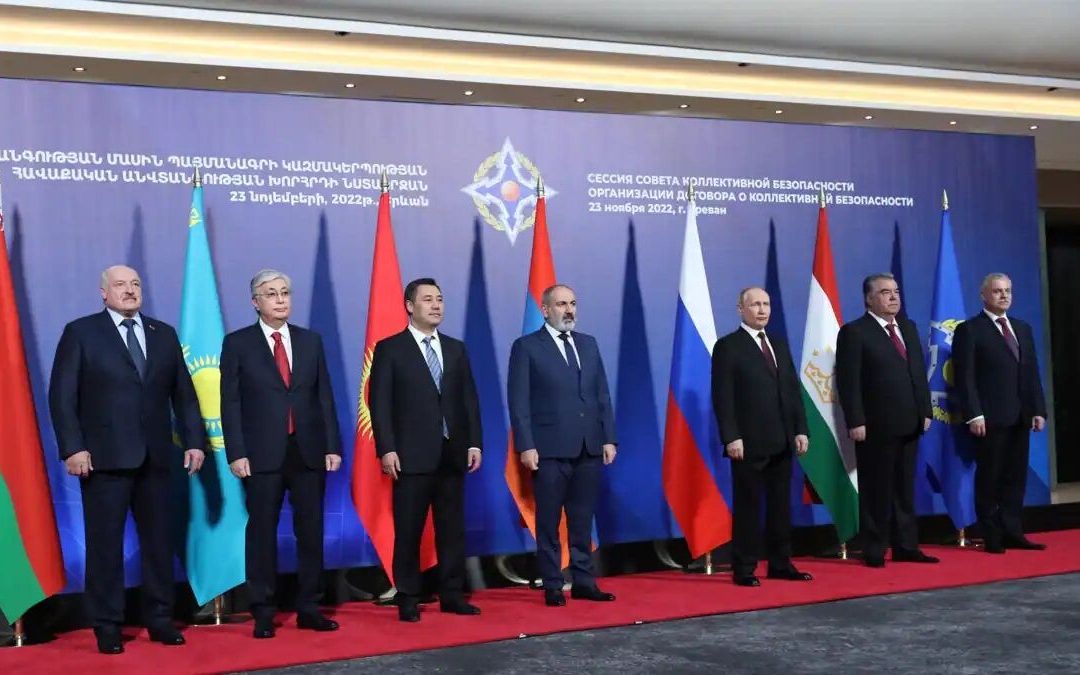
An Analysis on Possible Withdrawal of Armenia from the CSTO

An Analysis on Possible Withdrawal of Armenia from the CSTO

Strategic Council Online – Opinion: Last week, Armenian Prime Minister Nikol Pashinyan announced in a statement in the parliament his country’s intention to withdraw from the collective security pact consisting of several former Soviet states led by Russia. However, the exact time of this action has not yet been determined.

An Analysis on the Adoption the IAEA Board of Governors’ Resolution Against Iran

An Analysis on the Adoption the IAEA Board of Governors’ Resolution Against Iran

Strategic Council Online – Interview: An international lawyer and senior expert on international affairs said: The abstention and negative votes to the resolution of the Board of Governors regarding Iran should not overshadow the importance of the resolution’s content. In the past, there had been resolutions that were adopted with a similar voting ratio but that, nevertheless, ultimately left a negative impact on the nuclear dossier by shifting the course towards an unfavorable direction.

An Analysis on Dimensions of European Support for Ukraine

An Analysis on Dimensions of European Support for Ukraine

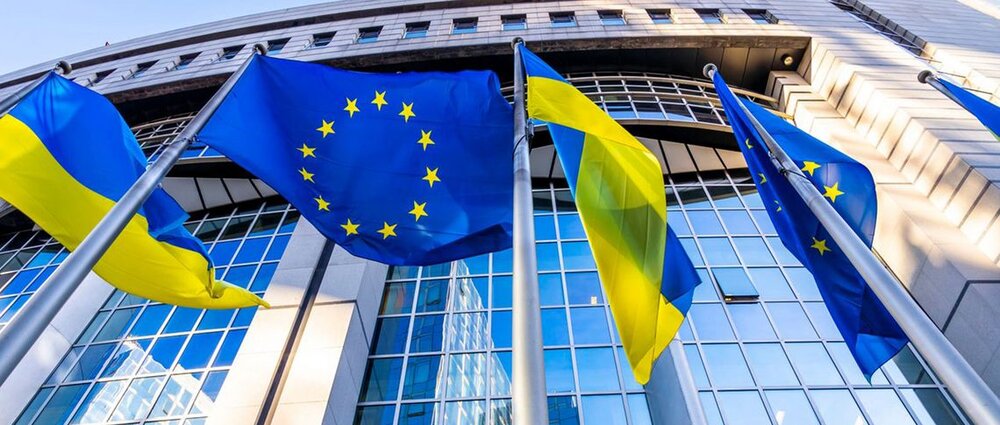
Strategic Council Online – Opinion: In the wake of the war in Ukraine, which has affected the international community, especially Europe, the leaders of the three EU member states, France, Germany, and Poland, recently agreed to increase efforts to purchase and produce weapons in Ukraine.
Hossein Sayahi – International Researcher

Europe’s confusion over the war in Ukraine

Europe’s confusion over the war in Ukraine

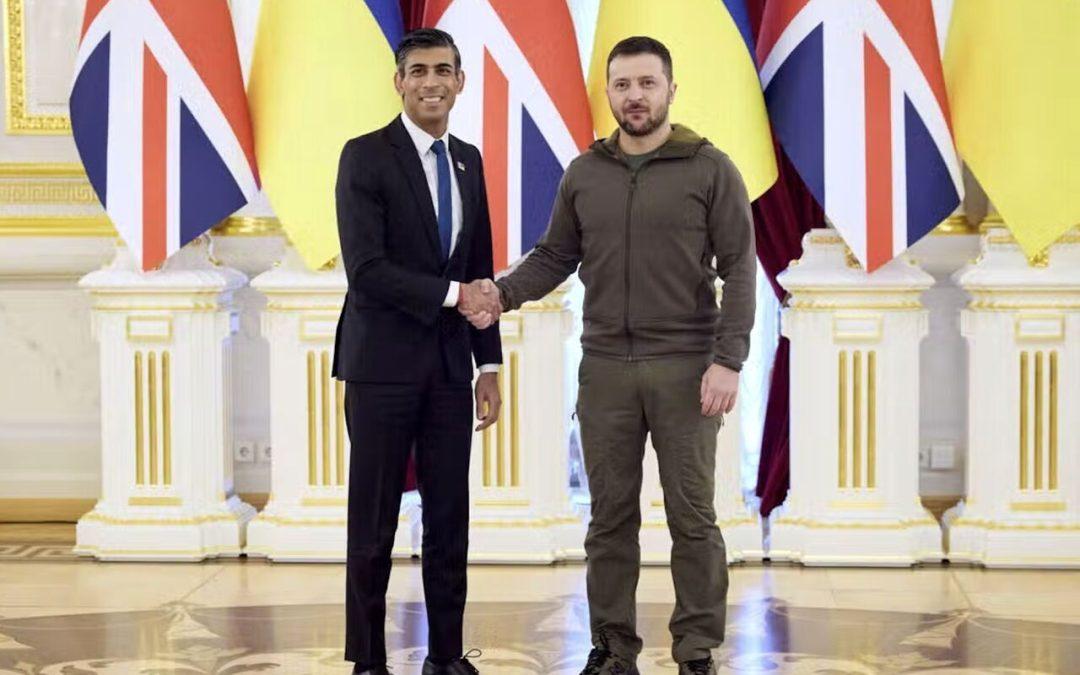
Strategic Council Online-Interview: An expert on European issues said that on the second anniversary of the Russian army’s attack on Ukraine, the leaders of the governments of Canada, Italy, and Belgium, along with the head of the European Union Commission traveled to Kiev to express solidarity with the people of Ukraine, and during this trip, the Italian Prime Minister signed a 10=year defense-security agreement with Ukraine. After signing a similar agreement with Kyiv, Canada’s Prime Minister promised more than $2.25 billion in financial and military aid to the Ukrainian authorities this year. Earlier, France and Germany had signed similar defense contracts with Ukraine.

Consequences of the escalation of militarization in the South Caucasus

Consequences of the escalation of militarization in the South Caucasus

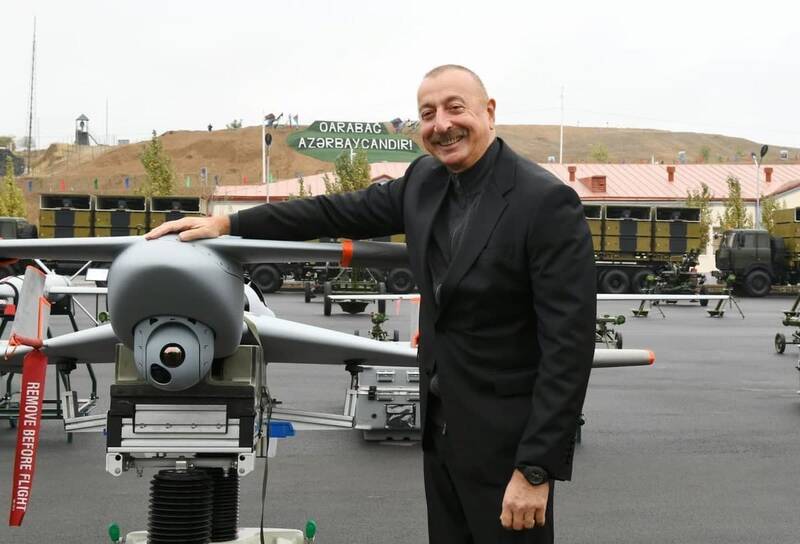
Strategic Council Online—Opinion: In recent months, we have seen Armenia and Azerbaijan strengthen new military-security arrangements. The two countries are developing military and security relations and exchanges with European and extra-regional countries within an “escalating process.” Strengthening the weapons arsenals, reviewing membership in some military pacts, and increasing military purchases are among these measures.
Barsam Mohammadi- Expert of regional issues

French Strategy on Ukraine War

French Strategy on Ukraine War

Strategic Council Online – Interview: A European studies expert said that France will continue its policy of boosting European integration and security in the long term, and if America’s share declines, it will probably play a more decisive role in leading this trend.

France and the Two-State Solution in Occupied Territories

France and the Two-State Solution in Occupied Territories

Strategic Council Online – Interview: An expert on regional issues said: The announcement of France’s agreement with the formation of two states in the Occupied Territories is a measure to raise the international image of France and reduce domestic pressure on the Macron government for inaction against the Israeli crimes in Gaza.

أحدث الوظائف

The Makkah Pact; Reasons for its Formation and Challenges Ahead

SCFR Online – Opinion: The Makkah Pact, signed between Saudi Arabia, Pakistan, and Turkey under the motto “an attack on one is an attack on all,” is viewed by some analysts less as a full-fledged military coalition and more as an attempt to reduce security dependence on an external power and to establish a regional security mechanism.

Implications of the US-Saudi Nuclear Agreement

SCFR Online – Opinion: The new US-Saudi nuclear agreement, despite legal and political ambiguities, could alter previous non-proliferation standards in West Asia and intensify nuclear competition, ushering it into a new phase.

An Analysis of Recent Turkey-Israeli Regime Tensions

SCFR Online – Opinion: Recent developments in Syria indicate an intensification of strategic rivalry between Turkey and the Israeli regime, but mutual considerations and the role of the United States have limited the likelihood of direct war.

Increasing criticism of the extensive Zionist lobby network

SCFR Online – Opinion: An examination of the mechanisms of the Israeli regime’s influence in the United States depicts a complex picture of shared interests, strategic dependencies, and the limitations of this relationship.

Realities of the Tripartite Makkah Pact

SCFR Online – Interview: The signing of the Makkah agreement between Saudi Arabia, Pakistan, and Turkey has raised questions about the future of the region’s security structure and the position of these countries in West Asian equations. Can this agreement become a genuine collective defense mechanism, or does it have more of a political and deterrent function than creating new military capacity?

Strategic Implications of the Reduction of US Weapons Stockpiles

SCFR Online – Opinion: The continuation of the US war against Iran, in addition to increasing operational costs, has called into question the actual capacity of the American arsenal to simultaneously fulfill security commitments on multiple fronts; an issue that affects deterrence, defense production capacity, and Washington’s resource prioritization.

Loading

France

An Analysis on Possible Withdrawal of Armenia from the CSTO

An Analysis on Possible Withdrawal of Armenia from the CSTO

Strategic Council Online – Opinion: Last week, Armenian Prime Minister Nikol Pashinyan announced in a statement in the parliament his country’s intention to withdraw from the collective security pact consisting of several former Soviet states led by Russia. However, the exact time of this action has not yet been determined.

An Analysis on the Adoption the IAEA Board of Governors’ Resolution Against Iran

An Analysis on the Adoption the IAEA Board of Governors’ Resolution Against Iran

Strategic Council Online – Interview: An international lawyer and senior expert on international affairs said: The abstention and negative votes to the resolution of the Board of Governors regarding Iran should not overshadow the importance of the resolution’s content. In the past, there had been resolutions that were adopted with a similar voting ratio but that, nevertheless, ultimately left a negative impact on the nuclear dossier by shifting the course towards an unfavorable direction.

An Analysis on Dimensions of European Support for Ukraine

An Analysis on Dimensions of European Support for Ukraine

Strategic Council Online – Opinion: In the wake of the war in Ukraine, which has affected the international community, especially Europe, the leaders of the three EU member states, France, Germany, and Poland, recently agreed to increase efforts to purchase and produce weapons in Ukraine.
Hossein Sayahi – International Researcher

Europe’s confusion over the war in Ukraine

Europe’s confusion over the war in Ukraine

Strategic Council Online-Interview: An expert on European issues said that on the second anniversary of the Russian army’s attack on Ukraine, the leaders of the governments of Canada, Italy, and Belgium, along with the head of the European Union Commission traveled to Kiev to express solidarity with the people of Ukraine, and during this trip, the Italian Prime Minister signed a 10=year defense-security agreement with Ukraine. After signing a similar agreement with Kyiv, Canada’s Prime Minister promised more than $2.25 billion in financial and military aid to the Ukrainian authorities this year. Earlier, France and Germany had signed similar defense contracts with Ukraine.

Consequences of the escalation of militarization in the South Caucasus

Consequences of the escalation of militarization in the South Caucasus

Strategic Council Online—Opinion: In recent months, we have seen Armenia and Azerbaijan strengthen new military-security arrangements. The two countries are developing military and security relations and exchanges with European and extra-regional countries within an “escalating process.” Strengthening the weapons arsenals, reviewing membership in some military pacts, and increasing military purchases are among these measures.
Barsam Mohammadi- Expert of regional issues

French Strategy on Ukraine War

French Strategy on Ukraine War

Strategic Council Online – Interview: A European studies expert said that France will continue its policy of boosting European integration and security in the long term, and if America’s share declines, it will probably play a more decisive role in leading this trend.

France and the Two-State Solution in Occupied Territories

France and the Two-State Solution in Occupied Territories

Strategic Council Online – Interview: An expert on regional issues said: The announcement of France’s agreement with the formation of two states in the Occupied Territories is a measure to raise the international image of France and reduce domestic pressure on the Macron government for inaction against the Israeli crimes in Gaza.

France

An Analysis on Possible Withdrawal of Armenia from the CSTO

An Analysis on Possible Withdrawal of Armenia from the CSTO

Strategic Council Online – Opinion: Last week, Armenian Prime Minister Nikol Pashinyan announced in a statement in the parliament his country’s intention to withdraw from the collective security pact consisting of several former Soviet states led by Russia. However, the exact time of this action has not yet been determined.

An Analysis on the Adoption the IAEA Board of Governors’ Resolution Against Iran

An Analysis on the Adoption the IAEA Board of Governors’ Resolution Against Iran

Strategic Council Online – Interview: An international lawyer and senior expert on international affairs said: The abstention and negative votes to the resolution of the Board of Governors regarding Iran should not overshadow the importance of the resolution’s content. In the past, there had been resolutions that were adopted with a similar voting ratio but that, nevertheless, ultimately left a negative impact on the nuclear dossier by shifting the course towards an unfavorable direction.

An Analysis on Dimensions of European Support for Ukraine

An Analysis on Dimensions of European Support for Ukraine

Strategic Council Online – Opinion: In the wake of the war in Ukraine, which has affected the international community, especially Europe, the leaders of the three EU member states, France, Germany, and Poland, recently agreed to increase efforts to purchase and produce weapons in Ukraine.
Hossein Sayahi – International Researcher

Europe’s confusion over the war in Ukraine

Europe’s confusion over the war in Ukraine

Strategic Council Online-Interview: An expert on European issues said that on the second anniversary of the Russian army’s attack on Ukraine, the leaders of the governments of Canada, Italy, and Belgium, along with the head of the European Union Commission traveled to Kiev to express solidarity with the people of Ukraine, and during this trip, the Italian Prime Minister signed a 10=year defense-security agreement with Ukraine. After signing a similar agreement with Kyiv, Canada’s Prime Minister promised more than $2.25 billion in financial and military aid to the Ukrainian authorities this year. Earlier, France and Germany had signed similar defense contracts with Ukraine.

Consequences of the escalation of militarization in the South Caucasus

Consequences of the escalation of militarization in the South Caucasus

Strategic Council Online—Opinion: In recent months, we have seen Armenia and Azerbaijan strengthen new military-security arrangements. The two countries are developing military and security relations and exchanges with European and extra-regional countries within an “escalating process.” Strengthening the weapons arsenals, reviewing membership in some military pacts, and increasing military purchases are among these measures.
Barsam Mohammadi- Expert of regional issues

French Strategy on Ukraine War

French Strategy on Ukraine War

Strategic Council Online – Interview: A European studies expert said that France will continue its policy of boosting European integration and security in the long term, and if America’s share declines, it will probably play a more decisive role in leading this trend.

France and the Two-State Solution in Occupied Territories

France and the Two-State Solution in Occupied Territories

Strategic Council Online – Interview: An expert on regional issues said: The announcement of France’s agreement with the formation of two states in the Occupied Territories is a measure to raise the international image of France and reduce domestic pressure on the Macron government for inaction against the Israeli crimes in Gaza.

LATEST CONTENT

The Makkah Pact; Reasons for its Formation and Challenges Ahead

SCFR Online – Opinion: The Makkah Pact, signed between Saudi Arabia, Pakistan, and Turkey under the motto “an attack on one is an attack on all,” is viewed by some analysts less as a full-fledged military coalition and more as an attempt to reduce security dependence on an external power and to establish a regional security mechanism.

Implications of the US-Saudi Nuclear Agreement

SCFR Online – Opinion: The new US-Saudi nuclear agreement, despite legal and political ambiguities, could alter previous non-proliferation standards in West Asia and intensify nuclear competition, ushering it into a new phase.

An Analysis of Recent Turkey-Israeli Regime Tensions

SCFR Online – Opinion: Recent developments in Syria indicate an intensification of strategic rivalry between Turkey and the Israeli regime, but mutual considerations and the role of the United States have limited the likelihood of direct war.

Increasing criticism of the extensive Zionist lobby network

SCFR Online – Opinion: An examination of the mechanisms of the Israeli regime’s influence in the United States depicts a complex picture of shared interests, strategic dependencies, and the limitations of this relationship.

Realities of the Tripartite Makkah Pact

SCFR Online – Interview: The signing of the Makkah agreement between Saudi Arabia, Pakistan, and Turkey has raised questions about the future of the region’s security structure and the position of these countries in West Asian equations. Can this agreement become a genuine collective defense mechanism, or does it have more of a political and deterrent function than creating new military capacity?

Strategic Implications of the Reduction of US Weapons Stockpiles

SCFR Online – Opinion: The continuation of the US war against Iran, in addition to increasing operational costs, has called into question the actual capacity of the American arsenal to simultaneously fulfill security commitments on multiple fronts; an issue that affects deterrence, defense production capacity, and Washington’s resource prioritization.

Loading

France

An Analysis on Possible Withdrawal of Armenia from the CSTO

An Analysis on Possible Withdrawal of Armenia from the CSTO

Strategic Council Online – Opinion: Last week, Armenian Prime Minister Nikol Pashinyan announced in a statement in the parliament his country’s intention to withdraw from the collective security pact consisting of several former Soviet states led by Russia. However, the exact time of this action has not yet been determined.

An Analysis on the Adoption the IAEA Board of Governors’ Resolution Against Iran

An Analysis on the Adoption the IAEA Board of Governors’ Resolution Against Iran

Strategic Council Online – Interview: An international lawyer and senior expert on international affairs said: The abstention and negative votes to the resolution of the Board of Governors regarding Iran should not overshadow the importance of the resolution’s content. In the past, there had been resolutions that were adopted with a similar voting ratio but that, nevertheless, ultimately left a negative impact on the nuclear dossier by shifting the course towards an unfavorable direction.

An Analysis on Dimensions of European Support for Ukraine

An Analysis on Dimensions of European Support for Ukraine

Strategic Council Online – Opinion: In the wake of the war in Ukraine, which has affected the international community, especially Europe, the leaders of the three EU member states, France, Germany, and Poland, recently agreed to increase efforts to purchase and produce weapons in Ukraine.
Hossein Sayahi – International Researcher

Europe’s confusion over the war in Ukraine

Europe’s confusion over the war in Ukraine

Strategic Council Online-Interview: An expert on European issues said that on the second anniversary of the Russian army’s attack on Ukraine, the leaders of the governments of Canada, Italy, and Belgium, along with the head of the European Union Commission traveled to Kiev to express solidarity with the people of Ukraine, and during this trip, the Italian Prime Minister signed a 10=year defense-security agreement with Ukraine. After signing a similar agreement with Kyiv, Canada’s Prime Minister promised more than $2.25 billion in financial and military aid to the Ukrainian authorities this year. Earlier, France and Germany had signed similar defense contracts with Ukraine.

Consequences of the escalation of militarization in the South Caucasus

Consequences of the escalation of militarization in the South Caucasus

Strategic Council Online—Opinion: In recent months, we have seen Armenia and Azerbaijan strengthen new military-security arrangements. The two countries are developing military and security relations and exchanges with European and extra-regional countries within an “escalating process.” Strengthening the weapons arsenals, reviewing membership in some military pacts, and increasing military purchases are among these measures.
Barsam Mohammadi- Expert of regional issues

French Strategy on Ukraine War

French Strategy on Ukraine War

Strategic Council Online – Interview: A European studies expert said that France will continue its policy of boosting European integration and security in the long term, and if America’s share declines, it will probably play a more decisive role in leading this trend.

France and the Two-State Solution in Occupied Territories

France and the Two-State Solution in Occupied Territories

Strategic Council Online – Interview: An expert on regional issues said: The announcement of France’s agreement with the formation of two states in the Occupied Territories is a measure to raise the international image of France and reduce domestic pressure on the Macron government for inaction against the Israeli crimes in Gaza.

ÚLTIMAS PUBLICACIONES

The Makkah Pact; Reasons for its Formation and Challenges Ahead

SCFR Online – Opinion: The Makkah Pact, signed between Saudi Arabia, Pakistan, and Turkey under the motto “an attack on one is an attack on all,” is viewed by some analysts less as a full-fledged military coalition and more as an attempt to reduce security dependence on an external power and to establish a regional security mechanism.

Implications of the US-Saudi Nuclear Agreement

SCFR Online – Opinion: The new US-Saudi nuclear agreement, despite legal and political ambiguities, could alter previous non-proliferation standards in West Asia and intensify nuclear competition, ushering it into a new phase.

An Analysis of Recent Turkey-Israeli Regime Tensions

SCFR Online – Opinion: Recent developments in Syria indicate an intensification of strategic rivalry between Turkey and the Israeli regime, but mutual considerations and the role of the United States have limited the likelihood of direct war.

Increasing criticism of the extensive Zionist lobby network

SCFR Online – Opinion: An examination of the mechanisms of the Israeli regime’s influence in the United States depicts a complex picture of shared interests, strategic dependencies, and the limitations of this relationship.

Realities of the Tripartite Makkah Pact

SCFR Online – Interview: The signing of the Makkah agreement between Saudi Arabia, Pakistan, and Turkey has raised questions about the future of the region’s security structure and the position of these countries in West Asian equations. Can this agreement become a genuine collective defense mechanism, or does it have more of a political and deterrent function than creating new military capacity?

Strategic Implications of the Reduction of US Weapons Stockpiles

SCFR Online – Opinion: The continuation of the US war against Iran, in addition to increasing operational costs, has called into question the actual capacity of the American arsenal to simultaneously fulfill security commitments on multiple fronts; an issue that affects deterrence, defense production capacity, and Washington’s resource prioritization.

Loading

France

An Analysis on Possible Withdrawal of Armenia from the CSTO

An Analysis on Possible Withdrawal of Armenia from the CSTO

Strategic Council Online – Opinion: Last week, Armenian Prime Minister Nikol Pashinyan announced in a statement in the parliament his country’s intention to withdraw from the collective security pact consisting of several former Soviet states led by Russia. However, the exact time of this action has not yet been determined.

An Analysis on the Adoption the IAEA Board of Governors’ Resolution Against Iran

An Analysis on the Adoption the IAEA Board of Governors’ Resolution Against Iran

Strategic Council Online – Interview: An international lawyer and senior expert on international affairs said: The abstention and negative votes to the resolution of the Board of Governors regarding Iran should not overshadow the importance of the resolution’s content. In the past, there had been resolutions that were adopted with a similar voting ratio but that, nevertheless, ultimately left a negative impact on the nuclear dossier by shifting the course towards an unfavorable direction.

An Analysis on Dimensions of European Support for Ukraine

An Analysis on Dimensions of European Support for Ukraine

Strategic Council Online – Opinion: In the wake of the war in Ukraine, which has affected the international community, especially Europe, the leaders of the three EU member states, France, Germany, and Poland, recently agreed to increase efforts to purchase and produce weapons in Ukraine.
Hossein Sayahi – International Researcher

Europe’s confusion over the war in Ukraine

Europe’s confusion over the war in Ukraine

Strategic Council Online-Interview: An expert on European issues said that on the second anniversary of the Russian army’s attack on Ukraine, the leaders of the governments of Canada, Italy, and Belgium, along with the head of the European Union Commission traveled to Kiev to express solidarity with the people of Ukraine, and during this trip, the Italian Prime Minister signed a 10=year defense-security agreement with Ukraine. After signing a similar agreement with Kyiv, Canada’s Prime Minister promised more than $2.25 billion in financial and military aid to the Ukrainian authorities this year. Earlier, France and Germany had signed similar defense contracts with Ukraine.

Consequences of the escalation of militarization in the South Caucasus

Consequences of the escalation of militarization in the South Caucasus

Strategic Council Online—Opinion: In recent months, we have seen Armenia and Azerbaijan strengthen new military-security arrangements. The two countries are developing military and security relations and exchanges with European and extra-regional countries within an “escalating process.” Strengthening the weapons arsenals, reviewing membership in some military pacts, and increasing military purchases are among these measures.
Barsam Mohammadi- Expert of regional issues

French Strategy on Ukraine War

French Strategy on Ukraine War

Strategic Council Online – Interview: A European studies expert said that France will continue its policy of boosting European integration and security in the long term, and if America’s share declines, it will probably play a more decisive role in leading this trend.

France and the Two-State Solution in Occupied Territories

France and the Two-State Solution in Occupied Territories

Strategic Council Online – Interview: An expert on regional issues said: The announcement of France’s agreement with the formation of two states in the Occupied Territories is a measure to raise the international image of France and reduce domestic pressure on the Macron government for inaction against the Israeli crimes in Gaza.

ÚLTIMAS PUBLICACIONES

The Makkah Pact; Reasons for its Formation and Challenges Ahead

SCFR Online – Opinion: The Makkah Pact, signed between Saudi Arabia, Pakistan, and Turkey under the motto “an attack on one is an attack on all,” is viewed by some analysts less as a full-fledged military coalition and more as an attempt to reduce security dependence on an external power and to establish a regional security mechanism.

Implications of the US-Saudi Nuclear Agreement

SCFR Online – Opinion: The new US-Saudi nuclear agreement, despite legal and political ambiguities, could alter previous non-proliferation standards in West Asia and intensify nuclear competition, ushering it into a new phase.

An Analysis of Recent Turkey-Israeli Regime Tensions

SCFR Online – Opinion: Recent developments in Syria indicate an intensification of strategic rivalry between Turkey and the Israeli regime, but mutual considerations and the role of the United States have limited the likelihood of direct war.

Increasing criticism of the extensive Zionist lobby network

SCFR Online – Opinion: An examination of the mechanisms of the Israeli regime’s influence in the United States depicts a complex picture of shared interests, strategic dependencies, and the limitations of this relationship.

Realities of the Tripartite Makkah Pact

SCFR Online – Interview: The signing of the Makkah agreement between Saudi Arabia, Pakistan, and Turkey has raised questions about the future of the region’s security structure and the position of these countries in West Asian equations. Can this agreement become a genuine collective defense mechanism, or does it have more of a political and deterrent function than creating new military capacity?

Strategic Implications of the Reduction of US Weapons Stockpiles

SCFR Online – Opinion: The continuation of the US war against Iran, in addition to increasing operational costs, has called into question the actual capacity of the American arsenal to simultaneously fulfill security commitments on multiple fronts; an issue that affects deterrence, defense production capacity, and Washington’s resource prioritization.

Loading

France

An Analysis on Possible Withdrawal of Armenia from the CSTO

An Analysis on Possible Withdrawal of Armenia from the CSTO

Strategic Council Online – Opinion: Last week, Armenian Prime Minister Nikol Pashinyan announced in a statement in the parliament his country’s intention to withdraw from the collective security pact consisting of several former Soviet states led by Russia. However, the exact time of this action has not yet been determined.

An Analysis on the Adoption the IAEA Board of Governors’ Resolution Against Iran

An Analysis on the Adoption the IAEA Board of Governors’ Resolution Against Iran

Strategic Council Online – Interview: An international lawyer and senior expert on international affairs said: The abstention and negative votes to the resolution of the Board of Governors regarding Iran should not overshadow the importance of the resolution’s content. In the past, there had been resolutions that were adopted with a similar voting ratio but that, nevertheless, ultimately left a negative impact on the nuclear dossier by shifting the course towards an unfavorable direction.

An Analysis on Dimensions of European Support for Ukraine

An Analysis on Dimensions of European Support for Ukraine

Strategic Council Online – Opinion: In the wake of the war in Ukraine, which has affected the international community, especially Europe, the leaders of the three EU member states, France, Germany, and Poland, recently agreed to increase efforts to purchase and produce weapons in Ukraine.
Hossein Sayahi – International Researcher

Europe’s confusion over the war in Ukraine

Europe’s confusion over the war in Ukraine

Strategic Council Online-Interview: An expert on European issues said that on the second anniversary of the Russian army’s attack on Ukraine, the leaders of the governments of Canada, Italy, and Belgium, along with the head of the European Union Commission traveled to Kiev to express solidarity with the people of Ukraine, and during this trip, the Italian Prime Minister signed a 10=year defense-security agreement with Ukraine. After signing a similar agreement with Kyiv, Canada’s Prime Minister promised more than $2.25 billion in financial and military aid to the Ukrainian authorities this year. Earlier, France and Germany had signed similar defense contracts with Ukraine.

Consequences of the escalation of militarization in the South Caucasus

Consequences of the escalation of militarization in the South Caucasus

Strategic Council Online—Opinion: In recent months, we have seen Armenia and Azerbaijan strengthen new military-security arrangements. The two countries are developing military and security relations and exchanges with European and extra-regional countries within an “escalating process.” Strengthening the weapons arsenals, reviewing membership in some military pacts, and increasing military purchases are among these measures.
Barsam Mohammadi- Expert of regional issues

French Strategy on Ukraine War

French Strategy on Ukraine War

Strategic Council Online – Interview: A European studies expert said that France will continue its policy of boosting European integration and security in the long term, and if America’s share declines, it will probably play a more decisive role in leading this trend.

France and the Two-State Solution in Occupied Territories

France and the Two-State Solution in Occupied Territories

Strategic Council Online – Interview: An expert on regional issues said: The announcement of France’s agreement with the formation of two states in the Occupied Territories is a measure to raise the international image of France and reduce domestic pressure on the Macron government for inaction against the Israeli crimes in Gaza.

ÚLTIMAS PUBLICACIONES

The Makkah Pact; Reasons for its Formation and Challenges Ahead

SCFR Online – Opinion: The Makkah Pact, signed between Saudi Arabia, Pakistan, and Turkey under the motto “an attack on one is an attack on all,” is viewed by some analysts less as a full-fledged military coalition and more as an attempt to reduce security dependence on an external power and to establish a regional security mechanism.

Implications of the US-Saudi Nuclear Agreement

SCFR Online – Opinion: The new US-Saudi nuclear agreement, despite legal and political ambiguities, could alter previous non-proliferation standards in West Asia and intensify nuclear competition, ushering it into a new phase.

An Analysis of Recent Turkey-Israeli Regime Tensions

SCFR Online – Opinion: Recent developments in Syria indicate an intensification of strategic rivalry between Turkey and the Israeli regime, but mutual considerations and the role of the United States have limited the likelihood of direct war.

Increasing criticism of the extensive Zionist lobby network

SCFR Online – Opinion: An examination of the mechanisms of the Israeli regime’s influence in the United States depicts a complex picture of shared interests, strategic dependencies, and the limitations of this relationship.

Realities of the Tripartite Makkah Pact

SCFR Online – Interview: The signing of the Makkah agreement between Saudi Arabia, Pakistan, and Turkey has raised questions about the future of the region’s security structure and the position of these countries in West Asian equations. Can this agreement become a genuine collective defense mechanism, or does it have more of a political and deterrent function than creating new military capacity?

Strategic Implications of the Reduction of US Weapons Stockpiles

SCFR Online – Opinion: The continuation of the US war against Iran, in addition to increasing operational costs, has called into question the actual capacity of the American arsenal to simultaneously fulfill security commitments on multiple fronts; an issue that affects deterrence, defense production capacity, and Washington’s resource prioritization.

Loading

France

An Analysis on Possible Withdrawal of Armenia from the CSTO

An Analysis on Possible Withdrawal of Armenia from the CSTO

Strategic Council Online – Opinion: Last week, Armenian Prime Minister Nikol Pashinyan announced in a statement in the parliament his country’s intention to withdraw from the collective security pact consisting of several former Soviet states led by Russia. However, the exact time of this action has not yet been determined.

An Analysis on the Adoption the IAEA Board of Governors’ Resolution Against Iran

An Analysis on the Adoption the IAEA Board of Governors’ Resolution Against Iran

Strategic Council Online – Interview: An international lawyer and senior expert on international affairs said: The abstention and negative votes to the resolution of the Board of Governors regarding Iran should not overshadow the importance of the resolution’s content. In the past, there had been resolutions that were adopted with a similar voting ratio but that, nevertheless, ultimately left a negative impact on the nuclear dossier by shifting the course towards an unfavorable direction.

An Analysis on Dimensions of European Support for Ukraine

An Analysis on Dimensions of European Support for Ukraine

Strategic Council Online – Opinion: In the wake of the war in Ukraine, which has affected the international community, especially Europe, the leaders of the three EU member states, France, Germany, and Poland, recently agreed to increase efforts to purchase and produce weapons in Ukraine.
Hossein Sayahi – International Researcher

Europe’s confusion over the war in Ukraine

Europe’s confusion over the war in Ukraine

Strategic Council Online-Interview: An expert on European issues said that on the second anniversary of the Russian army’s attack on Ukraine, the leaders of the governments of Canada, Italy, and Belgium, along with the head of the European Union Commission traveled to Kiev to express solidarity with the people of Ukraine, and during this trip, the Italian Prime Minister signed a 10=year defense-security agreement with Ukraine. After signing a similar agreement with Kyiv, Canada’s Prime Minister promised more than $2.25 billion in financial and military aid to the Ukrainian authorities this year. Earlier, France and Germany had signed similar defense contracts with Ukraine.

Consequences of the escalation of militarization in the South Caucasus

Consequences of the escalation of militarization in the South Caucasus

Strategic Council Online—Opinion: In recent months, we have seen Armenia and Azerbaijan strengthen new military-security arrangements. The two countries are developing military and security relations and exchanges with European and extra-regional countries within an “escalating process.” Strengthening the weapons arsenals, reviewing membership in some military pacts, and increasing military purchases are among these measures.
Barsam Mohammadi- Expert of regional issues

French Strategy on Ukraine War

French Strategy on Ukraine War

Strategic Council Online – Interview: A European studies expert said that France will continue its policy of boosting European integration and security in the long term, and if America’s share declines, it will probably play a more decisive role in leading this trend.

France and the Two-State Solution in Occupied Territories

France and the Two-State Solution in Occupied Territories

Strategic Council Online – Interview: An expert on regional issues said: The announcement of France’s agreement with the formation of two states in the Occupied Territories is a measure to raise the international image of France and reduce domestic pressure on the Macron government for inaction against the Israeli crimes in Gaza.

ÚLTIMAS PUBLICACIONES

The Makkah Pact; Reasons for its Formation and Challenges Ahead

SCFR Online – Opinion: The Makkah Pact, signed between Saudi Arabia, Pakistan, and Turkey under the motto “an attack on one is an attack on all,” is viewed by some analysts less as a full-fledged military coalition and more as an attempt to reduce security dependence on an external power and to establish a regional security mechanism.

Implications of the US-Saudi Nuclear Agreement

SCFR Online – Opinion: The new US-Saudi nuclear agreement, despite legal and political ambiguities, could alter previous non-proliferation standards in West Asia and intensify nuclear competition, ushering it into a new phase.

An Analysis of Recent Turkey-Israeli Regime Tensions

SCFR Online – Opinion: Recent developments in Syria indicate an intensification of strategic rivalry between Turkey and the Israeli regime, but mutual considerations and the role of the United States have limited the likelihood of direct war.

Increasing criticism of the extensive Zionist lobby network

SCFR Online – Opinion: An examination of the mechanisms of the Israeli regime’s influence in the United States depicts a complex picture of shared interests, strategic dependencies, and the limitations of this relationship.

Realities of the Tripartite Makkah Pact

SCFR Online – Interview: The signing of the Makkah agreement between Saudi Arabia, Pakistan, and Turkey has raised questions about the future of the region’s security structure and the position of these countries in West Asian equations. Can this agreement become a genuine collective defense mechanism, or does it have more of a political and deterrent function than creating new military capacity?

Strategic Implications of the Reduction of US Weapons Stockpiles

SCFR Online – Opinion: The continuation of the US war against Iran, in addition to increasing operational costs, has called into question the actual capacity of the American arsenal to simultaneously fulfill security commitments on multiple fronts; an issue that affects deterrence, defense production capacity, and Washington’s resource prioritization.

Loading