جدیدترین مطالب

The Makkah Pact; Reasons for its Formation and Challenges Ahead

SCFR Online – Opinion: The Makkah Pact, signed between Saudi Arabia, Pakistan, and Turkey under the motto “an attack on one is an attack on all,” is viewed by some analysts less as a full-fledged military coalition and more as an attempt to reduce security dependence on an external power and to establish a regional security mechanism.

Implications of the US-Saudi Nuclear Agreement

SCFR Online – Opinion: The new US-Saudi nuclear agreement, despite legal and political ambiguities, could alter previous non-proliferation standards in West Asia and intensify nuclear competition, ushering it into a new phase.

An Analysis of Recent Turkey-Israeli Regime Tensions

SCFR Online – Opinion: Recent developments in Syria indicate an intensification of strategic rivalry between Turkey and the Israeli regime, but mutual considerations and the role of the United States have limited the likelihood of direct war.

Increasing criticism of the extensive Zionist lobby network

SCFR Online – Opinion: An examination of the mechanisms of the Israeli regime’s influence in the United States depicts a complex picture of shared interests, strategic dependencies, and the limitations of this relationship.

Realities of the Tripartite Makkah Pact

SCFR Online – Interview: The signing of the Makkah agreement between Saudi Arabia, Pakistan, and Turkey has raised questions about the future of the region’s security structure and the position of these countries in West Asian equations. Can this agreement become a genuine collective defense mechanism, or does it have more of a political and deterrent function than creating new military capacity?

Strategic Implications of the Reduction of US Weapons Stockpiles

SCFR Online – Opinion: The continuation of the US war against Iran, in addition to increasing operational costs, has called into question the actual capacity of the American arsenal to simultaneously fulfill security commitments on multiple fronts; an issue that affects deterrence, defense production capacity, and Washington’s resource prioritization.

Loading

France

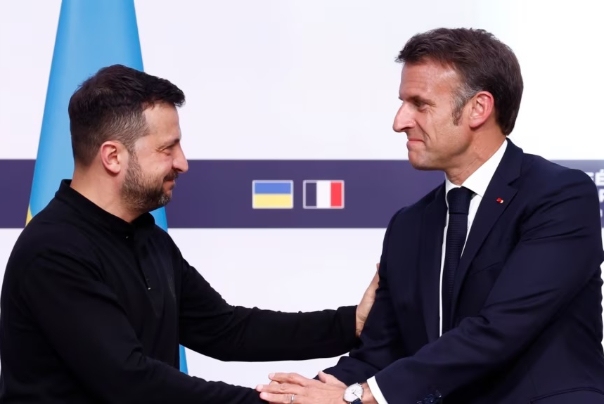
An Analysis of Macron’s Initiative to Send European Troops to Ukraine

An Analysis of Macron’s Initiative to Send European Troops to Ukraine

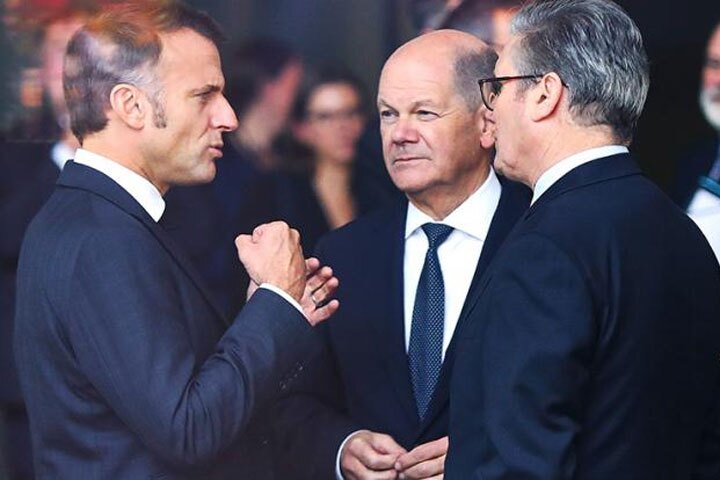
Strategic Council Online – Interview: A senior international affairs analyst stated that Europe today, more than ever, needs a unified strategy; without such a strategy, not only will peace be unachievable, but Europe itself will become the main stage for the consequences of this war.

Trump and the Humiliation of Europe in the Ukraine Crisis

Trump and the Humiliation of Europe in the Ukraine Crisis

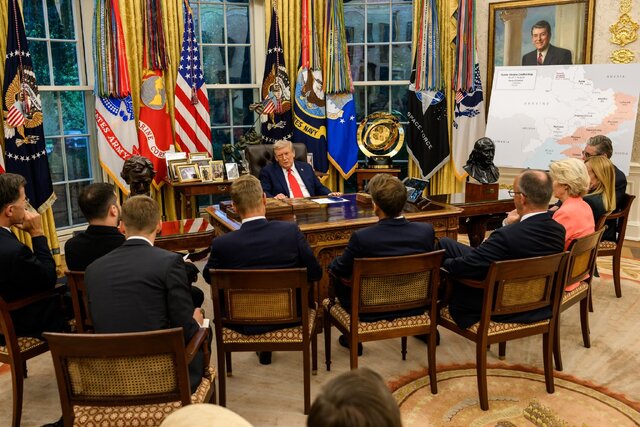
Strategic Council Online – Interview: A senior international affairs analyst stated that Trump’s deal-oriented and authoritarian diplomacy, disregarding the complexities of a multipolar world, is doomed to failure. Lasting peace in Ukraine will only be possible through cooperation with Europe and respect for international law. Donald Trump, the President of the United States, with a deal-oriented approach aimed at quickly ending the war in Ukraine, has increased pressure on Europe to accept primary responsibility for that country’s security guarantees. According to a Politico report, senior Pentagon officials, in meetings with European defense ministers, emphasized that the U.S. would play a minimal role in this regard, with the main burden falling on Europe. This approach, evident at the August 18 meeting in Washington with European leaders and Volodymyr Zelenskyy, highlights a deep rift in transatlantic relations. Europe, concerned about the diminishing U.S. commitments to NATO and the fragility of the peace, is seeking security independence and strengthening its own diplomacy.

France’s Parliament Concerned About the EU’s Catastrophic Strategic Dependence on America

France’s Parliament Concerned About the EU’s Catastrophic Strategic Dependence on America

Strategic Council Online – Interview: A senior international affairs analyst stated that the current geopolitical situation has created an unprecedented space for strategic changes in Europe, adding that the recommendation letter from France’s parliament is essentially a strategic response to these conditions. The release of the French parliament’s 153-page report—dubbed by Arnaud Bertrand (French journalist) as “the most prominent geopolitical document of the century”—has sparked a wave of debate and reactions in global political and intellectual circles. This document describes the European Union’s strategic dependence on the United States as a catastrophic failure and, through 50 practical recommendations, proposes a new path to escape Atlanticist hegemony and move towards equal partnership with China. If the contents and recommendations of this document are taken seriously in Europe, the consequences will extend beyond the geography of the Green Continent and directly impact relations among emerging powers, financial markets, and even international security equations. Furthermore, the document goes beyond “defense independence” to address “economic and monetary independence”—an area hitherto under the shadow of the US dollar and Washington’s policies. From this perspective, the present moment may mark the beginning of a new chapter in international politics, where Europe defines itself as an independent actor in the future multipolar order.

An Analysis of France’s Decision to Recognize the Palestinian State

An Analysis of France’s Decision to Recognize the Palestinian State

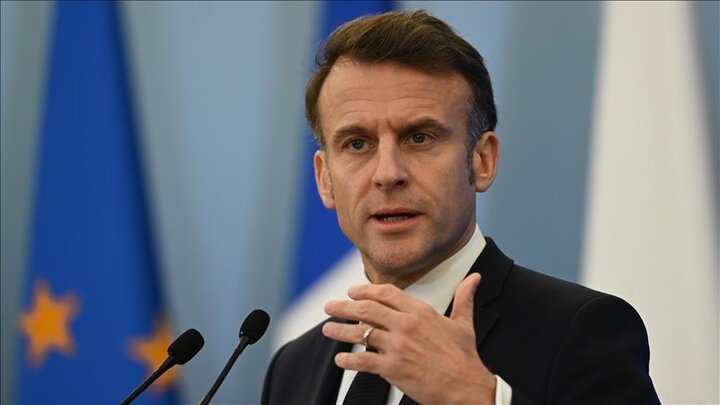
Strategic Council Online – Interview: A senior West Asia affairs analyst stated: The explicit support of Spain, Ireland, Portugal, and some political factions in the Netherlands and Britain for France’s decision to recognize the Palestinian state indicates that the public atmosphere in Europe is changing. Emmanuel Macron, the President of France, has announced that in September, coinciding with the United Nations General Assembly, his government will recognize the State of Palestine. This decision, amid the humanitarian crisis in the Gaza Strip and the continuation of the Israeli regime’s military attacks, is considered a significant step in the diplomatic arena. Of course, it should not go unmentioned that France, as one of the founders of the Israeli regime’s nuclear program and a member of the Rome Statute, has a past full of legal and moral responsibilities towards this regime. In this vein, many analysts believe that if France wants to go beyond this symbolic decision and truly play a role in changing international relations regarding the Palestinian crisis, now is the time to reexamine its historical past.

The Ukraine War and Europe’s Security Scenarios

The Ukraine War and Europe’s Security Scenarios

Strategic Council Online – Interview: A Russia affairs expert stated that Europe will face a complex security environment in the future, including increased militarization, economic challenges stemming from cutting dependence on Russian energy, and the need to redefine relations with the U.S. and NATO. As a result, without sustainable solutions, Europe may face greater existential, economic, and social threats in the future.

An Analysis of Germany’s Wrong Approach to the 12-Day War

An Analysis of Germany’s Wrong Approach to the 12-Day War

Strategic Council Online – Interview: A senior European affairs analyst stated that Germany’s support for the Israeli regime in the 12-day war against Iran stems from its historical commitment to this regime. Friedrich Merz, Germany’s Chancellor from the Christian Democratic Party, firmly backed the Israeli regime’s attacks on Iran in June 2025, calling them a “dirty job for everyone’s benefit” and part of the Israeli regime’s “self-defense.” This stance is rooted in Germany’s historical commitment to the security of the Israeli regime (Staatsräson), which has been reinforced since the Holocaust and Angela Merkel’s 2008 speech at the Knesset. At the G7 summit and a conference in Berlin, Merz cited Iran’s underground facilities, arguing that the attacks were necessary to prevent Iran from obtaining nuclear weapons. Germany’s Foreign Minister, Johann Wadephul, also reiterated support for the Israeli regime’s “right to self-defense.” This position has faced domestic and international criticism. Germany’s unconditional support, aligned with Western geopolitical interests against Iran, signals a shift toward a more aggressive foreign policy. This stance has sparked criticism both at home and abroad.

Nuclear Deterrence of Britain and France: A Step Toward Reducing Europe’s Defense Dependence on the U.S.

Nuclear Deterrence of Britain and France: A Step Toward Reducing Europe’s Defense Dependence on the U.S.

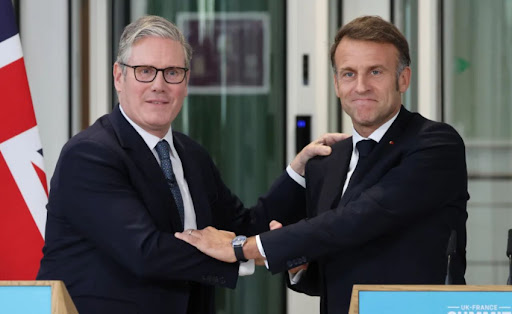
Strategic Council Online – Interview: A senior European affairs analyst stated that the nuclear deterrence agreement between Britain and France marks a turning point in Europe’s security architecture. This pact not only addresses immediate threats, including those posed by Russia, but also lays the groundwork for long-term cooperation in cyber, space, and military domains. The success of this collaboration depends on the two nations’ commitment to fulfilling existing obligations and actively participating in new security arrangements.

Europe’s New Security Strategy Aimed at Defense Self-Sufficiency

Europe’s New Security Strategy Aimed at Defense Self-Sufficiency

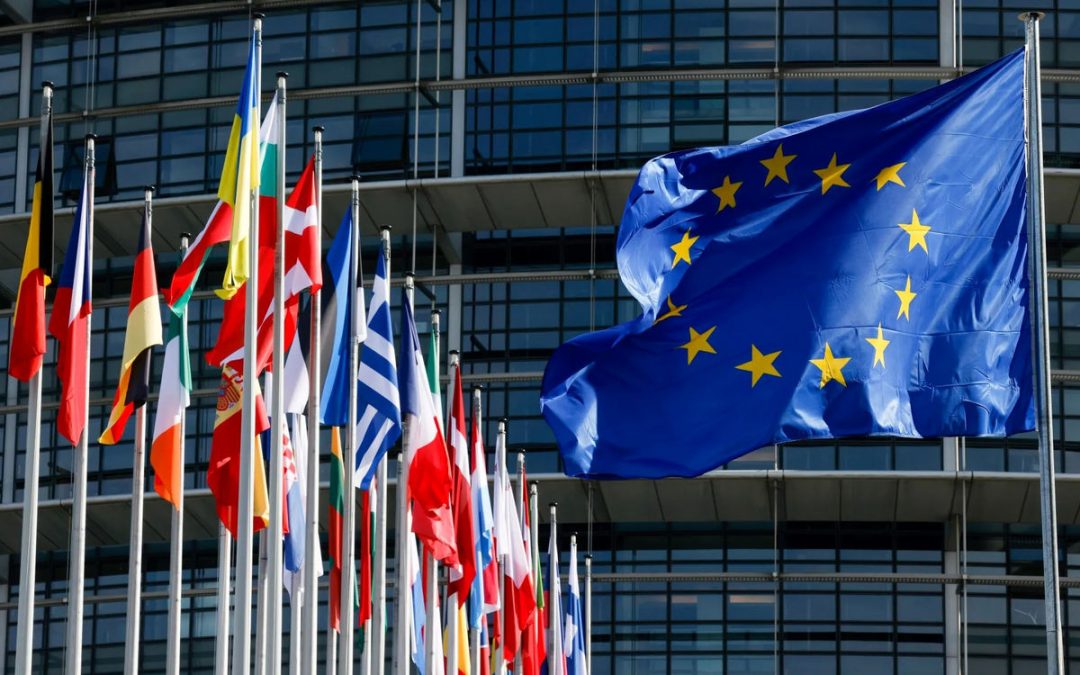
Strategic Council Online – Opinion: On June 2, 2025, the Council of the European Union took an unprecedented step toward strengthening Europe’s military self-sufficiency by officially approving a new defense fund worth 150 billion euros. This decision, made after decades of institutional debate and effort in common security policy, is now regarded not merely as a technical or budgetary initiative but as a reflection of a paradigm shift in Europe’s strategic outlook on its security future.

Reasons for NATO’s Interest in a Military Partnership with Iraq

Reasons for NATO’s Interest in a Military Partnership with Iraq

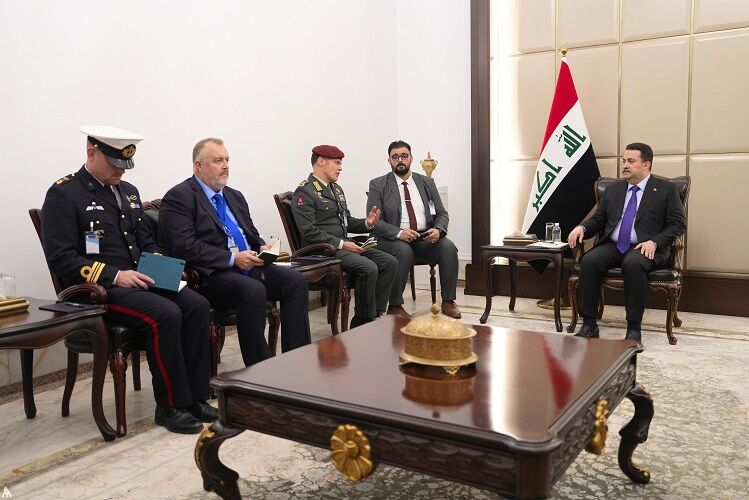
Strategic Council Online – Interview: A West Asia affairs expert stated that Christoph Henzi, the new NATO commander in Iraq, recently emphasized the North Atlantic Treaty Organization’s (NATO) continued commitment to coordinating and cooperating with Iraqi military and security institutions through experience-sharing, advisory services, and capacity-building.

EU3 and Iran-US Nuclear Talks

EU3 and Iran-US Nuclear Talks

Strategic Council Online – Guest Opinion: The recent nuclear talks between Iran and the United States, which are being conducted through the mediation of Oman, have once again attracted the attention of the international community. Although in the past, Iran, due to its differences and problems with the United States, mostly entered into negotiations on nuclear issues with European countries, especially the United Kingdom, France and Germany (EU3), in this period, due to specific regional and international conditions, and mainly due to the US President Donald Trump’s approach these negotiations have been limited to Iran and the United States, and other world powers are not present in the talks at the moment.

أحدث الوظائف

The Makkah Pact; Reasons for its Formation and Challenges Ahead

SCFR Online – Opinion: The Makkah Pact, signed between Saudi Arabia, Pakistan, and Turkey under the motto “an attack on one is an attack on all,” is viewed by some analysts less as a full-fledged military coalition and more as an attempt to reduce security dependence on an external power and to establish a regional security mechanism.

Implications of the US-Saudi Nuclear Agreement

SCFR Online – Opinion: The new US-Saudi nuclear agreement, despite legal and political ambiguities, could alter previous non-proliferation standards in West Asia and intensify nuclear competition, ushering it into a new phase.

An Analysis of Recent Turkey-Israeli Regime Tensions

SCFR Online – Opinion: Recent developments in Syria indicate an intensification of strategic rivalry between Turkey and the Israeli regime, but mutual considerations and the role of the United States have limited the likelihood of direct war.

Increasing criticism of the extensive Zionist lobby network

SCFR Online – Opinion: An examination of the mechanisms of the Israeli regime’s influence in the United States depicts a complex picture of shared interests, strategic dependencies, and the limitations of this relationship.

Realities of the Tripartite Makkah Pact

SCFR Online – Interview: The signing of the Makkah agreement between Saudi Arabia, Pakistan, and Turkey has raised questions about the future of the region’s security structure and the position of these countries in West Asian equations. Can this agreement become a genuine collective defense mechanism, or does it have more of a political and deterrent function than creating new military capacity?

Strategic Implications of the Reduction of US Weapons Stockpiles

SCFR Online – Opinion: The continuation of the US war against Iran, in addition to increasing operational costs, has called into question the actual capacity of the American arsenal to simultaneously fulfill security commitments on multiple fronts; an issue that affects deterrence, defense production capacity, and Washington’s resource prioritization.

Loading

France

An Analysis of Macron’s Initiative to Send European Troops to Ukraine

An Analysis of Macron’s Initiative to Send European Troops to Ukraine

Strategic Council Online – Interview: A senior international affairs analyst stated that Europe today, more than ever, needs a unified strategy; without such a strategy, not only will peace be unachievable, but Europe itself will become the main stage for the consequences of this war.

Trump and the Humiliation of Europe in the Ukraine Crisis

Trump and the Humiliation of Europe in the Ukraine Crisis

Strategic Council Online – Interview: A senior international affairs analyst stated that Trump’s deal-oriented and authoritarian diplomacy, disregarding the complexities of a multipolar world, is doomed to failure. Lasting peace in Ukraine will only be possible through cooperation with Europe and respect for international law. Donald Trump, the President of the United States, with a deal-oriented approach aimed at quickly ending the war in Ukraine, has increased pressure on Europe to accept primary responsibility for that country’s security guarantees. According to a Politico report, senior Pentagon officials, in meetings with European defense ministers, emphasized that the U.S. would play a minimal role in this regard, with the main burden falling on Europe. This approach, evident at the August 18 meeting in Washington with European leaders and Volodymyr Zelenskyy, highlights a deep rift in transatlantic relations. Europe, concerned about the diminishing U.S. commitments to NATO and the fragility of the peace, is seeking security independence and strengthening its own diplomacy.

France’s Parliament Concerned About the EU’s Catastrophic Strategic Dependence on America

France’s Parliament Concerned About the EU’s Catastrophic Strategic Dependence on America

Strategic Council Online – Interview: A senior international affairs analyst stated that the current geopolitical situation has created an unprecedented space for strategic changes in Europe, adding that the recommendation letter from France’s parliament is essentially a strategic response to these conditions. The release of the French parliament’s 153-page report—dubbed by Arnaud Bertrand (French journalist) as “the most prominent geopolitical document of the century”—has sparked a wave of debate and reactions in global political and intellectual circles. This document describes the European Union’s strategic dependence on the United States as a catastrophic failure and, through 50 practical recommendations, proposes a new path to escape Atlanticist hegemony and move towards equal partnership with China. If the contents and recommendations of this document are taken seriously in Europe, the consequences will extend beyond the geography of the Green Continent and directly impact relations among emerging powers, financial markets, and even international security equations. Furthermore, the document goes beyond “defense independence” to address “economic and monetary independence”—an area hitherto under the shadow of the US dollar and Washington’s policies. From this perspective, the present moment may mark the beginning of a new chapter in international politics, where Europe defines itself as an independent actor in the future multipolar order.

An Analysis of France’s Decision to Recognize the Palestinian State

An Analysis of France’s Decision to Recognize the Palestinian State

Strategic Council Online – Interview: A senior West Asia affairs analyst stated: The explicit support of Spain, Ireland, Portugal, and some political factions in the Netherlands and Britain for France’s decision to recognize the Palestinian state indicates that the public atmosphere in Europe is changing. Emmanuel Macron, the President of France, has announced that in September, coinciding with the United Nations General Assembly, his government will recognize the State of Palestine. This decision, amid the humanitarian crisis in the Gaza Strip and the continuation of the Israeli regime’s military attacks, is considered a significant step in the diplomatic arena. Of course, it should not go unmentioned that France, as one of the founders of the Israeli regime’s nuclear program and a member of the Rome Statute, has a past full of legal and moral responsibilities towards this regime. In this vein, many analysts believe that if France wants to go beyond this symbolic decision and truly play a role in changing international relations regarding the Palestinian crisis, now is the time to reexamine its historical past.

The Ukraine War and Europe’s Security Scenarios

The Ukraine War and Europe’s Security Scenarios

Strategic Council Online – Interview: A Russia affairs expert stated that Europe will face a complex security environment in the future, including increased militarization, economic challenges stemming from cutting dependence on Russian energy, and the need to redefine relations with the U.S. and NATO. As a result, without sustainable solutions, Europe may face greater existential, economic, and social threats in the future.

An Analysis of Germany’s Wrong Approach to the 12-Day War

An Analysis of Germany’s Wrong Approach to the 12-Day War

Strategic Council Online – Interview: A senior European affairs analyst stated that Germany’s support for the Israeli regime in the 12-day war against Iran stems from its historical commitment to this regime. Friedrich Merz, Germany’s Chancellor from the Christian Democratic Party, firmly backed the Israeli regime’s attacks on Iran in June 2025, calling them a “dirty job for everyone’s benefit” and part of the Israeli regime’s “self-defense.” This stance is rooted in Germany’s historical commitment to the security of the Israeli regime (Staatsräson), which has been reinforced since the Holocaust and Angela Merkel’s 2008 speech at the Knesset. At the G7 summit and a conference in Berlin, Merz cited Iran’s underground facilities, arguing that the attacks were necessary to prevent Iran from obtaining nuclear weapons. Germany’s Foreign Minister, Johann Wadephul, also reiterated support for the Israeli regime’s “right to self-defense.” This position has faced domestic and international criticism. Germany’s unconditional support, aligned with Western geopolitical interests against Iran, signals a shift toward a more aggressive foreign policy. This stance has sparked criticism both at home and abroad.

Nuclear Deterrence of Britain and France: A Step Toward Reducing Europe’s Defense Dependence on the U.S.

Nuclear Deterrence of Britain and France: A Step Toward Reducing Europe’s Defense Dependence on the U.S.

Strategic Council Online – Interview: A senior European affairs analyst stated that the nuclear deterrence agreement between Britain and France marks a turning point in Europe’s security architecture. This pact not only addresses immediate threats, including those posed by Russia, but also lays the groundwork for long-term cooperation in cyber, space, and military domains. The success of this collaboration depends on the two nations’ commitment to fulfilling existing obligations and actively participating in new security arrangements.

Europe’s New Security Strategy Aimed at Defense Self-Sufficiency

Europe’s New Security Strategy Aimed at Defense Self-Sufficiency

Strategic Council Online – Opinion: On June 2, 2025, the Council of the European Union took an unprecedented step toward strengthening Europe’s military self-sufficiency by officially approving a new defense fund worth 150 billion euros. This decision, made after decades of institutional debate and effort in common security policy, is now regarded not merely as a technical or budgetary initiative but as a reflection of a paradigm shift in Europe’s strategic outlook on its security future.

Reasons for NATO’s Interest in a Military Partnership with Iraq

Reasons for NATO’s Interest in a Military Partnership with Iraq

Strategic Council Online – Interview: A West Asia affairs expert stated that Christoph Henzi, the new NATO commander in Iraq, recently emphasized the North Atlantic Treaty Organization’s (NATO) continued commitment to coordinating and cooperating with Iraqi military and security institutions through experience-sharing, advisory services, and capacity-building.

EU3 and Iran-US Nuclear Talks

EU3 and Iran-US Nuclear Talks

Strategic Council Online – Guest Opinion: The recent nuclear talks between Iran and the United States, which are being conducted through the mediation of Oman, have once again attracted the attention of the international community. Although in the past, Iran, due to its differences and problems with the United States, mostly entered into negotiations on nuclear issues with European countries, especially the United Kingdom, France and Germany (EU3), in this period, due to specific regional and international conditions, and mainly due to the US President Donald Trump’s approach these negotiations have been limited to Iran and the United States, and other world powers are not present in the talks at the moment.

France

An Analysis of Macron’s Initiative to Send European Troops to Ukraine

An Analysis of Macron’s Initiative to Send European Troops to Ukraine

Strategic Council Online – Interview: A senior international affairs analyst stated that Europe today, more than ever, needs a unified strategy; without such a strategy, not only will peace be unachievable, but Europe itself will become the main stage for the consequences of this war.

Trump and the Humiliation of Europe in the Ukraine Crisis

Trump and the Humiliation of Europe in the Ukraine Crisis

Strategic Council Online – Interview: A senior international affairs analyst stated that Trump’s deal-oriented and authoritarian diplomacy, disregarding the complexities of a multipolar world, is doomed to failure. Lasting peace in Ukraine will only be possible through cooperation with Europe and respect for international law. Donald Trump, the President of the United States, with a deal-oriented approach aimed at quickly ending the war in Ukraine, has increased pressure on Europe to accept primary responsibility for that country’s security guarantees. According to a Politico report, senior Pentagon officials, in meetings with European defense ministers, emphasized that the U.S. would play a minimal role in this regard, with the main burden falling on Europe. This approach, evident at the August 18 meeting in Washington with European leaders and Volodymyr Zelenskyy, highlights a deep rift in transatlantic relations. Europe, concerned about the diminishing U.S. commitments to NATO and the fragility of the peace, is seeking security independence and strengthening its own diplomacy.

France’s Parliament Concerned About the EU’s Catastrophic Strategic Dependence on America

France’s Parliament Concerned About the EU’s Catastrophic Strategic Dependence on America

Strategic Council Online – Interview: A senior international affairs analyst stated that the current geopolitical situation has created an unprecedented space for strategic changes in Europe, adding that the recommendation letter from France’s parliament is essentially a strategic response to these conditions. The release of the French parliament’s 153-page report—dubbed by Arnaud Bertrand (French journalist) as “the most prominent geopolitical document of the century”—has sparked a wave of debate and reactions in global political and intellectual circles. This document describes the European Union’s strategic dependence on the United States as a catastrophic failure and, through 50 practical recommendations, proposes a new path to escape Atlanticist hegemony and move towards equal partnership with China. If the contents and recommendations of this document are taken seriously in Europe, the consequences will extend beyond the geography of the Green Continent and directly impact relations among emerging powers, financial markets, and even international security equations. Furthermore, the document goes beyond “defense independence” to address “economic and monetary independence”—an area hitherto under the shadow of the US dollar and Washington’s policies. From this perspective, the present moment may mark the beginning of a new chapter in international politics, where Europe defines itself as an independent actor in the future multipolar order.

An Analysis of France’s Decision to Recognize the Palestinian State

An Analysis of France’s Decision to Recognize the Palestinian State

Strategic Council Online – Interview: A senior West Asia affairs analyst stated: The explicit support of Spain, Ireland, Portugal, and some political factions in the Netherlands and Britain for France’s decision to recognize the Palestinian state indicates that the public atmosphere in Europe is changing. Emmanuel Macron, the President of France, has announced that in September, coinciding with the United Nations General Assembly, his government will recognize the State of Palestine. This decision, amid the humanitarian crisis in the Gaza Strip and the continuation of the Israeli regime’s military attacks, is considered a significant step in the diplomatic arena. Of course, it should not go unmentioned that France, as one of the founders of the Israeli regime’s nuclear program and a member of the Rome Statute, has a past full of legal and moral responsibilities towards this regime. In this vein, many analysts believe that if France wants to go beyond this symbolic decision and truly play a role in changing international relations regarding the Palestinian crisis, now is the time to reexamine its historical past.

The Ukraine War and Europe’s Security Scenarios

The Ukraine War and Europe’s Security Scenarios

Strategic Council Online – Interview: A Russia affairs expert stated that Europe will face a complex security environment in the future, including increased militarization, economic challenges stemming from cutting dependence on Russian energy, and the need to redefine relations with the U.S. and NATO. As a result, without sustainable solutions, Europe may face greater existential, economic, and social threats in the future.

An Analysis of Germany’s Wrong Approach to the 12-Day War

An Analysis of Germany’s Wrong Approach to the 12-Day War

Strategic Council Online – Interview: A senior European affairs analyst stated that Germany’s support for the Israeli regime in the 12-day war against Iran stems from its historical commitment to this regime. Friedrich Merz, Germany’s Chancellor from the Christian Democratic Party, firmly backed the Israeli regime’s attacks on Iran in June 2025, calling them a “dirty job for everyone’s benefit” and part of the Israeli regime’s “self-defense.” This stance is rooted in Germany’s historical commitment to the security of the Israeli regime (Staatsräson), which has been reinforced since the Holocaust and Angela Merkel’s 2008 speech at the Knesset. At the G7 summit and a conference in Berlin, Merz cited Iran’s underground facilities, arguing that the attacks were necessary to prevent Iran from obtaining nuclear weapons. Germany’s Foreign Minister, Johann Wadephul, also reiterated support for the Israeli regime’s “right to self-defense.” This position has faced domestic and international criticism. Germany’s unconditional support, aligned with Western geopolitical interests against Iran, signals a shift toward a more aggressive foreign policy. This stance has sparked criticism both at home and abroad.

Nuclear Deterrence of Britain and France: A Step Toward Reducing Europe’s Defense Dependence on the U.S.

Nuclear Deterrence of Britain and France: A Step Toward Reducing Europe’s Defense Dependence on the U.S.

Strategic Council Online – Interview: A senior European affairs analyst stated that the nuclear deterrence agreement between Britain and France marks a turning point in Europe’s security architecture. This pact not only addresses immediate threats, including those posed by Russia, but also lays the groundwork for long-term cooperation in cyber, space, and military domains. The success of this collaboration depends on the two nations’ commitment to fulfilling existing obligations and actively participating in new security arrangements.

Europe’s New Security Strategy Aimed at Defense Self-Sufficiency

Europe’s New Security Strategy Aimed at Defense Self-Sufficiency

Strategic Council Online – Opinion: On June 2, 2025, the Council of the European Union took an unprecedented step toward strengthening Europe’s military self-sufficiency by officially approving a new defense fund worth 150 billion euros. This decision, made after decades of institutional debate and effort in common security policy, is now regarded not merely as a technical or budgetary initiative but as a reflection of a paradigm shift in Europe’s strategic outlook on its security future.

Reasons for NATO’s Interest in a Military Partnership with Iraq

Reasons for NATO’s Interest in a Military Partnership with Iraq

Strategic Council Online – Interview: A West Asia affairs expert stated that Christoph Henzi, the new NATO commander in Iraq, recently emphasized the North Atlantic Treaty Organization’s (NATO) continued commitment to coordinating and cooperating with Iraqi military and security institutions through experience-sharing, advisory services, and capacity-building.

EU3 and Iran-US Nuclear Talks

EU3 and Iran-US Nuclear Talks

Strategic Council Online – Guest Opinion: The recent nuclear talks between Iran and the United States, which are being conducted through the mediation of Oman, have once again attracted the attention of the international community. Although in the past, Iran, due to its differences and problems with the United States, mostly entered into negotiations on nuclear issues with European countries, especially the United Kingdom, France and Germany (EU3), in this period, due to specific regional and international conditions, and mainly due to the US President Donald Trump’s approach these negotiations have been limited to Iran and the United States, and other world powers are not present in the talks at the moment.

LATEST CONTENT

The Makkah Pact; Reasons for its Formation and Challenges Ahead

SCFR Online – Opinion: The Makkah Pact, signed between Saudi Arabia, Pakistan, and Turkey under the motto “an attack on one is an attack on all,” is viewed by some analysts less as a full-fledged military coalition and more as an attempt to reduce security dependence on an external power and to establish a regional security mechanism.

Implications of the US-Saudi Nuclear Agreement

SCFR Online – Opinion: The new US-Saudi nuclear agreement, despite legal and political ambiguities, could alter previous non-proliferation standards in West Asia and intensify nuclear competition, ushering it into a new phase.

An Analysis of Recent Turkey-Israeli Regime Tensions

SCFR Online – Opinion: Recent developments in Syria indicate an intensification of strategic rivalry between Turkey and the Israeli regime, but mutual considerations and the role of the United States have limited the likelihood of direct war.

Increasing criticism of the extensive Zionist lobby network

SCFR Online – Opinion: An examination of the mechanisms of the Israeli regime’s influence in the United States depicts a complex picture of shared interests, strategic dependencies, and the limitations of this relationship.

Realities of the Tripartite Makkah Pact

SCFR Online – Interview: The signing of the Makkah agreement between Saudi Arabia, Pakistan, and Turkey has raised questions about the future of the region’s security structure and the position of these countries in West Asian equations. Can this agreement become a genuine collective defense mechanism, or does it have more of a political and deterrent function than creating new military capacity?

Strategic Implications of the Reduction of US Weapons Stockpiles

SCFR Online – Opinion: The continuation of the US war against Iran, in addition to increasing operational costs, has called into question the actual capacity of the American arsenal to simultaneously fulfill security commitments on multiple fronts; an issue that affects deterrence, defense production capacity, and Washington’s resource prioritization.

Loading

France

An Analysis of Macron’s Initiative to Send European Troops to Ukraine

An Analysis of Macron’s Initiative to Send European Troops to Ukraine

Strategic Council Online – Interview: A senior international affairs analyst stated that Europe today, more than ever, needs a unified strategy; without such a strategy, not only will peace be unachievable, but Europe itself will become the main stage for the consequences of this war.

Trump and the Humiliation of Europe in the Ukraine Crisis

Trump and the Humiliation of Europe in the Ukraine Crisis

Strategic Council Online – Interview: A senior international affairs analyst stated that Trump’s deal-oriented and authoritarian diplomacy, disregarding the complexities of a multipolar world, is doomed to failure. Lasting peace in Ukraine will only be possible through cooperation with Europe and respect for international law. Donald Trump, the President of the United States, with a deal-oriented approach aimed at quickly ending the war in Ukraine, has increased pressure on Europe to accept primary responsibility for that country’s security guarantees. According to a Politico report, senior Pentagon officials, in meetings with European defense ministers, emphasized that the U.S. would play a minimal role in this regard, with the main burden falling on Europe. This approach, evident at the August 18 meeting in Washington with European leaders and Volodymyr Zelenskyy, highlights a deep rift in transatlantic relations. Europe, concerned about the diminishing U.S. commitments to NATO and the fragility of the peace, is seeking security independence and strengthening its own diplomacy.

France’s Parliament Concerned About the EU’s Catastrophic Strategic Dependence on America

France’s Parliament Concerned About the EU’s Catastrophic Strategic Dependence on America

Strategic Council Online – Interview: A senior international affairs analyst stated that the current geopolitical situation has created an unprecedented space for strategic changes in Europe, adding that the recommendation letter from France’s parliament is essentially a strategic response to these conditions. The release of the French parliament’s 153-page report—dubbed by Arnaud Bertrand (French journalist) as “the most prominent geopolitical document of the century”—has sparked a wave of debate and reactions in global political and intellectual circles. This document describes the European Union’s strategic dependence on the United States as a catastrophic failure and, through 50 practical recommendations, proposes a new path to escape Atlanticist hegemony and move towards equal partnership with China. If the contents and recommendations of this document are taken seriously in Europe, the consequences will extend beyond the geography of the Green Continent and directly impact relations among emerging powers, financial markets, and even international security equations. Furthermore, the document goes beyond “defense independence” to address “economic and monetary independence”—an area hitherto under the shadow of the US dollar and Washington’s policies. From this perspective, the present moment may mark the beginning of a new chapter in international politics, where Europe defines itself as an independent actor in the future multipolar order.

An Analysis of France’s Decision to Recognize the Palestinian State

An Analysis of France’s Decision to Recognize the Palestinian State

Strategic Council Online – Interview: A senior West Asia affairs analyst stated: The explicit support of Spain, Ireland, Portugal, and some political factions in the Netherlands and Britain for France’s decision to recognize the Palestinian state indicates that the public atmosphere in Europe is changing. Emmanuel Macron, the President of France, has announced that in September, coinciding with the United Nations General Assembly, his government will recognize the State of Palestine. This decision, amid the humanitarian crisis in the Gaza Strip and the continuation of the Israeli regime’s military attacks, is considered a significant step in the diplomatic arena. Of course, it should not go unmentioned that France, as one of the founders of the Israeli regime’s nuclear program and a member of the Rome Statute, has a past full of legal and moral responsibilities towards this regime. In this vein, many analysts believe that if France wants to go beyond this symbolic decision and truly play a role in changing international relations regarding the Palestinian crisis, now is the time to reexamine its historical past.

The Ukraine War and Europe’s Security Scenarios

The Ukraine War and Europe’s Security Scenarios

Strategic Council Online – Interview: A Russia affairs expert stated that Europe will face a complex security environment in the future, including increased militarization, economic challenges stemming from cutting dependence on Russian energy, and the need to redefine relations with the U.S. and NATO. As a result, without sustainable solutions, Europe may face greater existential, economic, and social threats in the future.

An Analysis of Germany’s Wrong Approach to the 12-Day War

An Analysis of Germany’s Wrong Approach to the 12-Day War

Strategic Council Online – Interview: A senior European affairs analyst stated that Germany’s support for the Israeli regime in the 12-day war against Iran stems from its historical commitment to this regime. Friedrich Merz, Germany’s Chancellor from the Christian Democratic Party, firmly backed the Israeli regime’s attacks on Iran in June 2025, calling them a “dirty job for everyone’s benefit” and part of the Israeli regime’s “self-defense.” This stance is rooted in Germany’s historical commitment to the security of the Israeli regime (Staatsräson), which has been reinforced since the Holocaust and Angela Merkel’s 2008 speech at the Knesset. At the G7 summit and a conference in Berlin, Merz cited Iran’s underground facilities, arguing that the attacks were necessary to prevent Iran from obtaining nuclear weapons. Germany’s Foreign Minister, Johann Wadephul, also reiterated support for the Israeli regime’s “right to self-defense.” This position has faced domestic and international criticism. Germany’s unconditional support, aligned with Western geopolitical interests against Iran, signals a shift toward a more aggressive foreign policy. This stance has sparked criticism both at home and abroad.

Nuclear Deterrence of Britain and France: A Step Toward Reducing Europe’s Defense Dependence on the U.S.

Nuclear Deterrence of Britain and France: A Step Toward Reducing Europe’s Defense Dependence on the U.S.

Strategic Council Online – Interview: A senior European affairs analyst stated that the nuclear deterrence agreement between Britain and France marks a turning point in Europe’s security architecture. This pact not only addresses immediate threats, including those posed by Russia, but also lays the groundwork for long-term cooperation in cyber, space, and military domains. The success of this collaboration depends on the two nations’ commitment to fulfilling existing obligations and actively participating in new security arrangements.

Europe’s New Security Strategy Aimed at Defense Self-Sufficiency

Europe’s New Security Strategy Aimed at Defense Self-Sufficiency

Strategic Council Online – Opinion: On June 2, 2025, the Council of the European Union took an unprecedented step toward strengthening Europe’s military self-sufficiency by officially approving a new defense fund worth 150 billion euros. This decision, made after decades of institutional debate and effort in common security policy, is now regarded not merely as a technical or budgetary initiative but as a reflection of a paradigm shift in Europe’s strategic outlook on its security future.

Reasons for NATO’s Interest in a Military Partnership with Iraq

Reasons for NATO’s Interest in a Military Partnership with Iraq

Strategic Council Online – Interview: A West Asia affairs expert stated that Christoph Henzi, the new NATO commander in Iraq, recently emphasized the North Atlantic Treaty Organization’s (NATO) continued commitment to coordinating and cooperating with Iraqi military and security institutions through experience-sharing, advisory services, and capacity-building.

EU3 and Iran-US Nuclear Talks

EU3 and Iran-US Nuclear Talks

Strategic Council Online – Guest Opinion: The recent nuclear talks between Iran and the United States, which are being conducted through the mediation of Oman, have once again attracted the attention of the international community. Although in the past, Iran, due to its differences and problems with the United States, mostly entered into negotiations on nuclear issues with European countries, especially the United Kingdom, France and Germany (EU3), in this period, due to specific regional and international conditions, and mainly due to the US President Donald Trump’s approach these negotiations have been limited to Iran and the United States, and other world powers are not present in the talks at the moment.

ÚLTIMAS PUBLICACIONES

The Makkah Pact; Reasons for its Formation and Challenges Ahead

SCFR Online – Opinion: The Makkah Pact, signed between Saudi Arabia, Pakistan, and Turkey under the motto “an attack on one is an attack on all,” is viewed by some analysts less as a full-fledged military coalition and more as an attempt to reduce security dependence on an external power and to establish a regional security mechanism.

Implications of the US-Saudi Nuclear Agreement

SCFR Online – Opinion: The new US-Saudi nuclear agreement, despite legal and political ambiguities, could alter previous non-proliferation standards in West Asia and intensify nuclear competition, ushering it into a new phase.

An Analysis of Recent Turkey-Israeli Regime Tensions

SCFR Online – Opinion: Recent developments in Syria indicate an intensification of strategic rivalry between Turkey and the Israeli regime, but mutual considerations and the role of the United States have limited the likelihood of direct war.

Increasing criticism of the extensive Zionist lobby network

SCFR Online – Opinion: An examination of the mechanisms of the Israeli regime’s influence in the United States depicts a complex picture of shared interests, strategic dependencies, and the limitations of this relationship.

Realities of the Tripartite Makkah Pact

SCFR Online – Interview: The signing of the Makkah agreement between Saudi Arabia, Pakistan, and Turkey has raised questions about the future of the region’s security structure and the position of these countries in West Asian equations. Can this agreement become a genuine collective defense mechanism, or does it have more of a political and deterrent function than creating new military capacity?

Strategic Implications of the Reduction of US Weapons Stockpiles

SCFR Online – Opinion: The continuation of the US war against Iran, in addition to increasing operational costs, has called into question the actual capacity of the American arsenal to simultaneously fulfill security commitments on multiple fronts; an issue that affects deterrence, defense production capacity, and Washington’s resource prioritization.

Loading

France

An Analysis of Macron’s Initiative to Send European Troops to Ukraine

An Analysis of Macron’s Initiative to Send European Troops to Ukraine

Strategic Council Online – Interview: A senior international affairs analyst stated that Europe today, more than ever, needs a unified strategy; without such a strategy, not only will peace be unachievable, but Europe itself will become the main stage for the consequences of this war.

Trump and the Humiliation of Europe in the Ukraine Crisis

Trump and the Humiliation of Europe in the Ukraine Crisis

Strategic Council Online – Interview: A senior international affairs analyst stated that Trump’s deal-oriented and authoritarian diplomacy, disregarding the complexities of a multipolar world, is doomed to failure. Lasting peace in Ukraine will only be possible through cooperation with Europe and respect for international law. Donald Trump, the President of the United States, with a deal-oriented approach aimed at quickly ending the war in Ukraine, has increased pressure on Europe to accept primary responsibility for that country’s security guarantees. According to a Politico report, senior Pentagon officials, in meetings with European defense ministers, emphasized that the U.S. would play a minimal role in this regard, with the main burden falling on Europe. This approach, evident at the August 18 meeting in Washington with European leaders and Volodymyr Zelenskyy, highlights a deep rift in transatlantic relations. Europe, concerned about the diminishing U.S. commitments to NATO and the fragility of the peace, is seeking security independence and strengthening its own diplomacy.

France’s Parliament Concerned About the EU’s Catastrophic Strategic Dependence on America

France’s Parliament Concerned About the EU’s Catastrophic Strategic Dependence on America

Strategic Council Online – Interview: A senior international affairs analyst stated that the current geopolitical situation has created an unprecedented space for strategic changes in Europe, adding that the recommendation letter from France’s parliament is essentially a strategic response to these conditions. The release of the French parliament’s 153-page report—dubbed by Arnaud Bertrand (French journalist) as “the most prominent geopolitical document of the century”—has sparked a wave of debate and reactions in global political and intellectual circles. This document describes the European Union’s strategic dependence on the United States as a catastrophic failure and, through 50 practical recommendations, proposes a new path to escape Atlanticist hegemony and move towards equal partnership with China. If the contents and recommendations of this document are taken seriously in Europe, the consequences will extend beyond the geography of the Green Continent and directly impact relations among emerging powers, financial markets, and even international security equations. Furthermore, the document goes beyond “defense independence” to address “economic and monetary independence”—an area hitherto under the shadow of the US dollar and Washington’s policies. From this perspective, the present moment may mark the beginning of a new chapter in international politics, where Europe defines itself as an independent actor in the future multipolar order.

An Analysis of France’s Decision to Recognize the Palestinian State

An Analysis of France’s Decision to Recognize the Palestinian State

Strategic Council Online – Interview: A senior West Asia affairs analyst stated: The explicit support of Spain, Ireland, Portugal, and some political factions in the Netherlands and Britain for France’s decision to recognize the Palestinian state indicates that the public atmosphere in Europe is changing. Emmanuel Macron, the President of France, has announced that in September, coinciding with the United Nations General Assembly, his government will recognize the State of Palestine. This decision, amid the humanitarian crisis in the Gaza Strip and the continuation of the Israeli regime’s military attacks, is considered a significant step in the diplomatic arena. Of course, it should not go unmentioned that France, as one of the founders of the Israeli regime’s nuclear program and a member of the Rome Statute, has a past full of legal and moral responsibilities towards this regime. In this vein, many analysts believe that if France wants to go beyond this symbolic decision and truly play a role in changing international relations regarding the Palestinian crisis, now is the time to reexamine its historical past.

The Ukraine War and Europe’s Security Scenarios

The Ukraine War and Europe’s Security Scenarios

Strategic Council Online – Interview: A Russia affairs expert stated that Europe will face a complex security environment in the future, including increased militarization, economic challenges stemming from cutting dependence on Russian energy, and the need to redefine relations with the U.S. and NATO. As a result, without sustainable solutions, Europe may face greater existential, economic, and social threats in the future.

An Analysis of Germany’s Wrong Approach to the 12-Day War

An Analysis of Germany’s Wrong Approach to the 12-Day War

Strategic Council Online – Interview: A senior European affairs analyst stated that Germany’s support for the Israeli regime in the 12-day war against Iran stems from its historical commitment to this regime. Friedrich Merz, Germany’s Chancellor from the Christian Democratic Party, firmly backed the Israeli regime’s attacks on Iran in June 2025, calling them a “dirty job for everyone’s benefit” and part of the Israeli regime’s “self-defense.” This stance is rooted in Germany’s historical commitment to the security of the Israeli regime (Staatsräson), which has been reinforced since the Holocaust and Angela Merkel’s 2008 speech at the Knesset. At the G7 summit and a conference in Berlin, Merz cited Iran’s underground facilities, arguing that the attacks were necessary to prevent Iran from obtaining nuclear weapons. Germany’s Foreign Minister, Johann Wadephul, also reiterated support for the Israeli regime’s “right to self-defense.” This position has faced domestic and international criticism. Germany’s unconditional support, aligned with Western geopolitical interests against Iran, signals a shift toward a more aggressive foreign policy. This stance has sparked criticism both at home and abroad.

Nuclear Deterrence of Britain and France: A Step Toward Reducing Europe’s Defense Dependence on the U.S.

Nuclear Deterrence of Britain and France: A Step Toward Reducing Europe’s Defense Dependence on the U.S.

Strategic Council Online – Interview: A senior European affairs analyst stated that the nuclear deterrence agreement between Britain and France marks a turning point in Europe’s security architecture. This pact not only addresses immediate threats, including those posed by Russia, but also lays the groundwork for long-term cooperation in cyber, space, and military domains. The success of this collaboration depends on the two nations’ commitment to fulfilling existing obligations and actively participating in new security arrangements.

Europe’s New Security Strategy Aimed at Defense Self-Sufficiency

Europe’s New Security Strategy Aimed at Defense Self-Sufficiency

Strategic Council Online – Opinion: On June 2, 2025, the Council of the European Union took an unprecedented step toward strengthening Europe’s military self-sufficiency by officially approving a new defense fund worth 150 billion euros. This decision, made after decades of institutional debate and effort in common security policy, is now regarded not merely as a technical or budgetary initiative but as a reflection of a paradigm shift in Europe’s strategic outlook on its security future.

Reasons for NATO’s Interest in a Military Partnership with Iraq

Reasons for NATO’s Interest in a Military Partnership with Iraq

Strategic Council Online – Interview: A West Asia affairs expert stated that Christoph Henzi, the new NATO commander in Iraq, recently emphasized the North Atlantic Treaty Organization’s (NATO) continued commitment to coordinating and cooperating with Iraqi military and security institutions through experience-sharing, advisory services, and capacity-building.

EU3 and Iran-US Nuclear Talks

EU3 and Iran-US Nuclear Talks

Strategic Council Online – Guest Opinion: The recent nuclear talks between Iran and the United States, which are being conducted through the mediation of Oman, have once again attracted the attention of the international community. Although in the past, Iran, due to its differences and problems with the United States, mostly entered into negotiations on nuclear issues with European countries, especially the United Kingdom, France and Germany (EU3), in this period, due to specific regional and international conditions, and mainly due to the US President Donald Trump’s approach these negotiations have been limited to Iran and the United States, and other world powers are not present in the talks at the moment.

ÚLTIMAS PUBLICACIONES

The Makkah Pact; Reasons for its Formation and Challenges Ahead

SCFR Online – Opinion: The Makkah Pact, signed between Saudi Arabia, Pakistan, and Turkey under the motto “an attack on one is an attack on all,” is viewed by some analysts less as a full-fledged military coalition and more as an attempt to reduce security dependence on an external power and to establish a regional security mechanism.

Implications of the US-Saudi Nuclear Agreement

SCFR Online – Opinion: The new US-Saudi nuclear agreement, despite legal and political ambiguities, could alter previous non-proliferation standards in West Asia and intensify nuclear competition, ushering it into a new phase.

An Analysis of Recent Turkey-Israeli Regime Tensions

SCFR Online – Opinion: Recent developments in Syria indicate an intensification of strategic rivalry between Turkey and the Israeli regime, but mutual considerations and the role of the United States have limited the likelihood of direct war.

Increasing criticism of the extensive Zionist lobby network

SCFR Online – Opinion: An examination of the mechanisms of the Israeli regime’s influence in the United States depicts a complex picture of shared interests, strategic dependencies, and the limitations of this relationship.

Realities of the Tripartite Makkah Pact

SCFR Online – Interview: The signing of the Makkah agreement between Saudi Arabia, Pakistan, and Turkey has raised questions about the future of the region’s security structure and the position of these countries in West Asian equations. Can this agreement become a genuine collective defense mechanism, or does it have more of a political and deterrent function than creating new military capacity?

Strategic Implications of the Reduction of US Weapons Stockpiles

SCFR Online – Opinion: The continuation of the US war against Iran, in addition to increasing operational costs, has called into question the actual capacity of the American arsenal to simultaneously fulfill security commitments on multiple fronts; an issue that affects deterrence, defense production capacity, and Washington’s resource prioritization.

Loading

France

An Analysis of Macron’s Initiative to Send European Troops to Ukraine

An Analysis of Macron’s Initiative to Send European Troops to Ukraine

Strategic Council Online – Interview: A senior international affairs analyst stated that Europe today, more than ever, needs a unified strategy; without such a strategy, not only will peace be unachievable, but Europe itself will become the main stage for the consequences of this war.

Trump and the Humiliation of Europe in the Ukraine Crisis

Trump and the Humiliation of Europe in the Ukraine Crisis

Strategic Council Online – Interview: A senior international affairs analyst stated that Trump’s deal-oriented and authoritarian diplomacy, disregarding the complexities of a multipolar world, is doomed to failure. Lasting peace in Ukraine will only be possible through cooperation with Europe and respect for international law. Donald Trump, the President of the United States, with a deal-oriented approach aimed at quickly ending the war in Ukraine, has increased pressure on Europe to accept primary responsibility for that country’s security guarantees. According to a Politico report, senior Pentagon officials, in meetings with European defense ministers, emphasized that the U.S. would play a minimal role in this regard, with the main burden falling on Europe. This approach, evident at the August 18 meeting in Washington with European leaders and Volodymyr Zelenskyy, highlights a deep rift in transatlantic relations. Europe, concerned about the diminishing U.S. commitments to NATO and the fragility of the peace, is seeking security independence and strengthening its own diplomacy.

France’s Parliament Concerned About the EU’s Catastrophic Strategic Dependence on America

France’s Parliament Concerned About the EU’s Catastrophic Strategic Dependence on America

Strategic Council Online – Interview: A senior international affairs analyst stated that the current geopolitical situation has created an unprecedented space for strategic changes in Europe, adding that the recommendation letter from France’s parliament is essentially a strategic response to these conditions. The release of the French parliament’s 153-page report—dubbed by Arnaud Bertrand (French journalist) as “the most prominent geopolitical document of the century”—has sparked a wave of debate and reactions in global political and intellectual circles. This document describes the European Union’s strategic dependence on the United States as a catastrophic failure and, through 50 practical recommendations, proposes a new path to escape Atlanticist hegemony and move towards equal partnership with China. If the contents and recommendations of this document are taken seriously in Europe, the consequences will extend beyond the geography of the Green Continent and directly impact relations among emerging powers, financial markets, and even international security equations. Furthermore, the document goes beyond “defense independence” to address “economic and monetary independence”—an area hitherto under the shadow of the US dollar and Washington’s policies. From this perspective, the present moment may mark the beginning of a new chapter in international politics, where Europe defines itself as an independent actor in the future multipolar order.

An Analysis of France’s Decision to Recognize the Palestinian State

An Analysis of France’s Decision to Recognize the Palestinian State

Strategic Council Online – Interview: A senior West Asia affairs analyst stated: The explicit support of Spain, Ireland, Portugal, and some political factions in the Netherlands and Britain for France’s decision to recognize the Palestinian state indicates that the public atmosphere in Europe is changing. Emmanuel Macron, the President of France, has announced that in September, coinciding with the United Nations General Assembly, his government will recognize the State of Palestine. This decision, amid the humanitarian crisis in the Gaza Strip and the continuation of the Israeli regime’s military attacks, is considered a significant step in the diplomatic arena. Of course, it should not go unmentioned that France, as one of the founders of the Israeli regime’s nuclear program and a member of the Rome Statute, has a past full of legal and moral responsibilities towards this regime. In this vein, many analysts believe that if France wants to go beyond this symbolic decision and truly play a role in changing international relations regarding the Palestinian crisis, now is the time to reexamine its historical past.

The Ukraine War and Europe’s Security Scenarios

The Ukraine War and Europe’s Security Scenarios

Strategic Council Online – Interview: A Russia affairs expert stated that Europe will face a complex security environment in the future, including increased militarization, economic challenges stemming from cutting dependence on Russian energy, and the need to redefine relations with the U.S. and NATO. As a result, without sustainable solutions, Europe may face greater existential, economic, and social threats in the future.

An Analysis of Germany’s Wrong Approach to the 12-Day War

An Analysis of Germany’s Wrong Approach to the 12-Day War

Strategic Council Online – Interview: A senior European affairs analyst stated that Germany’s support for the Israeli regime in the 12-day war against Iran stems from its historical commitment to this regime. Friedrich Merz, Germany’s Chancellor from the Christian Democratic Party, firmly backed the Israeli regime’s attacks on Iran in June 2025, calling them a “dirty job for everyone’s benefit” and part of the Israeli regime’s “self-defense.” This stance is rooted in Germany’s historical commitment to the security of the Israeli regime (Staatsräson), which has been reinforced since the Holocaust and Angela Merkel’s 2008 speech at the Knesset. At the G7 summit and a conference in Berlin, Merz cited Iran’s underground facilities, arguing that the attacks were necessary to prevent Iran from obtaining nuclear weapons. Germany’s Foreign Minister, Johann Wadephul, also reiterated support for the Israeli regime’s “right to self-defense.” This position has faced domestic and international criticism. Germany’s unconditional support, aligned with Western geopolitical interests against Iran, signals a shift toward a more aggressive foreign policy. This stance has sparked criticism both at home and abroad.

Nuclear Deterrence of Britain and France: A Step Toward Reducing Europe’s Defense Dependence on the U.S.

Nuclear Deterrence of Britain and France: A Step Toward Reducing Europe’s Defense Dependence on the U.S.

Strategic Council Online – Interview: A senior European affairs analyst stated that the nuclear deterrence agreement between Britain and France marks a turning point in Europe’s security architecture. This pact not only addresses immediate threats, including those posed by Russia, but also lays the groundwork for long-term cooperation in cyber, space, and military domains. The success of this collaboration depends on the two nations’ commitment to fulfilling existing obligations and actively participating in new security arrangements.

Europe’s New Security Strategy Aimed at Defense Self-Sufficiency

Europe’s New Security Strategy Aimed at Defense Self-Sufficiency

Strategic Council Online – Opinion: On June 2, 2025, the Council of the European Union took an unprecedented step toward strengthening Europe’s military self-sufficiency by officially approving a new defense fund worth 150 billion euros. This decision, made after decades of institutional debate and effort in common security policy, is now regarded not merely as a technical or budgetary initiative but as a reflection of a paradigm shift in Europe’s strategic outlook on its security future.

Reasons for NATO’s Interest in a Military Partnership with Iraq

Reasons for NATO’s Interest in a Military Partnership with Iraq

Strategic Council Online – Interview: A West Asia affairs expert stated that Christoph Henzi, the new NATO commander in Iraq, recently emphasized the North Atlantic Treaty Organization’s (NATO) continued commitment to coordinating and cooperating with Iraqi military and security institutions through experience-sharing, advisory services, and capacity-building.

EU3 and Iran-US Nuclear Talks

EU3 and Iran-US Nuclear Talks

Strategic Council Online – Guest Opinion: The recent nuclear talks between Iran and the United States, which are being conducted through the mediation of Oman, have once again attracted the attention of the international community. Although in the past, Iran, due to its differences and problems with the United States, mostly entered into negotiations on nuclear issues with European countries, especially the United Kingdom, France and Germany (EU3), in this period, due to specific regional and international conditions, and mainly due to the US President Donald Trump’s approach these negotiations have been limited to Iran and the United States, and other world powers are not present in the talks at the moment.

ÚLTIMAS PUBLICACIONES

The Makkah Pact; Reasons for its Formation and Challenges Ahead

SCFR Online – Opinion: The Makkah Pact, signed between Saudi Arabia, Pakistan, and Turkey under the motto “an attack on one is an attack on all,” is viewed by some analysts less as a full-fledged military coalition and more as an attempt to reduce security dependence on an external power and to establish a regional security mechanism.

Implications of the US-Saudi Nuclear Agreement

SCFR Online – Opinion: The new US-Saudi nuclear agreement, despite legal and political ambiguities, could alter previous non-proliferation standards in West Asia and intensify nuclear competition, ushering it into a new phase.

An Analysis of Recent Turkey-Israeli Regime Tensions

SCFR Online – Opinion: Recent developments in Syria indicate an intensification of strategic rivalry between Turkey and the Israeli regime, but mutual considerations and the role of the United States have limited the likelihood of direct war.

Increasing criticism of the extensive Zionist lobby network

SCFR Online – Opinion: An examination of the mechanisms of the Israeli regime’s influence in the United States depicts a complex picture of shared interests, strategic dependencies, and the limitations of this relationship.

Realities of the Tripartite Makkah Pact

SCFR Online – Interview: The signing of the Makkah agreement between Saudi Arabia, Pakistan, and Turkey has raised questions about the future of the region’s security structure and the position of these countries in West Asian equations. Can this agreement become a genuine collective defense mechanism, or does it have more of a political and deterrent function than creating new military capacity?

Strategic Implications of the Reduction of US Weapons Stockpiles

SCFR Online – Opinion: The continuation of the US war against Iran, in addition to increasing operational costs, has called into question the actual capacity of the American arsenal to simultaneously fulfill security commitments on multiple fronts; an issue that affects deterrence, defense production capacity, and Washington’s resource prioritization.

Loading

France

An Analysis of Macron’s Initiative to Send European Troops to Ukraine

An Analysis of Macron’s Initiative to Send European Troops to Ukraine

Strategic Council Online – Interview: A senior international affairs analyst stated that Europe today, more than ever, needs a unified strategy; without such a strategy, not only will peace be unachievable, but Europe itself will become the main stage for the consequences of this war.

Trump and the Humiliation of Europe in the Ukraine Crisis

Trump and the Humiliation of Europe in the Ukraine Crisis

Strategic Council Online – Interview: A senior international affairs analyst stated that Trump’s deal-oriented and authoritarian diplomacy, disregarding the complexities of a multipolar world, is doomed to failure. Lasting peace in Ukraine will only be possible through cooperation with Europe and respect for international law. Donald Trump, the President of the United States, with a deal-oriented approach aimed at quickly ending the war in Ukraine, has increased pressure on Europe to accept primary responsibility for that country’s security guarantees. According to a Politico report, senior Pentagon officials, in meetings with European defense ministers, emphasized that the U.S. would play a minimal role in this regard, with the main burden falling on Europe. This approach, evident at the August 18 meeting in Washington with European leaders and Volodymyr Zelenskyy, highlights a deep rift in transatlantic relations. Europe, concerned about the diminishing U.S. commitments to NATO and the fragility of the peace, is seeking security independence and strengthening its own diplomacy.

France’s Parliament Concerned About the EU’s Catastrophic Strategic Dependence on America

France’s Parliament Concerned About the EU’s Catastrophic Strategic Dependence on America

Strategic Council Online – Interview: A senior international affairs analyst stated that the current geopolitical situation has created an unprecedented space for strategic changes in Europe, adding that the recommendation letter from France’s parliament is essentially a strategic response to these conditions. The release of the French parliament’s 153-page report—dubbed by Arnaud Bertrand (French journalist) as “the most prominent geopolitical document of the century”—has sparked a wave of debate and reactions in global political and intellectual circles. This document describes the European Union’s strategic dependence on the United States as a catastrophic failure and, through 50 practical recommendations, proposes a new path to escape Atlanticist hegemony and move towards equal partnership with China. If the contents and recommendations of this document are taken seriously in Europe, the consequences will extend beyond the geography of the Green Continent and directly impact relations among emerging powers, financial markets, and even international security equations. Furthermore, the document goes beyond “defense independence” to address “economic and monetary independence”—an area hitherto under the shadow of the US dollar and Washington’s policies. From this perspective, the present moment may mark the beginning of a new chapter in international politics, where Europe defines itself as an independent actor in the future multipolar order.

An Analysis of France’s Decision to Recognize the Palestinian State

An Analysis of France’s Decision to Recognize the Palestinian State

Strategic Council Online – Interview: A senior West Asia affairs analyst stated: The explicit support of Spain, Ireland, Portugal, and some political factions in the Netherlands and Britain for France’s decision to recognize the Palestinian state indicates that the public atmosphere in Europe is changing. Emmanuel Macron, the President of France, has announced that in September, coinciding with the United Nations General Assembly, his government will recognize the State of Palestine. This decision, amid the humanitarian crisis in the Gaza Strip and the continuation of the Israeli regime’s military attacks, is considered a significant step in the diplomatic arena. Of course, it should not go unmentioned that France, as one of the founders of the Israeli regime’s nuclear program and a member of the Rome Statute, has a past full of legal and moral responsibilities towards this regime. In this vein, many analysts believe that if France wants to go beyond this symbolic decision and truly play a role in changing international relations regarding the Palestinian crisis, now is the time to reexamine its historical past.

The Ukraine War and Europe’s Security Scenarios

The Ukraine War and Europe’s Security Scenarios

Strategic Council Online – Interview: A Russia affairs expert stated that Europe will face a complex security environment in the future, including increased militarization, economic challenges stemming from cutting dependence on Russian energy, and the need to redefine relations with the U.S. and NATO. As a result, without sustainable solutions, Europe may face greater existential, economic, and social threats in the future.

An Analysis of Germany’s Wrong Approach to the 12-Day War

An Analysis of Germany’s Wrong Approach to the 12-Day War

Strategic Council Online – Interview: A senior European affairs analyst stated that Germany’s support for the Israeli regime in the 12-day war against Iran stems from its historical commitment to this regime. Friedrich Merz, Germany’s Chancellor from the Christian Democratic Party, firmly backed the Israeli regime’s attacks on Iran in June 2025, calling them a “dirty job for everyone’s benefit” and part of the Israeli regime’s “self-defense.” This stance is rooted in Germany’s historical commitment to the security of the Israeli regime (Staatsräson), which has been reinforced since the Holocaust and Angela Merkel’s 2008 speech at the Knesset. At the G7 summit and a conference in Berlin, Merz cited Iran’s underground facilities, arguing that the attacks were necessary to prevent Iran from obtaining nuclear weapons. Germany’s Foreign Minister, Johann Wadephul, also reiterated support for the Israeli regime’s “right to self-defense.” This position has faced domestic and international criticism. Germany’s unconditional support, aligned with Western geopolitical interests against Iran, signals a shift toward a more aggressive foreign policy. This stance has sparked criticism both at home and abroad.

Nuclear Deterrence of Britain and France: A Step Toward Reducing Europe’s Defense Dependence on the U.S.

Nuclear Deterrence of Britain and France: A Step Toward Reducing Europe’s Defense Dependence on the U.S.

Strategic Council Online – Interview: A senior European affairs analyst stated that the nuclear deterrence agreement between Britain and France marks a turning point in Europe’s security architecture. This pact not only addresses immediate threats, including those posed by Russia, but also lays the groundwork for long-term cooperation in cyber, space, and military domains. The success of this collaboration depends on the two nations’ commitment to fulfilling existing obligations and actively participating in new security arrangements.

Europe’s New Security Strategy Aimed at Defense Self-Sufficiency

Europe’s New Security Strategy Aimed at Defense Self-Sufficiency

Strategic Council Online – Opinion: On June 2, 2025, the Council of the European Union took an unprecedented step toward strengthening Europe’s military self-sufficiency by officially approving a new defense fund worth 150 billion euros. This decision, made after decades of institutional debate and effort in common security policy, is now regarded not merely as a technical or budgetary initiative but as a reflection of a paradigm shift in Europe’s strategic outlook on its security future.

Reasons for NATO’s Interest in a Military Partnership with Iraq

Reasons for NATO’s Interest in a Military Partnership with Iraq

Strategic Council Online – Interview: A West Asia affairs expert stated that Christoph Henzi, the new NATO commander in Iraq, recently emphasized the North Atlantic Treaty Organization’s (NATO) continued commitment to coordinating and cooperating with Iraqi military and security institutions through experience-sharing, advisory services, and capacity-building.

EU3 and Iran-US Nuclear Talks

EU3 and Iran-US Nuclear Talks

Strategic Council Online – Guest Opinion: The recent nuclear talks between Iran and the United States, which are being conducted through the mediation of Oman, have once again attracted the attention of the international community. Although in the past, Iran, due to its differences and problems with the United States, mostly entered into negotiations on nuclear issues with European countries, especially the United Kingdom, France and Germany (EU3), in this period, due to specific regional and international conditions, and mainly due to the US President Donald Trump’s approach these negotiations have been limited to Iran and the United States, and other world powers are not present in the talks at the moment.

ÚLTIMAS PUBLICACIONES

The Makkah Pact; Reasons for its Formation and Challenges Ahead

SCFR Online – Opinion: The Makkah Pact, signed between Saudi Arabia, Pakistan, and Turkey under the motto “an attack on one is an attack on all,” is viewed by some analysts less as a full-fledged military coalition and more as an attempt to reduce security dependence on an external power and to establish a regional security mechanism.

Implications of the US-Saudi Nuclear Agreement

SCFR Online – Opinion: The new US-Saudi nuclear agreement, despite legal and political ambiguities, could alter previous non-proliferation standards in West Asia and intensify nuclear competition, ushering it into a new phase.

An Analysis of Recent Turkey-Israeli Regime Tensions

SCFR Online – Opinion: Recent developments in Syria indicate an intensification of strategic rivalry between Turkey and the Israeli regime, but mutual considerations and the role of the United States have limited the likelihood of direct war.

Increasing criticism of the extensive Zionist lobby network

SCFR Online – Opinion: An examination of the mechanisms of the Israeli regime’s influence in the United States depicts a complex picture of shared interests, strategic dependencies, and the limitations of this relationship.

Realities of the Tripartite Makkah Pact

SCFR Online – Interview: The signing of the Makkah agreement between Saudi Arabia, Pakistan, and Turkey has raised questions about the future of the region’s security structure and the position of these countries in West Asian equations. Can this agreement become a genuine collective defense mechanism, or does it have more of a political and deterrent function than creating new military capacity?

Strategic Implications of the Reduction of US Weapons Stockpiles

SCFR Online – Opinion: The continuation of the US war against Iran, in addition to increasing operational costs, has called into question the actual capacity of the American arsenal to simultaneously fulfill security commitments on multiple fronts; an issue that affects deterrence, defense production capacity, and Washington’s resource prioritization.

Loading