جدیدترین مطالب

The Makkah Pact; Reasons for its Formation and Challenges Ahead

SCFR Online – Opinion: The Makkah Pact, signed between Saudi Arabia, Pakistan, and Turkey under the motto “an attack on one is an attack on all,” is viewed by some analysts less as a full-fledged military coalition and more as an attempt to reduce security dependence on an external power and to establish a regional security mechanism.

Implications of the US-Saudi Nuclear Agreement

SCFR Online – Opinion: The new US-Saudi nuclear agreement, despite legal and political ambiguities, could alter previous non-proliferation standards in West Asia and intensify nuclear competition, ushering it into a new phase.

An Analysis of Recent Turkey-Israeli Regime Tensions

SCFR Online – Opinion: Recent developments in Syria indicate an intensification of strategic rivalry between Turkey and the Israeli regime, but mutual considerations and the role of the United States have limited the likelihood of direct war.

Increasing criticism of the extensive Zionist lobby network

SCFR Online – Opinion: An examination of the mechanisms of the Israeli regime’s influence in the United States depicts a complex picture of shared interests, strategic dependencies, and the limitations of this relationship.

Realities of the Tripartite Makkah Pact

SCFR Online – Interview: The signing of the Makkah agreement between Saudi Arabia, Pakistan, and Turkey has raised questions about the future of the region’s security structure and the position of these countries in West Asian equations. Can this agreement become a genuine collective defense mechanism, or does it have more of a political and deterrent function than creating new military capacity?

Strategic Implications of the Reduction of US Weapons Stockpiles

SCFR Online – Opinion: The continuation of the US war against Iran, in addition to increasing operational costs, has called into question the actual capacity of the American arsenal to simultaneously fulfill security commitments on multiple fronts; an issue that affects deterrence, defense production capacity, and Washington’s resource prioritization.

Loading

France

The Decline of Paris’s Traditional Influence in the Sahel

The Decline of Paris’s Traditional Influence in the Sahel

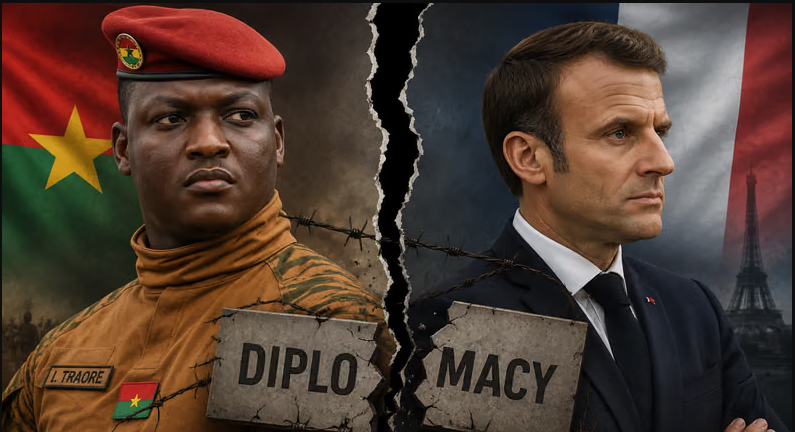
SCFR online – Opinion: The severance of diplomatic relations between Burkina Faso and France is not merely a bilateral crisis; rather, it constitutes an indication of the accelerating decline of Paris’s traditional influence in West Africa and the reconfiguration of the power balance in the Sahel region.

Consequences of Declining Trust in the Judiciary in Europe

Consequences of Declining Trust in the Judiciary in Europe

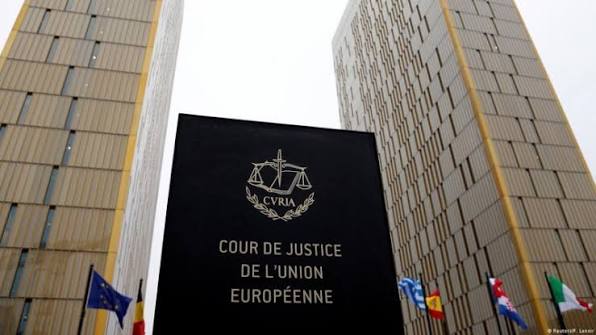
SCFRonline – Opinion: The increase in public distrust of the French judicial system, which in recent surveys has reached approximately two-thirds of citizens, should be analyzed within a framework broader than temporary dissatisfaction or an emotional reaction to a particular criminal case.

The South Caucasus, A New Front in NATO-Russia Competition

The South Caucasus, A New Front in NATO-Russia Competition

Strategic Council Online – Interview: A Caucasus issues analyst stated that increased cooperation between the Republic of Azerbaijan and NATO, along with Western support for Baku, signifies the formation of a new front of geopolitical competition between NATO and Russia in the South Caucasus.

West Asia: An Arena of Strength Testing

West Asia: An Arena of Strength Testing

Online Strategic Council – Note: Developments in the West Asia region, including tensions between Iran and the Israeli regime or regional cooperation, are influenced by macro policies pursued by extra-regional powers. Of course, other equations are very influential. It must be noted that China and Russia have no desire whatsoever for America’s success in the West Asia region and, based on this, they do not support the success and operational superiority of the Israeli regime in confronting Iran. Meanwhile, the Americans are seeking to focus their forces in West Asia for now, amid the three crises of Ukraine, Taiwan, and West Asia.

The Prospect of Global Recognition of the State of Palestine

The Prospect of Global Recognition of the State of Palestine

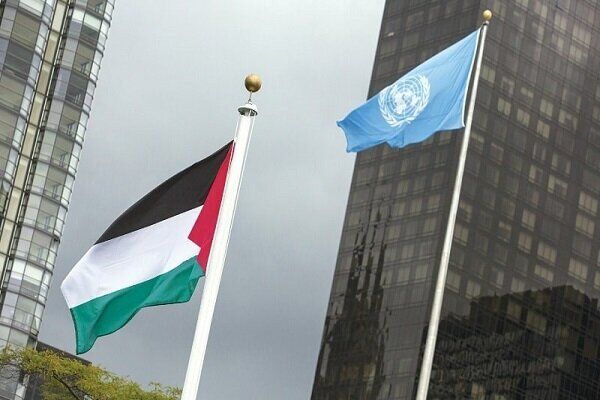
Online Strategic Council – Note: The process of recognizing Palestine by countries around the world, which has been met with opposition and anger from the Israeli regime, is noteworthy. The unprecedented move by various world countries to recognize the independent State of Palestine is entirely linked to the crimes of the Zionist regime in Gaza and its genocidal and racist policies.

The Plan to Recognize the State of Palestine: From Words to Action

The Plan to Recognize the State of Palestine: From Words to Action

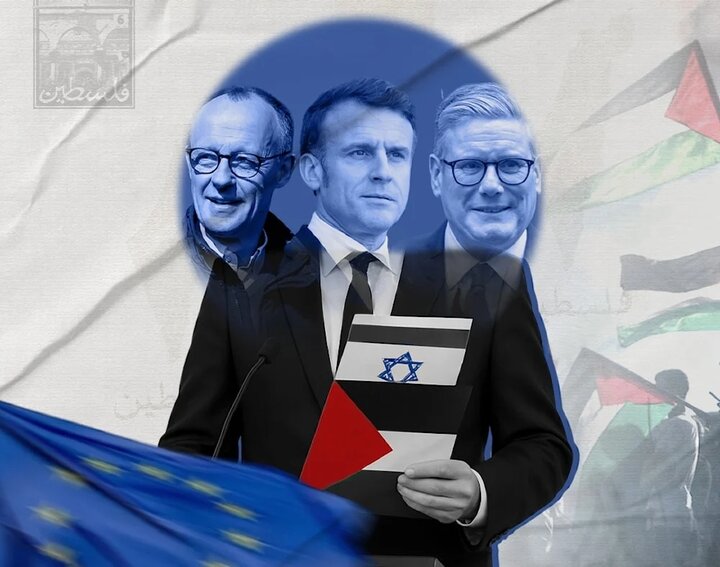
Online Strategic Council – Interview: An international affairs analyst stated that the recent United Nations meeting, which centered on recognizing the state of Palestine and the two-state solution, has sparked a wave of international reactions. Supporters of this plan see it as a step towards peace. Still, critics view it with skepticism and believe that this move is more of a tool to deceive public opinion and solidify the existence of the Zionist regime than to resolve the crisis. The initiative by France and some European countries is being proposed while the genocide in Gaza continues, and the West has so far taken no effective action to stop it. Some analysts say the primary goal of this plan is not the establishment of an independent Palestinian state, but rather the disarmament of resistance groups and the isolation of Hamas—an action that, through superficial negotiations and apparent peace, paves the way for realizing the interests of the Israeli regime. Iran, by rejecting the two-state solution, presents a different narrative for the future of Palestine, based on a referendum involving all indigenous inhabitants of the land.

France at a Crossroads Between Meeting Domestic Public Demands and Playing an International Role

France at a Crossroads Between Meeting Domestic Public Demands and Playing an International Role

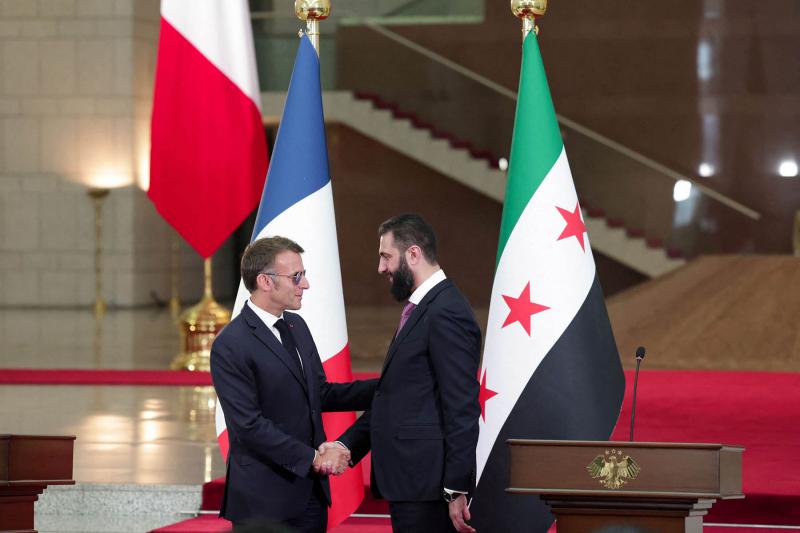
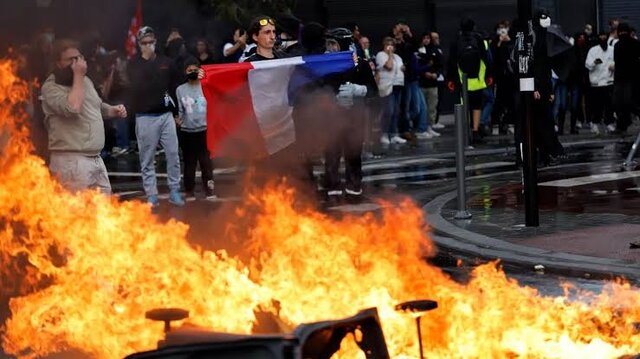
Strategic Council Online – Interview: An international affairs expert stated that the French government’s inability to meet public demands has led to a resurgence of domestic protests. The budget deficit has compelled Emmanuel Macron’s government to implement measures such as reducing public service expenditures, eliminating national holidays, cutting wages, and increasing taxes to offset the shortfall, which has further fueled the protests.

France’s Mediterranean Policy in Geopolitical Competition with Turkey

France’s Mediterranean Policy in Geopolitical Competition with Turkey

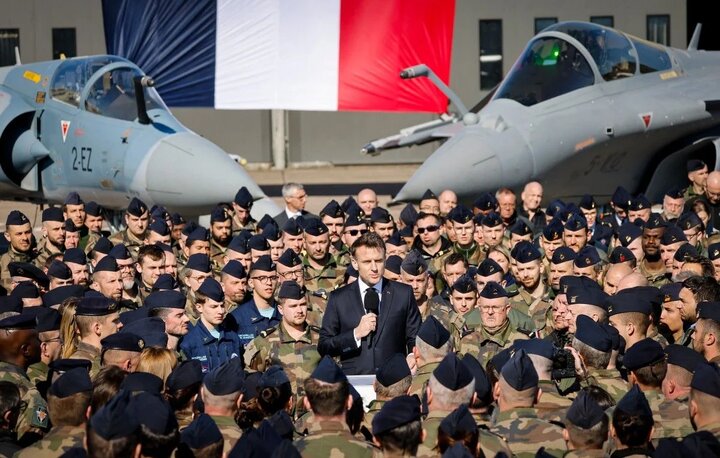
Strategic Council Online – Opinion: France’s Mediterranean policy, which clarifies the country’s genuine political orientation in the Euro-Mediterranean region, can be summarized in three primary strategies: strengthening France’s position in the European Union, maintaining its strategic position in Africa, and enhancing France’s political and military role in the Eastern Mediterranean. However, Ukraine and Armenia are also now gaining increasing importance in France’s Mediterranean policies.

أحدث الوظائف

The Makkah Pact; Reasons for its Formation and Challenges Ahead

SCFR Online – Opinion: The Makkah Pact, signed between Saudi Arabia, Pakistan, and Turkey under the motto “an attack on one is an attack on all,” is viewed by some analysts less as a full-fledged military coalition and more as an attempt to reduce security dependence on an external power and to establish a regional security mechanism.

Implications of the US-Saudi Nuclear Agreement

SCFR Online – Opinion: The new US-Saudi nuclear agreement, despite legal and political ambiguities, could alter previous non-proliferation standards in West Asia and intensify nuclear competition, ushering it into a new phase.

An Analysis of Recent Turkey-Israeli Regime Tensions

SCFR Online – Opinion: Recent developments in Syria indicate an intensification of strategic rivalry between Turkey and the Israeli regime, but mutual considerations and the role of the United States have limited the likelihood of direct war.

Increasing criticism of the extensive Zionist lobby network

SCFR Online – Opinion: An examination of the mechanisms of the Israeli regime’s influence in the United States depicts a complex picture of shared interests, strategic dependencies, and the limitations of this relationship.

Realities of the Tripartite Makkah Pact

SCFR Online – Interview: The signing of the Makkah agreement between Saudi Arabia, Pakistan, and Turkey has raised questions about the future of the region’s security structure and the position of these countries in West Asian equations. Can this agreement become a genuine collective defense mechanism, or does it have more of a political and deterrent function than creating new military capacity?

Strategic Implications of the Reduction of US Weapons Stockpiles

SCFR Online – Opinion: The continuation of the US war against Iran, in addition to increasing operational costs, has called into question the actual capacity of the American arsenal to simultaneously fulfill security commitments on multiple fronts; an issue that affects deterrence, defense production capacity, and Washington’s resource prioritization.

Loading

France

The Decline of Paris’s Traditional Influence in the Sahel

The Decline of Paris’s Traditional Influence in the Sahel

SCFR online – Opinion: The severance of diplomatic relations between Burkina Faso and France is not merely a bilateral crisis; rather, it constitutes an indication of the accelerating decline of Paris’s traditional influence in West Africa and the reconfiguration of the power balance in the Sahel region.

Consequences of Declining Trust in the Judiciary in Europe

Consequences of Declining Trust in the Judiciary in Europe

SCFRonline – Opinion: The increase in public distrust of the French judicial system, which in recent surveys has reached approximately two-thirds of citizens, should be analyzed within a framework broader than temporary dissatisfaction or an emotional reaction to a particular criminal case.

The South Caucasus, A New Front in NATO-Russia Competition

The South Caucasus, A New Front in NATO-Russia Competition

Strategic Council Online – Interview: A Caucasus issues analyst stated that increased cooperation between the Republic of Azerbaijan and NATO, along with Western support for Baku, signifies the formation of a new front of geopolitical competition between NATO and Russia in the South Caucasus.

West Asia: An Arena of Strength Testing

West Asia: An Arena of Strength Testing

Online Strategic Council – Note: Developments in the West Asia region, including tensions between Iran and the Israeli regime or regional cooperation, are influenced by macro policies pursued by extra-regional powers. Of course, other equations are very influential. It must be noted that China and Russia have no desire whatsoever for America’s success in the West Asia region and, based on this, they do not support the success and operational superiority of the Israeli regime in confronting Iran. Meanwhile, the Americans are seeking to focus their forces in West Asia for now, amid the three crises of Ukraine, Taiwan, and West Asia.

The Prospect of Global Recognition of the State of Palestine

The Prospect of Global Recognition of the State of Palestine

Online Strategic Council – Note: The process of recognizing Palestine by countries around the world, which has been met with opposition and anger from the Israeli regime, is noteworthy. The unprecedented move by various world countries to recognize the independent State of Palestine is entirely linked to the crimes of the Zionist regime in Gaza and its genocidal and racist policies.

The Plan to Recognize the State of Palestine: From Words to Action

The Plan to Recognize the State of Palestine: From Words to Action

Online Strategic Council – Interview: An international affairs analyst stated that the recent United Nations meeting, which centered on recognizing the state of Palestine and the two-state solution, has sparked a wave of international reactions. Supporters of this plan see it as a step towards peace. Still, critics view it with skepticism and believe that this move is more of a tool to deceive public opinion and solidify the existence of the Zionist regime than to resolve the crisis. The initiative by France and some European countries is being proposed while the genocide in Gaza continues, and the West has so far taken no effective action to stop it. Some analysts say the primary goal of this plan is not the establishment of an independent Palestinian state, but rather the disarmament of resistance groups and the isolation of Hamas—an action that, through superficial negotiations and apparent peace, paves the way for realizing the interests of the Israeli regime. Iran, by rejecting the two-state solution, presents a different narrative for the future of Palestine, based on a referendum involving all indigenous inhabitants of the land.

France at a Crossroads Between Meeting Domestic Public Demands and Playing an International Role

France at a Crossroads Between Meeting Domestic Public Demands and Playing an International Role

Strategic Council Online – Interview: An international affairs expert stated that the French government’s inability to meet public demands has led to a resurgence of domestic protests. The budget deficit has compelled Emmanuel Macron’s government to implement measures such as reducing public service expenditures, eliminating national holidays, cutting wages, and increasing taxes to offset the shortfall, which has further fueled the protests.

France’s Mediterranean Policy in Geopolitical Competition with Turkey

France’s Mediterranean Policy in Geopolitical Competition with Turkey

Strategic Council Online – Opinion: France’s Mediterranean policy, which clarifies the country’s genuine political orientation in the Euro-Mediterranean region, can be summarized in three primary strategies: strengthening France’s position in the European Union, maintaining its strategic position in Africa, and enhancing France’s political and military role in the Eastern Mediterranean. However, Ukraine and Armenia are also now gaining increasing importance in France’s Mediterranean policies.

France

The Decline of Paris’s Traditional Influence in the Sahel

The Decline of Paris’s Traditional Influence in the Sahel

SCFR online – Opinion: The severance of diplomatic relations between Burkina Faso and France is not merely a bilateral crisis; rather, it constitutes an indication of the accelerating decline of Paris’s traditional influence in West Africa and the reconfiguration of the power balance in the Sahel region.

Consequences of Declining Trust in the Judiciary in Europe

Consequences of Declining Trust in the Judiciary in Europe

SCFRonline – Opinion: The increase in public distrust of the French judicial system, which in recent surveys has reached approximately two-thirds of citizens, should be analyzed within a framework broader than temporary dissatisfaction or an emotional reaction to a particular criminal case.

The South Caucasus, A New Front in NATO-Russia Competition

The South Caucasus, A New Front in NATO-Russia Competition

Strategic Council Online – Interview: A Caucasus issues analyst stated that increased cooperation between the Republic of Azerbaijan and NATO, along with Western support for Baku, signifies the formation of a new front of geopolitical competition between NATO and Russia in the South Caucasus.

West Asia: An Arena of Strength Testing

West Asia: An Arena of Strength Testing

Online Strategic Council – Note: Developments in the West Asia region, including tensions between Iran and the Israeli regime or regional cooperation, are influenced by macro policies pursued by extra-regional powers. Of course, other equations are very influential. It must be noted that China and Russia have no desire whatsoever for America’s success in the West Asia region and, based on this, they do not support the success and operational superiority of the Israeli regime in confronting Iran. Meanwhile, the Americans are seeking to focus their forces in West Asia for now, amid the three crises of Ukraine, Taiwan, and West Asia.

The Prospect of Global Recognition of the State of Palestine

The Prospect of Global Recognition of the State of Palestine

Online Strategic Council – Note: The process of recognizing Palestine by countries around the world, which has been met with opposition and anger from the Israeli regime, is noteworthy. The unprecedented move by various world countries to recognize the independent State of Palestine is entirely linked to the crimes of the Zionist regime in Gaza and its genocidal and racist policies.

The Plan to Recognize the State of Palestine: From Words to Action

The Plan to Recognize the State of Palestine: From Words to Action

Online Strategic Council – Interview: An international affairs analyst stated that the recent United Nations meeting, which centered on recognizing the state of Palestine and the two-state solution, has sparked a wave of international reactions. Supporters of this plan see it as a step towards peace. Still, critics view it with skepticism and believe that this move is more of a tool to deceive public opinion and solidify the existence of the Zionist regime than to resolve the crisis. The initiative by France and some European countries is being proposed while the genocide in Gaza continues, and the West has so far taken no effective action to stop it. Some analysts say the primary goal of this plan is not the establishment of an independent Palestinian state, but rather the disarmament of resistance groups and the isolation of Hamas—an action that, through superficial negotiations and apparent peace, paves the way for realizing the interests of the Israeli regime. Iran, by rejecting the two-state solution, presents a different narrative for the future of Palestine, based on a referendum involving all indigenous inhabitants of the land.

France at a Crossroads Between Meeting Domestic Public Demands and Playing an International Role

France at a Crossroads Between Meeting Domestic Public Demands and Playing an International Role

Strategic Council Online – Interview: An international affairs expert stated that the French government’s inability to meet public demands has led to a resurgence of domestic protests. The budget deficit has compelled Emmanuel Macron’s government to implement measures such as reducing public service expenditures, eliminating national holidays, cutting wages, and increasing taxes to offset the shortfall, which has further fueled the protests.

France’s Mediterranean Policy in Geopolitical Competition with Turkey

France’s Mediterranean Policy in Geopolitical Competition with Turkey

Strategic Council Online – Opinion: France’s Mediterranean policy, which clarifies the country’s genuine political orientation in the Euro-Mediterranean region, can be summarized in three primary strategies: strengthening France’s position in the European Union, maintaining its strategic position in Africa, and enhancing France’s political and military role in the Eastern Mediterranean. However, Ukraine and Armenia are also now gaining increasing importance in France’s Mediterranean policies.

LATEST CONTENT

The Makkah Pact; Reasons for its Formation and Challenges Ahead

SCFR Online – Opinion: The Makkah Pact, signed between Saudi Arabia, Pakistan, and Turkey under the motto “an attack on one is an attack on all,” is viewed by some analysts less as a full-fledged military coalition and more as an attempt to reduce security dependence on an external power and to establish a regional security mechanism.

Implications of the US-Saudi Nuclear Agreement

SCFR Online – Opinion: The new US-Saudi nuclear agreement, despite legal and political ambiguities, could alter previous non-proliferation standards in West Asia and intensify nuclear competition, ushering it into a new phase.

An Analysis of Recent Turkey-Israeli Regime Tensions

SCFR Online – Opinion: Recent developments in Syria indicate an intensification of strategic rivalry between Turkey and the Israeli regime, but mutual considerations and the role of the United States have limited the likelihood of direct war.

Increasing criticism of the extensive Zionist lobby network

SCFR Online – Opinion: An examination of the mechanisms of the Israeli regime’s influence in the United States depicts a complex picture of shared interests, strategic dependencies, and the limitations of this relationship.

Realities of the Tripartite Makkah Pact

SCFR Online – Interview: The signing of the Makkah agreement between Saudi Arabia, Pakistan, and Turkey has raised questions about the future of the region’s security structure and the position of these countries in West Asian equations. Can this agreement become a genuine collective defense mechanism, or does it have more of a political and deterrent function than creating new military capacity?

Strategic Implications of the Reduction of US Weapons Stockpiles

SCFR Online – Opinion: The continuation of the US war against Iran, in addition to increasing operational costs, has called into question the actual capacity of the American arsenal to simultaneously fulfill security commitments on multiple fronts; an issue that affects deterrence, defense production capacity, and Washington’s resource prioritization.

Loading

France

The Decline of Paris’s Traditional Influence in the Sahel

The Decline of Paris’s Traditional Influence in the Sahel

SCFR online – Opinion: The severance of diplomatic relations between Burkina Faso and France is not merely a bilateral crisis; rather, it constitutes an indication of the accelerating decline of Paris’s traditional influence in West Africa and the reconfiguration of the power balance in the Sahel region.

Consequences of Declining Trust in the Judiciary in Europe

Consequences of Declining Trust in the Judiciary in Europe

SCFRonline – Opinion: The increase in public distrust of the French judicial system, which in recent surveys has reached approximately two-thirds of citizens, should be analyzed within a framework broader than temporary dissatisfaction or an emotional reaction to a particular criminal case.

The South Caucasus, A New Front in NATO-Russia Competition

The South Caucasus, A New Front in NATO-Russia Competition

Strategic Council Online – Interview: A Caucasus issues analyst stated that increased cooperation between the Republic of Azerbaijan and NATO, along with Western support for Baku, signifies the formation of a new front of geopolitical competition between NATO and Russia in the South Caucasus.

West Asia: An Arena of Strength Testing

West Asia: An Arena of Strength Testing

Online Strategic Council – Note: Developments in the West Asia region, including tensions between Iran and the Israeli regime or regional cooperation, are influenced by macro policies pursued by extra-regional powers. Of course, other equations are very influential. It must be noted that China and Russia have no desire whatsoever for America’s success in the West Asia region and, based on this, they do not support the success and operational superiority of the Israeli regime in confronting Iran. Meanwhile, the Americans are seeking to focus their forces in West Asia for now, amid the three crises of Ukraine, Taiwan, and West Asia.

The Prospect of Global Recognition of the State of Palestine

The Prospect of Global Recognition of the State of Palestine

Online Strategic Council – Note: The process of recognizing Palestine by countries around the world, which has been met with opposition and anger from the Israeli regime, is noteworthy. The unprecedented move by various world countries to recognize the independent State of Palestine is entirely linked to the crimes of the Zionist regime in Gaza and its genocidal and racist policies.

The Plan to Recognize the State of Palestine: From Words to Action

The Plan to Recognize the State of Palestine: From Words to Action

Online Strategic Council – Interview: An international affairs analyst stated that the recent United Nations meeting, which centered on recognizing the state of Palestine and the two-state solution, has sparked a wave of international reactions. Supporters of this plan see it as a step towards peace. Still, critics view it with skepticism and believe that this move is more of a tool to deceive public opinion and solidify the existence of the Zionist regime than to resolve the crisis. The initiative by France and some European countries is being proposed while the genocide in Gaza continues, and the West has so far taken no effective action to stop it. Some analysts say the primary goal of this plan is not the establishment of an independent Palestinian state, but rather the disarmament of resistance groups and the isolation of Hamas—an action that, through superficial negotiations and apparent peace, paves the way for realizing the interests of the Israeli regime. Iran, by rejecting the two-state solution, presents a different narrative for the future of Palestine, based on a referendum involving all indigenous inhabitants of the land.

France at a Crossroads Between Meeting Domestic Public Demands and Playing an International Role

France at a Crossroads Between Meeting Domestic Public Demands and Playing an International Role

Strategic Council Online – Interview: An international affairs expert stated that the French government’s inability to meet public demands has led to a resurgence of domestic protests. The budget deficit has compelled Emmanuel Macron’s government to implement measures such as reducing public service expenditures, eliminating national holidays, cutting wages, and increasing taxes to offset the shortfall, which has further fueled the protests.

France’s Mediterranean Policy in Geopolitical Competition with Turkey

France’s Mediterranean Policy in Geopolitical Competition with Turkey

Strategic Council Online – Opinion: France’s Mediterranean policy, which clarifies the country’s genuine political orientation in the Euro-Mediterranean region, can be summarized in three primary strategies: strengthening France’s position in the European Union, maintaining its strategic position in Africa, and enhancing France’s political and military role in the Eastern Mediterranean. However, Ukraine and Armenia are also now gaining increasing importance in France’s Mediterranean policies.

ÚLTIMAS PUBLICACIONES

The Makkah Pact; Reasons for its Formation and Challenges Ahead

SCFR Online – Opinion: The Makkah Pact, signed between Saudi Arabia, Pakistan, and Turkey under the motto “an attack on one is an attack on all,” is viewed by some analysts less as a full-fledged military coalition and more as an attempt to reduce security dependence on an external power and to establish a regional security mechanism.

Implications of the US-Saudi Nuclear Agreement

SCFR Online – Opinion: The new US-Saudi nuclear agreement, despite legal and political ambiguities, could alter previous non-proliferation standards in West Asia and intensify nuclear competition, ushering it into a new phase.

An Analysis of Recent Turkey-Israeli Regime Tensions

SCFR Online – Opinion: Recent developments in Syria indicate an intensification of strategic rivalry between Turkey and the Israeli regime, but mutual considerations and the role of the United States have limited the likelihood of direct war.

Increasing criticism of the extensive Zionist lobby network

SCFR Online – Opinion: An examination of the mechanisms of the Israeli regime’s influence in the United States depicts a complex picture of shared interests, strategic dependencies, and the limitations of this relationship.

Realities of the Tripartite Makkah Pact

SCFR Online – Interview: The signing of the Makkah agreement between Saudi Arabia, Pakistan, and Turkey has raised questions about the future of the region’s security structure and the position of these countries in West Asian equations. Can this agreement become a genuine collective defense mechanism, or does it have more of a political and deterrent function than creating new military capacity?

Strategic Implications of the Reduction of US Weapons Stockpiles

SCFR Online – Opinion: The continuation of the US war against Iran, in addition to increasing operational costs, has called into question the actual capacity of the American arsenal to simultaneously fulfill security commitments on multiple fronts; an issue that affects deterrence, defense production capacity, and Washington’s resource prioritization.

Loading

France

The Decline of Paris’s Traditional Influence in the Sahel

The Decline of Paris’s Traditional Influence in the Sahel

SCFR online – Opinion: The severance of diplomatic relations between Burkina Faso and France is not merely a bilateral crisis; rather, it constitutes an indication of the accelerating decline of Paris’s traditional influence in West Africa and the reconfiguration of the power balance in the Sahel region.

Consequences of Declining Trust in the Judiciary in Europe

Consequences of Declining Trust in the Judiciary in Europe

SCFRonline – Opinion: The increase in public distrust of the French judicial system, which in recent surveys has reached approximately two-thirds of citizens, should be analyzed within a framework broader than temporary dissatisfaction or an emotional reaction to a particular criminal case.

The South Caucasus, A New Front in NATO-Russia Competition

The South Caucasus, A New Front in NATO-Russia Competition

Strategic Council Online – Interview: A Caucasus issues analyst stated that increased cooperation between the Republic of Azerbaijan and NATO, along with Western support for Baku, signifies the formation of a new front of geopolitical competition between NATO and Russia in the South Caucasus.

West Asia: An Arena of Strength Testing

West Asia: An Arena of Strength Testing

Online Strategic Council – Note: Developments in the West Asia region, including tensions between Iran and the Israeli regime or regional cooperation, are influenced by macro policies pursued by extra-regional powers. Of course, other equations are very influential. It must be noted that China and Russia have no desire whatsoever for America’s success in the West Asia region and, based on this, they do not support the success and operational superiority of the Israeli regime in confronting Iran. Meanwhile, the Americans are seeking to focus their forces in West Asia for now, amid the three crises of Ukraine, Taiwan, and West Asia.

The Prospect of Global Recognition of the State of Palestine

The Prospect of Global Recognition of the State of Palestine

Online Strategic Council – Note: The process of recognizing Palestine by countries around the world, which has been met with opposition and anger from the Israeli regime, is noteworthy. The unprecedented move by various world countries to recognize the independent State of Palestine is entirely linked to the crimes of the Zionist regime in Gaza and its genocidal and racist policies.

The Plan to Recognize the State of Palestine: From Words to Action

The Plan to Recognize the State of Palestine: From Words to Action

Online Strategic Council – Interview: An international affairs analyst stated that the recent United Nations meeting, which centered on recognizing the state of Palestine and the two-state solution, has sparked a wave of international reactions. Supporters of this plan see it as a step towards peace. Still, critics view it with skepticism and believe that this move is more of a tool to deceive public opinion and solidify the existence of the Zionist regime than to resolve the crisis. The initiative by France and some European countries is being proposed while the genocide in Gaza continues, and the West has so far taken no effective action to stop it. Some analysts say the primary goal of this plan is not the establishment of an independent Palestinian state, but rather the disarmament of resistance groups and the isolation of Hamas—an action that, through superficial negotiations and apparent peace, paves the way for realizing the interests of the Israeli regime. Iran, by rejecting the two-state solution, presents a different narrative for the future of Palestine, based on a referendum involving all indigenous inhabitants of the land.

France at a Crossroads Between Meeting Domestic Public Demands and Playing an International Role

France at a Crossroads Between Meeting Domestic Public Demands and Playing an International Role

Strategic Council Online – Interview: An international affairs expert stated that the French government’s inability to meet public demands has led to a resurgence of domestic protests. The budget deficit has compelled Emmanuel Macron’s government to implement measures such as reducing public service expenditures, eliminating national holidays, cutting wages, and increasing taxes to offset the shortfall, which has further fueled the protests.

France’s Mediterranean Policy in Geopolitical Competition with Turkey

France’s Mediterranean Policy in Geopolitical Competition with Turkey

Strategic Council Online – Opinion: France’s Mediterranean policy, which clarifies the country’s genuine political orientation in the Euro-Mediterranean region, can be summarized in three primary strategies: strengthening France’s position in the European Union, maintaining its strategic position in Africa, and enhancing France’s political and military role in the Eastern Mediterranean. However, Ukraine and Armenia are also now gaining increasing importance in France’s Mediterranean policies.

ÚLTIMAS PUBLICACIONES

The Makkah Pact; Reasons for its Formation and Challenges Ahead

SCFR Online – Opinion: The Makkah Pact, signed between Saudi Arabia, Pakistan, and Turkey under the motto “an attack on one is an attack on all,” is viewed by some analysts less as a full-fledged military coalition and more as an attempt to reduce security dependence on an external power and to establish a regional security mechanism.

Implications of the US-Saudi Nuclear Agreement

SCFR Online – Opinion: The new US-Saudi nuclear agreement, despite legal and political ambiguities, could alter previous non-proliferation standards in West Asia and intensify nuclear competition, ushering it into a new phase.

An Analysis of Recent Turkey-Israeli Regime Tensions

SCFR Online – Opinion: Recent developments in Syria indicate an intensification of strategic rivalry between Turkey and the Israeli regime, but mutual considerations and the role of the United States have limited the likelihood of direct war.

Increasing criticism of the extensive Zionist lobby network

SCFR Online – Opinion: An examination of the mechanisms of the Israeli regime’s influence in the United States depicts a complex picture of shared interests, strategic dependencies, and the limitations of this relationship.

Realities of the Tripartite Makkah Pact

SCFR Online – Interview: The signing of the Makkah agreement between Saudi Arabia, Pakistan, and Turkey has raised questions about the future of the region’s security structure and the position of these countries in West Asian equations. Can this agreement become a genuine collective defense mechanism, or does it have more of a political and deterrent function than creating new military capacity?

Strategic Implications of the Reduction of US Weapons Stockpiles

SCFR Online – Opinion: The continuation of the US war against Iran, in addition to increasing operational costs, has called into question the actual capacity of the American arsenal to simultaneously fulfill security commitments on multiple fronts; an issue that affects deterrence, defense production capacity, and Washington’s resource prioritization.

Loading

France

The Decline of Paris’s Traditional Influence in the Sahel

The Decline of Paris’s Traditional Influence in the Sahel

SCFR online – Opinion: The severance of diplomatic relations between Burkina Faso and France is not merely a bilateral crisis; rather, it constitutes an indication of the accelerating decline of Paris’s traditional influence in West Africa and the reconfiguration of the power balance in the Sahel region.

Consequences of Declining Trust in the Judiciary in Europe

Consequences of Declining Trust in the Judiciary in Europe

SCFRonline – Opinion: The increase in public distrust of the French judicial system, which in recent surveys has reached approximately two-thirds of citizens, should be analyzed within a framework broader than temporary dissatisfaction or an emotional reaction to a particular criminal case.

The South Caucasus, A New Front in NATO-Russia Competition

The South Caucasus, A New Front in NATO-Russia Competition

Strategic Council Online – Interview: A Caucasus issues analyst stated that increased cooperation between the Republic of Azerbaijan and NATO, along with Western support for Baku, signifies the formation of a new front of geopolitical competition between NATO and Russia in the South Caucasus.

West Asia: An Arena of Strength Testing

West Asia: An Arena of Strength Testing

Online Strategic Council – Note: Developments in the West Asia region, including tensions between Iran and the Israeli regime or regional cooperation, are influenced by macro policies pursued by extra-regional powers. Of course, other equations are very influential. It must be noted that China and Russia have no desire whatsoever for America’s success in the West Asia region and, based on this, they do not support the success and operational superiority of the Israeli regime in confronting Iran. Meanwhile, the Americans are seeking to focus their forces in West Asia for now, amid the three crises of Ukraine, Taiwan, and West Asia.

The Prospect of Global Recognition of the State of Palestine

The Prospect of Global Recognition of the State of Palestine

Online Strategic Council – Note: The process of recognizing Palestine by countries around the world, which has been met with opposition and anger from the Israeli regime, is noteworthy. The unprecedented move by various world countries to recognize the independent State of Palestine is entirely linked to the crimes of the Zionist regime in Gaza and its genocidal and racist policies.

The Plan to Recognize the State of Palestine: From Words to Action

The Plan to Recognize the State of Palestine: From Words to Action

Online Strategic Council – Interview: An international affairs analyst stated that the recent United Nations meeting, which centered on recognizing the state of Palestine and the two-state solution, has sparked a wave of international reactions. Supporters of this plan see it as a step towards peace. Still, critics view it with skepticism and believe that this move is more of a tool to deceive public opinion and solidify the existence of the Zionist regime than to resolve the crisis. The initiative by France and some European countries is being proposed while the genocide in Gaza continues, and the West has so far taken no effective action to stop it. Some analysts say the primary goal of this plan is not the establishment of an independent Palestinian state, but rather the disarmament of resistance groups and the isolation of Hamas—an action that, through superficial negotiations and apparent peace, paves the way for realizing the interests of the Israeli regime. Iran, by rejecting the two-state solution, presents a different narrative for the future of Palestine, based on a referendum involving all indigenous inhabitants of the land.

France at a Crossroads Between Meeting Domestic Public Demands and Playing an International Role

France at a Crossroads Between Meeting Domestic Public Demands and Playing an International Role

Strategic Council Online – Interview: An international affairs expert stated that the French government’s inability to meet public demands has led to a resurgence of domestic protests. The budget deficit has compelled Emmanuel Macron’s government to implement measures such as reducing public service expenditures, eliminating national holidays, cutting wages, and increasing taxes to offset the shortfall, which has further fueled the protests.

France’s Mediterranean Policy in Geopolitical Competition with Turkey

France’s Mediterranean Policy in Geopolitical Competition with Turkey

Strategic Council Online – Opinion: France’s Mediterranean policy, which clarifies the country’s genuine political orientation in the Euro-Mediterranean region, can be summarized in three primary strategies: strengthening France’s position in the European Union, maintaining its strategic position in Africa, and enhancing France’s political and military role in the Eastern Mediterranean. However, Ukraine and Armenia are also now gaining increasing importance in France’s Mediterranean policies.

ÚLTIMAS PUBLICACIONES

The Makkah Pact; Reasons for its Formation and Challenges Ahead

SCFR Online – Opinion: The Makkah Pact, signed between Saudi Arabia, Pakistan, and Turkey under the motto “an attack on one is an attack on all,” is viewed by some analysts less as a full-fledged military coalition and more as an attempt to reduce security dependence on an external power and to establish a regional security mechanism.

Implications of the US-Saudi Nuclear Agreement

SCFR Online – Opinion: The new US-Saudi nuclear agreement, despite legal and political ambiguities, could alter previous non-proliferation standards in West Asia and intensify nuclear competition, ushering it into a new phase.

An Analysis of Recent Turkey-Israeli Regime Tensions

SCFR Online – Opinion: Recent developments in Syria indicate an intensification of strategic rivalry between Turkey and the Israeli regime, but mutual considerations and the role of the United States have limited the likelihood of direct war.

Increasing criticism of the extensive Zionist lobby network

SCFR Online – Opinion: An examination of the mechanisms of the Israeli regime’s influence in the United States depicts a complex picture of shared interests, strategic dependencies, and the limitations of this relationship.

Realities of the Tripartite Makkah Pact

SCFR Online – Interview: The signing of the Makkah agreement between Saudi Arabia, Pakistan, and Turkey has raised questions about the future of the region’s security structure and the position of these countries in West Asian equations. Can this agreement become a genuine collective defense mechanism, or does it have more of a political and deterrent function than creating new military capacity?

Strategic Implications of the Reduction of US Weapons Stockpiles

SCFR Online – Opinion: The continuation of the US war against Iran, in addition to increasing operational costs, has called into question the actual capacity of the American arsenal to simultaneously fulfill security commitments on multiple fronts; an issue that affects deterrence, defense production capacity, and Washington’s resource prioritization.

Loading

France

The Decline of Paris’s Traditional Influence in the Sahel

The Decline of Paris’s Traditional Influence in the Sahel

SCFR online – Opinion: The severance of diplomatic relations between Burkina Faso and France is not merely a bilateral crisis; rather, it constitutes an indication of the accelerating decline of Paris’s traditional influence in West Africa and the reconfiguration of the power balance in the Sahel region.

Consequences of Declining Trust in the Judiciary in Europe

Consequences of Declining Trust in the Judiciary in Europe

SCFRonline – Opinion: The increase in public distrust of the French judicial system, which in recent surveys has reached approximately two-thirds of citizens, should be analyzed within a framework broader than temporary dissatisfaction or an emotional reaction to a particular criminal case.

The South Caucasus, A New Front in NATO-Russia Competition

The South Caucasus, A New Front in NATO-Russia Competition

Strategic Council Online – Interview: A Caucasus issues analyst stated that increased cooperation between the Republic of Azerbaijan and NATO, along with Western support for Baku, signifies the formation of a new front of geopolitical competition between NATO and Russia in the South Caucasus.

West Asia: An Arena of Strength Testing

West Asia: An Arena of Strength Testing

Online Strategic Council – Note: Developments in the West Asia region, including tensions between Iran and the Israeli regime or regional cooperation, are influenced by macro policies pursued by extra-regional powers. Of course, other equations are very influential. It must be noted that China and Russia have no desire whatsoever for America’s success in the West Asia region and, based on this, they do not support the success and operational superiority of the Israeli regime in confronting Iran. Meanwhile, the Americans are seeking to focus their forces in West Asia for now, amid the three crises of Ukraine, Taiwan, and West Asia.

The Prospect of Global Recognition of the State of Palestine

The Prospect of Global Recognition of the State of Palestine

Online Strategic Council – Note: The process of recognizing Palestine by countries around the world, which has been met with opposition and anger from the Israeli regime, is noteworthy. The unprecedented move by various world countries to recognize the independent State of Palestine is entirely linked to the crimes of the Zionist regime in Gaza and its genocidal and racist policies.

The Plan to Recognize the State of Palestine: From Words to Action

The Plan to Recognize the State of Palestine: From Words to Action

Online Strategic Council – Interview: An international affairs analyst stated that the recent United Nations meeting, which centered on recognizing the state of Palestine and the two-state solution, has sparked a wave of international reactions. Supporters of this plan see it as a step towards peace. Still, critics view it with skepticism and believe that this move is more of a tool to deceive public opinion and solidify the existence of the Zionist regime than to resolve the crisis. The initiative by France and some European countries is being proposed while the genocide in Gaza continues, and the West has so far taken no effective action to stop it. Some analysts say the primary goal of this plan is not the establishment of an independent Palestinian state, but rather the disarmament of resistance groups and the isolation of Hamas—an action that, through superficial negotiations and apparent peace, paves the way for realizing the interests of the Israeli regime. Iran, by rejecting the two-state solution, presents a different narrative for the future of Palestine, based on a referendum involving all indigenous inhabitants of the land.

France at a Crossroads Between Meeting Domestic Public Demands and Playing an International Role

France at a Crossroads Between Meeting Domestic Public Demands and Playing an International Role

Strategic Council Online – Interview: An international affairs expert stated that the French government’s inability to meet public demands has led to a resurgence of domestic protests. The budget deficit has compelled Emmanuel Macron’s government to implement measures such as reducing public service expenditures, eliminating national holidays, cutting wages, and increasing taxes to offset the shortfall, which has further fueled the protests.

France’s Mediterranean Policy in Geopolitical Competition with Turkey

France’s Mediterranean Policy in Geopolitical Competition with Turkey

Strategic Council Online – Opinion: France’s Mediterranean policy, which clarifies the country’s genuine political orientation in the Euro-Mediterranean region, can be summarized in three primary strategies: strengthening France’s position in the European Union, maintaining its strategic position in Africa, and enhancing France’s political and military role in the Eastern Mediterranean. However, Ukraine and Armenia are also now gaining increasing importance in France’s Mediterranean policies.

ÚLTIMAS PUBLICACIONES

The Makkah Pact; Reasons for its Formation and Challenges Ahead

SCFR Online – Opinion: The Makkah Pact, signed between Saudi Arabia, Pakistan, and Turkey under the motto “an attack on one is an attack on all,” is viewed by some analysts less as a full-fledged military coalition and more as an attempt to reduce security dependence on an external power and to establish a regional security mechanism.

Implications of the US-Saudi Nuclear Agreement

SCFR Online – Opinion: The new US-Saudi nuclear agreement, despite legal and political ambiguities, could alter previous non-proliferation standards in West Asia and intensify nuclear competition, ushering it into a new phase.

An Analysis of Recent Turkey-Israeli Regime Tensions

SCFR Online – Opinion: Recent developments in Syria indicate an intensification of strategic rivalry between Turkey and the Israeli regime, but mutual considerations and the role of the United States have limited the likelihood of direct war.

Increasing criticism of the extensive Zionist lobby network

SCFR Online – Opinion: An examination of the mechanisms of the Israeli regime’s influence in the United States depicts a complex picture of shared interests, strategic dependencies, and the limitations of this relationship.

Realities of the Tripartite Makkah Pact

SCFR Online – Interview: The signing of the Makkah agreement between Saudi Arabia, Pakistan, and Turkey has raised questions about the future of the region’s security structure and the position of these countries in West Asian equations. Can this agreement become a genuine collective defense mechanism, or does it have more of a political and deterrent function than creating new military capacity?

Strategic Implications of the Reduction of US Weapons Stockpiles

SCFR Online – Opinion: The continuation of the US war against Iran, in addition to increasing operational costs, has called into question the actual capacity of the American arsenal to simultaneously fulfill security commitments on multiple fronts; an issue that affects deterrence, defense production capacity, and Washington’s resource prioritization.

Loading