جدیدترین مطالب

Europe’s Enduring Dependence on Persian Gulf Energy

SCFR Online – Opinion: The dominant discourse in the field of European energy security over the past two decades has revolved around diversification of supply sources and the gradual reduction of dependence on fossil fuels. This narrative, which gained particular momentum after the Ukraine gas crisis in 2006 and its intensification in 2014 and 2022, was based on the assumption that Europe could free itself from the geopolitical vulnerabilities arising from dependence on specific suppliers through investment in renewable energy, imports of liquefied natural gas from diversified sources, and the establishment of new infrastructure. However, a closer analysis of energy trade data and the structure of the global oil and gas supply chain presents a different picture. Europe has not only failed to meaningfully reduce its dependence on the Persian Gulf, but in some sectors — particularly in liquefied natural gas imports — this dependence has deepened. This reality, which is often overlooked in public discourse, raises fundamental questions about the sustainability of Europe’s energy security strategies and their impact on regional power equations.

The Challenge of Hezbollah’s Low-Cost “FPV” Drones for the Zionist Regime

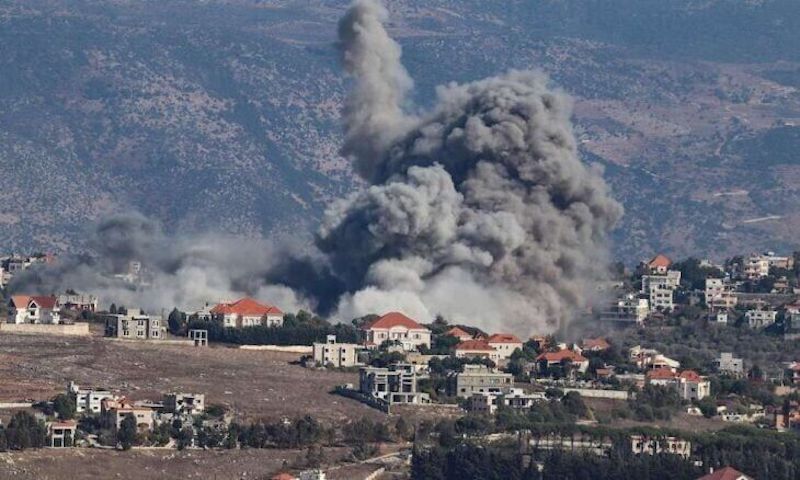
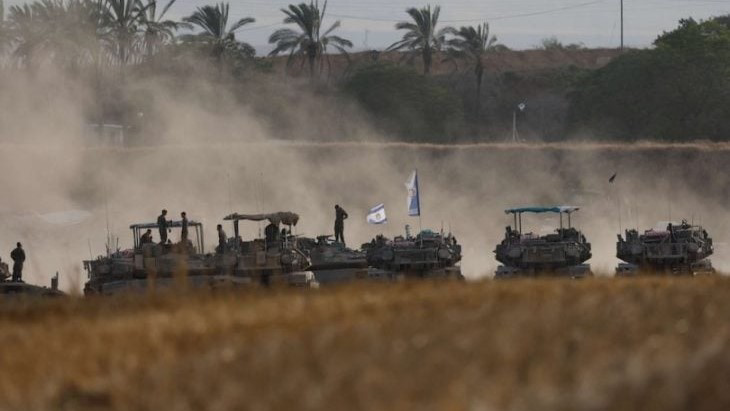
SCFR Online – Opinion: In modern warfare, it has always been assumed that the more expensive, and advanced the weapon—particularly from well-known companies—the more certain the victory will be. However, developments on the northern front of occupied Palestine in recent months have challenged this long-held belief. Here, the Zionist regime’s military, despite possessing the most advanced defense systems such as Iron Dome, David’s Sling, and Arrow, as well as fifth-generation F-35 fighter jets, Merkava tanks, and other modern equipment found in few countries worldwide, has effectively been rendered helpless against Hezbollah Lebanon’s few-hundred-dollar drones. Benjamin Netanyahu’s bitter admission regarding the inability to counter this threat, and his order to allocate an unlimited budget to find a solution, underscores the reality that the era of pure superiority through expensive technologies has come to an end.

The Impact of West Asian Developments on the Ukraine War

SCFR Online – Note: Vladimir Putin, President of Russia, recently announced—more than four years after the commencement of military aggression against Ukraine—that he believes the conflict between Russia and Ukraine is drawing to a close.

Temporary China–U.S. Trade Truce in the Shadow of Fundamental Distrust

SCFR Online – Opinion: The recent visit of the President of the United States to China is significant from various aspects; because China is recognized as the world’s second-largest economic power and a growing economy. The Chinese are also advancing in various fields, including the space sector, artificial intelligence, and military industries; to the extent that in the military sector, whereas they previously lacked an aircraft carrier, they now possess their third aircraft carrier. On the other hand, the United States, as a superpower, has always regarded China as its rival and continues to view it as such today.

Loading

Gaza

The US Ambassador Lifts the Veil; The Strategic Danger of the “Greater Israel” Project for West Asia

The US Ambassador Lifts the Veil; The Strategic Danger of the “Greater Israel” Project for West Asia

Strategic Council Online –Opinion: The “Greater Israel” project, whose realization requires the annexation of parts of the territory of regional countries into the occupied lands, has long passed the stage of theorization and, especially in recent months, has taken on an operational form. This plan, which was once discussed in extremist Zionist circles as an unattainable ideal, is today, with the explicit support of the United States, being transformed into an executive program targeting the regional order.

Commercial Exploitation of Peace; The Gaza Committee in Confrontation with International Legitimacy

Commercial Exploitation of Peace; The Gaza Committee in Confrontation with International Legitimacy

Strategic Council Online – Report: While the second phase of the implementation of the Gaza ceasefire has begun, the establishment of the “Peace Board” chaired by Donald Trump on the sidelines of the Davos meeting (22 January 2026) has become more than a technical mechanism for reconstruction and has turned into a test for the future of the international order.
Despite the signing of the charter by 22 out of 60 invited countries, the limited presence of global leaders at the Davos ceremony and the non-acceptance of this body by the European Union and key Western countries indicate a deep divide in global perceptions of the legitimacy of this mechanism.
In this report, drawing on the analysis of Hadi Borhani, a regional affairs expert, and international data, three strategic questions are addressed: Is the Peace Board an instrument for implementing UN Security Council Resolution 2803 or a substitute for the United Nations? How does the hierarchical architecture of this committee intensify executive challenges in Gaza? And finally, can this body create sustainable peace without the cooperation of Palestinians and with the concentration of power in the hands of a single individual?

Seizure of the Samoud Flotilla: A Clear Violation of International Law

Seizure of the Samoud Flotilla: A Clear Violation of International Law

Online Strategic Council – Dialogue: A senior analyst of West Asian and Arab world affairs stated: The recent action by the naval forces of the Israeli regime in seizing the “Global Samoud” humanitarian ships has once again placed the world before a clear violation of international law and maritime laws.

Objectives of the Zionist Regime in Creating Famine in Gaza

Objectives of the Zionist Regime in Creating Famine in Gaza

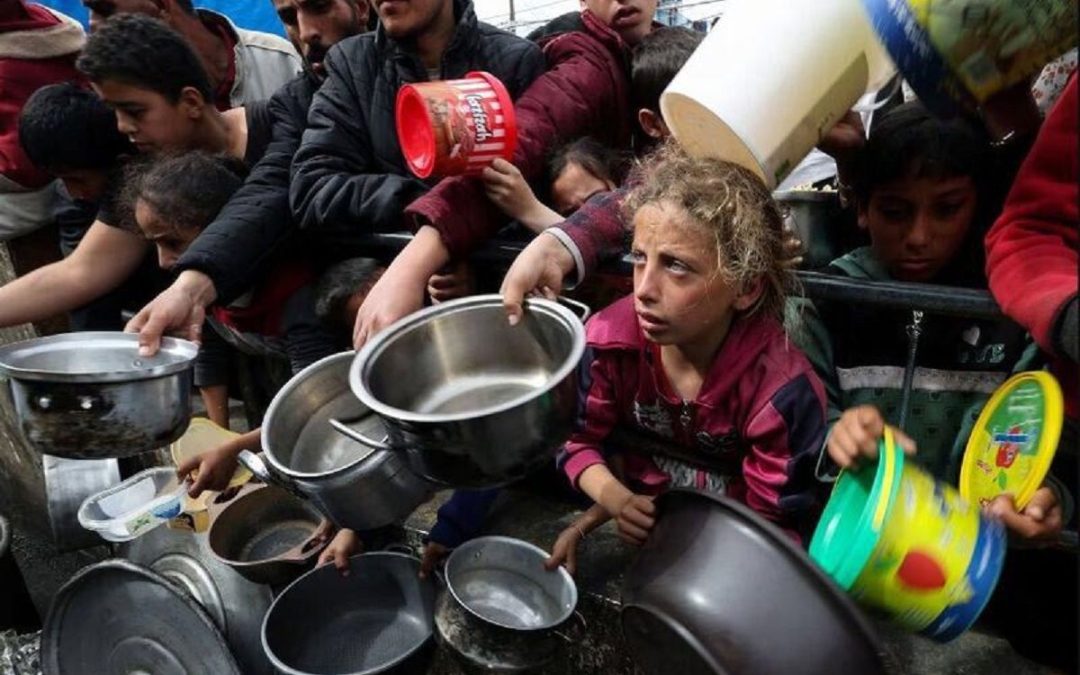
Strategic Online Council – Interview: A West Asia affairs expert stated that the Zionist regime’s policy of creating famine for the Palestinians in the Gaza Strip is “deliberate.” This policy is not only an attempt to weaken the Palestinian resistance but also part of a long-term strategy to alter the demographic composition of the Strip. The recent warning by the World Food Program about an imminent famine in Gaza has once again drawn global attention to the humanitarian crisis in the region. United Nations reports also indicate that over two million people in Gaza face severe food insecurity, exacerbated by the Zionist regime’s obstruction of humanitarian aid.

Analysis: Egypt’s Approach to the Gaza Crisis

Analysis: Egypt’s Approach to the Gaza Crisis

Strategic Council Online Opinion: Egypt’s foreign policy towards West Asia, especially in matters related to Gaza, is influenced by complex strategic factors that include national security, relations with global powers, and the country’s role in regional developments.

Analysis of Egypt’s Plan for Reconstruction of Gaza

Analysis of Egypt’s Plan for Reconstruction of Gaza

Strategic Council Online – Opinion: Egypt’s comprehensive plan for the reconstruction of Gaza, which was “unveiled” at the recent Arab League summit in Cairo, is the most important plan of the Arab countries in rebuilding Gaza that was approved at this meeting. To implement the proposed plan by Egypt, $53 billion in financial resources have been allocated, almost equal to the cost of rebuilding Gaza.

أحدث الوظائف

Europe’s Enduring Dependence on Persian Gulf Energy

SCFR Online – Opinion: The dominant discourse in the field of European energy security over the past two decades has revolved around diversification of supply sources and the gradual reduction of dependence on fossil fuels. This narrative, which gained particular momentum after the Ukraine gas crisis in 2006 and its intensification in 2014 and 2022, was based on the assumption that Europe could free itself from the geopolitical vulnerabilities arising from dependence on specific suppliers through investment in renewable energy, imports of liquefied natural gas from diversified sources, and the establishment of new infrastructure. However, a closer analysis of energy trade data and the structure of the global oil and gas supply chain presents a different picture. Europe has not only failed to meaningfully reduce its dependence on the Persian Gulf, but in some sectors — particularly in liquefied natural gas imports — this dependence has deepened. This reality, which is often overlooked in public discourse, raises fundamental questions about the sustainability of Europe’s energy security strategies and their impact on regional power equations.

The Challenge of Hezbollah’s Low-Cost “FPV” Drones for the Zionist Regime

SCFR Online – Opinion: In modern warfare, it has always been assumed that the more expensive, and advanced the weapon—particularly from well-known companies—the more certain the victory will be. However, developments on the northern front of occupied Palestine in recent months have challenged this long-held belief. Here, the Zionist regime’s military, despite possessing the most advanced defense systems such as Iron Dome, David’s Sling, and Arrow, as well as fifth-generation F-35 fighter jets, Merkava tanks, and other modern equipment found in few countries worldwide, has effectively been rendered helpless against Hezbollah Lebanon’s few-hundred-dollar drones. Benjamin Netanyahu’s bitter admission regarding the inability to counter this threat, and his order to allocate an unlimited budget to find a solution, underscores the reality that the era of pure superiority through expensive technologies has come to an end.

The Impact of West Asian Developments on the Ukraine War

SCFR Online – Note: Vladimir Putin, President of Russia, recently announced—more than four years after the commencement of military aggression against Ukraine—that he believes the conflict between Russia and Ukraine is drawing to a close.

Temporary China–U.S. Trade Truce in the Shadow of Fundamental Distrust

SCFR Online – Opinion: The recent visit of the President of the United States to China is significant from various aspects; because China is recognized as the world’s second-largest economic power and a growing economy. The Chinese are also advancing in various fields, including the space sector, artificial intelligence, and military industries; to the extent that in the military sector, whereas they previously lacked an aircraft carrier, they now possess their third aircraft carrier. On the other hand, the United States, as a superpower, has always regarded China as its rival and continues to view it as such today.

Loading

Gaza

The US Ambassador Lifts the Veil; The Strategic Danger of the “Greater Israel” Project for West Asia

The US Ambassador Lifts the Veil; The Strategic Danger of the “Greater Israel” Project for West Asia

Strategic Council Online –Opinion: The “Greater Israel” project, whose realization requires the annexation of parts of the territory of regional countries into the occupied lands, has long passed the stage of theorization and, especially in recent months, has taken on an operational form. This plan, which was once discussed in extremist Zionist circles as an unattainable ideal, is today, with the explicit support of the United States, being transformed into an executive program targeting the regional order.

Commercial Exploitation of Peace; The Gaza Committee in Confrontation with International Legitimacy

Commercial Exploitation of Peace; The Gaza Committee in Confrontation with International Legitimacy

Strategic Council Online – Report: While the second phase of the implementation of the Gaza ceasefire has begun, the establishment of the “Peace Board” chaired by Donald Trump on the sidelines of the Davos meeting (22 January 2026) has become more than a technical mechanism for reconstruction and has turned into a test for the future of the international order.
Despite the signing of the charter by 22 out of 60 invited countries, the limited presence of global leaders at the Davos ceremony and the non-acceptance of this body by the European Union and key Western countries indicate a deep divide in global perceptions of the legitimacy of this mechanism.
In this report, drawing on the analysis of Hadi Borhani, a regional affairs expert, and international data, three strategic questions are addressed: Is the Peace Board an instrument for implementing UN Security Council Resolution 2803 or a substitute for the United Nations? How does the hierarchical architecture of this committee intensify executive challenges in Gaza? And finally, can this body create sustainable peace without the cooperation of Palestinians and with the concentration of power in the hands of a single individual?

Seizure of the Samoud Flotilla: A Clear Violation of International Law

Seizure of the Samoud Flotilla: A Clear Violation of International Law

Online Strategic Council – Dialogue: A senior analyst of West Asian and Arab world affairs stated: The recent action by the naval forces of the Israeli regime in seizing the “Global Samoud” humanitarian ships has once again placed the world before a clear violation of international law and maritime laws.

Objectives of the Zionist Regime in Creating Famine in Gaza

Objectives of the Zionist Regime in Creating Famine in Gaza

Strategic Online Council – Interview: A West Asia affairs expert stated that the Zionist regime’s policy of creating famine for the Palestinians in the Gaza Strip is “deliberate.” This policy is not only an attempt to weaken the Palestinian resistance but also part of a long-term strategy to alter the demographic composition of the Strip. The recent warning by the World Food Program about an imminent famine in Gaza has once again drawn global attention to the humanitarian crisis in the region. United Nations reports also indicate that over two million people in Gaza face severe food insecurity, exacerbated by the Zionist regime’s obstruction of humanitarian aid.

Analysis: Egypt’s Approach to the Gaza Crisis

Analysis: Egypt’s Approach to the Gaza Crisis

Strategic Council Online Opinion: Egypt’s foreign policy towards West Asia, especially in matters related to Gaza, is influenced by complex strategic factors that include national security, relations with global powers, and the country’s role in regional developments.

Analysis of Egypt’s Plan for Reconstruction of Gaza

Analysis of Egypt’s Plan for Reconstruction of Gaza

Strategic Council Online – Opinion: Egypt’s comprehensive plan for the reconstruction of Gaza, which was “unveiled” at the recent Arab League summit in Cairo, is the most important plan of the Arab countries in rebuilding Gaza that was approved at this meeting. To implement the proposed plan by Egypt, $53 billion in financial resources have been allocated, almost equal to the cost of rebuilding Gaza.

Gaza

The US Ambassador Lifts the Veil; The Strategic Danger of the “Greater Israel” Project for West Asia

The US Ambassador Lifts the Veil; The Strategic Danger of the “Greater Israel” Project for West Asia

Strategic Council Online –Opinion: The “Greater Israel” project, whose realization requires the annexation of parts of the territory of regional countries into the occupied lands, has long passed the stage of theorization and, especially in recent months, has taken on an operational form. This plan, which was once discussed in extremist Zionist circles as an unattainable ideal, is today, with the explicit support of the United States, being transformed into an executive program targeting the regional order.

Commercial Exploitation of Peace; The Gaza Committee in Confrontation with International Legitimacy

Commercial Exploitation of Peace; The Gaza Committee in Confrontation with International Legitimacy

Strategic Council Online – Report: While the second phase of the implementation of the Gaza ceasefire has begun, the establishment of the “Peace Board” chaired by Donald Trump on the sidelines of the Davos meeting (22 January 2026) has become more than a technical mechanism for reconstruction and has turned into a test for the future of the international order.
Despite the signing of the charter by 22 out of 60 invited countries, the limited presence of global leaders at the Davos ceremony and the non-acceptance of this body by the European Union and key Western countries indicate a deep divide in global perceptions of the legitimacy of this mechanism.
In this report, drawing on the analysis of Hadi Borhani, a regional affairs expert, and international data, three strategic questions are addressed: Is the Peace Board an instrument for implementing UN Security Council Resolution 2803 or a substitute for the United Nations? How does the hierarchical architecture of this committee intensify executive challenges in Gaza? And finally, can this body create sustainable peace without the cooperation of Palestinians and with the concentration of power in the hands of a single individual?

Seizure of the Samoud Flotilla: A Clear Violation of International Law

Seizure of the Samoud Flotilla: A Clear Violation of International Law

Online Strategic Council – Dialogue: A senior analyst of West Asian and Arab world affairs stated: The recent action by the naval forces of the Israeli regime in seizing the “Global Samoud” humanitarian ships has once again placed the world before a clear violation of international law and maritime laws.

Objectives of the Zionist Regime in Creating Famine in Gaza

Objectives of the Zionist Regime in Creating Famine in Gaza

Strategic Online Council – Interview: A West Asia affairs expert stated that the Zionist regime’s policy of creating famine for the Palestinians in the Gaza Strip is “deliberate.” This policy is not only an attempt to weaken the Palestinian resistance but also part of a long-term strategy to alter the demographic composition of the Strip. The recent warning by the World Food Program about an imminent famine in Gaza has once again drawn global attention to the humanitarian crisis in the region. United Nations reports also indicate that over two million people in Gaza face severe food insecurity, exacerbated by the Zionist regime’s obstruction of humanitarian aid.

Analysis: Egypt’s Approach to the Gaza Crisis

Analysis: Egypt’s Approach to the Gaza Crisis

Strategic Council Online Opinion: Egypt’s foreign policy towards West Asia, especially in matters related to Gaza, is influenced by complex strategic factors that include national security, relations with global powers, and the country’s role in regional developments.

Analysis of Egypt’s Plan for Reconstruction of Gaza

Analysis of Egypt’s Plan for Reconstruction of Gaza

Strategic Council Online – Opinion: Egypt’s comprehensive plan for the reconstruction of Gaza, which was “unveiled” at the recent Arab League summit in Cairo, is the most important plan of the Arab countries in rebuilding Gaza that was approved at this meeting. To implement the proposed plan by Egypt, $53 billion in financial resources have been allocated, almost equal to the cost of rebuilding Gaza.

LATEST CONTENT

Europe’s Enduring Dependence on Persian Gulf Energy

SCFR Online – Opinion: The dominant discourse in the field of European energy security over the past two decades has revolved around diversification of supply sources and the gradual reduction of dependence on fossil fuels. This narrative, which gained particular momentum after the Ukraine gas crisis in 2006 and its intensification in 2014 and 2022, was based on the assumption that Europe could free itself from the geopolitical vulnerabilities arising from dependence on specific suppliers through investment in renewable energy, imports of liquefied natural gas from diversified sources, and the establishment of new infrastructure. However, a closer analysis of energy trade data and the structure of the global oil and gas supply chain presents a different picture. Europe has not only failed to meaningfully reduce its dependence on the Persian Gulf, but in some sectors — particularly in liquefied natural gas imports — this dependence has deepened. This reality, which is often overlooked in public discourse, raises fundamental questions about the sustainability of Europe’s energy security strategies and their impact on regional power equations.

The Challenge of Hezbollah’s Low-Cost “FPV” Drones for the Zionist Regime

SCFR Online – Opinion: In modern warfare, it has always been assumed that the more expensive, and advanced the weapon—particularly from well-known companies—the more certain the victory will be. However, developments on the northern front of occupied Palestine in recent months have challenged this long-held belief. Here, the Zionist regime’s military, despite possessing the most advanced defense systems such as Iron Dome, David’s Sling, and Arrow, as well as fifth-generation F-35 fighter jets, Merkava tanks, and other modern equipment found in few countries worldwide, has effectively been rendered helpless against Hezbollah Lebanon’s few-hundred-dollar drones. Benjamin Netanyahu’s bitter admission regarding the inability to counter this threat, and his order to allocate an unlimited budget to find a solution, underscores the reality that the era of pure superiority through expensive technologies has come to an end.

The Impact of West Asian Developments on the Ukraine War

SCFR Online – Note: Vladimir Putin, President of Russia, recently announced—more than four years after the commencement of military aggression against Ukraine—that he believes the conflict between Russia and Ukraine is drawing to a close.

Temporary China–U.S. Trade Truce in the Shadow of Fundamental Distrust

SCFR Online – Opinion: The recent visit of the President of the United States to China is significant from various aspects; because China is recognized as the world’s second-largest economic power and a growing economy. The Chinese are also advancing in various fields, including the space sector, artificial intelligence, and military industries; to the extent that in the military sector, whereas they previously lacked an aircraft carrier, they now possess their third aircraft carrier. On the other hand, the United States, as a superpower, has always regarded China as its rival and continues to view it as such today.

Loading

Gaza

The US Ambassador Lifts the Veil; The Strategic Danger of the “Greater Israel” Project for West Asia

The US Ambassador Lifts the Veil; The Strategic Danger of the “Greater Israel” Project for West Asia

Strategic Council Online –Opinion: The “Greater Israel” project, whose realization requires the annexation of parts of the territory of regional countries into the occupied lands, has long passed the stage of theorization and, especially in recent months, has taken on an operational form. This plan, which was once discussed in extremist Zionist circles as an unattainable ideal, is today, with the explicit support of the United States, being transformed into an executive program targeting the regional order.

Commercial Exploitation of Peace; The Gaza Committee in Confrontation with International Legitimacy

Commercial Exploitation of Peace; The Gaza Committee in Confrontation with International Legitimacy

Strategic Council Online – Report: While the second phase of the implementation of the Gaza ceasefire has begun, the establishment of the “Peace Board” chaired by Donald Trump on the sidelines of the Davos meeting (22 January 2026) has become more than a technical mechanism for reconstruction and has turned into a test for the future of the international order.
Despite the signing of the charter by 22 out of 60 invited countries, the limited presence of global leaders at the Davos ceremony and the non-acceptance of this body by the European Union and key Western countries indicate a deep divide in global perceptions of the legitimacy of this mechanism.
In this report, drawing on the analysis of Hadi Borhani, a regional affairs expert, and international data, three strategic questions are addressed: Is the Peace Board an instrument for implementing UN Security Council Resolution 2803 or a substitute for the United Nations? How does the hierarchical architecture of this committee intensify executive challenges in Gaza? And finally, can this body create sustainable peace without the cooperation of Palestinians and with the concentration of power in the hands of a single individual?

Seizure of the Samoud Flotilla: A Clear Violation of International Law

Seizure of the Samoud Flotilla: A Clear Violation of International Law

Online Strategic Council – Dialogue: A senior analyst of West Asian and Arab world affairs stated: The recent action by the naval forces of the Israeli regime in seizing the “Global Samoud” humanitarian ships has once again placed the world before a clear violation of international law and maritime laws.

Objectives of the Zionist Regime in Creating Famine in Gaza

Objectives of the Zionist Regime in Creating Famine in Gaza

Strategic Online Council – Interview: A West Asia affairs expert stated that the Zionist regime’s policy of creating famine for the Palestinians in the Gaza Strip is “deliberate.” This policy is not only an attempt to weaken the Palestinian resistance but also part of a long-term strategy to alter the demographic composition of the Strip. The recent warning by the World Food Program about an imminent famine in Gaza has once again drawn global attention to the humanitarian crisis in the region. United Nations reports also indicate that over two million people in Gaza face severe food insecurity, exacerbated by the Zionist regime’s obstruction of humanitarian aid.

Analysis: Egypt’s Approach to the Gaza Crisis

Analysis: Egypt’s Approach to the Gaza Crisis

Strategic Council Online Opinion: Egypt’s foreign policy towards West Asia, especially in matters related to Gaza, is influenced by complex strategic factors that include national security, relations with global powers, and the country’s role in regional developments.

Analysis of Egypt’s Plan for Reconstruction of Gaza

Analysis of Egypt’s Plan for Reconstruction of Gaza

Strategic Council Online – Opinion: Egypt’s comprehensive plan for the reconstruction of Gaza, which was “unveiled” at the recent Arab League summit in Cairo, is the most important plan of the Arab countries in rebuilding Gaza that was approved at this meeting. To implement the proposed plan by Egypt, $53 billion in financial resources have been allocated, almost equal to the cost of rebuilding Gaza.

ÚLTIMAS PUBLICACIONES

Europe’s Enduring Dependence on Persian Gulf Energy

SCFR Online – Opinion: The dominant discourse in the field of European energy security over the past two decades has revolved around diversification of supply sources and the gradual reduction of dependence on fossil fuels. This narrative, which gained particular momentum after the Ukraine gas crisis in 2006 and its intensification in 2014 and 2022, was based on the assumption that Europe could free itself from the geopolitical vulnerabilities arising from dependence on specific suppliers through investment in renewable energy, imports of liquefied natural gas from diversified sources, and the establishment of new infrastructure. However, a closer analysis of energy trade data and the structure of the global oil and gas supply chain presents a different picture. Europe has not only failed to meaningfully reduce its dependence on the Persian Gulf, but in some sectors — particularly in liquefied natural gas imports — this dependence has deepened. This reality, which is often overlooked in public discourse, raises fundamental questions about the sustainability of Europe’s energy security strategies and their impact on regional power equations.

The Challenge of Hezbollah’s Low-Cost “FPV” Drones for the Zionist Regime

SCFR Online – Opinion: In modern warfare, it has always been assumed that the more expensive, and advanced the weapon—particularly from well-known companies—the more certain the victory will be. However, developments on the northern front of occupied Palestine in recent months have challenged this long-held belief. Here, the Zionist regime’s military, despite possessing the most advanced defense systems such as Iron Dome, David’s Sling, and Arrow, as well as fifth-generation F-35 fighter jets, Merkava tanks, and other modern equipment found in few countries worldwide, has effectively been rendered helpless against Hezbollah Lebanon’s few-hundred-dollar drones. Benjamin Netanyahu’s bitter admission regarding the inability to counter this threat, and his order to allocate an unlimited budget to find a solution, underscores the reality that the era of pure superiority through expensive technologies has come to an end.

The Impact of West Asian Developments on the Ukraine War

SCFR Online – Note: Vladimir Putin, President of Russia, recently announced—more than four years after the commencement of military aggression against Ukraine—that he believes the conflict between Russia and Ukraine is drawing to a close.

Temporary China–U.S. Trade Truce in the Shadow of Fundamental Distrust

SCFR Online – Opinion: The recent visit of the President of the United States to China is significant from various aspects; because China is recognized as the world’s second-largest economic power and a growing economy. The Chinese are also advancing in various fields, including the space sector, artificial intelligence, and military industries; to the extent that in the military sector, whereas they previously lacked an aircraft carrier, they now possess their third aircraft carrier. On the other hand, the United States, as a superpower, has always regarded China as its rival and continues to view it as such today.

Loading

Gaza

The US Ambassador Lifts the Veil; The Strategic Danger of the “Greater Israel” Project for West Asia

The US Ambassador Lifts the Veil; The Strategic Danger of the “Greater Israel” Project for West Asia

Strategic Council Online –Opinion: The “Greater Israel” project, whose realization requires the annexation of parts of the territory of regional countries into the occupied lands, has long passed the stage of theorization and, especially in recent months, has taken on an operational form. This plan, which was once discussed in extremist Zionist circles as an unattainable ideal, is today, with the explicit support of the United States, being transformed into an executive program targeting the regional order.

Commercial Exploitation of Peace; The Gaza Committee in Confrontation with International Legitimacy

Commercial Exploitation of Peace; The Gaza Committee in Confrontation with International Legitimacy

Strategic Council Online – Report: While the second phase of the implementation of the Gaza ceasefire has begun, the establishment of the “Peace Board” chaired by Donald Trump on the sidelines of the Davos meeting (22 January 2026) has become more than a technical mechanism for reconstruction and has turned into a test for the future of the international order.
Despite the signing of the charter by 22 out of 60 invited countries, the limited presence of global leaders at the Davos ceremony and the non-acceptance of this body by the European Union and key Western countries indicate a deep divide in global perceptions of the legitimacy of this mechanism.
In this report, drawing on the analysis of Hadi Borhani, a regional affairs expert, and international data, three strategic questions are addressed: Is the Peace Board an instrument for implementing UN Security Council Resolution 2803 or a substitute for the United Nations? How does the hierarchical architecture of this committee intensify executive challenges in Gaza? And finally, can this body create sustainable peace without the cooperation of Palestinians and with the concentration of power in the hands of a single individual?

Seizure of the Samoud Flotilla: A Clear Violation of International Law

Seizure of the Samoud Flotilla: A Clear Violation of International Law

Online Strategic Council – Dialogue: A senior analyst of West Asian and Arab world affairs stated: The recent action by the naval forces of the Israeli regime in seizing the “Global Samoud” humanitarian ships has once again placed the world before a clear violation of international law and maritime laws.

Objectives of the Zionist Regime in Creating Famine in Gaza

Objectives of the Zionist Regime in Creating Famine in Gaza

Strategic Online Council – Interview: A West Asia affairs expert stated that the Zionist regime’s policy of creating famine for the Palestinians in the Gaza Strip is “deliberate.” This policy is not only an attempt to weaken the Palestinian resistance but also part of a long-term strategy to alter the demographic composition of the Strip. The recent warning by the World Food Program about an imminent famine in Gaza has once again drawn global attention to the humanitarian crisis in the region. United Nations reports also indicate that over two million people in Gaza face severe food insecurity, exacerbated by the Zionist regime’s obstruction of humanitarian aid.

Analysis: Egypt’s Approach to the Gaza Crisis

Analysis: Egypt’s Approach to the Gaza Crisis

Strategic Council Online Opinion: Egypt’s foreign policy towards West Asia, especially in matters related to Gaza, is influenced by complex strategic factors that include national security, relations with global powers, and the country’s role in regional developments.

Analysis of Egypt’s Plan for Reconstruction of Gaza

Analysis of Egypt’s Plan for Reconstruction of Gaza

Strategic Council Online – Opinion: Egypt’s comprehensive plan for the reconstruction of Gaza, which was “unveiled” at the recent Arab League summit in Cairo, is the most important plan of the Arab countries in rebuilding Gaza that was approved at this meeting. To implement the proposed plan by Egypt, $53 billion in financial resources have been allocated, almost equal to the cost of rebuilding Gaza.

ÚLTIMAS PUBLICACIONES

Europe’s Enduring Dependence on Persian Gulf Energy

SCFR Online – Opinion: The dominant discourse in the field of European energy security over the past two decades has revolved around diversification of supply sources and the gradual reduction of dependence on fossil fuels. This narrative, which gained particular momentum after the Ukraine gas crisis in 2006 and its intensification in 2014 and 2022, was based on the assumption that Europe could free itself from the geopolitical vulnerabilities arising from dependence on specific suppliers through investment in renewable energy, imports of liquefied natural gas from diversified sources, and the establishment of new infrastructure. However, a closer analysis of energy trade data and the structure of the global oil and gas supply chain presents a different picture. Europe has not only failed to meaningfully reduce its dependence on the Persian Gulf, but in some sectors — particularly in liquefied natural gas imports — this dependence has deepened. This reality, which is often overlooked in public discourse, raises fundamental questions about the sustainability of Europe’s energy security strategies and their impact on regional power equations.

The Challenge of Hezbollah’s Low-Cost “FPV” Drones for the Zionist Regime

SCFR Online – Opinion: In modern warfare, it has always been assumed that the more expensive, and advanced the weapon—particularly from well-known companies—the more certain the victory will be. However, developments on the northern front of occupied Palestine in recent months have challenged this long-held belief. Here, the Zionist regime’s military, despite possessing the most advanced defense systems such as Iron Dome, David’s Sling, and Arrow, as well as fifth-generation F-35 fighter jets, Merkava tanks, and other modern equipment found in few countries worldwide, has effectively been rendered helpless against Hezbollah Lebanon’s few-hundred-dollar drones. Benjamin Netanyahu’s bitter admission regarding the inability to counter this threat, and his order to allocate an unlimited budget to find a solution, underscores the reality that the era of pure superiority through expensive technologies has come to an end.

The Impact of West Asian Developments on the Ukraine War

SCFR Online – Note: Vladimir Putin, President of Russia, recently announced—more than four years after the commencement of military aggression against Ukraine—that he believes the conflict between Russia and Ukraine is drawing to a close.

Temporary China–U.S. Trade Truce in the Shadow of Fundamental Distrust

SCFR Online – Opinion: The recent visit of the President of the United States to China is significant from various aspects; because China is recognized as the world’s second-largest economic power and a growing economy. The Chinese are also advancing in various fields, including the space sector, artificial intelligence, and military industries; to the extent that in the military sector, whereas they previously lacked an aircraft carrier, they now possess their third aircraft carrier. On the other hand, the United States, as a superpower, has always regarded China as its rival and continues to view it as such today.

Loading

Gaza

The US Ambassador Lifts the Veil; The Strategic Danger of the “Greater Israel” Project for West Asia

The US Ambassador Lifts the Veil; The Strategic Danger of the “Greater Israel” Project for West Asia

Strategic Council Online –Opinion: The “Greater Israel” project, whose realization requires the annexation of parts of the territory of regional countries into the occupied lands, has long passed the stage of theorization and, especially in recent months, has taken on an operational form. This plan, which was once discussed in extremist Zionist circles as an unattainable ideal, is today, with the explicit support of the United States, being transformed into an executive program targeting the regional order.

Commercial Exploitation of Peace; The Gaza Committee in Confrontation with International Legitimacy

Commercial Exploitation of Peace; The Gaza Committee in Confrontation with International Legitimacy

Strategic Council Online – Report: While the second phase of the implementation of the Gaza ceasefire has begun, the establishment of the “Peace Board” chaired by Donald Trump on the sidelines of the Davos meeting (22 January 2026) has become more than a technical mechanism for reconstruction and has turned into a test for the future of the international order.
Despite the signing of the charter by 22 out of 60 invited countries, the limited presence of global leaders at the Davos ceremony and the non-acceptance of this body by the European Union and key Western countries indicate a deep divide in global perceptions of the legitimacy of this mechanism.
In this report, drawing on the analysis of Hadi Borhani, a regional affairs expert, and international data, three strategic questions are addressed: Is the Peace Board an instrument for implementing UN Security Council Resolution 2803 or a substitute for the United Nations? How does the hierarchical architecture of this committee intensify executive challenges in Gaza? And finally, can this body create sustainable peace without the cooperation of Palestinians and with the concentration of power in the hands of a single individual?

Seizure of the Samoud Flotilla: A Clear Violation of International Law

Seizure of the Samoud Flotilla: A Clear Violation of International Law

Online Strategic Council – Dialogue: A senior analyst of West Asian and Arab world affairs stated: The recent action by the naval forces of the Israeli regime in seizing the “Global Samoud” humanitarian ships has once again placed the world before a clear violation of international law and maritime laws.

Objectives of the Zionist Regime in Creating Famine in Gaza

Objectives of the Zionist Regime in Creating Famine in Gaza

Strategic Online Council – Interview: A West Asia affairs expert stated that the Zionist regime’s policy of creating famine for the Palestinians in the Gaza Strip is “deliberate.” This policy is not only an attempt to weaken the Palestinian resistance but also part of a long-term strategy to alter the demographic composition of the Strip. The recent warning by the World Food Program about an imminent famine in Gaza has once again drawn global attention to the humanitarian crisis in the region. United Nations reports also indicate that over two million people in Gaza face severe food insecurity, exacerbated by the Zionist regime’s obstruction of humanitarian aid.

Analysis: Egypt’s Approach to the Gaza Crisis

Analysis: Egypt’s Approach to the Gaza Crisis

Strategic Council Online Opinion: Egypt’s foreign policy towards West Asia, especially in matters related to Gaza, is influenced by complex strategic factors that include national security, relations with global powers, and the country’s role in regional developments.

Analysis of Egypt’s Plan for Reconstruction of Gaza

Analysis of Egypt’s Plan for Reconstruction of Gaza

Strategic Council Online – Opinion: Egypt’s comprehensive plan for the reconstruction of Gaza, which was “unveiled” at the recent Arab League summit in Cairo, is the most important plan of the Arab countries in rebuilding Gaza that was approved at this meeting. To implement the proposed plan by Egypt, $53 billion in financial resources have been allocated, almost equal to the cost of rebuilding Gaza.

ÚLTIMAS PUBLICACIONES

Europe’s Enduring Dependence on Persian Gulf Energy

SCFR Online – Opinion: The dominant discourse in the field of European energy security over the past two decades has revolved around diversification of supply sources and the gradual reduction of dependence on fossil fuels. This narrative, which gained particular momentum after the Ukraine gas crisis in 2006 and its intensification in 2014 and 2022, was based on the assumption that Europe could free itself from the geopolitical vulnerabilities arising from dependence on specific suppliers through investment in renewable energy, imports of liquefied natural gas from diversified sources, and the establishment of new infrastructure. However, a closer analysis of energy trade data and the structure of the global oil and gas supply chain presents a different picture. Europe has not only failed to meaningfully reduce its dependence on the Persian Gulf, but in some sectors — particularly in liquefied natural gas imports — this dependence has deepened. This reality, which is often overlooked in public discourse, raises fundamental questions about the sustainability of Europe’s energy security strategies and their impact on regional power equations.

The Challenge of Hezbollah’s Low-Cost “FPV” Drones for the Zionist Regime

SCFR Online – Opinion: In modern warfare, it has always been assumed that the more expensive, and advanced the weapon—particularly from well-known companies—the more certain the victory will be. However, developments on the northern front of occupied Palestine in recent months have challenged this long-held belief. Here, the Zionist regime’s military, despite possessing the most advanced defense systems such as Iron Dome, David’s Sling, and Arrow, as well as fifth-generation F-35 fighter jets, Merkava tanks, and other modern equipment found in few countries worldwide, has effectively been rendered helpless against Hezbollah Lebanon’s few-hundred-dollar drones. Benjamin Netanyahu’s bitter admission regarding the inability to counter this threat, and his order to allocate an unlimited budget to find a solution, underscores the reality that the era of pure superiority through expensive technologies has come to an end.

The Impact of West Asian Developments on the Ukraine War

SCFR Online – Note: Vladimir Putin, President of Russia, recently announced—more than four years after the commencement of military aggression against Ukraine—that he believes the conflict between Russia and Ukraine is drawing to a close.

Temporary China–U.S. Trade Truce in the Shadow of Fundamental Distrust

SCFR Online – Opinion: The recent visit of the President of the United States to China is significant from various aspects; because China is recognized as the world’s second-largest economic power and a growing economy. The Chinese are also advancing in various fields, including the space sector, artificial intelligence, and military industries; to the extent that in the military sector, whereas they previously lacked an aircraft carrier, they now possess their third aircraft carrier. On the other hand, the United States, as a superpower, has always regarded China as its rival and continues to view it as such today.

Loading

Gaza

The US Ambassador Lifts the Veil; The Strategic Danger of the “Greater Israel” Project for West Asia

The US Ambassador Lifts the Veil; The Strategic Danger of the “Greater Israel” Project for West Asia

Strategic Council Online –Opinion: The “Greater Israel” project, whose realization requires the annexation of parts of the territory of regional countries into the occupied lands, has long passed the stage of theorization and, especially in recent months, has taken on an operational form. This plan, which was once discussed in extremist Zionist circles as an unattainable ideal, is today, with the explicit support of the United States, being transformed into an executive program targeting the regional order.

Commercial Exploitation of Peace; The Gaza Committee in Confrontation with International Legitimacy

Commercial Exploitation of Peace; The Gaza Committee in Confrontation with International Legitimacy

Strategic Council Online – Report: While the second phase of the implementation of the Gaza ceasefire has begun, the establishment of the “Peace Board” chaired by Donald Trump on the sidelines of the Davos meeting (22 January 2026) has become more than a technical mechanism for reconstruction and has turned into a test for the future of the international order.
Despite the signing of the charter by 22 out of 60 invited countries, the limited presence of global leaders at the Davos ceremony and the non-acceptance of this body by the European Union and key Western countries indicate a deep divide in global perceptions of the legitimacy of this mechanism.
In this report, drawing on the analysis of Hadi Borhani, a regional affairs expert, and international data, three strategic questions are addressed: Is the Peace Board an instrument for implementing UN Security Council Resolution 2803 or a substitute for the United Nations? How does the hierarchical architecture of this committee intensify executive challenges in Gaza? And finally, can this body create sustainable peace without the cooperation of Palestinians and with the concentration of power in the hands of a single individual?

Seizure of the Samoud Flotilla: A Clear Violation of International Law

Seizure of the Samoud Flotilla: A Clear Violation of International Law

Online Strategic Council – Dialogue: A senior analyst of West Asian and Arab world affairs stated: The recent action by the naval forces of the Israeli regime in seizing the “Global Samoud” humanitarian ships has once again placed the world before a clear violation of international law and maritime laws.

Objectives of the Zionist Regime in Creating Famine in Gaza

Objectives of the Zionist Regime in Creating Famine in Gaza

Strategic Online Council – Interview: A West Asia affairs expert stated that the Zionist regime’s policy of creating famine for the Palestinians in the Gaza Strip is “deliberate.” This policy is not only an attempt to weaken the Palestinian resistance but also part of a long-term strategy to alter the demographic composition of the Strip. The recent warning by the World Food Program about an imminent famine in Gaza has once again drawn global attention to the humanitarian crisis in the region. United Nations reports also indicate that over two million people in Gaza face severe food insecurity, exacerbated by the Zionist regime’s obstruction of humanitarian aid.

Analysis: Egypt’s Approach to the Gaza Crisis

Analysis: Egypt’s Approach to the Gaza Crisis

Strategic Council Online Opinion: Egypt’s foreign policy towards West Asia, especially in matters related to Gaza, is influenced by complex strategic factors that include national security, relations with global powers, and the country’s role in regional developments.

Analysis of Egypt’s Plan for Reconstruction of Gaza

Analysis of Egypt’s Plan for Reconstruction of Gaza

Strategic Council Online – Opinion: Egypt’s comprehensive plan for the reconstruction of Gaza, which was “unveiled” at the recent Arab League summit in Cairo, is the most important plan of the Arab countries in rebuilding Gaza that was approved at this meeting. To implement the proposed plan by Egypt, $53 billion in financial resources have been allocated, almost equal to the cost of rebuilding Gaza.

ÚLTIMAS PUBLICACIONES

Europe’s Enduring Dependence on Persian Gulf Energy

SCFR Online – Opinion: The dominant discourse in the field of European energy security over the past two decades has revolved around diversification of supply sources and the gradual reduction of dependence on fossil fuels. This narrative, which gained particular momentum after the Ukraine gas crisis in 2006 and its intensification in 2014 and 2022, was based on the assumption that Europe could free itself from the geopolitical vulnerabilities arising from dependence on specific suppliers through investment in renewable energy, imports of liquefied natural gas from diversified sources, and the establishment of new infrastructure. However, a closer analysis of energy trade data and the structure of the global oil and gas supply chain presents a different picture. Europe has not only failed to meaningfully reduce its dependence on the Persian Gulf, but in some sectors — particularly in liquefied natural gas imports — this dependence has deepened. This reality, which is often overlooked in public discourse, raises fundamental questions about the sustainability of Europe’s energy security strategies and their impact on regional power equations.

The Challenge of Hezbollah’s Low-Cost “FPV” Drones for the Zionist Regime

SCFR Online – Opinion: In modern warfare, it has always been assumed that the more expensive, and advanced the weapon—particularly from well-known companies—the more certain the victory will be. However, developments on the northern front of occupied Palestine in recent months have challenged this long-held belief. Here, the Zionist regime’s military, despite possessing the most advanced defense systems such as Iron Dome, David’s Sling, and Arrow, as well as fifth-generation F-35 fighter jets, Merkava tanks, and other modern equipment found in few countries worldwide, has effectively been rendered helpless against Hezbollah Lebanon’s few-hundred-dollar drones. Benjamin Netanyahu’s bitter admission regarding the inability to counter this threat, and his order to allocate an unlimited budget to find a solution, underscores the reality that the era of pure superiority through expensive technologies has come to an end.

The Impact of West Asian Developments on the Ukraine War

SCFR Online – Note: Vladimir Putin, President of Russia, recently announced—more than four years after the commencement of military aggression against Ukraine—that he believes the conflict between Russia and Ukraine is drawing to a close.

Temporary China–U.S. Trade Truce in the Shadow of Fundamental Distrust

SCFR Online – Opinion: The recent visit of the President of the United States to China is significant from various aspects; because China is recognized as the world’s second-largest economic power and a growing economy. The Chinese are also advancing in various fields, including the space sector, artificial intelligence, and military industries; to the extent that in the military sector, whereas they previously lacked an aircraft carrier, they now possess their third aircraft carrier. On the other hand, the United States, as a superpower, has always regarded China as its rival and continues to view it as such today.

Loading