Palestinian Developments: An Opportunity to Redefine Iran’s Role in West Asia

2025/11/17 | interview, Politics, top news

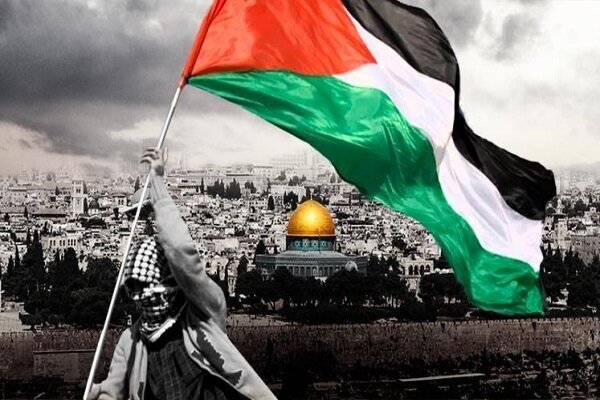
Strategic Council Online - Interview: A West Asian affairs analyst stated: Recent Palestinian developments and the resistance in Gaza have created a new context for redefining Iran's strategic role in West Asia.

The Collapse of the Old Order in Gaza and the Shift in the Power Geometry
Dr. Hadi Borhani, in an interview with the website of the Strategic Council on Foreign Relations, stated: “While the Gaza Strip, after two years of devastating war, is on the verge of entering an ambiguous stage of political and social reconstruction, diplomatic movements in Cairo, Ankara, and Doha are signs of a new chapter in the Palestinian conflict. However, it seems that regional and international powers have not yet reached a unified conclusion regarding the future of Gaza. Under such circumstances, recent developments are not only a test for the future of Palestine but also an opportunity to determine Iran’s real position in the new equations of West Asia.”
He added: “The current crisis in Gaza is, in fact, a stage in the process of ‘power fragmentation’; a concept first introduced in a report by the American Stimson Center.” He explained: “The recent war not only destroyed Gaza’s physical infrastructure but also transformed the traditional power structures among Palestinian groups. Today, Gaza faces a set of local actors, from Hamas and Islamic Jihad to the Palestinian Authority and smaller resistance groups, each seeking to maintain their influence in the post-war period.”
Borhani emphasized: “Contrary to Western, Arabic, and Hebrew propaganda, in practice, Hamas has not only not been weakened but has become an unavoidable actor in the future order of Gaza. Because all parties, even Egypt and Turkey, have accepted that no plan will last without the presence and consent of Hamas. What is designed in Washington or Tel Aviv is based on eliminating resistance, but the reality on the ground says otherwise. Hamas today is not merely a military group but a symbol of the Palestinian national will against occupation.” He added: “In continuation of efforts to form a committee to administer the Gaza Strip, the Hamas movement recently announced that it has provided Egypt with a list of forty-five independent figures; a list prepared with the consensus of Palestinian groups, and this means the continuation of Hamas’s presence and role after the war.”

The Regional View on the Future of Palestine: From Competition to Cautious Convergence
Borhani clarified: “New developments in Gaza have led to a redefinition of the approach of regional countries towards the Palestinian issue. In the past, most Arab and Islamic countries spoke merely from a position of sympathy with the Palestinian people, but today, the Gaza issue has turned into a security and geopolitical dossier. Turkey, Egypt, Qatar, and even Saudi Arabia are each trying to play the role of mediator or determining actor in the political future of Gaza.” He added: “The interesting point is that many countries in the region have concluded that the complete elimination of Hamas is neither possible nor desirable. Even in recent meetings in Cairo and Istanbul, despite political differences, the principle of preserving the indigenous structure for administering Gaza has been agreed upon. This means a gradual return to realism in dealing with the resistance.”
Borhani then referred to the role of the Israeli regime and its efforts to disrupt the ceasefire process, saying: “The Zionist regime knows that continued stability in Gaza, especially with the presence of popular forces and local committees, further questions its legitimacy. For this reason, through limited attacks and repeated violations of the ceasefire, it tries to stifle any new order before it takes shape. This is the same pattern that was previously experienced in Lebanon.”
He emphasized: “The position of Islamic countries is decisive in this regard. If the Islamic axis, including Iran, Turkey, Qatar, and other countries, can agree in a common framework to support the new Palestinian structure, the Israeli regime and its Western supporters will be forced to retreat. But if this coordination does not exist, Washington will try again to revive a version of the so-called ‘Deal of the Century’.”

Iran’s Strategic Future and the Consolidation of the Resistance Axis
Borhani described Iran’s role in the new regional equations as “pivotal and irreplaceable” and explained: “Iran, in recent years, even after the experience of the twelve-day war, has shown that it is not only a supporter of the resistance but can also help manage regional crises through political channels. By intelligently supporting Palestinian groups, Iran has, on one hand, disrupted the security equations of the Israeli regime and, on the other hand, strengthened the international legitimacy of the resistance.”
He added: “Iran’s strategy in the post-Gaza war phase, contrary to Western propaganda, has not been based on escalating confrontation but on consolidating a balance of deterrence. The Islamic Republic of Iran, through active diplomacy with countries such as Turkey, Qatar, and Egypt, is trying to transform the resistance from a purely military structure into a political and social network with popular backing.” Referring to the importance of the shift in regional public opinion, Borhani said: “The images of the massacre of civilians in Gaza have revealed the true face of the Israeli regime in the Arab world. Today, even the new generation in Arab countries that previously tended towards normalization has taken a stance against this process. This means the soft power of the resistance is being rebuilt, and Iran must utilize this social capital in the best way possible.”
He emphasized: “Tehran can pursue three parallel paths: consolidating regional diplomacy with a focus on Islamic countries and emphasizing the end of occupation; strengthening the capacity for Gaza’s reconstruction through humanitarian and economic cooperation; and continuing political and spiritual support for the resistance as a symbol of the quest for justice in the Islamic world.”
In conclusion, this analyst, with a forward-looking perspective, noted: “Today’s developments in Palestine are a historical opportunity to redefine Iran’s role in West Asia. What began in the field of new developments in Gaza has now become a test for all regional governments: will they stand with the nations, or will they distance themselves from their Islamic and human identity under the shadow of Washington’s pressures? Iran, in this context, is the only actor that has consistently and transparently stood by the resistance from the beginning until today, and this very continuity is the secret to its power and credibility in the region.”


0 Comments

LATEST CONTENT

Iran’s Success in the Narrative Battle in Cyberspace

SCFR Online – Opinion: In the war between Iran and the United States, the main battlefield was not defined solely in the military domain; rather, the battle of narratives in cyberspace—particularly through memes—reached a decisive level.

The Global Energy Shock Situation and Future Scenarios

SCFR Online – Opinion: Only one month after the beginning of the Ramadan War, maritime traffic in the Strait of Hormuz decreased dramatically, with Bloomberg announcing a reduction of 103 vessels; Brent oil prices rose by more than 50 percent, and gasoline prices in the United States increased by 31.4 percent. Additionally, benchmark gas prices in Europe showed a 73.4 percent increase.

Al-Zaydi’s Selection as Prime Minister, The Beginning of a New Chapter in Iraq

SCFR Online – Note: After approximately five months of political deadlock and institutional confusion, Ali al-Zaydi has finally been selected as Iraq’s Prime Minister. Al-Zaydi’s selection as Prime Minister represents a positive sign of the completion of the government formation process and the beginning of a new phase in Iraqi politics and governance. The emergence of a young, technocratic figure from the third generation of politicians—in a context where the country has been administered by traditional figures for decades—revives hope that Iraq may perhaps distance itself from the repetitive cycle of crises and experience a new path of stability, efficiency, and regional convergence.

Intensifying Intra-Party Divisions in the United States Regarding the Zionist Regime

SCFR Online – Note: Over recent decades, support for the Zionist regime has been one of the few issues commanding bipartisan consensus in US foreign policy. Since the Cold War era, Republicans and Democrats have generally agreed on the necessity of preserving the security and survival of the Zionist regime as Washington’s most strategic ally in West Asia—and indeed, globally. However, developments in recent years—particularly the Gaza war, escalating regional conflicts, the expansion of tensions into Lebanon, and this regime’s recent warmongering against Iran—have caused this traditional consensus, especially within the Democratic Party, to face significant fractures.

Public Opinion Disappointment of the Zionist Regime Regarding Success in War with Iran

SCFR Online – Opinion: The internal situation of the Israeli regime during the 40-day war can be analyzed from several perspectives. The popularity levels of Benjamin Netanyahu, the Likud Party, and the ruling coalition led by Netanyahu until February 28, 2026, remained approximately the same as during the preceding year. The most recent factor that had somewhat increased Netanyahu’s popularity was the advancement of the 2024 war with Hezbollah Lebanon. Subsequently, his popularity temporarily increased during the 12-day war with Iran, but after the war, it returned to its previous state.

Loading

Últimas publicaciones

Iran’s Success in the Narrative Battle in Cyberspace

SCFR Online – Opinion: In the war between Iran and the United States, the main battlefield was not defined solely in the military domain; rather, the battle of narratives in cyberspace—particularly through memes—reached a decisive level.

The Global Energy Shock Situation and Future Scenarios

SCFR Online – Opinion: Only one month after the beginning of the Ramadan War, maritime traffic in the Strait of Hormuz decreased dramatically, with Bloomberg announcing a reduction of 103 vessels; Brent oil prices rose by more than 50 percent, and gasoline prices in the United States increased by 31.4 percent. Additionally, benchmark gas prices in Europe showed a 73.4 percent increase.

Al-Zaydi’s Selection as Prime Minister, The Beginning of a New Chapter in Iraq

SCFR Online – Note: After approximately five months of political deadlock and institutional confusion, Ali al-Zaydi has finally been selected as Iraq’s Prime Minister. Al-Zaydi’s selection as Prime Minister represents a positive sign of the completion of the government formation process and the beginning of a new phase in Iraqi politics and governance. The emergence of a young, technocratic figure from the third generation of politicians—in a context where the country has been administered by traditional figures for decades—revives hope that Iraq may perhaps distance itself from the repetitive cycle of crises and experience a new path of stability, efficiency, and regional convergence.

Intensifying Intra-Party Divisions in the United States Regarding the Zionist Regime

SCFR Online – Note: Over recent decades, support for the Zionist regime has been one of the few issues commanding bipartisan consensus in US foreign policy. Since the Cold War era, Republicans and Democrats have generally agreed on the necessity of preserving the security and survival of the Zionist regime as Washington’s most strategic ally in West Asia—and indeed, globally. However, developments in recent years—particularly the Gaza war, escalating regional conflicts, the expansion of tensions into Lebanon, and this regime’s recent warmongering against Iran—have caused this traditional consensus, especially within the Democratic Party, to face significant fractures.

Public Opinion Disappointment of the Zionist Regime Regarding Success in War with Iran

SCFR Online – Opinion: The internal situation of the Israeli regime during the 40-day war can be analyzed from several perspectives. The popularity levels of Benjamin Netanyahu, the Likud Party, and the ruling coalition led by Netanyahu until February 28, 2026, remained approximately the same as during the preceding year. The most recent factor that had somewhat increased Netanyahu’s popularity was the advancement of the 2024 war with Hezbollah Lebanon. Subsequently, his popularity temporarily increased during the 12-day war with Iran, but after the war, it returned to its previous state.

Loading

DERNIER CONTENU

Iran’s Success in the Narrative Battle in Cyberspace

SCFR Online – Opinion: In the war between Iran and the United States, the main battlefield was not defined solely in the military domain; rather, the battle of narratives in cyberspace—particularly through memes—reached a decisive level.

The Global Energy Shock Situation and Future Scenarios

SCFR Online – Opinion: Only one month after the beginning of the Ramadan War, maritime traffic in the Strait of Hormuz decreased dramatically, with Bloomberg announcing a reduction of 103 vessels; Brent oil prices rose by more than 50 percent, and gasoline prices in the United States increased by 31.4 percent. Additionally, benchmark gas prices in Europe showed a 73.4 percent increase.

Al-Zaydi’s Selection as Prime Minister, The Beginning of a New Chapter in Iraq

SCFR Online – Note: After approximately five months of political deadlock and institutional confusion, Ali al-Zaydi has finally been selected as Iraq’s Prime Minister. Al-Zaydi’s selection as Prime Minister represents a positive sign of the completion of the government formation process and the beginning of a new phase in Iraqi politics and governance. The emergence of a young, technocratic figure from the third generation of politicians—in a context where the country has been administered by traditional figures for decades—revives hope that Iraq may perhaps distance itself from the repetitive cycle of crises and experience a new path of stability, efficiency, and regional convergence.

Intensifying Intra-Party Divisions in the United States Regarding the Zionist Regime

SCFR Online – Note: Over recent decades, support for the Zionist regime has been one of the few issues commanding bipartisan consensus in US foreign policy. Since the Cold War era, Republicans and Democrats have generally agreed on the necessity of preserving the security and survival of the Zionist regime as Washington’s most strategic ally in West Asia—and indeed, globally. However, developments in recent years—particularly the Gaza war, escalating regional conflicts, the expansion of tensions into Lebanon, and this regime’s recent warmongering against Iran—have caused this traditional consensus, especially within the Democratic Party, to face significant fractures.

Public Opinion Disappointment of the Zionist Regime Regarding Success in War with Iran

SCFR Online – Opinion: The internal situation of the Israeli regime during the 40-day war can be analyzed from several perspectives. The popularity levels of Benjamin Netanyahu, the Likud Party, and the ruling coalition led by Netanyahu until February 28, 2026, remained approximately the same as during the preceding year. The most recent factor that had somewhat increased Netanyahu’s popularity was the advancement of the 2024 war with Hezbollah Lebanon. Subsequently, his popularity temporarily increased during the 12-day war with Iran, but after the war, it returned to its previous state.

Loading

DERNIER CONTENU

Iran’s Success in the Narrative Battle in Cyberspace

SCFR Online – Opinion: In the war between Iran and the United States, the main battlefield was not defined solely in the military domain; rather, the battle of narratives in cyberspace—particularly through memes—reached a decisive level.

The Global Energy Shock Situation and Future Scenarios

SCFR Online – Opinion: Only one month after the beginning of the Ramadan War, maritime traffic in the Strait of Hormuz decreased dramatically, with Bloomberg announcing a reduction of 103 vessels; Brent oil prices rose by more than 50 percent, and gasoline prices in the United States increased by 31.4 percent. Additionally, benchmark gas prices in Europe showed a 73.4 percent increase.

Al-Zaydi’s Selection as Prime Minister, The Beginning of a New Chapter in Iraq

SCFR Online – Note: After approximately five months of political deadlock and institutional confusion, Ali al-Zaydi has finally been selected as Iraq’s Prime Minister. Al-Zaydi’s selection as Prime Minister represents a positive sign of the completion of the government formation process and the beginning of a new phase in Iraqi politics and governance. The emergence of a young, technocratic figure from the third generation of politicians—in a context where the country has been administered by traditional figures for decades—revives hope that Iraq may perhaps distance itself from the repetitive cycle of crises and experience a new path of stability, efficiency, and regional convergence.

Intensifying Intra-Party Divisions in the United States Regarding the Zionist Regime

SCFR Online – Note: Over recent decades, support for the Zionist regime has been one of the few issues commanding bipartisan consensus in US foreign policy. Since the Cold War era, Republicans and Democrats have generally agreed on the necessity of preserving the security and survival of the Zionist regime as Washington’s most strategic ally in West Asia—and indeed, globally. However, developments in recent years—particularly the Gaza war, escalating regional conflicts, the expansion of tensions into Lebanon, and this regime’s recent warmongering against Iran—have caused this traditional consensus, especially within the Democratic Party, to face significant fractures.

Public Opinion Disappointment of the Zionist Regime Regarding Success in War with Iran

SCFR Online – Opinion: The internal situation of the Israeli regime during the 40-day war can be analyzed from several perspectives. The popularity levels of Benjamin Netanyahu, the Likud Party, and the ruling coalition led by Netanyahu until February 28, 2026, remained approximately the same as during the preceding year. The most recent factor that had somewhat increased Netanyahu’s popularity was the advancement of the 2024 war with Hezbollah Lebanon. Subsequently, his popularity temporarily increased during the 12-day war with Iran, but after the war, it returned to its previous state.

Loading

DERNIER CONTENU

Iran’s Success in the Narrative Battle in Cyberspace

SCFR Online – Opinion: In the war between Iran and the United States, the main battlefield was not defined solely in the military domain; rather, the battle of narratives in cyberspace—particularly through memes—reached a decisive level.

The Global Energy Shock Situation and Future Scenarios

SCFR Online – Opinion: Only one month after the beginning of the Ramadan War, maritime traffic in the Strait of Hormuz decreased dramatically, with Bloomberg announcing a reduction of 103 vessels; Brent oil prices rose by more than 50 percent, and gasoline prices in the United States increased by 31.4 percent. Additionally, benchmark gas prices in Europe showed a 73.4 percent increase.

Al-Zaydi’s Selection as Prime Minister, The Beginning of a New Chapter in Iraq

SCFR Online – Note: After approximately five months of political deadlock and institutional confusion, Ali al-Zaydi has finally been selected as Iraq’s Prime Minister. Al-Zaydi’s selection as Prime Minister represents a positive sign of the completion of the government formation process and the beginning of a new phase in Iraqi politics and governance. The emergence of a young, technocratic figure from the third generation of politicians—in a context where the country has been administered by traditional figures for decades—revives hope that Iraq may perhaps distance itself from the repetitive cycle of crises and experience a new path of stability, efficiency, and regional convergence.

Intensifying Intra-Party Divisions in the United States Regarding the Zionist Regime

SCFR Online – Note: Over recent decades, support for the Zionist regime has been one of the few issues commanding bipartisan consensus in US foreign policy. Since the Cold War era, Republicans and Democrats have generally agreed on the necessity of preserving the security and survival of the Zionist regime as Washington’s most strategic ally in West Asia—and indeed, globally. However, developments in recent years—particularly the Gaza war, escalating regional conflicts, the expansion of tensions into Lebanon, and this regime’s recent warmongering against Iran—have caused this traditional consensus, especially within the Democratic Party, to face significant fractures.

Public Opinion Disappointment of the Zionist Regime Regarding Success in War with Iran

SCFR Online – Opinion: The internal situation of the Israeli regime during the 40-day war can be analyzed from several perspectives. The popularity levels of Benjamin Netanyahu, the Likud Party, and the ruling coalition led by Netanyahu until February 28, 2026, remained approximately the same as during the preceding year. The most recent factor that had somewhat increased Netanyahu’s popularity was the advancement of the 2024 war with Hezbollah Lebanon. Subsequently, his popularity temporarily increased during the 12-day war with Iran, but after the war, it returned to its previous state.

Loading



