
2025/09/22
Strategic Council Online – Interview: A senior analyst on West Asia and North Africa affairs stated, “The recognition of the State of Palestine at the United Nations General Assembly, particularly by European countries, initially appears to be a symbolic and positive action in support of Palestinian rights.” However, this move is more of a political and diplomatic response to the pressure from European and global public opinion than a real pressure on the Israeli regime.

2025/09/21
Strategic Council Online – Opinion: American technology companies have played a significant role in facilitating and justifying the crimes of the Zionist regime in Gaza.
2025/09/19
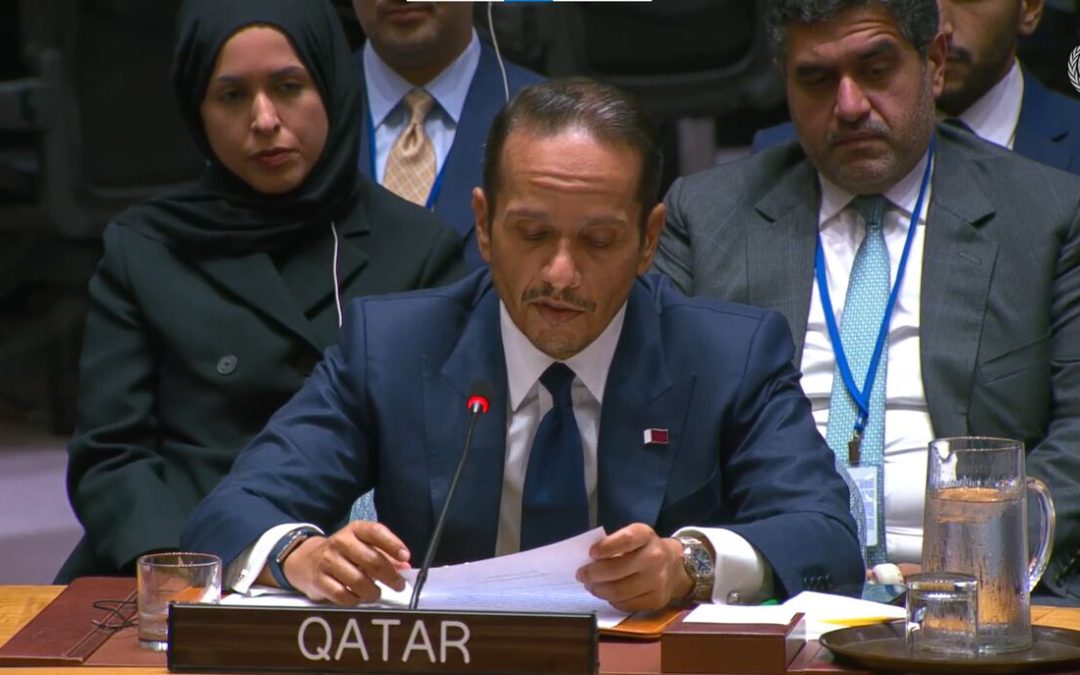
Strategic Council Online – Interview: An international affairs expert stated: The United Nations Security Council recently, in an emergency meeting, condemned the Israeli regime’s attack on Doha and, in a joint statement, called for an immediate cessation of tensions and full respect for Qatar’s national sovereignty. This statement, issued by consensus of all 15 Security Council members, while declaring solidarity with Qatar and speaking about the victimization of civilians and the necessity of a ceasefire in Gaza, did not mention the Israeli regime by name; a silence that itself carries contradictory messages. In other words, this statement was more of a political message to Tel Aviv than a legally binding instrument against the Israeli regime, stating that the international community considers attacking peace mediators a red line. However, currently, there is no will to exert practical pressure on this regime.

2025/09/09
Strategic Council Online – Interview: A senior analyst in West Asia affairs stated that while a wave of readiness for the official recognition of the State of Palestine by some countries is forming, the upcoming UN General Assembly session has become a decisive stage for the future of the Palestinian issue. At first glance, these moves are considered an essential step towards the potential advancement of the two-state solution and pressuring the Israeli regime to halt illegal settlements and accept the political reality of Palestinian sovereignty. Belgium’s decision to impose 12 firm sanctions against the Israeli regime and recognize the State of Palestine reflects this same perspective, which seeks to open a new political path in the face of the Gaza humanitarian crisis. However, there is another view that considers this diplomatic wave merely a symbolic reaction to public opinion pressure after nearly two years of slaughter and siege in Gaza, believing that as long as the United States stands alongside the Israeli regime, these movements will not lead to the establishment of a real Palestinian state. This viewpoint holds that the expansionist policies of Tel Aviv, the idea of Greater Israel, and the support of Western powers remain the main obstacles to any real change on the ground. Therefore, the September session of the UN General Assembly is considered an important test to gauge the seriousness of the international community in moving beyond symbolism towards practical action.

2025/09/04
Strategic Council Online – Opinion: The escalating conflict between the Yemeni Resistance and the Zionist regime is a clear example of asymmetric confrontation with strategic consequences in the region. The missile operations of the Yemeni Resistance serve as a demonstration of this country’s strategic and military power and send a clear message to the Zionist regime and America regarding the costs of continuing the status quo. This has increased the legitimacy and influence of the Yemeni Resistance, led by Ansarullah, in the Arab world and turned it into an undeniable strategic actor.
