جدیدترین مطالب

The Makkah Pact; Reasons for its Formation and Challenges Ahead

SCFR Online – Opinion: The Makkah Pact, signed between Saudi Arabia, Pakistan, and Turkey under the motto “an attack on one is an attack on all,” is viewed by some analysts less as a full-fledged military coalition and more as an attempt to reduce security dependence on an external power and to establish a regional security mechanism.

Implications of the US-Saudi Nuclear Agreement

SCFR Online – Opinion: The new US-Saudi nuclear agreement, despite legal and political ambiguities, could alter previous non-proliferation standards in West Asia and intensify nuclear competition, ushering it into a new phase.

An Analysis of Recent Turkey-Israeli Regime Tensions

SCFR Online – Opinion: Recent developments in Syria indicate an intensification of strategic rivalry between Turkey and the Israeli regime, but mutual considerations and the role of the United States have limited the likelihood of direct war.

Increasing criticism of the extensive Zionist lobby network

SCFR Online – Opinion: An examination of the mechanisms of the Israeli regime’s influence in the United States depicts a complex picture of shared interests, strategic dependencies, and the limitations of this relationship.

Realities of the Tripartite Makkah Pact

SCFR Online – Interview: The signing of the Makkah agreement between Saudi Arabia, Pakistan, and Turkey has raised questions about the future of the region’s security structure and the position of these countries in West Asian equations. Can this agreement become a genuine collective defense mechanism, or does it have more of a political and deterrent function than creating new military capacity?

Strategic Implications of the Reduction of US Weapons Stockpiles

SCFR Online – Opinion: The continuation of the US war against Iran, in addition to increasing operational costs, has called into question the actual capacity of the American arsenal to simultaneously fulfill security commitments on multiple fronts; an issue that affects deterrence, defense production capacity, and Washington’s resource prioritization.

Loading

Gaza war

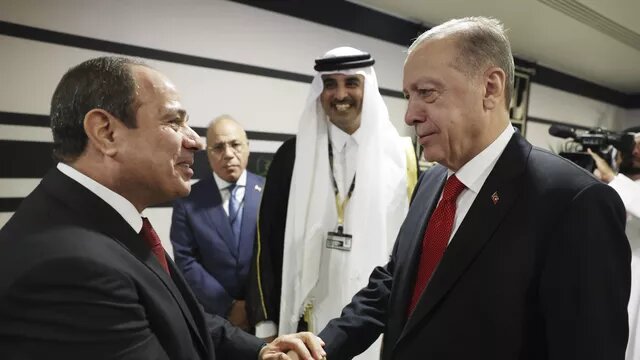
Egypt Seeks to Reduce Vulnerability vis-à-vis the Zionist Regime

Egypt Seeks to Reduce Vulnerability vis-à-vis the Zionist Regime

Online Strategic Council – Interview: A senior Egyptian affairs analyst stated that Egypt, the first Arab country to sign a peace agreement with the Zionist regime in 1979, has now adopted a new strategy due to concerns about the regime’s expansionist policies. The developments following the 2023 Gaza war revealed that Tel Aviv, with the unconditional support of the United States, seeks to alter the balance of power in West Asia —a matter that has compelled Cairo to expand its relations with Iran and Turkey, two significant regional powers. By holding joint military exercises with Turkey, mediating in Iran’s nuclear dossier, and seeking military and technological cooperation, Egypt is trying to prevent the Zionists’ hegemony in the region. Although the formation of a trilateral military alliance seems unlikely for now, Cairo’s rapprochement with Tehran and Ankara is considered a potential threat to the Israeli regime. In fact, in the face of regional pressures and border crises, Egypt is seeking to create a strategic balance to curb Tel Aviv’s influence and enhance its own position in the West Asian equations.

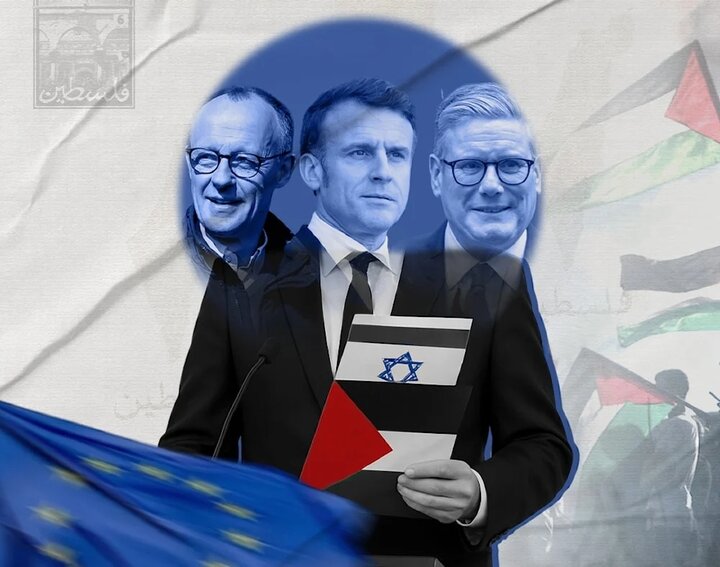
The Plan to Recognize the State of Palestine: From Words to Action

The Plan to Recognize the State of Palestine: From Words to Action

Online Strategic Council – Interview: An international affairs analyst stated that the recent United Nations meeting, which centered on recognizing the state of Palestine and the two-state solution, has sparked a wave of international reactions. Supporters of this plan see it as a step towards peace. Still, critics view it with skepticism and believe that this move is more of a tool to deceive public opinion and solidify the existence of the Zionist regime than to resolve the crisis. The initiative by France and some European countries is being proposed while the genocide in Gaza continues, and the West has so far taken no effective action to stop it. Some analysts say the primary goal of this plan is not the establishment of an independent Palestinian state, but rather the disarmament of resistance groups and the isolation of Hamas—an action that, through superficial negotiations and apparent peace, paves the way for realizing the interests of the Israeli regime. Iran, by rejecting the two-state solution, presents a different narrative for the future of Palestine, based on a referendum involving all indigenous inhabitants of the land.

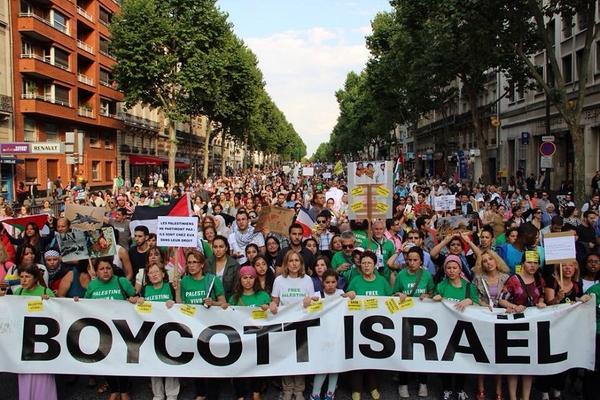
Consequences of Global Sanctions Against the Israeli Regime

Consequences of Global Sanctions Against the Israeli Regime

Strategic Council Online – Interview: An international affairs expert stated that in recent months, a multitude of political, economic, cultural, and scientific sanctions have been imposed against the Israeli regime, which, in the interpretation of many analysts, constitutes an “unprecedented set” of multi-layered global pressures. This wave, from the European Union to academic circles, from music festivals to world cinema, has targeted Tel Aviv’s international legitimacy and placed it in an increasingly tight spot. The message of these sanctions is also clear; the Israeli regime can no longer rely on its traditional immunity in the West to escape the moral and political consequences of its crimes in Gaza. Diplomatic isolation, economic restrictions, civil pressures, and damage to cultural prestige are all shaping an environment that can not only limit the Israeli regime’s freedom of action on the international stage but also challenges the credibility and legitimacy of this regime in global public opinion; a challenge that, in principle, should lead to a change in behavior or even internal political equations of the Israeli regime.

The Reality of Escalating European Pressures Against the Israeli Regime?

The Reality of Escalating European Pressures Against the Israeli Regime?

Strategic Council Online – Interview: A regional affairs expert stated that Europe has taken no action to increase political, economic, and security pressure on the Israeli regime to counter its genocide in Gaza, and it is unlikely to take any action in this regard in the future, although even at this level, support for Palestine and opposition to the crimes and genocide of the Israeli regime in Gaza are unprecedented in Europe.

Outlook of European Governments’ Plan to Recognize the State of Palestine

Outlook of European Governments’ Plan to Recognize the State of Palestine

Strategic Council Online – Interview: A senior analyst on West Asia and North Africa affairs stated, “The recognition of the State of Palestine at the United Nations General Assembly, particularly by European countries, initially appears to be a symbolic and positive action in support of Palestinian rights.” However, this move is more of a political and diplomatic response to the pressure from European and global public opinion than a real pressure on the Israeli regime.

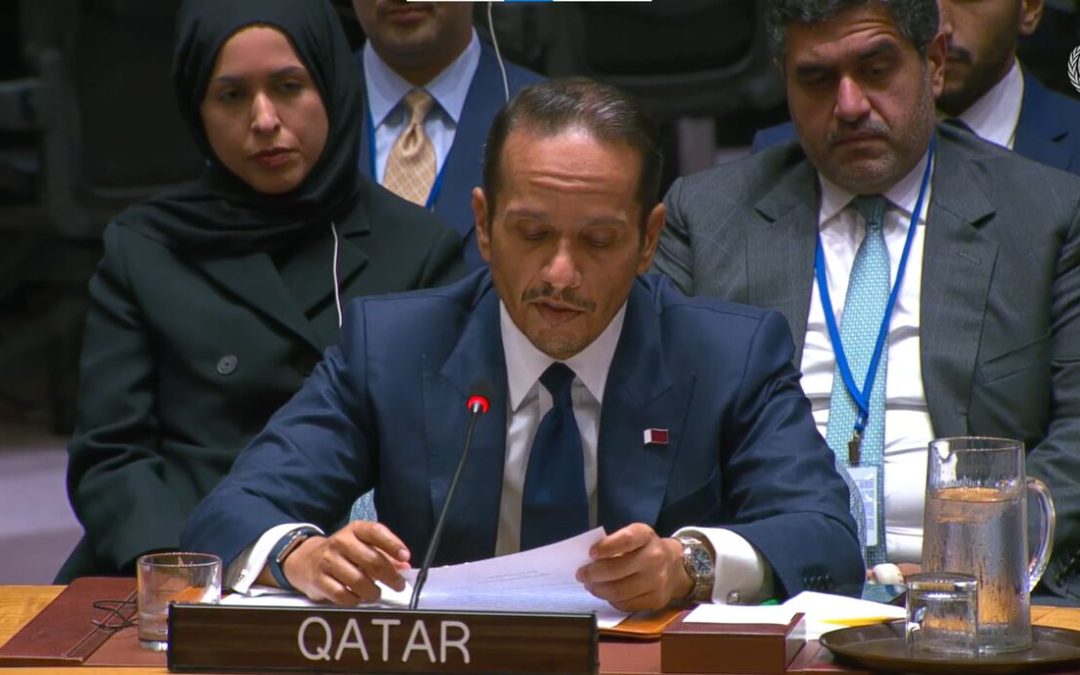
A Look at Recent UNSC Resolution Against the Israeli Regime’s Military Aggression on Qatar

A Look at Recent UNSC Resolution Against the Israeli Regime’s Military Aggression on Qatar

Strategic Council Online – Interview: An international affairs expert stated: The United Nations Security Council recently, in an emergency meeting, condemned the Israeli regime’s attack on Doha and, in a joint statement, called for an immediate cessation of tensions and full respect for Qatar’s national sovereignty. This statement, issued by consensus of all 15 Security Council members, while declaring solidarity with Qatar and speaking about the victimization of civilians and the necessity of a ceasefire in Gaza, did not mention the Israeli regime by name; a silence that itself carries contradictory messages. In other words, this statement was more of a political message to Tel Aviv than a legally binding instrument against the Israeli regime, stating that the international community considers attacking peace mediators a red line. However, currently, there is no will to exert practical pressure on this regime.

Upcoming UNGA Session: A Test of International Will for Practical Action on Palestine

Upcoming UNGA Session: A Test of International Will for Practical Action on Palestine

Strategic Council Online – Interview: A senior analyst in West Asia affairs stated that while a wave of readiness for the official recognition of the State of Palestine by some countries is forming, the upcoming UN General Assembly session has become a decisive stage for the future of the Palestinian issue. At first glance, these moves are considered an essential step towards the potential advancement of the two-state solution and pressuring the Israeli regime to halt illegal settlements and accept the political reality of Palestinian sovereignty. Belgium’s decision to impose 12 firm sanctions against the Israeli regime and recognize the State of Palestine reflects this same perspective, which seeks to open a new political path in the face of the Gaza humanitarian crisis. However, there is another view that considers this diplomatic wave merely a symbolic reaction to public opinion pressure after nearly two years of slaughter and siege in Gaza, believing that as long as the United States stands alongside the Israeli regime, these movements will not lead to the establishment of a real Palestinian state. This viewpoint holds that the expansionist policies of Tel Aviv, the idea of Greater Israel, and the support of Western powers remain the main obstacles to any real change on the ground. Therefore, the September session of the UN General Assembly is considered an important test to gauge the seriousness of the international community in moving beyond symbolism towards practical action.

The Landscape of the Battle Between the Zionist Regime and the Yemeni Resistance

The Landscape of the Battle Between the Zionist Regime and the Yemeni Resistance

Strategic Council Online – Opinion: The escalating conflict between the Yemeni Resistance and the Zionist regime is a clear example of asymmetric confrontation with strategic consequences in the region. The missile operations of the Yemeni Resistance serve as a demonstration of this country’s strategic and military power and send a clear message to the Zionist regime and America regarding the costs of continuing the status quo. This has increased the legitimacy and influence of the Yemeni Resistance, led by Ansarullah, in the Arab world and turned it into an undeniable strategic actor.

أحدث الوظائف

The Makkah Pact; Reasons for its Formation and Challenges Ahead

SCFR Online – Opinion: The Makkah Pact, signed between Saudi Arabia, Pakistan, and Turkey under the motto “an attack on one is an attack on all,” is viewed by some analysts less as a full-fledged military coalition and more as an attempt to reduce security dependence on an external power and to establish a regional security mechanism.

Implications of the US-Saudi Nuclear Agreement

SCFR Online – Opinion: The new US-Saudi nuclear agreement, despite legal and political ambiguities, could alter previous non-proliferation standards in West Asia and intensify nuclear competition, ushering it into a new phase.

An Analysis of Recent Turkey-Israeli Regime Tensions

SCFR Online – Opinion: Recent developments in Syria indicate an intensification of strategic rivalry between Turkey and the Israeli regime, but mutual considerations and the role of the United States have limited the likelihood of direct war.

Increasing criticism of the extensive Zionist lobby network

SCFR Online – Opinion: An examination of the mechanisms of the Israeli regime’s influence in the United States depicts a complex picture of shared interests, strategic dependencies, and the limitations of this relationship.

Realities of the Tripartite Makkah Pact

SCFR Online – Interview: The signing of the Makkah agreement between Saudi Arabia, Pakistan, and Turkey has raised questions about the future of the region’s security structure and the position of these countries in West Asian equations. Can this agreement become a genuine collective defense mechanism, or does it have more of a political and deterrent function than creating new military capacity?

Strategic Implications of the Reduction of US Weapons Stockpiles

SCFR Online – Opinion: The continuation of the US war against Iran, in addition to increasing operational costs, has called into question the actual capacity of the American arsenal to simultaneously fulfill security commitments on multiple fronts; an issue that affects deterrence, defense production capacity, and Washington’s resource prioritization.

Loading

Gaza war

Egypt Seeks to Reduce Vulnerability vis-à-vis the Zionist Regime

Egypt Seeks to Reduce Vulnerability vis-à-vis the Zionist Regime

Online Strategic Council – Interview: A senior Egyptian affairs analyst stated that Egypt, the first Arab country to sign a peace agreement with the Zionist regime in 1979, has now adopted a new strategy due to concerns about the regime’s expansionist policies. The developments following the 2023 Gaza war revealed that Tel Aviv, with the unconditional support of the United States, seeks to alter the balance of power in West Asia —a matter that has compelled Cairo to expand its relations with Iran and Turkey, two significant regional powers. By holding joint military exercises with Turkey, mediating in Iran’s nuclear dossier, and seeking military and technological cooperation, Egypt is trying to prevent the Zionists’ hegemony in the region. Although the formation of a trilateral military alliance seems unlikely for now, Cairo’s rapprochement with Tehran and Ankara is considered a potential threat to the Israeli regime. In fact, in the face of regional pressures and border crises, Egypt is seeking to create a strategic balance to curb Tel Aviv’s influence and enhance its own position in the West Asian equations.

The Plan to Recognize the State of Palestine: From Words to Action

The Plan to Recognize the State of Palestine: From Words to Action

Online Strategic Council – Interview: An international affairs analyst stated that the recent United Nations meeting, which centered on recognizing the state of Palestine and the two-state solution, has sparked a wave of international reactions. Supporters of this plan see it as a step towards peace. Still, critics view it with skepticism and believe that this move is more of a tool to deceive public opinion and solidify the existence of the Zionist regime than to resolve the crisis. The initiative by France and some European countries is being proposed while the genocide in Gaza continues, and the West has so far taken no effective action to stop it. Some analysts say the primary goal of this plan is not the establishment of an independent Palestinian state, but rather the disarmament of resistance groups and the isolation of Hamas—an action that, through superficial negotiations and apparent peace, paves the way for realizing the interests of the Israeli regime. Iran, by rejecting the two-state solution, presents a different narrative for the future of Palestine, based on a referendum involving all indigenous inhabitants of the land.

Consequences of Global Sanctions Against the Israeli Regime

Consequences of Global Sanctions Against the Israeli Regime

Strategic Council Online – Interview: An international affairs expert stated that in recent months, a multitude of political, economic, cultural, and scientific sanctions have been imposed against the Israeli regime, which, in the interpretation of many analysts, constitutes an “unprecedented set” of multi-layered global pressures. This wave, from the European Union to academic circles, from music festivals to world cinema, has targeted Tel Aviv’s international legitimacy and placed it in an increasingly tight spot. The message of these sanctions is also clear; the Israeli regime can no longer rely on its traditional immunity in the West to escape the moral and political consequences of its crimes in Gaza. Diplomatic isolation, economic restrictions, civil pressures, and damage to cultural prestige are all shaping an environment that can not only limit the Israeli regime’s freedom of action on the international stage but also challenges the credibility and legitimacy of this regime in global public opinion; a challenge that, in principle, should lead to a change in behavior or even internal political equations of the Israeli regime.

The Reality of Escalating European Pressures Against the Israeli Regime?

The Reality of Escalating European Pressures Against the Israeli Regime?

Strategic Council Online – Interview: A regional affairs expert stated that Europe has taken no action to increase political, economic, and security pressure on the Israeli regime to counter its genocide in Gaza, and it is unlikely to take any action in this regard in the future, although even at this level, support for Palestine and opposition to the crimes and genocide of the Israeli regime in Gaza are unprecedented in Europe.

Outlook of European Governments’ Plan to Recognize the State of Palestine

Outlook of European Governments’ Plan to Recognize the State of Palestine

Strategic Council Online – Interview: A senior analyst on West Asia and North Africa affairs stated, “The recognition of the State of Palestine at the United Nations General Assembly, particularly by European countries, initially appears to be a symbolic and positive action in support of Palestinian rights.” However, this move is more of a political and diplomatic response to the pressure from European and global public opinion than a real pressure on the Israeli regime.

A Look at Recent UNSC Resolution Against the Israeli Regime’s Military Aggression on Qatar

A Look at Recent UNSC Resolution Against the Israeli Regime’s Military Aggression on Qatar

Strategic Council Online – Interview: An international affairs expert stated: The United Nations Security Council recently, in an emergency meeting, condemned the Israeli regime’s attack on Doha and, in a joint statement, called for an immediate cessation of tensions and full respect for Qatar’s national sovereignty. This statement, issued by consensus of all 15 Security Council members, while declaring solidarity with Qatar and speaking about the victimization of civilians and the necessity of a ceasefire in Gaza, did not mention the Israeli regime by name; a silence that itself carries contradictory messages. In other words, this statement was more of a political message to Tel Aviv than a legally binding instrument against the Israeli regime, stating that the international community considers attacking peace mediators a red line. However, currently, there is no will to exert practical pressure on this regime.

Upcoming UNGA Session: A Test of International Will for Practical Action on Palestine

Upcoming UNGA Session: A Test of International Will for Practical Action on Palestine

Strategic Council Online – Interview: A senior analyst in West Asia affairs stated that while a wave of readiness for the official recognition of the State of Palestine by some countries is forming, the upcoming UN General Assembly session has become a decisive stage for the future of the Palestinian issue. At first glance, these moves are considered an essential step towards the potential advancement of the two-state solution and pressuring the Israeli regime to halt illegal settlements and accept the political reality of Palestinian sovereignty. Belgium’s decision to impose 12 firm sanctions against the Israeli regime and recognize the State of Palestine reflects this same perspective, which seeks to open a new political path in the face of the Gaza humanitarian crisis. However, there is another view that considers this diplomatic wave merely a symbolic reaction to public opinion pressure after nearly two years of slaughter and siege in Gaza, believing that as long as the United States stands alongside the Israeli regime, these movements will not lead to the establishment of a real Palestinian state. This viewpoint holds that the expansionist policies of Tel Aviv, the idea of Greater Israel, and the support of Western powers remain the main obstacles to any real change on the ground. Therefore, the September session of the UN General Assembly is considered an important test to gauge the seriousness of the international community in moving beyond symbolism towards practical action.

The Landscape of the Battle Between the Zionist Regime and the Yemeni Resistance

The Landscape of the Battle Between the Zionist Regime and the Yemeni Resistance

Strategic Council Online – Opinion: The escalating conflict between the Yemeni Resistance and the Zionist regime is a clear example of asymmetric confrontation with strategic consequences in the region. The missile operations of the Yemeni Resistance serve as a demonstration of this country’s strategic and military power and send a clear message to the Zionist regime and America regarding the costs of continuing the status quo. This has increased the legitimacy and influence of the Yemeni Resistance, led by Ansarullah, in the Arab world and turned it into an undeniable strategic actor.

Gaza war

Egypt Seeks to Reduce Vulnerability vis-à-vis the Zionist Regime

Egypt Seeks to Reduce Vulnerability vis-à-vis the Zionist Regime

Online Strategic Council – Interview: A senior Egyptian affairs analyst stated that Egypt, the first Arab country to sign a peace agreement with the Zionist regime in 1979, has now adopted a new strategy due to concerns about the regime’s expansionist policies. The developments following the 2023 Gaza war revealed that Tel Aviv, with the unconditional support of the United States, seeks to alter the balance of power in West Asia —a matter that has compelled Cairo to expand its relations with Iran and Turkey, two significant regional powers. By holding joint military exercises with Turkey, mediating in Iran’s nuclear dossier, and seeking military and technological cooperation, Egypt is trying to prevent the Zionists’ hegemony in the region. Although the formation of a trilateral military alliance seems unlikely for now, Cairo’s rapprochement with Tehran and Ankara is considered a potential threat to the Israeli regime. In fact, in the face of regional pressures and border crises, Egypt is seeking to create a strategic balance to curb Tel Aviv’s influence and enhance its own position in the West Asian equations.

The Plan to Recognize the State of Palestine: From Words to Action

The Plan to Recognize the State of Palestine: From Words to Action

Online Strategic Council – Interview: An international affairs analyst stated that the recent United Nations meeting, which centered on recognizing the state of Palestine and the two-state solution, has sparked a wave of international reactions. Supporters of this plan see it as a step towards peace. Still, critics view it with skepticism and believe that this move is more of a tool to deceive public opinion and solidify the existence of the Zionist regime than to resolve the crisis. The initiative by France and some European countries is being proposed while the genocide in Gaza continues, and the West has so far taken no effective action to stop it. Some analysts say the primary goal of this plan is not the establishment of an independent Palestinian state, but rather the disarmament of resistance groups and the isolation of Hamas—an action that, through superficial negotiations and apparent peace, paves the way for realizing the interests of the Israeli regime. Iran, by rejecting the two-state solution, presents a different narrative for the future of Palestine, based on a referendum involving all indigenous inhabitants of the land.

Consequences of Global Sanctions Against the Israeli Regime

Consequences of Global Sanctions Against the Israeli Regime

Strategic Council Online – Interview: An international affairs expert stated that in recent months, a multitude of political, economic, cultural, and scientific sanctions have been imposed against the Israeli regime, which, in the interpretation of many analysts, constitutes an “unprecedented set” of multi-layered global pressures. This wave, from the European Union to academic circles, from music festivals to world cinema, has targeted Tel Aviv’s international legitimacy and placed it in an increasingly tight spot. The message of these sanctions is also clear; the Israeli regime can no longer rely on its traditional immunity in the West to escape the moral and political consequences of its crimes in Gaza. Diplomatic isolation, economic restrictions, civil pressures, and damage to cultural prestige are all shaping an environment that can not only limit the Israeli regime’s freedom of action on the international stage but also challenges the credibility and legitimacy of this regime in global public opinion; a challenge that, in principle, should lead to a change in behavior or even internal political equations of the Israeli regime.

The Reality of Escalating European Pressures Against the Israeli Regime?

The Reality of Escalating European Pressures Against the Israeli Regime?

Strategic Council Online – Interview: A regional affairs expert stated that Europe has taken no action to increase political, economic, and security pressure on the Israeli regime to counter its genocide in Gaza, and it is unlikely to take any action in this regard in the future, although even at this level, support for Palestine and opposition to the crimes and genocide of the Israeli regime in Gaza are unprecedented in Europe.

Outlook of European Governments’ Plan to Recognize the State of Palestine

Outlook of European Governments’ Plan to Recognize the State of Palestine

Strategic Council Online – Interview: A senior analyst on West Asia and North Africa affairs stated, “The recognition of the State of Palestine at the United Nations General Assembly, particularly by European countries, initially appears to be a symbolic and positive action in support of Palestinian rights.” However, this move is more of a political and diplomatic response to the pressure from European and global public opinion than a real pressure on the Israeli regime.

A Look at Recent UNSC Resolution Against the Israeli Regime’s Military Aggression on Qatar

A Look at Recent UNSC Resolution Against the Israeli Regime’s Military Aggression on Qatar

Strategic Council Online – Interview: An international affairs expert stated: The United Nations Security Council recently, in an emergency meeting, condemned the Israeli regime’s attack on Doha and, in a joint statement, called for an immediate cessation of tensions and full respect for Qatar’s national sovereignty. This statement, issued by consensus of all 15 Security Council members, while declaring solidarity with Qatar and speaking about the victimization of civilians and the necessity of a ceasefire in Gaza, did not mention the Israeli regime by name; a silence that itself carries contradictory messages. In other words, this statement was more of a political message to Tel Aviv than a legally binding instrument against the Israeli regime, stating that the international community considers attacking peace mediators a red line. However, currently, there is no will to exert practical pressure on this regime.

Upcoming UNGA Session: A Test of International Will for Practical Action on Palestine

Upcoming UNGA Session: A Test of International Will for Practical Action on Palestine

Strategic Council Online – Interview: A senior analyst in West Asia affairs stated that while a wave of readiness for the official recognition of the State of Palestine by some countries is forming, the upcoming UN General Assembly session has become a decisive stage for the future of the Palestinian issue. At first glance, these moves are considered an essential step towards the potential advancement of the two-state solution and pressuring the Israeli regime to halt illegal settlements and accept the political reality of Palestinian sovereignty. Belgium’s decision to impose 12 firm sanctions against the Israeli regime and recognize the State of Palestine reflects this same perspective, which seeks to open a new political path in the face of the Gaza humanitarian crisis. However, there is another view that considers this diplomatic wave merely a symbolic reaction to public opinion pressure after nearly two years of slaughter and siege in Gaza, believing that as long as the United States stands alongside the Israeli regime, these movements will not lead to the establishment of a real Palestinian state. This viewpoint holds that the expansionist policies of Tel Aviv, the idea of Greater Israel, and the support of Western powers remain the main obstacles to any real change on the ground. Therefore, the September session of the UN General Assembly is considered an important test to gauge the seriousness of the international community in moving beyond symbolism towards practical action.

The Landscape of the Battle Between the Zionist Regime and the Yemeni Resistance

The Landscape of the Battle Between the Zionist Regime and the Yemeni Resistance

Strategic Council Online – Opinion: The escalating conflict between the Yemeni Resistance and the Zionist regime is a clear example of asymmetric confrontation with strategic consequences in the region. The missile operations of the Yemeni Resistance serve as a demonstration of this country’s strategic and military power and send a clear message to the Zionist regime and America regarding the costs of continuing the status quo. This has increased the legitimacy and influence of the Yemeni Resistance, led by Ansarullah, in the Arab world and turned it into an undeniable strategic actor.

LATEST CONTENT

The Makkah Pact; Reasons for its Formation and Challenges Ahead

SCFR Online – Opinion: The Makkah Pact, signed between Saudi Arabia, Pakistan, and Turkey under the motto “an attack on one is an attack on all,” is viewed by some analysts less as a full-fledged military coalition and more as an attempt to reduce security dependence on an external power and to establish a regional security mechanism.

Implications of the US-Saudi Nuclear Agreement

SCFR Online – Opinion: The new US-Saudi nuclear agreement, despite legal and political ambiguities, could alter previous non-proliferation standards in West Asia and intensify nuclear competition, ushering it into a new phase.

An Analysis of Recent Turkey-Israeli Regime Tensions

SCFR Online – Opinion: Recent developments in Syria indicate an intensification of strategic rivalry between Turkey and the Israeli regime, but mutual considerations and the role of the United States have limited the likelihood of direct war.

Increasing criticism of the extensive Zionist lobby network

SCFR Online – Opinion: An examination of the mechanisms of the Israeli regime’s influence in the United States depicts a complex picture of shared interests, strategic dependencies, and the limitations of this relationship.

Realities of the Tripartite Makkah Pact

SCFR Online – Interview: The signing of the Makkah agreement between Saudi Arabia, Pakistan, and Turkey has raised questions about the future of the region’s security structure and the position of these countries in West Asian equations. Can this agreement become a genuine collective defense mechanism, or does it have more of a political and deterrent function than creating new military capacity?

Strategic Implications of the Reduction of US Weapons Stockpiles

SCFR Online – Opinion: The continuation of the US war against Iran, in addition to increasing operational costs, has called into question the actual capacity of the American arsenal to simultaneously fulfill security commitments on multiple fronts; an issue that affects deterrence, defense production capacity, and Washington’s resource prioritization.

Loading

Gaza war

Egypt Seeks to Reduce Vulnerability vis-à-vis the Zionist Regime

Egypt Seeks to Reduce Vulnerability vis-à-vis the Zionist Regime

Online Strategic Council – Interview: A senior Egyptian affairs analyst stated that Egypt, the first Arab country to sign a peace agreement with the Zionist regime in 1979, has now adopted a new strategy due to concerns about the regime’s expansionist policies. The developments following the 2023 Gaza war revealed that Tel Aviv, with the unconditional support of the United States, seeks to alter the balance of power in West Asia —a matter that has compelled Cairo to expand its relations with Iran and Turkey, two significant regional powers. By holding joint military exercises with Turkey, mediating in Iran’s nuclear dossier, and seeking military and technological cooperation, Egypt is trying to prevent the Zionists’ hegemony in the region. Although the formation of a trilateral military alliance seems unlikely for now, Cairo’s rapprochement with Tehran and Ankara is considered a potential threat to the Israeli regime. In fact, in the face of regional pressures and border crises, Egypt is seeking to create a strategic balance to curb Tel Aviv’s influence and enhance its own position in the West Asian equations.

The Plan to Recognize the State of Palestine: From Words to Action

The Plan to Recognize the State of Palestine: From Words to Action

Online Strategic Council – Interview: An international affairs analyst stated that the recent United Nations meeting, which centered on recognizing the state of Palestine and the two-state solution, has sparked a wave of international reactions. Supporters of this plan see it as a step towards peace. Still, critics view it with skepticism and believe that this move is more of a tool to deceive public opinion and solidify the existence of the Zionist regime than to resolve the crisis. The initiative by France and some European countries is being proposed while the genocide in Gaza continues, and the West has so far taken no effective action to stop it. Some analysts say the primary goal of this plan is not the establishment of an independent Palestinian state, but rather the disarmament of resistance groups and the isolation of Hamas—an action that, through superficial negotiations and apparent peace, paves the way for realizing the interests of the Israeli regime. Iran, by rejecting the two-state solution, presents a different narrative for the future of Palestine, based on a referendum involving all indigenous inhabitants of the land.

Consequences of Global Sanctions Against the Israeli Regime

Consequences of Global Sanctions Against the Israeli Regime

Strategic Council Online – Interview: An international affairs expert stated that in recent months, a multitude of political, economic, cultural, and scientific sanctions have been imposed against the Israeli regime, which, in the interpretation of many analysts, constitutes an “unprecedented set” of multi-layered global pressures. This wave, from the European Union to academic circles, from music festivals to world cinema, has targeted Tel Aviv’s international legitimacy and placed it in an increasingly tight spot. The message of these sanctions is also clear; the Israeli regime can no longer rely on its traditional immunity in the West to escape the moral and political consequences of its crimes in Gaza. Diplomatic isolation, economic restrictions, civil pressures, and damage to cultural prestige are all shaping an environment that can not only limit the Israeli regime’s freedom of action on the international stage but also challenges the credibility and legitimacy of this regime in global public opinion; a challenge that, in principle, should lead to a change in behavior or even internal political equations of the Israeli regime.

The Reality of Escalating European Pressures Against the Israeli Regime?

The Reality of Escalating European Pressures Against the Israeli Regime?

Strategic Council Online – Interview: A regional affairs expert stated that Europe has taken no action to increase political, economic, and security pressure on the Israeli regime to counter its genocide in Gaza, and it is unlikely to take any action in this regard in the future, although even at this level, support for Palestine and opposition to the crimes and genocide of the Israeli regime in Gaza are unprecedented in Europe.

Outlook of European Governments’ Plan to Recognize the State of Palestine

Outlook of European Governments’ Plan to Recognize the State of Palestine

Strategic Council Online – Interview: A senior analyst on West Asia and North Africa affairs stated, “The recognition of the State of Palestine at the United Nations General Assembly, particularly by European countries, initially appears to be a symbolic and positive action in support of Palestinian rights.” However, this move is more of a political and diplomatic response to the pressure from European and global public opinion than a real pressure on the Israeli regime.

A Look at Recent UNSC Resolution Against the Israeli Regime’s Military Aggression on Qatar

A Look at Recent UNSC Resolution Against the Israeli Regime’s Military Aggression on Qatar

Strategic Council Online – Interview: An international affairs expert stated: The United Nations Security Council recently, in an emergency meeting, condemned the Israeli regime’s attack on Doha and, in a joint statement, called for an immediate cessation of tensions and full respect for Qatar’s national sovereignty. This statement, issued by consensus of all 15 Security Council members, while declaring solidarity with Qatar and speaking about the victimization of civilians and the necessity of a ceasefire in Gaza, did not mention the Israeli regime by name; a silence that itself carries contradictory messages. In other words, this statement was more of a political message to Tel Aviv than a legally binding instrument against the Israeli regime, stating that the international community considers attacking peace mediators a red line. However, currently, there is no will to exert practical pressure on this regime.

Upcoming UNGA Session: A Test of International Will for Practical Action on Palestine

Upcoming UNGA Session: A Test of International Will for Practical Action on Palestine

Strategic Council Online – Interview: A senior analyst in West Asia affairs stated that while a wave of readiness for the official recognition of the State of Palestine by some countries is forming, the upcoming UN General Assembly session has become a decisive stage for the future of the Palestinian issue. At first glance, these moves are considered an essential step towards the potential advancement of the two-state solution and pressuring the Israeli regime to halt illegal settlements and accept the political reality of Palestinian sovereignty. Belgium’s decision to impose 12 firm sanctions against the Israeli regime and recognize the State of Palestine reflects this same perspective, which seeks to open a new political path in the face of the Gaza humanitarian crisis. However, there is another view that considers this diplomatic wave merely a symbolic reaction to public opinion pressure after nearly two years of slaughter and siege in Gaza, believing that as long as the United States stands alongside the Israeli regime, these movements will not lead to the establishment of a real Palestinian state. This viewpoint holds that the expansionist policies of Tel Aviv, the idea of Greater Israel, and the support of Western powers remain the main obstacles to any real change on the ground. Therefore, the September session of the UN General Assembly is considered an important test to gauge the seriousness of the international community in moving beyond symbolism towards practical action.

The Landscape of the Battle Between the Zionist Regime and the Yemeni Resistance

The Landscape of the Battle Between the Zionist Regime and the Yemeni Resistance

Strategic Council Online – Opinion: The escalating conflict between the Yemeni Resistance and the Zionist regime is a clear example of asymmetric confrontation with strategic consequences in the region. The missile operations of the Yemeni Resistance serve as a demonstration of this country’s strategic and military power and send a clear message to the Zionist regime and America regarding the costs of continuing the status quo. This has increased the legitimacy and influence of the Yemeni Resistance, led by Ansarullah, in the Arab world and turned it into an undeniable strategic actor.

ÚLTIMAS PUBLICACIONES

The Makkah Pact; Reasons for its Formation and Challenges Ahead

SCFR Online – Opinion: The Makkah Pact, signed between Saudi Arabia, Pakistan, and Turkey under the motto “an attack on one is an attack on all,” is viewed by some analysts less as a full-fledged military coalition and more as an attempt to reduce security dependence on an external power and to establish a regional security mechanism.

Implications of the US-Saudi Nuclear Agreement

SCFR Online – Opinion: The new US-Saudi nuclear agreement, despite legal and political ambiguities, could alter previous non-proliferation standards in West Asia and intensify nuclear competition, ushering it into a new phase.

An Analysis of Recent Turkey-Israeli Regime Tensions

SCFR Online – Opinion: Recent developments in Syria indicate an intensification of strategic rivalry between Turkey and the Israeli regime, but mutual considerations and the role of the United States have limited the likelihood of direct war.

Increasing criticism of the extensive Zionist lobby network

SCFR Online – Opinion: An examination of the mechanisms of the Israeli regime’s influence in the United States depicts a complex picture of shared interests, strategic dependencies, and the limitations of this relationship.

Realities of the Tripartite Makkah Pact

SCFR Online – Interview: The signing of the Makkah agreement between Saudi Arabia, Pakistan, and Turkey has raised questions about the future of the region’s security structure and the position of these countries in West Asian equations. Can this agreement become a genuine collective defense mechanism, or does it have more of a political and deterrent function than creating new military capacity?

Strategic Implications of the Reduction of US Weapons Stockpiles

SCFR Online – Opinion: The continuation of the US war against Iran, in addition to increasing operational costs, has called into question the actual capacity of the American arsenal to simultaneously fulfill security commitments on multiple fronts; an issue that affects deterrence, defense production capacity, and Washington’s resource prioritization.

Loading

Gaza war

Egypt Seeks to Reduce Vulnerability vis-à-vis the Zionist Regime

Egypt Seeks to Reduce Vulnerability vis-à-vis the Zionist Regime

Online Strategic Council – Interview: A senior Egyptian affairs analyst stated that Egypt, the first Arab country to sign a peace agreement with the Zionist regime in 1979, has now adopted a new strategy due to concerns about the regime’s expansionist policies. The developments following the 2023 Gaza war revealed that Tel Aviv, with the unconditional support of the United States, seeks to alter the balance of power in West Asia —a matter that has compelled Cairo to expand its relations with Iran and Turkey, two significant regional powers. By holding joint military exercises with Turkey, mediating in Iran’s nuclear dossier, and seeking military and technological cooperation, Egypt is trying to prevent the Zionists’ hegemony in the region. Although the formation of a trilateral military alliance seems unlikely for now, Cairo’s rapprochement with Tehran and Ankara is considered a potential threat to the Israeli regime. In fact, in the face of regional pressures and border crises, Egypt is seeking to create a strategic balance to curb Tel Aviv’s influence and enhance its own position in the West Asian equations.

The Plan to Recognize the State of Palestine: From Words to Action

The Plan to Recognize the State of Palestine: From Words to Action

Online Strategic Council – Interview: An international affairs analyst stated that the recent United Nations meeting, which centered on recognizing the state of Palestine and the two-state solution, has sparked a wave of international reactions. Supporters of this plan see it as a step towards peace. Still, critics view it with skepticism and believe that this move is more of a tool to deceive public opinion and solidify the existence of the Zionist regime than to resolve the crisis. The initiative by France and some European countries is being proposed while the genocide in Gaza continues, and the West has so far taken no effective action to stop it. Some analysts say the primary goal of this plan is not the establishment of an independent Palestinian state, but rather the disarmament of resistance groups and the isolation of Hamas—an action that, through superficial negotiations and apparent peace, paves the way for realizing the interests of the Israeli regime. Iran, by rejecting the two-state solution, presents a different narrative for the future of Palestine, based on a referendum involving all indigenous inhabitants of the land.

Consequences of Global Sanctions Against the Israeli Regime

Consequences of Global Sanctions Against the Israeli Regime

Strategic Council Online – Interview: An international affairs expert stated that in recent months, a multitude of political, economic, cultural, and scientific sanctions have been imposed against the Israeli regime, which, in the interpretation of many analysts, constitutes an “unprecedented set” of multi-layered global pressures. This wave, from the European Union to academic circles, from music festivals to world cinema, has targeted Tel Aviv’s international legitimacy and placed it in an increasingly tight spot. The message of these sanctions is also clear; the Israeli regime can no longer rely on its traditional immunity in the West to escape the moral and political consequences of its crimes in Gaza. Diplomatic isolation, economic restrictions, civil pressures, and damage to cultural prestige are all shaping an environment that can not only limit the Israeli regime’s freedom of action on the international stage but also challenges the credibility and legitimacy of this regime in global public opinion; a challenge that, in principle, should lead to a change in behavior or even internal political equations of the Israeli regime.

The Reality of Escalating European Pressures Against the Israeli Regime?

The Reality of Escalating European Pressures Against the Israeli Regime?

Strategic Council Online – Interview: A regional affairs expert stated that Europe has taken no action to increase political, economic, and security pressure on the Israeli regime to counter its genocide in Gaza, and it is unlikely to take any action in this regard in the future, although even at this level, support for Palestine and opposition to the crimes and genocide of the Israeli regime in Gaza are unprecedented in Europe.

Outlook of European Governments’ Plan to Recognize the State of Palestine

Outlook of European Governments’ Plan to Recognize the State of Palestine

Strategic Council Online – Interview: A senior analyst on West Asia and North Africa affairs stated, “The recognition of the State of Palestine at the United Nations General Assembly, particularly by European countries, initially appears to be a symbolic and positive action in support of Palestinian rights.” However, this move is more of a political and diplomatic response to the pressure from European and global public opinion than a real pressure on the Israeli regime.

A Look at Recent UNSC Resolution Against the Israeli Regime’s Military Aggression on Qatar

A Look at Recent UNSC Resolution Against the Israeli Regime’s Military Aggression on Qatar

Strategic Council Online – Interview: An international affairs expert stated: The United Nations Security Council recently, in an emergency meeting, condemned the Israeli regime’s attack on Doha and, in a joint statement, called for an immediate cessation of tensions and full respect for Qatar’s national sovereignty. This statement, issued by consensus of all 15 Security Council members, while declaring solidarity with Qatar and speaking about the victimization of civilians and the necessity of a ceasefire in Gaza, did not mention the Israeli regime by name; a silence that itself carries contradictory messages. In other words, this statement was more of a political message to Tel Aviv than a legally binding instrument against the Israeli regime, stating that the international community considers attacking peace mediators a red line. However, currently, there is no will to exert practical pressure on this regime.

Upcoming UNGA Session: A Test of International Will for Practical Action on Palestine

Upcoming UNGA Session: A Test of International Will for Practical Action on Palestine

Strategic Council Online – Interview: A senior analyst in West Asia affairs stated that while a wave of readiness for the official recognition of the State of Palestine by some countries is forming, the upcoming UN General Assembly session has become a decisive stage for the future of the Palestinian issue. At first glance, these moves are considered an essential step towards the potential advancement of the two-state solution and pressuring the Israeli regime to halt illegal settlements and accept the political reality of Palestinian sovereignty. Belgium’s decision to impose 12 firm sanctions against the Israeli regime and recognize the State of Palestine reflects this same perspective, which seeks to open a new political path in the face of the Gaza humanitarian crisis. However, there is another view that considers this diplomatic wave merely a symbolic reaction to public opinion pressure after nearly two years of slaughter and siege in Gaza, believing that as long as the United States stands alongside the Israeli regime, these movements will not lead to the establishment of a real Palestinian state. This viewpoint holds that the expansionist policies of Tel Aviv, the idea of Greater Israel, and the support of Western powers remain the main obstacles to any real change on the ground. Therefore, the September session of the UN General Assembly is considered an important test to gauge the seriousness of the international community in moving beyond symbolism towards practical action.

The Landscape of the Battle Between the Zionist Regime and the Yemeni Resistance

The Landscape of the Battle Between the Zionist Regime and the Yemeni Resistance

Strategic Council Online – Opinion: The escalating conflict between the Yemeni Resistance and the Zionist regime is a clear example of asymmetric confrontation with strategic consequences in the region. The missile operations of the Yemeni Resistance serve as a demonstration of this country’s strategic and military power and send a clear message to the Zionist regime and America regarding the costs of continuing the status quo. This has increased the legitimacy and influence of the Yemeni Resistance, led by Ansarullah, in the Arab world and turned it into an undeniable strategic actor.

ÚLTIMAS PUBLICACIONES

The Makkah Pact; Reasons for its Formation and Challenges Ahead

SCFR Online – Opinion: The Makkah Pact, signed between Saudi Arabia, Pakistan, and Turkey under the motto “an attack on one is an attack on all,” is viewed by some analysts less as a full-fledged military coalition and more as an attempt to reduce security dependence on an external power and to establish a regional security mechanism.

Implications of the US-Saudi Nuclear Agreement

SCFR Online – Opinion: The new US-Saudi nuclear agreement, despite legal and political ambiguities, could alter previous non-proliferation standards in West Asia and intensify nuclear competition, ushering it into a new phase.

An Analysis of Recent Turkey-Israeli Regime Tensions

SCFR Online – Opinion: Recent developments in Syria indicate an intensification of strategic rivalry between Turkey and the Israeli regime, but mutual considerations and the role of the United States have limited the likelihood of direct war.

Increasing criticism of the extensive Zionist lobby network

SCFR Online – Opinion: An examination of the mechanisms of the Israeli regime’s influence in the United States depicts a complex picture of shared interests, strategic dependencies, and the limitations of this relationship.

Realities of the Tripartite Makkah Pact

SCFR Online – Interview: The signing of the Makkah agreement between Saudi Arabia, Pakistan, and Turkey has raised questions about the future of the region’s security structure and the position of these countries in West Asian equations. Can this agreement become a genuine collective defense mechanism, or does it have more of a political and deterrent function than creating new military capacity?

Strategic Implications of the Reduction of US Weapons Stockpiles

SCFR Online – Opinion: The continuation of the US war against Iran, in addition to increasing operational costs, has called into question the actual capacity of the American arsenal to simultaneously fulfill security commitments on multiple fronts; an issue that affects deterrence, defense production capacity, and Washington’s resource prioritization.

Loading

Gaza war

Egypt Seeks to Reduce Vulnerability vis-à-vis the Zionist Regime

Egypt Seeks to Reduce Vulnerability vis-à-vis the Zionist Regime

Online Strategic Council – Interview: A senior Egyptian affairs analyst stated that Egypt, the first Arab country to sign a peace agreement with the Zionist regime in 1979, has now adopted a new strategy due to concerns about the regime’s expansionist policies. The developments following the 2023 Gaza war revealed that Tel Aviv, with the unconditional support of the United States, seeks to alter the balance of power in West Asia —a matter that has compelled Cairo to expand its relations with Iran and Turkey, two significant regional powers. By holding joint military exercises with Turkey, mediating in Iran’s nuclear dossier, and seeking military and technological cooperation, Egypt is trying to prevent the Zionists’ hegemony in the region. Although the formation of a trilateral military alliance seems unlikely for now, Cairo’s rapprochement with Tehran and Ankara is considered a potential threat to the Israeli regime. In fact, in the face of regional pressures and border crises, Egypt is seeking to create a strategic balance to curb Tel Aviv’s influence and enhance its own position in the West Asian equations.

The Plan to Recognize the State of Palestine: From Words to Action

The Plan to Recognize the State of Palestine: From Words to Action

Online Strategic Council – Interview: An international affairs analyst stated that the recent United Nations meeting, which centered on recognizing the state of Palestine and the two-state solution, has sparked a wave of international reactions. Supporters of this plan see it as a step towards peace. Still, critics view it with skepticism and believe that this move is more of a tool to deceive public opinion and solidify the existence of the Zionist regime than to resolve the crisis. The initiative by France and some European countries is being proposed while the genocide in Gaza continues, and the West has so far taken no effective action to stop it. Some analysts say the primary goal of this plan is not the establishment of an independent Palestinian state, but rather the disarmament of resistance groups and the isolation of Hamas—an action that, through superficial negotiations and apparent peace, paves the way for realizing the interests of the Israeli regime. Iran, by rejecting the two-state solution, presents a different narrative for the future of Palestine, based on a referendum involving all indigenous inhabitants of the land.

Consequences of Global Sanctions Against the Israeli Regime

Consequences of Global Sanctions Against the Israeli Regime

Strategic Council Online – Interview: An international affairs expert stated that in recent months, a multitude of political, economic, cultural, and scientific sanctions have been imposed against the Israeli regime, which, in the interpretation of many analysts, constitutes an “unprecedented set” of multi-layered global pressures. This wave, from the European Union to academic circles, from music festivals to world cinema, has targeted Tel Aviv’s international legitimacy and placed it in an increasingly tight spot. The message of these sanctions is also clear; the Israeli regime can no longer rely on its traditional immunity in the West to escape the moral and political consequences of its crimes in Gaza. Diplomatic isolation, economic restrictions, civil pressures, and damage to cultural prestige are all shaping an environment that can not only limit the Israeli regime’s freedom of action on the international stage but also challenges the credibility and legitimacy of this regime in global public opinion; a challenge that, in principle, should lead to a change in behavior or even internal political equations of the Israeli regime.

The Reality of Escalating European Pressures Against the Israeli Regime?

The Reality of Escalating European Pressures Against the Israeli Regime?

Strategic Council Online – Interview: A regional affairs expert stated that Europe has taken no action to increase political, economic, and security pressure on the Israeli regime to counter its genocide in Gaza, and it is unlikely to take any action in this regard in the future, although even at this level, support for Palestine and opposition to the crimes and genocide of the Israeli regime in Gaza are unprecedented in Europe.

Outlook of European Governments’ Plan to Recognize the State of Palestine

Outlook of European Governments’ Plan to Recognize the State of Palestine

Strategic Council Online – Interview: A senior analyst on West Asia and North Africa affairs stated, “The recognition of the State of Palestine at the United Nations General Assembly, particularly by European countries, initially appears to be a symbolic and positive action in support of Palestinian rights.” However, this move is more of a political and diplomatic response to the pressure from European and global public opinion than a real pressure on the Israeli regime.

A Look at Recent UNSC Resolution Against the Israeli Regime’s Military Aggression on Qatar

A Look at Recent UNSC Resolution Against the Israeli Regime’s Military Aggression on Qatar

Strategic Council Online – Interview: An international affairs expert stated: The United Nations Security Council recently, in an emergency meeting, condemned the Israeli regime’s attack on Doha and, in a joint statement, called for an immediate cessation of tensions and full respect for Qatar’s national sovereignty. This statement, issued by consensus of all 15 Security Council members, while declaring solidarity with Qatar and speaking about the victimization of civilians and the necessity of a ceasefire in Gaza, did not mention the Israeli regime by name; a silence that itself carries contradictory messages. In other words, this statement was more of a political message to Tel Aviv than a legally binding instrument against the Israeli regime, stating that the international community considers attacking peace mediators a red line. However, currently, there is no will to exert practical pressure on this regime.

Upcoming UNGA Session: A Test of International Will for Practical Action on Palestine

Upcoming UNGA Session: A Test of International Will for Practical Action on Palestine

Strategic Council Online – Interview: A senior analyst in West Asia affairs stated that while a wave of readiness for the official recognition of the State of Palestine by some countries is forming, the upcoming UN General Assembly session has become a decisive stage for the future of the Palestinian issue. At first glance, these moves are considered an essential step towards the potential advancement of the two-state solution and pressuring the Israeli regime to halt illegal settlements and accept the political reality of Palestinian sovereignty. Belgium’s decision to impose 12 firm sanctions against the Israeli regime and recognize the State of Palestine reflects this same perspective, which seeks to open a new political path in the face of the Gaza humanitarian crisis. However, there is another view that considers this diplomatic wave merely a symbolic reaction to public opinion pressure after nearly two years of slaughter and siege in Gaza, believing that as long as the United States stands alongside the Israeli regime, these movements will not lead to the establishment of a real Palestinian state. This viewpoint holds that the expansionist policies of Tel Aviv, the idea of Greater Israel, and the support of Western powers remain the main obstacles to any real change on the ground. Therefore, the September session of the UN General Assembly is considered an important test to gauge the seriousness of the international community in moving beyond symbolism towards practical action.

The Landscape of the Battle Between the Zionist Regime and the Yemeni Resistance

The Landscape of the Battle Between the Zionist Regime and the Yemeni Resistance

Strategic Council Online – Opinion: The escalating conflict between the Yemeni Resistance and the Zionist regime is a clear example of asymmetric confrontation with strategic consequences in the region. The missile operations of the Yemeni Resistance serve as a demonstration of this country’s strategic and military power and send a clear message to the Zionist regime and America regarding the costs of continuing the status quo. This has increased the legitimacy and influence of the Yemeni Resistance, led by Ansarullah, in the Arab world and turned it into an undeniable strategic actor.

ÚLTIMAS PUBLICACIONES

The Makkah Pact; Reasons for its Formation and Challenges Ahead

SCFR Online – Opinion: The Makkah Pact, signed between Saudi Arabia, Pakistan, and Turkey under the motto “an attack on one is an attack on all,” is viewed by some analysts less as a full-fledged military coalition and more as an attempt to reduce security dependence on an external power and to establish a regional security mechanism.

Implications of the US-Saudi Nuclear Agreement

SCFR Online – Opinion: The new US-Saudi nuclear agreement, despite legal and political ambiguities, could alter previous non-proliferation standards in West Asia and intensify nuclear competition, ushering it into a new phase.

An Analysis of Recent Turkey-Israeli Regime Tensions

SCFR Online – Opinion: Recent developments in Syria indicate an intensification of strategic rivalry between Turkey and the Israeli regime, but mutual considerations and the role of the United States have limited the likelihood of direct war.

Increasing criticism of the extensive Zionist lobby network

SCFR Online – Opinion: An examination of the mechanisms of the Israeli regime’s influence in the United States depicts a complex picture of shared interests, strategic dependencies, and the limitations of this relationship.

Realities of the Tripartite Makkah Pact

SCFR Online – Interview: The signing of the Makkah agreement between Saudi Arabia, Pakistan, and Turkey has raised questions about the future of the region’s security structure and the position of these countries in West Asian equations. Can this agreement become a genuine collective defense mechanism, or does it have more of a political and deterrent function than creating new military capacity?

Strategic Implications of the Reduction of US Weapons Stockpiles

SCFR Online – Opinion: The continuation of the US war against Iran, in addition to increasing operational costs, has called into question the actual capacity of the American arsenal to simultaneously fulfill security commitments on multiple fronts; an issue that affects deterrence, defense production capacity, and Washington’s resource prioritization.

Loading

Gaza war

Egypt Seeks to Reduce Vulnerability vis-à-vis the Zionist Regime

Egypt Seeks to Reduce Vulnerability vis-à-vis the Zionist Regime

Online Strategic Council – Interview: A senior Egyptian affairs analyst stated that Egypt, the first Arab country to sign a peace agreement with the Zionist regime in 1979, has now adopted a new strategy due to concerns about the regime’s expansionist policies. The developments following the 2023 Gaza war revealed that Tel Aviv, with the unconditional support of the United States, seeks to alter the balance of power in West Asia —a matter that has compelled Cairo to expand its relations with Iran and Turkey, two significant regional powers. By holding joint military exercises with Turkey, mediating in Iran’s nuclear dossier, and seeking military and technological cooperation, Egypt is trying to prevent the Zionists’ hegemony in the region. Although the formation of a trilateral military alliance seems unlikely for now, Cairo’s rapprochement with Tehran and Ankara is considered a potential threat to the Israeli regime. In fact, in the face of regional pressures and border crises, Egypt is seeking to create a strategic balance to curb Tel Aviv’s influence and enhance its own position in the West Asian equations.

The Plan to Recognize the State of Palestine: From Words to Action

The Plan to Recognize the State of Palestine: From Words to Action

Online Strategic Council – Interview: An international affairs analyst stated that the recent United Nations meeting, which centered on recognizing the state of Palestine and the two-state solution, has sparked a wave of international reactions. Supporters of this plan see it as a step towards peace. Still, critics view it with skepticism and believe that this move is more of a tool to deceive public opinion and solidify the existence of the Zionist regime than to resolve the crisis. The initiative by France and some European countries is being proposed while the genocide in Gaza continues, and the West has so far taken no effective action to stop it. Some analysts say the primary goal of this plan is not the establishment of an independent Palestinian state, but rather the disarmament of resistance groups and the isolation of Hamas—an action that, through superficial negotiations and apparent peace, paves the way for realizing the interests of the Israeli regime. Iran, by rejecting the two-state solution, presents a different narrative for the future of Palestine, based on a referendum involving all indigenous inhabitants of the land.

Consequences of Global Sanctions Against the Israeli Regime

Consequences of Global Sanctions Against the Israeli Regime

Strategic Council Online – Interview: An international affairs expert stated that in recent months, a multitude of political, economic, cultural, and scientific sanctions have been imposed against the Israeli regime, which, in the interpretation of many analysts, constitutes an “unprecedented set” of multi-layered global pressures. This wave, from the European Union to academic circles, from music festivals to world cinema, has targeted Tel Aviv’s international legitimacy and placed it in an increasingly tight spot. The message of these sanctions is also clear; the Israeli regime can no longer rely on its traditional immunity in the West to escape the moral and political consequences of its crimes in Gaza. Diplomatic isolation, economic restrictions, civil pressures, and damage to cultural prestige are all shaping an environment that can not only limit the Israeli regime’s freedom of action on the international stage but also challenges the credibility and legitimacy of this regime in global public opinion; a challenge that, in principle, should lead to a change in behavior or even internal political equations of the Israeli regime.

The Reality of Escalating European Pressures Against the Israeli Regime?

The Reality of Escalating European Pressures Against the Israeli Regime?

Strategic Council Online – Interview: A regional affairs expert stated that Europe has taken no action to increase political, economic, and security pressure on the Israeli regime to counter its genocide in Gaza, and it is unlikely to take any action in this regard in the future, although even at this level, support for Palestine and opposition to the crimes and genocide of the Israeli regime in Gaza are unprecedented in Europe.

Outlook of European Governments’ Plan to Recognize the State of Palestine

Outlook of European Governments’ Plan to Recognize the State of Palestine

Strategic Council Online – Interview: A senior analyst on West Asia and North Africa affairs stated, “The recognition of the State of Palestine at the United Nations General Assembly, particularly by European countries, initially appears to be a symbolic and positive action in support of Palestinian rights.” However, this move is more of a political and diplomatic response to the pressure from European and global public opinion than a real pressure on the Israeli regime.

A Look at Recent UNSC Resolution Against the Israeli Regime’s Military Aggression on Qatar

A Look at Recent UNSC Resolution Against the Israeli Regime’s Military Aggression on Qatar

Strategic Council Online – Interview: An international affairs expert stated: The United Nations Security Council recently, in an emergency meeting, condemned the Israeli regime’s attack on Doha and, in a joint statement, called for an immediate cessation of tensions and full respect for Qatar’s national sovereignty. This statement, issued by consensus of all 15 Security Council members, while declaring solidarity with Qatar and speaking about the victimization of civilians and the necessity of a ceasefire in Gaza, did not mention the Israeli regime by name; a silence that itself carries contradictory messages. In other words, this statement was more of a political message to Tel Aviv than a legally binding instrument against the Israeli regime, stating that the international community considers attacking peace mediators a red line. However, currently, there is no will to exert practical pressure on this regime.

Upcoming UNGA Session: A Test of International Will for Practical Action on Palestine

Upcoming UNGA Session: A Test of International Will for Practical Action on Palestine

Strategic Council Online – Interview: A senior analyst in West Asia affairs stated that while a wave of readiness for the official recognition of the State of Palestine by some countries is forming, the upcoming UN General Assembly session has become a decisive stage for the future of the Palestinian issue. At first glance, these moves are considered an essential step towards the potential advancement of the two-state solution and pressuring the Israeli regime to halt illegal settlements and accept the political reality of Palestinian sovereignty. Belgium’s decision to impose 12 firm sanctions against the Israeli regime and recognize the State of Palestine reflects this same perspective, which seeks to open a new political path in the face of the Gaza humanitarian crisis. However, there is another view that considers this diplomatic wave merely a symbolic reaction to public opinion pressure after nearly two years of slaughter and siege in Gaza, believing that as long as the United States stands alongside the Israeli regime, these movements will not lead to the establishment of a real Palestinian state. This viewpoint holds that the expansionist policies of Tel Aviv, the idea of Greater Israel, and the support of Western powers remain the main obstacles to any real change on the ground. Therefore, the September session of the UN General Assembly is considered an important test to gauge the seriousness of the international community in moving beyond symbolism towards practical action.

The Landscape of the Battle Between the Zionist Regime and the Yemeni Resistance

The Landscape of the Battle Between the Zionist Regime and the Yemeni Resistance

Strategic Council Online – Opinion: The escalating conflict between the Yemeni Resistance and the Zionist regime is a clear example of asymmetric confrontation with strategic consequences in the region. The missile operations of the Yemeni Resistance serve as a demonstration of this country’s strategic and military power and send a clear message to the Zionist regime and America regarding the costs of continuing the status quo. This has increased the legitimacy and influence of the Yemeni Resistance, led by Ansarullah, in the Arab world and turned it into an undeniable strategic actor.

ÚLTIMAS PUBLICACIONES

The Makkah Pact; Reasons for its Formation and Challenges Ahead

SCFR Online – Opinion: The Makkah Pact, signed between Saudi Arabia, Pakistan, and Turkey under the motto “an attack on one is an attack on all,” is viewed by some analysts less as a full-fledged military coalition and more as an attempt to reduce security dependence on an external power and to establish a regional security mechanism.

Implications of the US-Saudi Nuclear Agreement

SCFR Online – Opinion: The new US-Saudi nuclear agreement, despite legal and political ambiguities, could alter previous non-proliferation standards in West Asia and intensify nuclear competition, ushering it into a new phase.

An Analysis of Recent Turkey-Israeli Regime Tensions

SCFR Online – Opinion: Recent developments in Syria indicate an intensification of strategic rivalry between Turkey and the Israeli regime, but mutual considerations and the role of the United States have limited the likelihood of direct war.

Increasing criticism of the extensive Zionist lobby network

SCFR Online – Opinion: An examination of the mechanisms of the Israeli regime’s influence in the United States depicts a complex picture of shared interests, strategic dependencies, and the limitations of this relationship.

Realities of the Tripartite Makkah Pact

SCFR Online – Interview: The signing of the Makkah agreement between Saudi Arabia, Pakistan, and Turkey has raised questions about the future of the region’s security structure and the position of these countries in West Asian equations. Can this agreement become a genuine collective defense mechanism, or does it have more of a political and deterrent function than creating new military capacity?

Strategic Implications of the Reduction of US Weapons Stockpiles

SCFR Online – Opinion: The continuation of the US war against Iran, in addition to increasing operational costs, has called into question the actual capacity of the American arsenal to simultaneously fulfill security commitments on multiple fronts; an issue that affects deterrence, defense production capacity, and Washington’s resource prioritization.

Loading