جدیدترین مطالب

The Makkah Pact; Reasons for its Formation and Challenges Ahead

SCFR Online – Opinion: The Makkah Pact, signed between Saudi Arabia, Pakistan, and Turkey under the motto “an attack on one is an attack on all,” is viewed by some analysts less as a full-fledged military coalition and more as an attempt to reduce security dependence on an external power and to establish a regional security mechanism.

Implications of the US-Saudi Nuclear Agreement

SCFR Online – Opinion: The new US-Saudi nuclear agreement, despite legal and political ambiguities, could alter previous non-proliferation standards in West Asia and intensify nuclear competition, ushering it into a new phase.

An Analysis of Recent Turkey-Israeli Regime Tensions

SCFR Online – Opinion: Recent developments in Syria indicate an intensification of strategic rivalry between Turkey and the Israeli regime, but mutual considerations and the role of the United States have limited the likelihood of direct war.

Increasing criticism of the extensive Zionist lobby network

SCFR Online – Opinion: An examination of the mechanisms of the Israeli regime’s influence in the United States depicts a complex picture of shared interests, strategic dependencies, and the limitations of this relationship.

Realities of the Tripartite Makkah Pact

SCFR Online – Interview: The signing of the Makkah agreement between Saudi Arabia, Pakistan, and Turkey has raised questions about the future of the region’s security structure and the position of these countries in West Asian equations. Can this agreement become a genuine collective defense mechanism, or does it have more of a political and deterrent function than creating new military capacity?

Strategic Implications of the Reduction of US Weapons Stockpiles

SCFR Online – Opinion: The continuation of the US war against Iran, in addition to increasing operational costs, has called into question the actual capacity of the American arsenal to simultaneously fulfill security commitments on multiple fronts; an issue that affects deterrence, defense production capacity, and Washington’s resource prioritization.

The Formation of a New Order in Relations Between Powers

SCFR Online – Opinion: The Russia-Ukraine war and the war of the United States and the Israeli regime against Iran have been formed with different objectives and actors, but field and political developments indicate that they are not entirely separate from one another.

Loading

Gaza war

Egypt’s Motives and Goals for Mediation in the Region

Egypt’s Motives and Goals for Mediation in the Region

Strategic Council Online – Interview: An Egyptian affairs expert stated that Cairo has recently established a direct role in mediating the reduction of regional tensions, as well as in reducing or managing tensions between Iran and the West and with the International Atomic Energy Agency.

Consequences of the Hague Court’s Advisory Opinion on the Crimes of the Israeli Regime for the Global Legal and Political Order

Consequences of the Hague Court’s Advisory Opinion on the Crimes of the Israeli Regime for the Global Legal and Political Order

Strategic Council Online- Interview: An international affairs analyst stated that the recent opinion of the International Court of Justice against the crimes of the Zionist regime is a turning point in the evolution of the global legal order; an opinion that, while weakening the political position of the Israeli regime, has once again revived the legal legitimacy of the Palestinian issue at the international level.

Iran’s Strategy Regarding Trump’s Approach in West Asia

Iran’s Strategy Regarding Trump’s Approach in West Asia

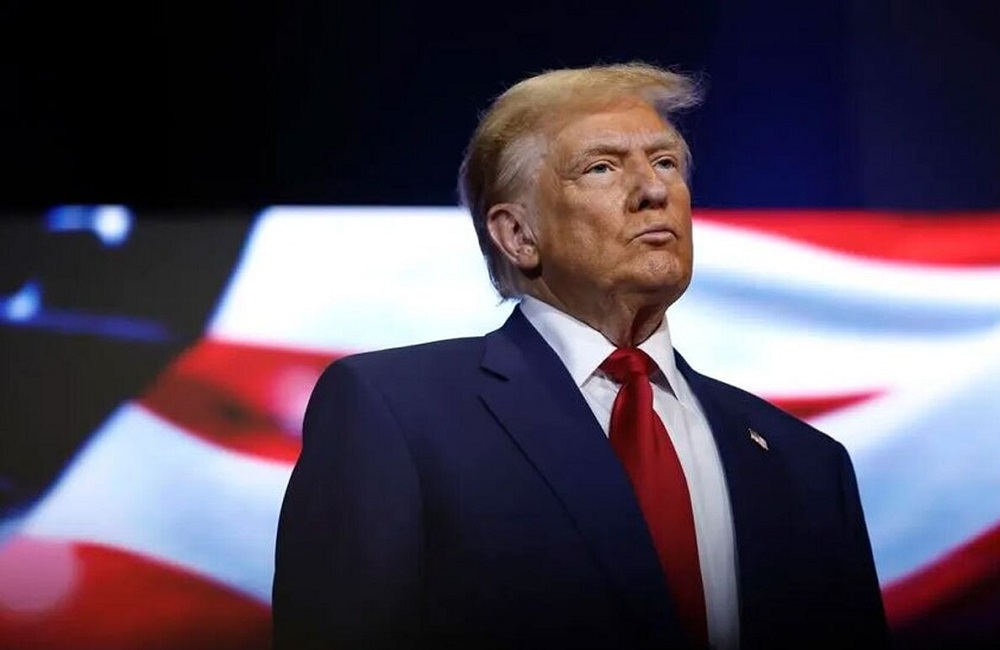
Online Strategic Council – Interview: An expert on West Asian issues stated: Trump’s foreign policy in West Asia began with threats, humiliation, and a show of power, but ultimately ended in failure and strengthened the position of the Resistance Axis.

Iran’s Role in the New Security Order of West Asia

Iran’s Role in the New Security Order of West Asia

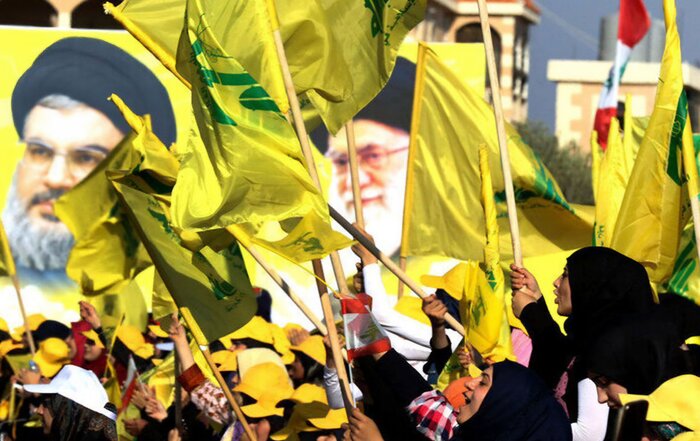
Online Strategic Council – Interview: A West Asia affairs analyst stated that the developments following the Gaza war demonstrated that Iran, by solidifying its geostrategic position and its military power-balancing capability, can become a decisive actor in the new security order of West Asia.

America’s Endeavor to Rebuild Domination in West Asia Under the Guise of Peace Plans

America’s Endeavor to Rebuild Domination in West Asia Under the Guise of Peace Plans

Strategic Council Online- Interview: An expert on West Asian issues stated: The developments following the Gaza war indicate that the U.S. strategy to redefine the West Asian order through the normalization of relations with the Israeli regime has reached a dead end. Therefore, the post-Gaza war developments have once again placed the U.S. security engineering strategy in West Asia at the center of analysts’ attention.

The Zionist Regime’s Genocide of Palestinians in Gaza from the Perspective of International Law

The Zionist Regime’s Genocide of Palestinians in Gaza from the Perspective of International Law

Online Strategic Council – Memo: In September 2025, the UN Independent Commission of Inquiry officially announced that the Israeli regime had committed genocide during the Gaza war. The commission clarified that this regime had carried out four of the five acts defined by the Convention as genocidal acts, and that the statements of Israeli regime officials also indicated an intent to destroy a national group (Palestinians).

The Decline of the Zionist Regime: Internal Rifts and a Crisis of Legitimacy

The Decline of the Zionist Regime: Internal Rifts and a Crisis of Legitimacy

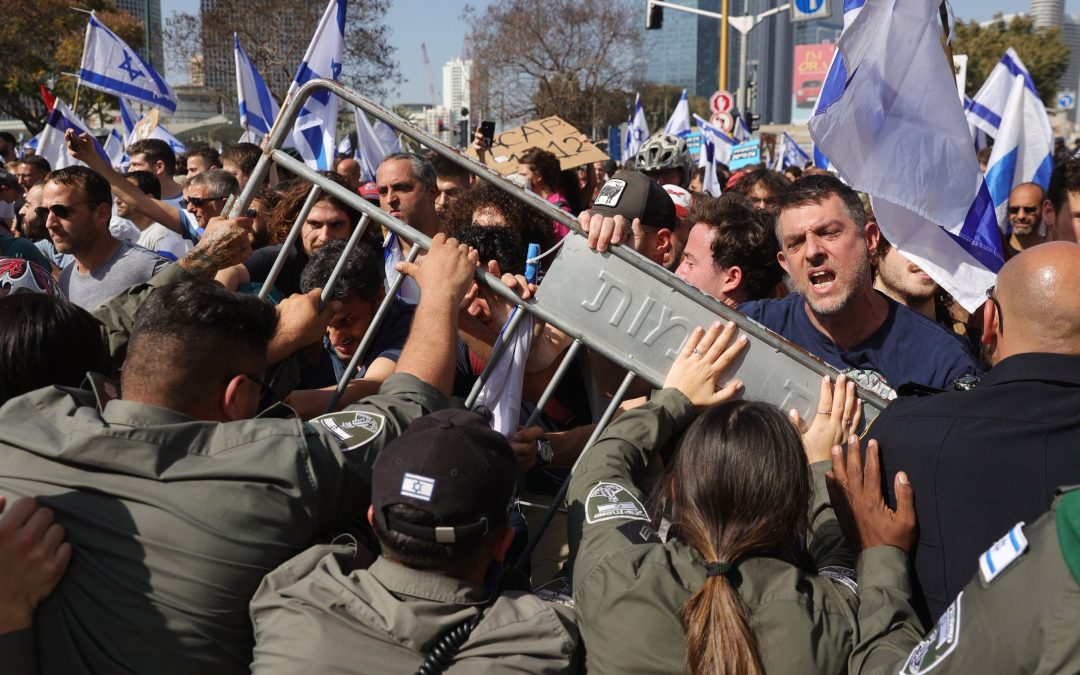
Online Strategic Council – Interview: The crisis of legitimacy of the Israeli regime, both internationally and domestically, has become one of its main challenges during the two years of relentless crime in Gaza. The Zionist regime, once considered a strategic ally of the West and particularly the United States, has now clearly lost its legitimacy due to committing unprecedented massacres, escalating settlement activities, and racist behavior. This trend has led Arab and Islamic countries, and even some former allies, to view the Zionist regime as the leading cause of regional instability and to level widespread criticism against its policies.

أحدث الوظائف

The Makkah Pact; Reasons for its Formation and Challenges Ahead

SCFR Online – Opinion: The Makkah Pact, signed between Saudi Arabia, Pakistan, and Turkey under the motto “an attack on one is an attack on all,” is viewed by some analysts less as a full-fledged military coalition and more as an attempt to reduce security dependence on an external power and to establish a regional security mechanism.

Implications of the US-Saudi Nuclear Agreement

SCFR Online – Opinion: The new US-Saudi nuclear agreement, despite legal and political ambiguities, could alter previous non-proliferation standards in West Asia and intensify nuclear competition, ushering it into a new phase.

An Analysis of Recent Turkey-Israeli Regime Tensions

SCFR Online – Opinion: Recent developments in Syria indicate an intensification of strategic rivalry between Turkey and the Israeli regime, but mutual considerations and the role of the United States have limited the likelihood of direct war.

Increasing criticism of the extensive Zionist lobby network

SCFR Online – Opinion: An examination of the mechanisms of the Israeli regime’s influence in the United States depicts a complex picture of shared interests, strategic dependencies, and the limitations of this relationship.

Realities of the Tripartite Makkah Pact

SCFR Online – Interview: The signing of the Makkah agreement between Saudi Arabia, Pakistan, and Turkey has raised questions about the future of the region’s security structure and the position of these countries in West Asian equations. Can this agreement become a genuine collective defense mechanism, or does it have more of a political and deterrent function than creating new military capacity?

Strategic Implications of the Reduction of US Weapons Stockpiles

SCFR Online – Opinion: The continuation of the US war against Iran, in addition to increasing operational costs, has called into question the actual capacity of the American arsenal to simultaneously fulfill security commitments on multiple fronts; an issue that affects deterrence, defense production capacity, and Washington’s resource prioritization.

The Formation of a New Order in Relations Between Powers

SCFR Online – Opinion: The Russia-Ukraine war and the war of the United States and the Israeli regime against Iran have been formed with different objectives and actors, but field and political developments indicate that they are not entirely separate from one another.

Loading

Gaza war

Egypt’s Motives and Goals for Mediation in the Region

Egypt’s Motives and Goals for Mediation in the Region

Strategic Council Online – Interview: An Egyptian affairs expert stated that Cairo has recently established a direct role in mediating the reduction of regional tensions, as well as in reducing or managing tensions between Iran and the West and with the International Atomic Energy Agency.

Consequences of the Hague Court’s Advisory Opinion on the Crimes of the Israeli Regime for the Global Legal and Political Order

Consequences of the Hague Court’s Advisory Opinion on the Crimes of the Israeli Regime for the Global Legal and Political Order

Strategic Council Online- Interview: An international affairs analyst stated that the recent opinion of the International Court of Justice against the crimes of the Zionist regime is a turning point in the evolution of the global legal order; an opinion that, while weakening the political position of the Israeli regime, has once again revived the legal legitimacy of the Palestinian issue at the international level.

Iran’s Strategy Regarding Trump’s Approach in West Asia

Iran’s Strategy Regarding Trump’s Approach in West Asia

Online Strategic Council – Interview: An expert on West Asian issues stated: Trump’s foreign policy in West Asia began with threats, humiliation, and a show of power, but ultimately ended in failure and strengthened the position of the Resistance Axis.

Iran’s Role in the New Security Order of West Asia

Iran’s Role in the New Security Order of West Asia

Online Strategic Council – Interview: A West Asia affairs analyst stated that the developments following the Gaza war demonstrated that Iran, by solidifying its geostrategic position and its military power-balancing capability, can become a decisive actor in the new security order of West Asia.

America’s Endeavor to Rebuild Domination in West Asia Under the Guise of Peace Plans

America’s Endeavor to Rebuild Domination in West Asia Under the Guise of Peace Plans

Strategic Council Online- Interview: An expert on West Asian issues stated: The developments following the Gaza war indicate that the U.S. strategy to redefine the West Asian order through the normalization of relations with the Israeli regime has reached a dead end. Therefore, the post-Gaza war developments have once again placed the U.S. security engineering strategy in West Asia at the center of analysts’ attention.

The Zionist Regime’s Genocide of Palestinians in Gaza from the Perspective of International Law

The Zionist Regime’s Genocide of Palestinians in Gaza from the Perspective of International Law

Online Strategic Council – Memo: In September 2025, the UN Independent Commission of Inquiry officially announced that the Israeli regime had committed genocide during the Gaza war. The commission clarified that this regime had carried out four of the five acts defined by the Convention as genocidal acts, and that the statements of Israeli regime officials also indicated an intent to destroy a national group (Palestinians).

The Decline of the Zionist Regime: Internal Rifts and a Crisis of Legitimacy

The Decline of the Zionist Regime: Internal Rifts and a Crisis of Legitimacy

Online Strategic Council – Interview: The crisis of legitimacy of the Israeli regime, both internationally and domestically, has become one of its main challenges during the two years of relentless crime in Gaza. The Zionist regime, once considered a strategic ally of the West and particularly the United States, has now clearly lost its legitimacy due to committing unprecedented massacres, escalating settlement activities, and racist behavior. This trend has led Arab and Islamic countries, and even some former allies, to view the Zionist regime as the leading cause of regional instability and to level widespread criticism against its policies.

Gaza war

Egypt’s Motives and Goals for Mediation in the Region

Egypt’s Motives and Goals for Mediation in the Region

Strategic Council Online – Interview: An Egyptian affairs expert stated that Cairo has recently established a direct role in mediating the reduction of regional tensions, as well as in reducing or managing tensions between Iran and the West and with the International Atomic Energy Agency.

Consequences of the Hague Court’s Advisory Opinion on the Crimes of the Israeli Regime for the Global Legal and Political Order

Consequences of the Hague Court’s Advisory Opinion on the Crimes of the Israeli Regime for the Global Legal and Political Order

Strategic Council Online- Interview: An international affairs analyst stated that the recent opinion of the International Court of Justice against the crimes of the Zionist regime is a turning point in the evolution of the global legal order; an opinion that, while weakening the political position of the Israeli regime, has once again revived the legal legitimacy of the Palestinian issue at the international level.

Iran’s Strategy Regarding Trump’s Approach in West Asia

Iran’s Strategy Regarding Trump’s Approach in West Asia

Online Strategic Council – Interview: An expert on West Asian issues stated: Trump’s foreign policy in West Asia began with threats, humiliation, and a show of power, but ultimately ended in failure and strengthened the position of the Resistance Axis.

Iran’s Role in the New Security Order of West Asia

Iran’s Role in the New Security Order of West Asia

Online Strategic Council – Interview: A West Asia affairs analyst stated that the developments following the Gaza war demonstrated that Iran, by solidifying its geostrategic position and its military power-balancing capability, can become a decisive actor in the new security order of West Asia.

America’s Endeavor to Rebuild Domination in West Asia Under the Guise of Peace Plans

America’s Endeavor to Rebuild Domination in West Asia Under the Guise of Peace Plans

Strategic Council Online- Interview: An expert on West Asian issues stated: The developments following the Gaza war indicate that the U.S. strategy to redefine the West Asian order through the normalization of relations with the Israeli regime has reached a dead end. Therefore, the post-Gaza war developments have once again placed the U.S. security engineering strategy in West Asia at the center of analysts’ attention.

The Zionist Regime’s Genocide of Palestinians in Gaza from the Perspective of International Law

The Zionist Regime’s Genocide of Palestinians in Gaza from the Perspective of International Law

Online Strategic Council – Memo: In September 2025, the UN Independent Commission of Inquiry officially announced that the Israeli regime had committed genocide during the Gaza war. The commission clarified that this regime had carried out four of the five acts defined by the Convention as genocidal acts, and that the statements of Israeli regime officials also indicated an intent to destroy a national group (Palestinians).

The Decline of the Zionist Regime: Internal Rifts and a Crisis of Legitimacy

The Decline of the Zionist Regime: Internal Rifts and a Crisis of Legitimacy

Online Strategic Council – Interview: The crisis of legitimacy of the Israeli regime, both internationally and domestically, has become one of its main challenges during the two years of relentless crime in Gaza. The Zionist regime, once considered a strategic ally of the West and particularly the United States, has now clearly lost its legitimacy due to committing unprecedented massacres, escalating settlement activities, and racist behavior. This trend has led Arab and Islamic countries, and even some former allies, to view the Zionist regime as the leading cause of regional instability and to level widespread criticism against its policies.

LATEST CONTENT

The Makkah Pact; Reasons for its Formation and Challenges Ahead

SCFR Online – Opinion: The Makkah Pact, signed between Saudi Arabia, Pakistan, and Turkey under the motto “an attack on one is an attack on all,” is viewed by some analysts less as a full-fledged military coalition and more as an attempt to reduce security dependence on an external power and to establish a regional security mechanism.

Implications of the US-Saudi Nuclear Agreement

SCFR Online – Opinion: The new US-Saudi nuclear agreement, despite legal and political ambiguities, could alter previous non-proliferation standards in West Asia and intensify nuclear competition, ushering it into a new phase.

An Analysis of Recent Turkey-Israeli Regime Tensions

SCFR Online – Opinion: Recent developments in Syria indicate an intensification of strategic rivalry between Turkey and the Israeli regime, but mutual considerations and the role of the United States have limited the likelihood of direct war.

Increasing criticism of the extensive Zionist lobby network

SCFR Online – Opinion: An examination of the mechanisms of the Israeli regime’s influence in the United States depicts a complex picture of shared interests, strategic dependencies, and the limitations of this relationship.

Realities of the Tripartite Makkah Pact

SCFR Online – Interview: The signing of the Makkah agreement between Saudi Arabia, Pakistan, and Turkey has raised questions about the future of the region’s security structure and the position of these countries in West Asian equations. Can this agreement become a genuine collective defense mechanism, or does it have more of a political and deterrent function than creating new military capacity?

Strategic Implications of the Reduction of US Weapons Stockpiles

SCFR Online – Opinion: The continuation of the US war against Iran, in addition to increasing operational costs, has called into question the actual capacity of the American arsenal to simultaneously fulfill security commitments on multiple fronts; an issue that affects deterrence, defense production capacity, and Washington’s resource prioritization.

The Formation of a New Order in Relations Between Powers

SCFR Online – Opinion: The Russia-Ukraine war and the war of the United States and the Israeli regime against Iran have been formed with different objectives and actors, but field and political developments indicate that they are not entirely separate from one another.

Loading

Gaza war

Egypt’s Motives and Goals for Mediation in the Region

Egypt’s Motives and Goals for Mediation in the Region

Strategic Council Online – Interview: An Egyptian affairs expert stated that Cairo has recently established a direct role in mediating the reduction of regional tensions, as well as in reducing or managing tensions between Iran and the West and with the International Atomic Energy Agency.

Consequences of the Hague Court’s Advisory Opinion on the Crimes of the Israeli Regime for the Global Legal and Political Order

Consequences of the Hague Court’s Advisory Opinion on the Crimes of the Israeli Regime for the Global Legal and Political Order

Strategic Council Online- Interview: An international affairs analyst stated that the recent opinion of the International Court of Justice against the crimes of the Zionist regime is a turning point in the evolution of the global legal order; an opinion that, while weakening the political position of the Israeli regime, has once again revived the legal legitimacy of the Palestinian issue at the international level.

Iran’s Strategy Regarding Trump’s Approach in West Asia

Iran’s Strategy Regarding Trump’s Approach in West Asia

Online Strategic Council – Interview: An expert on West Asian issues stated: Trump’s foreign policy in West Asia began with threats, humiliation, and a show of power, but ultimately ended in failure and strengthened the position of the Resistance Axis.

Iran’s Role in the New Security Order of West Asia

Iran’s Role in the New Security Order of West Asia

Online Strategic Council – Interview: A West Asia affairs analyst stated that the developments following the Gaza war demonstrated that Iran, by solidifying its geostrategic position and its military power-balancing capability, can become a decisive actor in the new security order of West Asia.

America’s Endeavor to Rebuild Domination in West Asia Under the Guise of Peace Plans

America’s Endeavor to Rebuild Domination in West Asia Under the Guise of Peace Plans

Strategic Council Online- Interview: An expert on West Asian issues stated: The developments following the Gaza war indicate that the U.S. strategy to redefine the West Asian order through the normalization of relations with the Israeli regime has reached a dead end. Therefore, the post-Gaza war developments have once again placed the U.S. security engineering strategy in West Asia at the center of analysts’ attention.

The Zionist Regime’s Genocide of Palestinians in Gaza from the Perspective of International Law

The Zionist Regime’s Genocide of Palestinians in Gaza from the Perspective of International Law

Online Strategic Council – Memo: In September 2025, the UN Independent Commission of Inquiry officially announced that the Israeli regime had committed genocide during the Gaza war. The commission clarified that this regime had carried out four of the five acts defined by the Convention as genocidal acts, and that the statements of Israeli regime officials also indicated an intent to destroy a national group (Palestinians).

The Decline of the Zionist Regime: Internal Rifts and a Crisis of Legitimacy

The Decline of the Zionist Regime: Internal Rifts and a Crisis of Legitimacy

Online Strategic Council – Interview: The crisis of legitimacy of the Israeli regime, both internationally and domestically, has become one of its main challenges during the two years of relentless crime in Gaza. The Zionist regime, once considered a strategic ally of the West and particularly the United States, has now clearly lost its legitimacy due to committing unprecedented massacres, escalating settlement activities, and racist behavior. This trend has led Arab and Islamic countries, and even some former allies, to view the Zionist regime as the leading cause of regional instability and to level widespread criticism against its policies.

ÚLTIMAS PUBLICACIONES

The Makkah Pact; Reasons for its Formation and Challenges Ahead

SCFR Online – Opinion: The Makkah Pact, signed between Saudi Arabia, Pakistan, and Turkey under the motto “an attack on one is an attack on all,” is viewed by some analysts less as a full-fledged military coalition and more as an attempt to reduce security dependence on an external power and to establish a regional security mechanism.

Implications of the US-Saudi Nuclear Agreement

SCFR Online – Opinion: The new US-Saudi nuclear agreement, despite legal and political ambiguities, could alter previous non-proliferation standards in West Asia and intensify nuclear competition, ushering it into a new phase.

An Analysis of Recent Turkey-Israeli Regime Tensions

SCFR Online – Opinion: Recent developments in Syria indicate an intensification of strategic rivalry between Turkey and the Israeli regime, but mutual considerations and the role of the United States have limited the likelihood of direct war.

Increasing criticism of the extensive Zionist lobby network

SCFR Online – Opinion: An examination of the mechanisms of the Israeli regime’s influence in the United States depicts a complex picture of shared interests, strategic dependencies, and the limitations of this relationship.

Realities of the Tripartite Makkah Pact

SCFR Online – Interview: The signing of the Makkah agreement between Saudi Arabia, Pakistan, and Turkey has raised questions about the future of the region’s security structure and the position of these countries in West Asian equations. Can this agreement become a genuine collective defense mechanism, or does it have more of a political and deterrent function than creating new military capacity?

Strategic Implications of the Reduction of US Weapons Stockpiles

SCFR Online – Opinion: The continuation of the US war against Iran, in addition to increasing operational costs, has called into question the actual capacity of the American arsenal to simultaneously fulfill security commitments on multiple fronts; an issue that affects deterrence, defense production capacity, and Washington’s resource prioritization.

The Formation of a New Order in Relations Between Powers

SCFR Online – Opinion: The Russia-Ukraine war and the war of the United States and the Israeli regime against Iran have been formed with different objectives and actors, but field and political developments indicate that they are not entirely separate from one another.

Loading

Gaza war

Egypt’s Motives and Goals for Mediation in the Region

Egypt’s Motives and Goals for Mediation in the Region

Strategic Council Online – Interview: An Egyptian affairs expert stated that Cairo has recently established a direct role in mediating the reduction of regional tensions, as well as in reducing or managing tensions between Iran and the West and with the International Atomic Energy Agency.

Consequences of the Hague Court’s Advisory Opinion on the Crimes of the Israeli Regime for the Global Legal and Political Order

Consequences of the Hague Court’s Advisory Opinion on the Crimes of the Israeli Regime for the Global Legal and Political Order

Strategic Council Online- Interview: An international affairs analyst stated that the recent opinion of the International Court of Justice against the crimes of the Zionist regime is a turning point in the evolution of the global legal order; an opinion that, while weakening the political position of the Israeli regime, has once again revived the legal legitimacy of the Palestinian issue at the international level.

Iran’s Strategy Regarding Trump’s Approach in West Asia

Iran’s Strategy Regarding Trump’s Approach in West Asia

Online Strategic Council – Interview: An expert on West Asian issues stated: Trump’s foreign policy in West Asia began with threats, humiliation, and a show of power, but ultimately ended in failure and strengthened the position of the Resistance Axis.

Iran’s Role in the New Security Order of West Asia

Iran’s Role in the New Security Order of West Asia

Online Strategic Council – Interview: A West Asia affairs analyst stated that the developments following the Gaza war demonstrated that Iran, by solidifying its geostrategic position and its military power-balancing capability, can become a decisive actor in the new security order of West Asia.

America’s Endeavor to Rebuild Domination in West Asia Under the Guise of Peace Plans

America’s Endeavor to Rebuild Domination in West Asia Under the Guise of Peace Plans

Strategic Council Online- Interview: An expert on West Asian issues stated: The developments following the Gaza war indicate that the U.S. strategy to redefine the West Asian order through the normalization of relations with the Israeli regime has reached a dead end. Therefore, the post-Gaza war developments have once again placed the U.S. security engineering strategy in West Asia at the center of analysts’ attention.

The Zionist Regime’s Genocide of Palestinians in Gaza from the Perspective of International Law

The Zionist Regime’s Genocide of Palestinians in Gaza from the Perspective of International Law

Online Strategic Council – Memo: In September 2025, the UN Independent Commission of Inquiry officially announced that the Israeli regime had committed genocide during the Gaza war. The commission clarified that this regime had carried out four of the five acts defined by the Convention as genocidal acts, and that the statements of Israeli regime officials also indicated an intent to destroy a national group (Palestinians).

The Decline of the Zionist Regime: Internal Rifts and a Crisis of Legitimacy

The Decline of the Zionist Regime: Internal Rifts and a Crisis of Legitimacy

Online Strategic Council – Interview: The crisis of legitimacy of the Israeli regime, both internationally and domestically, has become one of its main challenges during the two years of relentless crime in Gaza. The Zionist regime, once considered a strategic ally of the West and particularly the United States, has now clearly lost its legitimacy due to committing unprecedented massacres, escalating settlement activities, and racist behavior. This trend has led Arab and Islamic countries, and even some former allies, to view the Zionist regime as the leading cause of regional instability and to level widespread criticism against its policies.

ÚLTIMAS PUBLICACIONES

The Makkah Pact; Reasons for its Formation and Challenges Ahead

SCFR Online – Opinion: The Makkah Pact, signed between Saudi Arabia, Pakistan, and Turkey under the motto “an attack on one is an attack on all,” is viewed by some analysts less as a full-fledged military coalition and more as an attempt to reduce security dependence on an external power and to establish a regional security mechanism.

Implications of the US-Saudi Nuclear Agreement

SCFR Online – Opinion: The new US-Saudi nuclear agreement, despite legal and political ambiguities, could alter previous non-proliferation standards in West Asia and intensify nuclear competition, ushering it into a new phase.

An Analysis of Recent Turkey-Israeli Regime Tensions

SCFR Online – Opinion: Recent developments in Syria indicate an intensification of strategic rivalry between Turkey and the Israeli regime, but mutual considerations and the role of the United States have limited the likelihood of direct war.

Increasing criticism of the extensive Zionist lobby network

SCFR Online – Opinion: An examination of the mechanisms of the Israeli regime’s influence in the United States depicts a complex picture of shared interests, strategic dependencies, and the limitations of this relationship.

Realities of the Tripartite Makkah Pact

SCFR Online – Interview: The signing of the Makkah agreement between Saudi Arabia, Pakistan, and Turkey has raised questions about the future of the region’s security structure and the position of these countries in West Asian equations. Can this agreement become a genuine collective defense mechanism, or does it have more of a political and deterrent function than creating new military capacity?

Strategic Implications of the Reduction of US Weapons Stockpiles

SCFR Online – Opinion: The continuation of the US war against Iran, in addition to increasing operational costs, has called into question the actual capacity of the American arsenal to simultaneously fulfill security commitments on multiple fronts; an issue that affects deterrence, defense production capacity, and Washington’s resource prioritization.

The Formation of a New Order in Relations Between Powers

SCFR Online – Opinion: The Russia-Ukraine war and the war of the United States and the Israeli regime against Iran have been formed with different objectives and actors, but field and political developments indicate that they are not entirely separate from one another.

Loading

Gaza war

Egypt’s Motives and Goals for Mediation in the Region

Egypt’s Motives and Goals for Mediation in the Region

Strategic Council Online – Interview: An Egyptian affairs expert stated that Cairo has recently established a direct role in mediating the reduction of regional tensions, as well as in reducing or managing tensions between Iran and the West and with the International Atomic Energy Agency.

Consequences of the Hague Court’s Advisory Opinion on the Crimes of the Israeli Regime for the Global Legal and Political Order

Consequences of the Hague Court’s Advisory Opinion on the Crimes of the Israeli Regime for the Global Legal and Political Order

Strategic Council Online- Interview: An international affairs analyst stated that the recent opinion of the International Court of Justice against the crimes of the Zionist regime is a turning point in the evolution of the global legal order; an opinion that, while weakening the political position of the Israeli regime, has once again revived the legal legitimacy of the Palestinian issue at the international level.

Iran’s Strategy Regarding Trump’s Approach in West Asia

Iran’s Strategy Regarding Trump’s Approach in West Asia

Online Strategic Council – Interview: An expert on West Asian issues stated: Trump’s foreign policy in West Asia began with threats, humiliation, and a show of power, but ultimately ended in failure and strengthened the position of the Resistance Axis.

Iran’s Role in the New Security Order of West Asia

Iran’s Role in the New Security Order of West Asia

Online Strategic Council – Interview: A West Asia affairs analyst stated that the developments following the Gaza war demonstrated that Iran, by solidifying its geostrategic position and its military power-balancing capability, can become a decisive actor in the new security order of West Asia.

America’s Endeavor to Rebuild Domination in West Asia Under the Guise of Peace Plans

America’s Endeavor to Rebuild Domination in West Asia Under the Guise of Peace Plans

Strategic Council Online- Interview: An expert on West Asian issues stated: The developments following the Gaza war indicate that the U.S. strategy to redefine the West Asian order through the normalization of relations with the Israeli regime has reached a dead end. Therefore, the post-Gaza war developments have once again placed the U.S. security engineering strategy in West Asia at the center of analysts’ attention.

The Zionist Regime’s Genocide of Palestinians in Gaza from the Perspective of International Law

The Zionist Regime’s Genocide of Palestinians in Gaza from the Perspective of International Law

Online Strategic Council – Memo: In September 2025, the UN Independent Commission of Inquiry officially announced that the Israeli regime had committed genocide during the Gaza war. The commission clarified that this regime had carried out four of the five acts defined by the Convention as genocidal acts, and that the statements of Israeli regime officials also indicated an intent to destroy a national group (Palestinians).

The Decline of the Zionist Regime: Internal Rifts and a Crisis of Legitimacy

The Decline of the Zionist Regime: Internal Rifts and a Crisis of Legitimacy

Online Strategic Council – Interview: The crisis of legitimacy of the Israeli regime, both internationally and domestically, has become one of its main challenges during the two years of relentless crime in Gaza. The Zionist regime, once considered a strategic ally of the West and particularly the United States, has now clearly lost its legitimacy due to committing unprecedented massacres, escalating settlement activities, and racist behavior. This trend has led Arab and Islamic countries, and even some former allies, to view the Zionist regime as the leading cause of regional instability and to level widespread criticism against its policies.

ÚLTIMAS PUBLICACIONES

The Makkah Pact; Reasons for its Formation and Challenges Ahead

SCFR Online – Opinion: The Makkah Pact, signed between Saudi Arabia, Pakistan, and Turkey under the motto “an attack on one is an attack on all,” is viewed by some analysts less as a full-fledged military coalition and more as an attempt to reduce security dependence on an external power and to establish a regional security mechanism.

Implications of the US-Saudi Nuclear Agreement

SCFR Online – Opinion: The new US-Saudi nuclear agreement, despite legal and political ambiguities, could alter previous non-proliferation standards in West Asia and intensify nuclear competition, ushering it into a new phase.

An Analysis of Recent Turkey-Israeli Regime Tensions

SCFR Online – Opinion: Recent developments in Syria indicate an intensification of strategic rivalry between Turkey and the Israeli regime, but mutual considerations and the role of the United States have limited the likelihood of direct war.

Increasing criticism of the extensive Zionist lobby network

SCFR Online – Opinion: An examination of the mechanisms of the Israeli regime’s influence in the United States depicts a complex picture of shared interests, strategic dependencies, and the limitations of this relationship.

Realities of the Tripartite Makkah Pact

SCFR Online – Interview: The signing of the Makkah agreement between Saudi Arabia, Pakistan, and Turkey has raised questions about the future of the region’s security structure and the position of these countries in West Asian equations. Can this agreement become a genuine collective defense mechanism, or does it have more of a political and deterrent function than creating new military capacity?

Strategic Implications of the Reduction of US Weapons Stockpiles

SCFR Online – Opinion: The continuation of the US war against Iran, in addition to increasing operational costs, has called into question the actual capacity of the American arsenal to simultaneously fulfill security commitments on multiple fronts; an issue that affects deterrence, defense production capacity, and Washington’s resource prioritization.

The Formation of a New Order in Relations Between Powers

SCFR Online – Opinion: The Russia-Ukraine war and the war of the United States and the Israeli regime against Iran have been formed with different objectives and actors, but field and political developments indicate that they are not entirely separate from one another.

Loading

Gaza war

Egypt’s Motives and Goals for Mediation in the Region

Egypt’s Motives and Goals for Mediation in the Region

Strategic Council Online – Interview: An Egyptian affairs expert stated that Cairo has recently established a direct role in mediating the reduction of regional tensions, as well as in reducing or managing tensions between Iran and the West and with the International Atomic Energy Agency.

Consequences of the Hague Court’s Advisory Opinion on the Crimes of the Israeli Regime for the Global Legal and Political Order

Consequences of the Hague Court’s Advisory Opinion on the Crimes of the Israeli Regime for the Global Legal and Political Order

Strategic Council Online- Interview: An international affairs analyst stated that the recent opinion of the International Court of Justice against the crimes of the Zionist regime is a turning point in the evolution of the global legal order; an opinion that, while weakening the political position of the Israeli regime, has once again revived the legal legitimacy of the Palestinian issue at the international level.

Iran’s Strategy Regarding Trump’s Approach in West Asia

Iran’s Strategy Regarding Trump’s Approach in West Asia

Online Strategic Council – Interview: An expert on West Asian issues stated: Trump’s foreign policy in West Asia began with threats, humiliation, and a show of power, but ultimately ended in failure and strengthened the position of the Resistance Axis.

Iran’s Role in the New Security Order of West Asia

Iran’s Role in the New Security Order of West Asia

Online Strategic Council – Interview: A West Asia affairs analyst stated that the developments following the Gaza war demonstrated that Iran, by solidifying its geostrategic position and its military power-balancing capability, can become a decisive actor in the new security order of West Asia.

America’s Endeavor to Rebuild Domination in West Asia Under the Guise of Peace Plans

America’s Endeavor to Rebuild Domination in West Asia Under the Guise of Peace Plans

Strategic Council Online- Interview: An expert on West Asian issues stated: The developments following the Gaza war indicate that the U.S. strategy to redefine the West Asian order through the normalization of relations with the Israeli regime has reached a dead end. Therefore, the post-Gaza war developments have once again placed the U.S. security engineering strategy in West Asia at the center of analysts’ attention.

The Zionist Regime’s Genocide of Palestinians in Gaza from the Perspective of International Law

The Zionist Regime’s Genocide of Palestinians in Gaza from the Perspective of International Law

Online Strategic Council – Memo: In September 2025, the UN Independent Commission of Inquiry officially announced that the Israeli regime had committed genocide during the Gaza war. The commission clarified that this regime had carried out four of the five acts defined by the Convention as genocidal acts, and that the statements of Israeli regime officials also indicated an intent to destroy a national group (Palestinians).

The Decline of the Zionist Regime: Internal Rifts and a Crisis of Legitimacy

The Decline of the Zionist Regime: Internal Rifts and a Crisis of Legitimacy

Online Strategic Council – Interview: The crisis of legitimacy of the Israeli regime, both internationally and domestically, has become one of its main challenges during the two years of relentless crime in Gaza. The Zionist regime, once considered a strategic ally of the West and particularly the United States, has now clearly lost its legitimacy due to committing unprecedented massacres, escalating settlement activities, and racist behavior. This trend has led Arab and Islamic countries, and even some former allies, to view the Zionist regime as the leading cause of regional instability and to level widespread criticism against its policies.

ÚLTIMAS PUBLICACIONES

The Makkah Pact; Reasons for its Formation and Challenges Ahead

SCFR Online – Opinion: The Makkah Pact, signed between Saudi Arabia, Pakistan, and Turkey under the motto “an attack on one is an attack on all,” is viewed by some analysts less as a full-fledged military coalition and more as an attempt to reduce security dependence on an external power and to establish a regional security mechanism.

Implications of the US-Saudi Nuclear Agreement

SCFR Online – Opinion: The new US-Saudi nuclear agreement, despite legal and political ambiguities, could alter previous non-proliferation standards in West Asia and intensify nuclear competition, ushering it into a new phase.

An Analysis of Recent Turkey-Israeli Regime Tensions

SCFR Online – Opinion: Recent developments in Syria indicate an intensification of strategic rivalry between Turkey and the Israeli regime, but mutual considerations and the role of the United States have limited the likelihood of direct war.

Increasing criticism of the extensive Zionist lobby network

SCFR Online – Opinion: An examination of the mechanisms of the Israeli regime’s influence in the United States depicts a complex picture of shared interests, strategic dependencies, and the limitations of this relationship.

Realities of the Tripartite Makkah Pact

SCFR Online – Interview: The signing of the Makkah agreement between Saudi Arabia, Pakistan, and Turkey has raised questions about the future of the region’s security structure and the position of these countries in West Asian equations. Can this agreement become a genuine collective defense mechanism, or does it have more of a political and deterrent function than creating new military capacity?

Strategic Implications of the Reduction of US Weapons Stockpiles

SCFR Online – Opinion: The continuation of the US war against Iran, in addition to increasing operational costs, has called into question the actual capacity of the American arsenal to simultaneously fulfill security commitments on multiple fronts; an issue that affects deterrence, defense production capacity, and Washington’s resource prioritization.

The Formation of a New Order in Relations Between Powers

SCFR Online – Opinion: The Russia-Ukraine war and the war of the United States and the Israeli regime against Iran have been formed with different objectives and actors, but field and political developments indicate that they are not entirely separate from one another.

Loading