
Implications of Turkish Military Movements
Strategic Council Online: At present, part of Turkey’s tensions with neighbouring countries and its surrounding areas are rooted in the “geopolitical coordinates and characteristics” of that country.

Strategic Council Online: At present, part of Turkey’s tensions with neighbouring countries and its surrounding areas are rooted in the “geopolitical coordinates and characteristics” of that country.

Strategic Council Online – Explaining the geopolitical complexities in the Eastern Mediterranean, a faculty member said: “One of the concerns about this region, especially in Europe, is the addition of this crisis to the Middle East security crisis which due to Europe’s geographical proximity to the region, it will have negative consequences for Europe.

Strategic Council Online – At present, the US goal of maintaining presence in the Kurdish regions of Syria is to extract oil and gas, but the question is whether it is possible to implement this agreement and if so, how long will it continue, because the situation in the region is very sensitive and it cannot be assumed that if the Kurds dominate an area, they can use the resources and reserves there as they wish.
Reza Mirabian – Middle East Affairs Expert
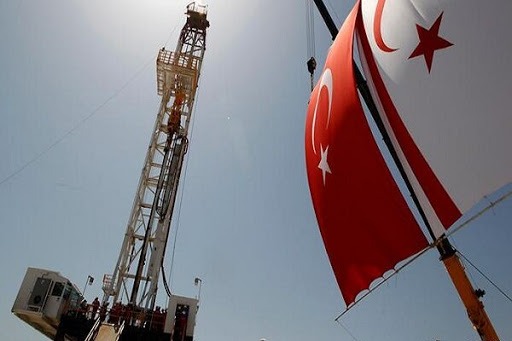
Strategic Council Online: In the matter of fossil energy resources in the Mediterranean, Egypt, the Zionist regime, Greece and Cyprus have formed a bloc against that of Turkey, Libya and the Northern Cyprus. This situation has drawn the region to further security and military disputes. Meanwhile, if Syria, Lebanon and Gaza also enter the process of exploring and extracting gas fields, the equations will be much more complex.
Sabah Zangeneh – Energy Affairs Expert

Strategic Council Online: In the wake of the Coronavirus crisis that has engulfed the entire world significant developments are underway in Afghanistan engineered by the United States and supported by other world and regional powers which cast doubt on the prospects of restoring stability and security to Afghanistan. The US-led peace agreement with the Taliban will bring Afghanistan into a new phase of geopolitical action that will shape regional and trans-regional forces in relation to Afghanistan’s ethnic, religious and political structure.
Ebrahim Romina – Assistant Professor of Political Geography at Tarbiat Modares University