جدیدترین مطالب

Iran’s Potential Levers of Power

SCFRonline– Opinion: Iran’s geopolitical power is not limited solely to oil and the Strait of Hormuz; the unintended emergence of disruptions in the future global food and energy security chains can also demonstrate Iran’s strategic importance.

The Inseparability of the Lebanese Front from the Axis of Resistance

SCFR Online–Opinion: By providing an extensive network of social, healthcare, educational, and post-war reconstruction services, Hezbollah has established a strong social base for itself among Lebanon’s Shiites and Sunnis, and even beyond that, among other segments of Lebanese society, including Christians. Hezbollah has never been an external actor imposed upon Lebanon; rather, it is a phenomenon fundamentally born out of the occupation and crimes of the Zionist regime and itself influenced by popular resistance.

The Increasing Efforts of the Zionist Regime to Redefine Borders and the Regional Order and Its Consequences

SCFR Online– Opinion: Security and military developments in the region over recent months indicate that the ongoing crises and wars in Gaza, southern Lebanon, and parts of Syrian territory encompass broader dimensions of geopolitical and geostrategic transformations. In this context, the increased military presence and control of the Zionist regime over parts of the territories of these areas, along with proposals regarding the creation of buffer zones or even the expansion of security borders, have raised serious questions about the future of the regional order and its consequences for the countries of West Asia.

The Components of Iran’s Deterrence Power

SCFR Online – Opinion: At a time when regional security equations have reached a sensitive stage under the influence of Iran’s strategic confrontation with the United States and the Zionist regime, the question of the nature of Tehran’s defensive power has gained greater significance than ever before. While Washington and Tel Aviv rely on their technological superiority, the Islamic Republic of Iran has presented a model of deterrence that extends beyond the material calculations of the world’s classical militaries. This power, rooted in the connection between “the field” and “the people,” has not only altered the balance of power in recent conflicts but has also disrupted adversaries’ calculations when confronting Iran’s strategic depth.

Loading

Geopolitics

Contemplating on Iraqi Foreign Minister’s Sarcastic Remarks about Iran

Contemplating on Iraqi Foreign Minister’s Sarcastic Remarks about Iran

Strategic Council Online – Opinion: The recent remarks by Iraqi Foreign Minister Fuad Hussein in an interview with the Egyptian Al-Ghad TV channel about Iran should not be related to the will of the nation and the political system and government in Iraq.
Barsam Mohammadi – Expert in regional affairs

Necessity of redefining Iran’s cooperation with Central Asian states

Necessity of redefining Iran’s cooperation with Central Asian states

Strategic Council Online—Interview: An expert of Central Asian affairs says the recent visit by Iranian Foreign Minister Mohammad Javad Zarif to the four main Central Asian states of Kazakhstan, Kyrgyzstan, Turkmenistan and Uzbekistan bears geopolitical and strategic significance given the recent developments such as the nuclear talks and the 25-year cooperation agreement between Iran and China.

Effects of Second Karabakh War on Energy Equations in the Caucasus

Effects of Second Karabakh War on Energy Equations in the Caucasus

Strategic Council Online – An analyst on Caucasus affairs said: It seems that one of the consequences of the Second Karabakh War and lack of the Russian support for Armenia was that Russia, under geopolitical and territorial pressure, influenced the energy transfer issue and brought the war to a point to play its role in the ceasefire.

Legacy of Martyr Soleimani; Axis of Resistance, New Political-Security Structure & Special & Lasting Military Command

Legacy of Martyr Soleimani; Axis of Resistance, New Political-Security Structure & Special & Lasting Military Command

Strategic Council Online – Special Assistant to the IRI Parliament Speaker for International Affairs, stating that General Soleimani was able to launch new political-security arrangements in the region called “Axis of Resistance”, noted: “Using the capacity of diplomacy and personal power in negotiations with all foreign parties, has left another unique policy in the field of negotiations from General Soleimani.”

Britain’s Reduced Presence in Middle East after Hard Brexit

Britain’s Reduced Presence in Middle East after Hard Brexit

Strategic Council Online – A faculty member of the School of International Relations said that after a hard Brexit, in the medium and long term we will be witness to a decreased political, military and economic presence of Britain in the Middle East and the Persian Gulf, adding: The United Kingdom will increase its coordination with the United States in the Persian Gulf, while trying to introduce new cards for playing in the region.

UK, France Abuse to Replace US in Persian Gulf

UK, France Abuse to Replace US in Persian Gulf

Strategic Council Online: An Iranian diplomat said that with regard to the attempts of Britain and France to boost their possible presence in the Persian Gulf and the consequences of the disclosure of the relations of Bahrain and the UAE with the Zionist regime, the necessity for Iran to pay attention to the strengthening of relations with its neighbours becomes more important. Perhaps Trump’s defeat would be an opportunity for Iran to quickly improve its relations with its neighbours while paying attention to the regional developments.

Implications of Turkish Military Movements

Implications of Turkish Military Movements

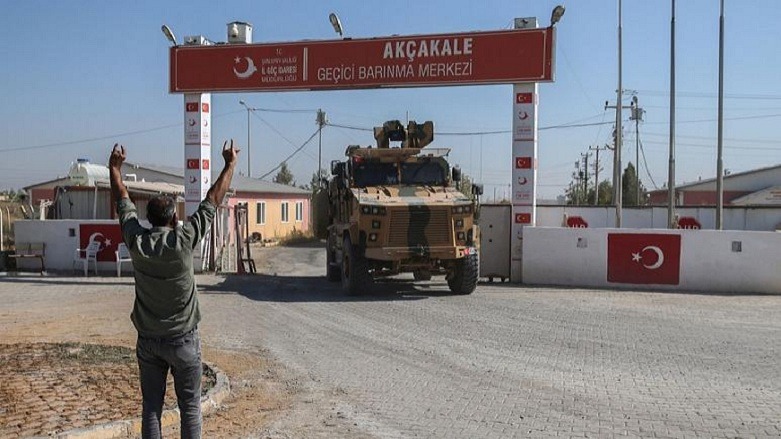
Strategic Council Online: At present, part of Turkey’s tensions with neighbouring countries and its surrounding areas are rooted in the “geopolitical coordinates and characteristics” of that country.

Prospect of Geopolitical Tensions & Complexities in Eastern Mediterranean

Prospect of Geopolitical Tensions & Complexities in Eastern Mediterranean

Strategic Council Online – Explaining the geopolitical complexities in the Eastern Mediterranean, a faculty member said: “One of the concerns about this region, especially in Europe, is the addition of this crisis to the Middle East security crisis which due to Europe’s geographical proximity to the region, it will have negative consequences for Europe.

أحدث الوظائف

Iran’s Potential Levers of Power

SCFRonline– Opinion: Iran’s geopolitical power is not limited solely to oil and the Strait of Hormuz; the unintended emergence of disruptions in the future global food and energy security chains can also demonstrate Iran’s strategic importance.

The Inseparability of the Lebanese Front from the Axis of Resistance

SCFR Online–Opinion: By providing an extensive network of social, healthcare, educational, and post-war reconstruction services, Hezbollah has established a strong social base for itself among Lebanon’s Shiites and Sunnis, and even beyond that, among other segments of Lebanese society, including Christians. Hezbollah has never been an external actor imposed upon Lebanon; rather, it is a phenomenon fundamentally born out of the occupation and crimes of the Zionist regime and itself influenced by popular resistance.

The Increasing Efforts of the Zionist Regime to Redefine Borders and the Regional Order and Its Consequences

SCFR Online– Opinion: Security and military developments in the region over recent months indicate that the ongoing crises and wars in Gaza, southern Lebanon, and parts of Syrian territory encompass broader dimensions of geopolitical and geostrategic transformations. In this context, the increased military presence and control of the Zionist regime over parts of the territories of these areas, along with proposals regarding the creation of buffer zones or even the expansion of security borders, have raised serious questions about the future of the regional order and its consequences for the countries of West Asia.

The Components of Iran’s Deterrence Power

SCFR Online – Opinion: At a time when regional security equations have reached a sensitive stage under the influence of Iran’s strategic confrontation with the United States and the Zionist regime, the question of the nature of Tehran’s defensive power has gained greater significance than ever before. While Washington and Tel Aviv rely on their technological superiority, the Islamic Republic of Iran has presented a model of deterrence that extends beyond the material calculations of the world’s classical militaries. This power, rooted in the connection between “the field” and “the people,” has not only altered the balance of power in recent conflicts but has also disrupted adversaries’ calculations when confronting Iran’s strategic depth.

Loading

Geopolitics

Contemplating on Iraqi Foreign Minister’s Sarcastic Remarks about Iran

Contemplating on Iraqi Foreign Minister’s Sarcastic Remarks about Iran

Strategic Council Online – Opinion: The recent remarks by Iraqi Foreign Minister Fuad Hussein in an interview with the Egyptian Al-Ghad TV channel about Iran should not be related to the will of the nation and the political system and government in Iraq.
Barsam Mohammadi – Expert in regional affairs

Necessity of redefining Iran’s cooperation with Central Asian states

Necessity of redefining Iran’s cooperation with Central Asian states

Strategic Council Online—Interview: An expert of Central Asian affairs says the recent visit by Iranian Foreign Minister Mohammad Javad Zarif to the four main Central Asian states of Kazakhstan, Kyrgyzstan, Turkmenistan and Uzbekistan bears geopolitical and strategic significance given the recent developments such as the nuclear talks and the 25-year cooperation agreement between Iran and China.

Effects of Second Karabakh War on Energy Equations in the Caucasus

Effects of Second Karabakh War on Energy Equations in the Caucasus

Strategic Council Online – An analyst on Caucasus affairs said: It seems that one of the consequences of the Second Karabakh War and lack of the Russian support for Armenia was that Russia, under geopolitical and territorial pressure, influenced the energy transfer issue and brought the war to a point to play its role in the ceasefire.

Legacy of Martyr Soleimani; Axis of Resistance, New Political-Security Structure & Special & Lasting Military Command

Legacy of Martyr Soleimani; Axis of Resistance, New Political-Security Structure & Special & Lasting Military Command

Strategic Council Online – Special Assistant to the IRI Parliament Speaker for International Affairs, stating that General Soleimani was able to launch new political-security arrangements in the region called “Axis of Resistance”, noted: “Using the capacity of diplomacy and personal power in negotiations with all foreign parties, has left another unique policy in the field of negotiations from General Soleimani.”

Britain’s Reduced Presence in Middle East after Hard Brexit

Britain’s Reduced Presence in Middle East after Hard Brexit

Strategic Council Online – A faculty member of the School of International Relations said that after a hard Brexit, in the medium and long term we will be witness to a decreased political, military and economic presence of Britain in the Middle East and the Persian Gulf, adding: The United Kingdom will increase its coordination with the United States in the Persian Gulf, while trying to introduce new cards for playing in the region.

UK, France Abuse to Replace US in Persian Gulf

UK, France Abuse to Replace US in Persian Gulf

Strategic Council Online: An Iranian diplomat said that with regard to the attempts of Britain and France to boost their possible presence in the Persian Gulf and the consequences of the disclosure of the relations of Bahrain and the UAE with the Zionist regime, the necessity for Iran to pay attention to the strengthening of relations with its neighbours becomes more important. Perhaps Trump’s defeat would be an opportunity for Iran to quickly improve its relations with its neighbours while paying attention to the regional developments.

Implications of Turkish Military Movements

Implications of Turkish Military Movements

Strategic Council Online: At present, part of Turkey’s tensions with neighbouring countries and its surrounding areas are rooted in the “geopolitical coordinates and characteristics” of that country.

Prospect of Geopolitical Tensions & Complexities in Eastern Mediterranean

Prospect of Geopolitical Tensions & Complexities in Eastern Mediterranean

Strategic Council Online – Explaining the geopolitical complexities in the Eastern Mediterranean, a faculty member said: “One of the concerns about this region, especially in Europe, is the addition of this crisis to the Middle East security crisis which due to Europe’s geographical proximity to the region, it will have negative consequences for Europe.

Geopolitics

Contemplating on Iraqi Foreign Minister’s Sarcastic Remarks about Iran

Contemplating on Iraqi Foreign Minister’s Sarcastic Remarks about Iran

Strategic Council Online – Opinion: The recent remarks by Iraqi Foreign Minister Fuad Hussein in an interview with the Egyptian Al-Ghad TV channel about Iran should not be related to the will of the nation and the political system and government in Iraq.
Barsam Mohammadi – Expert in regional affairs

Necessity of redefining Iran’s cooperation with Central Asian states

Necessity of redefining Iran’s cooperation with Central Asian states

Strategic Council Online—Interview: An expert of Central Asian affairs says the recent visit by Iranian Foreign Minister Mohammad Javad Zarif to the four main Central Asian states of Kazakhstan, Kyrgyzstan, Turkmenistan and Uzbekistan bears geopolitical and strategic significance given the recent developments such as the nuclear talks and the 25-year cooperation agreement between Iran and China.

Effects of Second Karabakh War on Energy Equations in the Caucasus

Effects of Second Karabakh War on Energy Equations in the Caucasus

Strategic Council Online – An analyst on Caucasus affairs said: It seems that one of the consequences of the Second Karabakh War and lack of the Russian support for Armenia was that Russia, under geopolitical and territorial pressure, influenced the energy transfer issue and brought the war to a point to play its role in the ceasefire.

Legacy of Martyr Soleimani; Axis of Resistance, New Political-Security Structure & Special & Lasting Military Command

Legacy of Martyr Soleimani; Axis of Resistance, New Political-Security Structure & Special & Lasting Military Command

Strategic Council Online – Special Assistant to the IRI Parliament Speaker for International Affairs, stating that General Soleimani was able to launch new political-security arrangements in the region called “Axis of Resistance”, noted: “Using the capacity of diplomacy and personal power in negotiations with all foreign parties, has left another unique policy in the field of negotiations from General Soleimani.”

Britain’s Reduced Presence in Middle East after Hard Brexit

Britain’s Reduced Presence in Middle East after Hard Brexit

Strategic Council Online – A faculty member of the School of International Relations said that after a hard Brexit, in the medium and long term we will be witness to a decreased political, military and economic presence of Britain in the Middle East and the Persian Gulf, adding: The United Kingdom will increase its coordination with the United States in the Persian Gulf, while trying to introduce new cards for playing in the region.

UK, France Abuse to Replace US in Persian Gulf

UK, France Abuse to Replace US in Persian Gulf

Strategic Council Online: An Iranian diplomat said that with regard to the attempts of Britain and France to boost their possible presence in the Persian Gulf and the consequences of the disclosure of the relations of Bahrain and the UAE with the Zionist regime, the necessity for Iran to pay attention to the strengthening of relations with its neighbours becomes more important. Perhaps Trump’s defeat would be an opportunity for Iran to quickly improve its relations with its neighbours while paying attention to the regional developments.

Implications of Turkish Military Movements

Implications of Turkish Military Movements

Strategic Council Online: At present, part of Turkey’s tensions with neighbouring countries and its surrounding areas are rooted in the “geopolitical coordinates and characteristics” of that country.

Prospect of Geopolitical Tensions & Complexities in Eastern Mediterranean

Prospect of Geopolitical Tensions & Complexities in Eastern Mediterranean

Strategic Council Online – Explaining the geopolitical complexities in the Eastern Mediterranean, a faculty member said: “One of the concerns about this region, especially in Europe, is the addition of this crisis to the Middle East security crisis which due to Europe’s geographical proximity to the region, it will have negative consequences for Europe.

LATEST CONTENT

Iran’s Potential Levers of Power

SCFRonline– Opinion: Iran’s geopolitical power is not limited solely to oil and the Strait of Hormuz; the unintended emergence of disruptions in the future global food and energy security chains can also demonstrate Iran’s strategic importance.

The Inseparability of the Lebanese Front from the Axis of Resistance

SCFR Online–Opinion: By providing an extensive network of social, healthcare, educational, and post-war reconstruction services, Hezbollah has established a strong social base for itself among Lebanon’s Shiites and Sunnis, and even beyond that, among other segments of Lebanese society, including Christians. Hezbollah has never been an external actor imposed upon Lebanon; rather, it is a phenomenon fundamentally born out of the occupation and crimes of the Zionist regime and itself influenced by popular resistance.

The Increasing Efforts of the Zionist Regime to Redefine Borders and the Regional Order and Its Consequences

SCFR Online– Opinion: Security and military developments in the region over recent months indicate that the ongoing crises and wars in Gaza, southern Lebanon, and parts of Syrian territory encompass broader dimensions of geopolitical and geostrategic transformations. In this context, the increased military presence and control of the Zionist regime over parts of the territories of these areas, along with proposals regarding the creation of buffer zones or even the expansion of security borders, have raised serious questions about the future of the regional order and its consequences for the countries of West Asia.

The Components of Iran’s Deterrence Power

SCFR Online – Opinion: At a time when regional security equations have reached a sensitive stage under the influence of Iran’s strategic confrontation with the United States and the Zionist regime, the question of the nature of Tehran’s defensive power has gained greater significance than ever before. While Washington and Tel Aviv rely on their technological superiority, the Islamic Republic of Iran has presented a model of deterrence that extends beyond the material calculations of the world’s classical militaries. This power, rooted in the connection between “the field” and “the people,” has not only altered the balance of power in recent conflicts but has also disrupted adversaries’ calculations when confronting Iran’s strategic depth.

Loading

Geopolitics

Contemplating on Iraqi Foreign Minister’s Sarcastic Remarks about Iran

Contemplating on Iraqi Foreign Minister’s Sarcastic Remarks about Iran

Strategic Council Online – Opinion: The recent remarks by Iraqi Foreign Minister Fuad Hussein in an interview with the Egyptian Al-Ghad TV channel about Iran should not be related to the will of the nation and the political system and government in Iraq.
Barsam Mohammadi – Expert in regional affairs

Necessity of redefining Iran’s cooperation with Central Asian states

Necessity of redefining Iran’s cooperation with Central Asian states

Strategic Council Online—Interview: An expert of Central Asian affairs says the recent visit by Iranian Foreign Minister Mohammad Javad Zarif to the four main Central Asian states of Kazakhstan, Kyrgyzstan, Turkmenistan and Uzbekistan bears geopolitical and strategic significance given the recent developments such as the nuclear talks and the 25-year cooperation agreement between Iran and China.

Effects of Second Karabakh War on Energy Equations in the Caucasus

Effects of Second Karabakh War on Energy Equations in the Caucasus

Strategic Council Online – An analyst on Caucasus affairs said: It seems that one of the consequences of the Second Karabakh War and lack of the Russian support for Armenia was that Russia, under geopolitical and territorial pressure, influenced the energy transfer issue and brought the war to a point to play its role in the ceasefire.

Legacy of Martyr Soleimani; Axis of Resistance, New Political-Security Structure & Special & Lasting Military Command

Legacy of Martyr Soleimani; Axis of Resistance, New Political-Security Structure & Special & Lasting Military Command

Strategic Council Online – Special Assistant to the IRI Parliament Speaker for International Affairs, stating that General Soleimani was able to launch new political-security arrangements in the region called “Axis of Resistance”, noted: “Using the capacity of diplomacy and personal power in negotiations with all foreign parties, has left another unique policy in the field of negotiations from General Soleimani.”

Britain’s Reduced Presence in Middle East after Hard Brexit

Britain’s Reduced Presence in Middle East after Hard Brexit

Strategic Council Online – A faculty member of the School of International Relations said that after a hard Brexit, in the medium and long term we will be witness to a decreased political, military and economic presence of Britain in the Middle East and the Persian Gulf, adding: The United Kingdom will increase its coordination with the United States in the Persian Gulf, while trying to introduce new cards for playing in the region.

UK, France Abuse to Replace US in Persian Gulf

UK, France Abuse to Replace US in Persian Gulf

Strategic Council Online: An Iranian diplomat said that with regard to the attempts of Britain and France to boost their possible presence in the Persian Gulf and the consequences of the disclosure of the relations of Bahrain and the UAE with the Zionist regime, the necessity for Iran to pay attention to the strengthening of relations with its neighbours becomes more important. Perhaps Trump’s defeat would be an opportunity for Iran to quickly improve its relations with its neighbours while paying attention to the regional developments.

Implications of Turkish Military Movements

Implications of Turkish Military Movements

Strategic Council Online: At present, part of Turkey’s tensions with neighbouring countries and its surrounding areas are rooted in the “geopolitical coordinates and characteristics” of that country.

Prospect of Geopolitical Tensions & Complexities in Eastern Mediterranean

Prospect of Geopolitical Tensions & Complexities in Eastern Mediterranean

Strategic Council Online – Explaining the geopolitical complexities in the Eastern Mediterranean, a faculty member said: “One of the concerns about this region, especially in Europe, is the addition of this crisis to the Middle East security crisis which due to Europe’s geographical proximity to the region, it will have negative consequences for Europe.

ÚLTIMAS PUBLICACIONES

Iran’s Potential Levers of Power

SCFRonline– Opinion: Iran’s geopolitical power is not limited solely to oil and the Strait of Hormuz; the unintended emergence of disruptions in the future global food and energy security chains can also demonstrate Iran’s strategic importance.

The Inseparability of the Lebanese Front from the Axis of Resistance

SCFR Online–Opinion: By providing an extensive network of social, healthcare, educational, and post-war reconstruction services, Hezbollah has established a strong social base for itself among Lebanon’s Shiites and Sunnis, and even beyond that, among other segments of Lebanese society, including Christians. Hezbollah has never been an external actor imposed upon Lebanon; rather, it is a phenomenon fundamentally born out of the occupation and crimes of the Zionist regime and itself influenced by popular resistance.

The Increasing Efforts of the Zionist Regime to Redefine Borders and the Regional Order and Its Consequences

SCFR Online– Opinion: Security and military developments in the region over recent months indicate that the ongoing crises and wars in Gaza, southern Lebanon, and parts of Syrian territory encompass broader dimensions of geopolitical and geostrategic transformations. In this context, the increased military presence and control of the Zionist regime over parts of the territories of these areas, along with proposals regarding the creation of buffer zones or even the expansion of security borders, have raised serious questions about the future of the regional order and its consequences for the countries of West Asia.

The Components of Iran’s Deterrence Power

SCFR Online – Opinion: At a time when regional security equations have reached a sensitive stage under the influence of Iran’s strategic confrontation with the United States and the Zionist regime, the question of the nature of Tehran’s defensive power has gained greater significance than ever before. While Washington and Tel Aviv rely on their technological superiority, the Islamic Republic of Iran has presented a model of deterrence that extends beyond the material calculations of the world’s classical militaries. This power, rooted in the connection between “the field” and “the people,” has not only altered the balance of power in recent conflicts but has also disrupted adversaries’ calculations when confronting Iran’s strategic depth.

Loading

Geopolitics

Contemplating on Iraqi Foreign Minister’s Sarcastic Remarks about Iran

Contemplating on Iraqi Foreign Minister’s Sarcastic Remarks about Iran

Strategic Council Online – Opinion: The recent remarks by Iraqi Foreign Minister Fuad Hussein in an interview with the Egyptian Al-Ghad TV channel about Iran should not be related to the will of the nation and the political system and government in Iraq.
Barsam Mohammadi – Expert in regional affairs

Necessity of redefining Iran’s cooperation with Central Asian states

Necessity of redefining Iran’s cooperation with Central Asian states

Strategic Council Online—Interview: An expert of Central Asian affairs says the recent visit by Iranian Foreign Minister Mohammad Javad Zarif to the four main Central Asian states of Kazakhstan, Kyrgyzstan, Turkmenistan and Uzbekistan bears geopolitical and strategic significance given the recent developments such as the nuclear talks and the 25-year cooperation agreement between Iran and China.

Effects of Second Karabakh War on Energy Equations in the Caucasus

Effects of Second Karabakh War on Energy Equations in the Caucasus

Strategic Council Online – An analyst on Caucasus affairs said: It seems that one of the consequences of the Second Karabakh War and lack of the Russian support for Armenia was that Russia, under geopolitical and territorial pressure, influenced the energy transfer issue and brought the war to a point to play its role in the ceasefire.

Legacy of Martyr Soleimani; Axis of Resistance, New Political-Security Structure & Special & Lasting Military Command

Legacy of Martyr Soleimani; Axis of Resistance, New Political-Security Structure & Special & Lasting Military Command

Strategic Council Online – Special Assistant to the IRI Parliament Speaker for International Affairs, stating that General Soleimani was able to launch new political-security arrangements in the region called “Axis of Resistance”, noted: “Using the capacity of diplomacy and personal power in negotiations with all foreign parties, has left another unique policy in the field of negotiations from General Soleimani.”

Britain’s Reduced Presence in Middle East after Hard Brexit

Britain’s Reduced Presence in Middle East after Hard Brexit

Strategic Council Online – A faculty member of the School of International Relations said that after a hard Brexit, in the medium and long term we will be witness to a decreased political, military and economic presence of Britain in the Middle East and the Persian Gulf, adding: The United Kingdom will increase its coordination with the United States in the Persian Gulf, while trying to introduce new cards for playing in the region.

UK, France Abuse to Replace US in Persian Gulf

UK, France Abuse to Replace US in Persian Gulf

Strategic Council Online: An Iranian diplomat said that with regard to the attempts of Britain and France to boost their possible presence in the Persian Gulf and the consequences of the disclosure of the relations of Bahrain and the UAE with the Zionist regime, the necessity for Iran to pay attention to the strengthening of relations with its neighbours becomes more important. Perhaps Trump’s defeat would be an opportunity for Iran to quickly improve its relations with its neighbours while paying attention to the regional developments.

Implications of Turkish Military Movements

Implications of Turkish Military Movements

Strategic Council Online: At present, part of Turkey’s tensions with neighbouring countries and its surrounding areas are rooted in the “geopolitical coordinates and characteristics” of that country.

Prospect of Geopolitical Tensions & Complexities in Eastern Mediterranean

Prospect of Geopolitical Tensions & Complexities in Eastern Mediterranean

Strategic Council Online – Explaining the geopolitical complexities in the Eastern Mediterranean, a faculty member said: “One of the concerns about this region, especially in Europe, is the addition of this crisis to the Middle East security crisis which due to Europe’s geographical proximity to the region, it will have negative consequences for Europe.

ÚLTIMAS PUBLICACIONES

Iran’s Potential Levers of Power

SCFRonline– Opinion: Iran’s geopolitical power is not limited solely to oil and the Strait of Hormuz; the unintended emergence of disruptions in the future global food and energy security chains can also demonstrate Iran’s strategic importance.

The Inseparability of the Lebanese Front from the Axis of Resistance

SCFR Online–Opinion: By providing an extensive network of social, healthcare, educational, and post-war reconstruction services, Hezbollah has established a strong social base for itself among Lebanon’s Shiites and Sunnis, and even beyond that, among other segments of Lebanese society, including Christians. Hezbollah has never been an external actor imposed upon Lebanon; rather, it is a phenomenon fundamentally born out of the occupation and crimes of the Zionist regime and itself influenced by popular resistance.

The Increasing Efforts of the Zionist Regime to Redefine Borders and the Regional Order and Its Consequences

SCFR Online– Opinion: Security and military developments in the region over recent months indicate that the ongoing crises and wars in Gaza, southern Lebanon, and parts of Syrian territory encompass broader dimensions of geopolitical and geostrategic transformations. In this context, the increased military presence and control of the Zionist regime over parts of the territories of these areas, along with proposals regarding the creation of buffer zones or even the expansion of security borders, have raised serious questions about the future of the regional order and its consequences for the countries of West Asia.

The Components of Iran’s Deterrence Power

SCFR Online – Opinion: At a time when regional security equations have reached a sensitive stage under the influence of Iran’s strategic confrontation with the United States and the Zionist regime, the question of the nature of Tehran’s defensive power has gained greater significance than ever before. While Washington and Tel Aviv rely on their technological superiority, the Islamic Republic of Iran has presented a model of deterrence that extends beyond the material calculations of the world’s classical militaries. This power, rooted in the connection between “the field” and “the people,” has not only altered the balance of power in recent conflicts but has also disrupted adversaries’ calculations when confronting Iran’s strategic depth.

Loading

Geopolitics

Contemplating on Iraqi Foreign Minister’s Sarcastic Remarks about Iran

Contemplating on Iraqi Foreign Minister’s Sarcastic Remarks about Iran

Strategic Council Online – Opinion: The recent remarks by Iraqi Foreign Minister Fuad Hussein in an interview with the Egyptian Al-Ghad TV channel about Iran should not be related to the will of the nation and the political system and government in Iraq.
Barsam Mohammadi – Expert in regional affairs

Necessity of redefining Iran’s cooperation with Central Asian states

Necessity of redefining Iran’s cooperation with Central Asian states

Strategic Council Online—Interview: An expert of Central Asian affairs says the recent visit by Iranian Foreign Minister Mohammad Javad Zarif to the four main Central Asian states of Kazakhstan, Kyrgyzstan, Turkmenistan and Uzbekistan bears geopolitical and strategic significance given the recent developments such as the nuclear talks and the 25-year cooperation agreement between Iran and China.

Effects of Second Karabakh War on Energy Equations in the Caucasus

Effects of Second Karabakh War on Energy Equations in the Caucasus

Strategic Council Online – An analyst on Caucasus affairs said: It seems that one of the consequences of the Second Karabakh War and lack of the Russian support for Armenia was that Russia, under geopolitical and territorial pressure, influenced the energy transfer issue and brought the war to a point to play its role in the ceasefire.

Legacy of Martyr Soleimani; Axis of Resistance, New Political-Security Structure & Special & Lasting Military Command

Legacy of Martyr Soleimani; Axis of Resistance, New Political-Security Structure & Special & Lasting Military Command

Strategic Council Online – Special Assistant to the IRI Parliament Speaker for International Affairs, stating that General Soleimani was able to launch new political-security arrangements in the region called “Axis of Resistance”, noted: “Using the capacity of diplomacy and personal power in negotiations with all foreign parties, has left another unique policy in the field of negotiations from General Soleimani.”

Britain’s Reduced Presence in Middle East after Hard Brexit

Britain’s Reduced Presence in Middle East after Hard Brexit

Strategic Council Online – A faculty member of the School of International Relations said that after a hard Brexit, in the medium and long term we will be witness to a decreased political, military and economic presence of Britain in the Middle East and the Persian Gulf, adding: The United Kingdom will increase its coordination with the United States in the Persian Gulf, while trying to introduce new cards for playing in the region.

UK, France Abuse to Replace US in Persian Gulf

UK, France Abuse to Replace US in Persian Gulf

Strategic Council Online: An Iranian diplomat said that with regard to the attempts of Britain and France to boost their possible presence in the Persian Gulf and the consequences of the disclosure of the relations of Bahrain and the UAE with the Zionist regime, the necessity for Iran to pay attention to the strengthening of relations with its neighbours becomes more important. Perhaps Trump’s defeat would be an opportunity for Iran to quickly improve its relations with its neighbours while paying attention to the regional developments.

Implications of Turkish Military Movements

Implications of Turkish Military Movements

Strategic Council Online: At present, part of Turkey’s tensions with neighbouring countries and its surrounding areas are rooted in the “geopolitical coordinates and characteristics” of that country.

Prospect of Geopolitical Tensions & Complexities in Eastern Mediterranean

Prospect of Geopolitical Tensions & Complexities in Eastern Mediterranean

Strategic Council Online – Explaining the geopolitical complexities in the Eastern Mediterranean, a faculty member said: “One of the concerns about this region, especially in Europe, is the addition of this crisis to the Middle East security crisis which due to Europe’s geographical proximity to the region, it will have negative consequences for Europe.

ÚLTIMAS PUBLICACIONES

Iran’s Potential Levers of Power

SCFRonline– Opinion: Iran’s geopolitical power is not limited solely to oil and the Strait of Hormuz; the unintended emergence of disruptions in the future global food and energy security chains can also demonstrate Iran’s strategic importance.

The Inseparability of the Lebanese Front from the Axis of Resistance

SCFR Online–Opinion: By providing an extensive network of social, healthcare, educational, and post-war reconstruction services, Hezbollah has established a strong social base for itself among Lebanon’s Shiites and Sunnis, and even beyond that, among other segments of Lebanese society, including Christians. Hezbollah has never been an external actor imposed upon Lebanon; rather, it is a phenomenon fundamentally born out of the occupation and crimes of the Zionist regime and itself influenced by popular resistance.

The Increasing Efforts of the Zionist Regime to Redefine Borders and the Regional Order and Its Consequences

SCFR Online– Opinion: Security and military developments in the region over recent months indicate that the ongoing crises and wars in Gaza, southern Lebanon, and parts of Syrian territory encompass broader dimensions of geopolitical and geostrategic transformations. In this context, the increased military presence and control of the Zionist regime over parts of the territories of these areas, along with proposals regarding the creation of buffer zones or even the expansion of security borders, have raised serious questions about the future of the regional order and its consequences for the countries of West Asia.

The Components of Iran’s Deterrence Power

SCFR Online – Opinion: At a time when regional security equations have reached a sensitive stage under the influence of Iran’s strategic confrontation with the United States and the Zionist regime, the question of the nature of Tehran’s defensive power has gained greater significance than ever before. While Washington and Tel Aviv rely on their technological superiority, the Islamic Republic of Iran has presented a model of deterrence that extends beyond the material calculations of the world’s classical militaries. This power, rooted in the connection between “the field” and “the people,” has not only altered the balance of power in recent conflicts but has also disrupted adversaries’ calculations when confronting Iran’s strategic depth.

Loading

Geopolitics

Contemplating on Iraqi Foreign Minister’s Sarcastic Remarks about Iran

Contemplating on Iraqi Foreign Minister’s Sarcastic Remarks about Iran

Strategic Council Online – Opinion: The recent remarks by Iraqi Foreign Minister Fuad Hussein in an interview with the Egyptian Al-Ghad TV channel about Iran should not be related to the will of the nation and the political system and government in Iraq.
Barsam Mohammadi – Expert in regional affairs

Necessity of redefining Iran’s cooperation with Central Asian states

Necessity of redefining Iran’s cooperation with Central Asian states

Strategic Council Online—Interview: An expert of Central Asian affairs says the recent visit by Iranian Foreign Minister Mohammad Javad Zarif to the four main Central Asian states of Kazakhstan, Kyrgyzstan, Turkmenistan and Uzbekistan bears geopolitical and strategic significance given the recent developments such as the nuclear talks and the 25-year cooperation agreement between Iran and China.

Effects of Second Karabakh War on Energy Equations in the Caucasus

Effects of Second Karabakh War on Energy Equations in the Caucasus

Strategic Council Online – An analyst on Caucasus affairs said: It seems that one of the consequences of the Second Karabakh War and lack of the Russian support for Armenia was that Russia, under geopolitical and territorial pressure, influenced the energy transfer issue and brought the war to a point to play its role in the ceasefire.

Legacy of Martyr Soleimani; Axis of Resistance, New Political-Security Structure & Special & Lasting Military Command

Legacy of Martyr Soleimani; Axis of Resistance, New Political-Security Structure & Special & Lasting Military Command

Strategic Council Online – Special Assistant to the IRI Parliament Speaker for International Affairs, stating that General Soleimani was able to launch new political-security arrangements in the region called “Axis of Resistance”, noted: “Using the capacity of diplomacy and personal power in negotiations with all foreign parties, has left another unique policy in the field of negotiations from General Soleimani.”

Britain’s Reduced Presence in Middle East after Hard Brexit

Britain’s Reduced Presence in Middle East after Hard Brexit

Strategic Council Online – A faculty member of the School of International Relations said that after a hard Brexit, in the medium and long term we will be witness to a decreased political, military and economic presence of Britain in the Middle East and the Persian Gulf, adding: The United Kingdom will increase its coordination with the United States in the Persian Gulf, while trying to introduce new cards for playing in the region.

UK, France Abuse to Replace US in Persian Gulf

UK, France Abuse to Replace US in Persian Gulf

Strategic Council Online: An Iranian diplomat said that with regard to the attempts of Britain and France to boost their possible presence in the Persian Gulf and the consequences of the disclosure of the relations of Bahrain and the UAE with the Zionist regime, the necessity for Iran to pay attention to the strengthening of relations with its neighbours becomes more important. Perhaps Trump’s defeat would be an opportunity for Iran to quickly improve its relations with its neighbours while paying attention to the regional developments.

Implications of Turkish Military Movements

Implications of Turkish Military Movements

Strategic Council Online: At present, part of Turkey’s tensions with neighbouring countries and its surrounding areas are rooted in the “geopolitical coordinates and characteristics” of that country.

Prospect of Geopolitical Tensions & Complexities in Eastern Mediterranean

Prospect of Geopolitical Tensions & Complexities in Eastern Mediterranean

Strategic Council Online – Explaining the geopolitical complexities in the Eastern Mediterranean, a faculty member said: “One of the concerns about this region, especially in Europe, is the addition of this crisis to the Middle East security crisis which due to Europe’s geographical proximity to the region, it will have negative consequences for Europe.

ÚLTIMAS PUBLICACIONES

Iran’s Potential Levers of Power

SCFRonline– Opinion: Iran’s geopolitical power is not limited solely to oil and the Strait of Hormuz; the unintended emergence of disruptions in the future global food and energy security chains can also demonstrate Iran’s strategic importance.

The Inseparability of the Lebanese Front from the Axis of Resistance

SCFR Online–Opinion: By providing an extensive network of social, healthcare, educational, and post-war reconstruction services, Hezbollah has established a strong social base for itself among Lebanon’s Shiites and Sunnis, and even beyond that, among other segments of Lebanese society, including Christians. Hezbollah has never been an external actor imposed upon Lebanon; rather, it is a phenomenon fundamentally born out of the occupation and crimes of the Zionist regime and itself influenced by popular resistance.

The Increasing Efforts of the Zionist Regime to Redefine Borders and the Regional Order and Its Consequences

SCFR Online– Opinion: Security and military developments in the region over recent months indicate that the ongoing crises and wars in Gaza, southern Lebanon, and parts of Syrian territory encompass broader dimensions of geopolitical and geostrategic transformations. In this context, the increased military presence and control of the Zionist regime over parts of the territories of these areas, along with proposals regarding the creation of buffer zones or even the expansion of security borders, have raised serious questions about the future of the regional order and its consequences for the countries of West Asia.

The Components of Iran’s Deterrence Power

SCFR Online – Opinion: At a time when regional security equations have reached a sensitive stage under the influence of Iran’s strategic confrontation with the United States and the Zionist regime, the question of the nature of Tehran’s defensive power has gained greater significance than ever before. While Washington and Tel Aviv rely on their technological superiority, the Islamic Republic of Iran has presented a model of deterrence that extends beyond the material calculations of the world’s classical militaries. This power, rooted in the connection between “the field” and “the people,” has not only altered the balance of power in recent conflicts but has also disrupted adversaries’ calculations when confronting Iran’s strategic depth.

Loading