An Analysis of the Makkah Defense Pact
SCFR Online – Opinion: On Friday, August 7, the heads of state of three countries – Saudi Arabia, Turkey, and Pakistan – signed a text under the title “Makkah Joint Defense Agreement.”
Strategic Council Online – Note: The initiative to revive the Hejaz Railway, beyond being a transportation project, constitutes an attempt to redefine geopolitics, the economy, and Turkey’s regional position; however, its realization appears to face significant financial, security, and institutional challenges.
SCFR Online – Opinion: The Strait of Hormuz crisis is no longer merely the consequence of a military confrontation, but rather a sign of the transition from the US-centered maritime order to a new energy security structure involving the participation of emerging and influential powers.
SCFR Online – Opinion: Iran’s active deterrence strategy, while increasing the costs of US intervention, has increasingly exposed the hidden rifts between Washington’s interests and those of the Israeli regime.
SCFR Online – Opinion: The escalation of verbal and strategic tensions between Turkey and the Israeli regime, although not increasing the likelihood of direct war, indicates the formation of a new order in West Asian geopolitical rivalries.
Strategic Council Online – Note: Recent developments in the political geography of West Asia, from rising tensions in the Persian Gulf to missile and drone activities in the Red Sea and the recent warning by Kaja Kallas, the European Union’s foreign policy chief, regarding the threat to freedom of navigation, indicate a key pattern shift; the US-Iran war has moved beyond the scope of a regional and local confrontation and has linked two vital passageways for the global economy: the Strait of Hormuz and the Bab el-Mandeb Strait.
SCFR Online – Opinion: The Ukraine war was not merely a European crisis, but rather the starting point for the rearrangement of the global balance of power and a shift in the strategic behavior of great powers.
SCFR Online – Opinion: Great power competition is now pursued more in trade, currency, technology, and global supply chains than on the battlefields of military confrontation.
Strategic Council Online: The President of the Strategic Council on Foreign Relations stated, “Despite the signing of the 25-year Comprehensive Cooperation Agreement between Iran and China, a long path remains toward its full implementation. One key point both countries must observe is to move away from a project-based approach and instead adopt a program-oriented relationship by formulating a concrete action plan. This plan should be grounded in Iran’s national spatial planning framework and aligned with the mutual priorities of both nations as outlined in the 25-year Comprehensive Cooperation Document.”
Strategic Council Online: Dr. Seyed Kamal Kharazi, in a meeting with Liu Jianchao, the Minister of International Affairs of the Chinese Communist Party, on Wednesday evening, stated: ‘The future world order will be multipolar instead of unipolar, and regional emerging powers should also play a role in its formation.’
Strategic Council Online: The President of the Strategic Council on Foreign Relations in his speech at the 10th world Peace Forum said that: the countries of the Persian Gulf region are mature enough to overcome their differences, complement each other, and turn their historical rivalries into cooperation by setting up a regional security mechanism.
Strategic Council Online: In view of the US pressures, China is trying to quietly maintain its relationship with Iran, a prominent example of which is the resumption of Iran-China banking relations.
Abdolreza Faraji Rad – University Lecturer
Strategic Council Online: President of the Strategic Council on Foreign Relations, Dr Kamal Kharrazi, speaking on the aftermath of the US withdrawal from Iran nuclear deal said that several rounds of negotiations with Europeans have taken place and are still underway. “We hope that the package that the European Union is going to offer to Tehran would guarantee Iran’s rights,” he underlined.
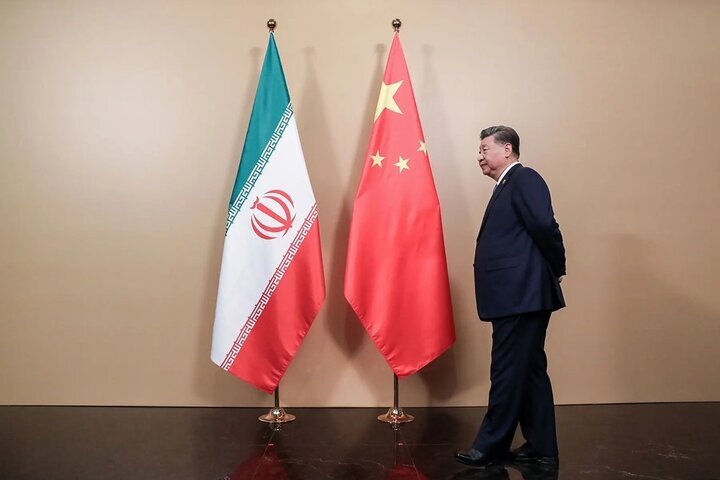
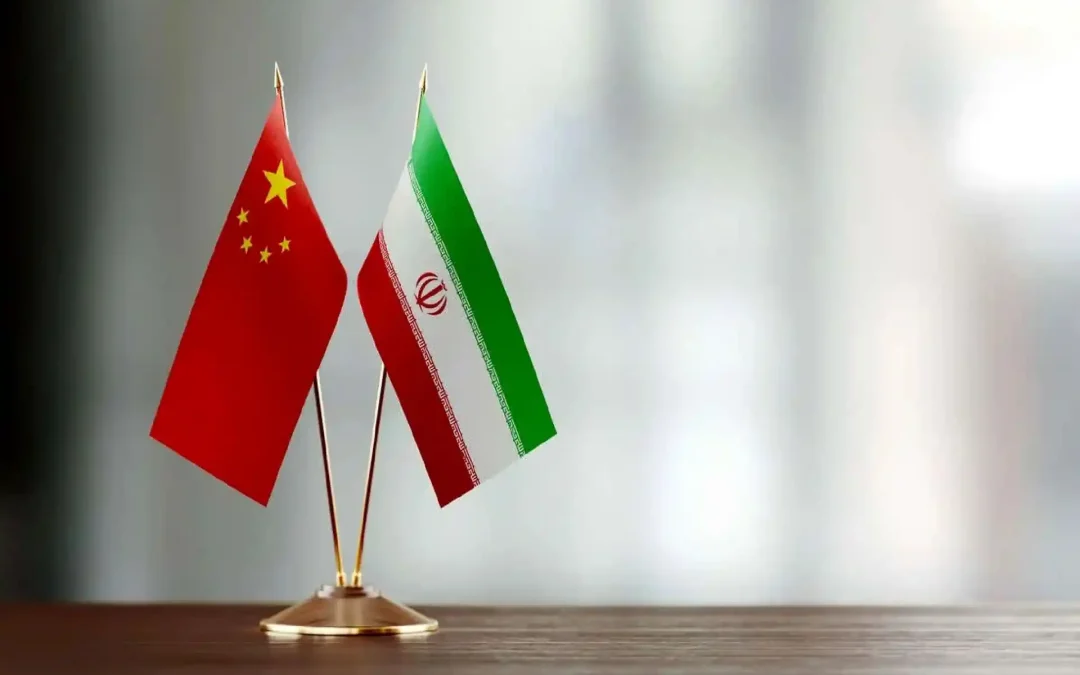
Strategic Council online – The president of Strategic Council on Foreign Relations believes that there is a huge potential for expanding Iran-China regional cooperation.
SCFR Online – Opinion: On Friday, August 7, the heads of state of three countries – Saudi Arabia, Turkey, and Pakistan – signed a text under the title “Makkah Joint Defense Agreement.”
Strategic Council Online – Note: The initiative to revive the Hejaz Railway, beyond being a transportation project, constitutes an attempt to redefine geopolitics, the economy, and Turkey’s regional position; however, its realization appears to face significant financial, security, and institutional challenges.
SCFR Online – Opinion: The Strait of Hormuz crisis is no longer merely the consequence of a military confrontation, but rather a sign of the transition from the US-centered maritime order to a new energy security structure involving the participation of emerging and influential powers.
SCFR Online – Opinion: Iran’s active deterrence strategy, while increasing the costs of US intervention, has increasingly exposed the hidden rifts between Washington’s interests and those of the Israeli regime.
SCFR Online – Opinion: The escalation of verbal and strategic tensions between Turkey and the Israeli regime, although not increasing the likelihood of direct war, indicates the formation of a new order in West Asian geopolitical rivalries.
Strategic Council Online – Note: Recent developments in the political geography of West Asia, from rising tensions in the Persian Gulf to missile and drone activities in the Red Sea and the recent warning by Kaja Kallas, the European Union’s foreign policy chief, regarding the threat to freedom of navigation, indicate a key pattern shift; the US-Iran war has moved beyond the scope of a regional and local confrontation and has linked two vital passageways for the global economy: the Strait of Hormuz and the Bab el-Mandeb Strait.
SCFR Online – Opinion: The Ukraine war was not merely a European crisis, but rather the starting point for the rearrangement of the global balance of power and a shift in the strategic behavior of great powers.
SCFR Online – Opinion: Great power competition is now pursued more in trade, currency, technology, and global supply chains than on the battlefields of military confrontation.
Strategic Council Online: The President of the Strategic Council on Foreign Relations stated, “Despite the signing of the 25-year Comprehensive Cooperation Agreement between Iran and China, a long path remains toward its full implementation. One key point both countries must observe is to move away from a project-based approach and instead adopt a program-oriented relationship by formulating a concrete action plan. This plan should be grounded in Iran’s national spatial planning framework and aligned with the mutual priorities of both nations as outlined in the 25-year Comprehensive Cooperation Document.”
Strategic Council Online: Dr. Seyed Kamal Kharazi, in a meeting with Liu Jianchao, the Minister of International Affairs of the Chinese Communist Party, on Wednesday evening, stated: ‘The future world order will be multipolar instead of unipolar, and regional emerging powers should also play a role in its formation.’
Strategic Council Online: The President of the Strategic Council on Foreign Relations in his speech at the 10th world Peace Forum said that: the countries of the Persian Gulf region are mature enough to overcome their differences, complement each other, and turn their historical rivalries into cooperation by setting up a regional security mechanism.
Strategic Council Online: In view of the US pressures, China is trying to quietly maintain its relationship with Iran, a prominent example of which is the resumption of Iran-China banking relations.
Abdolreza Faraji Rad – University Lecturer
Strategic Council Online: President of the Strategic Council on Foreign Relations, Dr Kamal Kharrazi, speaking on the aftermath of the US withdrawal from Iran nuclear deal said that several rounds of negotiations with Europeans have taken place and are still underway. “We hope that the package that the European Union is going to offer to Tehran would guarantee Iran’s rights,” he underlined.
Strategic Council online – The president of Strategic Council on Foreign Relations believes that there is a huge potential for expanding Iran-China regional cooperation.
Strategic Council Online: The President of the Strategic Council on Foreign Relations stated, “Despite the signing of the 25-year Comprehensive Cooperation Agreement between Iran and China, a long path remains toward its full implementation. One key point both countries must observe is to move away from a project-based approach and instead adopt a program-oriented relationship by formulating a concrete action plan. This plan should be grounded in Iran’s national spatial planning framework and aligned with the mutual priorities of both nations as outlined in the 25-year Comprehensive Cooperation Document.”
Strategic Council Online: Dr. Seyed Kamal Kharazi, in a meeting with Liu Jianchao, the Minister of International Affairs of the Chinese Communist Party, on Wednesday evening, stated: ‘The future world order will be multipolar instead of unipolar, and regional emerging powers should also play a role in its formation.’
Strategic Council Online: The President of the Strategic Council on Foreign Relations in his speech at the 10th world Peace Forum said that: the countries of the Persian Gulf region are mature enough to overcome their differences, complement each other, and turn their historical rivalries into cooperation by setting up a regional security mechanism.
Strategic Council Online: In view of the US pressures, China is trying to quietly maintain its relationship with Iran, a prominent example of which is the resumption of Iran-China banking relations.
Abdolreza Faraji Rad – University Lecturer
Strategic Council Online: President of the Strategic Council on Foreign Relations, Dr Kamal Kharrazi, speaking on the aftermath of the US withdrawal from Iran nuclear deal said that several rounds of negotiations with Europeans have taken place and are still underway. “We hope that the package that the European Union is going to offer to Tehran would guarantee Iran’s rights,” he underlined.
Strategic Council online – The president of Strategic Council on Foreign Relations believes that there is a huge potential for expanding Iran-China regional cooperation.
SCFR Online – Opinion: On Friday, August 7, the heads of state of three countries – Saudi Arabia, Turkey, and Pakistan – signed a text under the title “Makkah Joint Defense Agreement.”
Strategic Council Online – Note: The initiative to revive the Hejaz Railway, beyond being a transportation project, constitutes an attempt to redefine geopolitics, the economy, and Turkey’s regional position; however, its realization appears to face significant financial, security, and institutional challenges.
SCFR Online – Opinion: The Strait of Hormuz crisis is no longer merely the consequence of a military confrontation, but rather a sign of the transition from the US-centered maritime order to a new energy security structure involving the participation of emerging and influential powers.
SCFR Online – Opinion: Iran’s active deterrence strategy, while increasing the costs of US intervention, has increasingly exposed the hidden rifts between Washington’s interests and those of the Israeli regime.
SCFR Online – Opinion: The escalation of verbal and strategic tensions between Turkey and the Israeli regime, although not increasing the likelihood of direct war, indicates the formation of a new order in West Asian geopolitical rivalries.
Strategic Council Online – Note: Recent developments in the political geography of West Asia, from rising tensions in the Persian Gulf to missile and drone activities in the Red Sea and the recent warning by Kaja Kallas, the European Union’s foreign policy chief, regarding the threat to freedom of navigation, indicate a key pattern shift; the US-Iran war has moved beyond the scope of a regional and local confrontation and has linked two vital passageways for the global economy: the Strait of Hormuz and the Bab el-Mandeb Strait.
SCFR Online – Opinion: The Ukraine war was not merely a European crisis, but rather the starting point for the rearrangement of the global balance of power and a shift in the strategic behavior of great powers.
SCFR Online – Opinion: Great power competition is now pursued more in trade, currency, technology, and global supply chains than on the battlefields of military confrontation.
Strategic Council Online: The President of the Strategic Council on Foreign Relations stated, “Despite the signing of the 25-year Comprehensive Cooperation Agreement between Iran and China, a long path remains toward its full implementation. One key point both countries must observe is to move away from a project-based approach and instead adopt a program-oriented relationship by formulating a concrete action plan. This plan should be grounded in Iran’s national spatial planning framework and aligned with the mutual priorities of both nations as outlined in the 25-year Comprehensive Cooperation Document.”
Strategic Council Online: Dr. Seyed Kamal Kharazi, in a meeting with Liu Jianchao, the Minister of International Affairs of the Chinese Communist Party, on Wednesday evening, stated: ‘The future world order will be multipolar instead of unipolar, and regional emerging powers should also play a role in its formation.’
Strategic Council Online: The President of the Strategic Council on Foreign Relations in his speech at the 10th world Peace Forum said that: the countries of the Persian Gulf region are mature enough to overcome their differences, complement each other, and turn their historical rivalries into cooperation by setting up a regional security mechanism.
Strategic Council Online: In view of the US pressures, China is trying to quietly maintain its relationship with Iran, a prominent example of which is the resumption of Iran-China banking relations.
Abdolreza Faraji Rad – University Lecturer
Strategic Council Online: President of the Strategic Council on Foreign Relations, Dr Kamal Kharrazi, speaking on the aftermath of the US withdrawal from Iran nuclear deal said that several rounds of negotiations with Europeans have taken place and are still underway. “We hope that the package that the European Union is going to offer to Tehran would guarantee Iran’s rights,” he underlined.
Strategic Council online – The president of Strategic Council on Foreign Relations believes that there is a huge potential for expanding Iran-China regional cooperation.
SCFR Online – Opinion: On Friday, August 7, the heads of state of three countries – Saudi Arabia, Turkey, and Pakistan – signed a text under the title “Makkah Joint Defense Agreement.”
Strategic Council Online – Note: The initiative to revive the Hejaz Railway, beyond being a transportation project, constitutes an attempt to redefine geopolitics, the economy, and Turkey’s regional position; however, its realization appears to face significant financial, security, and institutional challenges.
SCFR Online – Opinion: The Strait of Hormuz crisis is no longer merely the consequence of a military confrontation, but rather a sign of the transition from the US-centered maritime order to a new energy security structure involving the participation of emerging and influential powers.
SCFR Online – Opinion: Iran’s active deterrence strategy, while increasing the costs of US intervention, has increasingly exposed the hidden rifts between Washington’s interests and those of the Israeli regime.
SCFR Online – Opinion: The escalation of verbal and strategic tensions between Turkey and the Israeli regime, although not increasing the likelihood of direct war, indicates the formation of a new order in West Asian geopolitical rivalries.
Strategic Council Online – Note: Recent developments in the political geography of West Asia, from rising tensions in the Persian Gulf to missile and drone activities in the Red Sea and the recent warning by Kaja Kallas, the European Union’s foreign policy chief, regarding the threat to freedom of navigation, indicate a key pattern shift; the US-Iran war has moved beyond the scope of a regional and local confrontation and has linked two vital passageways for the global economy: the Strait of Hormuz and the Bab el-Mandeb Strait.
SCFR Online – Opinion: The Ukraine war was not merely a European crisis, but rather the starting point for the rearrangement of the global balance of power and a shift in the strategic behavior of great powers.
SCFR Online – Opinion: Great power competition is now pursued more in trade, currency, technology, and global supply chains than on the battlefields of military confrontation.
Strategic Council Online: The President of the Strategic Council on Foreign Relations stated, “Despite the signing of the 25-year Comprehensive Cooperation Agreement between Iran and China, a long path remains toward its full implementation. One key point both countries must observe is to move away from a project-based approach and instead adopt a program-oriented relationship by formulating a concrete action plan. This plan should be grounded in Iran’s national spatial planning framework and aligned with the mutual priorities of both nations as outlined in the 25-year Comprehensive Cooperation Document.”
Strategic Council Online: Dr. Seyed Kamal Kharazi, in a meeting with Liu Jianchao, the Minister of International Affairs of the Chinese Communist Party, on Wednesday evening, stated: ‘The future world order will be multipolar instead of unipolar, and regional emerging powers should also play a role in its formation.’
Strategic Council Online: The President of the Strategic Council on Foreign Relations in his speech at the 10th world Peace Forum said that: the countries of the Persian Gulf region are mature enough to overcome their differences, complement each other, and turn their historical rivalries into cooperation by setting up a regional security mechanism.
Strategic Council Online: In view of the US pressures, China is trying to quietly maintain its relationship with Iran, a prominent example of which is the resumption of Iran-China banking relations.
Abdolreza Faraji Rad – University Lecturer
Strategic Council Online: President of the Strategic Council on Foreign Relations, Dr Kamal Kharrazi, speaking on the aftermath of the US withdrawal from Iran nuclear deal said that several rounds of negotiations with Europeans have taken place and are still underway. “We hope that the package that the European Union is going to offer to Tehran would guarantee Iran’s rights,” he underlined.
Strategic Council online – The president of Strategic Council on Foreign Relations believes that there is a huge potential for expanding Iran-China regional cooperation.
SCFR Online – Opinion: On Friday, August 7, the heads of state of three countries – Saudi Arabia, Turkey, and Pakistan – signed a text under the title “Makkah Joint Defense Agreement.”
Strategic Council Online – Note: The initiative to revive the Hejaz Railway, beyond being a transportation project, constitutes an attempt to redefine geopolitics, the economy, and Turkey’s regional position; however, its realization appears to face significant financial, security, and institutional challenges.
SCFR Online – Opinion: The Strait of Hormuz crisis is no longer merely the consequence of a military confrontation, but rather a sign of the transition from the US-centered maritime order to a new energy security structure involving the participation of emerging and influential powers.
SCFR Online – Opinion: Iran’s active deterrence strategy, while increasing the costs of US intervention, has increasingly exposed the hidden rifts between Washington’s interests and those of the Israeli regime.
SCFR Online – Opinion: The escalation of verbal and strategic tensions between Turkey and the Israeli regime, although not increasing the likelihood of direct war, indicates the formation of a new order in West Asian geopolitical rivalries.
Strategic Council Online – Note: Recent developments in the political geography of West Asia, from rising tensions in the Persian Gulf to missile and drone activities in the Red Sea and the recent warning by Kaja Kallas, the European Union’s foreign policy chief, regarding the threat to freedom of navigation, indicate a key pattern shift; the US-Iran war has moved beyond the scope of a regional and local confrontation and has linked two vital passageways for the global economy: the Strait of Hormuz and the Bab el-Mandeb Strait.
SCFR Online – Opinion: The Ukraine war was not merely a European crisis, but rather the starting point for the rearrangement of the global balance of power and a shift in the strategic behavior of great powers.
SCFR Online – Opinion: Great power competition is now pursued more in trade, currency, technology, and global supply chains than on the battlefields of military confrontation.
Strategic Council Online: The President of the Strategic Council on Foreign Relations stated, “Despite the signing of the 25-year Comprehensive Cooperation Agreement between Iran and China, a long path remains toward its full implementation. One key point both countries must observe is to move away from a project-based approach and instead adopt a program-oriented relationship by formulating a concrete action plan. This plan should be grounded in Iran’s national spatial planning framework and aligned with the mutual priorities of both nations as outlined in the 25-year Comprehensive Cooperation Document.”
Strategic Council Online: Dr. Seyed Kamal Kharazi, in a meeting with Liu Jianchao, the Minister of International Affairs of the Chinese Communist Party, on Wednesday evening, stated: ‘The future world order will be multipolar instead of unipolar, and regional emerging powers should also play a role in its formation.’
Strategic Council Online: The President of the Strategic Council on Foreign Relations in his speech at the 10th world Peace Forum said that: the countries of the Persian Gulf region are mature enough to overcome their differences, complement each other, and turn their historical rivalries into cooperation by setting up a regional security mechanism.
Strategic Council Online: In view of the US pressures, China is trying to quietly maintain its relationship with Iran, a prominent example of which is the resumption of Iran-China banking relations.
Abdolreza Faraji Rad – University Lecturer
Strategic Council Online: President of the Strategic Council on Foreign Relations, Dr Kamal Kharrazi, speaking on the aftermath of the US withdrawal from Iran nuclear deal said that several rounds of negotiations with Europeans have taken place and are still underway. “We hope that the package that the European Union is going to offer to Tehran would guarantee Iran’s rights,” he underlined.
Strategic Council online – The president of Strategic Council on Foreign Relations believes that there is a huge potential for expanding Iran-China regional cooperation.
SCFR Online – Opinion: On Friday, August 7, the heads of state of three countries – Saudi Arabia, Turkey, and Pakistan – signed a text under the title “Makkah Joint Defense Agreement.”
Strategic Council Online – Note: The initiative to revive the Hejaz Railway, beyond being a transportation project, constitutes an attempt to redefine geopolitics, the economy, and Turkey’s regional position; however, its realization appears to face significant financial, security, and institutional challenges.
SCFR Online – Opinion: The Strait of Hormuz crisis is no longer merely the consequence of a military confrontation, but rather a sign of the transition from the US-centered maritime order to a new energy security structure involving the participation of emerging and influential powers.
SCFR Online – Opinion: Iran’s active deterrence strategy, while increasing the costs of US intervention, has increasingly exposed the hidden rifts between Washington’s interests and those of the Israeli regime.
SCFR Online – Opinion: The escalation of verbal and strategic tensions between Turkey and the Israeli regime, although not increasing the likelihood of direct war, indicates the formation of a new order in West Asian geopolitical rivalries.
Strategic Council Online – Note: Recent developments in the political geography of West Asia, from rising tensions in the Persian Gulf to missile and drone activities in the Red Sea and the recent warning by Kaja Kallas, the European Union’s foreign policy chief, regarding the threat to freedom of navigation, indicate a key pattern shift; the US-Iran war has moved beyond the scope of a regional and local confrontation and has linked two vital passageways for the global economy: the Strait of Hormuz and the Bab el-Mandeb Strait.
SCFR Online – Opinion: The Ukraine war was not merely a European crisis, but rather the starting point for the rearrangement of the global balance of power and a shift in the strategic behavior of great powers.
SCFR Online – Opinion: Great power competition is now pursued more in trade, currency, technology, and global supply chains than on the battlefields of military confrontation.
Strategic Council Online: The President of the Strategic Council on Foreign Relations stated, “Despite the signing of the 25-year Comprehensive Cooperation Agreement between Iran and China, a long path remains toward its full implementation. One key point both countries must observe is to move away from a project-based approach and instead adopt a program-oriented relationship by formulating a concrete action plan. This plan should be grounded in Iran’s national spatial planning framework and aligned with the mutual priorities of both nations as outlined in the 25-year Comprehensive Cooperation Document.”
Strategic Council Online: Dr. Seyed Kamal Kharazi, in a meeting with Liu Jianchao, the Minister of International Affairs of the Chinese Communist Party, on Wednesday evening, stated: ‘The future world order will be multipolar instead of unipolar, and regional emerging powers should also play a role in its formation.’
Strategic Council Online: The President of the Strategic Council on Foreign Relations in his speech at the 10th world Peace Forum said that: the countries of the Persian Gulf region are mature enough to overcome their differences, complement each other, and turn their historical rivalries into cooperation by setting up a regional security mechanism.
Strategic Council Online: In view of the US pressures, China is trying to quietly maintain its relationship with Iran, a prominent example of which is the resumption of Iran-China banking relations.
Abdolreza Faraji Rad – University Lecturer
Strategic Council Online: President of the Strategic Council on Foreign Relations, Dr Kamal Kharrazi, speaking on the aftermath of the US withdrawal from Iran nuclear deal said that several rounds of negotiations with Europeans have taken place and are still underway. “We hope that the package that the European Union is going to offer to Tehran would guarantee Iran’s rights,” he underlined.
Strategic Council online – The president of Strategic Council on Foreign Relations believes that there is a huge potential for expanding Iran-China regional cooperation.
SCFR Online – Opinion: On Friday, August 7, the heads of state of three countries – Saudi Arabia, Turkey, and Pakistan – signed a text under the title “Makkah Joint Defense Agreement.”
Strategic Council Online – Note: The initiative to revive the Hejaz Railway, beyond being a transportation project, constitutes an attempt to redefine geopolitics, the economy, and Turkey’s regional position; however, its realization appears to face significant financial, security, and institutional challenges.
SCFR Online – Opinion: The Strait of Hormuz crisis is no longer merely the consequence of a military confrontation, but rather a sign of the transition from the US-centered maritime order to a new energy security structure involving the participation of emerging and influential powers.
SCFR Online – Opinion: Iran’s active deterrence strategy, while increasing the costs of US intervention, has increasingly exposed the hidden rifts between Washington’s interests and those of the Israeli regime.
SCFR Online – Opinion: The escalation of verbal and strategic tensions between Turkey and the Israeli regime, although not increasing the likelihood of direct war, indicates the formation of a new order in West Asian geopolitical rivalries.
Strategic Council Online – Note: Recent developments in the political geography of West Asia, from rising tensions in the Persian Gulf to missile and drone activities in the Red Sea and the recent warning by Kaja Kallas, the European Union’s foreign policy chief, regarding the threat to freedom of navigation, indicate a key pattern shift; the US-Iran war has moved beyond the scope of a regional and local confrontation and has linked two vital passageways for the global economy: the Strait of Hormuz and the Bab el-Mandeb Strait.
SCFR Online – Opinion: The Ukraine war was not merely a European crisis, but rather the starting point for the rearrangement of the global balance of power and a shift in the strategic behavior of great powers.
SCFR Online – Opinion: Great power competition is now pursued more in trade, currency, technology, and global supply chains than on the battlefields of military confrontation.