
2020/10/13
Strategic Council Online—Editorial: After years of conflict, violence and bloodshed, the government of the Islamic Republic of Afghanistan and the Taliban, finally, accepted to sit at the negotiation table instead of killing each other and using military tools and terror to put a stop to the multi-decade wars in Afghanistan through political action and inter-Afghan talks.
Seyyed Mostafa Hashemi—Expert of Afghanistan affairs

2020/10/13
Strategic Council Online: Editorial—The Security Council of the United Nations, having passed four UN resolutions in the primary years of the 1990s, has delegated the issue of the return of peace to Karabakh to regional organizations in particular to the Organization for Security and Co-operation in Europe (OSCE). In 1992, the Organization for Security and Co-operation in Europe set up a mechanism under the title of the “Minsk Group”, comprising of nine countries, to deal with the settlement of the issue. The Minsk Group is currently chaired by the United States, Russia and France. Even though the Minsk Group managed to organize a ceasefire between the Republic of Azerbaijan and Armenia in Bishkek on 12 May 1994, it has failed during the past recent years to completely resolve the Karabakh dispute. Given the occurrence of two consecutive military confrontations since the beginning of 2020 with numerous dimensions, the issue of the performance and effectiveness of the Minsk Group is once again placed at the centre of the world’s attention.
Dr Shoayb Bahman, Expert of Russia affairs

2020/10/11
Strategic Council Online – There are countries in the region that envy Iran-Tajikistan relations, the historical background and understanding that the two governments and the two nations have of each other, and are seeking to destroy such relations. Under these circumstances, Iran and Tajikistan should expand their relations and act vigilantly to resolve the prevailing claims and disputes.
Dr Abdolreza Faraji Rad – Expert on Geopolitical Affairs

2020/10/10
Strategic Council Online: Editorial—Rapprochement with the Zionist regime could entail serious consequences for the Arab regimes of the region; the public opinion in these countries especially Bahrain are opposed to Manama policy of betrayal to the Palestinian cause and subordination to Washington and Tel Aviv. Therefore, any hasty move to recognize Israel would further widen the gap between the Arab compromising rulers and their peoples.
Davoud Ahmadzadeh, Middle East expert
2020/10/10
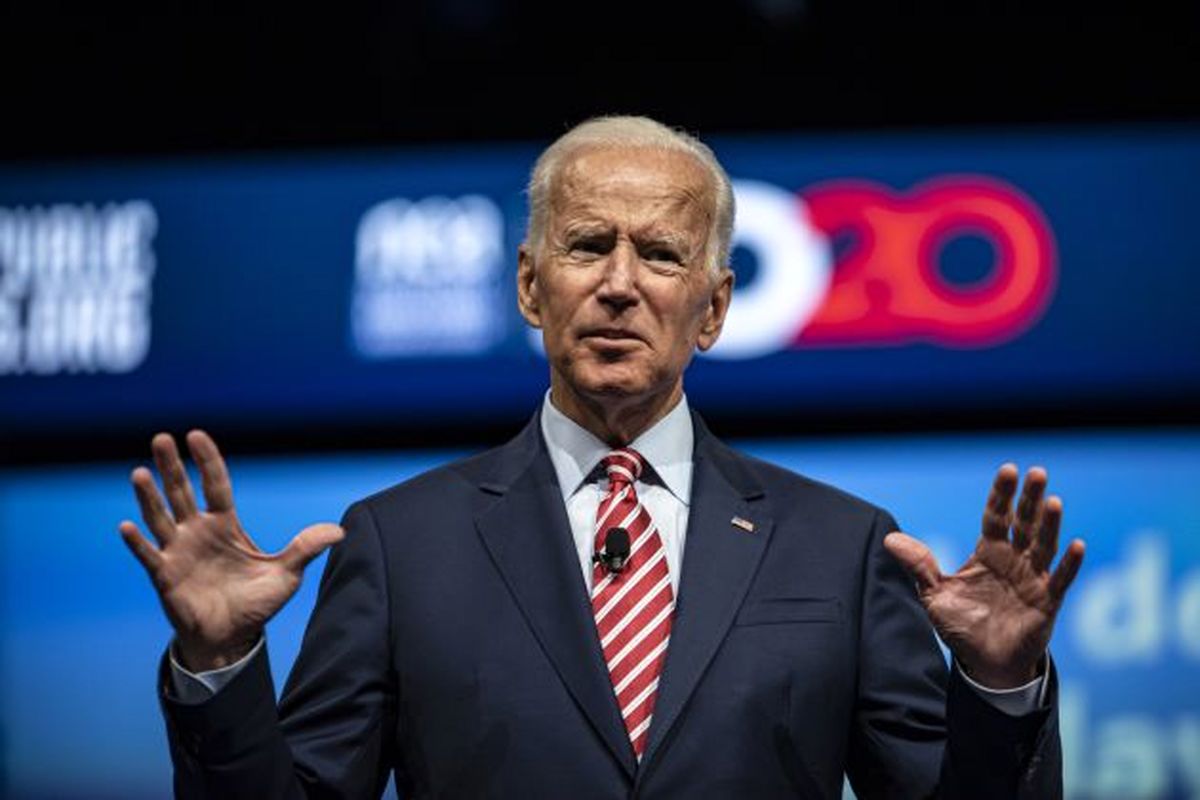
Strategic Council Online – A senior analyst at the Watson Institute Brown University says why the US election would not be predictable until the last hours and the 2020 election could be unprecedented in US history. In an interview with the Strategic Council on Foreign Relations website, Charles Freeman also answered questions about the White House’s behind-the-scene goals in activating the trigger mechanism against Iran and the consequences of the normalization of relations between the Arab states and the Zionist regime in regional arrangements.
