جدیدترین مطالب

The Makkah Pact; Reasons for its Formation and Challenges Ahead

SCFR Online – Opinion: The Makkah Pact, signed between Saudi Arabia, Pakistan, and Turkey under the motto “an attack on one is an attack on all,” is viewed by some analysts less as a full-fledged military coalition and more as an attempt to reduce security dependence on an external power and to establish a regional security mechanism.

Implications of the US-Saudi Nuclear Agreement

SCFR Online – Opinion: The new US-Saudi nuclear agreement, despite legal and political ambiguities, could alter previous non-proliferation standards in West Asia and intensify nuclear competition, ushering it into a new phase.

An Analysis of Recent Turkey-Israeli Regime Tensions

SCFR Online – Opinion: Recent developments in Syria indicate an intensification of strategic rivalry between Turkey and the Israeli regime, but mutual considerations and the role of the United States have limited the likelihood of direct war.

Increasing criticism of the extensive Zionist lobby network

SCFR Online – Opinion: An examination of the mechanisms of the Israeli regime’s influence in the United States depicts a complex picture of shared interests, strategic dependencies, and the limitations of this relationship.

Realities of the Tripartite Makkah Pact

SCFR Online – Interview: The signing of the Makkah agreement between Saudi Arabia, Pakistan, and Turkey has raised questions about the future of the region’s security structure and the position of these countries in West Asian equations. Can this agreement become a genuine collective defense mechanism, or does it have more of a political and deterrent function than creating new military capacity?

Loading

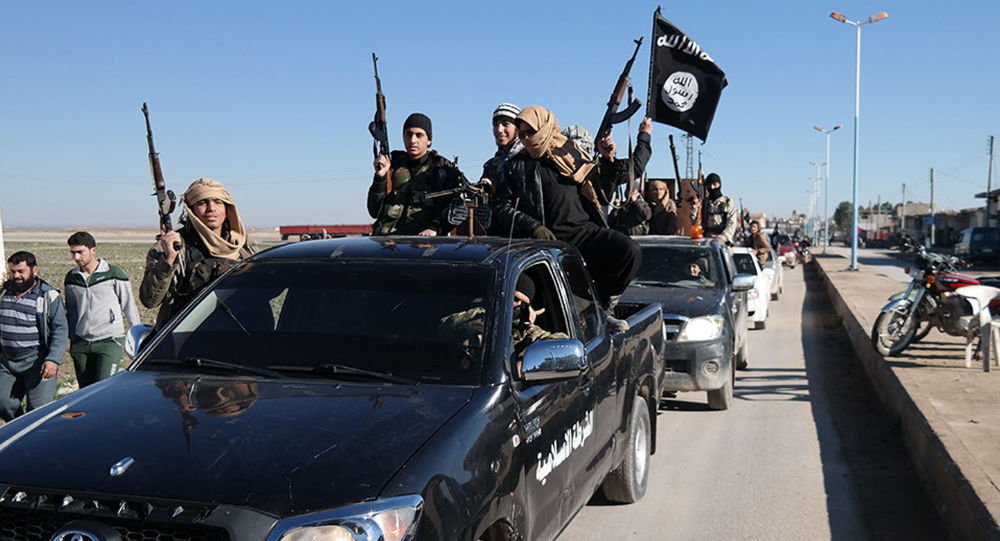
ISIS

ISIS Threat in Afghanistan

ISIS Threat in Afghanistan

Strategic Council Online: The more disorder and insecurity in Afghanistan, the more ISIS can recover and develop.
Abdolreza Farajirad – University Professor and Expert on Geopolitics

Khan Sheikhun Capture: Syria’s Long Step to Conquer Idlib!

Khan Sheikhun Capture: Syria’s Long Step to Conquer Idlib!

Strategic Council Online: An expert on regional issues said that the liberation of Khan Sheikhun shows that the Syrian government has the potential to liberate Idlib as well, stressing: “Turkey exercises double standards in this conflict. In terms of stance-taking, it is opposed to these forces but is associated with and supports the Takfiri forces.”

Trump Threatens European Security with ISIS Stick

Trump Threatens European Security with ISIS Stick

Strategic Council Online: A European affairs expert referring to Donald Trump’s remarks that Europe should receive ISIS prisoners, said the reasons the US president has raised this issue in the current situation date back to US-Europe divisions and the intensification of unilateralism in US foreign and security policy.

West’s Dual Policy towards New Zealand’s Terrorist Incident

Strategic Council Online: In the classification of countries in the face of terrorism, one can say the United States, Britain, France, Germany, the Netherlands and Belgium are the states that have strongly contributed to the escalation of Islamophobia. In the New Zealand incident, the media of these countries were not ready to describe the attackers on two mosques terrorism.
Hassan Hanizadeh – Middle East Affairs Expert

Importance and Perspectives of Iran-Tajikistan Relations

Strategic Council Online: For nearly three years now, due to various reasons, including different conspiracies, Iran-Tajikistan relations have gone through ups and downs that do not match the close relations of the two countries in the past.
Vali Kouzegar Kaleji – Senior Researcher on Central Asian and Caucasus Affairs

Feasibility Study of Iran-Pakistan Cooperation in Combating Terrorism

Strategic Council Online: There is little optimism about the possibility of Iran-Pakistan cooperation in the fight against terrorism or what is known as Islamic radicals with Wahhabi orientation in Pakistan. The reason is that the Pakistanis claim to be willing to cooperate but in practice they have adopted a dual policy on this issue. Particularly, the Pakistani Military Intelligence Agency (ISI) looks at radical Islamic groups as a strategic tool.
Pir Mohammad Mollazehi, Expert on the Subcontinent Affairs

Prospects of US Peace Talks with the Taliban

Strategic Council Online: For the real progress of the peace talks, the Taliban must accept to enter into negotiations with the central government and Khalilzad and the Americans must accept to pull out their troops from Afghanistan.
Pir Mohammad Mollazehi – Expert on the Indian Affairs in the Subcontinent

Trump’s Behind-the-Scene Threats against Europe

Strategic Council Online: Ever since he came to power, Donald Trump has sought to cause rift and division between European countries and his ultimate goal is based on the approach to disintegrate the European Union.
Abdolreza Faraji Rad – Geopolitics Professor

أحدث الوظائف

The Makkah Pact; Reasons for its Formation and Challenges Ahead

SCFR Online – Opinion: The Makkah Pact, signed between Saudi Arabia, Pakistan, and Turkey under the motto “an attack on one is an attack on all,” is viewed by some analysts less as a full-fledged military coalition and more as an attempt to reduce security dependence on an external power and to establish a regional security mechanism.

Implications of the US-Saudi Nuclear Agreement

SCFR Online – Opinion: The new US-Saudi nuclear agreement, despite legal and political ambiguities, could alter previous non-proliferation standards in West Asia and intensify nuclear competition, ushering it into a new phase.

An Analysis of Recent Turkey-Israeli Regime Tensions

SCFR Online – Opinion: Recent developments in Syria indicate an intensification of strategic rivalry between Turkey and the Israeli regime, but mutual considerations and the role of the United States have limited the likelihood of direct war.

Increasing criticism of the extensive Zionist lobby network

SCFR Online – Opinion: An examination of the mechanisms of the Israeli regime’s influence in the United States depicts a complex picture of shared interests, strategic dependencies, and the limitations of this relationship.

Realities of the Tripartite Makkah Pact

SCFR Online – Interview: The signing of the Makkah agreement between Saudi Arabia, Pakistan, and Turkey has raised questions about the future of the region’s security structure and the position of these countries in West Asian equations. Can this agreement become a genuine collective defense mechanism, or does it have more of a political and deterrent function than creating new military capacity?

Loading

ISIS

ISIS Threat in Afghanistan

ISIS Threat in Afghanistan

Strategic Council Online: The more disorder and insecurity in Afghanistan, the more ISIS can recover and develop.
Abdolreza Farajirad – University Professor and Expert on Geopolitics

Khan Sheikhun Capture: Syria’s Long Step to Conquer Idlib!

Khan Sheikhun Capture: Syria’s Long Step to Conquer Idlib!

Strategic Council Online: An expert on regional issues said that the liberation of Khan Sheikhun shows that the Syrian government has the potential to liberate Idlib as well, stressing: “Turkey exercises double standards in this conflict. In terms of stance-taking, it is opposed to these forces but is associated with and supports the Takfiri forces.”

Trump Threatens European Security with ISIS Stick

Trump Threatens European Security with ISIS Stick

Strategic Council Online: A European affairs expert referring to Donald Trump’s remarks that Europe should receive ISIS prisoners, said the reasons the US president has raised this issue in the current situation date back to US-Europe divisions and the intensification of unilateralism in US foreign and security policy.

West’s Dual Policy towards New Zealand’s Terrorist Incident

Strategic Council Online: In the classification of countries in the face of terrorism, one can say the United States, Britain, France, Germany, the Netherlands and Belgium are the states that have strongly contributed to the escalation of Islamophobia. In the New Zealand incident, the media of these countries were not ready to describe the attackers on two mosques terrorism.
Hassan Hanizadeh – Middle East Affairs Expert

Importance and Perspectives of Iran-Tajikistan Relations

Strategic Council Online: For nearly three years now, due to various reasons, including different conspiracies, Iran-Tajikistan relations have gone through ups and downs that do not match the close relations of the two countries in the past.
Vali Kouzegar Kaleji – Senior Researcher on Central Asian and Caucasus Affairs

Feasibility Study of Iran-Pakistan Cooperation in Combating Terrorism

Strategic Council Online: There is little optimism about the possibility of Iran-Pakistan cooperation in the fight against terrorism or what is known as Islamic radicals with Wahhabi orientation in Pakistan. The reason is that the Pakistanis claim to be willing to cooperate but in practice they have adopted a dual policy on this issue. Particularly, the Pakistani Military Intelligence Agency (ISI) looks at radical Islamic groups as a strategic tool.
Pir Mohammad Mollazehi, Expert on the Subcontinent Affairs

Prospects of US Peace Talks with the Taliban

Strategic Council Online: For the real progress of the peace talks, the Taliban must accept to enter into negotiations with the central government and Khalilzad and the Americans must accept to pull out their troops from Afghanistan.
Pir Mohammad Mollazehi – Expert on the Indian Affairs in the Subcontinent

Trump’s Behind-the-Scene Threats against Europe

Strategic Council Online: Ever since he came to power, Donald Trump has sought to cause rift and division between European countries and his ultimate goal is based on the approach to disintegrate the European Union.
Abdolreza Faraji Rad – Geopolitics Professor

ISIS

ISIS Threat in Afghanistan

ISIS Threat in Afghanistan

Strategic Council Online: The more disorder and insecurity in Afghanistan, the more ISIS can recover and develop.
Abdolreza Farajirad – University Professor and Expert on Geopolitics

Khan Sheikhun Capture: Syria’s Long Step to Conquer Idlib!

Khan Sheikhun Capture: Syria’s Long Step to Conquer Idlib!

Strategic Council Online: An expert on regional issues said that the liberation of Khan Sheikhun shows that the Syrian government has the potential to liberate Idlib as well, stressing: “Turkey exercises double standards in this conflict. In terms of stance-taking, it is opposed to these forces but is associated with and supports the Takfiri forces.”

Trump Threatens European Security with ISIS Stick

Trump Threatens European Security with ISIS Stick

Strategic Council Online: A European affairs expert referring to Donald Trump’s remarks that Europe should receive ISIS prisoners, said the reasons the US president has raised this issue in the current situation date back to US-Europe divisions and the intensification of unilateralism in US foreign and security policy.

West’s Dual Policy towards New Zealand’s Terrorist Incident

Strategic Council Online: In the classification of countries in the face of terrorism, one can say the United States, Britain, France, Germany, the Netherlands and Belgium are the states that have strongly contributed to the escalation of Islamophobia. In the New Zealand incident, the media of these countries were not ready to describe the attackers on two mosques terrorism.
Hassan Hanizadeh – Middle East Affairs Expert

Importance and Perspectives of Iran-Tajikistan Relations

Strategic Council Online: For nearly three years now, due to various reasons, including different conspiracies, Iran-Tajikistan relations have gone through ups and downs that do not match the close relations of the two countries in the past.
Vali Kouzegar Kaleji – Senior Researcher on Central Asian and Caucasus Affairs

Feasibility Study of Iran-Pakistan Cooperation in Combating Terrorism

Strategic Council Online: There is little optimism about the possibility of Iran-Pakistan cooperation in the fight against terrorism or what is known as Islamic radicals with Wahhabi orientation in Pakistan. The reason is that the Pakistanis claim to be willing to cooperate but in practice they have adopted a dual policy on this issue. Particularly, the Pakistani Military Intelligence Agency (ISI) looks at radical Islamic groups as a strategic tool.
Pir Mohammad Mollazehi, Expert on the Subcontinent Affairs

Prospects of US Peace Talks with the Taliban

Strategic Council Online: For the real progress of the peace talks, the Taliban must accept to enter into negotiations with the central government and Khalilzad and the Americans must accept to pull out their troops from Afghanistan.
Pir Mohammad Mollazehi – Expert on the Indian Affairs in the Subcontinent

Trump’s Behind-the-Scene Threats against Europe

Strategic Council Online: Ever since he came to power, Donald Trump has sought to cause rift and division between European countries and his ultimate goal is based on the approach to disintegrate the European Union.
Abdolreza Faraji Rad – Geopolitics Professor

LATEST CONTENT

The Makkah Pact; Reasons for its Formation and Challenges Ahead

SCFR Online – Opinion: The Makkah Pact, signed between Saudi Arabia, Pakistan, and Turkey under the motto “an attack on one is an attack on all,” is viewed by some analysts less as a full-fledged military coalition and more as an attempt to reduce security dependence on an external power and to establish a regional security mechanism.

Implications of the US-Saudi Nuclear Agreement

SCFR Online – Opinion: The new US-Saudi nuclear agreement, despite legal and political ambiguities, could alter previous non-proliferation standards in West Asia and intensify nuclear competition, ushering it into a new phase.

An Analysis of Recent Turkey-Israeli Regime Tensions

SCFR Online – Opinion: Recent developments in Syria indicate an intensification of strategic rivalry between Turkey and the Israeli regime, but mutual considerations and the role of the United States have limited the likelihood of direct war.

Increasing criticism of the extensive Zionist lobby network

SCFR Online – Opinion: An examination of the mechanisms of the Israeli regime’s influence in the United States depicts a complex picture of shared interests, strategic dependencies, and the limitations of this relationship.

Realities of the Tripartite Makkah Pact

SCFR Online – Interview: The signing of the Makkah agreement between Saudi Arabia, Pakistan, and Turkey has raised questions about the future of the region’s security structure and the position of these countries in West Asian equations. Can this agreement become a genuine collective defense mechanism, or does it have more of a political and deterrent function than creating new military capacity?

Loading

ISIS

ISIS Threat in Afghanistan

ISIS Threat in Afghanistan

Strategic Council Online: The more disorder and insecurity in Afghanistan, the more ISIS can recover and develop.
Abdolreza Farajirad – University Professor and Expert on Geopolitics

Khan Sheikhun Capture: Syria’s Long Step to Conquer Idlib!

Khan Sheikhun Capture: Syria’s Long Step to Conquer Idlib!

Strategic Council Online: An expert on regional issues said that the liberation of Khan Sheikhun shows that the Syrian government has the potential to liberate Idlib as well, stressing: “Turkey exercises double standards in this conflict. In terms of stance-taking, it is opposed to these forces but is associated with and supports the Takfiri forces.”

Trump Threatens European Security with ISIS Stick

Trump Threatens European Security with ISIS Stick

Strategic Council Online: A European affairs expert referring to Donald Trump’s remarks that Europe should receive ISIS prisoners, said the reasons the US president has raised this issue in the current situation date back to US-Europe divisions and the intensification of unilateralism in US foreign and security policy.

West’s Dual Policy towards New Zealand’s Terrorist Incident

Strategic Council Online: In the classification of countries in the face of terrorism, one can say the United States, Britain, France, Germany, the Netherlands and Belgium are the states that have strongly contributed to the escalation of Islamophobia. In the New Zealand incident, the media of these countries were not ready to describe the attackers on two mosques terrorism.
Hassan Hanizadeh – Middle East Affairs Expert

Importance and Perspectives of Iran-Tajikistan Relations

Strategic Council Online: For nearly three years now, due to various reasons, including different conspiracies, Iran-Tajikistan relations have gone through ups and downs that do not match the close relations of the two countries in the past.
Vali Kouzegar Kaleji – Senior Researcher on Central Asian and Caucasus Affairs

Feasibility Study of Iran-Pakistan Cooperation in Combating Terrorism

Strategic Council Online: There is little optimism about the possibility of Iran-Pakistan cooperation in the fight against terrorism or what is known as Islamic radicals with Wahhabi orientation in Pakistan. The reason is that the Pakistanis claim to be willing to cooperate but in practice they have adopted a dual policy on this issue. Particularly, the Pakistani Military Intelligence Agency (ISI) looks at radical Islamic groups as a strategic tool.
Pir Mohammad Mollazehi, Expert on the Subcontinent Affairs

Prospects of US Peace Talks with the Taliban

Strategic Council Online: For the real progress of the peace talks, the Taliban must accept to enter into negotiations with the central government and Khalilzad and the Americans must accept to pull out their troops from Afghanistan.
Pir Mohammad Mollazehi – Expert on the Indian Affairs in the Subcontinent

Trump’s Behind-the-Scene Threats against Europe

Strategic Council Online: Ever since he came to power, Donald Trump has sought to cause rift and division between European countries and his ultimate goal is based on the approach to disintegrate the European Union.
Abdolreza Faraji Rad – Geopolitics Professor

ÚLTIMAS PUBLICACIONES

The Makkah Pact; Reasons for its Formation and Challenges Ahead

SCFR Online – Opinion: The Makkah Pact, signed between Saudi Arabia, Pakistan, and Turkey under the motto “an attack on one is an attack on all,” is viewed by some analysts less as a full-fledged military coalition and more as an attempt to reduce security dependence on an external power and to establish a regional security mechanism.

Implications of the US-Saudi Nuclear Agreement

SCFR Online – Opinion: The new US-Saudi nuclear agreement, despite legal and political ambiguities, could alter previous non-proliferation standards in West Asia and intensify nuclear competition, ushering it into a new phase.

An Analysis of Recent Turkey-Israeli Regime Tensions

SCFR Online – Opinion: Recent developments in Syria indicate an intensification of strategic rivalry between Turkey and the Israeli regime, but mutual considerations and the role of the United States have limited the likelihood of direct war.

Increasing criticism of the extensive Zionist lobby network

SCFR Online – Opinion: An examination of the mechanisms of the Israeli regime’s influence in the United States depicts a complex picture of shared interests, strategic dependencies, and the limitations of this relationship.

Realities of the Tripartite Makkah Pact

SCFR Online – Interview: The signing of the Makkah agreement between Saudi Arabia, Pakistan, and Turkey has raised questions about the future of the region’s security structure and the position of these countries in West Asian equations. Can this agreement become a genuine collective defense mechanism, or does it have more of a political and deterrent function than creating new military capacity?

Loading

ISIS

ISIS Threat in Afghanistan

ISIS Threat in Afghanistan

Strategic Council Online: The more disorder and insecurity in Afghanistan, the more ISIS can recover and develop.
Abdolreza Farajirad – University Professor and Expert on Geopolitics

Khan Sheikhun Capture: Syria’s Long Step to Conquer Idlib!

Khan Sheikhun Capture: Syria’s Long Step to Conquer Idlib!

Strategic Council Online: An expert on regional issues said that the liberation of Khan Sheikhun shows that the Syrian government has the potential to liberate Idlib as well, stressing: “Turkey exercises double standards in this conflict. In terms of stance-taking, it is opposed to these forces but is associated with and supports the Takfiri forces.”

Trump Threatens European Security with ISIS Stick

Trump Threatens European Security with ISIS Stick

Strategic Council Online: A European affairs expert referring to Donald Trump’s remarks that Europe should receive ISIS prisoners, said the reasons the US president has raised this issue in the current situation date back to US-Europe divisions and the intensification of unilateralism in US foreign and security policy.

West’s Dual Policy towards New Zealand’s Terrorist Incident

Strategic Council Online: In the classification of countries in the face of terrorism, one can say the United States, Britain, France, Germany, the Netherlands and Belgium are the states that have strongly contributed to the escalation of Islamophobia. In the New Zealand incident, the media of these countries were not ready to describe the attackers on two mosques terrorism.
Hassan Hanizadeh – Middle East Affairs Expert

Importance and Perspectives of Iran-Tajikistan Relations

Strategic Council Online: For nearly three years now, due to various reasons, including different conspiracies, Iran-Tajikistan relations have gone through ups and downs that do not match the close relations of the two countries in the past.
Vali Kouzegar Kaleji – Senior Researcher on Central Asian and Caucasus Affairs

Feasibility Study of Iran-Pakistan Cooperation in Combating Terrorism

Strategic Council Online: There is little optimism about the possibility of Iran-Pakistan cooperation in the fight against terrorism or what is known as Islamic radicals with Wahhabi orientation in Pakistan. The reason is that the Pakistanis claim to be willing to cooperate but in practice they have adopted a dual policy on this issue. Particularly, the Pakistani Military Intelligence Agency (ISI) looks at radical Islamic groups as a strategic tool.
Pir Mohammad Mollazehi, Expert on the Subcontinent Affairs

Prospects of US Peace Talks with the Taliban

Strategic Council Online: For the real progress of the peace talks, the Taliban must accept to enter into negotiations with the central government and Khalilzad and the Americans must accept to pull out their troops from Afghanistan.
Pir Mohammad Mollazehi – Expert on the Indian Affairs in the Subcontinent

Trump’s Behind-the-Scene Threats against Europe

Strategic Council Online: Ever since he came to power, Donald Trump has sought to cause rift and division between European countries and his ultimate goal is based on the approach to disintegrate the European Union.
Abdolreza Faraji Rad – Geopolitics Professor

ÚLTIMAS PUBLICACIONES

The Makkah Pact; Reasons for its Formation and Challenges Ahead

SCFR Online – Opinion: The Makkah Pact, signed between Saudi Arabia, Pakistan, and Turkey under the motto “an attack on one is an attack on all,” is viewed by some analysts less as a full-fledged military coalition and more as an attempt to reduce security dependence on an external power and to establish a regional security mechanism.

Implications of the US-Saudi Nuclear Agreement

SCFR Online – Opinion: The new US-Saudi nuclear agreement, despite legal and political ambiguities, could alter previous non-proliferation standards in West Asia and intensify nuclear competition, ushering it into a new phase.

An Analysis of Recent Turkey-Israeli Regime Tensions

SCFR Online – Opinion: Recent developments in Syria indicate an intensification of strategic rivalry between Turkey and the Israeli regime, but mutual considerations and the role of the United States have limited the likelihood of direct war.

Increasing criticism of the extensive Zionist lobby network

SCFR Online – Opinion: An examination of the mechanisms of the Israeli regime’s influence in the United States depicts a complex picture of shared interests, strategic dependencies, and the limitations of this relationship.

Realities of the Tripartite Makkah Pact

SCFR Online – Interview: The signing of the Makkah agreement between Saudi Arabia, Pakistan, and Turkey has raised questions about the future of the region’s security structure and the position of these countries in West Asian equations. Can this agreement become a genuine collective defense mechanism, or does it have more of a political and deterrent function than creating new military capacity?

Loading

ISIS

ISIS Threat in Afghanistan

ISIS Threat in Afghanistan

Strategic Council Online: The more disorder and insecurity in Afghanistan, the more ISIS can recover and develop.
Abdolreza Farajirad – University Professor and Expert on Geopolitics

Khan Sheikhun Capture: Syria’s Long Step to Conquer Idlib!

Khan Sheikhun Capture: Syria’s Long Step to Conquer Idlib!

Strategic Council Online: An expert on regional issues said that the liberation of Khan Sheikhun shows that the Syrian government has the potential to liberate Idlib as well, stressing: “Turkey exercises double standards in this conflict. In terms of stance-taking, it is opposed to these forces but is associated with and supports the Takfiri forces.”

Trump Threatens European Security with ISIS Stick

Trump Threatens European Security with ISIS Stick

Strategic Council Online: A European affairs expert referring to Donald Trump’s remarks that Europe should receive ISIS prisoners, said the reasons the US president has raised this issue in the current situation date back to US-Europe divisions and the intensification of unilateralism in US foreign and security policy.

West’s Dual Policy towards New Zealand’s Terrorist Incident

Strategic Council Online: In the classification of countries in the face of terrorism, one can say the United States, Britain, France, Germany, the Netherlands and Belgium are the states that have strongly contributed to the escalation of Islamophobia. In the New Zealand incident, the media of these countries were not ready to describe the attackers on two mosques terrorism.
Hassan Hanizadeh – Middle East Affairs Expert

Importance and Perspectives of Iran-Tajikistan Relations

Strategic Council Online: For nearly three years now, due to various reasons, including different conspiracies, Iran-Tajikistan relations have gone through ups and downs that do not match the close relations of the two countries in the past.
Vali Kouzegar Kaleji – Senior Researcher on Central Asian and Caucasus Affairs

Feasibility Study of Iran-Pakistan Cooperation in Combating Terrorism

Strategic Council Online: There is little optimism about the possibility of Iran-Pakistan cooperation in the fight against terrorism or what is known as Islamic radicals with Wahhabi orientation in Pakistan. The reason is that the Pakistanis claim to be willing to cooperate but in practice they have adopted a dual policy on this issue. Particularly, the Pakistani Military Intelligence Agency (ISI) looks at radical Islamic groups as a strategic tool.
Pir Mohammad Mollazehi, Expert on the Subcontinent Affairs

Prospects of US Peace Talks with the Taliban

Strategic Council Online: For the real progress of the peace talks, the Taliban must accept to enter into negotiations with the central government and Khalilzad and the Americans must accept to pull out their troops from Afghanistan.
Pir Mohammad Mollazehi – Expert on the Indian Affairs in the Subcontinent

Trump’s Behind-the-Scene Threats against Europe

Strategic Council Online: Ever since he came to power, Donald Trump has sought to cause rift and division between European countries and his ultimate goal is based on the approach to disintegrate the European Union.
Abdolreza Faraji Rad – Geopolitics Professor

ÚLTIMAS PUBLICACIONES

The Makkah Pact; Reasons for its Formation and Challenges Ahead

SCFR Online – Opinion: The Makkah Pact, signed between Saudi Arabia, Pakistan, and Turkey under the motto “an attack on one is an attack on all,” is viewed by some analysts less as a full-fledged military coalition and more as an attempt to reduce security dependence on an external power and to establish a regional security mechanism.

Implications of the US-Saudi Nuclear Agreement

SCFR Online – Opinion: The new US-Saudi nuclear agreement, despite legal and political ambiguities, could alter previous non-proliferation standards in West Asia and intensify nuclear competition, ushering it into a new phase.

An Analysis of Recent Turkey-Israeli Regime Tensions

SCFR Online – Opinion: Recent developments in Syria indicate an intensification of strategic rivalry between Turkey and the Israeli regime, but mutual considerations and the role of the United States have limited the likelihood of direct war.

Increasing criticism of the extensive Zionist lobby network

SCFR Online – Opinion: An examination of the mechanisms of the Israeli regime’s influence in the United States depicts a complex picture of shared interests, strategic dependencies, and the limitations of this relationship.

Realities of the Tripartite Makkah Pact

SCFR Online – Interview: The signing of the Makkah agreement between Saudi Arabia, Pakistan, and Turkey has raised questions about the future of the region’s security structure and the position of these countries in West Asian equations. Can this agreement become a genuine collective defense mechanism, or does it have more of a political and deterrent function than creating new military capacity?

Loading

ISIS

ISIS Threat in Afghanistan

ISIS Threat in Afghanistan

Strategic Council Online: The more disorder and insecurity in Afghanistan, the more ISIS can recover and develop.
Abdolreza Farajirad – University Professor and Expert on Geopolitics

Khan Sheikhun Capture: Syria’s Long Step to Conquer Idlib!

Khan Sheikhun Capture: Syria’s Long Step to Conquer Idlib!

Strategic Council Online: An expert on regional issues said that the liberation of Khan Sheikhun shows that the Syrian government has the potential to liberate Idlib as well, stressing: “Turkey exercises double standards in this conflict. In terms of stance-taking, it is opposed to these forces but is associated with and supports the Takfiri forces.”

Trump Threatens European Security with ISIS Stick

Trump Threatens European Security with ISIS Stick

Strategic Council Online: A European affairs expert referring to Donald Trump’s remarks that Europe should receive ISIS prisoners, said the reasons the US president has raised this issue in the current situation date back to US-Europe divisions and the intensification of unilateralism in US foreign and security policy.

West’s Dual Policy towards New Zealand’s Terrorist Incident

Strategic Council Online: In the classification of countries in the face of terrorism, one can say the United States, Britain, France, Germany, the Netherlands and Belgium are the states that have strongly contributed to the escalation of Islamophobia. In the New Zealand incident, the media of these countries were not ready to describe the attackers on two mosques terrorism.
Hassan Hanizadeh – Middle East Affairs Expert

Importance and Perspectives of Iran-Tajikistan Relations

Strategic Council Online: For nearly three years now, due to various reasons, including different conspiracies, Iran-Tajikistan relations have gone through ups and downs that do not match the close relations of the two countries in the past.
Vali Kouzegar Kaleji – Senior Researcher on Central Asian and Caucasus Affairs

Feasibility Study of Iran-Pakistan Cooperation in Combating Terrorism

Strategic Council Online: There is little optimism about the possibility of Iran-Pakistan cooperation in the fight against terrorism or what is known as Islamic radicals with Wahhabi orientation in Pakistan. The reason is that the Pakistanis claim to be willing to cooperate but in practice they have adopted a dual policy on this issue. Particularly, the Pakistani Military Intelligence Agency (ISI) looks at radical Islamic groups as a strategic tool.
Pir Mohammad Mollazehi, Expert on the Subcontinent Affairs

Prospects of US Peace Talks with the Taliban

Strategic Council Online: For the real progress of the peace talks, the Taliban must accept to enter into negotiations with the central government and Khalilzad and the Americans must accept to pull out their troops from Afghanistan.
Pir Mohammad Mollazehi – Expert on the Indian Affairs in the Subcontinent

Trump’s Behind-the-Scene Threats against Europe

Strategic Council Online: Ever since he came to power, Donald Trump has sought to cause rift and division between European countries and his ultimate goal is based on the approach to disintegrate the European Union.
Abdolreza Faraji Rad – Geopolitics Professor

ÚLTIMAS PUBLICACIONES

The Makkah Pact; Reasons for its Formation and Challenges Ahead

SCFR Online – Opinion: The Makkah Pact, signed between Saudi Arabia, Pakistan, and Turkey under the motto “an attack on one is an attack on all,” is viewed by some analysts less as a full-fledged military coalition and more as an attempt to reduce security dependence on an external power and to establish a regional security mechanism.

Implications of the US-Saudi Nuclear Agreement

SCFR Online – Opinion: The new US-Saudi nuclear agreement, despite legal and political ambiguities, could alter previous non-proliferation standards in West Asia and intensify nuclear competition, ushering it into a new phase.

An Analysis of Recent Turkey-Israeli Regime Tensions

SCFR Online – Opinion: Recent developments in Syria indicate an intensification of strategic rivalry between Turkey and the Israeli regime, but mutual considerations and the role of the United States have limited the likelihood of direct war.

Increasing criticism of the extensive Zionist lobby network

SCFR Online – Opinion: An examination of the mechanisms of the Israeli regime’s influence in the United States depicts a complex picture of shared interests, strategic dependencies, and the limitations of this relationship.

Realities of the Tripartite Makkah Pact

SCFR Online – Interview: The signing of the Makkah agreement between Saudi Arabia, Pakistan, and Turkey has raised questions about the future of the region’s security structure and the position of these countries in West Asian equations. Can this agreement become a genuine collective defense mechanism, or does it have more of a political and deterrent function than creating new military capacity?

Loading