جدیدترین مطالب

The Makkah Pact; Reasons for its Formation and Challenges Ahead

SCFR Online – Opinion: The Makkah Pact, signed between Saudi Arabia, Pakistan, and Turkey under the motto “an attack on one is an attack on all,” is viewed by some analysts less as a full-fledged military coalition and more as an attempt to reduce security dependence on an external power and to establish a regional security mechanism.

Implications of the US-Saudi Nuclear Agreement

SCFR Online – Opinion: The new US-Saudi nuclear agreement, despite legal and political ambiguities, could alter previous non-proliferation standards in West Asia and intensify nuclear competition, ushering it into a new phase.

An Analysis of Recent Turkey-Israeli Regime Tensions

SCFR Online – Opinion: Recent developments in Syria indicate an intensification of strategic rivalry between Turkey and the Israeli regime, but mutual considerations and the role of the United States have limited the likelihood of direct war.

Increasing criticism of the extensive Zionist lobby network

SCFR Online – Opinion: An examination of the mechanisms of the Israeli regime’s influence in the United States depicts a complex picture of shared interests, strategic dependencies, and the limitations of this relationship.

Realities of the Tripartite Makkah Pact

SCFR Online – Interview: The signing of the Makkah agreement between Saudi Arabia, Pakistan, and Turkey has raised questions about the future of the region’s security structure and the position of these countries in West Asian equations. Can this agreement become a genuine collective defense mechanism, or does it have more of a political and deterrent function than creating new military capacity?

Loading

Israel

Behind-the-Scenes Decision-Makers in American Foreign Policy

Behind-the-Scenes Decision-Makers in American Foreign Policy

Strategic Council Online – Politics and power in the United States, due to their decentralized and distributive political structure, are influenced by the presence and activity of two groups of “formal” and “informal” actors. Formal actors are influential in the “decision-making” and executive stages, and informal actors are influential in the critical “decision-making” stage. Simply put, the United States is a place for showoff and display of various informal actors who are always trying to play an effective role in the political, economic, security, etc. arenas of the United States by considering their own interests. For example, when it is said that the president in the United States is the representative of oil and arms cartels, etc., it is not an exaggeration and refers to a phenomenon that has a long and lasting history in this country.
Hamid Khoshayand – International Affairs Analyst

International implications of the reduction in the US shale oil production

International implications of the reduction in the US shale oil production

Strategic Council Online—Editorial: Bloomberg recently published a report on the end of remarkable growth in the production of shale oil by the United States; of course, the reduction of shale oil production is not a new phenomenon. It actually began several months ago. However, the recent report indicates a rapid reduction at a level some analysts cannot envisage a growth in the shale oil production even for the year 2023.
Reza Majidzadeh-Economics researcher

Zionist Regime’s Political Crisis & Netanyahu’s Future

Zionist Regime’s Political Crisis & Netanyahu’s Future

Strategic Council Online – An expert on the Middle East affairs said: The main reasons for the six-month protest demonstrations against Israeli Prime Minister Benjamin Netanyahu are economic problems, issues caused by the outbreak of the coronavirus and the inefficiency of his government in resolving public problems.

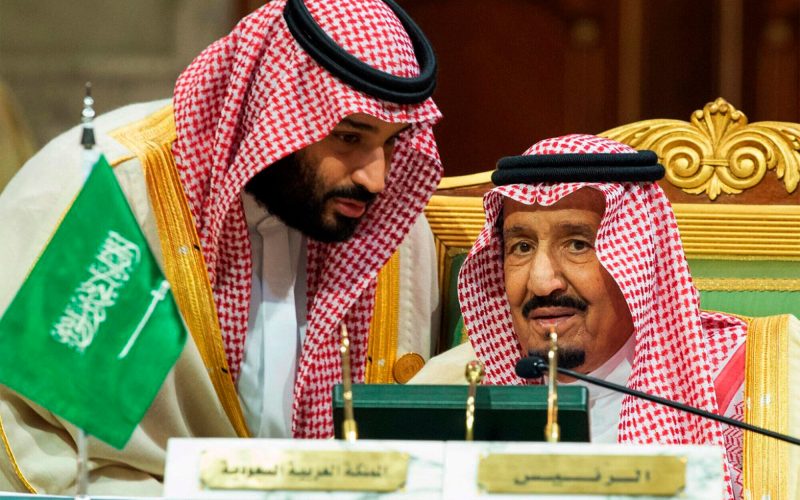
Prospect of US-Saudi Relations under Biden

Prospect of US-Saudi Relations under Biden

Strategic Council Online – An expert on the Middle East affairs said that Saudi officials are concerned about the implementation of policies that would change the course of developments in the region to their detriment during the Biden era and expose the current precarious position of Riyadh in the region to further losses and shortcomings.

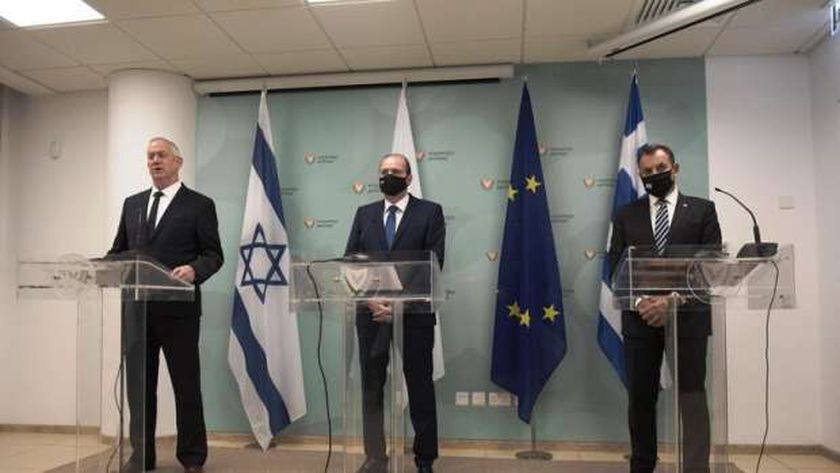
Strategic Consequences of Tripartite Defense Summit of Greece, Cyprus, Zionist Regime

Strategic Consequences of Tripartite Defense Summit of Greece, Cyprus, Zionist Regime

Strategic Council Online – The tripartite meeting of Defense Ministers of Greece Panagiotopoulos, of Cyprus Charalambos Petrides, and of Israel Gantz, was held in Nicosia. Enhancing the interoperability of the Greek, Cypriot and Israeli armed forces and making full use of each other’s relative resources and advantages in areas of mutual interest, such as common training programs, military exercises, military intelligence sharing, maritime security and cybersecurity, were announced to be the common goal of the three sides. The cooperation, as they say, will help better prepare their troops, help create more jobs and boost security.
Mahmoud Fazeli – Expert on Europe Affairs

Zionist Regime’s Strategic Concern over Contract to Equip Saudi F-15s

Zionist Regime’s Strategic Concern over Contract to Equip Saudi F-15s

Strategic Council Online – An expert on Zionist regime’s affairs said that the contract between the US and Saudi Arabia to equip F15s in Israel’s view is a violation of the agreement on the regime’s military superiority in the region, adding: Definitely, the extent of such services will decrease during the Democrats term in order to attract the attention of the Zionists.

Prospect for JCPOA with Biden Coming to Power

Prospect for JCPOA with Biden Coming to Power

Strategic Council Online – One of the most important questions that have come to the attention of political circles and domestic media in recent weeks is the way the Joint Comprehensive Plan of Acton (JCPOA) will be treated by the new US administration and that what would be the fate of the JCPOA in the Biden administration?
Hamid Khoshayand – Expert on International Affairs

أحدث الوظائف

The Makkah Pact; Reasons for its Formation and Challenges Ahead

SCFR Online – Opinion: The Makkah Pact, signed between Saudi Arabia, Pakistan, and Turkey under the motto “an attack on one is an attack on all,” is viewed by some analysts less as a full-fledged military coalition and more as an attempt to reduce security dependence on an external power and to establish a regional security mechanism.

Implications of the US-Saudi Nuclear Agreement

SCFR Online – Opinion: The new US-Saudi nuclear agreement, despite legal and political ambiguities, could alter previous non-proliferation standards in West Asia and intensify nuclear competition, ushering it into a new phase.

An Analysis of Recent Turkey-Israeli Regime Tensions

SCFR Online – Opinion: Recent developments in Syria indicate an intensification of strategic rivalry between Turkey and the Israeli regime, but mutual considerations and the role of the United States have limited the likelihood of direct war.

Increasing criticism of the extensive Zionist lobby network

SCFR Online – Opinion: An examination of the mechanisms of the Israeli regime’s influence in the United States depicts a complex picture of shared interests, strategic dependencies, and the limitations of this relationship.

Realities of the Tripartite Makkah Pact

SCFR Online – Interview: The signing of the Makkah agreement between Saudi Arabia, Pakistan, and Turkey has raised questions about the future of the region’s security structure and the position of these countries in West Asian equations. Can this agreement become a genuine collective defense mechanism, or does it have more of a political and deterrent function than creating new military capacity?

Loading

Israel

Behind-the-Scenes Decision-Makers in American Foreign Policy

Behind-the-Scenes Decision-Makers in American Foreign Policy

Strategic Council Online – Politics and power in the United States, due to their decentralized and distributive political structure, are influenced by the presence and activity of two groups of “formal” and “informal” actors. Formal actors are influential in the “decision-making” and executive stages, and informal actors are influential in the critical “decision-making” stage. Simply put, the United States is a place for showoff and display of various informal actors who are always trying to play an effective role in the political, economic, security, etc. arenas of the United States by considering their own interests. For example, when it is said that the president in the United States is the representative of oil and arms cartels, etc., it is not an exaggeration and refers to a phenomenon that has a long and lasting history in this country.
Hamid Khoshayand – International Affairs Analyst

International implications of the reduction in the US shale oil production

International implications of the reduction in the US shale oil production

Strategic Council Online—Editorial: Bloomberg recently published a report on the end of remarkable growth in the production of shale oil by the United States; of course, the reduction of shale oil production is not a new phenomenon. It actually began several months ago. However, the recent report indicates a rapid reduction at a level some analysts cannot envisage a growth in the shale oil production even for the year 2023.
Reza Majidzadeh-Economics researcher

Zionist Regime’s Political Crisis & Netanyahu’s Future

Zionist Regime’s Political Crisis & Netanyahu’s Future

Strategic Council Online – An expert on the Middle East affairs said: The main reasons for the six-month protest demonstrations against Israeli Prime Minister Benjamin Netanyahu are economic problems, issues caused by the outbreak of the coronavirus and the inefficiency of his government in resolving public problems.

Prospect of US-Saudi Relations under Biden

Prospect of US-Saudi Relations under Biden

Strategic Council Online – An expert on the Middle East affairs said that Saudi officials are concerned about the implementation of policies that would change the course of developments in the region to their detriment during the Biden era and expose the current precarious position of Riyadh in the region to further losses and shortcomings.

Strategic Consequences of Tripartite Defense Summit of Greece, Cyprus, Zionist Regime

Strategic Consequences of Tripartite Defense Summit of Greece, Cyprus, Zionist Regime

Strategic Council Online – The tripartite meeting of Defense Ministers of Greece Panagiotopoulos, of Cyprus Charalambos Petrides, and of Israel Gantz, was held in Nicosia. Enhancing the interoperability of the Greek, Cypriot and Israeli armed forces and making full use of each other’s relative resources and advantages in areas of mutual interest, such as common training programs, military exercises, military intelligence sharing, maritime security and cybersecurity, were announced to be the common goal of the three sides. The cooperation, as they say, will help better prepare their troops, help create more jobs and boost security.
Mahmoud Fazeli – Expert on Europe Affairs

Zionist Regime’s Strategic Concern over Contract to Equip Saudi F-15s

Zionist Regime’s Strategic Concern over Contract to Equip Saudi F-15s

Strategic Council Online – An expert on Zionist regime’s affairs said that the contract between the US and Saudi Arabia to equip F15s in Israel’s view is a violation of the agreement on the regime’s military superiority in the region, adding: Definitely, the extent of such services will decrease during the Democrats term in order to attract the attention of the Zionists.

Prospect for JCPOA with Biden Coming to Power

Prospect for JCPOA with Biden Coming to Power

Strategic Council Online – One of the most important questions that have come to the attention of political circles and domestic media in recent weeks is the way the Joint Comprehensive Plan of Acton (JCPOA) will be treated by the new US administration and that what would be the fate of the JCPOA in the Biden administration?
Hamid Khoshayand – Expert on International Affairs

Israel

Behind-the-Scenes Decision-Makers in American Foreign Policy

Behind-the-Scenes Decision-Makers in American Foreign Policy

Strategic Council Online – Politics and power in the United States, due to their decentralized and distributive political structure, are influenced by the presence and activity of two groups of “formal” and “informal” actors. Formal actors are influential in the “decision-making” and executive stages, and informal actors are influential in the critical “decision-making” stage. Simply put, the United States is a place for showoff and display of various informal actors who are always trying to play an effective role in the political, economic, security, etc. arenas of the United States by considering their own interests. For example, when it is said that the president in the United States is the representative of oil and arms cartels, etc., it is not an exaggeration and refers to a phenomenon that has a long and lasting history in this country.
Hamid Khoshayand – International Affairs Analyst

International implications of the reduction in the US shale oil production

International implications of the reduction in the US shale oil production

Strategic Council Online—Editorial: Bloomberg recently published a report on the end of remarkable growth in the production of shale oil by the United States; of course, the reduction of shale oil production is not a new phenomenon. It actually began several months ago. However, the recent report indicates a rapid reduction at a level some analysts cannot envisage a growth in the shale oil production even for the year 2023.
Reza Majidzadeh-Economics researcher

Zionist Regime’s Political Crisis & Netanyahu’s Future

Zionist Regime’s Political Crisis & Netanyahu’s Future

Strategic Council Online – An expert on the Middle East affairs said: The main reasons for the six-month protest demonstrations against Israeli Prime Minister Benjamin Netanyahu are economic problems, issues caused by the outbreak of the coronavirus and the inefficiency of his government in resolving public problems.

Prospect of US-Saudi Relations under Biden

Prospect of US-Saudi Relations under Biden

Strategic Council Online – An expert on the Middle East affairs said that Saudi officials are concerned about the implementation of policies that would change the course of developments in the region to their detriment during the Biden era and expose the current precarious position of Riyadh in the region to further losses and shortcomings.

Strategic Consequences of Tripartite Defense Summit of Greece, Cyprus, Zionist Regime

Strategic Consequences of Tripartite Defense Summit of Greece, Cyprus, Zionist Regime

Strategic Council Online – The tripartite meeting of Defense Ministers of Greece Panagiotopoulos, of Cyprus Charalambos Petrides, and of Israel Gantz, was held in Nicosia. Enhancing the interoperability of the Greek, Cypriot and Israeli armed forces and making full use of each other’s relative resources and advantages in areas of mutual interest, such as common training programs, military exercises, military intelligence sharing, maritime security and cybersecurity, were announced to be the common goal of the three sides. The cooperation, as they say, will help better prepare their troops, help create more jobs and boost security.
Mahmoud Fazeli – Expert on Europe Affairs

Zionist Regime’s Strategic Concern over Contract to Equip Saudi F-15s

Zionist Regime’s Strategic Concern over Contract to Equip Saudi F-15s

Strategic Council Online – An expert on Zionist regime’s affairs said that the contract between the US and Saudi Arabia to equip F15s in Israel’s view is a violation of the agreement on the regime’s military superiority in the region, adding: Definitely, the extent of such services will decrease during the Democrats term in order to attract the attention of the Zionists.

Prospect for JCPOA with Biden Coming to Power

Prospect for JCPOA with Biden Coming to Power

Strategic Council Online – One of the most important questions that have come to the attention of political circles and domestic media in recent weeks is the way the Joint Comprehensive Plan of Acton (JCPOA) will be treated by the new US administration and that what would be the fate of the JCPOA in the Biden administration?
Hamid Khoshayand – Expert on International Affairs

LATEST CONTENT

The Makkah Pact; Reasons for its Formation and Challenges Ahead

SCFR Online – Opinion: The Makkah Pact, signed between Saudi Arabia, Pakistan, and Turkey under the motto “an attack on one is an attack on all,” is viewed by some analysts less as a full-fledged military coalition and more as an attempt to reduce security dependence on an external power and to establish a regional security mechanism.

Implications of the US-Saudi Nuclear Agreement

SCFR Online – Opinion: The new US-Saudi nuclear agreement, despite legal and political ambiguities, could alter previous non-proliferation standards in West Asia and intensify nuclear competition, ushering it into a new phase.

An Analysis of Recent Turkey-Israeli Regime Tensions

SCFR Online – Opinion: Recent developments in Syria indicate an intensification of strategic rivalry between Turkey and the Israeli regime, but mutual considerations and the role of the United States have limited the likelihood of direct war.

Increasing criticism of the extensive Zionist lobby network

SCFR Online – Opinion: An examination of the mechanisms of the Israeli regime’s influence in the United States depicts a complex picture of shared interests, strategic dependencies, and the limitations of this relationship.

Realities of the Tripartite Makkah Pact

SCFR Online – Interview: The signing of the Makkah agreement between Saudi Arabia, Pakistan, and Turkey has raised questions about the future of the region’s security structure and the position of these countries in West Asian equations. Can this agreement become a genuine collective defense mechanism, or does it have more of a political and deterrent function than creating new military capacity?

Loading

Israel

Behind-the-Scenes Decision-Makers in American Foreign Policy

Behind-the-Scenes Decision-Makers in American Foreign Policy

Strategic Council Online – Politics and power in the United States, due to their decentralized and distributive political structure, are influenced by the presence and activity of two groups of “formal” and “informal” actors. Formal actors are influential in the “decision-making” and executive stages, and informal actors are influential in the critical “decision-making” stage. Simply put, the United States is a place for showoff and display of various informal actors who are always trying to play an effective role in the political, economic, security, etc. arenas of the United States by considering their own interests. For example, when it is said that the president in the United States is the representative of oil and arms cartels, etc., it is not an exaggeration and refers to a phenomenon that has a long and lasting history in this country.
Hamid Khoshayand – International Affairs Analyst

International implications of the reduction in the US shale oil production

International implications of the reduction in the US shale oil production

Strategic Council Online—Editorial: Bloomberg recently published a report on the end of remarkable growth in the production of shale oil by the United States; of course, the reduction of shale oil production is not a new phenomenon. It actually began several months ago. However, the recent report indicates a rapid reduction at a level some analysts cannot envisage a growth in the shale oil production even for the year 2023.
Reza Majidzadeh-Economics researcher

Zionist Regime’s Political Crisis & Netanyahu’s Future

Zionist Regime’s Political Crisis & Netanyahu’s Future

Strategic Council Online – An expert on the Middle East affairs said: The main reasons for the six-month protest demonstrations against Israeli Prime Minister Benjamin Netanyahu are economic problems, issues caused by the outbreak of the coronavirus and the inefficiency of his government in resolving public problems.

Prospect of US-Saudi Relations under Biden

Prospect of US-Saudi Relations under Biden

Strategic Council Online – An expert on the Middle East affairs said that Saudi officials are concerned about the implementation of policies that would change the course of developments in the region to their detriment during the Biden era and expose the current precarious position of Riyadh in the region to further losses and shortcomings.

Strategic Consequences of Tripartite Defense Summit of Greece, Cyprus, Zionist Regime

Strategic Consequences of Tripartite Defense Summit of Greece, Cyprus, Zionist Regime

Strategic Council Online – The tripartite meeting of Defense Ministers of Greece Panagiotopoulos, of Cyprus Charalambos Petrides, and of Israel Gantz, was held in Nicosia. Enhancing the interoperability of the Greek, Cypriot and Israeli armed forces and making full use of each other’s relative resources and advantages in areas of mutual interest, such as common training programs, military exercises, military intelligence sharing, maritime security and cybersecurity, were announced to be the common goal of the three sides. The cooperation, as they say, will help better prepare their troops, help create more jobs and boost security.
Mahmoud Fazeli – Expert on Europe Affairs

Zionist Regime’s Strategic Concern over Contract to Equip Saudi F-15s

Zionist Regime’s Strategic Concern over Contract to Equip Saudi F-15s

Strategic Council Online – An expert on Zionist regime’s affairs said that the contract between the US and Saudi Arabia to equip F15s in Israel’s view is a violation of the agreement on the regime’s military superiority in the region, adding: Definitely, the extent of such services will decrease during the Democrats term in order to attract the attention of the Zionists.

Prospect for JCPOA with Biden Coming to Power

Prospect for JCPOA with Biden Coming to Power

Strategic Council Online – One of the most important questions that have come to the attention of political circles and domestic media in recent weeks is the way the Joint Comprehensive Plan of Acton (JCPOA) will be treated by the new US administration and that what would be the fate of the JCPOA in the Biden administration?
Hamid Khoshayand – Expert on International Affairs

ÚLTIMAS PUBLICACIONES

The Makkah Pact; Reasons for its Formation and Challenges Ahead

SCFR Online – Opinion: The Makkah Pact, signed between Saudi Arabia, Pakistan, and Turkey under the motto “an attack on one is an attack on all,” is viewed by some analysts less as a full-fledged military coalition and more as an attempt to reduce security dependence on an external power and to establish a regional security mechanism.

Implications of the US-Saudi Nuclear Agreement

SCFR Online – Opinion: The new US-Saudi nuclear agreement, despite legal and political ambiguities, could alter previous non-proliferation standards in West Asia and intensify nuclear competition, ushering it into a new phase.

An Analysis of Recent Turkey-Israeli Regime Tensions

SCFR Online – Opinion: Recent developments in Syria indicate an intensification of strategic rivalry between Turkey and the Israeli regime, but mutual considerations and the role of the United States have limited the likelihood of direct war.

Increasing criticism of the extensive Zionist lobby network

SCFR Online – Opinion: An examination of the mechanisms of the Israeli regime’s influence in the United States depicts a complex picture of shared interests, strategic dependencies, and the limitations of this relationship.

Realities of the Tripartite Makkah Pact

SCFR Online – Interview: The signing of the Makkah agreement between Saudi Arabia, Pakistan, and Turkey has raised questions about the future of the region’s security structure and the position of these countries in West Asian equations. Can this agreement become a genuine collective defense mechanism, or does it have more of a political and deterrent function than creating new military capacity?

Loading

Israel

Behind-the-Scenes Decision-Makers in American Foreign Policy

Behind-the-Scenes Decision-Makers in American Foreign Policy

Strategic Council Online – Politics and power in the United States, due to their decentralized and distributive political structure, are influenced by the presence and activity of two groups of “formal” and “informal” actors. Formal actors are influential in the “decision-making” and executive stages, and informal actors are influential in the critical “decision-making” stage. Simply put, the United States is a place for showoff and display of various informal actors who are always trying to play an effective role in the political, economic, security, etc. arenas of the United States by considering their own interests. For example, when it is said that the president in the United States is the representative of oil and arms cartels, etc., it is not an exaggeration and refers to a phenomenon that has a long and lasting history in this country.
Hamid Khoshayand – International Affairs Analyst

International implications of the reduction in the US shale oil production

International implications of the reduction in the US shale oil production

Strategic Council Online—Editorial: Bloomberg recently published a report on the end of remarkable growth in the production of shale oil by the United States; of course, the reduction of shale oil production is not a new phenomenon. It actually began several months ago. However, the recent report indicates a rapid reduction at a level some analysts cannot envisage a growth in the shale oil production even for the year 2023.
Reza Majidzadeh-Economics researcher

Zionist Regime’s Political Crisis & Netanyahu’s Future

Zionist Regime’s Political Crisis & Netanyahu’s Future

Strategic Council Online – An expert on the Middle East affairs said: The main reasons for the six-month protest demonstrations against Israeli Prime Minister Benjamin Netanyahu are economic problems, issues caused by the outbreak of the coronavirus and the inefficiency of his government in resolving public problems.

Prospect of US-Saudi Relations under Biden

Prospect of US-Saudi Relations under Biden

Strategic Council Online – An expert on the Middle East affairs said that Saudi officials are concerned about the implementation of policies that would change the course of developments in the region to their detriment during the Biden era and expose the current precarious position of Riyadh in the region to further losses and shortcomings.

Strategic Consequences of Tripartite Defense Summit of Greece, Cyprus, Zionist Regime

Strategic Consequences of Tripartite Defense Summit of Greece, Cyprus, Zionist Regime

Strategic Council Online – The tripartite meeting of Defense Ministers of Greece Panagiotopoulos, of Cyprus Charalambos Petrides, and of Israel Gantz, was held in Nicosia. Enhancing the interoperability of the Greek, Cypriot and Israeli armed forces and making full use of each other’s relative resources and advantages in areas of mutual interest, such as common training programs, military exercises, military intelligence sharing, maritime security and cybersecurity, were announced to be the common goal of the three sides. The cooperation, as they say, will help better prepare their troops, help create more jobs and boost security.
Mahmoud Fazeli – Expert on Europe Affairs

Zionist Regime’s Strategic Concern over Contract to Equip Saudi F-15s

Zionist Regime’s Strategic Concern over Contract to Equip Saudi F-15s

Strategic Council Online – An expert on Zionist regime’s affairs said that the contract between the US and Saudi Arabia to equip F15s in Israel’s view is a violation of the agreement on the regime’s military superiority in the region, adding: Definitely, the extent of such services will decrease during the Democrats term in order to attract the attention of the Zionists.

Prospect for JCPOA with Biden Coming to Power

Prospect for JCPOA with Biden Coming to Power

Strategic Council Online – One of the most important questions that have come to the attention of political circles and domestic media in recent weeks is the way the Joint Comprehensive Plan of Acton (JCPOA) will be treated by the new US administration and that what would be the fate of the JCPOA in the Biden administration?
Hamid Khoshayand – Expert on International Affairs

ÚLTIMAS PUBLICACIONES

The Makkah Pact; Reasons for its Formation and Challenges Ahead

SCFR Online – Opinion: The Makkah Pact, signed between Saudi Arabia, Pakistan, and Turkey under the motto “an attack on one is an attack on all,” is viewed by some analysts less as a full-fledged military coalition and more as an attempt to reduce security dependence on an external power and to establish a regional security mechanism.

Implications of the US-Saudi Nuclear Agreement

SCFR Online – Opinion: The new US-Saudi nuclear agreement, despite legal and political ambiguities, could alter previous non-proliferation standards in West Asia and intensify nuclear competition, ushering it into a new phase.

An Analysis of Recent Turkey-Israeli Regime Tensions

SCFR Online – Opinion: Recent developments in Syria indicate an intensification of strategic rivalry between Turkey and the Israeli regime, but mutual considerations and the role of the United States have limited the likelihood of direct war.

Increasing criticism of the extensive Zionist lobby network

SCFR Online – Opinion: An examination of the mechanisms of the Israeli regime’s influence in the United States depicts a complex picture of shared interests, strategic dependencies, and the limitations of this relationship.

Realities of the Tripartite Makkah Pact

SCFR Online – Interview: The signing of the Makkah agreement between Saudi Arabia, Pakistan, and Turkey has raised questions about the future of the region’s security structure and the position of these countries in West Asian equations. Can this agreement become a genuine collective defense mechanism, or does it have more of a political and deterrent function than creating new military capacity?

Loading

Israel

Behind-the-Scenes Decision-Makers in American Foreign Policy

Behind-the-Scenes Decision-Makers in American Foreign Policy

Strategic Council Online – Politics and power in the United States, due to their decentralized and distributive political structure, are influenced by the presence and activity of two groups of “formal” and “informal” actors. Formal actors are influential in the “decision-making” and executive stages, and informal actors are influential in the critical “decision-making” stage. Simply put, the United States is a place for showoff and display of various informal actors who are always trying to play an effective role in the political, economic, security, etc. arenas of the United States by considering their own interests. For example, when it is said that the president in the United States is the representative of oil and arms cartels, etc., it is not an exaggeration and refers to a phenomenon that has a long and lasting history in this country.
Hamid Khoshayand – International Affairs Analyst

International implications of the reduction in the US shale oil production

International implications of the reduction in the US shale oil production

Strategic Council Online—Editorial: Bloomberg recently published a report on the end of remarkable growth in the production of shale oil by the United States; of course, the reduction of shale oil production is not a new phenomenon. It actually began several months ago. However, the recent report indicates a rapid reduction at a level some analysts cannot envisage a growth in the shale oil production even for the year 2023.
Reza Majidzadeh-Economics researcher

Zionist Regime’s Political Crisis & Netanyahu’s Future

Zionist Regime’s Political Crisis & Netanyahu’s Future

Strategic Council Online – An expert on the Middle East affairs said: The main reasons for the six-month protest demonstrations against Israeli Prime Minister Benjamin Netanyahu are economic problems, issues caused by the outbreak of the coronavirus and the inefficiency of his government in resolving public problems.

Prospect of US-Saudi Relations under Biden

Prospect of US-Saudi Relations under Biden

Strategic Council Online – An expert on the Middle East affairs said that Saudi officials are concerned about the implementation of policies that would change the course of developments in the region to their detriment during the Biden era and expose the current precarious position of Riyadh in the region to further losses and shortcomings.

Strategic Consequences of Tripartite Defense Summit of Greece, Cyprus, Zionist Regime

Strategic Consequences of Tripartite Defense Summit of Greece, Cyprus, Zionist Regime

Strategic Council Online – The tripartite meeting of Defense Ministers of Greece Panagiotopoulos, of Cyprus Charalambos Petrides, and of Israel Gantz, was held in Nicosia. Enhancing the interoperability of the Greek, Cypriot and Israeli armed forces and making full use of each other’s relative resources and advantages in areas of mutual interest, such as common training programs, military exercises, military intelligence sharing, maritime security and cybersecurity, were announced to be the common goal of the three sides. The cooperation, as they say, will help better prepare their troops, help create more jobs and boost security.
Mahmoud Fazeli – Expert on Europe Affairs

Zionist Regime’s Strategic Concern over Contract to Equip Saudi F-15s

Zionist Regime’s Strategic Concern over Contract to Equip Saudi F-15s

Strategic Council Online – An expert on Zionist regime’s affairs said that the contract between the US and Saudi Arabia to equip F15s in Israel’s view is a violation of the agreement on the regime’s military superiority in the region, adding: Definitely, the extent of such services will decrease during the Democrats term in order to attract the attention of the Zionists.

Prospect for JCPOA with Biden Coming to Power

Prospect for JCPOA with Biden Coming to Power

Strategic Council Online – One of the most important questions that have come to the attention of political circles and domestic media in recent weeks is the way the Joint Comprehensive Plan of Acton (JCPOA) will be treated by the new US administration and that what would be the fate of the JCPOA in the Biden administration?
Hamid Khoshayand – Expert on International Affairs

ÚLTIMAS PUBLICACIONES

The Makkah Pact; Reasons for its Formation and Challenges Ahead

SCFR Online – Opinion: The Makkah Pact, signed between Saudi Arabia, Pakistan, and Turkey under the motto “an attack on one is an attack on all,” is viewed by some analysts less as a full-fledged military coalition and more as an attempt to reduce security dependence on an external power and to establish a regional security mechanism.

Implications of the US-Saudi Nuclear Agreement

SCFR Online – Opinion: The new US-Saudi nuclear agreement, despite legal and political ambiguities, could alter previous non-proliferation standards in West Asia and intensify nuclear competition, ushering it into a new phase.

An Analysis of Recent Turkey-Israeli Regime Tensions

SCFR Online – Opinion: Recent developments in Syria indicate an intensification of strategic rivalry between Turkey and the Israeli regime, but mutual considerations and the role of the United States have limited the likelihood of direct war.

Increasing criticism of the extensive Zionist lobby network

SCFR Online – Opinion: An examination of the mechanisms of the Israeli regime’s influence in the United States depicts a complex picture of shared interests, strategic dependencies, and the limitations of this relationship.

Realities of the Tripartite Makkah Pact

SCFR Online – Interview: The signing of the Makkah agreement between Saudi Arabia, Pakistan, and Turkey has raised questions about the future of the region’s security structure and the position of these countries in West Asian equations. Can this agreement become a genuine collective defense mechanism, or does it have more of a political and deterrent function than creating new military capacity?

Loading

Israel

Behind-the-Scenes Decision-Makers in American Foreign Policy

Behind-the-Scenes Decision-Makers in American Foreign Policy

Strategic Council Online – Politics and power in the United States, due to their decentralized and distributive political structure, are influenced by the presence and activity of two groups of “formal” and “informal” actors. Formal actors are influential in the “decision-making” and executive stages, and informal actors are influential in the critical “decision-making” stage. Simply put, the United States is a place for showoff and display of various informal actors who are always trying to play an effective role in the political, economic, security, etc. arenas of the United States by considering their own interests. For example, when it is said that the president in the United States is the representative of oil and arms cartels, etc., it is not an exaggeration and refers to a phenomenon that has a long and lasting history in this country.
Hamid Khoshayand – International Affairs Analyst

International implications of the reduction in the US shale oil production

International implications of the reduction in the US shale oil production

Strategic Council Online—Editorial: Bloomberg recently published a report on the end of remarkable growth in the production of shale oil by the United States; of course, the reduction of shale oil production is not a new phenomenon. It actually began several months ago. However, the recent report indicates a rapid reduction at a level some analysts cannot envisage a growth in the shale oil production even for the year 2023.
Reza Majidzadeh-Economics researcher

Zionist Regime’s Political Crisis & Netanyahu’s Future

Zionist Regime’s Political Crisis & Netanyahu’s Future

Strategic Council Online – An expert on the Middle East affairs said: The main reasons for the six-month protest demonstrations against Israeli Prime Minister Benjamin Netanyahu are economic problems, issues caused by the outbreak of the coronavirus and the inefficiency of his government in resolving public problems.

Prospect of US-Saudi Relations under Biden

Prospect of US-Saudi Relations under Biden

Strategic Council Online – An expert on the Middle East affairs said that Saudi officials are concerned about the implementation of policies that would change the course of developments in the region to their detriment during the Biden era and expose the current precarious position of Riyadh in the region to further losses and shortcomings.

Strategic Consequences of Tripartite Defense Summit of Greece, Cyprus, Zionist Regime

Strategic Consequences of Tripartite Defense Summit of Greece, Cyprus, Zionist Regime

Strategic Council Online – The tripartite meeting of Defense Ministers of Greece Panagiotopoulos, of Cyprus Charalambos Petrides, and of Israel Gantz, was held in Nicosia. Enhancing the interoperability of the Greek, Cypriot and Israeli armed forces and making full use of each other’s relative resources and advantages in areas of mutual interest, such as common training programs, military exercises, military intelligence sharing, maritime security and cybersecurity, were announced to be the common goal of the three sides. The cooperation, as they say, will help better prepare their troops, help create more jobs and boost security.
Mahmoud Fazeli – Expert on Europe Affairs

Zionist Regime’s Strategic Concern over Contract to Equip Saudi F-15s

Zionist Regime’s Strategic Concern over Contract to Equip Saudi F-15s

Strategic Council Online – An expert on Zionist regime’s affairs said that the contract between the US and Saudi Arabia to equip F15s in Israel’s view is a violation of the agreement on the regime’s military superiority in the region, adding: Definitely, the extent of such services will decrease during the Democrats term in order to attract the attention of the Zionists.

Prospect for JCPOA with Biden Coming to Power

Prospect for JCPOA with Biden Coming to Power

Strategic Council Online – One of the most important questions that have come to the attention of political circles and domestic media in recent weeks is the way the Joint Comprehensive Plan of Acton (JCPOA) will be treated by the new US administration and that what would be the fate of the JCPOA in the Biden administration?
Hamid Khoshayand – Expert on International Affairs

ÚLTIMAS PUBLICACIONES

The Makkah Pact; Reasons for its Formation and Challenges Ahead

SCFR Online – Opinion: The Makkah Pact, signed between Saudi Arabia, Pakistan, and Turkey under the motto “an attack on one is an attack on all,” is viewed by some analysts less as a full-fledged military coalition and more as an attempt to reduce security dependence on an external power and to establish a regional security mechanism.

Implications of the US-Saudi Nuclear Agreement

SCFR Online – Opinion: The new US-Saudi nuclear agreement, despite legal and political ambiguities, could alter previous non-proliferation standards in West Asia and intensify nuclear competition, ushering it into a new phase.

An Analysis of Recent Turkey-Israeli Regime Tensions

SCFR Online – Opinion: Recent developments in Syria indicate an intensification of strategic rivalry between Turkey and the Israeli regime, but mutual considerations and the role of the United States have limited the likelihood of direct war.

Increasing criticism of the extensive Zionist lobby network

SCFR Online – Opinion: An examination of the mechanisms of the Israeli regime’s influence in the United States depicts a complex picture of shared interests, strategic dependencies, and the limitations of this relationship.

Realities of the Tripartite Makkah Pact

SCFR Online – Interview: The signing of the Makkah agreement between Saudi Arabia, Pakistan, and Turkey has raised questions about the future of the region’s security structure and the position of these countries in West Asian equations. Can this agreement become a genuine collective defense mechanism, or does it have more of a political and deterrent function than creating new military capacity?

Loading