جدیدترین مطالب

The Makkah Pact; Reasons for its Formation and Challenges Ahead

SCFR Online – Opinion: The Makkah Pact, signed between Saudi Arabia, Pakistan, and Turkey under the motto “an attack on one is an attack on all,” is viewed by some analysts less as a full-fledged military coalition and more as an attempt to reduce security dependence on an external power and to establish a regional security mechanism.

Implications of the US-Saudi Nuclear Agreement

SCFR Online – Opinion: The new US-Saudi nuclear agreement, despite legal and political ambiguities, could alter previous non-proliferation standards in West Asia and intensify nuclear competition, ushering it into a new phase.

An Analysis of Recent Turkey-Israeli Regime Tensions

SCFR Online – Opinion: Recent developments in Syria indicate an intensification of strategic rivalry between Turkey and the Israeli regime, but mutual considerations and the role of the United States have limited the likelihood of direct war.

Increasing criticism of the extensive Zionist lobby network

SCFR Online – Opinion: An examination of the mechanisms of the Israeli regime’s influence in the United States depicts a complex picture of shared interests, strategic dependencies, and the limitations of this relationship.

Realities of the Tripartite Makkah Pact

SCFR Online – Interview: The signing of the Makkah agreement between Saudi Arabia, Pakistan, and Turkey has raised questions about the future of the region’s security structure and the position of these countries in West Asian equations. Can this agreement become a genuine collective defense mechanism, or does it have more of a political and deterrent function than creating new military capacity?

Loading

Israel

Biden’s Return to JCPOA: Challenges and Priorities

Biden’s Return to JCPOA: Challenges and Priorities

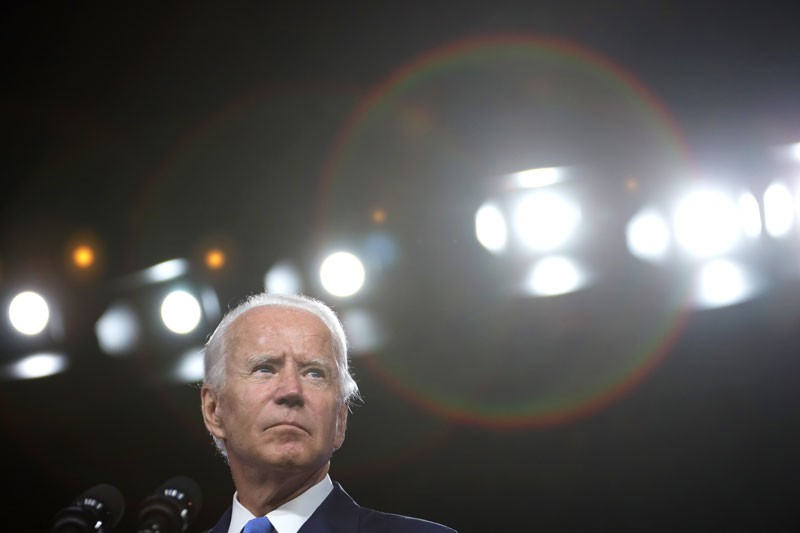
Strategic Council Online – An expert on international affairs believes that containment of China and reshuffle of US strategy in the Middle East are Biden’s top priorities. Although prior to the return to the Joint Comprehensive Plan of Action (JCPOA) there are other issues among Biden’s priorities, however, there is the possibility that he would return to the JCPOA sooner than the expected time.

The significance of deepening all-out relations with neighbors

The significance of deepening all-out relations with neighbors

Strategic Council Online—Interview: Former deputy minister of foreign affairs says the ministry should have tools to advance all-out relations with its neighbours however unfortunately such tools are not available to the foreign ministry, adding that the neighbourliness policy requires serious will and determination.

Iran and the probable victory of Biden in US elections

Iran and the probable victory of Biden in US elections

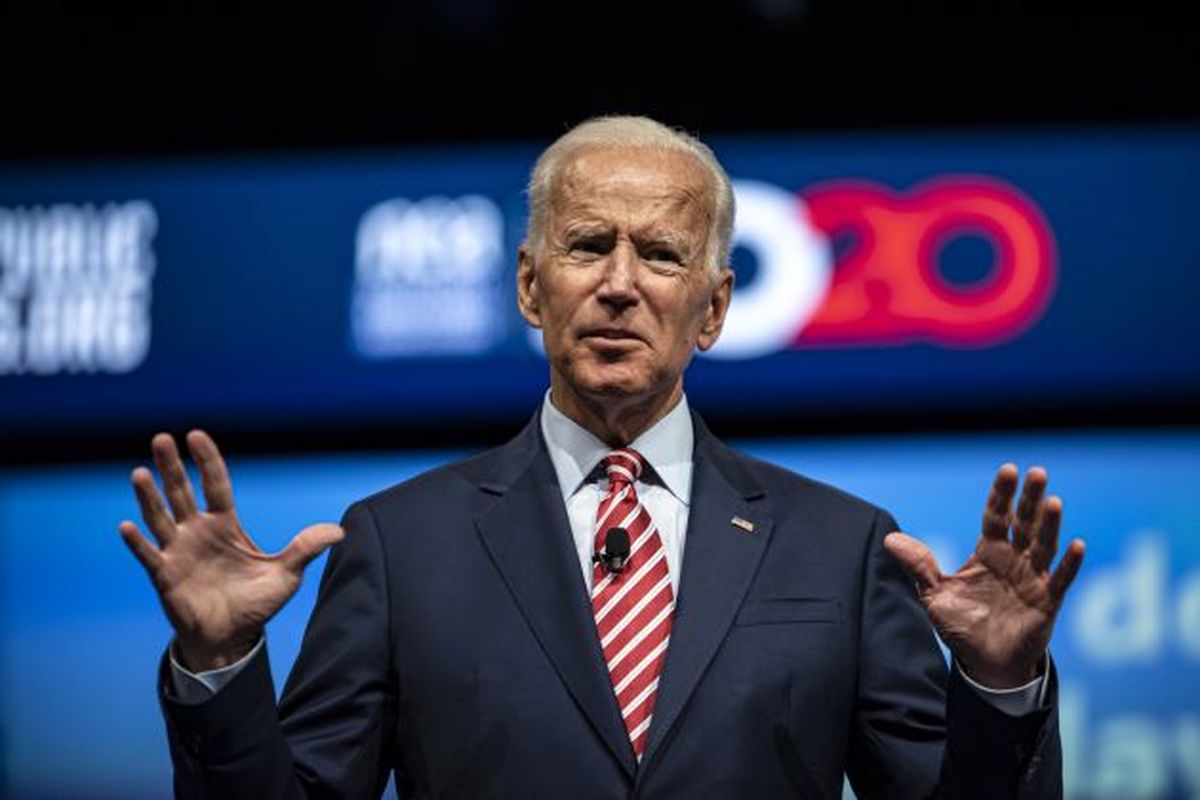
Strategic Council Online—Opinion: The fifty-ninth presidential elections of the United States of American will be held on 03 November 2020 with the main competition being between two old candidates from the two main political parties of the United States. The candidate of the Democratic Party has nearly five decades of experience while the Republican candidate has only four years of political experience. They are now entering the last week of the tense campaign to enter the White House. Any political and geopolitical action of the United States is a phenomenon which has its own special repercussions for the entire world and countries.
Ebrahim Roomina—Member of the academic staff of Tarbiyat Modarres University

Normalization of Sudan’s Relations with Israel and Probability of Outbreak of Internal Conflicts

Normalization of Sudan’s Relations with Israel and Probability of Outbreak of Internal Conflicts

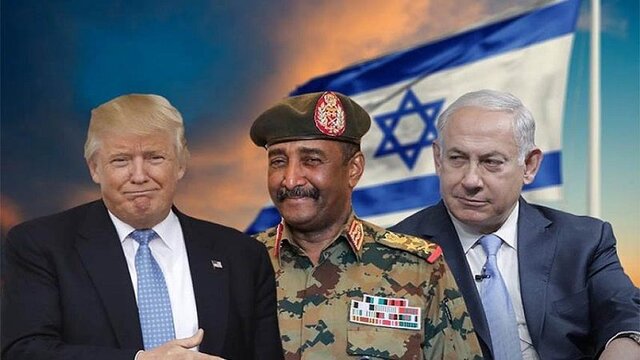
Strategic Council Online – A former Middle East Director at the Ministry of Foreign Affairs said that a large part of Sudanese society is not yet ready to accept the normalization of relations with Israel. He noted: Given that this measure is unlikely to help solve Sudan’s living and economic problems, it after a while, this decision may become the source of internal disputes and conflicts in Sudan.

Egypt’s Targets in the Mediterranean

Egypt’s Targets in the Mediterranean

Strategic Council Online – Following the signing of the controversial agreement between Egypt and Greece on the demarcation of water borders in the Eastern Mediterranean, the two countries agreed to complete the demarcation process. The agreement allows the two countries to use natural resources available in the intended economic zone and explore oil and natural gas. In the agreement in question, the maritime rights of the two parties have been specified to some extent and details of the maritime borders will be determined in the outcome of the future negotiations.
Mahmoud Fazeli – Expert on European Affairs

Pakistan and Gradual Cooling of Relations with Saudi, UAE

Pakistan and Gradual Cooling of Relations with Saudi, UAE

Strategic Council Online – Pakistan’s relations with Arab countries, especially Saudi Arabia, have entered a new phase since the inauguration of Imran Khan, the Chairman of the ruling party Tehreek-e-Insaf (PTI) and the Prime Minister of the country, in 2018.
Mohammad Reza Asgari Moroudi – Senior Expert on Asia

Kuwait’s Explicitness in Opposing Normalization of Relations with Zionist Regime

Kuwait’s Explicitness in Opposing Normalization of Relations with Zionist Regime

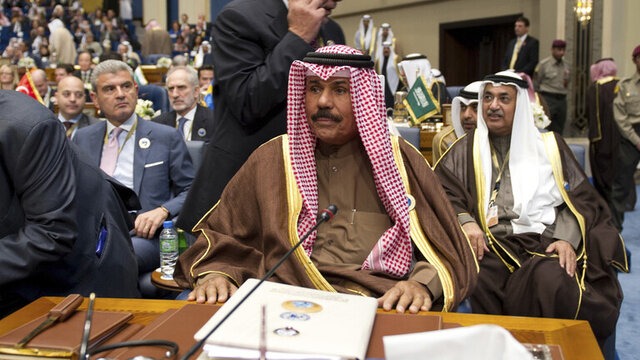
Strategic Council Online: The stance Kuwait has adopted in opposing the normalization of relations with the Zionist regime is important and has been more explicit than other Arab states, and the new Emir of Kuwait has explicitly stated that he will follow the policies of the late Emir in all cases, including the Palestinian issue.
Seyed Reza Mirabian – Expert on Middle East Affairs

Repercussions of normalization of Zionist regime relations for the southern states of the Persian Gulf

Repercussions of normalization of Zionist regime relations for the southern states of the Persian Gulf

Strategic Council Online: Editorial—Rapprochement with the Zionist regime could entail serious consequences for the Arab regimes of the region; the public opinion in these countries especially Bahrain are opposed to Manama policy of betrayal to the Palestinian cause and subordination to Washington and Tel Aviv. Therefore, any hasty move to recognize Israel would further widen the gap between the Arab compromising rulers and their peoples.
Davoud Ahmadzadeh, Middle East expert

American Democracy Threatened by 2020 Elections

American Democracy Threatened by 2020 Elections

Strategic Council Online – A senior analyst at the Watson Institute Brown University says why the US election would not be predictable until the last hours and the 2020 election could be unprecedented in US history. In an interview with the Strategic Council on Foreign Relations website, Charles Freeman also answered questions about the White House’s behind-the-scene goals in activating the trigger mechanism against Iran and the consequences of the normalization of relations between the Arab states and the Zionist regime in regional arrangements.

أحدث الوظائف

The Makkah Pact; Reasons for its Formation and Challenges Ahead

SCFR Online – Opinion: The Makkah Pact, signed between Saudi Arabia, Pakistan, and Turkey under the motto “an attack on one is an attack on all,” is viewed by some analysts less as a full-fledged military coalition and more as an attempt to reduce security dependence on an external power and to establish a regional security mechanism.

Implications of the US-Saudi Nuclear Agreement

SCFR Online – Opinion: The new US-Saudi nuclear agreement, despite legal and political ambiguities, could alter previous non-proliferation standards in West Asia and intensify nuclear competition, ushering it into a new phase.

An Analysis of Recent Turkey-Israeli Regime Tensions

SCFR Online – Opinion: Recent developments in Syria indicate an intensification of strategic rivalry between Turkey and the Israeli regime, but mutual considerations and the role of the United States have limited the likelihood of direct war.

Increasing criticism of the extensive Zionist lobby network

SCFR Online – Opinion: An examination of the mechanisms of the Israeli regime’s influence in the United States depicts a complex picture of shared interests, strategic dependencies, and the limitations of this relationship.

Realities of the Tripartite Makkah Pact

SCFR Online – Interview: The signing of the Makkah agreement between Saudi Arabia, Pakistan, and Turkey has raised questions about the future of the region’s security structure and the position of these countries in West Asian equations. Can this agreement become a genuine collective defense mechanism, or does it have more of a political and deterrent function than creating new military capacity?

Loading

Israel

Biden’s Return to JCPOA: Challenges and Priorities

Biden’s Return to JCPOA: Challenges and Priorities

Strategic Council Online – An expert on international affairs believes that containment of China and reshuffle of US strategy in the Middle East are Biden’s top priorities. Although prior to the return to the Joint Comprehensive Plan of Action (JCPOA) there are other issues among Biden’s priorities, however, there is the possibility that he would return to the JCPOA sooner than the expected time.

The significance of deepening all-out relations with neighbors

The significance of deepening all-out relations with neighbors

Strategic Council Online—Interview: Former deputy minister of foreign affairs says the ministry should have tools to advance all-out relations with its neighbours however unfortunately such tools are not available to the foreign ministry, adding that the neighbourliness policy requires serious will and determination.

Iran and the probable victory of Biden in US elections

Iran and the probable victory of Biden in US elections

Strategic Council Online—Opinion: The fifty-ninth presidential elections of the United States of American will be held on 03 November 2020 with the main competition being between two old candidates from the two main political parties of the United States. The candidate of the Democratic Party has nearly five decades of experience while the Republican candidate has only four years of political experience. They are now entering the last week of the tense campaign to enter the White House. Any political and geopolitical action of the United States is a phenomenon which has its own special repercussions for the entire world and countries.
Ebrahim Roomina—Member of the academic staff of Tarbiyat Modarres University

Normalization of Sudan’s Relations with Israel and Probability of Outbreak of Internal Conflicts

Normalization of Sudan’s Relations with Israel and Probability of Outbreak of Internal Conflicts

Strategic Council Online – A former Middle East Director at the Ministry of Foreign Affairs said that a large part of Sudanese society is not yet ready to accept the normalization of relations with Israel. He noted: Given that this measure is unlikely to help solve Sudan’s living and economic problems, it after a while, this decision may become the source of internal disputes and conflicts in Sudan.

Egypt’s Targets in the Mediterranean

Egypt’s Targets in the Mediterranean

Strategic Council Online – Following the signing of the controversial agreement between Egypt and Greece on the demarcation of water borders in the Eastern Mediterranean, the two countries agreed to complete the demarcation process. The agreement allows the two countries to use natural resources available in the intended economic zone and explore oil and natural gas. In the agreement in question, the maritime rights of the two parties have been specified to some extent and details of the maritime borders will be determined in the outcome of the future negotiations.
Mahmoud Fazeli – Expert on European Affairs

Pakistan and Gradual Cooling of Relations with Saudi, UAE

Pakistan and Gradual Cooling of Relations with Saudi, UAE

Strategic Council Online – Pakistan’s relations with Arab countries, especially Saudi Arabia, have entered a new phase since the inauguration of Imran Khan, the Chairman of the ruling party Tehreek-e-Insaf (PTI) and the Prime Minister of the country, in 2018.
Mohammad Reza Asgari Moroudi – Senior Expert on Asia

Kuwait’s Explicitness in Opposing Normalization of Relations with Zionist Regime

Kuwait’s Explicitness in Opposing Normalization of Relations with Zionist Regime

Strategic Council Online: The stance Kuwait has adopted in opposing the normalization of relations with the Zionist regime is important and has been more explicit than other Arab states, and the new Emir of Kuwait has explicitly stated that he will follow the policies of the late Emir in all cases, including the Palestinian issue.
Seyed Reza Mirabian – Expert on Middle East Affairs

Repercussions of normalization of Zionist regime relations for the southern states of the Persian Gulf

Repercussions of normalization of Zionist regime relations for the southern states of the Persian Gulf

Strategic Council Online: Editorial—Rapprochement with the Zionist regime could entail serious consequences for the Arab regimes of the region; the public opinion in these countries especially Bahrain are opposed to Manama policy of betrayal to the Palestinian cause and subordination to Washington and Tel Aviv. Therefore, any hasty move to recognize Israel would further widen the gap between the Arab compromising rulers and their peoples.
Davoud Ahmadzadeh, Middle East expert

American Democracy Threatened by 2020 Elections

American Democracy Threatened by 2020 Elections

Strategic Council Online – A senior analyst at the Watson Institute Brown University says why the US election would not be predictable until the last hours and the 2020 election could be unprecedented in US history. In an interview with the Strategic Council on Foreign Relations website, Charles Freeman also answered questions about the White House’s behind-the-scene goals in activating the trigger mechanism against Iran and the consequences of the normalization of relations between the Arab states and the Zionist regime in regional arrangements.

Israel

Biden’s Return to JCPOA: Challenges and Priorities

Biden’s Return to JCPOA: Challenges and Priorities

Strategic Council Online – An expert on international affairs believes that containment of China and reshuffle of US strategy in the Middle East are Biden’s top priorities. Although prior to the return to the Joint Comprehensive Plan of Action (JCPOA) there are other issues among Biden’s priorities, however, there is the possibility that he would return to the JCPOA sooner than the expected time.

The significance of deepening all-out relations with neighbors

The significance of deepening all-out relations with neighbors

Strategic Council Online—Interview: Former deputy minister of foreign affairs says the ministry should have tools to advance all-out relations with its neighbours however unfortunately such tools are not available to the foreign ministry, adding that the neighbourliness policy requires serious will and determination.

Iran and the probable victory of Biden in US elections

Iran and the probable victory of Biden in US elections

Strategic Council Online—Opinion: The fifty-ninth presidential elections of the United States of American will be held on 03 November 2020 with the main competition being between two old candidates from the two main political parties of the United States. The candidate of the Democratic Party has nearly five decades of experience while the Republican candidate has only four years of political experience. They are now entering the last week of the tense campaign to enter the White House. Any political and geopolitical action of the United States is a phenomenon which has its own special repercussions for the entire world and countries.
Ebrahim Roomina—Member of the academic staff of Tarbiyat Modarres University

Normalization of Sudan’s Relations with Israel and Probability of Outbreak of Internal Conflicts

Normalization of Sudan’s Relations with Israel and Probability of Outbreak of Internal Conflicts

Strategic Council Online – A former Middle East Director at the Ministry of Foreign Affairs said that a large part of Sudanese society is not yet ready to accept the normalization of relations with Israel. He noted: Given that this measure is unlikely to help solve Sudan’s living and economic problems, it after a while, this decision may become the source of internal disputes and conflicts in Sudan.

Egypt’s Targets in the Mediterranean

Egypt’s Targets in the Mediterranean

Strategic Council Online – Following the signing of the controversial agreement between Egypt and Greece on the demarcation of water borders in the Eastern Mediterranean, the two countries agreed to complete the demarcation process. The agreement allows the two countries to use natural resources available in the intended economic zone and explore oil and natural gas. In the agreement in question, the maritime rights of the two parties have been specified to some extent and details of the maritime borders will be determined in the outcome of the future negotiations.
Mahmoud Fazeli – Expert on European Affairs

Pakistan and Gradual Cooling of Relations with Saudi, UAE

Pakistan and Gradual Cooling of Relations with Saudi, UAE

Strategic Council Online – Pakistan’s relations with Arab countries, especially Saudi Arabia, have entered a new phase since the inauguration of Imran Khan, the Chairman of the ruling party Tehreek-e-Insaf (PTI) and the Prime Minister of the country, in 2018.
Mohammad Reza Asgari Moroudi – Senior Expert on Asia

Kuwait’s Explicitness in Opposing Normalization of Relations with Zionist Regime

Kuwait’s Explicitness in Opposing Normalization of Relations with Zionist Regime

Strategic Council Online: The stance Kuwait has adopted in opposing the normalization of relations with the Zionist regime is important and has been more explicit than other Arab states, and the new Emir of Kuwait has explicitly stated that he will follow the policies of the late Emir in all cases, including the Palestinian issue.
Seyed Reza Mirabian – Expert on Middle East Affairs

Repercussions of normalization of Zionist regime relations for the southern states of the Persian Gulf

Repercussions of normalization of Zionist regime relations for the southern states of the Persian Gulf

Strategic Council Online: Editorial—Rapprochement with the Zionist regime could entail serious consequences for the Arab regimes of the region; the public opinion in these countries especially Bahrain are opposed to Manama policy of betrayal to the Palestinian cause and subordination to Washington and Tel Aviv. Therefore, any hasty move to recognize Israel would further widen the gap between the Arab compromising rulers and their peoples.
Davoud Ahmadzadeh, Middle East expert

American Democracy Threatened by 2020 Elections

American Democracy Threatened by 2020 Elections

Strategic Council Online – A senior analyst at the Watson Institute Brown University says why the US election would not be predictable until the last hours and the 2020 election could be unprecedented in US history. In an interview with the Strategic Council on Foreign Relations website, Charles Freeman also answered questions about the White House’s behind-the-scene goals in activating the trigger mechanism against Iran and the consequences of the normalization of relations between the Arab states and the Zionist regime in regional arrangements.

LATEST CONTENT

The Makkah Pact; Reasons for its Formation and Challenges Ahead

SCFR Online – Opinion: The Makkah Pact, signed between Saudi Arabia, Pakistan, and Turkey under the motto “an attack on one is an attack on all,” is viewed by some analysts less as a full-fledged military coalition and more as an attempt to reduce security dependence on an external power and to establish a regional security mechanism.

Implications of the US-Saudi Nuclear Agreement

SCFR Online – Opinion: The new US-Saudi nuclear agreement, despite legal and political ambiguities, could alter previous non-proliferation standards in West Asia and intensify nuclear competition, ushering it into a new phase.

An Analysis of Recent Turkey-Israeli Regime Tensions

SCFR Online – Opinion: Recent developments in Syria indicate an intensification of strategic rivalry between Turkey and the Israeli regime, but mutual considerations and the role of the United States have limited the likelihood of direct war.

Increasing criticism of the extensive Zionist lobby network

SCFR Online – Opinion: An examination of the mechanisms of the Israeli regime’s influence in the United States depicts a complex picture of shared interests, strategic dependencies, and the limitations of this relationship.

Realities of the Tripartite Makkah Pact

SCFR Online – Interview: The signing of the Makkah agreement between Saudi Arabia, Pakistan, and Turkey has raised questions about the future of the region’s security structure and the position of these countries in West Asian equations. Can this agreement become a genuine collective defense mechanism, or does it have more of a political and deterrent function than creating new military capacity?

Loading

Israel

Biden’s Return to JCPOA: Challenges and Priorities

Biden’s Return to JCPOA: Challenges and Priorities

Strategic Council Online – An expert on international affairs believes that containment of China and reshuffle of US strategy in the Middle East are Biden’s top priorities. Although prior to the return to the Joint Comprehensive Plan of Action (JCPOA) there are other issues among Biden’s priorities, however, there is the possibility that he would return to the JCPOA sooner than the expected time.

The significance of deepening all-out relations with neighbors

The significance of deepening all-out relations with neighbors

Strategic Council Online—Interview: Former deputy minister of foreign affairs says the ministry should have tools to advance all-out relations with its neighbours however unfortunately such tools are not available to the foreign ministry, adding that the neighbourliness policy requires serious will and determination.

Iran and the probable victory of Biden in US elections

Iran and the probable victory of Biden in US elections

Strategic Council Online—Opinion: The fifty-ninth presidential elections of the United States of American will be held on 03 November 2020 with the main competition being between two old candidates from the two main political parties of the United States. The candidate of the Democratic Party has nearly five decades of experience while the Republican candidate has only four years of political experience. They are now entering the last week of the tense campaign to enter the White House. Any political and geopolitical action of the United States is a phenomenon which has its own special repercussions for the entire world and countries.
Ebrahim Roomina—Member of the academic staff of Tarbiyat Modarres University

Normalization of Sudan’s Relations with Israel and Probability of Outbreak of Internal Conflicts

Normalization of Sudan’s Relations with Israel and Probability of Outbreak of Internal Conflicts

Strategic Council Online – A former Middle East Director at the Ministry of Foreign Affairs said that a large part of Sudanese society is not yet ready to accept the normalization of relations with Israel. He noted: Given that this measure is unlikely to help solve Sudan’s living and economic problems, it after a while, this decision may become the source of internal disputes and conflicts in Sudan.

Egypt’s Targets in the Mediterranean

Egypt’s Targets in the Mediterranean

Strategic Council Online – Following the signing of the controversial agreement between Egypt and Greece on the demarcation of water borders in the Eastern Mediterranean, the two countries agreed to complete the demarcation process. The agreement allows the two countries to use natural resources available in the intended economic zone and explore oil and natural gas. In the agreement in question, the maritime rights of the two parties have been specified to some extent and details of the maritime borders will be determined in the outcome of the future negotiations.
Mahmoud Fazeli – Expert on European Affairs

Pakistan and Gradual Cooling of Relations with Saudi, UAE

Pakistan and Gradual Cooling of Relations with Saudi, UAE

Strategic Council Online – Pakistan’s relations with Arab countries, especially Saudi Arabia, have entered a new phase since the inauguration of Imran Khan, the Chairman of the ruling party Tehreek-e-Insaf (PTI) and the Prime Minister of the country, in 2018.
Mohammad Reza Asgari Moroudi – Senior Expert on Asia

Kuwait’s Explicitness in Opposing Normalization of Relations with Zionist Regime

Kuwait’s Explicitness in Opposing Normalization of Relations with Zionist Regime

Strategic Council Online: The stance Kuwait has adopted in opposing the normalization of relations with the Zionist regime is important and has been more explicit than other Arab states, and the new Emir of Kuwait has explicitly stated that he will follow the policies of the late Emir in all cases, including the Palestinian issue.
Seyed Reza Mirabian – Expert on Middle East Affairs

Repercussions of normalization of Zionist regime relations for the southern states of the Persian Gulf

Repercussions of normalization of Zionist regime relations for the southern states of the Persian Gulf

Strategic Council Online: Editorial—Rapprochement with the Zionist regime could entail serious consequences for the Arab regimes of the region; the public opinion in these countries especially Bahrain are opposed to Manama policy of betrayal to the Palestinian cause and subordination to Washington and Tel Aviv. Therefore, any hasty move to recognize Israel would further widen the gap between the Arab compromising rulers and their peoples.
Davoud Ahmadzadeh, Middle East expert

American Democracy Threatened by 2020 Elections

American Democracy Threatened by 2020 Elections

Strategic Council Online – A senior analyst at the Watson Institute Brown University says why the US election would not be predictable until the last hours and the 2020 election could be unprecedented in US history. In an interview with the Strategic Council on Foreign Relations website, Charles Freeman also answered questions about the White House’s behind-the-scene goals in activating the trigger mechanism against Iran and the consequences of the normalization of relations between the Arab states and the Zionist regime in regional arrangements.

ÚLTIMAS PUBLICACIONES

The Makkah Pact; Reasons for its Formation and Challenges Ahead

SCFR Online – Opinion: The Makkah Pact, signed between Saudi Arabia, Pakistan, and Turkey under the motto “an attack on one is an attack on all,” is viewed by some analysts less as a full-fledged military coalition and more as an attempt to reduce security dependence on an external power and to establish a regional security mechanism.

Implications of the US-Saudi Nuclear Agreement

SCFR Online – Opinion: The new US-Saudi nuclear agreement, despite legal and political ambiguities, could alter previous non-proliferation standards in West Asia and intensify nuclear competition, ushering it into a new phase.

An Analysis of Recent Turkey-Israeli Regime Tensions

SCFR Online – Opinion: Recent developments in Syria indicate an intensification of strategic rivalry between Turkey and the Israeli regime, but mutual considerations and the role of the United States have limited the likelihood of direct war.

Increasing criticism of the extensive Zionist lobby network

SCFR Online – Opinion: An examination of the mechanisms of the Israeli regime’s influence in the United States depicts a complex picture of shared interests, strategic dependencies, and the limitations of this relationship.

Realities of the Tripartite Makkah Pact

SCFR Online – Interview: The signing of the Makkah agreement between Saudi Arabia, Pakistan, and Turkey has raised questions about the future of the region’s security structure and the position of these countries in West Asian equations. Can this agreement become a genuine collective defense mechanism, or does it have more of a political and deterrent function than creating new military capacity?

Loading

Israel

Biden’s Return to JCPOA: Challenges and Priorities

Biden’s Return to JCPOA: Challenges and Priorities

Strategic Council Online – An expert on international affairs believes that containment of China and reshuffle of US strategy in the Middle East are Biden’s top priorities. Although prior to the return to the Joint Comprehensive Plan of Action (JCPOA) there are other issues among Biden’s priorities, however, there is the possibility that he would return to the JCPOA sooner than the expected time.

The significance of deepening all-out relations with neighbors

The significance of deepening all-out relations with neighbors

Strategic Council Online—Interview: Former deputy minister of foreign affairs says the ministry should have tools to advance all-out relations with its neighbours however unfortunately such tools are not available to the foreign ministry, adding that the neighbourliness policy requires serious will and determination.

Iran and the probable victory of Biden in US elections

Iran and the probable victory of Biden in US elections

Strategic Council Online—Opinion: The fifty-ninth presidential elections of the United States of American will be held on 03 November 2020 with the main competition being between two old candidates from the two main political parties of the United States. The candidate of the Democratic Party has nearly five decades of experience while the Republican candidate has only four years of political experience. They are now entering the last week of the tense campaign to enter the White House. Any political and geopolitical action of the United States is a phenomenon which has its own special repercussions for the entire world and countries.
Ebrahim Roomina—Member of the academic staff of Tarbiyat Modarres University

Normalization of Sudan’s Relations with Israel and Probability of Outbreak of Internal Conflicts

Normalization of Sudan’s Relations with Israel and Probability of Outbreak of Internal Conflicts

Strategic Council Online – A former Middle East Director at the Ministry of Foreign Affairs said that a large part of Sudanese society is not yet ready to accept the normalization of relations with Israel. He noted: Given that this measure is unlikely to help solve Sudan’s living and economic problems, it after a while, this decision may become the source of internal disputes and conflicts in Sudan.

Egypt’s Targets in the Mediterranean

Egypt’s Targets in the Mediterranean

Strategic Council Online – Following the signing of the controversial agreement between Egypt and Greece on the demarcation of water borders in the Eastern Mediterranean, the two countries agreed to complete the demarcation process. The agreement allows the two countries to use natural resources available in the intended economic zone and explore oil and natural gas. In the agreement in question, the maritime rights of the two parties have been specified to some extent and details of the maritime borders will be determined in the outcome of the future negotiations.
Mahmoud Fazeli – Expert on European Affairs

Pakistan and Gradual Cooling of Relations with Saudi, UAE

Pakistan and Gradual Cooling of Relations with Saudi, UAE

Strategic Council Online – Pakistan’s relations with Arab countries, especially Saudi Arabia, have entered a new phase since the inauguration of Imran Khan, the Chairman of the ruling party Tehreek-e-Insaf (PTI) and the Prime Minister of the country, in 2018.
Mohammad Reza Asgari Moroudi – Senior Expert on Asia

Kuwait’s Explicitness in Opposing Normalization of Relations with Zionist Regime

Kuwait’s Explicitness in Opposing Normalization of Relations with Zionist Regime

Strategic Council Online: The stance Kuwait has adopted in opposing the normalization of relations with the Zionist regime is important and has been more explicit than other Arab states, and the new Emir of Kuwait has explicitly stated that he will follow the policies of the late Emir in all cases, including the Palestinian issue.
Seyed Reza Mirabian – Expert on Middle East Affairs

Repercussions of normalization of Zionist regime relations for the southern states of the Persian Gulf

Repercussions of normalization of Zionist regime relations for the southern states of the Persian Gulf

Strategic Council Online: Editorial—Rapprochement with the Zionist regime could entail serious consequences for the Arab regimes of the region; the public opinion in these countries especially Bahrain are opposed to Manama policy of betrayal to the Palestinian cause and subordination to Washington and Tel Aviv. Therefore, any hasty move to recognize Israel would further widen the gap between the Arab compromising rulers and their peoples.
Davoud Ahmadzadeh, Middle East expert

American Democracy Threatened by 2020 Elections

American Democracy Threatened by 2020 Elections

Strategic Council Online – A senior analyst at the Watson Institute Brown University says why the US election would not be predictable until the last hours and the 2020 election could be unprecedented in US history. In an interview with the Strategic Council on Foreign Relations website, Charles Freeman also answered questions about the White House’s behind-the-scene goals in activating the trigger mechanism against Iran and the consequences of the normalization of relations between the Arab states and the Zionist regime in regional arrangements.

ÚLTIMAS PUBLICACIONES

The Makkah Pact; Reasons for its Formation and Challenges Ahead

SCFR Online – Opinion: The Makkah Pact, signed between Saudi Arabia, Pakistan, and Turkey under the motto “an attack on one is an attack on all,” is viewed by some analysts less as a full-fledged military coalition and more as an attempt to reduce security dependence on an external power and to establish a regional security mechanism.

Implications of the US-Saudi Nuclear Agreement

SCFR Online – Opinion: The new US-Saudi nuclear agreement, despite legal and political ambiguities, could alter previous non-proliferation standards in West Asia and intensify nuclear competition, ushering it into a new phase.

An Analysis of Recent Turkey-Israeli Regime Tensions

SCFR Online – Opinion: Recent developments in Syria indicate an intensification of strategic rivalry between Turkey and the Israeli regime, but mutual considerations and the role of the United States have limited the likelihood of direct war.

Increasing criticism of the extensive Zionist lobby network

SCFR Online – Opinion: An examination of the mechanisms of the Israeli regime’s influence in the United States depicts a complex picture of shared interests, strategic dependencies, and the limitations of this relationship.

Realities of the Tripartite Makkah Pact

SCFR Online – Interview: The signing of the Makkah agreement between Saudi Arabia, Pakistan, and Turkey has raised questions about the future of the region’s security structure and the position of these countries in West Asian equations. Can this agreement become a genuine collective defense mechanism, or does it have more of a political and deterrent function than creating new military capacity?

Loading

Israel

Biden’s Return to JCPOA: Challenges and Priorities

Biden’s Return to JCPOA: Challenges and Priorities

Strategic Council Online – An expert on international affairs believes that containment of China and reshuffle of US strategy in the Middle East are Biden’s top priorities. Although prior to the return to the Joint Comprehensive Plan of Action (JCPOA) there are other issues among Biden’s priorities, however, there is the possibility that he would return to the JCPOA sooner than the expected time.

The significance of deepening all-out relations with neighbors

The significance of deepening all-out relations with neighbors

Strategic Council Online—Interview: Former deputy minister of foreign affairs says the ministry should have tools to advance all-out relations with its neighbours however unfortunately such tools are not available to the foreign ministry, adding that the neighbourliness policy requires serious will and determination.

Iran and the probable victory of Biden in US elections

Iran and the probable victory of Biden in US elections

Strategic Council Online—Opinion: The fifty-ninth presidential elections of the United States of American will be held on 03 November 2020 with the main competition being between two old candidates from the two main political parties of the United States. The candidate of the Democratic Party has nearly five decades of experience while the Republican candidate has only four years of political experience. They are now entering the last week of the tense campaign to enter the White House. Any political and geopolitical action of the United States is a phenomenon which has its own special repercussions for the entire world and countries.
Ebrahim Roomina—Member of the academic staff of Tarbiyat Modarres University

Normalization of Sudan’s Relations with Israel and Probability of Outbreak of Internal Conflicts

Normalization of Sudan’s Relations with Israel and Probability of Outbreak of Internal Conflicts

Strategic Council Online – A former Middle East Director at the Ministry of Foreign Affairs said that a large part of Sudanese society is not yet ready to accept the normalization of relations with Israel. He noted: Given that this measure is unlikely to help solve Sudan’s living and economic problems, it after a while, this decision may become the source of internal disputes and conflicts in Sudan.

Egypt’s Targets in the Mediterranean

Egypt’s Targets in the Mediterranean

Strategic Council Online – Following the signing of the controversial agreement between Egypt and Greece on the demarcation of water borders in the Eastern Mediterranean, the two countries agreed to complete the demarcation process. The agreement allows the two countries to use natural resources available in the intended economic zone and explore oil and natural gas. In the agreement in question, the maritime rights of the two parties have been specified to some extent and details of the maritime borders will be determined in the outcome of the future negotiations.
Mahmoud Fazeli – Expert on European Affairs

Pakistan and Gradual Cooling of Relations with Saudi, UAE

Pakistan and Gradual Cooling of Relations with Saudi, UAE

Strategic Council Online – Pakistan’s relations with Arab countries, especially Saudi Arabia, have entered a new phase since the inauguration of Imran Khan, the Chairman of the ruling party Tehreek-e-Insaf (PTI) and the Prime Minister of the country, in 2018.
Mohammad Reza Asgari Moroudi – Senior Expert on Asia

Kuwait’s Explicitness in Opposing Normalization of Relations with Zionist Regime

Kuwait’s Explicitness in Opposing Normalization of Relations with Zionist Regime

Strategic Council Online: The stance Kuwait has adopted in opposing the normalization of relations with the Zionist regime is important and has been more explicit than other Arab states, and the new Emir of Kuwait has explicitly stated that he will follow the policies of the late Emir in all cases, including the Palestinian issue.
Seyed Reza Mirabian – Expert on Middle East Affairs

Repercussions of normalization of Zionist regime relations for the southern states of the Persian Gulf

Repercussions of normalization of Zionist regime relations for the southern states of the Persian Gulf

Strategic Council Online: Editorial—Rapprochement with the Zionist regime could entail serious consequences for the Arab regimes of the region; the public opinion in these countries especially Bahrain are opposed to Manama policy of betrayal to the Palestinian cause and subordination to Washington and Tel Aviv. Therefore, any hasty move to recognize Israel would further widen the gap between the Arab compromising rulers and their peoples.
Davoud Ahmadzadeh, Middle East expert

American Democracy Threatened by 2020 Elections

American Democracy Threatened by 2020 Elections

Strategic Council Online – A senior analyst at the Watson Institute Brown University says why the US election would not be predictable until the last hours and the 2020 election could be unprecedented in US history. In an interview with the Strategic Council on Foreign Relations website, Charles Freeman also answered questions about the White House’s behind-the-scene goals in activating the trigger mechanism against Iran and the consequences of the normalization of relations between the Arab states and the Zionist regime in regional arrangements.

ÚLTIMAS PUBLICACIONES

The Makkah Pact; Reasons for its Formation and Challenges Ahead

SCFR Online – Opinion: The Makkah Pact, signed between Saudi Arabia, Pakistan, and Turkey under the motto “an attack on one is an attack on all,” is viewed by some analysts less as a full-fledged military coalition and more as an attempt to reduce security dependence on an external power and to establish a regional security mechanism.

Implications of the US-Saudi Nuclear Agreement

SCFR Online – Opinion: The new US-Saudi nuclear agreement, despite legal and political ambiguities, could alter previous non-proliferation standards in West Asia and intensify nuclear competition, ushering it into a new phase.

An Analysis of Recent Turkey-Israeli Regime Tensions

SCFR Online – Opinion: Recent developments in Syria indicate an intensification of strategic rivalry between Turkey and the Israeli regime, but mutual considerations and the role of the United States have limited the likelihood of direct war.

Increasing criticism of the extensive Zionist lobby network

SCFR Online – Opinion: An examination of the mechanisms of the Israeli regime’s influence in the United States depicts a complex picture of shared interests, strategic dependencies, and the limitations of this relationship.

Realities of the Tripartite Makkah Pact

SCFR Online – Interview: The signing of the Makkah agreement between Saudi Arabia, Pakistan, and Turkey has raised questions about the future of the region’s security structure and the position of these countries in West Asian equations. Can this agreement become a genuine collective defense mechanism, or does it have more of a political and deterrent function than creating new military capacity?

Loading

Israel

Biden’s Return to JCPOA: Challenges and Priorities

Biden’s Return to JCPOA: Challenges and Priorities

Strategic Council Online – An expert on international affairs believes that containment of China and reshuffle of US strategy in the Middle East are Biden’s top priorities. Although prior to the return to the Joint Comprehensive Plan of Action (JCPOA) there are other issues among Biden’s priorities, however, there is the possibility that he would return to the JCPOA sooner than the expected time.

The significance of deepening all-out relations with neighbors

The significance of deepening all-out relations with neighbors

Strategic Council Online—Interview: Former deputy minister of foreign affairs says the ministry should have tools to advance all-out relations with its neighbours however unfortunately such tools are not available to the foreign ministry, adding that the neighbourliness policy requires serious will and determination.

Iran and the probable victory of Biden in US elections

Iran and the probable victory of Biden in US elections

Strategic Council Online—Opinion: The fifty-ninth presidential elections of the United States of American will be held on 03 November 2020 with the main competition being between two old candidates from the two main political parties of the United States. The candidate of the Democratic Party has nearly five decades of experience while the Republican candidate has only four years of political experience. They are now entering the last week of the tense campaign to enter the White House. Any political and geopolitical action of the United States is a phenomenon which has its own special repercussions for the entire world and countries.
Ebrahim Roomina—Member of the academic staff of Tarbiyat Modarres University

Normalization of Sudan’s Relations with Israel and Probability of Outbreak of Internal Conflicts

Normalization of Sudan’s Relations with Israel and Probability of Outbreak of Internal Conflicts

Strategic Council Online – A former Middle East Director at the Ministry of Foreign Affairs said that a large part of Sudanese society is not yet ready to accept the normalization of relations with Israel. He noted: Given that this measure is unlikely to help solve Sudan’s living and economic problems, it after a while, this decision may become the source of internal disputes and conflicts in Sudan.

Egypt’s Targets in the Mediterranean

Egypt’s Targets in the Mediterranean

Strategic Council Online – Following the signing of the controversial agreement between Egypt and Greece on the demarcation of water borders in the Eastern Mediterranean, the two countries agreed to complete the demarcation process. The agreement allows the two countries to use natural resources available in the intended economic zone and explore oil and natural gas. In the agreement in question, the maritime rights of the two parties have been specified to some extent and details of the maritime borders will be determined in the outcome of the future negotiations.
Mahmoud Fazeli – Expert on European Affairs

Pakistan and Gradual Cooling of Relations with Saudi, UAE

Pakistan and Gradual Cooling of Relations with Saudi, UAE

Strategic Council Online – Pakistan’s relations with Arab countries, especially Saudi Arabia, have entered a new phase since the inauguration of Imran Khan, the Chairman of the ruling party Tehreek-e-Insaf (PTI) and the Prime Minister of the country, in 2018.
Mohammad Reza Asgari Moroudi – Senior Expert on Asia

Kuwait’s Explicitness in Opposing Normalization of Relations with Zionist Regime

Kuwait’s Explicitness in Opposing Normalization of Relations with Zionist Regime

Strategic Council Online: The stance Kuwait has adopted in opposing the normalization of relations with the Zionist regime is important and has been more explicit than other Arab states, and the new Emir of Kuwait has explicitly stated that he will follow the policies of the late Emir in all cases, including the Palestinian issue.
Seyed Reza Mirabian – Expert on Middle East Affairs

Repercussions of normalization of Zionist regime relations for the southern states of the Persian Gulf

Repercussions of normalization of Zionist regime relations for the southern states of the Persian Gulf

Strategic Council Online: Editorial—Rapprochement with the Zionist regime could entail serious consequences for the Arab regimes of the region; the public opinion in these countries especially Bahrain are opposed to Manama policy of betrayal to the Palestinian cause and subordination to Washington and Tel Aviv. Therefore, any hasty move to recognize Israel would further widen the gap between the Arab compromising rulers and their peoples.
Davoud Ahmadzadeh, Middle East expert

American Democracy Threatened by 2020 Elections

American Democracy Threatened by 2020 Elections

Strategic Council Online – A senior analyst at the Watson Institute Brown University says why the US election would not be predictable until the last hours and the 2020 election could be unprecedented in US history. In an interview with the Strategic Council on Foreign Relations website, Charles Freeman also answered questions about the White House’s behind-the-scene goals in activating the trigger mechanism against Iran and the consequences of the normalization of relations between the Arab states and the Zionist regime in regional arrangements.

ÚLTIMAS PUBLICACIONES

The Makkah Pact; Reasons for its Formation and Challenges Ahead

SCFR Online – Opinion: The Makkah Pact, signed between Saudi Arabia, Pakistan, and Turkey under the motto “an attack on one is an attack on all,” is viewed by some analysts less as a full-fledged military coalition and more as an attempt to reduce security dependence on an external power and to establish a regional security mechanism.

Implications of the US-Saudi Nuclear Agreement

SCFR Online – Opinion: The new US-Saudi nuclear agreement, despite legal and political ambiguities, could alter previous non-proliferation standards in West Asia and intensify nuclear competition, ushering it into a new phase.

An Analysis of Recent Turkey-Israeli Regime Tensions

SCFR Online – Opinion: Recent developments in Syria indicate an intensification of strategic rivalry between Turkey and the Israeli regime, but mutual considerations and the role of the United States have limited the likelihood of direct war.

Increasing criticism of the extensive Zionist lobby network

SCFR Online – Opinion: An examination of the mechanisms of the Israeli regime’s influence in the United States depicts a complex picture of shared interests, strategic dependencies, and the limitations of this relationship.

Realities of the Tripartite Makkah Pact

SCFR Online – Interview: The signing of the Makkah agreement between Saudi Arabia, Pakistan, and Turkey has raised questions about the future of the region’s security structure and the position of these countries in West Asian equations. Can this agreement become a genuine collective defense mechanism, or does it have more of a political and deterrent function than creating new military capacity?

Loading