جدیدترین مطالب

China’s Rejection of US Sanctions; Strengthening Iran’s Geopolitical Leverage

SCFR Online – Opinion: Concurrent with the official commencement of the United States’ economic war against our country, focusing on sanctions instruments, isolation, and economic pressure, what has now become increasingly important is the lack of alignment of other major global powers, especially China, with this policy.

The Makkah Pact; Reasons for its Formation and Challenges Ahead

SCFR Online – Opinion: The Makkah Pact, signed between Saudi Arabia, Pakistan, and Turkey under the motto “an attack on one is an attack on all,” is viewed by some analysts less as a full-fledged military coalition and more as an attempt to reduce security dependence on an external power and to establish a regional security mechanism.

Implications of the US-Saudi Nuclear Agreement

SCFR Online – Opinion: The new US-Saudi nuclear agreement, despite legal and political ambiguities, could alter previous non-proliferation standards in West Asia and intensify nuclear competition, ushering it into a new phase.

An Analysis of Recent Turkey-Israeli Regime Tensions

SCFR Online – Opinion: Recent developments in Syria indicate an intensification of strategic rivalry between Turkey and the Israeli regime, but mutual considerations and the role of the United States have limited the likelihood of direct war.

Loading

Japan

America’s Strategy for Creating Tension in the Asia-Pacific

America’s Strategy for Creating Tension in the Asia-Pacific

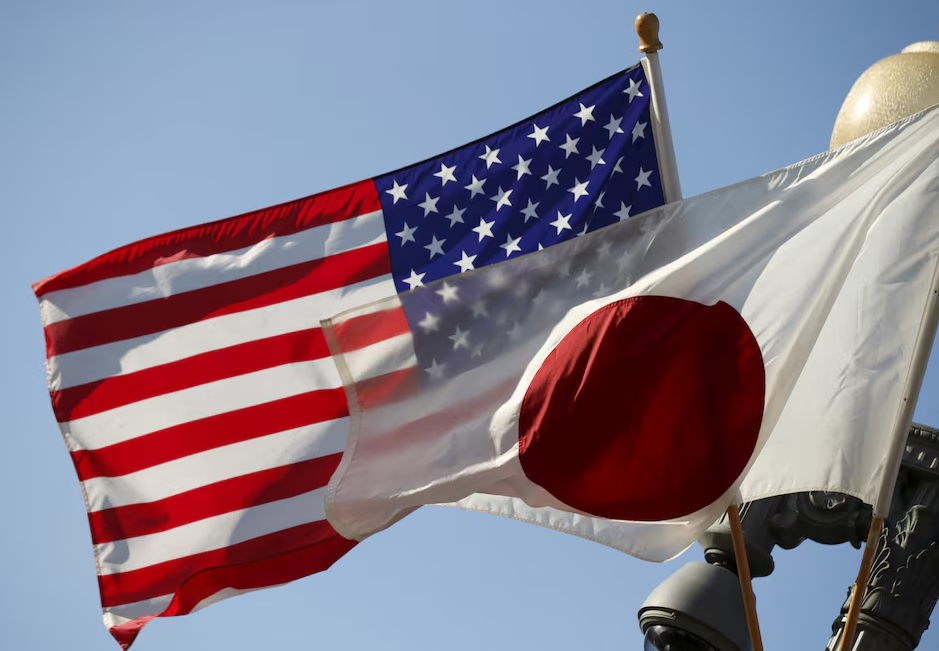
Strategic Council Online – Opinion: Relations between some countries in the Asia-Pacific region, such as China and Japan or China and Australia, which were previously relatively normal, are trending towards deterioration, and the primary reason for this is the aggressive policies of the United States of America.

Japan-China Tensions Over Taiwan

Japan-China Tensions Over Taiwan

Strategic Council Online – Interview: An international affairs expert said that U.S. President Donald Trump, in a phone call this week with Sanae Takaichi, asked her not to further escalate disputes with China. Earlier this month, Takaichi created a rare tension with Beijing by stating that “a potential Chinese attack on Taiwan could lead to military action by Japan,” remarks that drew a sharp reaction from China. Beijing demanded that she retract these statements, but the Japanese Prime Minister has not done so thus far, and Tokyo has only emphasized that its policy regarding Taiwan has not changed.

China’s Strategy to Counter the U.S. Effort to Escalate the Taiwan Crisis

China’s Strategy to Counter the U.S. Effort to Escalate the Taiwan Crisis

Strategic Council Online – Interview: “Any miscalculated move could lead to escalating tensions and uncontrollable crises, but Beijing’s prudence and precise strategies have so far prevented the Taiwan issue from escalating into a crisis similar to that of Ukraine,” said an East Asia analyst.

Takaichi is the Updated Version of Shinzo Abe in Japan

Takaichi is the Updated Version of Shinzo Abe in Japan

Online Strategic Council – Interview: Sanae Takaichi, Japan’s new prime minister, is an updated version of Shinzo Abe with a high degree of nationalism and a return to traditions. Experts believe that Japan’s approach on the international stage will not change much, and the country’s defense, economic, and cultural policies will continue along the Abe path.

The Global Consequences of Trump’s Tariff War

The Global Consequences of Trump’s Tariff War

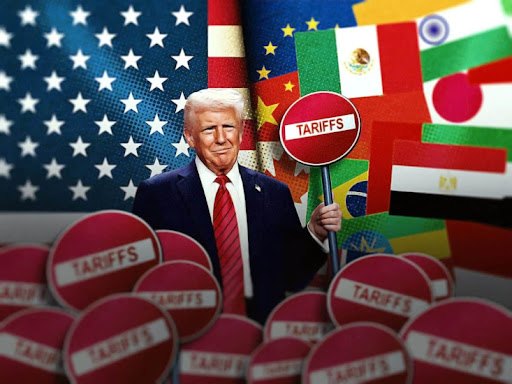
Strategic Council Online – Interview: A senior U.S. affairs analyst stated that the tariff policies of U.S. President Donald Trump have once again exposed the world to the prospect of a full-scale trade war. Trump’s threat to impose a 50% tariff on Brazilian goods and extensive tariffs against over 150 countries, including close U.S. allies like Japan and South Korea, reflects the White House’s aggressive approach to global trade.

Challenges of QUAD Security Alliance and How Iran Can Play a Role

Challenges of QUAD Security Alliance and How Iran Can Play a Role

Strategic Council Online – Guest Opinion: Although some observers view the QUAD Security Dialogue as a fledgling military alliance focused solely on China’s growing regional influence and the rules-based order in the Indo-Pacific region, its four members, the United States, India, Australia, and Japan, have stated their goal to deepen economic, diplomatic, and military ties among the four countries.

Japan’s Goals of Strengthening Its Military Power in East Asia

Japan’s Goals of Strengthening Its Military Power in East Asia

Strategic Council Online – Interview: The former ambassador of Iran in Japan said: Strengthening Japan’s military activities is a 25-year plan to show that it is capable of becoming one of the military powers of the region and the world by relying on its military values and capabilities.

أحدث الوظائف

China’s Rejection of US Sanctions; Strengthening Iran’s Geopolitical Leverage

SCFR Online – Opinion: Concurrent with the official commencement of the United States’ economic war against our country, focusing on sanctions instruments, isolation, and economic pressure, what has now become increasingly important is the lack of alignment of other major global powers, especially China, with this policy.

The Makkah Pact; Reasons for its Formation and Challenges Ahead

SCFR Online – Opinion: The Makkah Pact, signed between Saudi Arabia, Pakistan, and Turkey under the motto “an attack on one is an attack on all,” is viewed by some analysts less as a full-fledged military coalition and more as an attempt to reduce security dependence on an external power and to establish a regional security mechanism.

Implications of the US-Saudi Nuclear Agreement

SCFR Online – Opinion: The new US-Saudi nuclear agreement, despite legal and political ambiguities, could alter previous non-proliferation standards in West Asia and intensify nuclear competition, ushering it into a new phase.

An Analysis of Recent Turkey-Israeli Regime Tensions

SCFR Online – Opinion: Recent developments in Syria indicate an intensification of strategic rivalry between Turkey and the Israeli regime, but mutual considerations and the role of the United States have limited the likelihood of direct war.

Loading

Japan

America’s Strategy for Creating Tension in the Asia-Pacific

America’s Strategy for Creating Tension in the Asia-Pacific

Strategic Council Online – Opinion: Relations between some countries in the Asia-Pacific region, such as China and Japan or China and Australia, which were previously relatively normal, are trending towards deterioration, and the primary reason for this is the aggressive policies of the United States of America.

Japan-China Tensions Over Taiwan

Japan-China Tensions Over Taiwan

Strategic Council Online – Interview: An international affairs expert said that U.S. President Donald Trump, in a phone call this week with Sanae Takaichi, asked her not to further escalate disputes with China. Earlier this month, Takaichi created a rare tension with Beijing by stating that “a potential Chinese attack on Taiwan could lead to military action by Japan,” remarks that drew a sharp reaction from China. Beijing demanded that she retract these statements, but the Japanese Prime Minister has not done so thus far, and Tokyo has only emphasized that its policy regarding Taiwan has not changed.

China’s Strategy to Counter the U.S. Effort to Escalate the Taiwan Crisis

China’s Strategy to Counter the U.S. Effort to Escalate the Taiwan Crisis

Strategic Council Online – Interview: “Any miscalculated move could lead to escalating tensions and uncontrollable crises, but Beijing’s prudence and precise strategies have so far prevented the Taiwan issue from escalating into a crisis similar to that of Ukraine,” said an East Asia analyst.

Takaichi is the Updated Version of Shinzo Abe in Japan

Takaichi is the Updated Version of Shinzo Abe in Japan

Online Strategic Council – Interview: Sanae Takaichi, Japan’s new prime minister, is an updated version of Shinzo Abe with a high degree of nationalism and a return to traditions. Experts believe that Japan’s approach on the international stage will not change much, and the country’s defense, economic, and cultural policies will continue along the Abe path.

The Global Consequences of Trump’s Tariff War

The Global Consequences of Trump’s Tariff War

Strategic Council Online – Interview: A senior U.S. affairs analyst stated that the tariff policies of U.S. President Donald Trump have once again exposed the world to the prospect of a full-scale trade war. Trump’s threat to impose a 50% tariff on Brazilian goods and extensive tariffs against over 150 countries, including close U.S. allies like Japan and South Korea, reflects the White House’s aggressive approach to global trade.

Challenges of QUAD Security Alliance and How Iran Can Play a Role

Challenges of QUAD Security Alliance and How Iran Can Play a Role

Strategic Council Online – Guest Opinion: Although some observers view the QUAD Security Dialogue as a fledgling military alliance focused solely on China’s growing regional influence and the rules-based order in the Indo-Pacific region, its four members, the United States, India, Australia, and Japan, have stated their goal to deepen economic, diplomatic, and military ties among the four countries.

Japan’s Goals of Strengthening Its Military Power in East Asia

Japan’s Goals of Strengthening Its Military Power in East Asia

Strategic Council Online – Interview: The former ambassador of Iran in Japan said: Strengthening Japan’s military activities is a 25-year plan to show that it is capable of becoming one of the military powers of the region and the world by relying on its military values and capabilities.

Japan

America’s Strategy for Creating Tension in the Asia-Pacific

America’s Strategy for Creating Tension in the Asia-Pacific

Strategic Council Online – Opinion: Relations between some countries in the Asia-Pacific region, such as China and Japan or China and Australia, which were previously relatively normal, are trending towards deterioration, and the primary reason for this is the aggressive policies of the United States of America.

Japan-China Tensions Over Taiwan

Japan-China Tensions Over Taiwan

Strategic Council Online – Interview: An international affairs expert said that U.S. President Donald Trump, in a phone call this week with Sanae Takaichi, asked her not to further escalate disputes with China. Earlier this month, Takaichi created a rare tension with Beijing by stating that “a potential Chinese attack on Taiwan could lead to military action by Japan,” remarks that drew a sharp reaction from China. Beijing demanded that she retract these statements, but the Japanese Prime Minister has not done so thus far, and Tokyo has only emphasized that its policy regarding Taiwan has not changed.

China’s Strategy to Counter the U.S. Effort to Escalate the Taiwan Crisis

China’s Strategy to Counter the U.S. Effort to Escalate the Taiwan Crisis

Strategic Council Online – Interview: “Any miscalculated move could lead to escalating tensions and uncontrollable crises, but Beijing’s prudence and precise strategies have so far prevented the Taiwan issue from escalating into a crisis similar to that of Ukraine,” said an East Asia analyst.

Takaichi is the Updated Version of Shinzo Abe in Japan

Takaichi is the Updated Version of Shinzo Abe in Japan

Online Strategic Council – Interview: Sanae Takaichi, Japan’s new prime minister, is an updated version of Shinzo Abe with a high degree of nationalism and a return to traditions. Experts believe that Japan’s approach on the international stage will not change much, and the country’s defense, economic, and cultural policies will continue along the Abe path.

The Global Consequences of Trump’s Tariff War

The Global Consequences of Trump’s Tariff War

Strategic Council Online – Interview: A senior U.S. affairs analyst stated that the tariff policies of U.S. President Donald Trump have once again exposed the world to the prospect of a full-scale trade war. Trump’s threat to impose a 50% tariff on Brazilian goods and extensive tariffs against over 150 countries, including close U.S. allies like Japan and South Korea, reflects the White House’s aggressive approach to global trade.

Challenges of QUAD Security Alliance and How Iran Can Play a Role

Challenges of QUAD Security Alliance and How Iran Can Play a Role

Strategic Council Online – Guest Opinion: Although some observers view the QUAD Security Dialogue as a fledgling military alliance focused solely on China’s growing regional influence and the rules-based order in the Indo-Pacific region, its four members, the United States, India, Australia, and Japan, have stated their goal to deepen economic, diplomatic, and military ties among the four countries.

Japan’s Goals of Strengthening Its Military Power in East Asia

Japan’s Goals of Strengthening Its Military Power in East Asia

Strategic Council Online – Interview: The former ambassador of Iran in Japan said: Strengthening Japan’s military activities is a 25-year plan to show that it is capable of becoming one of the military powers of the region and the world by relying on its military values and capabilities.

LATEST CONTENT

China’s Rejection of US Sanctions; Strengthening Iran’s Geopolitical Leverage

SCFR Online – Opinion: Concurrent with the official commencement of the United States’ economic war against our country, focusing on sanctions instruments, isolation, and economic pressure, what has now become increasingly important is the lack of alignment of other major global powers, especially China, with this policy.

The Makkah Pact; Reasons for its Formation and Challenges Ahead

SCFR Online – Opinion: The Makkah Pact, signed between Saudi Arabia, Pakistan, and Turkey under the motto “an attack on one is an attack on all,” is viewed by some analysts less as a full-fledged military coalition and more as an attempt to reduce security dependence on an external power and to establish a regional security mechanism.

Implications of the US-Saudi Nuclear Agreement

SCFR Online – Opinion: The new US-Saudi nuclear agreement, despite legal and political ambiguities, could alter previous non-proliferation standards in West Asia and intensify nuclear competition, ushering it into a new phase.

An Analysis of Recent Turkey-Israeli Regime Tensions

SCFR Online – Opinion: Recent developments in Syria indicate an intensification of strategic rivalry between Turkey and the Israeli regime, but mutual considerations and the role of the United States have limited the likelihood of direct war.

Loading

Japan

America’s Strategy for Creating Tension in the Asia-Pacific

America’s Strategy for Creating Tension in the Asia-Pacific

Strategic Council Online – Opinion: Relations between some countries in the Asia-Pacific region, such as China and Japan or China and Australia, which were previously relatively normal, are trending towards deterioration, and the primary reason for this is the aggressive policies of the United States of America.

Japan-China Tensions Over Taiwan

Japan-China Tensions Over Taiwan

Strategic Council Online – Interview: An international affairs expert said that U.S. President Donald Trump, in a phone call this week with Sanae Takaichi, asked her not to further escalate disputes with China. Earlier this month, Takaichi created a rare tension with Beijing by stating that “a potential Chinese attack on Taiwan could lead to military action by Japan,” remarks that drew a sharp reaction from China. Beijing demanded that she retract these statements, but the Japanese Prime Minister has not done so thus far, and Tokyo has only emphasized that its policy regarding Taiwan has not changed.

China’s Strategy to Counter the U.S. Effort to Escalate the Taiwan Crisis

China’s Strategy to Counter the U.S. Effort to Escalate the Taiwan Crisis

Strategic Council Online – Interview: “Any miscalculated move could lead to escalating tensions and uncontrollable crises, but Beijing’s prudence and precise strategies have so far prevented the Taiwan issue from escalating into a crisis similar to that of Ukraine,” said an East Asia analyst.

Takaichi is the Updated Version of Shinzo Abe in Japan

Takaichi is the Updated Version of Shinzo Abe in Japan

Online Strategic Council – Interview: Sanae Takaichi, Japan’s new prime minister, is an updated version of Shinzo Abe with a high degree of nationalism and a return to traditions. Experts believe that Japan’s approach on the international stage will not change much, and the country’s defense, economic, and cultural policies will continue along the Abe path.

The Global Consequences of Trump’s Tariff War

The Global Consequences of Trump’s Tariff War

Strategic Council Online – Interview: A senior U.S. affairs analyst stated that the tariff policies of U.S. President Donald Trump have once again exposed the world to the prospect of a full-scale trade war. Trump’s threat to impose a 50% tariff on Brazilian goods and extensive tariffs against over 150 countries, including close U.S. allies like Japan and South Korea, reflects the White House’s aggressive approach to global trade.

Challenges of QUAD Security Alliance and How Iran Can Play a Role

Challenges of QUAD Security Alliance and How Iran Can Play a Role

Strategic Council Online – Guest Opinion: Although some observers view the QUAD Security Dialogue as a fledgling military alliance focused solely on China’s growing regional influence and the rules-based order in the Indo-Pacific region, its four members, the United States, India, Australia, and Japan, have stated their goal to deepen economic, diplomatic, and military ties among the four countries.

Japan’s Goals of Strengthening Its Military Power in East Asia

Japan’s Goals of Strengthening Its Military Power in East Asia

Strategic Council Online – Interview: The former ambassador of Iran in Japan said: Strengthening Japan’s military activities is a 25-year plan to show that it is capable of becoming one of the military powers of the region and the world by relying on its military values and capabilities.

ÚLTIMAS PUBLICACIONES

China’s Rejection of US Sanctions; Strengthening Iran’s Geopolitical Leverage

SCFR Online – Opinion: Concurrent with the official commencement of the United States’ economic war against our country, focusing on sanctions instruments, isolation, and economic pressure, what has now become increasingly important is the lack of alignment of other major global powers, especially China, with this policy.

The Makkah Pact; Reasons for its Formation and Challenges Ahead

SCFR Online – Opinion: The Makkah Pact, signed between Saudi Arabia, Pakistan, and Turkey under the motto “an attack on one is an attack on all,” is viewed by some analysts less as a full-fledged military coalition and more as an attempt to reduce security dependence on an external power and to establish a regional security mechanism.

Implications of the US-Saudi Nuclear Agreement

SCFR Online – Opinion: The new US-Saudi nuclear agreement, despite legal and political ambiguities, could alter previous non-proliferation standards in West Asia and intensify nuclear competition, ushering it into a new phase.

An Analysis of Recent Turkey-Israeli Regime Tensions

SCFR Online – Opinion: Recent developments in Syria indicate an intensification of strategic rivalry between Turkey and the Israeli regime, but mutual considerations and the role of the United States have limited the likelihood of direct war.

Loading

Japan

America’s Strategy for Creating Tension in the Asia-Pacific

America’s Strategy for Creating Tension in the Asia-Pacific

Strategic Council Online – Opinion: Relations between some countries in the Asia-Pacific region, such as China and Japan or China and Australia, which were previously relatively normal, are trending towards deterioration, and the primary reason for this is the aggressive policies of the United States of America.

Japan-China Tensions Over Taiwan

Japan-China Tensions Over Taiwan

Strategic Council Online – Interview: An international affairs expert said that U.S. President Donald Trump, in a phone call this week with Sanae Takaichi, asked her not to further escalate disputes with China. Earlier this month, Takaichi created a rare tension with Beijing by stating that “a potential Chinese attack on Taiwan could lead to military action by Japan,” remarks that drew a sharp reaction from China. Beijing demanded that she retract these statements, but the Japanese Prime Minister has not done so thus far, and Tokyo has only emphasized that its policy regarding Taiwan has not changed.

China’s Strategy to Counter the U.S. Effort to Escalate the Taiwan Crisis

China’s Strategy to Counter the U.S. Effort to Escalate the Taiwan Crisis

Strategic Council Online – Interview: “Any miscalculated move could lead to escalating tensions and uncontrollable crises, but Beijing’s prudence and precise strategies have so far prevented the Taiwan issue from escalating into a crisis similar to that of Ukraine,” said an East Asia analyst.

Takaichi is the Updated Version of Shinzo Abe in Japan

Takaichi is the Updated Version of Shinzo Abe in Japan

Online Strategic Council – Interview: Sanae Takaichi, Japan’s new prime minister, is an updated version of Shinzo Abe with a high degree of nationalism and a return to traditions. Experts believe that Japan’s approach on the international stage will not change much, and the country’s defense, economic, and cultural policies will continue along the Abe path.

The Global Consequences of Trump’s Tariff War

The Global Consequences of Trump’s Tariff War

Strategic Council Online – Interview: A senior U.S. affairs analyst stated that the tariff policies of U.S. President Donald Trump have once again exposed the world to the prospect of a full-scale trade war. Trump’s threat to impose a 50% tariff on Brazilian goods and extensive tariffs against over 150 countries, including close U.S. allies like Japan and South Korea, reflects the White House’s aggressive approach to global trade.

Challenges of QUAD Security Alliance and How Iran Can Play a Role

Challenges of QUAD Security Alliance and How Iran Can Play a Role

Strategic Council Online – Guest Opinion: Although some observers view the QUAD Security Dialogue as a fledgling military alliance focused solely on China’s growing regional influence and the rules-based order in the Indo-Pacific region, its four members, the United States, India, Australia, and Japan, have stated their goal to deepen economic, diplomatic, and military ties among the four countries.

Japan’s Goals of Strengthening Its Military Power in East Asia

Japan’s Goals of Strengthening Its Military Power in East Asia

Strategic Council Online – Interview: The former ambassador of Iran in Japan said: Strengthening Japan’s military activities is a 25-year plan to show that it is capable of becoming one of the military powers of the region and the world by relying on its military values and capabilities.

ÚLTIMAS PUBLICACIONES

China’s Rejection of US Sanctions; Strengthening Iran’s Geopolitical Leverage

SCFR Online – Opinion: Concurrent with the official commencement of the United States’ economic war against our country, focusing on sanctions instruments, isolation, and economic pressure, what has now become increasingly important is the lack of alignment of other major global powers, especially China, with this policy.

The Makkah Pact; Reasons for its Formation and Challenges Ahead

SCFR Online – Opinion: The Makkah Pact, signed between Saudi Arabia, Pakistan, and Turkey under the motto “an attack on one is an attack on all,” is viewed by some analysts less as a full-fledged military coalition and more as an attempt to reduce security dependence on an external power and to establish a regional security mechanism.

Implications of the US-Saudi Nuclear Agreement

SCFR Online – Opinion: The new US-Saudi nuclear agreement, despite legal and political ambiguities, could alter previous non-proliferation standards in West Asia and intensify nuclear competition, ushering it into a new phase.

An Analysis of Recent Turkey-Israeli Regime Tensions

SCFR Online – Opinion: Recent developments in Syria indicate an intensification of strategic rivalry between Turkey and the Israeli regime, but mutual considerations and the role of the United States have limited the likelihood of direct war.

Loading

Japan

America’s Strategy for Creating Tension in the Asia-Pacific

America’s Strategy for Creating Tension in the Asia-Pacific

Strategic Council Online – Opinion: Relations between some countries in the Asia-Pacific region, such as China and Japan or China and Australia, which were previously relatively normal, are trending towards deterioration, and the primary reason for this is the aggressive policies of the United States of America.

Japan-China Tensions Over Taiwan

Japan-China Tensions Over Taiwan

Strategic Council Online – Interview: An international affairs expert said that U.S. President Donald Trump, in a phone call this week with Sanae Takaichi, asked her not to further escalate disputes with China. Earlier this month, Takaichi created a rare tension with Beijing by stating that “a potential Chinese attack on Taiwan could lead to military action by Japan,” remarks that drew a sharp reaction from China. Beijing demanded that she retract these statements, but the Japanese Prime Minister has not done so thus far, and Tokyo has only emphasized that its policy regarding Taiwan has not changed.

China’s Strategy to Counter the U.S. Effort to Escalate the Taiwan Crisis

China’s Strategy to Counter the U.S. Effort to Escalate the Taiwan Crisis

Strategic Council Online – Interview: “Any miscalculated move could lead to escalating tensions and uncontrollable crises, but Beijing’s prudence and precise strategies have so far prevented the Taiwan issue from escalating into a crisis similar to that of Ukraine,” said an East Asia analyst.

Takaichi is the Updated Version of Shinzo Abe in Japan

Takaichi is the Updated Version of Shinzo Abe in Japan

Online Strategic Council – Interview: Sanae Takaichi, Japan’s new prime minister, is an updated version of Shinzo Abe with a high degree of nationalism and a return to traditions. Experts believe that Japan’s approach on the international stage will not change much, and the country’s defense, economic, and cultural policies will continue along the Abe path.

The Global Consequences of Trump’s Tariff War

The Global Consequences of Trump’s Tariff War

Strategic Council Online – Interview: A senior U.S. affairs analyst stated that the tariff policies of U.S. President Donald Trump have once again exposed the world to the prospect of a full-scale trade war. Trump’s threat to impose a 50% tariff on Brazilian goods and extensive tariffs against over 150 countries, including close U.S. allies like Japan and South Korea, reflects the White House’s aggressive approach to global trade.

Challenges of QUAD Security Alliance and How Iran Can Play a Role

Challenges of QUAD Security Alliance and How Iran Can Play a Role

Strategic Council Online – Guest Opinion: Although some observers view the QUAD Security Dialogue as a fledgling military alliance focused solely on China’s growing regional influence and the rules-based order in the Indo-Pacific region, its four members, the United States, India, Australia, and Japan, have stated their goal to deepen economic, diplomatic, and military ties among the four countries.

Japan’s Goals of Strengthening Its Military Power in East Asia

Japan’s Goals of Strengthening Its Military Power in East Asia

Strategic Council Online – Interview: The former ambassador of Iran in Japan said: Strengthening Japan’s military activities is a 25-year plan to show that it is capable of becoming one of the military powers of the region and the world by relying on its military values and capabilities.

ÚLTIMAS PUBLICACIONES

China’s Rejection of US Sanctions; Strengthening Iran’s Geopolitical Leverage

SCFR Online – Opinion: Concurrent with the official commencement of the United States’ economic war against our country, focusing on sanctions instruments, isolation, and economic pressure, what has now become increasingly important is the lack of alignment of other major global powers, especially China, with this policy.

The Makkah Pact; Reasons for its Formation and Challenges Ahead

SCFR Online – Opinion: The Makkah Pact, signed between Saudi Arabia, Pakistan, and Turkey under the motto “an attack on one is an attack on all,” is viewed by some analysts less as a full-fledged military coalition and more as an attempt to reduce security dependence on an external power and to establish a regional security mechanism.

Implications of the US-Saudi Nuclear Agreement

SCFR Online – Opinion: The new US-Saudi nuclear agreement, despite legal and political ambiguities, could alter previous non-proliferation standards in West Asia and intensify nuclear competition, ushering it into a new phase.

An Analysis of Recent Turkey-Israeli Regime Tensions

SCFR Online – Opinion: Recent developments in Syria indicate an intensification of strategic rivalry between Turkey and the Israeli regime, but mutual considerations and the role of the United States have limited the likelihood of direct war.

Loading

Japan

America’s Strategy for Creating Tension in the Asia-Pacific

America’s Strategy for Creating Tension in the Asia-Pacific

Strategic Council Online – Opinion: Relations between some countries in the Asia-Pacific region, such as China and Japan or China and Australia, which were previously relatively normal, are trending towards deterioration, and the primary reason for this is the aggressive policies of the United States of America.

Japan-China Tensions Over Taiwan

Japan-China Tensions Over Taiwan

Strategic Council Online – Interview: An international affairs expert said that U.S. President Donald Trump, in a phone call this week with Sanae Takaichi, asked her not to further escalate disputes with China. Earlier this month, Takaichi created a rare tension with Beijing by stating that “a potential Chinese attack on Taiwan could lead to military action by Japan,” remarks that drew a sharp reaction from China. Beijing demanded that she retract these statements, but the Japanese Prime Minister has not done so thus far, and Tokyo has only emphasized that its policy regarding Taiwan has not changed.

China’s Strategy to Counter the U.S. Effort to Escalate the Taiwan Crisis

China’s Strategy to Counter the U.S. Effort to Escalate the Taiwan Crisis

Strategic Council Online – Interview: “Any miscalculated move could lead to escalating tensions and uncontrollable crises, but Beijing’s prudence and precise strategies have so far prevented the Taiwan issue from escalating into a crisis similar to that of Ukraine,” said an East Asia analyst.

Takaichi is the Updated Version of Shinzo Abe in Japan

Takaichi is the Updated Version of Shinzo Abe in Japan

Online Strategic Council – Interview: Sanae Takaichi, Japan’s new prime minister, is an updated version of Shinzo Abe with a high degree of nationalism and a return to traditions. Experts believe that Japan’s approach on the international stage will not change much, and the country’s defense, economic, and cultural policies will continue along the Abe path.

The Global Consequences of Trump’s Tariff War

The Global Consequences of Trump’s Tariff War

Strategic Council Online – Interview: A senior U.S. affairs analyst stated that the tariff policies of U.S. President Donald Trump have once again exposed the world to the prospect of a full-scale trade war. Trump’s threat to impose a 50% tariff on Brazilian goods and extensive tariffs against over 150 countries, including close U.S. allies like Japan and South Korea, reflects the White House’s aggressive approach to global trade.

Challenges of QUAD Security Alliance and How Iran Can Play a Role

Challenges of QUAD Security Alliance and How Iran Can Play a Role

Strategic Council Online – Guest Opinion: Although some observers view the QUAD Security Dialogue as a fledgling military alliance focused solely on China’s growing regional influence and the rules-based order in the Indo-Pacific region, its four members, the United States, India, Australia, and Japan, have stated their goal to deepen economic, diplomatic, and military ties among the four countries.

Japan’s Goals of Strengthening Its Military Power in East Asia

Japan’s Goals of Strengthening Its Military Power in East Asia

Strategic Council Online – Interview: The former ambassador of Iran in Japan said: Strengthening Japan’s military activities is a 25-year plan to show that it is capable of becoming one of the military powers of the region and the world by relying on its military values and capabilities.

ÚLTIMAS PUBLICACIONES

China’s Rejection of US Sanctions; Strengthening Iran’s Geopolitical Leverage

SCFR Online – Opinion: Concurrent with the official commencement of the United States’ economic war against our country, focusing on sanctions instruments, isolation, and economic pressure, what has now become increasingly important is the lack of alignment of other major global powers, especially China, with this policy.

The Makkah Pact; Reasons for its Formation and Challenges Ahead

SCFR Online – Opinion: The Makkah Pact, signed between Saudi Arabia, Pakistan, and Turkey under the motto “an attack on one is an attack on all,” is viewed by some analysts less as a full-fledged military coalition and more as an attempt to reduce security dependence on an external power and to establish a regional security mechanism.

Implications of the US-Saudi Nuclear Agreement

SCFR Online – Opinion: The new US-Saudi nuclear agreement, despite legal and political ambiguities, could alter previous non-proliferation standards in West Asia and intensify nuclear competition, ushering it into a new phase.

An Analysis of Recent Turkey-Israeli Regime Tensions

SCFR Online – Opinion: Recent developments in Syria indicate an intensification of strategic rivalry between Turkey and the Israeli regime, but mutual considerations and the role of the United States have limited the likelihood of direct war.

Loading