جدیدترین مطالب

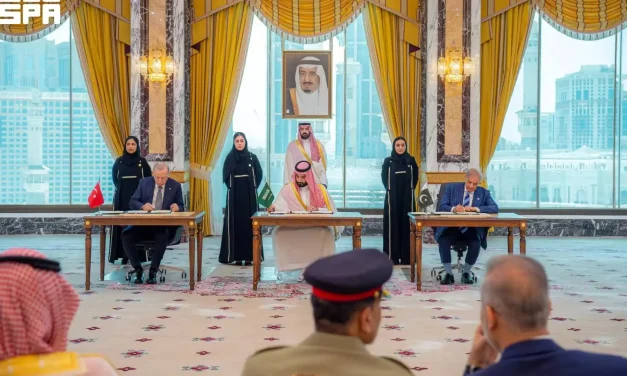
The Makkah Pact; Reasons for its Formation and Challenges Ahead

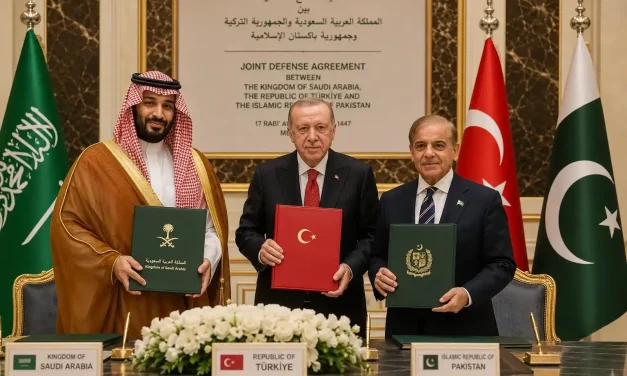
SCFR Online – Opinion: The Makkah Pact, signed between Saudi Arabia, Pakistan, and Turkey under the motto “an attack on one is an attack on all,” is viewed by some analysts less as a full-fledged military coalition and more as an attempt to reduce security dependence on an external power and to establish a regional security mechanism.
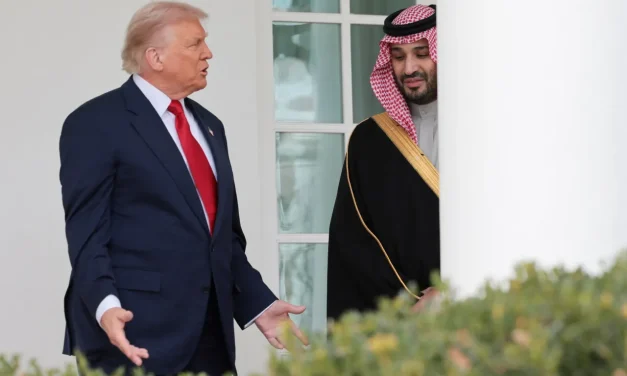
Implications of the US-Saudi Nuclear Agreement

SCFR Online – Opinion: The new US-Saudi nuclear agreement, despite legal and political ambiguities, could alter previous non-proliferation standards in West Asia and intensify nuclear competition, ushering it into a new phase.

An Analysis of Recent Turkey-Israeli Regime Tensions

SCFR Online – Opinion: Recent developments in Syria indicate an intensification of strategic rivalry between Turkey and the Israeli regime, but mutual considerations and the role of the United States have limited the likelihood of direct war.

Increasing criticism of the extensive Zionist lobby network

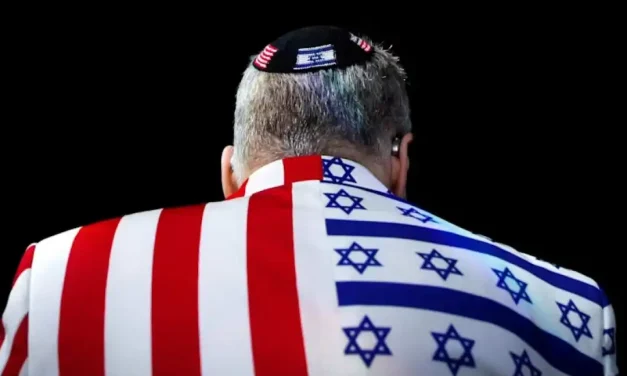
SCFR Online – Opinion: An examination of the mechanisms of the Israeli regime’s influence in the United States depicts a complex picture of shared interests, strategic dependencies, and the limitations of this relationship.

Realities of the Tripartite Makkah Pact

SCFR Online – Interview: The signing of the Makkah agreement between Saudi Arabia, Pakistan, and Turkey has raised questions about the future of the region’s security structure and the position of these countries in West Asian equations. Can this agreement become a genuine collective defense mechanism, or does it have more of a political and deterrent function than creating new military capacity?

Strategic Implications of the Reduction of US Weapons Stockpiles

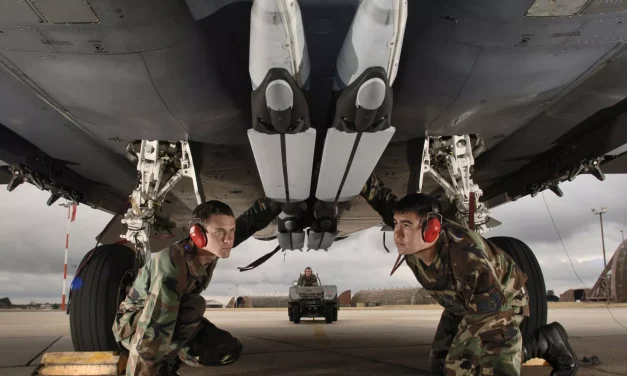
SCFR Online – Opinion: The continuation of the US war against Iran, in addition to increasing operational costs, has called into question the actual capacity of the American arsenal to simultaneously fulfill security commitments on multiple fronts; an issue that affects deterrence, defense production capacity, and Washington’s resource prioritization.

The Formation of a New Order in Relations Between Powers

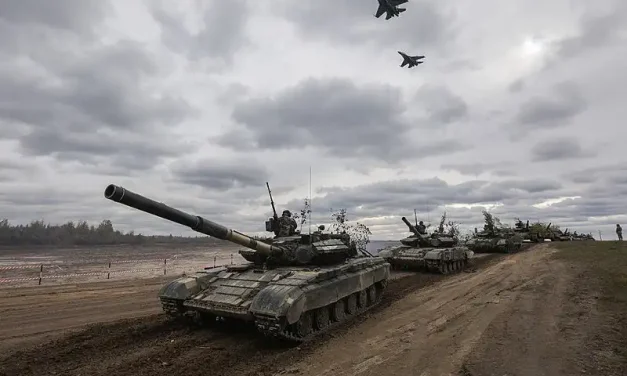
SCFR Online – Opinion: The Russia-Ukraine war and the war of the United States and the Israeli regime against Iran have been formed with different objectives and actors, but field and political developments indicate that they are not entirely separate from one another.

Loading

Joe Biden

Major Challenges of Turkey’s Foreign Policy in 2021

Major Challenges of Turkey’s Foreign Policy in 2021

Strategic Council Online – Turkey has started its foreign policy in the New Year with fear and hope. Its relations with the United States, the European Union, Greece, Russia, the Zionist regime, Syria and Saudi Arabia are among Turkey’s most important challenges.
Mahmoud Fazeli – International affairs analyst

Prospects for Biden’s US Relations with Afghanistan

Prospects for Biden’s US Relations with Afghanistan

Strategic Council Online – An expert on the subcontinent affairs, commenting on the possible policy of Joe Biden towards Afghanistan and peace with the Taliban said: The policy that Joe Biden would adopt towards Afghanistan should not be expected to be seriously different from that of the Trump administration.

Zionist Regime Favors Crisis and Tension in the Region

Zionist Regime Favors Crisis and Tension in the Region

Strategic Council Online – An expert on the Middle East affairs said: The Islamic Republic of Iran has common interests, history and geography with its neighbors and does not want them to be harmed. Instead, Iran expects neighboring countries to have the same view towards Tehran.

US Sanctions against Iran, a Tool or a Strategy?

US Sanctions against Iran, a Tool or a Strategy?

Strategic Council Online – National governments and international institutions such as the United Nations and the European Union impose economic sanctions with an aim of forcing, deterring, punishing or discrediting entities that jeopardize their interests or violate the so-called international norms. In fact, the philosophy of the existence of sanctions is a tool for the punishment and consequently forcing the target country to change its behavior. Sanctions are generally seen as a low-cost, low-risk route, and in fact as a course between diplomacy and war.
Peyman Hassani – Researcher at the Office of Economic Diplomacy Studies, Imam Sadegh (AS) University

Iraqis Demand Faster US Withdrawal from Their Country

Iraqis Demand Faster US Withdrawal from Their Country

Strategy Council Online – A Middle East expert said: “Some speculations suggest that with the rise of Joe Biden in the United States, we may see an acceleration of the withdrawal of American troops from Iraq and some other countries in the region.”

Dimensions of Joe Biden’s Middle East Policy

Dimensions of Joe Biden’s Middle East Policy

Strategic Council Online – Joe Biden, despite repeatedly emphasizing his support for Israel, opposes some of Trump’s unilateral actions on the issue of peace, the annexation of more territories in the West Bank, and calls for the US to return to the two-state solution.
Dr. Tahmoures Gholami – Expert on American Issues

Strategic partnership of Moscow and Beijing, the outcome of the joint hostility of the US

Strategic partnership of Moscow and Beijing, the outcome of the joint hostility of the US

Strategic Council Online: Editorial—In spite of Washington’s view that considers China and Russia as permanent threats that should be contained and insolated through the instrument of sanctions, Moscow and Beijing, on the other hand, have been pursuing a pragmatic approach based on realism to maximize their cooperation and relations with the West with the aim of neutralizing Washington’s isolation efforts.
Dr. Ahmad Vakhshiteh—Associate Professor, Eurasia National University

Objectives of Tense Actions of Trump’s Team on Final Days in White House

Objectives of Tense Actions of Trump’s Team on Final Days in White House

Strategic Council Online – An analyst at the Center for Strategic Studies of President’s Office said that those in the US administration who think of Israel’s interests will be happy to see a military confrontation with Iran on the last days of the Trump administration, adding: Trump’s team is trying to push political relations of Iran and the United States to a point of bitterness and tension the severity of which would not allow Mr. Biden to formulate a successful diplomacy with Iran.

أحدث الوظائف

The Makkah Pact; Reasons for its Formation and Challenges Ahead

SCFR Online – Opinion: The Makkah Pact, signed between Saudi Arabia, Pakistan, and Turkey under the motto “an attack on one is an attack on all,” is viewed by some analysts less as a full-fledged military coalition and more as an attempt to reduce security dependence on an external power and to establish a regional security mechanism.
Implications of the US-Saudi Nuclear Agreement

SCFR Online – Opinion: The new US-Saudi nuclear agreement, despite legal and political ambiguities, could alter previous non-proliferation standards in West Asia and intensify nuclear competition, ushering it into a new phase.

An Analysis of Recent Turkey-Israeli Regime Tensions

SCFR Online – Opinion: Recent developments in Syria indicate an intensification of strategic rivalry between Turkey and the Israeli regime, but mutual considerations and the role of the United States have limited the likelihood of direct war.

Increasing criticism of the extensive Zionist lobby network

SCFR Online – Opinion: An examination of the mechanisms of the Israeli regime’s influence in the United States depicts a complex picture of shared interests, strategic dependencies, and the limitations of this relationship.

Realities of the Tripartite Makkah Pact

SCFR Online – Interview: The signing of the Makkah agreement between Saudi Arabia, Pakistan, and Turkey has raised questions about the future of the region’s security structure and the position of these countries in West Asian equations. Can this agreement become a genuine collective defense mechanism, or does it have more of a political and deterrent function than creating new military capacity?

Strategic Implications of the Reduction of US Weapons Stockpiles

SCFR Online – Opinion: The continuation of the US war against Iran, in addition to increasing operational costs, has called into question the actual capacity of the American arsenal to simultaneously fulfill security commitments on multiple fronts; an issue that affects deterrence, defense production capacity, and Washington’s resource prioritization.

The Formation of a New Order in Relations Between Powers

SCFR Online – Opinion: The Russia-Ukraine war and the war of the United States and the Israeli regime against Iran have been formed with different objectives and actors, but field and political developments indicate that they are not entirely separate from one another.

Loading

Joe Biden

Major Challenges of Turkey’s Foreign Policy in 2021

Major Challenges of Turkey’s Foreign Policy in 2021

Strategic Council Online – Turkey has started its foreign policy in the New Year with fear and hope. Its relations with the United States, the European Union, Greece, Russia, the Zionist regime, Syria and Saudi Arabia are among Turkey’s most important challenges.
Mahmoud Fazeli – International affairs analyst

Prospects for Biden’s US Relations with Afghanistan

Prospects for Biden’s US Relations with Afghanistan

Strategic Council Online – An expert on the subcontinent affairs, commenting on the possible policy of Joe Biden towards Afghanistan and peace with the Taliban said: The policy that Joe Biden would adopt towards Afghanistan should not be expected to be seriously different from that of the Trump administration.

Zionist Regime Favors Crisis and Tension in the Region

Zionist Regime Favors Crisis and Tension in the Region

Strategic Council Online – An expert on the Middle East affairs said: The Islamic Republic of Iran has common interests, history and geography with its neighbors and does not want them to be harmed. Instead, Iran expects neighboring countries to have the same view towards Tehran.

US Sanctions against Iran, a Tool or a Strategy?

US Sanctions against Iran, a Tool or a Strategy?

Strategic Council Online – National governments and international institutions such as the United Nations and the European Union impose economic sanctions with an aim of forcing, deterring, punishing or discrediting entities that jeopardize their interests or violate the so-called international norms. In fact, the philosophy of the existence of sanctions is a tool for the punishment and consequently forcing the target country to change its behavior. Sanctions are generally seen as a low-cost, low-risk route, and in fact as a course between diplomacy and war.
Peyman Hassani – Researcher at the Office of Economic Diplomacy Studies, Imam Sadegh (AS) University

Iraqis Demand Faster US Withdrawal from Their Country

Iraqis Demand Faster US Withdrawal from Their Country

Strategy Council Online – A Middle East expert said: “Some speculations suggest that with the rise of Joe Biden in the United States, we may see an acceleration of the withdrawal of American troops from Iraq and some other countries in the region.”

Dimensions of Joe Biden’s Middle East Policy

Dimensions of Joe Biden’s Middle East Policy

Strategic Council Online – Joe Biden, despite repeatedly emphasizing his support for Israel, opposes some of Trump’s unilateral actions on the issue of peace, the annexation of more territories in the West Bank, and calls for the US to return to the two-state solution.
Dr. Tahmoures Gholami – Expert on American Issues

Strategic partnership of Moscow and Beijing, the outcome of the joint hostility of the US

Strategic partnership of Moscow and Beijing, the outcome of the joint hostility of the US

Strategic Council Online: Editorial—In spite of Washington’s view that considers China and Russia as permanent threats that should be contained and insolated through the instrument of sanctions, Moscow and Beijing, on the other hand, have been pursuing a pragmatic approach based on realism to maximize their cooperation and relations with the West with the aim of neutralizing Washington’s isolation efforts.
Dr. Ahmad Vakhshiteh—Associate Professor, Eurasia National University

Objectives of Tense Actions of Trump’s Team on Final Days in White House

Objectives of Tense Actions of Trump’s Team on Final Days in White House

Strategic Council Online – An analyst at the Center for Strategic Studies of President’s Office said that those in the US administration who think of Israel’s interests will be happy to see a military confrontation with Iran on the last days of the Trump administration, adding: Trump’s team is trying to push political relations of Iran and the United States to a point of bitterness and tension the severity of which would not allow Mr. Biden to formulate a successful diplomacy with Iran.

Joe Biden

Major Challenges of Turkey’s Foreign Policy in 2021

Major Challenges of Turkey’s Foreign Policy in 2021

Strategic Council Online – Turkey has started its foreign policy in the New Year with fear and hope. Its relations with the United States, the European Union, Greece, Russia, the Zionist regime, Syria and Saudi Arabia are among Turkey’s most important challenges.
Mahmoud Fazeli – International affairs analyst

Prospects for Biden’s US Relations with Afghanistan

Prospects for Biden’s US Relations with Afghanistan

Strategic Council Online – An expert on the subcontinent affairs, commenting on the possible policy of Joe Biden towards Afghanistan and peace with the Taliban said: The policy that Joe Biden would adopt towards Afghanistan should not be expected to be seriously different from that of the Trump administration.

Zionist Regime Favors Crisis and Tension in the Region

Zionist Regime Favors Crisis and Tension in the Region

Strategic Council Online – An expert on the Middle East affairs said: The Islamic Republic of Iran has common interests, history and geography with its neighbors and does not want them to be harmed. Instead, Iran expects neighboring countries to have the same view towards Tehran.

US Sanctions against Iran, a Tool or a Strategy?

US Sanctions against Iran, a Tool or a Strategy?

Strategic Council Online – National governments and international institutions such as the United Nations and the European Union impose economic sanctions with an aim of forcing, deterring, punishing or discrediting entities that jeopardize their interests or violate the so-called international norms. In fact, the philosophy of the existence of sanctions is a tool for the punishment and consequently forcing the target country to change its behavior. Sanctions are generally seen as a low-cost, low-risk route, and in fact as a course between diplomacy and war.
Peyman Hassani – Researcher at the Office of Economic Diplomacy Studies, Imam Sadegh (AS) University

Iraqis Demand Faster US Withdrawal from Their Country

Iraqis Demand Faster US Withdrawal from Their Country

Strategy Council Online – A Middle East expert said: “Some speculations suggest that with the rise of Joe Biden in the United States, we may see an acceleration of the withdrawal of American troops from Iraq and some other countries in the region.”

Dimensions of Joe Biden’s Middle East Policy

Dimensions of Joe Biden’s Middle East Policy

Strategic Council Online – Joe Biden, despite repeatedly emphasizing his support for Israel, opposes some of Trump’s unilateral actions on the issue of peace, the annexation of more territories in the West Bank, and calls for the US to return to the two-state solution.
Dr. Tahmoures Gholami – Expert on American Issues

Strategic partnership of Moscow and Beijing, the outcome of the joint hostility of the US

Strategic partnership of Moscow and Beijing, the outcome of the joint hostility of the US

Strategic Council Online: Editorial—In spite of Washington’s view that considers China and Russia as permanent threats that should be contained and insolated through the instrument of sanctions, Moscow and Beijing, on the other hand, have been pursuing a pragmatic approach based on realism to maximize their cooperation and relations with the West with the aim of neutralizing Washington’s isolation efforts.
Dr. Ahmad Vakhshiteh—Associate Professor, Eurasia National University

Objectives of Tense Actions of Trump’s Team on Final Days in White House

Objectives of Tense Actions of Trump’s Team on Final Days in White House

Strategic Council Online – An analyst at the Center for Strategic Studies of President’s Office said that those in the US administration who think of Israel’s interests will be happy to see a military confrontation with Iran on the last days of the Trump administration, adding: Trump’s team is trying to push political relations of Iran and the United States to a point of bitterness and tension the severity of which would not allow Mr. Biden to formulate a successful diplomacy with Iran.

LATEST CONTENT

The Makkah Pact; Reasons for its Formation and Challenges Ahead

SCFR Online – Opinion: The Makkah Pact, signed between Saudi Arabia, Pakistan, and Turkey under the motto “an attack on one is an attack on all,” is viewed by some analysts less as a full-fledged military coalition and more as an attempt to reduce security dependence on an external power and to establish a regional security mechanism.
Implications of the US-Saudi Nuclear Agreement

SCFR Online – Opinion: The new US-Saudi nuclear agreement, despite legal and political ambiguities, could alter previous non-proliferation standards in West Asia and intensify nuclear competition, ushering it into a new phase.

An Analysis of Recent Turkey-Israeli Regime Tensions

SCFR Online – Opinion: Recent developments in Syria indicate an intensification of strategic rivalry between Turkey and the Israeli regime, but mutual considerations and the role of the United States have limited the likelihood of direct war.

Increasing criticism of the extensive Zionist lobby network

SCFR Online – Opinion: An examination of the mechanisms of the Israeli regime’s influence in the United States depicts a complex picture of shared interests, strategic dependencies, and the limitations of this relationship.

Realities of the Tripartite Makkah Pact

SCFR Online – Interview: The signing of the Makkah agreement between Saudi Arabia, Pakistan, and Turkey has raised questions about the future of the region’s security structure and the position of these countries in West Asian equations. Can this agreement become a genuine collective defense mechanism, or does it have more of a political and deterrent function than creating new military capacity?

Strategic Implications of the Reduction of US Weapons Stockpiles

SCFR Online – Opinion: The continuation of the US war against Iran, in addition to increasing operational costs, has called into question the actual capacity of the American arsenal to simultaneously fulfill security commitments on multiple fronts; an issue that affects deterrence, defense production capacity, and Washington’s resource prioritization.

The Formation of a New Order in Relations Between Powers

SCFR Online – Opinion: The Russia-Ukraine war and the war of the United States and the Israeli regime against Iran have been formed with different objectives and actors, but field and political developments indicate that they are not entirely separate from one another.

Loading

Joe Biden

Major Challenges of Turkey’s Foreign Policy in 2021

Major Challenges of Turkey’s Foreign Policy in 2021

Strategic Council Online – Turkey has started its foreign policy in the New Year with fear and hope. Its relations with the United States, the European Union, Greece, Russia, the Zionist regime, Syria and Saudi Arabia are among Turkey’s most important challenges.
Mahmoud Fazeli – International affairs analyst

Prospects for Biden’s US Relations with Afghanistan

Prospects for Biden’s US Relations with Afghanistan

Strategic Council Online – An expert on the subcontinent affairs, commenting on the possible policy of Joe Biden towards Afghanistan and peace with the Taliban said: The policy that Joe Biden would adopt towards Afghanistan should not be expected to be seriously different from that of the Trump administration.

Zionist Regime Favors Crisis and Tension in the Region

Zionist Regime Favors Crisis and Tension in the Region

Strategic Council Online – An expert on the Middle East affairs said: The Islamic Republic of Iran has common interests, history and geography with its neighbors and does not want them to be harmed. Instead, Iran expects neighboring countries to have the same view towards Tehran.

US Sanctions against Iran, a Tool or a Strategy?

US Sanctions against Iran, a Tool or a Strategy?

Strategic Council Online – National governments and international institutions such as the United Nations and the European Union impose economic sanctions with an aim of forcing, deterring, punishing or discrediting entities that jeopardize their interests or violate the so-called international norms. In fact, the philosophy of the existence of sanctions is a tool for the punishment and consequently forcing the target country to change its behavior. Sanctions are generally seen as a low-cost, low-risk route, and in fact as a course between diplomacy and war.
Peyman Hassani – Researcher at the Office of Economic Diplomacy Studies, Imam Sadegh (AS) University

Iraqis Demand Faster US Withdrawal from Their Country

Iraqis Demand Faster US Withdrawal from Their Country

Strategy Council Online – A Middle East expert said: “Some speculations suggest that with the rise of Joe Biden in the United States, we may see an acceleration of the withdrawal of American troops from Iraq and some other countries in the region.”

Dimensions of Joe Biden’s Middle East Policy

Dimensions of Joe Biden’s Middle East Policy

Strategic Council Online – Joe Biden, despite repeatedly emphasizing his support for Israel, opposes some of Trump’s unilateral actions on the issue of peace, the annexation of more territories in the West Bank, and calls for the US to return to the two-state solution.
Dr. Tahmoures Gholami – Expert on American Issues

Strategic partnership of Moscow and Beijing, the outcome of the joint hostility of the US

Strategic partnership of Moscow and Beijing, the outcome of the joint hostility of the US

Strategic Council Online: Editorial—In spite of Washington’s view that considers China and Russia as permanent threats that should be contained and insolated through the instrument of sanctions, Moscow and Beijing, on the other hand, have been pursuing a pragmatic approach based on realism to maximize their cooperation and relations with the West with the aim of neutralizing Washington’s isolation efforts.
Dr. Ahmad Vakhshiteh—Associate Professor, Eurasia National University

Objectives of Tense Actions of Trump’s Team on Final Days in White House

Objectives of Tense Actions of Trump’s Team on Final Days in White House

Strategic Council Online – An analyst at the Center for Strategic Studies of President’s Office said that those in the US administration who think of Israel’s interests will be happy to see a military confrontation with Iran on the last days of the Trump administration, adding: Trump’s team is trying to push political relations of Iran and the United States to a point of bitterness and tension the severity of which would not allow Mr. Biden to formulate a successful diplomacy with Iran.

ÚLTIMAS PUBLICACIONES

The Makkah Pact; Reasons for its Formation and Challenges Ahead

SCFR Online – Opinion: The Makkah Pact, signed between Saudi Arabia, Pakistan, and Turkey under the motto “an attack on one is an attack on all,” is viewed by some analysts less as a full-fledged military coalition and more as an attempt to reduce security dependence on an external power and to establish a regional security mechanism.
Implications of the US-Saudi Nuclear Agreement

SCFR Online – Opinion: The new US-Saudi nuclear agreement, despite legal and political ambiguities, could alter previous non-proliferation standards in West Asia and intensify nuclear competition, ushering it into a new phase.

An Analysis of Recent Turkey-Israeli Regime Tensions

SCFR Online – Opinion: Recent developments in Syria indicate an intensification of strategic rivalry between Turkey and the Israeli regime, but mutual considerations and the role of the United States have limited the likelihood of direct war.

Increasing criticism of the extensive Zionist lobby network

SCFR Online – Opinion: An examination of the mechanisms of the Israeli regime’s influence in the United States depicts a complex picture of shared interests, strategic dependencies, and the limitations of this relationship.

Realities of the Tripartite Makkah Pact

SCFR Online – Interview: The signing of the Makkah agreement between Saudi Arabia, Pakistan, and Turkey has raised questions about the future of the region’s security structure and the position of these countries in West Asian equations. Can this agreement become a genuine collective defense mechanism, or does it have more of a political and deterrent function than creating new military capacity?

Strategic Implications of the Reduction of US Weapons Stockpiles

SCFR Online – Opinion: The continuation of the US war against Iran, in addition to increasing operational costs, has called into question the actual capacity of the American arsenal to simultaneously fulfill security commitments on multiple fronts; an issue that affects deterrence, defense production capacity, and Washington’s resource prioritization.

The Formation of a New Order in Relations Between Powers

SCFR Online – Opinion: The Russia-Ukraine war and the war of the United States and the Israeli regime against Iran have been formed with different objectives and actors, but field and political developments indicate that they are not entirely separate from one another.

Loading

Joe Biden

Major Challenges of Turkey’s Foreign Policy in 2021

Major Challenges of Turkey’s Foreign Policy in 2021

Strategic Council Online – Turkey has started its foreign policy in the New Year with fear and hope. Its relations with the United States, the European Union, Greece, Russia, the Zionist regime, Syria and Saudi Arabia are among Turkey’s most important challenges.
Mahmoud Fazeli – International affairs analyst

Prospects for Biden’s US Relations with Afghanistan

Prospects for Biden’s US Relations with Afghanistan

Strategic Council Online – An expert on the subcontinent affairs, commenting on the possible policy of Joe Biden towards Afghanistan and peace with the Taliban said: The policy that Joe Biden would adopt towards Afghanistan should not be expected to be seriously different from that of the Trump administration.

Zionist Regime Favors Crisis and Tension in the Region

Zionist Regime Favors Crisis and Tension in the Region

Strategic Council Online – An expert on the Middle East affairs said: The Islamic Republic of Iran has common interests, history and geography with its neighbors and does not want them to be harmed. Instead, Iran expects neighboring countries to have the same view towards Tehran.

US Sanctions against Iran, a Tool or a Strategy?

US Sanctions against Iran, a Tool or a Strategy?

Strategic Council Online – National governments and international institutions such as the United Nations and the European Union impose economic sanctions with an aim of forcing, deterring, punishing or discrediting entities that jeopardize their interests or violate the so-called international norms. In fact, the philosophy of the existence of sanctions is a tool for the punishment and consequently forcing the target country to change its behavior. Sanctions are generally seen as a low-cost, low-risk route, and in fact as a course between diplomacy and war.
Peyman Hassani – Researcher at the Office of Economic Diplomacy Studies, Imam Sadegh (AS) University

Iraqis Demand Faster US Withdrawal from Their Country

Iraqis Demand Faster US Withdrawal from Their Country

Strategy Council Online – A Middle East expert said: “Some speculations suggest that with the rise of Joe Biden in the United States, we may see an acceleration of the withdrawal of American troops from Iraq and some other countries in the region.”

Dimensions of Joe Biden’s Middle East Policy

Dimensions of Joe Biden’s Middle East Policy

Strategic Council Online – Joe Biden, despite repeatedly emphasizing his support for Israel, opposes some of Trump’s unilateral actions on the issue of peace, the annexation of more territories in the West Bank, and calls for the US to return to the two-state solution.
Dr. Tahmoures Gholami – Expert on American Issues

Strategic partnership of Moscow and Beijing, the outcome of the joint hostility of the US

Strategic partnership of Moscow and Beijing, the outcome of the joint hostility of the US

Strategic Council Online: Editorial—In spite of Washington’s view that considers China and Russia as permanent threats that should be contained and insolated through the instrument of sanctions, Moscow and Beijing, on the other hand, have been pursuing a pragmatic approach based on realism to maximize their cooperation and relations with the West with the aim of neutralizing Washington’s isolation efforts.
Dr. Ahmad Vakhshiteh—Associate Professor, Eurasia National University

Objectives of Tense Actions of Trump’s Team on Final Days in White House

Objectives of Tense Actions of Trump’s Team on Final Days in White House

Strategic Council Online – An analyst at the Center for Strategic Studies of President’s Office said that those in the US administration who think of Israel’s interests will be happy to see a military confrontation with Iran on the last days of the Trump administration, adding: Trump’s team is trying to push political relations of Iran and the United States to a point of bitterness and tension the severity of which would not allow Mr. Biden to formulate a successful diplomacy with Iran.

ÚLTIMAS PUBLICACIONES

The Makkah Pact; Reasons for its Formation and Challenges Ahead

SCFR Online – Opinion: The Makkah Pact, signed between Saudi Arabia, Pakistan, and Turkey under the motto “an attack on one is an attack on all,” is viewed by some analysts less as a full-fledged military coalition and more as an attempt to reduce security dependence on an external power and to establish a regional security mechanism.
Implications of the US-Saudi Nuclear Agreement

SCFR Online – Opinion: The new US-Saudi nuclear agreement, despite legal and political ambiguities, could alter previous non-proliferation standards in West Asia and intensify nuclear competition, ushering it into a new phase.

An Analysis of Recent Turkey-Israeli Regime Tensions

SCFR Online – Opinion: Recent developments in Syria indicate an intensification of strategic rivalry between Turkey and the Israeli regime, but mutual considerations and the role of the United States have limited the likelihood of direct war.

Increasing criticism of the extensive Zionist lobby network

SCFR Online – Opinion: An examination of the mechanisms of the Israeli regime’s influence in the United States depicts a complex picture of shared interests, strategic dependencies, and the limitations of this relationship.

Realities of the Tripartite Makkah Pact

SCFR Online – Interview: The signing of the Makkah agreement between Saudi Arabia, Pakistan, and Turkey has raised questions about the future of the region’s security structure and the position of these countries in West Asian equations. Can this agreement become a genuine collective defense mechanism, or does it have more of a political and deterrent function than creating new military capacity?

Strategic Implications of the Reduction of US Weapons Stockpiles

SCFR Online – Opinion: The continuation of the US war against Iran, in addition to increasing operational costs, has called into question the actual capacity of the American arsenal to simultaneously fulfill security commitments on multiple fronts; an issue that affects deterrence, defense production capacity, and Washington’s resource prioritization.

The Formation of a New Order in Relations Between Powers

SCFR Online – Opinion: The Russia-Ukraine war and the war of the United States and the Israeli regime against Iran have been formed with different objectives and actors, but field and political developments indicate that they are not entirely separate from one another.

Loading

Joe Biden

Major Challenges of Turkey’s Foreign Policy in 2021

Major Challenges of Turkey’s Foreign Policy in 2021

Strategic Council Online – Turkey has started its foreign policy in the New Year with fear and hope. Its relations with the United States, the European Union, Greece, Russia, the Zionist regime, Syria and Saudi Arabia are among Turkey’s most important challenges.
Mahmoud Fazeli – International affairs analyst

Prospects for Biden’s US Relations with Afghanistan

Prospects for Biden’s US Relations with Afghanistan

Strategic Council Online – An expert on the subcontinent affairs, commenting on the possible policy of Joe Biden towards Afghanistan and peace with the Taliban said: The policy that Joe Biden would adopt towards Afghanistan should not be expected to be seriously different from that of the Trump administration.

Zionist Regime Favors Crisis and Tension in the Region

Zionist Regime Favors Crisis and Tension in the Region

Strategic Council Online – An expert on the Middle East affairs said: The Islamic Republic of Iran has common interests, history and geography with its neighbors and does not want them to be harmed. Instead, Iran expects neighboring countries to have the same view towards Tehran.

US Sanctions against Iran, a Tool or a Strategy?

US Sanctions against Iran, a Tool or a Strategy?

Strategic Council Online – National governments and international institutions such as the United Nations and the European Union impose economic sanctions with an aim of forcing, deterring, punishing or discrediting entities that jeopardize their interests or violate the so-called international norms. In fact, the philosophy of the existence of sanctions is a tool for the punishment and consequently forcing the target country to change its behavior. Sanctions are generally seen as a low-cost, low-risk route, and in fact as a course between diplomacy and war.
Peyman Hassani – Researcher at the Office of Economic Diplomacy Studies, Imam Sadegh (AS) University

Iraqis Demand Faster US Withdrawal from Their Country

Iraqis Demand Faster US Withdrawal from Their Country

Strategy Council Online – A Middle East expert said: “Some speculations suggest that with the rise of Joe Biden in the United States, we may see an acceleration of the withdrawal of American troops from Iraq and some other countries in the region.”

Dimensions of Joe Biden’s Middle East Policy

Dimensions of Joe Biden’s Middle East Policy

Strategic Council Online – Joe Biden, despite repeatedly emphasizing his support for Israel, opposes some of Trump’s unilateral actions on the issue of peace, the annexation of more territories in the West Bank, and calls for the US to return to the two-state solution.
Dr. Tahmoures Gholami – Expert on American Issues

Strategic partnership of Moscow and Beijing, the outcome of the joint hostility of the US

Strategic partnership of Moscow and Beijing, the outcome of the joint hostility of the US

Strategic Council Online: Editorial—In spite of Washington’s view that considers China and Russia as permanent threats that should be contained and insolated through the instrument of sanctions, Moscow and Beijing, on the other hand, have been pursuing a pragmatic approach based on realism to maximize their cooperation and relations with the West with the aim of neutralizing Washington’s isolation efforts.
Dr. Ahmad Vakhshiteh—Associate Professor, Eurasia National University

Objectives of Tense Actions of Trump’s Team on Final Days in White House

Objectives of Tense Actions of Trump’s Team on Final Days in White House

Strategic Council Online – An analyst at the Center for Strategic Studies of President’s Office said that those in the US administration who think of Israel’s interests will be happy to see a military confrontation with Iran on the last days of the Trump administration, adding: Trump’s team is trying to push political relations of Iran and the United States to a point of bitterness and tension the severity of which would not allow Mr. Biden to formulate a successful diplomacy with Iran.

ÚLTIMAS PUBLICACIONES

The Makkah Pact; Reasons for its Formation and Challenges Ahead

SCFR Online – Opinion: The Makkah Pact, signed between Saudi Arabia, Pakistan, and Turkey under the motto “an attack on one is an attack on all,” is viewed by some analysts less as a full-fledged military coalition and more as an attempt to reduce security dependence on an external power and to establish a regional security mechanism.
Implications of the US-Saudi Nuclear Agreement

SCFR Online – Opinion: The new US-Saudi nuclear agreement, despite legal and political ambiguities, could alter previous non-proliferation standards in West Asia and intensify nuclear competition, ushering it into a new phase.

An Analysis of Recent Turkey-Israeli Regime Tensions

SCFR Online – Opinion: Recent developments in Syria indicate an intensification of strategic rivalry between Turkey and the Israeli regime, but mutual considerations and the role of the United States have limited the likelihood of direct war.

Increasing criticism of the extensive Zionist lobby network

SCFR Online – Opinion: An examination of the mechanisms of the Israeli regime’s influence in the United States depicts a complex picture of shared interests, strategic dependencies, and the limitations of this relationship.

Realities of the Tripartite Makkah Pact

SCFR Online – Interview: The signing of the Makkah agreement between Saudi Arabia, Pakistan, and Turkey has raised questions about the future of the region’s security structure and the position of these countries in West Asian equations. Can this agreement become a genuine collective defense mechanism, or does it have more of a political and deterrent function than creating new military capacity?

Strategic Implications of the Reduction of US Weapons Stockpiles

SCFR Online – Opinion: The continuation of the US war against Iran, in addition to increasing operational costs, has called into question the actual capacity of the American arsenal to simultaneously fulfill security commitments on multiple fronts; an issue that affects deterrence, defense production capacity, and Washington’s resource prioritization.

The Formation of a New Order in Relations Between Powers

SCFR Online – Opinion: The Russia-Ukraine war and the war of the United States and the Israeli regime against Iran have been formed with different objectives and actors, but field and political developments indicate that they are not entirely separate from one another.

Loading

Joe Biden

Major Challenges of Turkey’s Foreign Policy in 2021

Major Challenges of Turkey’s Foreign Policy in 2021

Strategic Council Online – Turkey has started its foreign policy in the New Year with fear and hope. Its relations with the United States, the European Union, Greece, Russia, the Zionist regime, Syria and Saudi Arabia are among Turkey’s most important challenges.
Mahmoud Fazeli – International affairs analyst

Prospects for Biden’s US Relations with Afghanistan

Prospects for Biden’s US Relations with Afghanistan

Strategic Council Online – An expert on the subcontinent affairs, commenting on the possible policy of Joe Biden towards Afghanistan and peace with the Taliban said: The policy that Joe Biden would adopt towards Afghanistan should not be expected to be seriously different from that of the Trump administration.

Zionist Regime Favors Crisis and Tension in the Region

Zionist Regime Favors Crisis and Tension in the Region

Strategic Council Online – An expert on the Middle East affairs said: The Islamic Republic of Iran has common interests, history and geography with its neighbors and does not want them to be harmed. Instead, Iran expects neighboring countries to have the same view towards Tehran.

US Sanctions against Iran, a Tool or a Strategy?

US Sanctions against Iran, a Tool or a Strategy?

Strategic Council Online – National governments and international institutions such as the United Nations and the European Union impose economic sanctions with an aim of forcing, deterring, punishing or discrediting entities that jeopardize their interests or violate the so-called international norms. In fact, the philosophy of the existence of sanctions is a tool for the punishment and consequently forcing the target country to change its behavior. Sanctions are generally seen as a low-cost, low-risk route, and in fact as a course between diplomacy and war.
Peyman Hassani – Researcher at the Office of Economic Diplomacy Studies, Imam Sadegh (AS) University

Iraqis Demand Faster US Withdrawal from Their Country

Iraqis Demand Faster US Withdrawal from Their Country

Strategy Council Online – A Middle East expert said: “Some speculations suggest that with the rise of Joe Biden in the United States, we may see an acceleration of the withdrawal of American troops from Iraq and some other countries in the region.”

Dimensions of Joe Biden’s Middle East Policy

Dimensions of Joe Biden’s Middle East Policy

Strategic Council Online – Joe Biden, despite repeatedly emphasizing his support for Israel, opposes some of Trump’s unilateral actions on the issue of peace, the annexation of more territories in the West Bank, and calls for the US to return to the two-state solution.
Dr. Tahmoures Gholami – Expert on American Issues

Strategic partnership of Moscow and Beijing, the outcome of the joint hostility of the US

Strategic partnership of Moscow and Beijing, the outcome of the joint hostility of the US

Strategic Council Online: Editorial—In spite of Washington’s view that considers China and Russia as permanent threats that should be contained and insolated through the instrument of sanctions, Moscow and Beijing, on the other hand, have been pursuing a pragmatic approach based on realism to maximize their cooperation and relations with the West with the aim of neutralizing Washington’s isolation efforts.
Dr. Ahmad Vakhshiteh—Associate Professor, Eurasia National University

Objectives of Tense Actions of Trump’s Team on Final Days in White House

Objectives of Tense Actions of Trump’s Team on Final Days in White House

Strategic Council Online – An analyst at the Center for Strategic Studies of President’s Office said that those in the US administration who think of Israel’s interests will be happy to see a military confrontation with Iran on the last days of the Trump administration, adding: Trump’s team is trying to push political relations of Iran and the United States to a point of bitterness and tension the severity of which would not allow Mr. Biden to formulate a successful diplomacy with Iran.

ÚLTIMAS PUBLICACIONES

The Makkah Pact; Reasons for its Formation and Challenges Ahead

SCFR Online – Opinion: The Makkah Pact, signed between Saudi Arabia, Pakistan, and Turkey under the motto “an attack on one is an attack on all,” is viewed by some analysts less as a full-fledged military coalition and more as an attempt to reduce security dependence on an external power and to establish a regional security mechanism.

Implications of the US-Saudi Nuclear Agreement

SCFR Online – Opinion: The new US-Saudi nuclear agreement, despite legal and political ambiguities, could alter previous non-proliferation standards in West Asia and intensify nuclear competition, ushering it into a new phase.

An Analysis of Recent Turkey-Israeli Regime Tensions

SCFR Online – Opinion: Recent developments in Syria indicate an intensification of strategic rivalry between Turkey and the Israeli regime, but mutual considerations and the role of the United States have limited the likelihood of direct war.

Increasing criticism of the extensive Zionist lobby network

SCFR Online – Opinion: An examination of the mechanisms of the Israeli regime’s influence in the United States depicts a complex picture of shared interests, strategic dependencies, and the limitations of this relationship.

Realities of the Tripartite Makkah Pact

SCFR Online – Interview: The signing of the Makkah agreement between Saudi Arabia, Pakistan, and Turkey has raised questions about the future of the region’s security structure and the position of these countries in West Asian equations. Can this agreement become a genuine collective defense mechanism, or does it have more of a political and deterrent function than creating new military capacity?

Strategic Implications of the Reduction of US Weapons Stockpiles

SCFR Online – Opinion: The continuation of the US war against Iran, in addition to increasing operational costs, has called into question the actual capacity of the American arsenal to simultaneously fulfill security commitments on multiple fronts; an issue that affects deterrence, defense production capacity, and Washington’s resource prioritization.

The Formation of a New Order in Relations Between Powers

SCFR Online – Opinion: The Russia-Ukraine war and the war of the United States and the Israeli regime against Iran have been formed with different objectives and actors, but field and political developments indicate that they are not entirely separate from one another.

Loading