جدیدترین مطالب

The Makkah Pact; Reasons for its Formation and Challenges Ahead

SCFR Online – Opinion: The Makkah Pact, signed between Saudi Arabia, Pakistan, and Turkey under the motto “an attack on one is an attack on all,” is viewed by some analysts less as a full-fledged military coalition and more as an attempt to reduce security dependence on an external power and to establish a regional security mechanism.
Implications of the US-Saudi Nuclear Agreement

SCFR Online – Opinion: The new US-Saudi nuclear agreement, despite legal and political ambiguities, could alter previous non-proliferation standards in West Asia and intensify nuclear competition, ushering it into a new phase.

An Analysis of Recent Turkey-Israeli Regime Tensions

SCFR Online – Opinion: Recent developments in Syria indicate an intensification of strategic rivalry between Turkey and the Israeli regime, but mutual considerations and the role of the United States have limited the likelihood of direct war.

Increasing criticism of the extensive Zionist lobby network

SCFR Online – Opinion: An examination of the mechanisms of the Israeli regime’s influence in the United States depicts a complex picture of shared interests, strategic dependencies, and the limitations of this relationship.

Realities of the Tripartite Makkah Pact

SCFR Online – Interview: The signing of the Makkah agreement between Saudi Arabia, Pakistan, and Turkey has raised questions about the future of the region’s security structure and the position of these countries in West Asian equations. Can this agreement become a genuine collective defense mechanism, or does it have more of a political and deterrent function than creating new military capacity?

Strategic Implications of the Reduction of US Weapons Stockpiles

SCFR Online – Opinion: The continuation of the US war against Iran, in addition to increasing operational costs, has called into question the actual capacity of the American arsenal to simultaneously fulfill security commitments on multiple fronts; an issue that affects deterrence, defense production capacity, and Washington’s resource prioritization.

The Formation of a New Order in Relations Between Powers

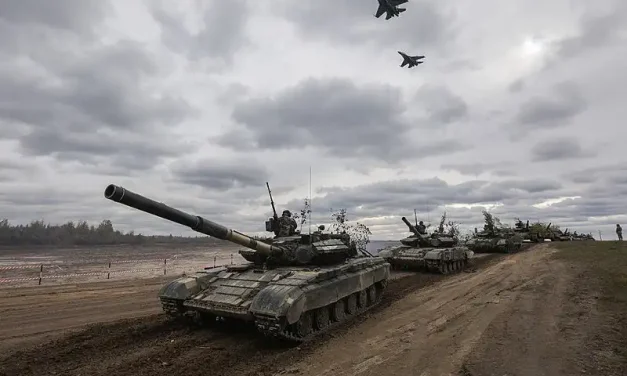
SCFR Online – Opinion: The Russia-Ukraine war and the war of the United States and the Israeli regime against Iran have been formed with different objectives and actors, but field and political developments indicate that they are not entirely separate from one another.

Loading

Joe Biden

Saudis Escape Forward by Raising Unacceptable Proposal of Attending JCPOA Talks

Saudis Escape Forward by Raising Unacceptable Proposal of Attending JCPOA Talks

Strategic Council Online – Riyadh and Manama concerned about easing tensions between Iran and the United States and even with Europe and changing their supportive approach to Saudi Arabia and Bahrain, have called for participation in renewed talks on Iran or at least their interests be taken into account, an expert on the Middle East affairs said.

Saudi Efforts to Reduce Tensions in the Region & the Need for Qatar’s Vigilance

Saudi Efforts to Reduce Tensions in the Region & the Need for Qatar’s Vigilance

Strategic Council Online – An expert on Saudi Arabia said that reducing tensions is the concurrent desire of the three countries of Turkey, Qatar and Saudi Arabia, said: The Saudi concern over the return of the United States to the Iran Nuclear Agreement (also known as the Joint Comprehensive Plan of Action) and boosting Iran’s economic strength have prompted Riyadh to minimize tensions with the Arab and Sunni fronts before Trump leaves the White House and Biden takes over in order to confront Iran with a new lineup. But the important point in this regard is the vigilance of Qatar. In other words, Doha should be careful not to be caught by the Saudi conspiracy against Iran, which was beside Qatar during the difficult years of sanctions.

Prospects for Europe-US Relations and Poland’s Exit from EU

Prospects for Europe-US Relations and Poland’s Exit from EU

Strategic Council Online – A faculty member of the Research Institute for Strategic Studies said that with the return of the Democrats and the internationalist approach in the United States, US-European relations will be restored to a large extent and the possibility for the weakening of the EU will stop. He added: Trump was in favour of disintegration in Europe, but in the aftermath of the coming to power of the new US administration, it seems very unlikely that Poland will take the issue of leaving the EU seriously.

International implications of the reduction in the US shale oil production

International implications of the reduction in the US shale oil production

Strategic Council Online—Editorial: Bloomberg recently published a report on the end of remarkable growth in the production of shale oil by the United States; of course, the reduction of shale oil production is not a new phenomenon. It actually began several months ago. However, the recent report indicates a rapid reduction at a level some analysts cannot envisage a growth in the shale oil production even for the year 2023.
Reza Majidzadeh-Economics researcher

Zionist Regime’s Political Crisis & Netanyahu’s Future

Zionist Regime’s Political Crisis & Netanyahu’s Future

Strategic Council Online – An expert on the Middle East affairs said: The main reasons for the six-month protest demonstrations against Israeli Prime Minister Benjamin Netanyahu are economic problems, issues caused by the outbreak of the coronavirus and the inefficiency of his government in resolving public problems.

Implications of US Withdrawal from Iraq and Afghanistan

Implications of US Withdrawal from Iraq and Afghanistan

Strategic Council Online – Despite warnings, Ronald Trump intends to reduce the number of American troops from Afghanistan and Iraq ahead of the deadline. He wants to be still influential in foreign and security policy, and intends to constrain his successor, Joe Biden. Withdrawal of US troops from Iraq and Afghanistan, without coordination and acceptance of the responsibility, could have dangerous consequences for the region as well as for the European allies of the US.
Mahmoud Fazeli – Expert on International Affairs

Escalation of Violence in Afghanistan; US New Administration’s Strategy?

Escalation of Violence in Afghanistan; US New Administration’s Strategy?

Strategic Council Online – As ISIS targets the Afghan capital with numerous missile strikes, this idea has been bolstered that it could pave the way for a continued US presence in Afghanistan and given that ISIS terrorist attacks are in line with the targets of the White House to perpetuate violence in Afghanistan and manage it, planning of those attacks has been attributed to Washington.
Mohammad Reza Asgari Moroudi – senior expert on Asia affairs

Negative Consequences of Saudi Economic Investment in Iraq

Negative Consequences of Saudi Economic Investment in Iraq

Strategic Council Online: An expert on the Middle East affairs, referring to the protest rally of the Iraqis in response to Saudi Arabia’s investment in their country, said: The government of Mustafa Al-Kadhimi is looking to foreign investment, especially by the wealthy states in the Persian Gulf, to alleviate economic problems – countries that in the past two decades, with the support of the ISIS and some extremist Sunni groups in Iraq, have always tried to prevent any stabilization and security in the war-torn country.

أحدث الوظائف

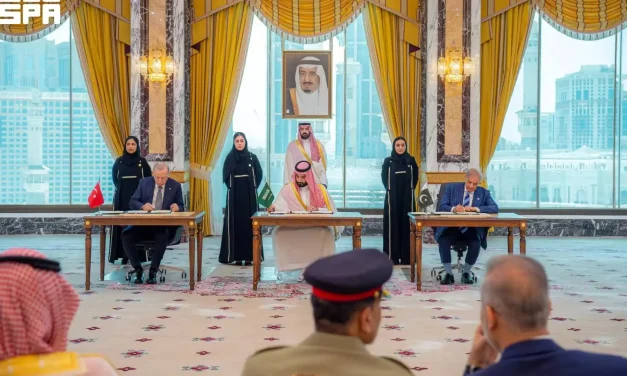
The Makkah Pact; Reasons for its Formation and Challenges Ahead

SCFR Online – Opinion: The Makkah Pact, signed between Saudi Arabia, Pakistan, and Turkey under the motto “an attack on one is an attack on all,” is viewed by some analysts less as a full-fledged military coalition and more as an attempt to reduce security dependence on an external power and to establish a regional security mechanism.
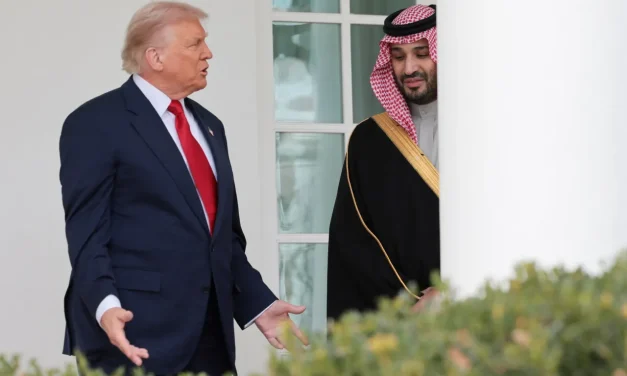
Implications of the US-Saudi Nuclear Agreement

SCFR Online – Opinion: The new US-Saudi nuclear agreement, despite legal and political ambiguities, could alter previous non-proliferation standards in West Asia and intensify nuclear competition, ushering it into a new phase.

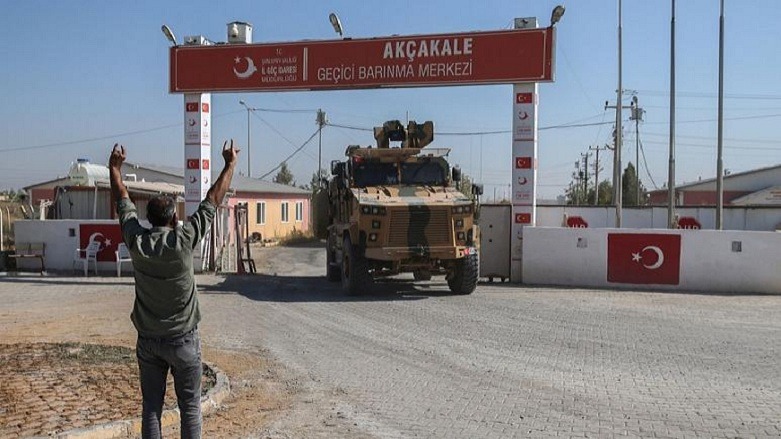
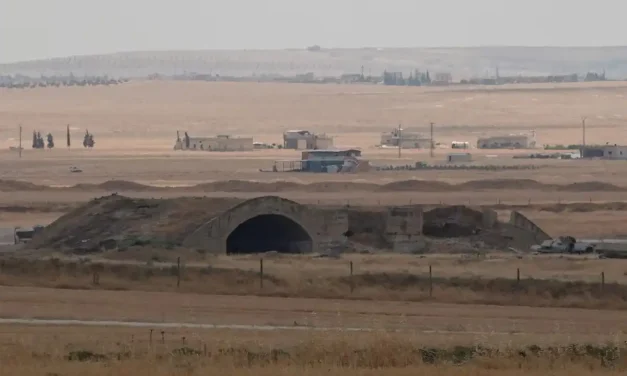
An Analysis of Recent Turkey-Israeli Regime Tensions

SCFR Online – Opinion: Recent developments in Syria indicate an intensification of strategic rivalry between Turkey and the Israeli regime, but mutual considerations and the role of the United States have limited the likelihood of direct war.

Increasing criticism of the extensive Zionist lobby network

SCFR Online – Opinion: An examination of the mechanisms of the Israeli regime’s influence in the United States depicts a complex picture of shared interests, strategic dependencies, and the limitations of this relationship.

Realities of the Tripartite Makkah Pact

SCFR Online – Interview: The signing of the Makkah agreement between Saudi Arabia, Pakistan, and Turkey has raised questions about the future of the region’s security structure and the position of these countries in West Asian equations. Can this agreement become a genuine collective defense mechanism, or does it have more of a political and deterrent function than creating new military capacity?

Strategic Implications of the Reduction of US Weapons Stockpiles

SCFR Online – Opinion: The continuation of the US war against Iran, in addition to increasing operational costs, has called into question the actual capacity of the American arsenal to simultaneously fulfill security commitments on multiple fronts; an issue that affects deterrence, defense production capacity, and Washington’s resource prioritization.

The Formation of a New Order in Relations Between Powers

SCFR Online – Opinion: The Russia-Ukraine war and the war of the United States and the Israeli regime against Iran have been formed with different objectives and actors, but field and political developments indicate that they are not entirely separate from one another.

Loading

Joe Biden

Saudis Escape Forward by Raising Unacceptable Proposal of Attending JCPOA Talks

Saudis Escape Forward by Raising Unacceptable Proposal of Attending JCPOA Talks

Strategic Council Online – Riyadh and Manama concerned about easing tensions between Iran and the United States and even with Europe and changing their supportive approach to Saudi Arabia and Bahrain, have called for participation in renewed talks on Iran or at least their interests be taken into account, an expert on the Middle East affairs said.

Saudi Efforts to Reduce Tensions in the Region & the Need for Qatar’s Vigilance

Saudi Efforts to Reduce Tensions in the Region & the Need for Qatar’s Vigilance

Strategic Council Online – An expert on Saudi Arabia said that reducing tensions is the concurrent desire of the three countries of Turkey, Qatar and Saudi Arabia, said: The Saudi concern over the return of the United States to the Iran Nuclear Agreement (also known as the Joint Comprehensive Plan of Action) and boosting Iran’s economic strength have prompted Riyadh to minimize tensions with the Arab and Sunni fronts before Trump leaves the White House and Biden takes over in order to confront Iran with a new lineup. But the important point in this regard is the vigilance of Qatar. In other words, Doha should be careful not to be caught by the Saudi conspiracy against Iran, which was beside Qatar during the difficult years of sanctions.

Prospects for Europe-US Relations and Poland’s Exit from EU

Prospects for Europe-US Relations and Poland’s Exit from EU

Strategic Council Online – A faculty member of the Research Institute for Strategic Studies said that with the return of the Democrats and the internationalist approach in the United States, US-European relations will be restored to a large extent and the possibility for the weakening of the EU will stop. He added: Trump was in favour of disintegration in Europe, but in the aftermath of the coming to power of the new US administration, it seems very unlikely that Poland will take the issue of leaving the EU seriously.

International implications of the reduction in the US shale oil production

International implications of the reduction in the US shale oil production

Strategic Council Online—Editorial: Bloomberg recently published a report on the end of remarkable growth in the production of shale oil by the United States; of course, the reduction of shale oil production is not a new phenomenon. It actually began several months ago. However, the recent report indicates a rapid reduction at a level some analysts cannot envisage a growth in the shale oil production even for the year 2023.
Reza Majidzadeh-Economics researcher

Zionist Regime’s Political Crisis & Netanyahu’s Future

Zionist Regime’s Political Crisis & Netanyahu’s Future

Strategic Council Online – An expert on the Middle East affairs said: The main reasons for the six-month protest demonstrations against Israeli Prime Minister Benjamin Netanyahu are economic problems, issues caused by the outbreak of the coronavirus and the inefficiency of his government in resolving public problems.

Implications of US Withdrawal from Iraq and Afghanistan

Implications of US Withdrawal from Iraq and Afghanistan

Strategic Council Online – Despite warnings, Ronald Trump intends to reduce the number of American troops from Afghanistan and Iraq ahead of the deadline. He wants to be still influential in foreign and security policy, and intends to constrain his successor, Joe Biden. Withdrawal of US troops from Iraq and Afghanistan, without coordination and acceptance of the responsibility, could have dangerous consequences for the region as well as for the European allies of the US.
Mahmoud Fazeli – Expert on International Affairs

Escalation of Violence in Afghanistan; US New Administration’s Strategy?

Escalation of Violence in Afghanistan; US New Administration’s Strategy?

Strategic Council Online – As ISIS targets the Afghan capital with numerous missile strikes, this idea has been bolstered that it could pave the way for a continued US presence in Afghanistan and given that ISIS terrorist attacks are in line with the targets of the White House to perpetuate violence in Afghanistan and manage it, planning of those attacks has been attributed to Washington.
Mohammad Reza Asgari Moroudi – senior expert on Asia affairs

Negative Consequences of Saudi Economic Investment in Iraq

Negative Consequences of Saudi Economic Investment in Iraq

Strategic Council Online: An expert on the Middle East affairs, referring to the protest rally of the Iraqis in response to Saudi Arabia’s investment in their country, said: The government of Mustafa Al-Kadhimi is looking to foreign investment, especially by the wealthy states in the Persian Gulf, to alleviate economic problems – countries that in the past two decades, with the support of the ISIS and some extremist Sunni groups in Iraq, have always tried to prevent any stabilization and security in the war-torn country.

Joe Biden

Saudis Escape Forward by Raising Unacceptable Proposal of Attending JCPOA Talks

Saudis Escape Forward by Raising Unacceptable Proposal of Attending JCPOA Talks

Strategic Council Online – Riyadh and Manama concerned about easing tensions between Iran and the United States and even with Europe and changing their supportive approach to Saudi Arabia and Bahrain, have called for participation in renewed talks on Iran or at least their interests be taken into account, an expert on the Middle East affairs said.

Saudi Efforts to Reduce Tensions in the Region & the Need for Qatar’s Vigilance

Saudi Efforts to Reduce Tensions in the Region & the Need for Qatar’s Vigilance

Strategic Council Online – An expert on Saudi Arabia said that reducing tensions is the concurrent desire of the three countries of Turkey, Qatar and Saudi Arabia, said: The Saudi concern over the return of the United States to the Iran Nuclear Agreement (also known as the Joint Comprehensive Plan of Action) and boosting Iran’s economic strength have prompted Riyadh to minimize tensions with the Arab and Sunni fronts before Trump leaves the White House and Biden takes over in order to confront Iran with a new lineup. But the important point in this regard is the vigilance of Qatar. In other words, Doha should be careful not to be caught by the Saudi conspiracy against Iran, which was beside Qatar during the difficult years of sanctions.

Prospects for Europe-US Relations and Poland’s Exit from EU

Prospects for Europe-US Relations and Poland’s Exit from EU

Strategic Council Online – A faculty member of the Research Institute for Strategic Studies said that with the return of the Democrats and the internationalist approach in the United States, US-European relations will be restored to a large extent and the possibility for the weakening of the EU will stop. He added: Trump was in favour of disintegration in Europe, but in the aftermath of the coming to power of the new US administration, it seems very unlikely that Poland will take the issue of leaving the EU seriously.

International implications of the reduction in the US shale oil production

International implications of the reduction in the US shale oil production

Strategic Council Online—Editorial: Bloomberg recently published a report on the end of remarkable growth in the production of shale oil by the United States; of course, the reduction of shale oil production is not a new phenomenon. It actually began several months ago. However, the recent report indicates a rapid reduction at a level some analysts cannot envisage a growth in the shale oil production even for the year 2023.
Reza Majidzadeh-Economics researcher

Zionist Regime’s Political Crisis & Netanyahu’s Future

Zionist Regime’s Political Crisis & Netanyahu’s Future

Strategic Council Online – An expert on the Middle East affairs said: The main reasons for the six-month protest demonstrations against Israeli Prime Minister Benjamin Netanyahu are economic problems, issues caused by the outbreak of the coronavirus and the inefficiency of his government in resolving public problems.

Implications of US Withdrawal from Iraq and Afghanistan

Implications of US Withdrawal from Iraq and Afghanistan

Strategic Council Online – Despite warnings, Ronald Trump intends to reduce the number of American troops from Afghanistan and Iraq ahead of the deadline. He wants to be still influential in foreign and security policy, and intends to constrain his successor, Joe Biden. Withdrawal of US troops from Iraq and Afghanistan, without coordination and acceptance of the responsibility, could have dangerous consequences for the region as well as for the European allies of the US.
Mahmoud Fazeli – Expert on International Affairs

Escalation of Violence in Afghanistan; US New Administration’s Strategy?

Escalation of Violence in Afghanistan; US New Administration’s Strategy?

Strategic Council Online – As ISIS targets the Afghan capital with numerous missile strikes, this idea has been bolstered that it could pave the way for a continued US presence in Afghanistan and given that ISIS terrorist attacks are in line with the targets of the White House to perpetuate violence in Afghanistan and manage it, planning of those attacks has been attributed to Washington.
Mohammad Reza Asgari Moroudi – senior expert on Asia affairs

Negative Consequences of Saudi Economic Investment in Iraq

Negative Consequences of Saudi Economic Investment in Iraq

Strategic Council Online: An expert on the Middle East affairs, referring to the protest rally of the Iraqis in response to Saudi Arabia’s investment in their country, said: The government of Mustafa Al-Kadhimi is looking to foreign investment, especially by the wealthy states in the Persian Gulf, to alleviate economic problems – countries that in the past two decades, with the support of the ISIS and some extremist Sunni groups in Iraq, have always tried to prevent any stabilization and security in the war-torn country.

LATEST CONTENT

The Makkah Pact; Reasons for its Formation and Challenges Ahead

SCFR Online – Opinion: The Makkah Pact, signed between Saudi Arabia, Pakistan, and Turkey under the motto “an attack on one is an attack on all,” is viewed by some analysts less as a full-fledged military coalition and more as an attempt to reduce security dependence on an external power and to establish a regional security mechanism.
Implications of the US-Saudi Nuclear Agreement

SCFR Online – Opinion: The new US-Saudi nuclear agreement, despite legal and political ambiguities, could alter previous non-proliferation standards in West Asia and intensify nuclear competition, ushering it into a new phase.

An Analysis of Recent Turkey-Israeli Regime Tensions

SCFR Online – Opinion: Recent developments in Syria indicate an intensification of strategic rivalry between Turkey and the Israeli regime, but mutual considerations and the role of the United States have limited the likelihood of direct war.

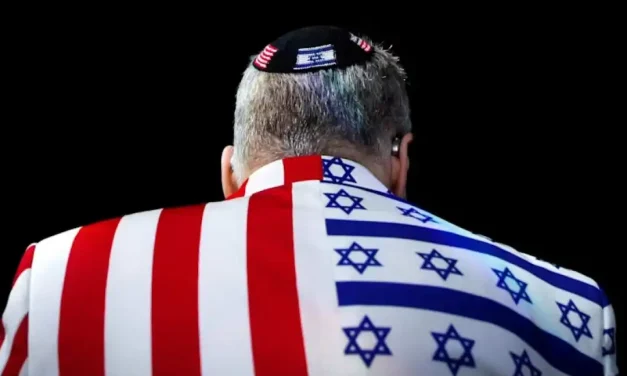
Increasing criticism of the extensive Zionist lobby network

SCFR Online – Opinion: An examination of the mechanisms of the Israeli regime’s influence in the United States depicts a complex picture of shared interests, strategic dependencies, and the limitations of this relationship.

Realities of the Tripartite Makkah Pact

SCFR Online – Interview: The signing of the Makkah agreement between Saudi Arabia, Pakistan, and Turkey has raised questions about the future of the region’s security structure and the position of these countries in West Asian equations. Can this agreement become a genuine collective defense mechanism, or does it have more of a political and deterrent function than creating new military capacity?

Strategic Implications of the Reduction of US Weapons Stockpiles

SCFR Online – Opinion: The continuation of the US war against Iran, in addition to increasing operational costs, has called into question the actual capacity of the American arsenal to simultaneously fulfill security commitments on multiple fronts; an issue that affects deterrence, defense production capacity, and Washington’s resource prioritization.

The Formation of a New Order in Relations Between Powers

SCFR Online – Opinion: The Russia-Ukraine war and the war of the United States and the Israeli regime against Iran have been formed with different objectives and actors, but field and political developments indicate that they are not entirely separate from one another.

Loading

Joe Biden

Saudis Escape Forward by Raising Unacceptable Proposal of Attending JCPOA Talks

Saudis Escape Forward by Raising Unacceptable Proposal of Attending JCPOA Talks

Strategic Council Online – Riyadh and Manama concerned about easing tensions between Iran and the United States and even with Europe and changing their supportive approach to Saudi Arabia and Bahrain, have called for participation in renewed talks on Iran or at least their interests be taken into account, an expert on the Middle East affairs said.

Saudi Efforts to Reduce Tensions in the Region & the Need for Qatar’s Vigilance

Saudi Efforts to Reduce Tensions in the Region & the Need for Qatar’s Vigilance

Strategic Council Online – An expert on Saudi Arabia said that reducing tensions is the concurrent desire of the three countries of Turkey, Qatar and Saudi Arabia, said: The Saudi concern over the return of the United States to the Iran Nuclear Agreement (also known as the Joint Comprehensive Plan of Action) and boosting Iran’s economic strength have prompted Riyadh to minimize tensions with the Arab and Sunni fronts before Trump leaves the White House and Biden takes over in order to confront Iran with a new lineup. But the important point in this regard is the vigilance of Qatar. In other words, Doha should be careful not to be caught by the Saudi conspiracy against Iran, which was beside Qatar during the difficult years of sanctions.

Prospects for Europe-US Relations and Poland’s Exit from EU

Prospects for Europe-US Relations and Poland’s Exit from EU

Strategic Council Online – A faculty member of the Research Institute for Strategic Studies said that with the return of the Democrats and the internationalist approach in the United States, US-European relations will be restored to a large extent and the possibility for the weakening of the EU will stop. He added: Trump was in favour of disintegration in Europe, but in the aftermath of the coming to power of the new US administration, it seems very unlikely that Poland will take the issue of leaving the EU seriously.

International implications of the reduction in the US shale oil production

International implications of the reduction in the US shale oil production

Strategic Council Online—Editorial: Bloomberg recently published a report on the end of remarkable growth in the production of shale oil by the United States; of course, the reduction of shale oil production is not a new phenomenon. It actually began several months ago. However, the recent report indicates a rapid reduction at a level some analysts cannot envisage a growth in the shale oil production even for the year 2023.
Reza Majidzadeh-Economics researcher

Zionist Regime’s Political Crisis & Netanyahu’s Future

Zionist Regime’s Political Crisis & Netanyahu’s Future

Strategic Council Online – An expert on the Middle East affairs said: The main reasons for the six-month protest demonstrations against Israeli Prime Minister Benjamin Netanyahu are economic problems, issues caused by the outbreak of the coronavirus and the inefficiency of his government in resolving public problems.

Implications of US Withdrawal from Iraq and Afghanistan

Implications of US Withdrawal from Iraq and Afghanistan

Strategic Council Online – Despite warnings, Ronald Trump intends to reduce the number of American troops from Afghanistan and Iraq ahead of the deadline. He wants to be still influential in foreign and security policy, and intends to constrain his successor, Joe Biden. Withdrawal of US troops from Iraq and Afghanistan, without coordination and acceptance of the responsibility, could have dangerous consequences for the region as well as for the European allies of the US.
Mahmoud Fazeli – Expert on International Affairs

Escalation of Violence in Afghanistan; US New Administration’s Strategy?

Escalation of Violence in Afghanistan; US New Administration’s Strategy?

Strategic Council Online – As ISIS targets the Afghan capital with numerous missile strikes, this idea has been bolstered that it could pave the way for a continued US presence in Afghanistan and given that ISIS terrorist attacks are in line with the targets of the White House to perpetuate violence in Afghanistan and manage it, planning of those attacks has been attributed to Washington.
Mohammad Reza Asgari Moroudi – senior expert on Asia affairs

Negative Consequences of Saudi Economic Investment in Iraq

Negative Consequences of Saudi Economic Investment in Iraq

Strategic Council Online: An expert on the Middle East affairs, referring to the protest rally of the Iraqis in response to Saudi Arabia’s investment in their country, said: The government of Mustafa Al-Kadhimi is looking to foreign investment, especially by the wealthy states in the Persian Gulf, to alleviate economic problems – countries that in the past two decades, with the support of the ISIS and some extremist Sunni groups in Iraq, have always tried to prevent any stabilization and security in the war-torn country.

ÚLTIMAS PUBLICACIONES

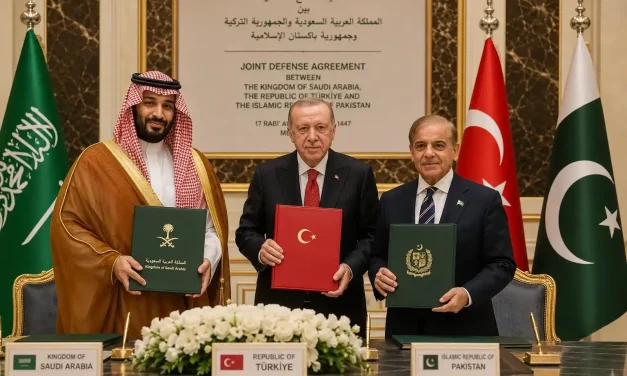
The Makkah Pact; Reasons for its Formation and Challenges Ahead

SCFR Online – Opinion: The Makkah Pact, signed between Saudi Arabia, Pakistan, and Turkey under the motto “an attack on one is an attack on all,” is viewed by some analysts less as a full-fledged military coalition and more as an attempt to reduce security dependence on an external power and to establish a regional security mechanism.
Implications of the US-Saudi Nuclear Agreement

SCFR Online – Opinion: The new US-Saudi nuclear agreement, despite legal and political ambiguities, could alter previous non-proliferation standards in West Asia and intensify nuclear competition, ushering it into a new phase.

An Analysis of Recent Turkey-Israeli Regime Tensions

SCFR Online – Opinion: Recent developments in Syria indicate an intensification of strategic rivalry between Turkey and the Israeli regime, but mutual considerations and the role of the United States have limited the likelihood of direct war.

Increasing criticism of the extensive Zionist lobby network

SCFR Online – Opinion: An examination of the mechanisms of the Israeli regime’s influence in the United States depicts a complex picture of shared interests, strategic dependencies, and the limitations of this relationship.

Realities of the Tripartite Makkah Pact

SCFR Online – Interview: The signing of the Makkah agreement between Saudi Arabia, Pakistan, and Turkey has raised questions about the future of the region’s security structure and the position of these countries in West Asian equations. Can this agreement become a genuine collective defense mechanism, or does it have more of a political and deterrent function than creating new military capacity?

Strategic Implications of the Reduction of US Weapons Stockpiles

SCFR Online – Opinion: The continuation of the US war against Iran, in addition to increasing operational costs, has called into question the actual capacity of the American arsenal to simultaneously fulfill security commitments on multiple fronts; an issue that affects deterrence, defense production capacity, and Washington’s resource prioritization.

The Formation of a New Order in Relations Between Powers

SCFR Online – Opinion: The Russia-Ukraine war and the war of the United States and the Israeli regime against Iran have been formed with different objectives and actors, but field and political developments indicate that they are not entirely separate from one another.

Loading

Joe Biden

Saudis Escape Forward by Raising Unacceptable Proposal of Attending JCPOA Talks

Saudis Escape Forward by Raising Unacceptable Proposal of Attending JCPOA Talks

Strategic Council Online – Riyadh and Manama concerned about easing tensions between Iran and the United States and even with Europe and changing their supportive approach to Saudi Arabia and Bahrain, have called for participation in renewed talks on Iran or at least their interests be taken into account, an expert on the Middle East affairs said.

Saudi Efforts to Reduce Tensions in the Region & the Need for Qatar’s Vigilance

Saudi Efforts to Reduce Tensions in the Region & the Need for Qatar’s Vigilance

Strategic Council Online – An expert on Saudi Arabia said that reducing tensions is the concurrent desire of the three countries of Turkey, Qatar and Saudi Arabia, said: The Saudi concern over the return of the United States to the Iran Nuclear Agreement (also known as the Joint Comprehensive Plan of Action) and boosting Iran’s economic strength have prompted Riyadh to minimize tensions with the Arab and Sunni fronts before Trump leaves the White House and Biden takes over in order to confront Iran with a new lineup. But the important point in this regard is the vigilance of Qatar. In other words, Doha should be careful not to be caught by the Saudi conspiracy against Iran, which was beside Qatar during the difficult years of sanctions.

Prospects for Europe-US Relations and Poland’s Exit from EU

Prospects for Europe-US Relations and Poland’s Exit from EU

Strategic Council Online – A faculty member of the Research Institute for Strategic Studies said that with the return of the Democrats and the internationalist approach in the United States, US-European relations will be restored to a large extent and the possibility for the weakening of the EU will stop. He added: Trump was in favour of disintegration in Europe, but in the aftermath of the coming to power of the new US administration, it seems very unlikely that Poland will take the issue of leaving the EU seriously.

International implications of the reduction in the US shale oil production

International implications of the reduction in the US shale oil production

Strategic Council Online—Editorial: Bloomberg recently published a report on the end of remarkable growth in the production of shale oil by the United States; of course, the reduction of shale oil production is not a new phenomenon. It actually began several months ago. However, the recent report indicates a rapid reduction at a level some analysts cannot envisage a growth in the shale oil production even for the year 2023.
Reza Majidzadeh-Economics researcher

Zionist Regime’s Political Crisis & Netanyahu’s Future

Zionist Regime’s Political Crisis & Netanyahu’s Future

Strategic Council Online – An expert on the Middle East affairs said: The main reasons for the six-month protest demonstrations against Israeli Prime Minister Benjamin Netanyahu are economic problems, issues caused by the outbreak of the coronavirus and the inefficiency of his government in resolving public problems.

Implications of US Withdrawal from Iraq and Afghanistan

Implications of US Withdrawal from Iraq and Afghanistan

Strategic Council Online – Despite warnings, Ronald Trump intends to reduce the number of American troops from Afghanistan and Iraq ahead of the deadline. He wants to be still influential in foreign and security policy, and intends to constrain his successor, Joe Biden. Withdrawal of US troops from Iraq and Afghanistan, without coordination and acceptance of the responsibility, could have dangerous consequences for the region as well as for the European allies of the US.
Mahmoud Fazeli – Expert on International Affairs

Escalation of Violence in Afghanistan; US New Administration’s Strategy?

Escalation of Violence in Afghanistan; US New Administration’s Strategy?

Strategic Council Online – As ISIS targets the Afghan capital with numerous missile strikes, this idea has been bolstered that it could pave the way for a continued US presence in Afghanistan and given that ISIS terrorist attacks are in line with the targets of the White House to perpetuate violence in Afghanistan and manage it, planning of those attacks has been attributed to Washington.
Mohammad Reza Asgari Moroudi – senior expert on Asia affairs

Negative Consequences of Saudi Economic Investment in Iraq

Negative Consequences of Saudi Economic Investment in Iraq

Strategic Council Online: An expert on the Middle East affairs, referring to the protest rally of the Iraqis in response to Saudi Arabia’s investment in their country, said: The government of Mustafa Al-Kadhimi is looking to foreign investment, especially by the wealthy states in the Persian Gulf, to alleviate economic problems – countries that in the past two decades, with the support of the ISIS and some extremist Sunni groups in Iraq, have always tried to prevent any stabilization and security in the war-torn country.

ÚLTIMAS PUBLICACIONES

The Makkah Pact; Reasons for its Formation and Challenges Ahead

SCFR Online – Opinion: The Makkah Pact, signed between Saudi Arabia, Pakistan, and Turkey under the motto “an attack on one is an attack on all,” is viewed by some analysts less as a full-fledged military coalition and more as an attempt to reduce security dependence on an external power and to establish a regional security mechanism.
Implications of the US-Saudi Nuclear Agreement

SCFR Online – Opinion: The new US-Saudi nuclear agreement, despite legal and political ambiguities, could alter previous non-proliferation standards in West Asia and intensify nuclear competition, ushering it into a new phase.

An Analysis of Recent Turkey-Israeli Regime Tensions

SCFR Online – Opinion: Recent developments in Syria indicate an intensification of strategic rivalry between Turkey and the Israeli regime, but mutual considerations and the role of the United States have limited the likelihood of direct war.

Increasing criticism of the extensive Zionist lobby network

SCFR Online – Opinion: An examination of the mechanisms of the Israeli regime’s influence in the United States depicts a complex picture of shared interests, strategic dependencies, and the limitations of this relationship.

Realities of the Tripartite Makkah Pact

SCFR Online – Interview: The signing of the Makkah agreement between Saudi Arabia, Pakistan, and Turkey has raised questions about the future of the region’s security structure and the position of these countries in West Asian equations. Can this agreement become a genuine collective defense mechanism, or does it have more of a political and deterrent function than creating new military capacity?

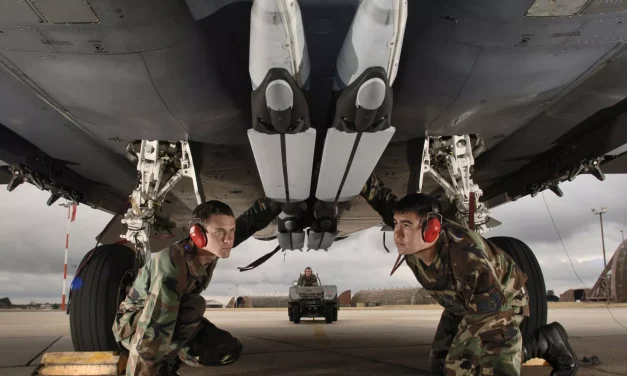
Strategic Implications of the Reduction of US Weapons Stockpiles

SCFR Online – Opinion: The continuation of the US war against Iran, in addition to increasing operational costs, has called into question the actual capacity of the American arsenal to simultaneously fulfill security commitments on multiple fronts; an issue that affects deterrence, defense production capacity, and Washington’s resource prioritization.

The Formation of a New Order in Relations Between Powers

SCFR Online – Opinion: The Russia-Ukraine war and the war of the United States and the Israeli regime against Iran have been formed with different objectives and actors, but field and political developments indicate that they are not entirely separate from one another.

Loading

Joe Biden

Saudis Escape Forward by Raising Unacceptable Proposal of Attending JCPOA Talks

Saudis Escape Forward by Raising Unacceptable Proposal of Attending JCPOA Talks

Strategic Council Online – Riyadh and Manama concerned about easing tensions between Iran and the United States and even with Europe and changing their supportive approach to Saudi Arabia and Bahrain, have called for participation in renewed talks on Iran or at least their interests be taken into account, an expert on the Middle East affairs said.

Saudi Efforts to Reduce Tensions in the Region & the Need for Qatar’s Vigilance

Saudi Efforts to Reduce Tensions in the Region & the Need for Qatar’s Vigilance

Strategic Council Online – An expert on Saudi Arabia said that reducing tensions is the concurrent desire of the three countries of Turkey, Qatar and Saudi Arabia, said: The Saudi concern over the return of the United States to the Iran Nuclear Agreement (also known as the Joint Comprehensive Plan of Action) and boosting Iran’s economic strength have prompted Riyadh to minimize tensions with the Arab and Sunni fronts before Trump leaves the White House and Biden takes over in order to confront Iran with a new lineup. But the important point in this regard is the vigilance of Qatar. In other words, Doha should be careful not to be caught by the Saudi conspiracy against Iran, which was beside Qatar during the difficult years of sanctions.

Prospects for Europe-US Relations and Poland’s Exit from EU

Prospects for Europe-US Relations and Poland’s Exit from EU

Strategic Council Online – A faculty member of the Research Institute for Strategic Studies said that with the return of the Democrats and the internationalist approach in the United States, US-European relations will be restored to a large extent and the possibility for the weakening of the EU will stop. He added: Trump was in favour of disintegration in Europe, but in the aftermath of the coming to power of the new US administration, it seems very unlikely that Poland will take the issue of leaving the EU seriously.

International implications of the reduction in the US shale oil production

International implications of the reduction in the US shale oil production

Strategic Council Online—Editorial: Bloomberg recently published a report on the end of remarkable growth in the production of shale oil by the United States; of course, the reduction of shale oil production is not a new phenomenon. It actually began several months ago. However, the recent report indicates a rapid reduction at a level some analysts cannot envisage a growth in the shale oil production even for the year 2023.
Reza Majidzadeh-Economics researcher

Zionist Regime’s Political Crisis & Netanyahu’s Future

Zionist Regime’s Political Crisis & Netanyahu’s Future

Strategic Council Online – An expert on the Middle East affairs said: The main reasons for the six-month protest demonstrations against Israeli Prime Minister Benjamin Netanyahu are economic problems, issues caused by the outbreak of the coronavirus and the inefficiency of his government in resolving public problems.

Implications of US Withdrawal from Iraq and Afghanistan

Implications of US Withdrawal from Iraq and Afghanistan

Strategic Council Online – Despite warnings, Ronald Trump intends to reduce the number of American troops from Afghanistan and Iraq ahead of the deadline. He wants to be still influential in foreign and security policy, and intends to constrain his successor, Joe Biden. Withdrawal of US troops from Iraq and Afghanistan, without coordination and acceptance of the responsibility, could have dangerous consequences for the region as well as for the European allies of the US.
Mahmoud Fazeli – Expert on International Affairs

Escalation of Violence in Afghanistan; US New Administration’s Strategy?

Escalation of Violence in Afghanistan; US New Administration’s Strategy?

Strategic Council Online – As ISIS targets the Afghan capital with numerous missile strikes, this idea has been bolstered that it could pave the way for a continued US presence in Afghanistan and given that ISIS terrorist attacks are in line with the targets of the White House to perpetuate violence in Afghanistan and manage it, planning of those attacks has been attributed to Washington.
Mohammad Reza Asgari Moroudi – senior expert on Asia affairs

Negative Consequences of Saudi Economic Investment in Iraq

Negative Consequences of Saudi Economic Investment in Iraq

Strategic Council Online: An expert on the Middle East affairs, referring to the protest rally of the Iraqis in response to Saudi Arabia’s investment in their country, said: The government of Mustafa Al-Kadhimi is looking to foreign investment, especially by the wealthy states in the Persian Gulf, to alleviate economic problems – countries that in the past two decades, with the support of the ISIS and some extremist Sunni groups in Iraq, have always tried to prevent any stabilization and security in the war-torn country.

ÚLTIMAS PUBLICACIONES

The Makkah Pact; Reasons for its Formation and Challenges Ahead

SCFR Online – Opinion: The Makkah Pact, signed between Saudi Arabia, Pakistan, and Turkey under the motto “an attack on one is an attack on all,” is viewed by some analysts less as a full-fledged military coalition and more as an attempt to reduce security dependence on an external power and to establish a regional security mechanism.
Implications of the US-Saudi Nuclear Agreement

SCFR Online – Opinion: The new US-Saudi nuclear agreement, despite legal and political ambiguities, could alter previous non-proliferation standards in West Asia and intensify nuclear competition, ushering it into a new phase.

An Analysis of Recent Turkey-Israeli Regime Tensions

SCFR Online – Opinion: Recent developments in Syria indicate an intensification of strategic rivalry between Turkey and the Israeli regime, but mutual considerations and the role of the United States have limited the likelihood of direct war.

Increasing criticism of the extensive Zionist lobby network

SCFR Online – Opinion: An examination of the mechanisms of the Israeli regime’s influence in the United States depicts a complex picture of shared interests, strategic dependencies, and the limitations of this relationship.

Realities of the Tripartite Makkah Pact

SCFR Online – Interview: The signing of the Makkah agreement between Saudi Arabia, Pakistan, and Turkey has raised questions about the future of the region’s security structure and the position of these countries in West Asian equations. Can this agreement become a genuine collective defense mechanism, or does it have more of a political and deterrent function than creating new military capacity?

Strategic Implications of the Reduction of US Weapons Stockpiles

SCFR Online – Opinion: The continuation of the US war against Iran, in addition to increasing operational costs, has called into question the actual capacity of the American arsenal to simultaneously fulfill security commitments on multiple fronts; an issue that affects deterrence, defense production capacity, and Washington’s resource prioritization.

The Formation of a New Order in Relations Between Powers

SCFR Online – Opinion: The Russia-Ukraine war and the war of the United States and the Israeli regime against Iran have been formed with different objectives and actors, but field and political developments indicate that they are not entirely separate from one another.

Loading

Joe Biden

Saudis Escape Forward by Raising Unacceptable Proposal of Attending JCPOA Talks

Saudis Escape Forward by Raising Unacceptable Proposal of Attending JCPOA Talks

Strategic Council Online – Riyadh and Manama concerned about easing tensions between Iran and the United States and even with Europe and changing their supportive approach to Saudi Arabia and Bahrain, have called for participation in renewed talks on Iran or at least their interests be taken into account, an expert on the Middle East affairs said.

Saudi Efforts to Reduce Tensions in the Region & the Need for Qatar’s Vigilance

Saudi Efforts to Reduce Tensions in the Region & the Need for Qatar’s Vigilance

Strategic Council Online – An expert on Saudi Arabia said that reducing tensions is the concurrent desire of the three countries of Turkey, Qatar and Saudi Arabia, said: The Saudi concern over the return of the United States to the Iran Nuclear Agreement (also known as the Joint Comprehensive Plan of Action) and boosting Iran’s economic strength have prompted Riyadh to minimize tensions with the Arab and Sunni fronts before Trump leaves the White House and Biden takes over in order to confront Iran with a new lineup. But the important point in this regard is the vigilance of Qatar. In other words, Doha should be careful not to be caught by the Saudi conspiracy against Iran, which was beside Qatar during the difficult years of sanctions.

Prospects for Europe-US Relations and Poland’s Exit from EU

Prospects for Europe-US Relations and Poland’s Exit from EU

Strategic Council Online – A faculty member of the Research Institute for Strategic Studies said that with the return of the Democrats and the internationalist approach in the United States, US-European relations will be restored to a large extent and the possibility for the weakening of the EU will stop. He added: Trump was in favour of disintegration in Europe, but in the aftermath of the coming to power of the new US administration, it seems very unlikely that Poland will take the issue of leaving the EU seriously.

International implications of the reduction in the US shale oil production

International implications of the reduction in the US shale oil production

Strategic Council Online—Editorial: Bloomberg recently published a report on the end of remarkable growth in the production of shale oil by the United States; of course, the reduction of shale oil production is not a new phenomenon. It actually began several months ago. However, the recent report indicates a rapid reduction at a level some analysts cannot envisage a growth in the shale oil production even for the year 2023.
Reza Majidzadeh-Economics researcher

Zionist Regime’s Political Crisis & Netanyahu’s Future

Zionist Regime’s Political Crisis & Netanyahu’s Future

Strategic Council Online – An expert on the Middle East affairs said: The main reasons for the six-month protest demonstrations against Israeli Prime Minister Benjamin Netanyahu are economic problems, issues caused by the outbreak of the coronavirus and the inefficiency of his government in resolving public problems.

Implications of US Withdrawal from Iraq and Afghanistan

Implications of US Withdrawal from Iraq and Afghanistan

Strategic Council Online – Despite warnings, Ronald Trump intends to reduce the number of American troops from Afghanistan and Iraq ahead of the deadline. He wants to be still influential in foreign and security policy, and intends to constrain his successor, Joe Biden. Withdrawal of US troops from Iraq and Afghanistan, without coordination and acceptance of the responsibility, could have dangerous consequences for the region as well as for the European allies of the US.
Mahmoud Fazeli – Expert on International Affairs

Escalation of Violence in Afghanistan; US New Administration’s Strategy?

Escalation of Violence in Afghanistan; US New Administration’s Strategy?

Strategic Council Online – As ISIS targets the Afghan capital with numerous missile strikes, this idea has been bolstered that it could pave the way for a continued US presence in Afghanistan and given that ISIS terrorist attacks are in line with the targets of the White House to perpetuate violence in Afghanistan and manage it, planning of those attacks has been attributed to Washington.
Mohammad Reza Asgari Moroudi – senior expert on Asia affairs

Negative Consequences of Saudi Economic Investment in Iraq

Negative Consequences of Saudi Economic Investment in Iraq

Strategic Council Online: An expert on the Middle East affairs, referring to the protest rally of the Iraqis in response to Saudi Arabia’s investment in their country, said: The government of Mustafa Al-Kadhimi is looking to foreign investment, especially by the wealthy states in the Persian Gulf, to alleviate economic problems – countries that in the past two decades, with the support of the ISIS and some extremist Sunni groups in Iraq, have always tried to prevent any stabilization and security in the war-torn country.

ÚLTIMAS PUBLICACIONES

The Makkah Pact; Reasons for its Formation and Challenges Ahead

SCFR Online – Opinion: The Makkah Pact, signed between Saudi Arabia, Pakistan, and Turkey under the motto “an attack on one is an attack on all,” is viewed by some analysts less as a full-fledged military coalition and more as an attempt to reduce security dependence on an external power and to establish a regional security mechanism.

Implications of the US-Saudi Nuclear Agreement

SCFR Online – Opinion: The new US-Saudi nuclear agreement, despite legal and political ambiguities, could alter previous non-proliferation standards in West Asia and intensify nuclear competition, ushering it into a new phase.

An Analysis of Recent Turkey-Israeli Regime Tensions

SCFR Online – Opinion: Recent developments in Syria indicate an intensification of strategic rivalry between Turkey and the Israeli regime, but mutual considerations and the role of the United States have limited the likelihood of direct war.

Increasing criticism of the extensive Zionist lobby network

SCFR Online – Opinion: An examination of the mechanisms of the Israeli regime’s influence in the United States depicts a complex picture of shared interests, strategic dependencies, and the limitations of this relationship.

Realities of the Tripartite Makkah Pact

SCFR Online – Interview: The signing of the Makkah agreement between Saudi Arabia, Pakistan, and Turkey has raised questions about the future of the region’s security structure and the position of these countries in West Asian equations. Can this agreement become a genuine collective defense mechanism, or does it have more of a political and deterrent function than creating new military capacity?

Strategic Implications of the Reduction of US Weapons Stockpiles

SCFR Online – Opinion: The continuation of the US war against Iran, in addition to increasing operational costs, has called into question the actual capacity of the American arsenal to simultaneously fulfill security commitments on multiple fronts; an issue that affects deterrence, defense production capacity, and Washington’s resource prioritization.

The Formation of a New Order in Relations Between Powers

SCFR Online – Opinion: The Russia-Ukraine war and the war of the United States and the Israeli regime against Iran have been formed with different objectives and actors, but field and political developments indicate that they are not entirely separate from one another.

Loading