Role of Trump’s Iranian Advisers in US Foreign Policy Blunders

2021/03/31 | interview, Politics, Top News

Strategic Council Online - A faculty member said that Biden’s team have cleverly chosen a path different from the one followed by the Trump administration which sided with the Munafeqin (Mujahedin Khalq Organization) or the monarchists, adding: Advisers and members of the current administration do not have the relations that someone like Bolton had with the MKO and they have realized that the Munafeqin have no place inside Iran and do not enjoy a popular base.

Dr. Fouad Izadi, in an interview with the website of the Strategic Council on Foreign Relations, referred to the performance of the Iranian advisers to the Trump administration and their influence in formulating incorrect policies towards Iran, including the misconception of the effect of the “maximum pressure” policy and noted: Mr. Bolton took money from Munafeqin to speak out against Iran and was familiar with that group before being assigned to a position in Trump administration. He knew the background of Munafeqin and was aware of their terrorist activities in relation to Iran and the Iranians.

Bolton and Pompeo’s close relations with Munafeqin

Noting that since the Munafeqin are terrorists liked by the United States and pursue various actions against Iran in line with their objectives, Bolton was familiar and cooperated with them, adding that former US Secretary of State Mike Pompeo also had a similar approach towards the MKO and the monarchists.

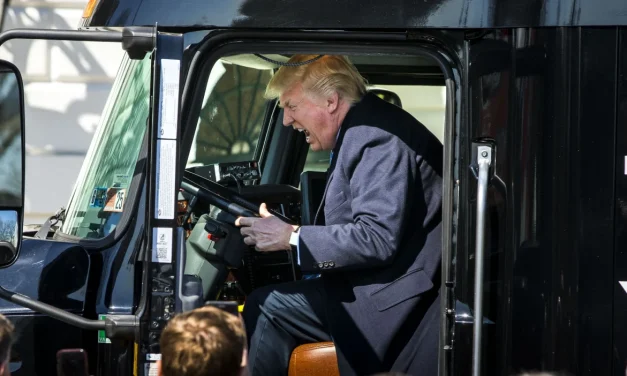
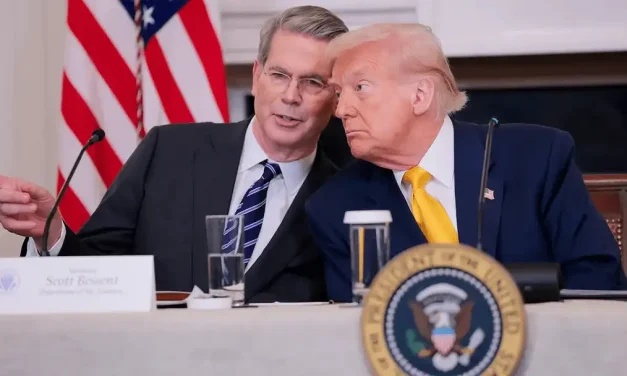
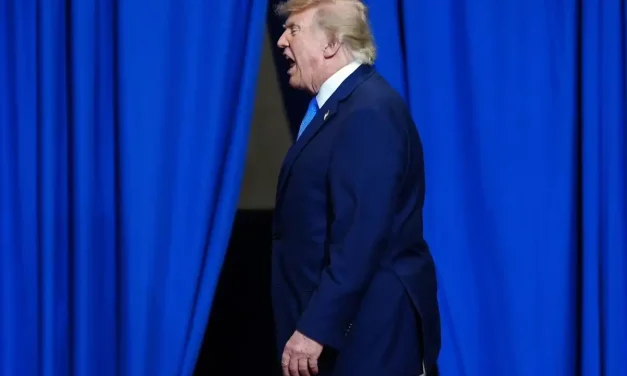
The Tehran University professor said that Trump did not necessarily take matters seriously and left decision-making to his advisers. Of course, the main issue in the Trump administration was the approach of US officials, Munafeqin and monarchists. They have been working against the Islamic Republic for 40 years or more and have tried hard to increase their influence in various governments.

Emphasizing that the situation in the Biden presidency is different from the previous administration, Izadi explained: Advisers and members of the current government do not have the relations that someone like Bolton had with Munafeqin, because they realize that Munafeqin have no place inside Iran and do not have a popular base. That is why Mr. Biden’s team is smarter in not giving way to Munafeqin or monarchists as it was in the past and under Mr. Trump.

Hostility of Biden’s administration, smarter and more specialized

The analyst of the US affairs added: This team is more capable of recognizing Iran, but we have to put this point next to another point, and that is the enmity of Biden and those around him towards Iran is not less than Trump; that is to say, confrontation that Biden and his entourage have in mind in dealing with Iran is nothing less than Trump, rather is smarter and more professional, but no less confrontational.

He stressed: As a result of such an approach, their relations with factors that are not effective and their recommendations that are not appropriate in practice, will be reduced, but there is still the enmity and a smarter enemy can sometimes be more effective than an enemy with low analytical capability. That is why in the Biden period, the Islamic Republic should be more vigilant and sensitive.

Need for increased Iranian intelligence vis-à-vis the US

Izadi continued: It is necessary that if there is an increased intelligence in confronting with Iran, there should be an increased intelligence inside Iran in confronting the opposite side. This must happen in Iran; because you are dealing with more serious people who have the same hostility. The Trump period was easier than that, Trump would come in and take a stand and make weird talk and all would laugh, but now Biden and those around him are using different literature but moving forward with the same objectives.

Referring to some of the positions of Biden and his entourage in recent days against Iran, and especially in relation to the JCPOA agreement, he added: Biden has been President of the United States for two months, he is still pursuing the same policies of Trump. Biden’s policies will change where they think it will be most effective in achieving the objective of striking Iran; therefore, domestic intelligence inside the country should increase compared to the United States.

Recalling the lack of understanding of Iran’s internal affairs and realities by the Munafeqin, he said: The Munafeqin fled the country many years ago and it seems that they do not have much understanding of Iran in practice. They may be able to assist in terrorist operations, but they have already failed to change the course of the country. The same was true in the early years of the revolution.

Changing US administration advisers does not necessarily mean improving the situation

Izadi stressed: It is not necessarily good news that the role of Munafeqin in directing American policies has diminished, because Munafeqin were defeated and the people who used Munafeqin were defeated as well and when the opposite side is defeated the other side will win.

He noted: Changing US administration advisers does not necessarily mean improving the situation, rather it means getting more complicated situation. During the Trump era, for example, the issue of “maximum pressure” was raised, and then Trump gave anti-Iranian speeches and made speeches that everyone inside Iran realized was not in the right balance in terms of understanding the real developments and conditions in Iran. This is better or when the enemy is smarter! Being smarter on the other side ultimately necessitates an increase in intelligence on the part of the insider side.

0 Comments

Submit a Comment

Your email address will not be published. Required fields are marked *

LATEST CONTENT

Realities of the Tripartite Makkah Pact

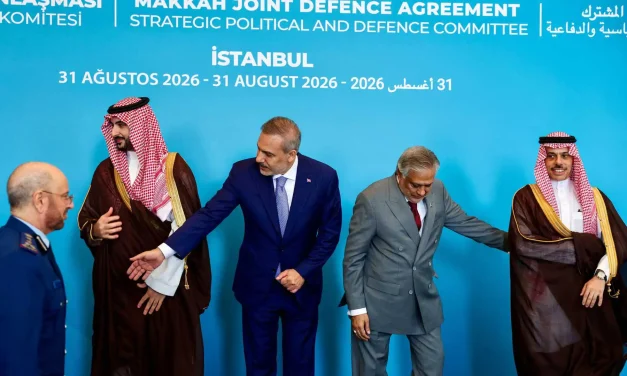
SCFR Online – Interview: The signing of the Makkah agreement between Saudi Arabia, Pakistan, and Turkey has raised questions about the future of the region’s security structure and the position of these countries in West Asian equations. Can this agreement become a genuine collective defense mechanism, or does it have more of a political and deterrent function than creating new military capacity?

Strategic Implications of the Reduction of US Weapons Stockpiles

SCFR Online – Opinion: The continuation of the US war against Iran, in addition to increasing operational costs, has called into question the actual capacity of the American arsenal to simultaneously fulfill security commitments on multiple fronts; an issue that affects deterrence, defense production capacity, and Washington’s resource prioritization.

The Formation of a New Order in Relations Between Powers

SCFR Online – Opinion: The Russia-Ukraine war and the war of the United States and the Israeli regime against Iran have been formed with different objectives and actors, but field and political developments indicate that they are not entirely separate from one another.

An Analysis of the Makkah Defense Pact

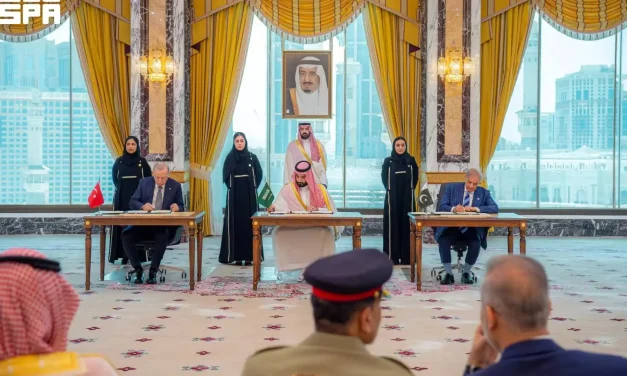
SCFR Online – Opinion: On Friday, August 7, the heads of state of three countries – Saudi Arabia, Turkey, and Pakistan – signed a text under the title “Makkah Joint Defense Agreement.”

Dimensions and challenges of the initiative to revive the Hejaz Railway

Strategic Council Online – Note: The initiative to revive the Hejaz Railway, beyond being a transportation project, constitutes an attempt to redefine geopolitics, the economy, and Turkey’s regional position; however, its realization appears to face significant financial, security, and institutional challenges.

Loading

Últimas publicaciones

Realities of the Tripartite Makkah Pact

SCFR Online – Interview: The signing of the Makkah agreement between Saudi Arabia, Pakistan, and Turkey has raised questions about the future of the region’s security structure and the position of these countries in West Asian equations. Can this agreement become a genuine collective defense mechanism, or does it have more of a political and deterrent function than creating new military capacity?

Strategic Implications of the Reduction of US Weapons Stockpiles

SCFR Online – Opinion: The continuation of the US war against Iran, in addition to increasing operational costs, has called into question the actual capacity of the American arsenal to simultaneously fulfill security commitments on multiple fronts; an issue that affects deterrence, defense production capacity, and Washington’s resource prioritization.

The Formation of a New Order in Relations Between Powers

SCFR Online – Opinion: The Russia-Ukraine war and the war of the United States and the Israeli regime against Iran have been formed with different objectives and actors, but field and political developments indicate that they are not entirely separate from one another.

An Analysis of the Makkah Defense Pact

SCFR Online – Opinion: On Friday, August 7, the heads of state of three countries – Saudi Arabia, Turkey, and Pakistan – signed a text under the title “Makkah Joint Defense Agreement.”

Dimensions and challenges of the initiative to revive the Hejaz Railway

Strategic Council Online – Note: The initiative to revive the Hejaz Railway, beyond being a transportation project, constitutes an attempt to redefine geopolitics, the economy, and Turkey’s regional position; however, its realization appears to face significant financial, security, and institutional challenges.

Loading

DERNIER CONTENU

Realities of the Tripartite Makkah Pact

SCFR Online – Interview: The signing of the Makkah agreement between Saudi Arabia, Pakistan, and Turkey has raised questions about the future of the region’s security structure and the position of these countries in West Asian equations. Can this agreement become a genuine collective defense mechanism, or does it have more of a political and deterrent function than creating new military capacity?

Strategic Implications of the Reduction of US Weapons Stockpiles

SCFR Online – Opinion: The continuation of the US war against Iran, in addition to increasing operational costs, has called into question the actual capacity of the American arsenal to simultaneously fulfill security commitments on multiple fronts; an issue that affects deterrence, defense production capacity, and Washington’s resource prioritization.

The Formation of a New Order in Relations Between Powers

SCFR Online – Opinion: The Russia-Ukraine war and the war of the United States and the Israeli regime against Iran have been formed with different objectives and actors, but field and political developments indicate that they are not entirely separate from one another.

An Analysis of the Makkah Defense Pact

SCFR Online – Opinion: On Friday, August 7, the heads of state of three countries – Saudi Arabia, Turkey, and Pakistan – signed a text under the title “Makkah Joint Defense Agreement.”

Dimensions and challenges of the initiative to revive the Hejaz Railway

Strategic Council Online – Note: The initiative to revive the Hejaz Railway, beyond being a transportation project, constitutes an attempt to redefine geopolitics, the economy, and Turkey’s regional position; however, its realization appears to face significant financial, security, and institutional challenges.

Loading

DERNIER CONTENU

Realities of the Tripartite Makkah Pact

SCFR Online – Interview: The signing of the Makkah agreement between Saudi Arabia, Pakistan, and Turkey has raised questions about the future of the region’s security structure and the position of these countries in West Asian equations. Can this agreement become a genuine collective defense mechanism, or does it have more of a political and deterrent function than creating new military capacity?

Strategic Implications of the Reduction of US Weapons Stockpiles

SCFR Online – Opinion: The continuation of the US war against Iran, in addition to increasing operational costs, has called into question the actual capacity of the American arsenal to simultaneously fulfill security commitments on multiple fronts; an issue that affects deterrence, defense production capacity, and Washington’s resource prioritization.

The Formation of a New Order in Relations Between Powers

SCFR Online – Opinion: The Russia-Ukraine war and the war of the United States and the Israeli regime against Iran have been formed with different objectives and actors, but field and political developments indicate that they are not entirely separate from one another.

An Analysis of the Makkah Defense Pact

SCFR Online – Opinion: On Friday, August 7, the heads of state of three countries – Saudi Arabia, Turkey, and Pakistan – signed a text under the title “Makkah Joint Defense Agreement.”

Dimensions and challenges of the initiative to revive the Hejaz Railway

Strategic Council Online – Note: The initiative to revive the Hejaz Railway, beyond being a transportation project, constitutes an attempt to redefine geopolitics, the economy, and Turkey’s regional position; however, its realization appears to face significant financial, security, and institutional challenges.

Loading

DERNIER CONTENU

Realities of the Tripartite Makkah Pact

SCFR Online – Interview: The signing of the Makkah agreement between Saudi Arabia, Pakistan, and Turkey has raised questions about the future of the region’s security structure and the position of these countries in West Asian equations. Can this agreement become a genuine collective defense mechanism, or does it have more of a political and deterrent function than creating new military capacity?

Strategic Implications of the Reduction of US Weapons Stockpiles

SCFR Online – Opinion: The continuation of the US war against Iran, in addition to increasing operational costs, has called into question the actual capacity of the American arsenal to simultaneously fulfill security commitments on multiple fronts; an issue that affects deterrence, defense production capacity, and Washington’s resource prioritization.

The Formation of a New Order in Relations Between Powers

SCFR Online – Opinion: The Russia-Ukraine war and the war of the United States and the Israeli regime against Iran have been formed with different objectives and actors, but field and political developments indicate that they are not entirely separate from one another.

An Analysis of the Makkah Defense Pact

SCFR Online – Opinion: On Friday, August 7, the heads of state of three countries – Saudi Arabia, Turkey, and Pakistan – signed a text under the title “Makkah Joint Defense Agreement.”

Dimensions and challenges of the initiative to revive the Hejaz Railway

Strategic Council Online – Note: The initiative to revive the Hejaz Railway, beyond being a transportation project, constitutes an attempt to redefine geopolitics, the economy, and Turkey’s regional position; however, its realization appears to face significant financial, security, and institutional challenges.

Loading