An Analysis of the Establishment of a Joint Arab Command in Kuwait

SCFR Online - Opinion: The establishment of a joint Arab command in Kuwait will contribute to sustainable Persian Gulf security only when it distances itself from dependence on America and is based on pursuing the participation and cooperation of all regional countries.

Barsam Mohammadi – Expert on Regional Affairs

Joint command in the shadow of defense vulnerabilities

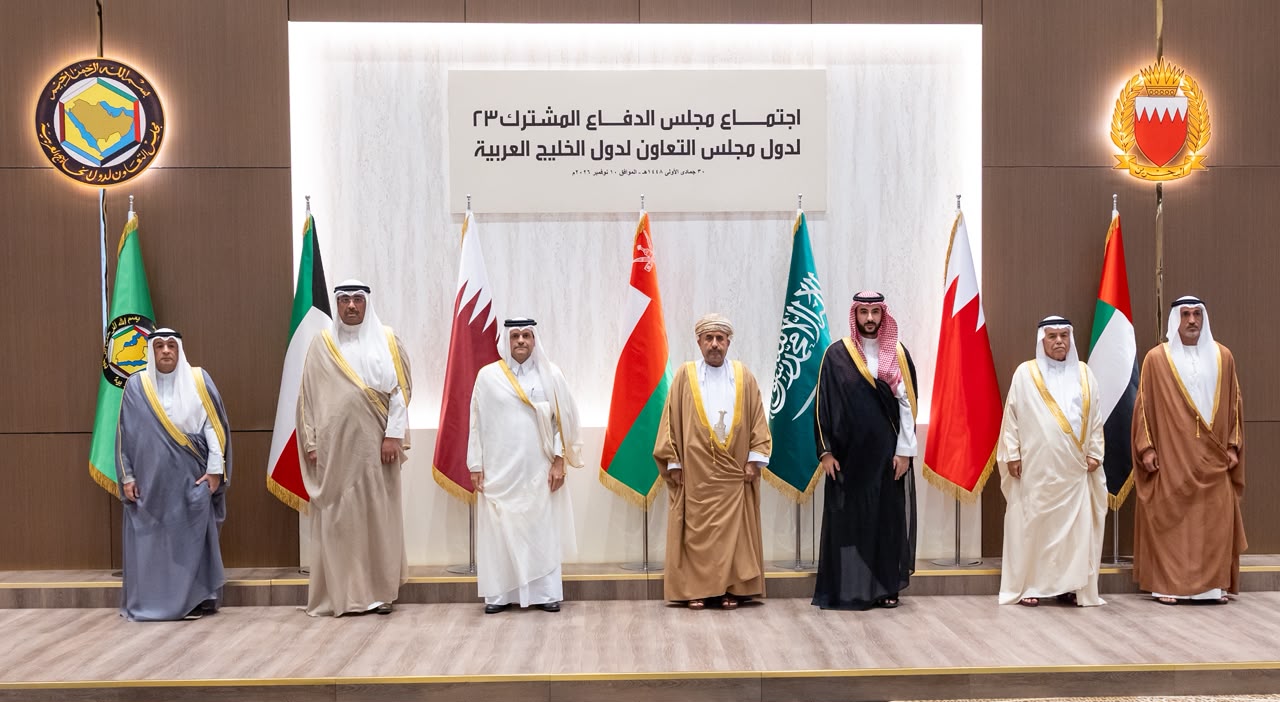
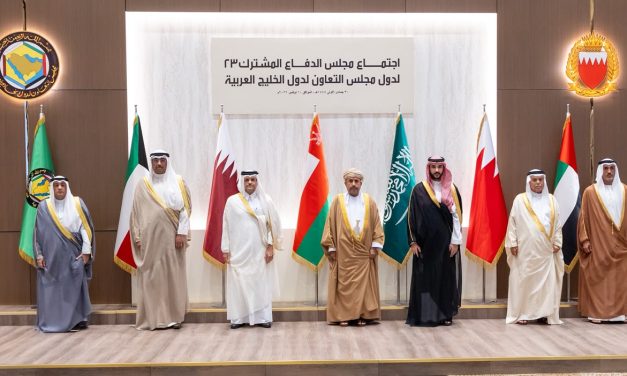
The recent decision of the Persian Gulf Cooperation Council to establish a joint military command in Kuwait is an action that must be assessed within the framework of regional security developments and the growing concern of Arab countries about their defense vulnerabilities.

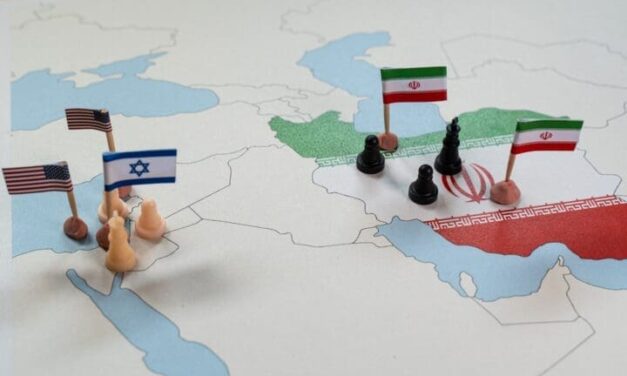
The expansion of military conflicts, the continuation of the aggressive actions of the criminal Zionist regime, and the exposure of the limitations of the US security umbrella have confronted the southern Persian Gulf countries more than ever with the question of the extent to which they can rely on the guarantees of extra-regional powers, especially America, to maintain their security.

In such circumstances, the establishment of a joint command, although it can increase defense coordination, will not by itself be responsive to the complexities of the region’s security.

The southern Persian Gulf countries, despite possessing advanced military equipment and allocating heavy expenditures to the defense sector, still face structural vulnerabilities. The concentration of vital energy infrastructure, the economy’s dependence on the security of maritime routes, the limitation of strategic depth, extensive reliance on American, Zionist, and Western weapons and intelligence systems, and the difference in the members of the Cooperation Council’s perception of the sources of threat are among these vulnerabilities. The experience of the “Peninsula Shield Force” has also shown that the creation of a joint military structure, without a sustainable political agreement and independence in decision-making, does not necessarily lead to the formation of an effective collective defense capability.

In the meantime, the expansionist behavior of the Israeli regime and the expansion of the scope of this regime’s military operations have confronted the region’s security equations with more serious challenges. The Zionists’ military actions, the violation of countries’ sovereignty, and the attempt to change the regional balance of power show that security threats are no longer limited to the traditional geography of conflicts. On the other hand, recent developments have highlighted the fact that close military and political relations with Washington do not necessarily keep America’s regional partners immune from the consequences of the Israeli regime’s policies.

Capacities and conditions for the effectiveness of joint command

There is an assumption that the joint command in Kuwait, if it possesses the political will of the members, can contribute to enhancing operational coordination, information exchange, crisis management, and increasing defense readiness. However, its effectiveness will depend on three fundamental factors: a common definition of threats, possessing independent decision-making capability, and having real operational capacity. In the absence of these components, the likelihood that the new structure, like some previous experiences, will find a mainly symbolic and coordinating function is far greater.

The more important issue is that the security of the southern Persian Gulf countries cannot be defined separately from the security of other peripheral countries. The geographical, economic, and strategic interconnectedness of the region is such that insecurity, instability, and war in any part leave direct or indirect effects on other countries. From this perspective, the creation of limited defense arrangements that ignore some regional actors in decision-making mechanisms not only does not guarantee sustainable stability but may also intensify and reproduce suspicion, arms racing, and security gaps.

In this same framework, America’s role also needs a realistic assessment. Washington has always regulated its security relations with Arab countries based on its own strategic interests and support for the Israeli regime. The continuation of this pattern can expose the southern Persian Gulf countries to the consequences of decisions in which they do not play an effective role; therefore, increasing arms purchases or creating new commands, without reducing strategic dependence, will not increase the security of these countries to the same extent.

Inclusive security; the necessity of participation and cooperation of all regional countries

The reality is that Persian Gulf security has an interconnected and indivisible nature, and no country can base its sustainable security on the insecurity or disregard of others. Accordingly, the initiative of the Kuwait joint command can contribute to strengthening stability when it provides, within an inclusive framework, the ground for moving toward collective security arrangements.

In this path, the participation of all countries of the Persian Gulf area in collective security arrangements, including Iran and Iraq, is considered a strategic necessity. The creation of security dialogue mechanisms, mutual confidence-building, cooperation to provide maritime security and crisis management, and agreement on principles such as respect for national sovereignty, non-intervention, and avoidance of threat or resort to force can form the foundations of the region’s new security architecture.

Furthermore, curbing the expansionism of the occupying Israeli regime, preventing the expansion of war, reducing the grounds for foreign powers’ intervention, and closing American bases must be placed on the common agenda of the region’s countries; bases that, especially in recent months, have been the biggest factor in destroying order and security, intensifying instability, and eroding mutual trust among regional countries. Such an approach requires a gradual transcendence of the coalition-oriented view and its replacement with the logic of partnership and shared responsibility.

In any case, the joint Arab command should not necessarily be considered an action contrary to the region’s security; but its capacity should not be overestimated either. Sustainable Persian Gulf security will be achieved not through the formation of exclusive military blocs, but through the acceptance of a shared security destiny, inclusive dialogue, and the responsible participation of all regional countries, without American and Western interventions. Only such arrangements can enjoy the necessary political backing to guarantee the continuity and sustainability of security in the region.

0 Comments

LATEST CONTENT

An Analysis of the Establishment of a Joint Arab Command in Kuwait

SCFR Online – Opinion: The establishment of a joint Arab command in Kuwait will contribute to sustainable Persian Gulf security only when it distances itself from dependence on America and is based on pursuing the participation and cooperation of all regional countries.

The Impact of the Political Deadlock in the Israeli Regime on the Future of the War Against Iran

SCFR Online – Opinion: The deadlock in forming a new cabinet in the Israeli regime, simultaneous with the continuation of the atmosphere of military confrontation between Iran and the United States and the relevant diplomatic process, is considered an important variable in West Asian security calculations. Although the political developments of the Israeli regime alone do not determine the fate of the war, they can affect the timing, level, and manner of the continuation of military confrontation.

Strategic Consequences of the US Midterm Elections

SCFR Online – Opinion: The results of the US midterm elections, by exposing the political and economic costs of the war against Iran, will affect the scope of maneuver of the Trump administration and Washington’s regional calculations.

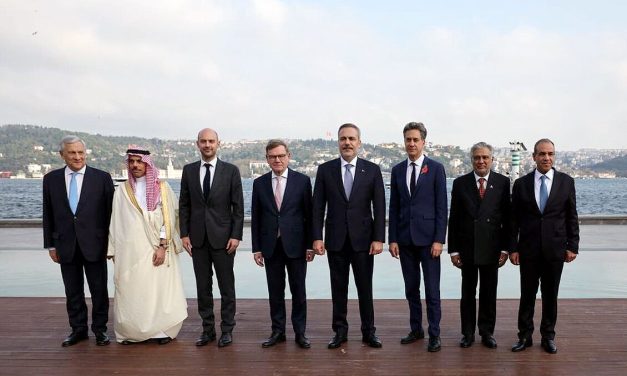
A Reflection on the Capacities and Challenges of the Istanbul Ministerial Meeting

SCFR Online – Opinion: The meeting of the foreign ministers of Turkey, Saudi Arabia, Pakistan, and Egypt in Istanbul has provided an opportunity for diplomatic coordination regarding West Asian crises, but its success will depend on the participation of key actors and the transformation of consultations into practical measures.

Loading

Últimas publicaciones

An Analysis of the Establishment of a Joint Arab Command in Kuwait

SCFR Online – Opinion: The establishment of a joint Arab command in Kuwait will contribute to sustainable Persian Gulf security only when it distances itself from dependence on America and is based on pursuing the participation and cooperation of all regional countries.

The Impact of the Political Deadlock in the Israeli Regime on the Future of the War Against Iran

SCFR Online – Opinion: The deadlock in forming a new cabinet in the Israeli regime, simultaneous with the continuation of the atmosphere of military confrontation between Iran and the United States and the relevant diplomatic process, is considered an important variable in West Asian security calculations. Although the political developments of the Israeli regime alone do not determine the fate of the war, they can affect the timing, level, and manner of the continuation of military confrontation.

Strategic Consequences of the US Midterm Elections

SCFR Online – Opinion: The results of the US midterm elections, by exposing the political and economic costs of the war against Iran, will affect the scope of maneuver of the Trump administration and Washington’s regional calculations.

A Reflection on the Capacities and Challenges of the Istanbul Ministerial Meeting

SCFR Online – Opinion: The meeting of the foreign ministers of Turkey, Saudi Arabia, Pakistan, and Egypt in Istanbul has provided an opportunity for diplomatic coordination regarding West Asian crises, but its success will depend on the participation of key actors and the transformation of consultations into practical measures.

Loading

DERNIER CONTENU

An Analysis of the Establishment of a Joint Arab Command in Kuwait

SCFR Online – Opinion: The establishment of a joint Arab command in Kuwait will contribute to sustainable Persian Gulf security only when it distances itself from dependence on America and is based on pursuing the participation and cooperation of all regional countries.

The Impact of the Political Deadlock in the Israeli Regime on the Future of the War Against Iran

SCFR Online – Opinion: The deadlock in forming a new cabinet in the Israeli regime, simultaneous with the continuation of the atmosphere of military confrontation between Iran and the United States and the relevant diplomatic process, is considered an important variable in West Asian security calculations. Although the political developments of the Israeli regime alone do not determine the fate of the war, they can affect the timing, level, and manner of the continuation of military confrontation.

Strategic Consequences of the US Midterm Elections

SCFR Online – Opinion: The results of the US midterm elections, by exposing the political and economic costs of the war against Iran, will affect the scope of maneuver of the Trump administration and Washington’s regional calculations.

A Reflection on the Capacities and Challenges of the Istanbul Ministerial Meeting

SCFR Online – Opinion: The meeting of the foreign ministers of Turkey, Saudi Arabia, Pakistan, and Egypt in Istanbul has provided an opportunity for diplomatic coordination regarding West Asian crises, but its success will depend on the participation of key actors and the transformation of consultations into practical measures.

Loading