جدیدترین مطالب

Increasing criticism of the extensive Zionist lobby network

SCFR Online – Opinion: An examination of the mechanisms of the Israeli regime’s influence in the United States depicts a complex picture of shared interests, strategic dependencies, and the limitations of this relationship.

Realities of the Tripartite Makkah Pact

SCFR Online – Interview: The signing of the Makkah agreement between Saudi Arabia, Pakistan, and Turkey has raised questions about the future of the region’s security structure and the position of these countries in West Asian equations. Can this agreement become a genuine collective defense mechanism, or does it have more of a political and deterrent function than creating new military capacity?

Strategic Implications of the Reduction of US Weapons Stockpiles

SCFR Online – Opinion: The continuation of the US war against Iran, in addition to increasing operational costs, has called into question the actual capacity of the American arsenal to simultaneously fulfill security commitments on multiple fronts; an issue that affects deterrence, defense production capacity, and Washington’s resource prioritization.

The Formation of a New Order in Relations Between Powers

SCFR Online – Opinion: The Russia-Ukraine war and the war of the United States and the Israeli regime against Iran have been formed with different objectives and actors, but field and political developments indicate that they are not entirely separate from one another.

An Analysis of the Makkah Defense Pact

SCFR Online – Opinion: On Friday, August 7, the heads of state of three countries – Saudi Arabia, Turkey, and Pakistan – signed a text under the title “Makkah Joint Defense Agreement.”

Dimensions and challenges of the initiative to revive the Hejaz Railway

Strategic Council Online – Note: The initiative to revive the Hejaz Railway, beyond being a transportation project, constitutes an attempt to redefine geopolitics, the economy, and Turkey’s regional position; however, its realization appears to face significant financial, security, and institutional challenges.

Loading

Kashmir’s Muslims

Strategic Implications of US Troops Pullout from Afghanistan

Strategic Implications of US Troops Pullout from Afghanistan

Strategic Council Online: According to the agreement reached between the United States and the Taliban in March 2018, the withdrawal of US troops from Afghanistan will begin and by mid-July (July 2020) the number of US combat troops will reach 8600 persons. This is happening at a time when the bilateral security agreement between the United States and the Afghan government is still valid. In addition, in recent months, the activities of terrorist groups in Afghanistan have not diminished, but in addition to the Taliban’s spring attacks, ISIS terrorist activities in Afghanistan are taking civilian tolls from among the oppressed people of Afghanistan, and the atmosphere of insecurity has not changed. Although the withdrawal of US troops from Afghanistan is important, it may have significant implications for the future of Afghanistan and the region, given the shortcomings and negligence in fulfilling their commitments, especially in the field of training Afghan forces. Americans should accept responsibility and pay the damages.
Seyed Mostafa Hashemi – Afghan Affairs Expert

Kashmir the Cause of Tension in Pakistan-Saudi Relations

Kashmir the Cause of Tension in Pakistan-Saudi Relations

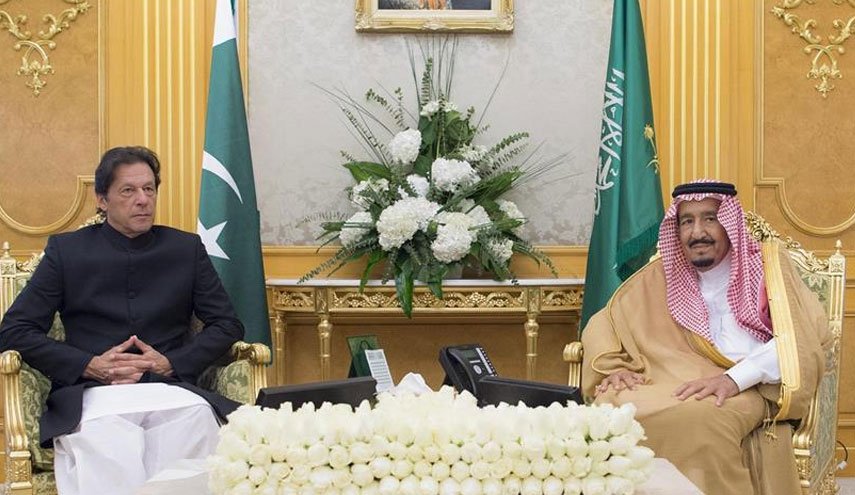
Strategic Council Online: Given that Kashmir is considered one of the main red lines of the Pakistani government and people, Saudi Arabia has essentially adopted a thoughtful silence in this regard, which has become a challenge in relations between the two countries.
Mohammad Reza Asgari Moroudi – Subcontinent Affairs Expert

Dimensions of New Tensions between Islamabad & Delhi

Dimensions of New Tensions between Islamabad & Delhi

Strategic Council Online: An Asian affairs analyst attributed the recent tension between Islamabad and New Delhi to the Kashmir issue and to some extent to Afghanistan, saying Kashmir has become a symbolic and prestigious matter for both sides and despite the strong role of the two countries’ military in foreign policy, the BJP’s extreme nationalist stance and its negative view of Muslims will not only fail to resolve the differences between the two countries in the near future but will continue in the form of war of words, as well as political and sometimes military conflicts.

India’s Creeping Strategy against Kashmir

India’s Creeping Strategy against Kashmir

Strategic Council Online: Given the recently announced decisions on Kashmir, several scenarios are foreseeable in the future, each requiring a specific reaction.
Nozar Shafiei – Subcontinent Affairs Expert

Scenarios Ahead of Kashmir Crisis

Scenarios Ahead of Kashmir Crisis

Strategic Council Online: There is a scenario about Kashmir whereby in the absence of any solution, the critical situation of Muslims in Kashmir will continue until other options are found in India and Pakistan in the future.
Nozar Shafiei – Subcontinent Affairs Expert

أحدث الوظائف

Increasing criticism of the extensive Zionist lobby network

SCFR Online – Opinion: An examination of the mechanisms of the Israeli regime’s influence in the United States depicts a complex picture of shared interests, strategic dependencies, and the limitations of this relationship.

Realities of the Tripartite Makkah Pact

SCFR Online – Interview: The signing of the Makkah agreement between Saudi Arabia, Pakistan, and Turkey has raised questions about the future of the region’s security structure and the position of these countries in West Asian equations. Can this agreement become a genuine collective defense mechanism, or does it have more of a political and deterrent function than creating new military capacity?

Strategic Implications of the Reduction of US Weapons Stockpiles

SCFR Online – Opinion: The continuation of the US war against Iran, in addition to increasing operational costs, has called into question the actual capacity of the American arsenal to simultaneously fulfill security commitments on multiple fronts; an issue that affects deterrence, defense production capacity, and Washington’s resource prioritization.

The Formation of a New Order in Relations Between Powers

SCFR Online – Opinion: The Russia-Ukraine war and the war of the United States and the Israeli regime against Iran have been formed with different objectives and actors, but field and political developments indicate that they are not entirely separate from one another.

An Analysis of the Makkah Defense Pact

SCFR Online – Opinion: On Friday, August 7, the heads of state of three countries – Saudi Arabia, Turkey, and Pakistan – signed a text under the title “Makkah Joint Defense Agreement.”

Dimensions and challenges of the initiative to revive the Hejaz Railway

Strategic Council Online – Note: The initiative to revive the Hejaz Railway, beyond being a transportation project, constitutes an attempt to redefine geopolitics, the economy, and Turkey’s regional position; however, its realization appears to face significant financial, security, and institutional challenges.

Loading

Kashmir’s Muslims

Strategic Implications of US Troops Pullout from Afghanistan

Strategic Implications of US Troops Pullout from Afghanistan

Strategic Council Online: According to the agreement reached between the United States and the Taliban in March 2018, the withdrawal of US troops from Afghanistan will begin and by mid-July (July 2020) the number of US combat troops will reach 8600 persons. This is happening at a time when the bilateral security agreement between the United States and the Afghan government is still valid. In addition, in recent months, the activities of terrorist groups in Afghanistan have not diminished, but in addition to the Taliban’s spring attacks, ISIS terrorist activities in Afghanistan are taking civilian tolls from among the oppressed people of Afghanistan, and the atmosphere of insecurity has not changed. Although the withdrawal of US troops from Afghanistan is important, it may have significant implications for the future of Afghanistan and the region, given the shortcomings and negligence in fulfilling their commitments, especially in the field of training Afghan forces. Americans should accept responsibility and pay the damages.
Seyed Mostafa Hashemi – Afghan Affairs Expert

Kashmir the Cause of Tension in Pakistan-Saudi Relations

Kashmir the Cause of Tension in Pakistan-Saudi Relations

Strategic Council Online: Given that Kashmir is considered one of the main red lines of the Pakistani government and people, Saudi Arabia has essentially adopted a thoughtful silence in this regard, which has become a challenge in relations between the two countries.
Mohammad Reza Asgari Moroudi – Subcontinent Affairs Expert

Dimensions of New Tensions between Islamabad & Delhi

Dimensions of New Tensions between Islamabad & Delhi

Strategic Council Online: An Asian affairs analyst attributed the recent tension between Islamabad and New Delhi to the Kashmir issue and to some extent to Afghanistan, saying Kashmir has become a symbolic and prestigious matter for both sides and despite the strong role of the two countries’ military in foreign policy, the BJP’s extreme nationalist stance and its negative view of Muslims will not only fail to resolve the differences between the two countries in the near future but will continue in the form of war of words, as well as political and sometimes military conflicts.

India’s Creeping Strategy against Kashmir

India’s Creeping Strategy against Kashmir

Strategic Council Online: Given the recently announced decisions on Kashmir, several scenarios are foreseeable in the future, each requiring a specific reaction.
Nozar Shafiei – Subcontinent Affairs Expert

Scenarios Ahead of Kashmir Crisis

Scenarios Ahead of Kashmir Crisis

Strategic Council Online: There is a scenario about Kashmir whereby in the absence of any solution, the critical situation of Muslims in Kashmir will continue until other options are found in India and Pakistan in the future.
Nozar Shafiei – Subcontinent Affairs Expert

Kashmir’s Muslims

Strategic Implications of US Troops Pullout from Afghanistan

Strategic Implications of US Troops Pullout from Afghanistan

Strategic Council Online: According to the agreement reached between the United States and the Taliban in March 2018, the withdrawal of US troops from Afghanistan will begin and by mid-July (July 2020) the number of US combat troops will reach 8600 persons. This is happening at a time when the bilateral security agreement between the United States and the Afghan government is still valid. In addition, in recent months, the activities of terrorist groups in Afghanistan have not diminished, but in addition to the Taliban’s spring attacks, ISIS terrorist activities in Afghanistan are taking civilian tolls from among the oppressed people of Afghanistan, and the atmosphere of insecurity has not changed. Although the withdrawal of US troops from Afghanistan is important, it may have significant implications for the future of Afghanistan and the region, given the shortcomings and negligence in fulfilling their commitments, especially in the field of training Afghan forces. Americans should accept responsibility and pay the damages.
Seyed Mostafa Hashemi – Afghan Affairs Expert

Kashmir the Cause of Tension in Pakistan-Saudi Relations

Kashmir the Cause of Tension in Pakistan-Saudi Relations

Strategic Council Online: Given that Kashmir is considered one of the main red lines of the Pakistani government and people, Saudi Arabia has essentially adopted a thoughtful silence in this regard, which has become a challenge in relations between the two countries.
Mohammad Reza Asgari Moroudi – Subcontinent Affairs Expert

Dimensions of New Tensions between Islamabad & Delhi

Dimensions of New Tensions between Islamabad & Delhi

Strategic Council Online: An Asian affairs analyst attributed the recent tension between Islamabad and New Delhi to the Kashmir issue and to some extent to Afghanistan, saying Kashmir has become a symbolic and prestigious matter for both sides and despite the strong role of the two countries’ military in foreign policy, the BJP’s extreme nationalist stance and its negative view of Muslims will not only fail to resolve the differences between the two countries in the near future but will continue in the form of war of words, as well as political and sometimes military conflicts.

India’s Creeping Strategy against Kashmir

India’s Creeping Strategy against Kashmir

Strategic Council Online: Given the recently announced decisions on Kashmir, several scenarios are foreseeable in the future, each requiring a specific reaction.
Nozar Shafiei – Subcontinent Affairs Expert

Scenarios Ahead of Kashmir Crisis

Scenarios Ahead of Kashmir Crisis

Strategic Council Online: There is a scenario about Kashmir whereby in the absence of any solution, the critical situation of Muslims in Kashmir will continue until other options are found in India and Pakistan in the future.
Nozar Shafiei – Subcontinent Affairs Expert

LATEST CONTENT

Increasing criticism of the extensive Zionist lobby network

SCFR Online – Opinion: An examination of the mechanisms of the Israeli regime’s influence in the United States depicts a complex picture of shared interests, strategic dependencies, and the limitations of this relationship.

Realities of the Tripartite Makkah Pact

SCFR Online – Interview: The signing of the Makkah agreement between Saudi Arabia, Pakistan, and Turkey has raised questions about the future of the region’s security structure and the position of these countries in West Asian equations. Can this agreement become a genuine collective defense mechanism, or does it have more of a political and deterrent function than creating new military capacity?

Strategic Implications of the Reduction of US Weapons Stockpiles

SCFR Online – Opinion: The continuation of the US war against Iran, in addition to increasing operational costs, has called into question the actual capacity of the American arsenal to simultaneously fulfill security commitments on multiple fronts; an issue that affects deterrence, defense production capacity, and Washington’s resource prioritization.

The Formation of a New Order in Relations Between Powers

SCFR Online – Opinion: The Russia-Ukraine war and the war of the United States and the Israeli regime against Iran have been formed with different objectives and actors, but field and political developments indicate that they are not entirely separate from one another.

An Analysis of the Makkah Defense Pact

SCFR Online – Opinion: On Friday, August 7, the heads of state of three countries – Saudi Arabia, Turkey, and Pakistan – signed a text under the title “Makkah Joint Defense Agreement.”

Dimensions and challenges of the initiative to revive the Hejaz Railway

Strategic Council Online – Note: The initiative to revive the Hejaz Railway, beyond being a transportation project, constitutes an attempt to redefine geopolitics, the economy, and Turkey’s regional position; however, its realization appears to face significant financial, security, and institutional challenges.

Loading

Kashmir’s Muslims

Strategic Implications of US Troops Pullout from Afghanistan

Strategic Implications of US Troops Pullout from Afghanistan

Strategic Council Online: According to the agreement reached between the United States and the Taliban in March 2018, the withdrawal of US troops from Afghanistan will begin and by mid-July (July 2020) the number of US combat troops will reach 8600 persons. This is happening at a time when the bilateral security agreement between the United States and the Afghan government is still valid. In addition, in recent months, the activities of terrorist groups in Afghanistan have not diminished, but in addition to the Taliban’s spring attacks, ISIS terrorist activities in Afghanistan are taking civilian tolls from among the oppressed people of Afghanistan, and the atmosphere of insecurity has not changed. Although the withdrawal of US troops from Afghanistan is important, it may have significant implications for the future of Afghanistan and the region, given the shortcomings and negligence in fulfilling their commitments, especially in the field of training Afghan forces. Americans should accept responsibility and pay the damages.
Seyed Mostafa Hashemi – Afghan Affairs Expert

Kashmir the Cause of Tension in Pakistan-Saudi Relations

Kashmir the Cause of Tension in Pakistan-Saudi Relations

Strategic Council Online: Given that Kashmir is considered one of the main red lines of the Pakistani government and people, Saudi Arabia has essentially adopted a thoughtful silence in this regard, which has become a challenge in relations between the two countries.
Mohammad Reza Asgari Moroudi – Subcontinent Affairs Expert

Dimensions of New Tensions between Islamabad & Delhi

Dimensions of New Tensions between Islamabad & Delhi

Strategic Council Online: An Asian affairs analyst attributed the recent tension between Islamabad and New Delhi to the Kashmir issue and to some extent to Afghanistan, saying Kashmir has become a symbolic and prestigious matter for both sides and despite the strong role of the two countries’ military in foreign policy, the BJP’s extreme nationalist stance and its negative view of Muslims will not only fail to resolve the differences between the two countries in the near future but will continue in the form of war of words, as well as political and sometimes military conflicts.

India’s Creeping Strategy against Kashmir

India’s Creeping Strategy against Kashmir

Strategic Council Online: Given the recently announced decisions on Kashmir, several scenarios are foreseeable in the future, each requiring a specific reaction.
Nozar Shafiei – Subcontinent Affairs Expert

Scenarios Ahead of Kashmir Crisis

Scenarios Ahead of Kashmir Crisis

Strategic Council Online: There is a scenario about Kashmir whereby in the absence of any solution, the critical situation of Muslims in Kashmir will continue until other options are found in India and Pakistan in the future.
Nozar Shafiei – Subcontinent Affairs Expert

ÚLTIMAS PUBLICACIONES

Increasing criticism of the extensive Zionist lobby network

SCFR Online – Opinion: An examination of the mechanisms of the Israeli regime’s influence in the United States depicts a complex picture of shared interests, strategic dependencies, and the limitations of this relationship.

Realities of the Tripartite Makkah Pact

SCFR Online – Interview: The signing of the Makkah agreement between Saudi Arabia, Pakistan, and Turkey has raised questions about the future of the region’s security structure and the position of these countries in West Asian equations. Can this agreement become a genuine collective defense mechanism, or does it have more of a political and deterrent function than creating new military capacity?

Strategic Implications of the Reduction of US Weapons Stockpiles

SCFR Online – Opinion: The continuation of the US war against Iran, in addition to increasing operational costs, has called into question the actual capacity of the American arsenal to simultaneously fulfill security commitments on multiple fronts; an issue that affects deterrence, defense production capacity, and Washington’s resource prioritization.

The Formation of a New Order in Relations Between Powers

SCFR Online – Opinion: The Russia-Ukraine war and the war of the United States and the Israeli regime against Iran have been formed with different objectives and actors, but field and political developments indicate that they are not entirely separate from one another.

An Analysis of the Makkah Defense Pact

SCFR Online – Opinion: On Friday, August 7, the heads of state of three countries – Saudi Arabia, Turkey, and Pakistan – signed a text under the title “Makkah Joint Defense Agreement.”

Dimensions and challenges of the initiative to revive the Hejaz Railway

Strategic Council Online – Note: The initiative to revive the Hejaz Railway, beyond being a transportation project, constitutes an attempt to redefine geopolitics, the economy, and Turkey’s regional position; however, its realization appears to face significant financial, security, and institutional challenges.

Loading

Kashmir’s Muslims

Strategic Implications of US Troops Pullout from Afghanistan

Strategic Implications of US Troops Pullout from Afghanistan

Strategic Council Online: According to the agreement reached between the United States and the Taliban in March 2018, the withdrawal of US troops from Afghanistan will begin and by mid-July (July 2020) the number of US combat troops will reach 8600 persons. This is happening at a time when the bilateral security agreement between the United States and the Afghan government is still valid. In addition, in recent months, the activities of terrorist groups in Afghanistan have not diminished, but in addition to the Taliban’s spring attacks, ISIS terrorist activities in Afghanistan are taking civilian tolls from among the oppressed people of Afghanistan, and the atmosphere of insecurity has not changed. Although the withdrawal of US troops from Afghanistan is important, it may have significant implications for the future of Afghanistan and the region, given the shortcomings and negligence in fulfilling their commitments, especially in the field of training Afghan forces. Americans should accept responsibility and pay the damages.
Seyed Mostafa Hashemi – Afghan Affairs Expert

Kashmir the Cause of Tension in Pakistan-Saudi Relations

Kashmir the Cause of Tension in Pakistan-Saudi Relations

Strategic Council Online: Given that Kashmir is considered one of the main red lines of the Pakistani government and people, Saudi Arabia has essentially adopted a thoughtful silence in this regard, which has become a challenge in relations between the two countries.
Mohammad Reza Asgari Moroudi – Subcontinent Affairs Expert

Dimensions of New Tensions between Islamabad & Delhi

Dimensions of New Tensions between Islamabad & Delhi

Strategic Council Online: An Asian affairs analyst attributed the recent tension between Islamabad and New Delhi to the Kashmir issue and to some extent to Afghanistan, saying Kashmir has become a symbolic and prestigious matter for both sides and despite the strong role of the two countries’ military in foreign policy, the BJP’s extreme nationalist stance and its negative view of Muslims will not only fail to resolve the differences between the two countries in the near future but will continue in the form of war of words, as well as political and sometimes military conflicts.

India’s Creeping Strategy against Kashmir

India’s Creeping Strategy against Kashmir

Strategic Council Online: Given the recently announced decisions on Kashmir, several scenarios are foreseeable in the future, each requiring a specific reaction.
Nozar Shafiei – Subcontinent Affairs Expert

Scenarios Ahead of Kashmir Crisis

Scenarios Ahead of Kashmir Crisis

Strategic Council Online: There is a scenario about Kashmir whereby in the absence of any solution, the critical situation of Muslims in Kashmir will continue until other options are found in India and Pakistan in the future.
Nozar Shafiei – Subcontinent Affairs Expert

ÚLTIMAS PUBLICACIONES

Increasing criticism of the extensive Zionist lobby network

SCFR Online – Opinion: An examination of the mechanisms of the Israeli regime’s influence in the United States depicts a complex picture of shared interests, strategic dependencies, and the limitations of this relationship.

Realities of the Tripartite Makkah Pact

SCFR Online – Interview: The signing of the Makkah agreement between Saudi Arabia, Pakistan, and Turkey has raised questions about the future of the region’s security structure and the position of these countries in West Asian equations. Can this agreement become a genuine collective defense mechanism, or does it have more of a political and deterrent function than creating new military capacity?

Strategic Implications of the Reduction of US Weapons Stockpiles

SCFR Online – Opinion: The continuation of the US war against Iran, in addition to increasing operational costs, has called into question the actual capacity of the American arsenal to simultaneously fulfill security commitments on multiple fronts; an issue that affects deterrence, defense production capacity, and Washington’s resource prioritization.

The Formation of a New Order in Relations Between Powers

SCFR Online – Opinion: The Russia-Ukraine war and the war of the United States and the Israeli regime against Iran have been formed with different objectives and actors, but field and political developments indicate that they are not entirely separate from one another.

An Analysis of the Makkah Defense Pact

SCFR Online – Opinion: On Friday, August 7, the heads of state of three countries – Saudi Arabia, Turkey, and Pakistan – signed a text under the title “Makkah Joint Defense Agreement.”

Dimensions and challenges of the initiative to revive the Hejaz Railway

Strategic Council Online – Note: The initiative to revive the Hejaz Railway, beyond being a transportation project, constitutes an attempt to redefine geopolitics, the economy, and Turkey’s regional position; however, its realization appears to face significant financial, security, and institutional challenges.

Loading

Kashmir’s Muslims

Strategic Implications of US Troops Pullout from Afghanistan

Strategic Implications of US Troops Pullout from Afghanistan

Strategic Council Online: According to the agreement reached between the United States and the Taliban in March 2018, the withdrawal of US troops from Afghanistan will begin and by mid-July (July 2020) the number of US combat troops will reach 8600 persons. This is happening at a time when the bilateral security agreement between the United States and the Afghan government is still valid. In addition, in recent months, the activities of terrorist groups in Afghanistan have not diminished, but in addition to the Taliban’s spring attacks, ISIS terrorist activities in Afghanistan are taking civilian tolls from among the oppressed people of Afghanistan, and the atmosphere of insecurity has not changed. Although the withdrawal of US troops from Afghanistan is important, it may have significant implications for the future of Afghanistan and the region, given the shortcomings and negligence in fulfilling their commitments, especially in the field of training Afghan forces. Americans should accept responsibility and pay the damages.
Seyed Mostafa Hashemi – Afghan Affairs Expert

Kashmir the Cause of Tension in Pakistan-Saudi Relations

Kashmir the Cause of Tension in Pakistan-Saudi Relations

Strategic Council Online: Given that Kashmir is considered one of the main red lines of the Pakistani government and people, Saudi Arabia has essentially adopted a thoughtful silence in this regard, which has become a challenge in relations between the two countries.
Mohammad Reza Asgari Moroudi – Subcontinent Affairs Expert

Dimensions of New Tensions between Islamabad & Delhi

Dimensions of New Tensions between Islamabad & Delhi

Strategic Council Online: An Asian affairs analyst attributed the recent tension between Islamabad and New Delhi to the Kashmir issue and to some extent to Afghanistan, saying Kashmir has become a symbolic and prestigious matter for both sides and despite the strong role of the two countries’ military in foreign policy, the BJP’s extreme nationalist stance and its negative view of Muslims will not only fail to resolve the differences between the two countries in the near future but will continue in the form of war of words, as well as political and sometimes military conflicts.

India’s Creeping Strategy against Kashmir

India’s Creeping Strategy against Kashmir

Strategic Council Online: Given the recently announced decisions on Kashmir, several scenarios are foreseeable in the future, each requiring a specific reaction.
Nozar Shafiei – Subcontinent Affairs Expert

Scenarios Ahead of Kashmir Crisis

Scenarios Ahead of Kashmir Crisis

Strategic Council Online: There is a scenario about Kashmir whereby in the absence of any solution, the critical situation of Muslims in Kashmir will continue until other options are found in India and Pakistan in the future.
Nozar Shafiei – Subcontinent Affairs Expert

ÚLTIMAS PUBLICACIONES

Increasing criticism of the extensive Zionist lobby network

SCFR Online – Opinion: An examination of the mechanisms of the Israeli regime’s influence in the United States depicts a complex picture of shared interests, strategic dependencies, and the limitations of this relationship.

Realities of the Tripartite Makkah Pact

SCFR Online – Interview: The signing of the Makkah agreement between Saudi Arabia, Pakistan, and Turkey has raised questions about the future of the region’s security structure and the position of these countries in West Asian equations. Can this agreement become a genuine collective defense mechanism, or does it have more of a political and deterrent function than creating new military capacity?

Strategic Implications of the Reduction of US Weapons Stockpiles

SCFR Online – Opinion: The continuation of the US war against Iran, in addition to increasing operational costs, has called into question the actual capacity of the American arsenal to simultaneously fulfill security commitments on multiple fronts; an issue that affects deterrence, defense production capacity, and Washington’s resource prioritization.

The Formation of a New Order in Relations Between Powers

SCFR Online – Opinion: The Russia-Ukraine war and the war of the United States and the Israeli regime against Iran have been formed with different objectives and actors, but field and political developments indicate that they are not entirely separate from one another.

An Analysis of the Makkah Defense Pact

SCFR Online – Opinion: On Friday, August 7, the heads of state of three countries – Saudi Arabia, Turkey, and Pakistan – signed a text under the title “Makkah Joint Defense Agreement.”

Dimensions and challenges of the initiative to revive the Hejaz Railway

Strategic Council Online – Note: The initiative to revive the Hejaz Railway, beyond being a transportation project, constitutes an attempt to redefine geopolitics, the economy, and Turkey’s regional position; however, its realization appears to face significant financial, security, and institutional challenges.

Loading

Kashmir’s Muslims

Strategic Implications of US Troops Pullout from Afghanistan

Strategic Implications of US Troops Pullout from Afghanistan

Strategic Council Online: According to the agreement reached between the United States and the Taliban in March 2018, the withdrawal of US troops from Afghanistan will begin and by mid-July (July 2020) the number of US combat troops will reach 8600 persons. This is happening at a time when the bilateral security agreement between the United States and the Afghan government is still valid. In addition, in recent months, the activities of terrorist groups in Afghanistan have not diminished, but in addition to the Taliban’s spring attacks, ISIS terrorist activities in Afghanistan are taking civilian tolls from among the oppressed people of Afghanistan, and the atmosphere of insecurity has not changed. Although the withdrawal of US troops from Afghanistan is important, it may have significant implications for the future of Afghanistan and the region, given the shortcomings and negligence in fulfilling their commitments, especially in the field of training Afghan forces. Americans should accept responsibility and pay the damages.
Seyed Mostafa Hashemi – Afghan Affairs Expert

Kashmir the Cause of Tension in Pakistan-Saudi Relations

Kashmir the Cause of Tension in Pakistan-Saudi Relations

Strategic Council Online: Given that Kashmir is considered one of the main red lines of the Pakistani government and people, Saudi Arabia has essentially adopted a thoughtful silence in this regard, which has become a challenge in relations between the two countries.
Mohammad Reza Asgari Moroudi – Subcontinent Affairs Expert

Dimensions of New Tensions between Islamabad & Delhi

Dimensions of New Tensions between Islamabad & Delhi

Strategic Council Online: An Asian affairs analyst attributed the recent tension between Islamabad and New Delhi to the Kashmir issue and to some extent to Afghanistan, saying Kashmir has become a symbolic and prestigious matter for both sides and despite the strong role of the two countries’ military in foreign policy, the BJP’s extreme nationalist stance and its negative view of Muslims will not only fail to resolve the differences between the two countries in the near future but will continue in the form of war of words, as well as political and sometimes military conflicts.

India’s Creeping Strategy against Kashmir

India’s Creeping Strategy against Kashmir

Strategic Council Online: Given the recently announced decisions on Kashmir, several scenarios are foreseeable in the future, each requiring a specific reaction.
Nozar Shafiei – Subcontinent Affairs Expert

Scenarios Ahead of Kashmir Crisis

Scenarios Ahead of Kashmir Crisis

Strategic Council Online: There is a scenario about Kashmir whereby in the absence of any solution, the critical situation of Muslims in Kashmir will continue until other options are found in India and Pakistan in the future.
Nozar Shafiei – Subcontinent Affairs Expert

ÚLTIMAS PUBLICACIONES

Increasing criticism of the extensive Zionist lobby network

SCFR Online – Opinion: An examination of the mechanisms of the Israeli regime’s influence in the United States depicts a complex picture of shared interests, strategic dependencies, and the limitations of this relationship.

Realities of the Tripartite Makkah Pact

SCFR Online – Interview: The signing of the Makkah agreement between Saudi Arabia, Pakistan, and Turkey has raised questions about the future of the region’s security structure and the position of these countries in West Asian equations. Can this agreement become a genuine collective defense mechanism, or does it have more of a political and deterrent function than creating new military capacity?

Strategic Implications of the Reduction of US Weapons Stockpiles

SCFR Online – Opinion: The continuation of the US war against Iran, in addition to increasing operational costs, has called into question the actual capacity of the American arsenal to simultaneously fulfill security commitments on multiple fronts; an issue that affects deterrence, defense production capacity, and Washington’s resource prioritization.

The Formation of a New Order in Relations Between Powers

SCFR Online – Opinion: The Russia-Ukraine war and the war of the United States and the Israeli regime against Iran have been formed with different objectives and actors, but field and political developments indicate that they are not entirely separate from one another.

An Analysis of the Makkah Defense Pact

SCFR Online – Opinion: On Friday, August 7, the heads of state of three countries – Saudi Arabia, Turkey, and Pakistan – signed a text under the title “Makkah Joint Defense Agreement.”

Dimensions and challenges of the initiative to revive the Hejaz Railway

Strategic Council Online – Note: The initiative to revive the Hejaz Railway, beyond being a transportation project, constitutes an attempt to redefine geopolitics, the economy, and Turkey’s regional position; however, its realization appears to face significant financial, security, and institutional challenges.

Loading