An Analysis of the Makkah Defense Pact
SCFR Online – Opinion: On Friday, August 7, the heads of state of three countries – Saudi Arabia, Turkey, and Pakistan – signed a text under the title “Makkah Joint Defense Agreement.”
Strategic Council Online – Note: The initiative to revive the Hejaz Railway, beyond being a transportation project, constitutes an attempt to redefine geopolitics, the economy, and Turkey’s regional position; however, its realization appears to face significant financial, security, and institutional challenges.
SCFR Online – Opinion: The Strait of Hormuz crisis is no longer merely the consequence of a military confrontation, but rather a sign of the transition from the US-centered maritime order to a new energy security structure involving the participation of emerging and influential powers.
SCFR Online – Opinion: Iran’s active deterrence strategy, while increasing the costs of US intervention, has increasingly exposed the hidden rifts between Washington’s interests and those of the Israeli regime.
SCFR Online – Opinion: The escalation of verbal and strategic tensions between Turkey and the Israeli regime, although not increasing the likelihood of direct war, indicates the formation of a new order in West Asian geopolitical rivalries.
Strategic Council Online – Note: Recent developments in the political geography of West Asia, from rising tensions in the Persian Gulf to missile and drone activities in the Red Sea and the recent warning by Kaja Kallas, the European Union’s foreign policy chief, regarding the threat to freedom of navigation, indicate a key pattern shift; the US-Iran war has moved beyond the scope of a regional and local confrontation and has linked two vital passageways for the global economy: the Strait of Hormuz and the Bab el-Mandeb Strait.
SCFR Online – Opinion: The Ukraine war was not merely a European crisis, but rather the starting point for the rearrangement of the global balance of power and a shift in the strategic behavior of great powers.
SCFR Online – Opinion: Great power competition is now pursued more in trade, currency, technology, and global supply chains than on the battlefields of military confrontation.
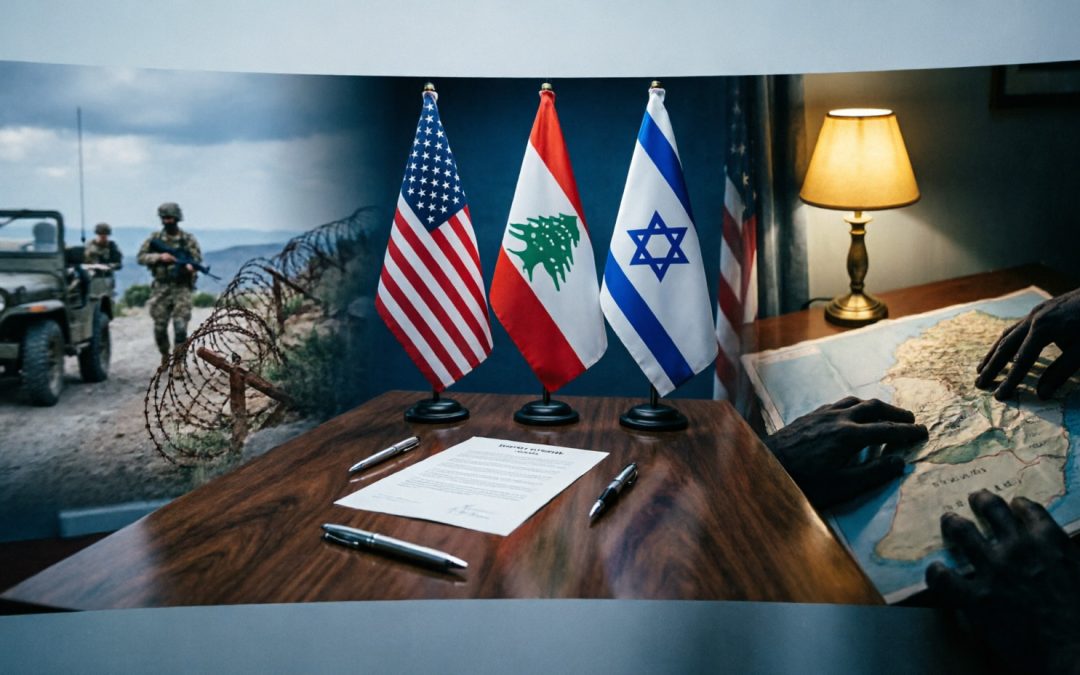
SCFR Online – Opinion: The Washington trilateral agreement, by linking the end of occupation to political and security conditions, does not establish a sustainable peace; rather, it consolidates the occupation.
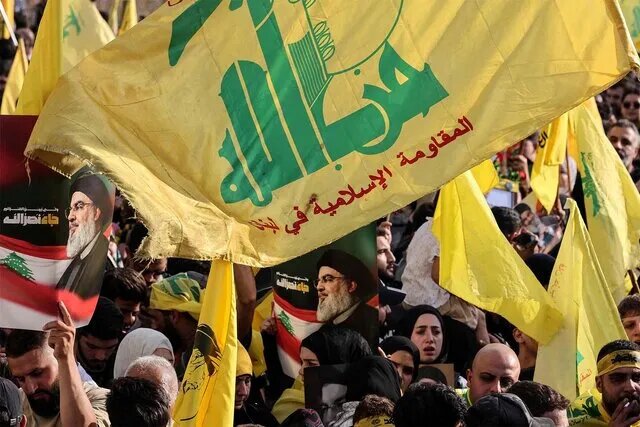
SCFR Online–Opinion: By providing an extensive network of social, healthcare, educational, and post-war reconstruction services, Hezbollah has established a strong social base for itself among Lebanon’s Shiites and Sunnis, and even beyond that, among other segments of Lebanese society, including Christians. Hezbollah has never been an external actor imposed upon Lebanon; rather, it is a phenomenon fundamentally born out of the occupation and crimes of the Zionist regime and itself influenced by popular resistance.
SCFR Online – Interview: An analyst of West Asian affairs and former Iranian diplomat in Beirut, stating that Hezbollah Lebanon has played a pivotal role in recent regional developments, remarked: “Hezbollah Lebanon has strengthened the Axis of Resistance in the Ramadan War.”
Strategic Council Online – Interview: A West Asia affairs expert said: More than two years after the Al-Aqsa Storm, the question today is: What is the status of the Axis of Resistance, and has it collapsed?
Strategic Council Online – Note: Recent US movements in Lebanon indicate that Washington has likely distanced itself from the costly approach of disarming Hezbollah and has moved towards containing and managing its military capabilities.
Strategic Council Online – Opinion: The increase in the military movements of the Zionist regime against Lebanon is a sign of Tel Aviv’s effort to advance a long-term strategy aimed at disarming Hezbollah and occupying parts of Lebanese territory; an action that could initiate an unprecedented crisis for this regime.
Strategic Council Online – Interview: The former ambassador of Iran in Jordan emphasized that the possibility of the Zionist regime’s army attacking Lebanon is high and said it is unlikely the ceasefire negotiations and the release of prisoners will play a deterrent role in preventing the war between this regime and the Hezbollah, the consequences of which cannot be avoided.
Strategic Council Online – Opinion: Persian Gulf littoral states that had already recalled their diplomatic envoys from Beirut because of the tension in their relations, have recently reported their ambassadors return to the country. In this respect, Saudi Arabia was pioneer and has resumed the activity of its Embassy in Beirut as of April 13, 2022.
Barssam Mohammadi, Expert of the Regional Affairs
Strategic Council Online – A professor of international relations said that the “Resistance Discourse has now become the dominant discourse in the West Asian region and is strengthening day by day; This should be considered the intellectual and attitudinal influence of General Haj Qassem Soleimani in West Asia.
Strategic Council Online: Regarding the coordination of European approaches and policies with the United States, especially during the presidency of Donald Trump, it should be noted that Europeans are strategically aligned with the Americans, but the way to realize their goals and tactics is different from Washington.
Morteza Maki – Expert on European Affairs
SCFR Online – Opinion: On Friday, August 7, the heads of state of three countries – Saudi Arabia, Turkey, and Pakistan – signed a text under the title “Makkah Joint Defense Agreement.”
Strategic Council Online – Note: The initiative to revive the Hejaz Railway, beyond being a transportation project, constitutes an attempt to redefine geopolitics, the economy, and Turkey’s regional position; however, its realization appears to face significant financial, security, and institutional challenges.
SCFR Online – Opinion: The Strait of Hormuz crisis is no longer merely the consequence of a military confrontation, but rather a sign of the transition from the US-centered maritime order to a new energy security structure involving the participation of emerging and influential powers.
SCFR Online – Opinion: Iran’s active deterrence strategy, while increasing the costs of US intervention, has increasingly exposed the hidden rifts between Washington’s interests and those of the Israeli regime.
SCFR Online – Opinion: The escalation of verbal and strategic tensions between Turkey and the Israeli regime, although not increasing the likelihood of direct war, indicates the formation of a new order in West Asian geopolitical rivalries.
Strategic Council Online – Note: Recent developments in the political geography of West Asia, from rising tensions in the Persian Gulf to missile and drone activities in the Red Sea and the recent warning by Kaja Kallas, the European Union’s foreign policy chief, regarding the threat to freedom of navigation, indicate a key pattern shift; the US-Iran war has moved beyond the scope of a regional and local confrontation and has linked two vital passageways for the global economy: the Strait of Hormuz and the Bab el-Mandeb Strait.
SCFR Online – Opinion: The Ukraine war was not merely a European crisis, but rather the starting point for the rearrangement of the global balance of power and a shift in the strategic behavior of great powers.
SCFR Online – Opinion: Great power competition is now pursued more in trade, currency, technology, and global supply chains than on the battlefields of military confrontation.
SCFR Online – Opinion: The Washington trilateral agreement, by linking the end of occupation to political and security conditions, does not establish a sustainable peace; rather, it consolidates the occupation.
SCFR Online–Opinion: By providing an extensive network of social, healthcare, educational, and post-war reconstruction services, Hezbollah has established a strong social base for itself among Lebanon’s Shiites and Sunnis, and even beyond that, among other segments of Lebanese society, including Christians. Hezbollah has never been an external actor imposed upon Lebanon; rather, it is a phenomenon fundamentally born out of the occupation and crimes of the Zionist regime and itself influenced by popular resistance.
SCFR Online – Interview: An analyst of West Asian affairs and former Iranian diplomat in Beirut, stating that Hezbollah Lebanon has played a pivotal role in recent regional developments, remarked: “Hezbollah Lebanon has strengthened the Axis of Resistance in the Ramadan War.”
Strategic Council Online – Interview: A West Asia affairs expert said: More than two years after the Al-Aqsa Storm, the question today is: What is the status of the Axis of Resistance, and has it collapsed?
Strategic Council Online – Note: Recent US movements in Lebanon indicate that Washington has likely distanced itself from the costly approach of disarming Hezbollah and has moved towards containing and managing its military capabilities.
Strategic Council Online – Opinion: The increase in the military movements of the Zionist regime against Lebanon is a sign of Tel Aviv’s effort to advance a long-term strategy aimed at disarming Hezbollah and occupying parts of Lebanese territory; an action that could initiate an unprecedented crisis for this regime.
Strategic Council Online – Interview: The former ambassador of Iran in Jordan emphasized that the possibility of the Zionist regime’s army attacking Lebanon is high and said it is unlikely the ceasefire negotiations and the release of prisoners will play a deterrent role in preventing the war between this regime and the Hezbollah, the consequences of which cannot be avoided.
Strategic Council Online – Opinion: Persian Gulf littoral states that had already recalled their diplomatic envoys from Beirut because of the tension in their relations, have recently reported their ambassadors return to the country. In this respect, Saudi Arabia was pioneer and has resumed the activity of its Embassy in Beirut as of April 13, 2022.
Barssam Mohammadi, Expert of the Regional Affairs
Strategic Council Online – A professor of international relations said that the “Resistance Discourse has now become the dominant discourse in the West Asian region and is strengthening day by day; This should be considered the intellectual and attitudinal influence of General Haj Qassem Soleimani in West Asia.
Strategic Council Online: Regarding the coordination of European approaches and policies with the United States, especially during the presidency of Donald Trump, it should be noted that Europeans are strategically aligned with the Americans, but the way to realize their goals and tactics is different from Washington.
Morteza Maki – Expert on European Affairs
SCFR Online – Opinion: The Washington trilateral agreement, by linking the end of occupation to political and security conditions, does not establish a sustainable peace; rather, it consolidates the occupation.
SCFR Online–Opinion: By providing an extensive network of social, healthcare, educational, and post-war reconstruction services, Hezbollah has established a strong social base for itself among Lebanon’s Shiites and Sunnis, and even beyond that, among other segments of Lebanese society, including Christians. Hezbollah has never been an external actor imposed upon Lebanon; rather, it is a phenomenon fundamentally born out of the occupation and crimes of the Zionist regime and itself influenced by popular resistance.
SCFR Online – Interview: An analyst of West Asian affairs and former Iranian diplomat in Beirut, stating that Hezbollah Lebanon has played a pivotal role in recent regional developments, remarked: “Hezbollah Lebanon has strengthened the Axis of Resistance in the Ramadan War.”
Strategic Council Online – Interview: A West Asia affairs expert said: More than two years after the Al-Aqsa Storm, the question today is: What is the status of the Axis of Resistance, and has it collapsed?
Strategic Council Online – Note: Recent US movements in Lebanon indicate that Washington has likely distanced itself from the costly approach of disarming Hezbollah and has moved towards containing and managing its military capabilities.
Strategic Council Online – Opinion: The increase in the military movements of the Zionist regime against Lebanon is a sign of Tel Aviv’s effort to advance a long-term strategy aimed at disarming Hezbollah and occupying parts of Lebanese territory; an action that could initiate an unprecedented crisis for this regime.
Strategic Council Online – Interview: The former ambassador of Iran in Jordan emphasized that the possibility of the Zionist regime’s army attacking Lebanon is high and said it is unlikely the ceasefire negotiations and the release of prisoners will play a deterrent role in preventing the war between this regime and the Hezbollah, the consequences of which cannot be avoided.
Strategic Council Online – Opinion: Persian Gulf littoral states that had already recalled their diplomatic envoys from Beirut because of the tension in their relations, have recently reported their ambassadors return to the country. In this respect, Saudi Arabia was pioneer and has resumed the activity of its Embassy in Beirut as of April 13, 2022.
Barssam Mohammadi, Expert of the Regional Affairs
Strategic Council Online – A professor of international relations said that the “Resistance Discourse has now become the dominant discourse in the West Asian region and is strengthening day by day; This should be considered the intellectual and attitudinal influence of General Haj Qassem Soleimani in West Asia.
Strategic Council Online: Regarding the coordination of European approaches and policies with the United States, especially during the presidency of Donald Trump, it should be noted that Europeans are strategically aligned with the Americans, but the way to realize their goals and tactics is different from Washington.
Morteza Maki – Expert on European Affairs
SCFR Online – Opinion: On Friday, August 7, the heads of state of three countries – Saudi Arabia, Turkey, and Pakistan – signed a text under the title “Makkah Joint Defense Agreement.”
Strategic Council Online – Note: The initiative to revive the Hejaz Railway, beyond being a transportation project, constitutes an attempt to redefine geopolitics, the economy, and Turkey’s regional position; however, its realization appears to face significant financial, security, and institutional challenges.
SCFR Online – Opinion: The Strait of Hormuz crisis is no longer merely the consequence of a military confrontation, but rather a sign of the transition from the US-centered maritime order to a new energy security structure involving the participation of emerging and influential powers.
SCFR Online – Opinion: Iran’s active deterrence strategy, while increasing the costs of US intervention, has increasingly exposed the hidden rifts between Washington’s interests and those of the Israeli regime.
SCFR Online – Opinion: The escalation of verbal and strategic tensions between Turkey and the Israeli regime, although not increasing the likelihood of direct war, indicates the formation of a new order in West Asian geopolitical rivalries.
Strategic Council Online – Note: Recent developments in the political geography of West Asia, from rising tensions in the Persian Gulf to missile and drone activities in the Red Sea and the recent warning by Kaja Kallas, the European Union’s foreign policy chief, regarding the threat to freedom of navigation, indicate a key pattern shift; the US-Iran war has moved beyond the scope of a regional and local confrontation and has linked two vital passageways for the global economy: the Strait of Hormuz and the Bab el-Mandeb Strait.
SCFR Online – Opinion: The Ukraine war was not merely a European crisis, but rather the starting point for the rearrangement of the global balance of power and a shift in the strategic behavior of great powers.
SCFR Online – Opinion: Great power competition is now pursued more in trade, currency, technology, and global supply chains than on the battlefields of military confrontation.
SCFR Online – Opinion: The Washington trilateral agreement, by linking the end of occupation to political and security conditions, does not establish a sustainable peace; rather, it consolidates the occupation.
SCFR Online–Opinion: By providing an extensive network of social, healthcare, educational, and post-war reconstruction services, Hezbollah has established a strong social base for itself among Lebanon’s Shiites and Sunnis, and even beyond that, among other segments of Lebanese society, including Christians. Hezbollah has never been an external actor imposed upon Lebanon; rather, it is a phenomenon fundamentally born out of the occupation and crimes of the Zionist regime and itself influenced by popular resistance.
SCFR Online – Interview: An analyst of West Asian affairs and former Iranian diplomat in Beirut, stating that Hezbollah Lebanon has played a pivotal role in recent regional developments, remarked: “Hezbollah Lebanon has strengthened the Axis of Resistance in the Ramadan War.”
Strategic Council Online – Interview: A West Asia affairs expert said: More than two years after the Al-Aqsa Storm, the question today is: What is the status of the Axis of Resistance, and has it collapsed?
Strategic Council Online – Note: Recent US movements in Lebanon indicate that Washington has likely distanced itself from the costly approach of disarming Hezbollah and has moved towards containing and managing its military capabilities.
Strategic Council Online – Opinion: The increase in the military movements of the Zionist regime against Lebanon is a sign of Tel Aviv’s effort to advance a long-term strategy aimed at disarming Hezbollah and occupying parts of Lebanese territory; an action that could initiate an unprecedented crisis for this regime.
Strategic Council Online – Interview: The former ambassador of Iran in Jordan emphasized that the possibility of the Zionist regime’s army attacking Lebanon is high and said it is unlikely the ceasefire negotiations and the release of prisoners will play a deterrent role in preventing the war between this regime and the Hezbollah, the consequences of which cannot be avoided.
Strategic Council Online – Opinion: Persian Gulf littoral states that had already recalled their diplomatic envoys from Beirut because of the tension in their relations, have recently reported their ambassadors return to the country. In this respect, Saudi Arabia was pioneer and has resumed the activity of its Embassy in Beirut as of April 13, 2022.
Barssam Mohammadi, Expert of the Regional Affairs
Strategic Council Online – A professor of international relations said that the “Resistance Discourse has now become the dominant discourse in the West Asian region and is strengthening day by day; This should be considered the intellectual and attitudinal influence of General Haj Qassem Soleimani in West Asia.
Strategic Council Online: Regarding the coordination of European approaches and policies with the United States, especially during the presidency of Donald Trump, it should be noted that Europeans are strategically aligned with the Americans, but the way to realize their goals and tactics is different from Washington.
Morteza Maki – Expert on European Affairs
SCFR Online – Opinion: On Friday, August 7, the heads of state of three countries – Saudi Arabia, Turkey, and Pakistan – signed a text under the title “Makkah Joint Defense Agreement.”
Strategic Council Online – Note: The initiative to revive the Hejaz Railway, beyond being a transportation project, constitutes an attempt to redefine geopolitics, the economy, and Turkey’s regional position; however, its realization appears to face significant financial, security, and institutional challenges.
SCFR Online – Opinion: The Strait of Hormuz crisis is no longer merely the consequence of a military confrontation, but rather a sign of the transition from the US-centered maritime order to a new energy security structure involving the participation of emerging and influential powers.
SCFR Online – Opinion: Iran’s active deterrence strategy, while increasing the costs of US intervention, has increasingly exposed the hidden rifts between Washington’s interests and those of the Israeli regime.
SCFR Online – Opinion: The escalation of verbal and strategic tensions between Turkey and the Israeli regime, although not increasing the likelihood of direct war, indicates the formation of a new order in West Asian geopolitical rivalries.
Strategic Council Online – Note: Recent developments in the political geography of West Asia, from rising tensions in the Persian Gulf to missile and drone activities in the Red Sea and the recent warning by Kaja Kallas, the European Union’s foreign policy chief, regarding the threat to freedom of navigation, indicate a key pattern shift; the US-Iran war has moved beyond the scope of a regional and local confrontation and has linked two vital passageways for the global economy: the Strait of Hormuz and the Bab el-Mandeb Strait.
SCFR Online – Opinion: The Ukraine war was not merely a European crisis, but rather the starting point for the rearrangement of the global balance of power and a shift in the strategic behavior of great powers.
SCFR Online – Opinion: Great power competition is now pursued more in trade, currency, technology, and global supply chains than on the battlefields of military confrontation.
SCFR Online – Opinion: The Washington trilateral agreement, by linking the end of occupation to political and security conditions, does not establish a sustainable peace; rather, it consolidates the occupation.
SCFR Online–Opinion: By providing an extensive network of social, healthcare, educational, and post-war reconstruction services, Hezbollah has established a strong social base for itself among Lebanon’s Shiites and Sunnis, and even beyond that, among other segments of Lebanese society, including Christians. Hezbollah has never been an external actor imposed upon Lebanon; rather, it is a phenomenon fundamentally born out of the occupation and crimes of the Zionist regime and itself influenced by popular resistance.
SCFR Online – Interview: An analyst of West Asian affairs and former Iranian diplomat in Beirut, stating that Hezbollah Lebanon has played a pivotal role in recent regional developments, remarked: “Hezbollah Lebanon has strengthened the Axis of Resistance in the Ramadan War.”
Strategic Council Online – Interview: A West Asia affairs expert said: More than two years after the Al-Aqsa Storm, the question today is: What is the status of the Axis of Resistance, and has it collapsed?
Strategic Council Online – Note: Recent US movements in Lebanon indicate that Washington has likely distanced itself from the costly approach of disarming Hezbollah and has moved towards containing and managing its military capabilities.
Strategic Council Online – Opinion: The increase in the military movements of the Zionist regime against Lebanon is a sign of Tel Aviv’s effort to advance a long-term strategy aimed at disarming Hezbollah and occupying parts of Lebanese territory; an action that could initiate an unprecedented crisis for this regime.
Strategic Council Online – Interview: The former ambassador of Iran in Jordan emphasized that the possibility of the Zionist regime’s army attacking Lebanon is high and said it is unlikely the ceasefire negotiations and the release of prisoners will play a deterrent role in preventing the war between this regime and the Hezbollah, the consequences of which cannot be avoided.
Strategic Council Online – Opinion: Persian Gulf littoral states that had already recalled their diplomatic envoys from Beirut because of the tension in their relations, have recently reported their ambassadors return to the country. In this respect, Saudi Arabia was pioneer and has resumed the activity of its Embassy in Beirut as of April 13, 2022.
Barssam Mohammadi, Expert of the Regional Affairs
Strategic Council Online – A professor of international relations said that the “Resistance Discourse has now become the dominant discourse in the West Asian region and is strengthening day by day; This should be considered the intellectual and attitudinal influence of General Haj Qassem Soleimani in West Asia.
Strategic Council Online: Regarding the coordination of European approaches and policies with the United States, especially during the presidency of Donald Trump, it should be noted that Europeans are strategically aligned with the Americans, but the way to realize their goals and tactics is different from Washington.
Morteza Maki – Expert on European Affairs
SCFR Online – Opinion: On Friday, August 7, the heads of state of three countries – Saudi Arabia, Turkey, and Pakistan – signed a text under the title “Makkah Joint Defense Agreement.”
Strategic Council Online – Note: The initiative to revive the Hejaz Railway, beyond being a transportation project, constitutes an attempt to redefine geopolitics, the economy, and Turkey’s regional position; however, its realization appears to face significant financial, security, and institutional challenges.
SCFR Online – Opinion: The Strait of Hormuz crisis is no longer merely the consequence of a military confrontation, but rather a sign of the transition from the US-centered maritime order to a new energy security structure involving the participation of emerging and influential powers.
SCFR Online – Opinion: Iran’s active deterrence strategy, while increasing the costs of US intervention, has increasingly exposed the hidden rifts between Washington’s interests and those of the Israeli regime.
SCFR Online – Opinion: The escalation of verbal and strategic tensions between Turkey and the Israeli regime, although not increasing the likelihood of direct war, indicates the formation of a new order in West Asian geopolitical rivalries.
Strategic Council Online – Note: Recent developments in the political geography of West Asia, from rising tensions in the Persian Gulf to missile and drone activities in the Red Sea and the recent warning by Kaja Kallas, the European Union’s foreign policy chief, regarding the threat to freedom of navigation, indicate a key pattern shift; the US-Iran war has moved beyond the scope of a regional and local confrontation and has linked two vital passageways for the global economy: the Strait of Hormuz and the Bab el-Mandeb Strait.
SCFR Online – Opinion: The Ukraine war was not merely a European crisis, but rather the starting point for the rearrangement of the global balance of power and a shift in the strategic behavior of great powers.
SCFR Online – Opinion: Great power competition is now pursued more in trade, currency, technology, and global supply chains than on the battlefields of military confrontation.
SCFR Online – Opinion: The Washington trilateral agreement, by linking the end of occupation to political and security conditions, does not establish a sustainable peace; rather, it consolidates the occupation.
SCFR Online–Opinion: By providing an extensive network of social, healthcare, educational, and post-war reconstruction services, Hezbollah has established a strong social base for itself among Lebanon’s Shiites and Sunnis, and even beyond that, among other segments of Lebanese society, including Christians. Hezbollah has never been an external actor imposed upon Lebanon; rather, it is a phenomenon fundamentally born out of the occupation and crimes of the Zionist regime and itself influenced by popular resistance.
SCFR Online – Interview: An analyst of West Asian affairs and former Iranian diplomat in Beirut, stating that Hezbollah Lebanon has played a pivotal role in recent regional developments, remarked: “Hezbollah Lebanon has strengthened the Axis of Resistance in the Ramadan War.”
Strategic Council Online – Interview: A West Asia affairs expert said: More than two years after the Al-Aqsa Storm, the question today is: What is the status of the Axis of Resistance, and has it collapsed?
Strategic Council Online – Note: Recent US movements in Lebanon indicate that Washington has likely distanced itself from the costly approach of disarming Hezbollah and has moved towards containing and managing its military capabilities.
Strategic Council Online – Opinion: The increase in the military movements of the Zionist regime against Lebanon is a sign of Tel Aviv’s effort to advance a long-term strategy aimed at disarming Hezbollah and occupying parts of Lebanese territory; an action that could initiate an unprecedented crisis for this regime.
Strategic Council Online – Interview: The former ambassador of Iran in Jordan emphasized that the possibility of the Zionist regime’s army attacking Lebanon is high and said it is unlikely the ceasefire negotiations and the release of prisoners will play a deterrent role in preventing the war between this regime and the Hezbollah, the consequences of which cannot be avoided.
Strategic Council Online – Opinion: Persian Gulf littoral states that had already recalled their diplomatic envoys from Beirut because of the tension in their relations, have recently reported their ambassadors return to the country. In this respect, Saudi Arabia was pioneer and has resumed the activity of its Embassy in Beirut as of April 13, 2022.
Barssam Mohammadi, Expert of the Regional Affairs
Strategic Council Online – A professor of international relations said that the “Resistance Discourse has now become the dominant discourse in the West Asian region and is strengthening day by day; This should be considered the intellectual and attitudinal influence of General Haj Qassem Soleimani in West Asia.
Strategic Council Online: Regarding the coordination of European approaches and policies with the United States, especially during the presidency of Donald Trump, it should be noted that Europeans are strategically aligned with the Americans, but the way to realize their goals and tactics is different from Washington.
Morteza Maki – Expert on European Affairs
SCFR Online – Opinion: On Friday, August 7, the heads of state of three countries – Saudi Arabia, Turkey, and Pakistan – signed a text under the title “Makkah Joint Defense Agreement.”
Strategic Council Online – Note: The initiative to revive the Hejaz Railway, beyond being a transportation project, constitutes an attempt to redefine geopolitics, the economy, and Turkey’s regional position; however, its realization appears to face significant financial, security, and institutional challenges.
SCFR Online – Opinion: The Strait of Hormuz crisis is no longer merely the consequence of a military confrontation, but rather a sign of the transition from the US-centered maritime order to a new energy security structure involving the participation of emerging and influential powers.
SCFR Online – Opinion: Iran’s active deterrence strategy, while increasing the costs of US intervention, has increasingly exposed the hidden rifts between Washington’s interests and those of the Israeli regime.
SCFR Online – Opinion: The escalation of verbal and strategic tensions between Turkey and the Israeli regime, although not increasing the likelihood of direct war, indicates the formation of a new order in West Asian geopolitical rivalries.
Strategic Council Online – Note: Recent developments in the political geography of West Asia, from rising tensions in the Persian Gulf to missile and drone activities in the Red Sea and the recent warning by Kaja Kallas, the European Union’s foreign policy chief, regarding the threat to freedom of navigation, indicate a key pattern shift; the US-Iran war has moved beyond the scope of a regional and local confrontation and has linked two vital passageways for the global economy: the Strait of Hormuz and the Bab el-Mandeb Strait.
SCFR Online – Opinion: The Ukraine war was not merely a European crisis, but rather the starting point for the rearrangement of the global balance of power and a shift in the strategic behavior of great powers.
SCFR Online – Opinion: Great power competition is now pursued more in trade, currency, technology, and global supply chains than on the battlefields of military confrontation.
SCFR Online – Opinion: The Washington trilateral agreement, by linking the end of occupation to political and security conditions, does not establish a sustainable peace; rather, it consolidates the occupation.
SCFR Online–Opinion: By providing an extensive network of social, healthcare, educational, and post-war reconstruction services, Hezbollah has established a strong social base for itself among Lebanon’s Shiites and Sunnis, and even beyond that, among other segments of Lebanese society, including Christians. Hezbollah has never been an external actor imposed upon Lebanon; rather, it is a phenomenon fundamentally born out of the occupation and crimes of the Zionist regime and itself influenced by popular resistance.
SCFR Online – Interview: An analyst of West Asian affairs and former Iranian diplomat in Beirut, stating that Hezbollah Lebanon has played a pivotal role in recent regional developments, remarked: “Hezbollah Lebanon has strengthened the Axis of Resistance in the Ramadan War.”
Strategic Council Online – Interview: A West Asia affairs expert said: More than two years after the Al-Aqsa Storm, the question today is: What is the status of the Axis of Resistance, and has it collapsed?
Strategic Council Online – Note: Recent US movements in Lebanon indicate that Washington has likely distanced itself from the costly approach of disarming Hezbollah and has moved towards containing and managing its military capabilities.
Strategic Council Online – Opinion: The increase in the military movements of the Zionist regime against Lebanon is a sign of Tel Aviv’s effort to advance a long-term strategy aimed at disarming Hezbollah and occupying parts of Lebanese territory; an action that could initiate an unprecedented crisis for this regime.
Strategic Council Online – Interview: The former ambassador of Iran in Jordan emphasized that the possibility of the Zionist regime’s army attacking Lebanon is high and said it is unlikely the ceasefire negotiations and the release of prisoners will play a deterrent role in preventing the war between this regime and the Hezbollah, the consequences of which cannot be avoided.
Strategic Council Online – Opinion: Persian Gulf littoral states that had already recalled their diplomatic envoys from Beirut because of the tension in their relations, have recently reported their ambassadors return to the country. In this respect, Saudi Arabia was pioneer and has resumed the activity of its Embassy in Beirut as of April 13, 2022.
Barssam Mohammadi, Expert of the Regional Affairs
Strategic Council Online – A professor of international relations said that the “Resistance Discourse has now become the dominant discourse in the West Asian region and is strengthening day by day; This should be considered the intellectual and attitudinal influence of General Haj Qassem Soleimani in West Asia.
Strategic Council Online: Regarding the coordination of European approaches and policies with the United States, especially during the presidency of Donald Trump, it should be noted that Europeans are strategically aligned with the Americans, but the way to realize their goals and tactics is different from Washington.
Morteza Maki – Expert on European Affairs
SCFR Online – Opinion: On Friday, August 7, the heads of state of three countries – Saudi Arabia, Turkey, and Pakistan – signed a text under the title “Makkah Joint Defense Agreement.”
Strategic Council Online – Note: The initiative to revive the Hejaz Railway, beyond being a transportation project, constitutes an attempt to redefine geopolitics, the economy, and Turkey’s regional position; however, its realization appears to face significant financial, security, and institutional challenges.
SCFR Online – Opinion: The Strait of Hormuz crisis is no longer merely the consequence of a military confrontation, but rather a sign of the transition from the US-centered maritime order to a new energy security structure involving the participation of emerging and influential powers.
SCFR Online – Opinion: Iran’s active deterrence strategy, while increasing the costs of US intervention, has increasingly exposed the hidden rifts between Washington’s interests and those of the Israeli regime.
SCFR Online – Opinion: The escalation of verbal and strategic tensions between Turkey and the Israeli regime, although not increasing the likelihood of direct war, indicates the formation of a new order in West Asian geopolitical rivalries.
Strategic Council Online – Note: Recent developments in the political geography of West Asia, from rising tensions in the Persian Gulf to missile and drone activities in the Red Sea and the recent warning by Kaja Kallas, the European Union’s foreign policy chief, regarding the threat to freedom of navigation, indicate a key pattern shift; the US-Iran war has moved beyond the scope of a regional and local confrontation and has linked two vital passageways for the global economy: the Strait of Hormuz and the Bab el-Mandeb Strait.
SCFR Online – Opinion: The Ukraine war was not merely a European crisis, but rather the starting point for the rearrangement of the global balance of power and a shift in the strategic behavior of great powers.
SCFR Online – Opinion: Great power competition is now pursued more in trade, currency, technology, and global supply chains than on the battlefields of military confrontation.