جدیدترین مطالب

The Makkah Pact; Reasons for its Formation and Challenges Ahead

SCFR Online – Opinion: The Makkah Pact, signed between Saudi Arabia, Pakistan, and Turkey under the motto “an attack on one is an attack on all,” is viewed by some analysts less as a full-fledged military coalition and more as an attempt to reduce security dependence on an external power and to establish a regional security mechanism.

Implications of the US-Saudi Nuclear Agreement

SCFR Online – Opinion: The new US-Saudi nuclear agreement, despite legal and political ambiguities, could alter previous non-proliferation standards in West Asia and intensify nuclear competition, ushering it into a new phase.

An Analysis of Recent Turkey-Israeli Regime Tensions

SCFR Online – Opinion: Recent developments in Syria indicate an intensification of strategic rivalry between Turkey and the Israeli regime, but mutual considerations and the role of the United States have limited the likelihood of direct war.

Increasing criticism of the extensive Zionist lobby network

SCFR Online – Opinion: An examination of the mechanisms of the Israeli regime’s influence in the United States depicts a complex picture of shared interests, strategic dependencies, and the limitations of this relationship.

Realities of the Tripartite Makkah Pact

SCFR Online – Interview: The signing of the Makkah agreement between Saudi Arabia, Pakistan, and Turkey has raised questions about the future of the region’s security structure and the position of these countries in West Asian equations. Can this agreement become a genuine collective defense mechanism, or does it have more of a political and deterrent function than creating new military capacity?

Strategic Implications of the Reduction of US Weapons Stockpiles

SCFR Online – Opinion: The continuation of the US war against Iran, in addition to increasing operational costs, has called into question the actual capacity of the American arsenal to simultaneously fulfill security commitments on multiple fronts; an issue that affects deterrence, defense production capacity, and Washington’s resource prioritization.

The Formation of a New Order in Relations Between Powers

SCFR Online – Opinion: The Russia-Ukraine war and the war of the United States and the Israeli regime against Iran have been formed with different objectives and actors, but field and political developments indicate that they are not entirely separate from one another.

Loading

Palestine

Analysis of Turkey’s Stance on Gaza Events

Analysis of Turkey’s Stance on Gaza Events

The brutal attacks of the Zionist regime’s fighters against the people of Gaza and the killing of innocent people recently have been met with various reactions and sometimes condemnation of some political leaders, as well as public protests in Turkey.
Mahmoud Fazeli – International affairs analyst

Analysis of Targets, Prospects, and Strategic Consequences of Operation Al-Aqsa Storm

Analysis of Targets, Prospects, and Strategic Consequences of Operation Al-Aqsa Storm

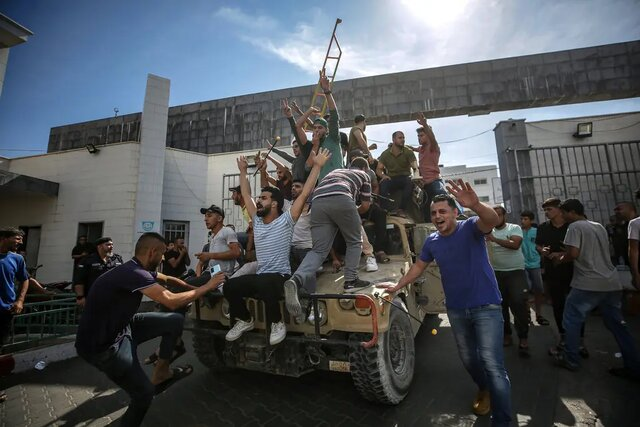
Strategic Council Online – Opinion: Following the escalation of the Zionist regime’s racist and provocative measures against the Palestinian nation and the desecration of Al-Aqsa Mosque, Hamas and the Islamic Jihad movement carried out pre-emptive operations on the anniversary of the “Yom Kippur” war against the positions, centers, and strongholds of the Zionist regime, that has become the focus of the attention of the world.
Hamid Khoshayand – Expert on regional affairs

Al-Aqsa Storm, Vanishing of Normalization of Relations with Zionist Regime

Al-Aqsa Storm, Vanishing of Normalization of Relations with Zionist Regime

Strategic Council Online – Interview: An expert on international affairs stated that due to the ongoing conflict between Hamas and Palestine, the normalization of relations with the Zionist regime will be suspended and seriously challenged, adding: In this situation, with an increase of conflicts and human casualties, considering the sensitivity of public opinion, in the short term, less governments in the region will dare to raise the issue of normalization.

New Arabia: the need to develop a suitable strategy

New Arabia: the need to develop a suitable strategy

Strategic Council Online—Opinion: At the end of August this year, Saudi Arabia announced that it had appointed its first ambassador to the Palestinian Authority. Based on this decision, Nayef bin Bandar al-Sudairi, as the extraordinary, plenipotentiary and non-resident ambassador (accredited) of Saudi Arabia in Ramallah and the Saudi consul general in occupied Quds, handed over his credentials to Majdi Al-Khalidi, the diplomatic advisor of Mahmoud Abbas, the head of the Palestinian Authority. Now, less than two months have passed since these decisions and actions, the Saudi government has announced that an official delegation from this country, headed by Nayef Bin Bandar Al-Sudairi, will travel to Ramallah to celebrate the birthday of the Prophet of Islam (PBUH) and to offer prayers in Al-Aqsa Mosque; An unprecedented action since the occupation of Quds in 1967, which will open a new chapter in Saudi Arabia’s diplomatic and role-playing activities in the West Asian region.

Mohammad Mehdi Mazaheri – University professor

An analysis of the recent meeting between the leaders of Palestinian militant movements and Seyyed Hassan Nasrollah

An analysis of the recent meeting between the leaders of Palestinian militant movements and Seyyed Hassan Nasrollah

Strategic Council Online–Interview: An expert on West Asian issues stated that the meeting of the resistance leaders in Palestine and Lebanon gave the message that any move by the Zionist regime against the resistance front would be met with a multilateral and harsh response, which Israel cannot confront on several fronts at the same time, adding that the resistance groups are increasing the cost for any possible stupidity on the part of Netanyahu’s cabinet.

Consequences of Normalization of Relations with the Zionist Regime

Consequences of Normalization of Relations with the Zionist Regime

Strategic Council Online – Opinion: The disclosure of the news on the meeting of the Libyan foreign minister with her Israeli counterpart has sparked a wave of protests in various Libyan cities, including Misrata, Al-Zantan, and Tripoli.
Barsam Mohammadi – Expert on regional affairs

Developments in Lebanon, Challenges of Electing President

Developments in Lebanon, Challenges of Electing President

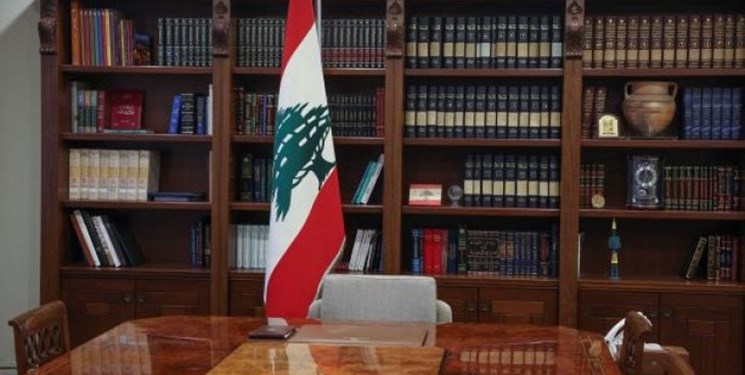
Strategic Council Online – Interview: A university professor says the issue of prolonging the presidential election (in Lebanon) is due to the differences among the Resistance Coalition. He added: The power structure and political groups have reached peaceful coexistence with the interim government and the existence of a power vacuum, and apparently, the presence or absence of the president does not matter much to them. In this situation, negotiations and bargaining do not reach a result that is the most desirable affair for the Zionist regime.

Analysis of recent events at Ein El Hilweh camp

Analysis of recent events at Ein El Hilweh camp

Strategic Council Online – Opinion: Ein El Hilweh camp near the city of Sidon, located in southern Lebanon, witnessed armed clashes between the Fatah movement and two takfiri groups known as “Jund al-Sham” and “Asbat al-Ansar” as a result of which about 40 people were killed and wounded, and two thousand people were also displaced.
Hamid Khoshayand – Expert on regional affairs

US Passivity, China’s Initiative Toward Palestine

US Passivity, China’s Initiative Toward Palestine

Strategic Council Online – Opinion: Almost eight years have passed since the last failure in establishing peace between Palestine and the Zionist regime at the United States of America initiative.
Hossein Sayyahi – Researcher of international politics

China’s Goals, Obstacles on the Path of Strengthening Peace in ME

China’s Goals, Obstacles on the Path of Strengthening Peace in ME

Strategic Council Online – Interview: Former director general of the Middle East and North Africa Department in the Ministry of Foreign Affairs believes that the Chinese have entered the Middle East equations more seriously and are trying to repeat their successful experience mediating between Saudi Arabia and Iran.

أحدث الوظائف

The Makkah Pact; Reasons for its Formation and Challenges Ahead

SCFR Online – Opinion: The Makkah Pact, signed between Saudi Arabia, Pakistan, and Turkey under the motto “an attack on one is an attack on all,” is viewed by some analysts less as a full-fledged military coalition and more as an attempt to reduce security dependence on an external power and to establish a regional security mechanism.

Implications of the US-Saudi Nuclear Agreement

SCFR Online – Opinion: The new US-Saudi nuclear agreement, despite legal and political ambiguities, could alter previous non-proliferation standards in West Asia and intensify nuclear competition, ushering it into a new phase.

An Analysis of Recent Turkey-Israeli Regime Tensions

SCFR Online – Opinion: Recent developments in Syria indicate an intensification of strategic rivalry between Turkey and the Israeli regime, but mutual considerations and the role of the United States have limited the likelihood of direct war.

Increasing criticism of the extensive Zionist lobby network

SCFR Online – Opinion: An examination of the mechanisms of the Israeli regime’s influence in the United States depicts a complex picture of shared interests, strategic dependencies, and the limitations of this relationship.

Realities of the Tripartite Makkah Pact

SCFR Online – Interview: The signing of the Makkah agreement between Saudi Arabia, Pakistan, and Turkey has raised questions about the future of the region’s security structure and the position of these countries in West Asian equations. Can this agreement become a genuine collective defense mechanism, or does it have more of a political and deterrent function than creating new military capacity?

Strategic Implications of the Reduction of US Weapons Stockpiles

SCFR Online – Opinion: The continuation of the US war against Iran, in addition to increasing operational costs, has called into question the actual capacity of the American arsenal to simultaneously fulfill security commitments on multiple fronts; an issue that affects deterrence, defense production capacity, and Washington’s resource prioritization.

The Formation of a New Order in Relations Between Powers

SCFR Online – Opinion: The Russia-Ukraine war and the war of the United States and the Israeli regime against Iran have been formed with different objectives and actors, but field and political developments indicate that they are not entirely separate from one another.

Loading

Palestine

Analysis of Turkey’s Stance on Gaza Events

Analysis of Turkey’s Stance on Gaza Events

The brutal attacks of the Zionist regime’s fighters against the people of Gaza and the killing of innocent people recently have been met with various reactions and sometimes condemnation of some political leaders, as well as public protests in Turkey.
Mahmoud Fazeli – International affairs analyst

Analysis of Targets, Prospects, and Strategic Consequences of Operation Al-Aqsa Storm

Analysis of Targets, Prospects, and Strategic Consequences of Operation Al-Aqsa Storm

Strategic Council Online – Opinion: Following the escalation of the Zionist regime’s racist and provocative measures against the Palestinian nation and the desecration of Al-Aqsa Mosque, Hamas and the Islamic Jihad movement carried out pre-emptive operations on the anniversary of the “Yom Kippur” war against the positions, centers, and strongholds of the Zionist regime, that has become the focus of the attention of the world.
Hamid Khoshayand – Expert on regional affairs

Al-Aqsa Storm, Vanishing of Normalization of Relations with Zionist Regime

Al-Aqsa Storm, Vanishing of Normalization of Relations with Zionist Regime

Strategic Council Online – Interview: An expert on international affairs stated that due to the ongoing conflict between Hamas and Palestine, the normalization of relations with the Zionist regime will be suspended and seriously challenged, adding: In this situation, with an increase of conflicts and human casualties, considering the sensitivity of public opinion, in the short term, less governments in the region will dare to raise the issue of normalization.

New Arabia: the need to develop a suitable strategy

New Arabia: the need to develop a suitable strategy

Strategic Council Online—Opinion: At the end of August this year, Saudi Arabia announced that it had appointed its first ambassador to the Palestinian Authority. Based on this decision, Nayef bin Bandar al-Sudairi, as the extraordinary, plenipotentiary and non-resident ambassador (accredited) of Saudi Arabia in Ramallah and the Saudi consul general in occupied Quds, handed over his credentials to Majdi Al-Khalidi, the diplomatic advisor of Mahmoud Abbas, the head of the Palestinian Authority. Now, less than two months have passed since these decisions and actions, the Saudi government has announced that an official delegation from this country, headed by Nayef Bin Bandar Al-Sudairi, will travel to Ramallah to celebrate the birthday of the Prophet of Islam (PBUH) and to offer prayers in Al-Aqsa Mosque; An unprecedented action since the occupation of Quds in 1967, which will open a new chapter in Saudi Arabia’s diplomatic and role-playing activities in the West Asian region.

Mohammad Mehdi Mazaheri – University professor

An analysis of the recent meeting between the leaders of Palestinian militant movements and Seyyed Hassan Nasrollah

An analysis of the recent meeting between the leaders of Palestinian militant movements and Seyyed Hassan Nasrollah

Strategic Council Online–Interview: An expert on West Asian issues stated that the meeting of the resistance leaders in Palestine and Lebanon gave the message that any move by the Zionist regime against the resistance front would be met with a multilateral and harsh response, which Israel cannot confront on several fronts at the same time, adding that the resistance groups are increasing the cost for any possible stupidity on the part of Netanyahu’s cabinet.

Consequences of Normalization of Relations with the Zionist Regime

Consequences of Normalization of Relations with the Zionist Regime

Strategic Council Online – Opinion: The disclosure of the news on the meeting of the Libyan foreign minister with her Israeli counterpart has sparked a wave of protests in various Libyan cities, including Misrata, Al-Zantan, and Tripoli.
Barsam Mohammadi – Expert on regional affairs

Developments in Lebanon, Challenges of Electing President

Developments in Lebanon, Challenges of Electing President

Strategic Council Online – Interview: A university professor says the issue of prolonging the presidential election (in Lebanon) is due to the differences among the Resistance Coalition. He added: The power structure and political groups have reached peaceful coexistence with the interim government and the existence of a power vacuum, and apparently, the presence or absence of the president does not matter much to them. In this situation, negotiations and bargaining do not reach a result that is the most desirable affair for the Zionist regime.

Analysis of recent events at Ein El Hilweh camp

Analysis of recent events at Ein El Hilweh camp

Strategic Council Online – Opinion: Ein El Hilweh camp near the city of Sidon, located in southern Lebanon, witnessed armed clashes between the Fatah movement and two takfiri groups known as “Jund al-Sham” and “Asbat al-Ansar” as a result of which about 40 people were killed and wounded, and two thousand people were also displaced.
Hamid Khoshayand – Expert on regional affairs

US Passivity, China’s Initiative Toward Palestine

US Passivity, China’s Initiative Toward Palestine

Strategic Council Online – Opinion: Almost eight years have passed since the last failure in establishing peace between Palestine and the Zionist regime at the United States of America initiative.
Hossein Sayyahi – Researcher of international politics

China’s Goals, Obstacles on the Path of Strengthening Peace in ME

China’s Goals, Obstacles on the Path of Strengthening Peace in ME

Strategic Council Online – Interview: Former director general of the Middle East and North Africa Department in the Ministry of Foreign Affairs believes that the Chinese have entered the Middle East equations more seriously and are trying to repeat their successful experience mediating between Saudi Arabia and Iran.

Palestine

Analysis of Turkey’s Stance on Gaza Events

Analysis of Turkey’s Stance on Gaza Events

The brutal attacks of the Zionist regime’s fighters against the people of Gaza and the killing of innocent people recently have been met with various reactions and sometimes condemnation of some political leaders, as well as public protests in Turkey.
Mahmoud Fazeli – International affairs analyst

Analysis of Targets, Prospects, and Strategic Consequences of Operation Al-Aqsa Storm

Analysis of Targets, Prospects, and Strategic Consequences of Operation Al-Aqsa Storm

Strategic Council Online – Opinion: Following the escalation of the Zionist regime’s racist and provocative measures against the Palestinian nation and the desecration of Al-Aqsa Mosque, Hamas and the Islamic Jihad movement carried out pre-emptive operations on the anniversary of the “Yom Kippur” war against the positions, centers, and strongholds of the Zionist regime, that has become the focus of the attention of the world.
Hamid Khoshayand – Expert on regional affairs

Al-Aqsa Storm, Vanishing of Normalization of Relations with Zionist Regime

Al-Aqsa Storm, Vanishing of Normalization of Relations with Zionist Regime

Strategic Council Online – Interview: An expert on international affairs stated that due to the ongoing conflict between Hamas and Palestine, the normalization of relations with the Zionist regime will be suspended and seriously challenged, adding: In this situation, with an increase of conflicts and human casualties, considering the sensitivity of public opinion, in the short term, less governments in the region will dare to raise the issue of normalization.

New Arabia: the need to develop a suitable strategy

New Arabia: the need to develop a suitable strategy

Strategic Council Online—Opinion: At the end of August this year, Saudi Arabia announced that it had appointed its first ambassador to the Palestinian Authority. Based on this decision, Nayef bin Bandar al-Sudairi, as the extraordinary, plenipotentiary and non-resident ambassador (accredited) of Saudi Arabia in Ramallah and the Saudi consul general in occupied Quds, handed over his credentials to Majdi Al-Khalidi, the diplomatic advisor of Mahmoud Abbas, the head of the Palestinian Authority. Now, less than two months have passed since these decisions and actions, the Saudi government has announced that an official delegation from this country, headed by Nayef Bin Bandar Al-Sudairi, will travel to Ramallah to celebrate the birthday of the Prophet of Islam (PBUH) and to offer prayers in Al-Aqsa Mosque; An unprecedented action since the occupation of Quds in 1967, which will open a new chapter in Saudi Arabia’s diplomatic and role-playing activities in the West Asian region.

Mohammad Mehdi Mazaheri – University professor

An analysis of the recent meeting between the leaders of Palestinian militant movements and Seyyed Hassan Nasrollah

An analysis of the recent meeting between the leaders of Palestinian militant movements and Seyyed Hassan Nasrollah

Strategic Council Online–Interview: An expert on West Asian issues stated that the meeting of the resistance leaders in Palestine and Lebanon gave the message that any move by the Zionist regime against the resistance front would be met with a multilateral and harsh response, which Israel cannot confront on several fronts at the same time, adding that the resistance groups are increasing the cost for any possible stupidity on the part of Netanyahu’s cabinet.

Consequences of Normalization of Relations with the Zionist Regime

Consequences of Normalization of Relations with the Zionist Regime

Strategic Council Online – Opinion: The disclosure of the news on the meeting of the Libyan foreign minister with her Israeli counterpart has sparked a wave of protests in various Libyan cities, including Misrata, Al-Zantan, and Tripoli.
Barsam Mohammadi – Expert on regional affairs

Developments in Lebanon, Challenges of Electing President

Developments in Lebanon, Challenges of Electing President

Strategic Council Online – Interview: A university professor says the issue of prolonging the presidential election (in Lebanon) is due to the differences among the Resistance Coalition. He added: The power structure and political groups have reached peaceful coexistence with the interim government and the existence of a power vacuum, and apparently, the presence or absence of the president does not matter much to them. In this situation, negotiations and bargaining do not reach a result that is the most desirable affair for the Zionist regime.

Analysis of recent events at Ein El Hilweh camp

Analysis of recent events at Ein El Hilweh camp

Strategic Council Online – Opinion: Ein El Hilweh camp near the city of Sidon, located in southern Lebanon, witnessed armed clashes between the Fatah movement and two takfiri groups known as “Jund al-Sham” and “Asbat al-Ansar” as a result of which about 40 people were killed and wounded, and two thousand people were also displaced.
Hamid Khoshayand – Expert on regional affairs

US Passivity, China’s Initiative Toward Palestine

US Passivity, China’s Initiative Toward Palestine

Strategic Council Online – Opinion: Almost eight years have passed since the last failure in establishing peace between Palestine and the Zionist regime at the United States of America initiative.
Hossein Sayyahi – Researcher of international politics

China’s Goals, Obstacles on the Path of Strengthening Peace in ME

China’s Goals, Obstacles on the Path of Strengthening Peace in ME

Strategic Council Online – Interview: Former director general of the Middle East and North Africa Department in the Ministry of Foreign Affairs believes that the Chinese have entered the Middle East equations more seriously and are trying to repeat their successful experience mediating between Saudi Arabia and Iran.

LATEST CONTENT

The Makkah Pact; Reasons for its Formation and Challenges Ahead

SCFR Online – Opinion: The Makkah Pact, signed between Saudi Arabia, Pakistan, and Turkey under the motto “an attack on one is an attack on all,” is viewed by some analysts less as a full-fledged military coalition and more as an attempt to reduce security dependence on an external power and to establish a regional security mechanism.

Implications of the US-Saudi Nuclear Agreement

SCFR Online – Opinion: The new US-Saudi nuclear agreement, despite legal and political ambiguities, could alter previous non-proliferation standards in West Asia and intensify nuclear competition, ushering it into a new phase.

An Analysis of Recent Turkey-Israeli Regime Tensions

SCFR Online – Opinion: Recent developments in Syria indicate an intensification of strategic rivalry between Turkey and the Israeli regime, but mutual considerations and the role of the United States have limited the likelihood of direct war.

Increasing criticism of the extensive Zionist lobby network

SCFR Online – Opinion: An examination of the mechanisms of the Israeli regime’s influence in the United States depicts a complex picture of shared interests, strategic dependencies, and the limitations of this relationship.

Realities of the Tripartite Makkah Pact

SCFR Online – Interview: The signing of the Makkah agreement between Saudi Arabia, Pakistan, and Turkey has raised questions about the future of the region’s security structure and the position of these countries in West Asian equations. Can this agreement become a genuine collective defense mechanism, or does it have more of a political and deterrent function than creating new military capacity?

Strategic Implications of the Reduction of US Weapons Stockpiles

SCFR Online – Opinion: The continuation of the US war against Iran, in addition to increasing operational costs, has called into question the actual capacity of the American arsenal to simultaneously fulfill security commitments on multiple fronts; an issue that affects deterrence, defense production capacity, and Washington’s resource prioritization.

The Formation of a New Order in Relations Between Powers

SCFR Online – Opinion: The Russia-Ukraine war and the war of the United States and the Israeli regime against Iran have been formed with different objectives and actors, but field and political developments indicate that they are not entirely separate from one another.

Loading

Palestine

Analysis of Turkey’s Stance on Gaza Events

Analysis of Turkey’s Stance on Gaza Events

The brutal attacks of the Zionist regime’s fighters against the people of Gaza and the killing of innocent people recently have been met with various reactions and sometimes condemnation of some political leaders, as well as public protests in Turkey.
Mahmoud Fazeli – International affairs analyst

Analysis of Targets, Prospects, and Strategic Consequences of Operation Al-Aqsa Storm

Analysis of Targets, Prospects, and Strategic Consequences of Operation Al-Aqsa Storm

Strategic Council Online – Opinion: Following the escalation of the Zionist regime’s racist and provocative measures against the Palestinian nation and the desecration of Al-Aqsa Mosque, Hamas and the Islamic Jihad movement carried out pre-emptive operations on the anniversary of the “Yom Kippur” war against the positions, centers, and strongholds of the Zionist regime, that has become the focus of the attention of the world.
Hamid Khoshayand – Expert on regional affairs

Al-Aqsa Storm, Vanishing of Normalization of Relations with Zionist Regime

Al-Aqsa Storm, Vanishing of Normalization of Relations with Zionist Regime

Strategic Council Online – Interview: An expert on international affairs stated that due to the ongoing conflict between Hamas and Palestine, the normalization of relations with the Zionist regime will be suspended and seriously challenged, adding: In this situation, with an increase of conflicts and human casualties, considering the sensitivity of public opinion, in the short term, less governments in the region will dare to raise the issue of normalization.

New Arabia: the need to develop a suitable strategy

New Arabia: the need to develop a suitable strategy

Strategic Council Online—Opinion: At the end of August this year, Saudi Arabia announced that it had appointed its first ambassador to the Palestinian Authority. Based on this decision, Nayef bin Bandar al-Sudairi, as the extraordinary, plenipotentiary and non-resident ambassador (accredited) of Saudi Arabia in Ramallah and the Saudi consul general in occupied Quds, handed over his credentials to Majdi Al-Khalidi, the diplomatic advisor of Mahmoud Abbas, the head of the Palestinian Authority. Now, less than two months have passed since these decisions and actions, the Saudi government has announced that an official delegation from this country, headed by Nayef Bin Bandar Al-Sudairi, will travel to Ramallah to celebrate the birthday of the Prophet of Islam (PBUH) and to offer prayers in Al-Aqsa Mosque; An unprecedented action since the occupation of Quds in 1967, which will open a new chapter in Saudi Arabia’s diplomatic and role-playing activities in the West Asian region.

Mohammad Mehdi Mazaheri – University professor

An analysis of the recent meeting between the leaders of Palestinian militant movements and Seyyed Hassan Nasrollah

An analysis of the recent meeting between the leaders of Palestinian militant movements and Seyyed Hassan Nasrollah

Strategic Council Online–Interview: An expert on West Asian issues stated that the meeting of the resistance leaders in Palestine and Lebanon gave the message that any move by the Zionist regime against the resistance front would be met with a multilateral and harsh response, which Israel cannot confront on several fronts at the same time, adding that the resistance groups are increasing the cost for any possible stupidity on the part of Netanyahu’s cabinet.

Consequences of Normalization of Relations with the Zionist Regime

Consequences of Normalization of Relations with the Zionist Regime

Strategic Council Online – Opinion: The disclosure of the news on the meeting of the Libyan foreign minister with her Israeli counterpart has sparked a wave of protests in various Libyan cities, including Misrata, Al-Zantan, and Tripoli.
Barsam Mohammadi – Expert on regional affairs

Developments in Lebanon, Challenges of Electing President

Developments in Lebanon, Challenges of Electing President

Strategic Council Online – Interview: A university professor says the issue of prolonging the presidential election (in Lebanon) is due to the differences among the Resistance Coalition. He added: The power structure and political groups have reached peaceful coexistence with the interim government and the existence of a power vacuum, and apparently, the presence or absence of the president does not matter much to them. In this situation, negotiations and bargaining do not reach a result that is the most desirable affair for the Zionist regime.

Analysis of recent events at Ein El Hilweh camp

Analysis of recent events at Ein El Hilweh camp

Strategic Council Online – Opinion: Ein El Hilweh camp near the city of Sidon, located in southern Lebanon, witnessed armed clashes between the Fatah movement and two takfiri groups known as “Jund al-Sham” and “Asbat al-Ansar” as a result of which about 40 people were killed and wounded, and two thousand people were also displaced.
Hamid Khoshayand – Expert on regional affairs

US Passivity, China’s Initiative Toward Palestine

US Passivity, China’s Initiative Toward Palestine

Strategic Council Online – Opinion: Almost eight years have passed since the last failure in establishing peace between Palestine and the Zionist regime at the United States of America initiative.
Hossein Sayyahi – Researcher of international politics

China’s Goals, Obstacles on the Path of Strengthening Peace in ME

China’s Goals, Obstacles on the Path of Strengthening Peace in ME

Strategic Council Online – Interview: Former director general of the Middle East and North Africa Department in the Ministry of Foreign Affairs believes that the Chinese have entered the Middle East equations more seriously and are trying to repeat their successful experience mediating between Saudi Arabia and Iran.

ÚLTIMAS PUBLICACIONES

The Makkah Pact; Reasons for its Formation and Challenges Ahead

SCFR Online – Opinion: The Makkah Pact, signed between Saudi Arabia, Pakistan, and Turkey under the motto “an attack on one is an attack on all,” is viewed by some analysts less as a full-fledged military coalition and more as an attempt to reduce security dependence on an external power and to establish a regional security mechanism.

Implications of the US-Saudi Nuclear Agreement

SCFR Online – Opinion: The new US-Saudi nuclear agreement, despite legal and political ambiguities, could alter previous non-proliferation standards in West Asia and intensify nuclear competition, ushering it into a new phase.

An Analysis of Recent Turkey-Israeli Regime Tensions

SCFR Online – Opinion: Recent developments in Syria indicate an intensification of strategic rivalry between Turkey and the Israeli regime, but mutual considerations and the role of the United States have limited the likelihood of direct war.

Increasing criticism of the extensive Zionist lobby network

SCFR Online – Opinion: An examination of the mechanisms of the Israeli regime’s influence in the United States depicts a complex picture of shared interests, strategic dependencies, and the limitations of this relationship.

Realities of the Tripartite Makkah Pact

SCFR Online – Interview: The signing of the Makkah agreement between Saudi Arabia, Pakistan, and Turkey has raised questions about the future of the region’s security structure and the position of these countries in West Asian equations. Can this agreement become a genuine collective defense mechanism, or does it have more of a political and deterrent function than creating new military capacity?

Strategic Implications of the Reduction of US Weapons Stockpiles

SCFR Online – Opinion: The continuation of the US war against Iran, in addition to increasing operational costs, has called into question the actual capacity of the American arsenal to simultaneously fulfill security commitments on multiple fronts; an issue that affects deterrence, defense production capacity, and Washington’s resource prioritization.

The Formation of a New Order in Relations Between Powers

SCFR Online – Opinion: The Russia-Ukraine war and the war of the United States and the Israeli regime against Iran have been formed with different objectives and actors, but field and political developments indicate that they are not entirely separate from one another.

Loading

Palestine

Analysis of Turkey’s Stance on Gaza Events

Analysis of Turkey’s Stance on Gaza Events

The brutal attacks of the Zionist regime’s fighters against the people of Gaza and the killing of innocent people recently have been met with various reactions and sometimes condemnation of some political leaders, as well as public protests in Turkey.
Mahmoud Fazeli – International affairs analyst

Analysis of Targets, Prospects, and Strategic Consequences of Operation Al-Aqsa Storm

Analysis of Targets, Prospects, and Strategic Consequences of Operation Al-Aqsa Storm

Strategic Council Online – Opinion: Following the escalation of the Zionist regime’s racist and provocative measures against the Palestinian nation and the desecration of Al-Aqsa Mosque, Hamas and the Islamic Jihad movement carried out pre-emptive operations on the anniversary of the “Yom Kippur” war against the positions, centers, and strongholds of the Zionist regime, that has become the focus of the attention of the world.
Hamid Khoshayand – Expert on regional affairs

Al-Aqsa Storm, Vanishing of Normalization of Relations with Zionist Regime

Al-Aqsa Storm, Vanishing of Normalization of Relations with Zionist Regime

Strategic Council Online – Interview: An expert on international affairs stated that due to the ongoing conflict between Hamas and Palestine, the normalization of relations with the Zionist regime will be suspended and seriously challenged, adding: In this situation, with an increase of conflicts and human casualties, considering the sensitivity of public opinion, in the short term, less governments in the region will dare to raise the issue of normalization.

New Arabia: the need to develop a suitable strategy

New Arabia: the need to develop a suitable strategy

Strategic Council Online—Opinion: At the end of August this year, Saudi Arabia announced that it had appointed its first ambassador to the Palestinian Authority. Based on this decision, Nayef bin Bandar al-Sudairi, as the extraordinary, plenipotentiary and non-resident ambassador (accredited) of Saudi Arabia in Ramallah and the Saudi consul general in occupied Quds, handed over his credentials to Majdi Al-Khalidi, the diplomatic advisor of Mahmoud Abbas, the head of the Palestinian Authority. Now, less than two months have passed since these decisions and actions, the Saudi government has announced that an official delegation from this country, headed by Nayef Bin Bandar Al-Sudairi, will travel to Ramallah to celebrate the birthday of the Prophet of Islam (PBUH) and to offer prayers in Al-Aqsa Mosque; An unprecedented action since the occupation of Quds in 1967, which will open a new chapter in Saudi Arabia’s diplomatic and role-playing activities in the West Asian region.

Mohammad Mehdi Mazaheri – University professor

An analysis of the recent meeting between the leaders of Palestinian militant movements and Seyyed Hassan Nasrollah

An analysis of the recent meeting between the leaders of Palestinian militant movements and Seyyed Hassan Nasrollah

Strategic Council Online–Interview: An expert on West Asian issues stated that the meeting of the resistance leaders in Palestine and Lebanon gave the message that any move by the Zionist regime against the resistance front would be met with a multilateral and harsh response, which Israel cannot confront on several fronts at the same time, adding that the resistance groups are increasing the cost for any possible stupidity on the part of Netanyahu’s cabinet.

Consequences of Normalization of Relations with the Zionist Regime

Consequences of Normalization of Relations with the Zionist Regime

Strategic Council Online – Opinion: The disclosure of the news on the meeting of the Libyan foreign minister with her Israeli counterpart has sparked a wave of protests in various Libyan cities, including Misrata, Al-Zantan, and Tripoli.
Barsam Mohammadi – Expert on regional affairs

Developments in Lebanon, Challenges of Electing President

Developments in Lebanon, Challenges of Electing President

Strategic Council Online – Interview: A university professor says the issue of prolonging the presidential election (in Lebanon) is due to the differences among the Resistance Coalition. He added: The power structure and political groups have reached peaceful coexistence with the interim government and the existence of a power vacuum, and apparently, the presence or absence of the president does not matter much to them. In this situation, negotiations and bargaining do not reach a result that is the most desirable affair for the Zionist regime.

Analysis of recent events at Ein El Hilweh camp

Analysis of recent events at Ein El Hilweh camp

Strategic Council Online – Opinion: Ein El Hilweh camp near the city of Sidon, located in southern Lebanon, witnessed armed clashes between the Fatah movement and two takfiri groups known as “Jund al-Sham” and “Asbat al-Ansar” as a result of which about 40 people were killed and wounded, and two thousand people were also displaced.
Hamid Khoshayand – Expert on regional affairs

US Passivity, China’s Initiative Toward Palestine

US Passivity, China’s Initiative Toward Palestine

Strategic Council Online – Opinion: Almost eight years have passed since the last failure in establishing peace between Palestine and the Zionist regime at the United States of America initiative.
Hossein Sayyahi – Researcher of international politics

China’s Goals, Obstacles on the Path of Strengthening Peace in ME

China’s Goals, Obstacles on the Path of Strengthening Peace in ME

Strategic Council Online – Interview: Former director general of the Middle East and North Africa Department in the Ministry of Foreign Affairs believes that the Chinese have entered the Middle East equations more seriously and are trying to repeat their successful experience mediating between Saudi Arabia and Iran.

ÚLTIMAS PUBLICACIONES

The Makkah Pact; Reasons for its Formation and Challenges Ahead

SCFR Online – Opinion: The Makkah Pact, signed between Saudi Arabia, Pakistan, and Turkey under the motto “an attack on one is an attack on all,” is viewed by some analysts less as a full-fledged military coalition and more as an attempt to reduce security dependence on an external power and to establish a regional security mechanism.

Implications of the US-Saudi Nuclear Agreement

SCFR Online – Opinion: The new US-Saudi nuclear agreement, despite legal and political ambiguities, could alter previous non-proliferation standards in West Asia and intensify nuclear competition, ushering it into a new phase.

An Analysis of Recent Turkey-Israeli Regime Tensions

SCFR Online – Opinion: Recent developments in Syria indicate an intensification of strategic rivalry between Turkey and the Israeli regime, but mutual considerations and the role of the United States have limited the likelihood of direct war.

Increasing criticism of the extensive Zionist lobby network

SCFR Online – Opinion: An examination of the mechanisms of the Israeli regime’s influence in the United States depicts a complex picture of shared interests, strategic dependencies, and the limitations of this relationship.

Realities of the Tripartite Makkah Pact

SCFR Online – Interview: The signing of the Makkah agreement between Saudi Arabia, Pakistan, and Turkey has raised questions about the future of the region’s security structure and the position of these countries in West Asian equations. Can this agreement become a genuine collective defense mechanism, or does it have more of a political and deterrent function than creating new military capacity?

Strategic Implications of the Reduction of US Weapons Stockpiles

SCFR Online – Opinion: The continuation of the US war against Iran, in addition to increasing operational costs, has called into question the actual capacity of the American arsenal to simultaneously fulfill security commitments on multiple fronts; an issue that affects deterrence, defense production capacity, and Washington’s resource prioritization.

The Formation of a New Order in Relations Between Powers

SCFR Online – Opinion: The Russia-Ukraine war and the war of the United States and the Israeli regime against Iran have been formed with different objectives and actors, but field and political developments indicate that they are not entirely separate from one another.

Loading

Palestine

Analysis of Turkey’s Stance on Gaza Events

Analysis of Turkey’s Stance on Gaza Events

The brutal attacks of the Zionist regime’s fighters against the people of Gaza and the killing of innocent people recently have been met with various reactions and sometimes condemnation of some political leaders, as well as public protests in Turkey.
Mahmoud Fazeli – International affairs analyst

Analysis of Targets, Prospects, and Strategic Consequences of Operation Al-Aqsa Storm

Analysis of Targets, Prospects, and Strategic Consequences of Operation Al-Aqsa Storm

Strategic Council Online – Opinion: Following the escalation of the Zionist regime’s racist and provocative measures against the Palestinian nation and the desecration of Al-Aqsa Mosque, Hamas and the Islamic Jihad movement carried out pre-emptive operations on the anniversary of the “Yom Kippur” war against the positions, centers, and strongholds of the Zionist regime, that has become the focus of the attention of the world.
Hamid Khoshayand – Expert on regional affairs

Al-Aqsa Storm, Vanishing of Normalization of Relations with Zionist Regime

Al-Aqsa Storm, Vanishing of Normalization of Relations with Zionist Regime

Strategic Council Online – Interview: An expert on international affairs stated that due to the ongoing conflict between Hamas and Palestine, the normalization of relations with the Zionist regime will be suspended and seriously challenged, adding: In this situation, with an increase of conflicts and human casualties, considering the sensitivity of public opinion, in the short term, less governments in the region will dare to raise the issue of normalization.

New Arabia: the need to develop a suitable strategy

New Arabia: the need to develop a suitable strategy

Strategic Council Online—Opinion: At the end of August this year, Saudi Arabia announced that it had appointed its first ambassador to the Palestinian Authority. Based on this decision, Nayef bin Bandar al-Sudairi, as the extraordinary, plenipotentiary and non-resident ambassador (accredited) of Saudi Arabia in Ramallah and the Saudi consul general in occupied Quds, handed over his credentials to Majdi Al-Khalidi, the diplomatic advisor of Mahmoud Abbas, the head of the Palestinian Authority. Now, less than two months have passed since these decisions and actions, the Saudi government has announced that an official delegation from this country, headed by Nayef Bin Bandar Al-Sudairi, will travel to Ramallah to celebrate the birthday of the Prophet of Islam (PBUH) and to offer prayers in Al-Aqsa Mosque; An unprecedented action since the occupation of Quds in 1967, which will open a new chapter in Saudi Arabia’s diplomatic and role-playing activities in the West Asian region.

Mohammad Mehdi Mazaheri – University professor

An analysis of the recent meeting between the leaders of Palestinian militant movements and Seyyed Hassan Nasrollah

An analysis of the recent meeting between the leaders of Palestinian militant movements and Seyyed Hassan Nasrollah

Strategic Council Online–Interview: An expert on West Asian issues stated that the meeting of the resistance leaders in Palestine and Lebanon gave the message that any move by the Zionist regime against the resistance front would be met with a multilateral and harsh response, which Israel cannot confront on several fronts at the same time, adding that the resistance groups are increasing the cost for any possible stupidity on the part of Netanyahu’s cabinet.

Consequences of Normalization of Relations with the Zionist Regime

Consequences of Normalization of Relations with the Zionist Regime

Strategic Council Online – Opinion: The disclosure of the news on the meeting of the Libyan foreign minister with her Israeli counterpart has sparked a wave of protests in various Libyan cities, including Misrata, Al-Zantan, and Tripoli.
Barsam Mohammadi – Expert on regional affairs

Developments in Lebanon, Challenges of Electing President

Developments in Lebanon, Challenges of Electing President

Strategic Council Online – Interview: A university professor says the issue of prolonging the presidential election (in Lebanon) is due to the differences among the Resistance Coalition. He added: The power structure and political groups have reached peaceful coexistence with the interim government and the existence of a power vacuum, and apparently, the presence or absence of the president does not matter much to them. In this situation, negotiations and bargaining do not reach a result that is the most desirable affair for the Zionist regime.

Analysis of recent events at Ein El Hilweh camp

Analysis of recent events at Ein El Hilweh camp

Strategic Council Online – Opinion: Ein El Hilweh camp near the city of Sidon, located in southern Lebanon, witnessed armed clashes between the Fatah movement and two takfiri groups known as “Jund al-Sham” and “Asbat al-Ansar” as a result of which about 40 people were killed and wounded, and two thousand people were also displaced.
Hamid Khoshayand – Expert on regional affairs

US Passivity, China’s Initiative Toward Palestine

US Passivity, China’s Initiative Toward Palestine

Strategic Council Online – Opinion: Almost eight years have passed since the last failure in establishing peace between Palestine and the Zionist regime at the United States of America initiative.
Hossein Sayyahi – Researcher of international politics

China’s Goals, Obstacles on the Path of Strengthening Peace in ME

China’s Goals, Obstacles on the Path of Strengthening Peace in ME

Strategic Council Online – Interview: Former director general of the Middle East and North Africa Department in the Ministry of Foreign Affairs believes that the Chinese have entered the Middle East equations more seriously and are trying to repeat their successful experience mediating between Saudi Arabia and Iran.

ÚLTIMAS PUBLICACIONES

The Makkah Pact; Reasons for its Formation and Challenges Ahead

SCFR Online – Opinion: The Makkah Pact, signed between Saudi Arabia, Pakistan, and Turkey under the motto “an attack on one is an attack on all,” is viewed by some analysts less as a full-fledged military coalition and more as an attempt to reduce security dependence on an external power and to establish a regional security mechanism.

Implications of the US-Saudi Nuclear Agreement

SCFR Online – Opinion: The new US-Saudi nuclear agreement, despite legal and political ambiguities, could alter previous non-proliferation standards in West Asia and intensify nuclear competition, ushering it into a new phase.

An Analysis of Recent Turkey-Israeli Regime Tensions

SCFR Online – Opinion: Recent developments in Syria indicate an intensification of strategic rivalry between Turkey and the Israeli regime, but mutual considerations and the role of the United States have limited the likelihood of direct war.

Increasing criticism of the extensive Zionist lobby network

SCFR Online – Opinion: An examination of the mechanisms of the Israeli regime’s influence in the United States depicts a complex picture of shared interests, strategic dependencies, and the limitations of this relationship.

Realities of the Tripartite Makkah Pact

SCFR Online – Interview: The signing of the Makkah agreement between Saudi Arabia, Pakistan, and Turkey has raised questions about the future of the region’s security structure and the position of these countries in West Asian equations. Can this agreement become a genuine collective defense mechanism, or does it have more of a political and deterrent function than creating new military capacity?

Strategic Implications of the Reduction of US Weapons Stockpiles

SCFR Online – Opinion: The continuation of the US war against Iran, in addition to increasing operational costs, has called into question the actual capacity of the American arsenal to simultaneously fulfill security commitments on multiple fronts; an issue that affects deterrence, defense production capacity, and Washington’s resource prioritization.

The Formation of a New Order in Relations Between Powers

SCFR Online – Opinion: The Russia-Ukraine war and the war of the United States and the Israeli regime against Iran have been formed with different objectives and actors, but field and political developments indicate that they are not entirely separate from one another.

Loading

Palestine

Analysis of Turkey’s Stance on Gaza Events

Analysis of Turkey’s Stance on Gaza Events

The brutal attacks of the Zionist regime’s fighters against the people of Gaza and the killing of innocent people recently have been met with various reactions and sometimes condemnation of some political leaders, as well as public protests in Turkey.
Mahmoud Fazeli – International affairs analyst

Analysis of Targets, Prospects, and Strategic Consequences of Operation Al-Aqsa Storm

Analysis of Targets, Prospects, and Strategic Consequences of Operation Al-Aqsa Storm

Strategic Council Online – Opinion: Following the escalation of the Zionist regime’s racist and provocative measures against the Palestinian nation and the desecration of Al-Aqsa Mosque, Hamas and the Islamic Jihad movement carried out pre-emptive operations on the anniversary of the “Yom Kippur” war against the positions, centers, and strongholds of the Zionist regime, that has become the focus of the attention of the world.
Hamid Khoshayand – Expert on regional affairs

Al-Aqsa Storm, Vanishing of Normalization of Relations with Zionist Regime

Al-Aqsa Storm, Vanishing of Normalization of Relations with Zionist Regime

Strategic Council Online – Interview: An expert on international affairs stated that due to the ongoing conflict between Hamas and Palestine, the normalization of relations with the Zionist regime will be suspended and seriously challenged, adding: In this situation, with an increase of conflicts and human casualties, considering the sensitivity of public opinion, in the short term, less governments in the region will dare to raise the issue of normalization.

New Arabia: the need to develop a suitable strategy

New Arabia: the need to develop a suitable strategy

Strategic Council Online—Opinion: At the end of August this year, Saudi Arabia announced that it had appointed its first ambassador to the Palestinian Authority. Based on this decision, Nayef bin Bandar al-Sudairi, as the extraordinary, plenipotentiary and non-resident ambassador (accredited) of Saudi Arabia in Ramallah and the Saudi consul general in occupied Quds, handed over his credentials to Majdi Al-Khalidi, the diplomatic advisor of Mahmoud Abbas, the head of the Palestinian Authority. Now, less than two months have passed since these decisions and actions, the Saudi government has announced that an official delegation from this country, headed by Nayef Bin Bandar Al-Sudairi, will travel to Ramallah to celebrate the birthday of the Prophet of Islam (PBUH) and to offer prayers in Al-Aqsa Mosque; An unprecedented action since the occupation of Quds in 1967, which will open a new chapter in Saudi Arabia’s diplomatic and role-playing activities in the West Asian region.

Mohammad Mehdi Mazaheri – University professor

An analysis of the recent meeting between the leaders of Palestinian militant movements and Seyyed Hassan Nasrollah

An analysis of the recent meeting between the leaders of Palestinian militant movements and Seyyed Hassan Nasrollah

Strategic Council Online–Interview: An expert on West Asian issues stated that the meeting of the resistance leaders in Palestine and Lebanon gave the message that any move by the Zionist regime against the resistance front would be met with a multilateral and harsh response, which Israel cannot confront on several fronts at the same time, adding that the resistance groups are increasing the cost for any possible stupidity on the part of Netanyahu’s cabinet.

Consequences of Normalization of Relations with the Zionist Regime

Consequences of Normalization of Relations with the Zionist Regime

Strategic Council Online – Opinion: The disclosure of the news on the meeting of the Libyan foreign minister with her Israeli counterpart has sparked a wave of protests in various Libyan cities, including Misrata, Al-Zantan, and Tripoli.
Barsam Mohammadi – Expert on regional affairs

Developments in Lebanon, Challenges of Electing President

Developments in Lebanon, Challenges of Electing President

Strategic Council Online – Interview: A university professor says the issue of prolonging the presidential election (in Lebanon) is due to the differences among the Resistance Coalition. He added: The power structure and political groups have reached peaceful coexistence with the interim government and the existence of a power vacuum, and apparently, the presence or absence of the president does not matter much to them. In this situation, negotiations and bargaining do not reach a result that is the most desirable affair for the Zionist regime.

Analysis of recent events at Ein El Hilweh camp

Analysis of recent events at Ein El Hilweh camp

Strategic Council Online – Opinion: Ein El Hilweh camp near the city of Sidon, located in southern Lebanon, witnessed armed clashes between the Fatah movement and two takfiri groups known as “Jund al-Sham” and “Asbat al-Ansar” as a result of which about 40 people were killed and wounded, and two thousand people were also displaced.
Hamid Khoshayand – Expert on regional affairs

US Passivity, China’s Initiative Toward Palestine

US Passivity, China’s Initiative Toward Palestine

Strategic Council Online – Opinion: Almost eight years have passed since the last failure in establishing peace between Palestine and the Zionist regime at the United States of America initiative.
Hossein Sayyahi – Researcher of international politics

China’s Goals, Obstacles on the Path of Strengthening Peace in ME

China’s Goals, Obstacles on the Path of Strengthening Peace in ME

Strategic Council Online – Interview: Former director general of the Middle East and North Africa Department in the Ministry of Foreign Affairs believes that the Chinese have entered the Middle East equations more seriously and are trying to repeat their successful experience mediating between Saudi Arabia and Iran.

ÚLTIMAS PUBLICACIONES

The Makkah Pact; Reasons for its Formation and Challenges Ahead

SCFR Online – Opinion: The Makkah Pact, signed between Saudi Arabia, Pakistan, and Turkey under the motto “an attack on one is an attack on all,” is viewed by some analysts less as a full-fledged military coalition and more as an attempt to reduce security dependence on an external power and to establish a regional security mechanism.

Implications of the US-Saudi Nuclear Agreement

SCFR Online – Opinion: The new US-Saudi nuclear agreement, despite legal and political ambiguities, could alter previous non-proliferation standards in West Asia and intensify nuclear competition, ushering it into a new phase.

An Analysis of Recent Turkey-Israeli Regime Tensions

SCFR Online – Opinion: Recent developments in Syria indicate an intensification of strategic rivalry between Turkey and the Israeli regime, but mutual considerations and the role of the United States have limited the likelihood of direct war.

Increasing criticism of the extensive Zionist lobby network

SCFR Online – Opinion: An examination of the mechanisms of the Israeli regime’s influence in the United States depicts a complex picture of shared interests, strategic dependencies, and the limitations of this relationship.

Realities of the Tripartite Makkah Pact

SCFR Online – Interview: The signing of the Makkah agreement between Saudi Arabia, Pakistan, and Turkey has raised questions about the future of the region’s security structure and the position of these countries in West Asian equations. Can this agreement become a genuine collective defense mechanism, or does it have more of a political and deterrent function than creating new military capacity?

Strategic Implications of the Reduction of US Weapons Stockpiles

SCFR Online – Opinion: The continuation of the US war against Iran, in addition to increasing operational costs, has called into question the actual capacity of the American arsenal to simultaneously fulfill security commitments on multiple fronts; an issue that affects deterrence, defense production capacity, and Washington’s resource prioritization.

The Formation of a New Order in Relations Between Powers

SCFR Online – Opinion: The Russia-Ukraine war and the war of the United States and the Israeli regime against Iran have been formed with different objectives and actors, but field and political developments indicate that they are not entirely separate from one another.

Loading