جدیدترین مطالب

The Makkah Pact; Reasons for its Formation and Challenges Ahead

SCFR Online – Opinion: The Makkah Pact, signed between Saudi Arabia, Pakistan, and Turkey under the motto “an attack on one is an attack on all,” is viewed by some analysts less as a full-fledged military coalition and more as an attempt to reduce security dependence on an external power and to establish a regional security mechanism.

Implications of the US-Saudi Nuclear Agreement

SCFR Online – Opinion: The new US-Saudi nuclear agreement, despite legal and political ambiguities, could alter previous non-proliferation standards in West Asia and intensify nuclear competition, ushering it into a new phase.

An Analysis of Recent Turkey-Israeli Regime Tensions

SCFR Online – Opinion: Recent developments in Syria indicate an intensification of strategic rivalry between Turkey and the Israeli regime, but mutual considerations and the role of the United States have limited the likelihood of direct war.

Increasing criticism of the extensive Zionist lobby network

SCFR Online – Opinion: An examination of the mechanisms of the Israeli regime’s influence in the United States depicts a complex picture of shared interests, strategic dependencies, and the limitations of this relationship.

Realities of the Tripartite Makkah Pact

SCFR Online – Interview: The signing of the Makkah agreement between Saudi Arabia, Pakistan, and Turkey has raised questions about the future of the region’s security structure and the position of these countries in West Asian equations. Can this agreement become a genuine collective defense mechanism, or does it have more of a political and deterrent function than creating new military capacity?

Strategic Implications of the Reduction of US Weapons Stockpiles

SCFR Online – Opinion: The continuation of the US war against Iran, in addition to increasing operational costs, has called into question the actual capacity of the American arsenal to simultaneously fulfill security commitments on multiple fronts; an issue that affects deterrence, defense production capacity, and Washington’s resource prioritization.

The Formation of a New Order in Relations Between Powers

SCFR Online – Opinion: The Russia-Ukraine war and the war of the United States and the Israeli regime against Iran have been formed with different objectives and actors, but field and political developments indicate that they are not entirely separate from one another.

Loading

Palestine

Strategic Consequences of Formation of “Palestine Joint Operations Room”

Strategic Consequences of Formation of “Palestine Joint Operations Room”

Strategic Council Online – Opinion: The recent battle between the Palestinian resistance groups and the Zionist regime, which ended after five days of conflict with the imposition of resistance conditions, had a remarkable phenomenon that was the formation of the “Joint Operations Room,” because this Room played an effective role in the design of operations and field battles of the recent Gaza war.
Barsam Mohammadi – Expert on regional affairs

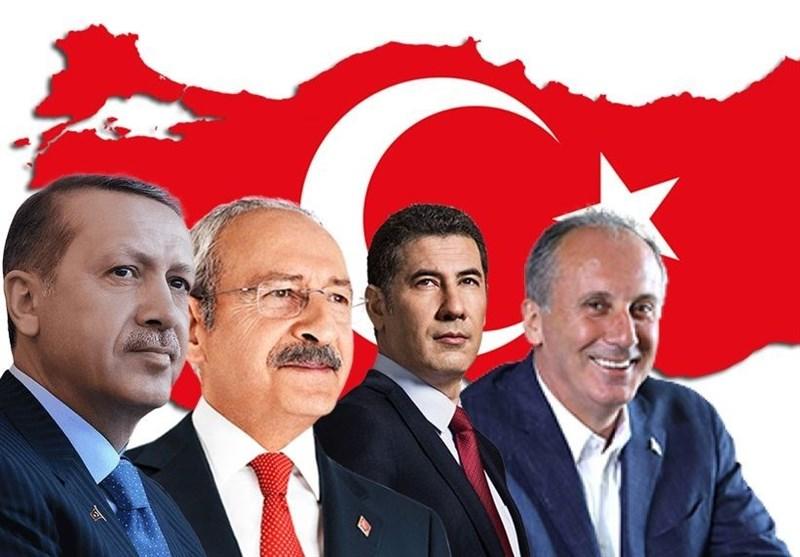
A look into the election contests in Turkiye and its strategic consequences

A look into the election contests in Turkiye and its strategic consequences

Strategic Council Online—Opinion: As the Turkish presidential and parliamentary elections on May 14, 2023, are approaching, the activities of the eligible candidates are expanding. In the Turkish presidential election, four candidates, and in the parliamentary election, 27 parties will compete. The upcoming elections will be the 13th presidential election in Türkiye’s history, the second presidential election since the beginning of the presidential term, and the 28th parliamentary election in this country. The presidency and parliamentary representation term is five years, and the number of people elected representatives is 600.
Mahmoud Fazeli—Analyst of international affairs

The Zionist Regime on The Gunpowder Storage

The Zionist Regime on The Gunpowder Storage

Strategic Council Online—Interview: An expert on the issues of the Zionist regime, calling the horizon ahead of the Zionist regime vague and dark, emphasized that cohesion in the occupied territories is deteriorating, and this issue has affected the strategic approach of the regime.

Syria on the Way to Playing Effective Role in the Arab League

Syria on the Way to Playing Effective Role in the Arab League

Strategic Council Online – Opinion: The official invitation of King Salman bin Abdulaziz, the King of Saudi Arabia, extended to Bashar Assad, the President of Syria, to participate in the meeting of the heads of the Arab League in Riyadh is indicative of Syria’s final transition from the 12-year-old crisis.
Hassan Hanizadeh – Expert on Middle East affairs

Zionist Regime’s Failed Conspiracy to Eliminate Resistance in West Bank

Zionist Regime’s Failed Conspiracy to Eliminate Resistance in West Bank

Strategic Council Online – Opinion: Netanyahu’s fascist government has proposed a plan to “remove the Islamic Resistance groups” from the West Bank, including Nablus and Jenin. This conspiracy plan is presented at a time when the measures of the Zionist regime to deal with the Islamic Resistance in the West Bank have failed, and the Palestinian Resistance groups have started large-scale operations in the mentioned areas in response to the crimes of the usurpers.
Hamid Khoshayand – Expert on regional affairs

Reverse Migration from Occupied Territories, Its Consequences

Reverse Migration from Occupied Territories, Its Consequences

Strategic Council Online – Opinion: If the pillars of forming a nation-state are the four factors of population, territory, government, and sovereignty, the Zionist regime, since its establishment and according to the provisions of international law, has lacked the factors mentioned earlier.
Barsam Mohammadi – Expert on regional affairs

Dimensions, goals and consequences of Judaization of Bahraini textbooks

Dimensions, goals and consequences of Judaization of Bahraini textbooks

Strategic Council Online—Opinion: In September 2020, the Kingdom of Bahrain signed a reconciliation plan with the Zionist regime known as the “Abraham Accords”. Bahrain is the fourth Arab regime that has recognized the Zionist regime. During the past two years, Bahrain has been one of the Arab regimes that has continued to expand bilateral relations with Tel Aviv despite widespread domestic opposition.
Hamid Khoshayand- Expert of regional issues

White House Concern about Implications of Extremist Israeli Govt. for US Regional Strategy

White House Concern about Implications of Extremist Israeli Govt. for US Regional Strategy

Strategic Council Online – Interview: An expert on Israeli affairs said that the majority of American Jews are inclined towards Democrats with liberal views and would not tolerate the Israeli government act in such a right-leaning, extremist and pseudo-fascist manner. He added: The United States will be worried when the governments that work within the framework of laying the foundations for the normalization of relations, because of Israel’s extremist measures, go towards tension with Tel Aviv.

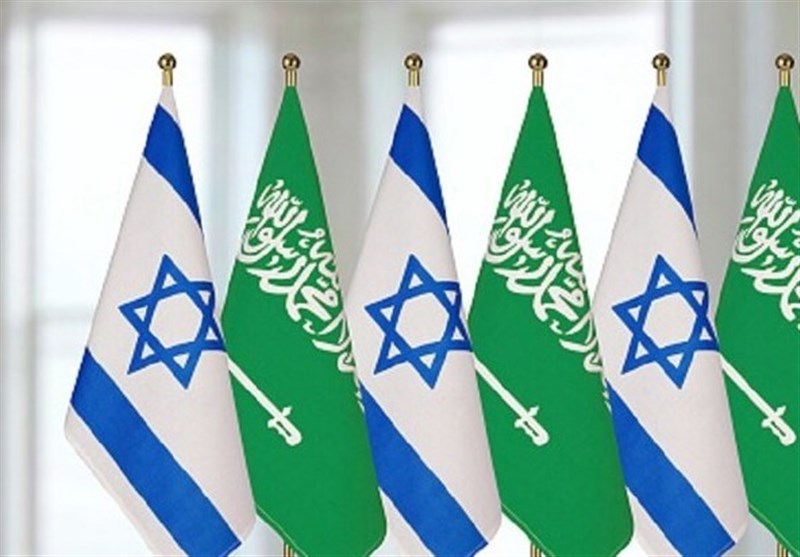
The way of developing relations between Saudi Arabia and the Zionist regime

The way of developing relations between Saudi Arabia and the Zionist regime

Strategic Council Online—Interview: An expert on West Asian issues stated that the frequent publication of news about the normalization of relations between the Zionist regime and Saudi Arabia in the Zionist media does not necessarily mean the occurrence of new developments that can change the geopolitics of the region, and said that repeatedly dealing with the issue of normalizing relations with Saudi Arabia is a media achievement. It is for Netanyahu and the Likud party to divert the attention of public opinion from the internal problems and challenges of the Zionist regime.

أحدث الوظائف

The Makkah Pact; Reasons for its Formation and Challenges Ahead

SCFR Online – Opinion: The Makkah Pact, signed between Saudi Arabia, Pakistan, and Turkey under the motto “an attack on one is an attack on all,” is viewed by some analysts less as a full-fledged military coalition and more as an attempt to reduce security dependence on an external power and to establish a regional security mechanism.

Implications of the US-Saudi Nuclear Agreement

SCFR Online – Opinion: The new US-Saudi nuclear agreement, despite legal and political ambiguities, could alter previous non-proliferation standards in West Asia and intensify nuclear competition, ushering it into a new phase.

An Analysis of Recent Turkey-Israeli Regime Tensions

SCFR Online – Opinion: Recent developments in Syria indicate an intensification of strategic rivalry between Turkey and the Israeli regime, but mutual considerations and the role of the United States have limited the likelihood of direct war.

Increasing criticism of the extensive Zionist lobby network

SCFR Online – Opinion: An examination of the mechanisms of the Israeli regime’s influence in the United States depicts a complex picture of shared interests, strategic dependencies, and the limitations of this relationship.

Realities of the Tripartite Makkah Pact

SCFR Online – Interview: The signing of the Makkah agreement between Saudi Arabia, Pakistan, and Turkey has raised questions about the future of the region’s security structure and the position of these countries in West Asian equations. Can this agreement become a genuine collective defense mechanism, or does it have more of a political and deterrent function than creating new military capacity?

Strategic Implications of the Reduction of US Weapons Stockpiles

SCFR Online – Opinion: The continuation of the US war against Iran, in addition to increasing operational costs, has called into question the actual capacity of the American arsenal to simultaneously fulfill security commitments on multiple fronts; an issue that affects deterrence, defense production capacity, and Washington’s resource prioritization.

The Formation of a New Order in Relations Between Powers

SCFR Online – Opinion: The Russia-Ukraine war and the war of the United States and the Israeli regime against Iran have been formed with different objectives and actors, but field and political developments indicate that they are not entirely separate from one another.

Loading

Palestine

Strategic Consequences of Formation of “Palestine Joint Operations Room”

Strategic Consequences of Formation of “Palestine Joint Operations Room”

Strategic Council Online – Opinion: The recent battle between the Palestinian resistance groups and the Zionist regime, which ended after five days of conflict with the imposition of resistance conditions, had a remarkable phenomenon that was the formation of the “Joint Operations Room,” because this Room played an effective role in the design of operations and field battles of the recent Gaza war.
Barsam Mohammadi – Expert on regional affairs

A look into the election contests in Turkiye and its strategic consequences

A look into the election contests in Turkiye and its strategic consequences

Strategic Council Online—Opinion: As the Turkish presidential and parliamentary elections on May 14, 2023, are approaching, the activities of the eligible candidates are expanding. In the Turkish presidential election, four candidates, and in the parliamentary election, 27 parties will compete. The upcoming elections will be the 13th presidential election in Türkiye’s history, the second presidential election since the beginning of the presidential term, and the 28th parliamentary election in this country. The presidency and parliamentary representation term is five years, and the number of people elected representatives is 600.
Mahmoud Fazeli—Analyst of international affairs

The Zionist Regime on The Gunpowder Storage

The Zionist Regime on The Gunpowder Storage

Strategic Council Online—Interview: An expert on the issues of the Zionist regime, calling the horizon ahead of the Zionist regime vague and dark, emphasized that cohesion in the occupied territories is deteriorating, and this issue has affected the strategic approach of the regime.

Syria on the Way to Playing Effective Role in the Arab League

Syria on the Way to Playing Effective Role in the Arab League

Strategic Council Online – Opinion: The official invitation of King Salman bin Abdulaziz, the King of Saudi Arabia, extended to Bashar Assad, the President of Syria, to participate in the meeting of the heads of the Arab League in Riyadh is indicative of Syria’s final transition from the 12-year-old crisis.
Hassan Hanizadeh – Expert on Middle East affairs

Zionist Regime’s Failed Conspiracy to Eliminate Resistance in West Bank

Zionist Regime’s Failed Conspiracy to Eliminate Resistance in West Bank

Strategic Council Online – Opinion: Netanyahu’s fascist government has proposed a plan to “remove the Islamic Resistance groups” from the West Bank, including Nablus and Jenin. This conspiracy plan is presented at a time when the measures of the Zionist regime to deal with the Islamic Resistance in the West Bank have failed, and the Palestinian Resistance groups have started large-scale operations in the mentioned areas in response to the crimes of the usurpers.
Hamid Khoshayand – Expert on regional affairs

Reverse Migration from Occupied Territories, Its Consequences

Reverse Migration from Occupied Territories, Its Consequences

Strategic Council Online – Opinion: If the pillars of forming a nation-state are the four factors of population, territory, government, and sovereignty, the Zionist regime, since its establishment and according to the provisions of international law, has lacked the factors mentioned earlier.
Barsam Mohammadi – Expert on regional affairs

Dimensions, goals and consequences of Judaization of Bahraini textbooks

Dimensions, goals and consequences of Judaization of Bahraini textbooks

Strategic Council Online—Opinion: In September 2020, the Kingdom of Bahrain signed a reconciliation plan with the Zionist regime known as the “Abraham Accords”. Bahrain is the fourth Arab regime that has recognized the Zionist regime. During the past two years, Bahrain has been one of the Arab regimes that has continued to expand bilateral relations with Tel Aviv despite widespread domestic opposition.
Hamid Khoshayand- Expert of regional issues

White House Concern about Implications of Extremist Israeli Govt. for US Regional Strategy

White House Concern about Implications of Extremist Israeli Govt. for US Regional Strategy

Strategic Council Online – Interview: An expert on Israeli affairs said that the majority of American Jews are inclined towards Democrats with liberal views and would not tolerate the Israeli government act in such a right-leaning, extremist and pseudo-fascist manner. He added: The United States will be worried when the governments that work within the framework of laying the foundations for the normalization of relations, because of Israel’s extremist measures, go towards tension with Tel Aviv.

The way of developing relations between Saudi Arabia and the Zionist regime

The way of developing relations between Saudi Arabia and the Zionist regime

Strategic Council Online—Interview: An expert on West Asian issues stated that the frequent publication of news about the normalization of relations between the Zionist regime and Saudi Arabia in the Zionist media does not necessarily mean the occurrence of new developments that can change the geopolitics of the region, and said that repeatedly dealing with the issue of normalizing relations with Saudi Arabia is a media achievement. It is for Netanyahu and the Likud party to divert the attention of public opinion from the internal problems and challenges of the Zionist regime.

Palestine

Strategic Consequences of Formation of “Palestine Joint Operations Room”

Strategic Consequences of Formation of “Palestine Joint Operations Room”

Strategic Council Online – Opinion: The recent battle between the Palestinian resistance groups and the Zionist regime, which ended after five days of conflict with the imposition of resistance conditions, had a remarkable phenomenon that was the formation of the “Joint Operations Room,” because this Room played an effective role in the design of operations and field battles of the recent Gaza war.
Barsam Mohammadi – Expert on regional affairs

A look into the election contests in Turkiye and its strategic consequences

A look into the election contests in Turkiye and its strategic consequences

Strategic Council Online—Opinion: As the Turkish presidential and parliamentary elections on May 14, 2023, are approaching, the activities of the eligible candidates are expanding. In the Turkish presidential election, four candidates, and in the parliamentary election, 27 parties will compete. The upcoming elections will be the 13th presidential election in Türkiye’s history, the second presidential election since the beginning of the presidential term, and the 28th parliamentary election in this country. The presidency and parliamentary representation term is five years, and the number of people elected representatives is 600.
Mahmoud Fazeli—Analyst of international affairs

The Zionist Regime on The Gunpowder Storage

The Zionist Regime on The Gunpowder Storage

Strategic Council Online—Interview: An expert on the issues of the Zionist regime, calling the horizon ahead of the Zionist regime vague and dark, emphasized that cohesion in the occupied territories is deteriorating, and this issue has affected the strategic approach of the regime.

Syria on the Way to Playing Effective Role in the Arab League

Syria on the Way to Playing Effective Role in the Arab League

Strategic Council Online – Opinion: The official invitation of King Salman bin Abdulaziz, the King of Saudi Arabia, extended to Bashar Assad, the President of Syria, to participate in the meeting of the heads of the Arab League in Riyadh is indicative of Syria’s final transition from the 12-year-old crisis.
Hassan Hanizadeh – Expert on Middle East affairs

Zionist Regime’s Failed Conspiracy to Eliminate Resistance in West Bank

Zionist Regime’s Failed Conspiracy to Eliminate Resistance in West Bank

Strategic Council Online – Opinion: Netanyahu’s fascist government has proposed a plan to “remove the Islamic Resistance groups” from the West Bank, including Nablus and Jenin. This conspiracy plan is presented at a time when the measures of the Zionist regime to deal with the Islamic Resistance in the West Bank have failed, and the Palestinian Resistance groups have started large-scale operations in the mentioned areas in response to the crimes of the usurpers.
Hamid Khoshayand – Expert on regional affairs

Reverse Migration from Occupied Territories, Its Consequences

Reverse Migration from Occupied Territories, Its Consequences

Strategic Council Online – Opinion: If the pillars of forming a nation-state are the four factors of population, territory, government, and sovereignty, the Zionist regime, since its establishment and according to the provisions of international law, has lacked the factors mentioned earlier.
Barsam Mohammadi – Expert on regional affairs

Dimensions, goals and consequences of Judaization of Bahraini textbooks

Dimensions, goals and consequences of Judaization of Bahraini textbooks

Strategic Council Online—Opinion: In September 2020, the Kingdom of Bahrain signed a reconciliation plan with the Zionist regime known as the “Abraham Accords”. Bahrain is the fourth Arab regime that has recognized the Zionist regime. During the past two years, Bahrain has been one of the Arab regimes that has continued to expand bilateral relations with Tel Aviv despite widespread domestic opposition.
Hamid Khoshayand- Expert of regional issues

White House Concern about Implications of Extremist Israeli Govt. for US Regional Strategy

White House Concern about Implications of Extremist Israeli Govt. for US Regional Strategy

Strategic Council Online – Interview: An expert on Israeli affairs said that the majority of American Jews are inclined towards Democrats with liberal views and would not tolerate the Israeli government act in such a right-leaning, extremist and pseudo-fascist manner. He added: The United States will be worried when the governments that work within the framework of laying the foundations for the normalization of relations, because of Israel’s extremist measures, go towards tension with Tel Aviv.

The way of developing relations between Saudi Arabia and the Zionist regime

The way of developing relations between Saudi Arabia and the Zionist regime

Strategic Council Online—Interview: An expert on West Asian issues stated that the frequent publication of news about the normalization of relations between the Zionist regime and Saudi Arabia in the Zionist media does not necessarily mean the occurrence of new developments that can change the geopolitics of the region, and said that repeatedly dealing with the issue of normalizing relations with Saudi Arabia is a media achievement. It is for Netanyahu and the Likud party to divert the attention of public opinion from the internal problems and challenges of the Zionist regime.

LATEST CONTENT

The Makkah Pact; Reasons for its Formation and Challenges Ahead

SCFR Online – Opinion: The Makkah Pact, signed between Saudi Arabia, Pakistan, and Turkey under the motto “an attack on one is an attack on all,” is viewed by some analysts less as a full-fledged military coalition and more as an attempt to reduce security dependence on an external power and to establish a regional security mechanism.

Implications of the US-Saudi Nuclear Agreement

SCFR Online – Opinion: The new US-Saudi nuclear agreement, despite legal and political ambiguities, could alter previous non-proliferation standards in West Asia and intensify nuclear competition, ushering it into a new phase.

An Analysis of Recent Turkey-Israeli Regime Tensions

SCFR Online – Opinion: Recent developments in Syria indicate an intensification of strategic rivalry between Turkey and the Israeli regime, but mutual considerations and the role of the United States have limited the likelihood of direct war.

Increasing criticism of the extensive Zionist lobby network

SCFR Online – Opinion: An examination of the mechanisms of the Israeli regime’s influence in the United States depicts a complex picture of shared interests, strategic dependencies, and the limitations of this relationship.

Realities of the Tripartite Makkah Pact

SCFR Online – Interview: The signing of the Makkah agreement between Saudi Arabia, Pakistan, and Turkey has raised questions about the future of the region’s security structure and the position of these countries in West Asian equations. Can this agreement become a genuine collective defense mechanism, or does it have more of a political and deterrent function than creating new military capacity?

Strategic Implications of the Reduction of US Weapons Stockpiles

SCFR Online – Opinion: The continuation of the US war against Iran, in addition to increasing operational costs, has called into question the actual capacity of the American arsenal to simultaneously fulfill security commitments on multiple fronts; an issue that affects deterrence, defense production capacity, and Washington’s resource prioritization.

The Formation of a New Order in Relations Between Powers

SCFR Online – Opinion: The Russia-Ukraine war and the war of the United States and the Israeli regime against Iran have been formed with different objectives and actors, but field and political developments indicate that they are not entirely separate from one another.

Loading

Palestine

Strategic Consequences of Formation of “Palestine Joint Operations Room”

Strategic Consequences of Formation of “Palestine Joint Operations Room”

Strategic Council Online – Opinion: The recent battle between the Palestinian resistance groups and the Zionist regime, which ended after five days of conflict with the imposition of resistance conditions, had a remarkable phenomenon that was the formation of the “Joint Operations Room,” because this Room played an effective role in the design of operations and field battles of the recent Gaza war.
Barsam Mohammadi – Expert on regional affairs

A look into the election contests in Turkiye and its strategic consequences

A look into the election contests in Turkiye and its strategic consequences

Strategic Council Online—Opinion: As the Turkish presidential and parliamentary elections on May 14, 2023, are approaching, the activities of the eligible candidates are expanding. In the Turkish presidential election, four candidates, and in the parliamentary election, 27 parties will compete. The upcoming elections will be the 13th presidential election in Türkiye’s history, the second presidential election since the beginning of the presidential term, and the 28th parliamentary election in this country. The presidency and parliamentary representation term is five years, and the number of people elected representatives is 600.
Mahmoud Fazeli—Analyst of international affairs

The Zionist Regime on The Gunpowder Storage

The Zionist Regime on The Gunpowder Storage

Strategic Council Online—Interview: An expert on the issues of the Zionist regime, calling the horizon ahead of the Zionist regime vague and dark, emphasized that cohesion in the occupied territories is deteriorating, and this issue has affected the strategic approach of the regime.

Syria on the Way to Playing Effective Role in the Arab League

Syria on the Way to Playing Effective Role in the Arab League

Strategic Council Online – Opinion: The official invitation of King Salman bin Abdulaziz, the King of Saudi Arabia, extended to Bashar Assad, the President of Syria, to participate in the meeting of the heads of the Arab League in Riyadh is indicative of Syria’s final transition from the 12-year-old crisis.
Hassan Hanizadeh – Expert on Middle East affairs

Zionist Regime’s Failed Conspiracy to Eliminate Resistance in West Bank

Zionist Regime’s Failed Conspiracy to Eliminate Resistance in West Bank

Strategic Council Online – Opinion: Netanyahu’s fascist government has proposed a plan to “remove the Islamic Resistance groups” from the West Bank, including Nablus and Jenin. This conspiracy plan is presented at a time when the measures of the Zionist regime to deal with the Islamic Resistance in the West Bank have failed, and the Palestinian Resistance groups have started large-scale operations in the mentioned areas in response to the crimes of the usurpers.
Hamid Khoshayand – Expert on regional affairs

Reverse Migration from Occupied Territories, Its Consequences

Reverse Migration from Occupied Territories, Its Consequences

Strategic Council Online – Opinion: If the pillars of forming a nation-state are the four factors of population, territory, government, and sovereignty, the Zionist regime, since its establishment and according to the provisions of international law, has lacked the factors mentioned earlier.
Barsam Mohammadi – Expert on regional affairs

Dimensions, goals and consequences of Judaization of Bahraini textbooks

Dimensions, goals and consequences of Judaization of Bahraini textbooks

Strategic Council Online—Opinion: In September 2020, the Kingdom of Bahrain signed a reconciliation plan with the Zionist regime known as the “Abraham Accords”. Bahrain is the fourth Arab regime that has recognized the Zionist regime. During the past two years, Bahrain has been one of the Arab regimes that has continued to expand bilateral relations with Tel Aviv despite widespread domestic opposition.
Hamid Khoshayand- Expert of regional issues

White House Concern about Implications of Extremist Israeli Govt. for US Regional Strategy

White House Concern about Implications of Extremist Israeli Govt. for US Regional Strategy

Strategic Council Online – Interview: An expert on Israeli affairs said that the majority of American Jews are inclined towards Democrats with liberal views and would not tolerate the Israeli government act in such a right-leaning, extremist and pseudo-fascist manner. He added: The United States will be worried when the governments that work within the framework of laying the foundations for the normalization of relations, because of Israel’s extremist measures, go towards tension with Tel Aviv.

The way of developing relations between Saudi Arabia and the Zionist regime

The way of developing relations between Saudi Arabia and the Zionist regime

Strategic Council Online—Interview: An expert on West Asian issues stated that the frequent publication of news about the normalization of relations between the Zionist regime and Saudi Arabia in the Zionist media does not necessarily mean the occurrence of new developments that can change the geopolitics of the region, and said that repeatedly dealing with the issue of normalizing relations with Saudi Arabia is a media achievement. It is for Netanyahu and the Likud party to divert the attention of public opinion from the internal problems and challenges of the Zionist regime.

ÚLTIMAS PUBLICACIONES

The Makkah Pact; Reasons for its Formation and Challenges Ahead

SCFR Online – Opinion: The Makkah Pact, signed between Saudi Arabia, Pakistan, and Turkey under the motto “an attack on one is an attack on all,” is viewed by some analysts less as a full-fledged military coalition and more as an attempt to reduce security dependence on an external power and to establish a regional security mechanism.

Implications of the US-Saudi Nuclear Agreement

SCFR Online – Opinion: The new US-Saudi nuclear agreement, despite legal and political ambiguities, could alter previous non-proliferation standards in West Asia and intensify nuclear competition, ushering it into a new phase.

An Analysis of Recent Turkey-Israeli Regime Tensions

SCFR Online – Opinion: Recent developments in Syria indicate an intensification of strategic rivalry between Turkey and the Israeli regime, but mutual considerations and the role of the United States have limited the likelihood of direct war.

Increasing criticism of the extensive Zionist lobby network

SCFR Online – Opinion: An examination of the mechanisms of the Israeli regime’s influence in the United States depicts a complex picture of shared interests, strategic dependencies, and the limitations of this relationship.

Realities of the Tripartite Makkah Pact

SCFR Online – Interview: The signing of the Makkah agreement between Saudi Arabia, Pakistan, and Turkey has raised questions about the future of the region’s security structure and the position of these countries in West Asian equations. Can this agreement become a genuine collective defense mechanism, or does it have more of a political and deterrent function than creating new military capacity?

Strategic Implications of the Reduction of US Weapons Stockpiles

SCFR Online – Opinion: The continuation of the US war against Iran, in addition to increasing operational costs, has called into question the actual capacity of the American arsenal to simultaneously fulfill security commitments on multiple fronts; an issue that affects deterrence, defense production capacity, and Washington’s resource prioritization.

The Formation of a New Order in Relations Between Powers

SCFR Online – Opinion: The Russia-Ukraine war and the war of the United States and the Israeli regime against Iran have been formed with different objectives and actors, but field and political developments indicate that they are not entirely separate from one another.

Loading

Palestine

Strategic Consequences of Formation of “Palestine Joint Operations Room”

Strategic Consequences of Formation of “Palestine Joint Operations Room”

Strategic Council Online – Opinion: The recent battle between the Palestinian resistance groups and the Zionist regime, which ended after five days of conflict with the imposition of resistance conditions, had a remarkable phenomenon that was the formation of the “Joint Operations Room,” because this Room played an effective role in the design of operations and field battles of the recent Gaza war.
Barsam Mohammadi – Expert on regional affairs

A look into the election contests in Turkiye and its strategic consequences

A look into the election contests in Turkiye and its strategic consequences

Strategic Council Online—Opinion: As the Turkish presidential and parliamentary elections on May 14, 2023, are approaching, the activities of the eligible candidates are expanding. In the Turkish presidential election, four candidates, and in the parliamentary election, 27 parties will compete. The upcoming elections will be the 13th presidential election in Türkiye’s history, the second presidential election since the beginning of the presidential term, and the 28th parliamentary election in this country. The presidency and parliamentary representation term is five years, and the number of people elected representatives is 600.
Mahmoud Fazeli—Analyst of international affairs

The Zionist Regime on The Gunpowder Storage

The Zionist Regime on The Gunpowder Storage

Strategic Council Online—Interview: An expert on the issues of the Zionist regime, calling the horizon ahead of the Zionist regime vague and dark, emphasized that cohesion in the occupied territories is deteriorating, and this issue has affected the strategic approach of the regime.

Syria on the Way to Playing Effective Role in the Arab League

Syria on the Way to Playing Effective Role in the Arab League

Strategic Council Online – Opinion: The official invitation of King Salman bin Abdulaziz, the King of Saudi Arabia, extended to Bashar Assad, the President of Syria, to participate in the meeting of the heads of the Arab League in Riyadh is indicative of Syria’s final transition from the 12-year-old crisis.
Hassan Hanizadeh – Expert on Middle East affairs

Zionist Regime’s Failed Conspiracy to Eliminate Resistance in West Bank

Zionist Regime’s Failed Conspiracy to Eliminate Resistance in West Bank

Strategic Council Online – Opinion: Netanyahu’s fascist government has proposed a plan to “remove the Islamic Resistance groups” from the West Bank, including Nablus and Jenin. This conspiracy plan is presented at a time when the measures of the Zionist regime to deal with the Islamic Resistance in the West Bank have failed, and the Palestinian Resistance groups have started large-scale operations in the mentioned areas in response to the crimes of the usurpers.
Hamid Khoshayand – Expert on regional affairs

Reverse Migration from Occupied Territories, Its Consequences

Reverse Migration from Occupied Territories, Its Consequences

Strategic Council Online – Opinion: If the pillars of forming a nation-state are the four factors of population, territory, government, and sovereignty, the Zionist regime, since its establishment and according to the provisions of international law, has lacked the factors mentioned earlier.
Barsam Mohammadi – Expert on regional affairs

Dimensions, goals and consequences of Judaization of Bahraini textbooks

Dimensions, goals and consequences of Judaization of Bahraini textbooks

Strategic Council Online—Opinion: In September 2020, the Kingdom of Bahrain signed a reconciliation plan with the Zionist regime known as the “Abraham Accords”. Bahrain is the fourth Arab regime that has recognized the Zionist regime. During the past two years, Bahrain has been one of the Arab regimes that has continued to expand bilateral relations with Tel Aviv despite widespread domestic opposition.
Hamid Khoshayand- Expert of regional issues

White House Concern about Implications of Extremist Israeli Govt. for US Regional Strategy

White House Concern about Implications of Extremist Israeli Govt. for US Regional Strategy

Strategic Council Online – Interview: An expert on Israeli affairs said that the majority of American Jews are inclined towards Democrats with liberal views and would not tolerate the Israeli government act in such a right-leaning, extremist and pseudo-fascist manner. He added: The United States will be worried when the governments that work within the framework of laying the foundations for the normalization of relations, because of Israel’s extremist measures, go towards tension with Tel Aviv.

The way of developing relations between Saudi Arabia and the Zionist regime

The way of developing relations between Saudi Arabia and the Zionist regime

Strategic Council Online—Interview: An expert on West Asian issues stated that the frequent publication of news about the normalization of relations between the Zionist regime and Saudi Arabia in the Zionist media does not necessarily mean the occurrence of new developments that can change the geopolitics of the region, and said that repeatedly dealing with the issue of normalizing relations with Saudi Arabia is a media achievement. It is for Netanyahu and the Likud party to divert the attention of public opinion from the internal problems and challenges of the Zionist regime.

ÚLTIMAS PUBLICACIONES

The Makkah Pact; Reasons for its Formation and Challenges Ahead

SCFR Online – Opinion: The Makkah Pact, signed between Saudi Arabia, Pakistan, and Turkey under the motto “an attack on one is an attack on all,” is viewed by some analysts less as a full-fledged military coalition and more as an attempt to reduce security dependence on an external power and to establish a regional security mechanism.

Implications of the US-Saudi Nuclear Agreement

SCFR Online – Opinion: The new US-Saudi nuclear agreement, despite legal and political ambiguities, could alter previous non-proliferation standards in West Asia and intensify nuclear competition, ushering it into a new phase.

An Analysis of Recent Turkey-Israeli Regime Tensions

SCFR Online – Opinion: Recent developments in Syria indicate an intensification of strategic rivalry between Turkey and the Israeli regime, but mutual considerations and the role of the United States have limited the likelihood of direct war.

Increasing criticism of the extensive Zionist lobby network

SCFR Online – Opinion: An examination of the mechanisms of the Israeli regime’s influence in the United States depicts a complex picture of shared interests, strategic dependencies, and the limitations of this relationship.

Realities of the Tripartite Makkah Pact

SCFR Online – Interview: The signing of the Makkah agreement between Saudi Arabia, Pakistan, and Turkey has raised questions about the future of the region’s security structure and the position of these countries in West Asian equations. Can this agreement become a genuine collective defense mechanism, or does it have more of a political and deterrent function than creating new military capacity?

Strategic Implications of the Reduction of US Weapons Stockpiles

SCFR Online – Opinion: The continuation of the US war against Iran, in addition to increasing operational costs, has called into question the actual capacity of the American arsenal to simultaneously fulfill security commitments on multiple fronts; an issue that affects deterrence, defense production capacity, and Washington’s resource prioritization.

The Formation of a New Order in Relations Between Powers

SCFR Online – Opinion: The Russia-Ukraine war and the war of the United States and the Israeli regime against Iran have been formed with different objectives and actors, but field and political developments indicate that they are not entirely separate from one another.

Loading

Palestine

Strategic Consequences of Formation of “Palestine Joint Operations Room”

Strategic Consequences of Formation of “Palestine Joint Operations Room”

Strategic Council Online – Opinion: The recent battle between the Palestinian resistance groups and the Zionist regime, which ended after five days of conflict with the imposition of resistance conditions, had a remarkable phenomenon that was the formation of the “Joint Operations Room,” because this Room played an effective role in the design of operations and field battles of the recent Gaza war.
Barsam Mohammadi – Expert on regional affairs

A look into the election contests in Turkiye and its strategic consequences

A look into the election contests in Turkiye and its strategic consequences

Strategic Council Online—Opinion: As the Turkish presidential and parliamentary elections on May 14, 2023, are approaching, the activities of the eligible candidates are expanding. In the Turkish presidential election, four candidates, and in the parliamentary election, 27 parties will compete. The upcoming elections will be the 13th presidential election in Türkiye’s history, the second presidential election since the beginning of the presidential term, and the 28th parliamentary election in this country. The presidency and parliamentary representation term is five years, and the number of people elected representatives is 600.
Mahmoud Fazeli—Analyst of international affairs

The Zionist Regime on The Gunpowder Storage

The Zionist Regime on The Gunpowder Storage

Strategic Council Online—Interview: An expert on the issues of the Zionist regime, calling the horizon ahead of the Zionist regime vague and dark, emphasized that cohesion in the occupied territories is deteriorating, and this issue has affected the strategic approach of the regime.

Syria on the Way to Playing Effective Role in the Arab League

Syria on the Way to Playing Effective Role in the Arab League

Strategic Council Online – Opinion: The official invitation of King Salman bin Abdulaziz, the King of Saudi Arabia, extended to Bashar Assad, the President of Syria, to participate in the meeting of the heads of the Arab League in Riyadh is indicative of Syria’s final transition from the 12-year-old crisis.
Hassan Hanizadeh – Expert on Middle East affairs

Zionist Regime’s Failed Conspiracy to Eliminate Resistance in West Bank

Zionist Regime’s Failed Conspiracy to Eliminate Resistance in West Bank

Strategic Council Online – Opinion: Netanyahu’s fascist government has proposed a plan to “remove the Islamic Resistance groups” from the West Bank, including Nablus and Jenin. This conspiracy plan is presented at a time when the measures of the Zionist regime to deal with the Islamic Resistance in the West Bank have failed, and the Palestinian Resistance groups have started large-scale operations in the mentioned areas in response to the crimes of the usurpers.
Hamid Khoshayand – Expert on regional affairs

Reverse Migration from Occupied Territories, Its Consequences

Reverse Migration from Occupied Territories, Its Consequences

Strategic Council Online – Opinion: If the pillars of forming a nation-state are the four factors of population, territory, government, and sovereignty, the Zionist regime, since its establishment and according to the provisions of international law, has lacked the factors mentioned earlier.
Barsam Mohammadi – Expert on regional affairs

Dimensions, goals and consequences of Judaization of Bahraini textbooks

Dimensions, goals and consequences of Judaization of Bahraini textbooks

Strategic Council Online—Opinion: In September 2020, the Kingdom of Bahrain signed a reconciliation plan with the Zionist regime known as the “Abraham Accords”. Bahrain is the fourth Arab regime that has recognized the Zionist regime. During the past two years, Bahrain has been one of the Arab regimes that has continued to expand bilateral relations with Tel Aviv despite widespread domestic opposition.
Hamid Khoshayand- Expert of regional issues

White House Concern about Implications of Extremist Israeli Govt. for US Regional Strategy

White House Concern about Implications of Extremist Israeli Govt. for US Regional Strategy

Strategic Council Online – Interview: An expert on Israeli affairs said that the majority of American Jews are inclined towards Democrats with liberal views and would not tolerate the Israeli government act in such a right-leaning, extremist and pseudo-fascist manner. He added: The United States will be worried when the governments that work within the framework of laying the foundations for the normalization of relations, because of Israel’s extremist measures, go towards tension with Tel Aviv.

The way of developing relations between Saudi Arabia and the Zionist regime

The way of developing relations between Saudi Arabia and the Zionist regime

Strategic Council Online—Interview: An expert on West Asian issues stated that the frequent publication of news about the normalization of relations between the Zionist regime and Saudi Arabia in the Zionist media does not necessarily mean the occurrence of new developments that can change the geopolitics of the region, and said that repeatedly dealing with the issue of normalizing relations with Saudi Arabia is a media achievement. It is for Netanyahu and the Likud party to divert the attention of public opinion from the internal problems and challenges of the Zionist regime.

ÚLTIMAS PUBLICACIONES

The Makkah Pact; Reasons for its Formation and Challenges Ahead

SCFR Online – Opinion: The Makkah Pact, signed between Saudi Arabia, Pakistan, and Turkey under the motto “an attack on one is an attack on all,” is viewed by some analysts less as a full-fledged military coalition and more as an attempt to reduce security dependence on an external power and to establish a regional security mechanism.

Implications of the US-Saudi Nuclear Agreement

SCFR Online – Opinion: The new US-Saudi nuclear agreement, despite legal and political ambiguities, could alter previous non-proliferation standards in West Asia and intensify nuclear competition, ushering it into a new phase.

An Analysis of Recent Turkey-Israeli Regime Tensions

SCFR Online – Opinion: Recent developments in Syria indicate an intensification of strategic rivalry between Turkey and the Israeli regime, but mutual considerations and the role of the United States have limited the likelihood of direct war.

Increasing criticism of the extensive Zionist lobby network

SCFR Online – Opinion: An examination of the mechanisms of the Israeli regime’s influence in the United States depicts a complex picture of shared interests, strategic dependencies, and the limitations of this relationship.

Realities of the Tripartite Makkah Pact

SCFR Online – Interview: The signing of the Makkah agreement between Saudi Arabia, Pakistan, and Turkey has raised questions about the future of the region’s security structure and the position of these countries in West Asian equations. Can this agreement become a genuine collective defense mechanism, or does it have more of a political and deterrent function than creating new military capacity?

Strategic Implications of the Reduction of US Weapons Stockpiles

SCFR Online – Opinion: The continuation of the US war against Iran, in addition to increasing operational costs, has called into question the actual capacity of the American arsenal to simultaneously fulfill security commitments on multiple fronts; an issue that affects deterrence, defense production capacity, and Washington’s resource prioritization.

The Formation of a New Order in Relations Between Powers

SCFR Online – Opinion: The Russia-Ukraine war and the war of the United States and the Israeli regime against Iran have been formed with different objectives and actors, but field and political developments indicate that they are not entirely separate from one another.

Loading

Palestine

Strategic Consequences of Formation of “Palestine Joint Operations Room”

Strategic Consequences of Formation of “Palestine Joint Operations Room”

Strategic Council Online – Opinion: The recent battle between the Palestinian resistance groups and the Zionist regime, which ended after five days of conflict with the imposition of resistance conditions, had a remarkable phenomenon that was the formation of the “Joint Operations Room,” because this Room played an effective role in the design of operations and field battles of the recent Gaza war.
Barsam Mohammadi – Expert on regional affairs

A look into the election contests in Turkiye and its strategic consequences

A look into the election contests in Turkiye and its strategic consequences

Strategic Council Online—Opinion: As the Turkish presidential and parliamentary elections on May 14, 2023, are approaching, the activities of the eligible candidates are expanding. In the Turkish presidential election, four candidates, and in the parliamentary election, 27 parties will compete. The upcoming elections will be the 13th presidential election in Türkiye’s history, the second presidential election since the beginning of the presidential term, and the 28th parliamentary election in this country. The presidency and parliamentary representation term is five years, and the number of people elected representatives is 600.
Mahmoud Fazeli—Analyst of international affairs

The Zionist Regime on The Gunpowder Storage

The Zionist Regime on The Gunpowder Storage

Strategic Council Online—Interview: An expert on the issues of the Zionist regime, calling the horizon ahead of the Zionist regime vague and dark, emphasized that cohesion in the occupied territories is deteriorating, and this issue has affected the strategic approach of the regime.

Syria on the Way to Playing Effective Role in the Arab League

Syria on the Way to Playing Effective Role in the Arab League

Strategic Council Online – Opinion: The official invitation of King Salman bin Abdulaziz, the King of Saudi Arabia, extended to Bashar Assad, the President of Syria, to participate in the meeting of the heads of the Arab League in Riyadh is indicative of Syria’s final transition from the 12-year-old crisis.
Hassan Hanizadeh – Expert on Middle East affairs

Zionist Regime’s Failed Conspiracy to Eliminate Resistance in West Bank

Zionist Regime’s Failed Conspiracy to Eliminate Resistance in West Bank

Strategic Council Online – Opinion: Netanyahu’s fascist government has proposed a plan to “remove the Islamic Resistance groups” from the West Bank, including Nablus and Jenin. This conspiracy plan is presented at a time when the measures of the Zionist regime to deal with the Islamic Resistance in the West Bank have failed, and the Palestinian Resistance groups have started large-scale operations in the mentioned areas in response to the crimes of the usurpers.
Hamid Khoshayand – Expert on regional affairs

Reverse Migration from Occupied Territories, Its Consequences

Reverse Migration from Occupied Territories, Its Consequences

Strategic Council Online – Opinion: If the pillars of forming a nation-state are the four factors of population, territory, government, and sovereignty, the Zionist regime, since its establishment and according to the provisions of international law, has lacked the factors mentioned earlier.
Barsam Mohammadi – Expert on regional affairs

Dimensions, goals and consequences of Judaization of Bahraini textbooks

Dimensions, goals and consequences of Judaization of Bahraini textbooks

Strategic Council Online—Opinion: In September 2020, the Kingdom of Bahrain signed a reconciliation plan with the Zionist regime known as the “Abraham Accords”. Bahrain is the fourth Arab regime that has recognized the Zionist regime. During the past two years, Bahrain has been one of the Arab regimes that has continued to expand bilateral relations with Tel Aviv despite widespread domestic opposition.
Hamid Khoshayand- Expert of regional issues

White House Concern about Implications of Extremist Israeli Govt. for US Regional Strategy

White House Concern about Implications of Extremist Israeli Govt. for US Regional Strategy

Strategic Council Online – Interview: An expert on Israeli affairs said that the majority of American Jews are inclined towards Democrats with liberal views and would not tolerate the Israeli government act in such a right-leaning, extremist and pseudo-fascist manner. He added: The United States will be worried when the governments that work within the framework of laying the foundations for the normalization of relations, because of Israel’s extremist measures, go towards tension with Tel Aviv.

The way of developing relations between Saudi Arabia and the Zionist regime

The way of developing relations between Saudi Arabia and the Zionist regime

Strategic Council Online—Interview: An expert on West Asian issues stated that the frequent publication of news about the normalization of relations between the Zionist regime and Saudi Arabia in the Zionist media does not necessarily mean the occurrence of new developments that can change the geopolitics of the region, and said that repeatedly dealing with the issue of normalizing relations with Saudi Arabia is a media achievement. It is for Netanyahu and the Likud party to divert the attention of public opinion from the internal problems and challenges of the Zionist regime.

ÚLTIMAS PUBLICACIONES

The Makkah Pact; Reasons for its Formation and Challenges Ahead

SCFR Online – Opinion: The Makkah Pact, signed between Saudi Arabia, Pakistan, and Turkey under the motto “an attack on one is an attack on all,” is viewed by some analysts less as a full-fledged military coalition and more as an attempt to reduce security dependence on an external power and to establish a regional security mechanism.

Implications of the US-Saudi Nuclear Agreement

SCFR Online – Opinion: The new US-Saudi nuclear agreement, despite legal and political ambiguities, could alter previous non-proliferation standards in West Asia and intensify nuclear competition, ushering it into a new phase.

An Analysis of Recent Turkey-Israeli Regime Tensions

SCFR Online – Opinion: Recent developments in Syria indicate an intensification of strategic rivalry between Turkey and the Israeli regime, but mutual considerations and the role of the United States have limited the likelihood of direct war.

Increasing criticism of the extensive Zionist lobby network

SCFR Online – Opinion: An examination of the mechanisms of the Israeli regime’s influence in the United States depicts a complex picture of shared interests, strategic dependencies, and the limitations of this relationship.

Realities of the Tripartite Makkah Pact

SCFR Online – Interview: The signing of the Makkah agreement between Saudi Arabia, Pakistan, and Turkey has raised questions about the future of the region’s security structure and the position of these countries in West Asian equations. Can this agreement become a genuine collective defense mechanism, or does it have more of a political and deterrent function than creating new military capacity?

Strategic Implications of the Reduction of US Weapons Stockpiles

SCFR Online – Opinion: The continuation of the US war against Iran, in addition to increasing operational costs, has called into question the actual capacity of the American arsenal to simultaneously fulfill security commitments on multiple fronts; an issue that affects deterrence, defense production capacity, and Washington’s resource prioritization.

The Formation of a New Order in Relations Between Powers

SCFR Online – Opinion: The Russia-Ukraine war and the war of the United States and the Israeli regime against Iran have been formed with different objectives and actors, but field and political developments indicate that they are not entirely separate from one another.

Loading