جدیدترین مطالب

Iran’s Success in the Narrative Battle in Cyberspace

SCFR Online – Opinion: In the war between Iran and the United States, the main battlefield was not defined solely in the military domain; rather, the battle of narratives in cyberspace—particularly through memes—reached a decisive level.

The Global Energy Shock Situation and Future Scenarios

SCFR Online – Opinion: Only one month after the beginning of the Ramadan War, maritime traffic in the Strait of Hormuz decreased dramatically, with Bloomberg announcing a reduction of 103 vessels; Brent oil prices rose by more than 50 percent, and gasoline prices in the United States increased by 31.4 percent. Additionally, benchmark gas prices in Europe showed a 73.4 percent increase.

Al-Zaydi’s Selection as Prime Minister, The Beginning of a New Chapter in Iraq

SCFR Online – Note: After approximately five months of political deadlock and institutional confusion, Ali al-Zaydi has finally been selected as Iraq’s Prime Minister. Al-Zaydi’s selection as Prime Minister represents a positive sign of the completion of the government formation process and the beginning of a new phase in Iraqi politics and governance. The emergence of a young, technocratic figure from the third generation of politicians—in a context where the country has been administered by traditional figures for decades—revives hope that Iraq may perhaps distance itself from the repetitive cycle of crises and experience a new path of stability, efficiency, and regional convergence.

Intensifying Intra-Party Divisions in the United States Regarding the Zionist Regime

SCFR Online – Note: Over recent decades, support for the Zionist regime has been one of the few issues commanding bipartisan consensus in US foreign policy. Since the Cold War era, Republicans and Democrats have generally agreed on the necessity of preserving the security and survival of the Zionist regime as Washington’s most strategic ally in West Asia—and indeed, globally. However, developments in recent years—particularly the Gaza war, escalating regional conflicts, the expansion of tensions into Lebanon, and this regime’s recent warmongering against Iran—have caused this traditional consensus, especially within the Democratic Party, to face significant fractures.

Public Opinion Disappointment of the Zionist Regime Regarding Success in War with Iran

SCFR Online – Opinion: The internal situation of the Israeli regime during the 40-day war can be analyzed from several perspectives. The popularity levels of Benjamin Netanyahu, the Likud Party, and the ruling coalition led by Netanyahu until February 28, 2026, remained approximately the same as during the preceding year. The most recent factor that had somewhat increased Netanyahu’s popularity was the advancement of the 2024 war with Hezbollah Lebanon. Subsequently, his popularity temporarily increased during the 12-day war with Iran, but after the war, it returned to its previous state.

Loading

Russia

Differences of Opinion among NATO Members on Ukraine’s Membership

Differences of Opinion among NATO Members on Ukraine’s Membership

Strategic Council Online – Opinion: The agenda of the recent meeting of the NATO-Ukraine Commission (NUC) in Brussels was to counter the Russian attack and also create suitable conditions for increasing the possibility of Ukraine’s possible membership in NATO. NATO Secretary General Stoltenberg requested the NATO member states to allocate 500 million euros annually for the aid package to Ukraine, and Ukraine will receive non-lethal aid from now on.
Mahmoud Fazeli – International Affairs analyst

EU Attempts to Redefine Strategy towards China

EU Attempts to Redefine Strategy towards China

Strategic Council Online – Interview: An expert on Europe affairs saying that the European Union should redefine the terms of its interaction with China noted: The main question is whether the governments of the European Union are ready to unite against China’s new strategy.

Aims of New Russian Foreign Policy Document, Its Challenges

Aims of New Russian Foreign Policy Document, Its Challenges

Strategic Council Online – Interview: The associate professor of international relations at the University of Tehran, while explaining Moscow’s targets and challenges in implementing its new foreign policy strategy document, said: Russia’s desire to shape the new structures and norms in the international system is not a simple task; meanwhile, in this case too, Moscow’s strategy has its contradictions.

Dimensions, Consequences, Prospects of Intl. Trade De-dollarization

Dimensions, Consequences, Prospects of Intl. Trade De-dollarization

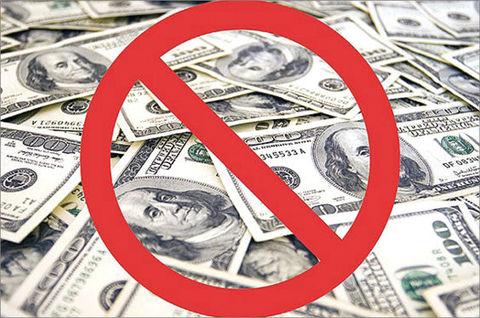
Strategic Council Online – Opinion: The war in Ukraine and the imposition of 13,656 sanctions against Russia, as well as blocking half of that country’s foreign exchange reserves (300 billion dollars) in foreign banks, has intensified the incentive for different countries in the world, from Brazil to Southeast Asia to “de-dollarize” foreign trade.
Barsam Mohammadi – Expert on international affairs

Analysis of Causes for OPEC+ Decision to Cut Oil Production, Its Consequences

Analysis of Causes for OPEC+ Decision to Cut Oil Production, Its Consequences

Strategic Council Online – Interview: An expert on Saudi affairs stated that concerning the considerations the oil-producing countries had about the drop in oil prices, the decision to reduce supply by OPEC+ was probable. He added: Bin Salman, with bitter experiences in the past, emphasizes that the US should give special privileges to Saudi Arabia in exchange for lowering the price of oil, removing the pressure and considering the interests of that country.

A Glance at China-US Approach, Rivalry in Africa

A Glance at China-US Approach, Rivalry in Africa

Strategic Council Online – Interview: An analyst of international affairs emphasized: Under the current situation, the US is not able to compete with China in Africa, but if it can advance its long-term plan in the form of sanctions or a war of chips, it can shock and deal a blow on China’s position in Africa and also affect the economy of that country.

An analysis of the countermeasures of the Zionist regime against Moscow in approving the transfer of anti-drone systems to Ukraine

An analysis of the countermeasures of the Zionist regime against Moscow in approving the transfer of anti-drone systems to Ukraine

Strategic Council Online—Opinion: Relations between Russia and the Zionist regime have always accompanied many ups and downs. In some cases, cooperation and coordination and some cases, conflict and disagreement have defined the relations of the parties. This situation became more evident after the Ukrainian War. Although Tel Aviv tried to show some neutrality towards the war in Ukraine from the beginning, the talks of its military aid to Ukraine led to a wave of differences between Tel Aviv and Moscow.
Mohammad Javad Ghahremani—Expert in international issues

A Glance at the UN Commission of Inquiry’s Vote on the War in Ukraine

A Glance at the UN Commission of Inquiry’s Vote on the War in Ukraine

Strategic Council Online – Interview: An international law professor assessed the formation of the Commission of Inquiry on “Russian war crimes” by the Human Rights Council as a political action aimed at putting pressure on Moscow and said: The crimes committed in the Ukraine war by both sides should not be ignored, but the international legal organizations should investigate the real causes behind the beginning of the war in Ukraine and the main factors that led to the outbreak of the war.

An analysis of the political weighing process in the recent G20 summit

An analysis of the political weighing process in the recent G20 summit

Strategic Council Online-Interview: An expert on European issues stated that the recent G20 summit was a demonstration of the alignment of the great and emerging powers of the world after Russia attacked Ukraine, adding that what happened in this summit demonstrated the transparency of the policies announced and applied by the members and during the summit some countries had to choose either to stand by Russia and against the West or this country.

أحدث الوظائف

Iran’s Success in the Narrative Battle in Cyberspace

SCFR Online – Opinion: In the war between Iran and the United States, the main battlefield was not defined solely in the military domain; rather, the battle of narratives in cyberspace—particularly through memes—reached a decisive level.

The Global Energy Shock Situation and Future Scenarios

SCFR Online – Opinion: Only one month after the beginning of the Ramadan War, maritime traffic in the Strait of Hormuz decreased dramatically, with Bloomberg announcing a reduction of 103 vessels; Brent oil prices rose by more than 50 percent, and gasoline prices in the United States increased by 31.4 percent. Additionally, benchmark gas prices in Europe showed a 73.4 percent increase.

Al-Zaydi’s Selection as Prime Minister, The Beginning of a New Chapter in Iraq

SCFR Online – Note: After approximately five months of political deadlock and institutional confusion, Ali al-Zaydi has finally been selected as Iraq’s Prime Minister. Al-Zaydi’s selection as Prime Minister represents a positive sign of the completion of the government formation process and the beginning of a new phase in Iraqi politics and governance. The emergence of a young, technocratic figure from the third generation of politicians—in a context where the country has been administered by traditional figures for decades—revives hope that Iraq may perhaps distance itself from the repetitive cycle of crises and experience a new path of stability, efficiency, and regional convergence.

Intensifying Intra-Party Divisions in the United States Regarding the Zionist Regime

SCFR Online – Note: Over recent decades, support for the Zionist regime has been one of the few issues commanding bipartisan consensus in US foreign policy. Since the Cold War era, Republicans and Democrats have generally agreed on the necessity of preserving the security and survival of the Zionist regime as Washington’s most strategic ally in West Asia—and indeed, globally. However, developments in recent years—particularly the Gaza war, escalating regional conflicts, the expansion of tensions into Lebanon, and this regime’s recent warmongering against Iran—have caused this traditional consensus, especially within the Democratic Party, to face significant fractures.

Public Opinion Disappointment of the Zionist Regime Regarding Success in War with Iran

SCFR Online – Opinion: The internal situation of the Israeli regime during the 40-day war can be analyzed from several perspectives. The popularity levels of Benjamin Netanyahu, the Likud Party, and the ruling coalition led by Netanyahu until February 28, 2026, remained approximately the same as during the preceding year. The most recent factor that had somewhat increased Netanyahu’s popularity was the advancement of the 2024 war with Hezbollah Lebanon. Subsequently, his popularity temporarily increased during the 12-day war with Iran, but after the war, it returned to its previous state.

Loading

Russia

Differences of Opinion among NATO Members on Ukraine’s Membership

Differences of Opinion among NATO Members on Ukraine’s Membership

Strategic Council Online – Opinion: The agenda of the recent meeting of the NATO-Ukraine Commission (NUC) in Brussels was to counter the Russian attack and also create suitable conditions for increasing the possibility of Ukraine’s possible membership in NATO. NATO Secretary General Stoltenberg requested the NATO member states to allocate 500 million euros annually for the aid package to Ukraine, and Ukraine will receive non-lethal aid from now on.
Mahmoud Fazeli – International Affairs analyst

EU Attempts to Redefine Strategy towards China

EU Attempts to Redefine Strategy towards China

Strategic Council Online – Interview: An expert on Europe affairs saying that the European Union should redefine the terms of its interaction with China noted: The main question is whether the governments of the European Union are ready to unite against China’s new strategy.

Aims of New Russian Foreign Policy Document, Its Challenges

Aims of New Russian Foreign Policy Document, Its Challenges

Strategic Council Online – Interview: The associate professor of international relations at the University of Tehran, while explaining Moscow’s targets and challenges in implementing its new foreign policy strategy document, said: Russia’s desire to shape the new structures and norms in the international system is not a simple task; meanwhile, in this case too, Moscow’s strategy has its contradictions.

Dimensions, Consequences, Prospects of Intl. Trade De-dollarization

Dimensions, Consequences, Prospects of Intl. Trade De-dollarization

Strategic Council Online – Opinion: The war in Ukraine and the imposition of 13,656 sanctions against Russia, as well as blocking half of that country’s foreign exchange reserves (300 billion dollars) in foreign banks, has intensified the incentive for different countries in the world, from Brazil to Southeast Asia to “de-dollarize” foreign trade.
Barsam Mohammadi – Expert on international affairs

Analysis of Causes for OPEC+ Decision to Cut Oil Production, Its Consequences

Analysis of Causes for OPEC+ Decision to Cut Oil Production, Its Consequences

Strategic Council Online – Interview: An expert on Saudi affairs stated that concerning the considerations the oil-producing countries had about the drop in oil prices, the decision to reduce supply by OPEC+ was probable. He added: Bin Salman, with bitter experiences in the past, emphasizes that the US should give special privileges to Saudi Arabia in exchange for lowering the price of oil, removing the pressure and considering the interests of that country.

A Glance at China-US Approach, Rivalry in Africa

A Glance at China-US Approach, Rivalry in Africa

Strategic Council Online – Interview: An analyst of international affairs emphasized: Under the current situation, the US is not able to compete with China in Africa, but if it can advance its long-term plan in the form of sanctions or a war of chips, it can shock and deal a blow on China’s position in Africa and also affect the economy of that country.

An analysis of the countermeasures of the Zionist regime against Moscow in approving the transfer of anti-drone systems to Ukraine

An analysis of the countermeasures of the Zionist regime against Moscow in approving the transfer of anti-drone systems to Ukraine

Strategic Council Online—Opinion: Relations between Russia and the Zionist regime have always accompanied many ups and downs. In some cases, cooperation and coordination and some cases, conflict and disagreement have defined the relations of the parties. This situation became more evident after the Ukrainian War. Although Tel Aviv tried to show some neutrality towards the war in Ukraine from the beginning, the talks of its military aid to Ukraine led to a wave of differences between Tel Aviv and Moscow.
Mohammad Javad Ghahremani—Expert in international issues

A Glance at the UN Commission of Inquiry’s Vote on the War in Ukraine

A Glance at the UN Commission of Inquiry’s Vote on the War in Ukraine

Strategic Council Online – Interview: An international law professor assessed the formation of the Commission of Inquiry on “Russian war crimes” by the Human Rights Council as a political action aimed at putting pressure on Moscow and said: The crimes committed in the Ukraine war by both sides should not be ignored, but the international legal organizations should investigate the real causes behind the beginning of the war in Ukraine and the main factors that led to the outbreak of the war.

An analysis of the political weighing process in the recent G20 summit

An analysis of the political weighing process in the recent G20 summit

Strategic Council Online-Interview: An expert on European issues stated that the recent G20 summit was a demonstration of the alignment of the great and emerging powers of the world after Russia attacked Ukraine, adding that what happened in this summit demonstrated the transparency of the policies announced and applied by the members and during the summit some countries had to choose either to stand by Russia and against the West or this country.

Russia

Differences of Opinion among NATO Members on Ukraine’s Membership

Differences of Opinion among NATO Members on Ukraine’s Membership

Strategic Council Online – Opinion: The agenda of the recent meeting of the NATO-Ukraine Commission (NUC) in Brussels was to counter the Russian attack and also create suitable conditions for increasing the possibility of Ukraine’s possible membership in NATO. NATO Secretary General Stoltenberg requested the NATO member states to allocate 500 million euros annually for the aid package to Ukraine, and Ukraine will receive non-lethal aid from now on.
Mahmoud Fazeli – International Affairs analyst

EU Attempts to Redefine Strategy towards China

EU Attempts to Redefine Strategy towards China

Strategic Council Online – Interview: An expert on Europe affairs saying that the European Union should redefine the terms of its interaction with China noted: The main question is whether the governments of the European Union are ready to unite against China’s new strategy.

Aims of New Russian Foreign Policy Document, Its Challenges

Aims of New Russian Foreign Policy Document, Its Challenges

Strategic Council Online – Interview: The associate professor of international relations at the University of Tehran, while explaining Moscow’s targets and challenges in implementing its new foreign policy strategy document, said: Russia’s desire to shape the new structures and norms in the international system is not a simple task; meanwhile, in this case too, Moscow’s strategy has its contradictions.

Dimensions, Consequences, Prospects of Intl. Trade De-dollarization

Dimensions, Consequences, Prospects of Intl. Trade De-dollarization

Strategic Council Online – Opinion: The war in Ukraine and the imposition of 13,656 sanctions against Russia, as well as blocking half of that country’s foreign exchange reserves (300 billion dollars) in foreign banks, has intensified the incentive for different countries in the world, from Brazil to Southeast Asia to “de-dollarize” foreign trade.
Barsam Mohammadi – Expert on international affairs

Analysis of Causes for OPEC+ Decision to Cut Oil Production, Its Consequences

Analysis of Causes for OPEC+ Decision to Cut Oil Production, Its Consequences

Strategic Council Online – Interview: An expert on Saudi affairs stated that concerning the considerations the oil-producing countries had about the drop in oil prices, the decision to reduce supply by OPEC+ was probable. He added: Bin Salman, with bitter experiences in the past, emphasizes that the US should give special privileges to Saudi Arabia in exchange for lowering the price of oil, removing the pressure and considering the interests of that country.

A Glance at China-US Approach, Rivalry in Africa

A Glance at China-US Approach, Rivalry in Africa

Strategic Council Online – Interview: An analyst of international affairs emphasized: Under the current situation, the US is not able to compete with China in Africa, but if it can advance its long-term plan in the form of sanctions or a war of chips, it can shock and deal a blow on China’s position in Africa and also affect the economy of that country.

An analysis of the countermeasures of the Zionist regime against Moscow in approving the transfer of anti-drone systems to Ukraine

An analysis of the countermeasures of the Zionist regime against Moscow in approving the transfer of anti-drone systems to Ukraine

Strategic Council Online—Opinion: Relations between Russia and the Zionist regime have always accompanied many ups and downs. In some cases, cooperation and coordination and some cases, conflict and disagreement have defined the relations of the parties. This situation became more evident after the Ukrainian War. Although Tel Aviv tried to show some neutrality towards the war in Ukraine from the beginning, the talks of its military aid to Ukraine led to a wave of differences between Tel Aviv and Moscow.
Mohammad Javad Ghahremani—Expert in international issues

A Glance at the UN Commission of Inquiry’s Vote on the War in Ukraine

A Glance at the UN Commission of Inquiry’s Vote on the War in Ukraine

Strategic Council Online – Interview: An international law professor assessed the formation of the Commission of Inquiry on “Russian war crimes” by the Human Rights Council as a political action aimed at putting pressure on Moscow and said: The crimes committed in the Ukraine war by both sides should not be ignored, but the international legal organizations should investigate the real causes behind the beginning of the war in Ukraine and the main factors that led to the outbreak of the war.

An analysis of the political weighing process in the recent G20 summit

An analysis of the political weighing process in the recent G20 summit

Strategic Council Online-Interview: An expert on European issues stated that the recent G20 summit was a demonstration of the alignment of the great and emerging powers of the world after Russia attacked Ukraine, adding that what happened in this summit demonstrated the transparency of the policies announced and applied by the members and during the summit some countries had to choose either to stand by Russia and against the West or this country.

LATEST CONTENT

Iran’s Success in the Narrative Battle in Cyberspace

SCFR Online – Opinion: In the war between Iran and the United States, the main battlefield was not defined solely in the military domain; rather, the battle of narratives in cyberspace—particularly through memes—reached a decisive level.

The Global Energy Shock Situation and Future Scenarios

SCFR Online – Opinion: Only one month after the beginning of the Ramadan War, maritime traffic in the Strait of Hormuz decreased dramatically, with Bloomberg announcing a reduction of 103 vessels; Brent oil prices rose by more than 50 percent, and gasoline prices in the United States increased by 31.4 percent. Additionally, benchmark gas prices in Europe showed a 73.4 percent increase.

Al-Zaydi’s Selection as Prime Minister, The Beginning of a New Chapter in Iraq

SCFR Online – Note: After approximately five months of political deadlock and institutional confusion, Ali al-Zaydi has finally been selected as Iraq’s Prime Minister. Al-Zaydi’s selection as Prime Minister represents a positive sign of the completion of the government formation process and the beginning of a new phase in Iraqi politics and governance. The emergence of a young, technocratic figure from the third generation of politicians—in a context where the country has been administered by traditional figures for decades—revives hope that Iraq may perhaps distance itself from the repetitive cycle of crises and experience a new path of stability, efficiency, and regional convergence.

Intensifying Intra-Party Divisions in the United States Regarding the Zionist Regime

SCFR Online – Note: Over recent decades, support for the Zionist regime has been one of the few issues commanding bipartisan consensus in US foreign policy. Since the Cold War era, Republicans and Democrats have generally agreed on the necessity of preserving the security and survival of the Zionist regime as Washington’s most strategic ally in West Asia—and indeed, globally. However, developments in recent years—particularly the Gaza war, escalating regional conflicts, the expansion of tensions into Lebanon, and this regime’s recent warmongering against Iran—have caused this traditional consensus, especially within the Democratic Party, to face significant fractures.

Public Opinion Disappointment of the Zionist Regime Regarding Success in War with Iran

SCFR Online – Opinion: The internal situation of the Israeli regime during the 40-day war can be analyzed from several perspectives. The popularity levels of Benjamin Netanyahu, the Likud Party, and the ruling coalition led by Netanyahu until February 28, 2026, remained approximately the same as during the preceding year. The most recent factor that had somewhat increased Netanyahu’s popularity was the advancement of the 2024 war with Hezbollah Lebanon. Subsequently, his popularity temporarily increased during the 12-day war with Iran, but after the war, it returned to its previous state.

Loading

Russia

Differences of Opinion among NATO Members on Ukraine’s Membership

Differences of Opinion among NATO Members on Ukraine’s Membership

Strategic Council Online – Opinion: The agenda of the recent meeting of the NATO-Ukraine Commission (NUC) in Brussels was to counter the Russian attack and also create suitable conditions for increasing the possibility of Ukraine’s possible membership in NATO. NATO Secretary General Stoltenberg requested the NATO member states to allocate 500 million euros annually for the aid package to Ukraine, and Ukraine will receive non-lethal aid from now on.
Mahmoud Fazeli – International Affairs analyst

EU Attempts to Redefine Strategy towards China

EU Attempts to Redefine Strategy towards China

Strategic Council Online – Interview: An expert on Europe affairs saying that the European Union should redefine the terms of its interaction with China noted: The main question is whether the governments of the European Union are ready to unite against China’s new strategy.

Aims of New Russian Foreign Policy Document, Its Challenges

Aims of New Russian Foreign Policy Document, Its Challenges

Strategic Council Online – Interview: The associate professor of international relations at the University of Tehran, while explaining Moscow’s targets and challenges in implementing its new foreign policy strategy document, said: Russia’s desire to shape the new structures and norms in the international system is not a simple task; meanwhile, in this case too, Moscow’s strategy has its contradictions.

Dimensions, Consequences, Prospects of Intl. Trade De-dollarization

Dimensions, Consequences, Prospects of Intl. Trade De-dollarization

Strategic Council Online – Opinion: The war in Ukraine and the imposition of 13,656 sanctions against Russia, as well as blocking half of that country’s foreign exchange reserves (300 billion dollars) in foreign banks, has intensified the incentive for different countries in the world, from Brazil to Southeast Asia to “de-dollarize” foreign trade.
Barsam Mohammadi – Expert on international affairs

Analysis of Causes for OPEC+ Decision to Cut Oil Production, Its Consequences

Analysis of Causes for OPEC+ Decision to Cut Oil Production, Its Consequences

Strategic Council Online – Interview: An expert on Saudi affairs stated that concerning the considerations the oil-producing countries had about the drop in oil prices, the decision to reduce supply by OPEC+ was probable. He added: Bin Salman, with bitter experiences in the past, emphasizes that the US should give special privileges to Saudi Arabia in exchange for lowering the price of oil, removing the pressure and considering the interests of that country.

A Glance at China-US Approach, Rivalry in Africa

A Glance at China-US Approach, Rivalry in Africa

Strategic Council Online – Interview: An analyst of international affairs emphasized: Under the current situation, the US is not able to compete with China in Africa, but if it can advance its long-term plan in the form of sanctions or a war of chips, it can shock and deal a blow on China’s position in Africa and also affect the economy of that country.

An analysis of the countermeasures of the Zionist regime against Moscow in approving the transfer of anti-drone systems to Ukraine

An analysis of the countermeasures of the Zionist regime against Moscow in approving the transfer of anti-drone systems to Ukraine

Strategic Council Online—Opinion: Relations between Russia and the Zionist regime have always accompanied many ups and downs. In some cases, cooperation and coordination and some cases, conflict and disagreement have defined the relations of the parties. This situation became more evident after the Ukrainian War. Although Tel Aviv tried to show some neutrality towards the war in Ukraine from the beginning, the talks of its military aid to Ukraine led to a wave of differences between Tel Aviv and Moscow.
Mohammad Javad Ghahremani—Expert in international issues

A Glance at the UN Commission of Inquiry’s Vote on the War in Ukraine

A Glance at the UN Commission of Inquiry’s Vote on the War in Ukraine

Strategic Council Online – Interview: An international law professor assessed the formation of the Commission of Inquiry on “Russian war crimes” by the Human Rights Council as a political action aimed at putting pressure on Moscow and said: The crimes committed in the Ukraine war by both sides should not be ignored, but the international legal organizations should investigate the real causes behind the beginning of the war in Ukraine and the main factors that led to the outbreak of the war.

An analysis of the political weighing process in the recent G20 summit

An analysis of the political weighing process in the recent G20 summit

Strategic Council Online-Interview: An expert on European issues stated that the recent G20 summit was a demonstration of the alignment of the great and emerging powers of the world after Russia attacked Ukraine, adding that what happened in this summit demonstrated the transparency of the policies announced and applied by the members and during the summit some countries had to choose either to stand by Russia and against the West or this country.

ÚLTIMAS PUBLICACIONES

Iran’s Success in the Narrative Battle in Cyberspace

SCFR Online – Opinion: In the war between Iran and the United States, the main battlefield was not defined solely in the military domain; rather, the battle of narratives in cyberspace—particularly through memes—reached a decisive level.

The Global Energy Shock Situation and Future Scenarios

SCFR Online – Opinion: Only one month after the beginning of the Ramadan War, maritime traffic in the Strait of Hormuz decreased dramatically, with Bloomberg announcing a reduction of 103 vessels; Brent oil prices rose by more than 50 percent, and gasoline prices in the United States increased by 31.4 percent. Additionally, benchmark gas prices in Europe showed a 73.4 percent increase.

Al-Zaydi’s Selection as Prime Minister, The Beginning of a New Chapter in Iraq

SCFR Online – Note: After approximately five months of political deadlock and institutional confusion, Ali al-Zaydi has finally been selected as Iraq’s Prime Minister. Al-Zaydi’s selection as Prime Minister represents a positive sign of the completion of the government formation process and the beginning of a new phase in Iraqi politics and governance. The emergence of a young, technocratic figure from the third generation of politicians—in a context where the country has been administered by traditional figures for decades—revives hope that Iraq may perhaps distance itself from the repetitive cycle of crises and experience a new path of stability, efficiency, and regional convergence.

Intensifying Intra-Party Divisions in the United States Regarding the Zionist Regime

SCFR Online – Note: Over recent decades, support for the Zionist regime has been one of the few issues commanding bipartisan consensus in US foreign policy. Since the Cold War era, Republicans and Democrats have generally agreed on the necessity of preserving the security and survival of the Zionist regime as Washington’s most strategic ally in West Asia—and indeed, globally. However, developments in recent years—particularly the Gaza war, escalating regional conflicts, the expansion of tensions into Lebanon, and this regime’s recent warmongering against Iran—have caused this traditional consensus, especially within the Democratic Party, to face significant fractures.

Public Opinion Disappointment of the Zionist Regime Regarding Success in War with Iran

SCFR Online – Opinion: The internal situation of the Israeli regime during the 40-day war can be analyzed from several perspectives. The popularity levels of Benjamin Netanyahu, the Likud Party, and the ruling coalition led by Netanyahu until February 28, 2026, remained approximately the same as during the preceding year. The most recent factor that had somewhat increased Netanyahu’s popularity was the advancement of the 2024 war with Hezbollah Lebanon. Subsequently, his popularity temporarily increased during the 12-day war with Iran, but after the war, it returned to its previous state.

Loading

Russia

Differences of Opinion among NATO Members on Ukraine’s Membership

Differences of Opinion among NATO Members on Ukraine’s Membership

Strategic Council Online – Opinion: The agenda of the recent meeting of the NATO-Ukraine Commission (NUC) in Brussels was to counter the Russian attack and also create suitable conditions for increasing the possibility of Ukraine’s possible membership in NATO. NATO Secretary General Stoltenberg requested the NATO member states to allocate 500 million euros annually for the aid package to Ukraine, and Ukraine will receive non-lethal aid from now on.
Mahmoud Fazeli – International Affairs analyst

EU Attempts to Redefine Strategy towards China

EU Attempts to Redefine Strategy towards China

Strategic Council Online – Interview: An expert on Europe affairs saying that the European Union should redefine the terms of its interaction with China noted: The main question is whether the governments of the European Union are ready to unite against China’s new strategy.

Aims of New Russian Foreign Policy Document, Its Challenges

Aims of New Russian Foreign Policy Document, Its Challenges

Strategic Council Online – Interview: The associate professor of international relations at the University of Tehran, while explaining Moscow’s targets and challenges in implementing its new foreign policy strategy document, said: Russia’s desire to shape the new structures and norms in the international system is not a simple task; meanwhile, in this case too, Moscow’s strategy has its contradictions.

Dimensions, Consequences, Prospects of Intl. Trade De-dollarization

Dimensions, Consequences, Prospects of Intl. Trade De-dollarization

Strategic Council Online – Opinion: The war in Ukraine and the imposition of 13,656 sanctions against Russia, as well as blocking half of that country’s foreign exchange reserves (300 billion dollars) in foreign banks, has intensified the incentive for different countries in the world, from Brazil to Southeast Asia to “de-dollarize” foreign trade.
Barsam Mohammadi – Expert on international affairs

Analysis of Causes for OPEC+ Decision to Cut Oil Production, Its Consequences

Analysis of Causes for OPEC+ Decision to Cut Oil Production, Its Consequences

Strategic Council Online – Interview: An expert on Saudi affairs stated that concerning the considerations the oil-producing countries had about the drop in oil prices, the decision to reduce supply by OPEC+ was probable. He added: Bin Salman, with bitter experiences in the past, emphasizes that the US should give special privileges to Saudi Arabia in exchange for lowering the price of oil, removing the pressure and considering the interests of that country.

A Glance at China-US Approach, Rivalry in Africa

A Glance at China-US Approach, Rivalry in Africa

Strategic Council Online – Interview: An analyst of international affairs emphasized: Under the current situation, the US is not able to compete with China in Africa, but if it can advance its long-term plan in the form of sanctions or a war of chips, it can shock and deal a blow on China’s position in Africa and also affect the economy of that country.

An analysis of the countermeasures of the Zionist regime against Moscow in approving the transfer of anti-drone systems to Ukraine

An analysis of the countermeasures of the Zionist regime against Moscow in approving the transfer of anti-drone systems to Ukraine

Strategic Council Online—Opinion: Relations between Russia and the Zionist regime have always accompanied many ups and downs. In some cases, cooperation and coordination and some cases, conflict and disagreement have defined the relations of the parties. This situation became more evident after the Ukrainian War. Although Tel Aviv tried to show some neutrality towards the war in Ukraine from the beginning, the talks of its military aid to Ukraine led to a wave of differences between Tel Aviv and Moscow.
Mohammad Javad Ghahremani—Expert in international issues

A Glance at the UN Commission of Inquiry’s Vote on the War in Ukraine

A Glance at the UN Commission of Inquiry’s Vote on the War in Ukraine

Strategic Council Online – Interview: An international law professor assessed the formation of the Commission of Inquiry on “Russian war crimes” by the Human Rights Council as a political action aimed at putting pressure on Moscow and said: The crimes committed in the Ukraine war by both sides should not be ignored, but the international legal organizations should investigate the real causes behind the beginning of the war in Ukraine and the main factors that led to the outbreak of the war.

An analysis of the political weighing process in the recent G20 summit

An analysis of the political weighing process in the recent G20 summit

Strategic Council Online-Interview: An expert on European issues stated that the recent G20 summit was a demonstration of the alignment of the great and emerging powers of the world after Russia attacked Ukraine, adding that what happened in this summit demonstrated the transparency of the policies announced and applied by the members and during the summit some countries had to choose either to stand by Russia and against the West or this country.

ÚLTIMAS PUBLICACIONES

Iran’s Success in the Narrative Battle in Cyberspace

SCFR Online – Opinion: In the war between Iran and the United States, the main battlefield was not defined solely in the military domain; rather, the battle of narratives in cyberspace—particularly through memes—reached a decisive level.

The Global Energy Shock Situation and Future Scenarios

SCFR Online – Opinion: Only one month after the beginning of the Ramadan War, maritime traffic in the Strait of Hormuz decreased dramatically, with Bloomberg announcing a reduction of 103 vessels; Brent oil prices rose by more than 50 percent, and gasoline prices in the United States increased by 31.4 percent. Additionally, benchmark gas prices in Europe showed a 73.4 percent increase.

Al-Zaydi’s Selection as Prime Minister, The Beginning of a New Chapter in Iraq

SCFR Online – Note: After approximately five months of political deadlock and institutional confusion, Ali al-Zaydi has finally been selected as Iraq’s Prime Minister. Al-Zaydi’s selection as Prime Minister represents a positive sign of the completion of the government formation process and the beginning of a new phase in Iraqi politics and governance. The emergence of a young, technocratic figure from the third generation of politicians—in a context where the country has been administered by traditional figures for decades—revives hope that Iraq may perhaps distance itself from the repetitive cycle of crises and experience a new path of stability, efficiency, and regional convergence.

Intensifying Intra-Party Divisions in the United States Regarding the Zionist Regime

SCFR Online – Note: Over recent decades, support for the Zionist regime has been one of the few issues commanding bipartisan consensus in US foreign policy. Since the Cold War era, Republicans and Democrats have generally agreed on the necessity of preserving the security and survival of the Zionist regime as Washington’s most strategic ally in West Asia—and indeed, globally. However, developments in recent years—particularly the Gaza war, escalating regional conflicts, the expansion of tensions into Lebanon, and this regime’s recent warmongering against Iran—have caused this traditional consensus, especially within the Democratic Party, to face significant fractures.

Public Opinion Disappointment of the Zionist Regime Regarding Success in War with Iran

SCFR Online – Opinion: The internal situation of the Israeli regime during the 40-day war can be analyzed from several perspectives. The popularity levels of Benjamin Netanyahu, the Likud Party, and the ruling coalition led by Netanyahu until February 28, 2026, remained approximately the same as during the preceding year. The most recent factor that had somewhat increased Netanyahu’s popularity was the advancement of the 2024 war with Hezbollah Lebanon. Subsequently, his popularity temporarily increased during the 12-day war with Iran, but after the war, it returned to its previous state.

Loading

Russia

Differences of Opinion among NATO Members on Ukraine’s Membership

Differences of Opinion among NATO Members on Ukraine’s Membership

Strategic Council Online – Opinion: The agenda of the recent meeting of the NATO-Ukraine Commission (NUC) in Brussels was to counter the Russian attack and also create suitable conditions for increasing the possibility of Ukraine’s possible membership in NATO. NATO Secretary General Stoltenberg requested the NATO member states to allocate 500 million euros annually for the aid package to Ukraine, and Ukraine will receive non-lethal aid from now on.
Mahmoud Fazeli – International Affairs analyst

EU Attempts to Redefine Strategy towards China

EU Attempts to Redefine Strategy towards China

Strategic Council Online – Interview: An expert on Europe affairs saying that the European Union should redefine the terms of its interaction with China noted: The main question is whether the governments of the European Union are ready to unite against China’s new strategy.

Aims of New Russian Foreign Policy Document, Its Challenges

Aims of New Russian Foreign Policy Document, Its Challenges

Strategic Council Online – Interview: The associate professor of international relations at the University of Tehran, while explaining Moscow’s targets and challenges in implementing its new foreign policy strategy document, said: Russia’s desire to shape the new structures and norms in the international system is not a simple task; meanwhile, in this case too, Moscow’s strategy has its contradictions.

Dimensions, Consequences, Prospects of Intl. Trade De-dollarization

Dimensions, Consequences, Prospects of Intl. Trade De-dollarization

Strategic Council Online – Opinion: The war in Ukraine and the imposition of 13,656 sanctions against Russia, as well as blocking half of that country’s foreign exchange reserves (300 billion dollars) in foreign banks, has intensified the incentive for different countries in the world, from Brazil to Southeast Asia to “de-dollarize” foreign trade.
Barsam Mohammadi – Expert on international affairs

Analysis of Causes for OPEC+ Decision to Cut Oil Production, Its Consequences

Analysis of Causes for OPEC+ Decision to Cut Oil Production, Its Consequences

Strategic Council Online – Interview: An expert on Saudi affairs stated that concerning the considerations the oil-producing countries had about the drop in oil prices, the decision to reduce supply by OPEC+ was probable. He added: Bin Salman, with bitter experiences in the past, emphasizes that the US should give special privileges to Saudi Arabia in exchange for lowering the price of oil, removing the pressure and considering the interests of that country.

A Glance at China-US Approach, Rivalry in Africa

A Glance at China-US Approach, Rivalry in Africa

Strategic Council Online – Interview: An analyst of international affairs emphasized: Under the current situation, the US is not able to compete with China in Africa, but if it can advance its long-term plan in the form of sanctions or a war of chips, it can shock and deal a blow on China’s position in Africa and also affect the economy of that country.

An analysis of the countermeasures of the Zionist regime against Moscow in approving the transfer of anti-drone systems to Ukraine

An analysis of the countermeasures of the Zionist regime against Moscow in approving the transfer of anti-drone systems to Ukraine

Strategic Council Online—Opinion: Relations between Russia and the Zionist regime have always accompanied many ups and downs. In some cases, cooperation and coordination and some cases, conflict and disagreement have defined the relations of the parties. This situation became more evident after the Ukrainian War. Although Tel Aviv tried to show some neutrality towards the war in Ukraine from the beginning, the talks of its military aid to Ukraine led to a wave of differences between Tel Aviv and Moscow.
Mohammad Javad Ghahremani—Expert in international issues

A Glance at the UN Commission of Inquiry’s Vote on the War in Ukraine

A Glance at the UN Commission of Inquiry’s Vote on the War in Ukraine

Strategic Council Online – Interview: An international law professor assessed the formation of the Commission of Inquiry on “Russian war crimes” by the Human Rights Council as a political action aimed at putting pressure on Moscow and said: The crimes committed in the Ukraine war by both sides should not be ignored, but the international legal organizations should investigate the real causes behind the beginning of the war in Ukraine and the main factors that led to the outbreak of the war.

An analysis of the political weighing process in the recent G20 summit

An analysis of the political weighing process in the recent G20 summit

Strategic Council Online-Interview: An expert on European issues stated that the recent G20 summit was a demonstration of the alignment of the great and emerging powers of the world after Russia attacked Ukraine, adding that what happened in this summit demonstrated the transparency of the policies announced and applied by the members and during the summit some countries had to choose either to stand by Russia and against the West or this country.

ÚLTIMAS PUBLICACIONES

Iran’s Success in the Narrative Battle in Cyberspace

SCFR Online – Opinion: In the war between Iran and the United States, the main battlefield was not defined solely in the military domain; rather, the battle of narratives in cyberspace—particularly through memes—reached a decisive level.

The Global Energy Shock Situation and Future Scenarios

SCFR Online – Opinion: Only one month after the beginning of the Ramadan War, maritime traffic in the Strait of Hormuz decreased dramatically, with Bloomberg announcing a reduction of 103 vessels; Brent oil prices rose by more than 50 percent, and gasoline prices in the United States increased by 31.4 percent. Additionally, benchmark gas prices in Europe showed a 73.4 percent increase.

Al-Zaydi’s Selection as Prime Minister, The Beginning of a New Chapter in Iraq

SCFR Online – Note: After approximately five months of political deadlock and institutional confusion, Ali al-Zaydi has finally been selected as Iraq’s Prime Minister. Al-Zaydi’s selection as Prime Minister represents a positive sign of the completion of the government formation process and the beginning of a new phase in Iraqi politics and governance. The emergence of a young, technocratic figure from the third generation of politicians—in a context where the country has been administered by traditional figures for decades—revives hope that Iraq may perhaps distance itself from the repetitive cycle of crises and experience a new path of stability, efficiency, and regional convergence.

Intensifying Intra-Party Divisions in the United States Regarding the Zionist Regime

SCFR Online – Note: Over recent decades, support for the Zionist regime has been one of the few issues commanding bipartisan consensus in US foreign policy. Since the Cold War era, Republicans and Democrats have generally agreed on the necessity of preserving the security and survival of the Zionist regime as Washington’s most strategic ally in West Asia—and indeed, globally. However, developments in recent years—particularly the Gaza war, escalating regional conflicts, the expansion of tensions into Lebanon, and this regime’s recent warmongering against Iran—have caused this traditional consensus, especially within the Democratic Party, to face significant fractures.

Public Opinion Disappointment of the Zionist Regime Regarding Success in War with Iran

SCFR Online – Opinion: The internal situation of the Israeli regime during the 40-day war can be analyzed from several perspectives. The popularity levels of Benjamin Netanyahu, the Likud Party, and the ruling coalition led by Netanyahu until February 28, 2026, remained approximately the same as during the preceding year. The most recent factor that had somewhat increased Netanyahu’s popularity was the advancement of the 2024 war with Hezbollah Lebanon. Subsequently, his popularity temporarily increased during the 12-day war with Iran, but after the war, it returned to its previous state.

Loading

Russia

Differences of Opinion among NATO Members on Ukraine’s Membership

Differences of Opinion among NATO Members on Ukraine’s Membership

Strategic Council Online – Opinion: The agenda of the recent meeting of the NATO-Ukraine Commission (NUC) in Brussels was to counter the Russian attack and also create suitable conditions for increasing the possibility of Ukraine’s possible membership in NATO. NATO Secretary General Stoltenberg requested the NATO member states to allocate 500 million euros annually for the aid package to Ukraine, and Ukraine will receive non-lethal aid from now on.
Mahmoud Fazeli – International Affairs analyst

EU Attempts to Redefine Strategy towards China

EU Attempts to Redefine Strategy towards China

Strategic Council Online – Interview: An expert on Europe affairs saying that the European Union should redefine the terms of its interaction with China noted: The main question is whether the governments of the European Union are ready to unite against China’s new strategy.

Aims of New Russian Foreign Policy Document, Its Challenges

Aims of New Russian Foreign Policy Document, Its Challenges

Strategic Council Online – Interview: The associate professor of international relations at the University of Tehran, while explaining Moscow’s targets and challenges in implementing its new foreign policy strategy document, said: Russia’s desire to shape the new structures and norms in the international system is not a simple task; meanwhile, in this case too, Moscow’s strategy has its contradictions.

Dimensions, Consequences, Prospects of Intl. Trade De-dollarization

Dimensions, Consequences, Prospects of Intl. Trade De-dollarization

Strategic Council Online – Opinion: The war in Ukraine and the imposition of 13,656 sanctions against Russia, as well as blocking half of that country’s foreign exchange reserves (300 billion dollars) in foreign banks, has intensified the incentive for different countries in the world, from Brazil to Southeast Asia to “de-dollarize” foreign trade.
Barsam Mohammadi – Expert on international affairs

Analysis of Causes for OPEC+ Decision to Cut Oil Production, Its Consequences

Analysis of Causes for OPEC+ Decision to Cut Oil Production, Its Consequences

Strategic Council Online – Interview: An expert on Saudi affairs stated that concerning the considerations the oil-producing countries had about the drop in oil prices, the decision to reduce supply by OPEC+ was probable. He added: Bin Salman, with bitter experiences in the past, emphasizes that the US should give special privileges to Saudi Arabia in exchange for lowering the price of oil, removing the pressure and considering the interests of that country.

A Glance at China-US Approach, Rivalry in Africa

A Glance at China-US Approach, Rivalry in Africa

Strategic Council Online – Interview: An analyst of international affairs emphasized: Under the current situation, the US is not able to compete with China in Africa, but if it can advance its long-term plan in the form of sanctions or a war of chips, it can shock and deal a blow on China’s position in Africa and also affect the economy of that country.

An analysis of the countermeasures of the Zionist regime against Moscow in approving the transfer of anti-drone systems to Ukraine

An analysis of the countermeasures of the Zionist regime against Moscow in approving the transfer of anti-drone systems to Ukraine

Strategic Council Online—Opinion: Relations between Russia and the Zionist regime have always accompanied many ups and downs. In some cases, cooperation and coordination and some cases, conflict and disagreement have defined the relations of the parties. This situation became more evident after the Ukrainian War. Although Tel Aviv tried to show some neutrality towards the war in Ukraine from the beginning, the talks of its military aid to Ukraine led to a wave of differences between Tel Aviv and Moscow.
Mohammad Javad Ghahremani—Expert in international issues

A Glance at the UN Commission of Inquiry’s Vote on the War in Ukraine

A Glance at the UN Commission of Inquiry’s Vote on the War in Ukraine

Strategic Council Online – Interview: An international law professor assessed the formation of the Commission of Inquiry on “Russian war crimes” by the Human Rights Council as a political action aimed at putting pressure on Moscow and said: The crimes committed in the Ukraine war by both sides should not be ignored, but the international legal organizations should investigate the real causes behind the beginning of the war in Ukraine and the main factors that led to the outbreak of the war.

An analysis of the political weighing process in the recent G20 summit

An analysis of the political weighing process in the recent G20 summit

Strategic Council Online-Interview: An expert on European issues stated that the recent G20 summit was a demonstration of the alignment of the great and emerging powers of the world after Russia attacked Ukraine, adding that what happened in this summit demonstrated the transparency of the policies announced and applied by the members and during the summit some countries had to choose either to stand by Russia and against the West or this country.

ÚLTIMAS PUBLICACIONES

Iran’s Success in the Narrative Battle in Cyberspace

SCFR Online – Opinion: In the war between Iran and the United States, the main battlefield was not defined solely in the military domain; rather, the battle of narratives in cyberspace—particularly through memes—reached a decisive level.

The Global Energy Shock Situation and Future Scenarios

SCFR Online – Opinion: Only one month after the beginning of the Ramadan War, maritime traffic in the Strait of Hormuz decreased dramatically, with Bloomberg announcing a reduction of 103 vessels; Brent oil prices rose by more than 50 percent, and gasoline prices in the United States increased by 31.4 percent. Additionally, benchmark gas prices in Europe showed a 73.4 percent increase.

Al-Zaydi’s Selection as Prime Minister, The Beginning of a New Chapter in Iraq

SCFR Online – Note: After approximately five months of political deadlock and institutional confusion, Ali al-Zaydi has finally been selected as Iraq’s Prime Minister. Al-Zaydi’s selection as Prime Minister represents a positive sign of the completion of the government formation process and the beginning of a new phase in Iraqi politics and governance. The emergence of a young, technocratic figure from the third generation of politicians—in a context where the country has been administered by traditional figures for decades—revives hope that Iraq may perhaps distance itself from the repetitive cycle of crises and experience a new path of stability, efficiency, and regional convergence.

Intensifying Intra-Party Divisions in the United States Regarding the Zionist Regime

SCFR Online – Note: Over recent decades, support for the Zionist regime has been one of the few issues commanding bipartisan consensus in US foreign policy. Since the Cold War era, Republicans and Democrats have generally agreed on the necessity of preserving the security and survival of the Zionist regime as Washington’s most strategic ally in West Asia—and indeed, globally. However, developments in recent years—particularly the Gaza war, escalating regional conflicts, the expansion of tensions into Lebanon, and this regime’s recent warmongering against Iran—have caused this traditional consensus, especially within the Democratic Party, to face significant fractures.

Public Opinion Disappointment of the Zionist Regime Regarding Success in War with Iran

SCFR Online – Opinion: The internal situation of the Israeli regime during the 40-day war can be analyzed from several perspectives. The popularity levels of Benjamin Netanyahu, the Likud Party, and the ruling coalition led by Netanyahu until February 28, 2026, remained approximately the same as during the preceding year. The most recent factor that had somewhat increased Netanyahu’s popularity was the advancement of the 2024 war with Hezbollah Lebanon. Subsequently, his popularity temporarily increased during the 12-day war with Iran, but after the war, it returned to its previous state.

Loading