جدیدترین مطالب

The Makkah Pact; Reasons for its Formation and Challenges Ahead

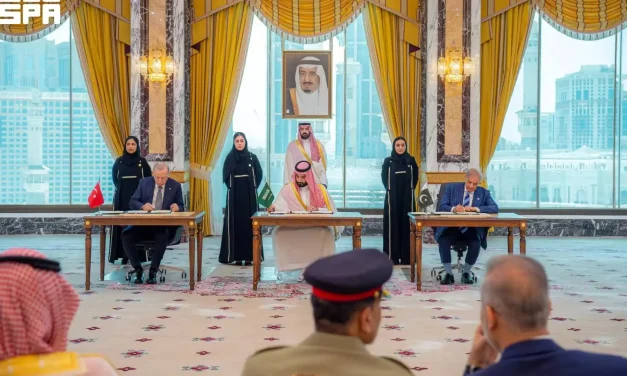
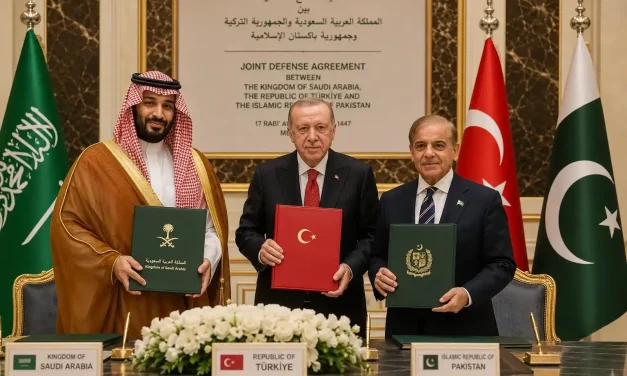
SCFR Online – Opinion: The Makkah Pact, signed between Saudi Arabia, Pakistan, and Turkey under the motto “an attack on one is an attack on all,” is viewed by some analysts less as a full-fledged military coalition and more as an attempt to reduce security dependence on an external power and to establish a regional security mechanism.

Implications of the US-Saudi Nuclear Agreement

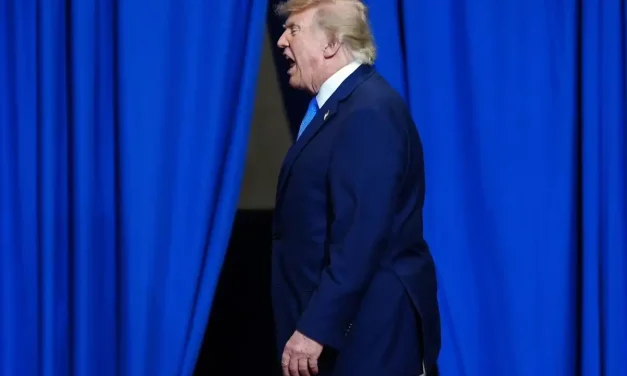
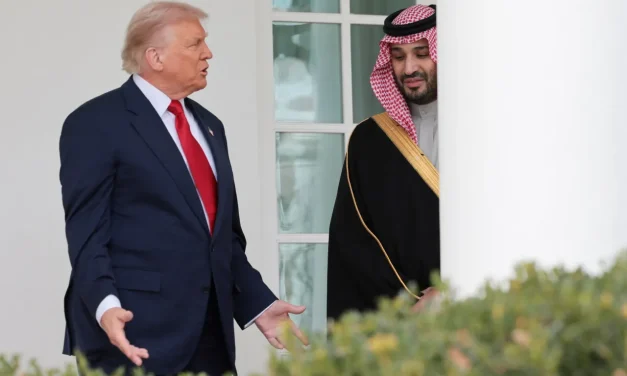
SCFR Online – Opinion: The new US-Saudi nuclear agreement, despite legal and political ambiguities, could alter previous non-proliferation standards in West Asia and intensify nuclear competition, ushering it into a new phase.

An Analysis of Recent Turkey-Israeli Regime Tensions

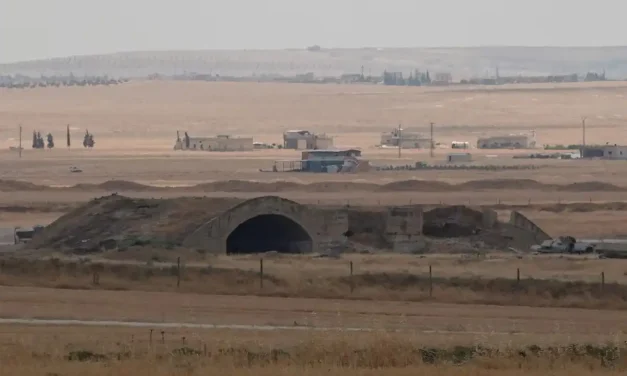
SCFR Online – Opinion: Recent developments in Syria indicate an intensification of strategic rivalry between Turkey and the Israeli regime, but mutual considerations and the role of the United States have limited the likelihood of direct war.

Increasing criticism of the extensive Zionist lobby network

SCFR Online – Opinion: An examination of the mechanisms of the Israeli regime’s influence in the United States depicts a complex picture of shared interests, strategic dependencies, and the limitations of this relationship.

Realities of the Tripartite Makkah Pact

SCFR Online – Interview: The signing of the Makkah agreement between Saudi Arabia, Pakistan, and Turkey has raised questions about the future of the region’s security structure and the position of these countries in West Asian equations. Can this agreement become a genuine collective defense mechanism, or does it have more of a political and deterrent function than creating new military capacity?

Loading

Russia

Reasons for Turkey’s Recent Movements in North Syria

Reasons for Turkey’s Recent Movements in North Syria

Strategic Council Online – Interview: An expert on the Middle East affairs, commenting on Turkey’s recent movements in Syria said: From the beginning, the question of Syrian Kurds was a serious issue for Turkey, and today, following the US decision to withdraw from the region, Ankara feels being more threatened in this area than before, therefore, has made some movements.

Turkey’s Targets, Interests in Possible Attack on North Syria

Turkey’s Targets, Interests in Possible Attack on North Syria

Strategic Council Online – Interview: An expert on international affairs considered the growing domestic criticism of Erdogan’s policies as an important factor in putting nationalist and emotional issues on the agenda, such as attack on Kurdish armed groups in north Syria, adding: From the internal point of view, the Turkish president needs to carry out military operations on the Syrian soil, but such attack could slow down or disrupt the process of negotiations of the Syrian groups on drafting the constitution.

G20 Summit in Italy; Dominance of the Margins Over the Text

G20 Summit in Italy; Dominance of the Margins Over the Text

Strategic Council Online – Opinion: The first meeting of the leaders of Group of Twenty (G20) – leaders of 20 top economic powers in the world – was held in Rome, capital of Italy, on 30 and 31 October 2021, after the outbreak of the Coronavirus.
Fatemeh Nekoo Lal Azad – Senior Researcher of Abrar Contemporary International Studies and Research Institute in Tehran

Economic Crisis in Afghanistan, Escalation of Concerns at the Winter Threshold

Economic Crisis in Afghanistan, Escalation of Concerns at the Winter Threshold

Strategic Council Online – Interview: A university faculty member saying that there is no clear vision in Afghanistan in terms of addressing problems of the people and with the continuation of the status quo, said the country will face a major crisis in the coming months, adding: In the current situation, we are facing a government that has no experience in governance, has no financial resources, is not recognized, and rules only militarily and security-wise.

Messages of adopting China’s proposed human rights resolution

Messages of adopting China’s proposed human rights resolution

Strategic Council Online—Interview: Referring to China’s efforts to create currents in the Human Rights Council and play a more active role in its working groups, an international law professor says “China seeks to create a ‘Defender of Human Rights and Humanism’ attachment in the minds of the people of the world to expand its influence in the countries and correct some unpleasant and negative mentalities towards itself.

An Analysis of the Changing Nature of Coalitions in the International System

An Analysis of the Changing Nature of Coalitions in the International System

Strategic Council Online – Opinion: Governments, as key players in the international system, seek to survive, achieve security, and or secure interests and accumulate power. In the chaotic environment of the international system, in terms of threats, conflicts, or in order to secure interests and influence, states unite, line up, and form a coalition “with” or “against” other states.
Abed Akbari-Expert of international issues

EU and Energy Crisis

EU and Energy Crisis

Strategic Council Online – Opinion: The European Union is currently facing an unprecedented rise in energy prices which could hamper economic recovery after the Coronavirus epidemic in the Union, limit household incomes, and even challenge the so-called green transition. A set of market, geographical and political components has created the current unfavorable conditions.
Alireza Thamoudi – Expert on European affairs

US Strategy in Post-Withdrawal from Afghanistan

US Strategy in Post-Withdrawal from Afghanistan

Strategic Council Online – Opinion: The US withdrawal from Afghanistan is tantamount to the failure of policies that began with the country’s military occupation in late 2001.
Barsam Mohammadi – Analyst of international affairs

Importance of 3+3 mechanism for resolving Caucasus issues, strategy of member states

Importance of 3+3 mechanism for resolving Caucasus issues, strategy of member states

Strategic Council Online – Interview: An expert on Caucasus affairs explaining the conflicting approaches between the countries of the Caucasus region and stressing the need for joint steps to resolve the region’s problems within the framework of the 3 + 3 mechanism, said: This plan can be a factor in ensuring prevention of new hostilities in the region.

أحدث الوظائف

The Makkah Pact; Reasons for its Formation and Challenges Ahead

SCFR Online – Opinion: The Makkah Pact, signed between Saudi Arabia, Pakistan, and Turkey under the motto “an attack on one is an attack on all,” is viewed by some analysts less as a full-fledged military coalition and more as an attempt to reduce security dependence on an external power and to establish a regional security mechanism.

Implications of the US-Saudi Nuclear Agreement

SCFR Online – Opinion: The new US-Saudi nuclear agreement, despite legal and political ambiguities, could alter previous non-proliferation standards in West Asia and intensify nuclear competition, ushering it into a new phase.

An Analysis of Recent Turkey-Israeli Regime Tensions

SCFR Online – Opinion: Recent developments in Syria indicate an intensification of strategic rivalry between Turkey and the Israeli regime, but mutual considerations and the role of the United States have limited the likelihood of direct war.

Increasing criticism of the extensive Zionist lobby network

SCFR Online – Opinion: An examination of the mechanisms of the Israeli regime’s influence in the United States depicts a complex picture of shared interests, strategic dependencies, and the limitations of this relationship.

Realities of the Tripartite Makkah Pact

SCFR Online – Interview: The signing of the Makkah agreement between Saudi Arabia, Pakistan, and Turkey has raised questions about the future of the region’s security structure and the position of these countries in West Asian equations. Can this agreement become a genuine collective defense mechanism, or does it have more of a political and deterrent function than creating new military capacity?

Loading

Russia

Reasons for Turkey’s Recent Movements in North Syria

Reasons for Turkey’s Recent Movements in North Syria

Strategic Council Online – Interview: An expert on the Middle East affairs, commenting on Turkey’s recent movements in Syria said: From the beginning, the question of Syrian Kurds was a serious issue for Turkey, and today, following the US decision to withdraw from the region, Ankara feels being more threatened in this area than before, therefore, has made some movements.

Turkey’s Targets, Interests in Possible Attack on North Syria

Turkey’s Targets, Interests in Possible Attack on North Syria

Strategic Council Online – Interview: An expert on international affairs considered the growing domestic criticism of Erdogan’s policies as an important factor in putting nationalist and emotional issues on the agenda, such as attack on Kurdish armed groups in north Syria, adding: From the internal point of view, the Turkish president needs to carry out military operations on the Syrian soil, but such attack could slow down or disrupt the process of negotiations of the Syrian groups on drafting the constitution.

G20 Summit in Italy; Dominance of the Margins Over the Text

G20 Summit in Italy; Dominance of the Margins Over the Text

Strategic Council Online – Opinion: The first meeting of the leaders of Group of Twenty (G20) – leaders of 20 top economic powers in the world – was held in Rome, capital of Italy, on 30 and 31 October 2021, after the outbreak of the Coronavirus.
Fatemeh Nekoo Lal Azad – Senior Researcher of Abrar Contemporary International Studies and Research Institute in Tehran

Economic Crisis in Afghanistan, Escalation of Concerns at the Winter Threshold

Economic Crisis in Afghanistan, Escalation of Concerns at the Winter Threshold

Strategic Council Online – Interview: A university faculty member saying that there is no clear vision in Afghanistan in terms of addressing problems of the people and with the continuation of the status quo, said the country will face a major crisis in the coming months, adding: In the current situation, we are facing a government that has no experience in governance, has no financial resources, is not recognized, and rules only militarily and security-wise.

Messages of adopting China’s proposed human rights resolution

Messages of adopting China’s proposed human rights resolution

Strategic Council Online—Interview: Referring to China’s efforts to create currents in the Human Rights Council and play a more active role in its working groups, an international law professor says “China seeks to create a ‘Defender of Human Rights and Humanism’ attachment in the minds of the people of the world to expand its influence in the countries and correct some unpleasant and negative mentalities towards itself.

An Analysis of the Changing Nature of Coalitions in the International System

An Analysis of the Changing Nature of Coalitions in the International System

Strategic Council Online – Opinion: Governments, as key players in the international system, seek to survive, achieve security, and or secure interests and accumulate power. In the chaotic environment of the international system, in terms of threats, conflicts, or in order to secure interests and influence, states unite, line up, and form a coalition “with” or “against” other states.
Abed Akbari-Expert of international issues

EU and Energy Crisis

EU and Energy Crisis

Strategic Council Online – Opinion: The European Union is currently facing an unprecedented rise in energy prices which could hamper economic recovery after the Coronavirus epidemic in the Union, limit household incomes, and even challenge the so-called green transition. A set of market, geographical and political components has created the current unfavorable conditions.
Alireza Thamoudi – Expert on European affairs

US Strategy in Post-Withdrawal from Afghanistan

US Strategy in Post-Withdrawal from Afghanistan

Strategic Council Online – Opinion: The US withdrawal from Afghanistan is tantamount to the failure of policies that began with the country’s military occupation in late 2001.
Barsam Mohammadi – Analyst of international affairs

Importance of 3+3 mechanism for resolving Caucasus issues, strategy of member states

Importance of 3+3 mechanism for resolving Caucasus issues, strategy of member states

Strategic Council Online – Interview: An expert on Caucasus affairs explaining the conflicting approaches between the countries of the Caucasus region and stressing the need for joint steps to resolve the region’s problems within the framework of the 3 + 3 mechanism, said: This plan can be a factor in ensuring prevention of new hostilities in the region.

Russia

Reasons for Turkey’s Recent Movements in North Syria

Reasons for Turkey’s Recent Movements in North Syria

Strategic Council Online – Interview: An expert on the Middle East affairs, commenting on Turkey’s recent movements in Syria said: From the beginning, the question of Syrian Kurds was a serious issue for Turkey, and today, following the US decision to withdraw from the region, Ankara feels being more threatened in this area than before, therefore, has made some movements.

Turkey’s Targets, Interests in Possible Attack on North Syria

Turkey’s Targets, Interests in Possible Attack on North Syria

Strategic Council Online – Interview: An expert on international affairs considered the growing domestic criticism of Erdogan’s policies as an important factor in putting nationalist and emotional issues on the agenda, such as attack on Kurdish armed groups in north Syria, adding: From the internal point of view, the Turkish president needs to carry out military operations on the Syrian soil, but such attack could slow down or disrupt the process of negotiations of the Syrian groups on drafting the constitution.

G20 Summit in Italy; Dominance of the Margins Over the Text

G20 Summit in Italy; Dominance of the Margins Over the Text

Strategic Council Online – Opinion: The first meeting of the leaders of Group of Twenty (G20) – leaders of 20 top economic powers in the world – was held in Rome, capital of Italy, on 30 and 31 October 2021, after the outbreak of the Coronavirus.
Fatemeh Nekoo Lal Azad – Senior Researcher of Abrar Contemporary International Studies and Research Institute in Tehran

Economic Crisis in Afghanistan, Escalation of Concerns at the Winter Threshold

Economic Crisis in Afghanistan, Escalation of Concerns at the Winter Threshold

Strategic Council Online – Interview: A university faculty member saying that there is no clear vision in Afghanistan in terms of addressing problems of the people and with the continuation of the status quo, said the country will face a major crisis in the coming months, adding: In the current situation, we are facing a government that has no experience in governance, has no financial resources, is not recognized, and rules only militarily and security-wise.

Messages of adopting China’s proposed human rights resolution

Messages of adopting China’s proposed human rights resolution

Strategic Council Online—Interview: Referring to China’s efforts to create currents in the Human Rights Council and play a more active role in its working groups, an international law professor says “China seeks to create a ‘Defender of Human Rights and Humanism’ attachment in the minds of the people of the world to expand its influence in the countries and correct some unpleasant and negative mentalities towards itself.

An Analysis of the Changing Nature of Coalitions in the International System

An Analysis of the Changing Nature of Coalitions in the International System

Strategic Council Online – Opinion: Governments, as key players in the international system, seek to survive, achieve security, and or secure interests and accumulate power. In the chaotic environment of the international system, in terms of threats, conflicts, or in order to secure interests and influence, states unite, line up, and form a coalition “with” or “against” other states.
Abed Akbari-Expert of international issues

EU and Energy Crisis

EU and Energy Crisis

Strategic Council Online – Opinion: The European Union is currently facing an unprecedented rise in energy prices which could hamper economic recovery after the Coronavirus epidemic in the Union, limit household incomes, and even challenge the so-called green transition. A set of market, geographical and political components has created the current unfavorable conditions.
Alireza Thamoudi – Expert on European affairs

US Strategy in Post-Withdrawal from Afghanistan

US Strategy in Post-Withdrawal from Afghanistan

Strategic Council Online – Opinion: The US withdrawal from Afghanistan is tantamount to the failure of policies that began with the country’s military occupation in late 2001.
Barsam Mohammadi – Analyst of international affairs

Importance of 3+3 mechanism for resolving Caucasus issues, strategy of member states

Importance of 3+3 mechanism for resolving Caucasus issues, strategy of member states

Strategic Council Online – Interview: An expert on Caucasus affairs explaining the conflicting approaches between the countries of the Caucasus region and stressing the need for joint steps to resolve the region’s problems within the framework of the 3 + 3 mechanism, said: This plan can be a factor in ensuring prevention of new hostilities in the region.

LATEST CONTENT

The Makkah Pact; Reasons for its Formation and Challenges Ahead

SCFR Online – Opinion: The Makkah Pact, signed between Saudi Arabia, Pakistan, and Turkey under the motto “an attack on one is an attack on all,” is viewed by some analysts less as a full-fledged military coalition and more as an attempt to reduce security dependence on an external power and to establish a regional security mechanism.

Implications of the US-Saudi Nuclear Agreement

SCFR Online – Opinion: The new US-Saudi nuclear agreement, despite legal and political ambiguities, could alter previous non-proliferation standards in West Asia and intensify nuclear competition, ushering it into a new phase.

An Analysis of Recent Turkey-Israeli Regime Tensions

SCFR Online – Opinion: Recent developments in Syria indicate an intensification of strategic rivalry between Turkey and the Israeli regime, but mutual considerations and the role of the United States have limited the likelihood of direct war.

Increasing criticism of the extensive Zionist lobby network

SCFR Online – Opinion: An examination of the mechanisms of the Israeli regime’s influence in the United States depicts a complex picture of shared interests, strategic dependencies, and the limitations of this relationship.

Realities of the Tripartite Makkah Pact

SCFR Online – Interview: The signing of the Makkah agreement between Saudi Arabia, Pakistan, and Turkey has raised questions about the future of the region’s security structure and the position of these countries in West Asian equations. Can this agreement become a genuine collective defense mechanism, or does it have more of a political and deterrent function than creating new military capacity?

Loading

Russia

Reasons for Turkey’s Recent Movements in North Syria

Reasons for Turkey’s Recent Movements in North Syria

Strategic Council Online – Interview: An expert on the Middle East affairs, commenting on Turkey’s recent movements in Syria said: From the beginning, the question of Syrian Kurds was a serious issue for Turkey, and today, following the US decision to withdraw from the region, Ankara feels being more threatened in this area than before, therefore, has made some movements.

Turkey’s Targets, Interests in Possible Attack on North Syria

Turkey’s Targets, Interests in Possible Attack on North Syria

Strategic Council Online – Interview: An expert on international affairs considered the growing domestic criticism of Erdogan’s policies as an important factor in putting nationalist and emotional issues on the agenda, such as attack on Kurdish armed groups in north Syria, adding: From the internal point of view, the Turkish president needs to carry out military operations on the Syrian soil, but such attack could slow down or disrupt the process of negotiations of the Syrian groups on drafting the constitution.

G20 Summit in Italy; Dominance of the Margins Over the Text

G20 Summit in Italy; Dominance of the Margins Over the Text

Strategic Council Online – Opinion: The first meeting of the leaders of Group of Twenty (G20) – leaders of 20 top economic powers in the world – was held in Rome, capital of Italy, on 30 and 31 October 2021, after the outbreak of the Coronavirus.
Fatemeh Nekoo Lal Azad – Senior Researcher of Abrar Contemporary International Studies and Research Institute in Tehran

Economic Crisis in Afghanistan, Escalation of Concerns at the Winter Threshold

Economic Crisis in Afghanistan, Escalation of Concerns at the Winter Threshold

Strategic Council Online – Interview: A university faculty member saying that there is no clear vision in Afghanistan in terms of addressing problems of the people and with the continuation of the status quo, said the country will face a major crisis in the coming months, adding: In the current situation, we are facing a government that has no experience in governance, has no financial resources, is not recognized, and rules only militarily and security-wise.

Messages of adopting China’s proposed human rights resolution

Messages of adopting China’s proposed human rights resolution

Strategic Council Online—Interview: Referring to China’s efforts to create currents in the Human Rights Council and play a more active role in its working groups, an international law professor says “China seeks to create a ‘Defender of Human Rights and Humanism’ attachment in the minds of the people of the world to expand its influence in the countries and correct some unpleasant and negative mentalities towards itself.

An Analysis of the Changing Nature of Coalitions in the International System

An Analysis of the Changing Nature of Coalitions in the International System

Strategic Council Online – Opinion: Governments, as key players in the international system, seek to survive, achieve security, and or secure interests and accumulate power. In the chaotic environment of the international system, in terms of threats, conflicts, or in order to secure interests and influence, states unite, line up, and form a coalition “with” or “against” other states.
Abed Akbari-Expert of international issues

EU and Energy Crisis

EU and Energy Crisis

Strategic Council Online – Opinion: The European Union is currently facing an unprecedented rise in energy prices which could hamper economic recovery after the Coronavirus epidemic in the Union, limit household incomes, and even challenge the so-called green transition. A set of market, geographical and political components has created the current unfavorable conditions.
Alireza Thamoudi – Expert on European affairs

US Strategy in Post-Withdrawal from Afghanistan

US Strategy in Post-Withdrawal from Afghanistan

Strategic Council Online – Opinion: The US withdrawal from Afghanistan is tantamount to the failure of policies that began with the country’s military occupation in late 2001.
Barsam Mohammadi – Analyst of international affairs

Importance of 3+3 mechanism for resolving Caucasus issues, strategy of member states

Importance of 3+3 mechanism for resolving Caucasus issues, strategy of member states

Strategic Council Online – Interview: An expert on Caucasus affairs explaining the conflicting approaches between the countries of the Caucasus region and stressing the need for joint steps to resolve the region’s problems within the framework of the 3 + 3 mechanism, said: This plan can be a factor in ensuring prevention of new hostilities in the region.

ÚLTIMAS PUBLICACIONES

The Makkah Pact; Reasons for its Formation and Challenges Ahead

SCFR Online – Opinion: The Makkah Pact, signed between Saudi Arabia, Pakistan, and Turkey under the motto “an attack on one is an attack on all,” is viewed by some analysts less as a full-fledged military coalition and more as an attempt to reduce security dependence on an external power and to establish a regional security mechanism.

Implications of the US-Saudi Nuclear Agreement

SCFR Online – Opinion: The new US-Saudi nuclear agreement, despite legal and political ambiguities, could alter previous non-proliferation standards in West Asia and intensify nuclear competition, ushering it into a new phase.

An Analysis of Recent Turkey-Israeli Regime Tensions

SCFR Online – Opinion: Recent developments in Syria indicate an intensification of strategic rivalry between Turkey and the Israeli regime, but mutual considerations and the role of the United States have limited the likelihood of direct war.

Increasing criticism of the extensive Zionist lobby network

SCFR Online – Opinion: An examination of the mechanisms of the Israeli regime’s influence in the United States depicts a complex picture of shared interests, strategic dependencies, and the limitations of this relationship.

Realities of the Tripartite Makkah Pact

SCFR Online – Interview: The signing of the Makkah agreement between Saudi Arabia, Pakistan, and Turkey has raised questions about the future of the region’s security structure and the position of these countries in West Asian equations. Can this agreement become a genuine collective defense mechanism, or does it have more of a political and deterrent function than creating new military capacity?

Loading

Russia

Reasons for Turkey’s Recent Movements in North Syria

Reasons for Turkey’s Recent Movements in North Syria

Strategic Council Online – Interview: An expert on the Middle East affairs, commenting on Turkey’s recent movements in Syria said: From the beginning, the question of Syrian Kurds was a serious issue for Turkey, and today, following the US decision to withdraw from the region, Ankara feels being more threatened in this area than before, therefore, has made some movements.

Turkey’s Targets, Interests in Possible Attack on North Syria

Turkey’s Targets, Interests in Possible Attack on North Syria

Strategic Council Online – Interview: An expert on international affairs considered the growing domestic criticism of Erdogan’s policies as an important factor in putting nationalist and emotional issues on the agenda, such as attack on Kurdish armed groups in north Syria, adding: From the internal point of view, the Turkish president needs to carry out military operations on the Syrian soil, but such attack could slow down or disrupt the process of negotiations of the Syrian groups on drafting the constitution.

G20 Summit in Italy; Dominance of the Margins Over the Text

G20 Summit in Italy; Dominance of the Margins Over the Text

Strategic Council Online – Opinion: The first meeting of the leaders of Group of Twenty (G20) – leaders of 20 top economic powers in the world – was held in Rome, capital of Italy, on 30 and 31 October 2021, after the outbreak of the Coronavirus.
Fatemeh Nekoo Lal Azad – Senior Researcher of Abrar Contemporary International Studies and Research Institute in Tehran

Economic Crisis in Afghanistan, Escalation of Concerns at the Winter Threshold

Economic Crisis in Afghanistan, Escalation of Concerns at the Winter Threshold

Strategic Council Online – Interview: A university faculty member saying that there is no clear vision in Afghanistan in terms of addressing problems of the people and with the continuation of the status quo, said the country will face a major crisis in the coming months, adding: In the current situation, we are facing a government that has no experience in governance, has no financial resources, is not recognized, and rules only militarily and security-wise.

Messages of adopting China’s proposed human rights resolution

Messages of adopting China’s proposed human rights resolution

Strategic Council Online—Interview: Referring to China’s efforts to create currents in the Human Rights Council and play a more active role in its working groups, an international law professor says “China seeks to create a ‘Defender of Human Rights and Humanism’ attachment in the minds of the people of the world to expand its influence in the countries and correct some unpleasant and negative mentalities towards itself.

An Analysis of the Changing Nature of Coalitions in the International System

An Analysis of the Changing Nature of Coalitions in the International System

Strategic Council Online – Opinion: Governments, as key players in the international system, seek to survive, achieve security, and or secure interests and accumulate power. In the chaotic environment of the international system, in terms of threats, conflicts, or in order to secure interests and influence, states unite, line up, and form a coalition “with” or “against” other states.
Abed Akbari-Expert of international issues

EU and Energy Crisis

EU and Energy Crisis

Strategic Council Online – Opinion: The European Union is currently facing an unprecedented rise in energy prices which could hamper economic recovery after the Coronavirus epidemic in the Union, limit household incomes, and even challenge the so-called green transition. A set of market, geographical and political components has created the current unfavorable conditions.
Alireza Thamoudi – Expert on European affairs

US Strategy in Post-Withdrawal from Afghanistan

US Strategy in Post-Withdrawal from Afghanistan

Strategic Council Online – Opinion: The US withdrawal from Afghanistan is tantamount to the failure of policies that began with the country’s military occupation in late 2001.
Barsam Mohammadi – Analyst of international affairs

Importance of 3+3 mechanism for resolving Caucasus issues, strategy of member states

Importance of 3+3 mechanism for resolving Caucasus issues, strategy of member states

Strategic Council Online – Interview: An expert on Caucasus affairs explaining the conflicting approaches between the countries of the Caucasus region and stressing the need for joint steps to resolve the region’s problems within the framework of the 3 + 3 mechanism, said: This plan can be a factor in ensuring prevention of new hostilities in the region.

ÚLTIMAS PUBLICACIONES

The Makkah Pact; Reasons for its Formation and Challenges Ahead

SCFR Online – Opinion: The Makkah Pact, signed between Saudi Arabia, Pakistan, and Turkey under the motto “an attack on one is an attack on all,” is viewed by some analysts less as a full-fledged military coalition and more as an attempt to reduce security dependence on an external power and to establish a regional security mechanism.

Implications of the US-Saudi Nuclear Agreement

SCFR Online – Opinion: The new US-Saudi nuclear agreement, despite legal and political ambiguities, could alter previous non-proliferation standards in West Asia and intensify nuclear competition, ushering it into a new phase.

An Analysis of Recent Turkey-Israeli Regime Tensions

SCFR Online – Opinion: Recent developments in Syria indicate an intensification of strategic rivalry between Turkey and the Israeli regime, but mutual considerations and the role of the United States have limited the likelihood of direct war.

Increasing criticism of the extensive Zionist lobby network

SCFR Online – Opinion: An examination of the mechanisms of the Israeli regime’s influence in the United States depicts a complex picture of shared interests, strategic dependencies, and the limitations of this relationship.

Realities of the Tripartite Makkah Pact

SCFR Online – Interview: The signing of the Makkah agreement between Saudi Arabia, Pakistan, and Turkey has raised questions about the future of the region’s security structure and the position of these countries in West Asian equations. Can this agreement become a genuine collective defense mechanism, or does it have more of a political and deterrent function than creating new military capacity?

Loading

Russia

Reasons for Turkey’s Recent Movements in North Syria

Reasons for Turkey’s Recent Movements in North Syria

Strategic Council Online – Interview: An expert on the Middle East affairs, commenting on Turkey’s recent movements in Syria said: From the beginning, the question of Syrian Kurds was a serious issue for Turkey, and today, following the US decision to withdraw from the region, Ankara feels being more threatened in this area than before, therefore, has made some movements.

Turkey’s Targets, Interests in Possible Attack on North Syria

Turkey’s Targets, Interests in Possible Attack on North Syria

Strategic Council Online – Interview: An expert on international affairs considered the growing domestic criticism of Erdogan’s policies as an important factor in putting nationalist and emotional issues on the agenda, such as attack on Kurdish armed groups in north Syria, adding: From the internal point of view, the Turkish president needs to carry out military operations on the Syrian soil, but such attack could slow down or disrupt the process of negotiations of the Syrian groups on drafting the constitution.

G20 Summit in Italy; Dominance of the Margins Over the Text

G20 Summit in Italy; Dominance of the Margins Over the Text

Strategic Council Online – Opinion: The first meeting of the leaders of Group of Twenty (G20) – leaders of 20 top economic powers in the world – was held in Rome, capital of Italy, on 30 and 31 October 2021, after the outbreak of the Coronavirus.
Fatemeh Nekoo Lal Azad – Senior Researcher of Abrar Contemporary International Studies and Research Institute in Tehran

Economic Crisis in Afghanistan, Escalation of Concerns at the Winter Threshold

Economic Crisis in Afghanistan, Escalation of Concerns at the Winter Threshold

Strategic Council Online – Interview: A university faculty member saying that there is no clear vision in Afghanistan in terms of addressing problems of the people and with the continuation of the status quo, said the country will face a major crisis in the coming months, adding: In the current situation, we are facing a government that has no experience in governance, has no financial resources, is not recognized, and rules only militarily and security-wise.

Messages of adopting China’s proposed human rights resolution

Messages of adopting China’s proposed human rights resolution

Strategic Council Online—Interview: Referring to China’s efforts to create currents in the Human Rights Council and play a more active role in its working groups, an international law professor says “China seeks to create a ‘Defender of Human Rights and Humanism’ attachment in the minds of the people of the world to expand its influence in the countries and correct some unpleasant and negative mentalities towards itself.

An Analysis of the Changing Nature of Coalitions in the International System

An Analysis of the Changing Nature of Coalitions in the International System

Strategic Council Online – Opinion: Governments, as key players in the international system, seek to survive, achieve security, and or secure interests and accumulate power. In the chaotic environment of the international system, in terms of threats, conflicts, or in order to secure interests and influence, states unite, line up, and form a coalition “with” or “against” other states.
Abed Akbari-Expert of international issues

EU and Energy Crisis

EU and Energy Crisis

Strategic Council Online – Opinion: The European Union is currently facing an unprecedented rise in energy prices which could hamper economic recovery after the Coronavirus epidemic in the Union, limit household incomes, and even challenge the so-called green transition. A set of market, geographical and political components has created the current unfavorable conditions.
Alireza Thamoudi – Expert on European affairs

US Strategy in Post-Withdrawal from Afghanistan

US Strategy in Post-Withdrawal from Afghanistan

Strategic Council Online – Opinion: The US withdrawal from Afghanistan is tantamount to the failure of policies that began with the country’s military occupation in late 2001.
Barsam Mohammadi – Analyst of international affairs

Importance of 3+3 mechanism for resolving Caucasus issues, strategy of member states

Importance of 3+3 mechanism for resolving Caucasus issues, strategy of member states

Strategic Council Online – Interview: An expert on Caucasus affairs explaining the conflicting approaches between the countries of the Caucasus region and stressing the need for joint steps to resolve the region’s problems within the framework of the 3 + 3 mechanism, said: This plan can be a factor in ensuring prevention of new hostilities in the region.

ÚLTIMAS PUBLICACIONES

The Makkah Pact; Reasons for its Formation and Challenges Ahead

SCFR Online – Opinion: The Makkah Pact, signed between Saudi Arabia, Pakistan, and Turkey under the motto “an attack on one is an attack on all,” is viewed by some analysts less as a full-fledged military coalition and more as an attempt to reduce security dependence on an external power and to establish a regional security mechanism.

Implications of the US-Saudi Nuclear Agreement

SCFR Online – Opinion: The new US-Saudi nuclear agreement, despite legal and political ambiguities, could alter previous non-proliferation standards in West Asia and intensify nuclear competition, ushering it into a new phase.

An Analysis of Recent Turkey-Israeli Regime Tensions

SCFR Online – Opinion: Recent developments in Syria indicate an intensification of strategic rivalry between Turkey and the Israeli regime, but mutual considerations and the role of the United States have limited the likelihood of direct war.

Increasing criticism of the extensive Zionist lobby network

SCFR Online – Opinion: An examination of the mechanisms of the Israeli regime’s influence in the United States depicts a complex picture of shared interests, strategic dependencies, and the limitations of this relationship.

Realities of the Tripartite Makkah Pact

SCFR Online – Interview: The signing of the Makkah agreement between Saudi Arabia, Pakistan, and Turkey has raised questions about the future of the region’s security structure and the position of these countries in West Asian equations. Can this agreement become a genuine collective defense mechanism, or does it have more of a political and deterrent function than creating new military capacity?

Loading

Russia

Reasons for Turkey’s Recent Movements in North Syria

Reasons for Turkey’s Recent Movements in North Syria

Strategic Council Online – Interview: An expert on the Middle East affairs, commenting on Turkey’s recent movements in Syria said: From the beginning, the question of Syrian Kurds was a serious issue for Turkey, and today, following the US decision to withdraw from the region, Ankara feels being more threatened in this area than before, therefore, has made some movements.

Turkey’s Targets, Interests in Possible Attack on North Syria

Turkey’s Targets, Interests in Possible Attack on North Syria

Strategic Council Online – Interview: An expert on international affairs considered the growing domestic criticism of Erdogan’s policies as an important factor in putting nationalist and emotional issues on the agenda, such as attack on Kurdish armed groups in north Syria, adding: From the internal point of view, the Turkish president needs to carry out military operations on the Syrian soil, but such attack could slow down or disrupt the process of negotiations of the Syrian groups on drafting the constitution.

G20 Summit in Italy; Dominance of the Margins Over the Text

G20 Summit in Italy; Dominance of the Margins Over the Text

Strategic Council Online – Opinion: The first meeting of the leaders of Group of Twenty (G20) – leaders of 20 top economic powers in the world – was held in Rome, capital of Italy, on 30 and 31 October 2021, after the outbreak of the Coronavirus.
Fatemeh Nekoo Lal Azad – Senior Researcher of Abrar Contemporary International Studies and Research Institute in Tehran

Economic Crisis in Afghanistan, Escalation of Concerns at the Winter Threshold

Economic Crisis in Afghanistan, Escalation of Concerns at the Winter Threshold

Strategic Council Online – Interview: A university faculty member saying that there is no clear vision in Afghanistan in terms of addressing problems of the people and with the continuation of the status quo, said the country will face a major crisis in the coming months, adding: In the current situation, we are facing a government that has no experience in governance, has no financial resources, is not recognized, and rules only militarily and security-wise.

Messages of adopting China’s proposed human rights resolution

Messages of adopting China’s proposed human rights resolution

Strategic Council Online—Interview: Referring to China’s efforts to create currents in the Human Rights Council and play a more active role in its working groups, an international law professor says “China seeks to create a ‘Defender of Human Rights and Humanism’ attachment in the minds of the people of the world to expand its influence in the countries and correct some unpleasant and negative mentalities towards itself.

An Analysis of the Changing Nature of Coalitions in the International System

An Analysis of the Changing Nature of Coalitions in the International System

Strategic Council Online – Opinion: Governments, as key players in the international system, seek to survive, achieve security, and or secure interests and accumulate power. In the chaotic environment of the international system, in terms of threats, conflicts, or in order to secure interests and influence, states unite, line up, and form a coalition “with” or “against” other states.
Abed Akbari-Expert of international issues

EU and Energy Crisis

EU and Energy Crisis

Strategic Council Online – Opinion: The European Union is currently facing an unprecedented rise in energy prices which could hamper economic recovery after the Coronavirus epidemic in the Union, limit household incomes, and even challenge the so-called green transition. A set of market, geographical and political components has created the current unfavorable conditions.
Alireza Thamoudi – Expert on European affairs

US Strategy in Post-Withdrawal from Afghanistan

US Strategy in Post-Withdrawal from Afghanistan

Strategic Council Online – Opinion: The US withdrawal from Afghanistan is tantamount to the failure of policies that began with the country’s military occupation in late 2001.
Barsam Mohammadi – Analyst of international affairs

Importance of 3+3 mechanism for resolving Caucasus issues, strategy of member states

Importance of 3+3 mechanism for resolving Caucasus issues, strategy of member states

Strategic Council Online – Interview: An expert on Caucasus affairs explaining the conflicting approaches between the countries of the Caucasus region and stressing the need for joint steps to resolve the region’s problems within the framework of the 3 + 3 mechanism, said: This plan can be a factor in ensuring prevention of new hostilities in the region.

ÚLTIMAS PUBLICACIONES

The Makkah Pact; Reasons for its Formation and Challenges Ahead

SCFR Online – Opinion: The Makkah Pact, signed between Saudi Arabia, Pakistan, and Turkey under the motto “an attack on one is an attack on all,” is viewed by some analysts less as a full-fledged military coalition and more as an attempt to reduce security dependence on an external power and to establish a regional security mechanism.

Implications of the US-Saudi Nuclear Agreement

SCFR Online – Opinion: The new US-Saudi nuclear agreement, despite legal and political ambiguities, could alter previous non-proliferation standards in West Asia and intensify nuclear competition, ushering it into a new phase.

An Analysis of Recent Turkey-Israeli Regime Tensions

SCFR Online – Opinion: Recent developments in Syria indicate an intensification of strategic rivalry between Turkey and the Israeli regime, but mutual considerations and the role of the United States have limited the likelihood of direct war.

Increasing criticism of the extensive Zionist lobby network

SCFR Online – Opinion: An examination of the mechanisms of the Israeli regime’s influence in the United States depicts a complex picture of shared interests, strategic dependencies, and the limitations of this relationship.

Realities of the Tripartite Makkah Pact

SCFR Online – Interview: The signing of the Makkah agreement between Saudi Arabia, Pakistan, and Turkey has raised questions about the future of the region’s security structure and the position of these countries in West Asian equations. Can this agreement become a genuine collective defense mechanism, or does it have more of a political and deterrent function than creating new military capacity?

Loading