جدیدترین مطالب

China’s Rejection of US Sanctions; Strengthening Iran’s Geopolitical Leverage

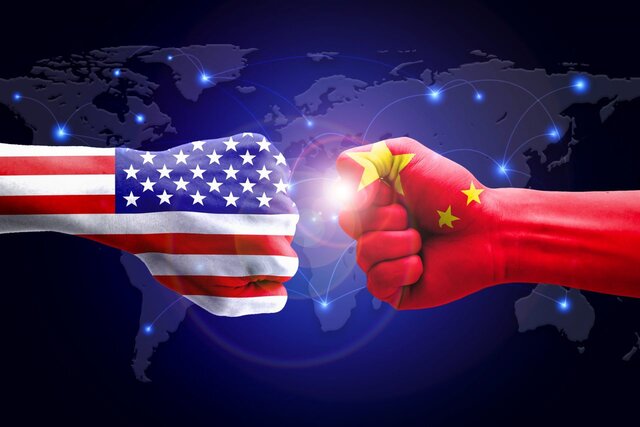
SCFR Online – Opinion: Concurrent with the official commencement of the United States’ economic war against our country, focusing on sanctions instruments, isolation, and economic pressure, what has now become increasingly important is the lack of alignment of other major global powers, especially China, with this policy.

The Makkah Pact; Reasons for its Formation and Challenges Ahead

SCFR Online – Opinion: The Makkah Pact, signed between Saudi Arabia, Pakistan, and Turkey under the motto “an attack on one is an attack on all,” is viewed by some analysts less as a full-fledged military coalition and more as an attempt to reduce security dependence on an external power and to establish a regional security mechanism.

Implications of the US-Saudi Nuclear Agreement

SCFR Online – Opinion: The new US-Saudi nuclear agreement, despite legal and political ambiguities, could alter previous non-proliferation standards in West Asia and intensify nuclear competition, ushering it into a new phase.

An Analysis of Recent Turkey-Israeli Regime Tensions

SCFR Online – Opinion: Recent developments in Syria indicate an intensification of strategic rivalry between Turkey and the Israeli regime, but mutual considerations and the role of the United States have limited the likelihood of direct war.

Loading

Russia

US Attempts to Activate Snapback Mechanism Meaningless

US Attempts to Activate Snapback Mechanism Meaningless

Strategic Council Online – A senior American university professor and expert on international affairs says US attempts to achieve the “snapback” mechanism aim to provoke Iran to leave the JCPOA before a possible Biden presidency so that the US could not come back into the Joint Comprehensive Plan of Action (JCPOA).

Prospect of Geopolitical Tensions & Complexities in Eastern Mediterranean

Prospect of Geopolitical Tensions & Complexities in Eastern Mediterranean

Strategic Council Online – Explaining the geopolitical complexities in the Eastern Mediterranean, a faculty member said: “One of the concerns about this region, especially in Europe, is the addition of this crisis to the Middle East security crisis which due to Europe’s geographical proximity to the region, it will have negative consequences for Europe.

Developments in Pakistan’s Relations with Saudi Arabia

Developments in Pakistan’s Relations with Saudi Arabia

Strategic Council Online – The recent failed visit of Pakistani army generals to Riyadh, followed by the visit of Imran Khan, seems to be more the result of the frown of the Riyadh rulers than a sign of Pakistani initiative.
Mashallah Shakeri – Former Iranian ambassador to Pakistan and expert on international affairs

Implications of Lifting Iran Arms Embargo

Implications of Lifting Iran Arms Embargo

Strategic Council Online – The opposition of Beijing and Moscow to Washington’s request to extend the arms embargo on Iran, i.e. giving a negative vote to the US draft resolution of the Security Council, indicates that these countries want to sell arms to Iran.
Amir Ali Abolfath – American Affairs Expert

Russia the Main Target in Transfer of American Troops from Germany to Poland

Russia the Main Target in Transfer of American Troops from Germany to Poland

Strategic Council Online – Perhaps one of the goals of the United States in transferring troops from Germany to Poland is to divert Moscow’s attention to Russia’s western borders, forcing the Russians to spend a significant portion of their troops and equipment, as well as their military budgets on the western borders.
Seyed Reza Mirtaher – Expert in Military and Strategic Issues

European Companies the Main Losers in US Sanctions against Iran, Russia

European Companies the Main Losers in US Sanctions against Iran, Russia

Strategic Council Online – After the end of the Cold War, economic sanctions were widely used by major world powers as an active tool in foreign policy. An economic embargo is a policy in which the goal is to change a third country’s position on an issue, change its behaviour and performance, and ultimately change the political system of the country in question. This is done by applying economic pressures and restrictions and harming the welfare of society in the target country. The United States holds the record for imposing the most sanctions since a hundred years ago and has imposed more sanctions than the United Nations Security Council and other countries.
Farzan Ghasemi – Researcher at the Office of Economic Diplomacy, Imam Sadegh University

Legal Reasons for US Humiliating Defeat in Security Council

Legal Reasons for US Humiliating Defeat in Security Council

Strategic Council Online – The United States suffered a humiliating legal defeat on August 14, 2020, when the Security Council did not adopt its proposal to extend specific arms embargoes on Iran, but what are the legal highlights of this failure?
Dr. Ali Karbalaei Hosseini – Researcher of International Law

Dimensions of US Confrontation with Russia, China at UNSC

Dimensions of US Confrontation with Russia, China at UNSC

Strategic Council Online – A faculty member of Shahid Beheshti University stated that the US action to withdraw from the Joint Comprehensive Plan of Action (also known as the Iran Nuclear Agreement) and challenge the Security Council in the form of “trigger mechanism” is in fact an action against the strategic interests of China and Russia. He said China’s renewed opposition to the United States in the Security Council; it has shown that US threats against China have not been effective.

Dimensions of US Failure in UNSC and Leading Scenarios

Dimensions of US Failure in UNSC and Leading Scenarios

Strategic Council Online – An international affairs analyst called the US failure to get the UN Security Council adopt an anti-Iran resolution one of the most obvious signs of the Trump administration’s political isolation in the international community. He considered this US move at the Security Council a tactical measure to open the way to resort to the “trigger mechanism”.

China’s Trump Cards in Competition with US

China’s Trump Cards in Competition with US

Strategic Council Online – The Americans hope that with the cooperation of India they will be able to implement the India-Pacific project and stop China; but China has opposed the India-Pacific project, meaning it wants to focus from the Pacific to the Indian Ocean.
Pir Mohammad Mollazehi – Asia Affairs Expert

أحدث الوظائف

China’s Rejection of US Sanctions; Strengthening Iran’s Geopolitical Leverage

SCFR Online – Opinion: Concurrent with the official commencement of the United States’ economic war against our country, focusing on sanctions instruments, isolation, and economic pressure, what has now become increasingly important is the lack of alignment of other major global powers, especially China, with this policy.

The Makkah Pact; Reasons for its Formation and Challenges Ahead

SCFR Online – Opinion: The Makkah Pact, signed between Saudi Arabia, Pakistan, and Turkey under the motto “an attack on one is an attack on all,” is viewed by some analysts less as a full-fledged military coalition and more as an attempt to reduce security dependence on an external power and to establish a regional security mechanism.

Implications of the US-Saudi Nuclear Agreement

SCFR Online – Opinion: The new US-Saudi nuclear agreement, despite legal and political ambiguities, could alter previous non-proliferation standards in West Asia and intensify nuclear competition, ushering it into a new phase.

An Analysis of Recent Turkey-Israeli Regime Tensions

SCFR Online – Opinion: Recent developments in Syria indicate an intensification of strategic rivalry between Turkey and the Israeli regime, but mutual considerations and the role of the United States have limited the likelihood of direct war.

Loading

Russia

US Attempts to Activate Snapback Mechanism Meaningless

US Attempts to Activate Snapback Mechanism Meaningless

Strategic Council Online – A senior American university professor and expert on international affairs says US attempts to achieve the “snapback” mechanism aim to provoke Iran to leave the JCPOA before a possible Biden presidency so that the US could not come back into the Joint Comprehensive Plan of Action (JCPOA).

Prospect of Geopolitical Tensions & Complexities in Eastern Mediterranean

Prospect of Geopolitical Tensions & Complexities in Eastern Mediterranean

Strategic Council Online – Explaining the geopolitical complexities in the Eastern Mediterranean, a faculty member said: “One of the concerns about this region, especially in Europe, is the addition of this crisis to the Middle East security crisis which due to Europe’s geographical proximity to the region, it will have negative consequences for Europe.

Developments in Pakistan’s Relations with Saudi Arabia

Developments in Pakistan’s Relations with Saudi Arabia

Strategic Council Online – The recent failed visit of Pakistani army generals to Riyadh, followed by the visit of Imran Khan, seems to be more the result of the frown of the Riyadh rulers than a sign of Pakistani initiative.
Mashallah Shakeri – Former Iranian ambassador to Pakistan and expert on international affairs

Implications of Lifting Iran Arms Embargo

Implications of Lifting Iran Arms Embargo

Strategic Council Online – The opposition of Beijing and Moscow to Washington’s request to extend the arms embargo on Iran, i.e. giving a negative vote to the US draft resolution of the Security Council, indicates that these countries want to sell arms to Iran.
Amir Ali Abolfath – American Affairs Expert

Russia the Main Target in Transfer of American Troops from Germany to Poland

Russia the Main Target in Transfer of American Troops from Germany to Poland

Strategic Council Online – Perhaps one of the goals of the United States in transferring troops from Germany to Poland is to divert Moscow’s attention to Russia’s western borders, forcing the Russians to spend a significant portion of their troops and equipment, as well as their military budgets on the western borders.
Seyed Reza Mirtaher – Expert in Military and Strategic Issues

European Companies the Main Losers in US Sanctions against Iran, Russia

European Companies the Main Losers in US Sanctions against Iran, Russia

Strategic Council Online – After the end of the Cold War, economic sanctions were widely used by major world powers as an active tool in foreign policy. An economic embargo is a policy in which the goal is to change a third country’s position on an issue, change its behaviour and performance, and ultimately change the political system of the country in question. This is done by applying economic pressures and restrictions and harming the welfare of society in the target country. The United States holds the record for imposing the most sanctions since a hundred years ago and has imposed more sanctions than the United Nations Security Council and other countries.
Farzan Ghasemi – Researcher at the Office of Economic Diplomacy, Imam Sadegh University

Legal Reasons for US Humiliating Defeat in Security Council

Legal Reasons for US Humiliating Defeat in Security Council

Strategic Council Online – The United States suffered a humiliating legal defeat on August 14, 2020, when the Security Council did not adopt its proposal to extend specific arms embargoes on Iran, but what are the legal highlights of this failure?
Dr. Ali Karbalaei Hosseini – Researcher of International Law

Dimensions of US Confrontation with Russia, China at UNSC

Dimensions of US Confrontation with Russia, China at UNSC

Strategic Council Online – A faculty member of Shahid Beheshti University stated that the US action to withdraw from the Joint Comprehensive Plan of Action (also known as the Iran Nuclear Agreement) and challenge the Security Council in the form of “trigger mechanism” is in fact an action against the strategic interests of China and Russia. He said China’s renewed opposition to the United States in the Security Council; it has shown that US threats against China have not been effective.

Dimensions of US Failure in UNSC and Leading Scenarios

Dimensions of US Failure in UNSC and Leading Scenarios

Strategic Council Online – An international affairs analyst called the US failure to get the UN Security Council adopt an anti-Iran resolution one of the most obvious signs of the Trump administration’s political isolation in the international community. He considered this US move at the Security Council a tactical measure to open the way to resort to the “trigger mechanism”.

China’s Trump Cards in Competition with US

China’s Trump Cards in Competition with US

Strategic Council Online – The Americans hope that with the cooperation of India they will be able to implement the India-Pacific project and stop China; but China has opposed the India-Pacific project, meaning it wants to focus from the Pacific to the Indian Ocean.
Pir Mohammad Mollazehi – Asia Affairs Expert

Russia

US Attempts to Activate Snapback Mechanism Meaningless

US Attempts to Activate Snapback Mechanism Meaningless

Strategic Council Online – A senior American university professor and expert on international affairs says US attempts to achieve the “snapback” mechanism aim to provoke Iran to leave the JCPOA before a possible Biden presidency so that the US could not come back into the Joint Comprehensive Plan of Action (JCPOA).

Prospect of Geopolitical Tensions & Complexities in Eastern Mediterranean

Prospect of Geopolitical Tensions & Complexities in Eastern Mediterranean

Strategic Council Online – Explaining the geopolitical complexities in the Eastern Mediterranean, a faculty member said: “One of the concerns about this region, especially in Europe, is the addition of this crisis to the Middle East security crisis which due to Europe’s geographical proximity to the region, it will have negative consequences for Europe.

Developments in Pakistan’s Relations with Saudi Arabia

Developments in Pakistan’s Relations with Saudi Arabia

Strategic Council Online – The recent failed visit of Pakistani army generals to Riyadh, followed by the visit of Imran Khan, seems to be more the result of the frown of the Riyadh rulers than a sign of Pakistani initiative.
Mashallah Shakeri – Former Iranian ambassador to Pakistan and expert on international affairs

Implications of Lifting Iran Arms Embargo

Implications of Lifting Iran Arms Embargo

Strategic Council Online – The opposition of Beijing and Moscow to Washington’s request to extend the arms embargo on Iran, i.e. giving a negative vote to the US draft resolution of the Security Council, indicates that these countries want to sell arms to Iran.
Amir Ali Abolfath – American Affairs Expert

Russia the Main Target in Transfer of American Troops from Germany to Poland

Russia the Main Target in Transfer of American Troops from Germany to Poland

Strategic Council Online – Perhaps one of the goals of the United States in transferring troops from Germany to Poland is to divert Moscow’s attention to Russia’s western borders, forcing the Russians to spend a significant portion of their troops and equipment, as well as their military budgets on the western borders.
Seyed Reza Mirtaher – Expert in Military and Strategic Issues

European Companies the Main Losers in US Sanctions against Iran, Russia

European Companies the Main Losers in US Sanctions against Iran, Russia

Strategic Council Online – After the end of the Cold War, economic sanctions were widely used by major world powers as an active tool in foreign policy. An economic embargo is a policy in which the goal is to change a third country’s position on an issue, change its behaviour and performance, and ultimately change the political system of the country in question. This is done by applying economic pressures and restrictions and harming the welfare of society in the target country. The United States holds the record for imposing the most sanctions since a hundred years ago and has imposed more sanctions than the United Nations Security Council and other countries.
Farzan Ghasemi – Researcher at the Office of Economic Diplomacy, Imam Sadegh University

Legal Reasons for US Humiliating Defeat in Security Council

Legal Reasons for US Humiliating Defeat in Security Council

Strategic Council Online – The United States suffered a humiliating legal defeat on August 14, 2020, when the Security Council did not adopt its proposal to extend specific arms embargoes on Iran, but what are the legal highlights of this failure?
Dr. Ali Karbalaei Hosseini – Researcher of International Law

Dimensions of US Confrontation with Russia, China at UNSC

Dimensions of US Confrontation with Russia, China at UNSC

Strategic Council Online – A faculty member of Shahid Beheshti University stated that the US action to withdraw from the Joint Comprehensive Plan of Action (also known as the Iran Nuclear Agreement) and challenge the Security Council in the form of “trigger mechanism” is in fact an action against the strategic interests of China and Russia. He said China’s renewed opposition to the United States in the Security Council; it has shown that US threats against China have not been effective.

Dimensions of US Failure in UNSC and Leading Scenarios

Dimensions of US Failure in UNSC and Leading Scenarios

Strategic Council Online – An international affairs analyst called the US failure to get the UN Security Council adopt an anti-Iran resolution one of the most obvious signs of the Trump administration’s political isolation in the international community. He considered this US move at the Security Council a tactical measure to open the way to resort to the “trigger mechanism”.

China’s Trump Cards in Competition with US

China’s Trump Cards in Competition with US

Strategic Council Online – The Americans hope that with the cooperation of India they will be able to implement the India-Pacific project and stop China; but China has opposed the India-Pacific project, meaning it wants to focus from the Pacific to the Indian Ocean.
Pir Mohammad Mollazehi – Asia Affairs Expert

LATEST CONTENT

China’s Rejection of US Sanctions; Strengthening Iran’s Geopolitical Leverage

SCFR Online – Opinion: Concurrent with the official commencement of the United States’ economic war against our country, focusing on sanctions instruments, isolation, and economic pressure, what has now become increasingly important is the lack of alignment of other major global powers, especially China, with this policy.

The Makkah Pact; Reasons for its Formation and Challenges Ahead

SCFR Online – Opinion: The Makkah Pact, signed between Saudi Arabia, Pakistan, and Turkey under the motto “an attack on one is an attack on all,” is viewed by some analysts less as a full-fledged military coalition and more as an attempt to reduce security dependence on an external power and to establish a regional security mechanism.

Implications of the US-Saudi Nuclear Agreement

SCFR Online – Opinion: The new US-Saudi nuclear agreement, despite legal and political ambiguities, could alter previous non-proliferation standards in West Asia and intensify nuclear competition, ushering it into a new phase.

An Analysis of Recent Turkey-Israeli Regime Tensions

SCFR Online – Opinion: Recent developments in Syria indicate an intensification of strategic rivalry between Turkey and the Israeli regime, but mutual considerations and the role of the United States have limited the likelihood of direct war.

Loading

Russia

US Attempts to Activate Snapback Mechanism Meaningless

US Attempts to Activate Snapback Mechanism Meaningless

Strategic Council Online – A senior American university professor and expert on international affairs says US attempts to achieve the “snapback” mechanism aim to provoke Iran to leave the JCPOA before a possible Biden presidency so that the US could not come back into the Joint Comprehensive Plan of Action (JCPOA).

Prospect of Geopolitical Tensions & Complexities in Eastern Mediterranean

Prospect of Geopolitical Tensions & Complexities in Eastern Mediterranean

Strategic Council Online – Explaining the geopolitical complexities in the Eastern Mediterranean, a faculty member said: “One of the concerns about this region, especially in Europe, is the addition of this crisis to the Middle East security crisis which due to Europe’s geographical proximity to the region, it will have negative consequences for Europe.

Developments in Pakistan’s Relations with Saudi Arabia

Developments in Pakistan’s Relations with Saudi Arabia

Strategic Council Online – The recent failed visit of Pakistani army generals to Riyadh, followed by the visit of Imran Khan, seems to be more the result of the frown of the Riyadh rulers than a sign of Pakistani initiative.
Mashallah Shakeri – Former Iranian ambassador to Pakistan and expert on international affairs

Implications of Lifting Iran Arms Embargo

Implications of Lifting Iran Arms Embargo

Strategic Council Online – The opposition of Beijing and Moscow to Washington’s request to extend the arms embargo on Iran, i.e. giving a negative vote to the US draft resolution of the Security Council, indicates that these countries want to sell arms to Iran.
Amir Ali Abolfath – American Affairs Expert

Russia the Main Target in Transfer of American Troops from Germany to Poland

Russia the Main Target in Transfer of American Troops from Germany to Poland

Strategic Council Online – Perhaps one of the goals of the United States in transferring troops from Germany to Poland is to divert Moscow’s attention to Russia’s western borders, forcing the Russians to spend a significant portion of their troops and equipment, as well as their military budgets on the western borders.
Seyed Reza Mirtaher – Expert in Military and Strategic Issues

European Companies the Main Losers in US Sanctions against Iran, Russia

European Companies the Main Losers in US Sanctions against Iran, Russia

Strategic Council Online – After the end of the Cold War, economic sanctions were widely used by major world powers as an active tool in foreign policy. An economic embargo is a policy in which the goal is to change a third country’s position on an issue, change its behaviour and performance, and ultimately change the political system of the country in question. This is done by applying economic pressures and restrictions and harming the welfare of society in the target country. The United States holds the record for imposing the most sanctions since a hundred years ago and has imposed more sanctions than the United Nations Security Council and other countries.
Farzan Ghasemi – Researcher at the Office of Economic Diplomacy, Imam Sadegh University

Legal Reasons for US Humiliating Defeat in Security Council

Legal Reasons for US Humiliating Defeat in Security Council

Strategic Council Online – The United States suffered a humiliating legal defeat on August 14, 2020, when the Security Council did not adopt its proposal to extend specific arms embargoes on Iran, but what are the legal highlights of this failure?
Dr. Ali Karbalaei Hosseini – Researcher of International Law

Dimensions of US Confrontation with Russia, China at UNSC

Dimensions of US Confrontation with Russia, China at UNSC

Strategic Council Online – A faculty member of Shahid Beheshti University stated that the US action to withdraw from the Joint Comprehensive Plan of Action (also known as the Iran Nuclear Agreement) and challenge the Security Council in the form of “trigger mechanism” is in fact an action against the strategic interests of China and Russia. He said China’s renewed opposition to the United States in the Security Council; it has shown that US threats against China have not been effective.

Dimensions of US Failure in UNSC and Leading Scenarios

Dimensions of US Failure in UNSC and Leading Scenarios

Strategic Council Online – An international affairs analyst called the US failure to get the UN Security Council adopt an anti-Iran resolution one of the most obvious signs of the Trump administration’s political isolation in the international community. He considered this US move at the Security Council a tactical measure to open the way to resort to the “trigger mechanism”.

China’s Trump Cards in Competition with US

China’s Trump Cards in Competition with US

Strategic Council Online – The Americans hope that with the cooperation of India they will be able to implement the India-Pacific project and stop China; but China has opposed the India-Pacific project, meaning it wants to focus from the Pacific to the Indian Ocean.
Pir Mohammad Mollazehi – Asia Affairs Expert

ÚLTIMAS PUBLICACIONES

China’s Rejection of US Sanctions; Strengthening Iran’s Geopolitical Leverage

SCFR Online – Opinion: Concurrent with the official commencement of the United States’ economic war against our country, focusing on sanctions instruments, isolation, and economic pressure, what has now become increasingly important is the lack of alignment of other major global powers, especially China, with this policy.

The Makkah Pact; Reasons for its Formation and Challenges Ahead

SCFR Online – Opinion: The Makkah Pact, signed between Saudi Arabia, Pakistan, and Turkey under the motto “an attack on one is an attack on all,” is viewed by some analysts less as a full-fledged military coalition and more as an attempt to reduce security dependence on an external power and to establish a regional security mechanism.

Implications of the US-Saudi Nuclear Agreement

SCFR Online – Opinion: The new US-Saudi nuclear agreement, despite legal and political ambiguities, could alter previous non-proliferation standards in West Asia and intensify nuclear competition, ushering it into a new phase.

An Analysis of Recent Turkey-Israeli Regime Tensions

SCFR Online – Opinion: Recent developments in Syria indicate an intensification of strategic rivalry between Turkey and the Israeli regime, but mutual considerations and the role of the United States have limited the likelihood of direct war.

Loading

Russia

US Attempts to Activate Snapback Mechanism Meaningless

US Attempts to Activate Snapback Mechanism Meaningless

Strategic Council Online – A senior American university professor and expert on international affairs says US attempts to achieve the “snapback” mechanism aim to provoke Iran to leave the JCPOA before a possible Biden presidency so that the US could not come back into the Joint Comprehensive Plan of Action (JCPOA).

Prospect of Geopolitical Tensions & Complexities in Eastern Mediterranean

Prospect of Geopolitical Tensions & Complexities in Eastern Mediterranean

Strategic Council Online – Explaining the geopolitical complexities in the Eastern Mediterranean, a faculty member said: “One of the concerns about this region, especially in Europe, is the addition of this crisis to the Middle East security crisis which due to Europe’s geographical proximity to the region, it will have negative consequences for Europe.

Developments in Pakistan’s Relations with Saudi Arabia

Developments in Pakistan’s Relations with Saudi Arabia

Strategic Council Online – The recent failed visit of Pakistani army generals to Riyadh, followed by the visit of Imran Khan, seems to be more the result of the frown of the Riyadh rulers than a sign of Pakistani initiative.
Mashallah Shakeri – Former Iranian ambassador to Pakistan and expert on international affairs

Implications of Lifting Iran Arms Embargo

Implications of Lifting Iran Arms Embargo

Strategic Council Online – The opposition of Beijing and Moscow to Washington’s request to extend the arms embargo on Iran, i.e. giving a negative vote to the US draft resolution of the Security Council, indicates that these countries want to sell arms to Iran.
Amir Ali Abolfath – American Affairs Expert

Russia the Main Target in Transfer of American Troops from Germany to Poland

Russia the Main Target in Transfer of American Troops from Germany to Poland

Strategic Council Online – Perhaps one of the goals of the United States in transferring troops from Germany to Poland is to divert Moscow’s attention to Russia’s western borders, forcing the Russians to spend a significant portion of their troops and equipment, as well as their military budgets on the western borders.
Seyed Reza Mirtaher – Expert in Military and Strategic Issues

European Companies the Main Losers in US Sanctions against Iran, Russia

European Companies the Main Losers in US Sanctions against Iran, Russia

Strategic Council Online – After the end of the Cold War, economic sanctions were widely used by major world powers as an active tool in foreign policy. An economic embargo is a policy in which the goal is to change a third country’s position on an issue, change its behaviour and performance, and ultimately change the political system of the country in question. This is done by applying economic pressures and restrictions and harming the welfare of society in the target country. The United States holds the record for imposing the most sanctions since a hundred years ago and has imposed more sanctions than the United Nations Security Council and other countries.
Farzan Ghasemi – Researcher at the Office of Economic Diplomacy, Imam Sadegh University

Legal Reasons for US Humiliating Defeat in Security Council

Legal Reasons for US Humiliating Defeat in Security Council

Strategic Council Online – The United States suffered a humiliating legal defeat on August 14, 2020, when the Security Council did not adopt its proposal to extend specific arms embargoes on Iran, but what are the legal highlights of this failure?
Dr. Ali Karbalaei Hosseini – Researcher of International Law

Dimensions of US Confrontation with Russia, China at UNSC

Dimensions of US Confrontation with Russia, China at UNSC

Strategic Council Online – A faculty member of Shahid Beheshti University stated that the US action to withdraw from the Joint Comprehensive Plan of Action (also known as the Iran Nuclear Agreement) and challenge the Security Council in the form of “trigger mechanism” is in fact an action against the strategic interests of China and Russia. He said China’s renewed opposition to the United States in the Security Council; it has shown that US threats against China have not been effective.

Dimensions of US Failure in UNSC and Leading Scenarios

Dimensions of US Failure in UNSC and Leading Scenarios

Strategic Council Online – An international affairs analyst called the US failure to get the UN Security Council adopt an anti-Iran resolution one of the most obvious signs of the Trump administration’s political isolation in the international community. He considered this US move at the Security Council a tactical measure to open the way to resort to the “trigger mechanism”.

China’s Trump Cards in Competition with US

China’s Trump Cards in Competition with US

Strategic Council Online – The Americans hope that with the cooperation of India they will be able to implement the India-Pacific project and stop China; but China has opposed the India-Pacific project, meaning it wants to focus from the Pacific to the Indian Ocean.
Pir Mohammad Mollazehi – Asia Affairs Expert

ÚLTIMAS PUBLICACIONES

China’s Rejection of US Sanctions; Strengthening Iran’s Geopolitical Leverage

SCFR Online – Opinion: Concurrent with the official commencement of the United States’ economic war against our country, focusing on sanctions instruments, isolation, and economic pressure, what has now become increasingly important is the lack of alignment of other major global powers, especially China, with this policy.

The Makkah Pact; Reasons for its Formation and Challenges Ahead

SCFR Online – Opinion: The Makkah Pact, signed between Saudi Arabia, Pakistan, and Turkey under the motto “an attack on one is an attack on all,” is viewed by some analysts less as a full-fledged military coalition and more as an attempt to reduce security dependence on an external power and to establish a regional security mechanism.

Implications of the US-Saudi Nuclear Agreement

SCFR Online – Opinion: The new US-Saudi nuclear agreement, despite legal and political ambiguities, could alter previous non-proliferation standards in West Asia and intensify nuclear competition, ushering it into a new phase.

An Analysis of Recent Turkey-Israeli Regime Tensions

SCFR Online – Opinion: Recent developments in Syria indicate an intensification of strategic rivalry between Turkey and the Israeli regime, but mutual considerations and the role of the United States have limited the likelihood of direct war.

Loading

Russia

US Attempts to Activate Snapback Mechanism Meaningless

US Attempts to Activate Snapback Mechanism Meaningless

Strategic Council Online – A senior American university professor and expert on international affairs says US attempts to achieve the “snapback” mechanism aim to provoke Iran to leave the JCPOA before a possible Biden presidency so that the US could not come back into the Joint Comprehensive Plan of Action (JCPOA).

Prospect of Geopolitical Tensions & Complexities in Eastern Mediterranean

Prospect of Geopolitical Tensions & Complexities in Eastern Mediterranean

Strategic Council Online – Explaining the geopolitical complexities in the Eastern Mediterranean, a faculty member said: “One of the concerns about this region, especially in Europe, is the addition of this crisis to the Middle East security crisis which due to Europe’s geographical proximity to the region, it will have negative consequences for Europe.

Developments in Pakistan’s Relations with Saudi Arabia

Developments in Pakistan’s Relations with Saudi Arabia

Strategic Council Online – The recent failed visit of Pakistani army generals to Riyadh, followed by the visit of Imran Khan, seems to be more the result of the frown of the Riyadh rulers than a sign of Pakistani initiative.
Mashallah Shakeri – Former Iranian ambassador to Pakistan and expert on international affairs

Implications of Lifting Iran Arms Embargo

Implications of Lifting Iran Arms Embargo

Strategic Council Online – The opposition of Beijing and Moscow to Washington’s request to extend the arms embargo on Iran, i.e. giving a negative vote to the US draft resolution of the Security Council, indicates that these countries want to sell arms to Iran.
Amir Ali Abolfath – American Affairs Expert

Russia the Main Target in Transfer of American Troops from Germany to Poland

Russia the Main Target in Transfer of American Troops from Germany to Poland

Strategic Council Online – Perhaps one of the goals of the United States in transferring troops from Germany to Poland is to divert Moscow’s attention to Russia’s western borders, forcing the Russians to spend a significant portion of their troops and equipment, as well as their military budgets on the western borders.
Seyed Reza Mirtaher – Expert in Military and Strategic Issues

European Companies the Main Losers in US Sanctions against Iran, Russia

European Companies the Main Losers in US Sanctions against Iran, Russia

Strategic Council Online – After the end of the Cold War, economic sanctions were widely used by major world powers as an active tool in foreign policy. An economic embargo is a policy in which the goal is to change a third country’s position on an issue, change its behaviour and performance, and ultimately change the political system of the country in question. This is done by applying economic pressures and restrictions and harming the welfare of society in the target country. The United States holds the record for imposing the most sanctions since a hundred years ago and has imposed more sanctions than the United Nations Security Council and other countries.
Farzan Ghasemi – Researcher at the Office of Economic Diplomacy, Imam Sadegh University

Legal Reasons for US Humiliating Defeat in Security Council

Legal Reasons for US Humiliating Defeat in Security Council

Strategic Council Online – The United States suffered a humiliating legal defeat on August 14, 2020, when the Security Council did not adopt its proposal to extend specific arms embargoes on Iran, but what are the legal highlights of this failure?
Dr. Ali Karbalaei Hosseini – Researcher of International Law

Dimensions of US Confrontation with Russia, China at UNSC

Dimensions of US Confrontation with Russia, China at UNSC

Strategic Council Online – A faculty member of Shahid Beheshti University stated that the US action to withdraw from the Joint Comprehensive Plan of Action (also known as the Iran Nuclear Agreement) and challenge the Security Council in the form of “trigger mechanism” is in fact an action against the strategic interests of China and Russia. He said China’s renewed opposition to the United States in the Security Council; it has shown that US threats against China have not been effective.

Dimensions of US Failure in UNSC and Leading Scenarios

Dimensions of US Failure in UNSC and Leading Scenarios

Strategic Council Online – An international affairs analyst called the US failure to get the UN Security Council adopt an anti-Iran resolution one of the most obvious signs of the Trump administration’s political isolation in the international community. He considered this US move at the Security Council a tactical measure to open the way to resort to the “trigger mechanism”.

China’s Trump Cards in Competition with US

China’s Trump Cards in Competition with US

Strategic Council Online – The Americans hope that with the cooperation of India they will be able to implement the India-Pacific project and stop China; but China has opposed the India-Pacific project, meaning it wants to focus from the Pacific to the Indian Ocean.
Pir Mohammad Mollazehi – Asia Affairs Expert

ÚLTIMAS PUBLICACIONES

China’s Rejection of US Sanctions; Strengthening Iran’s Geopolitical Leverage

SCFR Online – Opinion: Concurrent with the official commencement of the United States’ economic war against our country, focusing on sanctions instruments, isolation, and economic pressure, what has now become increasingly important is the lack of alignment of other major global powers, especially China, with this policy.

The Makkah Pact; Reasons for its Formation and Challenges Ahead

SCFR Online – Opinion: The Makkah Pact, signed between Saudi Arabia, Pakistan, and Turkey under the motto “an attack on one is an attack on all,” is viewed by some analysts less as a full-fledged military coalition and more as an attempt to reduce security dependence on an external power and to establish a regional security mechanism.

Implications of the US-Saudi Nuclear Agreement

SCFR Online – Opinion: The new US-Saudi nuclear agreement, despite legal and political ambiguities, could alter previous non-proliferation standards in West Asia and intensify nuclear competition, ushering it into a new phase.

An Analysis of Recent Turkey-Israeli Regime Tensions

SCFR Online – Opinion: Recent developments in Syria indicate an intensification of strategic rivalry between Turkey and the Israeli regime, but mutual considerations and the role of the United States have limited the likelihood of direct war.

Loading

Russia

US Attempts to Activate Snapback Mechanism Meaningless

US Attempts to Activate Snapback Mechanism Meaningless

Strategic Council Online – A senior American university professor and expert on international affairs says US attempts to achieve the “snapback” mechanism aim to provoke Iran to leave the JCPOA before a possible Biden presidency so that the US could not come back into the Joint Comprehensive Plan of Action (JCPOA).

Prospect of Geopolitical Tensions & Complexities in Eastern Mediterranean

Prospect of Geopolitical Tensions & Complexities in Eastern Mediterranean

Strategic Council Online – Explaining the geopolitical complexities in the Eastern Mediterranean, a faculty member said: “One of the concerns about this region, especially in Europe, is the addition of this crisis to the Middle East security crisis which due to Europe’s geographical proximity to the region, it will have negative consequences for Europe.

Developments in Pakistan’s Relations with Saudi Arabia

Developments in Pakistan’s Relations with Saudi Arabia

Strategic Council Online – The recent failed visit of Pakistani army generals to Riyadh, followed by the visit of Imran Khan, seems to be more the result of the frown of the Riyadh rulers than a sign of Pakistani initiative.
Mashallah Shakeri – Former Iranian ambassador to Pakistan and expert on international affairs

Implications of Lifting Iran Arms Embargo

Implications of Lifting Iran Arms Embargo

Strategic Council Online – The opposition of Beijing and Moscow to Washington’s request to extend the arms embargo on Iran, i.e. giving a negative vote to the US draft resolution of the Security Council, indicates that these countries want to sell arms to Iran.
Amir Ali Abolfath – American Affairs Expert

Russia the Main Target in Transfer of American Troops from Germany to Poland

Russia the Main Target in Transfer of American Troops from Germany to Poland

Strategic Council Online – Perhaps one of the goals of the United States in transferring troops from Germany to Poland is to divert Moscow’s attention to Russia’s western borders, forcing the Russians to spend a significant portion of their troops and equipment, as well as their military budgets on the western borders.
Seyed Reza Mirtaher – Expert in Military and Strategic Issues

European Companies the Main Losers in US Sanctions against Iran, Russia

European Companies the Main Losers in US Sanctions against Iran, Russia

Strategic Council Online – After the end of the Cold War, economic sanctions were widely used by major world powers as an active tool in foreign policy. An economic embargo is a policy in which the goal is to change a third country’s position on an issue, change its behaviour and performance, and ultimately change the political system of the country in question. This is done by applying economic pressures and restrictions and harming the welfare of society in the target country. The United States holds the record for imposing the most sanctions since a hundred years ago and has imposed more sanctions than the United Nations Security Council and other countries.
Farzan Ghasemi – Researcher at the Office of Economic Diplomacy, Imam Sadegh University

Legal Reasons for US Humiliating Defeat in Security Council

Legal Reasons for US Humiliating Defeat in Security Council

Strategic Council Online – The United States suffered a humiliating legal defeat on August 14, 2020, when the Security Council did not adopt its proposal to extend specific arms embargoes on Iran, but what are the legal highlights of this failure?
Dr. Ali Karbalaei Hosseini – Researcher of International Law

Dimensions of US Confrontation with Russia, China at UNSC

Dimensions of US Confrontation with Russia, China at UNSC

Strategic Council Online – A faculty member of Shahid Beheshti University stated that the US action to withdraw from the Joint Comprehensive Plan of Action (also known as the Iran Nuclear Agreement) and challenge the Security Council in the form of “trigger mechanism” is in fact an action against the strategic interests of China and Russia. He said China’s renewed opposition to the United States in the Security Council; it has shown that US threats against China have not been effective.

Dimensions of US Failure in UNSC and Leading Scenarios

Dimensions of US Failure in UNSC and Leading Scenarios

Strategic Council Online – An international affairs analyst called the US failure to get the UN Security Council adopt an anti-Iran resolution one of the most obvious signs of the Trump administration’s political isolation in the international community. He considered this US move at the Security Council a tactical measure to open the way to resort to the “trigger mechanism”.

China’s Trump Cards in Competition with US

China’s Trump Cards in Competition with US

Strategic Council Online – The Americans hope that with the cooperation of India they will be able to implement the India-Pacific project and stop China; but China has opposed the India-Pacific project, meaning it wants to focus from the Pacific to the Indian Ocean.
Pir Mohammad Mollazehi – Asia Affairs Expert

ÚLTIMAS PUBLICACIONES

China’s Rejection of US Sanctions; Strengthening Iran’s Geopolitical Leverage

SCFR Online – Opinion: Concurrent with the official commencement of the United States’ economic war against our country, focusing on sanctions instruments, isolation, and economic pressure, what has now become increasingly important is the lack of alignment of other major global powers, especially China, with this policy.

The Makkah Pact; Reasons for its Formation and Challenges Ahead

SCFR Online – Opinion: The Makkah Pact, signed between Saudi Arabia, Pakistan, and Turkey under the motto “an attack on one is an attack on all,” is viewed by some analysts less as a full-fledged military coalition and more as an attempt to reduce security dependence on an external power and to establish a regional security mechanism.

Implications of the US-Saudi Nuclear Agreement

SCFR Online – Opinion: The new US-Saudi nuclear agreement, despite legal and political ambiguities, could alter previous non-proliferation standards in West Asia and intensify nuclear competition, ushering it into a new phase.

An Analysis of Recent Turkey-Israeli Regime Tensions

SCFR Online – Opinion: Recent developments in Syria indicate an intensification of strategic rivalry between Turkey and the Israeli regime, but mutual considerations and the role of the United States have limited the likelihood of direct war.

Loading