جدیدترین مطالب

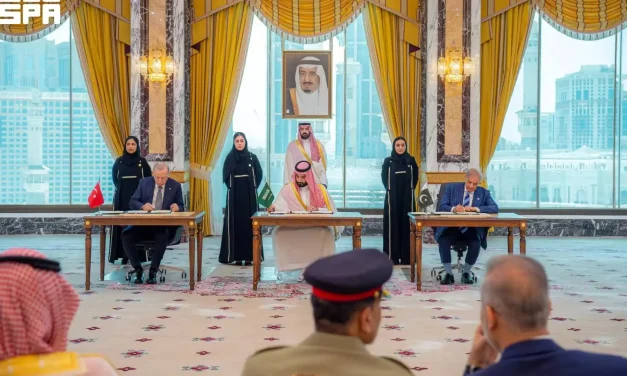
The Makkah Pact; Reasons for its Formation and Challenges Ahead

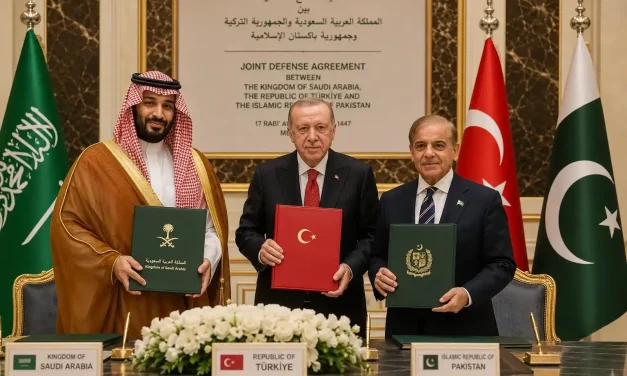
SCFR Online – Opinion: The Makkah Pact, signed between Saudi Arabia, Pakistan, and Turkey under the motto “an attack on one is an attack on all,” is viewed by some analysts less as a full-fledged military coalition and more as an attempt to reduce security dependence on an external power and to establish a regional security mechanism.

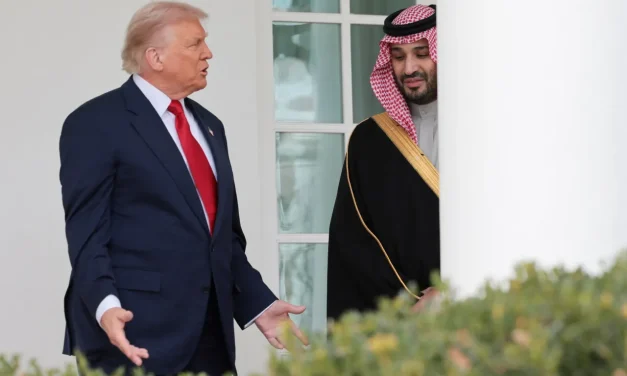
Implications of the US-Saudi Nuclear Agreement

SCFR Online – Opinion: The new US-Saudi nuclear agreement, despite legal and political ambiguities, could alter previous non-proliferation standards in West Asia and intensify nuclear competition, ushering it into a new phase.

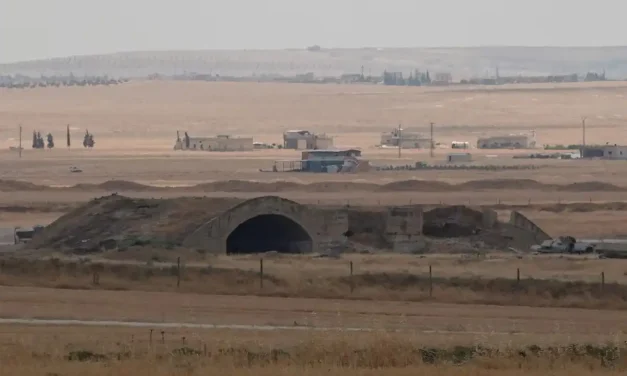
An Analysis of Recent Turkey-Israeli Regime Tensions

SCFR Online – Opinion: Recent developments in Syria indicate an intensification of strategic rivalry between Turkey and the Israeli regime, but mutual considerations and the role of the United States have limited the likelihood of direct war.

Increasing criticism of the extensive Zionist lobby network

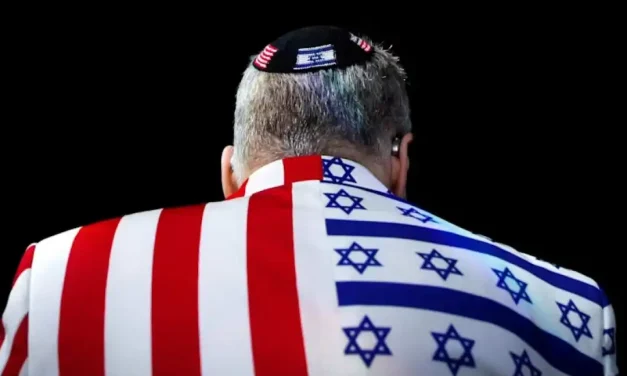
SCFR Online – Opinion: An examination of the mechanisms of the Israeli regime’s influence in the United States depicts a complex picture of shared interests, strategic dependencies, and the limitations of this relationship.

Realities of the Tripartite Makkah Pact

SCFR Online – Interview: The signing of the Makkah agreement between Saudi Arabia, Pakistan, and Turkey has raised questions about the future of the region’s security structure and the position of these countries in West Asian equations. Can this agreement become a genuine collective defense mechanism, or does it have more of a political and deterrent function than creating new military capacity?

Strategic Implications of the Reduction of US Weapons Stockpiles

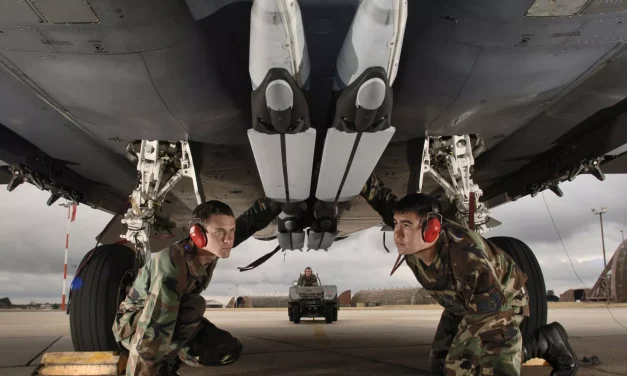
SCFR Online – Opinion: The continuation of the US war against Iran, in addition to increasing operational costs, has called into question the actual capacity of the American arsenal to simultaneously fulfill security commitments on multiple fronts; an issue that affects deterrence, defense production capacity, and Washington’s resource prioritization.

Loading

Russia

West’s Strategic Reflections on “Eastern Threat”

West’s Strategic Reflections on “Eastern Threat”

Strategic Council Online – “The post-corona era is a space for hostility in the areas of trade, finance, economics and administration,” a university professor said, referring to NATO Secretary-General’s warning of China’s future threat to the West. “These tensions have begun and cannot be ignored in the relations of the great powers,” he said.

Libya; Scene of Turkey-Egypt Proxy War

Libya; Scene of Turkey-Egypt Proxy War

Strategic Council Online – For the Westerners, any defeat and retreat of General Haftar’s forces mean the defeat of Egypt and the Arab reactionary states, which have sought to secure Western interests in Libya on a proxy basis, and now with the big defeat of Khalifa Haftar’s forces, have left the battlefield to the rival forces supported by Turkey.
Jafar Qanadbashi – African Affairs Expert

OPEC Plus; Prospects of Renewed Cooperation to Raise Oil Prices

OPEC Plus; Prospects of Renewed Cooperation to Raise Oil Prices

Strategic Council Online: The new OPEC Plus agreement was reached at a time when even zero sums was experienced in the market. From this perspective OPEC Plus countries have agreed to prevent a recurrence of such a situation, but as soon as they feel the conditions in the global oil market are back to normal, they may be tempted to violate the agreement. At the same time, the conditions for increasing demand do not seem to be stable and continuous, and it is possible that corona pandemic leave its impacts on the oil market again out of the need to impose quarantine and close part of its production and service activities.
Reza Majidzadeh – Researcher in Political and Economic Development

US Presidential Election and  Saudi Leaders’ Concerns

US Presidential Election and Saudi Leaders’ Concerns

Strategic Council Online: A Middle East affairs analyst, explaining the most important concerns Saudi leaders have about the upcoming US election, said: “Saudi Arabia has accepted that it is in urgent need of US support in the global power structure; for the same reason it is trying to maintain its bonds with Washington.”

Reasons for EU Opposition to Russia’s G7 Membership

Reasons for EU Opposition to Russia’s G7 Membership

Strategic Council Online: In the short term, given the EU’s internal crises, it cannot be hoped that Brussels-Moscow relations will improve quickly, but in the medium and long terms, the EU due to its dependence on Russian energy and the fact that part of Russia is on the European continent, is forced to settle differences with Moscow and to reduce tensions in the relations with Russia.
Alireza Samoudi – European Affairs Expert

Prospects of US-European Relations during Trump Era

Prospects of US-European Relations during Trump Era

Strategic Council Online: As long as Trump is in the White House nothing will change if US relations with Europe do not deteriorate; But if he fails to enter the White House again and someone like Joe Biden wins the presidential election, relations between Europe and the United States will go back to normal as in previous years and will gradually improve.
Abdolreza Farajirad – Professor of Geopolitics

Abdullah-Ghani Agreement and Challenges Ahead

Abdullah-Ghani Agreement and Challenges Ahead

Strategic Council Online: Given the existing ambiguities on Taliban’s share of power and their political future in Afghanistan, a university professor said, considering the current challenges in Afghanistan, it seems that we will see the formation of a weak and shaky government where the disputes will continue.

New Strategy of Hebrew-Arab-Western Front in Syria

New Strategy of Hebrew-Arab-Western Front in Syria

Strategic Council Online: The US-led Hebrew-Arab-Western axis, which has failed to contain the Resistance Axis in the political and security spheres, has entered the military phase, namely the escalation of the Zionist regime’s attacks and the resurgence of ISIS in Syria.
Hossein Ajorlou – Middle East Affairs Expert

Why the Ceasefire in Libya Failed?

Why the Ceasefire in Libya Failed?

Strategic Council Online: The new round of rivalries in Libya began when the Turkish and Russian governments sought to pave the way for their exclusive presence in the country under the pretext of a ceasefire. They aimed to forge an agreement between Seraj and Haftar governments without the knowledge of the European states.
Jafar Qanadbashi – Middle East Affairs Expert

Iran’s Active Role in Resolving Afghan Crisis

Iran’s Active Role in Resolving Afghan Crisis

Strategic Council Online: Former chief of Afghanistan Headquarter at the IRI Ministry of Foreign Affairs said that the challenge created in Afghanistan after the presidential election was due to US intervention, adding that the Afghan government and people trust Iran and therefore Tehran can play a constructive role in resolving the crisis.

أحدث الوظائف

The Makkah Pact; Reasons for its Formation and Challenges Ahead

SCFR Online – Opinion: The Makkah Pact, signed between Saudi Arabia, Pakistan, and Turkey under the motto “an attack on one is an attack on all,” is viewed by some analysts less as a full-fledged military coalition and more as an attempt to reduce security dependence on an external power and to establish a regional security mechanism.

Implications of the US-Saudi Nuclear Agreement

SCFR Online – Opinion: The new US-Saudi nuclear agreement, despite legal and political ambiguities, could alter previous non-proliferation standards in West Asia and intensify nuclear competition, ushering it into a new phase.

An Analysis of Recent Turkey-Israeli Regime Tensions

SCFR Online – Opinion: Recent developments in Syria indicate an intensification of strategic rivalry between Turkey and the Israeli regime, but mutual considerations and the role of the United States have limited the likelihood of direct war.

Increasing criticism of the extensive Zionist lobby network

SCFR Online – Opinion: An examination of the mechanisms of the Israeli regime’s influence in the United States depicts a complex picture of shared interests, strategic dependencies, and the limitations of this relationship.

Realities of the Tripartite Makkah Pact

SCFR Online – Interview: The signing of the Makkah agreement between Saudi Arabia, Pakistan, and Turkey has raised questions about the future of the region’s security structure and the position of these countries in West Asian equations. Can this agreement become a genuine collective defense mechanism, or does it have more of a political and deterrent function than creating new military capacity?

Strategic Implications of the Reduction of US Weapons Stockpiles

SCFR Online – Opinion: The continuation of the US war against Iran, in addition to increasing operational costs, has called into question the actual capacity of the American arsenal to simultaneously fulfill security commitments on multiple fronts; an issue that affects deterrence, defense production capacity, and Washington’s resource prioritization.

Loading

Russia

West’s Strategic Reflections on “Eastern Threat”

West’s Strategic Reflections on “Eastern Threat”

Strategic Council Online – “The post-corona era is a space for hostility in the areas of trade, finance, economics and administration,” a university professor said, referring to NATO Secretary-General’s warning of China’s future threat to the West. “These tensions have begun and cannot be ignored in the relations of the great powers,” he said.

Libya; Scene of Turkey-Egypt Proxy War

Libya; Scene of Turkey-Egypt Proxy War

Strategic Council Online – For the Westerners, any defeat and retreat of General Haftar’s forces mean the defeat of Egypt and the Arab reactionary states, which have sought to secure Western interests in Libya on a proxy basis, and now with the big defeat of Khalifa Haftar’s forces, have left the battlefield to the rival forces supported by Turkey.
Jafar Qanadbashi – African Affairs Expert

OPEC Plus; Prospects of Renewed Cooperation to Raise Oil Prices

OPEC Plus; Prospects of Renewed Cooperation to Raise Oil Prices

Strategic Council Online: The new OPEC Plus agreement was reached at a time when even zero sums was experienced in the market. From this perspective OPEC Plus countries have agreed to prevent a recurrence of such a situation, but as soon as they feel the conditions in the global oil market are back to normal, they may be tempted to violate the agreement. At the same time, the conditions for increasing demand do not seem to be stable and continuous, and it is possible that corona pandemic leave its impacts on the oil market again out of the need to impose quarantine and close part of its production and service activities.
Reza Majidzadeh – Researcher in Political and Economic Development

US Presidential Election and  Saudi Leaders’ Concerns

US Presidential Election and Saudi Leaders’ Concerns

Strategic Council Online: A Middle East affairs analyst, explaining the most important concerns Saudi leaders have about the upcoming US election, said: “Saudi Arabia has accepted that it is in urgent need of US support in the global power structure; for the same reason it is trying to maintain its bonds with Washington.”

Reasons for EU Opposition to Russia’s G7 Membership

Reasons for EU Opposition to Russia’s G7 Membership

Strategic Council Online: In the short term, given the EU’s internal crises, it cannot be hoped that Brussels-Moscow relations will improve quickly, but in the medium and long terms, the EU due to its dependence on Russian energy and the fact that part of Russia is on the European continent, is forced to settle differences with Moscow and to reduce tensions in the relations with Russia.
Alireza Samoudi – European Affairs Expert

Prospects of US-European Relations during Trump Era

Prospects of US-European Relations during Trump Era

Strategic Council Online: As long as Trump is in the White House nothing will change if US relations with Europe do not deteriorate; But if he fails to enter the White House again and someone like Joe Biden wins the presidential election, relations between Europe and the United States will go back to normal as in previous years and will gradually improve.
Abdolreza Farajirad – Professor of Geopolitics

Abdullah-Ghani Agreement and Challenges Ahead

Abdullah-Ghani Agreement and Challenges Ahead

Strategic Council Online: Given the existing ambiguities on Taliban’s share of power and their political future in Afghanistan, a university professor said, considering the current challenges in Afghanistan, it seems that we will see the formation of a weak and shaky government where the disputes will continue.

New Strategy of Hebrew-Arab-Western Front in Syria

New Strategy of Hebrew-Arab-Western Front in Syria

Strategic Council Online: The US-led Hebrew-Arab-Western axis, which has failed to contain the Resistance Axis in the political and security spheres, has entered the military phase, namely the escalation of the Zionist regime’s attacks and the resurgence of ISIS in Syria.
Hossein Ajorlou – Middle East Affairs Expert

Why the Ceasefire in Libya Failed?

Why the Ceasefire in Libya Failed?

Strategic Council Online: The new round of rivalries in Libya began when the Turkish and Russian governments sought to pave the way for their exclusive presence in the country under the pretext of a ceasefire. They aimed to forge an agreement between Seraj and Haftar governments without the knowledge of the European states.
Jafar Qanadbashi – Middle East Affairs Expert

Iran’s Active Role in Resolving Afghan Crisis

Iran’s Active Role in Resolving Afghan Crisis

Strategic Council Online: Former chief of Afghanistan Headquarter at the IRI Ministry of Foreign Affairs said that the challenge created in Afghanistan after the presidential election was due to US intervention, adding that the Afghan government and people trust Iran and therefore Tehran can play a constructive role in resolving the crisis.

Russia

West’s Strategic Reflections on “Eastern Threat”

West’s Strategic Reflections on “Eastern Threat”

Strategic Council Online – “The post-corona era is a space for hostility in the areas of trade, finance, economics and administration,” a university professor said, referring to NATO Secretary-General’s warning of China’s future threat to the West. “These tensions have begun and cannot be ignored in the relations of the great powers,” he said.

Libya; Scene of Turkey-Egypt Proxy War

Libya; Scene of Turkey-Egypt Proxy War

Strategic Council Online – For the Westerners, any defeat and retreat of General Haftar’s forces mean the defeat of Egypt and the Arab reactionary states, which have sought to secure Western interests in Libya on a proxy basis, and now with the big defeat of Khalifa Haftar’s forces, have left the battlefield to the rival forces supported by Turkey.
Jafar Qanadbashi – African Affairs Expert

OPEC Plus; Prospects of Renewed Cooperation to Raise Oil Prices

OPEC Plus; Prospects of Renewed Cooperation to Raise Oil Prices

Strategic Council Online: The new OPEC Plus agreement was reached at a time when even zero sums was experienced in the market. From this perspective OPEC Plus countries have agreed to prevent a recurrence of such a situation, but as soon as they feel the conditions in the global oil market are back to normal, they may be tempted to violate the agreement. At the same time, the conditions for increasing demand do not seem to be stable and continuous, and it is possible that corona pandemic leave its impacts on the oil market again out of the need to impose quarantine and close part of its production and service activities.
Reza Majidzadeh – Researcher in Political and Economic Development

US Presidential Election and  Saudi Leaders’ Concerns

US Presidential Election and Saudi Leaders’ Concerns

Strategic Council Online: A Middle East affairs analyst, explaining the most important concerns Saudi leaders have about the upcoming US election, said: “Saudi Arabia has accepted that it is in urgent need of US support in the global power structure; for the same reason it is trying to maintain its bonds with Washington.”

Reasons for EU Opposition to Russia’s G7 Membership

Reasons for EU Opposition to Russia’s G7 Membership

Strategic Council Online: In the short term, given the EU’s internal crises, it cannot be hoped that Brussels-Moscow relations will improve quickly, but in the medium and long terms, the EU due to its dependence on Russian energy and the fact that part of Russia is on the European continent, is forced to settle differences with Moscow and to reduce tensions in the relations with Russia.
Alireza Samoudi – European Affairs Expert

Prospects of US-European Relations during Trump Era

Prospects of US-European Relations during Trump Era

Strategic Council Online: As long as Trump is in the White House nothing will change if US relations with Europe do not deteriorate; But if he fails to enter the White House again and someone like Joe Biden wins the presidential election, relations between Europe and the United States will go back to normal as in previous years and will gradually improve.
Abdolreza Farajirad – Professor of Geopolitics

Abdullah-Ghani Agreement and Challenges Ahead

Abdullah-Ghani Agreement and Challenges Ahead

Strategic Council Online: Given the existing ambiguities on Taliban’s share of power and their political future in Afghanistan, a university professor said, considering the current challenges in Afghanistan, it seems that we will see the formation of a weak and shaky government where the disputes will continue.

New Strategy of Hebrew-Arab-Western Front in Syria

New Strategy of Hebrew-Arab-Western Front in Syria

Strategic Council Online: The US-led Hebrew-Arab-Western axis, which has failed to contain the Resistance Axis in the political and security spheres, has entered the military phase, namely the escalation of the Zionist regime’s attacks and the resurgence of ISIS in Syria.
Hossein Ajorlou – Middle East Affairs Expert

Why the Ceasefire in Libya Failed?

Why the Ceasefire in Libya Failed?

Strategic Council Online: The new round of rivalries in Libya began when the Turkish and Russian governments sought to pave the way for their exclusive presence in the country under the pretext of a ceasefire. They aimed to forge an agreement between Seraj and Haftar governments without the knowledge of the European states.
Jafar Qanadbashi – Middle East Affairs Expert

Iran’s Active Role in Resolving Afghan Crisis

Iran’s Active Role in Resolving Afghan Crisis

Strategic Council Online: Former chief of Afghanistan Headquarter at the IRI Ministry of Foreign Affairs said that the challenge created in Afghanistan after the presidential election was due to US intervention, adding that the Afghan government and people trust Iran and therefore Tehran can play a constructive role in resolving the crisis.

LATEST CONTENT

The Makkah Pact; Reasons for its Formation and Challenges Ahead

SCFR Online – Opinion: The Makkah Pact, signed between Saudi Arabia, Pakistan, and Turkey under the motto “an attack on one is an attack on all,” is viewed by some analysts less as a full-fledged military coalition and more as an attempt to reduce security dependence on an external power and to establish a regional security mechanism.

Implications of the US-Saudi Nuclear Agreement

SCFR Online – Opinion: The new US-Saudi nuclear agreement, despite legal and political ambiguities, could alter previous non-proliferation standards in West Asia and intensify nuclear competition, ushering it into a new phase.

An Analysis of Recent Turkey-Israeli Regime Tensions

SCFR Online – Opinion: Recent developments in Syria indicate an intensification of strategic rivalry between Turkey and the Israeli regime, but mutual considerations and the role of the United States have limited the likelihood of direct war.

Increasing criticism of the extensive Zionist lobby network

SCFR Online – Opinion: An examination of the mechanisms of the Israeli regime’s influence in the United States depicts a complex picture of shared interests, strategic dependencies, and the limitations of this relationship.

Realities of the Tripartite Makkah Pact

SCFR Online – Interview: The signing of the Makkah agreement between Saudi Arabia, Pakistan, and Turkey has raised questions about the future of the region’s security structure and the position of these countries in West Asian equations. Can this agreement become a genuine collective defense mechanism, or does it have more of a political and deterrent function than creating new military capacity?

Strategic Implications of the Reduction of US Weapons Stockpiles

SCFR Online – Opinion: The continuation of the US war against Iran, in addition to increasing operational costs, has called into question the actual capacity of the American arsenal to simultaneously fulfill security commitments on multiple fronts; an issue that affects deterrence, defense production capacity, and Washington’s resource prioritization.

Loading

Russia

West’s Strategic Reflections on “Eastern Threat”

West’s Strategic Reflections on “Eastern Threat”

Strategic Council Online – “The post-corona era is a space for hostility in the areas of trade, finance, economics and administration,” a university professor said, referring to NATO Secretary-General’s warning of China’s future threat to the West. “These tensions have begun and cannot be ignored in the relations of the great powers,” he said.

Libya; Scene of Turkey-Egypt Proxy War

Libya; Scene of Turkey-Egypt Proxy War

Strategic Council Online – For the Westerners, any defeat and retreat of General Haftar’s forces mean the defeat of Egypt and the Arab reactionary states, which have sought to secure Western interests in Libya on a proxy basis, and now with the big defeat of Khalifa Haftar’s forces, have left the battlefield to the rival forces supported by Turkey.
Jafar Qanadbashi – African Affairs Expert

OPEC Plus; Prospects of Renewed Cooperation to Raise Oil Prices

OPEC Plus; Prospects of Renewed Cooperation to Raise Oil Prices

Strategic Council Online: The new OPEC Plus agreement was reached at a time when even zero sums was experienced in the market. From this perspective OPEC Plus countries have agreed to prevent a recurrence of such a situation, but as soon as they feel the conditions in the global oil market are back to normal, they may be tempted to violate the agreement. At the same time, the conditions for increasing demand do not seem to be stable and continuous, and it is possible that corona pandemic leave its impacts on the oil market again out of the need to impose quarantine and close part of its production and service activities.
Reza Majidzadeh – Researcher in Political and Economic Development

US Presidential Election and  Saudi Leaders’ Concerns

US Presidential Election and Saudi Leaders’ Concerns

Strategic Council Online: A Middle East affairs analyst, explaining the most important concerns Saudi leaders have about the upcoming US election, said: “Saudi Arabia has accepted that it is in urgent need of US support in the global power structure; for the same reason it is trying to maintain its bonds with Washington.”

Reasons for EU Opposition to Russia’s G7 Membership

Reasons for EU Opposition to Russia’s G7 Membership

Strategic Council Online: In the short term, given the EU’s internal crises, it cannot be hoped that Brussels-Moscow relations will improve quickly, but in the medium and long terms, the EU due to its dependence on Russian energy and the fact that part of Russia is on the European continent, is forced to settle differences with Moscow and to reduce tensions in the relations with Russia.
Alireza Samoudi – European Affairs Expert

Prospects of US-European Relations during Trump Era

Prospects of US-European Relations during Trump Era

Strategic Council Online: As long as Trump is in the White House nothing will change if US relations with Europe do not deteriorate; But if he fails to enter the White House again and someone like Joe Biden wins the presidential election, relations between Europe and the United States will go back to normal as in previous years and will gradually improve.
Abdolreza Farajirad – Professor of Geopolitics

Abdullah-Ghani Agreement and Challenges Ahead

Abdullah-Ghani Agreement and Challenges Ahead

Strategic Council Online: Given the existing ambiguities on Taliban’s share of power and their political future in Afghanistan, a university professor said, considering the current challenges in Afghanistan, it seems that we will see the formation of a weak and shaky government where the disputes will continue.

New Strategy of Hebrew-Arab-Western Front in Syria

New Strategy of Hebrew-Arab-Western Front in Syria

Strategic Council Online: The US-led Hebrew-Arab-Western axis, which has failed to contain the Resistance Axis in the political and security spheres, has entered the military phase, namely the escalation of the Zionist regime’s attacks and the resurgence of ISIS in Syria.
Hossein Ajorlou – Middle East Affairs Expert

Why the Ceasefire in Libya Failed?

Why the Ceasefire in Libya Failed?

Strategic Council Online: The new round of rivalries in Libya began when the Turkish and Russian governments sought to pave the way for their exclusive presence in the country under the pretext of a ceasefire. They aimed to forge an agreement between Seraj and Haftar governments without the knowledge of the European states.
Jafar Qanadbashi – Middle East Affairs Expert

Iran’s Active Role in Resolving Afghan Crisis

Iran’s Active Role in Resolving Afghan Crisis

Strategic Council Online: Former chief of Afghanistan Headquarter at the IRI Ministry of Foreign Affairs said that the challenge created in Afghanistan after the presidential election was due to US intervention, adding that the Afghan government and people trust Iran and therefore Tehran can play a constructive role in resolving the crisis.

ÚLTIMAS PUBLICACIONES

The Makkah Pact; Reasons for its Formation and Challenges Ahead

SCFR Online – Opinion: The Makkah Pact, signed between Saudi Arabia, Pakistan, and Turkey under the motto “an attack on one is an attack on all,” is viewed by some analysts less as a full-fledged military coalition and more as an attempt to reduce security dependence on an external power and to establish a regional security mechanism.

Implications of the US-Saudi Nuclear Agreement

SCFR Online – Opinion: The new US-Saudi nuclear agreement, despite legal and political ambiguities, could alter previous non-proliferation standards in West Asia and intensify nuclear competition, ushering it into a new phase.

An Analysis of Recent Turkey-Israeli Regime Tensions

SCFR Online – Opinion: Recent developments in Syria indicate an intensification of strategic rivalry between Turkey and the Israeli regime, but mutual considerations and the role of the United States have limited the likelihood of direct war.

Increasing criticism of the extensive Zionist lobby network

SCFR Online – Opinion: An examination of the mechanisms of the Israeli regime’s influence in the United States depicts a complex picture of shared interests, strategic dependencies, and the limitations of this relationship.

Realities of the Tripartite Makkah Pact

SCFR Online – Interview: The signing of the Makkah agreement between Saudi Arabia, Pakistan, and Turkey has raised questions about the future of the region’s security structure and the position of these countries in West Asian equations. Can this agreement become a genuine collective defense mechanism, or does it have more of a political and deterrent function than creating new military capacity?

Strategic Implications of the Reduction of US Weapons Stockpiles

SCFR Online – Opinion: The continuation of the US war against Iran, in addition to increasing operational costs, has called into question the actual capacity of the American arsenal to simultaneously fulfill security commitments on multiple fronts; an issue that affects deterrence, defense production capacity, and Washington’s resource prioritization.

Loading

Russia

West’s Strategic Reflections on “Eastern Threat”

West’s Strategic Reflections on “Eastern Threat”

Strategic Council Online – “The post-corona era is a space for hostility in the areas of trade, finance, economics and administration,” a university professor said, referring to NATO Secretary-General’s warning of China’s future threat to the West. “These tensions have begun and cannot be ignored in the relations of the great powers,” he said.

Libya; Scene of Turkey-Egypt Proxy War

Libya; Scene of Turkey-Egypt Proxy War

Strategic Council Online – For the Westerners, any defeat and retreat of General Haftar’s forces mean the defeat of Egypt and the Arab reactionary states, which have sought to secure Western interests in Libya on a proxy basis, and now with the big defeat of Khalifa Haftar’s forces, have left the battlefield to the rival forces supported by Turkey.
Jafar Qanadbashi – African Affairs Expert

OPEC Plus; Prospects of Renewed Cooperation to Raise Oil Prices

OPEC Plus; Prospects of Renewed Cooperation to Raise Oil Prices

Strategic Council Online: The new OPEC Plus agreement was reached at a time when even zero sums was experienced in the market. From this perspective OPEC Plus countries have agreed to prevent a recurrence of such a situation, but as soon as they feel the conditions in the global oil market are back to normal, they may be tempted to violate the agreement. At the same time, the conditions for increasing demand do not seem to be stable and continuous, and it is possible that corona pandemic leave its impacts on the oil market again out of the need to impose quarantine and close part of its production and service activities.
Reza Majidzadeh – Researcher in Political and Economic Development

US Presidential Election and  Saudi Leaders’ Concerns

US Presidential Election and Saudi Leaders’ Concerns

Strategic Council Online: A Middle East affairs analyst, explaining the most important concerns Saudi leaders have about the upcoming US election, said: “Saudi Arabia has accepted that it is in urgent need of US support in the global power structure; for the same reason it is trying to maintain its bonds with Washington.”

Reasons for EU Opposition to Russia’s G7 Membership

Reasons for EU Opposition to Russia’s G7 Membership

Strategic Council Online: In the short term, given the EU’s internal crises, it cannot be hoped that Brussels-Moscow relations will improve quickly, but in the medium and long terms, the EU due to its dependence on Russian energy and the fact that part of Russia is on the European continent, is forced to settle differences with Moscow and to reduce tensions in the relations with Russia.
Alireza Samoudi – European Affairs Expert

Prospects of US-European Relations during Trump Era

Prospects of US-European Relations during Trump Era

Strategic Council Online: As long as Trump is in the White House nothing will change if US relations with Europe do not deteriorate; But if he fails to enter the White House again and someone like Joe Biden wins the presidential election, relations between Europe and the United States will go back to normal as in previous years and will gradually improve.
Abdolreza Farajirad – Professor of Geopolitics

Abdullah-Ghani Agreement and Challenges Ahead

Abdullah-Ghani Agreement and Challenges Ahead

Strategic Council Online: Given the existing ambiguities on Taliban’s share of power and their political future in Afghanistan, a university professor said, considering the current challenges in Afghanistan, it seems that we will see the formation of a weak and shaky government where the disputes will continue.

New Strategy of Hebrew-Arab-Western Front in Syria

New Strategy of Hebrew-Arab-Western Front in Syria

Strategic Council Online: The US-led Hebrew-Arab-Western axis, which has failed to contain the Resistance Axis in the political and security spheres, has entered the military phase, namely the escalation of the Zionist regime’s attacks and the resurgence of ISIS in Syria.
Hossein Ajorlou – Middle East Affairs Expert

Why the Ceasefire in Libya Failed?

Why the Ceasefire in Libya Failed?

Strategic Council Online: The new round of rivalries in Libya began when the Turkish and Russian governments sought to pave the way for their exclusive presence in the country under the pretext of a ceasefire. They aimed to forge an agreement between Seraj and Haftar governments without the knowledge of the European states.
Jafar Qanadbashi – Middle East Affairs Expert

Iran’s Active Role in Resolving Afghan Crisis

Iran’s Active Role in Resolving Afghan Crisis

Strategic Council Online: Former chief of Afghanistan Headquarter at the IRI Ministry of Foreign Affairs said that the challenge created in Afghanistan after the presidential election was due to US intervention, adding that the Afghan government and people trust Iran and therefore Tehran can play a constructive role in resolving the crisis.

ÚLTIMAS PUBLICACIONES

The Makkah Pact; Reasons for its Formation and Challenges Ahead

SCFR Online – Opinion: The Makkah Pact, signed between Saudi Arabia, Pakistan, and Turkey under the motto “an attack on one is an attack on all,” is viewed by some analysts less as a full-fledged military coalition and more as an attempt to reduce security dependence on an external power and to establish a regional security mechanism.

Implications of the US-Saudi Nuclear Agreement

SCFR Online – Opinion: The new US-Saudi nuclear agreement, despite legal and political ambiguities, could alter previous non-proliferation standards in West Asia and intensify nuclear competition, ushering it into a new phase.

An Analysis of Recent Turkey-Israeli Regime Tensions

SCFR Online – Opinion: Recent developments in Syria indicate an intensification of strategic rivalry between Turkey and the Israeli regime, but mutual considerations and the role of the United States have limited the likelihood of direct war.

Increasing criticism of the extensive Zionist lobby network

SCFR Online – Opinion: An examination of the mechanisms of the Israeli regime’s influence in the United States depicts a complex picture of shared interests, strategic dependencies, and the limitations of this relationship.

Realities of the Tripartite Makkah Pact

SCFR Online – Interview: The signing of the Makkah agreement between Saudi Arabia, Pakistan, and Turkey has raised questions about the future of the region’s security structure and the position of these countries in West Asian equations. Can this agreement become a genuine collective defense mechanism, or does it have more of a political and deterrent function than creating new military capacity?

Strategic Implications of the Reduction of US Weapons Stockpiles

SCFR Online – Opinion: The continuation of the US war against Iran, in addition to increasing operational costs, has called into question the actual capacity of the American arsenal to simultaneously fulfill security commitments on multiple fronts; an issue that affects deterrence, defense production capacity, and Washington’s resource prioritization.

Loading

Russia

West’s Strategic Reflections on “Eastern Threat”

West’s Strategic Reflections on “Eastern Threat”

Strategic Council Online – “The post-corona era is a space for hostility in the areas of trade, finance, economics and administration,” a university professor said, referring to NATO Secretary-General’s warning of China’s future threat to the West. “These tensions have begun and cannot be ignored in the relations of the great powers,” he said.

Libya; Scene of Turkey-Egypt Proxy War

Libya; Scene of Turkey-Egypt Proxy War

Strategic Council Online – For the Westerners, any defeat and retreat of General Haftar’s forces mean the defeat of Egypt and the Arab reactionary states, which have sought to secure Western interests in Libya on a proxy basis, and now with the big defeat of Khalifa Haftar’s forces, have left the battlefield to the rival forces supported by Turkey.
Jafar Qanadbashi – African Affairs Expert

OPEC Plus; Prospects of Renewed Cooperation to Raise Oil Prices

OPEC Plus; Prospects of Renewed Cooperation to Raise Oil Prices

Strategic Council Online: The new OPEC Plus agreement was reached at a time when even zero sums was experienced in the market. From this perspective OPEC Plus countries have agreed to prevent a recurrence of such a situation, but as soon as they feel the conditions in the global oil market are back to normal, they may be tempted to violate the agreement. At the same time, the conditions for increasing demand do not seem to be stable and continuous, and it is possible that corona pandemic leave its impacts on the oil market again out of the need to impose quarantine and close part of its production and service activities.
Reza Majidzadeh – Researcher in Political and Economic Development

US Presidential Election and  Saudi Leaders’ Concerns

US Presidential Election and Saudi Leaders’ Concerns

Strategic Council Online: A Middle East affairs analyst, explaining the most important concerns Saudi leaders have about the upcoming US election, said: “Saudi Arabia has accepted that it is in urgent need of US support in the global power structure; for the same reason it is trying to maintain its bonds with Washington.”

Reasons for EU Opposition to Russia’s G7 Membership

Reasons for EU Opposition to Russia’s G7 Membership

Strategic Council Online: In the short term, given the EU’s internal crises, it cannot be hoped that Brussels-Moscow relations will improve quickly, but in the medium and long terms, the EU due to its dependence on Russian energy and the fact that part of Russia is on the European continent, is forced to settle differences with Moscow and to reduce tensions in the relations with Russia.
Alireza Samoudi – European Affairs Expert

Prospects of US-European Relations during Trump Era

Prospects of US-European Relations during Trump Era

Strategic Council Online: As long as Trump is in the White House nothing will change if US relations with Europe do not deteriorate; But if he fails to enter the White House again and someone like Joe Biden wins the presidential election, relations between Europe and the United States will go back to normal as in previous years and will gradually improve.
Abdolreza Farajirad – Professor of Geopolitics

Abdullah-Ghani Agreement and Challenges Ahead

Abdullah-Ghani Agreement and Challenges Ahead

Strategic Council Online: Given the existing ambiguities on Taliban’s share of power and their political future in Afghanistan, a university professor said, considering the current challenges in Afghanistan, it seems that we will see the formation of a weak and shaky government where the disputes will continue.

New Strategy of Hebrew-Arab-Western Front in Syria

New Strategy of Hebrew-Arab-Western Front in Syria

Strategic Council Online: The US-led Hebrew-Arab-Western axis, which has failed to contain the Resistance Axis in the political and security spheres, has entered the military phase, namely the escalation of the Zionist regime’s attacks and the resurgence of ISIS in Syria.
Hossein Ajorlou – Middle East Affairs Expert

Why the Ceasefire in Libya Failed?

Why the Ceasefire in Libya Failed?

Strategic Council Online: The new round of rivalries in Libya began when the Turkish and Russian governments sought to pave the way for their exclusive presence in the country under the pretext of a ceasefire. They aimed to forge an agreement between Seraj and Haftar governments without the knowledge of the European states.
Jafar Qanadbashi – Middle East Affairs Expert

Iran’s Active Role in Resolving Afghan Crisis

Iran’s Active Role in Resolving Afghan Crisis

Strategic Council Online: Former chief of Afghanistan Headquarter at the IRI Ministry of Foreign Affairs said that the challenge created in Afghanistan after the presidential election was due to US intervention, adding that the Afghan government and people trust Iran and therefore Tehran can play a constructive role in resolving the crisis.

ÚLTIMAS PUBLICACIONES

The Makkah Pact; Reasons for its Formation and Challenges Ahead

SCFR Online – Opinion: The Makkah Pact, signed between Saudi Arabia, Pakistan, and Turkey under the motto “an attack on one is an attack on all,” is viewed by some analysts less as a full-fledged military coalition and more as an attempt to reduce security dependence on an external power and to establish a regional security mechanism.

Implications of the US-Saudi Nuclear Agreement

SCFR Online – Opinion: The new US-Saudi nuclear agreement, despite legal and political ambiguities, could alter previous non-proliferation standards in West Asia and intensify nuclear competition, ushering it into a new phase.

An Analysis of Recent Turkey-Israeli Regime Tensions

SCFR Online – Opinion: Recent developments in Syria indicate an intensification of strategic rivalry between Turkey and the Israeli regime, but mutual considerations and the role of the United States have limited the likelihood of direct war.

Increasing criticism of the extensive Zionist lobby network

SCFR Online – Opinion: An examination of the mechanisms of the Israeli regime’s influence in the United States depicts a complex picture of shared interests, strategic dependencies, and the limitations of this relationship.

Realities of the Tripartite Makkah Pact

SCFR Online – Interview: The signing of the Makkah agreement between Saudi Arabia, Pakistan, and Turkey has raised questions about the future of the region’s security structure and the position of these countries in West Asian equations. Can this agreement become a genuine collective defense mechanism, or does it have more of a political and deterrent function than creating new military capacity?

Strategic Implications of the Reduction of US Weapons Stockpiles

SCFR Online – Opinion: The continuation of the US war against Iran, in addition to increasing operational costs, has called into question the actual capacity of the American arsenal to simultaneously fulfill security commitments on multiple fronts; an issue that affects deterrence, defense production capacity, and Washington’s resource prioritization.

Loading

Russia

West’s Strategic Reflections on “Eastern Threat”

West’s Strategic Reflections on “Eastern Threat”

Strategic Council Online – “The post-corona era is a space for hostility in the areas of trade, finance, economics and administration,” a university professor said, referring to NATO Secretary-General’s warning of China’s future threat to the West. “These tensions have begun and cannot be ignored in the relations of the great powers,” he said.

Libya; Scene of Turkey-Egypt Proxy War

Libya; Scene of Turkey-Egypt Proxy War

Strategic Council Online – For the Westerners, any defeat and retreat of General Haftar’s forces mean the defeat of Egypt and the Arab reactionary states, which have sought to secure Western interests in Libya on a proxy basis, and now with the big defeat of Khalifa Haftar’s forces, have left the battlefield to the rival forces supported by Turkey.
Jafar Qanadbashi – African Affairs Expert

OPEC Plus; Prospects of Renewed Cooperation to Raise Oil Prices

OPEC Plus; Prospects of Renewed Cooperation to Raise Oil Prices

Strategic Council Online: The new OPEC Plus agreement was reached at a time when even zero sums was experienced in the market. From this perspective OPEC Plus countries have agreed to prevent a recurrence of such a situation, but as soon as they feel the conditions in the global oil market are back to normal, they may be tempted to violate the agreement. At the same time, the conditions for increasing demand do not seem to be stable and continuous, and it is possible that corona pandemic leave its impacts on the oil market again out of the need to impose quarantine and close part of its production and service activities.
Reza Majidzadeh – Researcher in Political and Economic Development

US Presidential Election and  Saudi Leaders’ Concerns

US Presidential Election and Saudi Leaders’ Concerns

Strategic Council Online: A Middle East affairs analyst, explaining the most important concerns Saudi leaders have about the upcoming US election, said: “Saudi Arabia has accepted that it is in urgent need of US support in the global power structure; for the same reason it is trying to maintain its bonds with Washington.”

Reasons for EU Opposition to Russia’s G7 Membership

Reasons for EU Opposition to Russia’s G7 Membership

Strategic Council Online: In the short term, given the EU’s internal crises, it cannot be hoped that Brussels-Moscow relations will improve quickly, but in the medium and long terms, the EU due to its dependence on Russian energy and the fact that part of Russia is on the European continent, is forced to settle differences with Moscow and to reduce tensions in the relations with Russia.
Alireza Samoudi – European Affairs Expert

Prospects of US-European Relations during Trump Era

Prospects of US-European Relations during Trump Era

Strategic Council Online: As long as Trump is in the White House nothing will change if US relations with Europe do not deteriorate; But if he fails to enter the White House again and someone like Joe Biden wins the presidential election, relations between Europe and the United States will go back to normal as in previous years and will gradually improve.
Abdolreza Farajirad – Professor of Geopolitics

Abdullah-Ghani Agreement and Challenges Ahead

Abdullah-Ghani Agreement and Challenges Ahead

Strategic Council Online: Given the existing ambiguities on Taliban’s share of power and their political future in Afghanistan, a university professor said, considering the current challenges in Afghanistan, it seems that we will see the formation of a weak and shaky government where the disputes will continue.

New Strategy of Hebrew-Arab-Western Front in Syria

New Strategy of Hebrew-Arab-Western Front in Syria

Strategic Council Online: The US-led Hebrew-Arab-Western axis, which has failed to contain the Resistance Axis in the political and security spheres, has entered the military phase, namely the escalation of the Zionist regime’s attacks and the resurgence of ISIS in Syria.
Hossein Ajorlou – Middle East Affairs Expert

Why the Ceasefire in Libya Failed?

Why the Ceasefire in Libya Failed?

Strategic Council Online: The new round of rivalries in Libya began when the Turkish and Russian governments sought to pave the way for their exclusive presence in the country under the pretext of a ceasefire. They aimed to forge an agreement between Seraj and Haftar governments without the knowledge of the European states.
Jafar Qanadbashi – Middle East Affairs Expert

Iran’s Active Role in Resolving Afghan Crisis

Iran’s Active Role in Resolving Afghan Crisis

Strategic Council Online: Former chief of Afghanistan Headquarter at the IRI Ministry of Foreign Affairs said that the challenge created in Afghanistan after the presidential election was due to US intervention, adding that the Afghan government and people trust Iran and therefore Tehran can play a constructive role in resolving the crisis.

ÚLTIMAS PUBLICACIONES

The Makkah Pact; Reasons for its Formation and Challenges Ahead

SCFR Online – Opinion: The Makkah Pact, signed between Saudi Arabia, Pakistan, and Turkey under the motto “an attack on one is an attack on all,” is viewed by some analysts less as a full-fledged military coalition and more as an attempt to reduce security dependence on an external power and to establish a regional security mechanism.

Implications of the US-Saudi Nuclear Agreement

SCFR Online – Opinion: The new US-Saudi nuclear agreement, despite legal and political ambiguities, could alter previous non-proliferation standards in West Asia and intensify nuclear competition, ushering it into a new phase.

An Analysis of Recent Turkey-Israeli Regime Tensions

SCFR Online – Opinion: Recent developments in Syria indicate an intensification of strategic rivalry between Turkey and the Israeli regime, but mutual considerations and the role of the United States have limited the likelihood of direct war.

Increasing criticism of the extensive Zionist lobby network

SCFR Online – Opinion: An examination of the mechanisms of the Israeli regime’s influence in the United States depicts a complex picture of shared interests, strategic dependencies, and the limitations of this relationship.

Realities of the Tripartite Makkah Pact

SCFR Online – Interview: The signing of the Makkah agreement between Saudi Arabia, Pakistan, and Turkey has raised questions about the future of the region’s security structure and the position of these countries in West Asian equations. Can this agreement become a genuine collective defense mechanism, or does it have more of a political and deterrent function than creating new military capacity?

Strategic Implications of the Reduction of US Weapons Stockpiles

SCFR Online – Opinion: The continuation of the US war against Iran, in addition to increasing operational costs, has called into question the actual capacity of the American arsenal to simultaneously fulfill security commitments on multiple fronts; an issue that affects deterrence, defense production capacity, and Washington’s resource prioritization.

Loading