جدیدترین مطالب

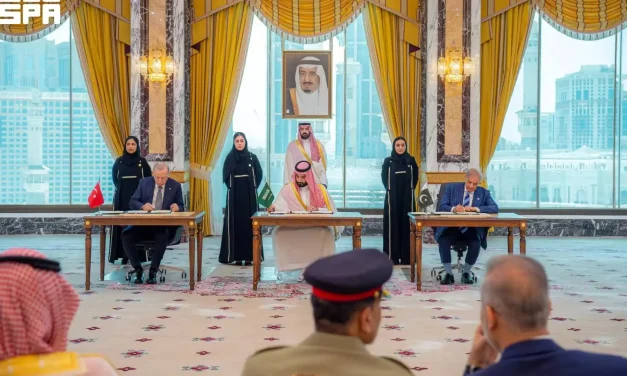
The Makkah Pact; Reasons for its Formation and Challenges Ahead

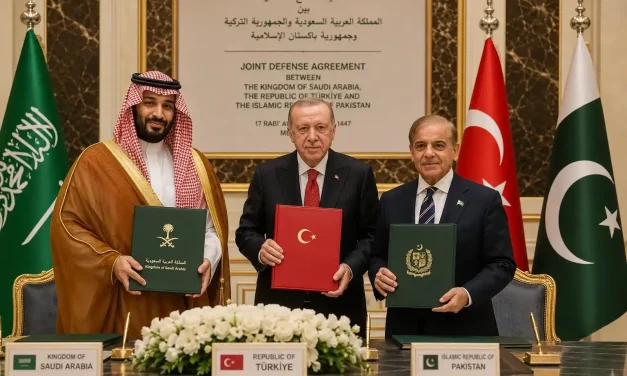
SCFR Online – Opinion: The Makkah Pact, signed between Saudi Arabia, Pakistan, and Turkey under the motto “an attack on one is an attack on all,” is viewed by some analysts less as a full-fledged military coalition and more as an attempt to reduce security dependence on an external power and to establish a regional security mechanism.

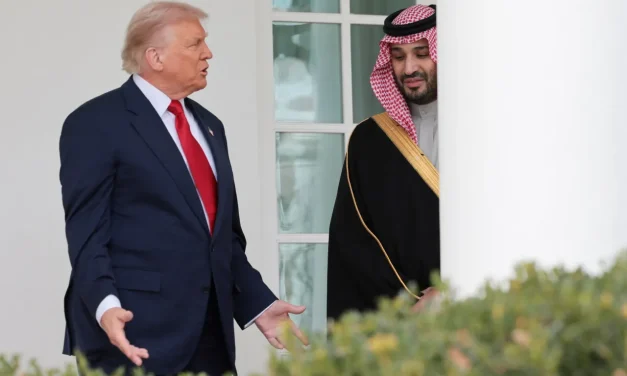
Implications of the US-Saudi Nuclear Agreement

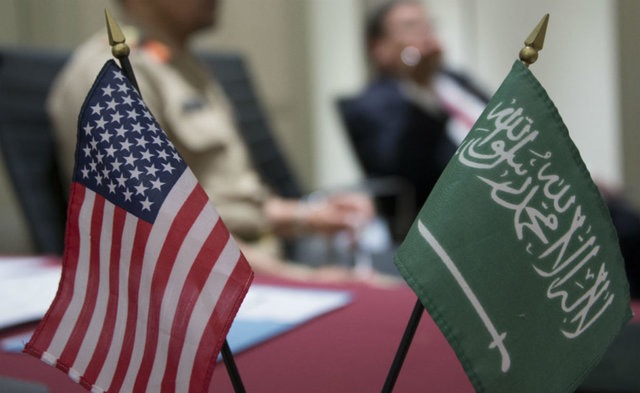
SCFR Online – Opinion: The new US-Saudi nuclear agreement, despite legal and political ambiguities, could alter previous non-proliferation standards in West Asia and intensify nuclear competition, ushering it into a new phase.

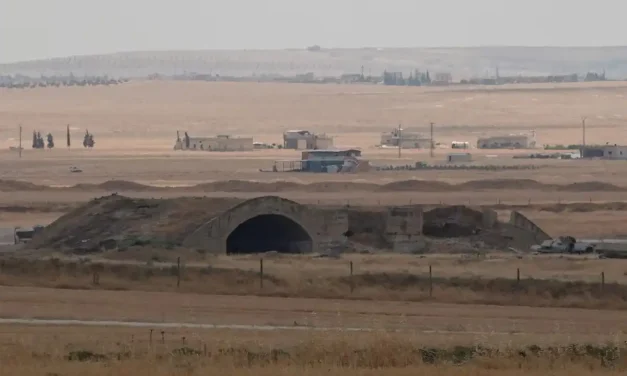
An Analysis of Recent Turkey-Israeli Regime Tensions

SCFR Online – Opinion: Recent developments in Syria indicate an intensification of strategic rivalry between Turkey and the Israeli regime, but mutual considerations and the role of the United States have limited the likelihood of direct war.

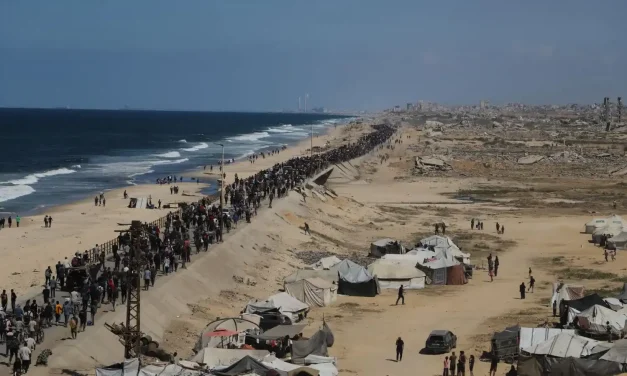
Increasing criticism of the extensive Zionist lobby network

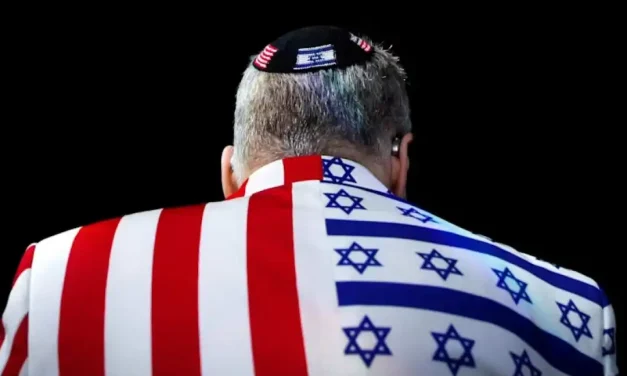
SCFR Online – Opinion: An examination of the mechanisms of the Israeli regime’s influence in the United States depicts a complex picture of shared interests, strategic dependencies, and the limitations of this relationship.

Realities of the Tripartite Makkah Pact

SCFR Online – Interview: The signing of the Makkah agreement between Saudi Arabia, Pakistan, and Turkey has raised questions about the future of the region’s security structure and the position of these countries in West Asian equations. Can this agreement become a genuine collective defense mechanism, or does it have more of a political and deterrent function than creating new military capacity?

Strategic Implications of the Reduction of US Weapons Stockpiles

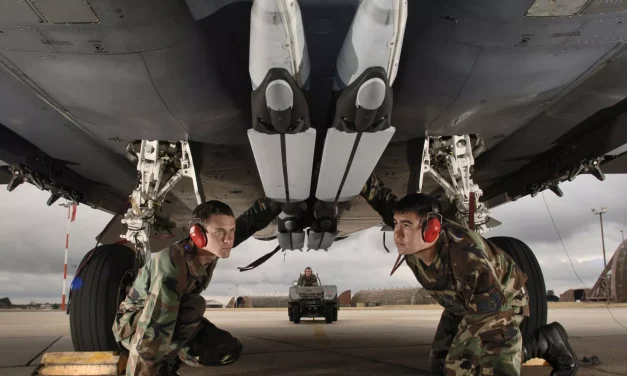
SCFR Online – Opinion: The continuation of the US war against Iran, in addition to increasing operational costs, has called into question the actual capacity of the American arsenal to simultaneously fulfill security commitments on multiple fronts; an issue that affects deterrence, defense production capacity, and Washington’s resource prioritization.

Loading

Russia

Post-Corona Political-Economic Developments

Post-Corona Political-Economic Developments

Strategic Council Online: Citing international developments in the post-Corona era, an international affairs analyst said: “It seems that the outbreak of the Coronavirus will lead to substantial changes in various global arenas, the culmination of which is already clear.”

Oil Prices Fall; Trump Threatens Saudi Arabia

Oil Prices Fall; Trump Threatens Saudi Arabia

Strategic Council Online: It appears the Trump administration’s most important tactic for rising oil prices is to put pressure on Saudi Arabia to drag Russia into an output cut deal and to threaten imposition of tariffs on oil imports from Saudi Arabia.
Reza Majidzadeh – International Political Economy Researcher

UN Responsibility in Removing Obstacles in Way of Pandemic Battle

UN Responsibility in Removing Obstacles in Way of Pandemic Battle

An international law expert referring to the role of the United Nations in dealing with US-sanctioned countries in their fight against the Coronavirus said the sanctions targeting the health system, and medical and pharmaceutical equipment must be lifted as soon as possible. He said the United Nations and the Secretary-General by playing an active role in this respect should strongly oppose the continuation of these evil policies.

Turkish Army’s Approach on Idlib after Truce with Russia

Turkish Army’s Approach on Idlib after Truce with Russia

Strategic Council Online: A university professor said there was no consensus on maintaining a long-term ceasefire in Idlib, noting that sooner or later this fragile ceasefire would collapse because Turkey has realized Bashar Assad will stay in power and therefore Ankara will need a bargaining chip to protect its interests.

US Observation about Recent Russian-Turkish Deal on Idlib

US Observation about Recent Russian-Turkish Deal on Idlib

Strategic Council Online: A West Asian affairs expert said US opposition to a UN Security Council statement in support of the recent ceasefire agreement between Turkey and Russia was over fears that Russia will hold the upper hand in the talks. He added that the agreement reached in the talks on Idlib was in the interest of the government of Bashar Assad.

Turkey’s International Isolation on Idlib Crisis

Turkey’s International Isolation on Idlib Crisis

Strategic Council Online: The Ankara government has again resorted to the traditional policy of using the leverage of immigrants and refugees to drag Europe into the war in Idlib; but this policy failed to draw support from European countries for Recep Tayyip Erdogan and the Ankara government, but unlike previous times that they had pledged a series of donations, this time fully condemned Turkey’s “blackmail.”
Shoaib Bahman: International Affairs Expert

Russia-Turkey Agreement and Prospect of Sustained Ceasefire in Idlib

Russia-Turkey Agreement and Prospect of Sustained Ceasefire in Idlib

Strategic Council Online: An expert on Middle East affairs said that the ceasefire agreement between Russia and Turkey is more likely to be in Syria’s favour. He said, given Turkey’s plight in Syria as well as the capability of the Syrian government and army to drive foreign forces out of their country, Turkey has to accept a new agreement.

Risk of Regional Warfare in Libya and UN Inefficiency

Risk of Regional Warfare in Libya and UN Inefficiency

Strategic Council Online: Former Iranian ambassador to Libya criticizing the UN role and performance in Libya crisis said the outbreak of a regional war in Libya is unlikely but current violence and political confrontations will continue.

Turkey and Multivariate Equations in Idlib

Turkey and Multivariate Equations in Idlib

Strategic Council Online: Turkey believes if Idlib is liberated Ankara’s role in the next political process in Syria will decline and the Syrian government may in future seek to oust Turkish forces from other areas, such as Afrin.
Siamak Kakai – Turkey affairs expert

أحدث الوظائف

The Makkah Pact; Reasons for its Formation and Challenges Ahead

SCFR Online – Opinion: The Makkah Pact, signed between Saudi Arabia, Pakistan, and Turkey under the motto “an attack on one is an attack on all,” is viewed by some analysts less as a full-fledged military coalition and more as an attempt to reduce security dependence on an external power and to establish a regional security mechanism.

Implications of the US-Saudi Nuclear Agreement

SCFR Online – Opinion: The new US-Saudi nuclear agreement, despite legal and political ambiguities, could alter previous non-proliferation standards in West Asia and intensify nuclear competition, ushering it into a new phase.

An Analysis of Recent Turkey-Israeli Regime Tensions

SCFR Online – Opinion: Recent developments in Syria indicate an intensification of strategic rivalry between Turkey and the Israeli regime, but mutual considerations and the role of the United States have limited the likelihood of direct war.

Increasing criticism of the extensive Zionist lobby network

SCFR Online – Opinion: An examination of the mechanisms of the Israeli regime’s influence in the United States depicts a complex picture of shared interests, strategic dependencies, and the limitations of this relationship.

Realities of the Tripartite Makkah Pact

SCFR Online – Interview: The signing of the Makkah agreement between Saudi Arabia, Pakistan, and Turkey has raised questions about the future of the region’s security structure and the position of these countries in West Asian equations. Can this agreement become a genuine collective defense mechanism, or does it have more of a political and deterrent function than creating new military capacity?

Strategic Implications of the Reduction of US Weapons Stockpiles

SCFR Online – Opinion: The continuation of the US war against Iran, in addition to increasing operational costs, has called into question the actual capacity of the American arsenal to simultaneously fulfill security commitments on multiple fronts; an issue that affects deterrence, defense production capacity, and Washington’s resource prioritization.

Loading

Russia

Post-Corona Political-Economic Developments

Post-Corona Political-Economic Developments

Strategic Council Online: Citing international developments in the post-Corona era, an international affairs analyst said: “It seems that the outbreak of the Coronavirus will lead to substantial changes in various global arenas, the culmination of which is already clear.”

Oil Prices Fall; Trump Threatens Saudi Arabia

Oil Prices Fall; Trump Threatens Saudi Arabia

Strategic Council Online: It appears the Trump administration’s most important tactic for rising oil prices is to put pressure on Saudi Arabia to drag Russia into an output cut deal and to threaten imposition of tariffs on oil imports from Saudi Arabia.
Reza Majidzadeh – International Political Economy Researcher

UN Responsibility in Removing Obstacles in Way of Pandemic Battle

UN Responsibility in Removing Obstacles in Way of Pandemic Battle

An international law expert referring to the role of the United Nations in dealing with US-sanctioned countries in their fight against the Coronavirus said the sanctions targeting the health system, and medical and pharmaceutical equipment must be lifted as soon as possible. He said the United Nations and the Secretary-General by playing an active role in this respect should strongly oppose the continuation of these evil policies.

Turkish Army’s Approach on Idlib after Truce with Russia

Turkish Army’s Approach on Idlib after Truce with Russia

Strategic Council Online: A university professor said there was no consensus on maintaining a long-term ceasefire in Idlib, noting that sooner or later this fragile ceasefire would collapse because Turkey has realized Bashar Assad will stay in power and therefore Ankara will need a bargaining chip to protect its interests.

US Observation about Recent Russian-Turkish Deal on Idlib

US Observation about Recent Russian-Turkish Deal on Idlib

Strategic Council Online: A West Asian affairs expert said US opposition to a UN Security Council statement in support of the recent ceasefire agreement between Turkey and Russia was over fears that Russia will hold the upper hand in the talks. He added that the agreement reached in the talks on Idlib was in the interest of the government of Bashar Assad.

Turkey’s International Isolation on Idlib Crisis

Turkey’s International Isolation on Idlib Crisis

Strategic Council Online: The Ankara government has again resorted to the traditional policy of using the leverage of immigrants and refugees to drag Europe into the war in Idlib; but this policy failed to draw support from European countries for Recep Tayyip Erdogan and the Ankara government, but unlike previous times that they had pledged a series of donations, this time fully condemned Turkey’s “blackmail.”
Shoaib Bahman: International Affairs Expert

Russia-Turkey Agreement and Prospect of Sustained Ceasefire in Idlib

Russia-Turkey Agreement and Prospect of Sustained Ceasefire in Idlib

Strategic Council Online: An expert on Middle East affairs said that the ceasefire agreement between Russia and Turkey is more likely to be in Syria’s favour. He said, given Turkey’s plight in Syria as well as the capability of the Syrian government and army to drive foreign forces out of their country, Turkey has to accept a new agreement.

Risk of Regional Warfare in Libya and UN Inefficiency

Risk of Regional Warfare in Libya and UN Inefficiency

Strategic Council Online: Former Iranian ambassador to Libya criticizing the UN role and performance in Libya crisis said the outbreak of a regional war in Libya is unlikely but current violence and political confrontations will continue.

Turkey and Multivariate Equations in Idlib

Turkey and Multivariate Equations in Idlib

Strategic Council Online: Turkey believes if Idlib is liberated Ankara’s role in the next political process in Syria will decline and the Syrian government may in future seek to oust Turkish forces from other areas, such as Afrin.
Siamak Kakai – Turkey affairs expert

Russia

Post-Corona Political-Economic Developments

Post-Corona Political-Economic Developments

Strategic Council Online: Citing international developments in the post-Corona era, an international affairs analyst said: “It seems that the outbreak of the Coronavirus will lead to substantial changes in various global arenas, the culmination of which is already clear.”

Oil Prices Fall; Trump Threatens Saudi Arabia

Oil Prices Fall; Trump Threatens Saudi Arabia

Strategic Council Online: It appears the Trump administration’s most important tactic for rising oil prices is to put pressure on Saudi Arabia to drag Russia into an output cut deal and to threaten imposition of tariffs on oil imports from Saudi Arabia.
Reza Majidzadeh – International Political Economy Researcher

UN Responsibility in Removing Obstacles in Way of Pandemic Battle

UN Responsibility in Removing Obstacles in Way of Pandemic Battle

An international law expert referring to the role of the United Nations in dealing with US-sanctioned countries in their fight against the Coronavirus said the sanctions targeting the health system, and medical and pharmaceutical equipment must be lifted as soon as possible. He said the United Nations and the Secretary-General by playing an active role in this respect should strongly oppose the continuation of these evil policies.

Turkish Army’s Approach on Idlib after Truce with Russia

Turkish Army’s Approach on Idlib after Truce with Russia

Strategic Council Online: A university professor said there was no consensus on maintaining a long-term ceasefire in Idlib, noting that sooner or later this fragile ceasefire would collapse because Turkey has realized Bashar Assad will stay in power and therefore Ankara will need a bargaining chip to protect its interests.

US Observation about Recent Russian-Turkish Deal on Idlib

US Observation about Recent Russian-Turkish Deal on Idlib

Strategic Council Online: A West Asian affairs expert said US opposition to a UN Security Council statement in support of the recent ceasefire agreement between Turkey and Russia was over fears that Russia will hold the upper hand in the talks. He added that the agreement reached in the talks on Idlib was in the interest of the government of Bashar Assad.

Turkey’s International Isolation on Idlib Crisis

Turkey’s International Isolation on Idlib Crisis

Strategic Council Online: The Ankara government has again resorted to the traditional policy of using the leverage of immigrants and refugees to drag Europe into the war in Idlib; but this policy failed to draw support from European countries for Recep Tayyip Erdogan and the Ankara government, but unlike previous times that they had pledged a series of donations, this time fully condemned Turkey’s “blackmail.”
Shoaib Bahman: International Affairs Expert

Russia-Turkey Agreement and Prospect of Sustained Ceasefire in Idlib

Russia-Turkey Agreement and Prospect of Sustained Ceasefire in Idlib

Strategic Council Online: An expert on Middle East affairs said that the ceasefire agreement between Russia and Turkey is more likely to be in Syria’s favour. He said, given Turkey’s plight in Syria as well as the capability of the Syrian government and army to drive foreign forces out of their country, Turkey has to accept a new agreement.

Risk of Regional Warfare in Libya and UN Inefficiency

Risk of Regional Warfare in Libya and UN Inefficiency

Strategic Council Online: Former Iranian ambassador to Libya criticizing the UN role and performance in Libya crisis said the outbreak of a regional war in Libya is unlikely but current violence and political confrontations will continue.

Turkey and Multivariate Equations in Idlib

Turkey and Multivariate Equations in Idlib

Strategic Council Online: Turkey believes if Idlib is liberated Ankara’s role in the next political process in Syria will decline and the Syrian government may in future seek to oust Turkish forces from other areas, such as Afrin.
Siamak Kakai – Turkey affairs expert

LATEST CONTENT

The Makkah Pact; Reasons for its Formation and Challenges Ahead

SCFR Online – Opinion: The Makkah Pact, signed between Saudi Arabia, Pakistan, and Turkey under the motto “an attack on one is an attack on all,” is viewed by some analysts less as a full-fledged military coalition and more as an attempt to reduce security dependence on an external power and to establish a regional security mechanism.

Implications of the US-Saudi Nuclear Agreement

SCFR Online – Opinion: The new US-Saudi nuclear agreement, despite legal and political ambiguities, could alter previous non-proliferation standards in West Asia and intensify nuclear competition, ushering it into a new phase.

An Analysis of Recent Turkey-Israeli Regime Tensions

SCFR Online – Opinion: Recent developments in Syria indicate an intensification of strategic rivalry between Turkey and the Israeli regime, but mutual considerations and the role of the United States have limited the likelihood of direct war.

Increasing criticism of the extensive Zionist lobby network

SCFR Online – Opinion: An examination of the mechanisms of the Israeli regime’s influence in the United States depicts a complex picture of shared interests, strategic dependencies, and the limitations of this relationship.

Realities of the Tripartite Makkah Pact

SCFR Online – Interview: The signing of the Makkah agreement between Saudi Arabia, Pakistan, and Turkey has raised questions about the future of the region’s security structure and the position of these countries in West Asian equations. Can this agreement become a genuine collective defense mechanism, or does it have more of a political and deterrent function than creating new military capacity?

Strategic Implications of the Reduction of US Weapons Stockpiles

SCFR Online – Opinion: The continuation of the US war against Iran, in addition to increasing operational costs, has called into question the actual capacity of the American arsenal to simultaneously fulfill security commitments on multiple fronts; an issue that affects deterrence, defense production capacity, and Washington’s resource prioritization.

Loading

Russia

Post-Corona Political-Economic Developments

Post-Corona Political-Economic Developments

Strategic Council Online: Citing international developments in the post-Corona era, an international affairs analyst said: “It seems that the outbreak of the Coronavirus will lead to substantial changes in various global arenas, the culmination of which is already clear.”

Oil Prices Fall; Trump Threatens Saudi Arabia

Oil Prices Fall; Trump Threatens Saudi Arabia

Strategic Council Online: It appears the Trump administration’s most important tactic for rising oil prices is to put pressure on Saudi Arabia to drag Russia into an output cut deal and to threaten imposition of tariffs on oil imports from Saudi Arabia.
Reza Majidzadeh – International Political Economy Researcher

UN Responsibility in Removing Obstacles in Way of Pandemic Battle

UN Responsibility in Removing Obstacles in Way of Pandemic Battle

An international law expert referring to the role of the United Nations in dealing with US-sanctioned countries in their fight against the Coronavirus said the sanctions targeting the health system, and medical and pharmaceutical equipment must be lifted as soon as possible. He said the United Nations and the Secretary-General by playing an active role in this respect should strongly oppose the continuation of these evil policies.

Turkish Army’s Approach on Idlib after Truce with Russia

Turkish Army’s Approach on Idlib after Truce with Russia

Strategic Council Online: A university professor said there was no consensus on maintaining a long-term ceasefire in Idlib, noting that sooner or later this fragile ceasefire would collapse because Turkey has realized Bashar Assad will stay in power and therefore Ankara will need a bargaining chip to protect its interests.

US Observation about Recent Russian-Turkish Deal on Idlib

US Observation about Recent Russian-Turkish Deal on Idlib

Strategic Council Online: A West Asian affairs expert said US opposition to a UN Security Council statement in support of the recent ceasefire agreement between Turkey and Russia was over fears that Russia will hold the upper hand in the talks. He added that the agreement reached in the talks on Idlib was in the interest of the government of Bashar Assad.

Turkey’s International Isolation on Idlib Crisis

Turkey’s International Isolation on Idlib Crisis

Strategic Council Online: The Ankara government has again resorted to the traditional policy of using the leverage of immigrants and refugees to drag Europe into the war in Idlib; but this policy failed to draw support from European countries for Recep Tayyip Erdogan and the Ankara government, but unlike previous times that they had pledged a series of donations, this time fully condemned Turkey’s “blackmail.”
Shoaib Bahman: International Affairs Expert

Russia-Turkey Agreement and Prospect of Sustained Ceasefire in Idlib

Russia-Turkey Agreement and Prospect of Sustained Ceasefire in Idlib

Strategic Council Online: An expert on Middle East affairs said that the ceasefire agreement between Russia and Turkey is more likely to be in Syria’s favour. He said, given Turkey’s plight in Syria as well as the capability of the Syrian government and army to drive foreign forces out of their country, Turkey has to accept a new agreement.

Risk of Regional Warfare in Libya and UN Inefficiency

Risk of Regional Warfare in Libya and UN Inefficiency

Strategic Council Online: Former Iranian ambassador to Libya criticizing the UN role and performance in Libya crisis said the outbreak of a regional war in Libya is unlikely but current violence and political confrontations will continue.

Turkey and Multivariate Equations in Idlib

Turkey and Multivariate Equations in Idlib

Strategic Council Online: Turkey believes if Idlib is liberated Ankara’s role in the next political process in Syria will decline and the Syrian government may in future seek to oust Turkish forces from other areas, such as Afrin.
Siamak Kakai – Turkey affairs expert

ÚLTIMAS PUBLICACIONES

The Makkah Pact; Reasons for its Formation and Challenges Ahead

SCFR Online – Opinion: The Makkah Pact, signed between Saudi Arabia, Pakistan, and Turkey under the motto “an attack on one is an attack on all,” is viewed by some analysts less as a full-fledged military coalition and more as an attempt to reduce security dependence on an external power and to establish a regional security mechanism.

Implications of the US-Saudi Nuclear Agreement

SCFR Online – Opinion: The new US-Saudi nuclear agreement, despite legal and political ambiguities, could alter previous non-proliferation standards in West Asia and intensify nuclear competition, ushering it into a new phase.

An Analysis of Recent Turkey-Israeli Regime Tensions

SCFR Online – Opinion: Recent developments in Syria indicate an intensification of strategic rivalry between Turkey and the Israeli regime, but mutual considerations and the role of the United States have limited the likelihood of direct war.

Increasing criticism of the extensive Zionist lobby network

SCFR Online – Opinion: An examination of the mechanisms of the Israeli regime’s influence in the United States depicts a complex picture of shared interests, strategic dependencies, and the limitations of this relationship.

Realities of the Tripartite Makkah Pact

SCFR Online – Interview: The signing of the Makkah agreement between Saudi Arabia, Pakistan, and Turkey has raised questions about the future of the region’s security structure and the position of these countries in West Asian equations. Can this agreement become a genuine collective defense mechanism, or does it have more of a political and deterrent function than creating new military capacity?

Strategic Implications of the Reduction of US Weapons Stockpiles

SCFR Online – Opinion: The continuation of the US war against Iran, in addition to increasing operational costs, has called into question the actual capacity of the American arsenal to simultaneously fulfill security commitments on multiple fronts; an issue that affects deterrence, defense production capacity, and Washington’s resource prioritization.

Loading

Russia

Post-Corona Political-Economic Developments

Post-Corona Political-Economic Developments

Strategic Council Online: Citing international developments in the post-Corona era, an international affairs analyst said: “It seems that the outbreak of the Coronavirus will lead to substantial changes in various global arenas, the culmination of which is already clear.”

Oil Prices Fall; Trump Threatens Saudi Arabia

Oil Prices Fall; Trump Threatens Saudi Arabia

Strategic Council Online: It appears the Trump administration’s most important tactic for rising oil prices is to put pressure on Saudi Arabia to drag Russia into an output cut deal and to threaten imposition of tariffs on oil imports from Saudi Arabia.
Reza Majidzadeh – International Political Economy Researcher

UN Responsibility in Removing Obstacles in Way of Pandemic Battle

UN Responsibility in Removing Obstacles in Way of Pandemic Battle

An international law expert referring to the role of the United Nations in dealing with US-sanctioned countries in their fight against the Coronavirus said the sanctions targeting the health system, and medical and pharmaceutical equipment must be lifted as soon as possible. He said the United Nations and the Secretary-General by playing an active role in this respect should strongly oppose the continuation of these evil policies.

Turkish Army’s Approach on Idlib after Truce with Russia

Turkish Army’s Approach on Idlib after Truce with Russia

Strategic Council Online: A university professor said there was no consensus on maintaining a long-term ceasefire in Idlib, noting that sooner or later this fragile ceasefire would collapse because Turkey has realized Bashar Assad will stay in power and therefore Ankara will need a bargaining chip to protect its interests.

US Observation about Recent Russian-Turkish Deal on Idlib

US Observation about Recent Russian-Turkish Deal on Idlib

Strategic Council Online: A West Asian affairs expert said US opposition to a UN Security Council statement in support of the recent ceasefire agreement between Turkey and Russia was over fears that Russia will hold the upper hand in the talks. He added that the agreement reached in the talks on Idlib was in the interest of the government of Bashar Assad.

Turkey’s International Isolation on Idlib Crisis

Turkey’s International Isolation on Idlib Crisis

Strategic Council Online: The Ankara government has again resorted to the traditional policy of using the leverage of immigrants and refugees to drag Europe into the war in Idlib; but this policy failed to draw support from European countries for Recep Tayyip Erdogan and the Ankara government, but unlike previous times that they had pledged a series of donations, this time fully condemned Turkey’s “blackmail.”
Shoaib Bahman: International Affairs Expert

Russia-Turkey Agreement and Prospect of Sustained Ceasefire in Idlib

Russia-Turkey Agreement and Prospect of Sustained Ceasefire in Idlib

Strategic Council Online: An expert on Middle East affairs said that the ceasefire agreement between Russia and Turkey is more likely to be in Syria’s favour. He said, given Turkey’s plight in Syria as well as the capability of the Syrian government and army to drive foreign forces out of their country, Turkey has to accept a new agreement.

Risk of Regional Warfare in Libya and UN Inefficiency

Risk of Regional Warfare in Libya and UN Inefficiency

Strategic Council Online: Former Iranian ambassador to Libya criticizing the UN role and performance in Libya crisis said the outbreak of a regional war in Libya is unlikely but current violence and political confrontations will continue.

Turkey and Multivariate Equations in Idlib

Turkey and Multivariate Equations in Idlib

Strategic Council Online: Turkey believes if Idlib is liberated Ankara’s role in the next political process in Syria will decline and the Syrian government may in future seek to oust Turkish forces from other areas, such as Afrin.
Siamak Kakai – Turkey affairs expert

ÚLTIMAS PUBLICACIONES

The Makkah Pact; Reasons for its Formation and Challenges Ahead

SCFR Online – Opinion: The Makkah Pact, signed between Saudi Arabia, Pakistan, and Turkey under the motto “an attack on one is an attack on all,” is viewed by some analysts less as a full-fledged military coalition and more as an attempt to reduce security dependence on an external power and to establish a regional security mechanism.

Implications of the US-Saudi Nuclear Agreement

SCFR Online – Opinion: The new US-Saudi nuclear agreement, despite legal and political ambiguities, could alter previous non-proliferation standards in West Asia and intensify nuclear competition, ushering it into a new phase.

An Analysis of Recent Turkey-Israeli Regime Tensions

SCFR Online – Opinion: Recent developments in Syria indicate an intensification of strategic rivalry between Turkey and the Israeli regime, but mutual considerations and the role of the United States have limited the likelihood of direct war.

Increasing criticism of the extensive Zionist lobby network

SCFR Online – Opinion: An examination of the mechanisms of the Israeli regime’s influence in the United States depicts a complex picture of shared interests, strategic dependencies, and the limitations of this relationship.

Realities of the Tripartite Makkah Pact

SCFR Online – Interview: The signing of the Makkah agreement between Saudi Arabia, Pakistan, and Turkey has raised questions about the future of the region’s security structure and the position of these countries in West Asian equations. Can this agreement become a genuine collective defense mechanism, or does it have more of a political and deterrent function than creating new military capacity?

Strategic Implications of the Reduction of US Weapons Stockpiles

SCFR Online – Opinion: The continuation of the US war against Iran, in addition to increasing operational costs, has called into question the actual capacity of the American arsenal to simultaneously fulfill security commitments on multiple fronts; an issue that affects deterrence, defense production capacity, and Washington’s resource prioritization.

Loading

Russia

Post-Corona Political-Economic Developments

Post-Corona Political-Economic Developments

Strategic Council Online: Citing international developments in the post-Corona era, an international affairs analyst said: “It seems that the outbreak of the Coronavirus will lead to substantial changes in various global arenas, the culmination of which is already clear.”

Oil Prices Fall; Trump Threatens Saudi Arabia

Oil Prices Fall; Trump Threatens Saudi Arabia

Strategic Council Online: It appears the Trump administration’s most important tactic for rising oil prices is to put pressure on Saudi Arabia to drag Russia into an output cut deal and to threaten imposition of tariffs on oil imports from Saudi Arabia.
Reza Majidzadeh – International Political Economy Researcher

UN Responsibility in Removing Obstacles in Way of Pandemic Battle

UN Responsibility in Removing Obstacles in Way of Pandemic Battle

An international law expert referring to the role of the United Nations in dealing with US-sanctioned countries in their fight against the Coronavirus said the sanctions targeting the health system, and medical and pharmaceutical equipment must be lifted as soon as possible. He said the United Nations and the Secretary-General by playing an active role in this respect should strongly oppose the continuation of these evil policies.

Turkish Army’s Approach on Idlib after Truce with Russia

Turkish Army’s Approach on Idlib after Truce with Russia

Strategic Council Online: A university professor said there was no consensus on maintaining a long-term ceasefire in Idlib, noting that sooner or later this fragile ceasefire would collapse because Turkey has realized Bashar Assad will stay in power and therefore Ankara will need a bargaining chip to protect its interests.

US Observation about Recent Russian-Turkish Deal on Idlib

US Observation about Recent Russian-Turkish Deal on Idlib

Strategic Council Online: A West Asian affairs expert said US opposition to a UN Security Council statement in support of the recent ceasefire agreement between Turkey and Russia was over fears that Russia will hold the upper hand in the talks. He added that the agreement reached in the talks on Idlib was in the interest of the government of Bashar Assad.

Turkey’s International Isolation on Idlib Crisis

Turkey’s International Isolation on Idlib Crisis

Strategic Council Online: The Ankara government has again resorted to the traditional policy of using the leverage of immigrants and refugees to drag Europe into the war in Idlib; but this policy failed to draw support from European countries for Recep Tayyip Erdogan and the Ankara government, but unlike previous times that they had pledged a series of donations, this time fully condemned Turkey’s “blackmail.”
Shoaib Bahman: International Affairs Expert

Russia-Turkey Agreement and Prospect of Sustained Ceasefire in Idlib

Russia-Turkey Agreement and Prospect of Sustained Ceasefire in Idlib

Strategic Council Online: An expert on Middle East affairs said that the ceasefire agreement between Russia and Turkey is more likely to be in Syria’s favour. He said, given Turkey’s plight in Syria as well as the capability of the Syrian government and army to drive foreign forces out of their country, Turkey has to accept a new agreement.

Risk of Regional Warfare in Libya and UN Inefficiency

Risk of Regional Warfare in Libya and UN Inefficiency

Strategic Council Online: Former Iranian ambassador to Libya criticizing the UN role and performance in Libya crisis said the outbreak of a regional war in Libya is unlikely but current violence and political confrontations will continue.

Turkey and Multivariate Equations in Idlib

Turkey and Multivariate Equations in Idlib

Strategic Council Online: Turkey believes if Idlib is liberated Ankara’s role in the next political process in Syria will decline and the Syrian government may in future seek to oust Turkish forces from other areas, such as Afrin.
Siamak Kakai – Turkey affairs expert

ÚLTIMAS PUBLICACIONES

The Makkah Pact; Reasons for its Formation and Challenges Ahead

SCFR Online – Opinion: The Makkah Pact, signed between Saudi Arabia, Pakistan, and Turkey under the motto “an attack on one is an attack on all,” is viewed by some analysts less as a full-fledged military coalition and more as an attempt to reduce security dependence on an external power and to establish a regional security mechanism.

Implications of the US-Saudi Nuclear Agreement

SCFR Online – Opinion: The new US-Saudi nuclear agreement, despite legal and political ambiguities, could alter previous non-proliferation standards in West Asia and intensify nuclear competition, ushering it into a new phase.

An Analysis of Recent Turkey-Israeli Regime Tensions

SCFR Online – Opinion: Recent developments in Syria indicate an intensification of strategic rivalry between Turkey and the Israeli regime, but mutual considerations and the role of the United States have limited the likelihood of direct war.

Increasing criticism of the extensive Zionist lobby network

SCFR Online – Opinion: An examination of the mechanisms of the Israeli regime’s influence in the United States depicts a complex picture of shared interests, strategic dependencies, and the limitations of this relationship.

Realities of the Tripartite Makkah Pact

SCFR Online – Interview: The signing of the Makkah agreement between Saudi Arabia, Pakistan, and Turkey has raised questions about the future of the region’s security structure and the position of these countries in West Asian equations. Can this agreement become a genuine collective defense mechanism, or does it have more of a political and deterrent function than creating new military capacity?

Strategic Implications of the Reduction of US Weapons Stockpiles

SCFR Online – Opinion: The continuation of the US war against Iran, in addition to increasing operational costs, has called into question the actual capacity of the American arsenal to simultaneously fulfill security commitments on multiple fronts; an issue that affects deterrence, defense production capacity, and Washington’s resource prioritization.

Loading

Russia

Post-Corona Political-Economic Developments

Post-Corona Political-Economic Developments

Strategic Council Online: Citing international developments in the post-Corona era, an international affairs analyst said: “It seems that the outbreak of the Coronavirus will lead to substantial changes in various global arenas, the culmination of which is already clear.”

Oil Prices Fall; Trump Threatens Saudi Arabia

Oil Prices Fall; Trump Threatens Saudi Arabia

Strategic Council Online: It appears the Trump administration’s most important tactic for rising oil prices is to put pressure on Saudi Arabia to drag Russia into an output cut deal and to threaten imposition of tariffs on oil imports from Saudi Arabia.
Reza Majidzadeh – International Political Economy Researcher

UN Responsibility in Removing Obstacles in Way of Pandemic Battle

UN Responsibility in Removing Obstacles in Way of Pandemic Battle

An international law expert referring to the role of the United Nations in dealing with US-sanctioned countries in their fight against the Coronavirus said the sanctions targeting the health system, and medical and pharmaceutical equipment must be lifted as soon as possible. He said the United Nations and the Secretary-General by playing an active role in this respect should strongly oppose the continuation of these evil policies.

Turkish Army’s Approach on Idlib after Truce with Russia

Turkish Army’s Approach on Idlib after Truce with Russia

Strategic Council Online: A university professor said there was no consensus on maintaining a long-term ceasefire in Idlib, noting that sooner or later this fragile ceasefire would collapse because Turkey has realized Bashar Assad will stay in power and therefore Ankara will need a bargaining chip to protect its interests.

US Observation about Recent Russian-Turkish Deal on Idlib

US Observation about Recent Russian-Turkish Deal on Idlib

Strategic Council Online: A West Asian affairs expert said US opposition to a UN Security Council statement in support of the recent ceasefire agreement between Turkey and Russia was over fears that Russia will hold the upper hand in the talks. He added that the agreement reached in the talks on Idlib was in the interest of the government of Bashar Assad.

Turkey’s International Isolation on Idlib Crisis

Turkey’s International Isolation on Idlib Crisis

Strategic Council Online: The Ankara government has again resorted to the traditional policy of using the leverage of immigrants and refugees to drag Europe into the war in Idlib; but this policy failed to draw support from European countries for Recep Tayyip Erdogan and the Ankara government, but unlike previous times that they had pledged a series of donations, this time fully condemned Turkey’s “blackmail.”
Shoaib Bahman: International Affairs Expert

Russia-Turkey Agreement and Prospect of Sustained Ceasefire in Idlib

Russia-Turkey Agreement and Prospect of Sustained Ceasefire in Idlib

Strategic Council Online: An expert on Middle East affairs said that the ceasefire agreement between Russia and Turkey is more likely to be in Syria’s favour. He said, given Turkey’s plight in Syria as well as the capability of the Syrian government and army to drive foreign forces out of their country, Turkey has to accept a new agreement.

Risk of Regional Warfare in Libya and UN Inefficiency

Risk of Regional Warfare in Libya and UN Inefficiency

Strategic Council Online: Former Iranian ambassador to Libya criticizing the UN role and performance in Libya crisis said the outbreak of a regional war in Libya is unlikely but current violence and political confrontations will continue.

Turkey and Multivariate Equations in Idlib

Turkey and Multivariate Equations in Idlib

Strategic Council Online: Turkey believes if Idlib is liberated Ankara’s role in the next political process in Syria will decline and the Syrian government may in future seek to oust Turkish forces from other areas, such as Afrin.
Siamak Kakai – Turkey affairs expert

ÚLTIMAS PUBLICACIONES

The Makkah Pact; Reasons for its Formation and Challenges Ahead

SCFR Online – Opinion: The Makkah Pact, signed between Saudi Arabia, Pakistan, and Turkey under the motto “an attack on one is an attack on all,” is viewed by some analysts less as a full-fledged military coalition and more as an attempt to reduce security dependence on an external power and to establish a regional security mechanism.

Implications of the US-Saudi Nuclear Agreement

SCFR Online – Opinion: The new US-Saudi nuclear agreement, despite legal and political ambiguities, could alter previous non-proliferation standards in West Asia and intensify nuclear competition, ushering it into a new phase.

An Analysis of Recent Turkey-Israeli Regime Tensions

SCFR Online – Opinion: Recent developments in Syria indicate an intensification of strategic rivalry between Turkey and the Israeli regime, but mutual considerations and the role of the United States have limited the likelihood of direct war.

Increasing criticism of the extensive Zionist lobby network

SCFR Online – Opinion: An examination of the mechanisms of the Israeli regime’s influence in the United States depicts a complex picture of shared interests, strategic dependencies, and the limitations of this relationship.

Realities of the Tripartite Makkah Pact

SCFR Online – Interview: The signing of the Makkah agreement between Saudi Arabia, Pakistan, and Turkey has raised questions about the future of the region’s security structure and the position of these countries in West Asian equations. Can this agreement become a genuine collective defense mechanism, or does it have more of a political and deterrent function than creating new military capacity?

Strategic Implications of the Reduction of US Weapons Stockpiles

SCFR Online – Opinion: The continuation of the US war against Iran, in addition to increasing operational costs, has called into question the actual capacity of the American arsenal to simultaneously fulfill security commitments on multiple fronts; an issue that affects deterrence, defense production capacity, and Washington’s resource prioritization.

Loading