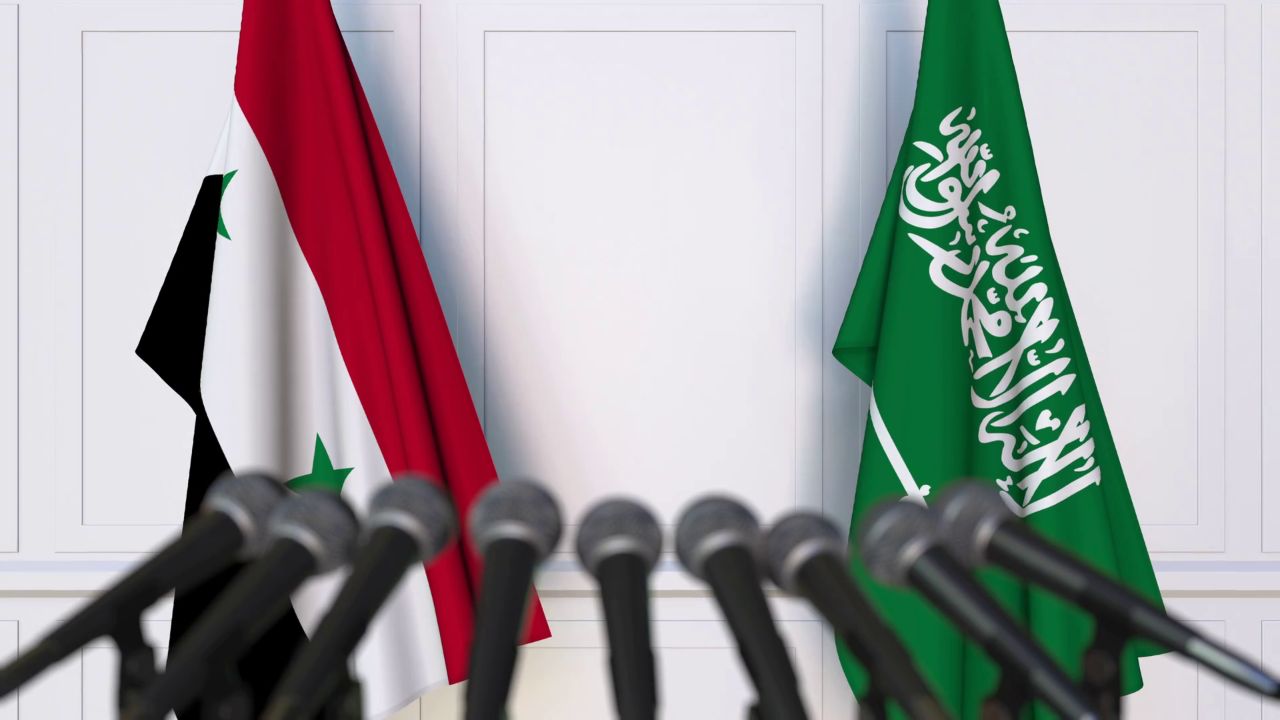
An Analysis of the Makkah Defense Pact
SCFR Online – Opinion: On Friday, August 7, the heads of state of three countries – Saudi Arabia, Turkey, and Pakistan – signed a text under the title “Makkah Joint Defense Agreement.”
Strategic Council Online – Note: The initiative to revive the Hejaz Railway, beyond being a transportation project, constitutes an attempt to redefine geopolitics, the economy, and Turkey’s regional position; however, its realization appears to face significant financial, security, and institutional challenges.
SCFR Online – Opinion: The Strait of Hormuz crisis is no longer merely the consequence of a military confrontation, but rather a sign of the transition from the US-centered maritime order to a new energy security structure involving the participation of emerging and influential powers.
SCFR Online – Opinion: Iran’s active deterrence strategy, while increasing the costs of US intervention, has increasingly exposed the hidden rifts between Washington’s interests and those of the Israeli regime.
SCFR Online – Opinion: The escalation of verbal and strategic tensions between Turkey and the Israeli regime, although not increasing the likelihood of direct war, indicates the formation of a new order in West Asian geopolitical rivalries.
Strategic Council Online – Note: Recent developments in the political geography of West Asia, from rising tensions in the Persian Gulf to missile and drone activities in the Red Sea and the recent warning by Kaja Kallas, the European Union’s foreign policy chief, regarding the threat to freedom of navigation, indicate a key pattern shift; the US-Iran war has moved beyond the scope of a regional and local confrontation and has linked two vital passageways for the global economy: the Strait of Hormuz and the Bab el-Mandeb Strait.
SCFR Online – Opinion: The Ukraine war was not merely a European crisis, but rather the starting point for the rearrangement of the global balance of power and a shift in the strategic behavior of great powers.
SCFR Online – Opinion: Great power competition is now pursued more in trade, currency, technology, and global supply chains than on the battlefields of military confrontation.
Strategic Council Online-Opinion: After the resumption of diplomatic relations between Iran and Saudi Arabia created a wave of positive developments in the region and encouraged other Persian Gulf countries to resume or strengthen ties with the Islamic Republic of Iran, now the news indicates that Iran and Egypt with the mediation of Iraq are trying to resume diplomatic relations.
Mohammad Mehdi Mazaheri—University scholar
Strategic Council Online – Interview: An expert on Syria affairs called the US decision to declare support for investment in northwestern and northeastern Syria as a political- security-economic challenge for Damascus, saying: Under conditions in which the US is re-establishing itself in Syria, this policy is certainly a major project the US has considered under the pretext of confronting ISIS, in order to bring the region to independence and autonomy.
Strategic Council Online—Interview: An expert of Russian studies, while referring to the outcomes of the consultations conducted by Lebanon’s Hezbollah in Moscow, said if players influential in resolving the crisis and controlling the domestic situation in Syria enhance once again their cooperation and interaction, this message will be sent to the United States and the Joe Biden administration that disrupting the order in the region would not be without costs for the United States.
Strategic Council Online: Interview– An expert of West Asia affairs says the Arab League has failed to resolve the crises and problems of the Arab world, adding that “it may collapse into several smaller and regional unions for thematic issues.”
Strategic Council Online: A former ambassador and Middle East expert says the recent developments in Arab states against Turkey are expected to create a new balance of power. “If Erdogan fails to pay attention to the issue, the axis is likely to boost its status against Turkey in the future.
Strategic Council Online: Referring to a UN official’s warning against strengthening of terrorists’ positions and efforts to revive ISIS, a West Asian affairs expert said given that Idlib is the last hope for the terrorists and their overseas supporters, the possibility of boosting these terrorist groups exists and therefore the Idlib war will be very difficult to fight.
Strategic Council Online: A Middle East affairs analyst says Saudi Arabia seeks an opportunity to return to the Syrian scene, adding however that the role played by certain Arab states against Syria cannot be erased from the memory of Syrian nation and government.
Strategic Council Online: Although the increase in the number of US troops deployed in eastern Syria cannot significantly affect major developments and the security order in the West Asian region due to its small number, but it could contribute to continuation of Syrian and Iraqi crises as well as affect the oil markets.
Dr. Hossein Ajorlou – Middle East affairs expert
Strategic Council Online: An international relations professor said that Turkey had entered into the Syrian crisis by unrealistic and inaccurate calculations, adding: “Turkey not only failed to achieve its initial goals but the crisis made Ankara face new challenges.”
SCFR Online – Opinion: On Friday, August 7, the heads of state of three countries – Saudi Arabia, Turkey, and Pakistan – signed a text under the title “Makkah Joint Defense Agreement.”
Strategic Council Online – Note: The initiative to revive the Hejaz Railway, beyond being a transportation project, constitutes an attempt to redefine geopolitics, the economy, and Turkey’s regional position; however, its realization appears to face significant financial, security, and institutional challenges.
SCFR Online – Opinion: The Strait of Hormuz crisis is no longer merely the consequence of a military confrontation, but rather a sign of the transition from the US-centered maritime order to a new energy security structure involving the participation of emerging and influential powers.
SCFR Online – Opinion: Iran’s active deterrence strategy, while increasing the costs of US intervention, has increasingly exposed the hidden rifts between Washington’s interests and those of the Israeli regime.
SCFR Online – Opinion: The escalation of verbal and strategic tensions between Turkey and the Israeli regime, although not increasing the likelihood of direct war, indicates the formation of a new order in West Asian geopolitical rivalries.
Strategic Council Online – Note: Recent developments in the political geography of West Asia, from rising tensions in the Persian Gulf to missile and drone activities in the Red Sea and the recent warning by Kaja Kallas, the European Union’s foreign policy chief, regarding the threat to freedom of navigation, indicate a key pattern shift; the US-Iran war has moved beyond the scope of a regional and local confrontation and has linked two vital passageways for the global economy: the Strait of Hormuz and the Bab el-Mandeb Strait.
SCFR Online – Opinion: The Ukraine war was not merely a European crisis, but rather the starting point for the rearrangement of the global balance of power and a shift in the strategic behavior of great powers.
SCFR Online – Opinion: Great power competition is now pursued more in trade, currency, technology, and global supply chains than on the battlefields of military confrontation.
Strategic Council Online-Opinion: After the resumption of diplomatic relations between Iran and Saudi Arabia created a wave of positive developments in the region and encouraged other Persian Gulf countries to resume or strengthen ties with the Islamic Republic of Iran, now the news indicates that Iran and Egypt with the mediation of Iraq are trying to resume diplomatic relations.
Mohammad Mehdi Mazaheri—University scholar
Strategic Council Online – Interview: An expert on Syria affairs called the US decision to declare support for investment in northwestern and northeastern Syria as a political- security-economic challenge for Damascus, saying: Under conditions in which the US is re-establishing itself in Syria, this policy is certainly a major project the US has considered under the pretext of confronting ISIS, in order to bring the region to independence and autonomy.
Strategic Council Online—Interview: An expert of Russian studies, while referring to the outcomes of the consultations conducted by Lebanon’s Hezbollah in Moscow, said if players influential in resolving the crisis and controlling the domestic situation in Syria enhance once again their cooperation and interaction, this message will be sent to the United States and the Joe Biden administration that disrupting the order in the region would not be without costs for the United States.
Strategic Council Online: Interview– An expert of West Asia affairs says the Arab League has failed to resolve the crises and problems of the Arab world, adding that “it may collapse into several smaller and regional unions for thematic issues.”
Strategic Council Online: A former ambassador and Middle East expert says the recent developments in Arab states against Turkey are expected to create a new balance of power. “If Erdogan fails to pay attention to the issue, the axis is likely to boost its status against Turkey in the future.
Strategic Council Online: Referring to a UN official’s warning against strengthening of terrorists’ positions and efforts to revive ISIS, a West Asian affairs expert said given that Idlib is the last hope for the terrorists and their overseas supporters, the possibility of boosting these terrorist groups exists and therefore the Idlib war will be very difficult to fight.
Strategic Council Online: A Middle East affairs analyst says Saudi Arabia seeks an opportunity to return to the Syrian scene, adding however that the role played by certain Arab states against Syria cannot be erased from the memory of Syrian nation and government.
Strategic Council Online: Although the increase in the number of US troops deployed in eastern Syria cannot significantly affect major developments and the security order in the West Asian region due to its small number, but it could contribute to continuation of Syrian and Iraqi crises as well as affect the oil markets.
Dr. Hossein Ajorlou – Middle East affairs expert
Strategic Council Online: An international relations professor said that Turkey had entered into the Syrian crisis by unrealistic and inaccurate calculations, adding: “Turkey not only failed to achieve its initial goals but the crisis made Ankara face new challenges.”
Strategic Council Online-Opinion: After the resumption of diplomatic relations between Iran and Saudi Arabia created a wave of positive developments in the region and encouraged other Persian Gulf countries to resume or strengthen ties with the Islamic Republic of Iran, now the news indicates that Iran and Egypt with the mediation of Iraq are trying to resume diplomatic relations.
Mohammad Mehdi Mazaheri—University scholar
Strategic Council Online – Interview: An expert on Syria affairs called the US decision to declare support for investment in northwestern and northeastern Syria as a political- security-economic challenge for Damascus, saying: Under conditions in which the US is re-establishing itself in Syria, this policy is certainly a major project the US has considered under the pretext of confronting ISIS, in order to bring the region to independence and autonomy.
Strategic Council Online—Interview: An expert of Russian studies, while referring to the outcomes of the consultations conducted by Lebanon’s Hezbollah in Moscow, said if players influential in resolving the crisis and controlling the domestic situation in Syria enhance once again their cooperation and interaction, this message will be sent to the United States and the Joe Biden administration that disrupting the order in the region would not be without costs for the United States.
Strategic Council Online: Interview– An expert of West Asia affairs says the Arab League has failed to resolve the crises and problems of the Arab world, adding that “it may collapse into several smaller and regional unions for thematic issues.”
Strategic Council Online: A former ambassador and Middle East expert says the recent developments in Arab states against Turkey are expected to create a new balance of power. “If Erdogan fails to pay attention to the issue, the axis is likely to boost its status against Turkey in the future.
Strategic Council Online: Referring to a UN official’s warning against strengthening of terrorists’ positions and efforts to revive ISIS, a West Asian affairs expert said given that Idlib is the last hope for the terrorists and their overseas supporters, the possibility of boosting these terrorist groups exists and therefore the Idlib war will be very difficult to fight.
Strategic Council Online: A Middle East affairs analyst says Saudi Arabia seeks an opportunity to return to the Syrian scene, adding however that the role played by certain Arab states against Syria cannot be erased from the memory of Syrian nation and government.
Strategic Council Online: Although the increase in the number of US troops deployed in eastern Syria cannot significantly affect major developments and the security order in the West Asian region due to its small number, but it could contribute to continuation of Syrian and Iraqi crises as well as affect the oil markets.
Dr. Hossein Ajorlou – Middle East affairs expert
Strategic Council Online: An international relations professor said that Turkey had entered into the Syrian crisis by unrealistic and inaccurate calculations, adding: “Turkey not only failed to achieve its initial goals but the crisis made Ankara face new challenges.”
SCFR Online – Opinion: On Friday, August 7, the heads of state of three countries – Saudi Arabia, Turkey, and Pakistan – signed a text under the title “Makkah Joint Defense Agreement.”
Strategic Council Online – Note: The initiative to revive the Hejaz Railway, beyond being a transportation project, constitutes an attempt to redefine geopolitics, the economy, and Turkey’s regional position; however, its realization appears to face significant financial, security, and institutional challenges.
SCFR Online – Opinion: The Strait of Hormuz crisis is no longer merely the consequence of a military confrontation, but rather a sign of the transition from the US-centered maritime order to a new energy security structure involving the participation of emerging and influential powers.
SCFR Online – Opinion: Iran’s active deterrence strategy, while increasing the costs of US intervention, has increasingly exposed the hidden rifts between Washington’s interests and those of the Israeli regime.
SCFR Online – Opinion: The escalation of verbal and strategic tensions between Turkey and the Israeli regime, although not increasing the likelihood of direct war, indicates the formation of a new order in West Asian geopolitical rivalries.
Strategic Council Online – Note: Recent developments in the political geography of West Asia, from rising tensions in the Persian Gulf to missile and drone activities in the Red Sea and the recent warning by Kaja Kallas, the European Union’s foreign policy chief, regarding the threat to freedom of navigation, indicate a key pattern shift; the US-Iran war has moved beyond the scope of a regional and local confrontation and has linked two vital passageways for the global economy: the Strait of Hormuz and the Bab el-Mandeb Strait.
SCFR Online – Opinion: The Ukraine war was not merely a European crisis, but rather the starting point for the rearrangement of the global balance of power and a shift in the strategic behavior of great powers.
SCFR Online – Opinion: Great power competition is now pursued more in trade, currency, technology, and global supply chains than on the battlefields of military confrontation.
Strategic Council Online-Opinion: After the resumption of diplomatic relations between Iran and Saudi Arabia created a wave of positive developments in the region and encouraged other Persian Gulf countries to resume or strengthen ties with the Islamic Republic of Iran, now the news indicates that Iran and Egypt with the mediation of Iraq are trying to resume diplomatic relations.
Mohammad Mehdi Mazaheri—University scholar
Strategic Council Online – Interview: An expert on Syria affairs called the US decision to declare support for investment in northwestern and northeastern Syria as a political- security-economic challenge for Damascus, saying: Under conditions in which the US is re-establishing itself in Syria, this policy is certainly a major project the US has considered under the pretext of confronting ISIS, in order to bring the region to independence and autonomy.
Strategic Council Online—Interview: An expert of Russian studies, while referring to the outcomes of the consultations conducted by Lebanon’s Hezbollah in Moscow, said if players influential in resolving the crisis and controlling the domestic situation in Syria enhance once again their cooperation and interaction, this message will be sent to the United States and the Joe Biden administration that disrupting the order in the region would not be without costs for the United States.
Strategic Council Online: Interview– An expert of West Asia affairs says the Arab League has failed to resolve the crises and problems of the Arab world, adding that “it may collapse into several smaller and regional unions for thematic issues.”
Strategic Council Online: A former ambassador and Middle East expert says the recent developments in Arab states against Turkey are expected to create a new balance of power. “If Erdogan fails to pay attention to the issue, the axis is likely to boost its status against Turkey in the future.
Strategic Council Online: Referring to a UN official’s warning against strengthening of terrorists’ positions and efforts to revive ISIS, a West Asian affairs expert said given that Idlib is the last hope for the terrorists and their overseas supporters, the possibility of boosting these terrorist groups exists and therefore the Idlib war will be very difficult to fight.
Strategic Council Online: A Middle East affairs analyst says Saudi Arabia seeks an opportunity to return to the Syrian scene, adding however that the role played by certain Arab states against Syria cannot be erased from the memory of Syrian nation and government.
Strategic Council Online: Although the increase in the number of US troops deployed in eastern Syria cannot significantly affect major developments and the security order in the West Asian region due to its small number, but it could contribute to continuation of Syrian and Iraqi crises as well as affect the oil markets.
Dr. Hossein Ajorlou – Middle East affairs expert
Strategic Council Online: An international relations professor said that Turkey had entered into the Syrian crisis by unrealistic and inaccurate calculations, adding: “Turkey not only failed to achieve its initial goals but the crisis made Ankara face new challenges.”
SCFR Online – Opinion: On Friday, August 7, the heads of state of three countries – Saudi Arabia, Turkey, and Pakistan – signed a text under the title “Makkah Joint Defense Agreement.”
Strategic Council Online – Note: The initiative to revive the Hejaz Railway, beyond being a transportation project, constitutes an attempt to redefine geopolitics, the economy, and Turkey’s regional position; however, its realization appears to face significant financial, security, and institutional challenges.
SCFR Online – Opinion: The Strait of Hormuz crisis is no longer merely the consequence of a military confrontation, but rather a sign of the transition from the US-centered maritime order to a new energy security structure involving the participation of emerging and influential powers.
SCFR Online – Opinion: Iran’s active deterrence strategy, while increasing the costs of US intervention, has increasingly exposed the hidden rifts between Washington’s interests and those of the Israeli regime.
SCFR Online – Opinion: The escalation of verbal and strategic tensions between Turkey and the Israeli regime, although not increasing the likelihood of direct war, indicates the formation of a new order in West Asian geopolitical rivalries.
Strategic Council Online – Note: Recent developments in the political geography of West Asia, from rising tensions in the Persian Gulf to missile and drone activities in the Red Sea and the recent warning by Kaja Kallas, the European Union’s foreign policy chief, regarding the threat to freedom of navigation, indicate a key pattern shift; the US-Iran war has moved beyond the scope of a regional and local confrontation and has linked two vital passageways for the global economy: the Strait of Hormuz and the Bab el-Mandeb Strait.
SCFR Online – Opinion: The Ukraine war was not merely a European crisis, but rather the starting point for the rearrangement of the global balance of power and a shift in the strategic behavior of great powers.
SCFR Online – Opinion: Great power competition is now pursued more in trade, currency, technology, and global supply chains than on the battlefields of military confrontation.
Strategic Council Online-Opinion: After the resumption of diplomatic relations between Iran and Saudi Arabia created a wave of positive developments in the region and encouraged other Persian Gulf countries to resume or strengthen ties with the Islamic Republic of Iran, now the news indicates that Iran and Egypt with the mediation of Iraq are trying to resume diplomatic relations.
Mohammad Mehdi Mazaheri—University scholar
Strategic Council Online – Interview: An expert on Syria affairs called the US decision to declare support for investment in northwestern and northeastern Syria as a political- security-economic challenge for Damascus, saying: Under conditions in which the US is re-establishing itself in Syria, this policy is certainly a major project the US has considered under the pretext of confronting ISIS, in order to bring the region to independence and autonomy.
Strategic Council Online—Interview: An expert of Russian studies, while referring to the outcomes of the consultations conducted by Lebanon’s Hezbollah in Moscow, said if players influential in resolving the crisis and controlling the domestic situation in Syria enhance once again their cooperation and interaction, this message will be sent to the United States and the Joe Biden administration that disrupting the order in the region would not be without costs for the United States.
Strategic Council Online: Interview– An expert of West Asia affairs says the Arab League has failed to resolve the crises and problems of the Arab world, adding that “it may collapse into several smaller and regional unions for thematic issues.”
Strategic Council Online: A former ambassador and Middle East expert says the recent developments in Arab states against Turkey are expected to create a new balance of power. “If Erdogan fails to pay attention to the issue, the axis is likely to boost its status against Turkey in the future.
Strategic Council Online: Referring to a UN official’s warning against strengthening of terrorists’ positions and efforts to revive ISIS, a West Asian affairs expert said given that Idlib is the last hope for the terrorists and their overseas supporters, the possibility of boosting these terrorist groups exists and therefore the Idlib war will be very difficult to fight.
Strategic Council Online: A Middle East affairs analyst says Saudi Arabia seeks an opportunity to return to the Syrian scene, adding however that the role played by certain Arab states against Syria cannot be erased from the memory of Syrian nation and government.
Strategic Council Online: Although the increase in the number of US troops deployed in eastern Syria cannot significantly affect major developments and the security order in the West Asian region due to its small number, but it could contribute to continuation of Syrian and Iraqi crises as well as affect the oil markets.
Dr. Hossein Ajorlou – Middle East affairs expert
Strategic Council Online: An international relations professor said that Turkey had entered into the Syrian crisis by unrealistic and inaccurate calculations, adding: “Turkey not only failed to achieve its initial goals but the crisis made Ankara face new challenges.”
SCFR Online – Opinion: On Friday, August 7, the heads of state of three countries – Saudi Arabia, Turkey, and Pakistan – signed a text under the title “Makkah Joint Defense Agreement.”
Strategic Council Online – Note: The initiative to revive the Hejaz Railway, beyond being a transportation project, constitutes an attempt to redefine geopolitics, the economy, and Turkey’s regional position; however, its realization appears to face significant financial, security, and institutional challenges.
SCFR Online – Opinion: The Strait of Hormuz crisis is no longer merely the consequence of a military confrontation, but rather a sign of the transition from the US-centered maritime order to a new energy security structure involving the participation of emerging and influential powers.
SCFR Online – Opinion: Iran’s active deterrence strategy, while increasing the costs of US intervention, has increasingly exposed the hidden rifts between Washington’s interests and those of the Israeli regime.
SCFR Online – Opinion: The escalation of verbal and strategic tensions between Turkey and the Israeli regime, although not increasing the likelihood of direct war, indicates the formation of a new order in West Asian geopolitical rivalries.
Strategic Council Online – Note: Recent developments in the political geography of West Asia, from rising tensions in the Persian Gulf to missile and drone activities in the Red Sea and the recent warning by Kaja Kallas, the European Union’s foreign policy chief, regarding the threat to freedom of navigation, indicate a key pattern shift; the US-Iran war has moved beyond the scope of a regional and local confrontation and has linked two vital passageways for the global economy: the Strait of Hormuz and the Bab el-Mandeb Strait.
SCFR Online – Opinion: The Ukraine war was not merely a European crisis, but rather the starting point for the rearrangement of the global balance of power and a shift in the strategic behavior of great powers.
SCFR Online – Opinion: Great power competition is now pursued more in trade, currency, technology, and global supply chains than on the battlefields of military confrontation.
Strategic Council Online-Opinion: After the resumption of diplomatic relations between Iran and Saudi Arabia created a wave of positive developments in the region and encouraged other Persian Gulf countries to resume or strengthen ties with the Islamic Republic of Iran, now the news indicates that Iran and Egypt with the mediation of Iraq are trying to resume diplomatic relations.
Mohammad Mehdi Mazaheri—University scholar
Strategic Council Online – Interview: An expert on Syria affairs called the US decision to declare support for investment in northwestern and northeastern Syria as a political- security-economic challenge for Damascus, saying: Under conditions in which the US is re-establishing itself in Syria, this policy is certainly a major project the US has considered under the pretext of confronting ISIS, in order to bring the region to independence and autonomy.
Strategic Council Online—Interview: An expert of Russian studies, while referring to the outcomes of the consultations conducted by Lebanon’s Hezbollah in Moscow, said if players influential in resolving the crisis and controlling the domestic situation in Syria enhance once again their cooperation and interaction, this message will be sent to the United States and the Joe Biden administration that disrupting the order in the region would not be without costs for the United States.
Strategic Council Online: Interview– An expert of West Asia affairs says the Arab League has failed to resolve the crises and problems of the Arab world, adding that “it may collapse into several smaller and regional unions for thematic issues.”
Strategic Council Online: A former ambassador and Middle East expert says the recent developments in Arab states against Turkey are expected to create a new balance of power. “If Erdogan fails to pay attention to the issue, the axis is likely to boost its status against Turkey in the future.
Strategic Council Online: Referring to a UN official’s warning against strengthening of terrorists’ positions and efforts to revive ISIS, a West Asian affairs expert said given that Idlib is the last hope for the terrorists and their overseas supporters, the possibility of boosting these terrorist groups exists and therefore the Idlib war will be very difficult to fight.
Strategic Council Online: A Middle East affairs analyst says Saudi Arabia seeks an opportunity to return to the Syrian scene, adding however that the role played by certain Arab states against Syria cannot be erased from the memory of Syrian nation and government.
Strategic Council Online: Although the increase in the number of US troops deployed in eastern Syria cannot significantly affect major developments and the security order in the West Asian region due to its small number, but it could contribute to continuation of Syrian and Iraqi crises as well as affect the oil markets.
Dr. Hossein Ajorlou – Middle East affairs expert
Strategic Council Online: An international relations professor said that Turkey had entered into the Syrian crisis by unrealistic and inaccurate calculations, adding: “Turkey not only failed to achieve its initial goals but the crisis made Ankara face new challenges.”
SCFR Online – Opinion: On Friday, August 7, the heads of state of three countries – Saudi Arabia, Turkey, and Pakistan – signed a text under the title “Makkah Joint Defense Agreement.”
Strategic Council Online – Note: The initiative to revive the Hejaz Railway, beyond being a transportation project, constitutes an attempt to redefine geopolitics, the economy, and Turkey’s regional position; however, its realization appears to face significant financial, security, and institutional challenges.
SCFR Online – Opinion: The Strait of Hormuz crisis is no longer merely the consequence of a military confrontation, but rather a sign of the transition from the US-centered maritime order to a new energy security structure involving the participation of emerging and influential powers.
SCFR Online – Opinion: Iran’s active deterrence strategy, while increasing the costs of US intervention, has increasingly exposed the hidden rifts between Washington’s interests and those of the Israeli regime.
SCFR Online – Opinion: The escalation of verbal and strategic tensions between Turkey and the Israeli regime, although not increasing the likelihood of direct war, indicates the formation of a new order in West Asian geopolitical rivalries.
Strategic Council Online – Note: Recent developments in the political geography of West Asia, from rising tensions in the Persian Gulf to missile and drone activities in the Red Sea and the recent warning by Kaja Kallas, the European Union’s foreign policy chief, regarding the threat to freedom of navigation, indicate a key pattern shift; the US-Iran war has moved beyond the scope of a regional and local confrontation and has linked two vital passageways for the global economy: the Strait of Hormuz and the Bab el-Mandeb Strait.
SCFR Online – Opinion: The Ukraine war was not merely a European crisis, but rather the starting point for the rearrangement of the global balance of power and a shift in the strategic behavior of great powers.
SCFR Online – Opinion: Great power competition is now pursued more in trade, currency, technology, and global supply chains than on the battlefields of military confrontation.
Strategic Council Online-Opinion: After the resumption of diplomatic relations between Iran and Saudi Arabia created a wave of positive developments in the region and encouraged other Persian Gulf countries to resume or strengthen ties with the Islamic Republic of Iran, now the news indicates that Iran and Egypt with the mediation of Iraq are trying to resume diplomatic relations.
Mohammad Mehdi Mazaheri—University scholar
Strategic Council Online – Interview: An expert on Syria affairs called the US decision to declare support for investment in northwestern and northeastern Syria as a political- security-economic challenge for Damascus, saying: Under conditions in which the US is re-establishing itself in Syria, this policy is certainly a major project the US has considered under the pretext of confronting ISIS, in order to bring the region to independence and autonomy.
Strategic Council Online—Interview: An expert of Russian studies, while referring to the outcomes of the consultations conducted by Lebanon’s Hezbollah in Moscow, said if players influential in resolving the crisis and controlling the domestic situation in Syria enhance once again their cooperation and interaction, this message will be sent to the United States and the Joe Biden administration that disrupting the order in the region would not be without costs for the United States.
Strategic Council Online: Interview– An expert of West Asia affairs says the Arab League has failed to resolve the crises and problems of the Arab world, adding that “it may collapse into several smaller and regional unions for thematic issues.”
Strategic Council Online: A former ambassador and Middle East expert says the recent developments in Arab states against Turkey are expected to create a new balance of power. “If Erdogan fails to pay attention to the issue, the axis is likely to boost its status against Turkey in the future.
Strategic Council Online: Referring to a UN official’s warning against strengthening of terrorists’ positions and efforts to revive ISIS, a West Asian affairs expert said given that Idlib is the last hope for the terrorists and their overseas supporters, the possibility of boosting these terrorist groups exists and therefore the Idlib war will be very difficult to fight.
Strategic Council Online: A Middle East affairs analyst says Saudi Arabia seeks an opportunity to return to the Syrian scene, adding however that the role played by certain Arab states against Syria cannot be erased from the memory of Syrian nation and government.
Strategic Council Online: Although the increase in the number of US troops deployed in eastern Syria cannot significantly affect major developments and the security order in the West Asian region due to its small number, but it could contribute to continuation of Syrian and Iraqi crises as well as affect the oil markets.
Dr. Hossein Ajorlou – Middle East affairs expert
Strategic Council Online: An international relations professor said that Turkey had entered into the Syrian crisis by unrealistic and inaccurate calculations, adding: “Turkey not only failed to achieve its initial goals but the crisis made Ankara face new challenges.”
SCFR Online – Opinion: On Friday, August 7, the heads of state of three countries – Saudi Arabia, Turkey, and Pakistan – signed a text under the title “Makkah Joint Defense Agreement.”
Strategic Council Online – Note: The initiative to revive the Hejaz Railway, beyond being a transportation project, constitutes an attempt to redefine geopolitics, the economy, and Turkey’s regional position; however, its realization appears to face significant financial, security, and institutional challenges.
SCFR Online – Opinion: The Strait of Hormuz crisis is no longer merely the consequence of a military confrontation, but rather a sign of the transition from the US-centered maritime order to a new energy security structure involving the participation of emerging and influential powers.
SCFR Online – Opinion: Iran’s active deterrence strategy, while increasing the costs of US intervention, has increasingly exposed the hidden rifts between Washington’s interests and those of the Israeli regime.
SCFR Online – Opinion: The escalation of verbal and strategic tensions between Turkey and the Israeli regime, although not increasing the likelihood of direct war, indicates the formation of a new order in West Asian geopolitical rivalries.
Strategic Council Online – Note: Recent developments in the political geography of West Asia, from rising tensions in the Persian Gulf to missile and drone activities in the Red Sea and the recent warning by Kaja Kallas, the European Union’s foreign policy chief, regarding the threat to freedom of navigation, indicate a key pattern shift; the US-Iran war has moved beyond the scope of a regional and local confrontation and has linked two vital passageways for the global economy: the Strait of Hormuz and the Bab el-Mandeb Strait.
SCFR Online – Opinion: The Ukraine war was not merely a European crisis, but rather the starting point for the rearrangement of the global balance of power and a shift in the strategic behavior of great powers.
SCFR Online – Opinion: Great power competition is now pursued more in trade, currency, technology, and global supply chains than on the battlefields of military confrontation.