جدیدترین مطالب

Consequences of Declining Trust in the Judiciary in Europe

SCFRonline – Opinion: The increase in public distrust of the French judicial system, which in recent surveys has reached approximately two-thirds of citizens, should be analyzed within a framework broader than temporary dissatisfaction or an emotional reaction to a particular criminal case.

Iran’s Potential Levers of Power

SCFRonline– Opinion: Iran’s geopolitical power is not limited solely to oil and the Strait of Hormuz; the unintended emergence of disruptions in the future global food and energy security chains can also demonstrate Iran’s strategic importance.

The Inseparability of the Lebanese Front from the Axis of Resistance

SCFR Online–Opinion: By providing an extensive network of social, healthcare, educational, and post-war reconstruction services, Hezbollah has established a strong social base for itself among Lebanon’s Shiites and Sunnis, and even beyond that, among other segments of Lebanese society, including Christians. Hezbollah has never been an external actor imposed upon Lebanon; rather, it is a phenomenon fundamentally born out of the occupation and crimes of the Zionist regime and itself influenced by popular resistance.

The Increasing Efforts of the Zionist Regime to Redefine Borders and the Regional Order and Its Consequences

SCFR Online– Opinion: Security and military developments in the region over recent months indicate that the ongoing crises and wars in Gaza, southern Lebanon, and parts of Syrian territory encompass broader dimensions of geopolitical and geostrategic transformations. In this context, the increased military presence and control of the Zionist regime over parts of the territories of these areas, along with proposals regarding the creation of buffer zones or even the expansion of security borders, have raised serious questions about the future of the regional order and its consequences for the countries of West Asia.

Loading

Iran

Aims of Recent Qatar Meeting on Afghanistan

Aims of Recent Qatar Meeting on Afghanistan

Strategic Council Online – Interview: A researcher on subcontinental affairs says that the United Nations is looking for a mechanism with a so-called aim of “recognition of the Taliban” to prevent the movement from its extreme behavior. The international view is that by attracting the Taliban, more effective steps can be taken to achieve the target.

Importance and strategic dimensions of Iran’s President visit to Syria

Importance and strategic dimensions of Iran’s President visit to Syria

Strategic Council Online—Opinion: The two-day visit of Mr. Raisi, the president of the Islamic Republic of Iran, to Syria is important from different dimensions. This trip, which has had many reflections in the media and political circles of the region, has a vital role in the implementation of dozens of economic and commercial agreements, as well as the signing of new military and security agreements, which were agreed upon by the parties during the past years but were not fully implemented.
Barsam Mohammadi—Expert in regional issues

Consequences of Moscow-Riyadh Cooperation on Sale of Russian Oil

Consequences of Moscow-Riyadh Cooperation on Sale of Russian Oil

Strategic Council Online – Interview: A faculty member of the Institute of Strategic Studies says there has been a change in the global energy transmission lines after the Ukraine war began. He noted: With the continued shift in the oil trade routes of Russia, India and China have become strategic business partners for Moscow. This development has taken place in the shadow of the decline of the US influence among its key allies in the Middle East.

Strategic Consequences of Syria-Saudi Improved Relations

Strategic Consequences of Syria-Saudi Improved Relations

Strategic Council Online – Opinion: After the breakthrough in diplomatic relations between the Islamic Republic of Iran and Saudi Arabia, West Asia, and the Persian Gulf are witnessing “positive movements”; the countries that used to be on the opposite front have abandoned previous policies and are moving towards interaction and resumption of bilateral relations.
Barsam Mohammadi – Expert on regional affairs

A look into the election contests in Turkiye and its strategic consequences

A look into the election contests in Turkiye and its strategic consequences

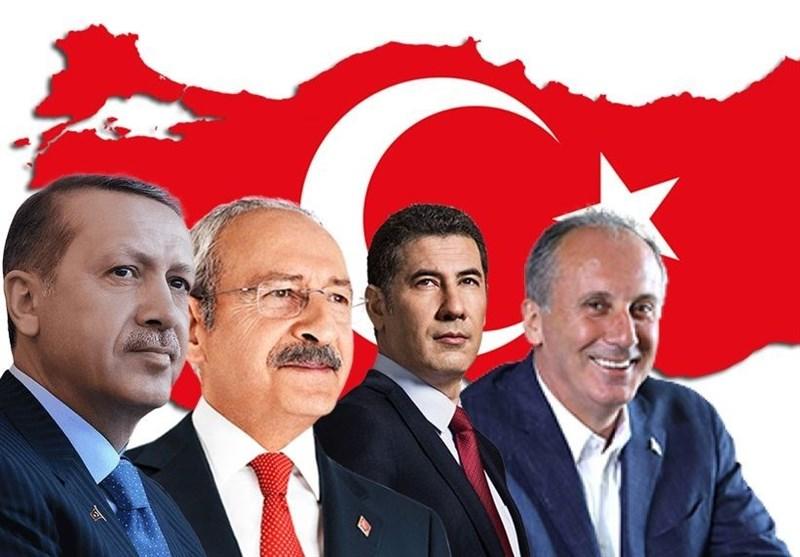
Strategic Council Online—Opinion: As the Turkish presidential and parliamentary elections on May 14, 2023, are approaching, the activities of the eligible candidates are expanding. In the Turkish presidential election, four candidates, and in the parliamentary election, 27 parties will compete. The upcoming elections will be the 13th presidential election in Türkiye’s history, the second presidential election since the beginning of the presidential term, and the 28th parliamentary election in this country. The presidency and parliamentary representation term is five years, and the number of people elected representatives is 600.
Mahmoud Fazeli—Analyst of international affairs

Challenges, Key Priorities of Iran’s Foreign Policy in 2023-2024

Challenges, Key Priorities of Iran’s Foreign Policy in 2023-2024

Strategic Council Online – Guest opinion: Amidst talks about Iran’s essential issues and challenges in the current calendar year, what quickly comes into one’s mind is the debate on economic disturbances and people’s livelihood problems. This is even though, in today’s interconnected world, we can safely say that the root of many domestic financial problems lies in foreign policy and international relations of the country; however, this does not mean minimizing the importance of managerial inefficiencies and the weakness and inadequacy of some internal executive and supervisory institutions.
Dr. Mohammad Mehdi Mazaheri – University professor

Growing Concern of Afghanistan’s Neighbors about the Continuation of the Current Process of the Taliban Rule

Growing Concern of Afghanistan’s Neighbors about the Continuation of the Current Process of the Taliban Rule

Strategic Council Online – Interview: A former Iranian diplomat said that the main challenges and concerns of the foreign ministers of neighboring countries of Afghanistan, which had been raised in the first meeting in Samarkand, were prominent in the second meeting as well, adding: The Taliban have come to power by force of arms and all the past concerns are still standing about the future situation of Afghanistan.

An Analysis of Prospects for the End of the War in Yemen

An Analysis of Prospects for the End of the War in Yemen

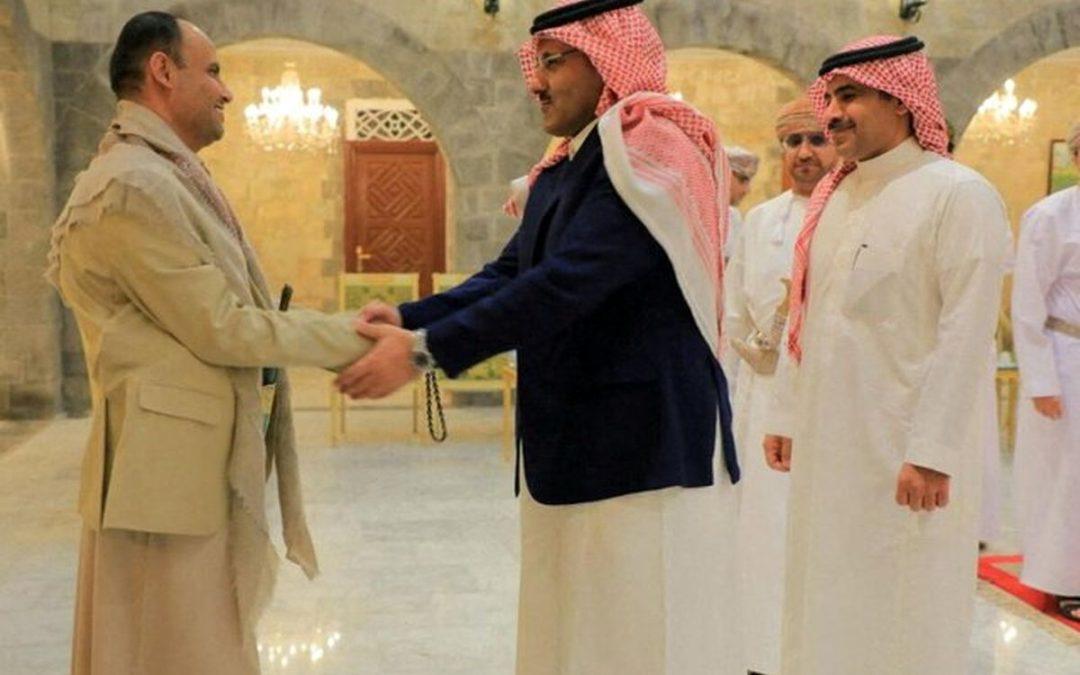
Strategic Council Online – Opinion: In recent weeks, a new round of political and diplomatic developments has begun in the region, the “starting point” of which should be considered the agreement between Iran and Saudi Arabia to resume diplomatic relations. After the meeting of the foreign ministers of the two countries in Beijing, the expert and political delegations of Iran and Saudi Arabia are preparing to reopen the embassies and re-establish bilateral relations.
Barsam Mohammadi – Expert on regional affairs

Syria on the Way to Playing Effective Role in the Arab League

Syria on the Way to Playing Effective Role in the Arab League

Strategic Council Online – Opinion: The official invitation of King Salman bin Abdulaziz, the King of Saudi Arabia, extended to Bashar Assad, the President of Syria, to participate in the meeting of the heads of the Arab League in Riyadh is indicative of Syria’s final transition from the 12-year-old crisis.
Hassan Hanizadeh – Expert on Middle East affairs

أحدث الوظائف

Consequences of Declining Trust in the Judiciary in Europe

SCFRonline – Opinion: The increase in public distrust of the French judicial system, which in recent surveys has reached approximately two-thirds of citizens, should be analyzed within a framework broader than temporary dissatisfaction or an emotional reaction to a particular criminal case.

Iran’s Potential Levers of Power

SCFRonline– Opinion: Iran’s geopolitical power is not limited solely to oil and the Strait of Hormuz; the unintended emergence of disruptions in the future global food and energy security chains can also demonstrate Iran’s strategic importance.

The Inseparability of the Lebanese Front from the Axis of Resistance

SCFR Online–Opinion: By providing an extensive network of social, healthcare, educational, and post-war reconstruction services, Hezbollah has established a strong social base for itself among Lebanon’s Shiites and Sunnis, and even beyond that, among other segments of Lebanese society, including Christians. Hezbollah has never been an external actor imposed upon Lebanon; rather, it is a phenomenon fundamentally born out of the occupation and crimes of the Zionist regime and itself influenced by popular resistance.

The Increasing Efforts of the Zionist Regime to Redefine Borders and the Regional Order and Its Consequences

SCFR Online– Opinion: Security and military developments in the region over recent months indicate that the ongoing crises and wars in Gaza, southern Lebanon, and parts of Syrian territory encompass broader dimensions of geopolitical and geostrategic transformations. In this context, the increased military presence and control of the Zionist regime over parts of the territories of these areas, along with proposals regarding the creation of buffer zones or even the expansion of security borders, have raised serious questions about the future of the regional order and its consequences for the countries of West Asia.

Loading

Iran

Aims of Recent Qatar Meeting on Afghanistan

Aims of Recent Qatar Meeting on Afghanistan

Strategic Council Online – Interview: A researcher on subcontinental affairs says that the United Nations is looking for a mechanism with a so-called aim of “recognition of the Taliban” to prevent the movement from its extreme behavior. The international view is that by attracting the Taliban, more effective steps can be taken to achieve the target.

Importance and strategic dimensions of Iran’s President visit to Syria

Importance and strategic dimensions of Iran’s President visit to Syria

Strategic Council Online—Opinion: The two-day visit of Mr. Raisi, the president of the Islamic Republic of Iran, to Syria is important from different dimensions. This trip, which has had many reflections in the media and political circles of the region, has a vital role in the implementation of dozens of economic and commercial agreements, as well as the signing of new military and security agreements, which were agreed upon by the parties during the past years but were not fully implemented.
Barsam Mohammadi—Expert in regional issues

Consequences of Moscow-Riyadh Cooperation on Sale of Russian Oil

Consequences of Moscow-Riyadh Cooperation on Sale of Russian Oil

Strategic Council Online – Interview: A faculty member of the Institute of Strategic Studies says there has been a change in the global energy transmission lines after the Ukraine war began. He noted: With the continued shift in the oil trade routes of Russia, India and China have become strategic business partners for Moscow. This development has taken place in the shadow of the decline of the US influence among its key allies in the Middle East.

Strategic Consequences of Syria-Saudi Improved Relations

Strategic Consequences of Syria-Saudi Improved Relations

Strategic Council Online – Opinion: After the breakthrough in diplomatic relations between the Islamic Republic of Iran and Saudi Arabia, West Asia, and the Persian Gulf are witnessing “positive movements”; the countries that used to be on the opposite front have abandoned previous policies and are moving towards interaction and resumption of bilateral relations.
Barsam Mohammadi – Expert on regional affairs

A look into the election contests in Turkiye and its strategic consequences

A look into the election contests in Turkiye and its strategic consequences

Strategic Council Online—Opinion: As the Turkish presidential and parliamentary elections on May 14, 2023, are approaching, the activities of the eligible candidates are expanding. In the Turkish presidential election, four candidates, and in the parliamentary election, 27 parties will compete. The upcoming elections will be the 13th presidential election in Türkiye’s history, the second presidential election since the beginning of the presidential term, and the 28th parliamentary election in this country. The presidency and parliamentary representation term is five years, and the number of people elected representatives is 600.
Mahmoud Fazeli—Analyst of international affairs

Challenges, Key Priorities of Iran’s Foreign Policy in 2023-2024

Challenges, Key Priorities of Iran’s Foreign Policy in 2023-2024

Strategic Council Online – Guest opinion: Amidst talks about Iran’s essential issues and challenges in the current calendar year, what quickly comes into one’s mind is the debate on economic disturbances and people’s livelihood problems. This is even though, in today’s interconnected world, we can safely say that the root of many domestic financial problems lies in foreign policy and international relations of the country; however, this does not mean minimizing the importance of managerial inefficiencies and the weakness and inadequacy of some internal executive and supervisory institutions.
Dr. Mohammad Mehdi Mazaheri – University professor

Growing Concern of Afghanistan’s Neighbors about the Continuation of the Current Process of the Taliban Rule

Growing Concern of Afghanistan’s Neighbors about the Continuation of the Current Process of the Taliban Rule

Strategic Council Online – Interview: A former Iranian diplomat said that the main challenges and concerns of the foreign ministers of neighboring countries of Afghanistan, which had been raised in the first meeting in Samarkand, were prominent in the second meeting as well, adding: The Taliban have come to power by force of arms and all the past concerns are still standing about the future situation of Afghanistan.

An Analysis of Prospects for the End of the War in Yemen

An Analysis of Prospects for the End of the War in Yemen

Strategic Council Online – Opinion: In recent weeks, a new round of political and diplomatic developments has begun in the region, the “starting point” of which should be considered the agreement between Iran and Saudi Arabia to resume diplomatic relations. After the meeting of the foreign ministers of the two countries in Beijing, the expert and political delegations of Iran and Saudi Arabia are preparing to reopen the embassies and re-establish bilateral relations.
Barsam Mohammadi – Expert on regional affairs

Syria on the Way to Playing Effective Role in the Arab League

Syria on the Way to Playing Effective Role in the Arab League

Strategic Council Online – Opinion: The official invitation of King Salman bin Abdulaziz, the King of Saudi Arabia, extended to Bashar Assad, the President of Syria, to participate in the meeting of the heads of the Arab League in Riyadh is indicative of Syria’s final transition from the 12-year-old crisis.
Hassan Hanizadeh – Expert on Middle East affairs

Iran

Aims of Recent Qatar Meeting on Afghanistan

Aims of Recent Qatar Meeting on Afghanistan

Strategic Council Online – Interview: A researcher on subcontinental affairs says that the United Nations is looking for a mechanism with a so-called aim of “recognition of the Taliban” to prevent the movement from its extreme behavior. The international view is that by attracting the Taliban, more effective steps can be taken to achieve the target.

Importance and strategic dimensions of Iran’s President visit to Syria

Importance and strategic dimensions of Iran’s President visit to Syria

Strategic Council Online—Opinion: The two-day visit of Mr. Raisi, the president of the Islamic Republic of Iran, to Syria is important from different dimensions. This trip, which has had many reflections in the media and political circles of the region, has a vital role in the implementation of dozens of economic and commercial agreements, as well as the signing of new military and security agreements, which were agreed upon by the parties during the past years but were not fully implemented.
Barsam Mohammadi—Expert in regional issues

Consequences of Moscow-Riyadh Cooperation on Sale of Russian Oil

Consequences of Moscow-Riyadh Cooperation on Sale of Russian Oil

Strategic Council Online – Interview: A faculty member of the Institute of Strategic Studies says there has been a change in the global energy transmission lines after the Ukraine war began. He noted: With the continued shift in the oil trade routes of Russia, India and China have become strategic business partners for Moscow. This development has taken place in the shadow of the decline of the US influence among its key allies in the Middle East.

Strategic Consequences of Syria-Saudi Improved Relations

Strategic Consequences of Syria-Saudi Improved Relations

Strategic Council Online – Opinion: After the breakthrough in diplomatic relations between the Islamic Republic of Iran and Saudi Arabia, West Asia, and the Persian Gulf are witnessing “positive movements”; the countries that used to be on the opposite front have abandoned previous policies and are moving towards interaction and resumption of bilateral relations.
Barsam Mohammadi – Expert on regional affairs

A look into the election contests in Turkiye and its strategic consequences

A look into the election contests in Turkiye and its strategic consequences

Strategic Council Online—Opinion: As the Turkish presidential and parliamentary elections on May 14, 2023, are approaching, the activities of the eligible candidates are expanding. In the Turkish presidential election, four candidates, and in the parliamentary election, 27 parties will compete. The upcoming elections will be the 13th presidential election in Türkiye’s history, the second presidential election since the beginning of the presidential term, and the 28th parliamentary election in this country. The presidency and parliamentary representation term is five years, and the number of people elected representatives is 600.
Mahmoud Fazeli—Analyst of international affairs

Challenges, Key Priorities of Iran’s Foreign Policy in 2023-2024

Challenges, Key Priorities of Iran’s Foreign Policy in 2023-2024

Strategic Council Online – Guest opinion: Amidst talks about Iran’s essential issues and challenges in the current calendar year, what quickly comes into one’s mind is the debate on economic disturbances and people’s livelihood problems. This is even though, in today’s interconnected world, we can safely say that the root of many domestic financial problems lies in foreign policy and international relations of the country; however, this does not mean minimizing the importance of managerial inefficiencies and the weakness and inadequacy of some internal executive and supervisory institutions.
Dr. Mohammad Mehdi Mazaheri – University professor

Growing Concern of Afghanistan’s Neighbors about the Continuation of the Current Process of the Taliban Rule

Growing Concern of Afghanistan’s Neighbors about the Continuation of the Current Process of the Taliban Rule

Strategic Council Online – Interview: A former Iranian diplomat said that the main challenges and concerns of the foreign ministers of neighboring countries of Afghanistan, which had been raised in the first meeting in Samarkand, were prominent in the second meeting as well, adding: The Taliban have come to power by force of arms and all the past concerns are still standing about the future situation of Afghanistan.

An Analysis of Prospects for the End of the War in Yemen

An Analysis of Prospects for the End of the War in Yemen

Strategic Council Online – Opinion: In recent weeks, a new round of political and diplomatic developments has begun in the region, the “starting point” of which should be considered the agreement between Iran and Saudi Arabia to resume diplomatic relations. After the meeting of the foreign ministers of the two countries in Beijing, the expert and political delegations of Iran and Saudi Arabia are preparing to reopen the embassies and re-establish bilateral relations.
Barsam Mohammadi – Expert on regional affairs

Syria on the Way to Playing Effective Role in the Arab League

Syria on the Way to Playing Effective Role in the Arab League

Strategic Council Online – Opinion: The official invitation of King Salman bin Abdulaziz, the King of Saudi Arabia, extended to Bashar Assad, the President of Syria, to participate in the meeting of the heads of the Arab League in Riyadh is indicative of Syria’s final transition from the 12-year-old crisis.
Hassan Hanizadeh – Expert on Middle East affairs

LATEST CONTENT

Consequences of Declining Trust in the Judiciary in Europe

SCFRonline – Opinion: The increase in public distrust of the French judicial system, which in recent surveys has reached approximately two-thirds of citizens, should be analyzed within a framework broader than temporary dissatisfaction or an emotional reaction to a particular criminal case.

Iran’s Potential Levers of Power

SCFRonline– Opinion: Iran’s geopolitical power is not limited solely to oil and the Strait of Hormuz; the unintended emergence of disruptions in the future global food and energy security chains can also demonstrate Iran’s strategic importance.

The Inseparability of the Lebanese Front from the Axis of Resistance

SCFR Online–Opinion: By providing an extensive network of social, healthcare, educational, and post-war reconstruction services, Hezbollah has established a strong social base for itself among Lebanon’s Shiites and Sunnis, and even beyond that, among other segments of Lebanese society, including Christians. Hezbollah has never been an external actor imposed upon Lebanon; rather, it is a phenomenon fundamentally born out of the occupation and crimes of the Zionist regime and itself influenced by popular resistance.

The Increasing Efforts of the Zionist Regime to Redefine Borders and the Regional Order and Its Consequences

SCFR Online– Opinion: Security and military developments in the region over recent months indicate that the ongoing crises and wars in Gaza, southern Lebanon, and parts of Syrian territory encompass broader dimensions of geopolitical and geostrategic transformations. In this context, the increased military presence and control of the Zionist regime over parts of the territories of these areas, along with proposals regarding the creation of buffer zones or even the expansion of security borders, have raised serious questions about the future of the regional order and its consequences for the countries of West Asia.

Loading

Iran

Aims of Recent Qatar Meeting on Afghanistan

Aims of Recent Qatar Meeting on Afghanistan

Strategic Council Online – Interview: A researcher on subcontinental affairs says that the United Nations is looking for a mechanism with a so-called aim of “recognition of the Taliban” to prevent the movement from its extreme behavior. The international view is that by attracting the Taliban, more effective steps can be taken to achieve the target.

Importance and strategic dimensions of Iran’s President visit to Syria

Importance and strategic dimensions of Iran’s President visit to Syria

Strategic Council Online—Opinion: The two-day visit of Mr. Raisi, the president of the Islamic Republic of Iran, to Syria is important from different dimensions. This trip, which has had many reflections in the media and political circles of the region, has a vital role in the implementation of dozens of economic and commercial agreements, as well as the signing of new military and security agreements, which were agreed upon by the parties during the past years but were not fully implemented.
Barsam Mohammadi—Expert in regional issues

Consequences of Moscow-Riyadh Cooperation on Sale of Russian Oil

Consequences of Moscow-Riyadh Cooperation on Sale of Russian Oil

Strategic Council Online – Interview: A faculty member of the Institute of Strategic Studies says there has been a change in the global energy transmission lines after the Ukraine war began. He noted: With the continued shift in the oil trade routes of Russia, India and China have become strategic business partners for Moscow. This development has taken place in the shadow of the decline of the US influence among its key allies in the Middle East.

Strategic Consequences of Syria-Saudi Improved Relations

Strategic Consequences of Syria-Saudi Improved Relations

Strategic Council Online – Opinion: After the breakthrough in diplomatic relations between the Islamic Republic of Iran and Saudi Arabia, West Asia, and the Persian Gulf are witnessing “positive movements”; the countries that used to be on the opposite front have abandoned previous policies and are moving towards interaction and resumption of bilateral relations.
Barsam Mohammadi – Expert on regional affairs

A look into the election contests in Turkiye and its strategic consequences

A look into the election contests in Turkiye and its strategic consequences

Strategic Council Online—Opinion: As the Turkish presidential and parliamentary elections on May 14, 2023, are approaching, the activities of the eligible candidates are expanding. In the Turkish presidential election, four candidates, and in the parliamentary election, 27 parties will compete. The upcoming elections will be the 13th presidential election in Türkiye’s history, the second presidential election since the beginning of the presidential term, and the 28th parliamentary election in this country. The presidency and parliamentary representation term is five years, and the number of people elected representatives is 600.
Mahmoud Fazeli—Analyst of international affairs

Challenges, Key Priorities of Iran’s Foreign Policy in 2023-2024

Challenges, Key Priorities of Iran’s Foreign Policy in 2023-2024

Strategic Council Online – Guest opinion: Amidst talks about Iran’s essential issues and challenges in the current calendar year, what quickly comes into one’s mind is the debate on economic disturbances and people’s livelihood problems. This is even though, in today’s interconnected world, we can safely say that the root of many domestic financial problems lies in foreign policy and international relations of the country; however, this does not mean minimizing the importance of managerial inefficiencies and the weakness and inadequacy of some internal executive and supervisory institutions.
Dr. Mohammad Mehdi Mazaheri – University professor

Growing Concern of Afghanistan’s Neighbors about the Continuation of the Current Process of the Taliban Rule

Growing Concern of Afghanistan’s Neighbors about the Continuation of the Current Process of the Taliban Rule

Strategic Council Online – Interview: A former Iranian diplomat said that the main challenges and concerns of the foreign ministers of neighboring countries of Afghanistan, which had been raised in the first meeting in Samarkand, were prominent in the second meeting as well, adding: The Taliban have come to power by force of arms and all the past concerns are still standing about the future situation of Afghanistan.

An Analysis of Prospects for the End of the War in Yemen

An Analysis of Prospects for the End of the War in Yemen

Strategic Council Online – Opinion: In recent weeks, a new round of political and diplomatic developments has begun in the region, the “starting point” of which should be considered the agreement between Iran and Saudi Arabia to resume diplomatic relations. After the meeting of the foreign ministers of the two countries in Beijing, the expert and political delegations of Iran and Saudi Arabia are preparing to reopen the embassies and re-establish bilateral relations.
Barsam Mohammadi – Expert on regional affairs

Syria on the Way to Playing Effective Role in the Arab League

Syria on the Way to Playing Effective Role in the Arab League

Strategic Council Online – Opinion: The official invitation of King Salman bin Abdulaziz, the King of Saudi Arabia, extended to Bashar Assad, the President of Syria, to participate in the meeting of the heads of the Arab League in Riyadh is indicative of Syria’s final transition from the 12-year-old crisis.
Hassan Hanizadeh – Expert on Middle East affairs

ÚLTIMAS PUBLICACIONES

Consequences of Declining Trust in the Judiciary in Europe

SCFRonline – Opinion: The increase in public distrust of the French judicial system, which in recent surveys has reached approximately two-thirds of citizens, should be analyzed within a framework broader than temporary dissatisfaction or an emotional reaction to a particular criminal case.

Iran’s Potential Levers of Power

SCFRonline– Opinion: Iran’s geopolitical power is not limited solely to oil and the Strait of Hormuz; the unintended emergence of disruptions in the future global food and energy security chains can also demonstrate Iran’s strategic importance.

The Inseparability of the Lebanese Front from the Axis of Resistance

SCFR Online–Opinion: By providing an extensive network of social, healthcare, educational, and post-war reconstruction services, Hezbollah has established a strong social base for itself among Lebanon’s Shiites and Sunnis, and even beyond that, among other segments of Lebanese society, including Christians. Hezbollah has never been an external actor imposed upon Lebanon; rather, it is a phenomenon fundamentally born out of the occupation and crimes of the Zionist regime and itself influenced by popular resistance.

The Increasing Efforts of the Zionist Regime to Redefine Borders and the Regional Order and Its Consequences

SCFR Online– Opinion: Security and military developments in the region over recent months indicate that the ongoing crises and wars in Gaza, southern Lebanon, and parts of Syrian territory encompass broader dimensions of geopolitical and geostrategic transformations. In this context, the increased military presence and control of the Zionist regime over parts of the territories of these areas, along with proposals regarding the creation of buffer zones or even the expansion of security borders, have raised serious questions about the future of the regional order and its consequences for the countries of West Asia.

Loading

Iran

Aims of Recent Qatar Meeting on Afghanistan

Aims of Recent Qatar Meeting on Afghanistan

Strategic Council Online – Interview: A researcher on subcontinental affairs says that the United Nations is looking for a mechanism with a so-called aim of “recognition of the Taliban” to prevent the movement from its extreme behavior. The international view is that by attracting the Taliban, more effective steps can be taken to achieve the target.

Importance and strategic dimensions of Iran’s President visit to Syria

Importance and strategic dimensions of Iran’s President visit to Syria

Strategic Council Online—Opinion: The two-day visit of Mr. Raisi, the president of the Islamic Republic of Iran, to Syria is important from different dimensions. This trip, which has had many reflections in the media and political circles of the region, has a vital role in the implementation of dozens of economic and commercial agreements, as well as the signing of new military and security agreements, which were agreed upon by the parties during the past years but were not fully implemented.
Barsam Mohammadi—Expert in regional issues

Consequences of Moscow-Riyadh Cooperation on Sale of Russian Oil

Consequences of Moscow-Riyadh Cooperation on Sale of Russian Oil

Strategic Council Online – Interview: A faculty member of the Institute of Strategic Studies says there has been a change in the global energy transmission lines after the Ukraine war began. He noted: With the continued shift in the oil trade routes of Russia, India and China have become strategic business partners for Moscow. This development has taken place in the shadow of the decline of the US influence among its key allies in the Middle East.

Strategic Consequences of Syria-Saudi Improved Relations

Strategic Consequences of Syria-Saudi Improved Relations

Strategic Council Online – Opinion: After the breakthrough in diplomatic relations between the Islamic Republic of Iran and Saudi Arabia, West Asia, and the Persian Gulf are witnessing “positive movements”; the countries that used to be on the opposite front have abandoned previous policies and are moving towards interaction and resumption of bilateral relations.
Barsam Mohammadi – Expert on regional affairs

A look into the election contests in Turkiye and its strategic consequences

A look into the election contests in Turkiye and its strategic consequences

Strategic Council Online—Opinion: As the Turkish presidential and parliamentary elections on May 14, 2023, are approaching, the activities of the eligible candidates are expanding. In the Turkish presidential election, four candidates, and in the parliamentary election, 27 parties will compete. The upcoming elections will be the 13th presidential election in Türkiye’s history, the second presidential election since the beginning of the presidential term, and the 28th parliamentary election in this country. The presidency and parliamentary representation term is five years, and the number of people elected representatives is 600.
Mahmoud Fazeli—Analyst of international affairs

Challenges, Key Priorities of Iran’s Foreign Policy in 2023-2024

Challenges, Key Priorities of Iran’s Foreign Policy in 2023-2024

Strategic Council Online – Guest opinion: Amidst talks about Iran’s essential issues and challenges in the current calendar year, what quickly comes into one’s mind is the debate on economic disturbances and people’s livelihood problems. This is even though, in today’s interconnected world, we can safely say that the root of many domestic financial problems lies in foreign policy and international relations of the country; however, this does not mean minimizing the importance of managerial inefficiencies and the weakness and inadequacy of some internal executive and supervisory institutions.
Dr. Mohammad Mehdi Mazaheri – University professor

Growing Concern of Afghanistan’s Neighbors about the Continuation of the Current Process of the Taliban Rule

Growing Concern of Afghanistan’s Neighbors about the Continuation of the Current Process of the Taliban Rule

Strategic Council Online – Interview: A former Iranian diplomat said that the main challenges and concerns of the foreign ministers of neighboring countries of Afghanistan, which had been raised in the first meeting in Samarkand, were prominent in the second meeting as well, adding: The Taliban have come to power by force of arms and all the past concerns are still standing about the future situation of Afghanistan.

An Analysis of Prospects for the End of the War in Yemen

An Analysis of Prospects for the End of the War in Yemen

Strategic Council Online – Opinion: In recent weeks, a new round of political and diplomatic developments has begun in the region, the “starting point” of which should be considered the agreement between Iran and Saudi Arabia to resume diplomatic relations. After the meeting of the foreign ministers of the two countries in Beijing, the expert and political delegations of Iran and Saudi Arabia are preparing to reopen the embassies and re-establish bilateral relations.
Barsam Mohammadi – Expert on regional affairs

Syria on the Way to Playing Effective Role in the Arab League

Syria on the Way to Playing Effective Role in the Arab League

Strategic Council Online – Opinion: The official invitation of King Salman bin Abdulaziz, the King of Saudi Arabia, extended to Bashar Assad, the President of Syria, to participate in the meeting of the heads of the Arab League in Riyadh is indicative of Syria’s final transition from the 12-year-old crisis.
Hassan Hanizadeh – Expert on Middle East affairs

ÚLTIMAS PUBLICACIONES

Consequences of Declining Trust in the Judiciary in Europe

SCFRonline – Opinion: The increase in public distrust of the French judicial system, which in recent surveys has reached approximately two-thirds of citizens, should be analyzed within a framework broader than temporary dissatisfaction or an emotional reaction to a particular criminal case.

Iran’s Potential Levers of Power

SCFRonline– Opinion: Iran’s geopolitical power is not limited solely to oil and the Strait of Hormuz; the unintended emergence of disruptions in the future global food and energy security chains can also demonstrate Iran’s strategic importance.

The Inseparability of the Lebanese Front from the Axis of Resistance

SCFR Online–Opinion: By providing an extensive network of social, healthcare, educational, and post-war reconstruction services, Hezbollah has established a strong social base for itself among Lebanon’s Shiites and Sunnis, and even beyond that, among other segments of Lebanese society, including Christians. Hezbollah has never been an external actor imposed upon Lebanon; rather, it is a phenomenon fundamentally born out of the occupation and crimes of the Zionist regime and itself influenced by popular resistance.

The Increasing Efforts of the Zionist Regime to Redefine Borders and the Regional Order and Its Consequences

SCFR Online– Opinion: Security and military developments in the region over recent months indicate that the ongoing crises and wars in Gaza, southern Lebanon, and parts of Syrian territory encompass broader dimensions of geopolitical and geostrategic transformations. In this context, the increased military presence and control of the Zionist regime over parts of the territories of these areas, along with proposals regarding the creation of buffer zones or even the expansion of security borders, have raised serious questions about the future of the regional order and its consequences for the countries of West Asia.

Loading

Iran

Aims of Recent Qatar Meeting on Afghanistan

Aims of Recent Qatar Meeting on Afghanistan

Strategic Council Online – Interview: A researcher on subcontinental affairs says that the United Nations is looking for a mechanism with a so-called aim of “recognition of the Taliban” to prevent the movement from its extreme behavior. The international view is that by attracting the Taliban, more effective steps can be taken to achieve the target.

Importance and strategic dimensions of Iran’s President visit to Syria

Importance and strategic dimensions of Iran’s President visit to Syria

Strategic Council Online—Opinion: The two-day visit of Mr. Raisi, the president of the Islamic Republic of Iran, to Syria is important from different dimensions. This trip, which has had many reflections in the media and political circles of the region, has a vital role in the implementation of dozens of economic and commercial agreements, as well as the signing of new military and security agreements, which were agreed upon by the parties during the past years but were not fully implemented.
Barsam Mohammadi—Expert in regional issues

Consequences of Moscow-Riyadh Cooperation on Sale of Russian Oil

Consequences of Moscow-Riyadh Cooperation on Sale of Russian Oil

Strategic Council Online – Interview: A faculty member of the Institute of Strategic Studies says there has been a change in the global energy transmission lines after the Ukraine war began. He noted: With the continued shift in the oil trade routes of Russia, India and China have become strategic business partners for Moscow. This development has taken place in the shadow of the decline of the US influence among its key allies in the Middle East.

Strategic Consequences of Syria-Saudi Improved Relations

Strategic Consequences of Syria-Saudi Improved Relations

Strategic Council Online – Opinion: After the breakthrough in diplomatic relations between the Islamic Republic of Iran and Saudi Arabia, West Asia, and the Persian Gulf are witnessing “positive movements”; the countries that used to be on the opposite front have abandoned previous policies and are moving towards interaction and resumption of bilateral relations.
Barsam Mohammadi – Expert on regional affairs

A look into the election contests in Turkiye and its strategic consequences

A look into the election contests in Turkiye and its strategic consequences

Strategic Council Online—Opinion: As the Turkish presidential and parliamentary elections on May 14, 2023, are approaching, the activities of the eligible candidates are expanding. In the Turkish presidential election, four candidates, and in the parliamentary election, 27 parties will compete. The upcoming elections will be the 13th presidential election in Türkiye’s history, the second presidential election since the beginning of the presidential term, and the 28th parliamentary election in this country. The presidency and parliamentary representation term is five years, and the number of people elected representatives is 600.
Mahmoud Fazeli—Analyst of international affairs

Challenges, Key Priorities of Iran’s Foreign Policy in 2023-2024

Challenges, Key Priorities of Iran’s Foreign Policy in 2023-2024

Strategic Council Online – Guest opinion: Amidst talks about Iran’s essential issues and challenges in the current calendar year, what quickly comes into one’s mind is the debate on economic disturbances and people’s livelihood problems. This is even though, in today’s interconnected world, we can safely say that the root of many domestic financial problems lies in foreign policy and international relations of the country; however, this does not mean minimizing the importance of managerial inefficiencies and the weakness and inadequacy of some internal executive and supervisory institutions.
Dr. Mohammad Mehdi Mazaheri – University professor

Growing Concern of Afghanistan’s Neighbors about the Continuation of the Current Process of the Taliban Rule

Growing Concern of Afghanistan’s Neighbors about the Continuation of the Current Process of the Taliban Rule

Strategic Council Online – Interview: A former Iranian diplomat said that the main challenges and concerns of the foreign ministers of neighboring countries of Afghanistan, which had been raised in the first meeting in Samarkand, were prominent in the second meeting as well, adding: The Taliban have come to power by force of arms and all the past concerns are still standing about the future situation of Afghanistan.

An Analysis of Prospects for the End of the War in Yemen

An Analysis of Prospects for the End of the War in Yemen

Strategic Council Online – Opinion: In recent weeks, a new round of political and diplomatic developments has begun in the region, the “starting point” of which should be considered the agreement between Iran and Saudi Arabia to resume diplomatic relations. After the meeting of the foreign ministers of the two countries in Beijing, the expert and political delegations of Iran and Saudi Arabia are preparing to reopen the embassies and re-establish bilateral relations.
Barsam Mohammadi – Expert on regional affairs

Syria on the Way to Playing Effective Role in the Arab League

Syria on the Way to Playing Effective Role in the Arab League

Strategic Council Online – Opinion: The official invitation of King Salman bin Abdulaziz, the King of Saudi Arabia, extended to Bashar Assad, the President of Syria, to participate in the meeting of the heads of the Arab League in Riyadh is indicative of Syria’s final transition from the 12-year-old crisis.
Hassan Hanizadeh – Expert on Middle East affairs

ÚLTIMAS PUBLICACIONES

Consequences of Declining Trust in the Judiciary in Europe

SCFRonline – Opinion: The increase in public distrust of the French judicial system, which in recent surveys has reached approximately two-thirds of citizens, should be analyzed within a framework broader than temporary dissatisfaction or an emotional reaction to a particular criminal case.

Iran’s Potential Levers of Power

SCFRonline– Opinion: Iran’s geopolitical power is not limited solely to oil and the Strait of Hormuz; the unintended emergence of disruptions in the future global food and energy security chains can also demonstrate Iran’s strategic importance.

The Inseparability of the Lebanese Front from the Axis of Resistance

SCFR Online–Opinion: By providing an extensive network of social, healthcare, educational, and post-war reconstruction services, Hezbollah has established a strong social base for itself among Lebanon’s Shiites and Sunnis, and even beyond that, among other segments of Lebanese society, including Christians. Hezbollah has never been an external actor imposed upon Lebanon; rather, it is a phenomenon fundamentally born out of the occupation and crimes of the Zionist regime and itself influenced by popular resistance.

The Increasing Efforts of the Zionist Regime to Redefine Borders and the Regional Order and Its Consequences

SCFR Online– Opinion: Security and military developments in the region over recent months indicate that the ongoing crises and wars in Gaza, southern Lebanon, and parts of Syrian territory encompass broader dimensions of geopolitical and geostrategic transformations. In this context, the increased military presence and control of the Zionist regime over parts of the territories of these areas, along with proposals regarding the creation of buffer zones or even the expansion of security borders, have raised serious questions about the future of the regional order and its consequences for the countries of West Asia.

Loading

Iran

Aims of Recent Qatar Meeting on Afghanistan

Aims of Recent Qatar Meeting on Afghanistan

Strategic Council Online – Interview: A researcher on subcontinental affairs says that the United Nations is looking for a mechanism with a so-called aim of “recognition of the Taliban” to prevent the movement from its extreme behavior. The international view is that by attracting the Taliban, more effective steps can be taken to achieve the target.

Importance and strategic dimensions of Iran’s President visit to Syria

Importance and strategic dimensions of Iran’s President visit to Syria

Strategic Council Online—Opinion: The two-day visit of Mr. Raisi, the president of the Islamic Republic of Iran, to Syria is important from different dimensions. This trip, which has had many reflections in the media and political circles of the region, has a vital role in the implementation of dozens of economic and commercial agreements, as well as the signing of new military and security agreements, which were agreed upon by the parties during the past years but were not fully implemented.
Barsam Mohammadi—Expert in regional issues

Consequences of Moscow-Riyadh Cooperation on Sale of Russian Oil

Consequences of Moscow-Riyadh Cooperation on Sale of Russian Oil

Strategic Council Online – Interview: A faculty member of the Institute of Strategic Studies says there has been a change in the global energy transmission lines after the Ukraine war began. He noted: With the continued shift in the oil trade routes of Russia, India and China have become strategic business partners for Moscow. This development has taken place in the shadow of the decline of the US influence among its key allies in the Middle East.

Strategic Consequences of Syria-Saudi Improved Relations

Strategic Consequences of Syria-Saudi Improved Relations

Strategic Council Online – Opinion: After the breakthrough in diplomatic relations between the Islamic Republic of Iran and Saudi Arabia, West Asia, and the Persian Gulf are witnessing “positive movements”; the countries that used to be on the opposite front have abandoned previous policies and are moving towards interaction and resumption of bilateral relations.
Barsam Mohammadi – Expert on regional affairs

A look into the election contests in Turkiye and its strategic consequences

A look into the election contests in Turkiye and its strategic consequences

Strategic Council Online—Opinion: As the Turkish presidential and parliamentary elections on May 14, 2023, are approaching, the activities of the eligible candidates are expanding. In the Turkish presidential election, four candidates, and in the parliamentary election, 27 parties will compete. The upcoming elections will be the 13th presidential election in Türkiye’s history, the second presidential election since the beginning of the presidential term, and the 28th parliamentary election in this country. The presidency and parliamentary representation term is five years, and the number of people elected representatives is 600.
Mahmoud Fazeli—Analyst of international affairs

Challenges, Key Priorities of Iran’s Foreign Policy in 2023-2024

Challenges, Key Priorities of Iran’s Foreign Policy in 2023-2024

Strategic Council Online – Guest opinion: Amidst talks about Iran’s essential issues and challenges in the current calendar year, what quickly comes into one’s mind is the debate on economic disturbances and people’s livelihood problems. This is even though, in today’s interconnected world, we can safely say that the root of many domestic financial problems lies in foreign policy and international relations of the country; however, this does not mean minimizing the importance of managerial inefficiencies and the weakness and inadequacy of some internal executive and supervisory institutions.
Dr. Mohammad Mehdi Mazaheri – University professor

Growing Concern of Afghanistan’s Neighbors about the Continuation of the Current Process of the Taliban Rule

Growing Concern of Afghanistan’s Neighbors about the Continuation of the Current Process of the Taliban Rule

Strategic Council Online – Interview: A former Iranian diplomat said that the main challenges and concerns of the foreign ministers of neighboring countries of Afghanistan, which had been raised in the first meeting in Samarkand, were prominent in the second meeting as well, adding: The Taliban have come to power by force of arms and all the past concerns are still standing about the future situation of Afghanistan.

An Analysis of Prospects for the End of the War in Yemen

An Analysis of Prospects for the End of the War in Yemen

Strategic Council Online – Opinion: In recent weeks, a new round of political and diplomatic developments has begun in the region, the “starting point” of which should be considered the agreement between Iran and Saudi Arabia to resume diplomatic relations. After the meeting of the foreign ministers of the two countries in Beijing, the expert and political delegations of Iran and Saudi Arabia are preparing to reopen the embassies and re-establish bilateral relations.
Barsam Mohammadi – Expert on regional affairs

Syria on the Way to Playing Effective Role in the Arab League

Syria on the Way to Playing Effective Role in the Arab League

Strategic Council Online – Opinion: The official invitation of King Salman bin Abdulaziz, the King of Saudi Arabia, extended to Bashar Assad, the President of Syria, to participate in the meeting of the heads of the Arab League in Riyadh is indicative of Syria’s final transition from the 12-year-old crisis.
Hassan Hanizadeh – Expert on Middle East affairs

ÚLTIMAS PUBLICACIONES

Consequences of Declining Trust in the Judiciary in Europe

SCFRonline – Opinion: The increase in public distrust of the French judicial system, which in recent surveys has reached approximately two-thirds of citizens, should be analyzed within a framework broader than temporary dissatisfaction or an emotional reaction to a particular criminal case.

Iran’s Potential Levers of Power

SCFRonline– Opinion: Iran’s geopolitical power is not limited solely to oil and the Strait of Hormuz; the unintended emergence of disruptions in the future global food and energy security chains can also demonstrate Iran’s strategic importance.

The Inseparability of the Lebanese Front from the Axis of Resistance

SCFR Online–Opinion: By providing an extensive network of social, healthcare, educational, and post-war reconstruction services, Hezbollah has established a strong social base for itself among Lebanon’s Shiites and Sunnis, and even beyond that, among other segments of Lebanese society, including Christians. Hezbollah has never been an external actor imposed upon Lebanon; rather, it is a phenomenon fundamentally born out of the occupation and crimes of the Zionist regime and itself influenced by popular resistance.

The Increasing Efforts of the Zionist Regime to Redefine Borders and the Regional Order and Its Consequences

SCFR Online– Opinion: Security and military developments in the region over recent months indicate that the ongoing crises and wars in Gaza, southern Lebanon, and parts of Syrian territory encompass broader dimensions of geopolitical and geostrategic transformations. In this context, the increased military presence and control of the Zionist regime over parts of the territories of these areas, along with proposals regarding the creation of buffer zones or even the expansion of security borders, have raised serious questions about the future of the regional order and its consequences for the countries of West Asia.

Loading