An Analysis of the Makkah Defense Pact
SCFR Online – Opinion: On Friday, August 7, the heads of state of three countries – Saudi Arabia, Turkey, and Pakistan – signed a text under the title “Makkah Joint Defense Agreement.”
Strategic Council Online – Note: The initiative to revive the Hejaz Railway, beyond being a transportation project, constitutes an attempt to redefine geopolitics, the economy, and Turkey’s regional position; however, its realization appears to face significant financial, security, and institutional challenges.
SCFR Online – Opinion: The Strait of Hormuz crisis is no longer merely the consequence of a military confrontation, but rather a sign of the transition from the US-centered maritime order to a new energy security structure involving the participation of emerging and influential powers.
SCFR Online – Opinion: Iran’s active deterrence strategy, while increasing the costs of US intervention, has increasingly exposed the hidden rifts between Washington’s interests and those of the Israeli regime.
SCFR Online – Opinion: The escalation of verbal and strategic tensions between Turkey and the Israeli regime, although not increasing the likelihood of direct war, indicates the formation of a new order in West Asian geopolitical rivalries.
Strategic Council Online – Note: Recent developments in the political geography of West Asia, from rising tensions in the Persian Gulf to missile and drone activities in the Red Sea and the recent warning by Kaja Kallas, the European Union’s foreign policy chief, regarding the threat to freedom of navigation, indicate a key pattern shift; the US-Iran war has moved beyond the scope of a regional and local confrontation and has linked two vital passageways for the global economy: the Strait of Hormuz and the Bab el-Mandeb Strait.
SCFR Online – Opinion: The Ukraine war was not merely a European crisis, but rather the starting point for the rearrangement of the global balance of power and a shift in the strategic behavior of great powers.
SCFR Online – Opinion: Great power competition is now pursued more in trade, currency, technology, and global supply chains than on the battlefields of military confrontation.
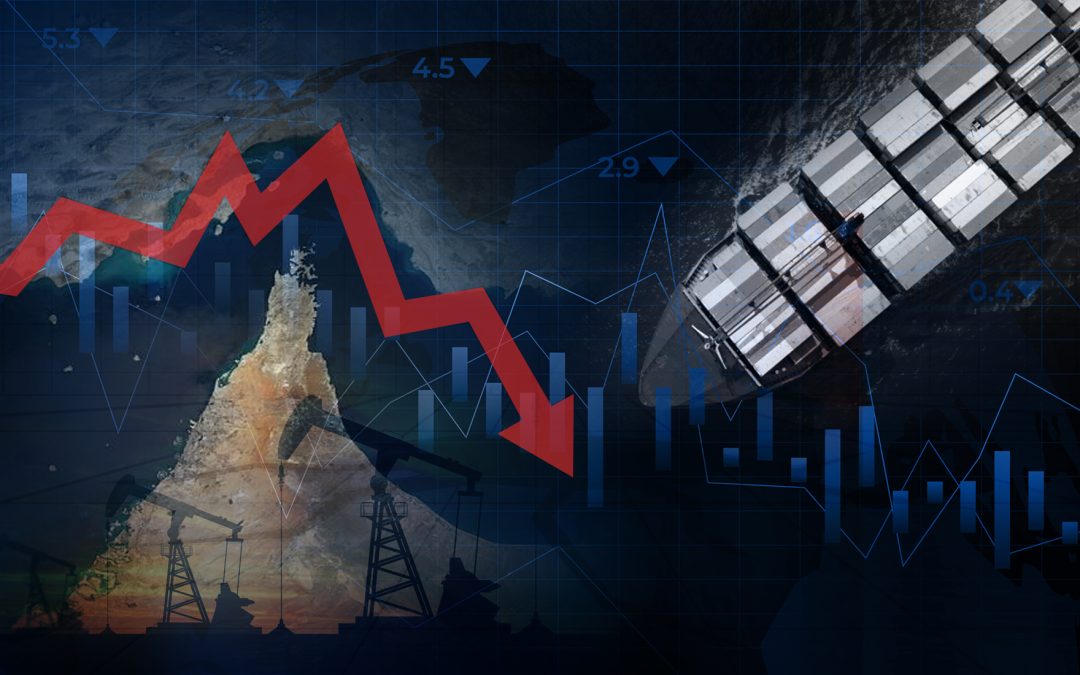
SCFR Online – Opinion: Only one month after the beginning of the Ramadan War, maritime traffic in the Strait of Hormuz decreased dramatically, with Bloomberg announcing a reduction of 103 vessels; Brent oil prices rose by more than 50 percent, and gasoline prices in the United States increased by 31.4 percent. Additionally, benchmark gas prices in Europe showed a 73.4 percent increase.
Strategic Council Online – Opinion: Although other revolutions have occurred between the Industrial Revolution and the artificial intelligence revolution, especially the ICT (Information and Communications Technology) revolution, and humanity has made remarkable progress along this path, in terms of fundamental transformations in the mode of production and social relations, it can be said that the transformations of artificial intelligence and the scope of its effects are perhaps similar to the Industrial Revolution but on a much larger scale. It is, in fact, a new revolution, much more profound and complex than the Industrial Revolution.
Strategic Council Online– Opinion: One of the most significant impacts of the competition between China and the U.S. on Iran, which is considered an advantage, is that the issue of new technologies has shifted from a monopoly to a bipolar monopoly.
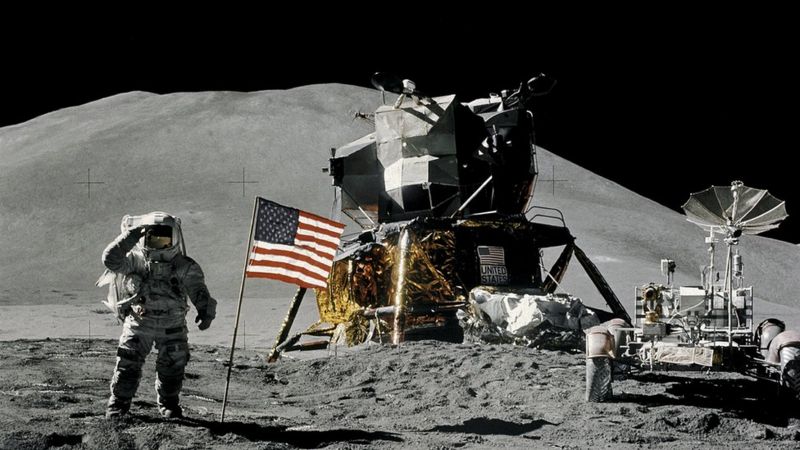
Strategic Council Online – Opinion: Recently, the U.S. National Aeronautics and Space Administration (NASA) has barred Chinese citizens from accessing its systems and facilities, a prohibition that even includes Chinese citizens possessing U.S. visas. This move can be interpreted as a sign of space competition between the United States and China.
Strategic Council Online – Opinion: China expects the “Made in China 2025” strategy to be completed and realized this year. On the other hand, the United States sees its supposed hegemony in danger and is trying to maintain its position.
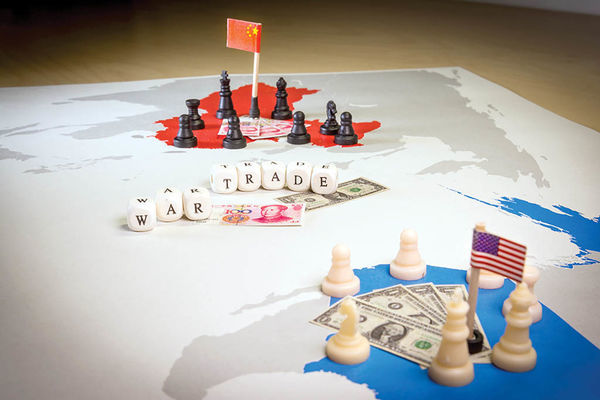
In this situation and as one of the means of confrontation, the trade war has intensified again, as was the experience of the 2016-2020 period, and in the most recent action, China and the United States have increased tariffs on each other’s agricultural products; China by 15 percent and the United States by 20 percent. Will this ping-pong lead to a trade agreement, or will the trade war intensify?
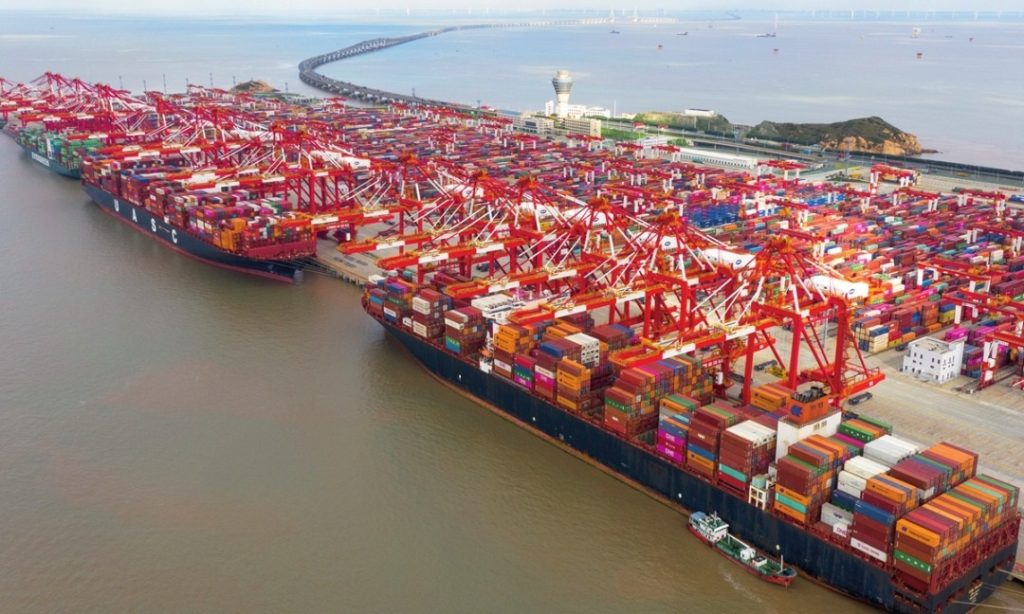
Strategic Council Online – Opinion: China’s New Silk Road Initiative is not just about land; some of it is also maritime. In fact, China is completing a cluster of ports across the globe, from Asia to Europe, Africa, and Latin America, enabling the export and import of vital goods and resources.
Strategic Council Online – Opinion: The recent BRICS meeting ended with a symbolic image of the BRICS currency in the hands of Russian President Vladimir Putin. Perhaps, before this meeting, some experts did not believe in continuing BRICS as a block (or newly emerging network). Although India’s veto of Turkey’s membership showed that BRICS has a relatively long way to go to gain power from the expansion channel of the alliance, views on BRICS show it to be largely successful. BRICS money and its display in Putin’s hands are signs of seriousness in BRICS and its increasing importance in the future.
Strategic Council Online – Opinion: Before the Russia-Ukraine war, few imagined the world would once again be thrust into the abyss of war and the tensions that accompany it. But now, the shadow of conflict looms over many parts of the globe.
Strategic Council Online – Opinion: China recently announced that it will impose restrictions on antimony exports from September 15th. Export restrictions include six antimony-related products, including antimony ore, metals, and gold-antimony smelting and separation technology.
Strategic Council Online – Opinion: Recently, the European Parliament passed the Artificial Intelligence Act. The provisions of this law were agreed upon during the negotiations of the EU member states in December 2023, and the European Parliament approved its final text. The purpose of this law is to protect fundamental rights, democracy, the rule of law, and the sustainability of the environment against dangerous artificial intelligence. It has set obligations to eliminate its possible risks, although it also emphasizes innovation and strengthening.
SCFR Online – Opinion: On Friday, August 7, the heads of state of three countries – Saudi Arabia, Turkey, and Pakistan – signed a text under the title “Makkah Joint Defense Agreement.”
Strategic Council Online – Note: The initiative to revive the Hejaz Railway, beyond being a transportation project, constitutes an attempt to redefine geopolitics, the economy, and Turkey’s regional position; however, its realization appears to face significant financial, security, and institutional challenges.
SCFR Online – Opinion: The Strait of Hormuz crisis is no longer merely the consequence of a military confrontation, but rather a sign of the transition from the US-centered maritime order to a new energy security structure involving the participation of emerging and influential powers.
SCFR Online – Opinion: Iran’s active deterrence strategy, while increasing the costs of US intervention, has increasingly exposed the hidden rifts between Washington’s interests and those of the Israeli regime.
SCFR Online – Opinion: The escalation of verbal and strategic tensions between Turkey and the Israeli regime, although not increasing the likelihood of direct war, indicates the formation of a new order in West Asian geopolitical rivalries.
Strategic Council Online – Note: Recent developments in the political geography of West Asia, from rising tensions in the Persian Gulf to missile and drone activities in the Red Sea and the recent warning by Kaja Kallas, the European Union’s foreign policy chief, regarding the threat to freedom of navigation, indicate a key pattern shift; the US-Iran war has moved beyond the scope of a regional and local confrontation and has linked two vital passageways for the global economy: the Strait of Hormuz and the Bab el-Mandeb Strait.
SCFR Online – Opinion: The Ukraine war was not merely a European crisis, but rather the starting point for the rearrangement of the global balance of power and a shift in the strategic behavior of great powers.
SCFR Online – Opinion: Great power competition is now pursued more in trade, currency, technology, and global supply chains than on the battlefields of military confrontation.
SCFR Online – Opinion: Only one month after the beginning of the Ramadan War, maritime traffic in the Strait of Hormuz decreased dramatically, with Bloomberg announcing a reduction of 103 vessels; Brent oil prices rose by more than 50 percent, and gasoline prices in the United States increased by 31.4 percent. Additionally, benchmark gas prices in Europe showed a 73.4 percent increase.
Strategic Council Online – Opinion: Although other revolutions have occurred between the Industrial Revolution and the artificial intelligence revolution, especially the ICT (Information and Communications Technology) revolution, and humanity has made remarkable progress along this path, in terms of fundamental transformations in the mode of production and social relations, it can be said that the transformations of artificial intelligence and the scope of its effects are perhaps similar to the Industrial Revolution but on a much larger scale. It is, in fact, a new revolution, much more profound and complex than the Industrial Revolution.
Strategic Council Online– Opinion: One of the most significant impacts of the competition between China and the U.S. on Iran, which is considered an advantage, is that the issue of new technologies has shifted from a monopoly to a bipolar monopoly.
Strategic Council Online – Opinion: Recently, the U.S. National Aeronautics and Space Administration (NASA) has barred Chinese citizens from accessing its systems and facilities, a prohibition that even includes Chinese citizens possessing U.S. visas. This move can be interpreted as a sign of space competition between the United States and China.
Strategic Council Online – Opinion: China expects the “Made in China 2025” strategy to be completed and realized this year. On the other hand, the United States sees its supposed hegemony in danger and is trying to maintain its position.
In this situation and as one of the means of confrontation, the trade war has intensified again, as was the experience of the 2016-2020 period, and in the most recent action, China and the United States have increased tariffs on each other’s agricultural products; China by 15 percent and the United States by 20 percent. Will this ping-pong lead to a trade agreement, or will the trade war intensify?
Strategic Council Online – Opinion: China’s New Silk Road Initiative is not just about land; some of it is also maritime. In fact, China is completing a cluster of ports across the globe, from Asia to Europe, Africa, and Latin America, enabling the export and import of vital goods and resources.
Strategic Council Online – Opinion: The recent BRICS meeting ended with a symbolic image of the BRICS currency in the hands of Russian President Vladimir Putin. Perhaps, before this meeting, some experts did not believe in continuing BRICS as a block (or newly emerging network). Although India’s veto of Turkey’s membership showed that BRICS has a relatively long way to go to gain power from the expansion channel of the alliance, views on BRICS show it to be largely successful. BRICS money and its display in Putin’s hands are signs of seriousness in BRICS and its increasing importance in the future.
Strategic Council Online – Opinion: Before the Russia-Ukraine war, few imagined the world would once again be thrust into the abyss of war and the tensions that accompany it. But now, the shadow of conflict looms over many parts of the globe.
Strategic Council Online – Opinion: China recently announced that it will impose restrictions on antimony exports from September 15th. Export restrictions include six antimony-related products, including antimony ore, metals, and gold-antimony smelting and separation technology.
Strategic Council Online – Opinion: Recently, the European Parliament passed the Artificial Intelligence Act. The provisions of this law were agreed upon during the negotiations of the EU member states in December 2023, and the European Parliament approved its final text. The purpose of this law is to protect fundamental rights, democracy, the rule of law, and the sustainability of the environment against dangerous artificial intelligence. It has set obligations to eliminate its possible risks, although it also emphasizes innovation and strengthening.
SCFR Online – Opinion: Only one month after the beginning of the Ramadan War, maritime traffic in the Strait of Hormuz decreased dramatically, with Bloomberg announcing a reduction of 103 vessels; Brent oil prices rose by more than 50 percent, and gasoline prices in the United States increased by 31.4 percent. Additionally, benchmark gas prices in Europe showed a 73.4 percent increase.
Strategic Council Online – Opinion: Although other revolutions have occurred between the Industrial Revolution and the artificial intelligence revolution, especially the ICT (Information and Communications Technology) revolution, and humanity has made remarkable progress along this path, in terms of fundamental transformations in the mode of production and social relations, it can be said that the transformations of artificial intelligence and the scope of its effects are perhaps similar to the Industrial Revolution but on a much larger scale. It is, in fact, a new revolution, much more profound and complex than the Industrial Revolution.
Strategic Council Online– Opinion: One of the most significant impacts of the competition between China and the U.S. on Iran, which is considered an advantage, is that the issue of new technologies has shifted from a monopoly to a bipolar monopoly.
Strategic Council Online – Opinion: Recently, the U.S. National Aeronautics and Space Administration (NASA) has barred Chinese citizens from accessing its systems and facilities, a prohibition that even includes Chinese citizens possessing U.S. visas. This move can be interpreted as a sign of space competition between the United States and China.
Strategic Council Online – Opinion: China expects the “Made in China 2025” strategy to be completed and realized this year. On the other hand, the United States sees its supposed hegemony in danger and is trying to maintain its position.
In this situation and as one of the means of confrontation, the trade war has intensified again, as was the experience of the 2016-2020 period, and in the most recent action, China and the United States have increased tariffs on each other’s agricultural products; China by 15 percent and the United States by 20 percent. Will this ping-pong lead to a trade agreement, or will the trade war intensify?
Strategic Council Online – Opinion: China’s New Silk Road Initiative is not just about land; some of it is also maritime. In fact, China is completing a cluster of ports across the globe, from Asia to Europe, Africa, and Latin America, enabling the export and import of vital goods and resources.
Strategic Council Online – Opinion: The recent BRICS meeting ended with a symbolic image of the BRICS currency in the hands of Russian President Vladimir Putin. Perhaps, before this meeting, some experts did not believe in continuing BRICS as a block (or newly emerging network). Although India’s veto of Turkey’s membership showed that BRICS has a relatively long way to go to gain power from the expansion channel of the alliance, views on BRICS show it to be largely successful. BRICS money and its display in Putin’s hands are signs of seriousness in BRICS and its increasing importance in the future.
Strategic Council Online – Opinion: Before the Russia-Ukraine war, few imagined the world would once again be thrust into the abyss of war and the tensions that accompany it. But now, the shadow of conflict looms over many parts of the globe.
Strategic Council Online – Opinion: China recently announced that it will impose restrictions on antimony exports from September 15th. Export restrictions include six antimony-related products, including antimony ore, metals, and gold-antimony smelting and separation technology.
Strategic Council Online – Opinion: Recently, the European Parliament passed the Artificial Intelligence Act. The provisions of this law were agreed upon during the negotiations of the EU member states in December 2023, and the European Parliament approved its final text. The purpose of this law is to protect fundamental rights, democracy, the rule of law, and the sustainability of the environment against dangerous artificial intelligence. It has set obligations to eliminate its possible risks, although it also emphasizes innovation and strengthening.
SCFR Online – Opinion: On Friday, August 7, the heads of state of three countries – Saudi Arabia, Turkey, and Pakistan – signed a text under the title “Makkah Joint Defense Agreement.”
Strategic Council Online – Note: The initiative to revive the Hejaz Railway, beyond being a transportation project, constitutes an attempt to redefine geopolitics, the economy, and Turkey’s regional position; however, its realization appears to face significant financial, security, and institutional challenges.
SCFR Online – Opinion: The Strait of Hormuz crisis is no longer merely the consequence of a military confrontation, but rather a sign of the transition from the US-centered maritime order to a new energy security structure involving the participation of emerging and influential powers.
SCFR Online – Opinion: Iran’s active deterrence strategy, while increasing the costs of US intervention, has increasingly exposed the hidden rifts between Washington’s interests and those of the Israeli regime.
SCFR Online – Opinion: The escalation of verbal and strategic tensions between Turkey and the Israeli regime, although not increasing the likelihood of direct war, indicates the formation of a new order in West Asian geopolitical rivalries.
Strategic Council Online – Note: Recent developments in the political geography of West Asia, from rising tensions in the Persian Gulf to missile and drone activities in the Red Sea and the recent warning by Kaja Kallas, the European Union’s foreign policy chief, regarding the threat to freedom of navigation, indicate a key pattern shift; the US-Iran war has moved beyond the scope of a regional and local confrontation and has linked two vital passageways for the global economy: the Strait of Hormuz and the Bab el-Mandeb Strait.
SCFR Online – Opinion: The Ukraine war was not merely a European crisis, but rather the starting point for the rearrangement of the global balance of power and a shift in the strategic behavior of great powers.
SCFR Online – Opinion: Great power competition is now pursued more in trade, currency, technology, and global supply chains than on the battlefields of military confrontation.
SCFR Online – Opinion: Only one month after the beginning of the Ramadan War, maritime traffic in the Strait of Hormuz decreased dramatically, with Bloomberg announcing a reduction of 103 vessels; Brent oil prices rose by more than 50 percent, and gasoline prices in the United States increased by 31.4 percent. Additionally, benchmark gas prices in Europe showed a 73.4 percent increase.
Strategic Council Online – Opinion: Although other revolutions have occurred between the Industrial Revolution and the artificial intelligence revolution, especially the ICT (Information and Communications Technology) revolution, and humanity has made remarkable progress along this path, in terms of fundamental transformations in the mode of production and social relations, it can be said that the transformations of artificial intelligence and the scope of its effects are perhaps similar to the Industrial Revolution but on a much larger scale. It is, in fact, a new revolution, much more profound and complex than the Industrial Revolution.
Strategic Council Online– Opinion: One of the most significant impacts of the competition between China and the U.S. on Iran, which is considered an advantage, is that the issue of new technologies has shifted from a monopoly to a bipolar monopoly.
Strategic Council Online – Opinion: Recently, the U.S. National Aeronautics and Space Administration (NASA) has barred Chinese citizens from accessing its systems and facilities, a prohibition that even includes Chinese citizens possessing U.S. visas. This move can be interpreted as a sign of space competition between the United States and China.
Strategic Council Online – Opinion: China expects the “Made in China 2025” strategy to be completed and realized this year. On the other hand, the United States sees its supposed hegemony in danger and is trying to maintain its position.
In this situation and as one of the means of confrontation, the trade war has intensified again, as was the experience of the 2016-2020 period, and in the most recent action, China and the United States have increased tariffs on each other’s agricultural products; China by 15 percent and the United States by 20 percent. Will this ping-pong lead to a trade agreement, or will the trade war intensify?
Strategic Council Online – Opinion: China’s New Silk Road Initiative is not just about land; some of it is also maritime. In fact, China is completing a cluster of ports across the globe, from Asia to Europe, Africa, and Latin America, enabling the export and import of vital goods and resources.
Strategic Council Online – Opinion: The recent BRICS meeting ended with a symbolic image of the BRICS currency in the hands of Russian President Vladimir Putin. Perhaps, before this meeting, some experts did not believe in continuing BRICS as a block (or newly emerging network). Although India’s veto of Turkey’s membership showed that BRICS has a relatively long way to go to gain power from the expansion channel of the alliance, views on BRICS show it to be largely successful. BRICS money and its display in Putin’s hands are signs of seriousness in BRICS and its increasing importance in the future.
Strategic Council Online – Opinion: Before the Russia-Ukraine war, few imagined the world would once again be thrust into the abyss of war and the tensions that accompany it. But now, the shadow of conflict looms over many parts of the globe.
Strategic Council Online – Opinion: China recently announced that it will impose restrictions on antimony exports from September 15th. Export restrictions include six antimony-related products, including antimony ore, metals, and gold-antimony smelting and separation technology.
Strategic Council Online – Opinion: Recently, the European Parliament passed the Artificial Intelligence Act. The provisions of this law were agreed upon during the negotiations of the EU member states in December 2023, and the European Parliament approved its final text. The purpose of this law is to protect fundamental rights, democracy, the rule of law, and the sustainability of the environment against dangerous artificial intelligence. It has set obligations to eliminate its possible risks, although it also emphasizes innovation and strengthening.
SCFR Online – Opinion: On Friday, August 7, the heads of state of three countries – Saudi Arabia, Turkey, and Pakistan – signed a text under the title “Makkah Joint Defense Agreement.”
Strategic Council Online – Note: The initiative to revive the Hejaz Railway, beyond being a transportation project, constitutes an attempt to redefine geopolitics, the economy, and Turkey’s regional position; however, its realization appears to face significant financial, security, and institutional challenges.
SCFR Online – Opinion: The Strait of Hormuz crisis is no longer merely the consequence of a military confrontation, but rather a sign of the transition from the US-centered maritime order to a new energy security structure involving the participation of emerging and influential powers.
SCFR Online – Opinion: Iran’s active deterrence strategy, while increasing the costs of US intervention, has increasingly exposed the hidden rifts between Washington’s interests and those of the Israeli regime.
SCFR Online – Opinion: The escalation of verbal and strategic tensions between Turkey and the Israeli regime, although not increasing the likelihood of direct war, indicates the formation of a new order in West Asian geopolitical rivalries.
Strategic Council Online – Note: Recent developments in the political geography of West Asia, from rising tensions in the Persian Gulf to missile and drone activities in the Red Sea and the recent warning by Kaja Kallas, the European Union’s foreign policy chief, regarding the threat to freedom of navigation, indicate a key pattern shift; the US-Iran war has moved beyond the scope of a regional and local confrontation and has linked two vital passageways for the global economy: the Strait of Hormuz and the Bab el-Mandeb Strait.
SCFR Online – Opinion: The Ukraine war was not merely a European crisis, but rather the starting point for the rearrangement of the global balance of power and a shift in the strategic behavior of great powers.
SCFR Online – Opinion: Great power competition is now pursued more in trade, currency, technology, and global supply chains than on the battlefields of military confrontation.
SCFR Online – Opinion: Only one month after the beginning of the Ramadan War, maritime traffic in the Strait of Hormuz decreased dramatically, with Bloomberg announcing a reduction of 103 vessels; Brent oil prices rose by more than 50 percent, and gasoline prices in the United States increased by 31.4 percent. Additionally, benchmark gas prices in Europe showed a 73.4 percent increase.
Strategic Council Online – Opinion: Although other revolutions have occurred between the Industrial Revolution and the artificial intelligence revolution, especially the ICT (Information and Communications Technology) revolution, and humanity has made remarkable progress along this path, in terms of fundamental transformations in the mode of production and social relations, it can be said that the transformations of artificial intelligence and the scope of its effects are perhaps similar to the Industrial Revolution but on a much larger scale. It is, in fact, a new revolution, much more profound and complex than the Industrial Revolution.
Strategic Council Online– Opinion: One of the most significant impacts of the competition between China and the U.S. on Iran, which is considered an advantage, is that the issue of new technologies has shifted from a monopoly to a bipolar monopoly.
Strategic Council Online – Opinion: Recently, the U.S. National Aeronautics and Space Administration (NASA) has barred Chinese citizens from accessing its systems and facilities, a prohibition that even includes Chinese citizens possessing U.S. visas. This move can be interpreted as a sign of space competition between the United States and China.
Strategic Council Online – Opinion: China expects the “Made in China 2025” strategy to be completed and realized this year. On the other hand, the United States sees its supposed hegemony in danger and is trying to maintain its position.
In this situation and as one of the means of confrontation, the trade war has intensified again, as was the experience of the 2016-2020 period, and in the most recent action, China and the United States have increased tariffs on each other’s agricultural products; China by 15 percent and the United States by 20 percent. Will this ping-pong lead to a trade agreement, or will the trade war intensify?
Strategic Council Online – Opinion: China’s New Silk Road Initiative is not just about land; some of it is also maritime. In fact, China is completing a cluster of ports across the globe, from Asia to Europe, Africa, and Latin America, enabling the export and import of vital goods and resources.
Strategic Council Online – Opinion: The recent BRICS meeting ended with a symbolic image of the BRICS currency in the hands of Russian President Vladimir Putin. Perhaps, before this meeting, some experts did not believe in continuing BRICS as a block (or newly emerging network). Although India’s veto of Turkey’s membership showed that BRICS has a relatively long way to go to gain power from the expansion channel of the alliance, views on BRICS show it to be largely successful. BRICS money and its display in Putin’s hands are signs of seriousness in BRICS and its increasing importance in the future.
Strategic Council Online – Opinion: Before the Russia-Ukraine war, few imagined the world would once again be thrust into the abyss of war and the tensions that accompany it. But now, the shadow of conflict looms over many parts of the globe.
Strategic Council Online – Opinion: China recently announced that it will impose restrictions on antimony exports from September 15th. Export restrictions include six antimony-related products, including antimony ore, metals, and gold-antimony smelting and separation technology.
Strategic Council Online – Opinion: Recently, the European Parliament passed the Artificial Intelligence Act. The provisions of this law were agreed upon during the negotiations of the EU member states in December 2023, and the European Parliament approved its final text. The purpose of this law is to protect fundamental rights, democracy, the rule of law, and the sustainability of the environment against dangerous artificial intelligence. It has set obligations to eliminate its possible risks, although it also emphasizes innovation and strengthening.
SCFR Online – Opinion: On Friday, August 7, the heads of state of three countries – Saudi Arabia, Turkey, and Pakistan – signed a text under the title “Makkah Joint Defense Agreement.”
Strategic Council Online – Note: The initiative to revive the Hejaz Railway, beyond being a transportation project, constitutes an attempt to redefine geopolitics, the economy, and Turkey’s regional position; however, its realization appears to face significant financial, security, and institutional challenges.
SCFR Online – Opinion: The Strait of Hormuz crisis is no longer merely the consequence of a military confrontation, but rather a sign of the transition from the US-centered maritime order to a new energy security structure involving the participation of emerging and influential powers.
SCFR Online – Opinion: Iran’s active deterrence strategy, while increasing the costs of US intervention, has increasingly exposed the hidden rifts between Washington’s interests and those of the Israeli regime.
SCFR Online – Opinion: The escalation of verbal and strategic tensions between Turkey and the Israeli regime, although not increasing the likelihood of direct war, indicates the formation of a new order in West Asian geopolitical rivalries.
Strategic Council Online – Note: Recent developments in the political geography of West Asia, from rising tensions in the Persian Gulf to missile and drone activities in the Red Sea and the recent warning by Kaja Kallas, the European Union’s foreign policy chief, regarding the threat to freedom of navigation, indicate a key pattern shift; the US-Iran war has moved beyond the scope of a regional and local confrontation and has linked two vital passageways for the global economy: the Strait of Hormuz and the Bab el-Mandeb Strait.
SCFR Online – Opinion: The Ukraine war was not merely a European crisis, but rather the starting point for the rearrangement of the global balance of power and a shift in the strategic behavior of great powers.
SCFR Online – Opinion: Great power competition is now pursued more in trade, currency, technology, and global supply chains than on the battlefields of military confrontation.
SCFR Online – Opinion: Only one month after the beginning of the Ramadan War, maritime traffic in the Strait of Hormuz decreased dramatically, with Bloomberg announcing a reduction of 103 vessels; Brent oil prices rose by more than 50 percent, and gasoline prices in the United States increased by 31.4 percent. Additionally, benchmark gas prices in Europe showed a 73.4 percent increase.
Strategic Council Online – Opinion: Although other revolutions have occurred between the Industrial Revolution and the artificial intelligence revolution, especially the ICT (Information and Communications Technology) revolution, and humanity has made remarkable progress along this path, in terms of fundamental transformations in the mode of production and social relations, it can be said that the transformations of artificial intelligence and the scope of its effects are perhaps similar to the Industrial Revolution but on a much larger scale. It is, in fact, a new revolution, much more profound and complex than the Industrial Revolution.
Strategic Council Online– Opinion: One of the most significant impacts of the competition between China and the U.S. on Iran, which is considered an advantage, is that the issue of new technologies has shifted from a monopoly to a bipolar monopoly.
Strategic Council Online – Opinion: Recently, the U.S. National Aeronautics and Space Administration (NASA) has barred Chinese citizens from accessing its systems and facilities, a prohibition that even includes Chinese citizens possessing U.S. visas. This move can be interpreted as a sign of space competition between the United States and China.
Strategic Council Online – Opinion: China expects the “Made in China 2025” strategy to be completed and realized this year. On the other hand, the United States sees its supposed hegemony in danger and is trying to maintain its position.
In this situation and as one of the means of confrontation, the trade war has intensified again, as was the experience of the 2016-2020 period, and in the most recent action, China and the United States have increased tariffs on each other’s agricultural products; China by 15 percent and the United States by 20 percent. Will this ping-pong lead to a trade agreement, or will the trade war intensify?
Strategic Council Online – Opinion: China’s New Silk Road Initiative is not just about land; some of it is also maritime. In fact, China is completing a cluster of ports across the globe, from Asia to Europe, Africa, and Latin America, enabling the export and import of vital goods and resources.
Strategic Council Online – Opinion: The recent BRICS meeting ended with a symbolic image of the BRICS currency in the hands of Russian President Vladimir Putin. Perhaps, before this meeting, some experts did not believe in continuing BRICS as a block (or newly emerging network). Although India’s veto of Turkey’s membership showed that BRICS has a relatively long way to go to gain power from the expansion channel of the alliance, views on BRICS show it to be largely successful. BRICS money and its display in Putin’s hands are signs of seriousness in BRICS and its increasing importance in the future.
Strategic Council Online – Opinion: Before the Russia-Ukraine war, few imagined the world would once again be thrust into the abyss of war and the tensions that accompany it. But now, the shadow of conflict looms over many parts of the globe.
Strategic Council Online – Opinion: China recently announced that it will impose restrictions on antimony exports from September 15th. Export restrictions include six antimony-related products, including antimony ore, metals, and gold-antimony smelting and separation technology.
Strategic Council Online – Opinion: Recently, the European Parliament passed the Artificial Intelligence Act. The provisions of this law were agreed upon during the negotiations of the EU member states in December 2023, and the European Parliament approved its final text. The purpose of this law is to protect fundamental rights, democracy, the rule of law, and the sustainability of the environment against dangerous artificial intelligence. It has set obligations to eliminate its possible risks, although it also emphasizes innovation and strengthening.
SCFR Online – Opinion: On Friday, August 7, the heads of state of three countries – Saudi Arabia, Turkey, and Pakistan – signed a text under the title “Makkah Joint Defense Agreement.”
Strategic Council Online – Note: The initiative to revive the Hejaz Railway, beyond being a transportation project, constitutes an attempt to redefine geopolitics, the economy, and Turkey’s regional position; however, its realization appears to face significant financial, security, and institutional challenges.
SCFR Online – Opinion: The Strait of Hormuz crisis is no longer merely the consequence of a military confrontation, but rather a sign of the transition from the US-centered maritime order to a new energy security structure involving the participation of emerging and influential powers.
SCFR Online – Opinion: Iran’s active deterrence strategy, while increasing the costs of US intervention, has increasingly exposed the hidden rifts between Washington’s interests and those of the Israeli regime.
SCFR Online – Opinion: The escalation of verbal and strategic tensions between Turkey and the Israeli regime, although not increasing the likelihood of direct war, indicates the formation of a new order in West Asian geopolitical rivalries.
Strategic Council Online – Note: Recent developments in the political geography of West Asia, from rising tensions in the Persian Gulf to missile and drone activities in the Red Sea and the recent warning by Kaja Kallas, the European Union’s foreign policy chief, regarding the threat to freedom of navigation, indicate a key pattern shift; the US-Iran war has moved beyond the scope of a regional and local confrontation and has linked two vital passageways for the global economy: the Strait of Hormuz and the Bab el-Mandeb Strait.
SCFR Online – Opinion: The Ukraine war was not merely a European crisis, but rather the starting point for the rearrangement of the global balance of power and a shift in the strategic behavior of great powers.
SCFR Online – Opinion: Great power competition is now pursued more in trade, currency, technology, and global supply chains than on the battlefields of military confrontation.
SCFR Online – Opinion: Only one month after the beginning of the Ramadan War, maritime traffic in the Strait of Hormuz decreased dramatically, with Bloomberg announcing a reduction of 103 vessels; Brent oil prices rose by more than 50 percent, and gasoline prices in the United States increased by 31.4 percent. Additionally, benchmark gas prices in Europe showed a 73.4 percent increase.
Strategic Council Online – Opinion: Although other revolutions have occurred between the Industrial Revolution and the artificial intelligence revolution, especially the ICT (Information and Communications Technology) revolution, and humanity has made remarkable progress along this path, in terms of fundamental transformations in the mode of production and social relations, it can be said that the transformations of artificial intelligence and the scope of its effects are perhaps similar to the Industrial Revolution but on a much larger scale. It is, in fact, a new revolution, much more profound and complex than the Industrial Revolution.
Strategic Council Online– Opinion: One of the most significant impacts of the competition between China and the U.S. on Iran, which is considered an advantage, is that the issue of new technologies has shifted from a monopoly to a bipolar monopoly.
Strategic Council Online – Opinion: Recently, the U.S. National Aeronautics and Space Administration (NASA) has barred Chinese citizens from accessing its systems and facilities, a prohibition that even includes Chinese citizens possessing U.S. visas. This move can be interpreted as a sign of space competition between the United States and China.
Strategic Council Online – Opinion: China expects the “Made in China 2025” strategy to be completed and realized this year. On the other hand, the United States sees its supposed hegemony in danger and is trying to maintain its position.
In this situation and as one of the means of confrontation, the trade war has intensified again, as was the experience of the 2016-2020 period, and in the most recent action, China and the United States have increased tariffs on each other’s agricultural products; China by 15 percent and the United States by 20 percent. Will this ping-pong lead to a trade agreement, or will the trade war intensify?
Strategic Council Online – Opinion: China’s New Silk Road Initiative is not just about land; some of it is also maritime. In fact, China is completing a cluster of ports across the globe, from Asia to Europe, Africa, and Latin America, enabling the export and import of vital goods and resources.
Strategic Council Online – Opinion: The recent BRICS meeting ended with a symbolic image of the BRICS currency in the hands of Russian President Vladimir Putin. Perhaps, before this meeting, some experts did not believe in continuing BRICS as a block (or newly emerging network). Although India’s veto of Turkey’s membership showed that BRICS has a relatively long way to go to gain power from the expansion channel of the alliance, views on BRICS show it to be largely successful. BRICS money and its display in Putin’s hands are signs of seriousness in BRICS and its increasing importance in the future.
Strategic Council Online – Opinion: Before the Russia-Ukraine war, few imagined the world would once again be thrust into the abyss of war and the tensions that accompany it. But now, the shadow of conflict looms over many parts of the globe.
Strategic Council Online – Opinion: China recently announced that it will impose restrictions on antimony exports from September 15th. Export restrictions include six antimony-related products, including antimony ore, metals, and gold-antimony smelting and separation technology.
Strategic Council Online – Opinion: Recently, the European Parliament passed the Artificial Intelligence Act. The provisions of this law were agreed upon during the negotiations of the EU member states in December 2023, and the European Parliament approved its final text. The purpose of this law is to protect fundamental rights, democracy, the rule of law, and the sustainability of the environment against dangerous artificial intelligence. It has set obligations to eliminate its possible risks, although it also emphasizes innovation and strengthening.
SCFR Online – Opinion: On Friday, August 7, the heads of state of three countries – Saudi Arabia, Turkey, and Pakistan – signed a text under the title “Makkah Joint Defense Agreement.”
Strategic Council Online – Note: The initiative to revive the Hejaz Railway, beyond being a transportation project, constitutes an attempt to redefine geopolitics, the economy, and Turkey’s regional position; however, its realization appears to face significant financial, security, and institutional challenges.
SCFR Online – Opinion: The Strait of Hormuz crisis is no longer merely the consequence of a military confrontation, but rather a sign of the transition from the US-centered maritime order to a new energy security structure involving the participation of emerging and influential powers.
SCFR Online – Opinion: Iran’s active deterrence strategy, while increasing the costs of US intervention, has increasingly exposed the hidden rifts between Washington’s interests and those of the Israeli regime.
SCFR Online – Opinion: The escalation of verbal and strategic tensions between Turkey and the Israeli regime, although not increasing the likelihood of direct war, indicates the formation of a new order in West Asian geopolitical rivalries.
Strategic Council Online – Note: Recent developments in the political geography of West Asia, from rising tensions in the Persian Gulf to missile and drone activities in the Red Sea and the recent warning by Kaja Kallas, the European Union’s foreign policy chief, regarding the threat to freedom of navigation, indicate a key pattern shift; the US-Iran war has moved beyond the scope of a regional and local confrontation and has linked two vital passageways for the global economy: the Strait of Hormuz and the Bab el-Mandeb Strait.
SCFR Online – Opinion: The Ukraine war was not merely a European crisis, but rather the starting point for the rearrangement of the global balance of power and a shift in the strategic behavior of great powers.
SCFR Online – Opinion: Great power competition is now pursued more in trade, currency, technology, and global supply chains than on the battlefields of military confrontation.