جدیدترین مطالب

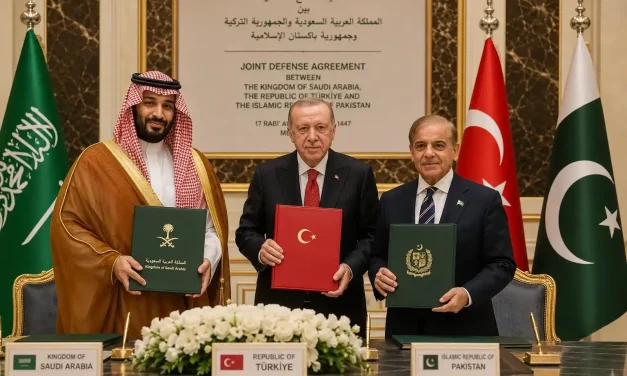
Realities of the Tripartite Makkah Pact

SCFR Online – Interview: The signing of the Makkah agreement between Saudi Arabia, Pakistan, and Turkey has raised questions about the future of the region’s security structure and the position of these countries in West Asian equations. Can this agreement become a genuine collective defense mechanism, or does it have more of a political and deterrent function than creating new military capacity?
Strategic Implications of the Reduction of US Weapons Stockpiles

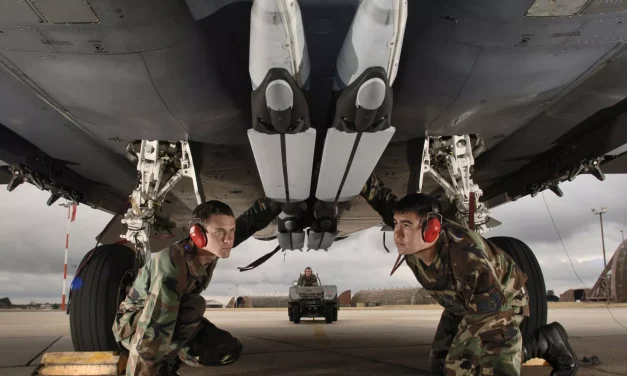
SCFR Online – Opinion: The continuation of the US war against Iran, in addition to increasing operational costs, has called into question the actual capacity of the American arsenal to simultaneously fulfill security commitments on multiple fronts; an issue that affects deterrence, defense production capacity, and Washington’s resource prioritization.

The Formation of a New Order in Relations Between Powers

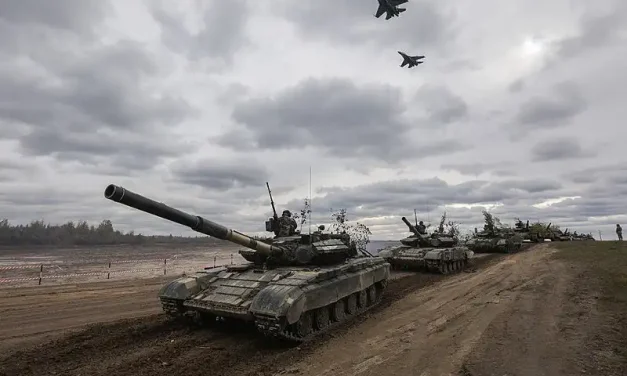
SCFR Online – Opinion: The Russia-Ukraine war and the war of the United States and the Israeli regime against Iran have been formed with different objectives and actors, but field and political developments indicate that they are not entirely separate from one another.

An Analysis of the Makkah Defense Pact

SCFR Online – Opinion: On Friday, August 7, the heads of state of three countries – Saudi Arabia, Turkey, and Pakistan – signed a text under the title “Makkah Joint Defense Agreement.”

Dimensions and challenges of the initiative to revive the Hejaz Railway

Strategic Council Online – Note: The initiative to revive the Hejaz Railway, beyond being a transportation project, constitutes an attempt to redefine geopolitics, the economy, and Turkey’s regional position; however, its realization appears to face significant financial, security, and institutional challenges.

Loading

Syria

Arab States Goals in Trying to Normalize Relations with Syria

Arab States Goals in Trying to Normalize Relations with Syria

Strategic Council Online – Interview: An expert on Syrian affairs, saying that a major part of the decision to normalize relations between Arab countries and Syria goes back to their competition with Iran and Turkey, noted: The Axis of Resistance should activate economic mechanisms in the region and in Syria; otherwise it will face a reduction in influence and will be severely caught by surprise.

Biden’s US Targets of New Intervention in the Region

Biden’s US Targets of New Intervention in the Region

Strategic Council Online – Interview: An expert on US affairs, commenting on the US President Joe Biden’s recent claims that one of the reasons for the US military presence outside the borders, including deployment of US troops in the Persian Gulf region such as Saudi Arabia, Iraq and Syria, is Iran’s regional activities, said: Although there are talks over a change in Washington’s approach in the Middle East region in line with implementation of Biden’s stated policies in that region, in general, it seems that the main foundations of the US foreign policy in the region have not changed much, rather the process of implementation of its policies has been subject to changes.

Consequences of Persian Gulf Arab States Rapprochement with Syria

Consequences of Persian Gulf Arab States Rapprochement with Syria

Strategic Council Online- Interview: An expert of Middle East affairs commented on measures taken by some Arab states of Persian Gulf towards Bashar Assad government during recent years and stated:” Since 2011 when the Syrian crisis started, countries like Saudi Arabia, Qatar, UAE, and Bahrain tried in coordination to strengthen terrorist group-lets and thus topple Bashar Assad government”.

Objectives of Reviving Turkey’s Relations with UAE

Objectives of Reviving Turkey’s Relations with UAE

Strategic Council Online – Opinion: The recent visit of the UAE Crown Prince Mohammed bin Zayed Al Nahyan to Ankara and the consequences of this visit in Turkish foreign policy shows that the Turkish president, despite his decisive vision in domestic politics, has become more realistic in foreign policy in recent years and the new round of relations with the UAE is important in economic, political, and regional terms and in strengthening Ankara’s position in the international arena.
Mahmoud Fazeli – Analyst of international affairs

US New Strategy in Syria

US New Strategy in Syria

Strategic Council Online—Interview: An expert of Middle East issues says US marines and military forces have relocated from the northern and western provinces of Iraq to al-Hasakah in Syria, adding that such measures indicate a new scenario is transpiring to create crisis in the Kurdish regions of Syria.

Bin Salman’s Attempt to Interact with Syria; Reasons, Necessities and Perspectives

Bin Salman’s Attempt to Interact with Syria; Reasons, Necessities and Perspectives

Strategic Council Online – In recent weeks, clear signs are emerging for the gradual change in Saudi Arabia’s foreign policy approach to Syria. There are several reports indicating that bin Salman is seeking to “open diplomatic channels” with Syria. In recent weeks, secret meetings between Saudi and Syrian officials have taken place in Damascus, which have been unprecedented since 2011.
Barsam Mohammadi – analyst of international affairs

Factors Strengthening Position of Resistance among Regional Nations

Factors Strengthening Position of Resistance among Regional Nations

Strategic Council Online – The recent speeches delivered by Sayyed Hassan Nasrallah, Secretary-General of Hezbollah in Lebanon, and Sayyed Abdul Malik Badruddin al-Houthi, the leader of Yemen’s Ansarollah, once again drew attention to the importance of the issue of resistance.
Hassan Hanizadeh – expert on the Middle East affairs

Reasons for Not Forming a Government in Lebanon

Reasons for Not Forming a Government in Lebanon

Strategic Council Online – Interview: An expert on the Middle East affairs commenting on the reasons for Saad Hariri’s delay in forming the Lebanese government said: The Lebanese government has suffered from an internal crisis in recent years, especially after the 2018 elections; in this way, the governments that came to power could not form a cabinet or continue to work due to some issues such as internal protests or lack of internal political understanding.

A Review of Resistance Axis Record in 1399

A Review of Resistance Axis Record in 1399

Strategic Council Online – The Islamic Resistance in the region in 1399 (March 2020 – March 2021), , recorded significant growth and efficiency in terms of field capabilities despite global developments and increasing US intervention.
Hassan Hanizadeh – Middle East affairs expert

أحدث الوظائف

Realities of the Tripartite Makkah Pact

SCFR Online – Interview: The signing of the Makkah agreement between Saudi Arabia, Pakistan, and Turkey has raised questions about the future of the region’s security structure and the position of these countries in West Asian equations. Can this agreement become a genuine collective defense mechanism, or does it have more of a political and deterrent function than creating new military capacity?

Strategic Implications of the Reduction of US Weapons Stockpiles

SCFR Online – Opinion: The continuation of the US war against Iran, in addition to increasing operational costs, has called into question the actual capacity of the American arsenal to simultaneously fulfill security commitments on multiple fronts; an issue that affects deterrence, defense production capacity, and Washington’s resource prioritization.

The Formation of a New Order in Relations Between Powers

SCFR Online – Opinion: The Russia-Ukraine war and the war of the United States and the Israeli regime against Iran have been formed with different objectives and actors, but field and political developments indicate that they are not entirely separate from one another.

An Analysis of the Makkah Defense Pact

SCFR Online – Opinion: On Friday, August 7, the heads of state of three countries – Saudi Arabia, Turkey, and Pakistan – signed a text under the title “Makkah Joint Defense Agreement.”

Dimensions and challenges of the initiative to revive the Hejaz Railway

Strategic Council Online – Note: The initiative to revive the Hejaz Railway, beyond being a transportation project, constitutes an attempt to redefine geopolitics, the economy, and Turkey’s regional position; however, its realization appears to face significant financial, security, and institutional challenges.

Loading

Syria

Arab States Goals in Trying to Normalize Relations with Syria

Arab States Goals in Trying to Normalize Relations with Syria

Strategic Council Online – Interview: An expert on Syrian affairs, saying that a major part of the decision to normalize relations between Arab countries and Syria goes back to their competition with Iran and Turkey, noted: The Axis of Resistance should activate economic mechanisms in the region and in Syria; otherwise it will face a reduction in influence and will be severely caught by surprise.

Biden’s US Targets of New Intervention in the Region

Biden’s US Targets of New Intervention in the Region

Strategic Council Online – Interview: An expert on US affairs, commenting on the US President Joe Biden’s recent claims that one of the reasons for the US military presence outside the borders, including deployment of US troops in the Persian Gulf region such as Saudi Arabia, Iraq and Syria, is Iran’s regional activities, said: Although there are talks over a change in Washington’s approach in the Middle East region in line with implementation of Biden’s stated policies in that region, in general, it seems that the main foundations of the US foreign policy in the region have not changed much, rather the process of implementation of its policies has been subject to changes.

Consequences of Persian Gulf Arab States Rapprochement with Syria

Consequences of Persian Gulf Arab States Rapprochement with Syria

Strategic Council Online- Interview: An expert of Middle East affairs commented on measures taken by some Arab states of Persian Gulf towards Bashar Assad government during recent years and stated:” Since 2011 when the Syrian crisis started, countries like Saudi Arabia, Qatar, UAE, and Bahrain tried in coordination to strengthen terrorist group-lets and thus topple Bashar Assad government”.

Objectives of Reviving Turkey’s Relations with UAE

Objectives of Reviving Turkey’s Relations with UAE

Strategic Council Online – Opinion: The recent visit of the UAE Crown Prince Mohammed bin Zayed Al Nahyan to Ankara and the consequences of this visit in Turkish foreign policy shows that the Turkish president, despite his decisive vision in domestic politics, has become more realistic in foreign policy in recent years and the new round of relations with the UAE is important in economic, political, and regional terms and in strengthening Ankara’s position in the international arena.
Mahmoud Fazeli – Analyst of international affairs

US New Strategy in Syria

US New Strategy in Syria

Strategic Council Online—Interview: An expert of Middle East issues says US marines and military forces have relocated from the northern and western provinces of Iraq to al-Hasakah in Syria, adding that such measures indicate a new scenario is transpiring to create crisis in the Kurdish regions of Syria.

Bin Salman’s Attempt to Interact with Syria; Reasons, Necessities and Perspectives

Bin Salman’s Attempt to Interact with Syria; Reasons, Necessities and Perspectives

Strategic Council Online – In recent weeks, clear signs are emerging for the gradual change in Saudi Arabia’s foreign policy approach to Syria. There are several reports indicating that bin Salman is seeking to “open diplomatic channels” with Syria. In recent weeks, secret meetings between Saudi and Syrian officials have taken place in Damascus, which have been unprecedented since 2011.
Barsam Mohammadi – analyst of international affairs

Factors Strengthening Position of Resistance among Regional Nations

Factors Strengthening Position of Resistance among Regional Nations

Strategic Council Online – The recent speeches delivered by Sayyed Hassan Nasrallah, Secretary-General of Hezbollah in Lebanon, and Sayyed Abdul Malik Badruddin al-Houthi, the leader of Yemen’s Ansarollah, once again drew attention to the importance of the issue of resistance.
Hassan Hanizadeh – expert on the Middle East affairs

Reasons for Not Forming a Government in Lebanon

Reasons for Not Forming a Government in Lebanon

Strategic Council Online – Interview: An expert on the Middle East affairs commenting on the reasons for Saad Hariri’s delay in forming the Lebanese government said: The Lebanese government has suffered from an internal crisis in recent years, especially after the 2018 elections; in this way, the governments that came to power could not form a cabinet or continue to work due to some issues such as internal protests or lack of internal political understanding.

A Review of Resistance Axis Record in 1399

A Review of Resistance Axis Record in 1399

Strategic Council Online – The Islamic Resistance in the region in 1399 (March 2020 – March 2021), , recorded significant growth and efficiency in terms of field capabilities despite global developments and increasing US intervention.
Hassan Hanizadeh – Middle East affairs expert

Syria

Arab States Goals in Trying to Normalize Relations with Syria

Arab States Goals in Trying to Normalize Relations with Syria

Strategic Council Online – Interview: An expert on Syrian affairs, saying that a major part of the decision to normalize relations between Arab countries and Syria goes back to their competition with Iran and Turkey, noted: The Axis of Resistance should activate economic mechanisms in the region and in Syria; otherwise it will face a reduction in influence and will be severely caught by surprise.

Biden’s US Targets of New Intervention in the Region

Biden’s US Targets of New Intervention in the Region

Strategic Council Online – Interview: An expert on US affairs, commenting on the US President Joe Biden’s recent claims that one of the reasons for the US military presence outside the borders, including deployment of US troops in the Persian Gulf region such as Saudi Arabia, Iraq and Syria, is Iran’s regional activities, said: Although there are talks over a change in Washington’s approach in the Middle East region in line with implementation of Biden’s stated policies in that region, in general, it seems that the main foundations of the US foreign policy in the region have not changed much, rather the process of implementation of its policies has been subject to changes.

Consequences of Persian Gulf Arab States Rapprochement with Syria

Consequences of Persian Gulf Arab States Rapprochement with Syria

Strategic Council Online- Interview: An expert of Middle East affairs commented on measures taken by some Arab states of Persian Gulf towards Bashar Assad government during recent years and stated:” Since 2011 when the Syrian crisis started, countries like Saudi Arabia, Qatar, UAE, and Bahrain tried in coordination to strengthen terrorist group-lets and thus topple Bashar Assad government”.

Objectives of Reviving Turkey’s Relations with UAE

Objectives of Reviving Turkey’s Relations with UAE

Strategic Council Online – Opinion: The recent visit of the UAE Crown Prince Mohammed bin Zayed Al Nahyan to Ankara and the consequences of this visit in Turkish foreign policy shows that the Turkish president, despite his decisive vision in domestic politics, has become more realistic in foreign policy in recent years and the new round of relations with the UAE is important in economic, political, and regional terms and in strengthening Ankara’s position in the international arena.
Mahmoud Fazeli – Analyst of international affairs

US New Strategy in Syria

US New Strategy in Syria

Strategic Council Online—Interview: An expert of Middle East issues says US marines and military forces have relocated from the northern and western provinces of Iraq to al-Hasakah in Syria, adding that such measures indicate a new scenario is transpiring to create crisis in the Kurdish regions of Syria.

Bin Salman’s Attempt to Interact with Syria; Reasons, Necessities and Perspectives

Bin Salman’s Attempt to Interact with Syria; Reasons, Necessities and Perspectives

Strategic Council Online – In recent weeks, clear signs are emerging for the gradual change in Saudi Arabia’s foreign policy approach to Syria. There are several reports indicating that bin Salman is seeking to “open diplomatic channels” with Syria. In recent weeks, secret meetings between Saudi and Syrian officials have taken place in Damascus, which have been unprecedented since 2011.
Barsam Mohammadi – analyst of international affairs

Factors Strengthening Position of Resistance among Regional Nations

Factors Strengthening Position of Resistance among Regional Nations

Strategic Council Online – The recent speeches delivered by Sayyed Hassan Nasrallah, Secretary-General of Hezbollah in Lebanon, and Sayyed Abdul Malik Badruddin al-Houthi, the leader of Yemen’s Ansarollah, once again drew attention to the importance of the issue of resistance.
Hassan Hanizadeh – expert on the Middle East affairs

Reasons for Not Forming a Government in Lebanon

Reasons for Not Forming a Government in Lebanon

Strategic Council Online – Interview: An expert on the Middle East affairs commenting on the reasons for Saad Hariri’s delay in forming the Lebanese government said: The Lebanese government has suffered from an internal crisis in recent years, especially after the 2018 elections; in this way, the governments that came to power could not form a cabinet or continue to work due to some issues such as internal protests or lack of internal political understanding.

A Review of Resistance Axis Record in 1399

A Review of Resistance Axis Record in 1399

Strategic Council Online – The Islamic Resistance in the region in 1399 (March 2020 – March 2021), , recorded significant growth and efficiency in terms of field capabilities despite global developments and increasing US intervention.
Hassan Hanizadeh – Middle East affairs expert

LATEST CONTENT

Realities of the Tripartite Makkah Pact

SCFR Online – Interview: The signing of the Makkah agreement between Saudi Arabia, Pakistan, and Turkey has raised questions about the future of the region’s security structure and the position of these countries in West Asian equations. Can this agreement become a genuine collective defense mechanism, or does it have more of a political and deterrent function than creating new military capacity?
Strategic Implications of the Reduction of US Weapons Stockpiles

SCFR Online – Opinion: The continuation of the US war against Iran, in addition to increasing operational costs, has called into question the actual capacity of the American arsenal to simultaneously fulfill security commitments on multiple fronts; an issue that affects deterrence, defense production capacity, and Washington’s resource prioritization.

The Formation of a New Order in Relations Between Powers

SCFR Online – Opinion: The Russia-Ukraine war and the war of the United States and the Israeli regime against Iran have been formed with different objectives and actors, but field and political developments indicate that they are not entirely separate from one another.

An Analysis of the Makkah Defense Pact

SCFR Online – Opinion: On Friday, August 7, the heads of state of three countries – Saudi Arabia, Turkey, and Pakistan – signed a text under the title “Makkah Joint Defense Agreement.”

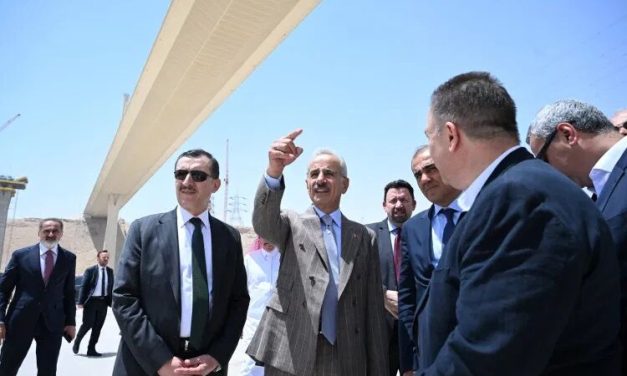
Dimensions and challenges of the initiative to revive the Hejaz Railway

Strategic Council Online – Note: The initiative to revive the Hejaz Railway, beyond being a transportation project, constitutes an attempt to redefine geopolitics, the economy, and Turkey’s regional position; however, its realization appears to face significant financial, security, and institutional challenges.

Loading

Syria

Arab States Goals in Trying to Normalize Relations with Syria

Arab States Goals in Trying to Normalize Relations with Syria

Strategic Council Online – Interview: An expert on Syrian affairs, saying that a major part of the decision to normalize relations between Arab countries and Syria goes back to their competition with Iran and Turkey, noted: The Axis of Resistance should activate economic mechanisms in the region and in Syria; otherwise it will face a reduction in influence and will be severely caught by surprise.

Biden’s US Targets of New Intervention in the Region

Biden’s US Targets of New Intervention in the Region

Strategic Council Online – Interview: An expert on US affairs, commenting on the US President Joe Biden’s recent claims that one of the reasons for the US military presence outside the borders, including deployment of US troops in the Persian Gulf region such as Saudi Arabia, Iraq and Syria, is Iran’s regional activities, said: Although there are talks over a change in Washington’s approach in the Middle East region in line with implementation of Biden’s stated policies in that region, in general, it seems that the main foundations of the US foreign policy in the region have not changed much, rather the process of implementation of its policies has been subject to changes.

Consequences of Persian Gulf Arab States Rapprochement with Syria

Consequences of Persian Gulf Arab States Rapprochement with Syria

Strategic Council Online- Interview: An expert of Middle East affairs commented on measures taken by some Arab states of Persian Gulf towards Bashar Assad government during recent years and stated:” Since 2011 when the Syrian crisis started, countries like Saudi Arabia, Qatar, UAE, and Bahrain tried in coordination to strengthen terrorist group-lets and thus topple Bashar Assad government”.

Objectives of Reviving Turkey’s Relations with UAE

Objectives of Reviving Turkey’s Relations with UAE

Strategic Council Online – Opinion: The recent visit of the UAE Crown Prince Mohammed bin Zayed Al Nahyan to Ankara and the consequences of this visit in Turkish foreign policy shows that the Turkish president, despite his decisive vision in domestic politics, has become more realistic in foreign policy in recent years and the new round of relations with the UAE is important in economic, political, and regional terms and in strengthening Ankara’s position in the international arena.
Mahmoud Fazeli – Analyst of international affairs

US New Strategy in Syria

US New Strategy in Syria

Strategic Council Online—Interview: An expert of Middle East issues says US marines and military forces have relocated from the northern and western provinces of Iraq to al-Hasakah in Syria, adding that such measures indicate a new scenario is transpiring to create crisis in the Kurdish regions of Syria.

Bin Salman’s Attempt to Interact with Syria; Reasons, Necessities and Perspectives

Bin Salman’s Attempt to Interact with Syria; Reasons, Necessities and Perspectives

Strategic Council Online – In recent weeks, clear signs are emerging for the gradual change in Saudi Arabia’s foreign policy approach to Syria. There are several reports indicating that bin Salman is seeking to “open diplomatic channels” with Syria. In recent weeks, secret meetings between Saudi and Syrian officials have taken place in Damascus, which have been unprecedented since 2011.
Barsam Mohammadi – analyst of international affairs

Factors Strengthening Position of Resistance among Regional Nations

Factors Strengthening Position of Resistance among Regional Nations

Strategic Council Online – The recent speeches delivered by Sayyed Hassan Nasrallah, Secretary-General of Hezbollah in Lebanon, and Sayyed Abdul Malik Badruddin al-Houthi, the leader of Yemen’s Ansarollah, once again drew attention to the importance of the issue of resistance.
Hassan Hanizadeh – expert on the Middle East affairs

Reasons for Not Forming a Government in Lebanon

Reasons for Not Forming a Government in Lebanon

Strategic Council Online – Interview: An expert on the Middle East affairs commenting on the reasons for Saad Hariri’s delay in forming the Lebanese government said: The Lebanese government has suffered from an internal crisis in recent years, especially after the 2018 elections; in this way, the governments that came to power could not form a cabinet or continue to work due to some issues such as internal protests or lack of internal political understanding.

A Review of Resistance Axis Record in 1399

A Review of Resistance Axis Record in 1399

Strategic Council Online – The Islamic Resistance in the region in 1399 (March 2020 – March 2021), , recorded significant growth and efficiency in terms of field capabilities despite global developments and increasing US intervention.
Hassan Hanizadeh – Middle East affairs expert

ÚLTIMAS PUBLICACIONES

Realities of the Tripartite Makkah Pact

SCFR Online – Interview: The signing of the Makkah agreement between Saudi Arabia, Pakistan, and Turkey has raised questions about the future of the region’s security structure and the position of these countries in West Asian equations. Can this agreement become a genuine collective defense mechanism, or does it have more of a political and deterrent function than creating new military capacity?

Strategic Implications of the Reduction of US Weapons Stockpiles

SCFR Online – Opinion: The continuation of the US war against Iran, in addition to increasing operational costs, has called into question the actual capacity of the American arsenal to simultaneously fulfill security commitments on multiple fronts; an issue that affects deterrence, defense production capacity, and Washington’s resource prioritization.

The Formation of a New Order in Relations Between Powers

SCFR Online – Opinion: The Russia-Ukraine war and the war of the United States and the Israeli regime against Iran have been formed with different objectives and actors, but field and political developments indicate that they are not entirely separate from one another.

An Analysis of the Makkah Defense Pact

SCFR Online – Opinion: On Friday, August 7, the heads of state of three countries – Saudi Arabia, Turkey, and Pakistan – signed a text under the title “Makkah Joint Defense Agreement.”

Dimensions and challenges of the initiative to revive the Hejaz Railway

Strategic Council Online – Note: The initiative to revive the Hejaz Railway, beyond being a transportation project, constitutes an attempt to redefine geopolitics, the economy, and Turkey’s regional position; however, its realization appears to face significant financial, security, and institutional challenges.

Loading

Syria

Arab States Goals in Trying to Normalize Relations with Syria

Arab States Goals in Trying to Normalize Relations with Syria

Strategic Council Online – Interview: An expert on Syrian affairs, saying that a major part of the decision to normalize relations between Arab countries and Syria goes back to their competition with Iran and Turkey, noted: The Axis of Resistance should activate economic mechanisms in the region and in Syria; otherwise it will face a reduction in influence and will be severely caught by surprise.

Biden’s US Targets of New Intervention in the Region

Biden’s US Targets of New Intervention in the Region

Strategic Council Online – Interview: An expert on US affairs, commenting on the US President Joe Biden’s recent claims that one of the reasons for the US military presence outside the borders, including deployment of US troops in the Persian Gulf region such as Saudi Arabia, Iraq and Syria, is Iran’s regional activities, said: Although there are talks over a change in Washington’s approach in the Middle East region in line with implementation of Biden’s stated policies in that region, in general, it seems that the main foundations of the US foreign policy in the region have not changed much, rather the process of implementation of its policies has been subject to changes.

Consequences of Persian Gulf Arab States Rapprochement with Syria

Consequences of Persian Gulf Arab States Rapprochement with Syria

Strategic Council Online- Interview: An expert of Middle East affairs commented on measures taken by some Arab states of Persian Gulf towards Bashar Assad government during recent years and stated:” Since 2011 when the Syrian crisis started, countries like Saudi Arabia, Qatar, UAE, and Bahrain tried in coordination to strengthen terrorist group-lets and thus topple Bashar Assad government”.

Objectives of Reviving Turkey’s Relations with UAE

Objectives of Reviving Turkey’s Relations with UAE

Strategic Council Online – Opinion: The recent visit of the UAE Crown Prince Mohammed bin Zayed Al Nahyan to Ankara and the consequences of this visit in Turkish foreign policy shows that the Turkish president, despite his decisive vision in domestic politics, has become more realistic in foreign policy in recent years and the new round of relations with the UAE is important in economic, political, and regional terms and in strengthening Ankara’s position in the international arena.
Mahmoud Fazeli – Analyst of international affairs

US New Strategy in Syria

US New Strategy in Syria

Strategic Council Online—Interview: An expert of Middle East issues says US marines and military forces have relocated from the northern and western provinces of Iraq to al-Hasakah in Syria, adding that such measures indicate a new scenario is transpiring to create crisis in the Kurdish regions of Syria.

Bin Salman’s Attempt to Interact with Syria; Reasons, Necessities and Perspectives

Bin Salman’s Attempt to Interact with Syria; Reasons, Necessities and Perspectives

Strategic Council Online – In recent weeks, clear signs are emerging for the gradual change in Saudi Arabia’s foreign policy approach to Syria. There are several reports indicating that bin Salman is seeking to “open diplomatic channels” with Syria. In recent weeks, secret meetings between Saudi and Syrian officials have taken place in Damascus, which have been unprecedented since 2011.
Barsam Mohammadi – analyst of international affairs

Factors Strengthening Position of Resistance among Regional Nations

Factors Strengthening Position of Resistance among Regional Nations

Strategic Council Online – The recent speeches delivered by Sayyed Hassan Nasrallah, Secretary-General of Hezbollah in Lebanon, and Sayyed Abdul Malik Badruddin al-Houthi, the leader of Yemen’s Ansarollah, once again drew attention to the importance of the issue of resistance.
Hassan Hanizadeh – expert on the Middle East affairs

Reasons for Not Forming a Government in Lebanon

Reasons for Not Forming a Government in Lebanon

Strategic Council Online – Interview: An expert on the Middle East affairs commenting on the reasons for Saad Hariri’s delay in forming the Lebanese government said: The Lebanese government has suffered from an internal crisis in recent years, especially after the 2018 elections; in this way, the governments that came to power could not form a cabinet or continue to work due to some issues such as internal protests or lack of internal political understanding.

A Review of Resistance Axis Record in 1399

A Review of Resistance Axis Record in 1399

Strategic Council Online – The Islamic Resistance in the region in 1399 (March 2020 – March 2021), , recorded significant growth and efficiency in terms of field capabilities despite global developments and increasing US intervention.
Hassan Hanizadeh – Middle East affairs expert

ÚLTIMAS PUBLICACIONES

Realities of the Tripartite Makkah Pact

SCFR Online – Interview: The signing of the Makkah agreement between Saudi Arabia, Pakistan, and Turkey has raised questions about the future of the region’s security structure and the position of these countries in West Asian equations. Can this agreement become a genuine collective defense mechanism, or does it have more of a political and deterrent function than creating new military capacity?

Strategic Implications of the Reduction of US Weapons Stockpiles

SCFR Online – Opinion: The continuation of the US war against Iran, in addition to increasing operational costs, has called into question the actual capacity of the American arsenal to simultaneously fulfill security commitments on multiple fronts; an issue that affects deterrence, defense production capacity, and Washington’s resource prioritization.

The Formation of a New Order in Relations Between Powers

SCFR Online – Opinion: The Russia-Ukraine war and the war of the United States and the Israeli regime against Iran have been formed with different objectives and actors, but field and political developments indicate that they are not entirely separate from one another.

An Analysis of the Makkah Defense Pact

SCFR Online – Opinion: On Friday, August 7, the heads of state of three countries – Saudi Arabia, Turkey, and Pakistan – signed a text under the title “Makkah Joint Defense Agreement.”

Dimensions and challenges of the initiative to revive the Hejaz Railway

Strategic Council Online – Note: The initiative to revive the Hejaz Railway, beyond being a transportation project, constitutes an attempt to redefine geopolitics, the economy, and Turkey’s regional position; however, its realization appears to face significant financial, security, and institutional challenges.

Loading

Syria

Arab States Goals in Trying to Normalize Relations with Syria

Arab States Goals in Trying to Normalize Relations with Syria

Strategic Council Online – Interview: An expert on Syrian affairs, saying that a major part of the decision to normalize relations between Arab countries and Syria goes back to their competition with Iran and Turkey, noted: The Axis of Resistance should activate economic mechanisms in the region and in Syria; otherwise it will face a reduction in influence and will be severely caught by surprise.

Biden’s US Targets of New Intervention in the Region

Biden’s US Targets of New Intervention in the Region

Strategic Council Online – Interview: An expert on US affairs, commenting on the US President Joe Biden’s recent claims that one of the reasons for the US military presence outside the borders, including deployment of US troops in the Persian Gulf region such as Saudi Arabia, Iraq and Syria, is Iran’s regional activities, said: Although there are talks over a change in Washington’s approach in the Middle East region in line with implementation of Biden’s stated policies in that region, in general, it seems that the main foundations of the US foreign policy in the region have not changed much, rather the process of implementation of its policies has been subject to changes.

Consequences of Persian Gulf Arab States Rapprochement with Syria

Consequences of Persian Gulf Arab States Rapprochement with Syria

Strategic Council Online- Interview: An expert of Middle East affairs commented on measures taken by some Arab states of Persian Gulf towards Bashar Assad government during recent years and stated:” Since 2011 when the Syrian crisis started, countries like Saudi Arabia, Qatar, UAE, and Bahrain tried in coordination to strengthen terrorist group-lets and thus topple Bashar Assad government”.

Objectives of Reviving Turkey’s Relations with UAE

Objectives of Reviving Turkey’s Relations with UAE

Strategic Council Online – Opinion: The recent visit of the UAE Crown Prince Mohammed bin Zayed Al Nahyan to Ankara and the consequences of this visit in Turkish foreign policy shows that the Turkish president, despite his decisive vision in domestic politics, has become more realistic in foreign policy in recent years and the new round of relations with the UAE is important in economic, political, and regional terms and in strengthening Ankara’s position in the international arena.
Mahmoud Fazeli – Analyst of international affairs

US New Strategy in Syria

US New Strategy in Syria

Strategic Council Online—Interview: An expert of Middle East issues says US marines and military forces have relocated from the northern and western provinces of Iraq to al-Hasakah in Syria, adding that such measures indicate a new scenario is transpiring to create crisis in the Kurdish regions of Syria.

Bin Salman’s Attempt to Interact with Syria; Reasons, Necessities and Perspectives

Bin Salman’s Attempt to Interact with Syria; Reasons, Necessities and Perspectives

Strategic Council Online – In recent weeks, clear signs are emerging for the gradual change in Saudi Arabia’s foreign policy approach to Syria. There are several reports indicating that bin Salman is seeking to “open diplomatic channels” with Syria. In recent weeks, secret meetings between Saudi and Syrian officials have taken place in Damascus, which have been unprecedented since 2011.
Barsam Mohammadi – analyst of international affairs

Factors Strengthening Position of Resistance among Regional Nations

Factors Strengthening Position of Resistance among Regional Nations

Strategic Council Online – The recent speeches delivered by Sayyed Hassan Nasrallah, Secretary-General of Hezbollah in Lebanon, and Sayyed Abdul Malik Badruddin al-Houthi, the leader of Yemen’s Ansarollah, once again drew attention to the importance of the issue of resistance.
Hassan Hanizadeh – expert on the Middle East affairs

Reasons for Not Forming a Government in Lebanon

Reasons for Not Forming a Government in Lebanon

Strategic Council Online – Interview: An expert on the Middle East affairs commenting on the reasons for Saad Hariri’s delay in forming the Lebanese government said: The Lebanese government has suffered from an internal crisis in recent years, especially after the 2018 elections; in this way, the governments that came to power could not form a cabinet or continue to work due to some issues such as internal protests or lack of internal political understanding.

A Review of Resistance Axis Record in 1399

A Review of Resistance Axis Record in 1399

Strategic Council Online – The Islamic Resistance in the region in 1399 (March 2020 – March 2021), , recorded significant growth and efficiency in terms of field capabilities despite global developments and increasing US intervention.
Hassan Hanizadeh – Middle East affairs expert

ÚLTIMAS PUBLICACIONES

Realities of the Tripartite Makkah Pact

SCFR Online – Interview: The signing of the Makkah agreement between Saudi Arabia, Pakistan, and Turkey has raised questions about the future of the region’s security structure and the position of these countries in West Asian equations. Can this agreement become a genuine collective defense mechanism, or does it have more of a political and deterrent function than creating new military capacity?
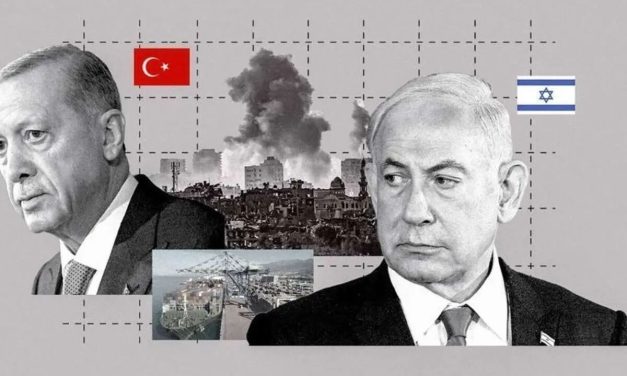
Strategic Implications of the Reduction of US Weapons Stockpiles

SCFR Online – Opinion: The continuation of the US war against Iran, in addition to increasing operational costs, has called into question the actual capacity of the American arsenal to simultaneously fulfill security commitments on multiple fronts; an issue that affects deterrence, defense production capacity, and Washington’s resource prioritization.

The Formation of a New Order in Relations Between Powers

SCFR Online – Opinion: The Russia-Ukraine war and the war of the United States and the Israeli regime against Iran have been formed with different objectives and actors, but field and political developments indicate that they are not entirely separate from one another.

An Analysis of the Makkah Defense Pact

SCFR Online – Opinion: On Friday, August 7, the heads of state of three countries – Saudi Arabia, Turkey, and Pakistan – signed a text under the title “Makkah Joint Defense Agreement.”

Dimensions and challenges of the initiative to revive the Hejaz Railway

Strategic Council Online – Note: The initiative to revive the Hejaz Railway, beyond being a transportation project, constitutes an attempt to redefine geopolitics, the economy, and Turkey’s regional position; however, its realization appears to face significant financial, security, and institutional challenges.

Loading

Syria

Arab States Goals in Trying to Normalize Relations with Syria

Arab States Goals in Trying to Normalize Relations with Syria

Strategic Council Online – Interview: An expert on Syrian affairs, saying that a major part of the decision to normalize relations between Arab countries and Syria goes back to their competition with Iran and Turkey, noted: The Axis of Resistance should activate economic mechanisms in the region and in Syria; otherwise it will face a reduction in influence and will be severely caught by surprise.

Biden’s US Targets of New Intervention in the Region

Biden’s US Targets of New Intervention in the Region

Strategic Council Online – Interview: An expert on US affairs, commenting on the US President Joe Biden’s recent claims that one of the reasons for the US military presence outside the borders, including deployment of US troops in the Persian Gulf region such as Saudi Arabia, Iraq and Syria, is Iran’s regional activities, said: Although there are talks over a change in Washington’s approach in the Middle East region in line with implementation of Biden’s stated policies in that region, in general, it seems that the main foundations of the US foreign policy in the region have not changed much, rather the process of implementation of its policies has been subject to changes.

Consequences of Persian Gulf Arab States Rapprochement with Syria

Consequences of Persian Gulf Arab States Rapprochement with Syria

Strategic Council Online- Interview: An expert of Middle East affairs commented on measures taken by some Arab states of Persian Gulf towards Bashar Assad government during recent years and stated:” Since 2011 when the Syrian crisis started, countries like Saudi Arabia, Qatar, UAE, and Bahrain tried in coordination to strengthen terrorist group-lets and thus topple Bashar Assad government”.

Objectives of Reviving Turkey’s Relations with UAE

Objectives of Reviving Turkey’s Relations with UAE

Strategic Council Online – Opinion: The recent visit of the UAE Crown Prince Mohammed bin Zayed Al Nahyan to Ankara and the consequences of this visit in Turkish foreign policy shows that the Turkish president, despite his decisive vision in domestic politics, has become more realistic in foreign policy in recent years and the new round of relations with the UAE is important in economic, political, and regional terms and in strengthening Ankara’s position in the international arena.
Mahmoud Fazeli – Analyst of international affairs

US New Strategy in Syria

US New Strategy in Syria

Strategic Council Online—Interview: An expert of Middle East issues says US marines and military forces have relocated from the northern and western provinces of Iraq to al-Hasakah in Syria, adding that such measures indicate a new scenario is transpiring to create crisis in the Kurdish regions of Syria.

Bin Salman’s Attempt to Interact with Syria; Reasons, Necessities and Perspectives

Bin Salman’s Attempt to Interact with Syria; Reasons, Necessities and Perspectives

Strategic Council Online – In recent weeks, clear signs are emerging for the gradual change in Saudi Arabia’s foreign policy approach to Syria. There are several reports indicating that bin Salman is seeking to “open diplomatic channels” with Syria. In recent weeks, secret meetings between Saudi and Syrian officials have taken place in Damascus, which have been unprecedented since 2011.
Barsam Mohammadi – analyst of international affairs

Factors Strengthening Position of Resistance among Regional Nations

Factors Strengthening Position of Resistance among Regional Nations

Strategic Council Online – The recent speeches delivered by Sayyed Hassan Nasrallah, Secretary-General of Hezbollah in Lebanon, and Sayyed Abdul Malik Badruddin al-Houthi, the leader of Yemen’s Ansarollah, once again drew attention to the importance of the issue of resistance.
Hassan Hanizadeh – expert on the Middle East affairs

Reasons for Not Forming a Government in Lebanon

Reasons for Not Forming a Government in Lebanon

Strategic Council Online – Interview: An expert on the Middle East affairs commenting on the reasons for Saad Hariri’s delay in forming the Lebanese government said: The Lebanese government has suffered from an internal crisis in recent years, especially after the 2018 elections; in this way, the governments that came to power could not form a cabinet or continue to work due to some issues such as internal protests or lack of internal political understanding.

A Review of Resistance Axis Record in 1399

A Review of Resistance Axis Record in 1399

Strategic Council Online – The Islamic Resistance in the region in 1399 (March 2020 – March 2021), , recorded significant growth and efficiency in terms of field capabilities despite global developments and increasing US intervention.
Hassan Hanizadeh – Middle East affairs expert

ÚLTIMAS PUBLICACIONES

Realities of the Tripartite Makkah Pact

SCFR Online – Interview: The signing of the Makkah agreement between Saudi Arabia, Pakistan, and Turkey has raised questions about the future of the region’s security structure and the position of these countries in West Asian equations. Can this agreement become a genuine collective defense mechanism, or does it have more of a political and deterrent function than creating new military capacity?

Strategic Implications of the Reduction of US Weapons Stockpiles

SCFR Online – Opinion: The continuation of the US war against Iran, in addition to increasing operational costs, has called into question the actual capacity of the American arsenal to simultaneously fulfill security commitments on multiple fronts; an issue that affects deterrence, defense production capacity, and Washington’s resource prioritization.

The Formation of a New Order in Relations Between Powers

SCFR Online – Opinion: The Russia-Ukraine war and the war of the United States and the Israeli regime against Iran have been formed with different objectives and actors, but field and political developments indicate that they are not entirely separate from one another.

An Analysis of the Makkah Defense Pact

SCFR Online – Opinion: On Friday, August 7, the heads of state of three countries – Saudi Arabia, Turkey, and Pakistan – signed a text under the title “Makkah Joint Defense Agreement.”

Dimensions and challenges of the initiative to revive the Hejaz Railway

Strategic Council Online – Note: The initiative to revive the Hejaz Railway, beyond being a transportation project, constitutes an attempt to redefine geopolitics, the economy, and Turkey’s regional position; however, its realization appears to face significant financial, security, and institutional challenges.

Loading