جدیدترین مطالب

Consequences of Declining Trust in the Judiciary in Europe

SCFRonline – Opinion: The increase in public distrust of the French judicial system, which in recent surveys has reached approximately two-thirds of citizens, should be analyzed within a framework broader than temporary dissatisfaction or an emotional reaction to a particular criminal case.

Iran’s Potential Levers of Power

SCFRonline– Opinion: Iran’s geopolitical power is not limited solely to oil and the Strait of Hormuz; the unintended emergence of disruptions in the future global food and energy security chains can also demonstrate Iran’s strategic importance.

The Inseparability of the Lebanese Front from the Axis of Resistance

SCFR Online–Opinion: By providing an extensive network of social, healthcare, educational, and post-war reconstruction services, Hezbollah has established a strong social base for itself among Lebanon’s Shiites and Sunnis, and even beyond that, among other segments of Lebanese society, including Christians. Hezbollah has never been an external actor imposed upon Lebanon; rather, it is a phenomenon fundamentally born out of the occupation and crimes of the Zionist regime and itself influenced by popular resistance.

The Increasing Efforts of the Zionist Regime to Redefine Borders and the Regional Order and Its Consequences

SCFR Online– Opinion: Security and military developments in the region over recent months indicate that the ongoing crises and wars in Gaza, southern Lebanon, and parts of Syrian territory encompass broader dimensions of geopolitical and geostrategic transformations. In this context, the increased military presence and control of the Zionist regime over parts of the territories of these areas, along with proposals regarding the creation of buffer zones or even the expansion of security borders, have raised serious questions about the future of the regional order and its consequences for the countries of West Asia.

Loading

Saudi Arabia

Middle East on the Threshold of Comprehensive Peace

Middle East on the Threshold of Comprehensive Peace

Strategic Council Online – Opinion: The strategic agreement between Iran and Saudi Arabia in Beijing will help transform the political and security conditions and move towards stable peace and stability in the region. This agreement will end the costly tensions between Tehran and Riyadh and create new political and security stability requirements and expand cooperation between the region’s countries.
Hassan Hanizadeh – Expert on Middle East affairs

Analysis of Iraq – Germany Energy Agreements

Analysis of Iraq – Germany Energy Agreements

Strategic Council Online – Opinion: While preliminary agreements have been made regarding the export of oil and gas to Germany and Europe, Baghdad will face great challenges in realizing its ambitious goals.
Pouria Nabipour – PhD in political science and international relations

Strategic Implications of Saudi-UAE Tension in Yemen

Strategic Implications of Saudi-UAE Tension in Yemen

Strategic Council Online – Opinion: Since the beginning of Saudi Arabia’s military attack on Yemen, political, military, and security relations between Riyadh and Abu Dhabi have gone through four different stages. Based on “unity and convergence” at the beginning of the war, bilateral ties have become “rivalries” after a while. This competition led to many “disagreements,s,” With its continuation, the two countries have passed the stage of disagreement and have “tension” with each other.
Hamid Khoshayand – Expert on regional affairs

Iran and Saudi relationship contribute to ending the war in Yemen

Iran and Saudi relationship contribute to ending the war in Yemen

Strategic Council Online: The president of the Strategic Council on Foreign Relations said in a meeting with Hans Grundberg, the UN Special Envoy for Yemen that the restoration of diplomatic relations between Iran and Saudi Arabia, which was mediated by China, will contribute to ending the war in Yemen.

Dimensions, goals and consequences of Judaization of Bahraini textbooks

Dimensions, goals and consequences of Judaization of Bahraini textbooks

Strategic Council Online—Opinion: In September 2020, the Kingdom of Bahrain signed a reconciliation plan with the Zionist regime known as the “Abraham Accords”. Bahrain is the fourth Arab regime that has recognized the Zionist regime. During the past two years, Bahrain has been one of the Arab regimes that has continued to expand bilateral relations with Tel Aviv despite widespread domestic opposition.
Hamid Khoshayand- Expert of regional issues

A Glimpse at Developments of Intl. Order; a Year after Ukrainian War

A Glimpse at Developments of Intl. Order; a Year after Ukrainian War

Strategic Council Online – Interview: An analyst of international affairs, saying that there is no sign of an end to the war in Ukraine in the current conditions, emphasized: Now the equations of the past are messed up and the new system is based on multilateralism and neutrality and relies on regionalism in which regional powers will cooperate and compete with each other at the international level.

Analysis of Inconclusive Paris Meeting on Lebanon, Impotence of Trans-Regional Powers

Analysis of Inconclusive Paris Meeting on Lebanon, Impotence of Trans-Regional Powers

Strategic Council Online – Interview: An expert on West Asia affairs emphasized that the interventionist meeting in Paris about Lebanon could not reach a conclusion due to the many contradictions in the point of view of members participating in the meeting, adding: Transregional countries are unable to solve the political crisis in Lebanon, but they refuse to admit it.

Prospects for expansion of UAE-Pakistan cooperation

Prospects for expansion of UAE-Pakistan cooperation

Strategic Council Online – Interview: An expert on Asia affairs, stating that the recent evidence shows the deepening of Pakistan’s relations with Arab countries of the Persian Gulf, focusing on economic assistance in exchange for military aid, said: The Middle East region is witnessing a new security order and needs to strengthen itself more in terms of military, and the view of Arab countries of the Persian Gulf towards the East and Pakistan can be evaluated in this regard.

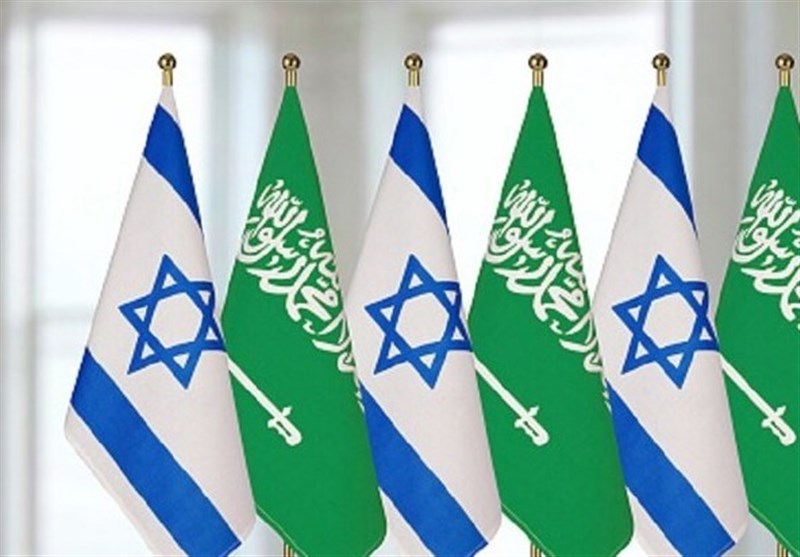
The way of developing relations between Saudi Arabia and the Zionist regime

The way of developing relations between Saudi Arabia and the Zionist regime

Strategic Council Online—Interview: An expert on West Asian issues stated that the frequent publication of news about the normalization of relations between the Zionist regime and Saudi Arabia in the Zionist media does not necessarily mean the occurrence of new developments that can change the geopolitics of the region, and said that repeatedly dealing with the issue of normalizing relations with Saudi Arabia is a media achievement. It is for Netanyahu and the Likud party to divert the attention of public opinion from the internal problems and challenges of the Zionist regime.

أحدث الوظائف

Consequences of Declining Trust in the Judiciary in Europe

SCFRonline – Opinion: The increase in public distrust of the French judicial system, which in recent surveys has reached approximately two-thirds of citizens, should be analyzed within a framework broader than temporary dissatisfaction or an emotional reaction to a particular criminal case.

Iran’s Potential Levers of Power

SCFRonline– Opinion: Iran’s geopolitical power is not limited solely to oil and the Strait of Hormuz; the unintended emergence of disruptions in the future global food and energy security chains can also demonstrate Iran’s strategic importance.

The Inseparability of the Lebanese Front from the Axis of Resistance

SCFR Online–Opinion: By providing an extensive network of social, healthcare, educational, and post-war reconstruction services, Hezbollah has established a strong social base for itself among Lebanon’s Shiites and Sunnis, and even beyond that, among other segments of Lebanese society, including Christians. Hezbollah has never been an external actor imposed upon Lebanon; rather, it is a phenomenon fundamentally born out of the occupation and crimes of the Zionist regime and itself influenced by popular resistance.

The Increasing Efforts of the Zionist Regime to Redefine Borders and the Regional Order and Its Consequences

SCFR Online– Opinion: Security and military developments in the region over recent months indicate that the ongoing crises and wars in Gaza, southern Lebanon, and parts of Syrian territory encompass broader dimensions of geopolitical and geostrategic transformations. In this context, the increased military presence and control of the Zionist regime over parts of the territories of these areas, along with proposals regarding the creation of buffer zones or even the expansion of security borders, have raised serious questions about the future of the regional order and its consequences for the countries of West Asia.

Loading

Saudi Arabia

Middle East on the Threshold of Comprehensive Peace

Middle East on the Threshold of Comprehensive Peace

Strategic Council Online – Opinion: The strategic agreement between Iran and Saudi Arabia in Beijing will help transform the political and security conditions and move towards stable peace and stability in the region. This agreement will end the costly tensions between Tehran and Riyadh and create new political and security stability requirements and expand cooperation between the region’s countries.
Hassan Hanizadeh – Expert on Middle East affairs

Analysis of Iraq – Germany Energy Agreements

Analysis of Iraq – Germany Energy Agreements

Strategic Council Online – Opinion: While preliminary agreements have been made regarding the export of oil and gas to Germany and Europe, Baghdad will face great challenges in realizing its ambitious goals.
Pouria Nabipour – PhD in political science and international relations

Strategic Implications of Saudi-UAE Tension in Yemen

Strategic Implications of Saudi-UAE Tension in Yemen

Strategic Council Online – Opinion: Since the beginning of Saudi Arabia’s military attack on Yemen, political, military, and security relations between Riyadh and Abu Dhabi have gone through four different stages. Based on “unity and convergence” at the beginning of the war, bilateral ties have become “rivalries” after a while. This competition led to many “disagreements,s,” With its continuation, the two countries have passed the stage of disagreement and have “tension” with each other.
Hamid Khoshayand – Expert on regional affairs

Iran and Saudi relationship contribute to ending the war in Yemen

Iran and Saudi relationship contribute to ending the war in Yemen

Strategic Council Online: The president of the Strategic Council on Foreign Relations said in a meeting with Hans Grundberg, the UN Special Envoy for Yemen that the restoration of diplomatic relations between Iran and Saudi Arabia, which was mediated by China, will contribute to ending the war in Yemen.

Dimensions, goals and consequences of Judaization of Bahraini textbooks

Dimensions, goals and consequences of Judaization of Bahraini textbooks

Strategic Council Online—Opinion: In September 2020, the Kingdom of Bahrain signed a reconciliation plan with the Zionist regime known as the “Abraham Accords”. Bahrain is the fourth Arab regime that has recognized the Zionist regime. During the past two years, Bahrain has been one of the Arab regimes that has continued to expand bilateral relations with Tel Aviv despite widespread domestic opposition.
Hamid Khoshayand- Expert of regional issues

A Glimpse at Developments of Intl. Order; a Year after Ukrainian War

A Glimpse at Developments of Intl. Order; a Year after Ukrainian War

Strategic Council Online – Interview: An analyst of international affairs, saying that there is no sign of an end to the war in Ukraine in the current conditions, emphasized: Now the equations of the past are messed up and the new system is based on multilateralism and neutrality and relies on regionalism in which regional powers will cooperate and compete with each other at the international level.

Analysis of Inconclusive Paris Meeting on Lebanon, Impotence of Trans-Regional Powers

Analysis of Inconclusive Paris Meeting on Lebanon, Impotence of Trans-Regional Powers

Strategic Council Online – Interview: An expert on West Asia affairs emphasized that the interventionist meeting in Paris about Lebanon could not reach a conclusion due to the many contradictions in the point of view of members participating in the meeting, adding: Transregional countries are unable to solve the political crisis in Lebanon, but they refuse to admit it.

Prospects for expansion of UAE-Pakistan cooperation

Prospects for expansion of UAE-Pakistan cooperation

Strategic Council Online – Interview: An expert on Asia affairs, stating that the recent evidence shows the deepening of Pakistan’s relations with Arab countries of the Persian Gulf, focusing on economic assistance in exchange for military aid, said: The Middle East region is witnessing a new security order and needs to strengthen itself more in terms of military, and the view of Arab countries of the Persian Gulf towards the East and Pakistan can be evaluated in this regard.

The way of developing relations between Saudi Arabia and the Zionist regime

The way of developing relations between Saudi Arabia and the Zionist regime

Strategic Council Online—Interview: An expert on West Asian issues stated that the frequent publication of news about the normalization of relations between the Zionist regime and Saudi Arabia in the Zionist media does not necessarily mean the occurrence of new developments that can change the geopolitics of the region, and said that repeatedly dealing with the issue of normalizing relations with Saudi Arabia is a media achievement. It is for Netanyahu and the Likud party to divert the attention of public opinion from the internal problems and challenges of the Zionist regime.

Saudi Arabia

Middle East on the Threshold of Comprehensive Peace

Middle East on the Threshold of Comprehensive Peace

Strategic Council Online – Opinion: The strategic agreement between Iran and Saudi Arabia in Beijing will help transform the political and security conditions and move towards stable peace and stability in the region. This agreement will end the costly tensions between Tehran and Riyadh and create new political and security stability requirements and expand cooperation between the region’s countries.
Hassan Hanizadeh – Expert on Middle East affairs

Analysis of Iraq – Germany Energy Agreements

Analysis of Iraq – Germany Energy Agreements

Strategic Council Online – Opinion: While preliminary agreements have been made regarding the export of oil and gas to Germany and Europe, Baghdad will face great challenges in realizing its ambitious goals.
Pouria Nabipour – PhD in political science and international relations

Strategic Implications of Saudi-UAE Tension in Yemen

Strategic Implications of Saudi-UAE Tension in Yemen

Strategic Council Online – Opinion: Since the beginning of Saudi Arabia’s military attack on Yemen, political, military, and security relations between Riyadh and Abu Dhabi have gone through four different stages. Based on “unity and convergence” at the beginning of the war, bilateral ties have become “rivalries” after a while. This competition led to many “disagreements,s,” With its continuation, the two countries have passed the stage of disagreement and have “tension” with each other.
Hamid Khoshayand – Expert on regional affairs

Iran and Saudi relationship contribute to ending the war in Yemen

Iran and Saudi relationship contribute to ending the war in Yemen

Strategic Council Online: The president of the Strategic Council on Foreign Relations said in a meeting with Hans Grundberg, the UN Special Envoy for Yemen that the restoration of diplomatic relations between Iran and Saudi Arabia, which was mediated by China, will contribute to ending the war in Yemen.

Dimensions, goals and consequences of Judaization of Bahraini textbooks

Dimensions, goals and consequences of Judaization of Bahraini textbooks

Strategic Council Online—Opinion: In September 2020, the Kingdom of Bahrain signed a reconciliation plan with the Zionist regime known as the “Abraham Accords”. Bahrain is the fourth Arab regime that has recognized the Zionist regime. During the past two years, Bahrain has been one of the Arab regimes that has continued to expand bilateral relations with Tel Aviv despite widespread domestic opposition.
Hamid Khoshayand- Expert of regional issues

A Glimpse at Developments of Intl. Order; a Year after Ukrainian War

A Glimpse at Developments of Intl. Order; a Year after Ukrainian War

Strategic Council Online – Interview: An analyst of international affairs, saying that there is no sign of an end to the war in Ukraine in the current conditions, emphasized: Now the equations of the past are messed up and the new system is based on multilateralism and neutrality and relies on regionalism in which regional powers will cooperate and compete with each other at the international level.

Analysis of Inconclusive Paris Meeting on Lebanon, Impotence of Trans-Regional Powers

Analysis of Inconclusive Paris Meeting on Lebanon, Impotence of Trans-Regional Powers

Strategic Council Online – Interview: An expert on West Asia affairs emphasized that the interventionist meeting in Paris about Lebanon could not reach a conclusion due to the many contradictions in the point of view of members participating in the meeting, adding: Transregional countries are unable to solve the political crisis in Lebanon, but they refuse to admit it.

Prospects for expansion of UAE-Pakistan cooperation

Prospects for expansion of UAE-Pakistan cooperation

Strategic Council Online – Interview: An expert on Asia affairs, stating that the recent evidence shows the deepening of Pakistan’s relations with Arab countries of the Persian Gulf, focusing on economic assistance in exchange for military aid, said: The Middle East region is witnessing a new security order and needs to strengthen itself more in terms of military, and the view of Arab countries of the Persian Gulf towards the East and Pakistan can be evaluated in this regard.

The way of developing relations between Saudi Arabia and the Zionist regime

The way of developing relations between Saudi Arabia and the Zionist regime

Strategic Council Online—Interview: An expert on West Asian issues stated that the frequent publication of news about the normalization of relations between the Zionist regime and Saudi Arabia in the Zionist media does not necessarily mean the occurrence of new developments that can change the geopolitics of the region, and said that repeatedly dealing with the issue of normalizing relations with Saudi Arabia is a media achievement. It is for Netanyahu and the Likud party to divert the attention of public opinion from the internal problems and challenges of the Zionist regime.

LATEST CONTENT

Consequences of Declining Trust in the Judiciary in Europe

SCFRonline – Opinion: The increase in public distrust of the French judicial system, which in recent surveys has reached approximately two-thirds of citizens, should be analyzed within a framework broader than temporary dissatisfaction or an emotional reaction to a particular criminal case.

Iran’s Potential Levers of Power

SCFRonline– Opinion: Iran’s geopolitical power is not limited solely to oil and the Strait of Hormuz; the unintended emergence of disruptions in the future global food and energy security chains can also demonstrate Iran’s strategic importance.

The Inseparability of the Lebanese Front from the Axis of Resistance

SCFR Online–Opinion: By providing an extensive network of social, healthcare, educational, and post-war reconstruction services, Hezbollah has established a strong social base for itself among Lebanon’s Shiites and Sunnis, and even beyond that, among other segments of Lebanese society, including Christians. Hezbollah has never been an external actor imposed upon Lebanon; rather, it is a phenomenon fundamentally born out of the occupation and crimes of the Zionist regime and itself influenced by popular resistance.

The Increasing Efforts of the Zionist Regime to Redefine Borders and the Regional Order and Its Consequences

SCFR Online– Opinion: Security and military developments in the region over recent months indicate that the ongoing crises and wars in Gaza, southern Lebanon, and parts of Syrian territory encompass broader dimensions of geopolitical and geostrategic transformations. In this context, the increased military presence and control of the Zionist regime over parts of the territories of these areas, along with proposals regarding the creation of buffer zones or even the expansion of security borders, have raised serious questions about the future of the regional order and its consequences for the countries of West Asia.

Loading

Saudi Arabia

Middle East on the Threshold of Comprehensive Peace

Middle East on the Threshold of Comprehensive Peace

Strategic Council Online – Opinion: The strategic agreement between Iran and Saudi Arabia in Beijing will help transform the political and security conditions and move towards stable peace and stability in the region. This agreement will end the costly tensions between Tehran and Riyadh and create new political and security stability requirements and expand cooperation between the region’s countries.
Hassan Hanizadeh – Expert on Middle East affairs

Analysis of Iraq – Germany Energy Agreements

Analysis of Iraq – Germany Energy Agreements

Strategic Council Online – Opinion: While preliminary agreements have been made regarding the export of oil and gas to Germany and Europe, Baghdad will face great challenges in realizing its ambitious goals.
Pouria Nabipour – PhD in political science and international relations

Strategic Implications of Saudi-UAE Tension in Yemen

Strategic Implications of Saudi-UAE Tension in Yemen

Strategic Council Online – Opinion: Since the beginning of Saudi Arabia’s military attack on Yemen, political, military, and security relations between Riyadh and Abu Dhabi have gone through four different stages. Based on “unity and convergence” at the beginning of the war, bilateral ties have become “rivalries” after a while. This competition led to many “disagreements,s,” With its continuation, the two countries have passed the stage of disagreement and have “tension” with each other.
Hamid Khoshayand – Expert on regional affairs

Iran and Saudi relationship contribute to ending the war in Yemen

Iran and Saudi relationship contribute to ending the war in Yemen

Strategic Council Online: The president of the Strategic Council on Foreign Relations said in a meeting with Hans Grundberg, the UN Special Envoy for Yemen that the restoration of diplomatic relations between Iran and Saudi Arabia, which was mediated by China, will contribute to ending the war in Yemen.

Dimensions, goals and consequences of Judaization of Bahraini textbooks

Dimensions, goals and consequences of Judaization of Bahraini textbooks

Strategic Council Online—Opinion: In September 2020, the Kingdom of Bahrain signed a reconciliation plan with the Zionist regime known as the “Abraham Accords”. Bahrain is the fourth Arab regime that has recognized the Zionist regime. During the past two years, Bahrain has been one of the Arab regimes that has continued to expand bilateral relations with Tel Aviv despite widespread domestic opposition.
Hamid Khoshayand- Expert of regional issues

A Glimpse at Developments of Intl. Order; a Year after Ukrainian War

A Glimpse at Developments of Intl. Order; a Year after Ukrainian War

Strategic Council Online – Interview: An analyst of international affairs, saying that there is no sign of an end to the war in Ukraine in the current conditions, emphasized: Now the equations of the past are messed up and the new system is based on multilateralism and neutrality and relies on regionalism in which regional powers will cooperate and compete with each other at the international level.

Analysis of Inconclusive Paris Meeting on Lebanon, Impotence of Trans-Regional Powers

Analysis of Inconclusive Paris Meeting on Lebanon, Impotence of Trans-Regional Powers

Strategic Council Online – Interview: An expert on West Asia affairs emphasized that the interventionist meeting in Paris about Lebanon could not reach a conclusion due to the many contradictions in the point of view of members participating in the meeting, adding: Transregional countries are unable to solve the political crisis in Lebanon, but they refuse to admit it.

Prospects for expansion of UAE-Pakistan cooperation

Prospects for expansion of UAE-Pakistan cooperation

Strategic Council Online – Interview: An expert on Asia affairs, stating that the recent evidence shows the deepening of Pakistan’s relations with Arab countries of the Persian Gulf, focusing on economic assistance in exchange for military aid, said: The Middle East region is witnessing a new security order and needs to strengthen itself more in terms of military, and the view of Arab countries of the Persian Gulf towards the East and Pakistan can be evaluated in this regard.

The way of developing relations between Saudi Arabia and the Zionist regime

The way of developing relations between Saudi Arabia and the Zionist regime

Strategic Council Online—Interview: An expert on West Asian issues stated that the frequent publication of news about the normalization of relations between the Zionist regime and Saudi Arabia in the Zionist media does not necessarily mean the occurrence of new developments that can change the geopolitics of the region, and said that repeatedly dealing with the issue of normalizing relations with Saudi Arabia is a media achievement. It is for Netanyahu and the Likud party to divert the attention of public opinion from the internal problems and challenges of the Zionist regime.

ÚLTIMAS PUBLICACIONES

Consequences of Declining Trust in the Judiciary in Europe

SCFRonline – Opinion: The increase in public distrust of the French judicial system, which in recent surveys has reached approximately two-thirds of citizens, should be analyzed within a framework broader than temporary dissatisfaction or an emotional reaction to a particular criminal case.

Iran’s Potential Levers of Power

SCFRonline– Opinion: Iran’s geopolitical power is not limited solely to oil and the Strait of Hormuz; the unintended emergence of disruptions in the future global food and energy security chains can also demonstrate Iran’s strategic importance.

The Inseparability of the Lebanese Front from the Axis of Resistance

SCFR Online–Opinion: By providing an extensive network of social, healthcare, educational, and post-war reconstruction services, Hezbollah has established a strong social base for itself among Lebanon’s Shiites and Sunnis, and even beyond that, among other segments of Lebanese society, including Christians. Hezbollah has never been an external actor imposed upon Lebanon; rather, it is a phenomenon fundamentally born out of the occupation and crimes of the Zionist regime and itself influenced by popular resistance.

The Increasing Efforts of the Zionist Regime to Redefine Borders and the Regional Order and Its Consequences

SCFR Online– Opinion: Security and military developments in the region over recent months indicate that the ongoing crises and wars in Gaza, southern Lebanon, and parts of Syrian territory encompass broader dimensions of geopolitical and geostrategic transformations. In this context, the increased military presence and control of the Zionist regime over parts of the territories of these areas, along with proposals regarding the creation of buffer zones or even the expansion of security borders, have raised serious questions about the future of the regional order and its consequences for the countries of West Asia.

Loading

Saudi Arabia

Middle East on the Threshold of Comprehensive Peace

Middle East on the Threshold of Comprehensive Peace

Strategic Council Online – Opinion: The strategic agreement between Iran and Saudi Arabia in Beijing will help transform the political and security conditions and move towards stable peace and stability in the region. This agreement will end the costly tensions between Tehran and Riyadh and create new political and security stability requirements and expand cooperation between the region’s countries.
Hassan Hanizadeh – Expert on Middle East affairs

Analysis of Iraq – Germany Energy Agreements

Analysis of Iraq – Germany Energy Agreements

Strategic Council Online – Opinion: While preliminary agreements have been made regarding the export of oil and gas to Germany and Europe, Baghdad will face great challenges in realizing its ambitious goals.
Pouria Nabipour – PhD in political science and international relations

Strategic Implications of Saudi-UAE Tension in Yemen

Strategic Implications of Saudi-UAE Tension in Yemen

Strategic Council Online – Opinion: Since the beginning of Saudi Arabia’s military attack on Yemen, political, military, and security relations between Riyadh and Abu Dhabi have gone through four different stages. Based on “unity and convergence” at the beginning of the war, bilateral ties have become “rivalries” after a while. This competition led to many “disagreements,s,” With its continuation, the two countries have passed the stage of disagreement and have “tension” with each other.
Hamid Khoshayand – Expert on regional affairs

Iran and Saudi relationship contribute to ending the war in Yemen

Iran and Saudi relationship contribute to ending the war in Yemen

Strategic Council Online: The president of the Strategic Council on Foreign Relations said in a meeting with Hans Grundberg, the UN Special Envoy for Yemen that the restoration of diplomatic relations between Iran and Saudi Arabia, which was mediated by China, will contribute to ending the war in Yemen.

Dimensions, goals and consequences of Judaization of Bahraini textbooks

Dimensions, goals and consequences of Judaization of Bahraini textbooks

Strategic Council Online—Opinion: In September 2020, the Kingdom of Bahrain signed a reconciliation plan with the Zionist regime known as the “Abraham Accords”. Bahrain is the fourth Arab regime that has recognized the Zionist regime. During the past two years, Bahrain has been one of the Arab regimes that has continued to expand bilateral relations with Tel Aviv despite widespread domestic opposition.
Hamid Khoshayand- Expert of regional issues

A Glimpse at Developments of Intl. Order; a Year after Ukrainian War

A Glimpse at Developments of Intl. Order; a Year after Ukrainian War

Strategic Council Online – Interview: An analyst of international affairs, saying that there is no sign of an end to the war in Ukraine in the current conditions, emphasized: Now the equations of the past are messed up and the new system is based on multilateralism and neutrality and relies on regionalism in which regional powers will cooperate and compete with each other at the international level.

Analysis of Inconclusive Paris Meeting on Lebanon, Impotence of Trans-Regional Powers

Analysis of Inconclusive Paris Meeting on Lebanon, Impotence of Trans-Regional Powers

Strategic Council Online – Interview: An expert on West Asia affairs emphasized that the interventionist meeting in Paris about Lebanon could not reach a conclusion due to the many contradictions in the point of view of members participating in the meeting, adding: Transregional countries are unable to solve the political crisis in Lebanon, but they refuse to admit it.

Prospects for expansion of UAE-Pakistan cooperation

Prospects for expansion of UAE-Pakistan cooperation

Strategic Council Online – Interview: An expert on Asia affairs, stating that the recent evidence shows the deepening of Pakistan’s relations with Arab countries of the Persian Gulf, focusing on economic assistance in exchange for military aid, said: The Middle East region is witnessing a new security order and needs to strengthen itself more in terms of military, and the view of Arab countries of the Persian Gulf towards the East and Pakistan can be evaluated in this regard.

The way of developing relations between Saudi Arabia and the Zionist regime

The way of developing relations between Saudi Arabia and the Zionist regime

Strategic Council Online—Interview: An expert on West Asian issues stated that the frequent publication of news about the normalization of relations between the Zionist regime and Saudi Arabia in the Zionist media does not necessarily mean the occurrence of new developments that can change the geopolitics of the region, and said that repeatedly dealing with the issue of normalizing relations with Saudi Arabia is a media achievement. It is for Netanyahu and the Likud party to divert the attention of public opinion from the internal problems and challenges of the Zionist regime.

ÚLTIMAS PUBLICACIONES

Consequences of Declining Trust in the Judiciary in Europe

SCFRonline – Opinion: The increase in public distrust of the French judicial system, which in recent surveys has reached approximately two-thirds of citizens, should be analyzed within a framework broader than temporary dissatisfaction or an emotional reaction to a particular criminal case.

Iran’s Potential Levers of Power

SCFRonline– Opinion: Iran’s geopolitical power is not limited solely to oil and the Strait of Hormuz; the unintended emergence of disruptions in the future global food and energy security chains can also demonstrate Iran’s strategic importance.

The Inseparability of the Lebanese Front from the Axis of Resistance

SCFR Online–Opinion: By providing an extensive network of social, healthcare, educational, and post-war reconstruction services, Hezbollah has established a strong social base for itself among Lebanon’s Shiites and Sunnis, and even beyond that, among other segments of Lebanese society, including Christians. Hezbollah has never been an external actor imposed upon Lebanon; rather, it is a phenomenon fundamentally born out of the occupation and crimes of the Zionist regime and itself influenced by popular resistance.

The Increasing Efforts of the Zionist Regime to Redefine Borders and the Regional Order and Its Consequences

SCFR Online– Opinion: Security and military developments in the region over recent months indicate that the ongoing crises and wars in Gaza, southern Lebanon, and parts of Syrian territory encompass broader dimensions of geopolitical and geostrategic transformations. In this context, the increased military presence and control of the Zionist regime over parts of the territories of these areas, along with proposals regarding the creation of buffer zones or even the expansion of security borders, have raised serious questions about the future of the regional order and its consequences for the countries of West Asia.

Loading

Saudi Arabia

Middle East on the Threshold of Comprehensive Peace

Middle East on the Threshold of Comprehensive Peace

Strategic Council Online – Opinion: The strategic agreement between Iran and Saudi Arabia in Beijing will help transform the political and security conditions and move towards stable peace and stability in the region. This agreement will end the costly tensions between Tehran and Riyadh and create new political and security stability requirements and expand cooperation between the region’s countries.
Hassan Hanizadeh – Expert on Middle East affairs

Analysis of Iraq – Germany Energy Agreements

Analysis of Iraq – Germany Energy Agreements

Strategic Council Online – Opinion: While preliminary agreements have been made regarding the export of oil and gas to Germany and Europe, Baghdad will face great challenges in realizing its ambitious goals.
Pouria Nabipour – PhD in political science and international relations

Strategic Implications of Saudi-UAE Tension in Yemen

Strategic Implications of Saudi-UAE Tension in Yemen

Strategic Council Online – Opinion: Since the beginning of Saudi Arabia’s military attack on Yemen, political, military, and security relations between Riyadh and Abu Dhabi have gone through four different stages. Based on “unity and convergence” at the beginning of the war, bilateral ties have become “rivalries” after a while. This competition led to many “disagreements,s,” With its continuation, the two countries have passed the stage of disagreement and have “tension” with each other.
Hamid Khoshayand – Expert on regional affairs

Iran and Saudi relationship contribute to ending the war in Yemen

Iran and Saudi relationship contribute to ending the war in Yemen

Strategic Council Online: The president of the Strategic Council on Foreign Relations said in a meeting with Hans Grundberg, the UN Special Envoy for Yemen that the restoration of diplomatic relations between Iran and Saudi Arabia, which was mediated by China, will contribute to ending the war in Yemen.

Dimensions, goals and consequences of Judaization of Bahraini textbooks

Dimensions, goals and consequences of Judaization of Bahraini textbooks

Strategic Council Online—Opinion: In September 2020, the Kingdom of Bahrain signed a reconciliation plan with the Zionist regime known as the “Abraham Accords”. Bahrain is the fourth Arab regime that has recognized the Zionist regime. During the past two years, Bahrain has been one of the Arab regimes that has continued to expand bilateral relations with Tel Aviv despite widespread domestic opposition.
Hamid Khoshayand- Expert of regional issues

A Glimpse at Developments of Intl. Order; a Year after Ukrainian War

A Glimpse at Developments of Intl. Order; a Year after Ukrainian War

Strategic Council Online – Interview: An analyst of international affairs, saying that there is no sign of an end to the war in Ukraine in the current conditions, emphasized: Now the equations of the past are messed up and the new system is based on multilateralism and neutrality and relies on regionalism in which regional powers will cooperate and compete with each other at the international level.

Analysis of Inconclusive Paris Meeting on Lebanon, Impotence of Trans-Regional Powers

Analysis of Inconclusive Paris Meeting on Lebanon, Impotence of Trans-Regional Powers

Strategic Council Online – Interview: An expert on West Asia affairs emphasized that the interventionist meeting in Paris about Lebanon could not reach a conclusion due to the many contradictions in the point of view of members participating in the meeting, adding: Transregional countries are unable to solve the political crisis in Lebanon, but they refuse to admit it.

Prospects for expansion of UAE-Pakistan cooperation

Prospects for expansion of UAE-Pakistan cooperation

Strategic Council Online – Interview: An expert on Asia affairs, stating that the recent evidence shows the deepening of Pakistan’s relations with Arab countries of the Persian Gulf, focusing on economic assistance in exchange for military aid, said: The Middle East region is witnessing a new security order and needs to strengthen itself more in terms of military, and the view of Arab countries of the Persian Gulf towards the East and Pakistan can be evaluated in this regard.

The way of developing relations between Saudi Arabia and the Zionist regime

The way of developing relations between Saudi Arabia and the Zionist regime

Strategic Council Online—Interview: An expert on West Asian issues stated that the frequent publication of news about the normalization of relations between the Zionist regime and Saudi Arabia in the Zionist media does not necessarily mean the occurrence of new developments that can change the geopolitics of the region, and said that repeatedly dealing with the issue of normalizing relations with Saudi Arabia is a media achievement. It is for Netanyahu and the Likud party to divert the attention of public opinion from the internal problems and challenges of the Zionist regime.

ÚLTIMAS PUBLICACIONES

Consequences of Declining Trust in the Judiciary in Europe

SCFRonline – Opinion: The increase in public distrust of the French judicial system, which in recent surveys has reached approximately two-thirds of citizens, should be analyzed within a framework broader than temporary dissatisfaction or an emotional reaction to a particular criminal case.

Iran’s Potential Levers of Power

SCFRonline– Opinion: Iran’s geopolitical power is not limited solely to oil and the Strait of Hormuz; the unintended emergence of disruptions in the future global food and energy security chains can also demonstrate Iran’s strategic importance.

The Inseparability of the Lebanese Front from the Axis of Resistance

SCFR Online–Opinion: By providing an extensive network of social, healthcare, educational, and post-war reconstruction services, Hezbollah has established a strong social base for itself among Lebanon’s Shiites and Sunnis, and even beyond that, among other segments of Lebanese society, including Christians. Hezbollah has never been an external actor imposed upon Lebanon; rather, it is a phenomenon fundamentally born out of the occupation and crimes of the Zionist regime and itself influenced by popular resistance.

The Increasing Efforts of the Zionist Regime to Redefine Borders and the Regional Order and Its Consequences

SCFR Online– Opinion: Security and military developments in the region over recent months indicate that the ongoing crises and wars in Gaza, southern Lebanon, and parts of Syrian territory encompass broader dimensions of geopolitical and geostrategic transformations. In this context, the increased military presence and control of the Zionist regime over parts of the territories of these areas, along with proposals regarding the creation of buffer zones or even the expansion of security borders, have raised serious questions about the future of the regional order and its consequences for the countries of West Asia.

Loading

Saudi Arabia

Middle East on the Threshold of Comprehensive Peace

Middle East on the Threshold of Comprehensive Peace

Strategic Council Online – Opinion: The strategic agreement between Iran and Saudi Arabia in Beijing will help transform the political and security conditions and move towards stable peace and stability in the region. This agreement will end the costly tensions between Tehran and Riyadh and create new political and security stability requirements and expand cooperation between the region’s countries.
Hassan Hanizadeh – Expert on Middle East affairs

Analysis of Iraq – Germany Energy Agreements

Analysis of Iraq – Germany Energy Agreements

Strategic Council Online – Opinion: While preliminary agreements have been made regarding the export of oil and gas to Germany and Europe, Baghdad will face great challenges in realizing its ambitious goals.
Pouria Nabipour – PhD in political science and international relations

Strategic Implications of Saudi-UAE Tension in Yemen

Strategic Implications of Saudi-UAE Tension in Yemen

Strategic Council Online – Opinion: Since the beginning of Saudi Arabia’s military attack on Yemen, political, military, and security relations between Riyadh and Abu Dhabi have gone through four different stages. Based on “unity and convergence” at the beginning of the war, bilateral ties have become “rivalries” after a while. This competition led to many “disagreements,s,” With its continuation, the two countries have passed the stage of disagreement and have “tension” with each other.
Hamid Khoshayand – Expert on regional affairs

Iran and Saudi relationship contribute to ending the war in Yemen

Iran and Saudi relationship contribute to ending the war in Yemen

Strategic Council Online: The president of the Strategic Council on Foreign Relations said in a meeting with Hans Grundberg, the UN Special Envoy for Yemen that the restoration of diplomatic relations between Iran and Saudi Arabia, which was mediated by China, will contribute to ending the war in Yemen.

Dimensions, goals and consequences of Judaization of Bahraini textbooks

Dimensions, goals and consequences of Judaization of Bahraini textbooks

Strategic Council Online—Opinion: In September 2020, the Kingdom of Bahrain signed a reconciliation plan with the Zionist regime known as the “Abraham Accords”. Bahrain is the fourth Arab regime that has recognized the Zionist regime. During the past two years, Bahrain has been one of the Arab regimes that has continued to expand bilateral relations with Tel Aviv despite widespread domestic opposition.
Hamid Khoshayand- Expert of regional issues

A Glimpse at Developments of Intl. Order; a Year after Ukrainian War

A Glimpse at Developments of Intl. Order; a Year after Ukrainian War

Strategic Council Online – Interview: An analyst of international affairs, saying that there is no sign of an end to the war in Ukraine in the current conditions, emphasized: Now the equations of the past are messed up and the new system is based on multilateralism and neutrality and relies on regionalism in which regional powers will cooperate and compete with each other at the international level.

Analysis of Inconclusive Paris Meeting on Lebanon, Impotence of Trans-Regional Powers

Analysis of Inconclusive Paris Meeting on Lebanon, Impotence of Trans-Regional Powers

Strategic Council Online – Interview: An expert on West Asia affairs emphasized that the interventionist meeting in Paris about Lebanon could not reach a conclusion due to the many contradictions in the point of view of members participating in the meeting, adding: Transregional countries are unable to solve the political crisis in Lebanon, but they refuse to admit it.

Prospects for expansion of UAE-Pakistan cooperation

Prospects for expansion of UAE-Pakistan cooperation

Strategic Council Online – Interview: An expert on Asia affairs, stating that the recent evidence shows the deepening of Pakistan’s relations with Arab countries of the Persian Gulf, focusing on economic assistance in exchange for military aid, said: The Middle East region is witnessing a new security order and needs to strengthen itself more in terms of military, and the view of Arab countries of the Persian Gulf towards the East and Pakistan can be evaluated in this regard.

The way of developing relations between Saudi Arabia and the Zionist regime

The way of developing relations between Saudi Arabia and the Zionist regime

Strategic Council Online—Interview: An expert on West Asian issues stated that the frequent publication of news about the normalization of relations between the Zionist regime and Saudi Arabia in the Zionist media does not necessarily mean the occurrence of new developments that can change the geopolitics of the region, and said that repeatedly dealing with the issue of normalizing relations with Saudi Arabia is a media achievement. It is for Netanyahu and the Likud party to divert the attention of public opinion from the internal problems and challenges of the Zionist regime.

ÚLTIMAS PUBLICACIONES

Consequences of Declining Trust in the Judiciary in Europe

SCFRonline – Opinion: The increase in public distrust of the French judicial system, which in recent surveys has reached approximately two-thirds of citizens, should be analyzed within a framework broader than temporary dissatisfaction or an emotional reaction to a particular criminal case.

Iran’s Potential Levers of Power

SCFRonline– Opinion: Iran’s geopolitical power is not limited solely to oil and the Strait of Hormuz; the unintended emergence of disruptions in the future global food and energy security chains can also demonstrate Iran’s strategic importance.

The Inseparability of the Lebanese Front from the Axis of Resistance

SCFR Online–Opinion: By providing an extensive network of social, healthcare, educational, and post-war reconstruction services, Hezbollah has established a strong social base for itself among Lebanon’s Shiites and Sunnis, and even beyond that, among other segments of Lebanese society, including Christians. Hezbollah has never been an external actor imposed upon Lebanon; rather, it is a phenomenon fundamentally born out of the occupation and crimes of the Zionist regime and itself influenced by popular resistance.

The Increasing Efforts of the Zionist Regime to Redefine Borders and the Regional Order and Its Consequences

SCFR Online– Opinion: Security and military developments in the region over recent months indicate that the ongoing crises and wars in Gaza, southern Lebanon, and parts of Syrian territory encompass broader dimensions of geopolitical and geostrategic transformations. In this context, the increased military presence and control of the Zionist regime over parts of the territories of these areas, along with proposals regarding the creation of buffer zones or even the expansion of security borders, have raised serious questions about the future of the regional order and its consequences for the countries of West Asia.

Loading