جدیدترین مطالب

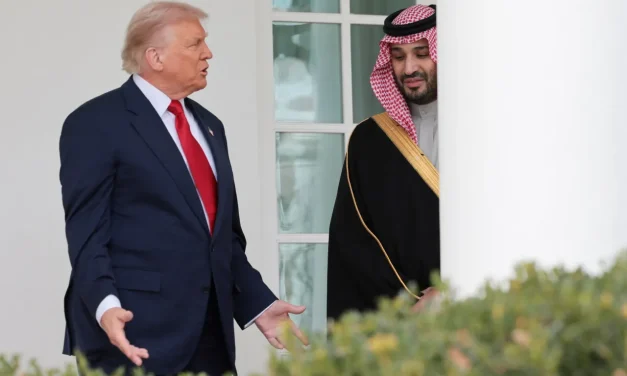
Implications of the US-Saudi Nuclear Agreement

SCFR Online – Opinion: The new US-Saudi nuclear agreement, despite legal and political ambiguities, could alter previous non-proliferation standards in West Asia and intensify nuclear competition, ushering it into a new phase.
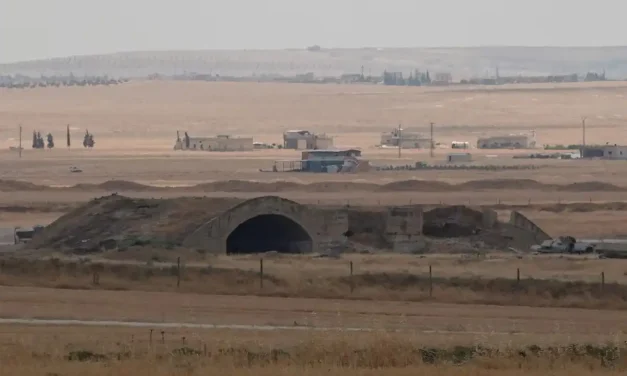
An Analysis of Recent Turkey-Israeli Regime Tensions

SCFR Online – Opinion: Recent developments in Syria indicate an intensification of strategic rivalry between Turkey and the Israeli regime, but mutual considerations and the role of the United States have limited the likelihood of direct war.

Increasing criticism of the extensive Zionist lobby network

SCFR Online – Opinion: An examination of the mechanisms of the Israeli regime’s influence in the United States depicts a complex picture of shared interests, strategic dependencies, and the limitations of this relationship.

Realities of the Tripartite Makkah Pact

SCFR Online – Interview: The signing of the Makkah agreement between Saudi Arabia, Pakistan, and Turkey has raised questions about the future of the region’s security structure and the position of these countries in West Asian equations. Can this agreement become a genuine collective defense mechanism, or does it have more of a political and deterrent function than creating new military capacity?

Strategic Implications of the Reduction of US Weapons Stockpiles

SCFR Online – Opinion: The continuation of the US war against Iran, in addition to increasing operational costs, has called into question the actual capacity of the American arsenal to simultaneously fulfill security commitments on multiple fronts; an issue that affects deterrence, defense production capacity, and Washington’s resource prioritization.

The Formation of a New Order in Relations Between Powers

SCFR Online – Opinion: The Russia-Ukraine war and the war of the United States and the Israeli regime against Iran have been formed with different objectives and actors, but field and political developments indicate that they are not entirely separate from one another.

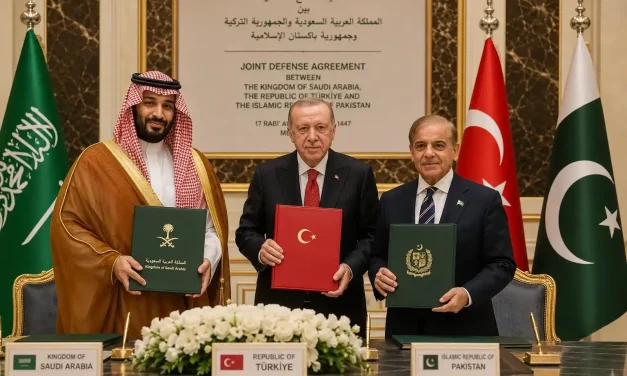
An Analysis of the Makkah Defense Pact

SCFR Online – Opinion: On Friday, August 7, the heads of state of three countries – Saudi Arabia, Turkey, and Pakistan – signed a text under the title “Makkah Joint Defense Agreement.”

Loading

Top News

Strategic Effects of the Recent Iraqi Parliament Anti-Zionist Bill

Strategic Effects of the Recent Iraqi Parliament Anti-Zionist Bill

Strategic Council Online – Opinion: There are a couple of different readings on the recent Iraqi parliament bill about banning the normalization of relations with the Zionist regime; The first interpretation deals with it from micro scale and studies the case from executive background. The second interpretation reviews the bill from macro and strategic aspects and thus analyses its effects on Iraq’s foreign relations as well as political and military equations of the region.
Jafar Ghannad Baashi, Expert of the Middle East issues

Prospect of Legislation on Banning Normalization of Relations with Zionist Regime in Certain Arab Countries

Prospect of Legislation on Banning Normalization of Relations with Zionist Regime in Certain Arab Countries

Strategic Council Online – Opinion: Under circumstances that the Zionist regime is in a difficult situation in terms of security, political, economic, social … issues which, as admitted by the leaders of that regime, has been unprecedented in the past 75 years, we are witnessing actions taken by certain important Arab states, including Iraq, for confronting the strategy of normalization of the Zionist regime’s relations with Arab and Islamic countries.
Hamid Khoshayand – Expert on regional affairs

An Analysis on Revival of Turkish-UAE Relations

An Analysis on Revival of Turkish-UAE Relations

Strategic Council Online – Guest Opinion: After a decade of cold relations, Turkey and the UAE are on the path to reviving bilateral relations. This new trend began in 2021 with a series of high-level diplomatic meetings and contacts, culminating in Mohamed bin Zayed’s November visit to Ankara. Recently, Recep Tayyip Erdogan visited Abu Dhabi to offer condolences on the death of Khalifa bin Zayed Al Nahyan. The trip also saw the signing of more than 10 agreements between the two countries, including a defense industry cooperation agreement.
Seyed Hamed Hosseini – PhD student in international relations
Motivations

Saudi Arabia & the Zionist Regime; challenges & Concerns ahead

Saudi Arabia & the Zionist Regime; challenges & Concerns ahead

Strategic Council Online – Opinion: Saudi Arabia policy versus the Zionist regime has always been impressed by domestic, regional and international elements as well as components. While the authorities of Al Saud have always tried to turn Palestinian issue as the axis of their Arabic – Islamic policy to draw a macro image of the so-called concerns of the kingdom, they have kept their connecting channels active for the development of their clandestine relations with the Zionist regime.
Kamran Karami, Researcher of Arabic Peninsula issues

France’s ambition to lead Europe

France’s ambition to lead Europe

Strategic Council Online—Interview: A University of Tehran professor says Paris is trying not to blame France for the confrontation with Russia, as a country claiming to lead Europe, adding that with the Ukraine crisis, Macron’s ideas to rule Europe were completely questioned, which is why France prefers to maintain minimal and symbolic policies and approaches to play its traditional mediating role.

Challenges ahead of Brussels Negotiations on Southern Caucasia

Challenges ahead of Brussels Negotiations on Southern Caucasia

Strategic Council Online – Interview: Director of Caucasia Studies Foundation said:” it seems that the objectives of Turkey and the Republic of Azerbaijan on making Zangezur corridor follow mostly non-economic aspects, while territorial, political as well as security objectives to make corridor will face the opposition of the regional players.

Sovereignty Claim over Aegean islands, Prospect of Greece-Turkey Tensions

Sovereignty Claim over Aegean islands, Prospect of Greece-Turkey Tensions

Strategic Council Online – Interview: An expert on Turkey affairs, stressing that Turkey’s claims to sovereignty over the Aegean islands will not go beyond verbal claims, said: Turkey feels that so far in tensions it has had with Greece it has been left alone by NATO and under this situation, with warnings it tries to persuade them to judge fairly about the Greek military movements in the islands.

Lebanese Parliamentary Election & Political Perspective Ahead

Lebanese Parliamentary Election & Political Perspective Ahead

Strategic Council Online – Interview: The expert of West Asia affairs commented about the recent parliamentary election of Lebanon and its results:” the results obtained was in a way that no party managed to win the majority of the parliament. It means the lists of Resistance Coalition groups gained about 58 to 59 seats and the other party that is in line with the West – Arab axis gained nearly 41 to 45 seats. Amid this, independent groups and individuals also won 128 seats”.

أحدث الوظائف

Implications of the US-Saudi Nuclear Agreement

SCFR Online – Opinion: The new US-Saudi nuclear agreement, despite legal and political ambiguities, could alter previous non-proliferation standards in West Asia and intensify nuclear competition, ushering it into a new phase.

An Analysis of Recent Turkey-Israeli Regime Tensions

SCFR Online – Opinion: Recent developments in Syria indicate an intensification of strategic rivalry between Turkey and the Israeli regime, but mutual considerations and the role of the United States have limited the likelihood of direct war.

Increasing criticism of the extensive Zionist lobby network

SCFR Online – Opinion: An examination of the mechanisms of the Israeli regime’s influence in the United States depicts a complex picture of shared interests, strategic dependencies, and the limitations of this relationship.

Realities of the Tripartite Makkah Pact

SCFR Online – Interview: The signing of the Makkah agreement between Saudi Arabia, Pakistan, and Turkey has raised questions about the future of the region’s security structure and the position of these countries in West Asian equations. Can this agreement become a genuine collective defense mechanism, or does it have more of a political and deterrent function than creating new military capacity?

Strategic Implications of the Reduction of US Weapons Stockpiles

SCFR Online – Opinion: The continuation of the US war against Iran, in addition to increasing operational costs, has called into question the actual capacity of the American arsenal to simultaneously fulfill security commitments on multiple fronts; an issue that affects deterrence, defense production capacity, and Washington’s resource prioritization.

The Formation of a New Order in Relations Between Powers

SCFR Online – Opinion: The Russia-Ukraine war and the war of the United States and the Israeli regime against Iran have been formed with different objectives and actors, but field and political developments indicate that they are not entirely separate from one another.

An Analysis of the Makkah Defense Pact

SCFR Online – Opinion: On Friday, August 7, the heads of state of three countries – Saudi Arabia, Turkey, and Pakistan – signed a text under the title “Makkah Joint Defense Agreement.”

Loading

Top News

Strategic Effects of the Recent Iraqi Parliament Anti-Zionist Bill

Strategic Effects of the Recent Iraqi Parliament Anti-Zionist Bill

Strategic Council Online – Opinion: There are a couple of different readings on the recent Iraqi parliament bill about banning the normalization of relations with the Zionist regime; The first interpretation deals with it from micro scale and studies the case from executive background. The second interpretation reviews the bill from macro and strategic aspects and thus analyses its effects on Iraq’s foreign relations as well as political and military equations of the region.
Jafar Ghannad Baashi, Expert of the Middle East issues

Prospect of Legislation on Banning Normalization of Relations with Zionist Regime in Certain Arab Countries

Prospect of Legislation on Banning Normalization of Relations with Zionist Regime in Certain Arab Countries

Strategic Council Online – Opinion: Under circumstances that the Zionist regime is in a difficult situation in terms of security, political, economic, social … issues which, as admitted by the leaders of that regime, has been unprecedented in the past 75 years, we are witnessing actions taken by certain important Arab states, including Iraq, for confronting the strategy of normalization of the Zionist regime’s relations with Arab and Islamic countries.
Hamid Khoshayand – Expert on regional affairs

An Analysis on Revival of Turkish-UAE Relations

An Analysis on Revival of Turkish-UAE Relations

Strategic Council Online – Guest Opinion: After a decade of cold relations, Turkey and the UAE are on the path to reviving bilateral relations. This new trend began in 2021 with a series of high-level diplomatic meetings and contacts, culminating in Mohamed bin Zayed’s November visit to Ankara. Recently, Recep Tayyip Erdogan visited Abu Dhabi to offer condolences on the death of Khalifa bin Zayed Al Nahyan. The trip also saw the signing of more than 10 agreements between the two countries, including a defense industry cooperation agreement.
Seyed Hamed Hosseini – PhD student in international relations
Motivations

Saudi Arabia & the Zionist Regime; challenges & Concerns ahead

Saudi Arabia & the Zionist Regime; challenges & Concerns ahead

Strategic Council Online – Opinion: Saudi Arabia policy versus the Zionist regime has always been impressed by domestic, regional and international elements as well as components. While the authorities of Al Saud have always tried to turn Palestinian issue as the axis of their Arabic – Islamic policy to draw a macro image of the so-called concerns of the kingdom, they have kept their connecting channels active for the development of their clandestine relations with the Zionist regime.
Kamran Karami, Researcher of Arabic Peninsula issues

France’s ambition to lead Europe

France’s ambition to lead Europe

Strategic Council Online—Interview: A University of Tehran professor says Paris is trying not to blame France for the confrontation with Russia, as a country claiming to lead Europe, adding that with the Ukraine crisis, Macron’s ideas to rule Europe were completely questioned, which is why France prefers to maintain minimal and symbolic policies and approaches to play its traditional mediating role.

Challenges ahead of Brussels Negotiations on Southern Caucasia

Challenges ahead of Brussels Negotiations on Southern Caucasia

Strategic Council Online – Interview: Director of Caucasia Studies Foundation said:” it seems that the objectives of Turkey and the Republic of Azerbaijan on making Zangezur corridor follow mostly non-economic aspects, while territorial, political as well as security objectives to make corridor will face the opposition of the regional players.

Sovereignty Claim over Aegean islands, Prospect of Greece-Turkey Tensions

Sovereignty Claim over Aegean islands, Prospect of Greece-Turkey Tensions

Strategic Council Online – Interview: An expert on Turkey affairs, stressing that Turkey’s claims to sovereignty over the Aegean islands will not go beyond verbal claims, said: Turkey feels that so far in tensions it has had with Greece it has been left alone by NATO and under this situation, with warnings it tries to persuade them to judge fairly about the Greek military movements in the islands.

Lebanese Parliamentary Election & Political Perspective Ahead

Lebanese Parliamentary Election & Political Perspective Ahead

Strategic Council Online – Interview: The expert of West Asia affairs commented about the recent parliamentary election of Lebanon and its results:” the results obtained was in a way that no party managed to win the majority of the parliament. It means the lists of Resistance Coalition groups gained about 58 to 59 seats and the other party that is in line with the West – Arab axis gained nearly 41 to 45 seats. Amid this, independent groups and individuals also won 128 seats”.

Top News

Strategic Effects of the Recent Iraqi Parliament Anti-Zionist Bill

Strategic Effects of the Recent Iraqi Parliament Anti-Zionist Bill

Strategic Council Online – Opinion: There are a couple of different readings on the recent Iraqi parliament bill about banning the normalization of relations with the Zionist regime; The first interpretation deals with it from micro scale and studies the case from executive background. The second interpretation reviews the bill from macro and strategic aspects and thus analyses its effects on Iraq’s foreign relations as well as political and military equations of the region.
Jafar Ghannad Baashi, Expert of the Middle East issues

Prospect of Legislation on Banning Normalization of Relations with Zionist Regime in Certain Arab Countries

Prospect of Legislation on Banning Normalization of Relations with Zionist Regime in Certain Arab Countries

Strategic Council Online – Opinion: Under circumstances that the Zionist regime is in a difficult situation in terms of security, political, economic, social … issues which, as admitted by the leaders of that regime, has been unprecedented in the past 75 years, we are witnessing actions taken by certain important Arab states, including Iraq, for confronting the strategy of normalization of the Zionist regime’s relations with Arab and Islamic countries.
Hamid Khoshayand – Expert on regional affairs

An Analysis on Revival of Turkish-UAE Relations

An Analysis on Revival of Turkish-UAE Relations

Strategic Council Online – Guest Opinion: After a decade of cold relations, Turkey and the UAE are on the path to reviving bilateral relations. This new trend began in 2021 with a series of high-level diplomatic meetings and contacts, culminating in Mohamed bin Zayed’s November visit to Ankara. Recently, Recep Tayyip Erdogan visited Abu Dhabi to offer condolences on the death of Khalifa bin Zayed Al Nahyan. The trip also saw the signing of more than 10 agreements between the two countries, including a defense industry cooperation agreement.
Seyed Hamed Hosseini – PhD student in international relations
Motivations

Saudi Arabia & the Zionist Regime; challenges & Concerns ahead

Saudi Arabia & the Zionist Regime; challenges & Concerns ahead

Strategic Council Online – Opinion: Saudi Arabia policy versus the Zionist regime has always been impressed by domestic, regional and international elements as well as components. While the authorities of Al Saud have always tried to turn Palestinian issue as the axis of their Arabic – Islamic policy to draw a macro image of the so-called concerns of the kingdom, they have kept their connecting channels active for the development of their clandestine relations with the Zionist regime.
Kamran Karami, Researcher of Arabic Peninsula issues

France’s ambition to lead Europe

France’s ambition to lead Europe

Strategic Council Online—Interview: A University of Tehran professor says Paris is trying not to blame France for the confrontation with Russia, as a country claiming to lead Europe, adding that with the Ukraine crisis, Macron’s ideas to rule Europe were completely questioned, which is why France prefers to maintain minimal and symbolic policies and approaches to play its traditional mediating role.

Challenges ahead of Brussels Negotiations on Southern Caucasia

Challenges ahead of Brussels Negotiations on Southern Caucasia

Strategic Council Online – Interview: Director of Caucasia Studies Foundation said:” it seems that the objectives of Turkey and the Republic of Azerbaijan on making Zangezur corridor follow mostly non-economic aspects, while territorial, political as well as security objectives to make corridor will face the opposition of the regional players.

Sovereignty Claim over Aegean islands, Prospect of Greece-Turkey Tensions

Sovereignty Claim over Aegean islands, Prospect of Greece-Turkey Tensions

Strategic Council Online – Interview: An expert on Turkey affairs, stressing that Turkey’s claims to sovereignty over the Aegean islands will not go beyond verbal claims, said: Turkey feels that so far in tensions it has had with Greece it has been left alone by NATO and under this situation, with warnings it tries to persuade them to judge fairly about the Greek military movements in the islands.

Lebanese Parliamentary Election & Political Perspective Ahead

Lebanese Parliamentary Election & Political Perspective Ahead

Strategic Council Online – Interview: The expert of West Asia affairs commented about the recent parliamentary election of Lebanon and its results:” the results obtained was in a way that no party managed to win the majority of the parliament. It means the lists of Resistance Coalition groups gained about 58 to 59 seats and the other party that is in line with the West – Arab axis gained nearly 41 to 45 seats. Amid this, independent groups and individuals also won 128 seats”.

LATEST CONTENT

Implications of the US-Saudi Nuclear Agreement

SCFR Online – Opinion: The new US-Saudi nuclear agreement, despite legal and political ambiguities, could alter previous non-proliferation standards in West Asia and intensify nuclear competition, ushering it into a new phase.
An Analysis of Recent Turkey-Israeli Regime Tensions

SCFR Online – Opinion: Recent developments in Syria indicate an intensification of strategic rivalry between Turkey and the Israeli regime, but mutual considerations and the role of the United States have limited the likelihood of direct war.

Increasing criticism of the extensive Zionist lobby network

SCFR Online – Opinion: An examination of the mechanisms of the Israeli regime’s influence in the United States depicts a complex picture of shared interests, strategic dependencies, and the limitations of this relationship.

Realities of the Tripartite Makkah Pact

SCFR Online – Interview: The signing of the Makkah agreement between Saudi Arabia, Pakistan, and Turkey has raised questions about the future of the region’s security structure and the position of these countries in West Asian equations. Can this agreement become a genuine collective defense mechanism, or does it have more of a political and deterrent function than creating new military capacity?

Strategic Implications of the Reduction of US Weapons Stockpiles

SCFR Online – Opinion: The continuation of the US war against Iran, in addition to increasing operational costs, has called into question the actual capacity of the American arsenal to simultaneously fulfill security commitments on multiple fronts; an issue that affects deterrence, defense production capacity, and Washington’s resource prioritization.

The Formation of a New Order in Relations Between Powers

SCFR Online – Opinion: The Russia-Ukraine war and the war of the United States and the Israeli regime against Iran have been formed with different objectives and actors, but field and political developments indicate that they are not entirely separate from one another.

An Analysis of the Makkah Defense Pact

SCFR Online – Opinion: On Friday, August 7, the heads of state of three countries – Saudi Arabia, Turkey, and Pakistan – signed a text under the title “Makkah Joint Defense Agreement.”

Loading

Top News

Strategic Effects of the Recent Iraqi Parliament Anti-Zionist Bill

Strategic Effects of the Recent Iraqi Parliament Anti-Zionist Bill

Strategic Council Online – Opinion: There are a couple of different readings on the recent Iraqi parliament bill about banning the normalization of relations with the Zionist regime; The first interpretation deals with it from micro scale and studies the case from executive background. The second interpretation reviews the bill from macro and strategic aspects and thus analyses its effects on Iraq’s foreign relations as well as political and military equations of the region.
Jafar Ghannad Baashi, Expert of the Middle East issues

Prospect of Legislation on Banning Normalization of Relations with Zionist Regime in Certain Arab Countries

Prospect of Legislation on Banning Normalization of Relations with Zionist Regime in Certain Arab Countries

Strategic Council Online – Opinion: Under circumstances that the Zionist regime is in a difficult situation in terms of security, political, economic, social … issues which, as admitted by the leaders of that regime, has been unprecedented in the past 75 years, we are witnessing actions taken by certain important Arab states, including Iraq, for confronting the strategy of normalization of the Zionist regime’s relations with Arab and Islamic countries.
Hamid Khoshayand – Expert on regional affairs

An Analysis on Revival of Turkish-UAE Relations

An Analysis on Revival of Turkish-UAE Relations

Strategic Council Online – Guest Opinion: After a decade of cold relations, Turkey and the UAE are on the path to reviving bilateral relations. This new trend began in 2021 with a series of high-level diplomatic meetings and contacts, culminating in Mohamed bin Zayed’s November visit to Ankara. Recently, Recep Tayyip Erdogan visited Abu Dhabi to offer condolences on the death of Khalifa bin Zayed Al Nahyan. The trip also saw the signing of more than 10 agreements between the two countries, including a defense industry cooperation agreement.
Seyed Hamed Hosseini – PhD student in international relations
Motivations

Saudi Arabia & the Zionist Regime; challenges & Concerns ahead

Saudi Arabia & the Zionist Regime; challenges & Concerns ahead

Strategic Council Online – Opinion: Saudi Arabia policy versus the Zionist regime has always been impressed by domestic, regional and international elements as well as components. While the authorities of Al Saud have always tried to turn Palestinian issue as the axis of their Arabic – Islamic policy to draw a macro image of the so-called concerns of the kingdom, they have kept their connecting channels active for the development of their clandestine relations with the Zionist regime.
Kamran Karami, Researcher of Arabic Peninsula issues

France’s ambition to lead Europe

France’s ambition to lead Europe

Strategic Council Online—Interview: A University of Tehran professor says Paris is trying not to blame France for the confrontation with Russia, as a country claiming to lead Europe, adding that with the Ukraine crisis, Macron’s ideas to rule Europe were completely questioned, which is why France prefers to maintain minimal and symbolic policies and approaches to play its traditional mediating role.

Challenges ahead of Brussels Negotiations on Southern Caucasia

Challenges ahead of Brussels Negotiations on Southern Caucasia

Strategic Council Online – Interview: Director of Caucasia Studies Foundation said:” it seems that the objectives of Turkey and the Republic of Azerbaijan on making Zangezur corridor follow mostly non-economic aspects, while territorial, political as well as security objectives to make corridor will face the opposition of the regional players.

Sovereignty Claim over Aegean islands, Prospect of Greece-Turkey Tensions

Sovereignty Claim over Aegean islands, Prospect of Greece-Turkey Tensions

Strategic Council Online – Interview: An expert on Turkey affairs, stressing that Turkey’s claims to sovereignty over the Aegean islands will not go beyond verbal claims, said: Turkey feels that so far in tensions it has had with Greece it has been left alone by NATO and under this situation, with warnings it tries to persuade them to judge fairly about the Greek military movements in the islands.

Lebanese Parliamentary Election & Political Perspective Ahead

Lebanese Parliamentary Election & Political Perspective Ahead

Strategic Council Online – Interview: The expert of West Asia affairs commented about the recent parliamentary election of Lebanon and its results:” the results obtained was in a way that no party managed to win the majority of the parliament. It means the lists of Resistance Coalition groups gained about 58 to 59 seats and the other party that is in line with the West – Arab axis gained nearly 41 to 45 seats. Amid this, independent groups and individuals also won 128 seats”.

ÚLTIMAS PUBLICACIONES

Implications of the US-Saudi Nuclear Agreement

SCFR Online – Opinion: The new US-Saudi nuclear agreement, despite legal and political ambiguities, could alter previous non-proliferation standards in West Asia and intensify nuclear competition, ushering it into a new phase.
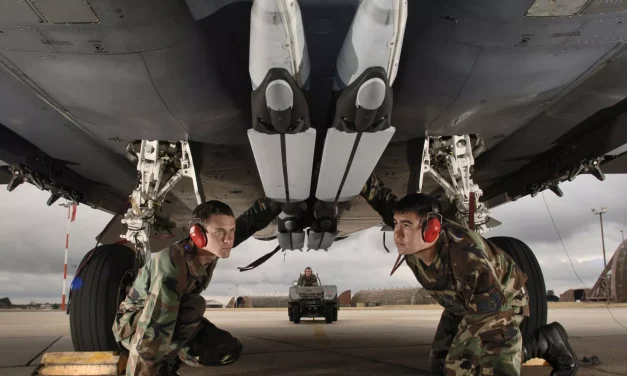
An Analysis of Recent Turkey-Israeli Regime Tensions

SCFR Online – Opinion: Recent developments in Syria indicate an intensification of strategic rivalry between Turkey and the Israeli regime, but mutual considerations and the role of the United States have limited the likelihood of direct war.

Increasing criticism of the extensive Zionist lobby network

SCFR Online – Opinion: An examination of the mechanisms of the Israeli regime’s influence in the United States depicts a complex picture of shared interests, strategic dependencies, and the limitations of this relationship.

Realities of the Tripartite Makkah Pact

SCFR Online – Interview: The signing of the Makkah agreement between Saudi Arabia, Pakistan, and Turkey has raised questions about the future of the region’s security structure and the position of these countries in West Asian equations. Can this agreement become a genuine collective defense mechanism, or does it have more of a political and deterrent function than creating new military capacity?

Strategic Implications of the Reduction of US Weapons Stockpiles

SCFR Online – Opinion: The continuation of the US war against Iran, in addition to increasing operational costs, has called into question the actual capacity of the American arsenal to simultaneously fulfill security commitments on multiple fronts; an issue that affects deterrence, defense production capacity, and Washington’s resource prioritization.

The Formation of a New Order in Relations Between Powers

SCFR Online – Opinion: The Russia-Ukraine war and the war of the United States and the Israeli regime against Iran have been formed with different objectives and actors, but field and political developments indicate that they are not entirely separate from one another.

An Analysis of the Makkah Defense Pact

SCFR Online – Opinion: On Friday, August 7, the heads of state of three countries – Saudi Arabia, Turkey, and Pakistan – signed a text under the title “Makkah Joint Defense Agreement.”

Loading

Top News

Strategic Effects of the Recent Iraqi Parliament Anti-Zionist Bill

Strategic Effects of the Recent Iraqi Parliament Anti-Zionist Bill

Strategic Council Online – Opinion: There are a couple of different readings on the recent Iraqi parliament bill about banning the normalization of relations with the Zionist regime; The first interpretation deals with it from micro scale and studies the case from executive background. The second interpretation reviews the bill from macro and strategic aspects and thus analyses its effects on Iraq’s foreign relations as well as political and military equations of the region.
Jafar Ghannad Baashi, Expert of the Middle East issues

Prospect of Legislation on Banning Normalization of Relations with Zionist Regime in Certain Arab Countries

Prospect of Legislation on Banning Normalization of Relations with Zionist Regime in Certain Arab Countries

Strategic Council Online – Opinion: Under circumstances that the Zionist regime is in a difficult situation in terms of security, political, economic, social … issues which, as admitted by the leaders of that regime, has been unprecedented in the past 75 years, we are witnessing actions taken by certain important Arab states, including Iraq, for confronting the strategy of normalization of the Zionist regime’s relations with Arab and Islamic countries.
Hamid Khoshayand – Expert on regional affairs

An Analysis on Revival of Turkish-UAE Relations

An Analysis on Revival of Turkish-UAE Relations

Strategic Council Online – Guest Opinion: After a decade of cold relations, Turkey and the UAE are on the path to reviving bilateral relations. This new trend began in 2021 with a series of high-level diplomatic meetings and contacts, culminating in Mohamed bin Zayed’s November visit to Ankara. Recently, Recep Tayyip Erdogan visited Abu Dhabi to offer condolences on the death of Khalifa bin Zayed Al Nahyan. The trip also saw the signing of more than 10 agreements between the two countries, including a defense industry cooperation agreement.
Seyed Hamed Hosseini – PhD student in international relations
Motivations

Saudi Arabia & the Zionist Regime; challenges & Concerns ahead

Saudi Arabia & the Zionist Regime; challenges & Concerns ahead

Strategic Council Online – Opinion: Saudi Arabia policy versus the Zionist regime has always been impressed by domestic, regional and international elements as well as components. While the authorities of Al Saud have always tried to turn Palestinian issue as the axis of their Arabic – Islamic policy to draw a macro image of the so-called concerns of the kingdom, they have kept their connecting channels active for the development of their clandestine relations with the Zionist regime.
Kamran Karami, Researcher of Arabic Peninsula issues

France’s ambition to lead Europe

France’s ambition to lead Europe

Strategic Council Online—Interview: A University of Tehran professor says Paris is trying not to blame France for the confrontation with Russia, as a country claiming to lead Europe, adding that with the Ukraine crisis, Macron’s ideas to rule Europe were completely questioned, which is why France prefers to maintain minimal and symbolic policies and approaches to play its traditional mediating role.

Challenges ahead of Brussels Negotiations on Southern Caucasia

Challenges ahead of Brussels Negotiations on Southern Caucasia

Strategic Council Online – Interview: Director of Caucasia Studies Foundation said:” it seems that the objectives of Turkey and the Republic of Azerbaijan on making Zangezur corridor follow mostly non-economic aspects, while territorial, political as well as security objectives to make corridor will face the opposition of the regional players.

Sovereignty Claim over Aegean islands, Prospect of Greece-Turkey Tensions

Sovereignty Claim over Aegean islands, Prospect of Greece-Turkey Tensions

Strategic Council Online – Interview: An expert on Turkey affairs, stressing that Turkey’s claims to sovereignty over the Aegean islands will not go beyond verbal claims, said: Turkey feels that so far in tensions it has had with Greece it has been left alone by NATO and under this situation, with warnings it tries to persuade them to judge fairly about the Greek military movements in the islands.

Lebanese Parliamentary Election & Political Perspective Ahead

Lebanese Parliamentary Election & Political Perspective Ahead

Strategic Council Online – Interview: The expert of West Asia affairs commented about the recent parliamentary election of Lebanon and its results:” the results obtained was in a way that no party managed to win the majority of the parliament. It means the lists of Resistance Coalition groups gained about 58 to 59 seats and the other party that is in line with the West – Arab axis gained nearly 41 to 45 seats. Amid this, independent groups and individuals also won 128 seats”.

ÚLTIMAS PUBLICACIONES

Implications of the US-Saudi Nuclear Agreement

SCFR Online – Opinion: The new US-Saudi nuclear agreement, despite legal and political ambiguities, could alter previous non-proliferation standards in West Asia and intensify nuclear competition, ushering it into a new phase.
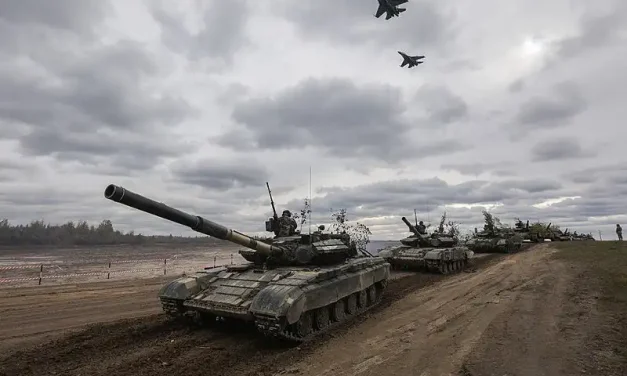
An Analysis of Recent Turkey-Israeli Regime Tensions

SCFR Online – Opinion: Recent developments in Syria indicate an intensification of strategic rivalry between Turkey and the Israeli regime, but mutual considerations and the role of the United States have limited the likelihood of direct war.

Increasing criticism of the extensive Zionist lobby network

SCFR Online – Opinion: An examination of the mechanisms of the Israeli regime’s influence in the United States depicts a complex picture of shared interests, strategic dependencies, and the limitations of this relationship.

Realities of the Tripartite Makkah Pact

SCFR Online – Interview: The signing of the Makkah agreement between Saudi Arabia, Pakistan, and Turkey has raised questions about the future of the region’s security structure and the position of these countries in West Asian equations. Can this agreement become a genuine collective defense mechanism, or does it have more of a political and deterrent function than creating new military capacity?

Strategic Implications of the Reduction of US Weapons Stockpiles

SCFR Online – Opinion: The continuation of the US war against Iran, in addition to increasing operational costs, has called into question the actual capacity of the American arsenal to simultaneously fulfill security commitments on multiple fronts; an issue that affects deterrence, defense production capacity, and Washington’s resource prioritization.

The Formation of a New Order in Relations Between Powers

SCFR Online – Opinion: The Russia-Ukraine war and the war of the United States and the Israeli regime against Iran have been formed with different objectives and actors, but field and political developments indicate that they are not entirely separate from one another.

An Analysis of the Makkah Defense Pact

SCFR Online – Opinion: On Friday, August 7, the heads of state of three countries – Saudi Arabia, Turkey, and Pakistan – signed a text under the title “Makkah Joint Defense Agreement.”

Loading

Top News

Strategic Effects of the Recent Iraqi Parliament Anti-Zionist Bill

Strategic Effects of the Recent Iraqi Parliament Anti-Zionist Bill

Strategic Council Online – Opinion: There are a couple of different readings on the recent Iraqi parliament bill about banning the normalization of relations with the Zionist regime; The first interpretation deals with it from micro scale and studies the case from executive background. The second interpretation reviews the bill from macro and strategic aspects and thus analyses its effects on Iraq’s foreign relations as well as political and military equations of the region.
Jafar Ghannad Baashi, Expert of the Middle East issues

Prospect of Legislation on Banning Normalization of Relations with Zionist Regime in Certain Arab Countries

Prospect of Legislation on Banning Normalization of Relations with Zionist Regime in Certain Arab Countries

Strategic Council Online – Opinion: Under circumstances that the Zionist regime is in a difficult situation in terms of security, political, economic, social … issues which, as admitted by the leaders of that regime, has been unprecedented in the past 75 years, we are witnessing actions taken by certain important Arab states, including Iraq, for confronting the strategy of normalization of the Zionist regime’s relations with Arab and Islamic countries.
Hamid Khoshayand – Expert on regional affairs

An Analysis on Revival of Turkish-UAE Relations

An Analysis on Revival of Turkish-UAE Relations

Strategic Council Online – Guest Opinion: After a decade of cold relations, Turkey and the UAE are on the path to reviving bilateral relations. This new trend began in 2021 with a series of high-level diplomatic meetings and contacts, culminating in Mohamed bin Zayed’s November visit to Ankara. Recently, Recep Tayyip Erdogan visited Abu Dhabi to offer condolences on the death of Khalifa bin Zayed Al Nahyan. The trip also saw the signing of more than 10 agreements between the two countries, including a defense industry cooperation agreement.
Seyed Hamed Hosseini – PhD student in international relations
Motivations

Saudi Arabia & the Zionist Regime; challenges & Concerns ahead

Saudi Arabia & the Zionist Regime; challenges & Concerns ahead

Strategic Council Online – Opinion: Saudi Arabia policy versus the Zionist regime has always been impressed by domestic, regional and international elements as well as components. While the authorities of Al Saud have always tried to turn Palestinian issue as the axis of their Arabic – Islamic policy to draw a macro image of the so-called concerns of the kingdom, they have kept their connecting channels active for the development of their clandestine relations with the Zionist regime.
Kamran Karami, Researcher of Arabic Peninsula issues

France’s ambition to lead Europe

France’s ambition to lead Europe

Strategic Council Online—Interview: A University of Tehran professor says Paris is trying not to blame France for the confrontation with Russia, as a country claiming to lead Europe, adding that with the Ukraine crisis, Macron’s ideas to rule Europe were completely questioned, which is why France prefers to maintain minimal and symbolic policies and approaches to play its traditional mediating role.

Challenges ahead of Brussels Negotiations on Southern Caucasia

Challenges ahead of Brussels Negotiations on Southern Caucasia

Strategic Council Online – Interview: Director of Caucasia Studies Foundation said:” it seems that the objectives of Turkey and the Republic of Azerbaijan on making Zangezur corridor follow mostly non-economic aspects, while territorial, political as well as security objectives to make corridor will face the opposition of the regional players.

Sovereignty Claim over Aegean islands, Prospect of Greece-Turkey Tensions

Sovereignty Claim over Aegean islands, Prospect of Greece-Turkey Tensions

Strategic Council Online – Interview: An expert on Turkey affairs, stressing that Turkey’s claims to sovereignty over the Aegean islands will not go beyond verbal claims, said: Turkey feels that so far in tensions it has had with Greece it has been left alone by NATO and under this situation, with warnings it tries to persuade them to judge fairly about the Greek military movements in the islands.

Lebanese Parliamentary Election & Political Perspective Ahead

Lebanese Parliamentary Election & Political Perspective Ahead

Strategic Council Online – Interview: The expert of West Asia affairs commented about the recent parliamentary election of Lebanon and its results:” the results obtained was in a way that no party managed to win the majority of the parliament. It means the lists of Resistance Coalition groups gained about 58 to 59 seats and the other party that is in line with the West – Arab axis gained nearly 41 to 45 seats. Amid this, independent groups and individuals also won 128 seats”.

ÚLTIMAS PUBLICACIONES

Implications of the US-Saudi Nuclear Agreement

SCFR Online – Opinion: The new US-Saudi nuclear agreement, despite legal and political ambiguities, could alter previous non-proliferation standards in West Asia and intensify nuclear competition, ushering it into a new phase.
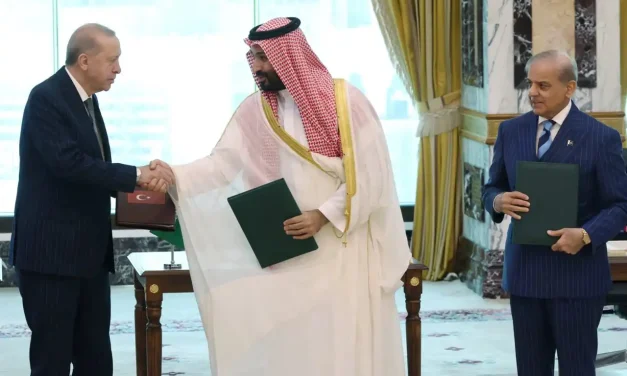
An Analysis of Recent Turkey-Israeli Regime Tensions

SCFR Online – Opinion: Recent developments in Syria indicate an intensification of strategic rivalry between Turkey and the Israeli regime, but mutual considerations and the role of the United States have limited the likelihood of direct war.

Increasing criticism of the extensive Zionist lobby network

SCFR Online – Opinion: An examination of the mechanisms of the Israeli regime’s influence in the United States depicts a complex picture of shared interests, strategic dependencies, and the limitations of this relationship.

Realities of the Tripartite Makkah Pact

SCFR Online – Interview: The signing of the Makkah agreement between Saudi Arabia, Pakistan, and Turkey has raised questions about the future of the region’s security structure and the position of these countries in West Asian equations. Can this agreement become a genuine collective defense mechanism, or does it have more of a political and deterrent function than creating new military capacity?

Strategic Implications of the Reduction of US Weapons Stockpiles

SCFR Online – Opinion: The continuation of the US war against Iran, in addition to increasing operational costs, has called into question the actual capacity of the American arsenal to simultaneously fulfill security commitments on multiple fronts; an issue that affects deterrence, defense production capacity, and Washington’s resource prioritization.

The Formation of a New Order in Relations Between Powers

SCFR Online – Opinion: The Russia-Ukraine war and the war of the United States and the Israeli regime against Iran have been formed with different objectives and actors, but field and political developments indicate that they are not entirely separate from one another.

An Analysis of the Makkah Defense Pact

SCFR Online – Opinion: On Friday, August 7, the heads of state of three countries – Saudi Arabia, Turkey, and Pakistan – signed a text under the title “Makkah Joint Defense Agreement.”

Loading

Top News

Strategic Effects of the Recent Iraqi Parliament Anti-Zionist Bill

Strategic Effects of the Recent Iraqi Parliament Anti-Zionist Bill

Strategic Council Online – Opinion: There are a couple of different readings on the recent Iraqi parliament bill about banning the normalization of relations with the Zionist regime; The first interpretation deals with it from micro scale and studies the case from executive background. The second interpretation reviews the bill from macro and strategic aspects and thus analyses its effects on Iraq’s foreign relations as well as political and military equations of the region.
Jafar Ghannad Baashi, Expert of the Middle East issues

Prospect of Legislation on Banning Normalization of Relations with Zionist Regime in Certain Arab Countries

Prospect of Legislation on Banning Normalization of Relations with Zionist Regime in Certain Arab Countries

Strategic Council Online – Opinion: Under circumstances that the Zionist regime is in a difficult situation in terms of security, political, economic, social … issues which, as admitted by the leaders of that regime, has been unprecedented in the past 75 years, we are witnessing actions taken by certain important Arab states, including Iraq, for confronting the strategy of normalization of the Zionist regime’s relations with Arab and Islamic countries.
Hamid Khoshayand – Expert on regional affairs

An Analysis on Revival of Turkish-UAE Relations

An Analysis on Revival of Turkish-UAE Relations

Strategic Council Online – Guest Opinion: After a decade of cold relations, Turkey and the UAE are on the path to reviving bilateral relations. This new trend began in 2021 with a series of high-level diplomatic meetings and contacts, culminating in Mohamed bin Zayed’s November visit to Ankara. Recently, Recep Tayyip Erdogan visited Abu Dhabi to offer condolences on the death of Khalifa bin Zayed Al Nahyan. The trip also saw the signing of more than 10 agreements between the two countries, including a defense industry cooperation agreement.
Seyed Hamed Hosseini – PhD student in international relations
Motivations

Saudi Arabia & the Zionist Regime; challenges & Concerns ahead

Saudi Arabia & the Zionist Regime; challenges & Concerns ahead

Strategic Council Online – Opinion: Saudi Arabia policy versus the Zionist regime has always been impressed by domestic, regional and international elements as well as components. While the authorities of Al Saud have always tried to turn Palestinian issue as the axis of their Arabic – Islamic policy to draw a macro image of the so-called concerns of the kingdom, they have kept their connecting channels active for the development of their clandestine relations with the Zionist regime.
Kamran Karami, Researcher of Arabic Peninsula issues

France’s ambition to lead Europe

France’s ambition to lead Europe

Strategic Council Online—Interview: A University of Tehran professor says Paris is trying not to blame France for the confrontation with Russia, as a country claiming to lead Europe, adding that with the Ukraine crisis, Macron’s ideas to rule Europe were completely questioned, which is why France prefers to maintain minimal and symbolic policies and approaches to play its traditional mediating role.

Challenges ahead of Brussels Negotiations on Southern Caucasia

Challenges ahead of Brussels Negotiations on Southern Caucasia

Strategic Council Online – Interview: Director of Caucasia Studies Foundation said:” it seems that the objectives of Turkey and the Republic of Azerbaijan on making Zangezur corridor follow mostly non-economic aspects, while territorial, political as well as security objectives to make corridor will face the opposition of the regional players.

Sovereignty Claim over Aegean islands, Prospect of Greece-Turkey Tensions

Sovereignty Claim over Aegean islands, Prospect of Greece-Turkey Tensions

Strategic Council Online – Interview: An expert on Turkey affairs, stressing that Turkey’s claims to sovereignty over the Aegean islands will not go beyond verbal claims, said: Turkey feels that so far in tensions it has had with Greece it has been left alone by NATO and under this situation, with warnings it tries to persuade them to judge fairly about the Greek military movements in the islands.

Lebanese Parliamentary Election & Political Perspective Ahead

Lebanese Parliamentary Election & Political Perspective Ahead

Strategic Council Online – Interview: The expert of West Asia affairs commented about the recent parliamentary election of Lebanon and its results:” the results obtained was in a way that no party managed to win the majority of the parliament. It means the lists of Resistance Coalition groups gained about 58 to 59 seats and the other party that is in line with the West – Arab axis gained nearly 41 to 45 seats. Amid this, independent groups and individuals also won 128 seats”.

ÚLTIMAS PUBLICACIONES

Implications of the US-Saudi Nuclear Agreement

SCFR Online – Opinion: The new US-Saudi nuclear agreement, despite legal and political ambiguities, could alter previous non-proliferation standards in West Asia and intensify nuclear competition, ushering it into a new phase.

An Analysis of Recent Turkey-Israeli Regime Tensions

SCFR Online – Opinion: Recent developments in Syria indicate an intensification of strategic rivalry between Turkey and the Israeli regime, but mutual considerations and the role of the United States have limited the likelihood of direct war.

Increasing criticism of the extensive Zionist lobby network

SCFR Online – Opinion: An examination of the mechanisms of the Israeli regime’s influence in the United States depicts a complex picture of shared interests, strategic dependencies, and the limitations of this relationship.

Realities of the Tripartite Makkah Pact

SCFR Online – Interview: The signing of the Makkah agreement between Saudi Arabia, Pakistan, and Turkey has raised questions about the future of the region’s security structure and the position of these countries in West Asian equations. Can this agreement become a genuine collective defense mechanism, or does it have more of a political and deterrent function than creating new military capacity?

Strategic Implications of the Reduction of US Weapons Stockpiles

SCFR Online – Opinion: The continuation of the US war against Iran, in addition to increasing operational costs, has called into question the actual capacity of the American arsenal to simultaneously fulfill security commitments on multiple fronts; an issue that affects deterrence, defense production capacity, and Washington’s resource prioritization.

The Formation of a New Order in Relations Between Powers

SCFR Online – Opinion: The Russia-Ukraine war and the war of the United States and the Israeli regime against Iran have been formed with different objectives and actors, but field and political developments indicate that they are not entirely separate from one another.

An Analysis of the Makkah Defense Pact

SCFR Online – Opinion: On Friday, August 7, the heads of state of three countries – Saudi Arabia, Turkey, and Pakistan – signed a text under the title “Makkah Joint Defense Agreement.”

Loading