جدیدترین مطالب

The Makkah Pact; Reasons for its Formation and Challenges Ahead

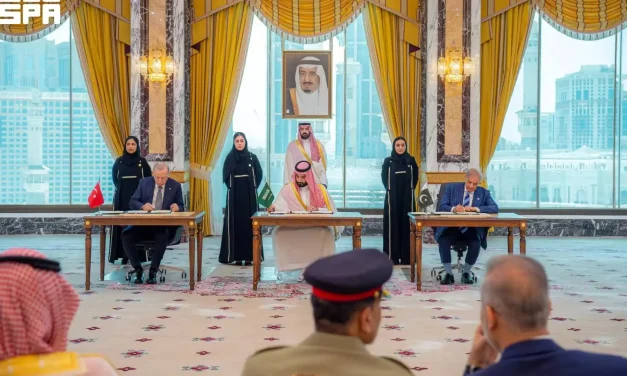
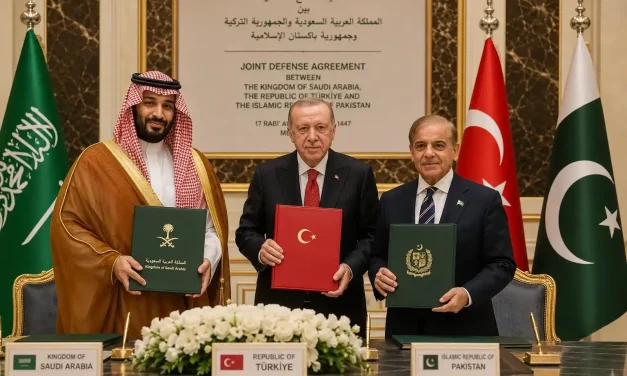
SCFR Online – Opinion: The Makkah Pact, signed between Saudi Arabia, Pakistan, and Turkey under the motto “an attack on one is an attack on all,” is viewed by some analysts less as a full-fledged military coalition and more as an attempt to reduce security dependence on an external power and to establish a regional security mechanism.
Implications of the US-Saudi Nuclear Agreement

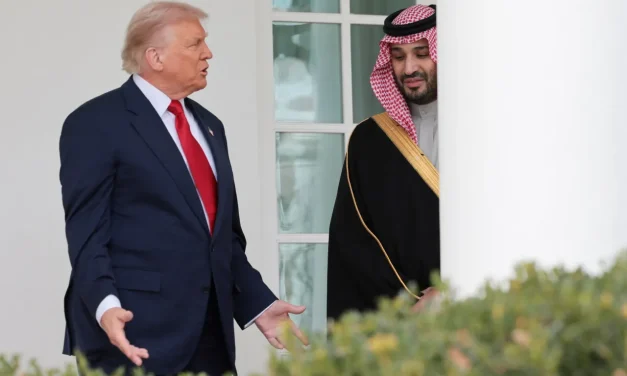
SCFR Online – Opinion: The new US-Saudi nuclear agreement, despite legal and political ambiguities, could alter previous non-proliferation standards in West Asia and intensify nuclear competition, ushering it into a new phase.

An Analysis of Recent Turkey-Israeli Regime Tensions

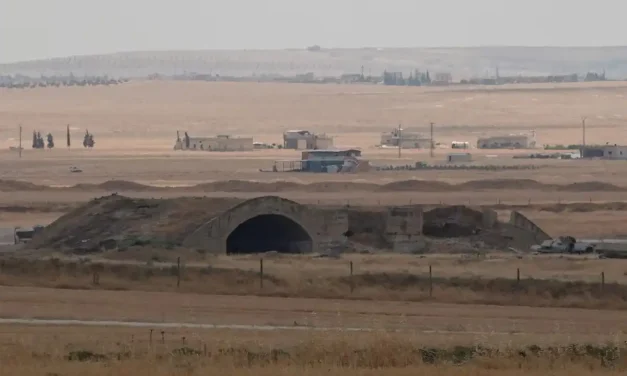
SCFR Online – Opinion: Recent developments in Syria indicate an intensification of strategic rivalry between Turkey and the Israeli regime, but mutual considerations and the role of the United States have limited the likelihood of direct war.

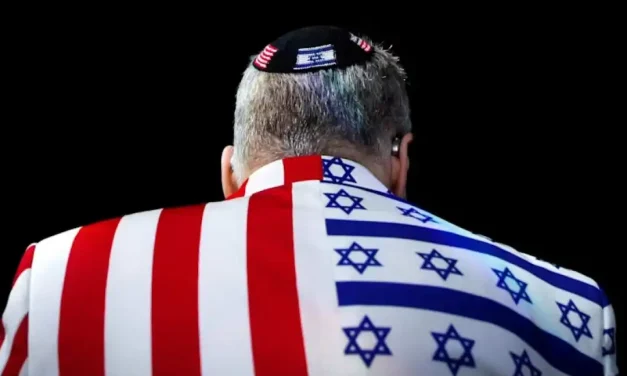
Increasing criticism of the extensive Zionist lobby network

SCFR Online – Opinion: An examination of the mechanisms of the Israeli regime’s influence in the United States depicts a complex picture of shared interests, strategic dependencies, and the limitations of this relationship.

Realities of the Tripartite Makkah Pact

SCFR Online – Interview: The signing of the Makkah agreement between Saudi Arabia, Pakistan, and Turkey has raised questions about the future of the region’s security structure and the position of these countries in West Asian equations. Can this agreement become a genuine collective defense mechanism, or does it have more of a political and deterrent function than creating new military capacity?

Strategic Implications of the Reduction of US Weapons Stockpiles

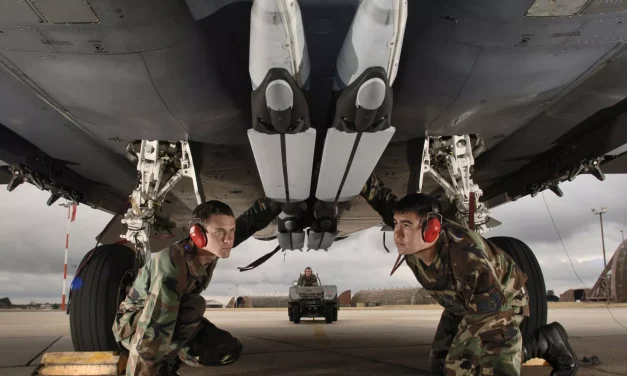
SCFR Online – Opinion: The continuation of the US war against Iran, in addition to increasing operational costs, has called into question the actual capacity of the American arsenal to simultaneously fulfill security commitments on multiple fronts; an issue that affects deterrence, defense production capacity, and Washington’s resource prioritization.

The Formation of a New Order in Relations Between Powers

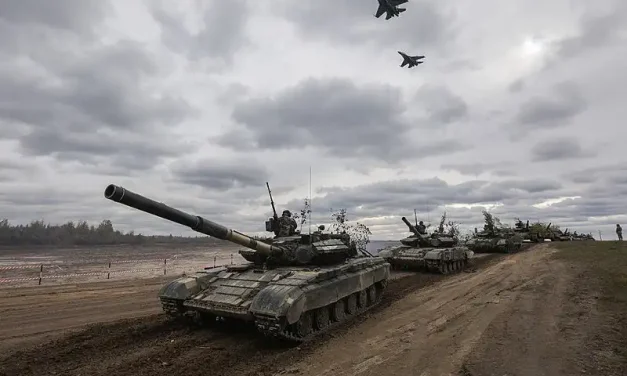
SCFR Online – Opinion: The Russia-Ukraine war and the war of the United States and the Israeli regime against Iran have been formed with different objectives and actors, but field and political developments indicate that they are not entirely separate from one another.

Loading

Top News

Realities of “Plan B” of the US, Zionist Regime against Iran

Realities of “Plan B” of the US, Zionist Regime against Iran

Strategic Council Online – Opinion: Recently, Zionist regime’s Foreign Minister Yair Lapid in an interview with the German newspaper “Die Welt” stressed that the time is ripe for the implementation of “Plan B” against Iran.
Hamid Khoshayand – Expert on regional affairs

Consequences of the U.S. & Russia Withdrawal from Open Skies Treaty

Consequences of the U.S. & Russia Withdrawal from Open Skies Treaty

Strategic Council Online – Opinion: Rising tension between the U.S. and Europe from one hand and Russia from the other hand within the recent years and months, Western parties with the U.S pivotal role are making effort to further contain the Russian economic and military influence.
Abed Akbari- Expert of International Affairs

Behind the Scenes of Suspension of Turkey’s EU Membership Talks

Behind the Scenes of Suspension of Turkey’s EU Membership Talks

Strategic Council Online – Interview: An expert of Turkey affairs, commenting on the decision of the Council of Ministers of the European Union to block the talks on Turkey’s membership in the Union said: Turkey had separated its path from Europe many years ago and had not, and still does not have, any hope in the outcome of the talks on joining the EU. Perhaps for the same reason such a decision now would not result in a major change in the nature of Ankara’s foreign relations with the West.

Consequences of Approval of a Bipartisan Bill Banning Iranian Drones in US

Consequences of Approval of a Bipartisan Bill Banning Iranian Drones in US

Strategic Council Online – Interview: An expert on international affairs at the Center for Technological Studies of President’s Office said that Iran’s UAV industry cannot be stopped under external pressure. He added: The growing power of Iran’s defense industry, contrary to US claims, does not aim to destabilize the region but rather to maintain the stability and security of the country and the region.

De-escalation of Tension with Arab Neighbors & Importance of Following up Export Oriented Strategy with Them

De-escalation of Tension with Arab Neighbors & Importance of Following up Export Oriented Strategy with Them

Strategic Council Online – Opinion: Heating up the issue of de-escalation of tension between Iran and its southern neighbors in the Persian Gulf, particularly two main players of the regional bloc. i.e. Saudi Arabia and UAE, have bolded trade element, economic cooperation and the necessity of export promotion to Arab countries of the Persian Gulf ahead of the perspective to this end.
Dr. Kamran Karami, Expert on Arab Peninsula affairs

Leftism Victory in Chile; Indicative of Decline of the U.S. Power in Latin America

Leftism Victory in Chile; Indicative of Decline of the U.S. Power in Latin America

Strategic Council Online – Interview: Having said livelihood and tendency towards socialism and leftism in a Latin American neoliberal country like Chile is noticeable, a university professor added:” Now, restoration of political and economic stability is a priority in the country and the leftist president of Chile is making effort to put an end to economic based protests in Chile.

Impact of Recession on Intensification of Anti-Arab Stance in Turkey

Impact of Recession on Intensification of Anti-Arab Stance in Turkey

Strategic Council Online – Opinion: The abortive coup in Turkey in 2016 and Erdogan’s policies in the region have caused the consequences to affect the economy and livelihood of the Turkish people who, in recent months, have seen a 20 percent inflation rate and a record low devaluation of the lira. Meanwhile, Turkish President Recep Tayyip Erdogan believes that keeping interest rates low could offset the 20% inflation rate, a view that has left its mark on the Turkish real estate market.
Hassan Ashrafi – Researcher on Turkey affairs

UAE Failure to Buy US Fighter Jets despite Betraying Palestinians

UAE Failure to Buy US Fighter Jets despite Betraying Palestinians

Strategic Council Online – Opinion: The UAE recently announced that it has suspended negotiations on a 23 billion dollar arms deal with the United States. An Emirati official has told The Wall Street Journal that “technical requirements, operational restrictions on sovereignty and cost-benefit analysis have led to a major revision in its decision by the country”.
Barsam Mohammadi – Expert on regional affairs

Consequences of UN Secretary General’s Opposition to US -Sanctions against Iran

Consequences of UN Secretary General’s Opposition to US -Sanctions against Iran

Strategic Council Online – Interview: An expert on international affairs commenting on the UN Secretary General’s recent request to the United States to lift sanctions on Iran said: This request shows that international bodies, including the United Nations, the Security Council and the International Atomic Energy Agency, have gained a better understanding of Iran’s peaceful nuclear activity.

US Strategic Targets in Iraq after Apparent Military Withdrawal

US Strategic Targets in Iraq after Apparent Military Withdrawal

Strategic Council Online – Interview: An analyst of West Asia affairs, explaining the new US strategy in Iraq after troop withdrawal, said: The United States seeks to change the military, security, and political arrangements in Iraq and build capacity for a possible normalization of Baghdad’s relations with the Zionist regime.

أحدث الوظائف

The Makkah Pact; Reasons for its Formation and Challenges Ahead

SCFR Online – Opinion: The Makkah Pact, signed between Saudi Arabia, Pakistan, and Turkey under the motto “an attack on one is an attack on all,” is viewed by some analysts less as a full-fledged military coalition and more as an attempt to reduce security dependence on an external power and to establish a regional security mechanism.
Implications of the US-Saudi Nuclear Agreement

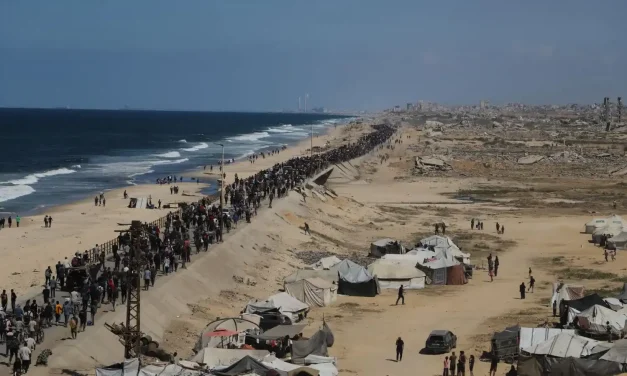
SCFR Online – Opinion: The new US-Saudi nuclear agreement, despite legal and political ambiguities, could alter previous non-proliferation standards in West Asia and intensify nuclear competition, ushering it into a new phase.

An Analysis of Recent Turkey-Israeli Regime Tensions

SCFR Online – Opinion: Recent developments in Syria indicate an intensification of strategic rivalry between Turkey and the Israeli regime, but mutual considerations and the role of the United States have limited the likelihood of direct war.

Increasing criticism of the extensive Zionist lobby network

SCFR Online – Opinion: An examination of the mechanisms of the Israeli regime’s influence in the United States depicts a complex picture of shared interests, strategic dependencies, and the limitations of this relationship.

Realities of the Tripartite Makkah Pact

SCFR Online – Interview: The signing of the Makkah agreement between Saudi Arabia, Pakistan, and Turkey has raised questions about the future of the region’s security structure and the position of these countries in West Asian equations. Can this agreement become a genuine collective defense mechanism, or does it have more of a political and deterrent function than creating new military capacity?

Strategic Implications of the Reduction of US Weapons Stockpiles

SCFR Online – Opinion: The continuation of the US war against Iran, in addition to increasing operational costs, has called into question the actual capacity of the American arsenal to simultaneously fulfill security commitments on multiple fronts; an issue that affects deterrence, defense production capacity, and Washington’s resource prioritization.

The Formation of a New Order in Relations Between Powers

SCFR Online – Opinion: The Russia-Ukraine war and the war of the United States and the Israeli regime against Iran have been formed with different objectives and actors, but field and political developments indicate that they are not entirely separate from one another.

Loading

Top News

Realities of “Plan B” of the US, Zionist Regime against Iran

Realities of “Plan B” of the US, Zionist Regime against Iran

Strategic Council Online – Opinion: Recently, Zionist regime’s Foreign Minister Yair Lapid in an interview with the German newspaper “Die Welt” stressed that the time is ripe for the implementation of “Plan B” against Iran.
Hamid Khoshayand – Expert on regional affairs

Consequences of the U.S. & Russia Withdrawal from Open Skies Treaty

Consequences of the U.S. & Russia Withdrawal from Open Skies Treaty

Strategic Council Online – Opinion: Rising tension between the U.S. and Europe from one hand and Russia from the other hand within the recent years and months, Western parties with the U.S pivotal role are making effort to further contain the Russian economic and military influence.
Abed Akbari- Expert of International Affairs

Behind the Scenes of Suspension of Turkey’s EU Membership Talks

Behind the Scenes of Suspension of Turkey’s EU Membership Talks

Strategic Council Online – Interview: An expert of Turkey affairs, commenting on the decision of the Council of Ministers of the European Union to block the talks on Turkey’s membership in the Union said: Turkey had separated its path from Europe many years ago and had not, and still does not have, any hope in the outcome of the talks on joining the EU. Perhaps for the same reason such a decision now would not result in a major change in the nature of Ankara’s foreign relations with the West.

Consequences of Approval of a Bipartisan Bill Banning Iranian Drones in US

Consequences of Approval of a Bipartisan Bill Banning Iranian Drones in US

Strategic Council Online – Interview: An expert on international affairs at the Center for Technological Studies of President’s Office said that Iran’s UAV industry cannot be stopped under external pressure. He added: The growing power of Iran’s defense industry, contrary to US claims, does not aim to destabilize the region but rather to maintain the stability and security of the country and the region.

De-escalation of Tension with Arab Neighbors & Importance of Following up Export Oriented Strategy with Them

De-escalation of Tension with Arab Neighbors & Importance of Following up Export Oriented Strategy with Them

Strategic Council Online – Opinion: Heating up the issue of de-escalation of tension between Iran and its southern neighbors in the Persian Gulf, particularly two main players of the regional bloc. i.e. Saudi Arabia and UAE, have bolded trade element, economic cooperation and the necessity of export promotion to Arab countries of the Persian Gulf ahead of the perspective to this end.
Dr. Kamran Karami, Expert on Arab Peninsula affairs

Leftism Victory in Chile; Indicative of Decline of the U.S. Power in Latin America

Leftism Victory in Chile; Indicative of Decline of the U.S. Power in Latin America

Strategic Council Online – Interview: Having said livelihood and tendency towards socialism and leftism in a Latin American neoliberal country like Chile is noticeable, a university professor added:” Now, restoration of political and economic stability is a priority in the country and the leftist president of Chile is making effort to put an end to economic based protests in Chile.

Impact of Recession on Intensification of Anti-Arab Stance in Turkey

Impact of Recession on Intensification of Anti-Arab Stance in Turkey

Strategic Council Online – Opinion: The abortive coup in Turkey in 2016 and Erdogan’s policies in the region have caused the consequences to affect the economy and livelihood of the Turkish people who, in recent months, have seen a 20 percent inflation rate and a record low devaluation of the lira. Meanwhile, Turkish President Recep Tayyip Erdogan believes that keeping interest rates low could offset the 20% inflation rate, a view that has left its mark on the Turkish real estate market.
Hassan Ashrafi – Researcher on Turkey affairs

UAE Failure to Buy US Fighter Jets despite Betraying Palestinians

UAE Failure to Buy US Fighter Jets despite Betraying Palestinians

Strategic Council Online – Opinion: The UAE recently announced that it has suspended negotiations on a 23 billion dollar arms deal with the United States. An Emirati official has told The Wall Street Journal that “technical requirements, operational restrictions on sovereignty and cost-benefit analysis have led to a major revision in its decision by the country”.
Barsam Mohammadi – Expert on regional affairs

Consequences of UN Secretary General’s Opposition to US -Sanctions against Iran

Consequences of UN Secretary General’s Opposition to US -Sanctions against Iran

Strategic Council Online – Interview: An expert on international affairs commenting on the UN Secretary General’s recent request to the United States to lift sanctions on Iran said: This request shows that international bodies, including the United Nations, the Security Council and the International Atomic Energy Agency, have gained a better understanding of Iran’s peaceful nuclear activity.

US Strategic Targets in Iraq after Apparent Military Withdrawal

US Strategic Targets in Iraq after Apparent Military Withdrawal

Strategic Council Online – Interview: An analyst of West Asia affairs, explaining the new US strategy in Iraq after troop withdrawal, said: The United States seeks to change the military, security, and political arrangements in Iraq and build capacity for a possible normalization of Baghdad’s relations with the Zionist regime.

Top News

Realities of “Plan B” of the US, Zionist Regime against Iran

Realities of “Plan B” of the US, Zionist Regime against Iran

Strategic Council Online – Opinion: Recently, Zionist regime’s Foreign Minister Yair Lapid in an interview with the German newspaper “Die Welt” stressed that the time is ripe for the implementation of “Plan B” against Iran.
Hamid Khoshayand – Expert on regional affairs

Consequences of the U.S. & Russia Withdrawal from Open Skies Treaty

Consequences of the U.S. & Russia Withdrawal from Open Skies Treaty

Strategic Council Online – Opinion: Rising tension between the U.S. and Europe from one hand and Russia from the other hand within the recent years and months, Western parties with the U.S pivotal role are making effort to further contain the Russian economic and military influence.
Abed Akbari- Expert of International Affairs

Behind the Scenes of Suspension of Turkey’s EU Membership Talks

Behind the Scenes of Suspension of Turkey’s EU Membership Talks

Strategic Council Online – Interview: An expert of Turkey affairs, commenting on the decision of the Council of Ministers of the European Union to block the talks on Turkey’s membership in the Union said: Turkey had separated its path from Europe many years ago and had not, and still does not have, any hope in the outcome of the talks on joining the EU. Perhaps for the same reason such a decision now would not result in a major change in the nature of Ankara’s foreign relations with the West.

Consequences of Approval of a Bipartisan Bill Banning Iranian Drones in US

Consequences of Approval of a Bipartisan Bill Banning Iranian Drones in US

Strategic Council Online – Interview: An expert on international affairs at the Center for Technological Studies of President’s Office said that Iran’s UAV industry cannot be stopped under external pressure. He added: The growing power of Iran’s defense industry, contrary to US claims, does not aim to destabilize the region but rather to maintain the stability and security of the country and the region.

De-escalation of Tension with Arab Neighbors & Importance of Following up Export Oriented Strategy with Them

De-escalation of Tension with Arab Neighbors & Importance of Following up Export Oriented Strategy with Them

Strategic Council Online – Opinion: Heating up the issue of de-escalation of tension between Iran and its southern neighbors in the Persian Gulf, particularly two main players of the regional bloc. i.e. Saudi Arabia and UAE, have bolded trade element, economic cooperation and the necessity of export promotion to Arab countries of the Persian Gulf ahead of the perspective to this end.
Dr. Kamran Karami, Expert on Arab Peninsula affairs

Leftism Victory in Chile; Indicative of Decline of the U.S. Power in Latin America

Leftism Victory in Chile; Indicative of Decline of the U.S. Power in Latin America

Strategic Council Online – Interview: Having said livelihood and tendency towards socialism and leftism in a Latin American neoliberal country like Chile is noticeable, a university professor added:” Now, restoration of political and economic stability is a priority in the country and the leftist president of Chile is making effort to put an end to economic based protests in Chile.

Impact of Recession on Intensification of Anti-Arab Stance in Turkey

Impact of Recession on Intensification of Anti-Arab Stance in Turkey

Strategic Council Online – Opinion: The abortive coup in Turkey in 2016 and Erdogan’s policies in the region have caused the consequences to affect the economy and livelihood of the Turkish people who, in recent months, have seen a 20 percent inflation rate and a record low devaluation of the lira. Meanwhile, Turkish President Recep Tayyip Erdogan believes that keeping interest rates low could offset the 20% inflation rate, a view that has left its mark on the Turkish real estate market.
Hassan Ashrafi – Researcher on Turkey affairs

UAE Failure to Buy US Fighter Jets despite Betraying Palestinians

UAE Failure to Buy US Fighter Jets despite Betraying Palestinians

Strategic Council Online – Opinion: The UAE recently announced that it has suspended negotiations on a 23 billion dollar arms deal with the United States. An Emirati official has told The Wall Street Journal that “technical requirements, operational restrictions on sovereignty and cost-benefit analysis have led to a major revision in its decision by the country”.
Barsam Mohammadi – Expert on regional affairs

Consequences of UN Secretary General’s Opposition to US -Sanctions against Iran

Consequences of UN Secretary General’s Opposition to US -Sanctions against Iran

Strategic Council Online – Interview: An expert on international affairs commenting on the UN Secretary General’s recent request to the United States to lift sanctions on Iran said: This request shows that international bodies, including the United Nations, the Security Council and the International Atomic Energy Agency, have gained a better understanding of Iran’s peaceful nuclear activity.

US Strategic Targets in Iraq after Apparent Military Withdrawal

US Strategic Targets in Iraq after Apparent Military Withdrawal

Strategic Council Online – Interview: An analyst of West Asia affairs, explaining the new US strategy in Iraq after troop withdrawal, said: The United States seeks to change the military, security, and political arrangements in Iraq and build capacity for a possible normalization of Baghdad’s relations with the Zionist regime.

LATEST CONTENT

The Makkah Pact; Reasons for its Formation and Challenges Ahead

SCFR Online – Opinion: The Makkah Pact, signed between Saudi Arabia, Pakistan, and Turkey under the motto “an attack on one is an attack on all,” is viewed by some analysts less as a full-fledged military coalition and more as an attempt to reduce security dependence on an external power and to establish a regional security mechanism.
Implications of the US-Saudi Nuclear Agreement

SCFR Online – Opinion: The new US-Saudi nuclear agreement, despite legal and political ambiguities, could alter previous non-proliferation standards in West Asia and intensify nuclear competition, ushering it into a new phase.

An Analysis of Recent Turkey-Israeli Regime Tensions

SCFR Online – Opinion: Recent developments in Syria indicate an intensification of strategic rivalry between Turkey and the Israeli regime, but mutual considerations and the role of the United States have limited the likelihood of direct war.

Increasing criticism of the extensive Zionist lobby network

SCFR Online – Opinion: An examination of the mechanisms of the Israeli regime’s influence in the United States depicts a complex picture of shared interests, strategic dependencies, and the limitations of this relationship.

Realities of the Tripartite Makkah Pact

SCFR Online – Interview: The signing of the Makkah agreement between Saudi Arabia, Pakistan, and Turkey has raised questions about the future of the region’s security structure and the position of these countries in West Asian equations. Can this agreement become a genuine collective defense mechanism, or does it have more of a political and deterrent function than creating new military capacity?

Strategic Implications of the Reduction of US Weapons Stockpiles

SCFR Online – Opinion: The continuation of the US war against Iran, in addition to increasing operational costs, has called into question the actual capacity of the American arsenal to simultaneously fulfill security commitments on multiple fronts; an issue that affects deterrence, defense production capacity, and Washington’s resource prioritization.

The Formation of a New Order in Relations Between Powers

SCFR Online – Opinion: The Russia-Ukraine war and the war of the United States and the Israeli regime against Iran have been formed with different objectives and actors, but field and political developments indicate that they are not entirely separate from one another.

Loading

Top News

Realities of “Plan B” of the US, Zionist Regime against Iran

Realities of “Plan B” of the US, Zionist Regime against Iran

Strategic Council Online – Opinion: Recently, Zionist regime’s Foreign Minister Yair Lapid in an interview with the German newspaper “Die Welt” stressed that the time is ripe for the implementation of “Plan B” against Iran.
Hamid Khoshayand – Expert on regional affairs

Consequences of the U.S. & Russia Withdrawal from Open Skies Treaty

Consequences of the U.S. & Russia Withdrawal from Open Skies Treaty

Strategic Council Online – Opinion: Rising tension between the U.S. and Europe from one hand and Russia from the other hand within the recent years and months, Western parties with the U.S pivotal role are making effort to further contain the Russian economic and military influence.
Abed Akbari- Expert of International Affairs

Behind the Scenes of Suspension of Turkey’s EU Membership Talks

Behind the Scenes of Suspension of Turkey’s EU Membership Talks

Strategic Council Online – Interview: An expert of Turkey affairs, commenting on the decision of the Council of Ministers of the European Union to block the talks on Turkey’s membership in the Union said: Turkey had separated its path from Europe many years ago and had not, and still does not have, any hope in the outcome of the talks on joining the EU. Perhaps for the same reason such a decision now would not result in a major change in the nature of Ankara’s foreign relations with the West.

Consequences of Approval of a Bipartisan Bill Banning Iranian Drones in US

Consequences of Approval of a Bipartisan Bill Banning Iranian Drones in US

Strategic Council Online – Interview: An expert on international affairs at the Center for Technological Studies of President’s Office said that Iran’s UAV industry cannot be stopped under external pressure. He added: The growing power of Iran’s defense industry, contrary to US claims, does not aim to destabilize the region but rather to maintain the stability and security of the country and the region.

De-escalation of Tension with Arab Neighbors & Importance of Following up Export Oriented Strategy with Them

De-escalation of Tension with Arab Neighbors & Importance of Following up Export Oriented Strategy with Them

Strategic Council Online – Opinion: Heating up the issue of de-escalation of tension between Iran and its southern neighbors in the Persian Gulf, particularly two main players of the regional bloc. i.e. Saudi Arabia and UAE, have bolded trade element, economic cooperation and the necessity of export promotion to Arab countries of the Persian Gulf ahead of the perspective to this end.
Dr. Kamran Karami, Expert on Arab Peninsula affairs

Leftism Victory in Chile; Indicative of Decline of the U.S. Power in Latin America

Leftism Victory in Chile; Indicative of Decline of the U.S. Power in Latin America

Strategic Council Online – Interview: Having said livelihood and tendency towards socialism and leftism in a Latin American neoliberal country like Chile is noticeable, a university professor added:” Now, restoration of political and economic stability is a priority in the country and the leftist president of Chile is making effort to put an end to economic based protests in Chile.

Impact of Recession on Intensification of Anti-Arab Stance in Turkey

Impact of Recession on Intensification of Anti-Arab Stance in Turkey

Strategic Council Online – Opinion: The abortive coup in Turkey in 2016 and Erdogan’s policies in the region have caused the consequences to affect the economy and livelihood of the Turkish people who, in recent months, have seen a 20 percent inflation rate and a record low devaluation of the lira. Meanwhile, Turkish President Recep Tayyip Erdogan believes that keeping interest rates low could offset the 20% inflation rate, a view that has left its mark on the Turkish real estate market.
Hassan Ashrafi – Researcher on Turkey affairs

UAE Failure to Buy US Fighter Jets despite Betraying Palestinians

UAE Failure to Buy US Fighter Jets despite Betraying Palestinians

Strategic Council Online – Opinion: The UAE recently announced that it has suspended negotiations on a 23 billion dollar arms deal with the United States. An Emirati official has told The Wall Street Journal that “technical requirements, operational restrictions on sovereignty and cost-benefit analysis have led to a major revision in its decision by the country”.
Barsam Mohammadi – Expert on regional affairs

Consequences of UN Secretary General’s Opposition to US -Sanctions against Iran

Consequences of UN Secretary General’s Opposition to US -Sanctions against Iran

Strategic Council Online – Interview: An expert on international affairs commenting on the UN Secretary General’s recent request to the United States to lift sanctions on Iran said: This request shows that international bodies, including the United Nations, the Security Council and the International Atomic Energy Agency, have gained a better understanding of Iran’s peaceful nuclear activity.

US Strategic Targets in Iraq after Apparent Military Withdrawal

US Strategic Targets in Iraq after Apparent Military Withdrawal

Strategic Council Online – Interview: An analyst of West Asia affairs, explaining the new US strategy in Iraq after troop withdrawal, said: The United States seeks to change the military, security, and political arrangements in Iraq and build capacity for a possible normalization of Baghdad’s relations with the Zionist regime.

ÚLTIMAS PUBLICACIONES

The Makkah Pact; Reasons for its Formation and Challenges Ahead

SCFR Online – Opinion: The Makkah Pact, signed between Saudi Arabia, Pakistan, and Turkey under the motto “an attack on one is an attack on all,” is viewed by some analysts less as a full-fledged military coalition and more as an attempt to reduce security dependence on an external power and to establish a regional security mechanism.
Implications of the US-Saudi Nuclear Agreement

SCFR Online – Opinion: The new US-Saudi nuclear agreement, despite legal and political ambiguities, could alter previous non-proliferation standards in West Asia and intensify nuclear competition, ushering it into a new phase.

An Analysis of Recent Turkey-Israeli Regime Tensions

SCFR Online – Opinion: Recent developments in Syria indicate an intensification of strategic rivalry between Turkey and the Israeli regime, but mutual considerations and the role of the United States have limited the likelihood of direct war.

Increasing criticism of the extensive Zionist lobby network

SCFR Online – Opinion: An examination of the mechanisms of the Israeli regime’s influence in the United States depicts a complex picture of shared interests, strategic dependencies, and the limitations of this relationship.

Realities of the Tripartite Makkah Pact

SCFR Online – Interview: The signing of the Makkah agreement between Saudi Arabia, Pakistan, and Turkey has raised questions about the future of the region’s security structure and the position of these countries in West Asian equations. Can this agreement become a genuine collective defense mechanism, or does it have more of a political and deterrent function than creating new military capacity?

Strategic Implications of the Reduction of US Weapons Stockpiles

SCFR Online – Opinion: The continuation of the US war against Iran, in addition to increasing operational costs, has called into question the actual capacity of the American arsenal to simultaneously fulfill security commitments on multiple fronts; an issue that affects deterrence, defense production capacity, and Washington’s resource prioritization.

The Formation of a New Order in Relations Between Powers

SCFR Online – Opinion: The Russia-Ukraine war and the war of the United States and the Israeli regime against Iran have been formed with different objectives and actors, but field and political developments indicate that they are not entirely separate from one another.

Loading

Top News

Realities of “Plan B” of the US, Zionist Regime against Iran

Realities of “Plan B” of the US, Zionist Regime against Iran

Strategic Council Online – Opinion: Recently, Zionist regime’s Foreign Minister Yair Lapid in an interview with the German newspaper “Die Welt” stressed that the time is ripe for the implementation of “Plan B” against Iran.
Hamid Khoshayand – Expert on regional affairs

Consequences of the U.S. & Russia Withdrawal from Open Skies Treaty

Consequences of the U.S. & Russia Withdrawal from Open Skies Treaty

Strategic Council Online – Opinion: Rising tension between the U.S. and Europe from one hand and Russia from the other hand within the recent years and months, Western parties with the U.S pivotal role are making effort to further contain the Russian economic and military influence.
Abed Akbari- Expert of International Affairs

Behind the Scenes of Suspension of Turkey’s EU Membership Talks

Behind the Scenes of Suspension of Turkey’s EU Membership Talks

Strategic Council Online – Interview: An expert of Turkey affairs, commenting on the decision of the Council of Ministers of the European Union to block the talks on Turkey’s membership in the Union said: Turkey had separated its path from Europe many years ago and had not, and still does not have, any hope in the outcome of the talks on joining the EU. Perhaps for the same reason such a decision now would not result in a major change in the nature of Ankara’s foreign relations with the West.

Consequences of Approval of a Bipartisan Bill Banning Iranian Drones in US

Consequences of Approval of a Bipartisan Bill Banning Iranian Drones in US

Strategic Council Online – Interview: An expert on international affairs at the Center for Technological Studies of President’s Office said that Iran’s UAV industry cannot be stopped under external pressure. He added: The growing power of Iran’s defense industry, contrary to US claims, does not aim to destabilize the region but rather to maintain the stability and security of the country and the region.

De-escalation of Tension with Arab Neighbors & Importance of Following up Export Oriented Strategy with Them

De-escalation of Tension with Arab Neighbors & Importance of Following up Export Oriented Strategy with Them

Strategic Council Online – Opinion: Heating up the issue of de-escalation of tension between Iran and its southern neighbors in the Persian Gulf, particularly two main players of the regional bloc. i.e. Saudi Arabia and UAE, have bolded trade element, economic cooperation and the necessity of export promotion to Arab countries of the Persian Gulf ahead of the perspective to this end.
Dr. Kamran Karami, Expert on Arab Peninsula affairs

Leftism Victory in Chile; Indicative of Decline of the U.S. Power in Latin America

Leftism Victory in Chile; Indicative of Decline of the U.S. Power in Latin America

Strategic Council Online – Interview: Having said livelihood and tendency towards socialism and leftism in a Latin American neoliberal country like Chile is noticeable, a university professor added:” Now, restoration of political and economic stability is a priority in the country and the leftist president of Chile is making effort to put an end to economic based protests in Chile.

Impact of Recession on Intensification of Anti-Arab Stance in Turkey

Impact of Recession on Intensification of Anti-Arab Stance in Turkey

Strategic Council Online – Opinion: The abortive coup in Turkey in 2016 and Erdogan’s policies in the region have caused the consequences to affect the economy and livelihood of the Turkish people who, in recent months, have seen a 20 percent inflation rate and a record low devaluation of the lira. Meanwhile, Turkish President Recep Tayyip Erdogan believes that keeping interest rates low could offset the 20% inflation rate, a view that has left its mark on the Turkish real estate market.
Hassan Ashrafi – Researcher on Turkey affairs

UAE Failure to Buy US Fighter Jets despite Betraying Palestinians

UAE Failure to Buy US Fighter Jets despite Betraying Palestinians

Strategic Council Online – Opinion: The UAE recently announced that it has suspended negotiations on a 23 billion dollar arms deal with the United States. An Emirati official has told The Wall Street Journal that “technical requirements, operational restrictions on sovereignty and cost-benefit analysis have led to a major revision in its decision by the country”.
Barsam Mohammadi – Expert on regional affairs

Consequences of UN Secretary General’s Opposition to US -Sanctions against Iran

Consequences of UN Secretary General’s Opposition to US -Sanctions against Iran

Strategic Council Online – Interview: An expert on international affairs commenting on the UN Secretary General’s recent request to the United States to lift sanctions on Iran said: This request shows that international bodies, including the United Nations, the Security Council and the International Atomic Energy Agency, have gained a better understanding of Iran’s peaceful nuclear activity.

US Strategic Targets in Iraq after Apparent Military Withdrawal

US Strategic Targets in Iraq after Apparent Military Withdrawal

Strategic Council Online – Interview: An analyst of West Asia affairs, explaining the new US strategy in Iraq after troop withdrawal, said: The United States seeks to change the military, security, and political arrangements in Iraq and build capacity for a possible normalization of Baghdad’s relations with the Zionist regime.

ÚLTIMAS PUBLICACIONES

The Makkah Pact; Reasons for its Formation and Challenges Ahead

SCFR Online – Opinion: The Makkah Pact, signed between Saudi Arabia, Pakistan, and Turkey under the motto “an attack on one is an attack on all,” is viewed by some analysts less as a full-fledged military coalition and more as an attempt to reduce security dependence on an external power and to establish a regional security mechanism.
Implications of the US-Saudi Nuclear Agreement

SCFR Online – Opinion: The new US-Saudi nuclear agreement, despite legal and political ambiguities, could alter previous non-proliferation standards in West Asia and intensify nuclear competition, ushering it into a new phase.

An Analysis of Recent Turkey-Israeli Regime Tensions

SCFR Online – Opinion: Recent developments in Syria indicate an intensification of strategic rivalry between Turkey and the Israeli regime, but mutual considerations and the role of the United States have limited the likelihood of direct war.

Increasing criticism of the extensive Zionist lobby network

SCFR Online – Opinion: An examination of the mechanisms of the Israeli regime’s influence in the United States depicts a complex picture of shared interests, strategic dependencies, and the limitations of this relationship.

Realities of the Tripartite Makkah Pact

SCFR Online – Interview: The signing of the Makkah agreement between Saudi Arabia, Pakistan, and Turkey has raised questions about the future of the region’s security structure and the position of these countries in West Asian equations. Can this agreement become a genuine collective defense mechanism, or does it have more of a political and deterrent function than creating new military capacity?

Strategic Implications of the Reduction of US Weapons Stockpiles

SCFR Online – Opinion: The continuation of the US war against Iran, in addition to increasing operational costs, has called into question the actual capacity of the American arsenal to simultaneously fulfill security commitments on multiple fronts; an issue that affects deterrence, defense production capacity, and Washington’s resource prioritization.

The Formation of a New Order in Relations Between Powers

SCFR Online – Opinion: The Russia-Ukraine war and the war of the United States and the Israeli regime against Iran have been formed with different objectives and actors, but field and political developments indicate that they are not entirely separate from one another.

Loading

Top News

Realities of “Plan B” of the US, Zionist Regime against Iran

Realities of “Plan B” of the US, Zionist Regime against Iran

Strategic Council Online – Opinion: Recently, Zionist regime’s Foreign Minister Yair Lapid in an interview with the German newspaper “Die Welt” stressed that the time is ripe for the implementation of “Plan B” against Iran.
Hamid Khoshayand – Expert on regional affairs

Consequences of the U.S. & Russia Withdrawal from Open Skies Treaty

Consequences of the U.S. & Russia Withdrawal from Open Skies Treaty

Strategic Council Online – Opinion: Rising tension between the U.S. and Europe from one hand and Russia from the other hand within the recent years and months, Western parties with the U.S pivotal role are making effort to further contain the Russian economic and military influence.
Abed Akbari- Expert of International Affairs

Behind the Scenes of Suspension of Turkey’s EU Membership Talks

Behind the Scenes of Suspension of Turkey’s EU Membership Talks

Strategic Council Online – Interview: An expert of Turkey affairs, commenting on the decision of the Council of Ministers of the European Union to block the talks on Turkey’s membership in the Union said: Turkey had separated its path from Europe many years ago and had not, and still does not have, any hope in the outcome of the talks on joining the EU. Perhaps for the same reason such a decision now would not result in a major change in the nature of Ankara’s foreign relations with the West.

Consequences of Approval of a Bipartisan Bill Banning Iranian Drones in US

Consequences of Approval of a Bipartisan Bill Banning Iranian Drones in US

Strategic Council Online – Interview: An expert on international affairs at the Center for Technological Studies of President’s Office said that Iran’s UAV industry cannot be stopped under external pressure. He added: The growing power of Iran’s defense industry, contrary to US claims, does not aim to destabilize the region but rather to maintain the stability and security of the country and the region.

De-escalation of Tension with Arab Neighbors & Importance of Following up Export Oriented Strategy with Them

De-escalation of Tension with Arab Neighbors & Importance of Following up Export Oriented Strategy with Them

Strategic Council Online – Opinion: Heating up the issue of de-escalation of tension between Iran and its southern neighbors in the Persian Gulf, particularly two main players of the regional bloc. i.e. Saudi Arabia and UAE, have bolded trade element, economic cooperation and the necessity of export promotion to Arab countries of the Persian Gulf ahead of the perspective to this end.
Dr. Kamran Karami, Expert on Arab Peninsula affairs

Leftism Victory in Chile; Indicative of Decline of the U.S. Power in Latin America

Leftism Victory in Chile; Indicative of Decline of the U.S. Power in Latin America

Strategic Council Online – Interview: Having said livelihood and tendency towards socialism and leftism in a Latin American neoliberal country like Chile is noticeable, a university professor added:” Now, restoration of political and economic stability is a priority in the country and the leftist president of Chile is making effort to put an end to economic based protests in Chile.

Impact of Recession on Intensification of Anti-Arab Stance in Turkey

Impact of Recession on Intensification of Anti-Arab Stance in Turkey

Strategic Council Online – Opinion: The abortive coup in Turkey in 2016 and Erdogan’s policies in the region have caused the consequences to affect the economy and livelihood of the Turkish people who, in recent months, have seen a 20 percent inflation rate and a record low devaluation of the lira. Meanwhile, Turkish President Recep Tayyip Erdogan believes that keeping interest rates low could offset the 20% inflation rate, a view that has left its mark on the Turkish real estate market.
Hassan Ashrafi – Researcher on Turkey affairs

UAE Failure to Buy US Fighter Jets despite Betraying Palestinians

UAE Failure to Buy US Fighter Jets despite Betraying Palestinians

Strategic Council Online – Opinion: The UAE recently announced that it has suspended negotiations on a 23 billion dollar arms deal with the United States. An Emirati official has told The Wall Street Journal that “technical requirements, operational restrictions on sovereignty and cost-benefit analysis have led to a major revision in its decision by the country”.
Barsam Mohammadi – Expert on regional affairs

Consequences of UN Secretary General’s Opposition to US -Sanctions against Iran

Consequences of UN Secretary General’s Opposition to US -Sanctions against Iran

Strategic Council Online – Interview: An expert on international affairs commenting on the UN Secretary General’s recent request to the United States to lift sanctions on Iran said: This request shows that international bodies, including the United Nations, the Security Council and the International Atomic Energy Agency, have gained a better understanding of Iran’s peaceful nuclear activity.

US Strategic Targets in Iraq after Apparent Military Withdrawal

US Strategic Targets in Iraq after Apparent Military Withdrawal

Strategic Council Online – Interview: An analyst of West Asia affairs, explaining the new US strategy in Iraq after troop withdrawal, said: The United States seeks to change the military, security, and political arrangements in Iraq and build capacity for a possible normalization of Baghdad’s relations with the Zionist regime.

ÚLTIMAS PUBLICACIONES

The Makkah Pact; Reasons for its Formation and Challenges Ahead

SCFR Online – Opinion: The Makkah Pact, signed between Saudi Arabia, Pakistan, and Turkey under the motto “an attack on one is an attack on all,” is viewed by some analysts less as a full-fledged military coalition and more as an attempt to reduce security dependence on an external power and to establish a regional security mechanism.
Implications of the US-Saudi Nuclear Agreement

SCFR Online – Opinion: The new US-Saudi nuclear agreement, despite legal and political ambiguities, could alter previous non-proliferation standards in West Asia and intensify nuclear competition, ushering it into a new phase.

An Analysis of Recent Turkey-Israeli Regime Tensions

SCFR Online – Opinion: Recent developments in Syria indicate an intensification of strategic rivalry between Turkey and the Israeli regime, but mutual considerations and the role of the United States have limited the likelihood of direct war.

Increasing criticism of the extensive Zionist lobby network

SCFR Online – Opinion: An examination of the mechanisms of the Israeli regime’s influence in the United States depicts a complex picture of shared interests, strategic dependencies, and the limitations of this relationship.

Realities of the Tripartite Makkah Pact

SCFR Online – Interview: The signing of the Makkah agreement between Saudi Arabia, Pakistan, and Turkey has raised questions about the future of the region’s security structure and the position of these countries in West Asian equations. Can this agreement become a genuine collective defense mechanism, or does it have more of a political and deterrent function than creating new military capacity?

Strategic Implications of the Reduction of US Weapons Stockpiles

SCFR Online – Opinion: The continuation of the US war against Iran, in addition to increasing operational costs, has called into question the actual capacity of the American arsenal to simultaneously fulfill security commitments on multiple fronts; an issue that affects deterrence, defense production capacity, and Washington’s resource prioritization.

The Formation of a New Order in Relations Between Powers

SCFR Online – Opinion: The Russia-Ukraine war and the war of the United States and the Israeli regime against Iran have been formed with different objectives and actors, but field and political developments indicate that they are not entirely separate from one another.

Loading

Top News

Realities of “Plan B” of the US, Zionist Regime against Iran

Realities of “Plan B” of the US, Zionist Regime against Iran

Strategic Council Online – Opinion: Recently, Zionist regime’s Foreign Minister Yair Lapid in an interview with the German newspaper “Die Welt” stressed that the time is ripe for the implementation of “Plan B” against Iran.
Hamid Khoshayand – Expert on regional affairs

Consequences of the U.S. & Russia Withdrawal from Open Skies Treaty

Consequences of the U.S. & Russia Withdrawal from Open Skies Treaty

Strategic Council Online – Opinion: Rising tension between the U.S. and Europe from one hand and Russia from the other hand within the recent years and months, Western parties with the U.S pivotal role are making effort to further contain the Russian economic and military influence.
Abed Akbari- Expert of International Affairs

Behind the Scenes of Suspension of Turkey’s EU Membership Talks

Behind the Scenes of Suspension of Turkey’s EU Membership Talks

Strategic Council Online – Interview: An expert of Turkey affairs, commenting on the decision of the Council of Ministers of the European Union to block the talks on Turkey’s membership in the Union said: Turkey had separated its path from Europe many years ago and had not, and still does not have, any hope in the outcome of the talks on joining the EU. Perhaps for the same reason such a decision now would not result in a major change in the nature of Ankara’s foreign relations with the West.

Consequences of Approval of a Bipartisan Bill Banning Iranian Drones in US

Consequences of Approval of a Bipartisan Bill Banning Iranian Drones in US

Strategic Council Online – Interview: An expert on international affairs at the Center for Technological Studies of President’s Office said that Iran’s UAV industry cannot be stopped under external pressure. He added: The growing power of Iran’s defense industry, contrary to US claims, does not aim to destabilize the region but rather to maintain the stability and security of the country and the region.

De-escalation of Tension with Arab Neighbors & Importance of Following up Export Oriented Strategy with Them

De-escalation of Tension with Arab Neighbors & Importance of Following up Export Oriented Strategy with Them

Strategic Council Online – Opinion: Heating up the issue of de-escalation of tension between Iran and its southern neighbors in the Persian Gulf, particularly two main players of the regional bloc. i.e. Saudi Arabia and UAE, have bolded trade element, economic cooperation and the necessity of export promotion to Arab countries of the Persian Gulf ahead of the perspective to this end.
Dr. Kamran Karami, Expert on Arab Peninsula affairs

Leftism Victory in Chile; Indicative of Decline of the U.S. Power in Latin America

Leftism Victory in Chile; Indicative of Decline of the U.S. Power in Latin America

Strategic Council Online – Interview: Having said livelihood and tendency towards socialism and leftism in a Latin American neoliberal country like Chile is noticeable, a university professor added:” Now, restoration of political and economic stability is a priority in the country and the leftist president of Chile is making effort to put an end to economic based protests in Chile.

Impact of Recession on Intensification of Anti-Arab Stance in Turkey

Impact of Recession on Intensification of Anti-Arab Stance in Turkey

Strategic Council Online – Opinion: The abortive coup in Turkey in 2016 and Erdogan’s policies in the region have caused the consequences to affect the economy and livelihood of the Turkish people who, in recent months, have seen a 20 percent inflation rate and a record low devaluation of the lira. Meanwhile, Turkish President Recep Tayyip Erdogan believes that keeping interest rates low could offset the 20% inflation rate, a view that has left its mark on the Turkish real estate market.
Hassan Ashrafi – Researcher on Turkey affairs

UAE Failure to Buy US Fighter Jets despite Betraying Palestinians

UAE Failure to Buy US Fighter Jets despite Betraying Palestinians

Strategic Council Online – Opinion: The UAE recently announced that it has suspended negotiations on a 23 billion dollar arms deal with the United States. An Emirati official has told The Wall Street Journal that “technical requirements, operational restrictions on sovereignty and cost-benefit analysis have led to a major revision in its decision by the country”.
Barsam Mohammadi – Expert on regional affairs

Consequences of UN Secretary General’s Opposition to US -Sanctions against Iran

Consequences of UN Secretary General’s Opposition to US -Sanctions against Iran

Strategic Council Online – Interview: An expert on international affairs commenting on the UN Secretary General’s recent request to the United States to lift sanctions on Iran said: This request shows that international bodies, including the United Nations, the Security Council and the International Atomic Energy Agency, have gained a better understanding of Iran’s peaceful nuclear activity.

US Strategic Targets in Iraq after Apparent Military Withdrawal

US Strategic Targets in Iraq after Apparent Military Withdrawal

Strategic Council Online – Interview: An analyst of West Asia affairs, explaining the new US strategy in Iraq after troop withdrawal, said: The United States seeks to change the military, security, and political arrangements in Iraq and build capacity for a possible normalization of Baghdad’s relations with the Zionist regime.

ÚLTIMAS PUBLICACIONES

The Makkah Pact; Reasons for its Formation and Challenges Ahead

SCFR Online – Opinion: The Makkah Pact, signed between Saudi Arabia, Pakistan, and Turkey under the motto “an attack on one is an attack on all,” is viewed by some analysts less as a full-fledged military coalition and more as an attempt to reduce security dependence on an external power and to establish a regional security mechanism.

Implications of the US-Saudi Nuclear Agreement

SCFR Online – Opinion: The new US-Saudi nuclear agreement, despite legal and political ambiguities, could alter previous non-proliferation standards in West Asia and intensify nuclear competition, ushering it into a new phase.

An Analysis of Recent Turkey-Israeli Regime Tensions

SCFR Online – Opinion: Recent developments in Syria indicate an intensification of strategic rivalry between Turkey and the Israeli regime, but mutual considerations and the role of the United States have limited the likelihood of direct war.

Increasing criticism of the extensive Zionist lobby network

SCFR Online – Opinion: An examination of the mechanisms of the Israeli regime’s influence in the United States depicts a complex picture of shared interests, strategic dependencies, and the limitations of this relationship.

Realities of the Tripartite Makkah Pact

SCFR Online – Interview: The signing of the Makkah agreement between Saudi Arabia, Pakistan, and Turkey has raised questions about the future of the region’s security structure and the position of these countries in West Asian equations. Can this agreement become a genuine collective defense mechanism, or does it have more of a political and deterrent function than creating new military capacity?

Strategic Implications of the Reduction of US Weapons Stockpiles

SCFR Online – Opinion: The continuation of the US war against Iran, in addition to increasing operational costs, has called into question the actual capacity of the American arsenal to simultaneously fulfill security commitments on multiple fronts; an issue that affects deterrence, defense production capacity, and Washington’s resource prioritization.

The Formation of a New Order in Relations Between Powers

SCFR Online – Opinion: The Russia-Ukraine war and the war of the United States and the Israeli regime against Iran have been formed with different objectives and actors, but field and political developments indicate that they are not entirely separate from one another.

Loading