جدیدترین مطالب

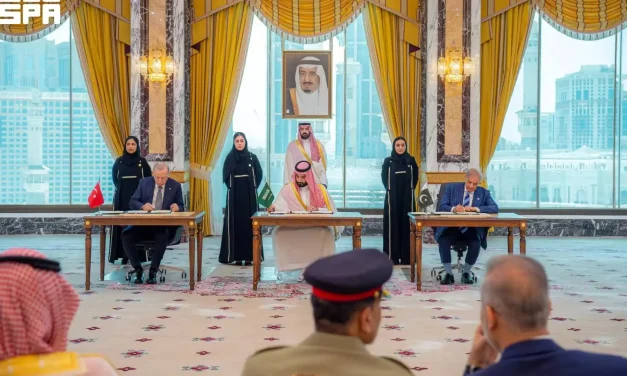
The Makkah Pact; Reasons for its Formation and Challenges Ahead

SCFR Online – Opinion: The Makkah Pact, signed between Saudi Arabia, Pakistan, and Turkey under the motto “an attack on one is an attack on all,” is viewed by some analysts less as a full-fledged military coalition and more as an attempt to reduce security dependence on an external power and to establish a regional security mechanism.
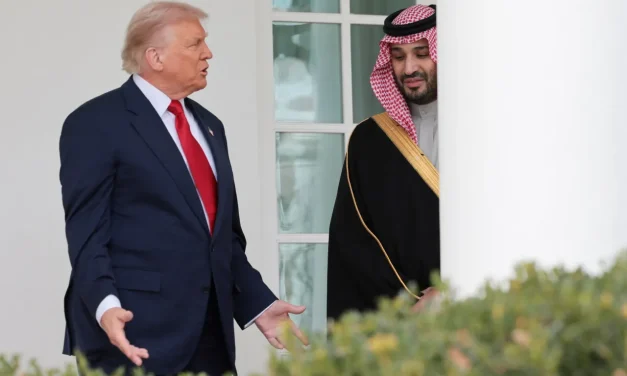
Implications of the US-Saudi Nuclear Agreement

SCFR Online – Opinion: The new US-Saudi nuclear agreement, despite legal and political ambiguities, could alter previous non-proliferation standards in West Asia and intensify nuclear competition, ushering it into a new phase.

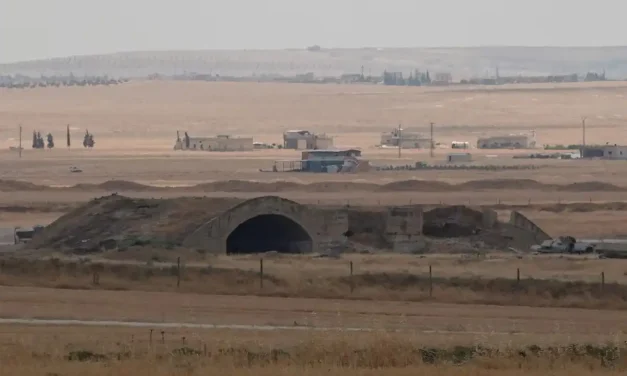
An Analysis of Recent Turkey-Israeli Regime Tensions

SCFR Online – Opinion: Recent developments in Syria indicate an intensification of strategic rivalry between Turkey and the Israeli regime, but mutual considerations and the role of the United States have limited the likelihood of direct war.

Increasing criticism of the extensive Zionist lobby network

SCFR Online – Opinion: An examination of the mechanisms of the Israeli regime’s influence in the United States depicts a complex picture of shared interests, strategic dependencies, and the limitations of this relationship.

Realities of the Tripartite Makkah Pact

SCFR Online – Interview: The signing of the Makkah agreement between Saudi Arabia, Pakistan, and Turkey has raised questions about the future of the region’s security structure and the position of these countries in West Asian equations. Can this agreement become a genuine collective defense mechanism, or does it have more of a political and deterrent function than creating new military capacity?

Strategic Implications of the Reduction of US Weapons Stockpiles

SCFR Online – Opinion: The continuation of the US war against Iran, in addition to increasing operational costs, has called into question the actual capacity of the American arsenal to simultaneously fulfill security commitments on multiple fronts; an issue that affects deterrence, defense production capacity, and Washington’s resource prioritization.

The Formation of a New Order in Relations Between Powers

SCFR Online – Opinion: The Russia-Ukraine war and the war of the United States and the Israeli regime against Iran have been formed with different objectives and actors, but field and political developments indicate that they are not entirely separate from one another.

Loading

Top News

Strategic Aspects of Macron’s Persian Gulf Tour

Strategic Aspects of Macron’s Persian Gulf Tour

Strategic Council Online – Interview: Former Iranian ambassador to Paris, saying that with Macron’s regional tour of the region, the French presence in the region will be more prominent in the political and military dimensions, added: The positions and movements of the French president in the region aims to influence the French presidential elections next spring.

Factors Influencing Normalization of Ankara’s Relations with Abu Dhabi and Riyadh

Factors Influencing Normalization of Ankara’s Relations with Abu Dhabi and Riyadh

Strategic Council Online – Opinion: Turkey’s relations with the UAE and Saudi Arabia are moving towards normalization, and the main reason is primarily political; because the series of developments that caused tension in their relations have become completely ineffective today.
Fatemeh Nekoolal Azad – Expert on international affairs

Consequences of Strategic Greek-US Military Cooperation for Turkey

Consequences of Strategic Greek-US Military Cooperation for Turkey

Strategic Council Online – Opinion: The joint visit of the Greek minister of defense and the US ambassador to Greece to the Greek port of Alexandroupolis, where Atlantic Resolve 2021 operation is underway to transfer US troops to Eastern Europe, shows that this port has been turned to one of the focal points of Greek-US bilateral cooperation in defense sector.
Mahmoud Fazeli – Analyst of international area

Importance, Consequences of Joint Armenia-Azerbaijan Boundary Commission

Importance, Consequences of Joint Armenia-Azerbaijan Boundary Commission

Strategic Council Online – Interview: Senior researcher on Central Asia and Caucasus affairs, saying that approvals of the Armenia-Azerbaijan Boundary Commission should not be a prelude to changing the geographical borders in the region, noted: Iran can assist the peace talks in Karabakh so that by stabilizing borders and establishing calm measures can be taken for the future development of the region.

Cold War Style U.S. Rhetoric against China & Russia and Its Outcomes

Cold War Style U.S. Rhetoric against China & Russia and Its Outcomes

Strategic Council Online- Interview: Having stated that at present circumstance we witness a cold war between China and the U.S. and to a lesser degree between Russia and the U.S., an analyst of international affairs said:” the competition that exists between the U.S. on one side and Russia and China on the other side, will form the aspects of the future order which the world and the country will face.

Prospects of Using National Currencies in Trade with Neighboring Countries

Prospects of Using National Currencies in Trade with Neighboring Countries

Strategic Council Online – Opinion: Given the US unilateral sanctions, can trade with the neighboring countries on the basis of national currencies be considered as a solution to mitigate effects of the sanctions?
Reza Majidzadeh – Simorgh Development Working Group, Pasargad Millennium Plan Think Tank

Strategic Outcomes of Economic Cooperation between Iran & Eurasia

Strategic Outcomes of Economic Cooperation between Iran & Eurasia

Strategic Council Online- Opinion: In addition to bilateral relations, regionalism as well as linking the economic interests of Northern neighbors to Iran’s potentials can bring more achievements.
Mehdi Khoorsand, Expert on China and Eurasia affairs

Biden’s US Targets of New Intervention in the Region

Biden’s US Targets of New Intervention in the Region

Strategic Council Online – Interview: An expert on US affairs, commenting on the US President Joe Biden’s recent claims that one of the reasons for the US military presence outside the borders, including deployment of US troops in the Persian Gulf region such as Saudi Arabia, Iraq and Syria, is Iran’s regional activities, said: Although there are talks over a change in Washington’s approach in the Middle East region in line with implementation of Biden’s stated policies in that region, in general, it seems that the main foundations of the US foreign policy in the region have not changed much, rather the process of implementation of its policies has been subject to changes.

Saudi Interventionist Policy in Lebanon, Its Consequences on Axis of Resistance

Saudi Interventionist Policy in Lebanon, Its Consequences on Axis of Resistance

Strategic Council Online – Interview: An analyst of West Asia affairs, stressing that resignation of the Lebanese minister of information will not resolve the Riyadh-Beirut issues, said: Saudi aid is a function of Riyadh’s policies in Beirut, that is to say an attempt to isolate the Hezbollah and the Axis of Resistance.

Crisis in Russia-Ukraine Relations and Scenarios Ahead

Crisis in Russia-Ukraine Relations and Scenarios Ahead

Strategic Council Online – Opinion: Seven years after Russia’s military action against Ukraine in 2014 and annexation of the Crimean peninsula to the mainland Russia, the country’s recent military rally along the border with Ukraine and holding of numerous exercises by the two countries, once again has increased the likelihood of Russian military action against Ukraine.
Hossein Sayyahi – Researcher on international affairs

أحدث الوظائف

The Makkah Pact; Reasons for its Formation and Challenges Ahead

SCFR Online – Opinion: The Makkah Pact, signed between Saudi Arabia, Pakistan, and Turkey under the motto “an attack on one is an attack on all,” is viewed by some analysts less as a full-fledged military coalition and more as an attempt to reduce security dependence on an external power and to establish a regional security mechanism.
Implications of the US-Saudi Nuclear Agreement

SCFR Online – Opinion: The new US-Saudi nuclear agreement, despite legal and political ambiguities, could alter previous non-proliferation standards in West Asia and intensify nuclear competition, ushering it into a new phase.

An Analysis of Recent Turkey-Israeli Regime Tensions

SCFR Online – Opinion: Recent developments in Syria indicate an intensification of strategic rivalry between Turkey and the Israeli regime, but mutual considerations and the role of the United States have limited the likelihood of direct war.

Increasing criticism of the extensive Zionist lobby network

SCFR Online – Opinion: An examination of the mechanisms of the Israeli regime’s influence in the United States depicts a complex picture of shared interests, strategic dependencies, and the limitations of this relationship.

Realities of the Tripartite Makkah Pact

SCFR Online – Interview: The signing of the Makkah agreement between Saudi Arabia, Pakistan, and Turkey has raised questions about the future of the region’s security structure and the position of these countries in West Asian equations. Can this agreement become a genuine collective defense mechanism, or does it have more of a political and deterrent function than creating new military capacity?

Strategic Implications of the Reduction of US Weapons Stockpiles

SCFR Online – Opinion: The continuation of the US war against Iran, in addition to increasing operational costs, has called into question the actual capacity of the American arsenal to simultaneously fulfill security commitments on multiple fronts; an issue that affects deterrence, defense production capacity, and Washington’s resource prioritization.

The Formation of a New Order in Relations Between Powers

SCFR Online – Opinion: The Russia-Ukraine war and the war of the United States and the Israeli regime against Iran have been formed with different objectives and actors, but field and political developments indicate that they are not entirely separate from one another.

Loading

Top News

Strategic Aspects of Macron’s Persian Gulf Tour

Strategic Aspects of Macron’s Persian Gulf Tour

Strategic Council Online – Interview: Former Iranian ambassador to Paris, saying that with Macron’s regional tour of the region, the French presence in the region will be more prominent in the political and military dimensions, added: The positions and movements of the French president in the region aims to influence the French presidential elections next spring.

Factors Influencing Normalization of Ankara’s Relations with Abu Dhabi and Riyadh

Factors Influencing Normalization of Ankara’s Relations with Abu Dhabi and Riyadh

Strategic Council Online – Opinion: Turkey’s relations with the UAE and Saudi Arabia are moving towards normalization, and the main reason is primarily political; because the series of developments that caused tension in their relations have become completely ineffective today.
Fatemeh Nekoolal Azad – Expert on international affairs

Consequences of Strategic Greek-US Military Cooperation for Turkey

Consequences of Strategic Greek-US Military Cooperation for Turkey

Strategic Council Online – Opinion: The joint visit of the Greek minister of defense and the US ambassador to Greece to the Greek port of Alexandroupolis, where Atlantic Resolve 2021 operation is underway to transfer US troops to Eastern Europe, shows that this port has been turned to one of the focal points of Greek-US bilateral cooperation in defense sector.
Mahmoud Fazeli – Analyst of international area

Importance, Consequences of Joint Armenia-Azerbaijan Boundary Commission

Importance, Consequences of Joint Armenia-Azerbaijan Boundary Commission

Strategic Council Online – Interview: Senior researcher on Central Asia and Caucasus affairs, saying that approvals of the Armenia-Azerbaijan Boundary Commission should not be a prelude to changing the geographical borders in the region, noted: Iran can assist the peace talks in Karabakh so that by stabilizing borders and establishing calm measures can be taken for the future development of the region.

Cold War Style U.S. Rhetoric against China & Russia and Its Outcomes

Cold War Style U.S. Rhetoric against China & Russia and Its Outcomes

Strategic Council Online- Interview: Having stated that at present circumstance we witness a cold war between China and the U.S. and to a lesser degree between Russia and the U.S., an analyst of international affairs said:” the competition that exists between the U.S. on one side and Russia and China on the other side, will form the aspects of the future order which the world and the country will face.

Prospects of Using National Currencies in Trade with Neighboring Countries

Prospects of Using National Currencies in Trade with Neighboring Countries

Strategic Council Online – Opinion: Given the US unilateral sanctions, can trade with the neighboring countries on the basis of national currencies be considered as a solution to mitigate effects of the sanctions?
Reza Majidzadeh – Simorgh Development Working Group, Pasargad Millennium Plan Think Tank

Strategic Outcomes of Economic Cooperation between Iran & Eurasia

Strategic Outcomes of Economic Cooperation between Iran & Eurasia

Strategic Council Online- Opinion: In addition to bilateral relations, regionalism as well as linking the economic interests of Northern neighbors to Iran’s potentials can bring more achievements.
Mehdi Khoorsand, Expert on China and Eurasia affairs

Biden’s US Targets of New Intervention in the Region

Biden’s US Targets of New Intervention in the Region

Strategic Council Online – Interview: An expert on US affairs, commenting on the US President Joe Biden’s recent claims that one of the reasons for the US military presence outside the borders, including deployment of US troops in the Persian Gulf region such as Saudi Arabia, Iraq and Syria, is Iran’s regional activities, said: Although there are talks over a change in Washington’s approach in the Middle East region in line with implementation of Biden’s stated policies in that region, in general, it seems that the main foundations of the US foreign policy in the region have not changed much, rather the process of implementation of its policies has been subject to changes.

Saudi Interventionist Policy in Lebanon, Its Consequences on Axis of Resistance

Saudi Interventionist Policy in Lebanon, Its Consequences on Axis of Resistance

Strategic Council Online – Interview: An analyst of West Asia affairs, stressing that resignation of the Lebanese minister of information will not resolve the Riyadh-Beirut issues, said: Saudi aid is a function of Riyadh’s policies in Beirut, that is to say an attempt to isolate the Hezbollah and the Axis of Resistance.

Crisis in Russia-Ukraine Relations and Scenarios Ahead

Crisis in Russia-Ukraine Relations and Scenarios Ahead

Strategic Council Online – Opinion: Seven years after Russia’s military action against Ukraine in 2014 and annexation of the Crimean peninsula to the mainland Russia, the country’s recent military rally along the border with Ukraine and holding of numerous exercises by the two countries, once again has increased the likelihood of Russian military action against Ukraine.
Hossein Sayyahi – Researcher on international affairs

Top News

Strategic Aspects of Macron’s Persian Gulf Tour

Strategic Aspects of Macron’s Persian Gulf Tour

Strategic Council Online – Interview: Former Iranian ambassador to Paris, saying that with Macron’s regional tour of the region, the French presence in the region will be more prominent in the political and military dimensions, added: The positions and movements of the French president in the region aims to influence the French presidential elections next spring.

Factors Influencing Normalization of Ankara’s Relations with Abu Dhabi and Riyadh

Factors Influencing Normalization of Ankara’s Relations with Abu Dhabi and Riyadh

Strategic Council Online – Opinion: Turkey’s relations with the UAE and Saudi Arabia are moving towards normalization, and the main reason is primarily political; because the series of developments that caused tension in their relations have become completely ineffective today.
Fatemeh Nekoolal Azad – Expert on international affairs

Consequences of Strategic Greek-US Military Cooperation for Turkey

Consequences of Strategic Greek-US Military Cooperation for Turkey

Strategic Council Online – Opinion: The joint visit of the Greek minister of defense and the US ambassador to Greece to the Greek port of Alexandroupolis, where Atlantic Resolve 2021 operation is underway to transfer US troops to Eastern Europe, shows that this port has been turned to one of the focal points of Greek-US bilateral cooperation in defense sector.
Mahmoud Fazeli – Analyst of international area

Importance, Consequences of Joint Armenia-Azerbaijan Boundary Commission

Importance, Consequences of Joint Armenia-Azerbaijan Boundary Commission

Strategic Council Online – Interview: Senior researcher on Central Asia and Caucasus affairs, saying that approvals of the Armenia-Azerbaijan Boundary Commission should not be a prelude to changing the geographical borders in the region, noted: Iran can assist the peace talks in Karabakh so that by stabilizing borders and establishing calm measures can be taken for the future development of the region.

Cold War Style U.S. Rhetoric against China & Russia and Its Outcomes

Cold War Style U.S. Rhetoric against China & Russia and Its Outcomes

Strategic Council Online- Interview: Having stated that at present circumstance we witness a cold war between China and the U.S. and to a lesser degree between Russia and the U.S., an analyst of international affairs said:” the competition that exists between the U.S. on one side and Russia and China on the other side, will form the aspects of the future order which the world and the country will face.

Prospects of Using National Currencies in Trade with Neighboring Countries

Prospects of Using National Currencies in Trade with Neighboring Countries

Strategic Council Online – Opinion: Given the US unilateral sanctions, can trade with the neighboring countries on the basis of national currencies be considered as a solution to mitigate effects of the sanctions?
Reza Majidzadeh – Simorgh Development Working Group, Pasargad Millennium Plan Think Tank

Strategic Outcomes of Economic Cooperation between Iran & Eurasia

Strategic Outcomes of Economic Cooperation between Iran & Eurasia

Strategic Council Online- Opinion: In addition to bilateral relations, regionalism as well as linking the economic interests of Northern neighbors to Iran’s potentials can bring more achievements.
Mehdi Khoorsand, Expert on China and Eurasia affairs

Biden’s US Targets of New Intervention in the Region

Biden’s US Targets of New Intervention in the Region

Strategic Council Online – Interview: An expert on US affairs, commenting on the US President Joe Biden’s recent claims that one of the reasons for the US military presence outside the borders, including deployment of US troops in the Persian Gulf region such as Saudi Arabia, Iraq and Syria, is Iran’s regional activities, said: Although there are talks over a change in Washington’s approach in the Middle East region in line with implementation of Biden’s stated policies in that region, in general, it seems that the main foundations of the US foreign policy in the region have not changed much, rather the process of implementation of its policies has been subject to changes.

Saudi Interventionist Policy in Lebanon, Its Consequences on Axis of Resistance

Saudi Interventionist Policy in Lebanon, Its Consequences on Axis of Resistance

Strategic Council Online – Interview: An analyst of West Asia affairs, stressing that resignation of the Lebanese minister of information will not resolve the Riyadh-Beirut issues, said: Saudi aid is a function of Riyadh’s policies in Beirut, that is to say an attempt to isolate the Hezbollah and the Axis of Resistance.

Crisis in Russia-Ukraine Relations and Scenarios Ahead

Crisis in Russia-Ukraine Relations and Scenarios Ahead

Strategic Council Online – Opinion: Seven years after Russia’s military action against Ukraine in 2014 and annexation of the Crimean peninsula to the mainland Russia, the country’s recent military rally along the border with Ukraine and holding of numerous exercises by the two countries, once again has increased the likelihood of Russian military action against Ukraine.
Hossein Sayyahi – Researcher on international affairs

LATEST CONTENT

The Makkah Pact; Reasons for its Formation and Challenges Ahead

SCFR Online – Opinion: The Makkah Pact, signed between Saudi Arabia, Pakistan, and Turkey under the motto “an attack on one is an attack on all,” is viewed by some analysts less as a full-fledged military coalition and more as an attempt to reduce security dependence on an external power and to establish a regional security mechanism.

Implications of the US-Saudi Nuclear Agreement

SCFR Online – Opinion: The new US-Saudi nuclear agreement, despite legal and political ambiguities, could alter previous non-proliferation standards in West Asia and intensify nuclear competition, ushering it into a new phase.

An Analysis of Recent Turkey-Israeli Regime Tensions

SCFR Online – Opinion: Recent developments in Syria indicate an intensification of strategic rivalry between Turkey and the Israeli regime, but mutual considerations and the role of the United States have limited the likelihood of direct war.

Increasing criticism of the extensive Zionist lobby network

SCFR Online – Opinion: An examination of the mechanisms of the Israeli regime’s influence in the United States depicts a complex picture of shared interests, strategic dependencies, and the limitations of this relationship.

Realities of the Tripartite Makkah Pact

SCFR Online – Interview: The signing of the Makkah agreement between Saudi Arabia, Pakistan, and Turkey has raised questions about the future of the region’s security structure and the position of these countries in West Asian equations. Can this agreement become a genuine collective defense mechanism, or does it have more of a political and deterrent function than creating new military capacity?

Strategic Implications of the Reduction of US Weapons Stockpiles

SCFR Online – Opinion: The continuation of the US war against Iran, in addition to increasing operational costs, has called into question the actual capacity of the American arsenal to simultaneously fulfill security commitments on multiple fronts; an issue that affects deterrence, defense production capacity, and Washington’s resource prioritization.

The Formation of a New Order in Relations Between Powers

SCFR Online – Opinion: The Russia-Ukraine war and the war of the United States and the Israeli regime against Iran have been formed with different objectives and actors, but field and political developments indicate that they are not entirely separate from one another.

Loading

Top News

Strategic Aspects of Macron’s Persian Gulf Tour

Strategic Aspects of Macron’s Persian Gulf Tour

Strategic Council Online – Interview: Former Iranian ambassador to Paris, saying that with Macron’s regional tour of the region, the French presence in the region will be more prominent in the political and military dimensions, added: The positions and movements of the French president in the region aims to influence the French presidential elections next spring.

Factors Influencing Normalization of Ankara’s Relations with Abu Dhabi and Riyadh

Factors Influencing Normalization of Ankara’s Relations with Abu Dhabi and Riyadh

Strategic Council Online – Opinion: Turkey’s relations with the UAE and Saudi Arabia are moving towards normalization, and the main reason is primarily political; because the series of developments that caused tension in their relations have become completely ineffective today.
Fatemeh Nekoolal Azad – Expert on international affairs

Consequences of Strategic Greek-US Military Cooperation for Turkey

Consequences of Strategic Greek-US Military Cooperation for Turkey

Strategic Council Online – Opinion: The joint visit of the Greek minister of defense and the US ambassador to Greece to the Greek port of Alexandroupolis, where Atlantic Resolve 2021 operation is underway to transfer US troops to Eastern Europe, shows that this port has been turned to one of the focal points of Greek-US bilateral cooperation in defense sector.
Mahmoud Fazeli – Analyst of international area

Importance, Consequences of Joint Armenia-Azerbaijan Boundary Commission

Importance, Consequences of Joint Armenia-Azerbaijan Boundary Commission

Strategic Council Online – Interview: Senior researcher on Central Asia and Caucasus affairs, saying that approvals of the Armenia-Azerbaijan Boundary Commission should not be a prelude to changing the geographical borders in the region, noted: Iran can assist the peace talks in Karabakh so that by stabilizing borders and establishing calm measures can be taken for the future development of the region.

Cold War Style U.S. Rhetoric against China & Russia and Its Outcomes

Cold War Style U.S. Rhetoric against China & Russia and Its Outcomes

Strategic Council Online- Interview: Having stated that at present circumstance we witness a cold war between China and the U.S. and to a lesser degree between Russia and the U.S., an analyst of international affairs said:” the competition that exists between the U.S. on one side and Russia and China on the other side, will form the aspects of the future order which the world and the country will face.

Prospects of Using National Currencies in Trade with Neighboring Countries

Prospects of Using National Currencies in Trade with Neighboring Countries

Strategic Council Online – Opinion: Given the US unilateral sanctions, can trade with the neighboring countries on the basis of national currencies be considered as a solution to mitigate effects of the sanctions?
Reza Majidzadeh – Simorgh Development Working Group, Pasargad Millennium Plan Think Tank

Strategic Outcomes of Economic Cooperation between Iran & Eurasia

Strategic Outcomes of Economic Cooperation between Iran & Eurasia

Strategic Council Online- Opinion: In addition to bilateral relations, regionalism as well as linking the economic interests of Northern neighbors to Iran’s potentials can bring more achievements.
Mehdi Khoorsand, Expert on China and Eurasia affairs

Biden’s US Targets of New Intervention in the Region

Biden’s US Targets of New Intervention in the Region

Strategic Council Online – Interview: An expert on US affairs, commenting on the US President Joe Biden’s recent claims that one of the reasons for the US military presence outside the borders, including deployment of US troops in the Persian Gulf region such as Saudi Arabia, Iraq and Syria, is Iran’s regional activities, said: Although there are talks over a change in Washington’s approach in the Middle East region in line with implementation of Biden’s stated policies in that region, in general, it seems that the main foundations of the US foreign policy in the region have not changed much, rather the process of implementation of its policies has been subject to changes.

Saudi Interventionist Policy in Lebanon, Its Consequences on Axis of Resistance

Saudi Interventionist Policy in Lebanon, Its Consequences on Axis of Resistance

Strategic Council Online – Interview: An analyst of West Asia affairs, stressing that resignation of the Lebanese minister of information will not resolve the Riyadh-Beirut issues, said: Saudi aid is a function of Riyadh’s policies in Beirut, that is to say an attempt to isolate the Hezbollah and the Axis of Resistance.

Crisis in Russia-Ukraine Relations and Scenarios Ahead

Crisis in Russia-Ukraine Relations and Scenarios Ahead

Strategic Council Online – Opinion: Seven years after Russia’s military action against Ukraine in 2014 and annexation of the Crimean peninsula to the mainland Russia, the country’s recent military rally along the border with Ukraine and holding of numerous exercises by the two countries, once again has increased the likelihood of Russian military action against Ukraine.
Hossein Sayyahi – Researcher on international affairs

ÚLTIMAS PUBLICACIONES

The Makkah Pact; Reasons for its Formation and Challenges Ahead

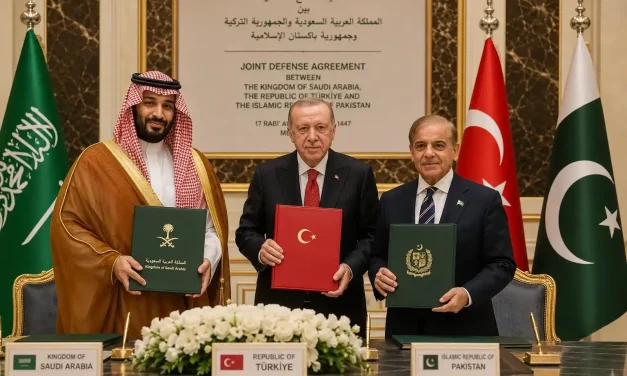
SCFR Online – Opinion: The Makkah Pact, signed between Saudi Arabia, Pakistan, and Turkey under the motto “an attack on one is an attack on all,” is viewed by some analysts less as a full-fledged military coalition and more as an attempt to reduce security dependence on an external power and to establish a regional security mechanism.
Implications of the US-Saudi Nuclear Agreement

SCFR Online – Opinion: The new US-Saudi nuclear agreement, despite legal and political ambiguities, could alter previous non-proliferation standards in West Asia and intensify nuclear competition, ushering it into a new phase.

An Analysis of Recent Turkey-Israeli Regime Tensions

SCFR Online – Opinion: Recent developments in Syria indicate an intensification of strategic rivalry between Turkey and the Israeli regime, but mutual considerations and the role of the United States have limited the likelihood of direct war.

Increasing criticism of the extensive Zionist lobby network

SCFR Online – Opinion: An examination of the mechanisms of the Israeli regime’s influence in the United States depicts a complex picture of shared interests, strategic dependencies, and the limitations of this relationship.

Realities of the Tripartite Makkah Pact

SCFR Online – Interview: The signing of the Makkah agreement between Saudi Arabia, Pakistan, and Turkey has raised questions about the future of the region’s security structure and the position of these countries in West Asian equations. Can this agreement become a genuine collective defense mechanism, or does it have more of a political and deterrent function than creating new military capacity?

Strategic Implications of the Reduction of US Weapons Stockpiles

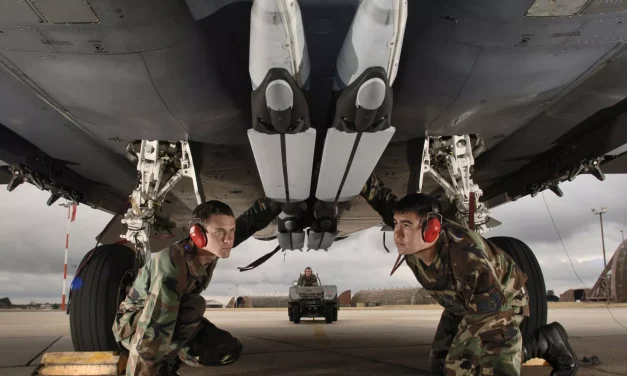
SCFR Online – Opinion: The continuation of the US war against Iran, in addition to increasing operational costs, has called into question the actual capacity of the American arsenal to simultaneously fulfill security commitments on multiple fronts; an issue that affects deterrence, defense production capacity, and Washington’s resource prioritization.

The Formation of a New Order in Relations Between Powers

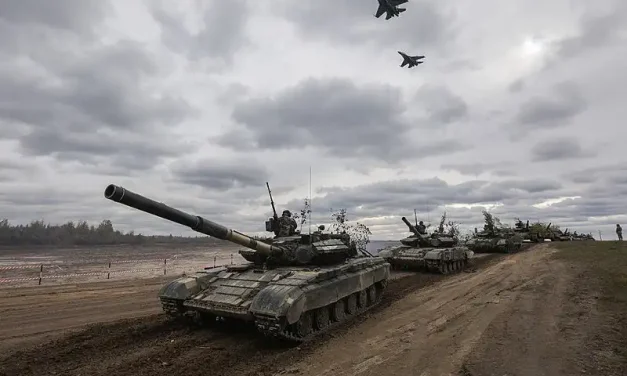
SCFR Online – Opinion: The Russia-Ukraine war and the war of the United States and the Israeli regime against Iran have been formed with different objectives and actors, but field and political developments indicate that they are not entirely separate from one another.

Loading

Top News

Strategic Aspects of Macron’s Persian Gulf Tour

Strategic Aspects of Macron’s Persian Gulf Tour

Strategic Council Online – Interview: Former Iranian ambassador to Paris, saying that with Macron’s regional tour of the region, the French presence in the region will be more prominent in the political and military dimensions, added: The positions and movements of the French president in the region aims to influence the French presidential elections next spring.

Factors Influencing Normalization of Ankara’s Relations with Abu Dhabi and Riyadh

Factors Influencing Normalization of Ankara’s Relations with Abu Dhabi and Riyadh

Strategic Council Online – Opinion: Turkey’s relations with the UAE and Saudi Arabia are moving towards normalization, and the main reason is primarily political; because the series of developments that caused tension in their relations have become completely ineffective today.
Fatemeh Nekoolal Azad – Expert on international affairs

Consequences of Strategic Greek-US Military Cooperation for Turkey

Consequences of Strategic Greek-US Military Cooperation for Turkey

Strategic Council Online – Opinion: The joint visit of the Greek minister of defense and the US ambassador to Greece to the Greek port of Alexandroupolis, where Atlantic Resolve 2021 operation is underway to transfer US troops to Eastern Europe, shows that this port has been turned to one of the focal points of Greek-US bilateral cooperation in defense sector.
Mahmoud Fazeli – Analyst of international area

Importance, Consequences of Joint Armenia-Azerbaijan Boundary Commission

Importance, Consequences of Joint Armenia-Azerbaijan Boundary Commission

Strategic Council Online – Interview: Senior researcher on Central Asia and Caucasus affairs, saying that approvals of the Armenia-Azerbaijan Boundary Commission should not be a prelude to changing the geographical borders in the region, noted: Iran can assist the peace talks in Karabakh so that by stabilizing borders and establishing calm measures can be taken for the future development of the region.

Cold War Style U.S. Rhetoric against China & Russia and Its Outcomes

Cold War Style U.S. Rhetoric against China & Russia and Its Outcomes

Strategic Council Online- Interview: Having stated that at present circumstance we witness a cold war between China and the U.S. and to a lesser degree between Russia and the U.S., an analyst of international affairs said:” the competition that exists between the U.S. on one side and Russia and China on the other side, will form the aspects of the future order which the world and the country will face.

Prospects of Using National Currencies in Trade with Neighboring Countries

Prospects of Using National Currencies in Trade with Neighboring Countries

Strategic Council Online – Opinion: Given the US unilateral sanctions, can trade with the neighboring countries on the basis of national currencies be considered as a solution to mitigate effects of the sanctions?
Reza Majidzadeh – Simorgh Development Working Group, Pasargad Millennium Plan Think Tank

Strategic Outcomes of Economic Cooperation between Iran & Eurasia

Strategic Outcomes of Economic Cooperation between Iran & Eurasia

Strategic Council Online- Opinion: In addition to bilateral relations, regionalism as well as linking the economic interests of Northern neighbors to Iran’s potentials can bring more achievements.
Mehdi Khoorsand, Expert on China and Eurasia affairs

Biden’s US Targets of New Intervention in the Region

Biden’s US Targets of New Intervention in the Region

Strategic Council Online – Interview: An expert on US affairs, commenting on the US President Joe Biden’s recent claims that one of the reasons for the US military presence outside the borders, including deployment of US troops in the Persian Gulf region such as Saudi Arabia, Iraq and Syria, is Iran’s regional activities, said: Although there are talks over a change in Washington’s approach in the Middle East region in line with implementation of Biden’s stated policies in that region, in general, it seems that the main foundations of the US foreign policy in the region have not changed much, rather the process of implementation of its policies has been subject to changes.

Saudi Interventionist Policy in Lebanon, Its Consequences on Axis of Resistance

Saudi Interventionist Policy in Lebanon, Its Consequences on Axis of Resistance

Strategic Council Online – Interview: An analyst of West Asia affairs, stressing that resignation of the Lebanese minister of information will not resolve the Riyadh-Beirut issues, said: Saudi aid is a function of Riyadh’s policies in Beirut, that is to say an attempt to isolate the Hezbollah and the Axis of Resistance.

Crisis in Russia-Ukraine Relations and Scenarios Ahead

Crisis in Russia-Ukraine Relations and Scenarios Ahead

Strategic Council Online – Opinion: Seven years after Russia’s military action against Ukraine in 2014 and annexation of the Crimean peninsula to the mainland Russia, the country’s recent military rally along the border with Ukraine and holding of numerous exercises by the two countries, once again has increased the likelihood of Russian military action against Ukraine.
Hossein Sayyahi – Researcher on international affairs

ÚLTIMAS PUBLICACIONES

The Makkah Pact; Reasons for its Formation and Challenges Ahead

SCFR Online – Opinion: The Makkah Pact, signed between Saudi Arabia, Pakistan, and Turkey under the motto “an attack on one is an attack on all,” is viewed by some analysts less as a full-fledged military coalition and more as an attempt to reduce security dependence on an external power and to establish a regional security mechanism.
Implications of the US-Saudi Nuclear Agreement

SCFR Online – Opinion: The new US-Saudi nuclear agreement, despite legal and political ambiguities, could alter previous non-proliferation standards in West Asia and intensify nuclear competition, ushering it into a new phase.

An Analysis of Recent Turkey-Israeli Regime Tensions

SCFR Online – Opinion: Recent developments in Syria indicate an intensification of strategic rivalry between Turkey and the Israeli regime, but mutual considerations and the role of the United States have limited the likelihood of direct war.

Increasing criticism of the extensive Zionist lobby network

SCFR Online – Opinion: An examination of the mechanisms of the Israeli regime’s influence in the United States depicts a complex picture of shared interests, strategic dependencies, and the limitations of this relationship.

Realities of the Tripartite Makkah Pact

SCFR Online – Interview: The signing of the Makkah agreement between Saudi Arabia, Pakistan, and Turkey has raised questions about the future of the region’s security structure and the position of these countries in West Asian equations. Can this agreement become a genuine collective defense mechanism, or does it have more of a political and deterrent function than creating new military capacity?

Strategic Implications of the Reduction of US Weapons Stockpiles

SCFR Online – Opinion: The continuation of the US war against Iran, in addition to increasing operational costs, has called into question the actual capacity of the American arsenal to simultaneously fulfill security commitments on multiple fronts; an issue that affects deterrence, defense production capacity, and Washington’s resource prioritization.

The Formation of a New Order in Relations Between Powers

SCFR Online – Opinion: The Russia-Ukraine war and the war of the United States and the Israeli regime against Iran have been formed with different objectives and actors, but field and political developments indicate that they are not entirely separate from one another.

Loading

Top News

Strategic Aspects of Macron’s Persian Gulf Tour

Strategic Aspects of Macron’s Persian Gulf Tour

Strategic Council Online – Interview: Former Iranian ambassador to Paris, saying that with Macron’s regional tour of the region, the French presence in the region will be more prominent in the political and military dimensions, added: The positions and movements of the French president in the region aims to influence the French presidential elections next spring.

Factors Influencing Normalization of Ankara’s Relations with Abu Dhabi and Riyadh

Factors Influencing Normalization of Ankara’s Relations with Abu Dhabi and Riyadh

Strategic Council Online – Opinion: Turkey’s relations with the UAE and Saudi Arabia are moving towards normalization, and the main reason is primarily political; because the series of developments that caused tension in their relations have become completely ineffective today.
Fatemeh Nekoolal Azad – Expert on international affairs

Consequences of Strategic Greek-US Military Cooperation for Turkey

Consequences of Strategic Greek-US Military Cooperation for Turkey

Strategic Council Online – Opinion: The joint visit of the Greek minister of defense and the US ambassador to Greece to the Greek port of Alexandroupolis, where Atlantic Resolve 2021 operation is underway to transfer US troops to Eastern Europe, shows that this port has been turned to one of the focal points of Greek-US bilateral cooperation in defense sector.
Mahmoud Fazeli – Analyst of international area

Importance, Consequences of Joint Armenia-Azerbaijan Boundary Commission

Importance, Consequences of Joint Armenia-Azerbaijan Boundary Commission

Strategic Council Online – Interview: Senior researcher on Central Asia and Caucasus affairs, saying that approvals of the Armenia-Azerbaijan Boundary Commission should not be a prelude to changing the geographical borders in the region, noted: Iran can assist the peace talks in Karabakh so that by stabilizing borders and establishing calm measures can be taken for the future development of the region.

Cold War Style U.S. Rhetoric against China & Russia and Its Outcomes

Cold War Style U.S. Rhetoric against China & Russia and Its Outcomes

Strategic Council Online- Interview: Having stated that at present circumstance we witness a cold war between China and the U.S. and to a lesser degree between Russia and the U.S., an analyst of international affairs said:” the competition that exists between the U.S. on one side and Russia and China on the other side, will form the aspects of the future order which the world and the country will face.

Prospects of Using National Currencies in Trade with Neighboring Countries

Prospects of Using National Currencies in Trade with Neighboring Countries

Strategic Council Online – Opinion: Given the US unilateral sanctions, can trade with the neighboring countries on the basis of national currencies be considered as a solution to mitigate effects of the sanctions?
Reza Majidzadeh – Simorgh Development Working Group, Pasargad Millennium Plan Think Tank

Strategic Outcomes of Economic Cooperation between Iran & Eurasia

Strategic Outcomes of Economic Cooperation between Iran & Eurasia

Strategic Council Online- Opinion: In addition to bilateral relations, regionalism as well as linking the economic interests of Northern neighbors to Iran’s potentials can bring more achievements.
Mehdi Khoorsand, Expert on China and Eurasia affairs

Biden’s US Targets of New Intervention in the Region

Biden’s US Targets of New Intervention in the Region

Strategic Council Online – Interview: An expert on US affairs, commenting on the US President Joe Biden’s recent claims that one of the reasons for the US military presence outside the borders, including deployment of US troops in the Persian Gulf region such as Saudi Arabia, Iraq and Syria, is Iran’s regional activities, said: Although there are talks over a change in Washington’s approach in the Middle East region in line with implementation of Biden’s stated policies in that region, in general, it seems that the main foundations of the US foreign policy in the region have not changed much, rather the process of implementation of its policies has been subject to changes.

Saudi Interventionist Policy in Lebanon, Its Consequences on Axis of Resistance

Saudi Interventionist Policy in Lebanon, Its Consequences on Axis of Resistance

Strategic Council Online – Interview: An analyst of West Asia affairs, stressing that resignation of the Lebanese minister of information will not resolve the Riyadh-Beirut issues, said: Saudi aid is a function of Riyadh’s policies in Beirut, that is to say an attempt to isolate the Hezbollah and the Axis of Resistance.

Crisis in Russia-Ukraine Relations and Scenarios Ahead

Crisis in Russia-Ukraine Relations and Scenarios Ahead

Strategic Council Online – Opinion: Seven years after Russia’s military action against Ukraine in 2014 and annexation of the Crimean peninsula to the mainland Russia, the country’s recent military rally along the border with Ukraine and holding of numerous exercises by the two countries, once again has increased the likelihood of Russian military action against Ukraine.
Hossein Sayyahi – Researcher on international affairs

ÚLTIMAS PUBLICACIONES

The Makkah Pact; Reasons for its Formation and Challenges Ahead

SCFR Online – Opinion: The Makkah Pact, signed between Saudi Arabia, Pakistan, and Turkey under the motto “an attack on one is an attack on all,” is viewed by some analysts less as a full-fledged military coalition and more as an attempt to reduce security dependence on an external power and to establish a regional security mechanism.
Implications of the US-Saudi Nuclear Agreement

SCFR Online – Opinion: The new US-Saudi nuclear agreement, despite legal and political ambiguities, could alter previous non-proliferation standards in West Asia and intensify nuclear competition, ushering it into a new phase.

An Analysis of Recent Turkey-Israeli Regime Tensions

SCFR Online – Opinion: Recent developments in Syria indicate an intensification of strategic rivalry between Turkey and the Israeli regime, but mutual considerations and the role of the United States have limited the likelihood of direct war.

Increasing criticism of the extensive Zionist lobby network

SCFR Online – Opinion: An examination of the mechanisms of the Israeli regime’s influence in the United States depicts a complex picture of shared interests, strategic dependencies, and the limitations of this relationship.

Realities of the Tripartite Makkah Pact

SCFR Online – Interview: The signing of the Makkah agreement between Saudi Arabia, Pakistan, and Turkey has raised questions about the future of the region’s security structure and the position of these countries in West Asian equations. Can this agreement become a genuine collective defense mechanism, or does it have more of a political and deterrent function than creating new military capacity?

Strategic Implications of the Reduction of US Weapons Stockpiles

SCFR Online – Opinion: The continuation of the US war against Iran, in addition to increasing operational costs, has called into question the actual capacity of the American arsenal to simultaneously fulfill security commitments on multiple fronts; an issue that affects deterrence, defense production capacity, and Washington’s resource prioritization.

The Formation of a New Order in Relations Between Powers

SCFR Online – Opinion: The Russia-Ukraine war and the war of the United States and the Israeli regime against Iran have been formed with different objectives and actors, but field and political developments indicate that they are not entirely separate from one another.

Loading

Top News

Strategic Aspects of Macron’s Persian Gulf Tour

Strategic Aspects of Macron’s Persian Gulf Tour

Strategic Council Online – Interview: Former Iranian ambassador to Paris, saying that with Macron’s regional tour of the region, the French presence in the region will be more prominent in the political and military dimensions, added: The positions and movements of the French president in the region aims to influence the French presidential elections next spring.

Factors Influencing Normalization of Ankara’s Relations with Abu Dhabi and Riyadh

Factors Influencing Normalization of Ankara’s Relations with Abu Dhabi and Riyadh

Strategic Council Online – Opinion: Turkey’s relations with the UAE and Saudi Arabia are moving towards normalization, and the main reason is primarily political; because the series of developments that caused tension in their relations have become completely ineffective today.
Fatemeh Nekoolal Azad – Expert on international affairs

Consequences of Strategic Greek-US Military Cooperation for Turkey

Consequences of Strategic Greek-US Military Cooperation for Turkey

Strategic Council Online – Opinion: The joint visit of the Greek minister of defense and the US ambassador to Greece to the Greek port of Alexandroupolis, where Atlantic Resolve 2021 operation is underway to transfer US troops to Eastern Europe, shows that this port has been turned to one of the focal points of Greek-US bilateral cooperation in defense sector.
Mahmoud Fazeli – Analyst of international area

Importance, Consequences of Joint Armenia-Azerbaijan Boundary Commission

Importance, Consequences of Joint Armenia-Azerbaijan Boundary Commission

Strategic Council Online – Interview: Senior researcher on Central Asia and Caucasus affairs, saying that approvals of the Armenia-Azerbaijan Boundary Commission should not be a prelude to changing the geographical borders in the region, noted: Iran can assist the peace talks in Karabakh so that by stabilizing borders and establishing calm measures can be taken for the future development of the region.

Cold War Style U.S. Rhetoric against China & Russia and Its Outcomes

Cold War Style U.S. Rhetoric against China & Russia and Its Outcomes

Strategic Council Online- Interview: Having stated that at present circumstance we witness a cold war between China and the U.S. and to a lesser degree between Russia and the U.S., an analyst of international affairs said:” the competition that exists between the U.S. on one side and Russia and China on the other side, will form the aspects of the future order which the world and the country will face.

Prospects of Using National Currencies in Trade with Neighboring Countries

Prospects of Using National Currencies in Trade with Neighboring Countries

Strategic Council Online – Opinion: Given the US unilateral sanctions, can trade with the neighboring countries on the basis of national currencies be considered as a solution to mitigate effects of the sanctions?
Reza Majidzadeh – Simorgh Development Working Group, Pasargad Millennium Plan Think Tank

Strategic Outcomes of Economic Cooperation between Iran & Eurasia

Strategic Outcomes of Economic Cooperation between Iran & Eurasia

Strategic Council Online- Opinion: In addition to bilateral relations, regionalism as well as linking the economic interests of Northern neighbors to Iran’s potentials can bring more achievements.
Mehdi Khoorsand, Expert on China and Eurasia affairs

Biden’s US Targets of New Intervention in the Region

Biden’s US Targets of New Intervention in the Region

Strategic Council Online – Interview: An expert on US affairs, commenting on the US President Joe Biden’s recent claims that one of the reasons for the US military presence outside the borders, including deployment of US troops in the Persian Gulf region such as Saudi Arabia, Iraq and Syria, is Iran’s regional activities, said: Although there are talks over a change in Washington’s approach in the Middle East region in line with implementation of Biden’s stated policies in that region, in general, it seems that the main foundations of the US foreign policy in the region have not changed much, rather the process of implementation of its policies has been subject to changes.

Saudi Interventionist Policy in Lebanon, Its Consequences on Axis of Resistance

Saudi Interventionist Policy in Lebanon, Its Consequences on Axis of Resistance

Strategic Council Online – Interview: An analyst of West Asia affairs, stressing that resignation of the Lebanese minister of information will not resolve the Riyadh-Beirut issues, said: Saudi aid is a function of Riyadh’s policies in Beirut, that is to say an attempt to isolate the Hezbollah and the Axis of Resistance.

Crisis in Russia-Ukraine Relations and Scenarios Ahead

Crisis in Russia-Ukraine Relations and Scenarios Ahead

Strategic Council Online – Opinion: Seven years after Russia’s military action against Ukraine in 2014 and annexation of the Crimean peninsula to the mainland Russia, the country’s recent military rally along the border with Ukraine and holding of numerous exercises by the two countries, once again has increased the likelihood of Russian military action against Ukraine.
Hossein Sayyahi – Researcher on international affairs

ÚLTIMAS PUBLICACIONES

The Makkah Pact; Reasons for its Formation and Challenges Ahead

SCFR Online – Opinion: The Makkah Pact, signed between Saudi Arabia, Pakistan, and Turkey under the motto “an attack on one is an attack on all,” is viewed by some analysts less as a full-fledged military coalition and more as an attempt to reduce security dependence on an external power and to establish a regional security mechanism.

Implications of the US-Saudi Nuclear Agreement

SCFR Online – Opinion: The new US-Saudi nuclear agreement, despite legal and political ambiguities, could alter previous non-proliferation standards in West Asia and intensify nuclear competition, ushering it into a new phase.

An Analysis of Recent Turkey-Israeli Regime Tensions

SCFR Online – Opinion: Recent developments in Syria indicate an intensification of strategic rivalry between Turkey and the Israeli regime, but mutual considerations and the role of the United States have limited the likelihood of direct war.

Increasing criticism of the extensive Zionist lobby network

SCFR Online – Opinion: An examination of the mechanisms of the Israeli regime’s influence in the United States depicts a complex picture of shared interests, strategic dependencies, and the limitations of this relationship.

Realities of the Tripartite Makkah Pact

SCFR Online – Interview: The signing of the Makkah agreement between Saudi Arabia, Pakistan, and Turkey has raised questions about the future of the region’s security structure and the position of these countries in West Asian equations. Can this agreement become a genuine collective defense mechanism, or does it have more of a political and deterrent function than creating new military capacity?

Strategic Implications of the Reduction of US Weapons Stockpiles

SCFR Online – Opinion: The continuation of the US war against Iran, in addition to increasing operational costs, has called into question the actual capacity of the American arsenal to simultaneously fulfill security commitments on multiple fronts; an issue that affects deterrence, defense production capacity, and Washington’s resource prioritization.

The Formation of a New Order in Relations Between Powers

SCFR Online – Opinion: The Russia-Ukraine war and the war of the United States and the Israeli regime against Iran have been formed with different objectives and actors, but field and political developments indicate that they are not entirely separate from one another.

Loading