جدیدترین مطالب

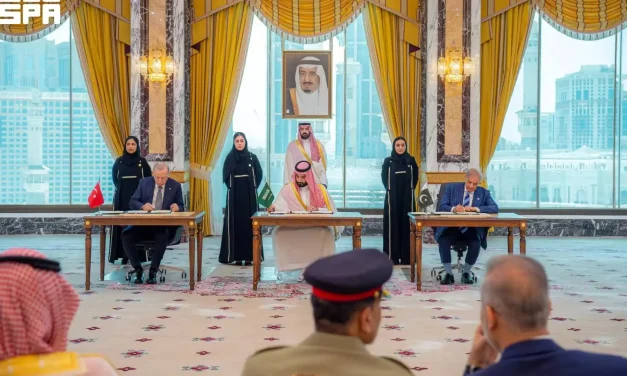
The Makkah Pact; Reasons for its Formation and Challenges Ahead

SCFR Online – Opinion: The Makkah Pact, signed between Saudi Arabia, Pakistan, and Turkey under the motto “an attack on one is an attack on all,” is viewed by some analysts less as a full-fledged military coalition and more as an attempt to reduce security dependence on an external power and to establish a regional security mechanism.
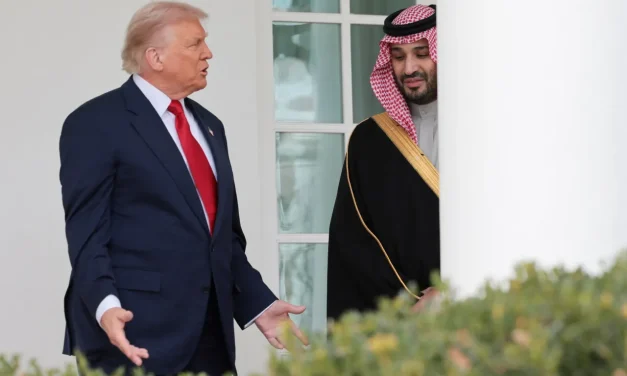
Implications of the US-Saudi Nuclear Agreement

SCFR Online – Opinion: The new US-Saudi nuclear agreement, despite legal and political ambiguities, could alter previous non-proliferation standards in West Asia and intensify nuclear competition, ushering it into a new phase.

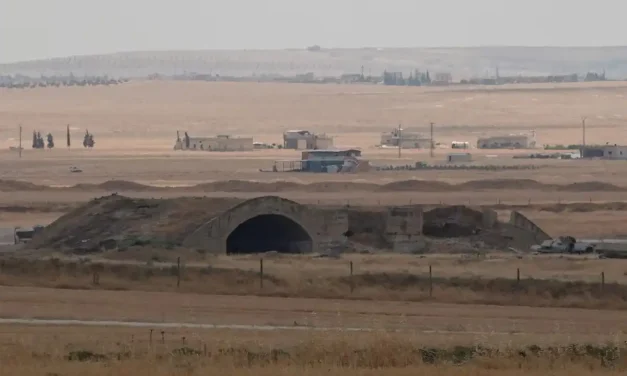
An Analysis of Recent Turkey-Israeli Regime Tensions

SCFR Online – Opinion: Recent developments in Syria indicate an intensification of strategic rivalry between Turkey and the Israeli regime, but mutual considerations and the role of the United States have limited the likelihood of direct war.

Increasing criticism of the extensive Zionist lobby network

SCFR Online – Opinion: An examination of the mechanisms of the Israeli regime’s influence in the United States depicts a complex picture of shared interests, strategic dependencies, and the limitations of this relationship.

Realities of the Tripartite Makkah Pact

SCFR Online – Interview: The signing of the Makkah agreement between Saudi Arabia, Pakistan, and Turkey has raised questions about the future of the region’s security structure and the position of these countries in West Asian equations. Can this agreement become a genuine collective defense mechanism, or does it have more of a political and deterrent function than creating new military capacity?

Strategic Implications of the Reduction of US Weapons Stockpiles

SCFR Online – Opinion: The continuation of the US war against Iran, in addition to increasing operational costs, has called into question the actual capacity of the American arsenal to simultaneously fulfill security commitments on multiple fronts; an issue that affects deterrence, defense production capacity, and Washington’s resource prioritization.

The Formation of a New Order in Relations Between Powers

SCFR Online – Opinion: The Russia-Ukraine war and the war of the United States and the Israeli regime against Iran have been formed with different objectives and actors, but field and political developments indicate that they are not entirely separate from one another.

Loading

Top News

Netanyahu end-game and political instability of Zionist Regime

Netanyahu end-game and political instability of Zionist Regime

Strategic Council Online: Pointing out to Benjamin Netanyahu’s failure to form a cabinet, and appointment of Yair Lapid, leader of moderate Yesh Atid party to form the cabinet, a middle-east expert said Lapid has the support of 56 seats out of 120 Knesset MPs but in order to form his cabinet, he still needs to make a coalition with other parties.

Dimensions of Welcome Regional States Accorded Iran-Saudi Talks

Dimensions of Welcome Regional States Accorded Iran-Saudi Talks

Strategic Council Online – An analyst of the Middle East affairs said that creating a convergent atmosphere and reaping its results depends on the effective dialogue between important countries in the region such as Iran and Saudi Arabia He added: With the reduction of the role of trans-regional powers, countries will have to reconsider mutual relations so that the region will not suffer more from the vacuum of those interactions, especially in relation to the abuse of terrorist and extremist groups.

Causes of Concern of Regional States over Revival of JCPOA

Causes of Concern of Regional States over Revival of JCPOA

Strategic Council Online – An expert on international affairs referred to economic competition and some security and military issues as major reasons for concern in the region over the US return to the Joint Comprehensive Plan of Action (JCPOA), saying they consider themselves long-standing economic and security partners of the West and they worry that the deal will make the West less concerned about keeping them safe and alone in the face of Iran.

US View of Middle East Threats

US View of Middle East Threats

Strategic Council Online – An American affairs expert said: From the Americans’ point of view, Russia is expanding its military base in Syria and making efforts to establish military bases in Libya and Sudan. It is also expanding its influence from the Black Sea to the Mediterranean Sea, the Red Sea and the Gulf of Aden, he said, adding that China is also moving westward, i.e. the Middle East region, by relying on economic initiatives such as the Silk Road and One Belt One Road initiative.

Cyprus Five-Party Talks Fail

Cyprus Five-Party Talks Fail

Strategic Council Online – Antonio Guterres, Secretary-General of the United Nations, following the failure of the informal 5+1 meeting on the Cyprus issue under the auspices of the United Nations, with representatives from both North and South Cyprus and the guarantor countries (Turkey, Greece and Britain) in Geneva, acknowledged that despite all the efforts that have been made so far, we have not yet found enough common ground between the two sides to be able to start formal talks in order to resolve the Cyprus issue. Of course, we will not give up our efforts in this regard, and for the time being, the results of the negotiations and efforts regarding Cyprus are fruitless. We are determined to make every effort to continue negotiations and dialogue to achieve positive results in resolving the Cyprus issue. We hope that formal negotiations for a settlement of the Cyprus conflict will begin in the next two months.
Mahmoud Fazeli – Analyst of international affairs

Strategic consequences of Saudi U-turn in the region

Strategic consequences of Saudi U-turn in the region

Strategic Council Online- It was March 26, 2015 when the Saudi-led coalition over-all air raids of the regional countries launched against Yemen called Operation Decisive Storm. The US and Israel played logistic role plus supplying weapons and equipments in the war. The operation was supposed to finish within a few weeks, achieving tangible results and pre-determined objectives.
Barsaam Mohammadi, international analyst.

Dr. Kharrazi in Meeting of the Leaders for Peace Foundation: “New Multilateral Order”; The Solution Of Confronting With The Challenges Of The Present World

Dr. Kharrazi in Meeting of the Leaders for Peace Foundation: “New Multilateral Order”; The Solution Of Confronting With The Challenges Of The Present World

Strategic Council Online: The President of Strategic Council on Foreign Relations who participated in the 4th Meeting of the Leaders for Peace Foundation chaired by former Prime Minister of France Mr. Raffarin said confrontation with the challenges of the present world requires a “new multilateral order” on the basis of new realities and reform of the United Nations and Security Council, as well as dis-interference of great powers in international organizations.

Pakistan’s View on Withdrawal of US Troops from Afghanistan

Pakistan’s View on Withdrawal of US Troops from Afghanistan

Strategic Council Online – An analyst of Asia affairs said that the recent decision of the new US administration to withdraw its troops from Afghanistan is a win-win situation for Islamabad, adding that Pakistan views this issue politically and strategically against India and seeks to regain its strategic depth with an economic approach to Afghan markets as well as improving its relations with the United States.

Increasing destructive approaches of the Zionist regime in the Middle East

Increasing destructive approaches of the Zionist regime in the Middle East

Strategic Council Online—Opinion: With the arrival of the World Quds Day, the Zionist regime has increased its destructive movements and measures in the Middle East especially against the resistance movement and the Islamic Republic of Iran.
Hassan Hanizadeh—expert of Middle East issues

أحدث الوظائف

The Makkah Pact; Reasons for its Formation and Challenges Ahead

SCFR Online – Opinion: The Makkah Pact, signed between Saudi Arabia, Pakistan, and Turkey under the motto “an attack on one is an attack on all,” is viewed by some analysts less as a full-fledged military coalition and more as an attempt to reduce security dependence on an external power and to establish a regional security mechanism.
Implications of the US-Saudi Nuclear Agreement

SCFR Online – Opinion: The new US-Saudi nuclear agreement, despite legal and political ambiguities, could alter previous non-proliferation standards in West Asia and intensify nuclear competition, ushering it into a new phase.

An Analysis of Recent Turkey-Israeli Regime Tensions

SCFR Online – Opinion: Recent developments in Syria indicate an intensification of strategic rivalry between Turkey and the Israeli regime, but mutual considerations and the role of the United States have limited the likelihood of direct war.

Increasing criticism of the extensive Zionist lobby network

SCFR Online – Opinion: An examination of the mechanisms of the Israeli regime’s influence in the United States depicts a complex picture of shared interests, strategic dependencies, and the limitations of this relationship.

Realities of the Tripartite Makkah Pact

SCFR Online – Interview: The signing of the Makkah agreement between Saudi Arabia, Pakistan, and Turkey has raised questions about the future of the region’s security structure and the position of these countries in West Asian equations. Can this agreement become a genuine collective defense mechanism, or does it have more of a political and deterrent function than creating new military capacity?

Strategic Implications of the Reduction of US Weapons Stockpiles

SCFR Online – Opinion: The continuation of the US war against Iran, in addition to increasing operational costs, has called into question the actual capacity of the American arsenal to simultaneously fulfill security commitments on multiple fronts; an issue that affects deterrence, defense production capacity, and Washington’s resource prioritization.

The Formation of a New Order in Relations Between Powers

SCFR Online – Opinion: The Russia-Ukraine war and the war of the United States and the Israeli regime against Iran have been formed with different objectives and actors, but field and political developments indicate that they are not entirely separate from one another.

Loading

Top News

Netanyahu end-game and political instability of Zionist Regime

Netanyahu end-game and political instability of Zionist Regime

Strategic Council Online: Pointing out to Benjamin Netanyahu’s failure to form a cabinet, and appointment of Yair Lapid, leader of moderate Yesh Atid party to form the cabinet, a middle-east expert said Lapid has the support of 56 seats out of 120 Knesset MPs but in order to form his cabinet, he still needs to make a coalition with other parties.

Dimensions of Welcome Regional States Accorded Iran-Saudi Talks

Dimensions of Welcome Regional States Accorded Iran-Saudi Talks

Strategic Council Online – An analyst of the Middle East affairs said that creating a convergent atmosphere and reaping its results depends on the effective dialogue between important countries in the region such as Iran and Saudi Arabia He added: With the reduction of the role of trans-regional powers, countries will have to reconsider mutual relations so that the region will not suffer more from the vacuum of those interactions, especially in relation to the abuse of terrorist and extremist groups.

Causes of Concern of Regional States over Revival of JCPOA

Causes of Concern of Regional States over Revival of JCPOA

Strategic Council Online – An expert on international affairs referred to economic competition and some security and military issues as major reasons for concern in the region over the US return to the Joint Comprehensive Plan of Action (JCPOA), saying they consider themselves long-standing economic and security partners of the West and they worry that the deal will make the West less concerned about keeping them safe and alone in the face of Iran.

US View of Middle East Threats

US View of Middle East Threats

Strategic Council Online – An American affairs expert said: From the Americans’ point of view, Russia is expanding its military base in Syria and making efforts to establish military bases in Libya and Sudan. It is also expanding its influence from the Black Sea to the Mediterranean Sea, the Red Sea and the Gulf of Aden, he said, adding that China is also moving westward, i.e. the Middle East region, by relying on economic initiatives such as the Silk Road and One Belt One Road initiative.

Cyprus Five-Party Talks Fail

Cyprus Five-Party Talks Fail

Strategic Council Online – Antonio Guterres, Secretary-General of the United Nations, following the failure of the informal 5+1 meeting on the Cyprus issue under the auspices of the United Nations, with representatives from both North and South Cyprus and the guarantor countries (Turkey, Greece and Britain) in Geneva, acknowledged that despite all the efforts that have been made so far, we have not yet found enough common ground between the two sides to be able to start formal talks in order to resolve the Cyprus issue. Of course, we will not give up our efforts in this regard, and for the time being, the results of the negotiations and efforts regarding Cyprus are fruitless. We are determined to make every effort to continue negotiations and dialogue to achieve positive results in resolving the Cyprus issue. We hope that formal negotiations for a settlement of the Cyprus conflict will begin in the next two months.
Mahmoud Fazeli – Analyst of international affairs

Strategic consequences of Saudi U-turn in the region

Strategic consequences of Saudi U-turn in the region

Strategic Council Online- It was March 26, 2015 when the Saudi-led coalition over-all air raids of the regional countries launched against Yemen called Operation Decisive Storm. The US and Israel played logistic role plus supplying weapons and equipments in the war. The operation was supposed to finish within a few weeks, achieving tangible results and pre-determined objectives.
Barsaam Mohammadi, international analyst.

Dr. Kharrazi in Meeting of the Leaders for Peace Foundation: “New Multilateral Order”; The Solution Of Confronting With The Challenges Of The Present World

Dr. Kharrazi in Meeting of the Leaders for Peace Foundation: “New Multilateral Order”; The Solution Of Confronting With The Challenges Of The Present World

Strategic Council Online: The President of Strategic Council on Foreign Relations who participated in the 4th Meeting of the Leaders for Peace Foundation chaired by former Prime Minister of France Mr. Raffarin said confrontation with the challenges of the present world requires a “new multilateral order” on the basis of new realities and reform of the United Nations and Security Council, as well as dis-interference of great powers in international organizations.

Pakistan’s View on Withdrawal of US Troops from Afghanistan

Pakistan’s View on Withdrawal of US Troops from Afghanistan

Strategic Council Online – An analyst of Asia affairs said that the recent decision of the new US administration to withdraw its troops from Afghanistan is a win-win situation for Islamabad, adding that Pakistan views this issue politically and strategically against India and seeks to regain its strategic depth with an economic approach to Afghan markets as well as improving its relations with the United States.

Increasing destructive approaches of the Zionist regime in the Middle East

Increasing destructive approaches of the Zionist regime in the Middle East

Strategic Council Online—Opinion: With the arrival of the World Quds Day, the Zionist regime has increased its destructive movements and measures in the Middle East especially against the resistance movement and the Islamic Republic of Iran.
Hassan Hanizadeh—expert of Middle East issues

Top News

Netanyahu end-game and political instability of Zionist Regime

Netanyahu end-game and political instability of Zionist Regime

Strategic Council Online: Pointing out to Benjamin Netanyahu’s failure to form a cabinet, and appointment of Yair Lapid, leader of moderate Yesh Atid party to form the cabinet, a middle-east expert said Lapid has the support of 56 seats out of 120 Knesset MPs but in order to form his cabinet, he still needs to make a coalition with other parties.

Dimensions of Welcome Regional States Accorded Iran-Saudi Talks

Dimensions of Welcome Regional States Accorded Iran-Saudi Talks

Strategic Council Online – An analyst of the Middle East affairs said that creating a convergent atmosphere and reaping its results depends on the effective dialogue between important countries in the region such as Iran and Saudi Arabia He added: With the reduction of the role of trans-regional powers, countries will have to reconsider mutual relations so that the region will not suffer more from the vacuum of those interactions, especially in relation to the abuse of terrorist and extremist groups.

Causes of Concern of Regional States over Revival of JCPOA

Causes of Concern of Regional States over Revival of JCPOA

Strategic Council Online – An expert on international affairs referred to economic competition and some security and military issues as major reasons for concern in the region over the US return to the Joint Comprehensive Plan of Action (JCPOA), saying they consider themselves long-standing economic and security partners of the West and they worry that the deal will make the West less concerned about keeping them safe and alone in the face of Iran.

US View of Middle East Threats

US View of Middle East Threats

Strategic Council Online – An American affairs expert said: From the Americans’ point of view, Russia is expanding its military base in Syria and making efforts to establish military bases in Libya and Sudan. It is also expanding its influence from the Black Sea to the Mediterranean Sea, the Red Sea and the Gulf of Aden, he said, adding that China is also moving westward, i.e. the Middle East region, by relying on economic initiatives such as the Silk Road and One Belt One Road initiative.

Cyprus Five-Party Talks Fail

Cyprus Five-Party Talks Fail

Strategic Council Online – Antonio Guterres, Secretary-General of the United Nations, following the failure of the informal 5+1 meeting on the Cyprus issue under the auspices of the United Nations, with representatives from both North and South Cyprus and the guarantor countries (Turkey, Greece and Britain) in Geneva, acknowledged that despite all the efforts that have been made so far, we have not yet found enough common ground between the two sides to be able to start formal talks in order to resolve the Cyprus issue. Of course, we will not give up our efforts in this regard, and for the time being, the results of the negotiations and efforts regarding Cyprus are fruitless. We are determined to make every effort to continue negotiations and dialogue to achieve positive results in resolving the Cyprus issue. We hope that formal negotiations for a settlement of the Cyprus conflict will begin in the next two months.
Mahmoud Fazeli – Analyst of international affairs

Strategic consequences of Saudi U-turn in the region

Strategic consequences of Saudi U-turn in the region

Strategic Council Online- It was March 26, 2015 when the Saudi-led coalition over-all air raids of the regional countries launched against Yemen called Operation Decisive Storm. The US and Israel played logistic role plus supplying weapons and equipments in the war. The operation was supposed to finish within a few weeks, achieving tangible results and pre-determined objectives.
Barsaam Mohammadi, international analyst.

Dr. Kharrazi in Meeting of the Leaders for Peace Foundation: “New Multilateral Order”; The Solution Of Confronting With The Challenges Of The Present World

Dr. Kharrazi in Meeting of the Leaders for Peace Foundation: “New Multilateral Order”; The Solution Of Confronting With The Challenges Of The Present World

Strategic Council Online: The President of Strategic Council on Foreign Relations who participated in the 4th Meeting of the Leaders for Peace Foundation chaired by former Prime Minister of France Mr. Raffarin said confrontation with the challenges of the present world requires a “new multilateral order” on the basis of new realities and reform of the United Nations and Security Council, as well as dis-interference of great powers in international organizations.

Pakistan’s View on Withdrawal of US Troops from Afghanistan

Pakistan’s View on Withdrawal of US Troops from Afghanistan

Strategic Council Online – An analyst of Asia affairs said that the recent decision of the new US administration to withdraw its troops from Afghanistan is a win-win situation for Islamabad, adding that Pakistan views this issue politically and strategically against India and seeks to regain its strategic depth with an economic approach to Afghan markets as well as improving its relations with the United States.

Increasing destructive approaches of the Zionist regime in the Middle East

Increasing destructive approaches of the Zionist regime in the Middle East

Strategic Council Online—Opinion: With the arrival of the World Quds Day, the Zionist regime has increased its destructive movements and measures in the Middle East especially against the resistance movement and the Islamic Republic of Iran.
Hassan Hanizadeh—expert of Middle East issues

LATEST CONTENT

The Makkah Pact; Reasons for its Formation and Challenges Ahead

SCFR Online – Opinion: The Makkah Pact, signed between Saudi Arabia, Pakistan, and Turkey under the motto “an attack on one is an attack on all,” is viewed by some analysts less as a full-fledged military coalition and more as an attempt to reduce security dependence on an external power and to establish a regional security mechanism.

Implications of the US-Saudi Nuclear Agreement

SCFR Online – Opinion: The new US-Saudi nuclear agreement, despite legal and political ambiguities, could alter previous non-proliferation standards in West Asia and intensify nuclear competition, ushering it into a new phase.

An Analysis of Recent Turkey-Israeli Regime Tensions

SCFR Online – Opinion: Recent developments in Syria indicate an intensification of strategic rivalry between Turkey and the Israeli regime, but mutual considerations and the role of the United States have limited the likelihood of direct war.

Increasing criticism of the extensive Zionist lobby network

SCFR Online – Opinion: An examination of the mechanisms of the Israeli regime’s influence in the United States depicts a complex picture of shared interests, strategic dependencies, and the limitations of this relationship.

Realities of the Tripartite Makkah Pact

SCFR Online – Interview: The signing of the Makkah agreement between Saudi Arabia, Pakistan, and Turkey has raised questions about the future of the region’s security structure and the position of these countries in West Asian equations. Can this agreement become a genuine collective defense mechanism, or does it have more of a political and deterrent function than creating new military capacity?

Strategic Implications of the Reduction of US Weapons Stockpiles

SCFR Online – Opinion: The continuation of the US war against Iran, in addition to increasing operational costs, has called into question the actual capacity of the American arsenal to simultaneously fulfill security commitments on multiple fronts; an issue that affects deterrence, defense production capacity, and Washington’s resource prioritization.

The Formation of a New Order in Relations Between Powers

SCFR Online – Opinion: The Russia-Ukraine war and the war of the United States and the Israeli regime against Iran have been formed with different objectives and actors, but field and political developments indicate that they are not entirely separate from one another.

Loading

Top News

Netanyahu end-game and political instability of Zionist Regime

Netanyahu end-game and political instability of Zionist Regime

Strategic Council Online: Pointing out to Benjamin Netanyahu’s failure to form a cabinet, and appointment of Yair Lapid, leader of moderate Yesh Atid party to form the cabinet, a middle-east expert said Lapid has the support of 56 seats out of 120 Knesset MPs but in order to form his cabinet, he still needs to make a coalition with other parties.

Dimensions of Welcome Regional States Accorded Iran-Saudi Talks

Dimensions of Welcome Regional States Accorded Iran-Saudi Talks

Strategic Council Online – An analyst of the Middle East affairs said that creating a convergent atmosphere and reaping its results depends on the effective dialogue between important countries in the region such as Iran and Saudi Arabia He added: With the reduction of the role of trans-regional powers, countries will have to reconsider mutual relations so that the region will not suffer more from the vacuum of those interactions, especially in relation to the abuse of terrorist and extremist groups.

Causes of Concern of Regional States over Revival of JCPOA

Causes of Concern of Regional States over Revival of JCPOA

Strategic Council Online – An expert on international affairs referred to economic competition and some security and military issues as major reasons for concern in the region over the US return to the Joint Comprehensive Plan of Action (JCPOA), saying they consider themselves long-standing economic and security partners of the West and they worry that the deal will make the West less concerned about keeping them safe and alone in the face of Iran.

US View of Middle East Threats

US View of Middle East Threats

Strategic Council Online – An American affairs expert said: From the Americans’ point of view, Russia is expanding its military base in Syria and making efforts to establish military bases in Libya and Sudan. It is also expanding its influence from the Black Sea to the Mediterranean Sea, the Red Sea and the Gulf of Aden, he said, adding that China is also moving westward, i.e. the Middle East region, by relying on economic initiatives such as the Silk Road and One Belt One Road initiative.

Cyprus Five-Party Talks Fail

Cyprus Five-Party Talks Fail

Strategic Council Online – Antonio Guterres, Secretary-General of the United Nations, following the failure of the informal 5+1 meeting on the Cyprus issue under the auspices of the United Nations, with representatives from both North and South Cyprus and the guarantor countries (Turkey, Greece and Britain) in Geneva, acknowledged that despite all the efforts that have been made so far, we have not yet found enough common ground between the two sides to be able to start formal talks in order to resolve the Cyprus issue. Of course, we will not give up our efforts in this regard, and for the time being, the results of the negotiations and efforts regarding Cyprus are fruitless. We are determined to make every effort to continue negotiations and dialogue to achieve positive results in resolving the Cyprus issue. We hope that formal negotiations for a settlement of the Cyprus conflict will begin in the next two months.
Mahmoud Fazeli – Analyst of international affairs

Strategic consequences of Saudi U-turn in the region

Strategic consequences of Saudi U-turn in the region

Strategic Council Online- It was March 26, 2015 when the Saudi-led coalition over-all air raids of the regional countries launched against Yemen called Operation Decisive Storm. The US and Israel played logistic role plus supplying weapons and equipments in the war. The operation was supposed to finish within a few weeks, achieving tangible results and pre-determined objectives.
Barsaam Mohammadi, international analyst.

Dr. Kharrazi in Meeting of the Leaders for Peace Foundation: “New Multilateral Order”; The Solution Of Confronting With The Challenges Of The Present World

Dr. Kharrazi in Meeting of the Leaders for Peace Foundation: “New Multilateral Order”; The Solution Of Confronting With The Challenges Of The Present World

Strategic Council Online: The President of Strategic Council on Foreign Relations who participated in the 4th Meeting of the Leaders for Peace Foundation chaired by former Prime Minister of France Mr. Raffarin said confrontation with the challenges of the present world requires a “new multilateral order” on the basis of new realities and reform of the United Nations and Security Council, as well as dis-interference of great powers in international organizations.

Pakistan’s View on Withdrawal of US Troops from Afghanistan

Pakistan’s View on Withdrawal of US Troops from Afghanistan

Strategic Council Online – An analyst of Asia affairs said that the recent decision of the new US administration to withdraw its troops from Afghanistan is a win-win situation for Islamabad, adding that Pakistan views this issue politically and strategically against India and seeks to regain its strategic depth with an economic approach to Afghan markets as well as improving its relations with the United States.

Increasing destructive approaches of the Zionist regime in the Middle East

Increasing destructive approaches of the Zionist regime in the Middle East

Strategic Council Online—Opinion: With the arrival of the World Quds Day, the Zionist regime has increased its destructive movements and measures in the Middle East especially against the resistance movement and the Islamic Republic of Iran.
Hassan Hanizadeh—expert of Middle East issues

ÚLTIMAS PUBLICACIONES

The Makkah Pact; Reasons for its Formation and Challenges Ahead

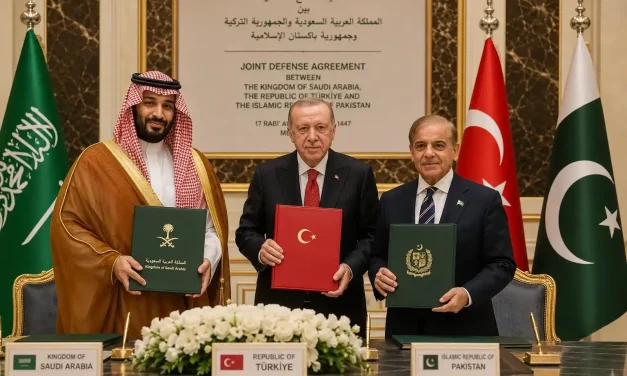
SCFR Online – Opinion: The Makkah Pact, signed between Saudi Arabia, Pakistan, and Turkey under the motto “an attack on one is an attack on all,” is viewed by some analysts less as a full-fledged military coalition and more as an attempt to reduce security dependence on an external power and to establish a regional security mechanism.
Implications of the US-Saudi Nuclear Agreement

SCFR Online – Opinion: The new US-Saudi nuclear agreement, despite legal and political ambiguities, could alter previous non-proliferation standards in West Asia and intensify nuclear competition, ushering it into a new phase.

An Analysis of Recent Turkey-Israeli Regime Tensions

SCFR Online – Opinion: Recent developments in Syria indicate an intensification of strategic rivalry between Turkey and the Israeli regime, but mutual considerations and the role of the United States have limited the likelihood of direct war.

Increasing criticism of the extensive Zionist lobby network

SCFR Online – Opinion: An examination of the mechanisms of the Israeli regime’s influence in the United States depicts a complex picture of shared interests, strategic dependencies, and the limitations of this relationship.

Realities of the Tripartite Makkah Pact

SCFR Online – Interview: The signing of the Makkah agreement between Saudi Arabia, Pakistan, and Turkey has raised questions about the future of the region’s security structure and the position of these countries in West Asian equations. Can this agreement become a genuine collective defense mechanism, or does it have more of a political and deterrent function than creating new military capacity?

Strategic Implications of the Reduction of US Weapons Stockpiles

SCFR Online – Opinion: The continuation of the US war against Iran, in addition to increasing operational costs, has called into question the actual capacity of the American arsenal to simultaneously fulfill security commitments on multiple fronts; an issue that affects deterrence, defense production capacity, and Washington’s resource prioritization.

The Formation of a New Order in Relations Between Powers

SCFR Online – Opinion: The Russia-Ukraine war and the war of the United States and the Israeli regime against Iran have been formed with different objectives and actors, but field and political developments indicate that they are not entirely separate from one another.

Loading

Top News

Netanyahu end-game and political instability of Zionist Regime

Netanyahu end-game and political instability of Zionist Regime

Strategic Council Online: Pointing out to Benjamin Netanyahu’s failure to form a cabinet, and appointment of Yair Lapid, leader of moderate Yesh Atid party to form the cabinet, a middle-east expert said Lapid has the support of 56 seats out of 120 Knesset MPs but in order to form his cabinet, he still needs to make a coalition with other parties.

Dimensions of Welcome Regional States Accorded Iran-Saudi Talks

Dimensions of Welcome Regional States Accorded Iran-Saudi Talks

Strategic Council Online – An analyst of the Middle East affairs said that creating a convergent atmosphere and reaping its results depends on the effective dialogue between important countries in the region such as Iran and Saudi Arabia He added: With the reduction of the role of trans-regional powers, countries will have to reconsider mutual relations so that the region will not suffer more from the vacuum of those interactions, especially in relation to the abuse of terrorist and extremist groups.

Causes of Concern of Regional States over Revival of JCPOA

Causes of Concern of Regional States over Revival of JCPOA

Strategic Council Online – An expert on international affairs referred to economic competition and some security and military issues as major reasons for concern in the region over the US return to the Joint Comprehensive Plan of Action (JCPOA), saying they consider themselves long-standing economic and security partners of the West and they worry that the deal will make the West less concerned about keeping them safe and alone in the face of Iran.

US View of Middle East Threats

US View of Middle East Threats

Strategic Council Online – An American affairs expert said: From the Americans’ point of view, Russia is expanding its military base in Syria and making efforts to establish military bases in Libya and Sudan. It is also expanding its influence from the Black Sea to the Mediterranean Sea, the Red Sea and the Gulf of Aden, he said, adding that China is also moving westward, i.e. the Middle East region, by relying on economic initiatives such as the Silk Road and One Belt One Road initiative.

Cyprus Five-Party Talks Fail

Cyprus Five-Party Talks Fail

Strategic Council Online – Antonio Guterres, Secretary-General of the United Nations, following the failure of the informal 5+1 meeting on the Cyprus issue under the auspices of the United Nations, with representatives from both North and South Cyprus and the guarantor countries (Turkey, Greece and Britain) in Geneva, acknowledged that despite all the efforts that have been made so far, we have not yet found enough common ground between the two sides to be able to start formal talks in order to resolve the Cyprus issue. Of course, we will not give up our efforts in this regard, and for the time being, the results of the negotiations and efforts regarding Cyprus are fruitless. We are determined to make every effort to continue negotiations and dialogue to achieve positive results in resolving the Cyprus issue. We hope that formal negotiations for a settlement of the Cyprus conflict will begin in the next two months.
Mahmoud Fazeli – Analyst of international affairs

Strategic consequences of Saudi U-turn in the region

Strategic consequences of Saudi U-turn in the region

Strategic Council Online- It was March 26, 2015 when the Saudi-led coalition over-all air raids of the regional countries launched against Yemen called Operation Decisive Storm. The US and Israel played logistic role plus supplying weapons and equipments in the war. The operation was supposed to finish within a few weeks, achieving tangible results and pre-determined objectives.
Barsaam Mohammadi, international analyst.

Dr. Kharrazi in Meeting of the Leaders for Peace Foundation: “New Multilateral Order”; The Solution Of Confronting With The Challenges Of The Present World

Dr. Kharrazi in Meeting of the Leaders for Peace Foundation: “New Multilateral Order”; The Solution Of Confronting With The Challenges Of The Present World

Strategic Council Online: The President of Strategic Council on Foreign Relations who participated in the 4th Meeting of the Leaders for Peace Foundation chaired by former Prime Minister of France Mr. Raffarin said confrontation with the challenges of the present world requires a “new multilateral order” on the basis of new realities and reform of the United Nations and Security Council, as well as dis-interference of great powers in international organizations.

Pakistan’s View on Withdrawal of US Troops from Afghanistan

Pakistan’s View on Withdrawal of US Troops from Afghanistan

Strategic Council Online – An analyst of Asia affairs said that the recent decision of the new US administration to withdraw its troops from Afghanistan is a win-win situation for Islamabad, adding that Pakistan views this issue politically and strategically against India and seeks to regain its strategic depth with an economic approach to Afghan markets as well as improving its relations with the United States.

Increasing destructive approaches of the Zionist regime in the Middle East

Increasing destructive approaches of the Zionist regime in the Middle East

Strategic Council Online—Opinion: With the arrival of the World Quds Day, the Zionist regime has increased its destructive movements and measures in the Middle East especially against the resistance movement and the Islamic Republic of Iran.
Hassan Hanizadeh—expert of Middle East issues

ÚLTIMAS PUBLICACIONES

The Makkah Pact; Reasons for its Formation and Challenges Ahead

SCFR Online – Opinion: The Makkah Pact, signed between Saudi Arabia, Pakistan, and Turkey under the motto “an attack on one is an attack on all,” is viewed by some analysts less as a full-fledged military coalition and more as an attempt to reduce security dependence on an external power and to establish a regional security mechanism.
Implications of the US-Saudi Nuclear Agreement

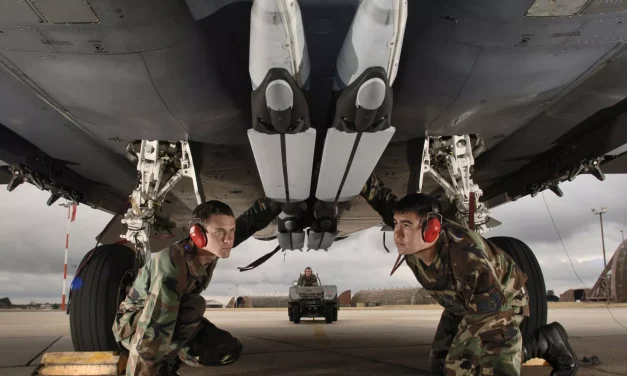
SCFR Online – Opinion: The new US-Saudi nuclear agreement, despite legal and political ambiguities, could alter previous non-proliferation standards in West Asia and intensify nuclear competition, ushering it into a new phase.

An Analysis of Recent Turkey-Israeli Regime Tensions

SCFR Online – Opinion: Recent developments in Syria indicate an intensification of strategic rivalry between Turkey and the Israeli regime, but mutual considerations and the role of the United States have limited the likelihood of direct war.

Increasing criticism of the extensive Zionist lobby network

SCFR Online – Opinion: An examination of the mechanisms of the Israeli regime’s influence in the United States depicts a complex picture of shared interests, strategic dependencies, and the limitations of this relationship.

Realities of the Tripartite Makkah Pact

SCFR Online – Interview: The signing of the Makkah agreement between Saudi Arabia, Pakistan, and Turkey has raised questions about the future of the region’s security structure and the position of these countries in West Asian equations. Can this agreement become a genuine collective defense mechanism, or does it have more of a political and deterrent function than creating new military capacity?

Strategic Implications of the Reduction of US Weapons Stockpiles

SCFR Online – Opinion: The continuation of the US war against Iran, in addition to increasing operational costs, has called into question the actual capacity of the American arsenal to simultaneously fulfill security commitments on multiple fronts; an issue that affects deterrence, defense production capacity, and Washington’s resource prioritization.

The Formation of a New Order in Relations Between Powers

SCFR Online – Opinion: The Russia-Ukraine war and the war of the United States and the Israeli regime against Iran have been formed with different objectives and actors, but field and political developments indicate that they are not entirely separate from one another.

Loading

Top News

Netanyahu end-game and political instability of Zionist Regime

Netanyahu end-game and political instability of Zionist Regime

Strategic Council Online: Pointing out to Benjamin Netanyahu’s failure to form a cabinet, and appointment of Yair Lapid, leader of moderate Yesh Atid party to form the cabinet, a middle-east expert said Lapid has the support of 56 seats out of 120 Knesset MPs but in order to form his cabinet, he still needs to make a coalition with other parties.

Dimensions of Welcome Regional States Accorded Iran-Saudi Talks

Dimensions of Welcome Regional States Accorded Iran-Saudi Talks

Strategic Council Online – An analyst of the Middle East affairs said that creating a convergent atmosphere and reaping its results depends on the effective dialogue between important countries in the region such as Iran and Saudi Arabia He added: With the reduction of the role of trans-regional powers, countries will have to reconsider mutual relations so that the region will not suffer more from the vacuum of those interactions, especially in relation to the abuse of terrorist and extremist groups.

Causes of Concern of Regional States over Revival of JCPOA

Causes of Concern of Regional States over Revival of JCPOA

Strategic Council Online – An expert on international affairs referred to economic competition and some security and military issues as major reasons for concern in the region over the US return to the Joint Comprehensive Plan of Action (JCPOA), saying they consider themselves long-standing economic and security partners of the West and they worry that the deal will make the West less concerned about keeping them safe and alone in the face of Iran.

US View of Middle East Threats

US View of Middle East Threats

Strategic Council Online – An American affairs expert said: From the Americans’ point of view, Russia is expanding its military base in Syria and making efforts to establish military bases in Libya and Sudan. It is also expanding its influence from the Black Sea to the Mediterranean Sea, the Red Sea and the Gulf of Aden, he said, adding that China is also moving westward, i.e. the Middle East region, by relying on economic initiatives such as the Silk Road and One Belt One Road initiative.

Cyprus Five-Party Talks Fail

Cyprus Five-Party Talks Fail

Strategic Council Online – Antonio Guterres, Secretary-General of the United Nations, following the failure of the informal 5+1 meeting on the Cyprus issue under the auspices of the United Nations, with representatives from both North and South Cyprus and the guarantor countries (Turkey, Greece and Britain) in Geneva, acknowledged that despite all the efforts that have been made so far, we have not yet found enough common ground between the two sides to be able to start formal talks in order to resolve the Cyprus issue. Of course, we will not give up our efforts in this regard, and for the time being, the results of the negotiations and efforts regarding Cyprus are fruitless. We are determined to make every effort to continue negotiations and dialogue to achieve positive results in resolving the Cyprus issue. We hope that formal negotiations for a settlement of the Cyprus conflict will begin in the next two months.
Mahmoud Fazeli – Analyst of international affairs

Strategic consequences of Saudi U-turn in the region

Strategic consequences of Saudi U-turn in the region

Strategic Council Online- It was March 26, 2015 when the Saudi-led coalition over-all air raids of the regional countries launched against Yemen called Operation Decisive Storm. The US and Israel played logistic role plus supplying weapons and equipments in the war. The operation was supposed to finish within a few weeks, achieving tangible results and pre-determined objectives.
Barsaam Mohammadi, international analyst.

Dr. Kharrazi in Meeting of the Leaders for Peace Foundation: “New Multilateral Order”; The Solution Of Confronting With The Challenges Of The Present World

Dr. Kharrazi in Meeting of the Leaders for Peace Foundation: “New Multilateral Order”; The Solution Of Confronting With The Challenges Of The Present World

Strategic Council Online: The President of Strategic Council on Foreign Relations who participated in the 4th Meeting of the Leaders for Peace Foundation chaired by former Prime Minister of France Mr. Raffarin said confrontation with the challenges of the present world requires a “new multilateral order” on the basis of new realities and reform of the United Nations and Security Council, as well as dis-interference of great powers in international organizations.

Pakistan’s View on Withdrawal of US Troops from Afghanistan

Pakistan’s View on Withdrawal of US Troops from Afghanistan

Strategic Council Online – An analyst of Asia affairs said that the recent decision of the new US administration to withdraw its troops from Afghanistan is a win-win situation for Islamabad, adding that Pakistan views this issue politically and strategically against India and seeks to regain its strategic depth with an economic approach to Afghan markets as well as improving its relations with the United States.

Increasing destructive approaches of the Zionist regime in the Middle East

Increasing destructive approaches of the Zionist regime in the Middle East

Strategic Council Online—Opinion: With the arrival of the World Quds Day, the Zionist regime has increased its destructive movements and measures in the Middle East especially against the resistance movement and the Islamic Republic of Iran.
Hassan Hanizadeh—expert of Middle East issues

ÚLTIMAS PUBLICACIONES

The Makkah Pact; Reasons for its Formation and Challenges Ahead

SCFR Online – Opinion: The Makkah Pact, signed between Saudi Arabia, Pakistan, and Turkey under the motto “an attack on one is an attack on all,” is viewed by some analysts less as a full-fledged military coalition and more as an attempt to reduce security dependence on an external power and to establish a regional security mechanism.
Implications of the US-Saudi Nuclear Agreement

SCFR Online – Opinion: The new US-Saudi nuclear agreement, despite legal and political ambiguities, could alter previous non-proliferation standards in West Asia and intensify nuclear competition, ushering it into a new phase.

An Analysis of Recent Turkey-Israeli Regime Tensions

SCFR Online – Opinion: Recent developments in Syria indicate an intensification of strategic rivalry between Turkey and the Israeli regime, but mutual considerations and the role of the United States have limited the likelihood of direct war.

Increasing criticism of the extensive Zionist lobby network

SCFR Online – Opinion: An examination of the mechanisms of the Israeli regime’s influence in the United States depicts a complex picture of shared interests, strategic dependencies, and the limitations of this relationship.

Realities of the Tripartite Makkah Pact

SCFR Online – Interview: The signing of the Makkah agreement between Saudi Arabia, Pakistan, and Turkey has raised questions about the future of the region’s security structure and the position of these countries in West Asian equations. Can this agreement become a genuine collective defense mechanism, or does it have more of a political and deterrent function than creating new military capacity?

Strategic Implications of the Reduction of US Weapons Stockpiles

SCFR Online – Opinion: The continuation of the US war against Iran, in addition to increasing operational costs, has called into question the actual capacity of the American arsenal to simultaneously fulfill security commitments on multiple fronts; an issue that affects deterrence, defense production capacity, and Washington’s resource prioritization.

The Formation of a New Order in Relations Between Powers

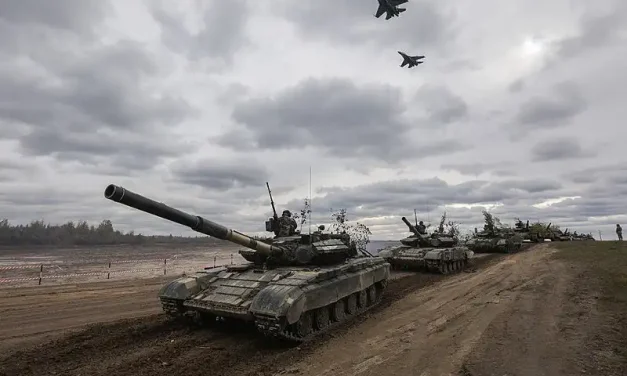
SCFR Online – Opinion: The Russia-Ukraine war and the war of the United States and the Israeli regime against Iran have been formed with different objectives and actors, but field and political developments indicate that they are not entirely separate from one another.

Loading

Top News

Netanyahu end-game and political instability of Zionist Regime

Netanyahu end-game and political instability of Zionist Regime

Strategic Council Online: Pointing out to Benjamin Netanyahu’s failure to form a cabinet, and appointment of Yair Lapid, leader of moderate Yesh Atid party to form the cabinet, a middle-east expert said Lapid has the support of 56 seats out of 120 Knesset MPs but in order to form his cabinet, he still needs to make a coalition with other parties.

Dimensions of Welcome Regional States Accorded Iran-Saudi Talks

Dimensions of Welcome Regional States Accorded Iran-Saudi Talks

Strategic Council Online – An analyst of the Middle East affairs said that creating a convergent atmosphere and reaping its results depends on the effective dialogue between important countries in the region such as Iran and Saudi Arabia He added: With the reduction of the role of trans-regional powers, countries will have to reconsider mutual relations so that the region will not suffer more from the vacuum of those interactions, especially in relation to the abuse of terrorist and extremist groups.

Causes of Concern of Regional States over Revival of JCPOA

Causes of Concern of Regional States over Revival of JCPOA

Strategic Council Online – An expert on international affairs referred to economic competition and some security and military issues as major reasons for concern in the region over the US return to the Joint Comprehensive Plan of Action (JCPOA), saying they consider themselves long-standing economic and security partners of the West and they worry that the deal will make the West less concerned about keeping them safe and alone in the face of Iran.

US View of Middle East Threats

US View of Middle East Threats

Strategic Council Online – An American affairs expert said: From the Americans’ point of view, Russia is expanding its military base in Syria and making efforts to establish military bases in Libya and Sudan. It is also expanding its influence from the Black Sea to the Mediterranean Sea, the Red Sea and the Gulf of Aden, he said, adding that China is also moving westward, i.e. the Middle East region, by relying on economic initiatives such as the Silk Road and One Belt One Road initiative.

Cyprus Five-Party Talks Fail

Cyprus Five-Party Talks Fail

Strategic Council Online – Antonio Guterres, Secretary-General of the United Nations, following the failure of the informal 5+1 meeting on the Cyprus issue under the auspices of the United Nations, with representatives from both North and South Cyprus and the guarantor countries (Turkey, Greece and Britain) in Geneva, acknowledged that despite all the efforts that have been made so far, we have not yet found enough common ground between the two sides to be able to start formal talks in order to resolve the Cyprus issue. Of course, we will not give up our efforts in this regard, and for the time being, the results of the negotiations and efforts regarding Cyprus are fruitless. We are determined to make every effort to continue negotiations and dialogue to achieve positive results in resolving the Cyprus issue. We hope that formal negotiations for a settlement of the Cyprus conflict will begin in the next two months.
Mahmoud Fazeli – Analyst of international affairs

Strategic consequences of Saudi U-turn in the region

Strategic consequences of Saudi U-turn in the region

Strategic Council Online- It was March 26, 2015 when the Saudi-led coalition over-all air raids of the regional countries launched against Yemen called Operation Decisive Storm. The US and Israel played logistic role plus supplying weapons and equipments in the war. The operation was supposed to finish within a few weeks, achieving tangible results and pre-determined objectives.
Barsaam Mohammadi, international analyst.

Dr. Kharrazi in Meeting of the Leaders for Peace Foundation: “New Multilateral Order”; The Solution Of Confronting With The Challenges Of The Present World

Dr. Kharrazi in Meeting of the Leaders for Peace Foundation: “New Multilateral Order”; The Solution Of Confronting With The Challenges Of The Present World

Strategic Council Online: The President of Strategic Council on Foreign Relations who participated in the 4th Meeting of the Leaders for Peace Foundation chaired by former Prime Minister of France Mr. Raffarin said confrontation with the challenges of the present world requires a “new multilateral order” on the basis of new realities and reform of the United Nations and Security Council, as well as dis-interference of great powers in international organizations.

Pakistan’s View on Withdrawal of US Troops from Afghanistan

Pakistan’s View on Withdrawal of US Troops from Afghanistan

Strategic Council Online – An analyst of Asia affairs said that the recent decision of the new US administration to withdraw its troops from Afghanistan is a win-win situation for Islamabad, adding that Pakistan views this issue politically and strategically against India and seeks to regain its strategic depth with an economic approach to Afghan markets as well as improving its relations with the United States.

Increasing destructive approaches of the Zionist regime in the Middle East

Increasing destructive approaches of the Zionist regime in the Middle East

Strategic Council Online—Opinion: With the arrival of the World Quds Day, the Zionist regime has increased its destructive movements and measures in the Middle East especially against the resistance movement and the Islamic Republic of Iran.
Hassan Hanizadeh—expert of Middle East issues

ÚLTIMAS PUBLICACIONES

The Makkah Pact; Reasons for its Formation and Challenges Ahead

SCFR Online – Opinion: The Makkah Pact, signed between Saudi Arabia, Pakistan, and Turkey under the motto “an attack on one is an attack on all,” is viewed by some analysts less as a full-fledged military coalition and more as an attempt to reduce security dependence on an external power and to establish a regional security mechanism.

Implications of the US-Saudi Nuclear Agreement

SCFR Online – Opinion: The new US-Saudi nuclear agreement, despite legal and political ambiguities, could alter previous non-proliferation standards in West Asia and intensify nuclear competition, ushering it into a new phase.

An Analysis of Recent Turkey-Israeli Regime Tensions

SCFR Online – Opinion: Recent developments in Syria indicate an intensification of strategic rivalry between Turkey and the Israeli regime, but mutual considerations and the role of the United States have limited the likelihood of direct war.

Increasing criticism of the extensive Zionist lobby network

SCFR Online – Opinion: An examination of the mechanisms of the Israeli regime’s influence in the United States depicts a complex picture of shared interests, strategic dependencies, and the limitations of this relationship.

Realities of the Tripartite Makkah Pact

SCFR Online – Interview: The signing of the Makkah agreement between Saudi Arabia, Pakistan, and Turkey has raised questions about the future of the region’s security structure and the position of these countries in West Asian equations. Can this agreement become a genuine collective defense mechanism, or does it have more of a political and deterrent function than creating new military capacity?

Strategic Implications of the Reduction of US Weapons Stockpiles

SCFR Online – Opinion: The continuation of the US war against Iran, in addition to increasing operational costs, has called into question the actual capacity of the American arsenal to simultaneously fulfill security commitments on multiple fronts; an issue that affects deterrence, defense production capacity, and Washington’s resource prioritization.

The Formation of a New Order in Relations Between Powers

SCFR Online – Opinion: The Russia-Ukraine war and the war of the United States and the Israeli regime against Iran have been formed with different objectives and actors, but field and political developments indicate that they are not entirely separate from one another.

Loading