جدیدترین مطالب

The Makkah Pact; Reasons for its Formation and Challenges Ahead

SCFR Online – Opinion: The Makkah Pact, signed between Saudi Arabia, Pakistan, and Turkey under the motto “an attack on one is an attack on all,” is viewed by some analysts less as a full-fledged military coalition and more as an attempt to reduce security dependence on an external power and to establish a regional security mechanism.
Implications of the US-Saudi Nuclear Agreement

SCFR Online – Opinion: The new US-Saudi nuclear agreement, despite legal and political ambiguities, could alter previous non-proliferation standards in West Asia and intensify nuclear competition, ushering it into a new phase.

An Analysis of Recent Turkey-Israeli Regime Tensions

SCFR Online – Opinion: Recent developments in Syria indicate an intensification of strategic rivalry between Turkey and the Israeli regime, but mutual considerations and the role of the United States have limited the likelihood of direct war.

Increasing criticism of the extensive Zionist lobby network

SCFR Online – Opinion: An examination of the mechanisms of the Israeli regime’s influence in the United States depicts a complex picture of shared interests, strategic dependencies, and the limitations of this relationship.

Realities of the Tripartite Makkah Pact

SCFR Online – Interview: The signing of the Makkah agreement between Saudi Arabia, Pakistan, and Turkey has raised questions about the future of the region’s security structure and the position of these countries in West Asian equations. Can this agreement become a genuine collective defense mechanism, or does it have more of a political and deterrent function than creating new military capacity?

Strategic Implications of the Reduction of US Weapons Stockpiles

SCFR Online – Opinion: The continuation of the US war against Iran, in addition to increasing operational costs, has called into question the actual capacity of the American arsenal to simultaneously fulfill security commitments on multiple fronts; an issue that affects deterrence, defense production capacity, and Washington’s resource prioritization.

The Formation of a New Order in Relations Between Powers

SCFR Online – Opinion: The Russia-Ukraine war and the war of the United States and the Israeli regime against Iran have been formed with different objectives and actors, but field and political developments indicate that they are not entirely separate from one another.

Loading

Top News

Deal of the Century Scheme; Dimensions and Implications

Deal of the Century Scheme; Dimensions and Implications

Strategic Council Online: Saudi Arabia, led by Mohammed bin Salman, seeks to expand political and economic ties with the Zionist regime by trying to incorporate Israel into emerging power blocs in the Middle East, providing a new model of friendship and hostility in the region, forgetting the aspirations of the Palestinian people, and completely disregarding their natural rights and portraying Iran instead of Israel as the enemy of the Arabs.
Davoud Ahmadzadeh – Middle East Affairs Expert

New Iraqi Prime Minister Facing Complex Internal & External Situations

New Iraqi Prime Minister Facing Complex Internal & External Situations

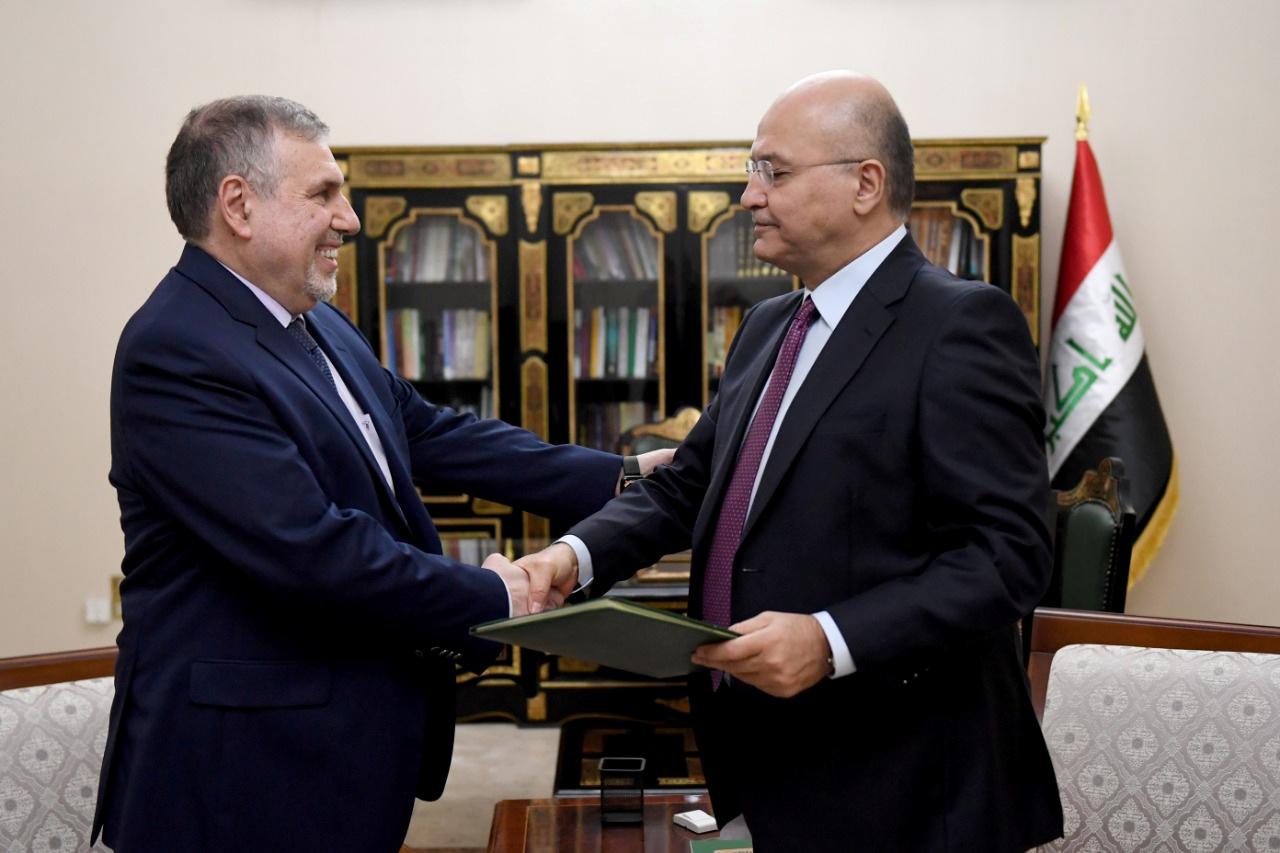
Strategic Council Online: One of the major challenges of the new Iraqi prime minister is his foreign policy in dealing with important regional and international actors. In particular, the shape of Baghdad’s relations with Tehran and Washington will be of great importance in determining the stability and continuity of the government of Mohammad Tawfiq Hussein Allawi.
Sayyid Reza Ghazvini Gharabi – Iraqi Affairs Analyst

Washington’s Afghan Approach after Plane Crash

Washington’s Afghan Approach after Plane Crash

Strategic Council Online: An Afghan affairs expert says it seems we will witness more Taliban violence against the United States in the future. “Under Ronald Trump, keeping the status quo and its continuation despite the Taliban violence is regarded one of the main indicators of the US foreign policy in Afghanistan and one cannot expect Washington to make a tangible change in its Afghan policies after the failure of 11 rounds of negotiations and the shooting down of a military plane,” he said.

Post-Brexit British Challenges

Post-Brexit British Challenges

Strategic Council Online: Leaving the European Union is not easy and for long years London will be facing complex negotiations ahead. Britain will lose the benefits it has had in agreements with the European Union and EU partners.
Abed Akbari – European Affairs Expert

Germany’s Reasons and Goals for Increasing Military Spending

Germany’s Reasons and Goals for Increasing Military Spending

Strategic Council Online: German leaders have decided to spend part of their military budget to deploy military forces to bolster the defense of Germany and Europe, as the best defence for countries is to move their strongholds overseas. That is to say, if a country wants to defend itself, it must also be a military activist in its periphery.
Abdolreza Farajirad – University Professor in Geopolitics

Deal of Century an Opportunity for Islamic States to Cooperate in Defense of Palestine

Deal of Century an Opportunity for Islamic States to Cooperate in Defense of Palestine

Strategic Council Online: A Middle East affairs analyst, pointing out the dimensions of the so-called Deal of the Century scheme, emphasized: Compared to the Oslo Process the scheme does not have an advantage and the economic development promised to the Palestinians is in vain and sounds like a joke. The unveiling of the traitorous Deal of the Century is an opportunity for the unity of the Islamic Ummah and cooperation between Islamic governments in defending the rights of the Palestinian people.

Need for Asymmetric Approaches to Solving Regional Problems

Need for Asymmetric Approaches to Solving Regional Problems

Strategic Council Online: President of the Strategic Council on Foreign Relations said: Asymmetric approaches are needed to solve the region’s problems, both politically and militarily, as the current diplomacy pursued through international organizations or dialogue with global powers is ineffective.

Turkey and Syria’s Strategic Operations in Idlib

Turkey and Syria’s Strategic Operations in Idlib

Strategic Council Online: A Middle East analyst brought up the importance of Syrian army’s success in liberating Ma’arat al-Numan, Khan Tuman and areas of Idlib, saying the most difficult operation is Operation Idlib because it seems that there is a serious disagreement on military operations of Syria and Russia with Turkey in this region and the two sides have different strategies.

Strategic Implications of US Plane Crash in Afghanistan

Strategic Implications of US Plane Crash in Afghanistan

Strategic Council Online: An Afghan affairs expert said the US military plane crash in Afghanistan could indicate that Washington has become so vulnerable in the region that it is hurt even by the Taliban. “If it is proved it is the work of the Taliban the US policy towards the Taliban is set to change.”

Reasons and Aims of New Mobility in German-Turkish Relations

Reasons and Aims of New Mobility in German-Turkish Relations

Strategic Council Online: Erdogan is trying to get closer to achieving some of his European goals by using the refugee card, which today is the Achilles’ Heel of EU countries, including Germany.
Abed Akbari – European Affairs Expert

أحدث الوظائف

The Makkah Pact; Reasons for its Formation and Challenges Ahead

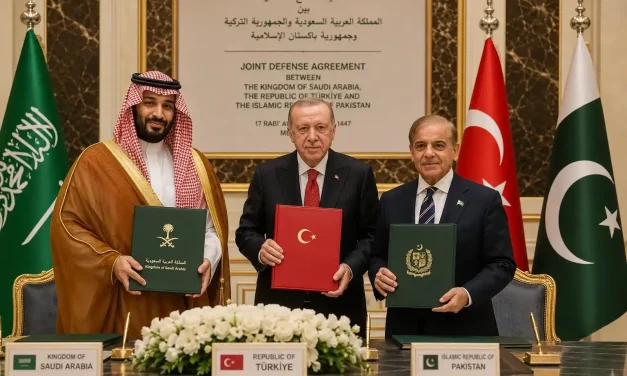
SCFR Online – Opinion: The Makkah Pact, signed between Saudi Arabia, Pakistan, and Turkey under the motto “an attack on one is an attack on all,” is viewed by some analysts less as a full-fledged military coalition and more as an attempt to reduce security dependence on an external power and to establish a regional security mechanism.
Implications of the US-Saudi Nuclear Agreement

SCFR Online – Opinion: The new US-Saudi nuclear agreement, despite legal and political ambiguities, could alter previous non-proliferation standards in West Asia and intensify nuclear competition, ushering it into a new phase.

An Analysis of Recent Turkey-Israeli Regime Tensions

SCFR Online – Opinion: Recent developments in Syria indicate an intensification of strategic rivalry between Turkey and the Israeli regime, but mutual considerations and the role of the United States have limited the likelihood of direct war.

Increasing criticism of the extensive Zionist lobby network

SCFR Online – Opinion: An examination of the mechanisms of the Israeli regime’s influence in the United States depicts a complex picture of shared interests, strategic dependencies, and the limitations of this relationship.

Realities of the Tripartite Makkah Pact

SCFR Online – Interview: The signing of the Makkah agreement between Saudi Arabia, Pakistan, and Turkey has raised questions about the future of the region’s security structure and the position of these countries in West Asian equations. Can this agreement become a genuine collective defense mechanism, or does it have more of a political and deterrent function than creating new military capacity?

Strategic Implications of the Reduction of US Weapons Stockpiles

SCFR Online – Opinion: The continuation of the US war against Iran, in addition to increasing operational costs, has called into question the actual capacity of the American arsenal to simultaneously fulfill security commitments on multiple fronts; an issue that affects deterrence, defense production capacity, and Washington’s resource prioritization.

The Formation of a New Order in Relations Between Powers

SCFR Online – Opinion: The Russia-Ukraine war and the war of the United States and the Israeli regime against Iran have been formed with different objectives and actors, but field and political developments indicate that they are not entirely separate from one another.

Loading

Top News

Deal of the Century Scheme; Dimensions and Implications

Deal of the Century Scheme; Dimensions and Implications

Strategic Council Online: Saudi Arabia, led by Mohammed bin Salman, seeks to expand political and economic ties with the Zionist regime by trying to incorporate Israel into emerging power blocs in the Middle East, providing a new model of friendship and hostility in the region, forgetting the aspirations of the Palestinian people, and completely disregarding their natural rights and portraying Iran instead of Israel as the enemy of the Arabs.
Davoud Ahmadzadeh – Middle East Affairs Expert

New Iraqi Prime Minister Facing Complex Internal & External Situations

New Iraqi Prime Minister Facing Complex Internal & External Situations

Strategic Council Online: One of the major challenges of the new Iraqi prime minister is his foreign policy in dealing with important regional and international actors. In particular, the shape of Baghdad’s relations with Tehran and Washington will be of great importance in determining the stability and continuity of the government of Mohammad Tawfiq Hussein Allawi.
Sayyid Reza Ghazvini Gharabi – Iraqi Affairs Analyst

Washington’s Afghan Approach after Plane Crash

Washington’s Afghan Approach after Plane Crash

Strategic Council Online: An Afghan affairs expert says it seems we will witness more Taliban violence against the United States in the future. “Under Ronald Trump, keeping the status quo and its continuation despite the Taliban violence is regarded one of the main indicators of the US foreign policy in Afghanistan and one cannot expect Washington to make a tangible change in its Afghan policies after the failure of 11 rounds of negotiations and the shooting down of a military plane,” he said.

Post-Brexit British Challenges

Post-Brexit British Challenges

Strategic Council Online: Leaving the European Union is not easy and for long years London will be facing complex negotiations ahead. Britain will lose the benefits it has had in agreements with the European Union and EU partners.
Abed Akbari – European Affairs Expert

Germany’s Reasons and Goals for Increasing Military Spending

Germany’s Reasons and Goals for Increasing Military Spending

Strategic Council Online: German leaders have decided to spend part of their military budget to deploy military forces to bolster the defense of Germany and Europe, as the best defence for countries is to move their strongholds overseas. That is to say, if a country wants to defend itself, it must also be a military activist in its periphery.
Abdolreza Farajirad – University Professor in Geopolitics

Deal of Century an Opportunity for Islamic States to Cooperate in Defense of Palestine

Deal of Century an Opportunity for Islamic States to Cooperate in Defense of Palestine

Strategic Council Online: A Middle East affairs analyst, pointing out the dimensions of the so-called Deal of the Century scheme, emphasized: Compared to the Oslo Process the scheme does not have an advantage and the economic development promised to the Palestinians is in vain and sounds like a joke. The unveiling of the traitorous Deal of the Century is an opportunity for the unity of the Islamic Ummah and cooperation between Islamic governments in defending the rights of the Palestinian people.

Need for Asymmetric Approaches to Solving Regional Problems

Need for Asymmetric Approaches to Solving Regional Problems

Strategic Council Online: President of the Strategic Council on Foreign Relations said: Asymmetric approaches are needed to solve the region’s problems, both politically and militarily, as the current diplomacy pursued through international organizations or dialogue with global powers is ineffective.

Turkey and Syria’s Strategic Operations in Idlib

Turkey and Syria’s Strategic Operations in Idlib

Strategic Council Online: A Middle East analyst brought up the importance of Syrian army’s success in liberating Ma’arat al-Numan, Khan Tuman and areas of Idlib, saying the most difficult operation is Operation Idlib because it seems that there is a serious disagreement on military operations of Syria and Russia with Turkey in this region and the two sides have different strategies.

Strategic Implications of US Plane Crash in Afghanistan

Strategic Implications of US Plane Crash in Afghanistan

Strategic Council Online: An Afghan affairs expert said the US military plane crash in Afghanistan could indicate that Washington has become so vulnerable in the region that it is hurt even by the Taliban. “If it is proved it is the work of the Taliban the US policy towards the Taliban is set to change.”

Reasons and Aims of New Mobility in German-Turkish Relations

Reasons and Aims of New Mobility in German-Turkish Relations

Strategic Council Online: Erdogan is trying to get closer to achieving some of his European goals by using the refugee card, which today is the Achilles’ Heel of EU countries, including Germany.
Abed Akbari – European Affairs Expert

Top News

Deal of the Century Scheme; Dimensions and Implications

Deal of the Century Scheme; Dimensions and Implications

Strategic Council Online: Saudi Arabia, led by Mohammed bin Salman, seeks to expand political and economic ties with the Zionist regime by trying to incorporate Israel into emerging power blocs in the Middle East, providing a new model of friendship and hostility in the region, forgetting the aspirations of the Palestinian people, and completely disregarding their natural rights and portraying Iran instead of Israel as the enemy of the Arabs.
Davoud Ahmadzadeh – Middle East Affairs Expert

New Iraqi Prime Minister Facing Complex Internal & External Situations

New Iraqi Prime Minister Facing Complex Internal & External Situations

Strategic Council Online: One of the major challenges of the new Iraqi prime minister is his foreign policy in dealing with important regional and international actors. In particular, the shape of Baghdad’s relations with Tehran and Washington will be of great importance in determining the stability and continuity of the government of Mohammad Tawfiq Hussein Allawi.
Sayyid Reza Ghazvini Gharabi – Iraqi Affairs Analyst

Washington’s Afghan Approach after Plane Crash

Washington’s Afghan Approach after Plane Crash

Strategic Council Online: An Afghan affairs expert says it seems we will witness more Taliban violence against the United States in the future. “Under Ronald Trump, keeping the status quo and its continuation despite the Taliban violence is regarded one of the main indicators of the US foreign policy in Afghanistan and one cannot expect Washington to make a tangible change in its Afghan policies after the failure of 11 rounds of negotiations and the shooting down of a military plane,” he said.

Post-Brexit British Challenges

Post-Brexit British Challenges

Strategic Council Online: Leaving the European Union is not easy and for long years London will be facing complex negotiations ahead. Britain will lose the benefits it has had in agreements with the European Union and EU partners.
Abed Akbari – European Affairs Expert

Germany’s Reasons and Goals for Increasing Military Spending

Germany’s Reasons and Goals for Increasing Military Spending

Strategic Council Online: German leaders have decided to spend part of their military budget to deploy military forces to bolster the defense of Germany and Europe, as the best defence for countries is to move their strongholds overseas. That is to say, if a country wants to defend itself, it must also be a military activist in its periphery.
Abdolreza Farajirad – University Professor in Geopolitics

Deal of Century an Opportunity for Islamic States to Cooperate in Defense of Palestine

Deal of Century an Opportunity for Islamic States to Cooperate in Defense of Palestine

Strategic Council Online: A Middle East affairs analyst, pointing out the dimensions of the so-called Deal of the Century scheme, emphasized: Compared to the Oslo Process the scheme does not have an advantage and the economic development promised to the Palestinians is in vain and sounds like a joke. The unveiling of the traitorous Deal of the Century is an opportunity for the unity of the Islamic Ummah and cooperation between Islamic governments in defending the rights of the Palestinian people.

Need for Asymmetric Approaches to Solving Regional Problems

Need for Asymmetric Approaches to Solving Regional Problems

Strategic Council Online: President of the Strategic Council on Foreign Relations said: Asymmetric approaches are needed to solve the region’s problems, both politically and militarily, as the current diplomacy pursued through international organizations or dialogue with global powers is ineffective.

Turkey and Syria’s Strategic Operations in Idlib

Turkey and Syria’s Strategic Operations in Idlib

Strategic Council Online: A Middle East analyst brought up the importance of Syrian army’s success in liberating Ma’arat al-Numan, Khan Tuman and areas of Idlib, saying the most difficult operation is Operation Idlib because it seems that there is a serious disagreement on military operations of Syria and Russia with Turkey in this region and the two sides have different strategies.

Strategic Implications of US Plane Crash in Afghanistan

Strategic Implications of US Plane Crash in Afghanistan

Strategic Council Online: An Afghan affairs expert said the US military plane crash in Afghanistan could indicate that Washington has become so vulnerable in the region that it is hurt even by the Taliban. “If it is proved it is the work of the Taliban the US policy towards the Taliban is set to change.”

Reasons and Aims of New Mobility in German-Turkish Relations

Reasons and Aims of New Mobility in German-Turkish Relations

Strategic Council Online: Erdogan is trying to get closer to achieving some of his European goals by using the refugee card, which today is the Achilles’ Heel of EU countries, including Germany.
Abed Akbari – European Affairs Expert

LATEST CONTENT

The Makkah Pact; Reasons for its Formation and Challenges Ahead

SCFR Online – Opinion: The Makkah Pact, signed between Saudi Arabia, Pakistan, and Turkey under the motto “an attack on one is an attack on all,” is viewed by some analysts less as a full-fledged military coalition and more as an attempt to reduce security dependence on an external power and to establish a regional security mechanism.

Implications of the US-Saudi Nuclear Agreement

SCFR Online – Opinion: The new US-Saudi nuclear agreement, despite legal and political ambiguities, could alter previous non-proliferation standards in West Asia and intensify nuclear competition, ushering it into a new phase.

An Analysis of Recent Turkey-Israeli Regime Tensions

SCFR Online – Opinion: Recent developments in Syria indicate an intensification of strategic rivalry between Turkey and the Israeli regime, but mutual considerations and the role of the United States have limited the likelihood of direct war.

Increasing criticism of the extensive Zionist lobby network

SCFR Online – Opinion: An examination of the mechanisms of the Israeli regime’s influence in the United States depicts a complex picture of shared interests, strategic dependencies, and the limitations of this relationship.

Realities of the Tripartite Makkah Pact

SCFR Online – Interview: The signing of the Makkah agreement between Saudi Arabia, Pakistan, and Turkey has raised questions about the future of the region’s security structure and the position of these countries in West Asian equations. Can this agreement become a genuine collective defense mechanism, or does it have more of a political and deterrent function than creating new military capacity?

Strategic Implications of the Reduction of US Weapons Stockpiles

SCFR Online – Opinion: The continuation of the US war against Iran, in addition to increasing operational costs, has called into question the actual capacity of the American arsenal to simultaneously fulfill security commitments on multiple fronts; an issue that affects deterrence, defense production capacity, and Washington’s resource prioritization.

The Formation of a New Order in Relations Between Powers

SCFR Online – Opinion: The Russia-Ukraine war and the war of the United States and the Israeli regime against Iran have been formed with different objectives and actors, but field and political developments indicate that they are not entirely separate from one another.

Loading

Top News

Deal of the Century Scheme; Dimensions and Implications

Deal of the Century Scheme; Dimensions and Implications

Strategic Council Online: Saudi Arabia, led by Mohammed bin Salman, seeks to expand political and economic ties with the Zionist regime by trying to incorporate Israel into emerging power blocs in the Middle East, providing a new model of friendship and hostility in the region, forgetting the aspirations of the Palestinian people, and completely disregarding their natural rights and portraying Iran instead of Israel as the enemy of the Arabs.
Davoud Ahmadzadeh – Middle East Affairs Expert

New Iraqi Prime Minister Facing Complex Internal & External Situations

New Iraqi Prime Minister Facing Complex Internal & External Situations

Strategic Council Online: One of the major challenges of the new Iraqi prime minister is his foreign policy in dealing with important regional and international actors. In particular, the shape of Baghdad’s relations with Tehran and Washington will be of great importance in determining the stability and continuity of the government of Mohammad Tawfiq Hussein Allawi.
Sayyid Reza Ghazvini Gharabi – Iraqi Affairs Analyst

Washington’s Afghan Approach after Plane Crash

Washington’s Afghan Approach after Plane Crash

Strategic Council Online: An Afghan affairs expert says it seems we will witness more Taliban violence against the United States in the future. “Under Ronald Trump, keeping the status quo and its continuation despite the Taliban violence is regarded one of the main indicators of the US foreign policy in Afghanistan and one cannot expect Washington to make a tangible change in its Afghan policies after the failure of 11 rounds of negotiations and the shooting down of a military plane,” he said.

Post-Brexit British Challenges

Post-Brexit British Challenges

Strategic Council Online: Leaving the European Union is not easy and for long years London will be facing complex negotiations ahead. Britain will lose the benefits it has had in agreements with the European Union and EU partners.
Abed Akbari – European Affairs Expert

Germany’s Reasons and Goals for Increasing Military Spending

Germany’s Reasons and Goals for Increasing Military Spending

Strategic Council Online: German leaders have decided to spend part of their military budget to deploy military forces to bolster the defense of Germany and Europe, as the best defence for countries is to move their strongholds overseas. That is to say, if a country wants to defend itself, it must also be a military activist in its periphery.
Abdolreza Farajirad – University Professor in Geopolitics

Deal of Century an Opportunity for Islamic States to Cooperate in Defense of Palestine

Deal of Century an Opportunity for Islamic States to Cooperate in Defense of Palestine

Strategic Council Online: A Middle East affairs analyst, pointing out the dimensions of the so-called Deal of the Century scheme, emphasized: Compared to the Oslo Process the scheme does not have an advantage and the economic development promised to the Palestinians is in vain and sounds like a joke. The unveiling of the traitorous Deal of the Century is an opportunity for the unity of the Islamic Ummah and cooperation between Islamic governments in defending the rights of the Palestinian people.

Need for Asymmetric Approaches to Solving Regional Problems

Need for Asymmetric Approaches to Solving Regional Problems

Strategic Council Online: President of the Strategic Council on Foreign Relations said: Asymmetric approaches are needed to solve the region’s problems, both politically and militarily, as the current diplomacy pursued through international organizations or dialogue with global powers is ineffective.

Turkey and Syria’s Strategic Operations in Idlib

Turkey and Syria’s Strategic Operations in Idlib

Strategic Council Online: A Middle East analyst brought up the importance of Syrian army’s success in liberating Ma’arat al-Numan, Khan Tuman and areas of Idlib, saying the most difficult operation is Operation Idlib because it seems that there is a serious disagreement on military operations of Syria and Russia with Turkey in this region and the two sides have different strategies.

Strategic Implications of US Plane Crash in Afghanistan

Strategic Implications of US Plane Crash in Afghanistan

Strategic Council Online: An Afghan affairs expert said the US military plane crash in Afghanistan could indicate that Washington has become so vulnerable in the region that it is hurt even by the Taliban. “If it is proved it is the work of the Taliban the US policy towards the Taliban is set to change.”

Reasons and Aims of New Mobility in German-Turkish Relations

Reasons and Aims of New Mobility in German-Turkish Relations

Strategic Council Online: Erdogan is trying to get closer to achieving some of his European goals by using the refugee card, which today is the Achilles’ Heel of EU countries, including Germany.
Abed Akbari – European Affairs Expert

ÚLTIMAS PUBLICACIONES

The Makkah Pact; Reasons for its Formation and Challenges Ahead

SCFR Online – Opinion: The Makkah Pact, signed between Saudi Arabia, Pakistan, and Turkey under the motto “an attack on one is an attack on all,” is viewed by some analysts less as a full-fledged military coalition and more as an attempt to reduce security dependence on an external power and to establish a regional security mechanism.
Implications of the US-Saudi Nuclear Agreement

SCFR Online – Opinion: The new US-Saudi nuclear agreement, despite legal and political ambiguities, could alter previous non-proliferation standards in West Asia and intensify nuclear competition, ushering it into a new phase.

An Analysis of Recent Turkey-Israeli Regime Tensions

SCFR Online – Opinion: Recent developments in Syria indicate an intensification of strategic rivalry between Turkey and the Israeli regime, but mutual considerations and the role of the United States have limited the likelihood of direct war.

Increasing criticism of the extensive Zionist lobby network

SCFR Online – Opinion: An examination of the mechanisms of the Israeli regime’s influence in the United States depicts a complex picture of shared interests, strategic dependencies, and the limitations of this relationship.

Realities of the Tripartite Makkah Pact

SCFR Online – Interview: The signing of the Makkah agreement between Saudi Arabia, Pakistan, and Turkey has raised questions about the future of the region’s security structure and the position of these countries in West Asian equations. Can this agreement become a genuine collective defense mechanism, or does it have more of a political and deterrent function than creating new military capacity?

Strategic Implications of the Reduction of US Weapons Stockpiles

SCFR Online – Opinion: The continuation of the US war against Iran, in addition to increasing operational costs, has called into question the actual capacity of the American arsenal to simultaneously fulfill security commitments on multiple fronts; an issue that affects deterrence, defense production capacity, and Washington’s resource prioritization.

The Formation of a New Order in Relations Between Powers

SCFR Online – Opinion: The Russia-Ukraine war and the war of the United States and the Israeli regime against Iran have been formed with different objectives and actors, but field and political developments indicate that they are not entirely separate from one another.

Loading

Top News

Deal of the Century Scheme; Dimensions and Implications

Deal of the Century Scheme; Dimensions and Implications

Strategic Council Online: Saudi Arabia, led by Mohammed bin Salman, seeks to expand political and economic ties with the Zionist regime by trying to incorporate Israel into emerging power blocs in the Middle East, providing a new model of friendship and hostility in the region, forgetting the aspirations of the Palestinian people, and completely disregarding their natural rights and portraying Iran instead of Israel as the enemy of the Arabs.
Davoud Ahmadzadeh – Middle East Affairs Expert

New Iraqi Prime Minister Facing Complex Internal & External Situations

New Iraqi Prime Minister Facing Complex Internal & External Situations

Strategic Council Online: One of the major challenges of the new Iraqi prime minister is his foreign policy in dealing with important regional and international actors. In particular, the shape of Baghdad’s relations with Tehran and Washington will be of great importance in determining the stability and continuity of the government of Mohammad Tawfiq Hussein Allawi.
Sayyid Reza Ghazvini Gharabi – Iraqi Affairs Analyst

Washington’s Afghan Approach after Plane Crash

Washington’s Afghan Approach after Plane Crash

Strategic Council Online: An Afghan affairs expert says it seems we will witness more Taliban violence against the United States in the future. “Under Ronald Trump, keeping the status quo and its continuation despite the Taliban violence is regarded one of the main indicators of the US foreign policy in Afghanistan and one cannot expect Washington to make a tangible change in its Afghan policies after the failure of 11 rounds of negotiations and the shooting down of a military plane,” he said.

Post-Brexit British Challenges

Post-Brexit British Challenges

Strategic Council Online: Leaving the European Union is not easy and for long years London will be facing complex negotiations ahead. Britain will lose the benefits it has had in agreements with the European Union and EU partners.
Abed Akbari – European Affairs Expert

Germany’s Reasons and Goals for Increasing Military Spending

Germany’s Reasons and Goals for Increasing Military Spending

Strategic Council Online: German leaders have decided to spend part of their military budget to deploy military forces to bolster the defense of Germany and Europe, as the best defence for countries is to move their strongholds overseas. That is to say, if a country wants to defend itself, it must also be a military activist in its periphery.
Abdolreza Farajirad – University Professor in Geopolitics

Deal of Century an Opportunity for Islamic States to Cooperate in Defense of Palestine

Deal of Century an Opportunity for Islamic States to Cooperate in Defense of Palestine

Strategic Council Online: A Middle East affairs analyst, pointing out the dimensions of the so-called Deal of the Century scheme, emphasized: Compared to the Oslo Process the scheme does not have an advantage and the economic development promised to the Palestinians is in vain and sounds like a joke. The unveiling of the traitorous Deal of the Century is an opportunity for the unity of the Islamic Ummah and cooperation between Islamic governments in defending the rights of the Palestinian people.

Need for Asymmetric Approaches to Solving Regional Problems

Need for Asymmetric Approaches to Solving Regional Problems

Strategic Council Online: President of the Strategic Council on Foreign Relations said: Asymmetric approaches are needed to solve the region’s problems, both politically and militarily, as the current diplomacy pursued through international organizations or dialogue with global powers is ineffective.

Turkey and Syria’s Strategic Operations in Idlib

Turkey and Syria’s Strategic Operations in Idlib

Strategic Council Online: A Middle East analyst brought up the importance of Syrian army’s success in liberating Ma’arat al-Numan, Khan Tuman and areas of Idlib, saying the most difficult operation is Operation Idlib because it seems that there is a serious disagreement on military operations of Syria and Russia with Turkey in this region and the two sides have different strategies.

Strategic Implications of US Plane Crash in Afghanistan

Strategic Implications of US Plane Crash in Afghanistan

Strategic Council Online: An Afghan affairs expert said the US military plane crash in Afghanistan could indicate that Washington has become so vulnerable in the region that it is hurt even by the Taliban. “If it is proved it is the work of the Taliban the US policy towards the Taliban is set to change.”

Reasons and Aims of New Mobility in German-Turkish Relations

Reasons and Aims of New Mobility in German-Turkish Relations

Strategic Council Online: Erdogan is trying to get closer to achieving some of his European goals by using the refugee card, which today is the Achilles’ Heel of EU countries, including Germany.
Abed Akbari – European Affairs Expert

ÚLTIMAS PUBLICACIONES

The Makkah Pact; Reasons for its Formation and Challenges Ahead

SCFR Online – Opinion: The Makkah Pact, signed between Saudi Arabia, Pakistan, and Turkey under the motto “an attack on one is an attack on all,” is viewed by some analysts less as a full-fledged military coalition and more as an attempt to reduce security dependence on an external power and to establish a regional security mechanism.
Implications of the US-Saudi Nuclear Agreement

SCFR Online – Opinion: The new US-Saudi nuclear agreement, despite legal and political ambiguities, could alter previous non-proliferation standards in West Asia and intensify nuclear competition, ushering it into a new phase.

An Analysis of Recent Turkey-Israeli Regime Tensions

SCFR Online – Opinion: Recent developments in Syria indicate an intensification of strategic rivalry between Turkey and the Israeli regime, but mutual considerations and the role of the United States have limited the likelihood of direct war.

Increasing criticism of the extensive Zionist lobby network

SCFR Online – Opinion: An examination of the mechanisms of the Israeli regime’s influence in the United States depicts a complex picture of shared interests, strategic dependencies, and the limitations of this relationship.

Realities of the Tripartite Makkah Pact

SCFR Online – Interview: The signing of the Makkah agreement between Saudi Arabia, Pakistan, and Turkey has raised questions about the future of the region’s security structure and the position of these countries in West Asian equations. Can this agreement become a genuine collective defense mechanism, or does it have more of a political and deterrent function than creating new military capacity?

Strategic Implications of the Reduction of US Weapons Stockpiles

SCFR Online – Opinion: The continuation of the US war against Iran, in addition to increasing operational costs, has called into question the actual capacity of the American arsenal to simultaneously fulfill security commitments on multiple fronts; an issue that affects deterrence, defense production capacity, and Washington’s resource prioritization.

The Formation of a New Order in Relations Between Powers

SCFR Online – Opinion: The Russia-Ukraine war and the war of the United States and the Israeli regime against Iran have been formed with different objectives and actors, but field and political developments indicate that they are not entirely separate from one another.

Loading

Top News

Deal of the Century Scheme; Dimensions and Implications

Deal of the Century Scheme; Dimensions and Implications

Strategic Council Online: Saudi Arabia, led by Mohammed bin Salman, seeks to expand political and economic ties with the Zionist regime by trying to incorporate Israel into emerging power blocs in the Middle East, providing a new model of friendship and hostility in the region, forgetting the aspirations of the Palestinian people, and completely disregarding their natural rights and portraying Iran instead of Israel as the enemy of the Arabs.
Davoud Ahmadzadeh – Middle East Affairs Expert

New Iraqi Prime Minister Facing Complex Internal & External Situations

New Iraqi Prime Minister Facing Complex Internal & External Situations

Strategic Council Online: One of the major challenges of the new Iraqi prime minister is his foreign policy in dealing with important regional and international actors. In particular, the shape of Baghdad’s relations with Tehran and Washington will be of great importance in determining the stability and continuity of the government of Mohammad Tawfiq Hussein Allawi.
Sayyid Reza Ghazvini Gharabi – Iraqi Affairs Analyst

Washington’s Afghan Approach after Plane Crash

Washington’s Afghan Approach after Plane Crash

Strategic Council Online: An Afghan affairs expert says it seems we will witness more Taliban violence against the United States in the future. “Under Ronald Trump, keeping the status quo and its continuation despite the Taliban violence is regarded one of the main indicators of the US foreign policy in Afghanistan and one cannot expect Washington to make a tangible change in its Afghan policies after the failure of 11 rounds of negotiations and the shooting down of a military plane,” he said.

Post-Brexit British Challenges

Post-Brexit British Challenges

Strategic Council Online: Leaving the European Union is not easy and for long years London will be facing complex negotiations ahead. Britain will lose the benefits it has had in agreements with the European Union and EU partners.
Abed Akbari – European Affairs Expert

Germany’s Reasons and Goals for Increasing Military Spending

Germany’s Reasons and Goals for Increasing Military Spending

Strategic Council Online: German leaders have decided to spend part of their military budget to deploy military forces to bolster the defense of Germany and Europe, as the best defence for countries is to move their strongholds overseas. That is to say, if a country wants to defend itself, it must also be a military activist in its periphery.
Abdolreza Farajirad – University Professor in Geopolitics

Deal of Century an Opportunity for Islamic States to Cooperate in Defense of Palestine

Deal of Century an Opportunity for Islamic States to Cooperate in Defense of Palestine

Strategic Council Online: A Middle East affairs analyst, pointing out the dimensions of the so-called Deal of the Century scheme, emphasized: Compared to the Oslo Process the scheme does not have an advantage and the economic development promised to the Palestinians is in vain and sounds like a joke. The unveiling of the traitorous Deal of the Century is an opportunity for the unity of the Islamic Ummah and cooperation between Islamic governments in defending the rights of the Palestinian people.

Need for Asymmetric Approaches to Solving Regional Problems

Need for Asymmetric Approaches to Solving Regional Problems

Strategic Council Online: President of the Strategic Council on Foreign Relations said: Asymmetric approaches are needed to solve the region’s problems, both politically and militarily, as the current diplomacy pursued through international organizations or dialogue with global powers is ineffective.

Turkey and Syria’s Strategic Operations in Idlib

Turkey and Syria’s Strategic Operations in Idlib

Strategic Council Online: A Middle East analyst brought up the importance of Syrian army’s success in liberating Ma’arat al-Numan, Khan Tuman and areas of Idlib, saying the most difficult operation is Operation Idlib because it seems that there is a serious disagreement on military operations of Syria and Russia with Turkey in this region and the two sides have different strategies.

Strategic Implications of US Plane Crash in Afghanistan

Strategic Implications of US Plane Crash in Afghanistan

Strategic Council Online: An Afghan affairs expert said the US military plane crash in Afghanistan could indicate that Washington has become so vulnerable in the region that it is hurt even by the Taliban. “If it is proved it is the work of the Taliban the US policy towards the Taliban is set to change.”

Reasons and Aims of New Mobility in German-Turkish Relations

Reasons and Aims of New Mobility in German-Turkish Relations

Strategic Council Online: Erdogan is trying to get closer to achieving some of his European goals by using the refugee card, which today is the Achilles’ Heel of EU countries, including Germany.
Abed Akbari – European Affairs Expert

ÚLTIMAS PUBLICACIONES

The Makkah Pact; Reasons for its Formation and Challenges Ahead

SCFR Online – Opinion: The Makkah Pact, signed between Saudi Arabia, Pakistan, and Turkey under the motto “an attack on one is an attack on all,” is viewed by some analysts less as a full-fledged military coalition and more as an attempt to reduce security dependence on an external power and to establish a regional security mechanism.
Implications of the US-Saudi Nuclear Agreement

SCFR Online – Opinion: The new US-Saudi nuclear agreement, despite legal and political ambiguities, could alter previous non-proliferation standards in West Asia and intensify nuclear competition, ushering it into a new phase.

An Analysis of Recent Turkey-Israeli Regime Tensions

SCFR Online – Opinion: Recent developments in Syria indicate an intensification of strategic rivalry between Turkey and the Israeli regime, but mutual considerations and the role of the United States have limited the likelihood of direct war.

Increasing criticism of the extensive Zionist lobby network

SCFR Online – Opinion: An examination of the mechanisms of the Israeli regime’s influence in the United States depicts a complex picture of shared interests, strategic dependencies, and the limitations of this relationship.

Realities of the Tripartite Makkah Pact

SCFR Online – Interview: The signing of the Makkah agreement between Saudi Arabia, Pakistan, and Turkey has raised questions about the future of the region’s security structure and the position of these countries in West Asian equations. Can this agreement become a genuine collective defense mechanism, or does it have more of a political and deterrent function than creating new military capacity?

Strategic Implications of the Reduction of US Weapons Stockpiles

SCFR Online – Opinion: The continuation of the US war against Iran, in addition to increasing operational costs, has called into question the actual capacity of the American arsenal to simultaneously fulfill security commitments on multiple fronts; an issue that affects deterrence, defense production capacity, and Washington’s resource prioritization.

The Formation of a New Order in Relations Between Powers

SCFR Online – Opinion: The Russia-Ukraine war and the war of the United States and the Israeli regime against Iran have been formed with different objectives and actors, but field and political developments indicate that they are not entirely separate from one another.

Loading

Top News

Deal of the Century Scheme; Dimensions and Implications

Deal of the Century Scheme; Dimensions and Implications

Strategic Council Online: Saudi Arabia, led by Mohammed bin Salman, seeks to expand political and economic ties with the Zionist regime by trying to incorporate Israel into emerging power blocs in the Middle East, providing a new model of friendship and hostility in the region, forgetting the aspirations of the Palestinian people, and completely disregarding their natural rights and portraying Iran instead of Israel as the enemy of the Arabs.
Davoud Ahmadzadeh – Middle East Affairs Expert

New Iraqi Prime Minister Facing Complex Internal & External Situations

New Iraqi Prime Minister Facing Complex Internal & External Situations

Strategic Council Online: One of the major challenges of the new Iraqi prime minister is his foreign policy in dealing with important regional and international actors. In particular, the shape of Baghdad’s relations with Tehran and Washington will be of great importance in determining the stability and continuity of the government of Mohammad Tawfiq Hussein Allawi.
Sayyid Reza Ghazvini Gharabi – Iraqi Affairs Analyst

Washington’s Afghan Approach after Plane Crash

Washington’s Afghan Approach after Plane Crash

Strategic Council Online: An Afghan affairs expert says it seems we will witness more Taliban violence against the United States in the future. “Under Ronald Trump, keeping the status quo and its continuation despite the Taliban violence is regarded one of the main indicators of the US foreign policy in Afghanistan and one cannot expect Washington to make a tangible change in its Afghan policies after the failure of 11 rounds of negotiations and the shooting down of a military plane,” he said.

Post-Brexit British Challenges

Post-Brexit British Challenges

Strategic Council Online: Leaving the European Union is not easy and for long years London will be facing complex negotiations ahead. Britain will lose the benefits it has had in agreements with the European Union and EU partners.
Abed Akbari – European Affairs Expert

Germany’s Reasons and Goals for Increasing Military Spending

Germany’s Reasons and Goals for Increasing Military Spending

Strategic Council Online: German leaders have decided to spend part of their military budget to deploy military forces to bolster the defense of Germany and Europe, as the best defence for countries is to move their strongholds overseas. That is to say, if a country wants to defend itself, it must also be a military activist in its periphery.
Abdolreza Farajirad – University Professor in Geopolitics

Deal of Century an Opportunity for Islamic States to Cooperate in Defense of Palestine

Deal of Century an Opportunity for Islamic States to Cooperate in Defense of Palestine

Strategic Council Online: A Middle East affairs analyst, pointing out the dimensions of the so-called Deal of the Century scheme, emphasized: Compared to the Oslo Process the scheme does not have an advantage and the economic development promised to the Palestinians is in vain and sounds like a joke. The unveiling of the traitorous Deal of the Century is an opportunity for the unity of the Islamic Ummah and cooperation between Islamic governments in defending the rights of the Palestinian people.

Need for Asymmetric Approaches to Solving Regional Problems

Need for Asymmetric Approaches to Solving Regional Problems

Strategic Council Online: President of the Strategic Council on Foreign Relations said: Asymmetric approaches are needed to solve the region’s problems, both politically and militarily, as the current diplomacy pursued through international organizations or dialogue with global powers is ineffective.

Turkey and Syria’s Strategic Operations in Idlib

Turkey and Syria’s Strategic Operations in Idlib

Strategic Council Online: A Middle East analyst brought up the importance of Syrian army’s success in liberating Ma’arat al-Numan, Khan Tuman and areas of Idlib, saying the most difficult operation is Operation Idlib because it seems that there is a serious disagreement on military operations of Syria and Russia with Turkey in this region and the two sides have different strategies.

Strategic Implications of US Plane Crash in Afghanistan

Strategic Implications of US Plane Crash in Afghanistan

Strategic Council Online: An Afghan affairs expert said the US military plane crash in Afghanistan could indicate that Washington has become so vulnerable in the region that it is hurt even by the Taliban. “If it is proved it is the work of the Taliban the US policy towards the Taliban is set to change.”

Reasons and Aims of New Mobility in German-Turkish Relations

Reasons and Aims of New Mobility in German-Turkish Relations

Strategic Council Online: Erdogan is trying to get closer to achieving some of his European goals by using the refugee card, which today is the Achilles’ Heel of EU countries, including Germany.
Abed Akbari – European Affairs Expert

ÚLTIMAS PUBLICACIONES

The Makkah Pact; Reasons for its Formation and Challenges Ahead

SCFR Online – Opinion: The Makkah Pact, signed between Saudi Arabia, Pakistan, and Turkey under the motto “an attack on one is an attack on all,” is viewed by some analysts less as a full-fledged military coalition and more as an attempt to reduce security dependence on an external power and to establish a regional security mechanism.

Implications of the US-Saudi Nuclear Agreement

SCFR Online – Opinion: The new US-Saudi nuclear agreement, despite legal and political ambiguities, could alter previous non-proliferation standards in West Asia and intensify nuclear competition, ushering it into a new phase.

An Analysis of Recent Turkey-Israeli Regime Tensions

SCFR Online – Opinion: Recent developments in Syria indicate an intensification of strategic rivalry between Turkey and the Israeli regime, but mutual considerations and the role of the United States have limited the likelihood of direct war.

Increasing criticism of the extensive Zionist lobby network

SCFR Online – Opinion: An examination of the mechanisms of the Israeli regime’s influence in the United States depicts a complex picture of shared interests, strategic dependencies, and the limitations of this relationship.

Realities of the Tripartite Makkah Pact

SCFR Online – Interview: The signing of the Makkah agreement between Saudi Arabia, Pakistan, and Turkey has raised questions about the future of the region’s security structure and the position of these countries in West Asian equations. Can this agreement become a genuine collective defense mechanism, or does it have more of a political and deterrent function than creating new military capacity?

Strategic Implications of the Reduction of US Weapons Stockpiles

SCFR Online – Opinion: The continuation of the US war against Iran, in addition to increasing operational costs, has called into question the actual capacity of the American arsenal to simultaneously fulfill security commitments on multiple fronts; an issue that affects deterrence, defense production capacity, and Washington’s resource prioritization.

The Formation of a New Order in Relations Between Powers

SCFR Online – Opinion: The Russia-Ukraine war and the war of the United States and the Israeli regime against Iran have been formed with different objectives and actors, but field and political developments indicate that they are not entirely separate from one another.

Loading