جدیدترین مطالب

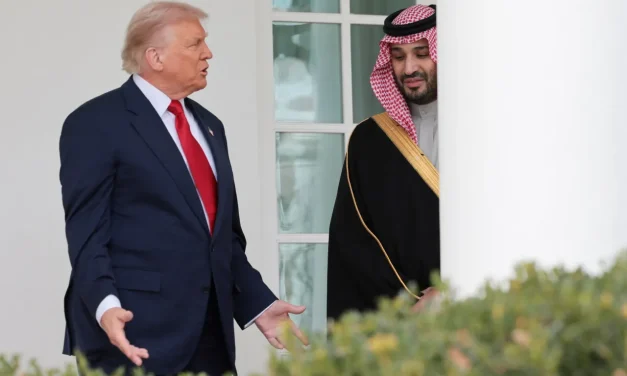
Implications of the US-Saudi Nuclear Agreement

SCFR Online – Opinion: The new US-Saudi nuclear agreement, despite legal and political ambiguities, could alter previous non-proliferation standards in West Asia and intensify nuclear competition, ushering it into a new phase.
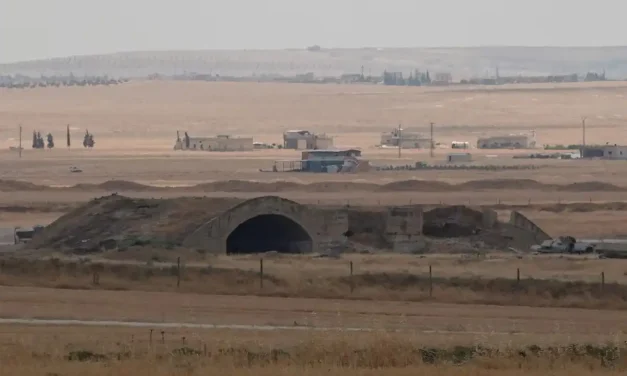
An Analysis of Recent Turkey-Israeli Regime Tensions

SCFR Online – Opinion: Recent developments in Syria indicate an intensification of strategic rivalry between Turkey and the Israeli regime, but mutual considerations and the role of the United States have limited the likelihood of direct war.

Increasing criticism of the extensive Zionist lobby network

SCFR Online – Opinion: An examination of the mechanisms of the Israeli regime’s influence in the United States depicts a complex picture of shared interests, strategic dependencies, and the limitations of this relationship.

Realities of the Tripartite Makkah Pact

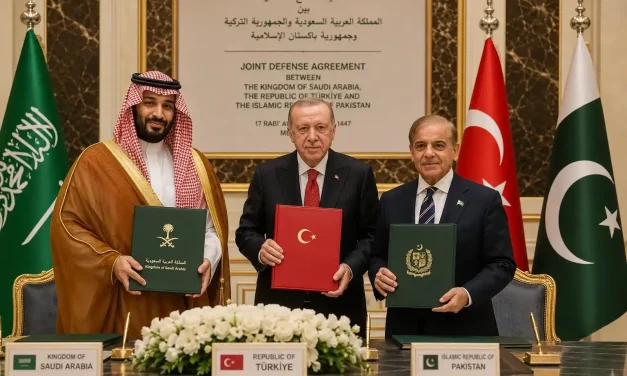
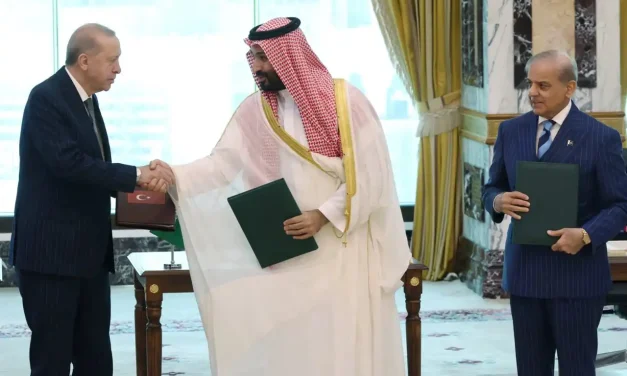
SCFR Online – Interview: The signing of the Makkah agreement between Saudi Arabia, Pakistan, and Turkey has raised questions about the future of the region’s security structure and the position of these countries in West Asian equations. Can this agreement become a genuine collective defense mechanism, or does it have more of a political and deterrent function than creating new military capacity?

Strategic Implications of the Reduction of US Weapons Stockpiles

SCFR Online – Opinion: The continuation of the US war against Iran, in addition to increasing operational costs, has called into question the actual capacity of the American arsenal to simultaneously fulfill security commitments on multiple fronts; an issue that affects deterrence, defense production capacity, and Washington’s resource prioritization.

The Formation of a New Order in Relations Between Powers

SCFR Online – Opinion: The Russia-Ukraine war and the war of the United States and the Israeli regime against Iran have been formed with different objectives and actors, but field and political developments indicate that they are not entirely separate from one another.

An Analysis of the Makkah Defense Pact

SCFR Online – Opinion: On Friday, August 7, the heads of state of three countries – Saudi Arabia, Turkey, and Pakistan – signed a text under the title “Makkah Joint Defense Agreement.”

Loading

Top News

Ukrainian War and the Widening East-West Divide

Ukrainian War and the Widening East-West Divide

Strategic Council Online – Opinion: A proxy war is when two countries fight each other indirectly by supporting the warring parties. Classic examples from the Cold War era include the Congo crisis in the 1960s and the Angola crisis in the 1970s when the Soviet Union and the United States supported each of the warring sides in a civil war with money, weapons, and sometimes soldiers, but never directly engaged in the war themselves. Accordingly, the approach of the United States and Europe, in the form of NATO and their all-out support for Ukraine, has all the hallmarks of a proxy war against Russia.

Turkey’s Policy Towards Trade Relations with the Zionist Regime

Turkey’s Policy Towards Trade Relations with the Zionist Regime

Strategic Council Online—Opinion: Recently, the Turkish Minister of Commerce confirmed that Turkish customs have been completely closed to trade with the Zionist Regime. This news was met with many comments and questions, and one of the most important questions was why Turkey decided to take such a step, how serious it is in practice, and what will be its consequences on the relations between the parties.

Analysis: The Reasons for Accepting the Ceasefire in Lebanon

Analysis: The Reasons for Accepting the Ceasefire in Lebanon

Strategic Council Online – Opinion: Finally, after about two months of the Zionist regime’s war against Lebanon and in a situation where the war on the Lebanese front had intensified to an unprecedented extent in the days leading up to the ceasefire, the Zionist regime agreed to truce.

An Analysis on Trump’s Possible Foreign Policy Approach

An Analysis on Trump’s Possible Foreign Policy Approach

Strategic Council Online—Interview: An expert on American affairs said: Although, during Donald Trump’s presidency, the approach to the Chinese threat will be the first issue of American foreign policy, the American public will not support the government in a full-scale economic war with China.

Terrorist Attack in Syria; Scheme to Open a New Front Against the Resistance Axis

Terrorist Attack in Syria; Scheme to Open a New Front Against the Resistance Axis

Strategic Council Online – Interview: An expert on regional issues considered the terrorist attack on the city of Idlib at the beginning of the winter season a “surprise” move and said: “Basically, an attack at this time of the year is out of the question because fighters usually do not choose the cold and winter seasons for military operations. There is no other reason why and how they took military action and advanced towards the city of Idlib and then Aleppo in a surprising way except that it is related to regional issues and the Israeli regime’s war in Lebanon and Gaza.”

Analysis of the Roots and Prospects of the Conflict in Aleppo, Syria

Analysis of the Roots and Prospects of the Conflict in Aleppo, Syria

Strategic Council Online – Opinion: After several years of calm and immediately after the ceasefire agreement in Lebanon, the Syrian city of Aleppo has become the scene of clashes between opposition and armed groups led by Tahrir al-Sham (formerly Jabhat al-Nusra) and the Syrian army and government.

Iran-Saudi Balanced Approach to Reviving Relations

Iran-Saudi Balanced Approach to Reviving Relations

Strategic Council Online – Opinion: The second round of the Iran-Saudi-China trilateral meeting, hosted by Riyadh, signals the development of relations in an atmosphere of increasing regional and international tensions and uncertainties. The meeting also confirmed China’s role beyond facilitating the revived relations between Tehran and Riyadh and related to China’s political economy perspective in the Middle East, which has significant implications for the Beijing-Washington macro-rivalry.

North Korean Leader’s Plan to Strengthen His Position Against Trump

North Korean Leader’s Plan to Strengthen His Position Against Trump

Strategic Council Online – Opinion: On the last day of October this year, North Korean media reported on the country’s new missile test. After firing, the new missile called the Hwasong-19, set a record for the longest range and highest altitude compared to other missiles in the country. This led the North Korean state news agency to introduce the missile as “the most powerful strategic missile in the world.”

Analysis: The Latest Developments in the Ukrainian War

Analysis: The Latest Developments in the Ukrainian War

Strategic Council Online – Opinion: Under the status quo, where there is a possibility of change in the West’s approaches due to Trump’s arrival in the White House, Russia is unlikely to launch a nuclear response to the Ukrainian missile attacks.

أحدث الوظائف

Implications of the US-Saudi Nuclear Agreement

SCFR Online – Opinion: The new US-Saudi nuclear agreement, despite legal and political ambiguities, could alter previous non-proliferation standards in West Asia and intensify nuclear competition, ushering it into a new phase.
An Analysis of Recent Turkey-Israeli Regime Tensions

SCFR Online – Opinion: Recent developments in Syria indicate an intensification of strategic rivalry between Turkey and the Israeli regime, but mutual considerations and the role of the United States have limited the likelihood of direct war.

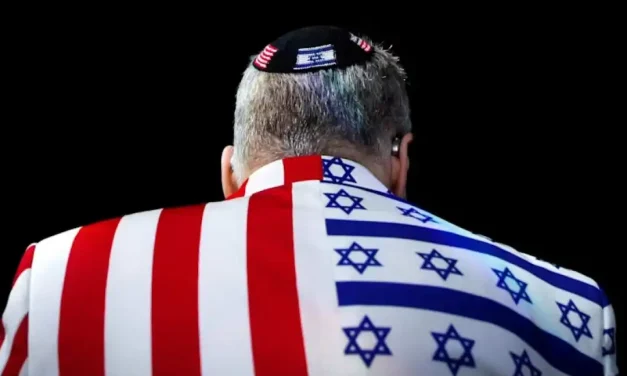
Increasing criticism of the extensive Zionist lobby network

SCFR Online – Opinion: An examination of the mechanisms of the Israeli regime’s influence in the United States depicts a complex picture of shared interests, strategic dependencies, and the limitations of this relationship.

Realities of the Tripartite Makkah Pact

SCFR Online – Interview: The signing of the Makkah agreement between Saudi Arabia, Pakistan, and Turkey has raised questions about the future of the region’s security structure and the position of these countries in West Asian equations. Can this agreement become a genuine collective defense mechanism, or does it have more of a political and deterrent function than creating new military capacity?

Strategic Implications of the Reduction of US Weapons Stockpiles

SCFR Online – Opinion: The continuation of the US war against Iran, in addition to increasing operational costs, has called into question the actual capacity of the American arsenal to simultaneously fulfill security commitments on multiple fronts; an issue that affects deterrence, defense production capacity, and Washington’s resource prioritization.

The Formation of a New Order in Relations Between Powers

SCFR Online – Opinion: The Russia-Ukraine war and the war of the United States and the Israeli regime against Iran have been formed with different objectives and actors, but field and political developments indicate that they are not entirely separate from one another.

An Analysis of the Makkah Defense Pact

SCFR Online – Opinion: On Friday, August 7, the heads of state of three countries – Saudi Arabia, Turkey, and Pakistan – signed a text under the title “Makkah Joint Defense Agreement.”

Loading

Top News

Ukrainian War and the Widening East-West Divide

Ukrainian War and the Widening East-West Divide

Strategic Council Online – Opinion: A proxy war is when two countries fight each other indirectly by supporting the warring parties. Classic examples from the Cold War era include the Congo crisis in the 1960s and the Angola crisis in the 1970s when the Soviet Union and the United States supported each of the warring sides in a civil war with money, weapons, and sometimes soldiers, but never directly engaged in the war themselves. Accordingly, the approach of the United States and Europe, in the form of NATO and their all-out support for Ukraine, has all the hallmarks of a proxy war against Russia.

Turkey’s Policy Towards Trade Relations with the Zionist Regime

Turkey’s Policy Towards Trade Relations with the Zionist Regime

Strategic Council Online—Opinion: Recently, the Turkish Minister of Commerce confirmed that Turkish customs have been completely closed to trade with the Zionist Regime. This news was met with many comments and questions, and one of the most important questions was why Turkey decided to take such a step, how serious it is in practice, and what will be its consequences on the relations between the parties.

Analysis: The Reasons for Accepting the Ceasefire in Lebanon

Analysis: The Reasons for Accepting the Ceasefire in Lebanon

Strategic Council Online – Opinion: Finally, after about two months of the Zionist regime’s war against Lebanon and in a situation where the war on the Lebanese front had intensified to an unprecedented extent in the days leading up to the ceasefire, the Zionist regime agreed to truce.

An Analysis on Trump’s Possible Foreign Policy Approach

An Analysis on Trump’s Possible Foreign Policy Approach

Strategic Council Online—Interview: An expert on American affairs said: Although, during Donald Trump’s presidency, the approach to the Chinese threat will be the first issue of American foreign policy, the American public will not support the government in a full-scale economic war with China.

Terrorist Attack in Syria; Scheme to Open a New Front Against the Resistance Axis

Terrorist Attack in Syria; Scheme to Open a New Front Against the Resistance Axis

Strategic Council Online – Interview: An expert on regional issues considered the terrorist attack on the city of Idlib at the beginning of the winter season a “surprise” move and said: “Basically, an attack at this time of the year is out of the question because fighters usually do not choose the cold and winter seasons for military operations. There is no other reason why and how they took military action and advanced towards the city of Idlib and then Aleppo in a surprising way except that it is related to regional issues and the Israeli regime’s war in Lebanon and Gaza.”

Analysis of the Roots and Prospects of the Conflict in Aleppo, Syria

Analysis of the Roots and Prospects of the Conflict in Aleppo, Syria

Strategic Council Online – Opinion: After several years of calm and immediately after the ceasefire agreement in Lebanon, the Syrian city of Aleppo has become the scene of clashes between opposition and armed groups led by Tahrir al-Sham (formerly Jabhat al-Nusra) and the Syrian army and government.

Iran-Saudi Balanced Approach to Reviving Relations

Iran-Saudi Balanced Approach to Reviving Relations

Strategic Council Online – Opinion: The second round of the Iran-Saudi-China trilateral meeting, hosted by Riyadh, signals the development of relations in an atmosphere of increasing regional and international tensions and uncertainties. The meeting also confirmed China’s role beyond facilitating the revived relations between Tehran and Riyadh and related to China’s political economy perspective in the Middle East, which has significant implications for the Beijing-Washington macro-rivalry.

North Korean Leader’s Plan to Strengthen His Position Against Trump

North Korean Leader’s Plan to Strengthen His Position Against Trump

Strategic Council Online – Opinion: On the last day of October this year, North Korean media reported on the country’s new missile test. After firing, the new missile called the Hwasong-19, set a record for the longest range and highest altitude compared to other missiles in the country. This led the North Korean state news agency to introduce the missile as “the most powerful strategic missile in the world.”

Analysis: The Latest Developments in the Ukrainian War

Analysis: The Latest Developments in the Ukrainian War

Strategic Council Online – Opinion: Under the status quo, where there is a possibility of change in the West’s approaches due to Trump’s arrival in the White House, Russia is unlikely to launch a nuclear response to the Ukrainian missile attacks.

Top News

Ukrainian War and the Widening East-West Divide

Ukrainian War and the Widening East-West Divide

Strategic Council Online – Opinion: A proxy war is when two countries fight each other indirectly by supporting the warring parties. Classic examples from the Cold War era include the Congo crisis in the 1960s and the Angola crisis in the 1970s when the Soviet Union and the United States supported each of the warring sides in a civil war with money, weapons, and sometimes soldiers, but never directly engaged in the war themselves. Accordingly, the approach of the United States and Europe, in the form of NATO and their all-out support for Ukraine, has all the hallmarks of a proxy war against Russia.

Turkey’s Policy Towards Trade Relations with the Zionist Regime

Turkey’s Policy Towards Trade Relations with the Zionist Regime

Strategic Council Online—Opinion: Recently, the Turkish Minister of Commerce confirmed that Turkish customs have been completely closed to trade with the Zionist Regime. This news was met with many comments and questions, and one of the most important questions was why Turkey decided to take such a step, how serious it is in practice, and what will be its consequences on the relations between the parties.

Analysis: The Reasons for Accepting the Ceasefire in Lebanon

Analysis: The Reasons for Accepting the Ceasefire in Lebanon

Strategic Council Online – Opinion: Finally, after about two months of the Zionist regime’s war against Lebanon and in a situation where the war on the Lebanese front had intensified to an unprecedented extent in the days leading up to the ceasefire, the Zionist regime agreed to truce.

An Analysis on Trump’s Possible Foreign Policy Approach

An Analysis on Trump’s Possible Foreign Policy Approach

Strategic Council Online—Interview: An expert on American affairs said: Although, during Donald Trump’s presidency, the approach to the Chinese threat will be the first issue of American foreign policy, the American public will not support the government in a full-scale economic war with China.

Terrorist Attack in Syria; Scheme to Open a New Front Against the Resistance Axis

Terrorist Attack in Syria; Scheme to Open a New Front Against the Resistance Axis

Strategic Council Online – Interview: An expert on regional issues considered the terrorist attack on the city of Idlib at the beginning of the winter season a “surprise” move and said: “Basically, an attack at this time of the year is out of the question because fighters usually do not choose the cold and winter seasons for military operations. There is no other reason why and how they took military action and advanced towards the city of Idlib and then Aleppo in a surprising way except that it is related to regional issues and the Israeli regime’s war in Lebanon and Gaza.”

Analysis of the Roots and Prospects of the Conflict in Aleppo, Syria

Analysis of the Roots and Prospects of the Conflict in Aleppo, Syria

Strategic Council Online – Opinion: After several years of calm and immediately after the ceasefire agreement in Lebanon, the Syrian city of Aleppo has become the scene of clashes between opposition and armed groups led by Tahrir al-Sham (formerly Jabhat al-Nusra) and the Syrian army and government.

Iran-Saudi Balanced Approach to Reviving Relations

Iran-Saudi Balanced Approach to Reviving Relations

Strategic Council Online – Opinion: The second round of the Iran-Saudi-China trilateral meeting, hosted by Riyadh, signals the development of relations in an atmosphere of increasing regional and international tensions and uncertainties. The meeting also confirmed China’s role beyond facilitating the revived relations between Tehran and Riyadh and related to China’s political economy perspective in the Middle East, which has significant implications for the Beijing-Washington macro-rivalry.

North Korean Leader’s Plan to Strengthen His Position Against Trump

North Korean Leader’s Plan to Strengthen His Position Against Trump

Strategic Council Online – Opinion: On the last day of October this year, North Korean media reported on the country’s new missile test. After firing, the new missile called the Hwasong-19, set a record for the longest range and highest altitude compared to other missiles in the country. This led the North Korean state news agency to introduce the missile as “the most powerful strategic missile in the world.”

Analysis: The Latest Developments in the Ukrainian War

Analysis: The Latest Developments in the Ukrainian War

Strategic Council Online – Opinion: Under the status quo, where there is a possibility of change in the West’s approaches due to Trump’s arrival in the White House, Russia is unlikely to launch a nuclear response to the Ukrainian missile attacks.

LATEST CONTENT

Implications of the US-Saudi Nuclear Agreement

SCFR Online – Opinion: The new US-Saudi nuclear agreement, despite legal and political ambiguities, could alter previous non-proliferation standards in West Asia and intensify nuclear competition, ushering it into a new phase.
An Analysis of Recent Turkey-Israeli Regime Tensions

SCFR Online – Opinion: Recent developments in Syria indicate an intensification of strategic rivalry between Turkey and the Israeli regime, but mutual considerations and the role of the United States have limited the likelihood of direct war.

Increasing criticism of the extensive Zionist lobby network

SCFR Online – Opinion: An examination of the mechanisms of the Israeli regime’s influence in the United States depicts a complex picture of shared interests, strategic dependencies, and the limitations of this relationship.

Realities of the Tripartite Makkah Pact

SCFR Online – Interview: The signing of the Makkah agreement between Saudi Arabia, Pakistan, and Turkey has raised questions about the future of the region’s security structure and the position of these countries in West Asian equations. Can this agreement become a genuine collective defense mechanism, or does it have more of a political and deterrent function than creating new military capacity?

Strategic Implications of the Reduction of US Weapons Stockpiles

SCFR Online – Opinion: The continuation of the US war against Iran, in addition to increasing operational costs, has called into question the actual capacity of the American arsenal to simultaneously fulfill security commitments on multiple fronts; an issue that affects deterrence, defense production capacity, and Washington’s resource prioritization.

The Formation of a New Order in Relations Between Powers

SCFR Online – Opinion: The Russia-Ukraine war and the war of the United States and the Israeli regime against Iran have been formed with different objectives and actors, but field and political developments indicate that they are not entirely separate from one another.

An Analysis of the Makkah Defense Pact

SCFR Online – Opinion: On Friday, August 7, the heads of state of three countries – Saudi Arabia, Turkey, and Pakistan – signed a text under the title “Makkah Joint Defense Agreement.”

Loading

Top News

Ukrainian War and the Widening East-West Divide

Ukrainian War and the Widening East-West Divide

Strategic Council Online – Opinion: A proxy war is when two countries fight each other indirectly by supporting the warring parties. Classic examples from the Cold War era include the Congo crisis in the 1960s and the Angola crisis in the 1970s when the Soviet Union and the United States supported each of the warring sides in a civil war with money, weapons, and sometimes soldiers, but never directly engaged in the war themselves. Accordingly, the approach of the United States and Europe, in the form of NATO and their all-out support for Ukraine, has all the hallmarks of a proxy war against Russia.

Turkey’s Policy Towards Trade Relations with the Zionist Regime

Turkey’s Policy Towards Trade Relations with the Zionist Regime

Strategic Council Online—Opinion: Recently, the Turkish Minister of Commerce confirmed that Turkish customs have been completely closed to trade with the Zionist Regime. This news was met with many comments and questions, and one of the most important questions was why Turkey decided to take such a step, how serious it is in practice, and what will be its consequences on the relations between the parties.

Analysis: The Reasons for Accepting the Ceasefire in Lebanon

Analysis: The Reasons for Accepting the Ceasefire in Lebanon

Strategic Council Online – Opinion: Finally, after about two months of the Zionist regime’s war against Lebanon and in a situation where the war on the Lebanese front had intensified to an unprecedented extent in the days leading up to the ceasefire, the Zionist regime agreed to truce.

An Analysis on Trump’s Possible Foreign Policy Approach

An Analysis on Trump’s Possible Foreign Policy Approach

Strategic Council Online—Interview: An expert on American affairs said: Although, during Donald Trump’s presidency, the approach to the Chinese threat will be the first issue of American foreign policy, the American public will not support the government in a full-scale economic war with China.

Terrorist Attack in Syria; Scheme to Open a New Front Against the Resistance Axis

Terrorist Attack in Syria; Scheme to Open a New Front Against the Resistance Axis

Strategic Council Online – Interview: An expert on regional issues considered the terrorist attack on the city of Idlib at the beginning of the winter season a “surprise” move and said: “Basically, an attack at this time of the year is out of the question because fighters usually do not choose the cold and winter seasons for military operations. There is no other reason why and how they took military action and advanced towards the city of Idlib and then Aleppo in a surprising way except that it is related to regional issues and the Israeli regime’s war in Lebanon and Gaza.”

Analysis of the Roots and Prospects of the Conflict in Aleppo, Syria

Analysis of the Roots and Prospects of the Conflict in Aleppo, Syria

Strategic Council Online – Opinion: After several years of calm and immediately after the ceasefire agreement in Lebanon, the Syrian city of Aleppo has become the scene of clashes between opposition and armed groups led by Tahrir al-Sham (formerly Jabhat al-Nusra) and the Syrian army and government.

Iran-Saudi Balanced Approach to Reviving Relations

Iran-Saudi Balanced Approach to Reviving Relations

Strategic Council Online – Opinion: The second round of the Iran-Saudi-China trilateral meeting, hosted by Riyadh, signals the development of relations in an atmosphere of increasing regional and international tensions and uncertainties. The meeting also confirmed China’s role beyond facilitating the revived relations between Tehran and Riyadh and related to China’s political economy perspective in the Middle East, which has significant implications for the Beijing-Washington macro-rivalry.

North Korean Leader’s Plan to Strengthen His Position Against Trump

North Korean Leader’s Plan to Strengthen His Position Against Trump

Strategic Council Online – Opinion: On the last day of October this year, North Korean media reported on the country’s new missile test. After firing, the new missile called the Hwasong-19, set a record for the longest range and highest altitude compared to other missiles in the country. This led the North Korean state news agency to introduce the missile as “the most powerful strategic missile in the world.”

Analysis: The Latest Developments in the Ukrainian War

Analysis: The Latest Developments in the Ukrainian War

Strategic Council Online – Opinion: Under the status quo, where there is a possibility of change in the West’s approaches due to Trump’s arrival in the White House, Russia is unlikely to launch a nuclear response to the Ukrainian missile attacks.

ÚLTIMAS PUBLICACIONES

Implications of the US-Saudi Nuclear Agreement

SCFR Online – Opinion: The new US-Saudi nuclear agreement, despite legal and political ambiguities, could alter previous non-proliferation standards in West Asia and intensify nuclear competition, ushering it into a new phase.
An Analysis of Recent Turkey-Israeli Regime Tensions

SCFR Online – Opinion: Recent developments in Syria indicate an intensification of strategic rivalry between Turkey and the Israeli regime, but mutual considerations and the role of the United States have limited the likelihood of direct war.

Increasing criticism of the extensive Zionist lobby network

SCFR Online – Opinion: An examination of the mechanisms of the Israeli regime’s influence in the United States depicts a complex picture of shared interests, strategic dependencies, and the limitations of this relationship.

Realities of the Tripartite Makkah Pact

SCFR Online – Interview: The signing of the Makkah agreement between Saudi Arabia, Pakistan, and Turkey has raised questions about the future of the region’s security structure and the position of these countries in West Asian equations. Can this agreement become a genuine collective defense mechanism, or does it have more of a political and deterrent function than creating new military capacity?

Strategic Implications of the Reduction of US Weapons Stockpiles

SCFR Online – Opinion: The continuation of the US war against Iran, in addition to increasing operational costs, has called into question the actual capacity of the American arsenal to simultaneously fulfill security commitments on multiple fronts; an issue that affects deterrence, defense production capacity, and Washington’s resource prioritization.

The Formation of a New Order in Relations Between Powers

SCFR Online – Opinion: The Russia-Ukraine war and the war of the United States and the Israeli regime against Iran have been formed with different objectives and actors, but field and political developments indicate that they are not entirely separate from one another.

An Analysis of the Makkah Defense Pact

SCFR Online – Opinion: On Friday, August 7, the heads of state of three countries – Saudi Arabia, Turkey, and Pakistan – signed a text under the title “Makkah Joint Defense Agreement.”

Loading

Top News

Ukrainian War and the Widening East-West Divide

Ukrainian War and the Widening East-West Divide

Strategic Council Online – Opinion: A proxy war is when two countries fight each other indirectly by supporting the warring parties. Classic examples from the Cold War era include the Congo crisis in the 1960s and the Angola crisis in the 1970s when the Soviet Union and the United States supported each of the warring sides in a civil war with money, weapons, and sometimes soldiers, but never directly engaged in the war themselves. Accordingly, the approach of the United States and Europe, in the form of NATO and their all-out support for Ukraine, has all the hallmarks of a proxy war against Russia.

Turkey’s Policy Towards Trade Relations with the Zionist Regime

Turkey’s Policy Towards Trade Relations with the Zionist Regime

Strategic Council Online—Opinion: Recently, the Turkish Minister of Commerce confirmed that Turkish customs have been completely closed to trade with the Zionist Regime. This news was met with many comments and questions, and one of the most important questions was why Turkey decided to take such a step, how serious it is in practice, and what will be its consequences on the relations between the parties.

Analysis: The Reasons for Accepting the Ceasefire in Lebanon

Analysis: The Reasons for Accepting the Ceasefire in Lebanon

Strategic Council Online – Opinion: Finally, after about two months of the Zionist regime’s war against Lebanon and in a situation where the war on the Lebanese front had intensified to an unprecedented extent in the days leading up to the ceasefire, the Zionist regime agreed to truce.

An Analysis on Trump’s Possible Foreign Policy Approach

An Analysis on Trump’s Possible Foreign Policy Approach

Strategic Council Online—Interview: An expert on American affairs said: Although, during Donald Trump’s presidency, the approach to the Chinese threat will be the first issue of American foreign policy, the American public will not support the government in a full-scale economic war with China.

Terrorist Attack in Syria; Scheme to Open a New Front Against the Resistance Axis

Terrorist Attack in Syria; Scheme to Open a New Front Against the Resistance Axis

Strategic Council Online – Interview: An expert on regional issues considered the terrorist attack on the city of Idlib at the beginning of the winter season a “surprise” move and said: “Basically, an attack at this time of the year is out of the question because fighters usually do not choose the cold and winter seasons for military operations. There is no other reason why and how they took military action and advanced towards the city of Idlib and then Aleppo in a surprising way except that it is related to regional issues and the Israeli regime’s war in Lebanon and Gaza.”

Analysis of the Roots and Prospects of the Conflict in Aleppo, Syria

Analysis of the Roots and Prospects of the Conflict in Aleppo, Syria

Strategic Council Online – Opinion: After several years of calm and immediately after the ceasefire agreement in Lebanon, the Syrian city of Aleppo has become the scene of clashes between opposition and armed groups led by Tahrir al-Sham (formerly Jabhat al-Nusra) and the Syrian army and government.

Iran-Saudi Balanced Approach to Reviving Relations

Iran-Saudi Balanced Approach to Reviving Relations

Strategic Council Online – Opinion: The second round of the Iran-Saudi-China trilateral meeting, hosted by Riyadh, signals the development of relations in an atmosphere of increasing regional and international tensions and uncertainties. The meeting also confirmed China’s role beyond facilitating the revived relations between Tehran and Riyadh and related to China’s political economy perspective in the Middle East, which has significant implications for the Beijing-Washington macro-rivalry.

North Korean Leader’s Plan to Strengthen His Position Against Trump

North Korean Leader’s Plan to Strengthen His Position Against Trump

Strategic Council Online – Opinion: On the last day of October this year, North Korean media reported on the country’s new missile test. After firing, the new missile called the Hwasong-19, set a record for the longest range and highest altitude compared to other missiles in the country. This led the North Korean state news agency to introduce the missile as “the most powerful strategic missile in the world.”

Analysis: The Latest Developments in the Ukrainian War

Analysis: The Latest Developments in the Ukrainian War

Strategic Council Online – Opinion: Under the status quo, where there is a possibility of change in the West’s approaches due to Trump’s arrival in the White House, Russia is unlikely to launch a nuclear response to the Ukrainian missile attacks.

ÚLTIMAS PUBLICACIONES

Implications of the US-Saudi Nuclear Agreement

SCFR Online – Opinion: The new US-Saudi nuclear agreement, despite legal and political ambiguities, could alter previous non-proliferation standards in West Asia and intensify nuclear competition, ushering it into a new phase.
An Analysis of Recent Turkey-Israeli Regime Tensions

SCFR Online – Opinion: Recent developments in Syria indicate an intensification of strategic rivalry between Turkey and the Israeli regime, but mutual considerations and the role of the United States have limited the likelihood of direct war.

Increasing criticism of the extensive Zionist lobby network

SCFR Online – Opinion: An examination of the mechanisms of the Israeli regime’s influence in the United States depicts a complex picture of shared interests, strategic dependencies, and the limitations of this relationship.

Realities of the Tripartite Makkah Pact

SCFR Online – Interview: The signing of the Makkah agreement between Saudi Arabia, Pakistan, and Turkey has raised questions about the future of the region’s security structure and the position of these countries in West Asian equations. Can this agreement become a genuine collective defense mechanism, or does it have more of a political and deterrent function than creating new military capacity?

Strategic Implications of the Reduction of US Weapons Stockpiles

SCFR Online – Opinion: The continuation of the US war against Iran, in addition to increasing operational costs, has called into question the actual capacity of the American arsenal to simultaneously fulfill security commitments on multiple fronts; an issue that affects deterrence, defense production capacity, and Washington’s resource prioritization.

The Formation of a New Order in Relations Between Powers

SCFR Online – Opinion: The Russia-Ukraine war and the war of the United States and the Israeli regime against Iran have been formed with different objectives and actors, but field and political developments indicate that they are not entirely separate from one another.

An Analysis of the Makkah Defense Pact

SCFR Online – Opinion: On Friday, August 7, the heads of state of three countries – Saudi Arabia, Turkey, and Pakistan – signed a text under the title “Makkah Joint Defense Agreement.”

Loading

Top News

Ukrainian War and the Widening East-West Divide

Ukrainian War and the Widening East-West Divide

Strategic Council Online – Opinion: A proxy war is when two countries fight each other indirectly by supporting the warring parties. Classic examples from the Cold War era include the Congo crisis in the 1960s and the Angola crisis in the 1970s when the Soviet Union and the United States supported each of the warring sides in a civil war with money, weapons, and sometimes soldiers, but never directly engaged in the war themselves. Accordingly, the approach of the United States and Europe, in the form of NATO and their all-out support for Ukraine, has all the hallmarks of a proxy war against Russia.

Turkey’s Policy Towards Trade Relations with the Zionist Regime

Turkey’s Policy Towards Trade Relations with the Zionist Regime

Strategic Council Online—Opinion: Recently, the Turkish Minister of Commerce confirmed that Turkish customs have been completely closed to trade with the Zionist Regime. This news was met with many comments and questions, and one of the most important questions was why Turkey decided to take such a step, how serious it is in practice, and what will be its consequences on the relations between the parties.

Analysis: The Reasons for Accepting the Ceasefire in Lebanon

Analysis: The Reasons for Accepting the Ceasefire in Lebanon

Strategic Council Online – Opinion: Finally, after about two months of the Zionist regime’s war against Lebanon and in a situation where the war on the Lebanese front had intensified to an unprecedented extent in the days leading up to the ceasefire, the Zionist regime agreed to truce.

An Analysis on Trump’s Possible Foreign Policy Approach

An Analysis on Trump’s Possible Foreign Policy Approach

Strategic Council Online—Interview: An expert on American affairs said: Although, during Donald Trump’s presidency, the approach to the Chinese threat will be the first issue of American foreign policy, the American public will not support the government in a full-scale economic war with China.

Terrorist Attack in Syria; Scheme to Open a New Front Against the Resistance Axis

Terrorist Attack in Syria; Scheme to Open a New Front Against the Resistance Axis

Strategic Council Online – Interview: An expert on regional issues considered the terrorist attack on the city of Idlib at the beginning of the winter season a “surprise” move and said: “Basically, an attack at this time of the year is out of the question because fighters usually do not choose the cold and winter seasons for military operations. There is no other reason why and how they took military action and advanced towards the city of Idlib and then Aleppo in a surprising way except that it is related to regional issues and the Israeli regime’s war in Lebanon and Gaza.”

Analysis of the Roots and Prospects of the Conflict in Aleppo, Syria

Analysis of the Roots and Prospects of the Conflict in Aleppo, Syria

Strategic Council Online – Opinion: After several years of calm and immediately after the ceasefire agreement in Lebanon, the Syrian city of Aleppo has become the scene of clashes between opposition and armed groups led by Tahrir al-Sham (formerly Jabhat al-Nusra) and the Syrian army and government.

Iran-Saudi Balanced Approach to Reviving Relations

Iran-Saudi Balanced Approach to Reviving Relations

Strategic Council Online – Opinion: The second round of the Iran-Saudi-China trilateral meeting, hosted by Riyadh, signals the development of relations in an atmosphere of increasing regional and international tensions and uncertainties. The meeting also confirmed China’s role beyond facilitating the revived relations between Tehran and Riyadh and related to China’s political economy perspective in the Middle East, which has significant implications for the Beijing-Washington macro-rivalry.

North Korean Leader’s Plan to Strengthen His Position Against Trump

North Korean Leader’s Plan to Strengthen His Position Against Trump

Strategic Council Online – Opinion: On the last day of October this year, North Korean media reported on the country’s new missile test. After firing, the new missile called the Hwasong-19, set a record for the longest range and highest altitude compared to other missiles in the country. This led the North Korean state news agency to introduce the missile as “the most powerful strategic missile in the world.”

Analysis: The Latest Developments in the Ukrainian War

Analysis: The Latest Developments in the Ukrainian War

Strategic Council Online – Opinion: Under the status quo, where there is a possibility of change in the West’s approaches due to Trump’s arrival in the White House, Russia is unlikely to launch a nuclear response to the Ukrainian missile attacks.

ÚLTIMAS PUBLICACIONES

Implications of the US-Saudi Nuclear Agreement

SCFR Online – Opinion: The new US-Saudi nuclear agreement, despite legal and political ambiguities, could alter previous non-proliferation standards in West Asia and intensify nuclear competition, ushering it into a new phase.
An Analysis of Recent Turkey-Israeli Regime Tensions

SCFR Online – Opinion: Recent developments in Syria indicate an intensification of strategic rivalry between Turkey and the Israeli regime, but mutual considerations and the role of the United States have limited the likelihood of direct war.

Increasing criticism of the extensive Zionist lobby network

SCFR Online – Opinion: An examination of the mechanisms of the Israeli regime’s influence in the United States depicts a complex picture of shared interests, strategic dependencies, and the limitations of this relationship.

Realities of the Tripartite Makkah Pact

SCFR Online – Interview: The signing of the Makkah agreement between Saudi Arabia, Pakistan, and Turkey has raised questions about the future of the region’s security structure and the position of these countries in West Asian equations. Can this agreement become a genuine collective defense mechanism, or does it have more of a political and deterrent function than creating new military capacity?

Strategic Implications of the Reduction of US Weapons Stockpiles

SCFR Online – Opinion: The continuation of the US war against Iran, in addition to increasing operational costs, has called into question the actual capacity of the American arsenal to simultaneously fulfill security commitments on multiple fronts; an issue that affects deterrence, defense production capacity, and Washington’s resource prioritization.

The Formation of a New Order in Relations Between Powers

SCFR Online – Opinion: The Russia-Ukraine war and the war of the United States and the Israeli regime against Iran have been formed with different objectives and actors, but field and political developments indicate that they are not entirely separate from one another.

An Analysis of the Makkah Defense Pact

SCFR Online – Opinion: On Friday, August 7, the heads of state of three countries – Saudi Arabia, Turkey, and Pakistan – signed a text under the title “Makkah Joint Defense Agreement.”

Loading

Top News

Ukrainian War and the Widening East-West Divide

Ukrainian War and the Widening East-West Divide

Strategic Council Online – Opinion: A proxy war is when two countries fight each other indirectly by supporting the warring parties. Classic examples from the Cold War era include the Congo crisis in the 1960s and the Angola crisis in the 1970s when the Soviet Union and the United States supported each of the warring sides in a civil war with money, weapons, and sometimes soldiers, but never directly engaged in the war themselves. Accordingly, the approach of the United States and Europe, in the form of NATO and their all-out support for Ukraine, has all the hallmarks of a proxy war against Russia.

Turkey’s Policy Towards Trade Relations with the Zionist Regime

Turkey’s Policy Towards Trade Relations with the Zionist Regime

Strategic Council Online—Opinion: Recently, the Turkish Minister of Commerce confirmed that Turkish customs have been completely closed to trade with the Zionist Regime. This news was met with many comments and questions, and one of the most important questions was why Turkey decided to take such a step, how serious it is in practice, and what will be its consequences on the relations between the parties.

Analysis: The Reasons for Accepting the Ceasefire in Lebanon

Analysis: The Reasons for Accepting the Ceasefire in Lebanon

Strategic Council Online – Opinion: Finally, after about two months of the Zionist regime’s war against Lebanon and in a situation where the war on the Lebanese front had intensified to an unprecedented extent in the days leading up to the ceasefire, the Zionist regime agreed to truce.

An Analysis on Trump’s Possible Foreign Policy Approach

An Analysis on Trump’s Possible Foreign Policy Approach

Strategic Council Online—Interview: An expert on American affairs said: Although, during Donald Trump’s presidency, the approach to the Chinese threat will be the first issue of American foreign policy, the American public will not support the government in a full-scale economic war with China.

Terrorist Attack in Syria; Scheme to Open a New Front Against the Resistance Axis

Terrorist Attack in Syria; Scheme to Open a New Front Against the Resistance Axis

Strategic Council Online – Interview: An expert on regional issues considered the terrorist attack on the city of Idlib at the beginning of the winter season a “surprise” move and said: “Basically, an attack at this time of the year is out of the question because fighters usually do not choose the cold and winter seasons for military operations. There is no other reason why and how they took military action and advanced towards the city of Idlib and then Aleppo in a surprising way except that it is related to regional issues and the Israeli regime’s war in Lebanon and Gaza.”

Analysis of the Roots and Prospects of the Conflict in Aleppo, Syria

Analysis of the Roots and Prospects of the Conflict in Aleppo, Syria

Strategic Council Online – Opinion: After several years of calm and immediately after the ceasefire agreement in Lebanon, the Syrian city of Aleppo has become the scene of clashes between opposition and armed groups led by Tahrir al-Sham (formerly Jabhat al-Nusra) and the Syrian army and government.

Iran-Saudi Balanced Approach to Reviving Relations

Iran-Saudi Balanced Approach to Reviving Relations

Strategic Council Online – Opinion: The second round of the Iran-Saudi-China trilateral meeting, hosted by Riyadh, signals the development of relations in an atmosphere of increasing regional and international tensions and uncertainties. The meeting also confirmed China’s role beyond facilitating the revived relations between Tehran and Riyadh and related to China’s political economy perspective in the Middle East, which has significant implications for the Beijing-Washington macro-rivalry.

North Korean Leader’s Plan to Strengthen His Position Against Trump

North Korean Leader’s Plan to Strengthen His Position Against Trump

Strategic Council Online – Opinion: On the last day of October this year, North Korean media reported on the country’s new missile test. After firing, the new missile called the Hwasong-19, set a record for the longest range and highest altitude compared to other missiles in the country. This led the North Korean state news agency to introduce the missile as “the most powerful strategic missile in the world.”

Analysis: The Latest Developments in the Ukrainian War

Analysis: The Latest Developments in the Ukrainian War

Strategic Council Online – Opinion: Under the status quo, where there is a possibility of change in the West’s approaches due to Trump’s arrival in the White House, Russia is unlikely to launch a nuclear response to the Ukrainian missile attacks.

ÚLTIMAS PUBLICACIONES

Implications of the US-Saudi Nuclear Agreement

SCFR Online – Opinion: The new US-Saudi nuclear agreement, despite legal and political ambiguities, could alter previous non-proliferation standards in West Asia and intensify nuclear competition, ushering it into a new phase.

An Analysis of Recent Turkey-Israeli Regime Tensions

SCFR Online – Opinion: Recent developments in Syria indicate an intensification of strategic rivalry between Turkey and the Israeli regime, but mutual considerations and the role of the United States have limited the likelihood of direct war.

Increasing criticism of the extensive Zionist lobby network

SCFR Online – Opinion: An examination of the mechanisms of the Israeli regime’s influence in the United States depicts a complex picture of shared interests, strategic dependencies, and the limitations of this relationship.

Realities of the Tripartite Makkah Pact

SCFR Online – Interview: The signing of the Makkah agreement between Saudi Arabia, Pakistan, and Turkey has raised questions about the future of the region’s security structure and the position of these countries in West Asian equations. Can this agreement become a genuine collective defense mechanism, or does it have more of a political and deterrent function than creating new military capacity?

Strategic Implications of the Reduction of US Weapons Stockpiles

SCFR Online – Opinion: The continuation of the US war against Iran, in addition to increasing operational costs, has called into question the actual capacity of the American arsenal to simultaneously fulfill security commitments on multiple fronts; an issue that affects deterrence, defense production capacity, and Washington’s resource prioritization.

The Formation of a New Order in Relations Between Powers

SCFR Online – Opinion: The Russia-Ukraine war and the war of the United States and the Israeli regime against Iran have been formed with different objectives and actors, but field and political developments indicate that they are not entirely separate from one another.

An Analysis of the Makkah Defense Pact

SCFR Online – Opinion: On Friday, August 7, the heads of state of three countries – Saudi Arabia, Turkey, and Pakistan – signed a text under the title “Makkah Joint Defense Agreement.”

Loading