جدیدترین مطالب

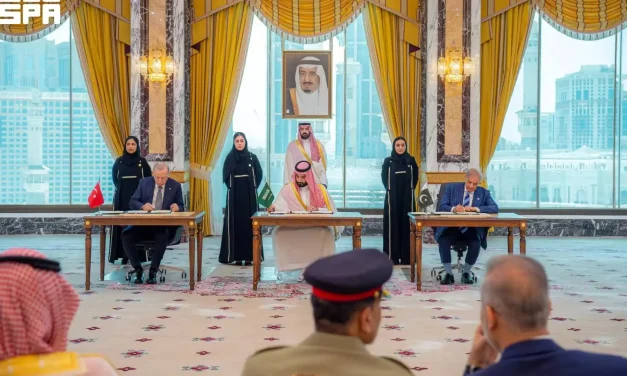
The Makkah Pact; Reasons for its Formation and Challenges Ahead

SCFR Online – Opinion: The Makkah Pact, signed between Saudi Arabia, Pakistan, and Turkey under the motto “an attack on one is an attack on all,” is viewed by some analysts less as a full-fledged military coalition and more as an attempt to reduce security dependence on an external power and to establish a regional security mechanism.
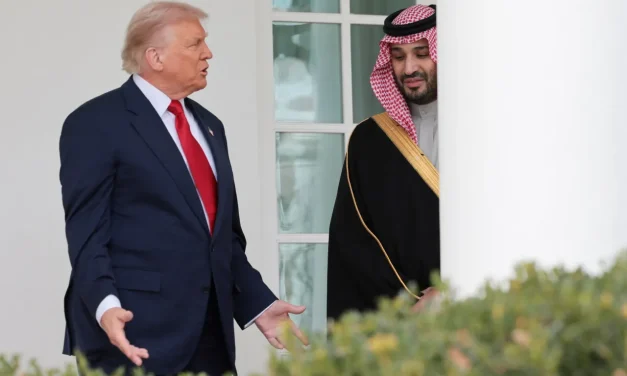
Implications of the US-Saudi Nuclear Agreement

SCFR Online – Opinion: The new US-Saudi nuclear agreement, despite legal and political ambiguities, could alter previous non-proliferation standards in West Asia and intensify nuclear competition, ushering it into a new phase.

An Analysis of Recent Turkey-Israeli Regime Tensions

SCFR Online – Opinion: Recent developments in Syria indicate an intensification of strategic rivalry between Turkey and the Israeli regime, but mutual considerations and the role of the United States have limited the likelihood of direct war.

Increasing criticism of the extensive Zionist lobby network

SCFR Online – Opinion: An examination of the mechanisms of the Israeli regime’s influence in the United States depicts a complex picture of shared interests, strategic dependencies, and the limitations of this relationship.

Realities of the Tripartite Makkah Pact

SCFR Online – Interview: The signing of the Makkah agreement between Saudi Arabia, Pakistan, and Turkey has raised questions about the future of the region’s security structure and the position of these countries in West Asian equations. Can this agreement become a genuine collective defense mechanism, or does it have more of a political and deterrent function than creating new military capacity?

Strategic Implications of the Reduction of US Weapons Stockpiles

SCFR Online – Opinion: The continuation of the US war against Iran, in addition to increasing operational costs, has called into question the actual capacity of the American arsenal to simultaneously fulfill security commitments on multiple fronts; an issue that affects deterrence, defense production capacity, and Washington’s resource prioritization.

The Formation of a New Order in Relations Between Powers

SCFR Online – Opinion: The Russia-Ukraine war and the war of the United States and the Israeli regime against Iran have been formed with different objectives and actors, but field and political developments indicate that they are not entirely separate from one another.

Loading

Top News

Sharif University of Technology lecturer at the “Foreign Relations in Artificial Intelligence Era” meeting: Need to determine data governance to benefit from artificial intelligence

Sharif University of Technology lecturer at the “Foreign Relations in Artificial Intelligence Era” meeting: Need to determine data governance to benefit from artificial intelligence

Strategic Council Online: A professor of Sharif University of Technology, referring to the performance of cognitive sciences and neurosciences in addition to quantum processing and artificial intelligence, stated: If we do not consider these three together, given the progress being made in the world, it is impossible for us to reach that stage, and this means that in such a case, we will only receive services; that means we will have to be subordinate in diplomacy; not only in diplomacy, but in all fields, we either have to be subservient, or we have to live like primitive humans.

Expert on cyberspace international governance in a meeting on “Foreign Relations in Artificial Intelligence Era”: Power of artificial intelligence in changing global strategic stability

Expert on cyberspace international governance in a meeting on “Foreign Relations in Artificial Intelligence Era”: Power of artificial intelligence in changing global strategic stability

Strategic Council Online: An expert on cyberspace international governance, stating that artificial intelligence can change the global strategic stability and fundamental assumptions about defense and deterrence, said: Europe’s approach to artificial intelligence is regulation and standardization, and if we want to move towards interaction with Europe in the area of artificial intelligence, we must clarify our positions and approach concerning some issues.

Dr. Sattari at a meeting on “Discussing Foreign Relations in Artificial Intelligence Era”: The Necessity of Formulating Iran’s Strategy in Artificial Intelligence

Dr. Sattari at a meeting on “Discussing Foreign Relations in Artificial Intelligence Era”: The Necessity of Formulating Iran’s Strategy in Artificial Intelligence

Strategic Council Online: The head of the Science-Technology Commission of the Strategic Council on Foreign Relations, emphasizing the need to analyze strategies and achievements of artificial intelligence in the three dimensions of “investment,” “implementation,” and “innovation,” said: Each of the leading countries, have defined a main vision and strategy in the field of artificial intelligence for themselves, and considering the global division of labor, it is necessary to examine what this vision could be for Iran?

SCFR in specialized meetings examines; Foreign Relations in Artificial Intelligence Era

SCFR in specialized meetings examines; Foreign Relations in Artificial Intelligence Era

Strategic Council Online: The specialized meeting on “Foreign Relations in the Artificial Intelligence Era” was held on Tuesday, chaired by Dr. Sorena Sattari, head of the Science and Technology Commission of the Strategic Council on Foreign Relations. Dr. Saeed Seyed Agha Banihashemi, a faculty member of the School of International Relations of the Ministry of Foreign Affairs, Dr. Hamidreza Rabiei, a faculty member of the Department of Computer Engineering at the Sharif University of Technology, Dr. Saeed Chehrazad, a faculty member of Allameh Tabataba’i University, and Dr. Majid Nili Ahmadabadi, a faculty member of the School of Electrical and Computer Engineering, as well as Dr. Behzad Ahmadi Lafouraki, an expert in international cyberspace governance, were also present in that event. The meeting was held at the Strategic Council on Foreign Relations premises.

Prospects of Egypt, Turkey, Greece, and Cyprus Quadrilateral Meeting

Prospects of Egypt, Turkey, Greece, and Cyprus Quadrilateral Meeting

Strategic Council Online – Opinion: Egyptian President Abdel Fattah el-Sisi announced during the recent visit of Greek Prime Minister Kyriakos Mitsotakis to Egypt that his country is considering a quadrilateral meeting in Cairo between the heads of Egypt, Greece, Turkey, and Cyprus to discuss the tensions in the Eastern Mediterranean and bring together views regarding the demarcation of maritime borders and the possibility of Turkey joining the East Mediterranean Gas Forum.
Mahmoud Fazeli – International affairs analyst

The causes and consequences of the suspension of the implementation of the crop agreement between Russia and Ukraine

The causes and consequences of the suspension of the implementation of the crop agreement between Russia and Ukraine

Strategic Council Online-Interview: An analyst of Russian issues emphasized that the West does not want to settle any of the dimensions of the Ukraine crisis and is only seeking the continuation and expansion of its dimensions because, according to the Russians, they did not fulfill the obligations they gave to Russia, and they have shown that they do not seek the interests of underdeveloped countries, especially in Africa.

Ukraine Summit in Jeddah; Aims and Achievements

Ukraine Summit in Jeddah; Aims and Achievements

Strategic Council Online – Interview: An expert on international affairs considered the Jeddah summit on the Ukraine crisis a step in the direction of efforts of Riyadh to display its independent international approach as much as possible and emphasized: By holding such meetings, Saudi Arabia tries to prepare the ground for the interaction of different groups, regardless of whether the talks lead to a result or not, to succeed in maintaining the interaction and communication channel with the relevant players, and strengthen the possibility of playing a so-called mediating and independent role.

Analysis of recent events at Ein El Hilweh camp

Analysis of recent events at Ein El Hilweh camp

Strategic Council Online – Opinion: Ein El Hilweh camp near the city of Sidon, located in southern Lebanon, witnessed armed clashes between the Fatah movement and two takfiri groups known as “Jund al-Sham” and “Asbat al-Ansar” as a result of which about 40 people were killed and wounded, and two thousand people were also displaced.
Hamid Khoshayand – Expert on regional affairs

Responsibility of Aggressor Countries Invading Yemen Before Millions of Children at Risk of Starvation

Responsibility of Aggressor Countries Invading Yemen Before Millions of Children at Risk of Starvation

Strategic Council Online – Opinion: Eight years after military aggression and civil war in Yemen, 22 million Yemeni people, equivalent to two-thirds of the country’s population, live with humanitarian aid. The extent of the suffering of Yemeni children due to the deterioration of livelihood and health conditions after years of siege and war in that country is indicative of a humanitarian disaster in Yemen. The catastrophic situation of Yemeni children requires increased efforts to provide emergency aid to deal with such a crisis and save the lives of millions of children. International organizations have announced that 11 million Yemeni children need immediate support and aid, and more than 2 million suffer from severe malnutrition. Children are the biggest victims of such a dire situation, which in those few years have been dealing with death, hunger, displacement, physical disabilities, health problems and diseases caused by lack of food or unhealthy nutrition, lack of medical system, unsafe water, and bad economic condition.
Mahmoud Fazeli – International affairs analyst

Analysis of the Impact of the Implementation of judicial reforms in the Zionist Regime’s Internal Situation

Analysis of the Impact of the Implementation of judicial reforms in the Zionist Regime’s Internal Situation

Strategic Council Online – Interview: An expert on West Asia affairs said that the situation has become complicated for Netanyahu, but he and the rightists are still determined to advance their judicial reforms; added: We will continue to witness an escalation of tensions in the regime’s internal scene and political polarizations and social rifts which can have negative consequences in the field of security, social and economic issues.

أحدث الوظائف

The Makkah Pact; Reasons for its Formation and Challenges Ahead

SCFR Online – Opinion: The Makkah Pact, signed between Saudi Arabia, Pakistan, and Turkey under the motto “an attack on one is an attack on all,” is viewed by some analysts less as a full-fledged military coalition and more as an attempt to reduce security dependence on an external power and to establish a regional security mechanism.
Implications of the US-Saudi Nuclear Agreement

SCFR Online – Opinion: The new US-Saudi nuclear agreement, despite legal and political ambiguities, could alter previous non-proliferation standards in West Asia and intensify nuclear competition, ushering it into a new phase.

An Analysis of Recent Turkey-Israeli Regime Tensions

SCFR Online – Opinion: Recent developments in Syria indicate an intensification of strategic rivalry between Turkey and the Israeli regime, but mutual considerations and the role of the United States have limited the likelihood of direct war.

Increasing criticism of the extensive Zionist lobby network

SCFR Online – Opinion: An examination of the mechanisms of the Israeli regime’s influence in the United States depicts a complex picture of shared interests, strategic dependencies, and the limitations of this relationship.

Realities of the Tripartite Makkah Pact

SCFR Online – Interview: The signing of the Makkah agreement between Saudi Arabia, Pakistan, and Turkey has raised questions about the future of the region’s security structure and the position of these countries in West Asian equations. Can this agreement become a genuine collective defense mechanism, or does it have more of a political and deterrent function than creating new military capacity?

Strategic Implications of the Reduction of US Weapons Stockpiles

SCFR Online – Opinion: The continuation of the US war against Iran, in addition to increasing operational costs, has called into question the actual capacity of the American arsenal to simultaneously fulfill security commitments on multiple fronts; an issue that affects deterrence, defense production capacity, and Washington’s resource prioritization.

The Formation of a New Order in Relations Between Powers

SCFR Online – Opinion: The Russia-Ukraine war and the war of the United States and the Israeli regime against Iran have been formed with different objectives and actors, but field and political developments indicate that they are not entirely separate from one another.

Loading

Top News

Sharif University of Technology lecturer at the “Foreign Relations in Artificial Intelligence Era” meeting: Need to determine data governance to benefit from artificial intelligence

Sharif University of Technology lecturer at the “Foreign Relations in Artificial Intelligence Era” meeting: Need to determine data governance to benefit from artificial intelligence

Strategic Council Online: A professor of Sharif University of Technology, referring to the performance of cognitive sciences and neurosciences in addition to quantum processing and artificial intelligence, stated: If we do not consider these three together, given the progress being made in the world, it is impossible for us to reach that stage, and this means that in such a case, we will only receive services; that means we will have to be subordinate in diplomacy; not only in diplomacy, but in all fields, we either have to be subservient, or we have to live like primitive humans.

Expert on cyberspace international governance in a meeting on “Foreign Relations in Artificial Intelligence Era”: Power of artificial intelligence in changing global strategic stability

Expert on cyberspace international governance in a meeting on “Foreign Relations in Artificial Intelligence Era”: Power of artificial intelligence in changing global strategic stability

Strategic Council Online: An expert on cyberspace international governance, stating that artificial intelligence can change the global strategic stability and fundamental assumptions about defense and deterrence, said: Europe’s approach to artificial intelligence is regulation and standardization, and if we want to move towards interaction with Europe in the area of artificial intelligence, we must clarify our positions and approach concerning some issues.

Dr. Sattari at a meeting on “Discussing Foreign Relations in Artificial Intelligence Era”: The Necessity of Formulating Iran’s Strategy in Artificial Intelligence

Dr. Sattari at a meeting on “Discussing Foreign Relations in Artificial Intelligence Era”: The Necessity of Formulating Iran’s Strategy in Artificial Intelligence

Strategic Council Online: The head of the Science-Technology Commission of the Strategic Council on Foreign Relations, emphasizing the need to analyze strategies and achievements of artificial intelligence in the three dimensions of “investment,” “implementation,” and “innovation,” said: Each of the leading countries, have defined a main vision and strategy in the field of artificial intelligence for themselves, and considering the global division of labor, it is necessary to examine what this vision could be for Iran?

SCFR in specialized meetings examines; Foreign Relations in Artificial Intelligence Era

SCFR in specialized meetings examines; Foreign Relations in Artificial Intelligence Era

Strategic Council Online: The specialized meeting on “Foreign Relations in the Artificial Intelligence Era” was held on Tuesday, chaired by Dr. Sorena Sattari, head of the Science and Technology Commission of the Strategic Council on Foreign Relations. Dr. Saeed Seyed Agha Banihashemi, a faculty member of the School of International Relations of the Ministry of Foreign Affairs, Dr. Hamidreza Rabiei, a faculty member of the Department of Computer Engineering at the Sharif University of Technology, Dr. Saeed Chehrazad, a faculty member of Allameh Tabataba’i University, and Dr. Majid Nili Ahmadabadi, a faculty member of the School of Electrical and Computer Engineering, as well as Dr. Behzad Ahmadi Lafouraki, an expert in international cyberspace governance, were also present in that event. The meeting was held at the Strategic Council on Foreign Relations premises.

Prospects of Egypt, Turkey, Greece, and Cyprus Quadrilateral Meeting

Prospects of Egypt, Turkey, Greece, and Cyprus Quadrilateral Meeting

Strategic Council Online – Opinion: Egyptian President Abdel Fattah el-Sisi announced during the recent visit of Greek Prime Minister Kyriakos Mitsotakis to Egypt that his country is considering a quadrilateral meeting in Cairo between the heads of Egypt, Greece, Turkey, and Cyprus to discuss the tensions in the Eastern Mediterranean and bring together views regarding the demarcation of maritime borders and the possibility of Turkey joining the East Mediterranean Gas Forum.
Mahmoud Fazeli – International affairs analyst

The causes and consequences of the suspension of the implementation of the crop agreement between Russia and Ukraine

The causes and consequences of the suspension of the implementation of the crop agreement between Russia and Ukraine

Strategic Council Online-Interview: An analyst of Russian issues emphasized that the West does not want to settle any of the dimensions of the Ukraine crisis and is only seeking the continuation and expansion of its dimensions because, according to the Russians, they did not fulfill the obligations they gave to Russia, and they have shown that they do not seek the interests of underdeveloped countries, especially in Africa.

Ukraine Summit in Jeddah; Aims and Achievements

Ukraine Summit in Jeddah; Aims and Achievements

Strategic Council Online – Interview: An expert on international affairs considered the Jeddah summit on the Ukraine crisis a step in the direction of efforts of Riyadh to display its independent international approach as much as possible and emphasized: By holding such meetings, Saudi Arabia tries to prepare the ground for the interaction of different groups, regardless of whether the talks lead to a result or not, to succeed in maintaining the interaction and communication channel with the relevant players, and strengthen the possibility of playing a so-called mediating and independent role.

Analysis of recent events at Ein El Hilweh camp

Analysis of recent events at Ein El Hilweh camp

Strategic Council Online – Opinion: Ein El Hilweh camp near the city of Sidon, located in southern Lebanon, witnessed armed clashes between the Fatah movement and two takfiri groups known as “Jund al-Sham” and “Asbat al-Ansar” as a result of which about 40 people were killed and wounded, and two thousand people were also displaced.
Hamid Khoshayand – Expert on regional affairs

Responsibility of Aggressor Countries Invading Yemen Before Millions of Children at Risk of Starvation

Responsibility of Aggressor Countries Invading Yemen Before Millions of Children at Risk of Starvation

Strategic Council Online – Opinion: Eight years after military aggression and civil war in Yemen, 22 million Yemeni people, equivalent to two-thirds of the country’s population, live with humanitarian aid. The extent of the suffering of Yemeni children due to the deterioration of livelihood and health conditions after years of siege and war in that country is indicative of a humanitarian disaster in Yemen. The catastrophic situation of Yemeni children requires increased efforts to provide emergency aid to deal with such a crisis and save the lives of millions of children. International organizations have announced that 11 million Yemeni children need immediate support and aid, and more than 2 million suffer from severe malnutrition. Children are the biggest victims of such a dire situation, which in those few years have been dealing with death, hunger, displacement, physical disabilities, health problems and diseases caused by lack of food or unhealthy nutrition, lack of medical system, unsafe water, and bad economic condition.
Mahmoud Fazeli – International affairs analyst

Analysis of the Impact of the Implementation of judicial reforms in the Zionist Regime’s Internal Situation

Analysis of the Impact of the Implementation of judicial reforms in the Zionist Regime’s Internal Situation

Strategic Council Online – Interview: An expert on West Asia affairs said that the situation has become complicated for Netanyahu, but he and the rightists are still determined to advance their judicial reforms; added: We will continue to witness an escalation of tensions in the regime’s internal scene and political polarizations and social rifts which can have negative consequences in the field of security, social and economic issues.

Top News

Sharif University of Technology lecturer at the “Foreign Relations in Artificial Intelligence Era” meeting: Need to determine data governance to benefit from artificial intelligence

Sharif University of Technology lecturer at the “Foreign Relations in Artificial Intelligence Era” meeting: Need to determine data governance to benefit from artificial intelligence

Strategic Council Online: A professor of Sharif University of Technology, referring to the performance of cognitive sciences and neurosciences in addition to quantum processing and artificial intelligence, stated: If we do not consider these three together, given the progress being made in the world, it is impossible for us to reach that stage, and this means that in such a case, we will only receive services; that means we will have to be subordinate in diplomacy; not only in diplomacy, but in all fields, we either have to be subservient, or we have to live like primitive humans.

Expert on cyberspace international governance in a meeting on “Foreign Relations in Artificial Intelligence Era”: Power of artificial intelligence in changing global strategic stability

Expert on cyberspace international governance in a meeting on “Foreign Relations in Artificial Intelligence Era”: Power of artificial intelligence in changing global strategic stability

Strategic Council Online: An expert on cyberspace international governance, stating that artificial intelligence can change the global strategic stability and fundamental assumptions about defense and deterrence, said: Europe’s approach to artificial intelligence is regulation and standardization, and if we want to move towards interaction with Europe in the area of artificial intelligence, we must clarify our positions and approach concerning some issues.

Dr. Sattari at a meeting on “Discussing Foreign Relations in Artificial Intelligence Era”: The Necessity of Formulating Iran’s Strategy in Artificial Intelligence

Dr. Sattari at a meeting on “Discussing Foreign Relations in Artificial Intelligence Era”: The Necessity of Formulating Iran’s Strategy in Artificial Intelligence

Strategic Council Online: The head of the Science-Technology Commission of the Strategic Council on Foreign Relations, emphasizing the need to analyze strategies and achievements of artificial intelligence in the three dimensions of “investment,” “implementation,” and “innovation,” said: Each of the leading countries, have defined a main vision and strategy in the field of artificial intelligence for themselves, and considering the global division of labor, it is necessary to examine what this vision could be for Iran?

SCFR in specialized meetings examines; Foreign Relations in Artificial Intelligence Era

SCFR in specialized meetings examines; Foreign Relations in Artificial Intelligence Era

Strategic Council Online: The specialized meeting on “Foreign Relations in the Artificial Intelligence Era” was held on Tuesday, chaired by Dr. Sorena Sattari, head of the Science and Technology Commission of the Strategic Council on Foreign Relations. Dr. Saeed Seyed Agha Banihashemi, a faculty member of the School of International Relations of the Ministry of Foreign Affairs, Dr. Hamidreza Rabiei, a faculty member of the Department of Computer Engineering at the Sharif University of Technology, Dr. Saeed Chehrazad, a faculty member of Allameh Tabataba’i University, and Dr. Majid Nili Ahmadabadi, a faculty member of the School of Electrical and Computer Engineering, as well as Dr. Behzad Ahmadi Lafouraki, an expert in international cyberspace governance, were also present in that event. The meeting was held at the Strategic Council on Foreign Relations premises.

Prospects of Egypt, Turkey, Greece, and Cyprus Quadrilateral Meeting

Prospects of Egypt, Turkey, Greece, and Cyprus Quadrilateral Meeting

Strategic Council Online – Opinion: Egyptian President Abdel Fattah el-Sisi announced during the recent visit of Greek Prime Minister Kyriakos Mitsotakis to Egypt that his country is considering a quadrilateral meeting in Cairo between the heads of Egypt, Greece, Turkey, and Cyprus to discuss the tensions in the Eastern Mediterranean and bring together views regarding the demarcation of maritime borders and the possibility of Turkey joining the East Mediterranean Gas Forum.
Mahmoud Fazeli – International affairs analyst

The causes and consequences of the suspension of the implementation of the crop agreement between Russia and Ukraine

The causes and consequences of the suspension of the implementation of the crop agreement between Russia and Ukraine

Strategic Council Online-Interview: An analyst of Russian issues emphasized that the West does not want to settle any of the dimensions of the Ukraine crisis and is only seeking the continuation and expansion of its dimensions because, according to the Russians, they did not fulfill the obligations they gave to Russia, and they have shown that they do not seek the interests of underdeveloped countries, especially in Africa.

Ukraine Summit in Jeddah; Aims and Achievements

Ukraine Summit in Jeddah; Aims and Achievements

Strategic Council Online – Interview: An expert on international affairs considered the Jeddah summit on the Ukraine crisis a step in the direction of efforts of Riyadh to display its independent international approach as much as possible and emphasized: By holding such meetings, Saudi Arabia tries to prepare the ground for the interaction of different groups, regardless of whether the talks lead to a result or not, to succeed in maintaining the interaction and communication channel with the relevant players, and strengthen the possibility of playing a so-called mediating and independent role.

Analysis of recent events at Ein El Hilweh camp

Analysis of recent events at Ein El Hilweh camp

Strategic Council Online – Opinion: Ein El Hilweh camp near the city of Sidon, located in southern Lebanon, witnessed armed clashes between the Fatah movement and two takfiri groups known as “Jund al-Sham” and “Asbat al-Ansar” as a result of which about 40 people were killed and wounded, and two thousand people were also displaced.
Hamid Khoshayand – Expert on regional affairs

Responsibility of Aggressor Countries Invading Yemen Before Millions of Children at Risk of Starvation

Responsibility of Aggressor Countries Invading Yemen Before Millions of Children at Risk of Starvation

Strategic Council Online – Opinion: Eight years after military aggression and civil war in Yemen, 22 million Yemeni people, equivalent to two-thirds of the country’s population, live with humanitarian aid. The extent of the suffering of Yemeni children due to the deterioration of livelihood and health conditions after years of siege and war in that country is indicative of a humanitarian disaster in Yemen. The catastrophic situation of Yemeni children requires increased efforts to provide emergency aid to deal with such a crisis and save the lives of millions of children. International organizations have announced that 11 million Yemeni children need immediate support and aid, and more than 2 million suffer from severe malnutrition. Children are the biggest victims of such a dire situation, which in those few years have been dealing with death, hunger, displacement, physical disabilities, health problems and diseases caused by lack of food or unhealthy nutrition, lack of medical system, unsafe water, and bad economic condition.
Mahmoud Fazeli – International affairs analyst

Analysis of the Impact of the Implementation of judicial reforms in the Zionist Regime’s Internal Situation

Analysis of the Impact of the Implementation of judicial reforms in the Zionist Regime’s Internal Situation

Strategic Council Online – Interview: An expert on West Asia affairs said that the situation has become complicated for Netanyahu, but he and the rightists are still determined to advance their judicial reforms; added: We will continue to witness an escalation of tensions in the regime’s internal scene and political polarizations and social rifts which can have negative consequences in the field of security, social and economic issues.

LATEST CONTENT

The Makkah Pact; Reasons for its Formation and Challenges Ahead

SCFR Online – Opinion: The Makkah Pact, signed between Saudi Arabia, Pakistan, and Turkey under the motto “an attack on one is an attack on all,” is viewed by some analysts less as a full-fledged military coalition and more as an attempt to reduce security dependence on an external power and to establish a regional security mechanism.

Implications of the US-Saudi Nuclear Agreement

SCFR Online – Opinion: The new US-Saudi nuclear agreement, despite legal and political ambiguities, could alter previous non-proliferation standards in West Asia and intensify nuclear competition, ushering it into a new phase.

An Analysis of Recent Turkey-Israeli Regime Tensions

SCFR Online – Opinion: Recent developments in Syria indicate an intensification of strategic rivalry between Turkey and the Israeli regime, but mutual considerations and the role of the United States have limited the likelihood of direct war.

Increasing criticism of the extensive Zionist lobby network

SCFR Online – Opinion: An examination of the mechanisms of the Israeli regime’s influence in the United States depicts a complex picture of shared interests, strategic dependencies, and the limitations of this relationship.

Realities of the Tripartite Makkah Pact

SCFR Online – Interview: The signing of the Makkah agreement between Saudi Arabia, Pakistan, and Turkey has raised questions about the future of the region’s security structure and the position of these countries in West Asian equations. Can this agreement become a genuine collective defense mechanism, or does it have more of a political and deterrent function than creating new military capacity?

Strategic Implications of the Reduction of US Weapons Stockpiles

SCFR Online – Opinion: The continuation of the US war against Iran, in addition to increasing operational costs, has called into question the actual capacity of the American arsenal to simultaneously fulfill security commitments on multiple fronts; an issue that affects deterrence, defense production capacity, and Washington’s resource prioritization.

The Formation of a New Order in Relations Between Powers

SCFR Online – Opinion: The Russia-Ukraine war and the war of the United States and the Israeli regime against Iran have been formed with different objectives and actors, but field and political developments indicate that they are not entirely separate from one another.

Loading

Top News

Sharif University of Technology lecturer at the “Foreign Relations in Artificial Intelligence Era” meeting: Need to determine data governance to benefit from artificial intelligence

Sharif University of Technology lecturer at the “Foreign Relations in Artificial Intelligence Era” meeting: Need to determine data governance to benefit from artificial intelligence

Strategic Council Online: A professor of Sharif University of Technology, referring to the performance of cognitive sciences and neurosciences in addition to quantum processing and artificial intelligence, stated: If we do not consider these three together, given the progress being made in the world, it is impossible for us to reach that stage, and this means that in such a case, we will only receive services; that means we will have to be subordinate in diplomacy; not only in diplomacy, but in all fields, we either have to be subservient, or we have to live like primitive humans.

Expert on cyberspace international governance in a meeting on “Foreign Relations in Artificial Intelligence Era”: Power of artificial intelligence in changing global strategic stability

Expert on cyberspace international governance in a meeting on “Foreign Relations in Artificial Intelligence Era”: Power of artificial intelligence in changing global strategic stability

Strategic Council Online: An expert on cyberspace international governance, stating that artificial intelligence can change the global strategic stability and fundamental assumptions about defense and deterrence, said: Europe’s approach to artificial intelligence is regulation and standardization, and if we want to move towards interaction with Europe in the area of artificial intelligence, we must clarify our positions and approach concerning some issues.

Dr. Sattari at a meeting on “Discussing Foreign Relations in Artificial Intelligence Era”: The Necessity of Formulating Iran’s Strategy in Artificial Intelligence

Dr. Sattari at a meeting on “Discussing Foreign Relations in Artificial Intelligence Era”: The Necessity of Formulating Iran’s Strategy in Artificial Intelligence

Strategic Council Online: The head of the Science-Technology Commission of the Strategic Council on Foreign Relations, emphasizing the need to analyze strategies and achievements of artificial intelligence in the three dimensions of “investment,” “implementation,” and “innovation,” said: Each of the leading countries, have defined a main vision and strategy in the field of artificial intelligence for themselves, and considering the global division of labor, it is necessary to examine what this vision could be for Iran?

SCFR in specialized meetings examines; Foreign Relations in Artificial Intelligence Era

SCFR in specialized meetings examines; Foreign Relations in Artificial Intelligence Era

Strategic Council Online: The specialized meeting on “Foreign Relations in the Artificial Intelligence Era” was held on Tuesday, chaired by Dr. Sorena Sattari, head of the Science and Technology Commission of the Strategic Council on Foreign Relations. Dr. Saeed Seyed Agha Banihashemi, a faculty member of the School of International Relations of the Ministry of Foreign Affairs, Dr. Hamidreza Rabiei, a faculty member of the Department of Computer Engineering at the Sharif University of Technology, Dr. Saeed Chehrazad, a faculty member of Allameh Tabataba’i University, and Dr. Majid Nili Ahmadabadi, a faculty member of the School of Electrical and Computer Engineering, as well as Dr. Behzad Ahmadi Lafouraki, an expert in international cyberspace governance, were also present in that event. The meeting was held at the Strategic Council on Foreign Relations premises.

Prospects of Egypt, Turkey, Greece, and Cyprus Quadrilateral Meeting

Prospects of Egypt, Turkey, Greece, and Cyprus Quadrilateral Meeting

Strategic Council Online – Opinion: Egyptian President Abdel Fattah el-Sisi announced during the recent visit of Greek Prime Minister Kyriakos Mitsotakis to Egypt that his country is considering a quadrilateral meeting in Cairo between the heads of Egypt, Greece, Turkey, and Cyprus to discuss the tensions in the Eastern Mediterranean and bring together views regarding the demarcation of maritime borders and the possibility of Turkey joining the East Mediterranean Gas Forum.
Mahmoud Fazeli – International affairs analyst

The causes and consequences of the suspension of the implementation of the crop agreement between Russia and Ukraine

The causes and consequences of the suspension of the implementation of the crop agreement between Russia and Ukraine

Strategic Council Online-Interview: An analyst of Russian issues emphasized that the West does not want to settle any of the dimensions of the Ukraine crisis and is only seeking the continuation and expansion of its dimensions because, according to the Russians, they did not fulfill the obligations they gave to Russia, and they have shown that they do not seek the interests of underdeveloped countries, especially in Africa.

Ukraine Summit in Jeddah; Aims and Achievements

Ukraine Summit in Jeddah; Aims and Achievements

Strategic Council Online – Interview: An expert on international affairs considered the Jeddah summit on the Ukraine crisis a step in the direction of efforts of Riyadh to display its independent international approach as much as possible and emphasized: By holding such meetings, Saudi Arabia tries to prepare the ground for the interaction of different groups, regardless of whether the talks lead to a result or not, to succeed in maintaining the interaction and communication channel with the relevant players, and strengthen the possibility of playing a so-called mediating and independent role.

Analysis of recent events at Ein El Hilweh camp

Analysis of recent events at Ein El Hilweh camp

Strategic Council Online – Opinion: Ein El Hilweh camp near the city of Sidon, located in southern Lebanon, witnessed armed clashes between the Fatah movement and two takfiri groups known as “Jund al-Sham” and “Asbat al-Ansar” as a result of which about 40 people were killed and wounded, and two thousand people were also displaced.
Hamid Khoshayand – Expert on regional affairs

Responsibility of Aggressor Countries Invading Yemen Before Millions of Children at Risk of Starvation

Responsibility of Aggressor Countries Invading Yemen Before Millions of Children at Risk of Starvation

Strategic Council Online – Opinion: Eight years after military aggression and civil war in Yemen, 22 million Yemeni people, equivalent to two-thirds of the country’s population, live with humanitarian aid. The extent of the suffering of Yemeni children due to the deterioration of livelihood and health conditions after years of siege and war in that country is indicative of a humanitarian disaster in Yemen. The catastrophic situation of Yemeni children requires increased efforts to provide emergency aid to deal with such a crisis and save the lives of millions of children. International organizations have announced that 11 million Yemeni children need immediate support and aid, and more than 2 million suffer from severe malnutrition. Children are the biggest victims of such a dire situation, which in those few years have been dealing with death, hunger, displacement, physical disabilities, health problems and diseases caused by lack of food or unhealthy nutrition, lack of medical system, unsafe water, and bad economic condition.
Mahmoud Fazeli – International affairs analyst

Analysis of the Impact of the Implementation of judicial reforms in the Zionist Regime’s Internal Situation

Analysis of the Impact of the Implementation of judicial reforms in the Zionist Regime’s Internal Situation

Strategic Council Online – Interview: An expert on West Asia affairs said that the situation has become complicated for Netanyahu, but he and the rightists are still determined to advance their judicial reforms; added: We will continue to witness an escalation of tensions in the regime’s internal scene and political polarizations and social rifts which can have negative consequences in the field of security, social and economic issues.

ÚLTIMAS PUBLICACIONES

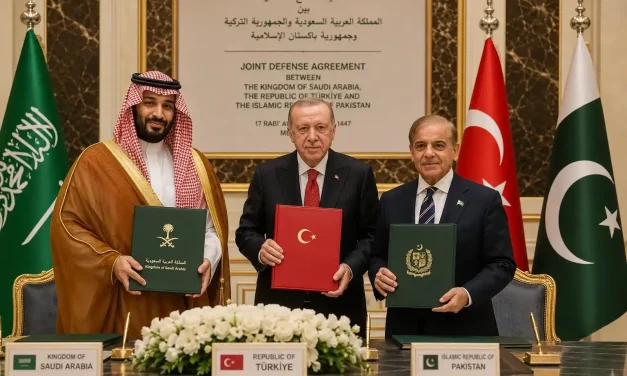
The Makkah Pact; Reasons for its Formation and Challenges Ahead

SCFR Online – Opinion: The Makkah Pact, signed between Saudi Arabia, Pakistan, and Turkey under the motto “an attack on one is an attack on all,” is viewed by some analysts less as a full-fledged military coalition and more as an attempt to reduce security dependence on an external power and to establish a regional security mechanism.
Implications of the US-Saudi Nuclear Agreement

SCFR Online – Opinion: The new US-Saudi nuclear agreement, despite legal and political ambiguities, could alter previous non-proliferation standards in West Asia and intensify nuclear competition, ushering it into a new phase.

An Analysis of Recent Turkey-Israeli Regime Tensions

SCFR Online – Opinion: Recent developments in Syria indicate an intensification of strategic rivalry between Turkey and the Israeli regime, but mutual considerations and the role of the United States have limited the likelihood of direct war.

Increasing criticism of the extensive Zionist lobby network

SCFR Online – Opinion: An examination of the mechanisms of the Israeli regime’s influence in the United States depicts a complex picture of shared interests, strategic dependencies, and the limitations of this relationship.

Realities of the Tripartite Makkah Pact

SCFR Online – Interview: The signing of the Makkah agreement between Saudi Arabia, Pakistan, and Turkey has raised questions about the future of the region’s security structure and the position of these countries in West Asian equations. Can this agreement become a genuine collective defense mechanism, or does it have more of a political and deterrent function than creating new military capacity?

Strategic Implications of the Reduction of US Weapons Stockpiles

SCFR Online – Opinion: The continuation of the US war against Iran, in addition to increasing operational costs, has called into question the actual capacity of the American arsenal to simultaneously fulfill security commitments on multiple fronts; an issue that affects deterrence, defense production capacity, and Washington’s resource prioritization.

The Formation of a New Order in Relations Between Powers

SCFR Online – Opinion: The Russia-Ukraine war and the war of the United States and the Israeli regime against Iran have been formed with different objectives and actors, but field and political developments indicate that they are not entirely separate from one another.

Loading

Top News

Sharif University of Technology lecturer at the “Foreign Relations in Artificial Intelligence Era” meeting: Need to determine data governance to benefit from artificial intelligence

Sharif University of Technology lecturer at the “Foreign Relations in Artificial Intelligence Era” meeting: Need to determine data governance to benefit from artificial intelligence

Strategic Council Online: A professor of Sharif University of Technology, referring to the performance of cognitive sciences and neurosciences in addition to quantum processing and artificial intelligence, stated: If we do not consider these three together, given the progress being made in the world, it is impossible for us to reach that stage, and this means that in such a case, we will only receive services; that means we will have to be subordinate in diplomacy; not only in diplomacy, but in all fields, we either have to be subservient, or we have to live like primitive humans.

Expert on cyberspace international governance in a meeting on “Foreign Relations in Artificial Intelligence Era”: Power of artificial intelligence in changing global strategic stability

Expert on cyberspace international governance in a meeting on “Foreign Relations in Artificial Intelligence Era”: Power of artificial intelligence in changing global strategic stability

Strategic Council Online: An expert on cyberspace international governance, stating that artificial intelligence can change the global strategic stability and fundamental assumptions about defense and deterrence, said: Europe’s approach to artificial intelligence is regulation and standardization, and if we want to move towards interaction with Europe in the area of artificial intelligence, we must clarify our positions and approach concerning some issues.

Dr. Sattari at a meeting on “Discussing Foreign Relations in Artificial Intelligence Era”: The Necessity of Formulating Iran’s Strategy in Artificial Intelligence

Dr. Sattari at a meeting on “Discussing Foreign Relations in Artificial Intelligence Era”: The Necessity of Formulating Iran’s Strategy in Artificial Intelligence

Strategic Council Online: The head of the Science-Technology Commission of the Strategic Council on Foreign Relations, emphasizing the need to analyze strategies and achievements of artificial intelligence in the three dimensions of “investment,” “implementation,” and “innovation,” said: Each of the leading countries, have defined a main vision and strategy in the field of artificial intelligence for themselves, and considering the global division of labor, it is necessary to examine what this vision could be for Iran?

SCFR in specialized meetings examines; Foreign Relations in Artificial Intelligence Era

SCFR in specialized meetings examines; Foreign Relations in Artificial Intelligence Era

Strategic Council Online: The specialized meeting on “Foreign Relations in the Artificial Intelligence Era” was held on Tuesday, chaired by Dr. Sorena Sattari, head of the Science and Technology Commission of the Strategic Council on Foreign Relations. Dr. Saeed Seyed Agha Banihashemi, a faculty member of the School of International Relations of the Ministry of Foreign Affairs, Dr. Hamidreza Rabiei, a faculty member of the Department of Computer Engineering at the Sharif University of Technology, Dr. Saeed Chehrazad, a faculty member of Allameh Tabataba’i University, and Dr. Majid Nili Ahmadabadi, a faculty member of the School of Electrical and Computer Engineering, as well as Dr. Behzad Ahmadi Lafouraki, an expert in international cyberspace governance, were also present in that event. The meeting was held at the Strategic Council on Foreign Relations premises.

Prospects of Egypt, Turkey, Greece, and Cyprus Quadrilateral Meeting

Prospects of Egypt, Turkey, Greece, and Cyprus Quadrilateral Meeting

Strategic Council Online – Opinion: Egyptian President Abdel Fattah el-Sisi announced during the recent visit of Greek Prime Minister Kyriakos Mitsotakis to Egypt that his country is considering a quadrilateral meeting in Cairo between the heads of Egypt, Greece, Turkey, and Cyprus to discuss the tensions in the Eastern Mediterranean and bring together views regarding the demarcation of maritime borders and the possibility of Turkey joining the East Mediterranean Gas Forum.
Mahmoud Fazeli – International affairs analyst

The causes and consequences of the suspension of the implementation of the crop agreement between Russia and Ukraine

The causes and consequences of the suspension of the implementation of the crop agreement between Russia and Ukraine

Strategic Council Online-Interview: An analyst of Russian issues emphasized that the West does not want to settle any of the dimensions of the Ukraine crisis and is only seeking the continuation and expansion of its dimensions because, according to the Russians, they did not fulfill the obligations they gave to Russia, and they have shown that they do not seek the interests of underdeveloped countries, especially in Africa.

Ukraine Summit in Jeddah; Aims and Achievements

Ukraine Summit in Jeddah; Aims and Achievements

Strategic Council Online – Interview: An expert on international affairs considered the Jeddah summit on the Ukraine crisis a step in the direction of efforts of Riyadh to display its independent international approach as much as possible and emphasized: By holding such meetings, Saudi Arabia tries to prepare the ground for the interaction of different groups, regardless of whether the talks lead to a result or not, to succeed in maintaining the interaction and communication channel with the relevant players, and strengthen the possibility of playing a so-called mediating and independent role.

Analysis of recent events at Ein El Hilweh camp

Analysis of recent events at Ein El Hilweh camp

Strategic Council Online – Opinion: Ein El Hilweh camp near the city of Sidon, located in southern Lebanon, witnessed armed clashes between the Fatah movement and two takfiri groups known as “Jund al-Sham” and “Asbat al-Ansar” as a result of which about 40 people were killed and wounded, and two thousand people were also displaced.
Hamid Khoshayand – Expert on regional affairs

Responsibility of Aggressor Countries Invading Yemen Before Millions of Children at Risk of Starvation

Responsibility of Aggressor Countries Invading Yemen Before Millions of Children at Risk of Starvation

Strategic Council Online – Opinion: Eight years after military aggression and civil war in Yemen, 22 million Yemeni people, equivalent to two-thirds of the country’s population, live with humanitarian aid. The extent of the suffering of Yemeni children due to the deterioration of livelihood and health conditions after years of siege and war in that country is indicative of a humanitarian disaster in Yemen. The catastrophic situation of Yemeni children requires increased efforts to provide emergency aid to deal with such a crisis and save the lives of millions of children. International organizations have announced that 11 million Yemeni children need immediate support and aid, and more than 2 million suffer from severe malnutrition. Children are the biggest victims of such a dire situation, which in those few years have been dealing with death, hunger, displacement, physical disabilities, health problems and diseases caused by lack of food or unhealthy nutrition, lack of medical system, unsafe water, and bad economic condition.
Mahmoud Fazeli – International affairs analyst

Analysis of the Impact of the Implementation of judicial reforms in the Zionist Regime’s Internal Situation

Analysis of the Impact of the Implementation of judicial reforms in the Zionist Regime’s Internal Situation

Strategic Council Online – Interview: An expert on West Asia affairs said that the situation has become complicated for Netanyahu, but he and the rightists are still determined to advance their judicial reforms; added: We will continue to witness an escalation of tensions in the regime’s internal scene and political polarizations and social rifts which can have negative consequences in the field of security, social and economic issues.

ÚLTIMAS PUBLICACIONES

The Makkah Pact; Reasons for its Formation and Challenges Ahead

SCFR Online – Opinion: The Makkah Pact, signed between Saudi Arabia, Pakistan, and Turkey under the motto “an attack on one is an attack on all,” is viewed by some analysts less as a full-fledged military coalition and more as an attempt to reduce security dependence on an external power and to establish a regional security mechanism.
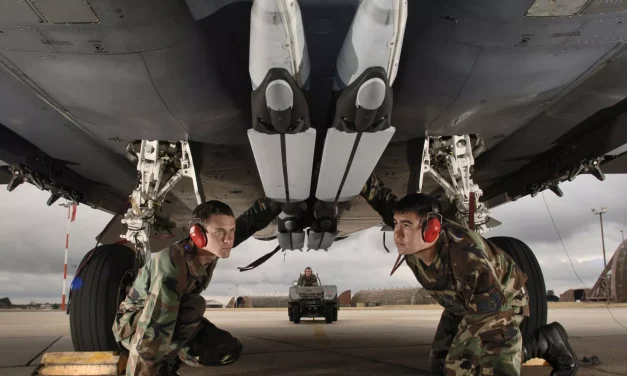
Implications of the US-Saudi Nuclear Agreement

SCFR Online – Opinion: The new US-Saudi nuclear agreement, despite legal and political ambiguities, could alter previous non-proliferation standards in West Asia and intensify nuclear competition, ushering it into a new phase.

An Analysis of Recent Turkey-Israeli Regime Tensions

SCFR Online – Opinion: Recent developments in Syria indicate an intensification of strategic rivalry between Turkey and the Israeli regime, but mutual considerations and the role of the United States have limited the likelihood of direct war.

Increasing criticism of the extensive Zionist lobby network

SCFR Online – Opinion: An examination of the mechanisms of the Israeli regime’s influence in the United States depicts a complex picture of shared interests, strategic dependencies, and the limitations of this relationship.

Realities of the Tripartite Makkah Pact

SCFR Online – Interview: The signing of the Makkah agreement between Saudi Arabia, Pakistan, and Turkey has raised questions about the future of the region’s security structure and the position of these countries in West Asian equations. Can this agreement become a genuine collective defense mechanism, or does it have more of a political and deterrent function than creating new military capacity?

Strategic Implications of the Reduction of US Weapons Stockpiles

SCFR Online – Opinion: The continuation of the US war against Iran, in addition to increasing operational costs, has called into question the actual capacity of the American arsenal to simultaneously fulfill security commitments on multiple fronts; an issue that affects deterrence, defense production capacity, and Washington’s resource prioritization.

The Formation of a New Order in Relations Between Powers

SCFR Online – Opinion: The Russia-Ukraine war and the war of the United States and the Israeli regime against Iran have been formed with different objectives and actors, but field and political developments indicate that they are not entirely separate from one another.

Loading

Top News

Sharif University of Technology lecturer at the “Foreign Relations in Artificial Intelligence Era” meeting: Need to determine data governance to benefit from artificial intelligence

Sharif University of Technology lecturer at the “Foreign Relations in Artificial Intelligence Era” meeting: Need to determine data governance to benefit from artificial intelligence

Strategic Council Online: A professor of Sharif University of Technology, referring to the performance of cognitive sciences and neurosciences in addition to quantum processing and artificial intelligence, stated: If we do not consider these three together, given the progress being made in the world, it is impossible for us to reach that stage, and this means that in such a case, we will only receive services; that means we will have to be subordinate in diplomacy; not only in diplomacy, but in all fields, we either have to be subservient, or we have to live like primitive humans.

Expert on cyberspace international governance in a meeting on “Foreign Relations in Artificial Intelligence Era”: Power of artificial intelligence in changing global strategic stability

Expert on cyberspace international governance in a meeting on “Foreign Relations in Artificial Intelligence Era”: Power of artificial intelligence in changing global strategic stability

Strategic Council Online: An expert on cyberspace international governance, stating that artificial intelligence can change the global strategic stability and fundamental assumptions about defense and deterrence, said: Europe’s approach to artificial intelligence is regulation and standardization, and if we want to move towards interaction with Europe in the area of artificial intelligence, we must clarify our positions and approach concerning some issues.

Dr. Sattari at a meeting on “Discussing Foreign Relations in Artificial Intelligence Era”: The Necessity of Formulating Iran’s Strategy in Artificial Intelligence

Dr. Sattari at a meeting on “Discussing Foreign Relations in Artificial Intelligence Era”: The Necessity of Formulating Iran’s Strategy in Artificial Intelligence

Strategic Council Online: The head of the Science-Technology Commission of the Strategic Council on Foreign Relations, emphasizing the need to analyze strategies and achievements of artificial intelligence in the three dimensions of “investment,” “implementation,” and “innovation,” said: Each of the leading countries, have defined a main vision and strategy in the field of artificial intelligence for themselves, and considering the global division of labor, it is necessary to examine what this vision could be for Iran?

SCFR in specialized meetings examines; Foreign Relations in Artificial Intelligence Era

SCFR in specialized meetings examines; Foreign Relations in Artificial Intelligence Era

Strategic Council Online: The specialized meeting on “Foreign Relations in the Artificial Intelligence Era” was held on Tuesday, chaired by Dr. Sorena Sattari, head of the Science and Technology Commission of the Strategic Council on Foreign Relations. Dr. Saeed Seyed Agha Banihashemi, a faculty member of the School of International Relations of the Ministry of Foreign Affairs, Dr. Hamidreza Rabiei, a faculty member of the Department of Computer Engineering at the Sharif University of Technology, Dr. Saeed Chehrazad, a faculty member of Allameh Tabataba’i University, and Dr. Majid Nili Ahmadabadi, a faculty member of the School of Electrical and Computer Engineering, as well as Dr. Behzad Ahmadi Lafouraki, an expert in international cyberspace governance, were also present in that event. The meeting was held at the Strategic Council on Foreign Relations premises.

Prospects of Egypt, Turkey, Greece, and Cyprus Quadrilateral Meeting

Prospects of Egypt, Turkey, Greece, and Cyprus Quadrilateral Meeting

Strategic Council Online – Opinion: Egyptian President Abdel Fattah el-Sisi announced during the recent visit of Greek Prime Minister Kyriakos Mitsotakis to Egypt that his country is considering a quadrilateral meeting in Cairo between the heads of Egypt, Greece, Turkey, and Cyprus to discuss the tensions in the Eastern Mediterranean and bring together views regarding the demarcation of maritime borders and the possibility of Turkey joining the East Mediterranean Gas Forum.
Mahmoud Fazeli – International affairs analyst

The causes and consequences of the suspension of the implementation of the crop agreement between Russia and Ukraine

The causes and consequences of the suspension of the implementation of the crop agreement between Russia and Ukraine

Strategic Council Online-Interview: An analyst of Russian issues emphasized that the West does not want to settle any of the dimensions of the Ukraine crisis and is only seeking the continuation and expansion of its dimensions because, according to the Russians, they did not fulfill the obligations they gave to Russia, and they have shown that they do not seek the interests of underdeveloped countries, especially in Africa.

Ukraine Summit in Jeddah; Aims and Achievements

Ukraine Summit in Jeddah; Aims and Achievements

Strategic Council Online – Interview: An expert on international affairs considered the Jeddah summit on the Ukraine crisis a step in the direction of efforts of Riyadh to display its independent international approach as much as possible and emphasized: By holding such meetings, Saudi Arabia tries to prepare the ground for the interaction of different groups, regardless of whether the talks lead to a result or not, to succeed in maintaining the interaction and communication channel with the relevant players, and strengthen the possibility of playing a so-called mediating and independent role.

Analysis of recent events at Ein El Hilweh camp

Analysis of recent events at Ein El Hilweh camp

Strategic Council Online – Opinion: Ein El Hilweh camp near the city of Sidon, located in southern Lebanon, witnessed armed clashes between the Fatah movement and two takfiri groups known as “Jund al-Sham” and “Asbat al-Ansar” as a result of which about 40 people were killed and wounded, and two thousand people were also displaced.
Hamid Khoshayand – Expert on regional affairs

Responsibility of Aggressor Countries Invading Yemen Before Millions of Children at Risk of Starvation

Responsibility of Aggressor Countries Invading Yemen Before Millions of Children at Risk of Starvation

Strategic Council Online – Opinion: Eight years after military aggression and civil war in Yemen, 22 million Yemeni people, equivalent to two-thirds of the country’s population, live with humanitarian aid. The extent of the suffering of Yemeni children due to the deterioration of livelihood and health conditions after years of siege and war in that country is indicative of a humanitarian disaster in Yemen. The catastrophic situation of Yemeni children requires increased efforts to provide emergency aid to deal with such a crisis and save the lives of millions of children. International organizations have announced that 11 million Yemeni children need immediate support and aid, and more than 2 million suffer from severe malnutrition. Children are the biggest victims of such a dire situation, which in those few years have been dealing with death, hunger, displacement, physical disabilities, health problems and diseases caused by lack of food or unhealthy nutrition, lack of medical system, unsafe water, and bad economic condition.
Mahmoud Fazeli – International affairs analyst

Analysis of the Impact of the Implementation of judicial reforms in the Zionist Regime’s Internal Situation

Analysis of the Impact of the Implementation of judicial reforms in the Zionist Regime’s Internal Situation

Strategic Council Online – Interview: An expert on West Asia affairs said that the situation has become complicated for Netanyahu, but he and the rightists are still determined to advance their judicial reforms; added: We will continue to witness an escalation of tensions in the regime’s internal scene and political polarizations and social rifts which can have negative consequences in the field of security, social and economic issues.

ÚLTIMAS PUBLICACIONES

The Makkah Pact; Reasons for its Formation and Challenges Ahead

SCFR Online – Opinion: The Makkah Pact, signed between Saudi Arabia, Pakistan, and Turkey under the motto “an attack on one is an attack on all,” is viewed by some analysts less as a full-fledged military coalition and more as an attempt to reduce security dependence on an external power and to establish a regional security mechanism.
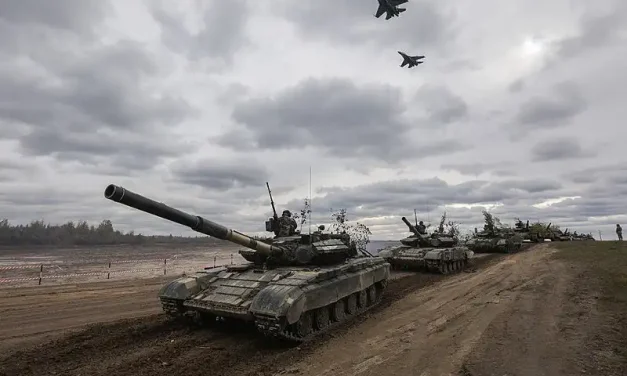
Implications of the US-Saudi Nuclear Agreement

SCFR Online – Opinion: The new US-Saudi nuclear agreement, despite legal and political ambiguities, could alter previous non-proliferation standards in West Asia and intensify nuclear competition, ushering it into a new phase.

An Analysis of Recent Turkey-Israeli Regime Tensions

SCFR Online – Opinion: Recent developments in Syria indicate an intensification of strategic rivalry between Turkey and the Israeli regime, but mutual considerations and the role of the United States have limited the likelihood of direct war.

Increasing criticism of the extensive Zionist lobby network

SCFR Online – Opinion: An examination of the mechanisms of the Israeli regime’s influence in the United States depicts a complex picture of shared interests, strategic dependencies, and the limitations of this relationship.

Realities of the Tripartite Makkah Pact

SCFR Online – Interview: The signing of the Makkah agreement between Saudi Arabia, Pakistan, and Turkey has raised questions about the future of the region’s security structure and the position of these countries in West Asian equations. Can this agreement become a genuine collective defense mechanism, or does it have more of a political and deterrent function than creating new military capacity?

Strategic Implications of the Reduction of US Weapons Stockpiles

SCFR Online – Opinion: The continuation of the US war against Iran, in addition to increasing operational costs, has called into question the actual capacity of the American arsenal to simultaneously fulfill security commitments on multiple fronts; an issue that affects deterrence, defense production capacity, and Washington’s resource prioritization.

The Formation of a New Order in Relations Between Powers

SCFR Online – Opinion: The Russia-Ukraine war and the war of the United States and the Israeli regime against Iran have been formed with different objectives and actors, but field and political developments indicate that they are not entirely separate from one another.

Loading

Top News

Sharif University of Technology lecturer at the “Foreign Relations in Artificial Intelligence Era” meeting: Need to determine data governance to benefit from artificial intelligence

Sharif University of Technology lecturer at the “Foreign Relations in Artificial Intelligence Era” meeting: Need to determine data governance to benefit from artificial intelligence

Strategic Council Online: A professor of Sharif University of Technology, referring to the performance of cognitive sciences and neurosciences in addition to quantum processing and artificial intelligence, stated: If we do not consider these three together, given the progress being made in the world, it is impossible for us to reach that stage, and this means that in such a case, we will only receive services; that means we will have to be subordinate in diplomacy; not only in diplomacy, but in all fields, we either have to be subservient, or we have to live like primitive humans.

Expert on cyberspace international governance in a meeting on “Foreign Relations in Artificial Intelligence Era”: Power of artificial intelligence in changing global strategic stability

Expert on cyberspace international governance in a meeting on “Foreign Relations in Artificial Intelligence Era”: Power of artificial intelligence in changing global strategic stability

Strategic Council Online: An expert on cyberspace international governance, stating that artificial intelligence can change the global strategic stability and fundamental assumptions about defense and deterrence, said: Europe’s approach to artificial intelligence is regulation and standardization, and if we want to move towards interaction with Europe in the area of artificial intelligence, we must clarify our positions and approach concerning some issues.

Dr. Sattari at a meeting on “Discussing Foreign Relations in Artificial Intelligence Era”: The Necessity of Formulating Iran’s Strategy in Artificial Intelligence

Dr. Sattari at a meeting on “Discussing Foreign Relations in Artificial Intelligence Era”: The Necessity of Formulating Iran’s Strategy in Artificial Intelligence

Strategic Council Online: The head of the Science-Technology Commission of the Strategic Council on Foreign Relations, emphasizing the need to analyze strategies and achievements of artificial intelligence in the three dimensions of “investment,” “implementation,” and “innovation,” said: Each of the leading countries, have defined a main vision and strategy in the field of artificial intelligence for themselves, and considering the global division of labor, it is necessary to examine what this vision could be for Iran?

SCFR in specialized meetings examines; Foreign Relations in Artificial Intelligence Era

SCFR in specialized meetings examines; Foreign Relations in Artificial Intelligence Era

Strategic Council Online: The specialized meeting on “Foreign Relations in the Artificial Intelligence Era” was held on Tuesday, chaired by Dr. Sorena Sattari, head of the Science and Technology Commission of the Strategic Council on Foreign Relations. Dr. Saeed Seyed Agha Banihashemi, a faculty member of the School of International Relations of the Ministry of Foreign Affairs, Dr. Hamidreza Rabiei, a faculty member of the Department of Computer Engineering at the Sharif University of Technology, Dr. Saeed Chehrazad, a faculty member of Allameh Tabataba’i University, and Dr. Majid Nili Ahmadabadi, a faculty member of the School of Electrical and Computer Engineering, as well as Dr. Behzad Ahmadi Lafouraki, an expert in international cyberspace governance, were also present in that event. The meeting was held at the Strategic Council on Foreign Relations premises.

Prospects of Egypt, Turkey, Greece, and Cyprus Quadrilateral Meeting

Prospects of Egypt, Turkey, Greece, and Cyprus Quadrilateral Meeting

Strategic Council Online – Opinion: Egyptian President Abdel Fattah el-Sisi announced during the recent visit of Greek Prime Minister Kyriakos Mitsotakis to Egypt that his country is considering a quadrilateral meeting in Cairo between the heads of Egypt, Greece, Turkey, and Cyprus to discuss the tensions in the Eastern Mediterranean and bring together views regarding the demarcation of maritime borders and the possibility of Turkey joining the East Mediterranean Gas Forum.
Mahmoud Fazeli – International affairs analyst

The causes and consequences of the suspension of the implementation of the crop agreement between Russia and Ukraine

The causes and consequences of the suspension of the implementation of the crop agreement between Russia and Ukraine

Strategic Council Online-Interview: An analyst of Russian issues emphasized that the West does not want to settle any of the dimensions of the Ukraine crisis and is only seeking the continuation and expansion of its dimensions because, according to the Russians, they did not fulfill the obligations they gave to Russia, and they have shown that they do not seek the interests of underdeveloped countries, especially in Africa.

Ukraine Summit in Jeddah; Aims and Achievements

Ukraine Summit in Jeddah; Aims and Achievements

Strategic Council Online – Interview: An expert on international affairs considered the Jeddah summit on the Ukraine crisis a step in the direction of efforts of Riyadh to display its independent international approach as much as possible and emphasized: By holding such meetings, Saudi Arabia tries to prepare the ground for the interaction of different groups, regardless of whether the talks lead to a result or not, to succeed in maintaining the interaction and communication channel with the relevant players, and strengthen the possibility of playing a so-called mediating and independent role.

Analysis of recent events at Ein El Hilweh camp

Analysis of recent events at Ein El Hilweh camp

Strategic Council Online – Opinion: Ein El Hilweh camp near the city of Sidon, located in southern Lebanon, witnessed armed clashes between the Fatah movement and two takfiri groups known as “Jund al-Sham” and “Asbat al-Ansar” as a result of which about 40 people were killed and wounded, and two thousand people were also displaced.
Hamid Khoshayand – Expert on regional affairs

Responsibility of Aggressor Countries Invading Yemen Before Millions of Children at Risk of Starvation

Responsibility of Aggressor Countries Invading Yemen Before Millions of Children at Risk of Starvation

Strategic Council Online – Opinion: Eight years after military aggression and civil war in Yemen, 22 million Yemeni people, equivalent to two-thirds of the country’s population, live with humanitarian aid. The extent of the suffering of Yemeni children due to the deterioration of livelihood and health conditions after years of siege and war in that country is indicative of a humanitarian disaster in Yemen. The catastrophic situation of Yemeni children requires increased efforts to provide emergency aid to deal with such a crisis and save the lives of millions of children. International organizations have announced that 11 million Yemeni children need immediate support and aid, and more than 2 million suffer from severe malnutrition. Children are the biggest victims of such a dire situation, which in those few years have been dealing with death, hunger, displacement, physical disabilities, health problems and diseases caused by lack of food or unhealthy nutrition, lack of medical system, unsafe water, and bad economic condition.
Mahmoud Fazeli – International affairs analyst

Analysis of the Impact of the Implementation of judicial reforms in the Zionist Regime’s Internal Situation

Analysis of the Impact of the Implementation of judicial reforms in the Zionist Regime’s Internal Situation

Strategic Council Online – Interview: An expert on West Asia affairs said that the situation has become complicated for Netanyahu, but he and the rightists are still determined to advance their judicial reforms; added: We will continue to witness an escalation of tensions in the regime’s internal scene and political polarizations and social rifts which can have negative consequences in the field of security, social and economic issues.

ÚLTIMAS PUBLICACIONES

The Makkah Pact; Reasons for its Formation and Challenges Ahead

SCFR Online – Opinion: The Makkah Pact, signed between Saudi Arabia, Pakistan, and Turkey under the motto “an attack on one is an attack on all,” is viewed by some analysts less as a full-fledged military coalition and more as an attempt to reduce security dependence on an external power and to establish a regional security mechanism.

Implications of the US-Saudi Nuclear Agreement

SCFR Online – Opinion: The new US-Saudi nuclear agreement, despite legal and political ambiguities, could alter previous non-proliferation standards in West Asia and intensify nuclear competition, ushering it into a new phase.

An Analysis of Recent Turkey-Israeli Regime Tensions

SCFR Online – Opinion: Recent developments in Syria indicate an intensification of strategic rivalry between Turkey and the Israeli regime, but mutual considerations and the role of the United States have limited the likelihood of direct war.

Increasing criticism of the extensive Zionist lobby network

SCFR Online – Opinion: An examination of the mechanisms of the Israeli regime’s influence in the United States depicts a complex picture of shared interests, strategic dependencies, and the limitations of this relationship.

Realities of the Tripartite Makkah Pact

SCFR Online – Interview: The signing of the Makkah agreement between Saudi Arabia, Pakistan, and Turkey has raised questions about the future of the region’s security structure and the position of these countries in West Asian equations. Can this agreement become a genuine collective defense mechanism, or does it have more of a political and deterrent function than creating new military capacity?

Strategic Implications of the Reduction of US Weapons Stockpiles

SCFR Online – Opinion: The continuation of the US war against Iran, in addition to increasing operational costs, has called into question the actual capacity of the American arsenal to simultaneously fulfill security commitments on multiple fronts; an issue that affects deterrence, defense production capacity, and Washington’s resource prioritization.

The Formation of a New Order in Relations Between Powers

SCFR Online – Opinion: The Russia-Ukraine war and the war of the United States and the Israeli regime against Iran have been formed with different objectives and actors, but field and political developments indicate that they are not entirely separate from one another.

Loading