جدیدترین مطالب

Implications of the US-Saudi Nuclear Agreement

SCFR Online – Opinion: The new US-Saudi nuclear agreement, despite legal and political ambiguities, could alter previous non-proliferation standards in West Asia and intensify nuclear competition, ushering it into a new phase.
An Analysis of Recent Turkey-Israeli Regime Tensions

SCFR Online – Opinion: Recent developments in Syria indicate an intensification of strategic rivalry between Turkey and the Israeli regime, but mutual considerations and the role of the United States have limited the likelihood of direct war.

Increasing criticism of the extensive Zionist lobby network

SCFR Online – Opinion: An examination of the mechanisms of the Israeli regime’s influence in the United States depicts a complex picture of shared interests, strategic dependencies, and the limitations of this relationship.

Realities of the Tripartite Makkah Pact

SCFR Online – Interview: The signing of the Makkah agreement between Saudi Arabia, Pakistan, and Turkey has raised questions about the future of the region’s security structure and the position of these countries in West Asian equations. Can this agreement become a genuine collective defense mechanism, or does it have more of a political and deterrent function than creating new military capacity?

Strategic Implications of the Reduction of US Weapons Stockpiles

SCFR Online – Opinion: The continuation of the US war against Iran, in addition to increasing operational costs, has called into question the actual capacity of the American arsenal to simultaneously fulfill security commitments on multiple fronts; an issue that affects deterrence, defense production capacity, and Washington’s resource prioritization.

The Formation of a New Order in Relations Between Powers

SCFR Online – Opinion: The Russia-Ukraine war and the war of the United States and the Israeli regime against Iran have been formed with different objectives and actors, but field and political developments indicate that they are not entirely separate from one another.

An Analysis of the Makkah Defense Pact

SCFR Online – Opinion: On Friday, August 7, the heads of state of three countries – Saudi Arabia, Turkey, and Pakistan – signed a text under the title “Makkah Joint Defense Agreement.”

Loading

Top News

Effects of Elections in Greece & Turkey on Bilateral Relations

Effects of Elections in Greece & Turkey on Bilateral Relations

Strategic Council Online – Opinion: While national elections are set to be held in Turkey (May 14), and Greece (May 21), senior officials of the two countries hope to witness a new chapter in bilateral relations after the official election results are announced. Despite deep-rooted differences between the two countries, Greece was one of the first countries to offer sympathy and aid after two earthquakes hit 11 southern Turkish provinces on February 6. Turkey was also the first country to express sympathy and help after the train accident in northern Greece on February 28 that left 57 dead.
Mahmoud Fazeli – International Affairs analyst

Consequences of Moscow-Riyadh Cooperation on Sale of Russian Oil

Consequences of Moscow-Riyadh Cooperation on Sale of Russian Oil

Strategic Council Online – Interview: A faculty member of the Institute of Strategic Studies says there has been a change in the global energy transmission lines after the Ukraine war began. He noted: With the continued shift in the oil trade routes of Russia, India and China have become strategic business partners for Moscow. This development has taken place in the shadow of the decline of the US influence among its key allies in the Middle East.

Strategic Consequences of Syria-Saudi Improved Relations

Strategic Consequences of Syria-Saudi Improved Relations

Strategic Council Online – Opinion: After the breakthrough in diplomatic relations between the Islamic Republic of Iran and Saudi Arabia, West Asia, and the Persian Gulf are witnessing “positive movements”; the countries that used to be on the opposite front have abandoned previous policies and are moving towards interaction and resumption of bilateral relations.
Barsam Mohammadi – Expert on regional affairs

The threat to stability in Sudan and the mission of the international community

The threat to stability in Sudan and the mission of the international community

Strategic Council Online-Interview: An expert on African issues listed power-seeking and non-acceptance of conventional rules as the root causes of conflicts in Sudan and emphasized that although the Sudanese parties want to eliminate each other, it seems that even if the conflicts do not lead to the elimination of one side, in the short term, it will end and the two sides cannot continue the war due to the lack of facilities in this country.

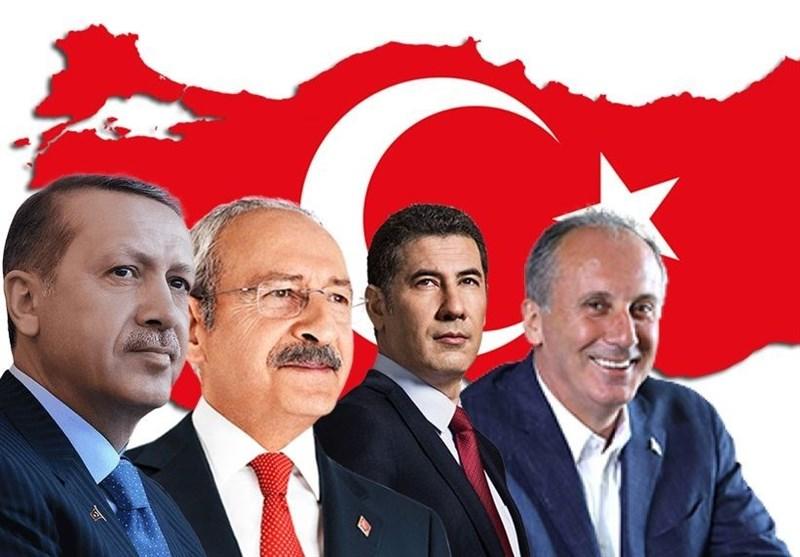
A look into the election contests in Turkiye and its strategic consequences

A look into the election contests in Turkiye and its strategic consequences

Strategic Council Online—Opinion: As the Turkish presidential and parliamentary elections on May 14, 2023, are approaching, the activities of the eligible candidates are expanding. In the Turkish presidential election, four candidates, and in the parliamentary election, 27 parties will compete. The upcoming elections will be the 13th presidential election in Türkiye’s history, the second presidential election since the beginning of the presidential term, and the 28th parliamentary election in this country. The presidency and parliamentary representation term is five years, and the number of people elected representatives is 600.
Mahmoud Fazeli—Analyst of international affairs

Challenges, Key Priorities of Iran’s Foreign Policy in 2023-2024

Challenges, Key Priorities of Iran’s Foreign Policy in 2023-2024

Strategic Council Online – Guest opinion: Amidst talks about Iran’s essential issues and challenges in the current calendar year, what quickly comes into one’s mind is the debate on economic disturbances and people’s livelihood problems. This is even though, in today’s interconnected world, we can safely say that the root of many domestic financial problems lies in foreign policy and international relations of the country; however, this does not mean minimizing the importance of managerial inefficiencies and the weakness and inadequacy of some internal executive and supervisory institutions.
Dr. Mohammad Mehdi Mazaheri – University professor

Consequences of Placing Russian Nuclear Weapons in Belarus

Consequences of Placing Russian Nuclear Weapons in Belarus

Strategic Council Online – Opinion: The placement of nuclear weapons of NATO and Russia near each other’s borders will increase the risk of tensions and entry of the US and Russia into a hot war and face the non-proliferation and progress in the field of nuclear disarmament with serious risks. Meantime, Non-nuclear countries are forced to take countermeasures to ensure their security.
Pouria Nabipour – Ph.D. in political science and international relations

أحدث الوظائف

Implications of the US-Saudi Nuclear Agreement

SCFR Online – Opinion: The new US-Saudi nuclear agreement, despite legal and political ambiguities, could alter previous non-proliferation standards in West Asia and intensify nuclear competition, ushering it into a new phase.

An Analysis of Recent Turkey-Israeli Regime Tensions

SCFR Online – Opinion: Recent developments in Syria indicate an intensification of strategic rivalry between Turkey and the Israeli regime, but mutual considerations and the role of the United States have limited the likelihood of direct war.

Increasing criticism of the extensive Zionist lobby network

SCFR Online – Opinion: An examination of the mechanisms of the Israeli regime’s influence in the United States depicts a complex picture of shared interests, strategic dependencies, and the limitations of this relationship.

Realities of the Tripartite Makkah Pact

SCFR Online – Interview: The signing of the Makkah agreement between Saudi Arabia, Pakistan, and Turkey has raised questions about the future of the region’s security structure and the position of these countries in West Asian equations. Can this agreement become a genuine collective defense mechanism, or does it have more of a political and deterrent function than creating new military capacity?

Strategic Implications of the Reduction of US Weapons Stockpiles

SCFR Online – Opinion: The continuation of the US war against Iran, in addition to increasing operational costs, has called into question the actual capacity of the American arsenal to simultaneously fulfill security commitments on multiple fronts; an issue that affects deterrence, defense production capacity, and Washington’s resource prioritization.

The Formation of a New Order in Relations Between Powers

SCFR Online – Opinion: The Russia-Ukraine war and the war of the United States and the Israeli regime against Iran have been formed with different objectives and actors, but field and political developments indicate that they are not entirely separate from one another.

An Analysis of the Makkah Defense Pact

SCFR Online – Opinion: On Friday, August 7, the heads of state of three countries – Saudi Arabia, Turkey, and Pakistan – signed a text under the title “Makkah Joint Defense Agreement.”

Loading

Top News

Effects of Elections in Greece & Turkey on Bilateral Relations

Effects of Elections in Greece & Turkey on Bilateral Relations

Strategic Council Online – Opinion: While national elections are set to be held in Turkey (May 14), and Greece (May 21), senior officials of the two countries hope to witness a new chapter in bilateral relations after the official election results are announced. Despite deep-rooted differences between the two countries, Greece was one of the first countries to offer sympathy and aid after two earthquakes hit 11 southern Turkish provinces on February 6. Turkey was also the first country to express sympathy and help after the train accident in northern Greece on February 28 that left 57 dead.
Mahmoud Fazeli – International Affairs analyst

Consequences of Moscow-Riyadh Cooperation on Sale of Russian Oil

Consequences of Moscow-Riyadh Cooperation on Sale of Russian Oil

Strategic Council Online – Interview: A faculty member of the Institute of Strategic Studies says there has been a change in the global energy transmission lines after the Ukraine war began. He noted: With the continued shift in the oil trade routes of Russia, India and China have become strategic business partners for Moscow. This development has taken place in the shadow of the decline of the US influence among its key allies in the Middle East.

Strategic Consequences of Syria-Saudi Improved Relations

Strategic Consequences of Syria-Saudi Improved Relations

Strategic Council Online – Opinion: After the breakthrough in diplomatic relations between the Islamic Republic of Iran and Saudi Arabia, West Asia, and the Persian Gulf are witnessing “positive movements”; the countries that used to be on the opposite front have abandoned previous policies and are moving towards interaction and resumption of bilateral relations.
Barsam Mohammadi – Expert on regional affairs

The threat to stability in Sudan and the mission of the international community

The threat to stability in Sudan and the mission of the international community

Strategic Council Online-Interview: An expert on African issues listed power-seeking and non-acceptance of conventional rules as the root causes of conflicts in Sudan and emphasized that although the Sudanese parties want to eliminate each other, it seems that even if the conflicts do not lead to the elimination of one side, in the short term, it will end and the two sides cannot continue the war due to the lack of facilities in this country.

A look into the election contests in Turkiye and its strategic consequences

A look into the election contests in Turkiye and its strategic consequences

Strategic Council Online—Opinion: As the Turkish presidential and parliamentary elections on May 14, 2023, are approaching, the activities of the eligible candidates are expanding. In the Turkish presidential election, four candidates, and in the parliamentary election, 27 parties will compete. The upcoming elections will be the 13th presidential election in Türkiye’s history, the second presidential election since the beginning of the presidential term, and the 28th parliamentary election in this country. The presidency and parliamentary representation term is five years, and the number of people elected representatives is 600.
Mahmoud Fazeli—Analyst of international affairs

Challenges, Key Priorities of Iran’s Foreign Policy in 2023-2024

Challenges, Key Priorities of Iran’s Foreign Policy in 2023-2024

Strategic Council Online – Guest opinion: Amidst talks about Iran’s essential issues and challenges in the current calendar year, what quickly comes into one’s mind is the debate on economic disturbances and people’s livelihood problems. This is even though, in today’s interconnected world, we can safely say that the root of many domestic financial problems lies in foreign policy and international relations of the country; however, this does not mean minimizing the importance of managerial inefficiencies and the weakness and inadequacy of some internal executive and supervisory institutions.
Dr. Mohammad Mehdi Mazaheri – University professor

Consequences of Placing Russian Nuclear Weapons in Belarus

Consequences of Placing Russian Nuclear Weapons in Belarus

Strategic Council Online – Opinion: The placement of nuclear weapons of NATO and Russia near each other’s borders will increase the risk of tensions and entry of the US and Russia into a hot war and face the non-proliferation and progress in the field of nuclear disarmament with serious risks. Meantime, Non-nuclear countries are forced to take countermeasures to ensure their security.
Pouria Nabipour – Ph.D. in political science and international relations

Top News

Effects of Elections in Greece & Turkey on Bilateral Relations

Effects of Elections in Greece & Turkey on Bilateral Relations

Strategic Council Online – Opinion: While national elections are set to be held in Turkey (May 14), and Greece (May 21), senior officials of the two countries hope to witness a new chapter in bilateral relations after the official election results are announced. Despite deep-rooted differences between the two countries, Greece was one of the first countries to offer sympathy and aid after two earthquakes hit 11 southern Turkish provinces on February 6. Turkey was also the first country to express sympathy and help after the train accident in northern Greece on February 28 that left 57 dead.
Mahmoud Fazeli – International Affairs analyst

Consequences of Moscow-Riyadh Cooperation on Sale of Russian Oil

Consequences of Moscow-Riyadh Cooperation on Sale of Russian Oil

Strategic Council Online – Interview: A faculty member of the Institute of Strategic Studies says there has been a change in the global energy transmission lines after the Ukraine war began. He noted: With the continued shift in the oil trade routes of Russia, India and China have become strategic business partners for Moscow. This development has taken place in the shadow of the decline of the US influence among its key allies in the Middle East.

Strategic Consequences of Syria-Saudi Improved Relations

Strategic Consequences of Syria-Saudi Improved Relations

Strategic Council Online – Opinion: After the breakthrough in diplomatic relations between the Islamic Republic of Iran and Saudi Arabia, West Asia, and the Persian Gulf are witnessing “positive movements”; the countries that used to be on the opposite front have abandoned previous policies and are moving towards interaction and resumption of bilateral relations.
Barsam Mohammadi – Expert on regional affairs

The threat to stability in Sudan and the mission of the international community

The threat to stability in Sudan and the mission of the international community

Strategic Council Online-Interview: An expert on African issues listed power-seeking and non-acceptance of conventional rules as the root causes of conflicts in Sudan and emphasized that although the Sudanese parties want to eliminate each other, it seems that even if the conflicts do not lead to the elimination of one side, in the short term, it will end and the two sides cannot continue the war due to the lack of facilities in this country.

A look into the election contests in Turkiye and its strategic consequences

A look into the election contests in Turkiye and its strategic consequences

Strategic Council Online—Opinion: As the Turkish presidential and parliamentary elections on May 14, 2023, are approaching, the activities of the eligible candidates are expanding. In the Turkish presidential election, four candidates, and in the parliamentary election, 27 parties will compete. The upcoming elections will be the 13th presidential election in Türkiye’s history, the second presidential election since the beginning of the presidential term, and the 28th parliamentary election in this country. The presidency and parliamentary representation term is five years, and the number of people elected representatives is 600.
Mahmoud Fazeli—Analyst of international affairs

Challenges, Key Priorities of Iran’s Foreign Policy in 2023-2024

Challenges, Key Priorities of Iran’s Foreign Policy in 2023-2024

Strategic Council Online – Guest opinion: Amidst talks about Iran’s essential issues and challenges in the current calendar year, what quickly comes into one’s mind is the debate on economic disturbances and people’s livelihood problems. This is even though, in today’s interconnected world, we can safely say that the root of many domestic financial problems lies in foreign policy and international relations of the country; however, this does not mean minimizing the importance of managerial inefficiencies and the weakness and inadequacy of some internal executive and supervisory institutions.
Dr. Mohammad Mehdi Mazaheri – University professor

Consequences of Placing Russian Nuclear Weapons in Belarus

Consequences of Placing Russian Nuclear Weapons in Belarus

Strategic Council Online – Opinion: The placement of nuclear weapons of NATO and Russia near each other’s borders will increase the risk of tensions and entry of the US and Russia into a hot war and face the non-proliferation and progress in the field of nuclear disarmament with serious risks. Meantime, Non-nuclear countries are forced to take countermeasures to ensure their security.
Pouria Nabipour – Ph.D. in political science and international relations

LATEST CONTENT

Implications of the US-Saudi Nuclear Agreement

SCFR Online – Opinion: The new US-Saudi nuclear agreement, despite legal and political ambiguities, could alter previous non-proliferation standards in West Asia and intensify nuclear competition, ushering it into a new phase.
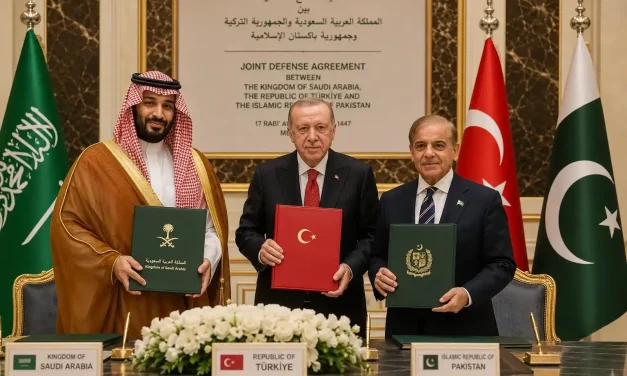
An Analysis of Recent Turkey-Israeli Regime Tensions

SCFR Online – Opinion: Recent developments in Syria indicate an intensification of strategic rivalry between Turkey and the Israeli regime, but mutual considerations and the role of the United States have limited the likelihood of direct war.

Increasing criticism of the extensive Zionist lobby network

SCFR Online – Opinion: An examination of the mechanisms of the Israeli regime’s influence in the United States depicts a complex picture of shared interests, strategic dependencies, and the limitations of this relationship.

Realities of the Tripartite Makkah Pact

SCFR Online – Interview: The signing of the Makkah agreement between Saudi Arabia, Pakistan, and Turkey has raised questions about the future of the region’s security structure and the position of these countries in West Asian equations. Can this agreement become a genuine collective defense mechanism, or does it have more of a political and deterrent function than creating new military capacity?

Strategic Implications of the Reduction of US Weapons Stockpiles

SCFR Online – Opinion: The continuation of the US war against Iran, in addition to increasing operational costs, has called into question the actual capacity of the American arsenal to simultaneously fulfill security commitments on multiple fronts; an issue that affects deterrence, defense production capacity, and Washington’s resource prioritization.

The Formation of a New Order in Relations Between Powers

SCFR Online – Opinion: The Russia-Ukraine war and the war of the United States and the Israeli regime against Iran have been formed with different objectives and actors, but field and political developments indicate that they are not entirely separate from one another.

An Analysis of the Makkah Defense Pact

SCFR Online – Opinion: On Friday, August 7, the heads of state of three countries – Saudi Arabia, Turkey, and Pakistan – signed a text under the title “Makkah Joint Defense Agreement.”

Loading

Top News

Effects of Elections in Greece & Turkey on Bilateral Relations

Effects of Elections in Greece & Turkey on Bilateral Relations

Strategic Council Online – Opinion: While national elections are set to be held in Turkey (May 14), and Greece (May 21), senior officials of the two countries hope to witness a new chapter in bilateral relations after the official election results are announced. Despite deep-rooted differences between the two countries, Greece was one of the first countries to offer sympathy and aid after two earthquakes hit 11 southern Turkish provinces on February 6. Turkey was also the first country to express sympathy and help after the train accident in northern Greece on February 28 that left 57 dead.
Mahmoud Fazeli – International Affairs analyst

Consequences of Moscow-Riyadh Cooperation on Sale of Russian Oil

Consequences of Moscow-Riyadh Cooperation on Sale of Russian Oil

Strategic Council Online – Interview: A faculty member of the Institute of Strategic Studies says there has been a change in the global energy transmission lines after the Ukraine war began. He noted: With the continued shift in the oil trade routes of Russia, India and China have become strategic business partners for Moscow. This development has taken place in the shadow of the decline of the US influence among its key allies in the Middle East.

Strategic Consequences of Syria-Saudi Improved Relations

Strategic Consequences of Syria-Saudi Improved Relations

Strategic Council Online – Opinion: After the breakthrough in diplomatic relations between the Islamic Republic of Iran and Saudi Arabia, West Asia, and the Persian Gulf are witnessing “positive movements”; the countries that used to be on the opposite front have abandoned previous policies and are moving towards interaction and resumption of bilateral relations.
Barsam Mohammadi – Expert on regional affairs

The threat to stability in Sudan and the mission of the international community

The threat to stability in Sudan and the mission of the international community

Strategic Council Online-Interview: An expert on African issues listed power-seeking and non-acceptance of conventional rules as the root causes of conflicts in Sudan and emphasized that although the Sudanese parties want to eliminate each other, it seems that even if the conflicts do not lead to the elimination of one side, in the short term, it will end and the two sides cannot continue the war due to the lack of facilities in this country.

A look into the election contests in Turkiye and its strategic consequences

A look into the election contests in Turkiye and its strategic consequences

Strategic Council Online—Opinion: As the Turkish presidential and parliamentary elections on May 14, 2023, are approaching, the activities of the eligible candidates are expanding. In the Turkish presidential election, four candidates, and in the parliamentary election, 27 parties will compete. The upcoming elections will be the 13th presidential election in Türkiye’s history, the second presidential election since the beginning of the presidential term, and the 28th parliamentary election in this country. The presidency and parliamentary representation term is five years, and the number of people elected representatives is 600.
Mahmoud Fazeli—Analyst of international affairs

Challenges, Key Priorities of Iran’s Foreign Policy in 2023-2024

Challenges, Key Priorities of Iran’s Foreign Policy in 2023-2024

Strategic Council Online – Guest opinion: Amidst talks about Iran’s essential issues and challenges in the current calendar year, what quickly comes into one’s mind is the debate on economic disturbances and people’s livelihood problems. This is even though, in today’s interconnected world, we can safely say that the root of many domestic financial problems lies in foreign policy and international relations of the country; however, this does not mean minimizing the importance of managerial inefficiencies and the weakness and inadequacy of some internal executive and supervisory institutions.
Dr. Mohammad Mehdi Mazaheri – University professor

Consequences of Placing Russian Nuclear Weapons in Belarus

Consequences of Placing Russian Nuclear Weapons in Belarus

Strategic Council Online – Opinion: The placement of nuclear weapons of NATO and Russia near each other’s borders will increase the risk of tensions and entry of the US and Russia into a hot war and face the non-proliferation and progress in the field of nuclear disarmament with serious risks. Meantime, Non-nuclear countries are forced to take countermeasures to ensure their security.
Pouria Nabipour – Ph.D. in political science and international relations

ÚLTIMAS PUBLICACIONES

Implications of the US-Saudi Nuclear Agreement

SCFR Online – Opinion: The new US-Saudi nuclear agreement, despite legal and political ambiguities, could alter previous non-proliferation standards in West Asia and intensify nuclear competition, ushering it into a new phase.
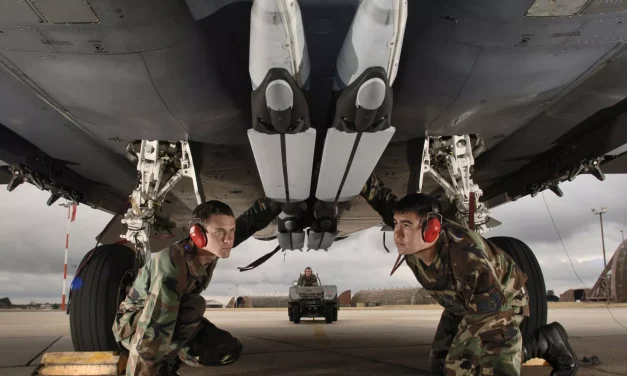
An Analysis of Recent Turkey-Israeli Regime Tensions

SCFR Online – Opinion: Recent developments in Syria indicate an intensification of strategic rivalry between Turkey and the Israeli regime, but mutual considerations and the role of the United States have limited the likelihood of direct war.

Increasing criticism of the extensive Zionist lobby network

SCFR Online – Opinion: An examination of the mechanisms of the Israeli regime’s influence in the United States depicts a complex picture of shared interests, strategic dependencies, and the limitations of this relationship.

Realities of the Tripartite Makkah Pact

SCFR Online – Interview: The signing of the Makkah agreement between Saudi Arabia, Pakistan, and Turkey has raised questions about the future of the region’s security structure and the position of these countries in West Asian equations. Can this agreement become a genuine collective defense mechanism, or does it have more of a political and deterrent function than creating new military capacity?

Strategic Implications of the Reduction of US Weapons Stockpiles

SCFR Online – Opinion: The continuation of the US war against Iran, in addition to increasing operational costs, has called into question the actual capacity of the American arsenal to simultaneously fulfill security commitments on multiple fronts; an issue that affects deterrence, defense production capacity, and Washington’s resource prioritization.

The Formation of a New Order in Relations Between Powers

SCFR Online – Opinion: The Russia-Ukraine war and the war of the United States and the Israeli regime against Iran have been formed with different objectives and actors, but field and political developments indicate that they are not entirely separate from one another.

An Analysis of the Makkah Defense Pact

SCFR Online – Opinion: On Friday, August 7, the heads of state of three countries – Saudi Arabia, Turkey, and Pakistan – signed a text under the title “Makkah Joint Defense Agreement.”

Loading

Top News

Effects of Elections in Greece & Turkey on Bilateral Relations

Effects of Elections in Greece & Turkey on Bilateral Relations

Strategic Council Online – Opinion: While national elections are set to be held in Turkey (May 14), and Greece (May 21), senior officials of the two countries hope to witness a new chapter in bilateral relations after the official election results are announced. Despite deep-rooted differences between the two countries, Greece was one of the first countries to offer sympathy and aid after two earthquakes hit 11 southern Turkish provinces on February 6. Turkey was also the first country to express sympathy and help after the train accident in northern Greece on February 28 that left 57 dead.
Mahmoud Fazeli – International Affairs analyst

Consequences of Moscow-Riyadh Cooperation on Sale of Russian Oil

Consequences of Moscow-Riyadh Cooperation on Sale of Russian Oil

Strategic Council Online – Interview: A faculty member of the Institute of Strategic Studies says there has been a change in the global energy transmission lines after the Ukraine war began. He noted: With the continued shift in the oil trade routes of Russia, India and China have become strategic business partners for Moscow. This development has taken place in the shadow of the decline of the US influence among its key allies in the Middle East.

Strategic Consequences of Syria-Saudi Improved Relations

Strategic Consequences of Syria-Saudi Improved Relations

Strategic Council Online – Opinion: After the breakthrough in diplomatic relations between the Islamic Republic of Iran and Saudi Arabia, West Asia, and the Persian Gulf are witnessing “positive movements”; the countries that used to be on the opposite front have abandoned previous policies and are moving towards interaction and resumption of bilateral relations.
Barsam Mohammadi – Expert on regional affairs

The threat to stability in Sudan and the mission of the international community

The threat to stability in Sudan and the mission of the international community

Strategic Council Online-Interview: An expert on African issues listed power-seeking and non-acceptance of conventional rules as the root causes of conflicts in Sudan and emphasized that although the Sudanese parties want to eliminate each other, it seems that even if the conflicts do not lead to the elimination of one side, in the short term, it will end and the two sides cannot continue the war due to the lack of facilities in this country.

A look into the election contests in Turkiye and its strategic consequences

A look into the election contests in Turkiye and its strategic consequences

Strategic Council Online—Opinion: As the Turkish presidential and parliamentary elections on May 14, 2023, are approaching, the activities of the eligible candidates are expanding. In the Turkish presidential election, four candidates, and in the parliamentary election, 27 parties will compete. The upcoming elections will be the 13th presidential election in Türkiye’s history, the second presidential election since the beginning of the presidential term, and the 28th parliamentary election in this country. The presidency and parliamentary representation term is five years, and the number of people elected representatives is 600.
Mahmoud Fazeli—Analyst of international affairs

Challenges, Key Priorities of Iran’s Foreign Policy in 2023-2024

Challenges, Key Priorities of Iran’s Foreign Policy in 2023-2024

Strategic Council Online – Guest opinion: Amidst talks about Iran’s essential issues and challenges in the current calendar year, what quickly comes into one’s mind is the debate on economic disturbances and people’s livelihood problems. This is even though, in today’s interconnected world, we can safely say that the root of many domestic financial problems lies in foreign policy and international relations of the country; however, this does not mean minimizing the importance of managerial inefficiencies and the weakness and inadequacy of some internal executive and supervisory institutions.
Dr. Mohammad Mehdi Mazaheri – University professor

Consequences of Placing Russian Nuclear Weapons in Belarus

Consequences of Placing Russian Nuclear Weapons in Belarus

Strategic Council Online – Opinion: The placement of nuclear weapons of NATO and Russia near each other’s borders will increase the risk of tensions and entry of the US and Russia into a hot war and face the non-proliferation and progress in the field of nuclear disarmament with serious risks. Meantime, Non-nuclear countries are forced to take countermeasures to ensure their security.
Pouria Nabipour – Ph.D. in political science and international relations

ÚLTIMAS PUBLICACIONES

Implications of the US-Saudi Nuclear Agreement

SCFR Online – Opinion: The new US-Saudi nuclear agreement, despite legal and political ambiguities, could alter previous non-proliferation standards in West Asia and intensify nuclear competition, ushering it into a new phase.
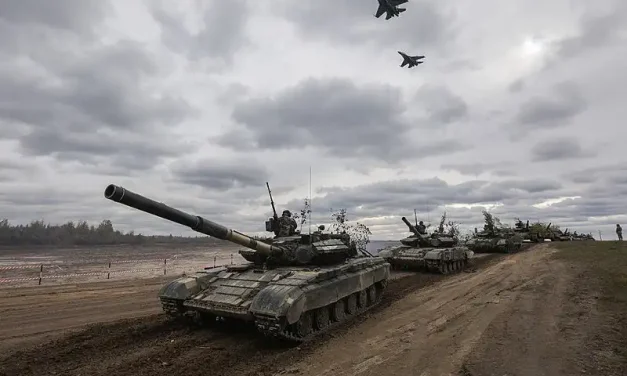
An Analysis of Recent Turkey-Israeli Regime Tensions

SCFR Online – Opinion: Recent developments in Syria indicate an intensification of strategic rivalry between Turkey and the Israeli regime, but mutual considerations and the role of the United States have limited the likelihood of direct war.

Increasing criticism of the extensive Zionist lobby network

SCFR Online – Opinion: An examination of the mechanisms of the Israeli regime’s influence in the United States depicts a complex picture of shared interests, strategic dependencies, and the limitations of this relationship.

Realities of the Tripartite Makkah Pact

SCFR Online – Interview: The signing of the Makkah agreement between Saudi Arabia, Pakistan, and Turkey has raised questions about the future of the region’s security structure and the position of these countries in West Asian equations. Can this agreement become a genuine collective defense mechanism, or does it have more of a political and deterrent function than creating new military capacity?

Strategic Implications of the Reduction of US Weapons Stockpiles

SCFR Online – Opinion: The continuation of the US war against Iran, in addition to increasing operational costs, has called into question the actual capacity of the American arsenal to simultaneously fulfill security commitments on multiple fronts; an issue that affects deterrence, defense production capacity, and Washington’s resource prioritization.

The Formation of a New Order in Relations Between Powers

SCFR Online – Opinion: The Russia-Ukraine war and the war of the United States and the Israeli regime against Iran have been formed with different objectives and actors, but field and political developments indicate that they are not entirely separate from one another.

An Analysis of the Makkah Defense Pact

SCFR Online – Opinion: On Friday, August 7, the heads of state of three countries – Saudi Arabia, Turkey, and Pakistan – signed a text under the title “Makkah Joint Defense Agreement.”

Loading

Top News

Effects of Elections in Greece & Turkey on Bilateral Relations

Effects of Elections in Greece & Turkey on Bilateral Relations

Strategic Council Online – Opinion: While national elections are set to be held in Turkey (May 14), and Greece (May 21), senior officials of the two countries hope to witness a new chapter in bilateral relations after the official election results are announced. Despite deep-rooted differences between the two countries, Greece was one of the first countries to offer sympathy and aid after two earthquakes hit 11 southern Turkish provinces on February 6. Turkey was also the first country to express sympathy and help after the train accident in northern Greece on February 28 that left 57 dead.
Mahmoud Fazeli – International Affairs analyst

Consequences of Moscow-Riyadh Cooperation on Sale of Russian Oil

Consequences of Moscow-Riyadh Cooperation on Sale of Russian Oil

Strategic Council Online – Interview: A faculty member of the Institute of Strategic Studies says there has been a change in the global energy transmission lines after the Ukraine war began. He noted: With the continued shift in the oil trade routes of Russia, India and China have become strategic business partners for Moscow. This development has taken place in the shadow of the decline of the US influence among its key allies in the Middle East.

Strategic Consequences of Syria-Saudi Improved Relations

Strategic Consequences of Syria-Saudi Improved Relations

Strategic Council Online – Opinion: After the breakthrough in diplomatic relations between the Islamic Republic of Iran and Saudi Arabia, West Asia, and the Persian Gulf are witnessing “positive movements”; the countries that used to be on the opposite front have abandoned previous policies and are moving towards interaction and resumption of bilateral relations.
Barsam Mohammadi – Expert on regional affairs

The threat to stability in Sudan and the mission of the international community

The threat to stability in Sudan and the mission of the international community

Strategic Council Online-Interview: An expert on African issues listed power-seeking and non-acceptance of conventional rules as the root causes of conflicts in Sudan and emphasized that although the Sudanese parties want to eliminate each other, it seems that even if the conflicts do not lead to the elimination of one side, in the short term, it will end and the two sides cannot continue the war due to the lack of facilities in this country.

A look into the election contests in Turkiye and its strategic consequences

A look into the election contests in Turkiye and its strategic consequences

Strategic Council Online—Opinion: As the Turkish presidential and parliamentary elections on May 14, 2023, are approaching, the activities of the eligible candidates are expanding. In the Turkish presidential election, four candidates, and in the parliamentary election, 27 parties will compete. The upcoming elections will be the 13th presidential election in Türkiye’s history, the second presidential election since the beginning of the presidential term, and the 28th parliamentary election in this country. The presidency and parliamentary representation term is five years, and the number of people elected representatives is 600.
Mahmoud Fazeli—Analyst of international affairs

Challenges, Key Priorities of Iran’s Foreign Policy in 2023-2024

Challenges, Key Priorities of Iran’s Foreign Policy in 2023-2024

Strategic Council Online – Guest opinion: Amidst talks about Iran’s essential issues and challenges in the current calendar year, what quickly comes into one’s mind is the debate on economic disturbances and people’s livelihood problems. This is even though, in today’s interconnected world, we can safely say that the root of many domestic financial problems lies in foreign policy and international relations of the country; however, this does not mean minimizing the importance of managerial inefficiencies and the weakness and inadequacy of some internal executive and supervisory institutions.
Dr. Mohammad Mehdi Mazaheri – University professor

Consequences of Placing Russian Nuclear Weapons in Belarus

Consequences of Placing Russian Nuclear Weapons in Belarus

Strategic Council Online – Opinion: The placement of nuclear weapons of NATO and Russia near each other’s borders will increase the risk of tensions and entry of the US and Russia into a hot war and face the non-proliferation and progress in the field of nuclear disarmament with serious risks. Meantime, Non-nuclear countries are forced to take countermeasures to ensure their security.
Pouria Nabipour – Ph.D. in political science and international relations

ÚLTIMAS PUBLICACIONES

Implications of the US-Saudi Nuclear Agreement

SCFR Online – Opinion: The new US-Saudi nuclear agreement, despite legal and political ambiguities, could alter previous non-proliferation standards in West Asia and intensify nuclear competition, ushering it into a new phase.
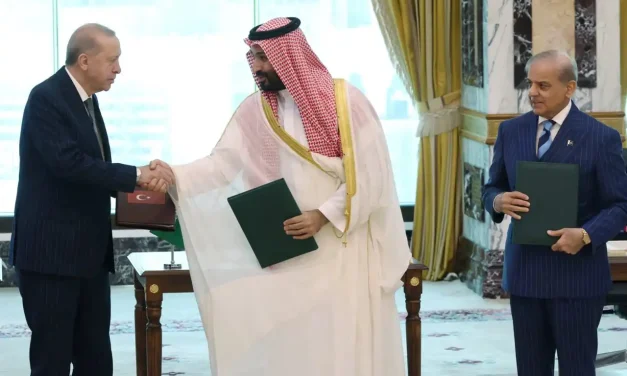
An Analysis of Recent Turkey-Israeli Regime Tensions

SCFR Online – Opinion: Recent developments in Syria indicate an intensification of strategic rivalry between Turkey and the Israeli regime, but mutual considerations and the role of the United States have limited the likelihood of direct war.

Increasing criticism of the extensive Zionist lobby network

SCFR Online – Opinion: An examination of the mechanisms of the Israeli regime’s influence in the United States depicts a complex picture of shared interests, strategic dependencies, and the limitations of this relationship.

Realities of the Tripartite Makkah Pact

SCFR Online – Interview: The signing of the Makkah agreement between Saudi Arabia, Pakistan, and Turkey has raised questions about the future of the region’s security structure and the position of these countries in West Asian equations. Can this agreement become a genuine collective defense mechanism, or does it have more of a political and deterrent function than creating new military capacity?

Strategic Implications of the Reduction of US Weapons Stockpiles

SCFR Online – Opinion: The continuation of the US war against Iran, in addition to increasing operational costs, has called into question the actual capacity of the American arsenal to simultaneously fulfill security commitments on multiple fronts; an issue that affects deterrence, defense production capacity, and Washington’s resource prioritization.

The Formation of a New Order in Relations Between Powers

SCFR Online – Opinion: The Russia-Ukraine war and the war of the United States and the Israeli regime against Iran have been formed with different objectives and actors, but field and political developments indicate that they are not entirely separate from one another.

An Analysis of the Makkah Defense Pact

SCFR Online – Opinion: On Friday, August 7, the heads of state of three countries – Saudi Arabia, Turkey, and Pakistan – signed a text under the title “Makkah Joint Defense Agreement.”

Loading

Top News

Effects of Elections in Greece & Turkey on Bilateral Relations

Effects of Elections in Greece & Turkey on Bilateral Relations

Strategic Council Online – Opinion: While national elections are set to be held in Turkey (May 14), and Greece (May 21), senior officials of the two countries hope to witness a new chapter in bilateral relations after the official election results are announced. Despite deep-rooted differences between the two countries, Greece was one of the first countries to offer sympathy and aid after two earthquakes hit 11 southern Turkish provinces on February 6. Turkey was also the first country to express sympathy and help after the train accident in northern Greece on February 28 that left 57 dead.
Mahmoud Fazeli – International Affairs analyst

Consequences of Moscow-Riyadh Cooperation on Sale of Russian Oil

Consequences of Moscow-Riyadh Cooperation on Sale of Russian Oil

Strategic Council Online – Interview: A faculty member of the Institute of Strategic Studies says there has been a change in the global energy transmission lines after the Ukraine war began. He noted: With the continued shift in the oil trade routes of Russia, India and China have become strategic business partners for Moscow. This development has taken place in the shadow of the decline of the US influence among its key allies in the Middle East.

Strategic Consequences of Syria-Saudi Improved Relations

Strategic Consequences of Syria-Saudi Improved Relations

Strategic Council Online – Opinion: After the breakthrough in diplomatic relations between the Islamic Republic of Iran and Saudi Arabia, West Asia, and the Persian Gulf are witnessing “positive movements”; the countries that used to be on the opposite front have abandoned previous policies and are moving towards interaction and resumption of bilateral relations.
Barsam Mohammadi – Expert on regional affairs

The threat to stability in Sudan and the mission of the international community

The threat to stability in Sudan and the mission of the international community

Strategic Council Online-Interview: An expert on African issues listed power-seeking and non-acceptance of conventional rules as the root causes of conflicts in Sudan and emphasized that although the Sudanese parties want to eliminate each other, it seems that even if the conflicts do not lead to the elimination of one side, in the short term, it will end and the two sides cannot continue the war due to the lack of facilities in this country.

A look into the election contests in Turkiye and its strategic consequences

A look into the election contests in Turkiye and its strategic consequences

Strategic Council Online—Opinion: As the Turkish presidential and parliamentary elections on May 14, 2023, are approaching, the activities of the eligible candidates are expanding. In the Turkish presidential election, four candidates, and in the parliamentary election, 27 parties will compete. The upcoming elections will be the 13th presidential election in Türkiye’s history, the second presidential election since the beginning of the presidential term, and the 28th parliamentary election in this country. The presidency and parliamentary representation term is five years, and the number of people elected representatives is 600.
Mahmoud Fazeli—Analyst of international affairs

Challenges, Key Priorities of Iran’s Foreign Policy in 2023-2024

Challenges, Key Priorities of Iran’s Foreign Policy in 2023-2024

Strategic Council Online – Guest opinion: Amidst talks about Iran’s essential issues and challenges in the current calendar year, what quickly comes into one’s mind is the debate on economic disturbances and people’s livelihood problems. This is even though, in today’s interconnected world, we can safely say that the root of many domestic financial problems lies in foreign policy and international relations of the country; however, this does not mean minimizing the importance of managerial inefficiencies and the weakness and inadequacy of some internal executive and supervisory institutions.
Dr. Mohammad Mehdi Mazaheri – University professor

Consequences of Placing Russian Nuclear Weapons in Belarus

Consequences of Placing Russian Nuclear Weapons in Belarus

Strategic Council Online – Opinion: The placement of nuclear weapons of NATO and Russia near each other’s borders will increase the risk of tensions and entry of the US and Russia into a hot war and face the non-proliferation and progress in the field of nuclear disarmament with serious risks. Meantime, Non-nuclear countries are forced to take countermeasures to ensure their security.
Pouria Nabipour – Ph.D. in political science and international relations

ÚLTIMAS PUBLICACIONES

Implications of the US-Saudi Nuclear Agreement

SCFR Online – Opinion: The new US-Saudi nuclear agreement, despite legal and political ambiguities, could alter previous non-proliferation standards in West Asia and intensify nuclear competition, ushering it into a new phase.

An Analysis of Recent Turkey-Israeli Regime Tensions

SCFR Online – Opinion: Recent developments in Syria indicate an intensification of strategic rivalry between Turkey and the Israeli regime, but mutual considerations and the role of the United States have limited the likelihood of direct war.

Increasing criticism of the extensive Zionist lobby network

SCFR Online – Opinion: An examination of the mechanisms of the Israeli regime’s influence in the United States depicts a complex picture of shared interests, strategic dependencies, and the limitations of this relationship.

Realities of the Tripartite Makkah Pact

SCFR Online – Interview: The signing of the Makkah agreement between Saudi Arabia, Pakistan, and Turkey has raised questions about the future of the region’s security structure and the position of these countries in West Asian equations. Can this agreement become a genuine collective defense mechanism, or does it have more of a political and deterrent function than creating new military capacity?

Strategic Implications of the Reduction of US Weapons Stockpiles

SCFR Online – Opinion: The continuation of the US war against Iran, in addition to increasing operational costs, has called into question the actual capacity of the American arsenal to simultaneously fulfill security commitments on multiple fronts; an issue that affects deterrence, defense production capacity, and Washington’s resource prioritization.

The Formation of a New Order in Relations Between Powers

SCFR Online – Opinion: The Russia-Ukraine war and the war of the United States and the Israeli regime against Iran have been formed with different objectives and actors, but field and political developments indicate that they are not entirely separate from one another.

An Analysis of the Makkah Defense Pact

SCFR Online – Opinion: On Friday, August 7, the heads of state of three countries – Saudi Arabia, Turkey, and Pakistan – signed a text under the title “Makkah Joint Defense Agreement.”

Loading