جدیدترین مطالب

The Makkah Pact; Reasons for its Formation and Challenges Ahead

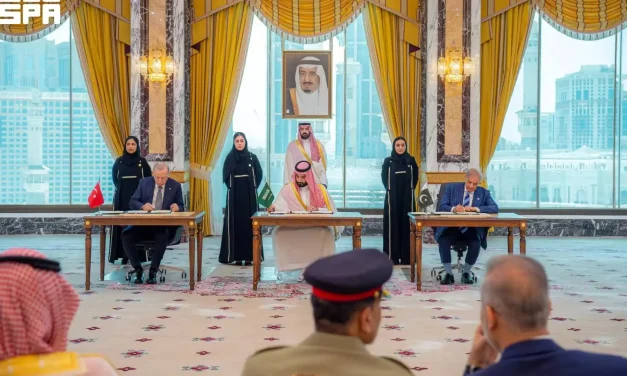
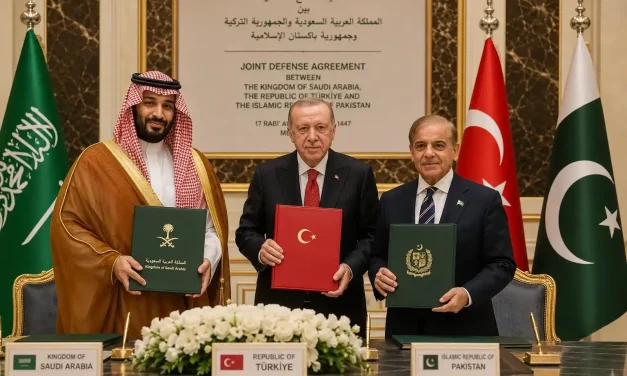
SCFR Online – Opinion: The Makkah Pact, signed between Saudi Arabia, Pakistan, and Turkey under the motto “an attack on one is an attack on all,” is viewed by some analysts less as a full-fledged military coalition and more as an attempt to reduce security dependence on an external power and to establish a regional security mechanism.
Implications of the US-Saudi Nuclear Agreement

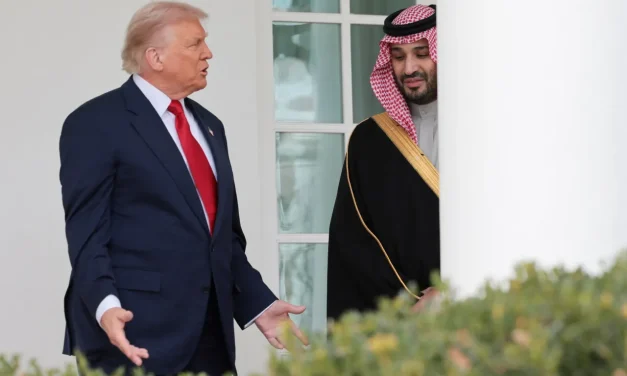
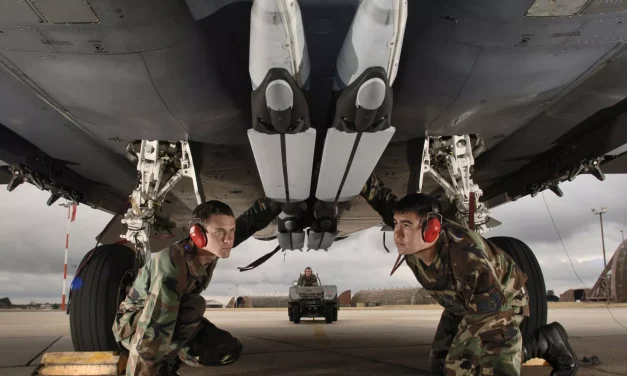
SCFR Online – Opinion: The new US-Saudi nuclear agreement, despite legal and political ambiguities, could alter previous non-proliferation standards in West Asia and intensify nuclear competition, ushering it into a new phase.

An Analysis of Recent Turkey-Israeli Regime Tensions

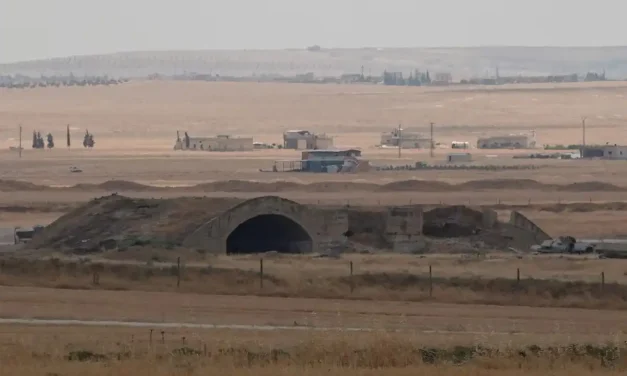
SCFR Online – Opinion: Recent developments in Syria indicate an intensification of strategic rivalry between Turkey and the Israeli regime, but mutual considerations and the role of the United States have limited the likelihood of direct war.

Increasing criticism of the extensive Zionist lobby network

SCFR Online – Opinion: An examination of the mechanisms of the Israeli regime’s influence in the United States depicts a complex picture of shared interests, strategic dependencies, and the limitations of this relationship.

Realities of the Tripartite Makkah Pact

SCFR Online – Interview: The signing of the Makkah agreement between Saudi Arabia, Pakistan, and Turkey has raised questions about the future of the region’s security structure and the position of these countries in West Asian equations. Can this agreement become a genuine collective defense mechanism, or does it have more of a political and deterrent function than creating new military capacity?

Strategic Implications of the Reduction of US Weapons Stockpiles

SCFR Online – Opinion: The continuation of the US war against Iran, in addition to increasing operational costs, has called into question the actual capacity of the American arsenal to simultaneously fulfill security commitments on multiple fronts; an issue that affects deterrence, defense production capacity, and Washington’s resource prioritization.

The Formation of a New Order in Relations Between Powers

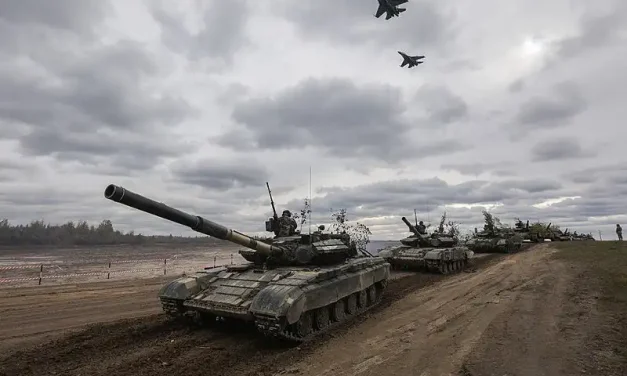
SCFR Online – Opinion: The Russia-Ukraine war and the war of the United States and the Israeli regime against Iran have been formed with different objectives and actors, but field and political developments indicate that they are not entirely separate from one another.

Loading

Top News

Aims of New Russian Foreign Policy Document, Its Challenges

Aims of New Russian Foreign Policy Document, Its Challenges

Strategic Council Online – Interview: The associate professor of international relations at the University of Tehran, while explaining Moscow’s targets and challenges in implementing its new foreign policy strategy document, said: Russia’s desire to shape the new structures and norms in the international system is not a simple task; meanwhile, in this case too, Moscow’s strategy has its contradictions.

Consequences of the Crisis in the Israeli Army

Consequences of the Crisis in the Israeli Army

Strategic Council Online – Opinion: In recent weeks, the Zionist regime has faced a “big and new crisis” within the military and security institutions, which is unprecedented and, according to some Zionist officials, “terrible.”
Hamid Khoshayand – Expert on regional affairs

Dimensions, Consequences, Prospects of Intl. Trade De-dollarization

Dimensions, Consequences, Prospects of Intl. Trade De-dollarization

Strategic Council Online – Opinion: The war in Ukraine and the imposition of 13,656 sanctions against Russia, as well as blocking half of that country’s foreign exchange reserves (300 billion dollars) in foreign banks, has intensified the incentive for different countries in the world, from Brazil to Southeast Asia to “de-dollarize” foreign trade.
Barsam Mohammadi – Expert on international affairs

Behind the scenes of the Zionist regime’s attacks on Syria

Behind the scenes of the Zionist regime’s attacks on Syria

Strategic Council Online—Opinion: Repeated missile attacks on Syria can have several goals, including maintaining the atmosphere of tension, measuring Syrian air defense systems and radars, supporting terrorists, etc., but the coincidence of these attacks with the internal crisis of the Zionist regime strengthens this hypothesis and proves that this regime has resorted to the policy of “exporting a severe internal crisis.”
Hamid Khoshayand—Expert in regional issues

Analysis of Causes for OPEC+ Decision to Cut Oil Production, Its Consequences

Analysis of Causes for OPEC+ Decision to Cut Oil Production, Its Consequences

Strategic Council Online – Interview: An expert on Saudi affairs stated that concerning the considerations the oil-producing countries had about the drop in oil prices, the decision to reduce supply by OPEC+ was probable. He added: Bin Salman, with bitter experiences in the past, emphasizes that the US should give special privileges to Saudi Arabia in exchange for lowering the price of oil, removing the pressure and considering the interests of that country.

Roles of Cyprus Peace Negotiations Players and its Future

Roles of Cyprus Peace Negotiations Players and its Future

Strategic Council Online – Opinion: During his two-day trip to Brussels and participation in the European Council meeting, Cypriot President Christodoulides evaluated the meeting with his European counterparts and some EU leaders positively and emphasized the greater involvement of the European Union in negotiations to solve the problem of Cyprus. Without going into the details of the road map for the resumption of Cyprus negotiations, he called for the European Union’s more assertive role. The European Union can provide initiatives and incentives to attract better Turkey’s positive stance to resolving Cyprus.
Mahmoud Fazeli – International Affairs analyst

Fields of Cooperation between Iran and Saudi

Fields of Cooperation between Iran and Saudi

Strategic Council Online – Guest Opinion: The normalization of relations between Tehran and Riyadh, despite several decades of tension in Iran-Saudi Arabia relations, has created new speculations about the prospects of ties between the two countries. Despite many controversial cases between Iran and Saudi Arabia, there are many fears and hopes about the results of the resumption of relations between Tehran and Riyadh and its effects and regional consequences. Still, with the current conditions, it seems that the drivers are effective in improving the atmosphere of cooperation between Iran and Saudi Arabia, and solving regional issues is stronger than the challenges and doubts in this regard.
Abbas Aslani – International affairs expert

A Glance at China-US Approach, Rivalry in Africa

A Glance at China-US Approach, Rivalry in Africa

Strategic Council Online – Interview: An analyst of international affairs emphasized: Under the current situation, the US is not able to compete with China in Africa, but if it can advance its long-term plan in the form of sanctions or a war of chips, it can shock and deal a blow on China’s position in Africa and also affect the economy of that country.

Strategic Consequences of Improved Ties with the Saudis

Strategic Consequences of Improved Ties with the Saudis

Strategic Council Online – Opinion: The agreement between the Islamic Republic of Iran and the Kingdom of Saudi Arabia to resume bilateral relations is West Asia’s most important political and diplomatic event.
Barsam Mohammadi – International affairs analyst

An analysis of the countermeasures of the Zionist regime against Moscow in approving the transfer of anti-drone systems to Ukraine

An analysis of the countermeasures of the Zionist regime against Moscow in approving the transfer of anti-drone systems to Ukraine

Strategic Council Online—Opinion: Relations between Russia and the Zionist regime have always accompanied many ups and downs. In some cases, cooperation and coordination and some cases, conflict and disagreement have defined the relations of the parties. This situation became more evident after the Ukrainian War. Although Tel Aviv tried to show some neutrality towards the war in Ukraine from the beginning, the talks of its military aid to Ukraine led to a wave of differences between Tel Aviv and Moscow.
Mohammad Javad Ghahremani—Expert in international issues

أحدث الوظائف

The Makkah Pact; Reasons for its Formation and Challenges Ahead

SCFR Online – Opinion: The Makkah Pact, signed between Saudi Arabia, Pakistan, and Turkey under the motto “an attack on one is an attack on all,” is viewed by some analysts less as a full-fledged military coalition and more as an attempt to reduce security dependence on an external power and to establish a regional security mechanism.
Implications of the US-Saudi Nuclear Agreement

SCFR Online – Opinion: The new US-Saudi nuclear agreement, despite legal and political ambiguities, could alter previous non-proliferation standards in West Asia and intensify nuclear competition, ushering it into a new phase.

An Analysis of Recent Turkey-Israeli Regime Tensions

SCFR Online – Opinion: Recent developments in Syria indicate an intensification of strategic rivalry between Turkey and the Israeli regime, but mutual considerations and the role of the United States have limited the likelihood of direct war.

Increasing criticism of the extensive Zionist lobby network

SCFR Online – Opinion: An examination of the mechanisms of the Israeli regime’s influence in the United States depicts a complex picture of shared interests, strategic dependencies, and the limitations of this relationship.

Realities of the Tripartite Makkah Pact

SCFR Online – Interview: The signing of the Makkah agreement between Saudi Arabia, Pakistan, and Turkey has raised questions about the future of the region’s security structure and the position of these countries in West Asian equations. Can this agreement become a genuine collective defense mechanism, or does it have more of a political and deterrent function than creating new military capacity?

Strategic Implications of the Reduction of US Weapons Stockpiles

SCFR Online – Opinion: The continuation of the US war against Iran, in addition to increasing operational costs, has called into question the actual capacity of the American arsenal to simultaneously fulfill security commitments on multiple fronts; an issue that affects deterrence, defense production capacity, and Washington’s resource prioritization.

The Formation of a New Order in Relations Between Powers

SCFR Online – Opinion: The Russia-Ukraine war and the war of the United States and the Israeli regime against Iran have been formed with different objectives and actors, but field and political developments indicate that they are not entirely separate from one another.

Loading

Top News

Aims of New Russian Foreign Policy Document, Its Challenges

Aims of New Russian Foreign Policy Document, Its Challenges

Strategic Council Online – Interview: The associate professor of international relations at the University of Tehran, while explaining Moscow’s targets and challenges in implementing its new foreign policy strategy document, said: Russia’s desire to shape the new structures and norms in the international system is not a simple task; meanwhile, in this case too, Moscow’s strategy has its contradictions.

Consequences of the Crisis in the Israeli Army

Consequences of the Crisis in the Israeli Army

Strategic Council Online – Opinion: In recent weeks, the Zionist regime has faced a “big and new crisis” within the military and security institutions, which is unprecedented and, according to some Zionist officials, “terrible.”
Hamid Khoshayand – Expert on regional affairs

Dimensions, Consequences, Prospects of Intl. Trade De-dollarization

Dimensions, Consequences, Prospects of Intl. Trade De-dollarization

Strategic Council Online – Opinion: The war in Ukraine and the imposition of 13,656 sanctions against Russia, as well as blocking half of that country’s foreign exchange reserves (300 billion dollars) in foreign banks, has intensified the incentive for different countries in the world, from Brazil to Southeast Asia to “de-dollarize” foreign trade.
Barsam Mohammadi – Expert on international affairs

Behind the scenes of the Zionist regime’s attacks on Syria

Behind the scenes of the Zionist regime’s attacks on Syria

Strategic Council Online—Opinion: Repeated missile attacks on Syria can have several goals, including maintaining the atmosphere of tension, measuring Syrian air defense systems and radars, supporting terrorists, etc., but the coincidence of these attacks with the internal crisis of the Zionist regime strengthens this hypothesis and proves that this regime has resorted to the policy of “exporting a severe internal crisis.”
Hamid Khoshayand—Expert in regional issues

Analysis of Causes for OPEC+ Decision to Cut Oil Production, Its Consequences

Analysis of Causes for OPEC+ Decision to Cut Oil Production, Its Consequences

Strategic Council Online – Interview: An expert on Saudi affairs stated that concerning the considerations the oil-producing countries had about the drop in oil prices, the decision to reduce supply by OPEC+ was probable. He added: Bin Salman, with bitter experiences in the past, emphasizes that the US should give special privileges to Saudi Arabia in exchange for lowering the price of oil, removing the pressure and considering the interests of that country.

Roles of Cyprus Peace Negotiations Players and its Future

Roles of Cyprus Peace Negotiations Players and its Future

Strategic Council Online – Opinion: During his two-day trip to Brussels and participation in the European Council meeting, Cypriot President Christodoulides evaluated the meeting with his European counterparts and some EU leaders positively and emphasized the greater involvement of the European Union in negotiations to solve the problem of Cyprus. Without going into the details of the road map for the resumption of Cyprus negotiations, he called for the European Union’s more assertive role. The European Union can provide initiatives and incentives to attract better Turkey’s positive stance to resolving Cyprus.
Mahmoud Fazeli – International Affairs analyst

Fields of Cooperation between Iran and Saudi

Fields of Cooperation between Iran and Saudi

Strategic Council Online – Guest Opinion: The normalization of relations between Tehran and Riyadh, despite several decades of tension in Iran-Saudi Arabia relations, has created new speculations about the prospects of ties between the two countries. Despite many controversial cases between Iran and Saudi Arabia, there are many fears and hopes about the results of the resumption of relations between Tehran and Riyadh and its effects and regional consequences. Still, with the current conditions, it seems that the drivers are effective in improving the atmosphere of cooperation between Iran and Saudi Arabia, and solving regional issues is stronger than the challenges and doubts in this regard.
Abbas Aslani – International affairs expert

A Glance at China-US Approach, Rivalry in Africa

A Glance at China-US Approach, Rivalry in Africa

Strategic Council Online – Interview: An analyst of international affairs emphasized: Under the current situation, the US is not able to compete with China in Africa, but if it can advance its long-term plan in the form of sanctions or a war of chips, it can shock and deal a blow on China’s position in Africa and also affect the economy of that country.

Strategic Consequences of Improved Ties with the Saudis

Strategic Consequences of Improved Ties with the Saudis

Strategic Council Online – Opinion: The agreement between the Islamic Republic of Iran and the Kingdom of Saudi Arabia to resume bilateral relations is West Asia’s most important political and diplomatic event.
Barsam Mohammadi – International affairs analyst

An analysis of the countermeasures of the Zionist regime against Moscow in approving the transfer of anti-drone systems to Ukraine

An analysis of the countermeasures of the Zionist regime against Moscow in approving the transfer of anti-drone systems to Ukraine

Strategic Council Online—Opinion: Relations between Russia and the Zionist regime have always accompanied many ups and downs. In some cases, cooperation and coordination and some cases, conflict and disagreement have defined the relations of the parties. This situation became more evident after the Ukrainian War. Although Tel Aviv tried to show some neutrality towards the war in Ukraine from the beginning, the talks of its military aid to Ukraine led to a wave of differences between Tel Aviv and Moscow.
Mohammad Javad Ghahremani—Expert in international issues

Top News

Aims of New Russian Foreign Policy Document, Its Challenges

Aims of New Russian Foreign Policy Document, Its Challenges

Strategic Council Online – Interview: The associate professor of international relations at the University of Tehran, while explaining Moscow’s targets and challenges in implementing its new foreign policy strategy document, said: Russia’s desire to shape the new structures and norms in the international system is not a simple task; meanwhile, in this case too, Moscow’s strategy has its contradictions.

Consequences of the Crisis in the Israeli Army

Consequences of the Crisis in the Israeli Army

Strategic Council Online – Opinion: In recent weeks, the Zionist regime has faced a “big and new crisis” within the military and security institutions, which is unprecedented and, according to some Zionist officials, “terrible.”
Hamid Khoshayand – Expert on regional affairs

Dimensions, Consequences, Prospects of Intl. Trade De-dollarization

Dimensions, Consequences, Prospects of Intl. Trade De-dollarization

Strategic Council Online – Opinion: The war in Ukraine and the imposition of 13,656 sanctions against Russia, as well as blocking half of that country’s foreign exchange reserves (300 billion dollars) in foreign banks, has intensified the incentive for different countries in the world, from Brazil to Southeast Asia to “de-dollarize” foreign trade.
Barsam Mohammadi – Expert on international affairs

Behind the scenes of the Zionist regime’s attacks on Syria

Behind the scenes of the Zionist regime’s attacks on Syria

Strategic Council Online—Opinion: Repeated missile attacks on Syria can have several goals, including maintaining the atmosphere of tension, measuring Syrian air defense systems and radars, supporting terrorists, etc., but the coincidence of these attacks with the internal crisis of the Zionist regime strengthens this hypothesis and proves that this regime has resorted to the policy of “exporting a severe internal crisis.”
Hamid Khoshayand—Expert in regional issues

Analysis of Causes for OPEC+ Decision to Cut Oil Production, Its Consequences

Analysis of Causes for OPEC+ Decision to Cut Oil Production, Its Consequences

Strategic Council Online – Interview: An expert on Saudi affairs stated that concerning the considerations the oil-producing countries had about the drop in oil prices, the decision to reduce supply by OPEC+ was probable. He added: Bin Salman, with bitter experiences in the past, emphasizes that the US should give special privileges to Saudi Arabia in exchange for lowering the price of oil, removing the pressure and considering the interests of that country.

Roles of Cyprus Peace Negotiations Players and its Future

Roles of Cyprus Peace Negotiations Players and its Future

Strategic Council Online – Opinion: During his two-day trip to Brussels and participation in the European Council meeting, Cypriot President Christodoulides evaluated the meeting with his European counterparts and some EU leaders positively and emphasized the greater involvement of the European Union in negotiations to solve the problem of Cyprus. Without going into the details of the road map for the resumption of Cyprus negotiations, he called for the European Union’s more assertive role. The European Union can provide initiatives and incentives to attract better Turkey’s positive stance to resolving Cyprus.
Mahmoud Fazeli – International Affairs analyst

Fields of Cooperation between Iran and Saudi

Fields of Cooperation between Iran and Saudi

Strategic Council Online – Guest Opinion: The normalization of relations between Tehran and Riyadh, despite several decades of tension in Iran-Saudi Arabia relations, has created new speculations about the prospects of ties between the two countries. Despite many controversial cases between Iran and Saudi Arabia, there are many fears and hopes about the results of the resumption of relations between Tehran and Riyadh and its effects and regional consequences. Still, with the current conditions, it seems that the drivers are effective in improving the atmosphere of cooperation between Iran and Saudi Arabia, and solving regional issues is stronger than the challenges and doubts in this regard.
Abbas Aslani – International affairs expert

A Glance at China-US Approach, Rivalry in Africa

A Glance at China-US Approach, Rivalry in Africa

Strategic Council Online – Interview: An analyst of international affairs emphasized: Under the current situation, the US is not able to compete with China in Africa, but if it can advance its long-term plan in the form of sanctions or a war of chips, it can shock and deal a blow on China’s position in Africa and also affect the economy of that country.

Strategic Consequences of Improved Ties with the Saudis

Strategic Consequences of Improved Ties with the Saudis

Strategic Council Online – Opinion: The agreement between the Islamic Republic of Iran and the Kingdom of Saudi Arabia to resume bilateral relations is West Asia’s most important political and diplomatic event.
Barsam Mohammadi – International affairs analyst

An analysis of the countermeasures of the Zionist regime against Moscow in approving the transfer of anti-drone systems to Ukraine

An analysis of the countermeasures of the Zionist regime against Moscow in approving the transfer of anti-drone systems to Ukraine

Strategic Council Online—Opinion: Relations between Russia and the Zionist regime have always accompanied many ups and downs. In some cases, cooperation and coordination and some cases, conflict and disagreement have defined the relations of the parties. This situation became more evident after the Ukrainian War. Although Tel Aviv tried to show some neutrality towards the war in Ukraine from the beginning, the talks of its military aid to Ukraine led to a wave of differences between Tel Aviv and Moscow.
Mohammad Javad Ghahremani—Expert in international issues

LATEST CONTENT

The Makkah Pact; Reasons for its Formation and Challenges Ahead

SCFR Online – Opinion: The Makkah Pact, signed between Saudi Arabia, Pakistan, and Turkey under the motto “an attack on one is an attack on all,” is viewed by some analysts less as a full-fledged military coalition and more as an attempt to reduce security dependence on an external power and to establish a regional security mechanism.

Implications of the US-Saudi Nuclear Agreement

SCFR Online – Opinion: The new US-Saudi nuclear agreement, despite legal and political ambiguities, could alter previous non-proliferation standards in West Asia and intensify nuclear competition, ushering it into a new phase.

An Analysis of Recent Turkey-Israeli Regime Tensions

SCFR Online – Opinion: Recent developments in Syria indicate an intensification of strategic rivalry between Turkey and the Israeli regime, but mutual considerations and the role of the United States have limited the likelihood of direct war.

Increasing criticism of the extensive Zionist lobby network

SCFR Online – Opinion: An examination of the mechanisms of the Israeli regime’s influence in the United States depicts a complex picture of shared interests, strategic dependencies, and the limitations of this relationship.

Realities of the Tripartite Makkah Pact

SCFR Online – Interview: The signing of the Makkah agreement between Saudi Arabia, Pakistan, and Turkey has raised questions about the future of the region’s security structure and the position of these countries in West Asian equations. Can this agreement become a genuine collective defense mechanism, or does it have more of a political and deterrent function than creating new military capacity?

Strategic Implications of the Reduction of US Weapons Stockpiles

SCFR Online – Opinion: The continuation of the US war against Iran, in addition to increasing operational costs, has called into question the actual capacity of the American arsenal to simultaneously fulfill security commitments on multiple fronts; an issue that affects deterrence, defense production capacity, and Washington’s resource prioritization.

The Formation of a New Order in Relations Between Powers

SCFR Online – Opinion: The Russia-Ukraine war and the war of the United States and the Israeli regime against Iran have been formed with different objectives and actors, but field and political developments indicate that they are not entirely separate from one another.

Loading

Top News

Aims of New Russian Foreign Policy Document, Its Challenges

Aims of New Russian Foreign Policy Document, Its Challenges

Strategic Council Online – Interview: The associate professor of international relations at the University of Tehran, while explaining Moscow’s targets and challenges in implementing its new foreign policy strategy document, said: Russia’s desire to shape the new structures and norms in the international system is not a simple task; meanwhile, in this case too, Moscow’s strategy has its contradictions.

Consequences of the Crisis in the Israeli Army

Consequences of the Crisis in the Israeli Army

Strategic Council Online – Opinion: In recent weeks, the Zionist regime has faced a “big and new crisis” within the military and security institutions, which is unprecedented and, according to some Zionist officials, “terrible.”
Hamid Khoshayand – Expert on regional affairs

Dimensions, Consequences, Prospects of Intl. Trade De-dollarization

Dimensions, Consequences, Prospects of Intl. Trade De-dollarization

Strategic Council Online – Opinion: The war in Ukraine and the imposition of 13,656 sanctions against Russia, as well as blocking half of that country’s foreign exchange reserves (300 billion dollars) in foreign banks, has intensified the incentive for different countries in the world, from Brazil to Southeast Asia to “de-dollarize” foreign trade.
Barsam Mohammadi – Expert on international affairs

Behind the scenes of the Zionist regime’s attacks on Syria

Behind the scenes of the Zionist regime’s attacks on Syria

Strategic Council Online—Opinion: Repeated missile attacks on Syria can have several goals, including maintaining the atmosphere of tension, measuring Syrian air defense systems and radars, supporting terrorists, etc., but the coincidence of these attacks with the internal crisis of the Zionist regime strengthens this hypothesis and proves that this regime has resorted to the policy of “exporting a severe internal crisis.”
Hamid Khoshayand—Expert in regional issues

Analysis of Causes for OPEC+ Decision to Cut Oil Production, Its Consequences

Analysis of Causes for OPEC+ Decision to Cut Oil Production, Its Consequences

Strategic Council Online – Interview: An expert on Saudi affairs stated that concerning the considerations the oil-producing countries had about the drop in oil prices, the decision to reduce supply by OPEC+ was probable. He added: Bin Salman, with bitter experiences in the past, emphasizes that the US should give special privileges to Saudi Arabia in exchange for lowering the price of oil, removing the pressure and considering the interests of that country.

Roles of Cyprus Peace Negotiations Players and its Future

Roles of Cyprus Peace Negotiations Players and its Future

Strategic Council Online – Opinion: During his two-day trip to Brussels and participation in the European Council meeting, Cypriot President Christodoulides evaluated the meeting with his European counterparts and some EU leaders positively and emphasized the greater involvement of the European Union in negotiations to solve the problem of Cyprus. Without going into the details of the road map for the resumption of Cyprus negotiations, he called for the European Union’s more assertive role. The European Union can provide initiatives and incentives to attract better Turkey’s positive stance to resolving Cyprus.
Mahmoud Fazeli – International Affairs analyst

Fields of Cooperation between Iran and Saudi

Fields of Cooperation between Iran and Saudi

Strategic Council Online – Guest Opinion: The normalization of relations between Tehran and Riyadh, despite several decades of tension in Iran-Saudi Arabia relations, has created new speculations about the prospects of ties between the two countries. Despite many controversial cases between Iran and Saudi Arabia, there are many fears and hopes about the results of the resumption of relations between Tehran and Riyadh and its effects and regional consequences. Still, with the current conditions, it seems that the drivers are effective in improving the atmosphere of cooperation between Iran and Saudi Arabia, and solving regional issues is stronger than the challenges and doubts in this regard.
Abbas Aslani – International affairs expert

A Glance at China-US Approach, Rivalry in Africa

A Glance at China-US Approach, Rivalry in Africa

Strategic Council Online – Interview: An analyst of international affairs emphasized: Under the current situation, the US is not able to compete with China in Africa, but if it can advance its long-term plan in the form of sanctions or a war of chips, it can shock and deal a blow on China’s position in Africa and also affect the economy of that country.

Strategic Consequences of Improved Ties with the Saudis

Strategic Consequences of Improved Ties with the Saudis

Strategic Council Online – Opinion: The agreement between the Islamic Republic of Iran and the Kingdom of Saudi Arabia to resume bilateral relations is West Asia’s most important political and diplomatic event.
Barsam Mohammadi – International affairs analyst

An analysis of the countermeasures of the Zionist regime against Moscow in approving the transfer of anti-drone systems to Ukraine

An analysis of the countermeasures of the Zionist regime against Moscow in approving the transfer of anti-drone systems to Ukraine

Strategic Council Online—Opinion: Relations between Russia and the Zionist regime have always accompanied many ups and downs. In some cases, cooperation and coordination and some cases, conflict and disagreement have defined the relations of the parties. This situation became more evident after the Ukrainian War. Although Tel Aviv tried to show some neutrality towards the war in Ukraine from the beginning, the talks of its military aid to Ukraine led to a wave of differences between Tel Aviv and Moscow.
Mohammad Javad Ghahremani—Expert in international issues

ÚLTIMAS PUBLICACIONES

The Makkah Pact; Reasons for its Formation and Challenges Ahead

SCFR Online – Opinion: The Makkah Pact, signed between Saudi Arabia, Pakistan, and Turkey under the motto “an attack on one is an attack on all,” is viewed by some analysts less as a full-fledged military coalition and more as an attempt to reduce security dependence on an external power and to establish a regional security mechanism.
Implications of the US-Saudi Nuclear Agreement

SCFR Online – Opinion: The new US-Saudi nuclear agreement, despite legal and political ambiguities, could alter previous non-proliferation standards in West Asia and intensify nuclear competition, ushering it into a new phase.

An Analysis of Recent Turkey-Israeli Regime Tensions

SCFR Online – Opinion: Recent developments in Syria indicate an intensification of strategic rivalry between Turkey and the Israeli regime, but mutual considerations and the role of the United States have limited the likelihood of direct war.

Increasing criticism of the extensive Zionist lobby network

SCFR Online – Opinion: An examination of the mechanisms of the Israeli regime’s influence in the United States depicts a complex picture of shared interests, strategic dependencies, and the limitations of this relationship.

Realities of the Tripartite Makkah Pact

SCFR Online – Interview: The signing of the Makkah agreement between Saudi Arabia, Pakistan, and Turkey has raised questions about the future of the region’s security structure and the position of these countries in West Asian equations. Can this agreement become a genuine collective defense mechanism, or does it have more of a political and deterrent function than creating new military capacity?

Strategic Implications of the Reduction of US Weapons Stockpiles

SCFR Online – Opinion: The continuation of the US war against Iran, in addition to increasing operational costs, has called into question the actual capacity of the American arsenal to simultaneously fulfill security commitments on multiple fronts; an issue that affects deterrence, defense production capacity, and Washington’s resource prioritization.

The Formation of a New Order in Relations Between Powers

SCFR Online – Opinion: The Russia-Ukraine war and the war of the United States and the Israeli regime against Iran have been formed with different objectives and actors, but field and political developments indicate that they are not entirely separate from one another.

Loading

Top News

Aims of New Russian Foreign Policy Document, Its Challenges

Aims of New Russian Foreign Policy Document, Its Challenges

Strategic Council Online – Interview: The associate professor of international relations at the University of Tehran, while explaining Moscow’s targets and challenges in implementing its new foreign policy strategy document, said: Russia’s desire to shape the new structures and norms in the international system is not a simple task; meanwhile, in this case too, Moscow’s strategy has its contradictions.

Consequences of the Crisis in the Israeli Army

Consequences of the Crisis in the Israeli Army

Strategic Council Online – Opinion: In recent weeks, the Zionist regime has faced a “big and new crisis” within the military and security institutions, which is unprecedented and, according to some Zionist officials, “terrible.”
Hamid Khoshayand – Expert on regional affairs

Dimensions, Consequences, Prospects of Intl. Trade De-dollarization

Dimensions, Consequences, Prospects of Intl. Trade De-dollarization

Strategic Council Online – Opinion: The war in Ukraine and the imposition of 13,656 sanctions against Russia, as well as blocking half of that country’s foreign exchange reserves (300 billion dollars) in foreign banks, has intensified the incentive for different countries in the world, from Brazil to Southeast Asia to “de-dollarize” foreign trade.
Barsam Mohammadi – Expert on international affairs

Behind the scenes of the Zionist regime’s attacks on Syria

Behind the scenes of the Zionist regime’s attacks on Syria

Strategic Council Online—Opinion: Repeated missile attacks on Syria can have several goals, including maintaining the atmosphere of tension, measuring Syrian air defense systems and radars, supporting terrorists, etc., but the coincidence of these attacks with the internal crisis of the Zionist regime strengthens this hypothesis and proves that this regime has resorted to the policy of “exporting a severe internal crisis.”
Hamid Khoshayand—Expert in regional issues

Analysis of Causes for OPEC+ Decision to Cut Oil Production, Its Consequences

Analysis of Causes for OPEC+ Decision to Cut Oil Production, Its Consequences

Strategic Council Online – Interview: An expert on Saudi affairs stated that concerning the considerations the oil-producing countries had about the drop in oil prices, the decision to reduce supply by OPEC+ was probable. He added: Bin Salman, with bitter experiences in the past, emphasizes that the US should give special privileges to Saudi Arabia in exchange for lowering the price of oil, removing the pressure and considering the interests of that country.

Roles of Cyprus Peace Negotiations Players and its Future

Roles of Cyprus Peace Negotiations Players and its Future

Strategic Council Online – Opinion: During his two-day trip to Brussels and participation in the European Council meeting, Cypriot President Christodoulides evaluated the meeting with his European counterparts and some EU leaders positively and emphasized the greater involvement of the European Union in negotiations to solve the problem of Cyprus. Without going into the details of the road map for the resumption of Cyprus negotiations, he called for the European Union’s more assertive role. The European Union can provide initiatives and incentives to attract better Turkey’s positive stance to resolving Cyprus.
Mahmoud Fazeli – International Affairs analyst

Fields of Cooperation between Iran and Saudi

Fields of Cooperation between Iran and Saudi

Strategic Council Online – Guest Opinion: The normalization of relations between Tehran and Riyadh, despite several decades of tension in Iran-Saudi Arabia relations, has created new speculations about the prospects of ties between the two countries. Despite many controversial cases between Iran and Saudi Arabia, there are many fears and hopes about the results of the resumption of relations between Tehran and Riyadh and its effects and regional consequences. Still, with the current conditions, it seems that the drivers are effective in improving the atmosphere of cooperation between Iran and Saudi Arabia, and solving regional issues is stronger than the challenges and doubts in this regard.
Abbas Aslani – International affairs expert

A Glance at China-US Approach, Rivalry in Africa

A Glance at China-US Approach, Rivalry in Africa

Strategic Council Online – Interview: An analyst of international affairs emphasized: Under the current situation, the US is not able to compete with China in Africa, but if it can advance its long-term plan in the form of sanctions or a war of chips, it can shock and deal a blow on China’s position in Africa and also affect the economy of that country.

Strategic Consequences of Improved Ties with the Saudis

Strategic Consequences of Improved Ties with the Saudis

Strategic Council Online – Opinion: The agreement between the Islamic Republic of Iran and the Kingdom of Saudi Arabia to resume bilateral relations is West Asia’s most important political and diplomatic event.
Barsam Mohammadi – International affairs analyst

An analysis of the countermeasures of the Zionist regime against Moscow in approving the transfer of anti-drone systems to Ukraine

An analysis of the countermeasures of the Zionist regime against Moscow in approving the transfer of anti-drone systems to Ukraine

Strategic Council Online—Opinion: Relations between Russia and the Zionist regime have always accompanied many ups and downs. In some cases, cooperation and coordination and some cases, conflict and disagreement have defined the relations of the parties. This situation became more evident after the Ukrainian War. Although Tel Aviv tried to show some neutrality towards the war in Ukraine from the beginning, the talks of its military aid to Ukraine led to a wave of differences between Tel Aviv and Moscow.
Mohammad Javad Ghahremani—Expert in international issues

ÚLTIMAS PUBLICACIONES

The Makkah Pact; Reasons for its Formation and Challenges Ahead

SCFR Online – Opinion: The Makkah Pact, signed between Saudi Arabia, Pakistan, and Turkey under the motto “an attack on one is an attack on all,” is viewed by some analysts less as a full-fledged military coalition and more as an attempt to reduce security dependence on an external power and to establish a regional security mechanism.
Implications of the US-Saudi Nuclear Agreement

SCFR Online – Opinion: The new US-Saudi nuclear agreement, despite legal and political ambiguities, could alter previous non-proliferation standards in West Asia and intensify nuclear competition, ushering it into a new phase.

An Analysis of Recent Turkey-Israeli Regime Tensions

SCFR Online – Opinion: Recent developments in Syria indicate an intensification of strategic rivalry between Turkey and the Israeli regime, but mutual considerations and the role of the United States have limited the likelihood of direct war.

Increasing criticism of the extensive Zionist lobby network

SCFR Online – Opinion: An examination of the mechanisms of the Israeli regime’s influence in the United States depicts a complex picture of shared interests, strategic dependencies, and the limitations of this relationship.

Realities of the Tripartite Makkah Pact

SCFR Online – Interview: The signing of the Makkah agreement between Saudi Arabia, Pakistan, and Turkey has raised questions about the future of the region’s security structure and the position of these countries in West Asian equations. Can this agreement become a genuine collective defense mechanism, or does it have more of a political and deterrent function than creating new military capacity?

Strategic Implications of the Reduction of US Weapons Stockpiles

SCFR Online – Opinion: The continuation of the US war against Iran, in addition to increasing operational costs, has called into question the actual capacity of the American arsenal to simultaneously fulfill security commitments on multiple fronts; an issue that affects deterrence, defense production capacity, and Washington’s resource prioritization.

The Formation of a New Order in Relations Between Powers

SCFR Online – Opinion: The Russia-Ukraine war and the war of the United States and the Israeli regime against Iran have been formed with different objectives and actors, but field and political developments indicate that they are not entirely separate from one another.

Loading

Top News

Aims of New Russian Foreign Policy Document, Its Challenges

Aims of New Russian Foreign Policy Document, Its Challenges

Strategic Council Online – Interview: The associate professor of international relations at the University of Tehran, while explaining Moscow’s targets and challenges in implementing its new foreign policy strategy document, said: Russia’s desire to shape the new structures and norms in the international system is not a simple task; meanwhile, in this case too, Moscow’s strategy has its contradictions.

Consequences of the Crisis in the Israeli Army

Consequences of the Crisis in the Israeli Army

Strategic Council Online – Opinion: In recent weeks, the Zionist regime has faced a “big and new crisis” within the military and security institutions, which is unprecedented and, according to some Zionist officials, “terrible.”
Hamid Khoshayand – Expert on regional affairs

Dimensions, Consequences, Prospects of Intl. Trade De-dollarization

Dimensions, Consequences, Prospects of Intl. Trade De-dollarization

Strategic Council Online – Opinion: The war in Ukraine and the imposition of 13,656 sanctions against Russia, as well as blocking half of that country’s foreign exchange reserves (300 billion dollars) in foreign banks, has intensified the incentive for different countries in the world, from Brazil to Southeast Asia to “de-dollarize” foreign trade.
Barsam Mohammadi – Expert on international affairs

Behind the scenes of the Zionist regime’s attacks on Syria

Behind the scenes of the Zionist regime’s attacks on Syria

Strategic Council Online—Opinion: Repeated missile attacks on Syria can have several goals, including maintaining the atmosphere of tension, measuring Syrian air defense systems and radars, supporting terrorists, etc., but the coincidence of these attacks with the internal crisis of the Zionist regime strengthens this hypothesis and proves that this regime has resorted to the policy of “exporting a severe internal crisis.”
Hamid Khoshayand—Expert in regional issues

Analysis of Causes for OPEC+ Decision to Cut Oil Production, Its Consequences

Analysis of Causes for OPEC+ Decision to Cut Oil Production, Its Consequences

Strategic Council Online – Interview: An expert on Saudi affairs stated that concerning the considerations the oil-producing countries had about the drop in oil prices, the decision to reduce supply by OPEC+ was probable. He added: Bin Salman, with bitter experiences in the past, emphasizes that the US should give special privileges to Saudi Arabia in exchange for lowering the price of oil, removing the pressure and considering the interests of that country.

Roles of Cyprus Peace Negotiations Players and its Future

Roles of Cyprus Peace Negotiations Players and its Future

Strategic Council Online – Opinion: During his two-day trip to Brussels and participation in the European Council meeting, Cypriot President Christodoulides evaluated the meeting with his European counterparts and some EU leaders positively and emphasized the greater involvement of the European Union in negotiations to solve the problem of Cyprus. Without going into the details of the road map for the resumption of Cyprus negotiations, he called for the European Union’s more assertive role. The European Union can provide initiatives and incentives to attract better Turkey’s positive stance to resolving Cyprus.
Mahmoud Fazeli – International Affairs analyst

Fields of Cooperation between Iran and Saudi

Fields of Cooperation between Iran and Saudi

Strategic Council Online – Guest Opinion: The normalization of relations between Tehran and Riyadh, despite several decades of tension in Iran-Saudi Arabia relations, has created new speculations about the prospects of ties between the two countries. Despite many controversial cases between Iran and Saudi Arabia, there are many fears and hopes about the results of the resumption of relations between Tehran and Riyadh and its effects and regional consequences. Still, with the current conditions, it seems that the drivers are effective in improving the atmosphere of cooperation between Iran and Saudi Arabia, and solving regional issues is stronger than the challenges and doubts in this regard.
Abbas Aslani – International affairs expert

A Glance at China-US Approach, Rivalry in Africa

A Glance at China-US Approach, Rivalry in Africa

Strategic Council Online – Interview: An analyst of international affairs emphasized: Under the current situation, the US is not able to compete with China in Africa, but if it can advance its long-term plan in the form of sanctions or a war of chips, it can shock and deal a blow on China’s position in Africa and also affect the economy of that country.

Strategic Consequences of Improved Ties with the Saudis

Strategic Consequences of Improved Ties with the Saudis

Strategic Council Online – Opinion: The agreement between the Islamic Republic of Iran and the Kingdom of Saudi Arabia to resume bilateral relations is West Asia’s most important political and diplomatic event.
Barsam Mohammadi – International affairs analyst

An analysis of the countermeasures of the Zionist regime against Moscow in approving the transfer of anti-drone systems to Ukraine

An analysis of the countermeasures of the Zionist regime against Moscow in approving the transfer of anti-drone systems to Ukraine

Strategic Council Online—Opinion: Relations between Russia and the Zionist regime have always accompanied many ups and downs. In some cases, cooperation and coordination and some cases, conflict and disagreement have defined the relations of the parties. This situation became more evident after the Ukrainian War. Although Tel Aviv tried to show some neutrality towards the war in Ukraine from the beginning, the talks of its military aid to Ukraine led to a wave of differences between Tel Aviv and Moscow.
Mohammad Javad Ghahremani—Expert in international issues

ÚLTIMAS PUBLICACIONES

The Makkah Pact; Reasons for its Formation and Challenges Ahead

SCFR Online – Opinion: The Makkah Pact, signed between Saudi Arabia, Pakistan, and Turkey under the motto “an attack on one is an attack on all,” is viewed by some analysts less as a full-fledged military coalition and more as an attempt to reduce security dependence on an external power and to establish a regional security mechanism.
Implications of the US-Saudi Nuclear Agreement

SCFR Online – Opinion: The new US-Saudi nuclear agreement, despite legal and political ambiguities, could alter previous non-proliferation standards in West Asia and intensify nuclear competition, ushering it into a new phase.

An Analysis of Recent Turkey-Israeli Regime Tensions

SCFR Online – Opinion: Recent developments in Syria indicate an intensification of strategic rivalry between Turkey and the Israeli regime, but mutual considerations and the role of the United States have limited the likelihood of direct war.

Increasing criticism of the extensive Zionist lobby network

SCFR Online – Opinion: An examination of the mechanisms of the Israeli regime’s influence in the United States depicts a complex picture of shared interests, strategic dependencies, and the limitations of this relationship.

Realities of the Tripartite Makkah Pact

SCFR Online – Interview: The signing of the Makkah agreement between Saudi Arabia, Pakistan, and Turkey has raised questions about the future of the region’s security structure and the position of these countries in West Asian equations. Can this agreement become a genuine collective defense mechanism, or does it have more of a political and deterrent function than creating new military capacity?

Strategic Implications of the Reduction of US Weapons Stockpiles

SCFR Online – Opinion: The continuation of the US war against Iran, in addition to increasing operational costs, has called into question the actual capacity of the American arsenal to simultaneously fulfill security commitments on multiple fronts; an issue that affects deterrence, defense production capacity, and Washington’s resource prioritization.

The Formation of a New Order in Relations Between Powers

SCFR Online – Opinion: The Russia-Ukraine war and the war of the United States and the Israeli regime against Iran have been formed with different objectives and actors, but field and political developments indicate that they are not entirely separate from one another.

Loading

Top News

Aims of New Russian Foreign Policy Document, Its Challenges

Aims of New Russian Foreign Policy Document, Its Challenges

Strategic Council Online – Interview: The associate professor of international relations at the University of Tehran, while explaining Moscow’s targets and challenges in implementing its new foreign policy strategy document, said: Russia’s desire to shape the new structures and norms in the international system is not a simple task; meanwhile, in this case too, Moscow’s strategy has its contradictions.

Consequences of the Crisis in the Israeli Army

Consequences of the Crisis in the Israeli Army

Strategic Council Online – Opinion: In recent weeks, the Zionist regime has faced a “big and new crisis” within the military and security institutions, which is unprecedented and, according to some Zionist officials, “terrible.”
Hamid Khoshayand – Expert on regional affairs

Dimensions, Consequences, Prospects of Intl. Trade De-dollarization

Dimensions, Consequences, Prospects of Intl. Trade De-dollarization

Strategic Council Online – Opinion: The war in Ukraine and the imposition of 13,656 sanctions against Russia, as well as blocking half of that country’s foreign exchange reserves (300 billion dollars) in foreign banks, has intensified the incentive for different countries in the world, from Brazil to Southeast Asia to “de-dollarize” foreign trade.
Barsam Mohammadi – Expert on international affairs

Behind the scenes of the Zionist regime’s attacks on Syria

Behind the scenes of the Zionist regime’s attacks on Syria

Strategic Council Online—Opinion: Repeated missile attacks on Syria can have several goals, including maintaining the atmosphere of tension, measuring Syrian air defense systems and radars, supporting terrorists, etc., but the coincidence of these attacks with the internal crisis of the Zionist regime strengthens this hypothesis and proves that this regime has resorted to the policy of “exporting a severe internal crisis.”
Hamid Khoshayand—Expert in regional issues

Analysis of Causes for OPEC+ Decision to Cut Oil Production, Its Consequences

Analysis of Causes for OPEC+ Decision to Cut Oil Production, Its Consequences

Strategic Council Online – Interview: An expert on Saudi affairs stated that concerning the considerations the oil-producing countries had about the drop in oil prices, the decision to reduce supply by OPEC+ was probable. He added: Bin Salman, with bitter experiences in the past, emphasizes that the US should give special privileges to Saudi Arabia in exchange for lowering the price of oil, removing the pressure and considering the interests of that country.

Roles of Cyprus Peace Negotiations Players and its Future

Roles of Cyprus Peace Negotiations Players and its Future

Strategic Council Online – Opinion: During his two-day trip to Brussels and participation in the European Council meeting, Cypriot President Christodoulides evaluated the meeting with his European counterparts and some EU leaders positively and emphasized the greater involvement of the European Union in negotiations to solve the problem of Cyprus. Without going into the details of the road map for the resumption of Cyprus negotiations, he called for the European Union’s more assertive role. The European Union can provide initiatives and incentives to attract better Turkey’s positive stance to resolving Cyprus.
Mahmoud Fazeli – International Affairs analyst

Fields of Cooperation between Iran and Saudi

Fields of Cooperation between Iran and Saudi

Strategic Council Online – Guest Opinion: The normalization of relations between Tehran and Riyadh, despite several decades of tension in Iran-Saudi Arabia relations, has created new speculations about the prospects of ties between the two countries. Despite many controversial cases between Iran and Saudi Arabia, there are many fears and hopes about the results of the resumption of relations between Tehran and Riyadh and its effects and regional consequences. Still, with the current conditions, it seems that the drivers are effective in improving the atmosphere of cooperation between Iran and Saudi Arabia, and solving regional issues is stronger than the challenges and doubts in this regard.
Abbas Aslani – International affairs expert

A Glance at China-US Approach, Rivalry in Africa

A Glance at China-US Approach, Rivalry in Africa

Strategic Council Online – Interview: An analyst of international affairs emphasized: Under the current situation, the US is not able to compete with China in Africa, but if it can advance its long-term plan in the form of sanctions or a war of chips, it can shock and deal a blow on China’s position in Africa and also affect the economy of that country.

Strategic Consequences of Improved Ties with the Saudis

Strategic Consequences of Improved Ties with the Saudis

Strategic Council Online – Opinion: The agreement between the Islamic Republic of Iran and the Kingdom of Saudi Arabia to resume bilateral relations is West Asia’s most important political and diplomatic event.
Barsam Mohammadi – International affairs analyst

An analysis of the countermeasures of the Zionist regime against Moscow in approving the transfer of anti-drone systems to Ukraine

An analysis of the countermeasures of the Zionist regime against Moscow in approving the transfer of anti-drone systems to Ukraine

Strategic Council Online—Opinion: Relations between Russia and the Zionist regime have always accompanied many ups and downs. In some cases, cooperation and coordination and some cases, conflict and disagreement have defined the relations of the parties. This situation became more evident after the Ukrainian War. Although Tel Aviv tried to show some neutrality towards the war in Ukraine from the beginning, the talks of its military aid to Ukraine led to a wave of differences between Tel Aviv and Moscow.
Mohammad Javad Ghahremani—Expert in international issues

ÚLTIMAS PUBLICACIONES

The Makkah Pact; Reasons for its Formation and Challenges Ahead

SCFR Online – Opinion: The Makkah Pact, signed between Saudi Arabia, Pakistan, and Turkey under the motto “an attack on one is an attack on all,” is viewed by some analysts less as a full-fledged military coalition and more as an attempt to reduce security dependence on an external power and to establish a regional security mechanism.

Implications of the US-Saudi Nuclear Agreement

SCFR Online – Opinion: The new US-Saudi nuclear agreement, despite legal and political ambiguities, could alter previous non-proliferation standards in West Asia and intensify nuclear competition, ushering it into a new phase.

An Analysis of Recent Turkey-Israeli Regime Tensions

SCFR Online – Opinion: Recent developments in Syria indicate an intensification of strategic rivalry between Turkey and the Israeli regime, but mutual considerations and the role of the United States have limited the likelihood of direct war.

Increasing criticism of the extensive Zionist lobby network

SCFR Online – Opinion: An examination of the mechanisms of the Israeli regime’s influence in the United States depicts a complex picture of shared interests, strategic dependencies, and the limitations of this relationship.

Realities of the Tripartite Makkah Pact

SCFR Online – Interview: The signing of the Makkah agreement between Saudi Arabia, Pakistan, and Turkey has raised questions about the future of the region’s security structure and the position of these countries in West Asian equations. Can this agreement become a genuine collective defense mechanism, or does it have more of a political and deterrent function than creating new military capacity?

Strategic Implications of the Reduction of US Weapons Stockpiles

SCFR Online – Opinion: The continuation of the US war against Iran, in addition to increasing operational costs, has called into question the actual capacity of the American arsenal to simultaneously fulfill security commitments on multiple fronts; an issue that affects deterrence, defense production capacity, and Washington’s resource prioritization.

The Formation of a New Order in Relations Between Powers

SCFR Online – Opinion: The Russia-Ukraine war and the war of the United States and the Israeli regime against Iran have been formed with different objectives and actors, but field and political developments indicate that they are not entirely separate from one another.

Loading