جدیدترین مطالب

China’s Rejection of US Sanctions; Strengthening Iran’s Geopolitical Leverage

SCFR Online – Opinion: Concurrent with the official commencement of the United States’ economic war against our country, focusing on sanctions instruments, isolation, and economic pressure, what has now become increasingly important is the lack of alignment of other major global powers, especially China, with this policy.

The Makkah Pact; Reasons for its Formation and Challenges Ahead

SCFR Online – Opinion: The Makkah Pact, signed between Saudi Arabia, Pakistan, and Turkey under the motto “an attack on one is an attack on all,” is viewed by some analysts less as a full-fledged military coalition and more as an attempt to reduce security dependence on an external power and to establish a regional security mechanism.

Implications of the US-Saudi Nuclear Agreement

SCFR Online – Opinion: The new US-Saudi nuclear agreement, despite legal and political ambiguities, could alter previous non-proliferation standards in West Asia and intensify nuclear competition, ushering it into a new phase.

Loading

Defense & Security

The prospect of probable US military action in the Red Sea

The prospect of probable US military action in the Red Sea

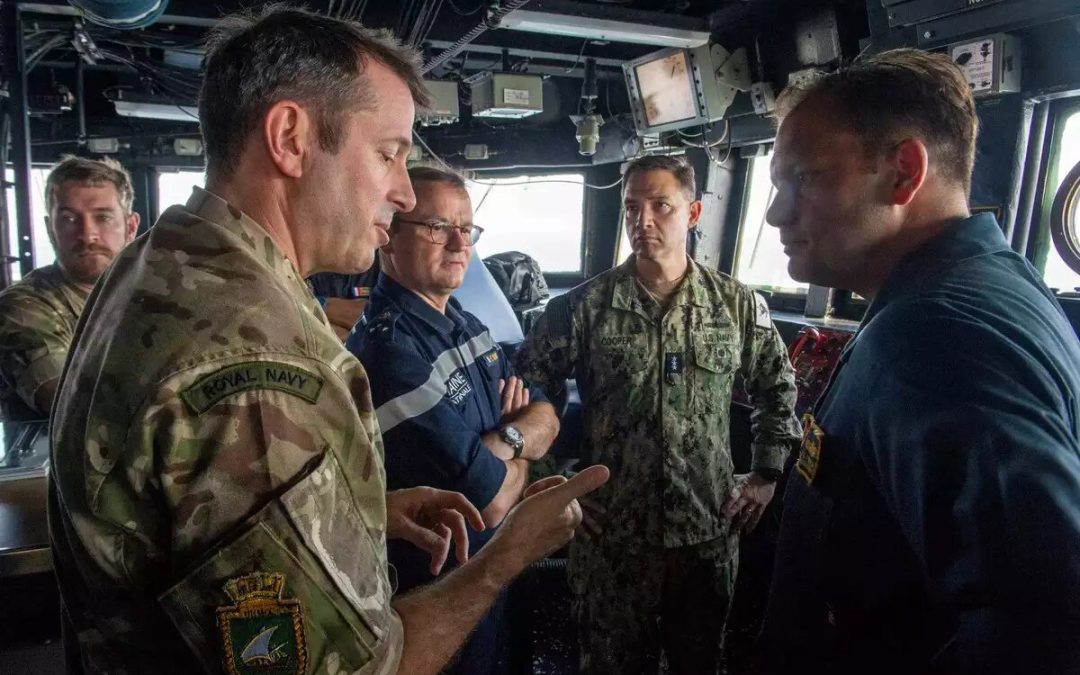
Strategic Council Online—Interview: The United States of America has recently announced that it will form a regional naval coalition to face Yemen’s Ansarollah attacks in the Red Sea. A coalition that showed its weakness from the beginning by failing to have the support of the Arab countries, and among the Arab countries, only Bahrain joined it.

US Concern about Possible Engagement in Conflict with Yemen’s Ansarollah

US Concern about Possible Engagement in Conflict with Yemen’s Ansarollah

Strategic Council Online – Opinion: Yemen is the most important front that has been opened against the Zionist regime parallel with the Gaza war and has been able to inflict strategic and important blows on that regime in field and non-field dimensions.
Barsam Mohammadi – Expert on regional affairs

Setting up NATO Bases in Finland; West’s New Alignment against Russia

Setting up NATO Bases in Finland; West’s New Alignment against Russia

Strategic Council Online – Interview: An international affairs expert believes launching US military bases in Finland was not unusual or unpredictable. By becoming a member of NATO, that country is committed to providing bases to NATO members, especially the largest NATO member, the United States.

US plans to create a new offensive capability against China

US plans to create a new offensive capability against China

Strategic Council Online—Interview: An expert on international affairs said the US plan to deploy medium-range missiles in East Asia aims to create an offensive capability against China, adding that naturally, the deployment of these missiles by the United States in countries such as Australia or possibly in Japan and South Korea can lead to China’s counter-reaction and increase the level of tensions between the two countries.

Causes of the Zionist Regime’s Failure to Destroying Hamas

Causes of the Zionist Regime’s Failure to Destroying Hamas

Strategic Council Online – Interview: An expert on West Asia affairs, while stressing that as the war dragged on, the position of Europe and the US regarding the nonrealization of the declared objectives of the Zionist regime has become realistic to some extent, noted: The experience of asymmetric wars shows that destroying Hamas militarily by the Zionist regime is impossible.

France, with a Cautious Approach, a Forerunner of the EU Policy towards Baku

France, with a Cautious Approach, a Forerunner of the EU Policy towards Baku

Strategic Council Online—Interview: An expert on European affairs stated that the institutional actions of the European Union against the Republic of Azerbaijan are followed cautiously, and saying that, on the one hand, the European Union does not want to act passively regarding the Caucasus issues, but on the other hand, Europe’s need for this country’s gas has caused it to take cautious steps regarding the sending of military equipment to Armenia, and in this regard, all the military equipment that was made in the agreement between France and Armenia has not been sent. Only defense systems, which are very cautious and more limited than the previous agreement, have been sent.

Internal Differences in Zionist Regime’s Cabinet over Gaza War, Its Consequences

Internal Differences in Zionist Regime’s Cabinet over Gaza War, Its Consequences

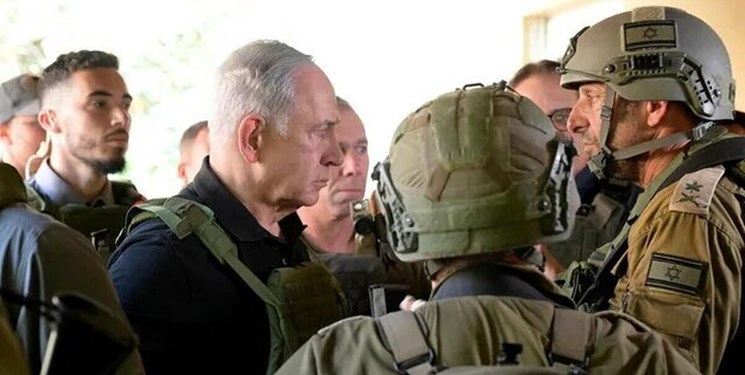
Strategic Council Online – Opinion: Field and political estimates show that elements in the Zionist regime’s cabinet are seeking a “war of attrition” in Gaza. Because the end of this war will be the “starting point” of the escalation of problems in the Occupied Territories, especially against the cabinet and Benjamin Netanyahu.
Barsam Mohammadi – Expert on regional affairs

Germany’s “New Defense Policy Guidelines”: Return of Germanic People to Age of Militarism?

Germany’s “New Defense Policy Guidelines”: Return of Germanic People to Age of Militarism?

Strategic Council Online – Opinion: For the first time in more than a decade, Germany issued its “new defense policy guidelines,” and “Boris Pistorius,” the German Minister of Defense, asked the pillars of his country to be “ready for a war” and “capable of defense.” He has pledged to strengthen the army to become the backbone of European deterrence and collective defense.
Hamideh Safamanesh – International relations researcher

NATO’s Ambiguous Mission in Iraq New Plan for Socio-Cultural Influence

NATO’s Ambiguous Mission in Iraq New Plan for Socio-Cultural Influence

Strategic Council Online – Interview: An international relations professor said that although NATO’s training mission for the Iraqi police forces is carried out in line with preventing ISIS from regaining power, in fact, NATO has decided to develop the scope of its mission in Iraq, noted: NATO, and the United States at its head, is looking for influence in the social body of Arab countries, especially Iraq, to advance its targets while shaping the intellectual formation and organizing the police body against the Resistance.

أحدث الوظائف

China’s Rejection of US Sanctions; Strengthening Iran’s Geopolitical Leverage

SCFR Online – Opinion: Concurrent with the official commencement of the United States’ economic war against our country, focusing on sanctions instruments, isolation, and economic pressure, what has now become increasingly important is the lack of alignment of other major global powers, especially China, with this policy.

The Makkah Pact; Reasons for its Formation and Challenges Ahead

SCFR Online – Opinion: The Makkah Pact, signed between Saudi Arabia, Pakistan, and Turkey under the motto “an attack on one is an attack on all,” is viewed by some analysts less as a full-fledged military coalition and more as an attempt to reduce security dependence on an external power and to establish a regional security mechanism.

Implications of the US-Saudi Nuclear Agreement

SCFR Online – Opinion: The new US-Saudi nuclear agreement, despite legal and political ambiguities, could alter previous non-proliferation standards in West Asia and intensify nuclear competition, ushering it into a new phase.

Loading

Defense & Security

The prospect of probable US military action in the Red Sea

The prospect of probable US military action in the Red Sea

Strategic Council Online—Interview: The United States of America has recently announced that it will form a regional naval coalition to face Yemen’s Ansarollah attacks in the Red Sea. A coalition that showed its weakness from the beginning by failing to have the support of the Arab countries, and among the Arab countries, only Bahrain joined it.

US Concern about Possible Engagement in Conflict with Yemen’s Ansarollah

US Concern about Possible Engagement in Conflict with Yemen’s Ansarollah

Strategic Council Online – Opinion: Yemen is the most important front that has been opened against the Zionist regime parallel with the Gaza war and has been able to inflict strategic and important blows on that regime in field and non-field dimensions.
Barsam Mohammadi – Expert on regional affairs

Setting up NATO Bases in Finland; West’s New Alignment against Russia

Setting up NATO Bases in Finland; West’s New Alignment against Russia

Strategic Council Online – Interview: An international affairs expert believes launching US military bases in Finland was not unusual or unpredictable. By becoming a member of NATO, that country is committed to providing bases to NATO members, especially the largest NATO member, the United States.

US plans to create a new offensive capability against China

US plans to create a new offensive capability against China

Strategic Council Online—Interview: An expert on international affairs said the US plan to deploy medium-range missiles in East Asia aims to create an offensive capability against China, adding that naturally, the deployment of these missiles by the United States in countries such as Australia or possibly in Japan and South Korea can lead to China’s counter-reaction and increase the level of tensions between the two countries.

Causes of the Zionist Regime’s Failure to Destroying Hamas

Causes of the Zionist Regime’s Failure to Destroying Hamas

Strategic Council Online – Interview: An expert on West Asia affairs, while stressing that as the war dragged on, the position of Europe and the US regarding the nonrealization of the declared objectives of the Zionist regime has become realistic to some extent, noted: The experience of asymmetric wars shows that destroying Hamas militarily by the Zionist regime is impossible.

France, with a Cautious Approach, a Forerunner of the EU Policy towards Baku

France, with a Cautious Approach, a Forerunner of the EU Policy towards Baku

Strategic Council Online—Interview: An expert on European affairs stated that the institutional actions of the European Union against the Republic of Azerbaijan are followed cautiously, and saying that, on the one hand, the European Union does not want to act passively regarding the Caucasus issues, but on the other hand, Europe’s need for this country’s gas has caused it to take cautious steps regarding the sending of military equipment to Armenia, and in this regard, all the military equipment that was made in the agreement between France and Armenia has not been sent. Only defense systems, which are very cautious and more limited than the previous agreement, have been sent.

Internal Differences in Zionist Regime’s Cabinet over Gaza War, Its Consequences

Internal Differences in Zionist Regime’s Cabinet over Gaza War, Its Consequences

Strategic Council Online – Opinion: Field and political estimates show that elements in the Zionist regime’s cabinet are seeking a “war of attrition” in Gaza. Because the end of this war will be the “starting point” of the escalation of problems in the Occupied Territories, especially against the cabinet and Benjamin Netanyahu.
Barsam Mohammadi – Expert on regional affairs

Germany’s “New Defense Policy Guidelines”: Return of Germanic People to Age of Militarism?

Germany’s “New Defense Policy Guidelines”: Return of Germanic People to Age of Militarism?

Strategic Council Online – Opinion: For the first time in more than a decade, Germany issued its “new defense policy guidelines,” and “Boris Pistorius,” the German Minister of Defense, asked the pillars of his country to be “ready for a war” and “capable of defense.” He has pledged to strengthen the army to become the backbone of European deterrence and collective defense.
Hamideh Safamanesh – International relations researcher

NATO’s Ambiguous Mission in Iraq New Plan for Socio-Cultural Influence

NATO’s Ambiguous Mission in Iraq New Plan for Socio-Cultural Influence

Strategic Council Online – Interview: An international relations professor said that although NATO’s training mission for the Iraqi police forces is carried out in line with preventing ISIS from regaining power, in fact, NATO has decided to develop the scope of its mission in Iraq, noted: NATO, and the United States at its head, is looking for influence in the social body of Arab countries, especially Iraq, to advance its targets while shaping the intellectual formation and organizing the police body against the Resistance.

Defense & Security

The prospect of probable US military action in the Red Sea

The prospect of probable US military action in the Red Sea

Strategic Council Online—Interview: The United States of America has recently announced that it will form a regional naval coalition to face Yemen’s Ansarollah attacks in the Red Sea. A coalition that showed its weakness from the beginning by failing to have the support of the Arab countries, and among the Arab countries, only Bahrain joined it.

US Concern about Possible Engagement in Conflict with Yemen’s Ansarollah

US Concern about Possible Engagement in Conflict with Yemen’s Ansarollah

Strategic Council Online – Opinion: Yemen is the most important front that has been opened against the Zionist regime parallel with the Gaza war and has been able to inflict strategic and important blows on that regime in field and non-field dimensions.
Barsam Mohammadi – Expert on regional affairs

Setting up NATO Bases in Finland; West’s New Alignment against Russia

Setting up NATO Bases in Finland; West’s New Alignment against Russia

Strategic Council Online – Interview: An international affairs expert believes launching US military bases in Finland was not unusual or unpredictable. By becoming a member of NATO, that country is committed to providing bases to NATO members, especially the largest NATO member, the United States.

US plans to create a new offensive capability against China

US plans to create a new offensive capability against China

Strategic Council Online—Interview: An expert on international affairs said the US plan to deploy medium-range missiles in East Asia aims to create an offensive capability against China, adding that naturally, the deployment of these missiles by the United States in countries such as Australia or possibly in Japan and South Korea can lead to China’s counter-reaction and increase the level of tensions between the two countries.

Causes of the Zionist Regime’s Failure to Destroying Hamas

Causes of the Zionist Regime’s Failure to Destroying Hamas

Strategic Council Online – Interview: An expert on West Asia affairs, while stressing that as the war dragged on, the position of Europe and the US regarding the nonrealization of the declared objectives of the Zionist regime has become realistic to some extent, noted: The experience of asymmetric wars shows that destroying Hamas militarily by the Zionist regime is impossible.

France, with a Cautious Approach, a Forerunner of the EU Policy towards Baku

France, with a Cautious Approach, a Forerunner of the EU Policy towards Baku

Strategic Council Online—Interview: An expert on European affairs stated that the institutional actions of the European Union against the Republic of Azerbaijan are followed cautiously, and saying that, on the one hand, the European Union does not want to act passively regarding the Caucasus issues, but on the other hand, Europe’s need for this country’s gas has caused it to take cautious steps regarding the sending of military equipment to Armenia, and in this regard, all the military equipment that was made in the agreement between France and Armenia has not been sent. Only defense systems, which are very cautious and more limited than the previous agreement, have been sent.

Internal Differences in Zionist Regime’s Cabinet over Gaza War, Its Consequences

Internal Differences in Zionist Regime’s Cabinet over Gaza War, Its Consequences

Strategic Council Online – Opinion: Field and political estimates show that elements in the Zionist regime’s cabinet are seeking a “war of attrition” in Gaza. Because the end of this war will be the “starting point” of the escalation of problems in the Occupied Territories, especially against the cabinet and Benjamin Netanyahu.
Barsam Mohammadi – Expert on regional affairs

Germany’s “New Defense Policy Guidelines”: Return of Germanic People to Age of Militarism?

Germany’s “New Defense Policy Guidelines”: Return of Germanic People to Age of Militarism?

Strategic Council Online – Opinion: For the first time in more than a decade, Germany issued its “new defense policy guidelines,” and “Boris Pistorius,” the German Minister of Defense, asked the pillars of his country to be “ready for a war” and “capable of defense.” He has pledged to strengthen the army to become the backbone of European deterrence and collective defense.
Hamideh Safamanesh – International relations researcher

NATO’s Ambiguous Mission in Iraq New Plan for Socio-Cultural Influence

NATO’s Ambiguous Mission in Iraq New Plan for Socio-Cultural Influence

Strategic Council Online – Interview: An international relations professor said that although NATO’s training mission for the Iraqi police forces is carried out in line with preventing ISIS from regaining power, in fact, NATO has decided to develop the scope of its mission in Iraq, noted: NATO, and the United States at its head, is looking for influence in the social body of Arab countries, especially Iraq, to advance its targets while shaping the intellectual formation and organizing the police body against the Resistance.

LATEST CONTENT

China’s Rejection of US Sanctions; Strengthening Iran’s Geopolitical Leverage

SCFR Online – Opinion: Concurrent with the official commencement of the United States’ economic war against our country, focusing on sanctions instruments, isolation, and economic pressure, what has now become increasingly important is the lack of alignment of other major global powers, especially China, with this policy.

The Makkah Pact; Reasons for its Formation and Challenges Ahead

SCFR Online – Opinion: The Makkah Pact, signed between Saudi Arabia, Pakistan, and Turkey under the motto “an attack on one is an attack on all,” is viewed by some analysts less as a full-fledged military coalition and more as an attempt to reduce security dependence on an external power and to establish a regional security mechanism.

Implications of the US-Saudi Nuclear Agreement

SCFR Online – Opinion: The new US-Saudi nuclear agreement, despite legal and political ambiguities, could alter previous non-proliferation standards in West Asia and intensify nuclear competition, ushering it into a new phase.

Loading

Defense & Security

The prospect of probable US military action in the Red Sea

The prospect of probable US military action in the Red Sea

Strategic Council Online—Interview: The United States of America has recently announced that it will form a regional naval coalition to face Yemen’s Ansarollah attacks in the Red Sea. A coalition that showed its weakness from the beginning by failing to have the support of the Arab countries, and among the Arab countries, only Bahrain joined it.

US Concern about Possible Engagement in Conflict with Yemen’s Ansarollah

US Concern about Possible Engagement in Conflict with Yemen’s Ansarollah

Strategic Council Online – Opinion: Yemen is the most important front that has been opened against the Zionist regime parallel with the Gaza war and has been able to inflict strategic and important blows on that regime in field and non-field dimensions.
Barsam Mohammadi – Expert on regional affairs

Setting up NATO Bases in Finland; West’s New Alignment against Russia

Setting up NATO Bases in Finland; West’s New Alignment against Russia

Strategic Council Online – Interview: An international affairs expert believes launching US military bases in Finland was not unusual or unpredictable. By becoming a member of NATO, that country is committed to providing bases to NATO members, especially the largest NATO member, the United States.

US plans to create a new offensive capability against China

US plans to create a new offensive capability against China

Strategic Council Online—Interview: An expert on international affairs said the US plan to deploy medium-range missiles in East Asia aims to create an offensive capability against China, adding that naturally, the deployment of these missiles by the United States in countries such as Australia or possibly in Japan and South Korea can lead to China’s counter-reaction and increase the level of tensions between the two countries.

Causes of the Zionist Regime’s Failure to Destroying Hamas

Causes of the Zionist Regime’s Failure to Destroying Hamas

Strategic Council Online – Interview: An expert on West Asia affairs, while stressing that as the war dragged on, the position of Europe and the US regarding the nonrealization of the declared objectives of the Zionist regime has become realistic to some extent, noted: The experience of asymmetric wars shows that destroying Hamas militarily by the Zionist regime is impossible.

France, with a Cautious Approach, a Forerunner of the EU Policy towards Baku

France, with a Cautious Approach, a Forerunner of the EU Policy towards Baku

Strategic Council Online—Interview: An expert on European affairs stated that the institutional actions of the European Union against the Republic of Azerbaijan are followed cautiously, and saying that, on the one hand, the European Union does not want to act passively regarding the Caucasus issues, but on the other hand, Europe’s need for this country’s gas has caused it to take cautious steps regarding the sending of military equipment to Armenia, and in this regard, all the military equipment that was made in the agreement between France and Armenia has not been sent. Only defense systems, which are very cautious and more limited than the previous agreement, have been sent.

Internal Differences in Zionist Regime’s Cabinet over Gaza War, Its Consequences

Internal Differences in Zionist Regime’s Cabinet over Gaza War, Its Consequences

Strategic Council Online – Opinion: Field and political estimates show that elements in the Zionist regime’s cabinet are seeking a “war of attrition” in Gaza. Because the end of this war will be the “starting point” of the escalation of problems in the Occupied Territories, especially against the cabinet and Benjamin Netanyahu.
Barsam Mohammadi – Expert on regional affairs

Germany’s “New Defense Policy Guidelines”: Return of Germanic People to Age of Militarism?

Germany’s “New Defense Policy Guidelines”: Return of Germanic People to Age of Militarism?

Strategic Council Online – Opinion: For the first time in more than a decade, Germany issued its “new defense policy guidelines,” and “Boris Pistorius,” the German Minister of Defense, asked the pillars of his country to be “ready for a war” and “capable of defense.” He has pledged to strengthen the army to become the backbone of European deterrence and collective defense.
Hamideh Safamanesh – International relations researcher

NATO’s Ambiguous Mission in Iraq New Plan for Socio-Cultural Influence

NATO’s Ambiguous Mission in Iraq New Plan for Socio-Cultural Influence

Strategic Council Online – Interview: An international relations professor said that although NATO’s training mission for the Iraqi police forces is carried out in line with preventing ISIS from regaining power, in fact, NATO has decided to develop the scope of its mission in Iraq, noted: NATO, and the United States at its head, is looking for influence in the social body of Arab countries, especially Iraq, to advance its targets while shaping the intellectual formation and organizing the police body against the Resistance.

ÚLTIMAS PUBLICACIONES

China’s Rejection of US Sanctions; Strengthening Iran’s Geopolitical Leverage

SCFR Online – Opinion: Concurrent with the official commencement of the United States’ economic war against our country, focusing on sanctions instruments, isolation, and economic pressure, what has now become increasingly important is the lack of alignment of other major global powers, especially China, with this policy.

The Makkah Pact; Reasons for its Formation and Challenges Ahead

SCFR Online – Opinion: The Makkah Pact, signed between Saudi Arabia, Pakistan, and Turkey under the motto “an attack on one is an attack on all,” is viewed by some analysts less as a full-fledged military coalition and more as an attempt to reduce security dependence on an external power and to establish a regional security mechanism.

Implications of the US-Saudi Nuclear Agreement

SCFR Online – Opinion: The new US-Saudi nuclear agreement, despite legal and political ambiguities, could alter previous non-proliferation standards in West Asia and intensify nuclear competition, ushering it into a new phase.

Loading

Defense & Security

The prospect of probable US military action in the Red Sea

The prospect of probable US military action in the Red Sea

Strategic Council Online—Interview: The United States of America has recently announced that it will form a regional naval coalition to face Yemen’s Ansarollah attacks in the Red Sea. A coalition that showed its weakness from the beginning by failing to have the support of the Arab countries, and among the Arab countries, only Bahrain joined it.

US Concern about Possible Engagement in Conflict with Yemen’s Ansarollah

US Concern about Possible Engagement in Conflict with Yemen’s Ansarollah

Strategic Council Online – Opinion: Yemen is the most important front that has been opened against the Zionist regime parallel with the Gaza war and has been able to inflict strategic and important blows on that regime in field and non-field dimensions.
Barsam Mohammadi – Expert on regional affairs

Setting up NATO Bases in Finland; West’s New Alignment against Russia

Setting up NATO Bases in Finland; West’s New Alignment against Russia

Strategic Council Online – Interview: An international affairs expert believes launching US military bases in Finland was not unusual or unpredictable. By becoming a member of NATO, that country is committed to providing bases to NATO members, especially the largest NATO member, the United States.

US plans to create a new offensive capability against China

US plans to create a new offensive capability against China

Strategic Council Online—Interview: An expert on international affairs said the US plan to deploy medium-range missiles in East Asia aims to create an offensive capability against China, adding that naturally, the deployment of these missiles by the United States in countries such as Australia or possibly in Japan and South Korea can lead to China’s counter-reaction and increase the level of tensions between the two countries.

Causes of the Zionist Regime’s Failure to Destroying Hamas

Causes of the Zionist Regime’s Failure to Destroying Hamas

Strategic Council Online – Interview: An expert on West Asia affairs, while stressing that as the war dragged on, the position of Europe and the US regarding the nonrealization of the declared objectives of the Zionist regime has become realistic to some extent, noted: The experience of asymmetric wars shows that destroying Hamas militarily by the Zionist regime is impossible.

France, with a Cautious Approach, a Forerunner of the EU Policy towards Baku

France, with a Cautious Approach, a Forerunner of the EU Policy towards Baku

Strategic Council Online—Interview: An expert on European affairs stated that the institutional actions of the European Union against the Republic of Azerbaijan are followed cautiously, and saying that, on the one hand, the European Union does not want to act passively regarding the Caucasus issues, but on the other hand, Europe’s need for this country’s gas has caused it to take cautious steps regarding the sending of military equipment to Armenia, and in this regard, all the military equipment that was made in the agreement between France and Armenia has not been sent. Only defense systems, which are very cautious and more limited than the previous agreement, have been sent.

Internal Differences in Zionist Regime’s Cabinet over Gaza War, Its Consequences

Internal Differences in Zionist Regime’s Cabinet over Gaza War, Its Consequences

Strategic Council Online – Opinion: Field and political estimates show that elements in the Zionist regime’s cabinet are seeking a “war of attrition” in Gaza. Because the end of this war will be the “starting point” of the escalation of problems in the Occupied Territories, especially against the cabinet and Benjamin Netanyahu.
Barsam Mohammadi – Expert on regional affairs

Germany’s “New Defense Policy Guidelines”: Return of Germanic People to Age of Militarism?

Germany’s “New Defense Policy Guidelines”: Return of Germanic People to Age of Militarism?

Strategic Council Online – Opinion: For the first time in more than a decade, Germany issued its “new defense policy guidelines,” and “Boris Pistorius,” the German Minister of Defense, asked the pillars of his country to be “ready for a war” and “capable of defense.” He has pledged to strengthen the army to become the backbone of European deterrence and collective defense.
Hamideh Safamanesh – International relations researcher

NATO’s Ambiguous Mission in Iraq New Plan for Socio-Cultural Influence

NATO’s Ambiguous Mission in Iraq New Plan for Socio-Cultural Influence

Strategic Council Online – Interview: An international relations professor said that although NATO’s training mission for the Iraqi police forces is carried out in line with preventing ISIS from regaining power, in fact, NATO has decided to develop the scope of its mission in Iraq, noted: NATO, and the United States at its head, is looking for influence in the social body of Arab countries, especially Iraq, to advance its targets while shaping the intellectual formation and organizing the police body against the Resistance.

ÚLTIMAS PUBLICACIONES

China’s Rejection of US Sanctions; Strengthening Iran’s Geopolitical Leverage

SCFR Online – Opinion: Concurrent with the official commencement of the United States’ economic war against our country, focusing on sanctions instruments, isolation, and economic pressure, what has now become increasingly important is the lack of alignment of other major global powers, especially China, with this policy.

The Makkah Pact; Reasons for its Formation and Challenges Ahead

SCFR Online – Opinion: The Makkah Pact, signed between Saudi Arabia, Pakistan, and Turkey under the motto “an attack on one is an attack on all,” is viewed by some analysts less as a full-fledged military coalition and more as an attempt to reduce security dependence on an external power and to establish a regional security mechanism.

Implications of the US-Saudi Nuclear Agreement

SCFR Online – Opinion: The new US-Saudi nuclear agreement, despite legal and political ambiguities, could alter previous non-proliferation standards in West Asia and intensify nuclear competition, ushering it into a new phase.

Loading

Defense & Security

The prospect of probable US military action in the Red Sea

The prospect of probable US military action in the Red Sea

Strategic Council Online—Interview: The United States of America has recently announced that it will form a regional naval coalition to face Yemen’s Ansarollah attacks in the Red Sea. A coalition that showed its weakness from the beginning by failing to have the support of the Arab countries, and among the Arab countries, only Bahrain joined it.

US Concern about Possible Engagement in Conflict with Yemen’s Ansarollah

US Concern about Possible Engagement in Conflict with Yemen’s Ansarollah

Strategic Council Online – Opinion: Yemen is the most important front that has been opened against the Zionist regime parallel with the Gaza war and has been able to inflict strategic and important blows on that regime in field and non-field dimensions.
Barsam Mohammadi – Expert on regional affairs

Setting up NATO Bases in Finland; West’s New Alignment against Russia

Setting up NATO Bases in Finland; West’s New Alignment against Russia

Strategic Council Online – Interview: An international affairs expert believes launching US military bases in Finland was not unusual or unpredictable. By becoming a member of NATO, that country is committed to providing bases to NATO members, especially the largest NATO member, the United States.

US plans to create a new offensive capability against China

US plans to create a new offensive capability against China

Strategic Council Online—Interview: An expert on international affairs said the US plan to deploy medium-range missiles in East Asia aims to create an offensive capability against China, adding that naturally, the deployment of these missiles by the United States in countries such as Australia or possibly in Japan and South Korea can lead to China’s counter-reaction and increase the level of tensions between the two countries.

Causes of the Zionist Regime’s Failure to Destroying Hamas

Causes of the Zionist Regime’s Failure to Destroying Hamas

Strategic Council Online – Interview: An expert on West Asia affairs, while stressing that as the war dragged on, the position of Europe and the US regarding the nonrealization of the declared objectives of the Zionist regime has become realistic to some extent, noted: The experience of asymmetric wars shows that destroying Hamas militarily by the Zionist regime is impossible.

France, with a Cautious Approach, a Forerunner of the EU Policy towards Baku

France, with a Cautious Approach, a Forerunner of the EU Policy towards Baku

Strategic Council Online—Interview: An expert on European affairs stated that the institutional actions of the European Union against the Republic of Azerbaijan are followed cautiously, and saying that, on the one hand, the European Union does not want to act passively regarding the Caucasus issues, but on the other hand, Europe’s need for this country’s gas has caused it to take cautious steps regarding the sending of military equipment to Armenia, and in this regard, all the military equipment that was made in the agreement between France and Armenia has not been sent. Only defense systems, which are very cautious and more limited than the previous agreement, have been sent.

Internal Differences in Zionist Regime’s Cabinet over Gaza War, Its Consequences

Internal Differences in Zionist Regime’s Cabinet over Gaza War, Its Consequences

Strategic Council Online – Opinion: Field and political estimates show that elements in the Zionist regime’s cabinet are seeking a “war of attrition” in Gaza. Because the end of this war will be the “starting point” of the escalation of problems in the Occupied Territories, especially against the cabinet and Benjamin Netanyahu.
Barsam Mohammadi – Expert on regional affairs

Germany’s “New Defense Policy Guidelines”: Return of Germanic People to Age of Militarism?

Germany’s “New Defense Policy Guidelines”: Return of Germanic People to Age of Militarism?

Strategic Council Online – Opinion: For the first time in more than a decade, Germany issued its “new defense policy guidelines,” and “Boris Pistorius,” the German Minister of Defense, asked the pillars of his country to be “ready for a war” and “capable of defense.” He has pledged to strengthen the army to become the backbone of European deterrence and collective defense.
Hamideh Safamanesh – International relations researcher

NATO’s Ambiguous Mission in Iraq New Plan for Socio-Cultural Influence

NATO’s Ambiguous Mission in Iraq New Plan for Socio-Cultural Influence

Strategic Council Online – Interview: An international relations professor said that although NATO’s training mission for the Iraqi police forces is carried out in line with preventing ISIS from regaining power, in fact, NATO has decided to develop the scope of its mission in Iraq, noted: NATO, and the United States at its head, is looking for influence in the social body of Arab countries, especially Iraq, to advance its targets while shaping the intellectual formation and organizing the police body against the Resistance.

ÚLTIMAS PUBLICACIONES

China’s Rejection of US Sanctions; Strengthening Iran’s Geopolitical Leverage

SCFR Online – Opinion: Concurrent with the official commencement of the United States’ economic war against our country, focusing on sanctions instruments, isolation, and economic pressure, what has now become increasingly important is the lack of alignment of other major global powers, especially China, with this policy.

The Makkah Pact; Reasons for its Formation and Challenges Ahead

SCFR Online – Opinion: The Makkah Pact, signed between Saudi Arabia, Pakistan, and Turkey under the motto “an attack on one is an attack on all,” is viewed by some analysts less as a full-fledged military coalition and more as an attempt to reduce security dependence on an external power and to establish a regional security mechanism.

Implications of the US-Saudi Nuclear Agreement

SCFR Online – Opinion: The new US-Saudi nuclear agreement, despite legal and political ambiguities, could alter previous non-proliferation standards in West Asia and intensify nuclear competition, ushering it into a new phase.

Loading

Defense & Security

The prospect of probable US military action in the Red Sea

The prospect of probable US military action in the Red Sea

Strategic Council Online—Interview: The United States of America has recently announced that it will form a regional naval coalition to face Yemen’s Ansarollah attacks in the Red Sea. A coalition that showed its weakness from the beginning by failing to have the support of the Arab countries, and among the Arab countries, only Bahrain joined it.

US Concern about Possible Engagement in Conflict with Yemen’s Ansarollah

US Concern about Possible Engagement in Conflict with Yemen’s Ansarollah

Strategic Council Online – Opinion: Yemen is the most important front that has been opened against the Zionist regime parallel with the Gaza war and has been able to inflict strategic and important blows on that regime in field and non-field dimensions.
Barsam Mohammadi – Expert on regional affairs

Setting up NATO Bases in Finland; West’s New Alignment against Russia

Setting up NATO Bases in Finland; West’s New Alignment against Russia

Strategic Council Online – Interview: An international affairs expert believes launching US military bases in Finland was not unusual or unpredictable. By becoming a member of NATO, that country is committed to providing bases to NATO members, especially the largest NATO member, the United States.

US plans to create a new offensive capability against China

US plans to create a new offensive capability against China

Strategic Council Online—Interview: An expert on international affairs said the US plan to deploy medium-range missiles in East Asia aims to create an offensive capability against China, adding that naturally, the deployment of these missiles by the United States in countries such as Australia or possibly in Japan and South Korea can lead to China’s counter-reaction and increase the level of tensions between the two countries.

Causes of the Zionist Regime’s Failure to Destroying Hamas

Causes of the Zionist Regime’s Failure to Destroying Hamas

Strategic Council Online – Interview: An expert on West Asia affairs, while stressing that as the war dragged on, the position of Europe and the US regarding the nonrealization of the declared objectives of the Zionist regime has become realistic to some extent, noted: The experience of asymmetric wars shows that destroying Hamas militarily by the Zionist regime is impossible.

France, with a Cautious Approach, a Forerunner of the EU Policy towards Baku

France, with a Cautious Approach, a Forerunner of the EU Policy towards Baku

Strategic Council Online—Interview: An expert on European affairs stated that the institutional actions of the European Union against the Republic of Azerbaijan are followed cautiously, and saying that, on the one hand, the European Union does not want to act passively regarding the Caucasus issues, but on the other hand, Europe’s need for this country’s gas has caused it to take cautious steps regarding the sending of military equipment to Armenia, and in this regard, all the military equipment that was made in the agreement between France and Armenia has not been sent. Only defense systems, which are very cautious and more limited than the previous agreement, have been sent.

Internal Differences in Zionist Regime’s Cabinet over Gaza War, Its Consequences

Internal Differences in Zionist Regime’s Cabinet over Gaza War, Its Consequences

Strategic Council Online – Opinion: Field and political estimates show that elements in the Zionist regime’s cabinet are seeking a “war of attrition” in Gaza. Because the end of this war will be the “starting point” of the escalation of problems in the Occupied Territories, especially against the cabinet and Benjamin Netanyahu.
Barsam Mohammadi – Expert on regional affairs

Germany’s “New Defense Policy Guidelines”: Return of Germanic People to Age of Militarism?

Germany’s “New Defense Policy Guidelines”: Return of Germanic People to Age of Militarism?

Strategic Council Online – Opinion: For the first time in more than a decade, Germany issued its “new defense policy guidelines,” and “Boris Pistorius,” the German Minister of Defense, asked the pillars of his country to be “ready for a war” and “capable of defense.” He has pledged to strengthen the army to become the backbone of European deterrence and collective defense.
Hamideh Safamanesh – International relations researcher

NATO’s Ambiguous Mission in Iraq New Plan for Socio-Cultural Influence

NATO’s Ambiguous Mission in Iraq New Plan for Socio-Cultural Influence

Strategic Council Online – Interview: An international relations professor said that although NATO’s training mission for the Iraqi police forces is carried out in line with preventing ISIS from regaining power, in fact, NATO has decided to develop the scope of its mission in Iraq, noted: NATO, and the United States at its head, is looking for influence in the social body of Arab countries, especially Iraq, to advance its targets while shaping the intellectual formation and organizing the police body against the Resistance.

ÚLTIMAS PUBLICACIONES

China’s Rejection of US Sanctions; Strengthening Iran’s Geopolitical Leverage

SCFR Online – Opinion: Concurrent with the official commencement of the United States’ economic war against our country, focusing on sanctions instruments, isolation, and economic pressure, what has now become increasingly important is the lack of alignment of other major global powers, especially China, with this policy.

The Makkah Pact; Reasons for its Formation and Challenges Ahead

SCFR Online – Opinion: The Makkah Pact, signed between Saudi Arabia, Pakistan, and Turkey under the motto “an attack on one is an attack on all,” is viewed by some analysts less as a full-fledged military coalition and more as an attempt to reduce security dependence on an external power and to establish a regional security mechanism.

Implications of the US-Saudi Nuclear Agreement

SCFR Online – Opinion: The new US-Saudi nuclear agreement, despite legal and political ambiguities, could alter previous non-proliferation standards in West Asia and intensify nuclear competition, ushering it into a new phase.

Loading