جدیدترین مطالب

Realities of the Tripartite Makkah Pact

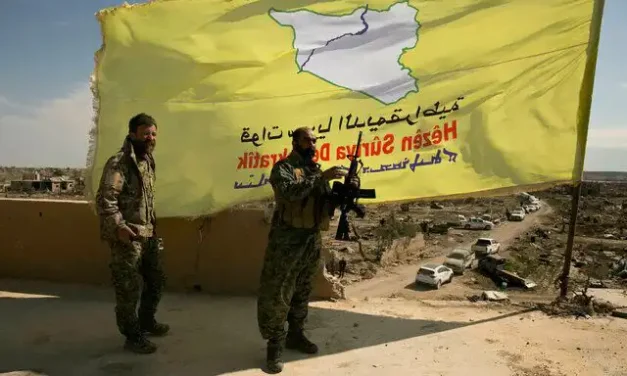
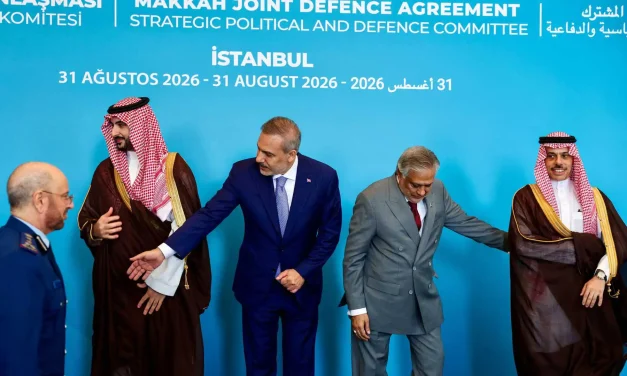
SCFR Online – Interview: The signing of the Makkah agreement between Saudi Arabia, Pakistan, and Turkey has raised questions about the future of the region’s security structure and the position of these countries in West Asian equations. Can this agreement become a genuine collective defense mechanism, or does it have more of a political and deterrent function than creating new military capacity?

Strategic Implications of the Reduction of US Weapons Stockpiles

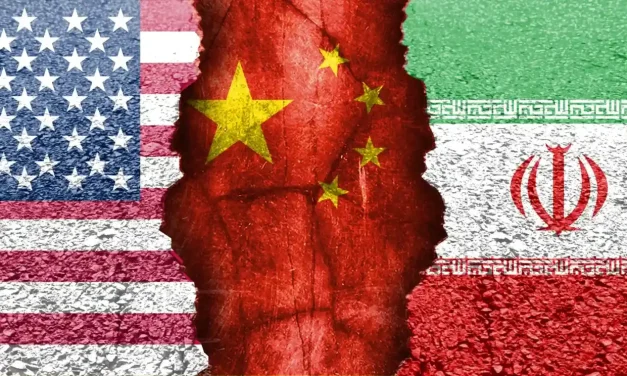
SCFR Online – Opinion: The continuation of the US war against Iran, in addition to increasing operational costs, has called into question the actual capacity of the American arsenal to simultaneously fulfill security commitments on multiple fronts; an issue that affects deterrence, defense production capacity, and Washington’s resource prioritization.

The Formation of a New Order in Relations Between Powers

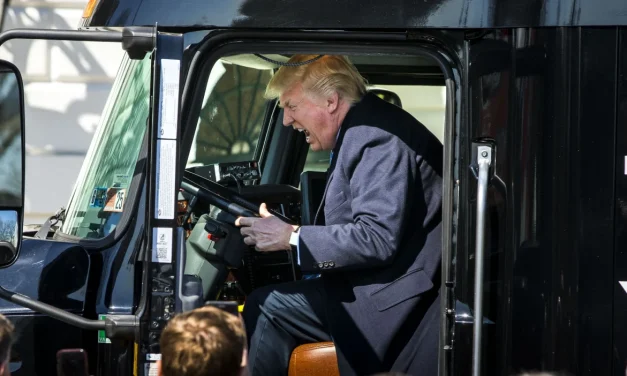
SCFR Online – Opinion: The Russia-Ukraine war and the war of the United States and the Israeli regime against Iran have been formed with different objectives and actors, but field and political developments indicate that they are not entirely separate from one another.

An Analysis of the Makkah Defense Pact

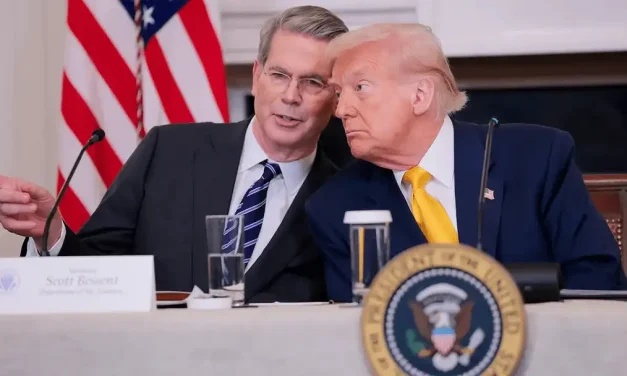
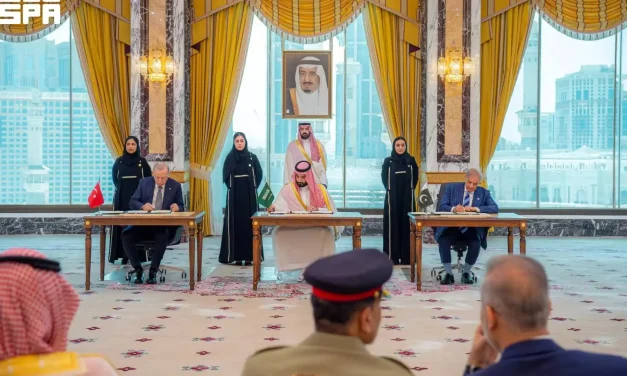
SCFR Online – Opinion: On Friday, August 7, the heads of state of three countries – Saudi Arabia, Turkey, and Pakistan – signed a text under the title “Makkah Joint Defense Agreement.”

Dimensions and challenges of the initiative to revive the Hejaz Railway

Strategic Council Online – Note: The initiative to revive the Hejaz Railway, beyond being a transportation project, constitutes an attempt to redefine geopolitics, the economy, and Turkey’s regional position; however, its realization appears to face significant financial, security, and institutional challenges.

Loading

Defense & Security

Saudi-West Coalition Concerned about Ansarollah’s Military Advances

Saudi-West Coalition Concerned about Ansarollah’s Military Advances

Strategic Council Online – Without considering the ground realities in Yemen and without taking into account common concerns of Riyadh and Western capitals, it is not possible to understand the reasons for the change in propaganda and declared positions of Washington officials and their so-called peaceful movements in Yemen.
Jafar Qanadbashi – expert on the Middle East affairs

The strategy of the US military budget allocation

The strategy of the US military budget allocation

Strategic Council Online—Interview: A senior researcher says the US defense budget for 2021 has allocated the highest amount to the research and development in the history of the military budget of America.

Change of Military Balance in Yemen with Advances of Ansarollah in Ma’rib

Change of Military Balance in Yemen with Advances of Ansarollah in Ma’rib

Strategic Council Online – An expert on West Asia affairs said that Ansarollah’s advances in Ma’rib have put Saudi Arabia in a diplomatic and security dilemma adding that the country will not be able to withstand further damage and attacks and it seems that this crisis is approaching its final months.

Dimensions and consequences of renewing the new START treaty

Dimensions and consequences of renewing the new START treaty

Strategic Council Online—Interview: An analyst of Russia affairs says renewing the new START treaty is significant in the sense it is still giving hope rivalry between nuclear powers would be impeded through dialogue and international agreement, saying that it seems the United States and Russia have reached the conclusion that despite their differences, they need to cooperate to resolve important issues.

Messages of Recent Iranian Military Exercises

Messages of Recent Iranian Military Exercises

Strategic Council Online – An expert on the Middle East affairs said that the messages or impressions that recent Iranian military exercises sent abroad were different from many previous messages due to the multiplicity and variety of those exercises. Following the mentioned exercises, we witnessed the recent threatening statements of the military officials of the Zionist regime against our country’s nuclear facilities, which are aimed at creating psychological warfare and overshadowing the positive effects of those exercises on the Axis of Resistance in the region. Of course, they are well aware of the fact that their slightest insane move against the Islamic Republic of Iran will be suicidal and will hasten their destruction.

Concerns and challenges ahead of NATO

Concerns and challenges ahead of NATO

Strategic Council Online—Editorial: With Joe Biden going to the oval office in the White House next January, NATO is hoping to re-establish warm relations between the US and Europe after the end of the Trump tenure, and the presence of Biden as the President of the United States would increase hopes for the amelioration of trans-Atlantic relations. NATO Secretary-General Jens Stoltenberg announced an extraordinary session of the NATO Summit at the beginning of 2021 with the participation of Joe Biden after he assumes power in Washington. Many in Europe are waiting for fundamental changes in NATO after the remarks of the French president who described NATO as facing brain death—something suggestive of the depth of internal differences in this military alliance. Paris is also demanding a revision in the activities and objectives of NATO as a military coalition organization.
Mahmoud Fazeli, expert of European affairs

Implications of US Withdrawal from Iraq and Afghanistan

Implications of US Withdrawal from Iraq and Afghanistan

Strategic Council Online – Despite warnings, Ronald Trump intends to reduce the number of American troops from Afghanistan and Iraq ahead of the deadline. He wants to be still influential in foreign and security policy, and intends to constrain his successor, Joe Biden. Withdrawal of US troops from Iraq and Afghanistan, without coordination and acceptance of the responsibility, could have dangerous consequences for the region as well as for the European allies of the US.
Mahmoud Fazeli – Expert on International Affairs

أحدث الوظائف

Realities of the Tripartite Makkah Pact

SCFR Online – Interview: The signing of the Makkah agreement between Saudi Arabia, Pakistan, and Turkey has raised questions about the future of the region’s security structure and the position of these countries in West Asian equations. Can this agreement become a genuine collective defense mechanism, or does it have more of a political and deterrent function than creating new military capacity?

Strategic Implications of the Reduction of US Weapons Stockpiles

SCFR Online – Opinion: The continuation of the US war against Iran, in addition to increasing operational costs, has called into question the actual capacity of the American arsenal to simultaneously fulfill security commitments on multiple fronts; an issue that affects deterrence, defense production capacity, and Washington’s resource prioritization.

The Formation of a New Order in Relations Between Powers

SCFR Online – Opinion: The Russia-Ukraine war and the war of the United States and the Israeli regime against Iran have been formed with different objectives and actors, but field and political developments indicate that they are not entirely separate from one another.

An Analysis of the Makkah Defense Pact

SCFR Online – Opinion: On Friday, August 7, the heads of state of three countries – Saudi Arabia, Turkey, and Pakistan – signed a text under the title “Makkah Joint Defense Agreement.”

Dimensions and challenges of the initiative to revive the Hejaz Railway

Strategic Council Online – Note: The initiative to revive the Hejaz Railway, beyond being a transportation project, constitutes an attempt to redefine geopolitics, the economy, and Turkey’s regional position; however, its realization appears to face significant financial, security, and institutional challenges.

Loading

Defense & Security

Saudi-West Coalition Concerned about Ansarollah’s Military Advances

Saudi-West Coalition Concerned about Ansarollah’s Military Advances

Strategic Council Online – Without considering the ground realities in Yemen and without taking into account common concerns of Riyadh and Western capitals, it is not possible to understand the reasons for the change in propaganda and declared positions of Washington officials and their so-called peaceful movements in Yemen.
Jafar Qanadbashi – expert on the Middle East affairs

The strategy of the US military budget allocation

The strategy of the US military budget allocation

Strategic Council Online—Interview: A senior researcher says the US defense budget for 2021 has allocated the highest amount to the research and development in the history of the military budget of America.

Change of Military Balance in Yemen with Advances of Ansarollah in Ma’rib

Change of Military Balance in Yemen with Advances of Ansarollah in Ma’rib

Strategic Council Online – An expert on West Asia affairs said that Ansarollah’s advances in Ma’rib have put Saudi Arabia in a diplomatic and security dilemma adding that the country will not be able to withstand further damage and attacks and it seems that this crisis is approaching its final months.

Dimensions and consequences of renewing the new START treaty

Dimensions and consequences of renewing the new START treaty

Strategic Council Online—Interview: An analyst of Russia affairs says renewing the new START treaty is significant in the sense it is still giving hope rivalry between nuclear powers would be impeded through dialogue and international agreement, saying that it seems the United States and Russia have reached the conclusion that despite their differences, they need to cooperate to resolve important issues.

Messages of Recent Iranian Military Exercises

Messages of Recent Iranian Military Exercises

Strategic Council Online – An expert on the Middle East affairs said that the messages or impressions that recent Iranian military exercises sent abroad were different from many previous messages due to the multiplicity and variety of those exercises. Following the mentioned exercises, we witnessed the recent threatening statements of the military officials of the Zionist regime against our country’s nuclear facilities, which are aimed at creating psychological warfare and overshadowing the positive effects of those exercises on the Axis of Resistance in the region. Of course, they are well aware of the fact that their slightest insane move against the Islamic Republic of Iran will be suicidal and will hasten their destruction.

Concerns and challenges ahead of NATO

Concerns and challenges ahead of NATO

Strategic Council Online—Editorial: With Joe Biden going to the oval office in the White House next January, NATO is hoping to re-establish warm relations between the US and Europe after the end of the Trump tenure, and the presence of Biden as the President of the United States would increase hopes for the amelioration of trans-Atlantic relations. NATO Secretary-General Jens Stoltenberg announced an extraordinary session of the NATO Summit at the beginning of 2021 with the participation of Joe Biden after he assumes power in Washington. Many in Europe are waiting for fundamental changes in NATO after the remarks of the French president who described NATO as facing brain death—something suggestive of the depth of internal differences in this military alliance. Paris is also demanding a revision in the activities and objectives of NATO as a military coalition organization.
Mahmoud Fazeli, expert of European affairs

Implications of US Withdrawal from Iraq and Afghanistan

Implications of US Withdrawal from Iraq and Afghanistan

Strategic Council Online – Despite warnings, Ronald Trump intends to reduce the number of American troops from Afghanistan and Iraq ahead of the deadline. He wants to be still influential in foreign and security policy, and intends to constrain his successor, Joe Biden. Withdrawal of US troops from Iraq and Afghanistan, without coordination and acceptance of the responsibility, could have dangerous consequences for the region as well as for the European allies of the US.
Mahmoud Fazeli – Expert on International Affairs

Defense & Security

Saudi-West Coalition Concerned about Ansarollah’s Military Advances

Saudi-West Coalition Concerned about Ansarollah’s Military Advances

Strategic Council Online – Without considering the ground realities in Yemen and without taking into account common concerns of Riyadh and Western capitals, it is not possible to understand the reasons for the change in propaganda and declared positions of Washington officials and their so-called peaceful movements in Yemen.
Jafar Qanadbashi – expert on the Middle East affairs

The strategy of the US military budget allocation

The strategy of the US military budget allocation

Strategic Council Online—Interview: A senior researcher says the US defense budget for 2021 has allocated the highest amount to the research and development in the history of the military budget of America.

Change of Military Balance in Yemen with Advances of Ansarollah in Ma’rib

Change of Military Balance in Yemen with Advances of Ansarollah in Ma’rib

Strategic Council Online – An expert on West Asia affairs said that Ansarollah’s advances in Ma’rib have put Saudi Arabia in a diplomatic and security dilemma adding that the country will not be able to withstand further damage and attacks and it seems that this crisis is approaching its final months.

Dimensions and consequences of renewing the new START treaty

Dimensions and consequences of renewing the new START treaty

Strategic Council Online—Interview: An analyst of Russia affairs says renewing the new START treaty is significant in the sense it is still giving hope rivalry between nuclear powers would be impeded through dialogue and international agreement, saying that it seems the United States and Russia have reached the conclusion that despite their differences, they need to cooperate to resolve important issues.

Messages of Recent Iranian Military Exercises

Messages of Recent Iranian Military Exercises

Strategic Council Online – An expert on the Middle East affairs said that the messages or impressions that recent Iranian military exercises sent abroad were different from many previous messages due to the multiplicity and variety of those exercises. Following the mentioned exercises, we witnessed the recent threatening statements of the military officials of the Zionist regime against our country’s nuclear facilities, which are aimed at creating psychological warfare and overshadowing the positive effects of those exercises on the Axis of Resistance in the region. Of course, they are well aware of the fact that their slightest insane move against the Islamic Republic of Iran will be suicidal and will hasten their destruction.

Concerns and challenges ahead of NATO

Concerns and challenges ahead of NATO

Strategic Council Online—Editorial: With Joe Biden going to the oval office in the White House next January, NATO is hoping to re-establish warm relations between the US and Europe after the end of the Trump tenure, and the presence of Biden as the President of the United States would increase hopes for the amelioration of trans-Atlantic relations. NATO Secretary-General Jens Stoltenberg announced an extraordinary session of the NATO Summit at the beginning of 2021 with the participation of Joe Biden after he assumes power in Washington. Many in Europe are waiting for fundamental changes in NATO after the remarks of the French president who described NATO as facing brain death—something suggestive of the depth of internal differences in this military alliance. Paris is also demanding a revision in the activities and objectives of NATO as a military coalition organization.
Mahmoud Fazeli, expert of European affairs

Implications of US Withdrawal from Iraq and Afghanistan

Implications of US Withdrawal from Iraq and Afghanistan

Strategic Council Online – Despite warnings, Ronald Trump intends to reduce the number of American troops from Afghanistan and Iraq ahead of the deadline. He wants to be still influential in foreign and security policy, and intends to constrain his successor, Joe Biden. Withdrawal of US troops from Iraq and Afghanistan, without coordination and acceptance of the responsibility, could have dangerous consequences for the region as well as for the European allies of the US.
Mahmoud Fazeli – Expert on International Affairs

LATEST CONTENT

Realities of the Tripartite Makkah Pact

SCFR Online – Interview: The signing of the Makkah agreement between Saudi Arabia, Pakistan, and Turkey has raised questions about the future of the region’s security structure and the position of these countries in West Asian equations. Can this agreement become a genuine collective defense mechanism, or does it have more of a political and deterrent function than creating new military capacity?

Strategic Implications of the Reduction of US Weapons Stockpiles

SCFR Online – Opinion: The continuation of the US war against Iran, in addition to increasing operational costs, has called into question the actual capacity of the American arsenal to simultaneously fulfill security commitments on multiple fronts; an issue that affects deterrence, defense production capacity, and Washington’s resource prioritization.

The Formation of a New Order in Relations Between Powers

SCFR Online – Opinion: The Russia-Ukraine war and the war of the United States and the Israeli regime against Iran have been formed with different objectives and actors, but field and political developments indicate that they are not entirely separate from one another.

An Analysis of the Makkah Defense Pact

SCFR Online – Opinion: On Friday, August 7, the heads of state of three countries – Saudi Arabia, Turkey, and Pakistan – signed a text under the title “Makkah Joint Defense Agreement.”

Dimensions and challenges of the initiative to revive the Hejaz Railway

Strategic Council Online – Note: The initiative to revive the Hejaz Railway, beyond being a transportation project, constitutes an attempt to redefine geopolitics, the economy, and Turkey’s regional position; however, its realization appears to face significant financial, security, and institutional challenges.

Loading

Defense & Security

Saudi-West Coalition Concerned about Ansarollah’s Military Advances

Saudi-West Coalition Concerned about Ansarollah’s Military Advances

Strategic Council Online – Without considering the ground realities in Yemen and without taking into account common concerns of Riyadh and Western capitals, it is not possible to understand the reasons for the change in propaganda and declared positions of Washington officials and their so-called peaceful movements in Yemen.
Jafar Qanadbashi – expert on the Middle East affairs

The strategy of the US military budget allocation

The strategy of the US military budget allocation

Strategic Council Online—Interview: A senior researcher says the US defense budget for 2021 has allocated the highest amount to the research and development in the history of the military budget of America.

Change of Military Balance in Yemen with Advances of Ansarollah in Ma’rib

Change of Military Balance in Yemen with Advances of Ansarollah in Ma’rib

Strategic Council Online – An expert on West Asia affairs said that Ansarollah’s advances in Ma’rib have put Saudi Arabia in a diplomatic and security dilemma adding that the country will not be able to withstand further damage and attacks and it seems that this crisis is approaching its final months.

Dimensions and consequences of renewing the new START treaty

Dimensions and consequences of renewing the new START treaty

Strategic Council Online—Interview: An analyst of Russia affairs says renewing the new START treaty is significant in the sense it is still giving hope rivalry between nuclear powers would be impeded through dialogue and international agreement, saying that it seems the United States and Russia have reached the conclusion that despite their differences, they need to cooperate to resolve important issues.

Messages of Recent Iranian Military Exercises

Messages of Recent Iranian Military Exercises

Strategic Council Online – An expert on the Middle East affairs said that the messages or impressions that recent Iranian military exercises sent abroad were different from many previous messages due to the multiplicity and variety of those exercises. Following the mentioned exercises, we witnessed the recent threatening statements of the military officials of the Zionist regime against our country’s nuclear facilities, which are aimed at creating psychological warfare and overshadowing the positive effects of those exercises on the Axis of Resistance in the region. Of course, they are well aware of the fact that their slightest insane move against the Islamic Republic of Iran will be suicidal and will hasten their destruction.

Concerns and challenges ahead of NATO

Concerns and challenges ahead of NATO

Strategic Council Online—Editorial: With Joe Biden going to the oval office in the White House next January, NATO is hoping to re-establish warm relations between the US and Europe after the end of the Trump tenure, and the presence of Biden as the President of the United States would increase hopes for the amelioration of trans-Atlantic relations. NATO Secretary-General Jens Stoltenberg announced an extraordinary session of the NATO Summit at the beginning of 2021 with the participation of Joe Biden after he assumes power in Washington. Many in Europe are waiting for fundamental changes in NATO after the remarks of the French president who described NATO as facing brain death—something suggestive of the depth of internal differences in this military alliance. Paris is also demanding a revision in the activities and objectives of NATO as a military coalition organization.
Mahmoud Fazeli, expert of European affairs

Implications of US Withdrawal from Iraq and Afghanistan

Implications of US Withdrawal from Iraq and Afghanistan

Strategic Council Online – Despite warnings, Ronald Trump intends to reduce the number of American troops from Afghanistan and Iraq ahead of the deadline. He wants to be still influential in foreign and security policy, and intends to constrain his successor, Joe Biden. Withdrawal of US troops from Iraq and Afghanistan, without coordination and acceptance of the responsibility, could have dangerous consequences for the region as well as for the European allies of the US.
Mahmoud Fazeli – Expert on International Affairs

ÚLTIMAS PUBLICACIONES

Realities of the Tripartite Makkah Pact

SCFR Online – Interview: The signing of the Makkah agreement between Saudi Arabia, Pakistan, and Turkey has raised questions about the future of the region’s security structure and the position of these countries in West Asian equations. Can this agreement become a genuine collective defense mechanism, or does it have more of a political and deterrent function than creating new military capacity?

Strategic Implications of the Reduction of US Weapons Stockpiles

SCFR Online – Opinion: The continuation of the US war against Iran, in addition to increasing operational costs, has called into question the actual capacity of the American arsenal to simultaneously fulfill security commitments on multiple fronts; an issue that affects deterrence, defense production capacity, and Washington’s resource prioritization.

The Formation of a New Order in Relations Between Powers

SCFR Online – Opinion: The Russia-Ukraine war and the war of the United States and the Israeli regime against Iran have been formed with different objectives and actors, but field and political developments indicate that they are not entirely separate from one another.

An Analysis of the Makkah Defense Pact

SCFR Online – Opinion: On Friday, August 7, the heads of state of three countries – Saudi Arabia, Turkey, and Pakistan – signed a text under the title “Makkah Joint Defense Agreement.”

Dimensions and challenges of the initiative to revive the Hejaz Railway

Strategic Council Online – Note: The initiative to revive the Hejaz Railway, beyond being a transportation project, constitutes an attempt to redefine geopolitics, the economy, and Turkey’s regional position; however, its realization appears to face significant financial, security, and institutional challenges.

Loading

Defense & Security

Saudi-West Coalition Concerned about Ansarollah’s Military Advances

Saudi-West Coalition Concerned about Ansarollah’s Military Advances

Strategic Council Online – Without considering the ground realities in Yemen and without taking into account common concerns of Riyadh and Western capitals, it is not possible to understand the reasons for the change in propaganda and declared positions of Washington officials and their so-called peaceful movements in Yemen.
Jafar Qanadbashi – expert on the Middle East affairs

The strategy of the US military budget allocation

The strategy of the US military budget allocation

Strategic Council Online—Interview: A senior researcher says the US defense budget for 2021 has allocated the highest amount to the research and development in the history of the military budget of America.

Change of Military Balance in Yemen with Advances of Ansarollah in Ma’rib

Change of Military Balance in Yemen with Advances of Ansarollah in Ma’rib

Strategic Council Online – An expert on West Asia affairs said that Ansarollah’s advances in Ma’rib have put Saudi Arabia in a diplomatic and security dilemma adding that the country will not be able to withstand further damage and attacks and it seems that this crisis is approaching its final months.

Dimensions and consequences of renewing the new START treaty

Dimensions and consequences of renewing the new START treaty

Strategic Council Online—Interview: An analyst of Russia affairs says renewing the new START treaty is significant in the sense it is still giving hope rivalry between nuclear powers would be impeded through dialogue and international agreement, saying that it seems the United States and Russia have reached the conclusion that despite their differences, they need to cooperate to resolve important issues.

Messages of Recent Iranian Military Exercises

Messages of Recent Iranian Military Exercises

Strategic Council Online – An expert on the Middle East affairs said that the messages or impressions that recent Iranian military exercises sent abroad were different from many previous messages due to the multiplicity and variety of those exercises. Following the mentioned exercises, we witnessed the recent threatening statements of the military officials of the Zionist regime against our country’s nuclear facilities, which are aimed at creating psychological warfare and overshadowing the positive effects of those exercises on the Axis of Resistance in the region. Of course, they are well aware of the fact that their slightest insane move against the Islamic Republic of Iran will be suicidal and will hasten their destruction.

Concerns and challenges ahead of NATO

Concerns and challenges ahead of NATO

Strategic Council Online—Editorial: With Joe Biden going to the oval office in the White House next January, NATO is hoping to re-establish warm relations between the US and Europe after the end of the Trump tenure, and the presence of Biden as the President of the United States would increase hopes for the amelioration of trans-Atlantic relations. NATO Secretary-General Jens Stoltenberg announced an extraordinary session of the NATO Summit at the beginning of 2021 with the participation of Joe Biden after he assumes power in Washington. Many in Europe are waiting for fundamental changes in NATO after the remarks of the French president who described NATO as facing brain death—something suggestive of the depth of internal differences in this military alliance. Paris is also demanding a revision in the activities and objectives of NATO as a military coalition organization.
Mahmoud Fazeli, expert of European affairs

Implications of US Withdrawal from Iraq and Afghanistan

Implications of US Withdrawal from Iraq and Afghanistan

Strategic Council Online – Despite warnings, Ronald Trump intends to reduce the number of American troops from Afghanistan and Iraq ahead of the deadline. He wants to be still influential in foreign and security policy, and intends to constrain his successor, Joe Biden. Withdrawal of US troops from Iraq and Afghanistan, without coordination and acceptance of the responsibility, could have dangerous consequences for the region as well as for the European allies of the US.
Mahmoud Fazeli – Expert on International Affairs

ÚLTIMAS PUBLICACIONES

Realities of the Tripartite Makkah Pact

SCFR Online – Interview: The signing of the Makkah agreement between Saudi Arabia, Pakistan, and Turkey has raised questions about the future of the region’s security structure and the position of these countries in West Asian equations. Can this agreement become a genuine collective defense mechanism, or does it have more of a political and deterrent function than creating new military capacity?

Strategic Implications of the Reduction of US Weapons Stockpiles

SCFR Online – Opinion: The continuation of the US war against Iran, in addition to increasing operational costs, has called into question the actual capacity of the American arsenal to simultaneously fulfill security commitments on multiple fronts; an issue that affects deterrence, defense production capacity, and Washington’s resource prioritization.

The Formation of a New Order in Relations Between Powers

SCFR Online – Opinion: The Russia-Ukraine war and the war of the United States and the Israeli regime against Iran have been formed with different objectives and actors, but field and political developments indicate that they are not entirely separate from one another.

An Analysis of the Makkah Defense Pact

SCFR Online – Opinion: On Friday, August 7, the heads of state of three countries – Saudi Arabia, Turkey, and Pakistan – signed a text under the title “Makkah Joint Defense Agreement.”

Dimensions and challenges of the initiative to revive the Hejaz Railway

Strategic Council Online – Note: The initiative to revive the Hejaz Railway, beyond being a transportation project, constitutes an attempt to redefine geopolitics, the economy, and Turkey’s regional position; however, its realization appears to face significant financial, security, and institutional challenges.

Loading

Defense & Security

Saudi-West Coalition Concerned about Ansarollah’s Military Advances

Saudi-West Coalition Concerned about Ansarollah’s Military Advances

Strategic Council Online – Without considering the ground realities in Yemen and without taking into account common concerns of Riyadh and Western capitals, it is not possible to understand the reasons for the change in propaganda and declared positions of Washington officials and their so-called peaceful movements in Yemen.
Jafar Qanadbashi – expert on the Middle East affairs

The strategy of the US military budget allocation

The strategy of the US military budget allocation

Strategic Council Online—Interview: A senior researcher says the US defense budget for 2021 has allocated the highest amount to the research and development in the history of the military budget of America.

Change of Military Balance in Yemen with Advances of Ansarollah in Ma’rib

Change of Military Balance in Yemen with Advances of Ansarollah in Ma’rib

Strategic Council Online – An expert on West Asia affairs said that Ansarollah’s advances in Ma’rib have put Saudi Arabia in a diplomatic and security dilemma adding that the country will not be able to withstand further damage and attacks and it seems that this crisis is approaching its final months.

Dimensions and consequences of renewing the new START treaty

Dimensions and consequences of renewing the new START treaty

Strategic Council Online—Interview: An analyst of Russia affairs says renewing the new START treaty is significant in the sense it is still giving hope rivalry between nuclear powers would be impeded through dialogue and international agreement, saying that it seems the United States and Russia have reached the conclusion that despite their differences, they need to cooperate to resolve important issues.

Messages of Recent Iranian Military Exercises

Messages of Recent Iranian Military Exercises

Strategic Council Online – An expert on the Middle East affairs said that the messages or impressions that recent Iranian military exercises sent abroad were different from many previous messages due to the multiplicity and variety of those exercises. Following the mentioned exercises, we witnessed the recent threatening statements of the military officials of the Zionist regime against our country’s nuclear facilities, which are aimed at creating psychological warfare and overshadowing the positive effects of those exercises on the Axis of Resistance in the region. Of course, they are well aware of the fact that their slightest insane move against the Islamic Republic of Iran will be suicidal and will hasten their destruction.

Concerns and challenges ahead of NATO

Concerns and challenges ahead of NATO

Strategic Council Online—Editorial: With Joe Biden going to the oval office in the White House next January, NATO is hoping to re-establish warm relations between the US and Europe after the end of the Trump tenure, and the presence of Biden as the President of the United States would increase hopes for the amelioration of trans-Atlantic relations. NATO Secretary-General Jens Stoltenberg announced an extraordinary session of the NATO Summit at the beginning of 2021 with the participation of Joe Biden after he assumes power in Washington. Many in Europe are waiting for fundamental changes in NATO after the remarks of the French president who described NATO as facing brain death—something suggestive of the depth of internal differences in this military alliance. Paris is also demanding a revision in the activities and objectives of NATO as a military coalition organization.
Mahmoud Fazeli, expert of European affairs

Implications of US Withdrawal from Iraq and Afghanistan

Implications of US Withdrawal from Iraq and Afghanistan

Strategic Council Online – Despite warnings, Ronald Trump intends to reduce the number of American troops from Afghanistan and Iraq ahead of the deadline. He wants to be still influential in foreign and security policy, and intends to constrain his successor, Joe Biden. Withdrawal of US troops from Iraq and Afghanistan, without coordination and acceptance of the responsibility, could have dangerous consequences for the region as well as for the European allies of the US.
Mahmoud Fazeli – Expert on International Affairs

ÚLTIMAS PUBLICACIONES

Realities of the Tripartite Makkah Pact

SCFR Online – Interview: The signing of the Makkah agreement between Saudi Arabia, Pakistan, and Turkey has raised questions about the future of the region’s security structure and the position of these countries in West Asian equations. Can this agreement become a genuine collective defense mechanism, or does it have more of a political and deterrent function than creating new military capacity?

Strategic Implications of the Reduction of US Weapons Stockpiles

SCFR Online – Opinion: The continuation of the US war against Iran, in addition to increasing operational costs, has called into question the actual capacity of the American arsenal to simultaneously fulfill security commitments on multiple fronts; an issue that affects deterrence, defense production capacity, and Washington’s resource prioritization.

The Formation of a New Order in Relations Between Powers

SCFR Online – Opinion: The Russia-Ukraine war and the war of the United States and the Israeli regime against Iran have been formed with different objectives and actors, but field and political developments indicate that they are not entirely separate from one another.

An Analysis of the Makkah Defense Pact

SCFR Online – Opinion: On Friday, August 7, the heads of state of three countries – Saudi Arabia, Turkey, and Pakistan – signed a text under the title “Makkah Joint Defense Agreement.”

Dimensions and challenges of the initiative to revive the Hejaz Railway

Strategic Council Online – Note: The initiative to revive the Hejaz Railway, beyond being a transportation project, constitutes an attempt to redefine geopolitics, the economy, and Turkey’s regional position; however, its realization appears to face significant financial, security, and institutional challenges.

Loading

Defense & Security

Saudi-West Coalition Concerned about Ansarollah’s Military Advances

Saudi-West Coalition Concerned about Ansarollah’s Military Advances

Strategic Council Online – Without considering the ground realities in Yemen and without taking into account common concerns of Riyadh and Western capitals, it is not possible to understand the reasons for the change in propaganda and declared positions of Washington officials and their so-called peaceful movements in Yemen.
Jafar Qanadbashi – expert on the Middle East affairs

The strategy of the US military budget allocation

The strategy of the US military budget allocation

Strategic Council Online—Interview: A senior researcher says the US defense budget for 2021 has allocated the highest amount to the research and development in the history of the military budget of America.

Change of Military Balance in Yemen with Advances of Ansarollah in Ma’rib

Change of Military Balance in Yemen with Advances of Ansarollah in Ma’rib

Strategic Council Online – An expert on West Asia affairs said that Ansarollah’s advances in Ma’rib have put Saudi Arabia in a diplomatic and security dilemma adding that the country will not be able to withstand further damage and attacks and it seems that this crisis is approaching its final months.

Dimensions and consequences of renewing the new START treaty

Dimensions and consequences of renewing the new START treaty

Strategic Council Online—Interview: An analyst of Russia affairs says renewing the new START treaty is significant in the sense it is still giving hope rivalry between nuclear powers would be impeded through dialogue and international agreement, saying that it seems the United States and Russia have reached the conclusion that despite their differences, they need to cooperate to resolve important issues.

Messages of Recent Iranian Military Exercises

Messages of Recent Iranian Military Exercises

Strategic Council Online – An expert on the Middle East affairs said that the messages or impressions that recent Iranian military exercises sent abroad were different from many previous messages due to the multiplicity and variety of those exercises. Following the mentioned exercises, we witnessed the recent threatening statements of the military officials of the Zionist regime against our country’s nuclear facilities, which are aimed at creating psychological warfare and overshadowing the positive effects of those exercises on the Axis of Resistance in the region. Of course, they are well aware of the fact that their slightest insane move against the Islamic Republic of Iran will be suicidal and will hasten their destruction.

Concerns and challenges ahead of NATO

Concerns and challenges ahead of NATO

Strategic Council Online—Editorial: With Joe Biden going to the oval office in the White House next January, NATO is hoping to re-establish warm relations between the US and Europe after the end of the Trump tenure, and the presence of Biden as the President of the United States would increase hopes for the amelioration of trans-Atlantic relations. NATO Secretary-General Jens Stoltenberg announced an extraordinary session of the NATO Summit at the beginning of 2021 with the participation of Joe Biden after he assumes power in Washington. Many in Europe are waiting for fundamental changes in NATO after the remarks of the French president who described NATO as facing brain death—something suggestive of the depth of internal differences in this military alliance. Paris is also demanding a revision in the activities and objectives of NATO as a military coalition organization.
Mahmoud Fazeli, expert of European affairs

Implications of US Withdrawal from Iraq and Afghanistan

Implications of US Withdrawal from Iraq and Afghanistan

Strategic Council Online – Despite warnings, Ronald Trump intends to reduce the number of American troops from Afghanistan and Iraq ahead of the deadline. He wants to be still influential in foreign and security policy, and intends to constrain his successor, Joe Biden. Withdrawal of US troops from Iraq and Afghanistan, without coordination and acceptance of the responsibility, could have dangerous consequences for the region as well as for the European allies of the US.
Mahmoud Fazeli – Expert on International Affairs

ÚLTIMAS PUBLICACIONES

Realities of the Tripartite Makkah Pact

SCFR Online – Interview: The signing of the Makkah agreement between Saudi Arabia, Pakistan, and Turkey has raised questions about the future of the region’s security structure and the position of these countries in West Asian equations. Can this agreement become a genuine collective defense mechanism, or does it have more of a political and deterrent function than creating new military capacity?

Strategic Implications of the Reduction of US Weapons Stockpiles

SCFR Online – Opinion: The continuation of the US war against Iran, in addition to increasing operational costs, has called into question the actual capacity of the American arsenal to simultaneously fulfill security commitments on multiple fronts; an issue that affects deterrence, defense production capacity, and Washington’s resource prioritization.

The Formation of a New Order in Relations Between Powers

SCFR Online – Opinion: The Russia-Ukraine war and the war of the United States and the Israeli regime against Iran have been formed with different objectives and actors, but field and political developments indicate that they are not entirely separate from one another.

An Analysis of the Makkah Defense Pact

SCFR Online – Opinion: On Friday, August 7, the heads of state of three countries – Saudi Arabia, Turkey, and Pakistan – signed a text under the title “Makkah Joint Defense Agreement.”

Dimensions and challenges of the initiative to revive the Hejaz Railway

Strategic Council Online – Note: The initiative to revive the Hejaz Railway, beyond being a transportation project, constitutes an attempt to redefine geopolitics, the economy, and Turkey’s regional position; however, its realization appears to face significant financial, security, and institutional challenges.

Loading