An Analysis of the Makkah Defense Pact
SCFR Online – Opinion: On Friday, August 7, the heads of state of three countries – Saudi Arabia, Turkey, and Pakistan – signed a text under the title “Makkah Joint Defense Agreement.”
Strategic Council Online – Note: The initiative to revive the Hejaz Railway, beyond being a transportation project, constitutes an attempt to redefine geopolitics, the economy, and Turkey’s regional position; however, its realization appears to face significant financial, security, and institutional challenges.
SCFR Online – Opinion: The Strait of Hormuz crisis is no longer merely the consequence of a military confrontation, but rather a sign of the transition from the US-centered maritime order to a new energy security structure involving the participation of emerging and influential powers.
SCFR Online – Opinion: Iran’s active deterrence strategy, while increasing the costs of US intervention, has increasingly exposed the hidden rifts between Washington’s interests and those of the Israeli regime.
SCFR Online – Opinion: The escalation of verbal and strategic tensions between Turkey and the Israeli regime, although not increasing the likelihood of direct war, indicates the formation of a new order in West Asian geopolitical rivalries.
Strategic Council Online – Note: Recent developments in the political geography of West Asia, from rising tensions in the Persian Gulf to missile and drone activities in the Red Sea and the recent warning by Kaja Kallas, the European Union’s foreign policy chief, regarding the threat to freedom of navigation, indicate a key pattern shift; the US-Iran war has moved beyond the scope of a regional and local confrontation and has linked two vital passageways for the global economy: the Strait of Hormuz and the Bab el-Mandeb Strait.
SCFR Online – Opinion: The Ukraine war was not merely a European crisis, but rather the starting point for the rearrangement of the global balance of power and a shift in the strategic behavior of great powers.
SCFR Online – Opinion: Great power competition is now pursued more in trade, currency, technology, and global supply chains than on the battlefields of military confrontation.
Strategic Council Online: An international affairs analyst said the US-North Korea talks are not very clear, noting that although the issue of North Korean disarmament is important to Americans, it is not Washington’s only goal. The Americans are playing with North Korea in the region and do not want this issue to be solved easily.
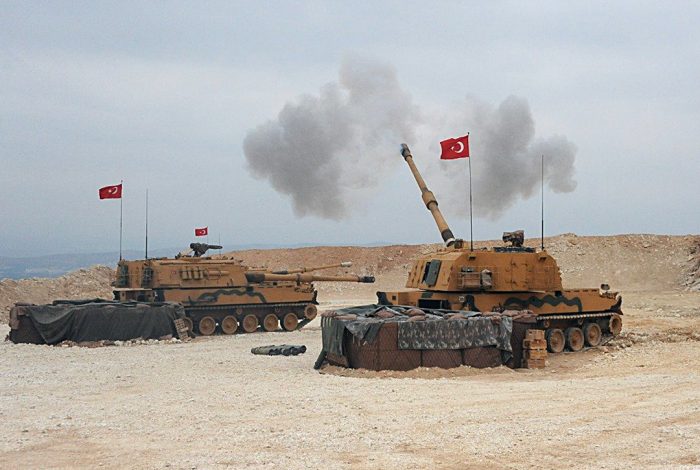
Strategic Council Online: An expert on Turkish affairs said that criticisms by American statesmen of Turkey’s invasion of Syria are just verbal reactions, adding that in action there was in fact a relative harmony between US interests and Turkish concerns in that regard. By giving the green light to Turkey the United States has proven that it is still pursuing a policy of supporting terrorists, he said.
Strategic Council Online: Russia seeks to thwart US efforts to build coalitions in the region. Moscow sees the US plan as very dangerous that could both increase military presence in the region and enhance the likelihood of conflicts. So the Kremlin is trying to prevent the US-led coalition from escalating tensions in the region.
Mahmoud Shouri – Russia Affairs Expert
Strategic Council Online: The United States has announced its withdrawal from Syrian soil at a time that it gives the green light to Turkey to violate the national sovereignty of Syria and occupy 450 square kilometers at a depth of 30 kilometers.
Azam Gol Mohammadi – International Law Researcher
Strategic Council Online: A regional affairs analyst pointing to the dimensions and implications of Operation “Victory from God” in Najran and Yemen’s increasing resistance power said the spontaneous improvement could cause a balance of terror and concern among the Saudis. These developments have made Saudi Arabia more inclined to seek a mutually agreed to solution.
Strategic Council Online: Recent attacks on Aramco refineries not only inflicted huge economic losses on Saudi Arabia, but also the heavy humiliation over the failure of “buying security by oil” strategy and uncertainty over future security has prompted Saudi leaders to make news military purchases to fill the defensive gap.
Hamideh Safamanesh – International Relations Researcher
Strategic Council Online: A university faculty member said leveling accusations and pressures the United States is exerting on Iran in relation with the military strikes on Aramco oil refinery lack practical strategic value. “Their accusations are projections and originate from a weak defense and security structure which has cost Saudi Arabia billions of dollars,” he said.
Strategic Council Online: Undoubtedly, with this kind of response to Ansarullah’s ceasefire proposal by Riyadh authorities they intend to thwart accusations of warmongering and non-acceptance of peace terms. In contrast, they aim to undermine Ansarullah’s very positive and peaceful position over the past several weeks in the mass media.
Jafar Ghanadbashi – Middle East Affairs Expert
Strategic Council Online: A university professor said the recent developments in the region made it less likely for a Persian Gulf maritime alliance to get shaped, adding that when tension rises countries may declare in the political arena that they favor coalition or not but in the true dimensions of the coalition, countries are much less likely to welcome the idea because there is concern that the alliance would actually engage in military conflict.
Strategic Council Online: A Middle East affairs expert says the Saudi policy is one of destructive proxy policy, adding that the Saudi behavior is a function of the policies of the United States, the West and the Zionist regime. He further pointed out that despite Saudi policy of “buying security from the US”, the recent strike on Saudi oil facilities showed the weakness of the military-security structure of the United States and Saudi Arabia.
SCFR Online – Opinion: On Friday, August 7, the heads of state of three countries – Saudi Arabia, Turkey, and Pakistan – signed a text under the title “Makkah Joint Defense Agreement.”
Strategic Council Online – Note: The initiative to revive the Hejaz Railway, beyond being a transportation project, constitutes an attempt to redefine geopolitics, the economy, and Turkey’s regional position; however, its realization appears to face significant financial, security, and institutional challenges.
SCFR Online – Opinion: The Strait of Hormuz crisis is no longer merely the consequence of a military confrontation, but rather a sign of the transition from the US-centered maritime order to a new energy security structure involving the participation of emerging and influential powers.
SCFR Online – Opinion: Iran’s active deterrence strategy, while increasing the costs of US intervention, has increasingly exposed the hidden rifts between Washington’s interests and those of the Israeli regime.
SCFR Online – Opinion: The escalation of verbal and strategic tensions between Turkey and the Israeli regime, although not increasing the likelihood of direct war, indicates the formation of a new order in West Asian geopolitical rivalries.
Strategic Council Online – Note: Recent developments in the political geography of West Asia, from rising tensions in the Persian Gulf to missile and drone activities in the Red Sea and the recent warning by Kaja Kallas, the European Union’s foreign policy chief, regarding the threat to freedom of navigation, indicate a key pattern shift; the US-Iran war has moved beyond the scope of a regional and local confrontation and has linked two vital passageways for the global economy: the Strait of Hormuz and the Bab el-Mandeb Strait.
SCFR Online – Opinion: The Ukraine war was not merely a European crisis, but rather the starting point for the rearrangement of the global balance of power and a shift in the strategic behavior of great powers.
SCFR Online – Opinion: Great power competition is now pursued more in trade, currency, technology, and global supply chains than on the battlefields of military confrontation.
Strategic Council Online: An international affairs analyst said the US-North Korea talks are not very clear, noting that although the issue of North Korean disarmament is important to Americans, it is not Washington’s only goal. The Americans are playing with North Korea in the region and do not want this issue to be solved easily.
Strategic Council Online: An expert on Turkish affairs said that criticisms by American statesmen of Turkey’s invasion of Syria are just verbal reactions, adding that in action there was in fact a relative harmony between US interests and Turkish concerns in that regard. By giving the green light to Turkey the United States has proven that it is still pursuing a policy of supporting terrorists, he said.
Strategic Council Online: Russia seeks to thwart US efforts to build coalitions in the region. Moscow sees the US plan as very dangerous that could both increase military presence in the region and enhance the likelihood of conflicts. So the Kremlin is trying to prevent the US-led coalition from escalating tensions in the region.
Mahmoud Shouri – Russia Affairs Expert
Strategic Council Online: The United States has announced its withdrawal from Syrian soil at a time that it gives the green light to Turkey to violate the national sovereignty of Syria and occupy 450 square kilometers at a depth of 30 kilometers.
Azam Gol Mohammadi – International Law Researcher
Strategic Council Online: A regional affairs analyst pointing to the dimensions and implications of Operation “Victory from God” in Najran and Yemen’s increasing resistance power said the spontaneous improvement could cause a balance of terror and concern among the Saudis. These developments have made Saudi Arabia more inclined to seek a mutually agreed to solution.
Strategic Council Online: Recent attacks on Aramco refineries not only inflicted huge economic losses on Saudi Arabia, but also the heavy humiliation over the failure of “buying security by oil” strategy and uncertainty over future security has prompted Saudi leaders to make news military purchases to fill the defensive gap.
Hamideh Safamanesh – International Relations Researcher
Strategic Council Online: A university faculty member said leveling accusations and pressures the United States is exerting on Iran in relation with the military strikes on Aramco oil refinery lack practical strategic value. “Their accusations are projections and originate from a weak defense and security structure which has cost Saudi Arabia billions of dollars,” he said.
Strategic Council Online: Undoubtedly, with this kind of response to Ansarullah’s ceasefire proposal by Riyadh authorities they intend to thwart accusations of warmongering and non-acceptance of peace terms. In contrast, they aim to undermine Ansarullah’s very positive and peaceful position over the past several weeks in the mass media.
Jafar Ghanadbashi – Middle East Affairs Expert
Strategic Council Online: A university professor said the recent developments in the region made it less likely for a Persian Gulf maritime alliance to get shaped, adding that when tension rises countries may declare in the political arena that they favor coalition or not but in the true dimensions of the coalition, countries are much less likely to welcome the idea because there is concern that the alliance would actually engage in military conflict.
Strategic Council Online: A Middle East affairs expert says the Saudi policy is one of destructive proxy policy, adding that the Saudi behavior is a function of the policies of the United States, the West and the Zionist regime. He further pointed out that despite Saudi policy of “buying security from the US”, the recent strike on Saudi oil facilities showed the weakness of the military-security structure of the United States and Saudi Arabia.
Strategic Council Online: An international affairs analyst said the US-North Korea talks are not very clear, noting that although the issue of North Korean disarmament is important to Americans, it is not Washington’s only goal. The Americans are playing with North Korea in the region and do not want this issue to be solved easily.
Strategic Council Online: An expert on Turkish affairs said that criticisms by American statesmen of Turkey’s invasion of Syria are just verbal reactions, adding that in action there was in fact a relative harmony between US interests and Turkish concerns in that regard. By giving the green light to Turkey the United States has proven that it is still pursuing a policy of supporting terrorists, he said.
Strategic Council Online: Russia seeks to thwart US efforts to build coalitions in the region. Moscow sees the US plan as very dangerous that could both increase military presence in the region and enhance the likelihood of conflicts. So the Kremlin is trying to prevent the US-led coalition from escalating tensions in the region.
Mahmoud Shouri – Russia Affairs Expert
Strategic Council Online: The United States has announced its withdrawal from Syrian soil at a time that it gives the green light to Turkey to violate the national sovereignty of Syria and occupy 450 square kilometers at a depth of 30 kilometers.
Azam Gol Mohammadi – International Law Researcher
Strategic Council Online: A regional affairs analyst pointing to the dimensions and implications of Operation “Victory from God” in Najran and Yemen’s increasing resistance power said the spontaneous improvement could cause a balance of terror and concern among the Saudis. These developments have made Saudi Arabia more inclined to seek a mutually agreed to solution.
Strategic Council Online: Recent attacks on Aramco refineries not only inflicted huge economic losses on Saudi Arabia, but also the heavy humiliation over the failure of “buying security by oil” strategy and uncertainty over future security has prompted Saudi leaders to make news military purchases to fill the defensive gap.
Hamideh Safamanesh – International Relations Researcher
Strategic Council Online: A university faculty member said leveling accusations and pressures the United States is exerting on Iran in relation with the military strikes on Aramco oil refinery lack practical strategic value. “Their accusations are projections and originate from a weak defense and security structure which has cost Saudi Arabia billions of dollars,” he said.
Strategic Council Online: Undoubtedly, with this kind of response to Ansarullah’s ceasefire proposal by Riyadh authorities they intend to thwart accusations of warmongering and non-acceptance of peace terms. In contrast, they aim to undermine Ansarullah’s very positive and peaceful position over the past several weeks in the mass media.
Jafar Ghanadbashi – Middle East Affairs Expert
Strategic Council Online: A university professor said the recent developments in the region made it less likely for a Persian Gulf maritime alliance to get shaped, adding that when tension rises countries may declare in the political arena that they favor coalition or not but in the true dimensions of the coalition, countries are much less likely to welcome the idea because there is concern that the alliance would actually engage in military conflict.
Strategic Council Online: A Middle East affairs expert says the Saudi policy is one of destructive proxy policy, adding that the Saudi behavior is a function of the policies of the United States, the West and the Zionist regime. He further pointed out that despite Saudi policy of “buying security from the US”, the recent strike on Saudi oil facilities showed the weakness of the military-security structure of the United States and Saudi Arabia.
SCFR Online – Opinion: On Friday, August 7, the heads of state of three countries – Saudi Arabia, Turkey, and Pakistan – signed a text under the title “Makkah Joint Defense Agreement.”
Strategic Council Online – Note: The initiative to revive the Hejaz Railway, beyond being a transportation project, constitutes an attempt to redefine geopolitics, the economy, and Turkey’s regional position; however, its realization appears to face significant financial, security, and institutional challenges.
SCFR Online – Opinion: The Strait of Hormuz crisis is no longer merely the consequence of a military confrontation, but rather a sign of the transition from the US-centered maritime order to a new energy security structure involving the participation of emerging and influential powers.
SCFR Online – Opinion: Iran’s active deterrence strategy, while increasing the costs of US intervention, has increasingly exposed the hidden rifts between Washington’s interests and those of the Israeli regime.
SCFR Online – Opinion: The escalation of verbal and strategic tensions between Turkey and the Israeli regime, although not increasing the likelihood of direct war, indicates the formation of a new order in West Asian geopolitical rivalries.
Strategic Council Online – Note: Recent developments in the political geography of West Asia, from rising tensions in the Persian Gulf to missile and drone activities in the Red Sea and the recent warning by Kaja Kallas, the European Union’s foreign policy chief, regarding the threat to freedom of navigation, indicate a key pattern shift; the US-Iran war has moved beyond the scope of a regional and local confrontation and has linked two vital passageways for the global economy: the Strait of Hormuz and the Bab el-Mandeb Strait.
SCFR Online – Opinion: The Ukraine war was not merely a European crisis, but rather the starting point for the rearrangement of the global balance of power and a shift in the strategic behavior of great powers.
SCFR Online – Opinion: Great power competition is now pursued more in trade, currency, technology, and global supply chains than on the battlefields of military confrontation.
Strategic Council Online: An international affairs analyst said the US-North Korea talks are not very clear, noting that although the issue of North Korean disarmament is important to Americans, it is not Washington’s only goal. The Americans are playing with North Korea in the region and do not want this issue to be solved easily.
Strategic Council Online: An expert on Turkish affairs said that criticisms by American statesmen of Turkey’s invasion of Syria are just verbal reactions, adding that in action there was in fact a relative harmony between US interests and Turkish concerns in that regard. By giving the green light to Turkey the United States has proven that it is still pursuing a policy of supporting terrorists, he said.
Strategic Council Online: Russia seeks to thwart US efforts to build coalitions in the region. Moscow sees the US plan as very dangerous that could both increase military presence in the region and enhance the likelihood of conflicts. So the Kremlin is trying to prevent the US-led coalition from escalating tensions in the region.
Mahmoud Shouri – Russia Affairs Expert
Strategic Council Online: The United States has announced its withdrawal from Syrian soil at a time that it gives the green light to Turkey to violate the national sovereignty of Syria and occupy 450 square kilometers at a depth of 30 kilometers.
Azam Gol Mohammadi – International Law Researcher
Strategic Council Online: A regional affairs analyst pointing to the dimensions and implications of Operation “Victory from God” in Najran and Yemen’s increasing resistance power said the spontaneous improvement could cause a balance of terror and concern among the Saudis. These developments have made Saudi Arabia more inclined to seek a mutually agreed to solution.
Strategic Council Online: Recent attacks on Aramco refineries not only inflicted huge economic losses on Saudi Arabia, but also the heavy humiliation over the failure of “buying security by oil” strategy and uncertainty over future security has prompted Saudi leaders to make news military purchases to fill the defensive gap.
Hamideh Safamanesh – International Relations Researcher
Strategic Council Online: A university faculty member said leveling accusations and pressures the United States is exerting on Iran in relation with the military strikes on Aramco oil refinery lack practical strategic value. “Their accusations are projections and originate from a weak defense and security structure which has cost Saudi Arabia billions of dollars,” he said.
Strategic Council Online: Undoubtedly, with this kind of response to Ansarullah’s ceasefire proposal by Riyadh authorities they intend to thwart accusations of warmongering and non-acceptance of peace terms. In contrast, they aim to undermine Ansarullah’s very positive and peaceful position over the past several weeks in the mass media.
Jafar Ghanadbashi – Middle East Affairs Expert
Strategic Council Online: A university professor said the recent developments in the region made it less likely for a Persian Gulf maritime alliance to get shaped, adding that when tension rises countries may declare in the political arena that they favor coalition or not but in the true dimensions of the coalition, countries are much less likely to welcome the idea because there is concern that the alliance would actually engage in military conflict.
Strategic Council Online: A Middle East affairs expert says the Saudi policy is one of destructive proxy policy, adding that the Saudi behavior is a function of the policies of the United States, the West and the Zionist regime. He further pointed out that despite Saudi policy of “buying security from the US”, the recent strike on Saudi oil facilities showed the weakness of the military-security structure of the United States and Saudi Arabia.
SCFR Online – Opinion: On Friday, August 7, the heads of state of three countries – Saudi Arabia, Turkey, and Pakistan – signed a text under the title “Makkah Joint Defense Agreement.”
Strategic Council Online – Note: The initiative to revive the Hejaz Railway, beyond being a transportation project, constitutes an attempt to redefine geopolitics, the economy, and Turkey’s regional position; however, its realization appears to face significant financial, security, and institutional challenges.
SCFR Online – Opinion: The Strait of Hormuz crisis is no longer merely the consequence of a military confrontation, but rather a sign of the transition from the US-centered maritime order to a new energy security structure involving the participation of emerging and influential powers.
SCFR Online – Opinion: Iran’s active deterrence strategy, while increasing the costs of US intervention, has increasingly exposed the hidden rifts between Washington’s interests and those of the Israeli regime.
SCFR Online – Opinion: The escalation of verbal and strategic tensions between Turkey and the Israeli regime, although not increasing the likelihood of direct war, indicates the formation of a new order in West Asian geopolitical rivalries.
Strategic Council Online – Note: Recent developments in the political geography of West Asia, from rising tensions in the Persian Gulf to missile and drone activities in the Red Sea and the recent warning by Kaja Kallas, the European Union’s foreign policy chief, regarding the threat to freedom of navigation, indicate a key pattern shift; the US-Iran war has moved beyond the scope of a regional and local confrontation and has linked two vital passageways for the global economy: the Strait of Hormuz and the Bab el-Mandeb Strait.
SCFR Online – Opinion: The Ukraine war was not merely a European crisis, but rather the starting point for the rearrangement of the global balance of power and a shift in the strategic behavior of great powers.
SCFR Online – Opinion: Great power competition is now pursued more in trade, currency, technology, and global supply chains than on the battlefields of military confrontation.
Strategic Council Online: An international affairs analyst said the US-North Korea talks are not very clear, noting that although the issue of North Korean disarmament is important to Americans, it is not Washington’s only goal. The Americans are playing with North Korea in the region and do not want this issue to be solved easily.
Strategic Council Online: An expert on Turkish affairs said that criticisms by American statesmen of Turkey’s invasion of Syria are just verbal reactions, adding that in action there was in fact a relative harmony between US interests and Turkish concerns in that regard. By giving the green light to Turkey the United States has proven that it is still pursuing a policy of supporting terrorists, he said.
Strategic Council Online: Russia seeks to thwart US efforts to build coalitions in the region. Moscow sees the US plan as very dangerous that could both increase military presence in the region and enhance the likelihood of conflicts. So the Kremlin is trying to prevent the US-led coalition from escalating tensions in the region.
Mahmoud Shouri – Russia Affairs Expert
Strategic Council Online: The United States has announced its withdrawal from Syrian soil at a time that it gives the green light to Turkey to violate the national sovereignty of Syria and occupy 450 square kilometers at a depth of 30 kilometers.
Azam Gol Mohammadi – International Law Researcher
Strategic Council Online: A regional affairs analyst pointing to the dimensions and implications of Operation “Victory from God” in Najran and Yemen’s increasing resistance power said the spontaneous improvement could cause a balance of terror and concern among the Saudis. These developments have made Saudi Arabia more inclined to seek a mutually agreed to solution.
Strategic Council Online: Recent attacks on Aramco refineries not only inflicted huge economic losses on Saudi Arabia, but also the heavy humiliation over the failure of “buying security by oil” strategy and uncertainty over future security has prompted Saudi leaders to make news military purchases to fill the defensive gap.
Hamideh Safamanesh – International Relations Researcher
Strategic Council Online: A university faculty member said leveling accusations and pressures the United States is exerting on Iran in relation with the military strikes on Aramco oil refinery lack practical strategic value. “Their accusations are projections and originate from a weak defense and security structure which has cost Saudi Arabia billions of dollars,” he said.
Strategic Council Online: Undoubtedly, with this kind of response to Ansarullah’s ceasefire proposal by Riyadh authorities they intend to thwart accusations of warmongering and non-acceptance of peace terms. In contrast, they aim to undermine Ansarullah’s very positive and peaceful position over the past several weeks in the mass media.
Jafar Ghanadbashi – Middle East Affairs Expert
Strategic Council Online: A university professor said the recent developments in the region made it less likely for a Persian Gulf maritime alliance to get shaped, adding that when tension rises countries may declare in the political arena that they favor coalition or not but in the true dimensions of the coalition, countries are much less likely to welcome the idea because there is concern that the alliance would actually engage in military conflict.
Strategic Council Online: A Middle East affairs expert says the Saudi policy is one of destructive proxy policy, adding that the Saudi behavior is a function of the policies of the United States, the West and the Zionist regime. He further pointed out that despite Saudi policy of “buying security from the US”, the recent strike on Saudi oil facilities showed the weakness of the military-security structure of the United States and Saudi Arabia.
SCFR Online – Opinion: On Friday, August 7, the heads of state of three countries – Saudi Arabia, Turkey, and Pakistan – signed a text under the title “Makkah Joint Defense Agreement.”
Strategic Council Online – Note: The initiative to revive the Hejaz Railway, beyond being a transportation project, constitutes an attempt to redefine geopolitics, the economy, and Turkey’s regional position; however, its realization appears to face significant financial, security, and institutional challenges.
SCFR Online – Opinion: The Strait of Hormuz crisis is no longer merely the consequence of a military confrontation, but rather a sign of the transition from the US-centered maritime order to a new energy security structure involving the participation of emerging and influential powers.
SCFR Online – Opinion: Iran’s active deterrence strategy, while increasing the costs of US intervention, has increasingly exposed the hidden rifts between Washington’s interests and those of the Israeli regime.
SCFR Online – Opinion: The escalation of verbal and strategic tensions between Turkey and the Israeli regime, although not increasing the likelihood of direct war, indicates the formation of a new order in West Asian geopolitical rivalries.
Strategic Council Online – Note: Recent developments in the political geography of West Asia, from rising tensions in the Persian Gulf to missile and drone activities in the Red Sea and the recent warning by Kaja Kallas, the European Union’s foreign policy chief, regarding the threat to freedom of navigation, indicate a key pattern shift; the US-Iran war has moved beyond the scope of a regional and local confrontation and has linked two vital passageways for the global economy: the Strait of Hormuz and the Bab el-Mandeb Strait.
SCFR Online – Opinion: The Ukraine war was not merely a European crisis, but rather the starting point for the rearrangement of the global balance of power and a shift in the strategic behavior of great powers.
SCFR Online – Opinion: Great power competition is now pursued more in trade, currency, technology, and global supply chains than on the battlefields of military confrontation.
Strategic Council Online: An international affairs analyst said the US-North Korea talks are not very clear, noting that although the issue of North Korean disarmament is important to Americans, it is not Washington’s only goal. The Americans are playing with North Korea in the region and do not want this issue to be solved easily.
Strategic Council Online: An expert on Turkish affairs said that criticisms by American statesmen of Turkey’s invasion of Syria are just verbal reactions, adding that in action there was in fact a relative harmony between US interests and Turkish concerns in that regard. By giving the green light to Turkey the United States has proven that it is still pursuing a policy of supporting terrorists, he said.
Strategic Council Online: Russia seeks to thwart US efforts to build coalitions in the region. Moscow sees the US plan as very dangerous that could both increase military presence in the region and enhance the likelihood of conflicts. So the Kremlin is trying to prevent the US-led coalition from escalating tensions in the region.
Mahmoud Shouri – Russia Affairs Expert
Strategic Council Online: The United States has announced its withdrawal from Syrian soil at a time that it gives the green light to Turkey to violate the national sovereignty of Syria and occupy 450 square kilometers at a depth of 30 kilometers.
Azam Gol Mohammadi – International Law Researcher
Strategic Council Online: A regional affairs analyst pointing to the dimensions and implications of Operation “Victory from God” in Najran and Yemen’s increasing resistance power said the spontaneous improvement could cause a balance of terror and concern among the Saudis. These developments have made Saudi Arabia more inclined to seek a mutually agreed to solution.
Strategic Council Online: Recent attacks on Aramco refineries not only inflicted huge economic losses on Saudi Arabia, but also the heavy humiliation over the failure of “buying security by oil” strategy and uncertainty over future security has prompted Saudi leaders to make news military purchases to fill the defensive gap.
Hamideh Safamanesh – International Relations Researcher
Strategic Council Online: A university faculty member said leveling accusations and pressures the United States is exerting on Iran in relation with the military strikes on Aramco oil refinery lack practical strategic value. “Their accusations are projections and originate from a weak defense and security structure which has cost Saudi Arabia billions of dollars,” he said.
Strategic Council Online: Undoubtedly, with this kind of response to Ansarullah’s ceasefire proposal by Riyadh authorities they intend to thwart accusations of warmongering and non-acceptance of peace terms. In contrast, they aim to undermine Ansarullah’s very positive and peaceful position over the past several weeks in the mass media.
Jafar Ghanadbashi – Middle East Affairs Expert
Strategic Council Online: A university professor said the recent developments in the region made it less likely for a Persian Gulf maritime alliance to get shaped, adding that when tension rises countries may declare in the political arena that they favor coalition or not but in the true dimensions of the coalition, countries are much less likely to welcome the idea because there is concern that the alliance would actually engage in military conflict.
Strategic Council Online: A Middle East affairs expert says the Saudi policy is one of destructive proxy policy, adding that the Saudi behavior is a function of the policies of the United States, the West and the Zionist regime. He further pointed out that despite Saudi policy of “buying security from the US”, the recent strike on Saudi oil facilities showed the weakness of the military-security structure of the United States and Saudi Arabia.
SCFR Online – Opinion: On Friday, August 7, the heads of state of three countries – Saudi Arabia, Turkey, and Pakistan – signed a text under the title “Makkah Joint Defense Agreement.”
Strategic Council Online – Note: The initiative to revive the Hejaz Railway, beyond being a transportation project, constitutes an attempt to redefine geopolitics, the economy, and Turkey’s regional position; however, its realization appears to face significant financial, security, and institutional challenges.
SCFR Online – Opinion: The Strait of Hormuz crisis is no longer merely the consequence of a military confrontation, but rather a sign of the transition from the US-centered maritime order to a new energy security structure involving the participation of emerging and influential powers.
SCFR Online – Opinion: Iran’s active deterrence strategy, while increasing the costs of US intervention, has increasingly exposed the hidden rifts between Washington’s interests and those of the Israeli regime.
SCFR Online – Opinion: The escalation of verbal and strategic tensions between Turkey and the Israeli regime, although not increasing the likelihood of direct war, indicates the formation of a new order in West Asian geopolitical rivalries.
Strategic Council Online – Note: Recent developments in the political geography of West Asia, from rising tensions in the Persian Gulf to missile and drone activities in the Red Sea and the recent warning by Kaja Kallas, the European Union’s foreign policy chief, regarding the threat to freedom of navigation, indicate a key pattern shift; the US-Iran war has moved beyond the scope of a regional and local confrontation and has linked two vital passageways for the global economy: the Strait of Hormuz and the Bab el-Mandeb Strait.
SCFR Online – Opinion: The Ukraine war was not merely a European crisis, but rather the starting point for the rearrangement of the global balance of power and a shift in the strategic behavior of great powers.
SCFR Online – Opinion: Great power competition is now pursued more in trade, currency, technology, and global supply chains than on the battlefields of military confrontation.
Strategic Council Online: An international affairs analyst said the US-North Korea talks are not very clear, noting that although the issue of North Korean disarmament is important to Americans, it is not Washington’s only goal. The Americans are playing with North Korea in the region and do not want this issue to be solved easily.
Strategic Council Online: An expert on Turkish affairs said that criticisms by American statesmen of Turkey’s invasion of Syria are just verbal reactions, adding that in action there was in fact a relative harmony between US interests and Turkish concerns in that regard. By giving the green light to Turkey the United States has proven that it is still pursuing a policy of supporting terrorists, he said.
Strategic Council Online: Russia seeks to thwart US efforts to build coalitions in the region. Moscow sees the US plan as very dangerous that could both increase military presence in the region and enhance the likelihood of conflicts. So the Kremlin is trying to prevent the US-led coalition from escalating tensions in the region.
Mahmoud Shouri – Russia Affairs Expert
Strategic Council Online: The United States has announced its withdrawal from Syrian soil at a time that it gives the green light to Turkey to violate the national sovereignty of Syria and occupy 450 square kilometers at a depth of 30 kilometers.
Azam Gol Mohammadi – International Law Researcher
Strategic Council Online: A regional affairs analyst pointing to the dimensions and implications of Operation “Victory from God” in Najran and Yemen’s increasing resistance power said the spontaneous improvement could cause a balance of terror and concern among the Saudis. These developments have made Saudi Arabia more inclined to seek a mutually agreed to solution.
Strategic Council Online: Recent attacks on Aramco refineries not only inflicted huge economic losses on Saudi Arabia, but also the heavy humiliation over the failure of “buying security by oil” strategy and uncertainty over future security has prompted Saudi leaders to make news military purchases to fill the defensive gap.
Hamideh Safamanesh – International Relations Researcher
Strategic Council Online: A university faculty member said leveling accusations and pressures the United States is exerting on Iran in relation with the military strikes on Aramco oil refinery lack practical strategic value. “Their accusations are projections and originate from a weak defense and security structure which has cost Saudi Arabia billions of dollars,” he said.
Strategic Council Online: Undoubtedly, with this kind of response to Ansarullah’s ceasefire proposal by Riyadh authorities they intend to thwart accusations of warmongering and non-acceptance of peace terms. In contrast, they aim to undermine Ansarullah’s very positive and peaceful position over the past several weeks in the mass media.
Jafar Ghanadbashi – Middle East Affairs Expert
Strategic Council Online: A university professor said the recent developments in the region made it less likely for a Persian Gulf maritime alliance to get shaped, adding that when tension rises countries may declare in the political arena that they favor coalition or not but in the true dimensions of the coalition, countries are much less likely to welcome the idea because there is concern that the alliance would actually engage in military conflict.
Strategic Council Online: A Middle East affairs expert says the Saudi policy is one of destructive proxy policy, adding that the Saudi behavior is a function of the policies of the United States, the West and the Zionist regime. He further pointed out that despite Saudi policy of “buying security from the US”, the recent strike on Saudi oil facilities showed the weakness of the military-security structure of the United States and Saudi Arabia.
SCFR Online – Opinion: On Friday, August 7, the heads of state of three countries – Saudi Arabia, Turkey, and Pakistan – signed a text under the title “Makkah Joint Defense Agreement.”
Strategic Council Online – Note: The initiative to revive the Hejaz Railway, beyond being a transportation project, constitutes an attempt to redefine geopolitics, the economy, and Turkey’s regional position; however, its realization appears to face significant financial, security, and institutional challenges.
SCFR Online – Opinion: The Strait of Hormuz crisis is no longer merely the consequence of a military confrontation, but rather a sign of the transition from the US-centered maritime order to a new energy security structure involving the participation of emerging and influential powers.
SCFR Online – Opinion: Iran’s active deterrence strategy, while increasing the costs of US intervention, has increasingly exposed the hidden rifts between Washington’s interests and those of the Israeli regime.
SCFR Online – Opinion: The escalation of verbal and strategic tensions between Turkey and the Israeli regime, although not increasing the likelihood of direct war, indicates the formation of a new order in West Asian geopolitical rivalries.
Strategic Council Online – Note: Recent developments in the political geography of West Asia, from rising tensions in the Persian Gulf to missile and drone activities in the Red Sea and the recent warning by Kaja Kallas, the European Union’s foreign policy chief, regarding the threat to freedom of navigation, indicate a key pattern shift; the US-Iran war has moved beyond the scope of a regional and local confrontation and has linked two vital passageways for the global economy: the Strait of Hormuz and the Bab el-Mandeb Strait.
SCFR Online – Opinion: The Ukraine war was not merely a European crisis, but rather the starting point for the rearrangement of the global balance of power and a shift in the strategic behavior of great powers.
SCFR Online – Opinion: Great power competition is now pursued more in trade, currency, technology, and global supply chains than on the battlefields of military confrontation.